The Healthy Movement Habits That Improve Your Sleep Quality
Shows which movement habits directly improve your sleep quality.
The Healthy Movement Habits That Improve Your Sleep Quality
You’ve tried the weighted blankets. You’ve downloaded the meditation apps. You’ve sworn off caffeine after noon and meticulously dimmed the lights. Yet, you still find yourself staring at the ceiling at 2 a.m., your mind racing while your body feels oddly restless. The promise of “perfect sleep” seems to orbit just outside your grasp. What if the missing piece to your restorative sleep puzzle isn’t found in your nighttime routine at all, but in how you move your body from the moment you wake?
Welcome to a paradigm shift in sleep optimization. Emerging science is painting a compelling picture: sleep is not a passive state you simply fall into, but the direct, non-negotiable biological reward for a day well-lived in motion. Your sleep quality is not dictated solely by the hour before bed; it is the culmination of your entire day’s rhythm, energy expenditure, and physical stress. It’s the complex, beautiful conversation between your muscles, your nervous system, your circadian clock, and your environment.
Think of your body not as a machine that powers down, but as an ecosystem that requires a balanced cycle of activity and rest to thrive. The right movement acts as a powerful regulator—calibrating your internal body temperature, metabolizing stress hormones, aligning your circadian rhythm with the sun, and building up the precise physiological pressure that makes deep, restorative sleep not just a hope, but an inevitability.
But here’s the crucial nuance: not all movement is created equal. A frantic, high-intensity workout too late in the day can backfire, leaving you wired. Sedentary days can leave your body without a clear signal for sleep. The art lies in cultivating intentional movement habits—a diverse portfolio of physical activities strategically woven into the fabric of your day.
In this comprehensive guide, we will journey beyond generic “exercise more” advice. We will deconstruct the precise mechanisms by which different types of movement—from your morning walk to your post-lunch stretch—communicate with your sleep architecture. We’ll explore how aligning movement with your body’s natural circadian biology can amplify its sleep-promoting effects, and how modern technology, like the nuanced data from a smart ring like Oxyzen, can provide the personalized feedback needed to perfect your unique formula.
This is about learning the language of your own body. It’s about discovering how the healthy movement habits you cultivate under the sun directly script the quality of rest you experience under the stars. Let’s begin by understanding the fundamental, non-negotiable link between the two.
The Inseparable Bond: How Daily Movement Dictates Nightly Rest
To appreciate why movement is so critical for sleep, we must first understand what sleep truly is. Sleep is an active, highly regulated physiological process, not a state of nothingness. Your brain and body are engaged in intensive housekeeping: memory consolidation, cellular repair, hormonal rebalancing, and metabolic reset. For this complex process to initiate and proceed optimally, your body requires very specific conditions.
This is where movement enters as a master conductor. Physical activity influences sleep through several powerful, interconnected biological pathways:
1. The Adenosine Buildup: Adenosine is a neuromodulator that accumulates in your brain throughout your waking hours, creating “sleep pressure.” Think of it as a natural sleep debt. Physical activity accelerates the production of adenosine. By moving your body, you are essentially making a deliberate deposit into your sleep bank, ensuring that by evening, the pressure to sleep is overwhelming and natural. A sedentary day, conversely, results in a shallow sleep debt, making it easier to lie awake.
2. Core Body Temperature Regulation: Your circadian rhythm dictates a subtle, daily fluctuation in your core body temperature. It dips to its lowest point during sleep and begins to rise in the morning. Exercise causes a significant rise in core temperature. Following this rise, your body initiates a compensatory cooling effect that can last for several hours. This post-exercise drop in temperature mirrors the natural pre-sleep temperature decline, acting as a potent signal to your brain that it’s time to wind down. It’s like turning on the body’s internal air conditioning for bedtime.
3. Stress Hormone Metabolism: Chronic stress, and the elevated cortisol that comes with it, is one of the arch-enemies of deep sleep. Cortisol should follow a sharp circadian curve—high in the morning to help you wake, and low at night to allow for relaxation. Aerobic exercise and mindful movement are remarkably effective at metabolizing excess circulating stress hormones. They help recalibrate your hypothalamic-pituitary-adrenal (HPA) axis, teaching your body the healthy rhythm of stress and recovery, rather than letting it simmer in a constant state of low-grade alarm that sabotages sleep.
4. Circadian Rhythm Reinforcement: Your body’s master clock, the suprachiasmatic nucleus (SCN), relies on external cues called zeitgebers (German for “time-givers”) to stay synchronized with the 24-hour day. Light is the most powerful zeitgeber, but physical activity is a strong secondary one. Morning movement, especially in natural light, sends a robust signal to your SCN that “the day has begun,” setting in motion a cascade of hormonal and physiological events that will culminate in sleepiness roughly 14-16 hours later. It anchors your rhythm in reality.
5. Sleep Architecture Enhancement: Studies consistently show that regular exercisers spend a greater percentage of their sleep in the most restorative stages: deep sleep (Slow-Wave Sleep) and REM sleep. Deep sleep is critical for physical recovery, immune function, and growth hormone release, while REM is essential for cognitive function, memory, and emotional processing. Movement doesn’t just help you fall asleep; it upgrades the quality of the sleep you get. For a deeper dive into why these stages are so vital, our article on deep sleep vs. REM sleep: what's the difference and why it matters breaks down their unique roles.
The evidence is unequivocal. A meta-analysis published in the Journal of Clinical Sleep Medicine concluded that regular exercise provides moderate, significant improvement in sleep quality for adults, including those with clinical insomnia. It’s a non-pharmaceutical intervention with a powerful side-effect profile of better mood, weight management, and cardiovascular health.
However, reaping these rewards requires more than just sporadic gym visits. It demands an understanding of chronobiology—the timing of movement—and movement diversity. In the following sections, we will build your personalized movement-for-sleep blueprint, starting with the most potent habit of all: harnessing the first light of day.
The Sunrise Synergy: Aligning Morning Movement with Your Circadian Clock
The first hours after waking are a golden window for setting the trajectory of your entire day—and, by extension, your night. What you do in this period acts as a powerful “zeitgeber cocktail” that can either strengthen or scramble your internal clock. Strategic morning movement is the most potent ingredient in that cocktail.
Why Morning is Prime Time for Sleep-Promoting Activity:
Cortisol Alignment: Your cortisol levels naturally peak about 30 minutes after waking (the Cortisol Awakening Response or CAR). This surge provides energy, alertness, and helps mobilize resources for the day. Engaging in light to moderate movement supports this healthy peak, helping to create a robust, defined cortisol rhythm. A strong, early peak predicts a steeper, lower decline in the evening, which is essential for unwinding.
Light Exposure Amplification: Combining movement with exposure to natural morning light is a one-two punch for circadian health. The blue-spectrum light in sunlight suppresses melatonin, further cementing wakefulness, and directly resets the SCN. Going for a walk or doing yoga outside multiplies the benefits of each individual cue.
Building a Deeper Sleep Debt: By kickstarting energy expenditure and adenosine accumulation early, you give your body a full day to build substantial, healthy sleep pressure. This makes sleep feel more like an automatic pull than a forced obligation.
Temperature Rhythm Kickstart: Morning activity prompts an early, mild rise in core body temperature, helping to establish the day’s thermal curve and priming the body for the subsequent evening drop.
Ideal Types of Morning Movement:
The goal here is not to exhaust yourself, but to awaken your systems harmoniously.
The Outdoor Walk (The Foundation Habit): This is arguably the single most effective sleep-promoting habit you can adopt. A brisk 20-30 minute walk in morning sunlight provides gentle cardiovascular stimulation, circadian anchoring via light, and stress reduction. It’s low-barrier, requires no equipment, and sets a calm, purposeful tone for the day.
Gentle Cardio: Cycling, swimming, or using an elliptical at a moderate, conversational pace (around 60-70% of your max heart rate) for 20-30 minutes is excellent. The key is consistency and enjoyment, not intensity.
Yoga or Tai Chi: These mindful movement practices are unparalleled for marrying physical activity with nervous system regulation. A morning flow focusing on gentle stretches, sun salutations, and breathwork (pranayama) can reduce baseline anxiety for the entire day, making it easier to transition into sleep later. It teaches the body the states of activation and calm.
Dynamic Stretching or Mobility Work: A 10-15 minute routine that takes your joints through their full range of motion wakes up the muscular and nervous systems, improves circulation, and can alleviate stiffness that might otherwise build into restlessness at night.
What to Avoid in the AM:
All-Out High-Intensity Interval Training (HIIT): For most people, saving intense, glycolytic efforts for later (when body temperature and hormone levels are more suited to peak performance) is wiser. An exhausting AM HIIT session can lead to an energy crash later and, for some, may be too jarring first thing.
Exercising in Dark, Artificial Light: If you must be indoors, try to do so in a well-lit space, preferably near a window. The goal is to associate movement with light.
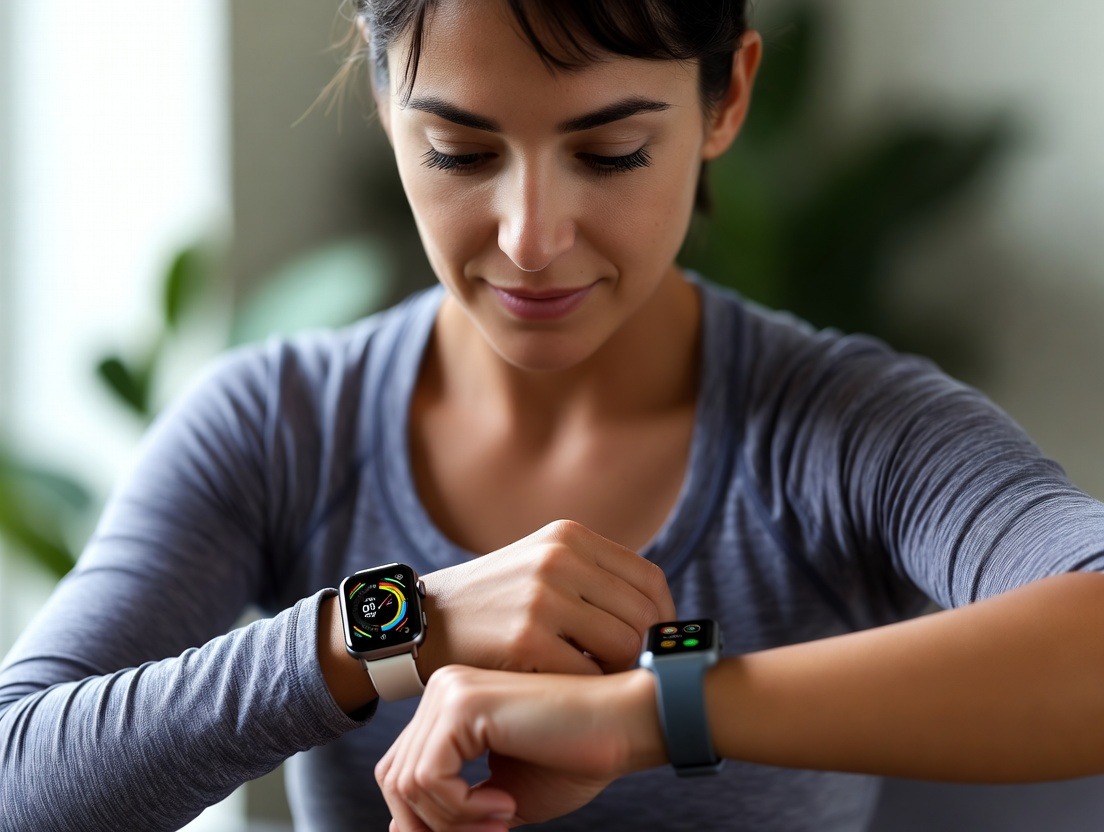
Pro-Tip for Tracking: Using a device that measures heart rate variability (HRV) and body temperature upon waking, like the Oxyzen smart ring, can provide fascinating insights. You can observe how different types of morning movement affect your daytime energy and, crucially, your readiness for bed later. You might find that a morning walk leads to a higher, more stable HRV (indicating better recovery) by evening compared to a sedentary morning. For those curious about how such technology captures this data, our explainer on how sleep trackers actually work delves into the science behind the metrics.
By making conscious movement a non-negotiable part of your morning ritual, you are effectively writing a formal request to your biology for deep, restorative sleep some 15 hours later. You are setting your rhythm in stone.
The Power of Micro-Movements: Combating Sedentary Days for Deeper Sleep
For many, the reality of modern life involves long hours sitting at a desk, in a car, or on a couch. This prolonged sedentariness is not merely an absence of exercise; it is an independent risk factor for poor health—and fragmented sleep. You cannot expect 30 minutes of exercise to fully counteract 10 hours of stillness. The body interprets this stagnation as a state of low energy demand, which can dampen the drive for deep, restorative sleep.
This is where the concept of Non-Exercise Activity Thermogenesis (NEAT) becomes your secret sleep weapon. NEAT encompasses all the energy you expend for everything that is not sleeping, eating, or structured exercise. It includes walking to the printer, fidgeting, gardening, taking the stairs, standing while talking on the phone, and even pacing.
Why NEAT is a Sleep Game-Changer:
Constant Adenosine Drip: Frequent, low-grade movement throughout the day provides a steady, sustained contribution to your sleep pressure (adenosine buildup), rather than a single large spike. This creates a more natural, insistent pull toward sleep.
Improved Circulation and Metabolic Health: Sitting for long periods impairs blood flow and glucose metabolism. Regular micro-movements keep the circulatory and lymphatic systems engaged, promoting better nutrient delivery and waste removal. A body that metabolizes efficiently during the day sleeps more efficiently at night.
Prevention of Muscular Stiffness and Pain: Aching hips, a tight lower back, and stiff shoulders—common results of sitting—can make it incredibly difficult to find a comfortable sleeping position. Frequent movement breaks prevent this stiffness from setting in, reducing physical barriers to sleep.
Mental Reset and Stress Diffusion: A quick walk or stretch break is a potent cognitive reset. It pulls you out of a state of mental fixation or stress, disperses nervous energy, and can prevent the kind of ruminative anxiety that often strikes when you’re trying to fall asleep.
Building a NEAT-Centric Day:
The goal is to fracture long periods of sitting with frequent, brief bouts of movement. Here is your actionable blueprint:
The 20-30 Minute Rule: Set a non-negotiable timer. Every 20-30 minutes, stand up for at least 1-2 minutes. Do a set of 10 bodyweight squats, stretch your hamstrings, march in place, or simply walk to get a glass of water.
Walking Meetings & Calls: Transform passive time into active time. If a meeting or phone call doesn’t require you to be on screen or taking detailed notes, take it while walking—even if it’s just around your home or office floor.
The "After-Meal" Ritual: Make it a habit to take a 5-10 minute gentle stroll after every meal, especially lunch. This aids digestion (preventing discomfort at night) and prevents the post-meal energy crash that leads to more sedentariness.
Ergonomic Optimization: Consider a sit-stand desk. Alternate between sitting and standing every 30-60 minutes. When standing, incorporate subtle movements like shifting your weight, calf raises, or gentle hip circles.
Embrace Inefficiency: Park farther away. Take the stairs for flights of three or fewer. Hand-deliver a message instead of emailing. Walk to a colleague’s desk. These “inefficiencies” are efficiencies for your sleep health.
Storytelling Example: Consider “Anna,” a software developer. She used to go to the gym after work but struggled with light, unrefreshing sleep. She felt “tired but wired.” By integrating NEAT strategies—a 10-minute morning walk, a 5-minute post-lunch stroll, a standing desk with a timer to do 5 air squats every 25 minutes, and walking during her afternoon conference calls—she added nearly 90 minutes of light activity to her day. Within two weeks, she reported falling asleep faster and feeling more physically tired in a “good way” at bedtime. The diffuse physical fatigue from all-day movement was fundamentally different from the acute mental fatigue of sitting all day.
Linking Movement to Data: Tracking your general daily activity can be incredibly motivating. A device that measures steps and active minutes can show you the direct correlation between a “high-NEAT day” and your subsequent sleep score. You can explore this connection further by reviewing what your sleep tracking numbers should look like when your daily habits are aligned. Seeing the data prove that your post-dinner walk contributed to a higher deep sleep percentage is powerful positive reinforcement.
By honoring your body’s innate need for frequent motion, you transform your entire day into a gentle, sleep-promoting ritual. You are not just saving your health by sitting less; you are actively cultivating the physiological conditions for superior sleep.
The Afternoon Energy Arc: Strategic Movement to Sustain Vitality and Prime for Sleep
The post-lunch period, typically between 1 p.m. and 4 p.m., is infamous for the “afternoon slump”—a natural dip in alertness driven by your circadian rhythm and, often, digestion. How you navigate this energy valley is critical. You have two choices: succumb to caffeine and sedentariness (which often leads to a second wind of anxiety at night), or use strategic movement to gently elevate energy and continue building healthy sleep pressure without overstimulation.
This period is about movement as a bridge—connecting the momentum of your morning to the winding down of your evening.
The Science of the Afternoon Dip:
A slight drop in core body temperature and a small, natural rise in melatonin (even during the day) contribute to this feeling of drowsiness. It’s a mild, biological echo of the night-time sleep signal. Fighting it with stimulants ignores its purpose; honoring it with the right movement can harness it.
Optimal Afternoon Movement Strategies:
The Re-Setting Walk: If you can only do one thing, make it a 10-15 minute walk outside. The combination of light exposure (which gently suppresses that daytime melatonin), fresh air, and increased blood flow is more effective than a cup of coffee at clearing brain fog and boosting mood without jangling your nerves. It’s a circadian nudge saying, “The day is still underway.”
Dynamic Stretching or “Desk Yoga”: Combat the physical stiffness of sitting with a 5-7 minute dynamic stretching routine. Focus on the hips, chest, and shoulders—areas that tighten from poor posture. Cat-Cow stretches, thoracic spine rotations, and hip flexor stretches can relieve tension that would otherwise contribute to nighttime restlessness.
Low-Impact Cardio or Resistance “Snacks”: A short, moderate session can be perfect here. Think 15-20 minutes on a stationary bike, a few sets of bodyweight exercises (push-ups, lunges, rows with resistance bands), or a light flow yoga session. The intensity should be moderate—you should feel energized afterward, not exhausted or breathless.
Breathwork for Energy: If you cannot move physically, engage in 3-5 minutes of energizing breathwork. Techniques like diaphragmatic breathing or “box breathing” (4-second inhale, 4-second hold, 4-second exhale, 4-second hold) increase oxygen delivery and calm the mind, bridging the gap between fatigue and focused energy.
The Critical Timing Consideration:
For most people, the afternoon is the last ideal window for moderate-to-vigorous exercise if it impacts their sleep. A good rule of thumb is to finish any intense training at least 3-4 hours before your target bedtime. This allows for the core body temperature to rise and then complete its beneficial cooling descent, and for exercise-induced neurotransmitters like epinephrine to return to baseline.
For a 10 p.m. bedtime, finish intense exercise by 6-7 p.m. at the latest.
The afternoon period (e.g., 4 p.m. - 6 p.m.) is often an athlete’s or busy professional’s sweet spot for performance and sleep compatibility.
What to Watch For: Pay attention to your personal response. Some individuals are highly sensitive to evening stimulation, and even afternoon exercise can delay sleep onset. This is where personalized data is king. By reviewing your sleep data on a platform like the one used with your Oxyzen smart ring, you can compare nights following afternoon workouts to nights following only morning movement. You might discover your personal cutoff time. For more on interpreting your body’s signals, our FAQ on common tracking questions can be a helpful resource.
The afternoon movement habit is about stewardship of your energy. It’s about gently guiding your body through its natural lull with activity that sustains wakefulness in the short term, while still contributing to the deeper fatigue that will ensure sound sleep in the long term. It prevents the “sleep steal” of an unmanaged slump and sets the stage for a graceful evening transition.
The Evening Wind-Down: Movement as a Transition Ritual (Not a Workout)
As dusk approaches, the biological imperative shifts from energy expenditure to energy conservation and preparation for rest. The movement habits of the evening are no longer about building sleep pressure—that work should largely be done. Instead, they are about facilitating the physiological and psychological transition from the sympathetic (fight-or-flight) state to the parasympathetic (rest-and-digest) state.
This is the realm of gentle, deliberate, and mindful movement. The goal is to quiet the nervous system, release residual physical tension from the day, and explicitly signal to your body that the day’s labors are complete.
The Science of the Parasympathetic Shift:
Vigorous exercise stimulates the sympathetic nervous system, releasing cortisol and adrenaline. In the evening, we want to do the opposite: stimulate the vagus nerve, the main conduit of the parasympathetic system. Certain types of low-intensity, rhythmic, and mindful movements are excellent vagus nerve stimulants.
Ideal Evening Movement Practices (60-90 Minutes Before Bed):
Restorative or Yin Yoga: This is the gold standard for evening movement. Poses are held for 3-5 minutes each, supported by props (bolsters, blankets, blocks) to allow muscles to release completely without effort. The focus is on passive stretching of the connective tissues and deep, diaphragmatic breathing. It is meditation in motion, powerfully lowering heart rate and calming the mind. Poses like Supported Child’s Pose, Legs-Up-The-Wall, and Reclining Bound Angle are perfect.
Very Gentle Stretching or Mobility Flow: A simple, self-directed stretching routine focusing on areas of holding—the neck, jaw, shoulders, lower back, and hips. Move slowly and with deep awareness. The emphasis is on sensation and release, not on increasing range of motion or flexibility.
Tai Chi or Qigong: These ancient Chinese practices are often described as “meditation in motion.” Their slow, flowing, weight-shifting movements are profoundly calming, improve balance and body awareness, and are renowned for reducing insomnia.
Leisurely Walking: A slow, 10-15 minute stroll after dinner, preferably in dim or natural twilight (avoiding bright streetlights if possible). This can aid digestion and provide a gentle rhythm that soothes the mind. The pace should be conversational and meandering, not goal-oriented.
What to Absolutely Avoid in the Evening:
High-Intensity Interval Training (HIIT), Heavy Weightlifting, or Competitive Sports: These will spike cortisol, adrenaline, and core temperature far too close to bedtime, almost guaranteeing difficulty falling asleep and potentially reducing deep sleep. The stimulating effects can last for several hours.
Fast-Paced, Complex Choreography (e.g., Intense Dance Workouts): These require significant cognitive engagement and coordination, which can be mentally stimulating rather than calming.
Exercising in Bright, Blue-Light Heavy Gyms: The combination of intense physical exertion and exposure to bright, fluorescent or LED lighting sends profoundly mixed signals to your circadian clock.
Creating a Ritual: The power of evening movement is magnified when it becomes a consistent ritual. This could look like: Dimming the lights, putting on comfortable clothing, rolling out your yoga mat, and spending 20 minutes in restorative poses. This sequence becomes a powerful conditioned response. Your body learns that this sequence of events means “sleep is coming soon.”
The Data Connection: Evening wind-down practices have a measurable impact on sleep onset latency (how long it takes to fall asleep) and heart rate variability during the first hours of sleep. By tracking your sleep, you can quantify the effect. You might notice that on nights you perform a 20-minute restorative yoga routine, your “time to fall asleep” metric drops from 25 minutes to 10 minutes, and your deep sleep in the first cycle increases. For strategies on maximizing this critical sleep phase, our guide on how to get more deep sleep tonight offers complementary, actionable tips.
The evening wind-down is an act of kindness to your future sleeping self. It is the deliberate closing of the day’s movement chapter, allowing the narrative of rest to begin seamlessly.
The Hidden Link: Posture, Alignment, and Sleep Position
Our discussion of movement must extend beyond the times we are actively exercising to encompass how we hold and position our bodies during the approximately 16 hours we are awake. Chronic poor posture and muscular imbalances don’t disappear when you lie down; they follow you into bed, dictating your comfort, your breathing, and ultimately, the quality of your sleep.
Think of your daytime posture as the “set-up” for your sleeping position. A body that is hunched, tight, and misaligned during the day will struggle to find a neutral, restful position at night, leading to frequent micro-awakenings as you subconsciously shift to relieve discomfort.
How Daytime Posture Affects Nighttime Rest:
The Rounded Shoulder & Forward Head Posture: Common from desk work and phone use, this posture tightens the chest muscles (pectorals) and the front of the neck, while weakening the upper back and deep neck flexors. In bed, this can:
Restrict breathing by compressing the diaphragm and ribcage.
Cause tension headaches or jaw pain (TMJ), leading to clenching or grinding at night (bruxism).
Make it difficult to find a pillow that supports the neck properly, often resulting in neck pain upon waking.
Anterior Pelvic Tilt (Sway Back): Often from excessive sitting, this involves tight hip flexors and lower back muscles, with weak glutes and abdominal muscles. This can:
Create chronic lower back pain that becomes pronounced when lying flat.
Make side sleeping uncomfortable, as the spine is not in a neutral alignment.
Restricted Breathing Patterns: Poor posture often leads to shallow, clavicular (chest) breathing instead of deep, diaphragmatic breathing. This inefficient breathing pattern can become habitual, even during sleep, reducing oxygen exchange and potentially contributing to or exacerbating sleep-disordered breathing.
Corrective Movement Habits for Daytime Alignment:
The goal is to introduce movements that counteract the dominant patterns of your day.
For Upper Body: Integrate exercises that strengthen the mid-back and open the chest.
Rows: Using resistance bands or dumbbells to pull shoulder blades together.
Face Pulls: Excellent for rear shoulder and rotator cuff health.
Doorway Chest Stretch: Hold for 30 seconds, several times a day.
Chin Tucks: Gently retract your head backward, aligning ears over shoulders. Hold for 5 seconds, repeat 10-15 times.
For Lower Body: Focus on activating the glutes and stretching the hip flexors.
Glute Bridges: Lie on your back, knees bent, and lift hips toward the ceiling, squeezing glutes.
Hip Flexor Stretch (Kneeling): Lunge forward, tuck pelvis under to feel a stretch in the front of the back leg’s hip. Hold for 30-45 seconds per side.
Deep Squat Holds: Spending time in a deep, supported squat position improves ankle, hip, and spinal mobility.
For Breathing: Practice diaphragmatic breathing for 5 minutes, 2-3 times per day. Lie on your back, place one hand on your chest and one on your belly. Inhale deeply through your nose, ensuring the hand on your belly rises higher than the hand on your chest. Exhale slowly. This trains the proper mechanics for restful sleep breathing.
Optimizing Your Sleep Environment for Alignment:
Your daytime corrective work is supported by your sleep setup.
Pillow Choice: Your pillow should maintain the natural curve of your cervical spine. Side sleepers generally need a thicker, firmer pillow to fill the space between ear and shoulder. Back sleepers need a thinner pillow to avoid pushing the head forward. Stomach sleeping is generally discouraged as it torques the neck and spine.
Mattress Support: A mattress that is either too firm or too soft can fail to support your spine’s natural alignment. It should contour to your body’s curves while providing support to prevent sinking.
The Proof is in the Morning: The success of your daytime alignment work is measured by how you feel when you wake up. Do you spring out of bed feeling loose and refreshed, or do you shuffle out, stiff and achy? This feedback is critical. For many, quantifying their sleep quality with a device provides the missing link, showing how nights of poor posture and pain correlate with low restfulness scores and high movement/bathroom breaks. Reading about others' journeys to better sleep through holistic adjustments, like those shared in our customer testimonials, can provide both inspiration and relatable context.
By treating your waking posture as foundational to your sleep health, you ensure that the sanctuary of your bed truly is a place of restoration, not a continuation of the day’s physical stressors.
Listening to Your Body: The Art of Rest and Recovery Days
In our pursuit of better sleep through movement, we must confront a cultural blind spot: the glorification of constant activity and the stigmatization of rest. The truth is that rest is not the opposite of movement; it is an essential part of the movement cycle. Without scheduled, deliberate recovery, the body cannot adapt, repair, or fully reap the sleep benefits of your activity. Overtraining or chronic under-recovery is a direct path to poor sleep, manifesting as insomnia, restless legs, or non-restorative sleep.
Recovery is when the magic of adaptation happens—muscles repair, the nervous system rebalances, and energy stores are replenished. Skimp on recovery, and you short-circuit the very process you’re trying to enhance.
Signs Your Body Needs a Recovery Day (Not a Workout Day):
Elevated Resting Heart Rate: A morning resting heart rate consistently 5-10+ beats per minute above your normal baseline is a classic sign of systemic fatigue.
Low Heart Rate Variability (HRV): HRV is a measure of autonomic nervous system balance. A lower-than-normal HRV trend indicates your body is under stress and prioritizing recovery (sympathetic tone).
Persistent Muscle Soreness or Heaviness: Soreness that lasts beyond 72 hours or a general feeling of leaden limbs.
Mood Changes: Unusual irritability, lack of motivation, or feelings of anxiety around your next workout.
Disrupted Sleep: Ironically, despite being tired, you experience difficulty falling asleep, frequent awakenings, or especially vivid dreams/nightmares—signs of a hyper-aroused nervous system.
Plateau or Decline in Performance: Workouts feel harder than they should, or you can’t hit your usual paces/weights.
What Constitutes an Active Recovery Day?
A recovery day does not mean becoming a couch potato (which can disrupt sleep in its own way). It means engaging in very low-intensity, non-strenuous movement that promotes blood flow without creating new stress.
Leisurely Walking: A flat, easy 20-30 minute walk, with no concern for pace or distance.
Gentle Mobility or Foam Rolling: A focus on myofascial release and moving joints through pain-free ranges of motion.
Restorative Yoga or Gentle Stretching: Emphasis on supported poses and long holds.
Swimming or Easy Cycling: Pure, joyful movement with zero intensity.
Spending Time in Nature (“Green Exercise”): A slow hike or simply sitting in a park. The psychological benefits are profound.
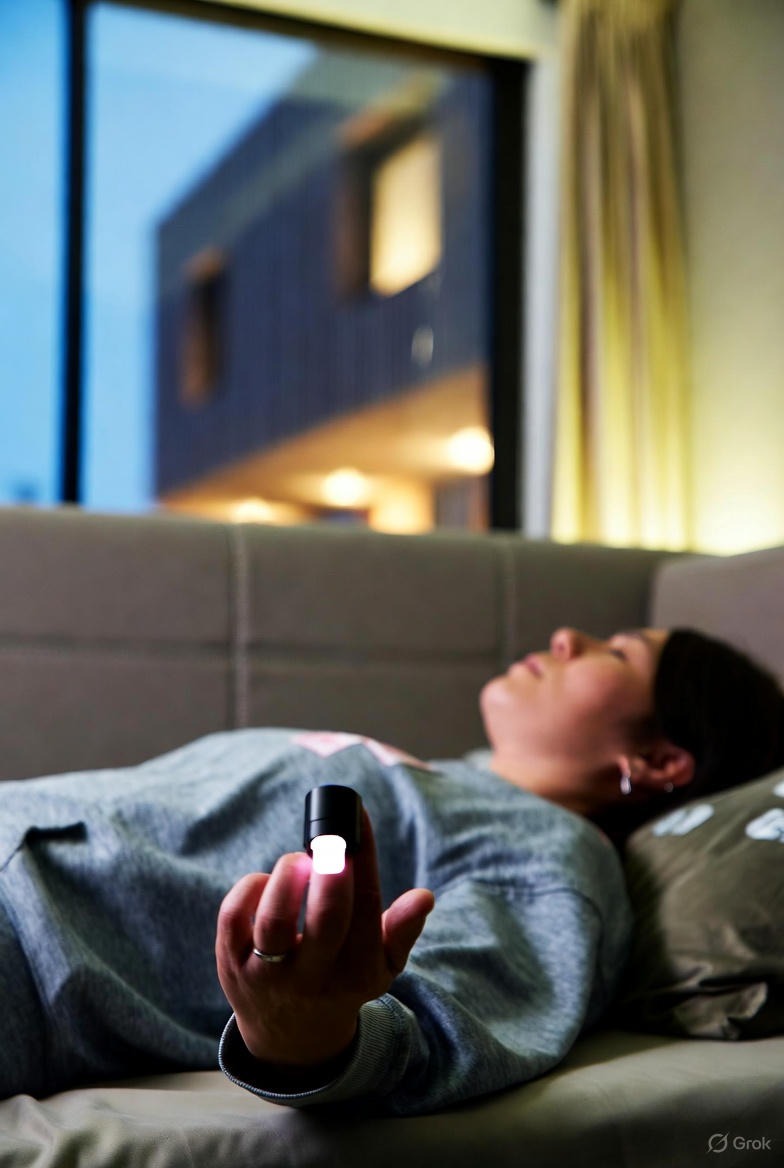
The Role of Technology in Guiding Recovery: This is where advanced wearables move beyond simple step counting. A device that tracks HRV, resting heart rate, and body temperature can provide objective, personalized data on your recovery status. The Oxyzen smart ring, worn continuously, is particularly adept at this, as the finger is an ideal site for measuring precise physiological signals. Its algorithm can provide a “Readiness” or “Recovery” score each morning, suggesting whether you are primed for intensity or in need of a gentle day. Learning to trust this data, instead of just your often-distorted perception of motivation, is a game-changer. For a comprehensive look at the pros and cons of leveraging this technology, our analysis on whether sleep tracking is worth it provides a balanced perspective.
Scheduling Recovery: At minimum, plan one full recovery day per week. More serious athletes or those in intense training blocks may need 2-3 lighter days woven in. Listen to the signals. A week with perfect sleep following a recovery day is a powerful testament to its necessity.
Honoring recovery is the ultimate act of respect for your body’s intelligence. It acknowledges that growth and adaptation occur in the quiet spaces between efforts. By scheduling rest, you are not being lazy; you are engaging in the sophisticated work of optimizing your body’s environment for the deepest, most restorative sleep possible.
Beyond Exercise: Integrating Functional Movement into Daily Life
Our modern environment is engineered for convenience and minimal movement. We have remote controls, drive-thrus, escalators, and grocery delivery. While these innovations save time, they have systematically stripped “incidental exercise” from our lives—the kind of movement that was simply part of existence for our ancestors. To truly harness movement for sleep, we must consciously re-engineer our daily lives to put functional, natural movement back in.
This concept goes beyond NEAT (Non-Exercise Activity Thermogenesis). It’s about movement diversity—using your body in the varied, complex ways it was designed for: pushing, pulling, squatting, lifting, carrying, climbing, and walking on uneven terrain. This diversity builds resilient, balanced musculature, improves proprioception (body awareness), and creates a richer, more complete physical fatigue that deeply satisfies the nervous system’s need for engagement.
The Sleep Benefits of Movement Diversity:
Balanced Fatigue: Isolating muscle groups in a gym is effective, but it doesn’t create the whole-body, integrated fatigue of stacking firewood, gardening, or moving furniture. This holistic fatigue is profoundly sleep-promoting.
Stress Resilience: Complex, real-world movement tasks require focus and problem-solving, which can be a healthy distraction from mental rumination. Completing a physical task provides a tangible sense of accomplishment and closure that quietens the mind.
Sensory Enrichment: Moving outdoors or in varied environments provides sensory input—fresh air, sunlight, textures underfoot—that grounds the nervous system and reinforces our connection to natural rhythms.
Practical Ways to “Re-Wild” Your Movement Diet:
Embrace Manual Tasks: Choose the physical option when safe and reasonable.
Gardening: Digging, planting, weeding, and raking are full-body workouts.
Hand-Washing Your Car: Squatting, reaching, and scrubbing.
Chopping Wood: An exceptional workout for core, back, and shoulders.
Cooking from Scratch: All the chopping, stirring, and cleaning adds up.
Rethink Your Commute & Errands:
Walk or Bike for trips under 2 miles.
Carry Your Groceries in reusable bags instead of using a cart all the way to the car. Practice “farmer’s walks.”
Take the Stairs. Always. Make it a non-negotiable habit.
Incorporate “Movement Snacks” into Work:
Use a Stability Ball as a chair for portions of the day to engage your core.
Do Calf Raises while brushing your teeth or waiting for the kettle to boil.
Practice Single-Leg Stands while on a phone call to improve balance.
Make Play a Priority: Engage in movement for pure joy, not as a workout.
Dance in your living room to your favorite album.
Play with Kids or Pets: Tag, fetch, wrestling.
Go for a Hike on a trail with hills and roots, not a paved path.
The Mindset Shift: This is about viewing your entire life as an opportunity for nourishing movement, not just the scheduled hour at the gym. It’s recognizing that carrying the laundry basket upstairs is not a chore, but a chance to strengthen your grip and legs. That raking leaves is not a nuisance, but a rotational core and cardio session.
Linking to a Holistic View: This philosophy of integrated, life-long movement is at the core of a sustainable wellness journey. It’s about building a body that is capable and resilient for daily life, not just for the gym mirror. This holistic approach to health is something we passionately believe in at Oxyzen, and it’s woven into our story and mission to empower everyday wellness through intelligent technology and education.
By diversifying your movement portfolio, you do more than burn calories; you satisfy a deep-seated biological need for varied physical engagement. A body that has been truly used during the day—in practical, meaningful, and joyful ways—surrenders to sleep with a profound sense of completion, leading to deeper, more satisfying rest.
Having established the foundational pillars of circadian-aligned movement, NEAT, recovery, and functional diversity, we now venture deeper. The relationship between movement and sleep is not isolated; it interacts profoundly with other lifestyle factors. To master this symphony, we must understand how movement harmonizes with nutrition, adapts to our life stages and seasons, and can be fine-tuned to solve specific sleep disruptions. This next section builds your advanced toolkit for lifelong sleep optimization through intelligent movement.
The Fuel and the Flame: How Nutrition and Movement Collaborate for Perfect Sleep
You cannot out-move a poor diet when it comes to sleep health. The food you consume is the literal fuel for your activity and the building blocks for your recovery. Simultaneously, the timing and type of your movement significantly influence your metabolism and hunger cues. This bidirectional relationship creates a powerful synergy—or a vicious cycle—directly impacting your sleep architecture.
How Movement Influences Sleep-Promoting Nutrition:
Regulating Appetite and Cravings: Regular, moderate exercise helps regulate hormones like ghrelin (hunger) and leptin (satiety). It reduces stress-driven cravings for high-sugar, high-fat foods that can disrupt sleep by causing blood sugar spikes and crashes, indigestion, or inflammation.
Improving Insulin Sensitivity: Physical activity makes your cells more responsive to insulin, helping to regulate blood glucose levels throughout the day and night. Stable blood sugar is critical for uninterrupted sleep; dramatic dips can trigger cortisol releases that wake you up.
Enhancing Nutrient Partitioning: When you are physically active, your body becomes more efficient at directing nutrients—like amino acids from protein and magnesium from greens—toward muscle repair and metabolic functions, rather than storage. This ensures the resources needed for sleep-related repair are available.
How Nutrition Fuels Movement and Subsequent Sleep:
The Pre-Movement Fuel: What you eat before activity impacts performance, recovery, and sleep.
Morning Movement: If exercising shortly after waking, you may not need a full meal. Hydration is key. A small piece of fruit or a handful of nuts can provide quick energy without heaviness.
Afternoon Training: A balanced meal or snack 1-2 hours prior with complex carbs and a modest amount of protein (e.g., oatmeal with nuts, apple with almond butter) provides sustained energy without gastrointestinal distress.
The Post-Movement Recovery Window: This is crucial for sleep. Consuming a combination of protein and carbohydrates within 45-60 minutes after exercise:
Replenishes glycogen stores in muscles and liver, preventing overnight hypoglycemia that can cause awakenings.
Provides amino acids for muscle protein synthesis, the repair process that occurs primarily during deep sleep. Inadequate protein post-exercise can blunt this recovery, potentially reducing deep sleep quality.
Example: A smoothie with protein powder and berries, Greek yogurt with fruit, or chicken with sweet potato.
Evening Meal Composition for Sleep: Your last major meal should support, not sabotage, the wind-down process.
Focus on: Tryptophan-rich foods (turkey, chicken, dairy, nuts, seeds) which is a precursor to serotonin and melatonin. Pair them with complex carbohydrates (brown rice, quinoa, sweet potato) to facilitate tryptophan's journey to the brain.
Include Magnesium: This mineral acts as a natural muscle relaxant and nervous system calmant. Found in leafy greens, avocados, nuts, seeds, and legumes.
Avoid: Large, high-fat, or spicy meals within 3 hours of bedtime. They require significant digestive effort, raise core temperature, and can cause reflux or discomfort when lying down. For targeted nutritional strategies, explore our list of 10 foods that increase deep sleep naturally.
The Hydration Link: Hydration is the silent partner. Dehydration from a day of movement (even mild) can lead to nocturnal leg cramps, dry mouth, and headaches, fragmenting sleep. However, drinking large volumes right before bed guarantees disruptive bathroom trips. The strategy: Front-load your hydration. Drink consistently throughout the day, tapering off 60-90 minutes before bed, ensuring you’re well-hydrated but not full.
Data-Driven Personalization: This is where self-experimentation shines. Use your sleep tracker to note patterns. Does a post-workout protein shake correlate with higher deep sleep percentages? Does a late, heavy meal consistently show up as increased restlessness or a lower sleep score? The Oxyzen smart ring, with its detailed sleep stage breakdown, can help you connect these dietary dots to your sleep outcomes, moving you from guesswork to guided habit formation.
By viewing nutrition and movement as co-conspirators for sleep, you create a virtuous cycle: thoughtful eating fuels effective movement, which in turn regulates metabolism and builds a body primed for restorative sleep, which then provides the energy for tomorrow’s healthy choices.
Seasonal Syncing: Adapting Your Movement Habits to the Time of Year
Your body’s sleep-wake cycle is exquisitely tuned to the natural environment, particularly light and temperature. As the seasons change, the available daylight, weather, and temperature shift dramatically. Ignoring these changes and sticking rigidly to a single movement routine is a recipe for disrupted sleep. The key to year-round sleep fitness is seasonal adaptation—respecting nature’s rhythm and adjusting your movement habits accordingly.
Winter: Embracing the Hibernate & Activate Cycle
The Challenge: Short days and long nights mean less natural light exposure, which can dampen circadian signals, lower mood (potentially leading to Seasonal Affective Disorder), and increase the desire to be sedentary. Cold weather can be a barrier to outdoor activity.
The Movement Adaptation:
Chase the Light: Make moving in daylight your non-negotiable winter mission. A brisk midday walk becomes critical for circadian anchoring and Vitamin D synthesis (when the sun is strong enough).
Shift to Indoor Consistency: This is the season for establishing a solid, indoor routine—home gym workouts, yoga, swimming, or climbing gym sessions. Consistency trumps outdoor adventure for maintaining sleep pressure.
Incorporate "Warming" Practices: Before bed, focus on gentle movement that warms the body from the inside, like restorative yoga or a simple stretching routine. This can help counteract the cold-induced tension we hold in our shoulders and neck. Consider how temperature and timing interplay for optimal sleep, especially in winter.
Listen to Your Body: It’s natural to need a bit more rest in winter. Honor slightly longer sleep needs and incorporate more recovery days. The pressure to maintain summer intensity can lead to overtraining and insomnia.
Summer: Harnessing the Energy Surge
The Challenge: Long, bright days and heat can make it tempting to be active late into the evening, potentially delaying sleep onset. Early sunrises can also cause prematurely waking.
The Movement Adaptation:
Embrace the Early Morning: Summer is made for sunrise workouts. Exercise in the cool, quiet morning light perfectly aligns with your circadian rhythm and ensures exercise is finished long before bedtime.
Respect the Evening Wind-Down: As daylight stretches, be disciplined about your evening routine. Even if it’s still light out at 8 p.m., begin dimming indoor lights and switch to calming movement by 8:30 p.m. to signal to your brain that night is approaching.
Heat Management: Avoid intense exercise during peak heat (10 a.m. - 4 p.m.). If you must be active, choose water-based activities (swimming, paddleboarding) or shaded trails. Overheating too close to bedtime will impede the core temperature drop needed for sleep.
Stay Hydrated Proactively: Summer sweat losses are greater. Chronic, mild dehydration from daily activity is a common, overlooked cause of poor summer sleep.
Spring & Autumn: The Transitional Sweet Spots
The Opportunity: These shoulder seasons offer ideal conditions—moderate temperatures and shifting light—that our bodies inherently understand.
The Movement Adaptation:
Re-Sync with Nature: Use these seasons for outdoor reconnection. Hike, bike, garden, and run outside. The variable terrain and fresh air provide rich sensory and movement diversity.
Gradually Adjust Timing: As days lengthen in spring, gradually shift your evening workouts earlier. As they shorten in autumn, you have more flexibility for afternoon sessions without impacting sleep.
Tune-In Closely: These are perfect times to use a sleep tracker to observe how the changing light and your adjusted routines affect your metrics. Notice if your sleep duration naturally changes.
The Role of Technology Across Seasons: A wearable device becomes your personal biometeorologist. You can observe objective trends: does your Resting Heart Rate trend upward in winter (indicating potential stress or overreaching)? Does your sleep latency increase in summer if you exercise after 7 p.m.? By reviewing your longitudinal data on the Oxyzen platform, you can make evidence-based adjustments each season, creating a truly personalized, year-round movement plan for sleep excellence.
By flowing with the seasons, you move from fighting your environment to partnering with it. This harmony reduces stress on your system and allows your sleep to remain deep and stable, regardless of what the calendar says.
Troubleshooting the Movement-Sleep Mismatch: When Exercise Disrupts Rest
For most, movement improves sleep. But for a significant minority, exercise—especially at certain times or intensities—can lead to a frustrating "tired but wired" feeling, difficulty falling asleep, or even more fragmented sleep. If you suspect your workouts are hurting rather than helping your sleep, don’t abandon ship. Instead, become a detective and troubleshoot these common mismatches.
Problem 1: The Late-Night Energizer
Scenario: You finish a high-intensity Spin class or CrossFit session at 8:30 p.m., feel amazing and energized, but then lie wide awake until 1 a.m.
The Physiology: Intense exercise late in the day creates a massive sympathetic nervous system surge (adrenaline, noradrenaline, cortisol) and elevates core temperature. For many, the body’s cooling and calming process takes longer than the often-cited 3-hour window.
The Fix:
Create a Hard Cut-Off: Move intense exercise to the morning or afternoon. Establish a personal rule: no moderate-to-vigorous exercise within 4-5 hours of bedtime. Test this for two weeks.
Swap Intensity for Calm: If you crave evening movement, make it explicitly parasympathetic: gentle yoga, stretching, or a leisurely walk.
Amplify the Cooldown: If an evening workout is unavoidable, extend your cooldown to 15-20 minutes of very light movement and follow it with a deliberate wind-down ritual (e.g., warm bath, reading).
Problem 2: The Overtraining Insomnia
Scenario: You’re training for a marathon or following a rigorous strength program. You’re exhausted, but sleep becomes elusive, light, and unrefreshing. You may wake frequently with a racing heart.
The Physiology: Chronic, excessive training volume without adequate recovery places the body in a perpetual state of systemic stress. The nervous system becomes hyper-aroused, cortisol rhythms flatten (high at night, low in the morning), and the drive for sleep becomes dysregulated.
The Fix:
Incorporate Mandatory Deload Weeks: Every 4-8 weeks, reduce your training volume (weight, distance, or time) by 40-60% for a full week. This is non-negotiable for physiological adaptation and nervous system reset.
Prioritize Sleep as Part of Training: View sleep as your most important recovery session. Increase your time in bed by 30-60 minutes during heavy training blocks.
Use Biomarkers: Monitor your morning resting heart rate and HRV. Consistently elevated RHR and depressed HRV are clear signs you need to pull back. The recovery metrics from a device like Oxyzen can provide an objective, daily check-in to prevent this state. Learn more about the science behind these restorative processes to understand why they're so crucial under physical stress.
Problem 3: The Restless Legs & Nocturnal Cramps
Scenario: After days of heavy lower-body work (squats, deadlifts, long runs), you experience an irresistible urge to move your legs or painful cramps as you try to fall asleep.
The Physiology: Intense muscle work can deplete electrolytes (magnesium, potassium), cause minor micro-tears and inflammation, and alter dopamine signaling in the brain—all implicated in Restless Legs Syndrome (RLS).
The Fix:
Strategic Post-Workout Nutrition: Ensure your recovery meal or snack includes magnesium (leafy greens, nuts, seeds) and potassium (banana, avocado, potato).
Evening Epsom Salt Baths: The magnesium sulfate absorbed through the skin can be profoundly relaxing for muscles.
Gentle Evening Movement: Ironically, very light movement like walking or gentle leg stretches before bed can help alleviate RLS symptoms by improving circulation.
Foam Rolling: A gentle myofascial release session in the evening, not aggressively deep, can help ease muscle tension.
Problem 4: The "No Time to Move" Sleep Sabotage
Scenario: A brutally busy work or family week leaves zero time for your normal 60-minute workout. By the end of the week, your sleep is shallow and restless.
The Physiology: The sudden drop in activity fails to generate sufficient adenosine sleep pressure and disrupts your established circadian movement cues.
The Fix:
The 10-Minute Minimum: Abandon the all-or-nothing mindset. Commit to a bare minimum of 10 minutes of deliberate movement—a brisk walk, a few sun salutations, bodyweight squats and push-ups. This maintains the habit and provides a circadian signal.
Hyper-Focus on NEAT: Double down on the micro-movement strategies. Park impossibly far away, take the stairs two at a time, do calf raises while cooking. These snippets add up to maintain baseline sleep pressure.
Protect Your Sleep Time: When exercise time is stolen, guard your sleep time even more fiercely. It is now your primary recovery tool.
Troubleshooting requires patience and self-observation. Keep a simple journal or use the notes feature in your sleep tracking app to correlate workout type, timing, and intensity with subjective sleep quality. This data is gold for creating your personal, fail-proof movement-for-sleep formula.
The Mind-Body Bridge: Using Mindful Movement to Quell Sleep-Anxiety
For many, the primary barrier to sleep is not a physical body that isn’t tired, but a mind that won’t be quiet. Racing thoughts, work anxiety, and next-day worries can hijack the transition to sleep, regardless of physical fatigue. This is where movement transcends the purely physical and becomes a potent form of moving meditation—a way to discharge mental energy and train your nervous system to shift states.
Mindful movement practices explicitly connect breath, awareness, and motion. They teach you to inhabit your body in the present moment, which is the antithesis of the future-oriented anxiety that causes insomnia.
How Mindful Movement Combats Sleep Anxiety:
Breath as an Anchor: Practices like yoga, Tai Chi, and Qigong synchronize movement with deep, diaphragmatic breathing. This directly stimulates the vagus nerve, triggering the parasympathetic relaxation response and lowering heart rate and blood pressure.
Interoceptive Awareness: These practices hone your ability to sense internal bodily sensations (interoception). Instead of being trapped in cognitive loops ("What if I fail tomorrow?"), you learn to focus on the feeling of your feet on the ground, the stretch in your hamstring, or the flow of your breath. This is a trainable skill that can be used in bed when anxiety strikes.
Discharge of Nervous Energy: Anxiety is often experienced as pent-up, undirected energy in the body—jittery legs, a clenched jaw, tight shoulders. Gentle, mindful movement provides a channel to physically discharge this energy in a controlled, soothing way, leaving the body feeling quieter.
Key Practices for the Anxious Sleeper:
Yoga Nidra (Non-Sleep Deep Rest): While not "movement" in a traditional sense, this guided practice of systematic rotation of consciousness is arguably the most powerful tool for sleep anxiety. A 20-30 minute Yoga Nidra session can produce brainwave states similar to deep sleep and dramatically reduce cortisol. Doing this in the evening or even in bed can be a direct bridge to sleep.
Slow Flow or Hatha Yoga: A class or home practice focusing on holding poses with awareness and linking them with breath. Avoid fast-paced, heated Vinyasa classes in the evening, which can be stimulating.
Walking Meditation: Take your evening walk to a new level. Leave the headphones behind. Focus on the sensation of each step—the heel strike, the roll to the ball of the foot, the push-off. When your mind wanders to worries, gently return it to the sensations of walking. This grounds you firmly in the present.
Qigong's "Shaking" Practices: Certain Qigong exercises involve gentle, whole-body shaking or bouncing. This is a brilliant way to literally "shake off" the stagnant energy and tension of the day, leaving the body feeling lighter and more relaxed.
Creating a "Worry Discharge" Ritual: Designate 15-20 minutes in the early evening as your "mental download." Combine light movement with mental processing. You could walk while listening to calming music, do gentle stretches while reflecting on the day, or practice Tai Chi. The rule is: if worries arise, acknowledge them, but then consciously let the movement and breath carry them away. Symbolically, you are moving through and past your anxieties.
Technology as a Feedback Loop: For the analytically minded, seeing the concrete impact of mindful movement can be reinforcing. After a week of consistent evening yoga, check your sleep data. You’ll likely see a decrease in "time awake" or "restlessness" during the night, and possibly an increase in HRV—a direct measure of improved nervous system balance. Seeing this correlation in your own sleep tracking data transforms a subjective feeling of calm into an objective victory, reinforcing the habit.
By using movement to train your mind as well as your muscles, you address sleep disruption at its root for many people. You build not just a body capable of rest, but a mind that knows how to permit it.
The Lifelong Arc: How Movement for Sleep Evolves with Age
Our sleep architecture and our physical capacity are not static; they evolve across the decades. The movement routine that brought you deep sleep at 25 will not be as effective—and may even be counterproductive or unsafe—at 55 or 75. The intelligent approach is to proactively adapt your movement habits to support your changing sleep needs throughout life. This isn’t about decline; it’s about smart optimization for every chapter.
The 20s & 30s (Building the Foundation):
Sleep Profile: Typically resilient sleep architecture, but often compromised by social schedules, new parenthood, and career stress.
Movement Focus:
Establish Consistency: This is the time to build the lifelong habit of daily movement. Explore different modalities—strength training, team sports, running—to find what you enjoy.
Prioritize Recovery: With a busy life, sleep is often sacrificed. Use movement as the non-negotiable reason to protect sleep. Understand that intense training requires high-quality rest.
Lay Mobility Groundwork: Investing in flexibility and mobility now pays massive dividends for sleep comfort later in life.
The 40s & 50s (The Strategic Maintenance Phase):
Sleep Profile: The first noticeable shifts begin. Deep sleep (Slow-Wave Sleep) starts its natural, gradual decline. Hormonal changes (perimenopause, andropause) can cause night sweats and sleep fragmentation. Stress from career and family peaks.
Movement Focus:
Protect Deep Sleep: Emphasize consistent, moderate aerobic exercise (brisk walking, cycling, swimming) and strength training, both of which are proven to help preserve deep sleep quality against age-related decline. Learn about the ideal deep sleep duration by age to set realistic goals.
Stress-Buffering Movement: Mindful practices like yoga and Tai Chi become critical for managing cortisol and the psychological stressors that disrupt sleep.
Mobility as Mandatory: Dedicated mobility work and stretching are no longer optional; they are essential for preventing the aches and stiffness that lead to tossing and turning.
Timing Becomes Crucial: The sensitivity to late-evening intense exercise often increases. Solidify the habit of finishing vigorous activity by mid-afternoon.
The 60s and Beyond (The Optimization for Quality Phase):
Sleep Profile: Sleep becomes lighter and more fragmented. The circadian rhythm can advance (feeling sleepy earlier, waking earlier). Medical conditions and medications can impact sleep.
Movement Focus:
Consistency Over Intensity: Daily, gentle movement is paramount for maintaining sleep pressure. A daily walk is one of the most powerful sleep aids.
Balance and Fall Prevention: Incorporate movements that challenge balance (Tai Chi, heel-to-toe walks, single-leg stands). The confidence and safety gained directly reduce nighttime anxiety about falling, which can be a sleep disruptor.
Social Movement: Group classes, walking clubs, or golf provide social connection, which combats loneliness and depression—both enemies of good sleep.
Emphasis on Range of Motion: Gentle stretching, chair yoga, and aquatic exercises maintain joint health and flexibility, making it easier to find comfortable sleeping positions.
A Cross-Generational Constant: The Daily Walk. From your 20s to your 90s, the simple, daily walk in natural light remains the single most adaptable, accessible, and effective movement habit for circadian alignment and sleep quality. Its form may change—from a power walk to a leisurely stroll—but its foundational role does not.
Leveraging Data Through the Decades: As your body changes, having objective feedback is invaluable. A sleep tracker can help you differentiate between normal age-related changes and problematic disruptions. It can answer: "Is my deep sleep percentage appropriate for my age, or is it being unnecessarily suppressed by my habits?" It can show how a new medication or a change in your walking routine affects your rest. This empowers you to have informed conversations with healthcare providers. For more on this topic, our article on how age affects deep sleep and how to compensate offers detailed guidance.
By respecting the lifelong arc, you move from a one-size-fits-all approach to a tailored, compassionate strategy. You honor your body’s wisdom at each stage, using movement not as a weapon against aging, but as a tool to ensure every night, at every age, is as restorative as possible.
Crafting Your Personalized Movement-for-Sleep Blueprint
We have journeyed through the mechanisms, the timing, the integrations, and the lifelong evolution of movement for sleep. Now, it’s time to synthesize this knowledge into a actionable, living plan—your Personalized Movement-for-Sleep Blueprint. This is not a rigid prescription, but a flexible framework you can adapt week-to-week, season-to-season, and decade-to-decade.
Step 1: The Foundational Assessment (Your Starting Point)
Take a week to observe without judgment. Use a notes app or journal to track:
Current Movement: What do you actually do? Type, duration, intensity, time of day.
Current Sleep: How do you feel waking up? Do you use a tracker? Note your sleep score, deep sleep %, time awake.
The Connection: Any obvious patterns? (e.g., "Gym at 8 p.m. = lie awake until midnight." "No walk all day = restless sleep.")
Step 2: Establish Your Non-Negotiable "Sleep Anchor" Habits
These are the 2-3 habits that will form the unshakable core of your blueprint, proven to work for almost everyone.
Morning Light + Movement: Commit to 20-30 minutes of gentle movement (walk, yoga, light cardio) within 60 minutes of waking, ideally outdoors. This is your circadian anchor.
Daily Step/NEAT Minimum: Set a bare minimum step goal (e.g., 7,000) or commit to breaking up sitting every 30 minutes. This builds baseline sleep pressure.
Evening Wind-Down Movement: 15-20 minutes of parasympathetic activity (restorative yoga, stretching, leisurely walk) 60-90 minutes before bed. This is your transition signal.
Step 3: Build Your Weekly Movement Portfolio
Think of your week as having different movement "investment types" for sleep dividends.
Aerobic "Sleep Pressure" Investments (2-3x/week): Moderate-intensity sessions (brisk walking, cycling, swimming) for 30-45 minutes, ideally in the morning or afternoon.
Strength & Resilience "Deep Sleep" Investments (2x/week): Full-body strength training to build metabolic health and support deep sleep physiology. Schedule these with ample recovery time.
Mobility & Mindfulness "Nervous System" Investments (Daily): Your morning/evening routines plus dedicated mobility sessions. This is the glue that holds everything together.
Recoration "Withdrawal" Days (1-2x/week): Planned, very low-intensity days to allow sleep adaptation and nervous system recovery to occur.
Step 4: Implement the "Two-Week Test" Cycle
Habits are built and validated through iteration.
Choose ONE adjustment to test for two weeks (e.g., "Move my workout from 7 p.m. to 5 p.m." or "Add a 10-minute post-lunch walk").
Observe the Data: Use your sleep tracker and subjective feeling. Did your sleep score improve? Did you fall asleep faster? Do you feel more refreshed?
Analyze & Adapt: Keep what works. Abandon what doesn’t. Proceed to test the next adjustment.
Step 5: Create Your Support System & Environment
Tech as a Guide: Utilize a device like the Oxyzen smart ring for continuous, comfortable tracking. Its metrics (HRV, temperature, sleep stages) provide the objective feedback needed to move from guessing to knowing. Review your trends weekly on the app.
Community & Accountability: Share your blueprint with a friend, join a walking group, or find an online community focused on holistic wellness. The Oxyzen blog is a great place to start for community stories and science.
Environment Design: Lay out your yoga mat the night before. Keep resistance bands by your desk. Schedule walking meetings. Make the healthy movement habit the path of least resistance.
Embracing the Journey: Your blueprint will—and should—change. It will flex with travel, illness, stress, and seasons. The goal is not perfection, but awareness and course-correction. You are learning the unique language of your body, discovering how it speaks through movement and how it rewards you with sleep.
By taking this systematic, curious, and compassionate approach, you transform movement from a chore focused on aesthetics or performance into a daily dialogue with your biology. You become the architect of your own energy and restoration, building days of purposeful movement that inevitably gift you nights of profound, healing sleep.
We've built a comprehensive framework, from circadian fundamentals to personalized troubleshooting. Now, we move into the final phase of mastery: integration for special circumstances, harnessing cutting-edge insights, and embedding these principles into the fabric of your life for lasting change. This is where knowledge transforms into wisdom and sustainable practice.
Advanced Integration: Movement Strategies for Shift Workers, New Parents, and Chronic Pain Sufferers
Life doesn't always conform to a perfect 9-to-5 schedule or an ideal, pain-free body. For those facing unique challenges, standard sleep-movement advice can feel tone-deaf. Here, we tailor the principles to work within real-world constraints, proving that better sleep is possible for everyone.
For the Shift Worker: Resetting Your Internal Clock on Your Own Terms
Shift work violently disrupts circadian rhythms. The goal isn't to perfectly mimic a daytime schedule, but to create the most stable, supportive rhythm possible within your inverted world.
The Core Strategy: Light and Movement as Controlled Zeitgebers.
"Morning" After a Night Shift: Your "morning" is when you finish work. Wear blue-light blocking glasses for the last 1-2 hours of your shift and your commute home. Upon arriving home, resist the urge to crash immediately. Engage in 15-20 minutes of very gentle, calming movement in dim light—restorative yoga, slow stretching, or mindful breathwork. This helps process the stress of the shift and begins the wind-down process for sleep, without being stimulating. Then, go directly to your dark, cool bedroom.
Before a Night Shift: Your "afternoon" is before you go to work. This is your window for more robust exercise. A workout 2-3 hours before your shift can boost alertness, improve mood, and help you manage the physiological stress of nighttime work. It builds sleep pressure that you will "cash in" when you sleep during the day.
The "NEAT During the Shift" Imperative: Combat the sedative effects of the night by integrating micro-movements. Set a timer to stand, stretch, or walk for 2-3 minutes every 30-45 minutes. This maintains circulation, fights fatigue, and contributes to your eventual sleep drive.
Data is Your Ally: Use a tracker to find your personal pattern. When does your body naturally want to sleep on your days off? Use your "readiness" scores to determine the best times for more intense vs. recovery-focused movement on your rotating schedule. The continuous data from a device like Oxyzen is invaluable for navigating this non-24-hour life.
For the New Parent: Movement in the Fragments
Sleep deprivation is a given. The goal of movement shifts from performance or perfect sleep optimization to nervous system regulation, energy maintenance, and micro-recovery.
The Core Strategy: Movement as Sanity and Survival.
The 5-Minute Reset: Abandon the concept of a "workout." Instead, aim for 5-10 movement "snacks" throughout the day. When the baby naps, do 5 minutes of sun salutations, not 45 minutes of intense training. This provides frequent nervous system resets.
Walk, Always Walk: The parental walk with the stroller or carrier is a triple therapy: movement for you, circadian light for the baby (and you), and a change of scenery. The rhythmic motion is calming for both nervous systems.
Partner Tag-Teaming for Recovery: Trade 20-minute blocks where one partner handles duties while the other does a focused recovery practice: a Yoga Nidra audio session, a gentle stretch routine, or even a solo walk around the block. This micro-recovery is more effective for sleep resilience than trying to power through.
Mindful Movement Over Intensity: High-intensity training can further drain an already depleted system. Focus on strength-preservation (bodyweight squats, push-ups against the crib) and parasympathetic activation (diaphragmatic breathing while feeding, gentle neck rolls). Your primary job is recovery; movement should serve that.
Reframing Sleep Tracking: Use a tracker not to lament short sleep duration, but to appreciate sleep quality. Seeing that you got 45 minutes of consolidated deep sleep during one stretch can be encouraging. It helps you identify which wind-down habits (like a 10-minute stretch after the last feed) lead to slightly better rest.
For Those with Chronic Pain or Fatigue (e.g., Fibromyalgia, Long COVID, Arthritis)
Movement can feel like the enemy. The key is pacing and graded exposure, using movement to improve sleep without triggering a debilitating flare-up that makes sleep impossible.
The Core Strategy: "Below the Threshold" Movement.
Find Your Baseline: On a good day, what is the amount of movement (e.g., a 5-minute walk, 3 gentle stretches) you can do without increasing pain or fatigue later that day or the next? That is your baseline.
The 80% Rule: Never move to 100% of your capacity. Stop at 80% perceived exertion. The goal is to gently stimulate circulation and nervous system regulation without causing a crash.
Aquatic Therapy: Water's buoyancy is a gift. Gentle movement in a warm pool can relieve pain, improve mobility, and provide gentle resistance without joint impact. The post-activity relaxation can significantly improve sleep onset.
Breath-Body Connection Practices: Focus on modalities where the mind leads the body. Chair Yoga, Somatics, or very gentle Qigong emphasize internal awareness and micro-movements. They can help down-regulate the central nervous system's pain amplification, directly addressing a root cause of sleep disruption in chronic pain.
Tracking for Pacing: A wearable can be crucial for objective pacing. Monitor your heart rate during activity to ensure you stay in a very low zone. Observe your nighttime resting heart rate and HRV; if they worsen after activity, you exceeded your threshold. This biofeedback helps you stay safely within your energy envelope, gradually and safely expanding it over time. For those navigating the complex relationship between rest and recovery, understanding the silent signs of deep sleep deprivation is critical, as pain conditions often rob this most restorative stage.
In all these cases, compassion replaces dogma. Movement is not a punishment or a rigid rule; it is a flexible tool for managing energy, mood, and biology within the unique container of your life.
The Future of Movement & Sleep: Harnessing Technology and Emerging Science
We stand at the frontier of a new era in personalized health. The convergence of wearable technology, artificial intelligence, and advanced sleep science is moving us from generic advice to hyper-personalized, dynamic guidance.
1. From Tracking to Forecasting and Prescription: The next generation of devices and platforms won't just tell you how you slept; they will predict how you could sleep better and suggest the precise movement to make it happen.
AI-Powered "Nudges": Imagine your device analyzing your daytime activity, stress levels (via HRV), and calendar, then sending a notification: *"Your stress load is high today, and you have a late meeting. To protect your sleep, a 20-minute slow walk after dinner is recommended instead of your planned high-intensity workout."*
Dynamic Recovery Adjustments: Algorithms will learn your personal recovery patterns and adjust your daily movement "prescription" in real-time. If your biometrics indicate poor recovery, your fitness app might automatically swap your scheduled run for a mobility routine or a rest day.
2. The Rise of the "Digital Twin" for Sleep: Advanced users may one day interact with a "digital twin"—a sophisticated model of their personal physiology. You could simulate the sleep impact of changing your workout time, trying a new supplement, or traveling across time zones before you do it, allowing for truly optimized planning.
3. Integrated Biometric Ecosystems: Sleep and movement data will no longer live in silos. Your smart ring, smart mattress, and even your smart lighting will communicate. Your evening wind-down might be automatically triggered: lights dim, thermostat adjusts, and your meditation app launches based on your daytime activity and current physiological state, all working in concert to guide you toward sleep.
4. Neuromuscular Electrical Stimulation (NMES) and Vagus Nerve Stimulation: Emerging technologies use gentle electrical impulses to induce muscle contractions (NMES) for those unable to move traditionally, or to directly stimulate the vagus nerve (via non-invasive devices) to trigger the relaxation response. These could become powerful adjuncts to movement for populations with severe limitations.
The Human Element Remains Central: The danger of advanced tech is over-reliance and dissociation from your body's innate wisdom. The goal is informed intuition. Technology provides the map, but you must still take the journey, listening to the subtle feelings of fatigue, energy, and comfort. The most advanced algorithm cannot feel the specific tightness in your hip or the particular calm of a mindful breath. Use data as a compass, not an oracle.
As this field evolves, staying informed through credible sources is key. Platforms committed to explaining the science, like the Oxyzen blog, will be essential for cutting through the hype and understanding what these advancements truly mean for your sleep health. For instance, understanding the brain-boosting connection between deep sleep and memory reinforces why all this optimization matters beyond just feeling tired.
The Final Habit: Cultivating a Sleep-Conscious Movement Mindset for Life
We have covered an immense landscape of science, strategy, and adaptation. The final, most important habit is not a specific exercise but a mindset: the Sleep-Conscious Movement Mindset. This is the internal compass that will guide all your choices, ensuring these principles endure beyond the page.
The Pillars of This Mindset:
Movement is a Dialogue, Not a Monologue. Stop imposing workouts on your body. Start listening to what your body needs from movement each day. Is it energy? Calm? Strength? Release? Let your intended sleep outcome guide the conversation.
Every Minute Counts, But Not Every Minute Must Be Intense. Release the guilt of the "perfect hour-long workout." A day filled with movement variety—walking, stretching, carrying, playing—is often more beneficial for sleep than a single intense bout followed by sedentariness.
Sleep is the Non-Negotiable Reward. Reframe your perspective. Do not see sleep as lost time for productivity or entertainment. See it as the ultimate performance enhancer, the recovery session you cannot skip, the beautiful and necessary reward for a day well-lived in motion. Protect it fiercely.
Consistency Trumps Perfection. A 10-minute walk every single day does more for your sleep hygiene than a perfect 2-hour weekend warrior routine followed by five sedentary days. Focus on the unbroken chain of daily habit.
Self-Experimentation is Empowerment. You are the expert on you. Use the framework in this article as a starting point, not a finish line. Be a curious scientist of your own life. Test, observe, adjust. What works for you is what matters.
Your Lifelong Roadmap:
Every Morning: Ask, "How can I move today to sleep well tonight?" Let the answer shape your day.
Every Afternoon: Check in. "Have I been still too long? Can I take a movement break to sustain my energy and sleep pressure?"
Every Evening: Engage in a deliberate transition ritual. Use movement to signal the shift from doing to being.
Every Week: Review your patterns. Look at your data or simply reflect. What felt good? What led to better sleep? Plan one small tweak for the week ahead.
Every Season: Reassess. Adjust your routine for light, temperature, and your own energy cycles.
Every Year: Recalibrate. Honor your changing body and life circumstances. Evolve your blueprint gracefully.
This journey is not about adding more to your to-do list; it is about transforming your relationship with the two most fundamental human experiences: activity and rest. By weaving healthy movement habits into the fabric of your days, you do not just improve your sleep quality—you enhance your mood, sharpen your mind, strengthen your body, and deepen your connection to your own vitality.
The path to better sleep is not found in a pill or a passive gadget. It is built step-by-step, stretch-by-stretch, breath-by-breath, in the full light of day. It is the natural, earned reward of a body that has been listened to, used with intention, and treated with respect. Start that dialogue today. Your deepest, most restorative sleep awaits.
Further Resources & Support
Your journey to mastering the movement-sleep connection is ongoing. We are here to support you with knowledge, tools, and community.
Beginner Questions? Our comprehensive FAQ addresses common queries on technology, habits, and getting started.
Want to See Real Results? Read inspiring transformations in our customer testimonials.
Ready to Take the Next Step? Discover the technology designed to provide the seamless, continuous data that makes personalization possible at the Oxyzen shop.
Want to Learn More About Our Mission? Understand the philosophy behind the product at Our Story.
Here’s to your movement, and to the profoundly restful sleep it will bring.



%402x.svg)