


Modern Health Monitoring: What Doctors Think About Consumer Devices
Summarizes the medical community's perspective on the value and limitations of consumer health devices.
Summarizes the medical community's perspective on the value and limitations of consumer health devices.
%402x.svg)
Imagine a world where your first medical consultation of the day isn't with a person, but with a piece of technology on your finger. As you sleep, a smart ring silently charts the landscape of your night—measuring heart rate variability, tracking blood oxygen saturation, and mapping the architecture of your sleep cycles. By morning, it delivers a detailed wellness report to your smartphone. This is not science fiction; it’s the reality for millions who have embraced consumer health wearables. But as this data floods into our lives, a critical question emerges: What do the gatekeepers of our health, our physicians, actually think about this self-quantification revolution?
The relationship between doctors and patient-generated health data is complex, evolving from skepticism to cautious curiosity, and increasingly, to strategic integration. In clinics and hospitals worldwide, physicians are grappling with a new dynamic: patients arriving not just with symptoms, but with spreadsheets of biometric data, sleep scores, and readiness metrics. This influx represents a profound shift from episodic, reactive healthcare to continuous, proactive wellness management.
In this comprehensive exploration, we dive deep into the medical mind. We’ll uncover the genuine opinions of clinicians—from primary care physicians to cardiologists, sleep specialists, and psychiatrists. We’ll examine the undeniable benefits, the legitimate concerns, the pitfalls of misinterpretation, and the emerging best practices for making consumer device data clinically useful. This is the story of how modern medicine is learning to speak the language of data, one heartbeat, one breath, and one night's sleep at a time.

Just a decade ago, a fitness tracker was little more than a sophisticated pedometer. Today, consumer devices—smart rings like the Oura, watches from Apple, Garmin, and Fitbit, and continuous glucose monitors—capture a staggering array of physiological data: continuous heart rate, heart rate variability (HRV), peripheral body temperature, respiratory rate, electrodermal activity, blood oxygen (SpO2), and detailed sleep stage analysis. This data isn't just displayed; it's algorithmically processed into holistic scores for "readiness," "stress," and "recovery," offering users a daily health verdict.
The driving force is a societal pivot towards prevention and personal agency. People no longer want to be passive recipients of healthcare; they want to be active participants in their wellness. This movement, often termed the "Quantified Self," empowers individuals to spot trends, correlate lifestyle choices with physiological outcomes, and seek medical advice armed with evidence. For instance, noticing that a late caffeine intake consistently correlates with a plummeting sleep score can be a powerful motivator for behavioral change.
Doctors, initially, were often bystanders to this trend. Dr. Anya Sharma, a San Francisco-based internist, recalls the early days: "Patients would come in excitedly showing me their step counts. While I applauded the engagement, the data felt tangential to diagnosing hypertension or managing diabetes. It was wellness-adjacent, not clinically core." The turning point, many physicians note, came with the sophistication of the sensors. When devices began offering FDA-cleared features like atrial fibrillation detection or clinically-validated sleep tracking, the medical community's ears perked up. Data with proven accuracy crossed the threshold from "interesting" to "potentially actionable."
This evolution mirrors a broader transition in medicine towards value-based care and remote patient monitoring (RPM). Health systems are financially incentivized to keep patients healthy and out of the hospital. Continuous data streams from consumer devices offer a tantalizing glimpse into a patient's health between the 15-minute annual check-ups. The question is no longer if this data will enter the clinical sphere, but how it can be done reliably, efficiently, and ethically.
Walk into any modern physician's office, and you’ll likely see a familiar sight: a harried professional facing a computer screen, navigating an electronic health record (EHR) system under the pressure of a packed schedule. The average primary care appointment lasts between 15 to 20 minutes. Now, imagine a patient presents with a PDF report containing 30 days of granular, 24/7 biometric data. This scenario represents the core dilemma for doctors: a potential treasure trove of information that, in its raw form, is a logistical nightmare.
"The EHR is not built for this," explains Dr. Marcus Chen, a cardiologist in Boston. "I can efficiently review a lab report showing a HbA1c level or an echocardiogram summary. But there is no standardized way to import, visualize, or interpret 720 hours of heart rate variability data. Looking at it raw is overwhelming and, frankly, not a good use of precious clinical time. The signal gets lost in the noise."
This "data deluge" problem leads to the physician's primary plea: context and curation. Doctors do not want spreadsheets; they want smart summaries. They need the device's algorithm to do the heavy lifting—highlighting significant trends, flagging notable anomalies, and presenting information in a clinically relevant timeframe. For example, a summary stating, "Over the past two weeks, the patient's resting heart rate has trended 12 bpm above their personal baseline, coinciding with a 40% reduction in deep sleep," is infinitely more useful than a massive CSV file.
Furthermore, physicians stress the critical difference between correlation and causation. A patient may present data showing a spike in nighttime heart rate and conclude they have a heart problem. A doctor must consider a broader differential: Was it alcohol consumption? A heavy meal before bed? An undiagnosed sleep apnea event? Stress and anxiety? The device shows the what; the physician's training is to investigate the why.
This is where the patient's role becomes crucial. The most constructive appointments occur when patients prepare. "The ideal scenario," says Dr. Sharma, "is when a patient says, 'Doctor, I've noticed this specific trend on my device for the past three weeks, and I've tried X and Y to correct it without success. Here are the two most concerning graphs. What do you think?' That shows reflection and provides a focused starting point for a clinical conversation." To learn how to better structure your evening for optimal recovery and data, our guide on how to build a nighttime routine that actually sticks offers practical steps.
Despite the challenges, physicians are finding specific data points from consumer devices to be remarkably reliable and clinically valuable. The consensus is strongest around metrics that are direct, passive, and continuously measured, as opposed to those requiring user input or complex algorithmic interpretation.
Resting Heart Rate (RHR): This is the universal winner. "A trending increase in resting heart rate is a classic, non-specific sign that something is off," states Dr. Chen. "It could indicate infection, dehydration, overtraining, poor recovery, or worsening cardiac function. Seeing a sustained elevation over weeks from a wearable provides a objective baseline shift that we simply couldn't get before. It's a powerful prompt to ask more questions."
Heart Rate Variability (HRV): Once an esoteric metric for elite athletes, HRV is gaining clinical respect. Doctors appreciate it as a proxy for autonomic nervous system balance. "A persistently low HRV is a red flag for chronic stress, inadequate recovery, or underlying illness," notes a sports medicine physician, Dr. Lena Park. "While I don't diagnose based on a single HRV number, a long-term downward trend aligns perfectly with a patient reporting fatigue and burnout. It objectifies their subjective feeling."
Sleep Duration and Consistency: The medical community has long understood that sleep is a pillar of health, but proving poor sleep patterns was historically anecdotal. "Now, when a patient with hypertension or depression shows me data confirming they average 5.5 hours of fragmented sleep, it becomes a primary treatment target," says Dr. Sharma. "I can say, 'Let's work on this as seriously as we work on your medication.'" The data provides accountability and a way to measure progress. For those struggling to unwind, specific rituals can be transformative, as detailed in the nighttime wellness routine for anxious minds.
Atrial Fibrillation Detection: FDA-cleared features on certain smartwatches that perform on-demand or background ECG and irregular rhythm notification have moved the needle significantly in cardiology. "These devices have diagnosed paroxysmal afib in asymptomatic patients," confirms Dr. Chen. "While it generates a lot of anxiety and false positives requiring confirmation, it has undeniably caught serious conditions earlier. We now have clinical guidelines beginning to incorporate data from these consumer technologies."
Nocturnal Respiratory Rate and SpO2: For sleep and pulmonary medicine, this is a burgeoning area of interest. "A gradual creep in nighttime respiratory rate or repeated, subtle dips in blood oxygen can be early signs of respiratory distress, heart failure decompensation, or the development of sleep-disordered breathing," explains a pulmonologist. "It's like having a sentinel on duty every night." This continuous monitoring is far more revealing than a single-point snapshot in a clinic.
The trust, therefore, is highest for metrics that serve as longitudinal vital signs, providing a personalized baseline against which deviations can be measured. This represents a fundamental expansion of the clinical toolkit.
If one side of the coin is empowerment, the other is often anxiety—a phenomenon clinicians encounter so frequently it has earned names: "cyberchondria" amplified by data, or "wearable anxiety." This is arguably the most common and serious concern doctors voice about consumer health tech.
The issue stems from several factors. First, the misinterpretation of normal variability. Wellness devices often display data on a "traffic light" system (green = good, red = bad). A single "red" night of poor sleep or low HRV can trigger disproportionate distress in a health-conscious user. "Patients don't always understand that these metrics are meant to be viewed over weeks and months," says Dr. Park. "A bad night is just a bad night. The body isn't a machine that performs identically every day. Variability is normal, but the device can pathologize it."
Second, there is the problem of algorithmic opacity and non-clinical thresholds. When a device gives a "sleep score" of 68, what does that really mean? The algorithms are proprietary black boxes. The score may be based on movement, not brain waves. The threshold for "poor" may be set for an elite athlete, not a 50-year-old with insomnia. Doctors report patients fixating on these scores as definitive health grades, leading to performance anxiety around sleep itself—which, ironically, guarantees worse sleep. To avoid common errors that exacerbate this anxiety, it's useful to know the nighttime routine mistakes that ruin your sleep.
Third, and most dangerously, is the risk of delayed care due to false reassurance. A patient experiencing concerning symptoms like chest pain or dizziness might check their wearable, see a "normal" heart rhythm reading, and decide not to go to the emergency room. "No consumer device is a diagnostic tool for acute events," warns Dr. Chen emphatically. "It cannot rule out a heart attack, a pulmonary embolism, or a stroke. This false sense of security is potentially deadly."
The clinical advice is unanimous: Wearables are fantastic for trend analysis and lifestyle insight, but they are not replacements for medical evaluation, diagnosis, or treatment. "Use the data to start a conversation with your doctor, not to end it with a self-diagnosis from the internet," is Dr. Sharma's standard counsel.

A vanguard of medical practices is moving beyond the dilemmatic phase and actively building bridges to incorporate patient-generated health data. Their approaches offer a blueprint for the future of collaborative care.
1. Structured Data Intake Protocols: Some functional medicine, concierge, and sports performance clinics now have pre-visit questionnaires that include an option to share wearable data. They guide patients: "If you use a wearable, please note any 2-3 significant trends over the past month you wish to discuss." Some even use secure portals where patients can upload summary screenshots or grant limited API access to specific data streams (like weekly average RHR and sleep duration) that auto-populate a dashboard within the EHR.
2. Specialized Clinical Programs: Cardiology and sleep medicine are at the forefront. "We have a 'afib watch clinic' specifically for patients referred after a smartwatch detects an irregular rhythm," says Dr. Chen. "We efficiently triage, confirm with a clinical-grade monitor, and initiate treatment if needed." Similarly, sleep centers sometimes use aggregated wearable sleep data as a pre-screening tool to prioritize patients for formal sleep studies.
3. The "Prescription" of Wearables: In specific use cases, doctors are actively recommending devices. This is common in:
4. The Rise of the Health Coach Intermediary: To solve the physician time-crunch, many integrative practices employ health coaches or nurse practitioners who are experts in interpreting wearable data. They spend 45-60 minutes with a patient, reviewing trends, correlating them with lifestyle logs, and creating a distilled, actionable report for the physician to review and approve. This model effectively triages the data deluge.
The common thread in all these models is intentionality. The data is not dumped on the doctor; it is curated, contextualized, and integrated into a specific clinical workflow with a clear objective. This transforms the data from noise into a meaningful part of the patient's health narrative.
Perhaps no medical specialty has been more directly impacted by consumer wearables than sleep medicine. For decades, diagnosing sleep disorders required an expensive, inconvenient, and often unnatural night in a sleep lab—a single-point observation that might not be representative. Consumer devices, especially those worn on the finger or wrist that can track over many months, have democratized and revolutionized sleep awareness.
"Polysomnography (PSG) in a lab is still the gold standard for diagnosing specific disorders like sleep apnea or narcolepsy," explains Dr. Samuel Reed, a sleep specialist. "But for the vast majority of people struggling with insomnia, poor sleep quality, or circadian rhythm issues, consumer devices provide something arguably more valuable: a longitudinal view of their sleep in their natural environment."
Doctors report using this data in several key ways:
Identifying Mismatches Between Perception and Reality: A patient may swear they "didn't sleep a wink," but their device shows 6 hours of fragmented sleep with light and deep cycles. "This allows me to address both the objective sleep architecture and the sleep-related anxiety," says Dr. Reed. "We can work on improving the actual sleep and also on recalibrating the patient's perception of it."
Pinpointing Lifestyle Triggers: The correlation feature is powerful. A patient can see, indisputably, that on nights they have alcohol after 8 PM, their deep sleep percentage plummets. Or that a late workout spikes their nocturnal heart rate. This data-driven feedback is more persuasive than any doctor's advice. For professionals trying to optimize this balance, our article on nighttime wellness for busy professionals: realistic routines provides tailored strategies.
Tracking Intervention Efficacy: When a patient starts a new sleep medication, practices mindfulness, or begins using a CPAP machine, the wearable provides ongoing, at-home feedback on its effectiveness. Are they falling asleep faster? Is their sleep continuity improving? Is their nighttime SpO2 stabilizing? This allows for dynamic treatment adjustments.
Screening for Sleep Apnea: While not diagnostic, significant trends in consumer devices can be strong indicators. Repeated SpO2 dips, elevated and erratic nighttime heart rate, and a high number of movement-based "awakenings" can prompt a doctor to order a formal sleep study much sooner. "The device acts as a canary in the coal mine," notes Dr. Reed.
The limitations remain: consumer devices estimate sleep stages using movement and heart rate, not brain waves (EEG). They can mistake quiet wakefulness for light sleep. However, for tracking overall sleep duration, consistency, and macro-architecture over time, the medical consensus is that they are sufficiently accurate to be clinically useful tools for management and motivation. For families looking to improve collective rest, establishing the family nighttime wellness routine for adults and kids can create a foundation for healthier sleep hygiene for everyone.
The frontier of wearable data is expanding beyond physical metrics into the realm of mental and emotional well-being. This is where metrics like Heart Rate Variability (HRV) and skin temperature are revealing profound connections between the mind and body, offering clinicians a new window into conditions like anxiety, depression, and burnout.
Psychiatrists and therapists are beginning to take note. "We've always relied on subjective patient reports—'How have your anxiety levels been this week?'" explains Dr. Maya Thakur, a psychiatrist. "Now, a patient can show me a graph where their HRV, a marker of parasympathetic (rest-and-digest) tone, consistently tanks on workdays and recovers on weekends. It objectively validates their experience of work-related stress. It's not just 'in their head'; it's measurable in their physiology."
This data is being used in several innovative ways in mental health practice:
Objective Monitoring of Treatment Response: A patient starting an antidepressant or anti-anxiety medication can track physiological shifts. Is their average resting heart rate decreasing as their somatic anxiety eases? Is their sleep latency (time to fall asleep) improving? "It gives us an adjunctive, objective measure alongside the standard depression and anxiety rating scales," says Dr. Thakur.
Biofeedback and Mindfulness Training: Therapists are using real-time HRV data from wearables as a biofeedback tool. Patients can learn breathing techniques and immediately see their HRV rise on the screen, reinforcing the mind-body connection and empowering them to self-regulate their nervous system. This turns an abstract concept like "calm your nervous system" into a tangible, trainable skill.
Identifying Prodromal Signs of Burnout or Relapse: A sustained, multi-week decline in HRV and sleep quality, coupled with a rising RHR, can be an early warning system for burnout or a looming depressive episode—sometimes even before the patient is fully cognizant of it. "It allows for proactive intervention," notes Dr. Thakur. "We can intensify therapy, review medication, or stress-management techniques before a full crisis occurs."
Somatic Therapy Integration: For patients with trauma or conditions where the body holds stress (like PTSD or panic disorder), wearable data can help map somatic responses to triggers and track the body's release of that stored stress over time.
The caveat, mental health professionals stress, is that this data must be used sensitively. For a patient with health anxiety, obsessive focus on HRV could be counterproductive. The role of the clinician is to frame the data as a helpful guide, not a judgmental scorecard. For those using evening rituals to manage anxiety, a minimalist approach is often most sustainable, as outlined in the minimal nighttime wellness routine: 5 essential steps.
A central tension in the medical adoption of wearables is the question of accuracy and validation. Physicians are trained on and trust medical devices that undergo rigorous FDA clearance or approval for specific diagnostic claims. Consumer wellness devices operate under different regulatory frameworks, and their accuracy can vary significantly between brands, models, and even individual metrics.
"Clinical-grade" means something specific. A hospital pulse oximeter is tested on a range of skin tones, under conditions of poor perfusion (low blood flow), and its accuracy is tightly controlled. A smart ring's SpO2 sensor, while often very good, may have limitations with darker skin tones or during motion. An ECG-capable watch provides a single-lead rhythm strip, useful for detecting afib, but it is not equivalent to a 12-lead ECG that can diagnose a heart attack.
So, how do doctors navigate this spectrum of accuracy?
They Rely on Peer-Reviewed Validation Studies: The most trusted devices are those whose manufacturers have published their validation studies in reputable medical journals. "If I see a study showing a device's sleep stage detection agrees with PSG 80% of the time, I understand its strengths and limitations," says Dr. Reed, the sleep specialist. "I know it's reliable for tracking overall sleep time and consistency, but I take its 'REM sleep' estimate with a grain of salt."
They Prioritize Trend Over Absolute Value: For many use cases, the absolute precision of a single data point is less important than the validity of the trend. If a device is consistently measuring the same person under similar conditions, a change over time is likely real, even if the starting number is off by a few percentage points. A 10-beat rise in your personal, device-measured RHR is meaningful, even if the true RHR is 58 instead of the displayed 55.
They Use Consumer Data as a Triage Tool, Not a Diagnostic Tool: This is the critical distinction. A smartwatch afib notification prompts a confirmatory diagnostic test (like a 14-day Holter monitor). A low SpO2 trend on a ring prompts a referral for a formal sleep study or a clinical oximetry test. The consumer device raises the suspicion; the medical device confirms the diagnosis.
The evolving landscape includes a new category of "prescription-only" wearables that are FDA-cleared for remote patient monitoring (RPM). These are often identical to consumer models but prescribed by a doctor for a specific condition, and their data flows directly into the clinical workflow, often with insurance reimbursement. This hybrid model represents the future: leveraging accessible technology for monitoring, backed by clinical oversight and validation.

The utility of wearable data in a clinical setting depends heavily on how the patient presents it. Drawing from the consistent advice of dozens of physicians, here is a comprehensive guide for patients who want to make their data work for them and their doctor.
1. Don't Bring the Firehose: Resist the urge to show your doctor every chart from the last year. As Dr. Chen puts it, "We have 15 minutes. Your goal is to make the most relevant data unmissable in the first 60 seconds."
2. Perform Your Own Trend Analysis (The 3-Week Rule): Before your appointment, review your data. Look for sustained trends over a minimum of two to three weeks, not daily fluctuations. Ask yourself: What has changed meaningfully from my personal baseline? Key trends to look for:
3. Correlate with a Lifestyle Log: Context is everything. Note down any potential correlates to the trends you see. Did the sleep decline start with a new work project? Did the RHR rise after a recent illness? Did your HRV improve when you started meditating? This narrative is as valuable as the graph.
4. Create a One-Page "Executive Summary": For your appointment, create a single sheet with:
5. Frame it as Collaboration: Start the conversation with, "I've been tracking my health data and noticed something I'd like your expert opinion on." This positions you as an engaged partner, not a self-diagnosing challenger.
6. Know When to Bring it Up—And When Not To: For a routine physical or a visit related to the specific issue (fatigue, sleep problems, heart palpitations), your data is highly relevant. For an acute issue like a sprained ankle or a skin rash, it's likely not. Use discretion. Building consistent habits that generate good data is key; explore how successful people structure their nighttime routines for inspiration on sustainable practices.
By following this protocol, you transform from a data-dumper into a prepared, insightful collaborator. You save the doctor time, focus the conversation, and dramatically increase the likelihood that your data will lead to meaningful clinical insight.
We are standing on the brink of the next seismic shift: moving from retrospective trend analysis to prospective, predictive health insights. The true power of continuous biometric monitoring lies not just in describing the past, but in forecasting future risks. This is where AI and machine learning enter the doctor's office, powered by the oceans of data from consumer wearables.
Researchers and forward-thinking clinicians envision a near future where:
Wearables Act as Early-Warning Systems for Infections: Studies have shown that a combination of elevated resting heart rate, decreased HRV, and a slight increase in peripheral body temperature can signal the onset of an illness like the flu or even COVID-19 before symptoms appear. Imagine an app alerting you: "Your physiological patterns suggest your body is fighting something. Consider resting and hydrating," or even notifying your doctor for high-risk patients.
Predicting Metabolic and Cardiovascular Events: Longitudinal data on activity, sleep, heart rate patterns, and potentially (with future non-invasive sensors) glucose trends, could feed algorithms that calculate personalized risk scores for events like type 2 diabetes onset or hypertensive crises. Interventions could be deployed preemptively.
Personalized Chronotherapy: The timing of medications can be optimized based on an individual's circadian rhythm, as revealed by their wearable data. When is your body's best time to take a blood pressure medication or a cancer therapeutic for maximum efficacy and minimal side effects? The data could provide the answer.
Dynamic, Data-Driven Mental Health Care: For psychiatric patients, algorithms could learn an individual's unique physiological "fingerprint" of stability. Deviations from this fingerprint could trigger a check-in from a therapist or a prompt to use a learned coping skill, creating a dynamic safety net.
For doctors, this future presents both immense opportunity and new challenges. It will require new skills in data interpretation, a comfort with algorithmic recommendations, and robust frameworks for managing the ethical implications of predictive alerts—particularly false positives that cause anxiety and false negatives that create complacency.
The physician's role will evolve from interpreter of the past to guide for the future, using data-driven insights to co-create hyper-personalized health plans with their patients. The smart ring on your finger will become less of a wellness gadget and more of a continuous partner in your lifelong health journey, with your doctor as its essential human interpreter and quartermaster.
As consumer health data flows from wearables into the clinical consciousness, it triggers a complex web of regulatory and ethical questions that doctors, tech companies, and patients are only beginning to navigate. The exam room is becoming a data ethics forum, and physicians find themselves on the front lines.
Data Privacy and Security: This is the foremost concern. "When a patient shows me data on their phone, it's one thing," says Dr. Anya Sharma. "But if we start formally importing that data into their Electronic Health Record (EHR), it becomes part of their protected health information (PHI), governed by HIPAA. Is the wearable company's app HIPAA-compliant? What happens if their cloud server is breached? The liability landscape is murky." Doctors are hesitant to assume custodial responsibility for data generated on platforms they don't control.
Medical Device Regulation – The FDA's Evolving Role: The U.S. Food and Drug Administration draws a line between wellness (general fitness) and disease claims. A device that says it "helps you understand your sleep" is a wellness tool. One that claims to "diagnose sleep apnea" is a medical device requiring clearance. This has led to a patchwork: some features on a single device (like the Apple Watch's ECG app for afib) are FDA-cleared, while its sleep staging is not. For doctors, this regulatory status directly informs how much weight they can give the data. They are more confident in acting on an FDA-cleared feature than on an algorithmic wellness score.
The "Incidentaloma" Problem: In radiology, an "incidentaloma" is an unexpected finding on a scan ordered for something else. Wearables create a continuous stream of physiological incidental findings. What is a doctor's obligation when a patient shows a one-time, unexplained spike in heart rate at 3 a.m.? Or a single, deep SpO2 dip? "We risk creating a system of perpetual anxiety and unnecessary testing if we feel compelled to chase every anomaly," cautions Dr. Marcus Chen, the cardiologist. Developing clinical guidelines for when to act on wearable data—and when to reassure and monitor—is an urgent need.
Data Ownership and Portability: Who truly owns the heartbeat pattern recorded by your ring? The user? The device company that stores and algorithms it? Can you seamlessly download your raw data and give it to a new doctor or a competing wellness platform? The lack of universal data portability standards frustrates clinicians. "I shouldn't need a patient to have a specific brand of watch or ring to benefit from this monitoring paradigm," argues Dr. Lena Park. The push for interoperability—where data can flow securely and standardized between devices, apps, and EHRs—is critical for widespread clinical adoption.
Algorithmic Bias and Health Equity: A growing concern is that the algorithms powering these devices are often trained on homogeneous datasets (typically young, healthy, male, and light-skinned). This can lead to inaccuracies for women, older adults, people of color, and those with chronic conditions. A device that inaccurately tracks sleep stages in post-menopausal women or fails to reliably read SpO2 on darker skin isn't just a technical flaw; it's a source of healthcare disparity. Doctors must be aware of these potential biases when interpreting data for diverse patient populations.
For physicians, engaging with wearable data means stepping into this ethical maze. Their role is expanding to include being a data privacy advisor, an interpreter of regulatory nuance, and a gatekeeper against over-medicalization of normal variance. It requires a new kind of literacy—one that balances technological promise with foundational medical ethics.
If there is a plea from the medical community to Silicon Valley, it is this: "Design with us, not just for consumers." The disconnect between sleek, consumer-facing apps and the gritty realities of clinical workflow is a major barrier to integration. Doctors have a clear list of features and design principles that would transform wearables from lifestyle gadgets into powerful clinical allies.
1. The Clinician Dashboard View: Every physician interviewed mentioned the need for a dedicated, clean, provider-facing view. "Flip a switch in the app that says 'Prepare for Clinic,' and it generates a one-page PDF with the last 30-90 days of trend data for RHR, HRV, sleep duration, and respiratory rate," suggests Dr. Sharma. "No gamification, no badges, just clean graphs with clear personal baselines and deviations marked. Let me see it at a glance." This view would prioritize medical relevancy over user engagement.
2. Standardized Data Exports and APIs: Tech companies must move beyond proprietary formats. Providing easy, raw data export in standardized formats (like FHIR - Fast Healthcare Interoperability Resources) would allow third-party clinical analytics platforms to ingest and visualize data from any device, creating a unified dashboard for the physician. "I dream of a portal where I can see aggregated, anonymized trends for all my willing patients, color-coded by risk, so I can prioritize outreach," says Dr. Chen.
3. Contextual Alerts, Not Noise: The current model of pinging users for every "milestone" or "unusual finding" generates clinical noise. Doctors want smarter, context-aware alert systems that they can help customize. For example: "Only alert the patient (and optionally, my care team) if their resting heart rate remains >20% above baseline for 72 consecutive hours." Or, "Flag sleep consistency if variability exceeds 90 minutes for 5 nights in a row." These programmable parameters would make alerts clinically actionable.
4. Integrated Patient-Reported Outcomes (PROs): Biometric data alone is incomplete. The most powerful insights come from correlating physiology with subjective experience. Doctors wish devices had simple, integrated logging for symptoms (e.g., "log headache," "log high anxiety"), medication intake, menstrual cycle phases, and diet/exercise notes. A graph showing HRV dipping in sync with patient-logged migraine days is a diagnostic goldmine.
5. Validation and Transparency: The repeated refrain is: "Publish your methods." Doctors want clear, accessible documentation on how each metric is derived, its validated accuracy compared to gold-standard tools, and the populations on which it was validated. They want to see the confidence intervals and limitations in plain language, not buried in a legal terms-of-service document.
6. Design for Adherence and All Ages: The most accurate device is useless if it's left in a drawer. Bulky designs, daily charging demands, and complex interfaces hinder long-term use, especially in older populations. Doctors appreciate devices like smart rings for their passive, unobtrusive nature. They urge companies to prioritize comfort, battery life (a week minimum), and intuitive, accessible interfaces to ensure continuous data collection across demographics. Adherence is often tied to routine; for those seeking to improve their evening habits, our step-by-step guide to the perfect nighttime wellness routine can provide a foundational structure.
The message is clear: the next leap in wearable tech won't be a new sensor, but a new philosophy—clinical utility by design. By building bridges to the healthcare system, tech companies can ensure their innovations don't just inform consumers, but genuinely transform care.
While irregular rhythm notifications have captured headlines, cardiologists' interest in consumer wearables extends far beyond afib. The continuous cardiovascular data stream offers a unprecedented window into heart health in daily life, complementing the snapshots provided by annual exams and episodic testing.
Heart Rate Recovery (HRR) as a Fitness & Risk Marker: After exercise, a healthy heart slows down rapidly. A slow recovery is a known risk factor for mortality. Smartwatches and rings that track workouts automatically calculate HRR. "I'm starting to use this with my patients," says Dr. Chen. "We look not just at their peak exercise heart rate, but how quickly it drops in the first minute after stopping. It's a fantastic, objective measure of fitness progress and autonomic function that we can track over time."
Nighttime Heart Rate – The Ultimate Resting Metric: The resting heart rate taken in a clinic is often elevated due to "white coat syndrome" or recent activity. The average nighttime heart rate, as measured by a wearable during stable sleep, is considered by many cardiologists to be the truest measure of cardiac resting state. A creeping elevation in this metric is taken very seriously as a potential sign of worsening heart failure, untreated hypertension, or underlying infection.
HRV for Managing Heart Failure and Assessing Risk: While HRV is broad measure of autonomic tone, its application in cardiology is specific. "In heart failure patients, a persistently low or plummeting HRV is a strong predictor of adverse events and hospitalization," notes Dr. Chen. "It's a sign the nervous system is under severe strain. Having this data at home could allow us to adjust diuretics or other medications preemptively, keeping patients stable and out of the ER." For the general population, large studies have confirmed low HRV as an independent risk factor for future cardiovascular events.
Activity & Sedentary Behavior Tracking: Cardiologists have always prescribed "more exercise," but now they can quantify the prescription and monitor adherence. "Telling a patient with coronary artery disease to 'walk more' is vague," says Dr. Chen. "Now I can say, 'Your goal is 8,000 steps daily and to stand up for 5 minutes every hour. Your watch will help you track it, and we'll review your averages next visit.' It creates accountability and makes the prescription concrete."
Blood Pressure Monitoring on the Horizon: While not yet mainstream in consumer wearables, experimental and early-stage devices using photoplethysmography (PPG) and pulse wave analysis to estimate blood pressure are in development. Cardiologists are watching this space closely, as continuous, cuffless BP monitoring would revolutionize hypertension management, capturing nocturnal hypertension and "masked" hypertension that office visits miss.
The cardiologist's caution remains: these devices are for management and monitoring, not acute diagnosis. "If you have crushing chest pain, don't look at your watch—call 911," Dr. Chen reiterates. But for the long-term, day-to-day management of chronic heart conditions and the promotion of cardiovascular health, the data is becoming an indispensable part of the modern cardiology toolkit.
For endocrinologists managing diabetes, thyroid disorders, and metabolic health, data has always been central—think glucose logs and food diaries. Consumer wearables are now adding rich layers of contextual physiological data, painting a more complete picture of the body's hormonal and metabolic rhythms.
The Sleep-Metabolism Connection: This is a major area of focus. "Poor sleep quality and short sleep duration, as shown clearly on wearables, are directly linked to insulin resistance, increased cortisol, and dysregulated hunger hormones like ghrelin and leptin," explains Dr. Elise Robertson, an endocrinologist. "When a patient with pre-diabetes shows me they're consistently getting only 6 hours of fragmented sleep, we have a powerful, modifiable target for intervention before we ever discuss medication." Improving sleep can directly improve metabolic markers. For those needing to adapt their habits with the seasons, seasonal nighttime routines: adapting to your body's needs offers valuable insights.
Circadian Rhythm Tracking for Hormonal Health: The body's cortisol, melatonin, and blood sugar control follow a 24-hour circadian pattern. Wearables that track sleep-wake consistency and body temperature rhythms (a key circadian marker) help identify disruptions. "For patients with poorly controlled diabetes or adrenal issues, seeing an erratic sleep schedule on their data helps me explain why their blood sugars are so chaotic," says Dr. Robertson. "We then work on how a nighttime routine transforms your sleep quality to strengthen their circadian biology."
Integrating with Continuous Glucose Monitors (CGMs): The real power emerges when wearable data is layered with glucose data from a CGM (now increasingly available to non-diabetics for wellness purposes). An endocrinologist can correlate a spike in glucose with a preceding night of poor sleep, a period of high stress (low HRV), or lack of physical activity. "It moves us from guesswork to precise cause-and-effect understanding," says Dr. Robertson. "We can see that for this patient, a 30-minute afternoon walk has a more potent glucose-lowering effect than for another. It's the pinnacle of personalized medicine."
Temperature Trends and Thyroid/Adrenal Function: While not diagnostic, subtle shifts in baseline peripheral body temperature (measured by smart rings) can be informative. A chronically low temperature trend may align with symptoms of hypothyroidism, while an unstable, erratic temperature pattern could suggest adrenal dysregulation. "It's a piece of the puzzle," notes Dr. Robertson. "When a patient reports constant fatigue and their data shows low-grade temperatures and poor sleep, it guides my lab test selection and reinforces the biochemical reality of their symptoms."
Recovery Data for Managing Chronic Fatigue: For patients with conditions like hypothyroidism or adrenal insufficiency who often suffer from debilitating fatigue, recovery metrics (HRV, resting heart rate) are crucial. "We can use this data to 'prescribe' rest," explains Dr. Robertson. "If their HRV is in the tank, that's objective data telling them to prioritize recovery over intense exercise. It helps patients pace themselves and avoid the debilitating boom-bust cycles common in chronic illness."
For endocrinologists, wearables provide the contextual fabric upon which metabolic processes unfold. They transform hormones from abstract lab values into dynamic forces that can be seen interacting with sleep, stress, and activity in real-time, enabling truly holistic and responsive management of complex hormonal systems.
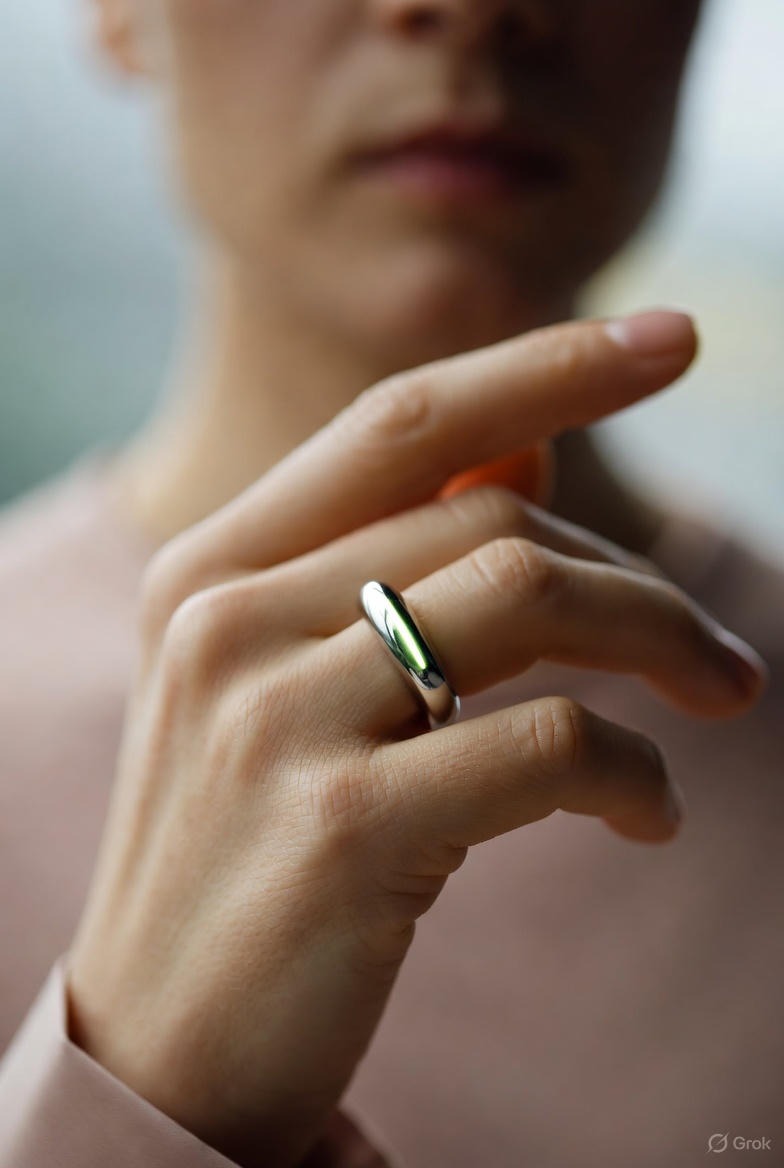
Neurologists, specializing in the brain and nervous system, are finding that data from the body—particularly sleep and autonomic metrics—provides critical, often overlooked, clues to neurological health. The brain does not exist in isolation; its function is intimately tied to the physiological state of the entire organism.
Sleep Architecture as a Neurological Vital Sign: For neurologists, sleep is a primary brain activity. "Disordered sleep is both a symptom and a driver of nearly every neurological condition I treat—migraine, epilepsy, multiple sclerosis, neurodegenerative diseases like Alzheimer's and Parkinson's," states Dr. Aris Thorne, a neurologist. Consumer wearables offer a longitudinal view of sleep that a one-night sleep study cannot. "Seeing that a migraine patient's sleep becomes fragmented for two nights before a headache cluster starts is a huge insight. It allows for preemptive therapy and strengthens the patient's understanding of their own triggers."
Autonomic Dysfunction Exposed: Many neurological disorders (Parkinson's, MS, post-concussion syndrome) involve dysautonomia—malfunction of the autonomic nervous system (ANS) that controls heart rate, blood pressure, and digestion. "HRV is a direct, non-invasive window into ANS function," explains Dr. Thorne. "A patient with long COVID or post-concussion syndrome may report 'brain fog' and dizziness. If their wearable shows persistently low and flat HRV, it objectively confirms autonomic involvement and helps track the effectiveness of treatments like graded exercise therapy or pharmacologic agents."
Seizure Detection and Nocturnal Safety: While not a replacement for EEG, some wearables with advanced accelerometry and heart rate algorithms are showing promise in detecting generalized tonic-clonic seizures, especially during sleep. For epileptologists and concerned families, this can provide an alert system for nocturnal seizures, potentially improving safety. It also helps correlate seizure frequency with sleep quality trends.
Circadian Rhythm Disruption in Neurodegeneration: Circadian breakdown is a hallmark of Alzheimer's disease and other dementias, often preceding cognitive decline. Wearables that track rest-activity rhythms can detect the early fraying of these cycles—increased nighttime wakefulness, day-nap fragmentation, and loss of consistent sleep timing. "In patients with mild cognitive impairment, this data can be a prognostic marker and a target for light therapy and structured routine interventions to stabilize the circadian clock," says Dr. Thorne.
Objective Tracking of Fatigue: Fatigue is the most common and debilitating symptom in MS and many other neurological conditions, yet it is subjective and hard to quantify. "When a patient with MS says they're fatigued, and their data shows a week of elevated resting heart rate and suppressed HRV, it validates their experience and rules out deconditioning as the sole cause," Dr. Thorne notes. "We can then more confidently treat the neuro-inflammatory component of their fatigue."
For neurologists, consumer wearables demystify the brain-body connection. They provide tangible, objective correlates to subjective neurological symptoms, turning vague complaints of "fog" and "fatigue" into measurable physiological phenomena. This not only aids in diagnosis and management but also provides immense validation to patients whose suffering has often been invisible. For athletes managing neurological recovery or fatigue, specific strategies can be found in our guide to a nighttime routine for athletes: maximizing recovery while you rest.
Beyond theory, the true impact of consumer health devices is best illustrated through real-world clinical anecdotes. These cases, shared by physicians (with details anonymized), highlight how patient-generated data has directly altered diagnoses, treatments, and outcomes.
Case 1: The Masked Hypertensive. A 45-year-old man presented for a routine physical. His in-office blood pressure was borderline (138/88). He was active and lean, and the reading was attributed to "white coat syndrome." However, he shared data from his smartwatch showing his nighttime resting heart rate averaged 72 bpm over the past month, which was 8 bpm above his typical baseline of 64. This persistent nocturnal tachycardia raised the doctor's suspicion of masked hypertension or sleep apnea. A prescribed 24-hour ambulatory blood pressure monitor confirmed stage 1 hypertension during sleep. The early data clue led to lifestyle intervention and monitoring, potentially averting long-term organ damage.
Case 2: Uncovering the Source of Unexplained Fatigue. A 32-year-old woman saw her doctor for six months of persistent fatigue. Standard blood tests (CBC, thyroid, iron) were normal. She was diagnosed with "burnout" and depression. She then purchased a smart ring and, after two months, noticed a striking pattern: her deep sleep was virtually absent, and her heart rate showed repeated, small accelerations throughout the night. She brought this data to a sleep specialist. A follow-up polysomnography diagnosed periodic limb movement disorder (PLMD), a condition where leg movements disrupt sleep architecture without fully waking the patient. Treatment with a medication dramatically improved her sleep and resolved her fatigue. The wearable data provided the crucial clue that her problem was physiological, not purely psychological.
Case 3: Post-Viral Dysautonomia Management. A 28-year-old woman struggled with debilitating dizziness and palpitations for months following a viral infection. Her ECG and echocardiogram were normal. She felt dismissed. Using a wearable, she documented dramatic postural orthostatic tachycardia syndrome (POTS)-like patterns: her heart rate would spike 40+ bpm upon standing and remained elevated with minimal activity. She showed this clear, graphical data to a new cardiologist. "The moment I saw those charts, I knew we were dealing with dysautonomia," the doctor recalled. The data expedited the diagnosis of post-viral POTS, leading to appropriate treatment (hydration, compression, specific medications) and validating the patient's experience, which was itself therapeutic.
Case 4: Medication Side Effect Correlation. A patient on a new antidepressant reported feeling "wired and tired." His psychiatrist was skeptical, as the medication was known to be sedating for most. The patient shared his smart ring data showing a 25% reduction in deep sleep and a significant increase in nighttime wakefulness starting precisely the week he began the medication. This objective evidence convinced the psychiatrist to switch him to a different class of drug, after which his sleep metrics returned to baseline and his subjective symptoms improved. The data provided a clear cause-effect timeline that subjective reporting alone could not.
These cases underscore a common theme: wearables often excel at revealing patterns over time and discrepancies between subjective feeling and objective physiology. They empower patients to become detectives of their own health, bringing concrete evidence to the clinical encounter that can break open diagnostic stalemates and guide more precise, personalized care. For individuals and families dealing with health challenges, establishing consistent, supportive evening habits can be a cornerstone of management, as seen in routines designed for reducing morning grogginess.
The influx of patient-generated data is catalyzing a fundamental shift in the physician-patient dynamic. The traditional, paternalistic model—where the doctor is the sole expert holding all knowledge—is giving way to a collaborative partnership. In this new paradigm, the patient is an active, informed participant, and the doctor serves as an expert guide and interpreter. This shift, while challenging, is one that progressive clinicians are embracing as a path to better outcomes.
The Patient as Co-Pilot: "The most successful patients I have are no longer passive," observes Dr. Anya Sharma. "They come prepared with questions, observations, and yes, their data. They see themselves as the CEOs of their own health, and I am their chief medical officer. My job is to provide expertise, context, and options based on the intelligence they help gather." This shared responsibility fosters greater engagement and adherence to treatment plans. When a patient sees on their own wearable that a prescribed bedtime routine is improving their deep sleep, they are more motivated to continue. This can start with nighttime wellness rituals that take less than 30 minutes, making the initial commitment feel manageable.
Shared Decision-Making Grounded in Data: Concrete data provides a neutral ground for collaborative choices. A discussion about starting a medication for insomnia shifts from a vague "Let's try this" to a data-informed plan: "Your device shows you're averaging 5 hours of sleep with 5% deep sleep. This medication has been shown to increase total sleep time by an average of 45 minutes. Let's start it, track your data for four weeks, and then decide together if the benefits outweigh any side effects we see." The patient is an equal partner in evaluating the evidence—both clinical and personal.
Redefining the "Expert" Role: In this model, the physician's expertise evolves. It's less about being the only source of information and more about possessing the critical skills to:
This partnership requires new communication skills from both parties. Patients must learn to present data effectively (as outlined earlier), and doctors must cultivate humility and curiosity, acknowledging that the patient is the world's leading expert on their own lived experience. As Dr. Marcus Chen notes, "My most important question has become, 'What does this data mean to you?' That opens the door to a far richer conversation than simply me issuing a verdict on a graph."
Despite the clear momentum, the integration of consumer health data into mainstream medicine is not uniform. Significant barriers exist, rooted in generational differences, institutional workflows, and financial disincentives.
The Generational Divide: Often, but not always, a physician's comfort level correlates with their proximity to digital technology. "Many of my senior colleagues, brilliant clinicians, view this as a passing fad or an unnecessary complication," says a mid-career internist. "They trained in an era of physical exam and lab work, and they deeply trust those modalities. Asking them to interpret a sleep stage graph feels like asking them to read a foreign language." Conversely, younger residents and fellows, who have grown up with smartphones, often seek out and champion these tools. Bridging this gap requires focused education—not on the gadgets themselves, but on the clinical utility of the patterns they reveal, framed within the language of traditional medicine (e.g., "This persistent tachycardia is like a continuous vital sign, a digital version of what we try to capture in the clinic").
The Tyranny of the 15-Minute Visit: The dominant fee-for-service reimbursement model is the single greatest structural obstacle. "I am not paid to review 30 days of wearable data," states Dr. Sharma bluntly. "I am paid for a 99213 or 99214 office visit code based on the complexity of the history, exam, and medical decision-making. Spending 10 extra minutes analyzing a patient's HRV trend is uncompensated time that puts me further behind schedule." Until payment models evolve to value data review and chronic care management differently, adoption will be spotty. Solutions are emerging in value-based care contracts, concierge practices, and new billing codes for remote physiologic monitoring (RPM), but systemic change is slow.
EHR Integration Hurdles: The electronic health record, intended to streamline care, often acts as a walled garden. Dropping a PDF of wearable data into a patient's chart as an unstructured document is of little use; it becomes a digital dust bunny. True integration requires seamless, bidirectional data flow, which demands costly interfaces, IT support, and security audits that most small practices cannot afford. Large health systems are beginning to pilot these integrations, but the lack of a universal standard remains a massive bottleneck.
The "Standard of Care" Dilemma: Physicians practice defensively, adhering to established, evidence-based standards. If a patient has a concerning finding on a wearable that is not yet part of formal clinical guidelines, the doctor faces a dilemma: ignore it and risk missing something, or act on it and risk performing unnecessary tests or treatments. "We need professional medical societies to step up and issue guidance," argues Dr. Lena Park. "When the American College of Cardiology gives clear recommendations on how to handle smartwatch afib alerts, it gives every cardiologist a roadmap and legal cover. We need this for sleep data, HRV, and other metrics."
Overcoming these barriers requires a multi-pronged approach: advocacy for reimbursement reform, investment in interoperable health IT, targeted education for clinicians of all ages, and leadership from medical societies to create the frameworks that turn data from a liability into a standardized asset.
The annual check-up, a cornerstone of preventive medicine, is poised for its greatest transformation in a century. Instead of a single, often unrepresentative snapshot of health (fasting blood work, a one-time blood pressure reading), the future physical will be a review of your personal "health cinegraph"—a dynamic, continuous movie of your physiology over the preceding year, courtesy of your wearable devices.
The Pre-Visit Health Summary: Prior to your appointment, your wearable data (with your permission) will be securely analyzed by algorithms to generate a personalized "Year in Review" report. This won't replace the doctor's judgment but will augment it. The report will highlight:
The Consultation as Data Debrief: The 20-minute appointment transforms from a data-gathering exercise to a strategic planning session. The doctor, armed with this longitudinal summary, can ask precision questions: "I see your sleep efficiency started declining in October and hasn't recovered. What changed in your life then?" or "Your activity data shows you consistently hit 10,000 steps, but your HRV suggests you're not recovering well. Are you pushing through fatigue?" The conversation is deeper, more efficient, and focused on interpreting the story the data has already begun to tell.
Actionable, Personalized Prescriptions: Interventions become hyper-specific. Instead of "get more sleep," the prescription might be: "Aim for a bedtime no later than 10:30 PM on weeknights to increase your sleep consistency score to 85, and let's add a 10-minute wind-down routine to lower your pre-sleep heart rate." The follow-up is built-in: the patient continues to generate the data that will measure the success of the intervention at the next visit. For those seeking a foundational structure to build upon, the science-backed nighttime routine for better sleep provides an evidence-based starting point.
This model turns prevention from a theoretical concept into a measurable, manageable process. It identifies deviations from personal normal early, often before they manifest as symptoms or abnormal lab values. The annual physical becomes less about "What's wrong right now?" and more about "How can we optimize your trajectory for the year ahead?"
The integration of consumer health technology is not a uniquely American phenomenon. Different countries, with their varied healthcare financing and delivery models, are approaching this challenge in distinct ways, offering valuable lessons.
Europe's Regulatory-First, Public Health Approach: In the European Union, devices making health claims must comply with the Medical Device Regulation (MDR), a stringent framework. This creates a higher initial barrier but fosters physician trust in cleared devices. Countries like Germany and the Nordics are pioneering "DiGA" (Digitale Gesundheitsanwendungen) programs, where doctors can formally "prescribe" approved digital health apps and wearables, which are then reimbursed by public health insurers. This officially brings consumer-grade tech into the treatment arsenal, with a focus on condition-specific applications (e.g., an app for diabetes management or back pain therapy).
Asia's Tech-Forward, Prevention-Focused Models: In tech-savvy societies like South Korea, Singapore, and Japan, there is rapid adoption of wearables integrated with national digital health platforms. In Singapore, the "HealthHub" app allows citizens to sync data from various devices, creating a personal health dashboard that can be shared with public health clinics. The cultural emphasis on prevention and technological advancement drives a top-down integration strategy, with government partnerships with tech companies to develop population-level health insights and early warning systems.
The United Kingdom's NHS: Cautious Piloting Within a Single-Payer System: The UK's National Health Service (NHS) is cautiously exploring wearables through targeted pilots, often for specific chronic disease cohorts (e.g., remote monitoring of COPD or heart failure patients). The focus is on cost-effectiveness and reducing hospital admissions. The centralized nature of the NHS allows for large-scale pilots and the potential for nationwide rollout of successful programs, but the pace is tempered by budgetary constraints and the need for robust evidence of clinical and economic benefit.
Emerging Economies: Leapfrogging to Mobile Health: In parts of Africa and South Asia, where traditional healthcare infrastructure is sparse, mobile phones and simple wearables are becoming primary health tools. Community health workers use Bluetooth-enabled devices to collect vital signs, and AI-powered apps provide triage and management guidance. Here, consumer technology isn't an adjunct to care; it's the backbone of an entirely new, decentralized healthcare delivery model.
The global takeaway is that no single approach is perfect. The U.S. could learn from Europe's stronger regulatory clarity and reimbursement pathways for digital tools. Europe could learn from Asia's agility and population-scale integration. All systems are grappling with the same core issues: validation, equity, data privacy, and the need to align incentives so that this data actually improves health outcomes rather than just generating more information.
We stand at an inflection point in the history of medicine. The stethoscope, the X-ray, the blood test—each gave doctors a new sense with which to perceive the hidden workings of the body. Consumer health devices are best understood as the next sense: a continuous, digital proprioception, an ongoing awareness of the body's inner state.
The journey through the minds of doctors reveals not a monolithic opinion, but a spectrum of engagement—from skepticism to enthusiasm—all underpinned by a shared commitment to the Hippocratic oath: first, do no harm. The consensus that emerges is nuanced and powerful:
For the individual navigating this new landscape, the path forward is one of informed partnership. Choose devices with transparent validation. Learn the language of your own metrics. Use the data to ask better questions, not to draw final conclusions. Prepare and present your findings thoughtfully to your healthcare team.
For the physician, the mandate is to embrace a new kind of literacy. It is no longer optional to understand the capabilities and limitations of the tools your patients are using. The modern clinician must be a biometerpreter, a guide through the data landscape, helping patients separate signal from noise and chart a course toward genuine wellness.
The promise of modern health monitoring is not a future where algorithms replace doctors, but one where data-enlightened patients and data-literate doctors collaborate more closely than ever before. It is a future where health is not a static state to be checked annually, but a dynamic, living process to be nurtured continuously. The goal is not just longer life, but a deeper, more resonant vitality—a state of being where the insights from our technology harmonize with the wisdom of our caregivers and the intuitive knowledge of our own bodies. That is the true heartbeat of medicine's next chapter.
Your Trusted Sleep Advocate: Sleep Foundation — https://www.sleepfoundation.org
Discover a digital archive of scholarly articles: NIH — https://www.ncbi.nlm.nih.gov/
39 million citations for biomedical literature :PubMed — https://pubmed.ncbi.nlm.nih.gov/
Experts at Harvard Health Publishing covering a variety of health topics — https://www.health.harvard.edu/blog/
Every life deserves world class care :Cleveland Clinic - https://my.clevelandclinic.org/health
Wearable technology and the future of predictive health monitoring :MIT Technology Review — https://www.technologyreview.com/
Dedicated to the well-being of all people and guided by science :World Health Organization — https://www.who.int/news-room/
Psychological science and knowledge to benefit society and improve lives. :APA — https://www.apa.org/monitor/
Cutting-edge insights on human longevity and peak performance:
Lifespan Research — https://www.lifespan.io/
Global authority on exercise physiology, sports performance, and human recovery:
American College of Sports Medicine — https://www.acsm.org/
Neuroscience-driven guidance for better focus, sleep, and mental clarity:
Stanford Human Performance Lab — https://humanperformance.stanford.edu/
Evidence-based psychology and mind–body wellness resources:
Mayo Clinic — https://www.mayoclinic.org/healthy-lifestyle/
Data-backed research on emotional wellbeing, stress biology, and resilience:
American Institute of Stress — https://www.stress.org/


