


The Modern Health Monitoring Tools Every Adult Should Use
Recommends the essential modern health monitoring tools that can benefit most adults.
Recommends the essential modern health monitoring tools that can benefit most adults.
%402x.svg)
In an era defined by data, we possess an unprecedented power: the ability to know ourselves, biologically, in real time. Gone are the days when understanding your health meant an annual check-up and a few vague, often reactive, metrics. Today, a quiet revolution is happening on our wrists, fingers, and in our pockets. Modern health monitoring tools are shifting healthcare from a passive, episodic model to a proactive, continuous, and deeply personalized practice. For the modern adult, leveraging these tools isn't just about fitness bragging rights; it's about cultivating a profound, data-informed awareness of your body's unique rhythms, stressors, and needs—empowering you to make smarter decisions every single day.
This comprehensive guide explores the essential ecosystem of health monitoring technology that every adult should consider integrating into their life. We'll move beyond step counting to delve into the critical biomarkers that truly dictate your vitality, longevity, and daily performance. From the sleep-tracking prowess of smart rings to the clinical-grade insights now available at home, we will unpack how each tool functions, why the data matters, and how to synthesize information from multiple sources to build a complete picture of your well-being. This is not about paranoia or self-diagnosis; it's about informed self-care and partnership with your healthcare provider, armed with concrete insights rather than vague feelings. Your journey to becoming the expert on your own body starts here.

The journey of personal health monitoring began modestly. The pedometer, a mechanical device invented centuries ago and popularized in the 1960s, offered a single data point: steps taken. It was a one-dimensional view of activity. The early 2000s saw the dawn of the "quantified self" movement, where tech enthusiasts began logging everything manually. Then came the explosion of wearable fitness trackers in the 2010s, bringing step counts, rudimentary calorie burn estimates, and sleep duration to the masses via wristbands.
This was just the opening chapter. The limitation of these early devices was their focus on output and volume—how much you moved—with little understanding of the quality of that movement or its impact on your body's internal state. They told you what you did, but rarely how well you did it or how it affected your physiology.
The modern paradigm is fundamentally different. Today's advanced tools are concerned with biomarkers—objective, measurable indicators of biological processes. We've shifted from tracking mere activity to monitoring recovery, readiness, and resilience. The focus is now on:
This evolution means we are no longer just historians of our health, recording the past. We are becoming forecasters, equipped with the data to make proactive adjustments. The tools in this guide represent the cutting edge of this shift, moving you from a basic awareness of your activity to a masterful understanding of your holistic health.
Waiting for symptoms to appear before addressing your health is like waiting for a warning light to flash on your car's dashboard while ignoring the engine's strange noises for months. By the time a symptom is noticeable, an underlying issue may have been progressing for a long time. Proactive health monitoring flips this script. Here’s why it’s essential for any adult invested in their long-term vitality:
1. It Establishes Your Personal Baseline: What's "normal" is wildly individual. Is a resting heart rate of 68 BPM good for you? It depends. Without tracking, you only have population averages. With continuous data, you learn your normal resting heart rate, your normal sleep pattern, your normal HRV. This personalized baseline is the critical reference point—deviations from it are far more meaningful than deviations from a generic average.
2. It Unveils Hidden Patterns and Triggers: How does that extra cup of coffee after 2 PM really affect your sleep? Does your stress metric spike after certain meetings or following specific foods? Personal tracking allows you to connect dots between lifestyle choices and physiological outcomes, turning guesswork into knowledge. You become a detective of your own well-being, identifying triggers for poor sleep, inflammation, or anxiety.
3. It Motivates Sustainable Behavioral Change: Data is a powerful motivator. Seeing a tangible score improve—like your sleep stability or recovery rate—provides positive reinforcement that vague goals cannot. It turns abstract concepts like "get healthier" into concrete, achievable targets like "maintain a resting heart rate below 60 for two weeks."
4. It Enhances Communication with Healthcare Professionals: Walking into a doctor's office with a log of your blood pressure readings over three months or a chart showing a trend of declining sleep quality is infinitely more valuable than saying, "I feel tired sometimes." It provides objective evidence, saves time, and enables a more collaborative, data-driven approach to your care.
5. It Focuses on Prevention and Longevity: The ultimate goal of proactive monitoring is to prevent chronic diseases—like hypertension, type 2 diabetes, and cardiovascular issues—by catching risk factors early. It aligns with the core principle of functional and longevity medicine: optimizing the body's systems to function at their best for as long as possible.
Ignoring these tools in the modern age is choosing to navigate your health in the dark. Adopting them is turning on the lights and seeing the full map.
If you could only choose one metric to optimize for overall health, sleep would be the undisputed champion. Sleep is not downtime; it is the essential, non-negotiable period where your body repairs tissues, consolidates memories, regulates hormones, and clears metabolic waste from the brain. Poor sleep undermines every other aspect of your health. Therefore, the most foundational modern health tool is one that accurately and comprehensively tracks sleep—and the leader in this category is the smart ring.
Unlike wrist-worn devices, a ring worn on your finger offers several unique advantages for sleep tracking:
A sophisticated smart ring goes far beyond telling you how long you slept. It deconstructs the architecture of your night. Key metrics it provides include:
By analyzing this data, a smart ring doesn't just report on last night; it helps you build the perfect environment for tonight. For instance, if your data shows you're consistently missing deep sleep, you can investigate factors like evening alcohol consumption, late-night eating, or room temperature. This is where actionable insight begins. For a deep dive into optimizing this critical period, explore our comprehensive guide on The Science-Backed Nighttime Routine for Better Sleep, which pairs perfectly with the data from your tracking device.
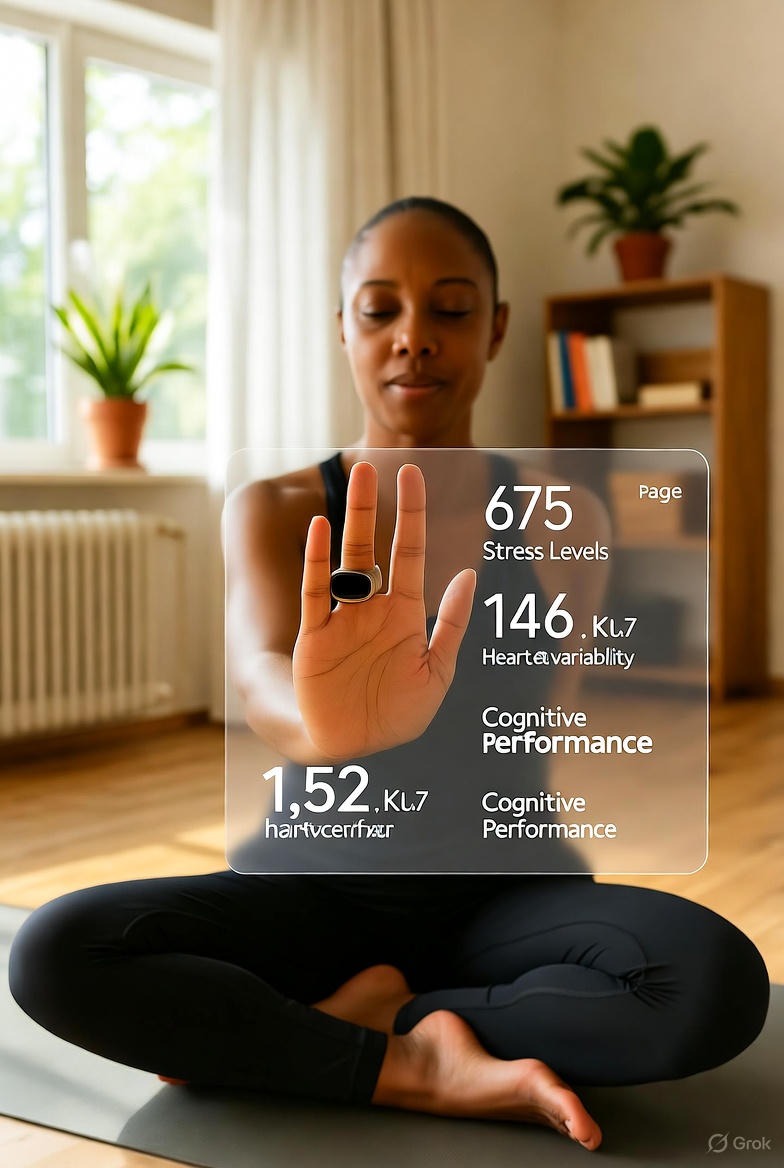
While your daily step count has its place, it's a crude instrument for measuring true cardiovascular health and your body's ability to handle and recover from stress. Two of the most insightful metrics now accessible through wearables and smart rings are Heart Rate Variability (HRV) and Resting Heart Rate (RHR). Understanding these transforms you from someone who exercises into someone who trains intelligently.
Heart Rate Variability (HRV): The Ultimate Readiness Metric
Contrary to what you might think, a healthy heart does not beat with the monotonous regularity of a metronome. The time interval between beats is constantly fluctuating, measured in milliseconds. This is HRV. It is controlled by your autonomic nervous system (ANS)—the balance between the stress-oriented sympathetic branch ("fight or flight") and the restorative parasympathetic branch ("rest and digest").
By tracking your HRV trend—especially your nighttime average—you get a daily report card on your overall stress load and recovery status. A sudden drop can be an early warning sign of impending illness, overtraining, or excessive life stress, often before you feel sick or overly fatigued. This allows you to pivot: maybe today is for a gentle walk instead of an intense interval session, or perhaps you need to prioritize an early night. This kind of responsive training prevents burnout and injury.
Resting Heart Rate (RHR): The Baseline Signal
Your RHR, measured when you are completely at rest (optimally during sleep), is a fundamental indicator of cardiovascular fitness and health. A lower RHR typically means your heart muscle is stronger and more efficient, pumping more blood per beat.
VO2 Max: The Fitness Prognosticator
Many advanced wearables now provide an estimate of your VO2 Max—the maximum amount of oxygen your body can utilize during intense exercise. It's considered one of the best indicators of cardiovascular fitness and aerobic endurance. More than just a number for athletes, a higher VO2 Max is strongly correlated with longevity and reduced risk of chronic disease. Tracking this metric over months and years shows you the true impact of your training regimen on your fundamental health capacity.
Together, HRV, RHR, and VO2 Max form a triad that tells you not just how hard you can work, but how well you've recovered and how fit you're becoming. It's the difference between pushing blindly and training with wisdom.
Hypertension, or high blood pressure, is famously called the "silent killer" because it often has no symptoms until it causes significant damage to the heart, arteries, kidneys, and brain. Relying on once-a-year check-ups is a dangerous gamble. Modern tools now allow for continuous, at-home blood pressure monitoring, transforming how we manage this critical risk factor.
Why Spot Checks Aren't Enough:
A single reading at a doctor's office can be skewed by "white coat syndrome" (anxiety-induced elevation), recent caffeine intake, or simply daily fluctuation. Blood pressure has a natural circadian rhythm—it typically dips at night during sleep (nocturnal dipping) and rises in the morning. The loss of this nocturnal dip is a significant risk indicator independent of daytime readings.
The Power of Ambulatory and Wearable Monitors:
Actionable Insights from Continuous Data:
With this rich data, you can move beyond a single number and answer vital questions:
This empowers a proactive dialogue with your doctor. You can demonstrate the effectiveness of lifestyle interventions like meditation, dietary changes (like reducing sodium), or a structured Nighttime Wellness Routine that reduces pre-sleep stress. Continuous monitoring turns blood pressure from a hidden threat into a managed, understood aspect of your health.
For decades, understanding your blood sugar meant a painful finger prick, providing a single moment-in-time data point. The advent of Continuous Glucose Monitors (CGMs)—small sensors worn on the back of the arm—has democratized access to a live stream of metabolic data. While essential for diabetics, CGMs are becoming a revolutionary tool for anyone interested in optimizing their energy, body composition, and long-term metabolic health.
What a CGM Reveals:
A CGM measures glucose levels in interstitial fluid, giving you a near-real-time graph of your blood sugar fluctuations every 1-5 minutes. You see not just your fasting glucose, but more importantly, your glucose responses to food, stress, exercise, and sleep.
Key Insights for Non-Diabetics:
The Goal: Metabolic Flexibility & Stability
The objective isn't to have perpetually low glucose; it's to avoid large, rapid spikes and dips. Stable glucose means stable energy, reduced cravings, lower inflammation, and a decreased risk of insulin resistance—the precursor to type 2 diabetes. A CGM provides the personalized roadmap to get there, moving you from generic dietary advice to a nutrition plan engineered for your unique biology. For those struggling with post-dinner energy crashes or restless sleep, pairing CGM data with Nighttime Wellness Rituals that Take Less Than 30 Minutes can be a game-changer for stabilizing evening metabolism.
Hormones are the body's master chemical messengers, regulating everything from metabolism, sleep, and mood to reproduction, stress response, and immune function. When they are out of balance, the effects can be diffuse and debilitating—chronic fatigue, weight gain, brain fog, low libido, and mood swings. While symptoms provide clues, only testing reveals the truth. The rise of direct-to-consumer at-home lab testing has made comprehensive hormone panels more accessible than ever.
What You Can Test at Home:
Modern kits allow you to collect samples (saliva, dried blood spot, urine, or finger-prick blood) in the privacy of your home and mail them to a CLIA-certified lab. Key panels include:
The Power of Data Synthesis:
The true magic happens when you combine lab data with your wearable data. For example:
At-home testing demystifies your symptoms. It provides objective evidence to guide interventions, whether through lifestyle (like implementing The Nighttime Wellness Routine for Anxious Minds to lower cortisol), nutrition, supplements, or hormone replacement therapy, all under professional guidance.
Stress isn't just a feeling; it's a measurable physiological state characterized by a cascade of hormones, increased heart rate, and a shift in nervous system dominance. You can't manage what you don't measure. Modern tools now offer objective ways to track your stress load and the effectiveness of your de-stressing practices.
Electrodermal Activity (EDA) and Skin Temperature:
Advanced wearables, particularly some smart rings and wristbands, include sensors that measure:
Guided Biofeedback and Mindfulness Integration:
The most forward-thinking devices don't just track stress; they help you actively manage it. They may:
The Outcome: Emotional Fitness
By quantifying stress and the efficacy of your coping mechanisms, you move from being a victim of your stressors to an active trainer of your nervous system. You learn which meetings, interactions, or times of day are most taxing. You get concrete proof that your 10-minute meditation or evening walk actually works to calm your physiology. This builds the habit of proactive stress management, a cornerstone of preventing chronic inflammation, anxiety, and burnout. For busy professionals, this is non-negotiable. Creating A Nighttime Wellness Routine for Busy Professionals that incorporates this biofeedback can be the key to sustainable high performance.
Your health is not determined solely by your body; it is in constant conversation with your environment. Two of the most critical yet invisible environmental factors are the air you breathe and the water you drink, especially within your home—where you spend the majority of your time. Personal environmental monitors bring these hidden elements to light.
Indoor Air Quality (IAQ) Monitors:
These compact devices track a suite of pollutants:
Actionable Environmental Control:
With real-time IAQ data, you can:
Water Quality Testers:
Simple home test kits or digital meters can check for:
Ensuring your drinking and bathing water is free from contaminants is a foundational health step. These monitors empower you to create a truly healthy home ecosystem, turning your living space from a potential source of silent harm into a sanctuary that actively supports your well-being.

In the 21st century, a discussion on health monitoring is incomplete without addressing our digital consumption. Our smartphones and computers are not just tools; they are environments that profoundly affect our mental health, sleep, focus, and stress levels. Digital wellbeing tools are the essential monitors for this aspect of our lives.
What These Tools Track:
Built into modern operating systems (iOS Screen Time, Android Digital Wellbeing) or via third-party apps, these tools quantify:
The Physical Health Connection:
Excessive screen time, particularly before bed, has direct physiological consequences:
Using Data to Create Digital Boundaries:
Monitoring your digital footprint is the first step toward intentionality. The data creates awareness ("I spent 3 hours on social media today?!"), which fuels behavior change. You can then:
By treating your digital consumption as a measurable health metric, you reclaim attention, reduce mental clutter, and protect your sleep—a critical pillar of overall health that is too easily eroded by an unmanaged digital environment.
For decades, the bathroom scale has reigned supreme as the arbiter of health progress, yet it is a notoriously blunt and often deceptive instrument. That single number represents the sum total of bone, muscle, organs, body water, and fat. Gaining five pounds of muscle and losing five pounds of fat is a phenomenal recomposition achievement, but the scale reads zero change—a complete misrepresentation of reality. Modern body composition analyzers dismantle this monolith, providing a detailed breakdown of what your body is actually made of, which is far more insightful for health than weight alone.
Technologies for Detailed Insight:
Key Metrics That Matter More Than Weight:
Actionable Intelligence for Nutrition & Training:
Body composition data transforms your approach. If you're gaining weight but your body fat percentage is dropping and muscle mass is rising, you're on the right track. If the scale is stagnant but your visceral fat is decreasing, celebrate. This data allows you to tailor your diet for muscle preservation during a cut, or adjust your training to correct imbalances. It provides objective feedback that the scale cannot, keeping you motivated and focused on true health markers, not an arbitrary number. For athletes, pairing this with a deliberate Nighttime Routine for Athletes Maximizing Recovery While You Rest ensures that hard training translates into optimal body composition results.
While wearables and scanners monitor your current state, two other technologies provide a foundational blueprint of your inherent predispositions and your internal ecosystem: at-home genetic testing and gut microbiome analysis. These tools offer a deeply personalized lens through which to view all your other health data.
At-Home Genetic Panels:
Companies like 23andMe, AncestryDNA, and specialized health-focused providers (e.g., Nebula Genomics, SelfDecode) allow you to access insights from your DNA.
Gut Microbiome Testing:
Your gut is home to trillions of bacteria, viruses, and fungi—collectively your microbiome—which plays a direct role in digestion, immune function, mental health (via the gut-brain axis), inflammation, and even weight regulation. Companies like Viome, Zoe, and Thryve analyze a stool sample to profile your unique microbial community.
Synthesis is Key:
Your genetics set the stage, your microbiome interacts with everything you consume, and your wearables show the real-time outcome. For example, your genetics might suggest a lower carb tolerance, your microbiome might reveal poor fiber-fermenting capacity, and your CGM might show glucose spikes after certain carbs. This triad of data provides a uniquely powerful, multi-layered action plan for personalized nutrition that no generic diet could ever match.
Owning a suite of advanced health tools is one thing; being overwhelmed by disparate data streams is another. The final and most critical step is integration—synthesizing information from your wearables, lab tests, scanners, and genetic insights into a coherent, actionable personal health dashboard. This is where true wisdom emerges from mere data.
The Philosophy of Synthesis:
No single metric tells the whole story. HRV is meaningless without the context of sleep. Sleep data is less actionable without knowing your cortisol pattern. Glucose spikes are puzzling without considering stress levels. You are looking for convergences and correlations.
Practical Steps to Build Your Dashboard:
Example of Integrated Insight:
With great data comes great responsibility. The pursuit of optimized health can inadvertently lead to unhealthy fixations, anxiety, and privacy vulnerabilities. It's essential to navigate these tools with a balanced, mindful approach.
1. The Pitfall of Orthosomnia & Data Anxiety:
"Orthosomnia" is a non-clinical term describing an unhealthy preoccupation with achieving perfect sleep data. It manifests as excessive anxiety over sleep scores, leading to behaviors that ironically worsen sleep (e.g., lying in bed anxious about not falling asleep to "protect" your sleep score). Similarly, becoming stressed over a single-day dip in HRV or a slight weight fluctuation is counterproductive.
2. The Privacy Paradox:
You are entrusting your most intimate biological data to companies. The privacy policies and data security practices of these entities are not equal.
3. Analysis Paralysis and DIY Diagnosis:
The wealth of data can be overwhelming, leading to inaction. Worse, it can tempt you into playing doctor, interpreting complex biomarkers without proper training.
4. The "More Gear = More Health" Fallacy:
Acquiring tools can create an illusion of progress. The tool itself does not make you healthier; the informed behavioral changes you make because of it do.
The landscape of personal health monitoring is evolving at a breathtaking pace. The tools we've discussed are merely the foundation for what is coming—technologies that will make continuous, non-invasive, and deeply comprehensive health tracking even more seamless and powerful.
1. Non-Invasive and Continuous Blood Biomarker Monitoring:
The holy grail is moving beyond glucose to track a full panel of blood biomarkers—like cortisol, lactate, hormones, inflammation markers (CRP), and electrolytes—without a single needle prick. Several technologies are in advanced development:
2. Advanced Neurological and Cognitive Monitoring:
Wearable EEG (electroencephalography) headsets and earbuds are becoming more consumer-friendly, allowing you to track brainwave states (focus, relaxation, deep meditation) and potentially monitor for early signs of cognitive fatigue or decline. This could integrate with digital work tools to optimize focus sessions and break timing based on your actual neural state.
3. At-Home Molecular Testing Expansion:
The success of microbiome and genetic testing will expand. Expect routine at-home testing for more nuanced markers like apolipoprotein particles for detailed cardiovascular risk, advanced hormone metabolites from urine, and environmental toxin loads (heavy metals, pesticide residues) from hair or blood spot samples.
4. AI-Powered Predictive Health Coaches:
The next generation of health apps won't just show data; they will act as true AI health assistants. By synthesizing all your data streams—wearables, lab tests, genetic info, even your calendar and local environmental data—these AIs will provide hyper-personalized, predictive advice. They might say: "Based on your lowered HRV, elevated evening cortisol trend, and a big meeting on your calendar tomorrow, I recommend a 20-minute mindfulness session tonight and prioritizing a 8.5-hour sleep window. Would you like me to adjust your smart lights and block your calendar for a post-lunch walk?"
5. Integration with Smart Home & Ambient Sensing:
Health monitoring will move off the body and into our environments. Your smart home will participate in your care:
These innovations point toward a future where health monitoring is so frictionless and integrated that it becomes a natural, almost invisible part of our daily lives, providing a continuous, holistic stream of insights that empower us to live not just longer, but with greater vitality and agency. The modern adult who adopts and intelligently uses today's tools is laying the groundwork to seamlessly integrate these tomorrow's breakthroughs, staying at the forefront of proactive, personalized health.
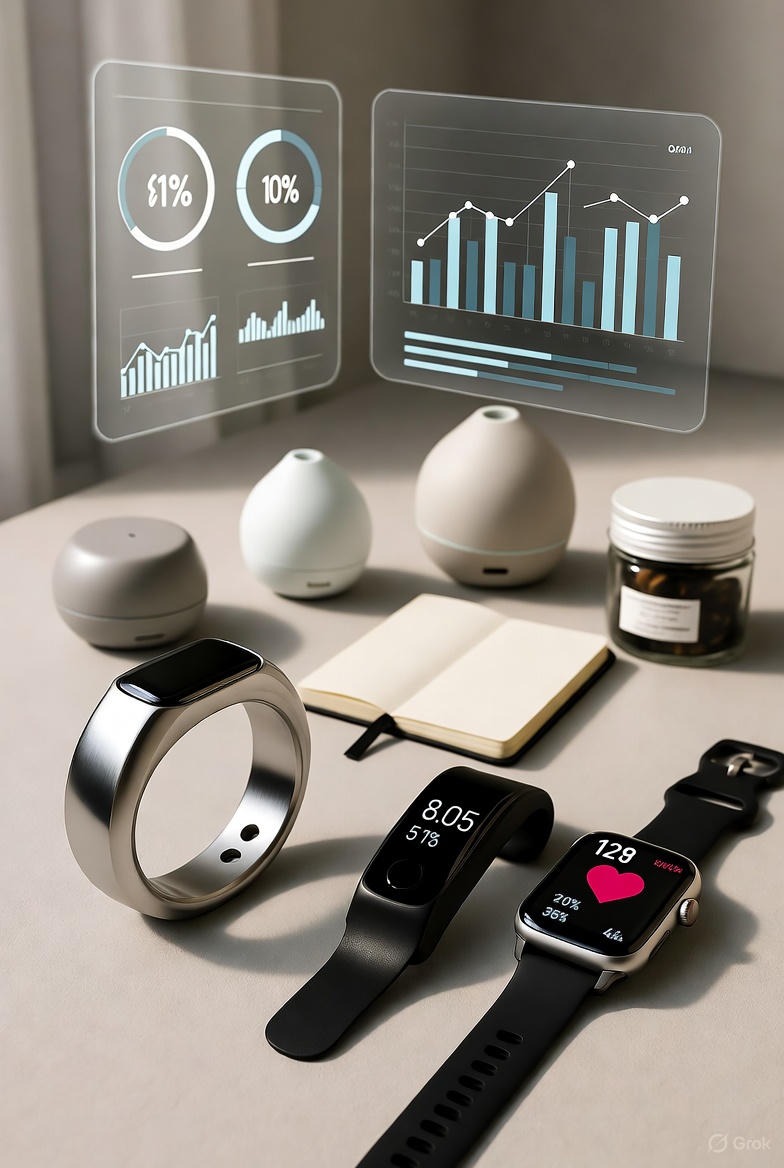
Possessing a dashboard brimming with insightful data is only as valuable as the behavioral change it inspires. The bridge between information and transformation is built with sustainable habits. The true purpose of modern health monitoring is not to create a part-time job of self-analysis, but to seamlessly inform and reinforce daily routines that compound into profound long-term health. Here’s how to translate your hard-won data into a lifestyle that sticks.
The Habit-Data Feedback Loop:
The most powerful aspect of monitoring is that it creates a closed feedback loop. You implement a small change, and the data provides near-immediate reinforcement (or a gentle correction). This loop is the engine of sustainable habit formation.
The Role of Ritual and Environment:
Data often points to environmental tweaks that have outsized effects. Your sleep tracker might show you’re consistently restless from 3 AM—could your room be too warm? Your stress monitor might spike every afternoon in your home office—could you add a plant, adjust the lighting, or use a noise machine? Use data to engineer your environment for success. Make the healthy choice the easy, default choice. For example, if your CGM shows glucose spikes after lunch, prepare a plate of cut vegetables each morning to ensure you have a fibrous start to your meal. This is habit design at its most effective.
Overcoming Inertia with Pre-commitment:
Use your tools to pre-commit to healthy decisions. Schedule your workout in your calendar as a "Meeting" when your data shows you have the highest energy. Use app blockers to enforce a digital sunset an hour before your target bedtime, a critical step for anyone looking to Avoid Nighttime Routine Mistakes That Ruin Your Sleep. Set a reminder to take your probiotic or vitamin D based on the optimal time suggested by your genetic or microbiome insights. The device provides the nudge; you provide the follow-through.
Celebrating Non-Linear Progress:
Health is not linear. There will be weeks where, despite perfect habits, your data dips due to an unavoidable stressor, a minor illness, or hormonal cycles. The dashboard teaches you resilience and self-compassion. Instead of viewing this as failure, you can note: "My body needed more rest this week," and adjust accordingly. This responsive, kind approach is the hallmark of a sustainable, data-informed wellness practice.
Let's address the elephant in the room: a full suite of modern health tools represents a significant financial investment. It’s crucial to move beyond sticker shock and conduct a clear-eyed cost versus value analysis, reframing these tools not as expenses, but as investments in your most valuable asset—your long-term health, productivity, and quality of life.
Breaking Down the Costs:
The Value Proposition: A Multiplier Effect
Weigh these costs against potential financial drains they can help you avoid or mitigate:
A Phased, Mindful Approach:
You do not need to buy everything at once. Start with Tier 1. Use it for 3-6 months to establish baselines and identify your biggest opportunity area. Then, invest in one Tier 2 test that directly addresses that area (e.g., if sleep is poor, do a cortisol test). Let the insights from that guide your next 6 months of habit change. This staggered approach spreads the cost and ensures each tool is fully utilized and understood before adding another. The goal is curated, purposeful data, not data hoarding.
To move from abstract theory to tangible inspiration, let’s explore hypothetical but highly realistic scenarios where modern health monitoring provided the key insight that led to a transformative change.
Case Study 1: The "Healthy" Professional with Unexplained Fatigue
Case Study 2: The Stressed Entrepreneur with Sleep Onset Insomnia
Case Study 3: The Active Retiree Focused on Longevity
These stories illustrate that the tools are not the end goal; they are the means to uncovering your unique health narrative and writing a better next chapter.
We stand at a unique inflection point in human history. For the first time, the tools to understand the intricate, real-time language of our own physiology are available outside the clinic, accessible and usable in the flow of daily life. The modern health monitoring tools we've explored—from the silent vigilance of the smart ring to the deep forensic insights of genetic and microbiome testing—are not gadgets for the obsessed. They are instruments of empowerment.
This journey is not about achieving a perfect, static state of health. It is about cultivating resilience—the ability to withstand, adapt to, and recover from life's inevitable stresses. It is about gaining agency—replacing passive worry with active, informed strategy. It is about fostering partnership—walking into your doctor’s office not as a passive patient, but as an informed collaborator, armed with the most valuable resource of all: knowledge about you.
The path forward is personal. It begins not with purchasing every device, but with a decision to pay closer attention. Start with one tool that addresses your most pressing question. Learn its language. Listen to what your body is trying to tell you through the data. Make one small, sustainable change and observe the effect. This is how you move from being a passenger in your own body to becoming its skilled pilot, navigator, and most devoted advocate.
Your health is the foundational capital upon which your entire life is built. Investing in understanding it is the highest-return decision you can make. Let these modern tools be your guide as you write a story of vitality, purpose, and enduring well-being for all the chapters to come.
Begin your journey tonight. Before you reach for one more tool, consider the most accessible data point of all: your own readiness for rest. Turn insight into action by exploring How Nighttime Routines Reduce Morning Grogginess and craft the first ritual of a truly data-informed, vibrant life.
Your Trusted Sleep Advocate: Sleep Foundation — https://www.sleepfoundation.org
Discover a digital archive of scholarly articles: NIH — https://www.ncbi.nlm.nih.gov/
39 million citations for biomedical literature :PubMed — https://pubmed.ncbi.nlm.nih.gov/
Experts at Harvard Health Publishing covering a variety of health topics — https://www.health.harvard.edu/blog/
Every life deserves world class care :Cleveland Clinic - https://my.clevelandclinic.org/health
Wearable technology and the future of predictive health monitoring :MIT Technology Review — https://www.technologyreview.com/
Dedicated to the well-being of all people and guided by science :World Health Organization — https://www.who.int/news-room/
Psychological science and knowledge to benefit society and improve lives. :APA — https://www.apa.org/monitor/
Cutting-edge insights on human longevity and peak performance:
Lifespan Research — https://www.lifespan.io/
Global authority on exercise physiology, sports performance, and human recovery:
American College of Sports Medicine — https://www.acsm.org/
Neuroscience-driven guidance for better focus, sleep, and mental clarity:
Stanford Human Performance Lab — https://humanperformance.stanford.edu/
Evidence-based psychology and mind–body wellness resources:
Mayo Clinic — https://www.mayoclinic.org/healthy-lifestyle/
Data-backed research on emotional wellbeing, stress biology, and resilience:
American Institute of Stress — https://www.stress.org/


