


Morning Routine Optimization for High Performers: Ring-Based Protocols
Morning routine strategies for high performers, based on data from their smart rings.
Morning routine strategies for high performers, based on data from their smart rings.
%402x.svg)
For the modern high-performer, the space between waking and starting the workday isn’t just idle time—it’s the launchpad for the entire day’s trajectory. In boardrooms, on trading floors, and in creative studios, the most successful individuals don’t just have morning routines; they possess data-driven, bio-hacked, and meticulously optimized launch sequences. Yet, for years, optimizing this critical window was an exercise in guesswork, relying on subjective feelings rather than objective biomarkers. Was that 5 AM run truly restorative, or was it straining a body in desperate need of recovery? Did the cold plunge spike cortisol beneficially, or push an already-stressed nervous system into overdrive? The answers were elusive—until now.
Enter the era of the smart ring. This unassuming piece of wearable technology is revolutionizing personal optimization by moving from the wrist to the finger, a location that grants unprecedented access to clinical-grade, continuous physiological data. Unlike sporadic check-ins, a smart ring silently monitors your heart rate variability (HRV), resting heart rate (RHR), skin temperature, sleep architecture, and blood oxygen saturation—all from a vessel you barely notice. It transforms your morning routine from a static set of habits into a dynamic, responsive protocol.
This article is your master guide to building the ultimate, evidence-based morning routine, not based on generic advice, but on the intimate biometric story your body tells you each dawn. We will move beyond the one-size-fits-all “miracle morning” to create a personalized, ring-validated system that ensures your first waking hours consistently prime your nervous system for resilience, focus, and peak performance. This is about engineering your mornings with the precision of a scientist and the intuition of a master performer, using the most personal dashboard ever created: your own physiology.
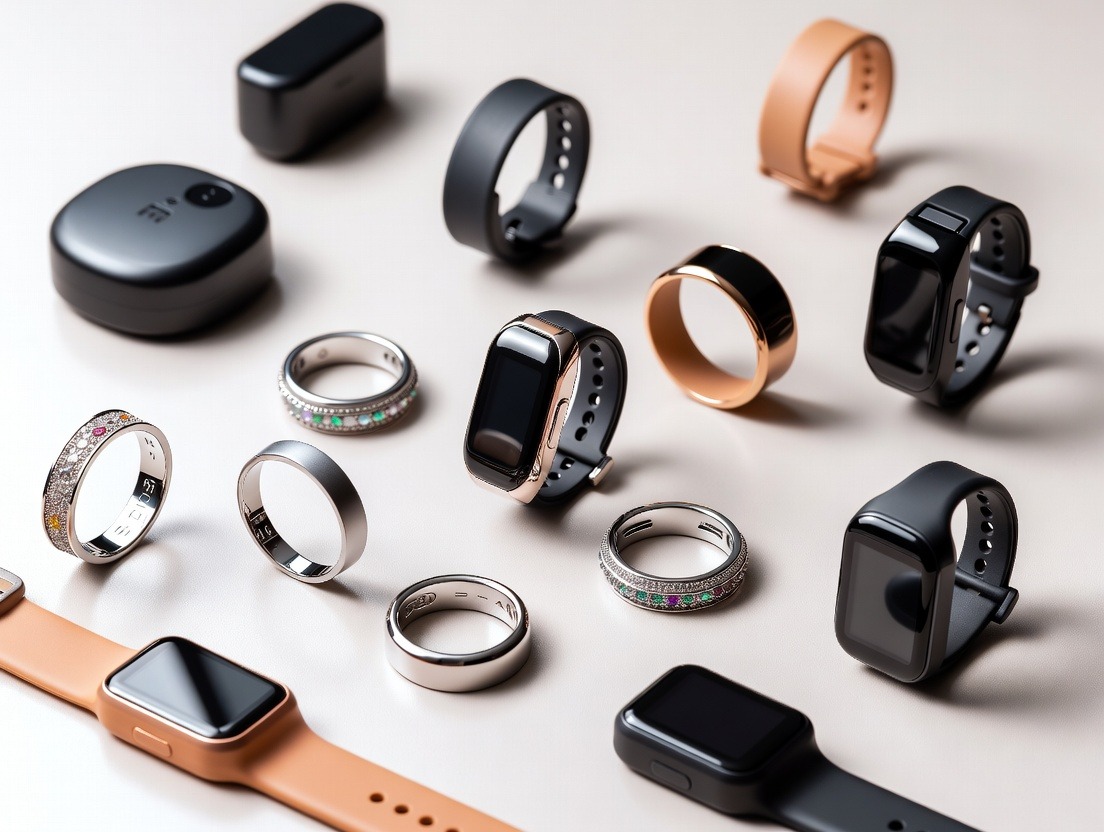
Before you swing your feet out of bed, a critical story has already been written. Your body has spent the night in a complex state of repair, detoxification, and memory consolidation. A smart ring acts as your nocturnal scribe, translating the silent language of your autonomic nervous system into a clear "Readiness Score" or "Recovery Index." But what is this score actually telling you?
At its core, it’s a synthesis of several key metrics, each a window into a different aspect of your physiological state:
Understanding this data is the first, non-negotiable step. Your morning routine should begin the night before, on the screen of your ring’s companion app. A high readiness score might green-light an intense workout or a deep work block. A low score is not a failure; it’s a crucial message to pivot toward restoration—perhaps swapping sprint intervals for mobility work or prioritizing meditation over aggressive goal-setting. This is the foundation of a ring-based protocol: listening first, then acting. To understand how this fits into a larger picture of systemic health, consider how sleep forms the foundation of mental wellness, directly influencing the metrics your ring tracks.
The moment of waking sets the hormonal tone for hours. The jarring sound of a traditional alarm triggers a micro-shot of cortisol and adrenaline—a survival response. For a high-performer, starting the day in "fight-or-flight" is a suboptimal strategy. Your smart ring enables a more elegant, physiological approach.
The End of the Alarm Clock: Smart Wake-Up Windows
Leverage your ring’s sleep stage data. Instead of a fixed alarm, set a 20-30 minute "smart wake-up" window. The ring will gently vibrate (if it has that feature) or cue a connected smart device to play sound when it detects you are in a period of light sleep. Waking from light sleep feels profoundly different than being ripped from deep or REM sleep, reducing sleep inertia (morning grogginess) and improving cognitive performance from the first moment.
The 60-Second Grounding Protocol: Data Before Dopamine
Before you check your phone, before you even open your eyes, perform this intentional sequence:
This 60-second ritual, performed before external input, claims your mental real estate. It’s a direct application of the principle that mindset is the foundation of mental wellness, setting a cognitive framework before the day's demands intrude.
The First Data Point: Mindful Check-In
Now you can reach for your phone or tablet. Open your ring’s app not with anxiety, but with curiosity. Observe your Readiness Score and key metrics. Don’t just see the number; interpret it. "HRV is down 12%. My skin temp was elevated. I had less deep sleep. My body is telling me it’s fighting something or is stressed. My protocol today will be supportive, not aggressive." This non-judgmental awareness is the cornerstone of a responsive, intelligent routine.
Your first consumption choices are a potent lever for shifting your internal state. A ring-based protocol moves beyond "drink water and take vitamins" to a targeted biochemical strategy informed by your data.
The Hydration Priority: It’s Not Just Water
Dehydration instantly elevates RHR and crushes HRV, as your heart works harder to maintain blood pressure. Your first 16-20 oz of fluid should be ingested within 30 minutes of waking to replenish nocturnal water loss. But the composition matters:
Nutraceuticals as Software Updates:
Use your ring’s trends to guide supplementation. This isn’t about a massive stack; it’s about strategic, data-informed choices.
The goal is to use your ring not to diagnose, but to observe correlations. If you introduce a new supplement, watch for positive (or negative) trends in your HRV and sleep data over 2-3 weeks. You become your own n=1 experiment.

Your circadian rhythm is the 24-hour conductor of your hormonal orchestra. Messing with it is a guaranteed path to underperformance. Your smart ring, by tracking sleep consistency and body temperature rhythms, shows you if you're in or out of sync. The morning is your most powerful time to reset and reinforce this rhythm.
The Solar Prime: Viewing Morning Light
Within 30-60 minutes of waking, get 10-15 minutes of direct morning sunlight (without sunglasses). The low solar angle sunlight is rich in blue-spectrum light, which hits specialized cells in your eyes, signaling your suprachiasmatic nucleus (SCN) to halt melatonin production, increase cortisol (in a healthy, alerting curve), and set your internal clock for the day. This one practice improves sleep quality that night, enhances daytime alertness, and regulates mood. On overcast days, use a bright, blue-enriched light therapy lamp for 20-30 minutes.
The Temperature Spectrum: From Cold to Warm
Temperature manipulation is a powerful biohack, and timing is everything.
Your ring helps you choose the right tool. Post-exposure, note how you feel and observe your daytime HRV trends in the app. Does a cold plunge leave you energized with stable energy, or jagged and anxious? The data doesn't lie.
The old adage "just do it" is dangerous for the high-performer. Exercising without regard for recovery is a recipe for injury, burnout, and diminishing returns. Your smart ring provides the feedback loop to make movement medicinal, not destructive.
The Readiness-to-Move Matrix:
The Pre-Workout Biometric Check:
Before you begin, do a simple 60-second breathing check using your ring’s manual HRV measurement (if available) or note your RHR. Is it elevated beyond your normal pre-exercise baseline? This could indicate residual stress. Consider shortening or further de-intensifying your planned session.
This approach transforms fitness from a rigid schedule to a fluid dialogue. You’ll find you make better progress with fewer injuries because you’re training with your body, not against it. This principle of responsive self-care is a key aspect of learning to recognize mental wellness red flags early, whether they manifest psychologically or, as in this case, physiologically.
A sharp body with a cluttered mind is a wasted engine. The morning is the ideal time to "defragment" your mental hard drive and install the software you want to run for the day. Your smart ring provides a unique feedback mechanism for these traditionally subjective practices.
Meditation with Biofeedback:
Don’t just meditate blindly. Use your ring in a seated session to observe the direct impact of mindfulness on your physiology. Start a 10-minute breathing-focused meditation while watching your real-time heart rate on the app. The goal is not to control it, but to observe the calm (lower RHR, smoother line) that arises from focused attention. This biofeedback loop reinforces the practice, proving its efficacy. Studies show consistent meditation improves HRV over time—a trend your ring will validate.
The "Brain Dump" & Prioritization Ritual:
After meditation, when your prefrontal cortex is engaged, perform a full cognitive download. Write down every task, worry, and idea cluttering your mind. Then, apply a ruthless prioritization framework (like the Eisenhower Matrix). Use your ring-informed readiness level to guide your ambition: a high-readiness day might allow for tackling two major, complex tasks. A low-readiness day is for administrative, low-cognitive-load work. This prevents the demoralizing cycle of setting unrealistic goals your physiology can't support.
Positive Neuroplasticity:
Spend 5-10 minutes engaging in deliberate positive input. This could be:
This practice isn't about empty positivity; it's about consciously directing your brain's plasticity toward empowered states before the world directs it for you. This aligns with the concept of building mental wellness habits that last a lifetime, where small, consistent practices rewire your baseline functioning.
What and when you eat first sets your metabolic and cognitive tone. Intermittent fasting has its merits, but it is not a universal law. Your ring data can guide you to the most energizing approach.
To Fast or Not to Fast: A Data-Driven Decision
The Ideal "First Meal" Composition:
Regardless of timing, your first meal should stabilize, not spike. Aim for:
Notice the effects post-meal. Does your energy soar and stabilize, or do you crash? Use your ring’s daytime "stress" or "energy" score (often derived from HRV and RHR) to observe. A massive carb-heavy breakfast might show as a significant dip in HRV for the next 2-3 hours, indicating a metabolic stressor.
The undisciplined consumption of information is the single greatest saboteur of a high-performance morning. Your phone is a slot machine for your dopamine system. A ring-based protocol extends to managing your digital environment.
The 90-Minute Digital Firewall:
Institute a non-negotiable rule: No reactive or consumptive digital media for the first 90 minutes after your wake-up routine is complete. This includes:
This firewall protects the carefully cultivated neurochemical and cognitive state you've built. It prevents you from adopting someone else's agenda (email), triggering comparison (social media), or seeding anxiety (news) before you've fully anchored your own intention.
Proactive Digital Consumption:
The digital tools you do use should be intentional and creative:
The discipline of this firewall is critical for mental wellness in the digital age. Your ring will likely show the benefit: more stable daytime heart rate and higher focus scores when you are not being digitally hijacked from dawn.

Your physical environment is the silent partner in your routine. A cluttered, dim, or chaotic space will subtly drain your willpower and focus. Optimize it to support your protocol effortlessly.
The "Launchpad" Zone:
Designate a specific area (a corner of your bedroom, a home office nook) as your dedicated morning routine space. It should contain:
Auditory Environment:
Soundscapes are powerful. Use them strategically:
The goal is to reduce friction and decision-making. When everything has a place and supports your goal, you conserve precious cognitive resources for the work that matters.
A static routine is a dead routine. The human body adapts, and life stressors fluctuate. The power of the smart ring is not in a single day's data, but in the longitudinal trends. Your optimization is an ongoing process of experimentation and refinement.
The Daily Log:
Beyond the ring's data, keep a simple qualitative log. Each morning, note:
The 30-Day Review:
At the end of each month, analyze the correlations.
This review turns anecdotes into evidence. You might discover that sauna on Tuesday nights reliably boosts Wednesday's readiness, or that even one glass of wine devastates your deep sleep. This is the scientific method applied to your own life, with your smart ring as the primary lab instrument. This iterative, self-aware process is the essence of learning to create a mental wellness plan that fits your life, dynamically adjusting to your evolving needs and data.
A perfect morning can be squandered by a chaotic, reactive afternoon. The final component of a ring-based morning protocol is using your dawn data to plan the rest of your day, specifically by honoring your 90-120 minute ultradian rhythms—the natural cycles of alertness and fatigue we all experience.
The Performance Blueprint:
Your morning readiness score should inform your daily schedule.
The Ring as a Real-Time Pace Setter:
Many smart rings now offer a "daytime stress" or "energy" score. Use it as a reminder to take strategic breaks. When you see a dip, it's time for a true break—not switching to another screen, but for a 5-minute walk, some deep breathing, or hydration. This prevents burnout within the day and protects the recovery you'll see in tomorrow morning's data.
By syncing your work cadence with your biological rhythms, you transform productivity from a marathon of willpower into a sustainable series of sprints and recoveries. You exit the workday with energy in reserve, setting the stage for an evening of genuine recovery, which starts the virtuous cycle anew at the next biometric dawn. This holistic view of energy management is crucial for achieving mental wellness and work-life balance, ensuring your high performance is sustainable, not self-destructive.
The journey through a single, ring-optimized morning reveals a profound truth: peak performance is not an act of brute force will, but a symphony of biological harmony. By aligning your first waking hours with the intimate data from a smart ring, you transition from guessing to knowing, from generic advice to personalized protocol. This foundational shift from a static routine to a dynamic, responsive system is what separates perpetual grinders from sustainable achievers. But this is merely the entry point. The true power of this technology lies in its ability to weave these daily insights into the larger tapestry of your long-term health, cognitive longevity, and career trajectory. The morning protocol sets the day’s trajectory; the long-term integration of this data charts the course of your life.
The following sections will guide you beyond the first two hours and into a comprehensive, 24/7 optimization philosophy. We will explore how to use your ring’s continuous data stream to master your workday energy, design an evening wind-down that guarantees restorative sleep, and navigate life’s inevitable stressors with resilience. We’ll delve into advanced techniques, from using HRV trends for strategic life planning to preventing burnout years before it manifests. This is not just about better mornings; it’s about building a life architecture where every decision—from what you eat for lunch to when you schedule a critical negotiation—is informed by the objective language of your own body. Welcome to the next level of self-mastery.
A perfectly optimized morning can be undone by a chaotic, reactive afternoon. The high-performer’s edge lies in maintaining the state cultivated at dawn throughout the demands of the day. Your smart ring, with its continuous monitoring, becomes your real-time conductor, helping you orchestrate your energy rather than haphazardly spending it.
Mastering the Ultradian Rhythm Dance:
Human physiology operates on 90-120 minute ultradian cycles—natural waves of alertness followed by a need for recovery. Ignoring these cycles leads to the 3 PM crash and unsustainable willpower depletion. Use your ring’s daytime metrics to honor this rhythm:
Meeting and Communication Optimization:
Schedule important meetings and difficult conversations during your biological prime time, which your ring data helps identify. Most people following a consistent protocol will find this is late morning (e.g., 10 AM - 12 PM), after their first work block but before the post-lunch dip. For low-stakes, administrative, or collaborative meetings, the early afternoon slot post-recovery break is ideal. This level of scheduling sophistication, informed by personal data, is a hallmark of true performance intelligence and is a practical application of understanding your own social component of mental wellness, managing interpersonal energy with intention.
Sleep is not a passive shutdown; it is an active, highly metabolic process of repair and integration. Your morning readiness is a direct product of the previous night’s sleep. Therefore, the evening wind-down is not merely "relaxing"—it is a strategic performance protocol designed to maximize sleep quality. Your ring provides the feedback to perfect it.
The 90-Minute Pre-Sleep Funnel:
Structure the last 90 minutes before bed as a gradual descent into parasympathetic dominance.
The "Sleep Cocktail" Experimentation:
Use your ring’s sleep score—particularly deep and REM sleep percentages—to experiment with evening interventions.
Tracking these interventions against your sleep architecture data turns guesswork into a precise science. You are directly answering the question, "What does my body need for optimal restoration?"
Stress is not the enemy; unmanaged, chronic stress is. High performers don’t avoid stress; they build a resilient system to handle it, recover from it, and grow from it—a concept known as hormesis. Your smart ring is the ultimate biofeedback device for this training.
Identifying Your Stress Signature:
Everyone has a unique physiological response to stress. Use your ring during deliberately challenging but controlled situations to learn yours.
This knowledge is power. It allows you to say, "My physiology shows I'm highly stressed by this, so I need to deploy a calming technique," rather than being unaware until you feel overwhelmed.
Active Recovery Protocols:
When your ring shows a low readiness score or a sustained high-stress state during the day, deploy active recovery, not just passive rest.
By repeatedly using your ring to see the direct physiological impact of these tools, you reinforce their use, building what neuroscientists call "self-efficacy"—the belief in your ability to manage your own state. This is the core of building true psychological resilience, moving beyond theory into measurable, physiological reality. This process is a critical part of developing a preventive approach to mental wellness before crisis hits.
Nutrition advice is notoriously contradictory because it is rarely personalized. Your smart ring provides a missing link: how different foods and eating patterns affect your physiological stress, inflammation, and recovery, not just your waistline.
The Postprandial Stress Response:
A major, often overlooked factor in daily energy is the metabolic cost of digestion. A large meal, especially one high in refined carbohydrates and unhealthy fats, can trigger inflammation and a significant sympathetic nervous system response as the body works to process it.
Intermittent Fasting & Metabolic Flexibility:
Your readiness data should guide your fasting practice, not dogma.
This approach moves nutrition from ideology ("carbs are bad") to personalized empiricism ("my body shows a significant stress response to refined carbs at lunch, but handles sweet potatoes well"). It empowers you to become the expert on your own metabolism.
While the daily readiness score is an actionable guide, the monumental value of HRV lies in its long-term trends. These trends are a window into your overall adaptation to life—your allostatic load—and your capacity for growth.
The Concept of "Baseline HRV":
Your baseline is your average HRV over a period of low stress (e.g., a relaxed vacation). This is your personal peak resilience marker.
Strategic Life & Training Planning:
Use HRV trends for macro-planning.
HRV is your body’s frank conversation about its capacity. Learning to listen to these long-term whispers prevents the screams of burnout or breakdown.
Human connection is not a soft skill; it is a biological imperative that directly regulates our nervous system. Your smart ring can objectively reveal the impact of your social world on your physiology, allowing you to optimize for positive connections and manage draining ones.
The Physiology of Positive Connection:
Meaningful, positive social interactions typically promote parasympathetic activity. You can test this.
Setting Boundaries with Data:
This data empowers you to make informed decisions about your social landscape.
Understanding this provides a powerful, objective rationale for prioritizing quality relationships and setting boundaries, which is central to the social component of mental wellness. It moves "I need to set boundaries" from a vague feeling to a data-supported statement: "Interactions with X consistently lower my HRV for 5 hours, impacting my recovery and next-day performance."
For the high-performer, travel is often a necessity, but it is a nuclear bomb dropped on routine and circadian rhythm. A ring-based protocol doesn’t fail during travel; it becomes your most critical tool for rapid adaptation and maintaining performance across time zones.
The Pre-Travel Prep (72-Hour Protocol):
The In-Transit Strategy:
The Recovery Tracking:
Your ring provides an honest assessment of jet lag recovery. Don’t expect to perform at peak on day one. Watch your readiness score and sleep architecture. It may take 2-3 days for your deep sleep to normalize in the new time zone. Schedule important meetings accordingly. This data-driven patience prevents the common error of over-scheduling on arrival and underperforming.

The smart ring is a phenomenal hub, but it is not the entire system. Its true power is multiplied when integrated with other key data streams, creating a holistic Personal Health Operating System (PHOS).
The Core Integrations:
The Quarterly Review:
Every 3 months, synthesize this data. Look at your:
This review answers the big questions: Is my current lifestyle making me more or less resilient? Where are my biggest levers for improvement? It turns daily tracking into strategic life management, a process perfectly aligned with learning to create a mental wellness plan that fits your life in a dynamic, evidence-based way.
The body adapts. What worked brilliantly for six months may lose its potency. Furthermore, life is not a constant high-performance sprint; it has seasons of intensity, travel, family focus, and recovery. A rigid routine breaks; an intelligent protocol evolves.
The Signs of a Protocol Plateau:
The Protocol Refresh Strategy:
Honoring Life Seasons:
A high-performer in their 20s, 40s, and 60s has different biological realities. A new parent, an executive in a turnaround, and someone writing a book are in different life seasons. Your protocol must flex.
Your ring data validates these shifts. It tells you if your "season of intensity" is sustainable or tipping into dangerous depletion, allowing for course correction. This adaptive self-awareness is key to mental wellness across the lifespan, acknowledging that needs and optimal strategies evolve.
Ultimately, this is not about hacking your way to a single peak performance day. It is about the ethical stewardship of your one body and mind to create a lifetime of sustainable success, creativity, and contribution. The ring-based protocol provides the objectivity to move beyond ego and hustle culture.
Redefining "Hard Work":
The data often reveals that "pushing through" is a suboptimal strategy. The real "hard work" becomes the discipline of going to bed on time, taking the recovery day when your body says to, and saying no to a late-night drink because you respect your tomorrow self. This is a mature, long-term definition of discipline.
The Longevity Dividend:
The practices that boost your HRV today—managing stress, prioritizing sleep, nourishing your body, fostering connection—are the same practices that dramatically reduce your risk for chronic disease (cardiovascular disease, dementia, metabolic syndrome) decades from now. You are not just optimizing for this quarter’s results; you are investing in your cognitive and physical capital for the second half of your life. This holistic view is supported by understanding the inseparable connection between mental wellness and physical health.
The Ripple Effect:
When you are regulated, recovered, and resilient, you show up differently—as a calmer leader, a more present partner, a more creative problem-solver. Your optimized state becomes a gift to your team, your family, and your community. The personal biometric journey thus expands into a social contribution.
The smart ring, therefore, is more than a gadget. It is a mirror, a coach, and a compass. It reflects your current state without judgment, coaches you toward better decisions through immediate feedback, and guides you toward a future of not just higher performance, but greater vitality and purpose. The morning routine is where this journey starts each day, but the integration of this knowledge into every facet of your life is where the transformation becomes permanent. This is the art and science of living, fully measured, fully realized.
We have journeyed from the first conscious breaths of a data-informed morning to the strategic management of workdays, sleep, nutrition, and life's seasons. The smart ring has revealed itself not as a simple tracker, but as a continuous dialogue with our own biology—a personal dashboard for the most complex system we will ever manage: ourselves. Yet, the accumulation of data is not the end goal. Data points are like individual stars; their true power is revealed when we connect them into constellations of meaning. This final stage of the journey is about moving from reactive optimization to proactive life architecture, from being a student of metrics to becoming a master of synthesis. It is about using the empirical truths uncovered by your ring to design a life that doesn't just perform, but flourishes across all dimensions—professional, physical, emotional, and social. This is where the quantified self meets the qualified life.
The path forward involves addressing the subtle pitfalls of tracking, using predictive insights for visionary planning, and ultimately, cultivating the wisdom to know when to lead with the data and when to lead with the heart. We will explore how this deep self-knowledge refines decision-making under pressure, enhances creativity, and forges an unshakeable sense of autonomy. This is the culmination of the ring-based protocol: a state of integrated being where high performance is not something you do, but an effortless expression of who you are—a person in profound alignment with their own design. Let us complete the blueprint.
Thus far, we've used ring data primarily for daily and weekly adjustments—a reactive, albeit intelligent, model. The transformative leap is into the predictive realm. Your longitudinal data—the trends over months and years—forms a predictive model of your personal capacity. This allows you to plan your life and career not based on calendars alone, but on your biological forecast.
The Capacity Forecast:
Just as a meteorologist predicts weather patterns, you can begin to forecast your capacity cycles.
Career Crossroads and Biometric Clarity:
Facing a major career decision—a new job, a promotion, starting a company? Your data during the decision-making period and the trial phase (if possible) is invaluable.
This predictive approach transforms you from a passive participant in your career into its architect, building with the durable materials of your own sustainable energy.
A significant risk in deep biometric tracking is the potential for orthosomnia—an unhealthy preoccupation with perfect sleep data—or performance anxiety tied to daily scores. The goal is empowerment, not enslavement. The final skill is learning to hold the data lightly.
Establishing Healthy Boundaries with Data:
Rekindling Intuition:
The higher purpose of tracking is to re-calibrate your internal gauges, not replace them.
This balanced relationship prevents the tool from becoming a tyrant. It ensures the technology serves your humanity, not the other way around. It is the practice of navigating technology mindfully at the most personal level.
For knowledge workers, creatives, and strategists, peak performance is often synonymous with entering a state of flow—deep, timeless immersion where ideas connect effortlessly. This state is not random; it has specific neurobiological and physiological prerequisites that your ring can help you engineer.
The Preconditions for Flow:
Research shows flow states are more likely when there is a balance between challenge and skill, coupled with specific physiological conditions.
Using Data to Design Flow Sessions:
By understanding the psychological link between mental wellness and creativity through your own biometrics, you move from hoping for inspiration to systematically cultivating the soil in which it grows.
Beyond sleep, nutrition, and meditation, a new frontier of recovery technologies exists. Your smart ring is the perfect tool to quantify their real impact on your physiology, moving beyond marketing claims to personal evidence.
Becoming Your Own Biohacking Research Subject:
The principle is simple: introduce one new modality at a time, hold other variables constant, and monitor the effect on your key metrics over 2-3 weeks.
The "Worth It" Calculation:
For each modality, the data helps you perform a cost-benefit analysis that includes not just money, but time and consistency. A modality that shows a 5% boost in deep sleep but requires a cumbersome 45-minute daily commitment may not be worth it. One that shows a 15% boost in morning HRV with a simple 5-minute practice is a high-leverage winner. This evidence-based approach prevents wasteful spending on biohacking trends and builds a personalized recovery toolkit of proven efficacy.
The personal benefits of a ring-optimized life are profound, but the impact ripples outward. As a leader, parent, or partner, your regulated state and the principles you've learned become a teachable framework for those around you, creating cultures of sustainability rather than burnout.
For Leadership and Teams:
For Families and Relationships:
In this way, your personal optimization journey becomes a gift of stability, presence, and health to your entire ecosystem.
The ultimate performance is a long, vibrant, cognitively sharp life. The same biomarkers you track for daily readiness—HRV, resting heart rate, sleep quality—are powerful predictors of long-term healthspan and lifespan. Your ring is a window into your rate of biological aging.
HRV as a Biomarker of Aging:
HRV naturally declines with age, but the rate of decline is heavily influenced by lifestyle. A higher HRV at any age is associated with better cardiovascular health, lower systemic inflammation, and greater neurovisceral integration (brain-body connection).
Sleep Architecture and Neurodegeneration:
Deep sleep (slow-wave sleep) is critical for the brain's glymphatic system, which clears metabolic waste like beta-amyloid, a protein associated with Alzheimer's disease.
The Centenarian Mindset:
This long-view transforms daily choices. Skipping sleep for a deadline isn't just "tough"; it's borrowing from your cognitive capital at a high-interest rate. Choosing the walk and the early night is an investment in the person you want to be at 70, 80, and beyond. This connects deeply to understanding mental wellness across the lifespan and proactively shaping that journey.
We began with a simple premise: the morning routine is the launchpad for the day. We have expanded that premise into a complete philosophy of living. The smart ring, in this context, emerges as far more than a fitness tracker. It is a bio-feedback loop, a personal science lab, a resilience early-warning system, and a longevity compass.
The journey moves in three stages:
The final, most important integration is internal. It is the moment when you no longer feel ruled by the ring, but empowered by it. You know your body's language. You can sense a dip in recovery before you see the score. You grant yourself grace on low-readiness days and leverage high-readiness days with precision. You make decisions—from what to eat to which job to take—with a clarity that incorporates both hard data and deep self-knowledge.
This is the promise of the ring-based protocol: a life of sustainable high performance. Not a life of frantic burnout and recovery cycles, but a steady, upward trajectory of growth, contribution, and well-being. It is the art of aligning your daily actions with your deepest biological needs and your highest aspirations. You are no longer performing despite your humanity, but through it, optimized, resilient, and fully alive.
The morning sun will rise again tomorrow. Your ring will be there, silently gathering data. And you, armed with this comprehensive blueprint, will be ready not just to start another day, but to continue building a masterpiece of a life.
Your Trusted Sleep Advocate: Sleep Foundation — https://www.sleepfoundation.org
Discover a digital archive of scholarly articles: NIH — https://www.ncbi.nlm.nih.gov/
39 million citations for biomedical literature :PubMed — https://pubmed.ncbi.nlm.nih.gov/
Experts at Harvard Health Publishing covering a variety of health topics — https://www.health.harvard.edu/blog/
Every life deserves world class care :Cleveland Clinic - https://my.clevelandclinic.org/health
Wearable technology and the future of predictive health monitoring :MIT Technology Review — https://www.technologyreview.com/
Dedicated to the well-being of all people and guided by science :World Health Organization — https://www.who.int/news-room/
Psychological science and knowledge to benefit society and improve lives. :APA — https://www.apa.org/monitor/
Cutting-edge insights on human longevity and peak performance:
Lifespan Research — https://www.lifespan.io/
Global authority on exercise physiology, sports performance, and human recovery:
American College of Sports Medicine — https://www.acsm.org/
Neuroscience-driven guidance for better focus, sleep, and mental clarity:
Stanford Human Performance Lab — https://humanperformance.stanford.edu/
Evidence-based psychology and mind–body wellness resources:
Mayo Clinic — https://www.mayoclinic.org/healthy-lifestyle/
Data-backed research on emotional wellbeing, stress biology, and resilience:
American Institute of Stress — https://www.stress.org/


