


Preventive Wellness for Your 40s: The Decade That Determines Everything
Why your 40s are a critical decade for preventive action.
Why your 40s are a critical decade for preventive action.
%402x.svg)
Think of your life as a grand, multi-story building. Your 20s and 30s were the exhilarating, sometimes chaotic, years of laying the foundation and erecting the framework. You poured concrete, raised steel beams, and the structure began to take its exciting shape. Now, as you enter your 40s, you stand at a critical juncture. The exterior might look complete, but the true, enduring quality of the building—its resilience to storms, its comfort, its longevity—is determined by what happens inside next. This is the decade you install the superior insulation, the robust electrical and plumbing systems, the finishes that will last for decades.
This isn't about aging; it's about optimizing. It’s the shift from reactive health (“I’ll deal with it when it happens”) to proactive, preventive wellness (“I’m building a system that prevents problems”). The metabolic resilience of your youth begins a subtle, often imperceptible decline. Hormones start to recalibrate. The recovery time from a poor night's sleep or an indulgent weekend stretches. But here’s the empowering truth: Your 40s present a golden window of opportunity—a last, best chance to set a powerful trajectory for a vibrant, energetic, and healthy second half of life. The habits, check-ups, and mindset you solidify now will echo for the next 30, 40, or even 50 years.
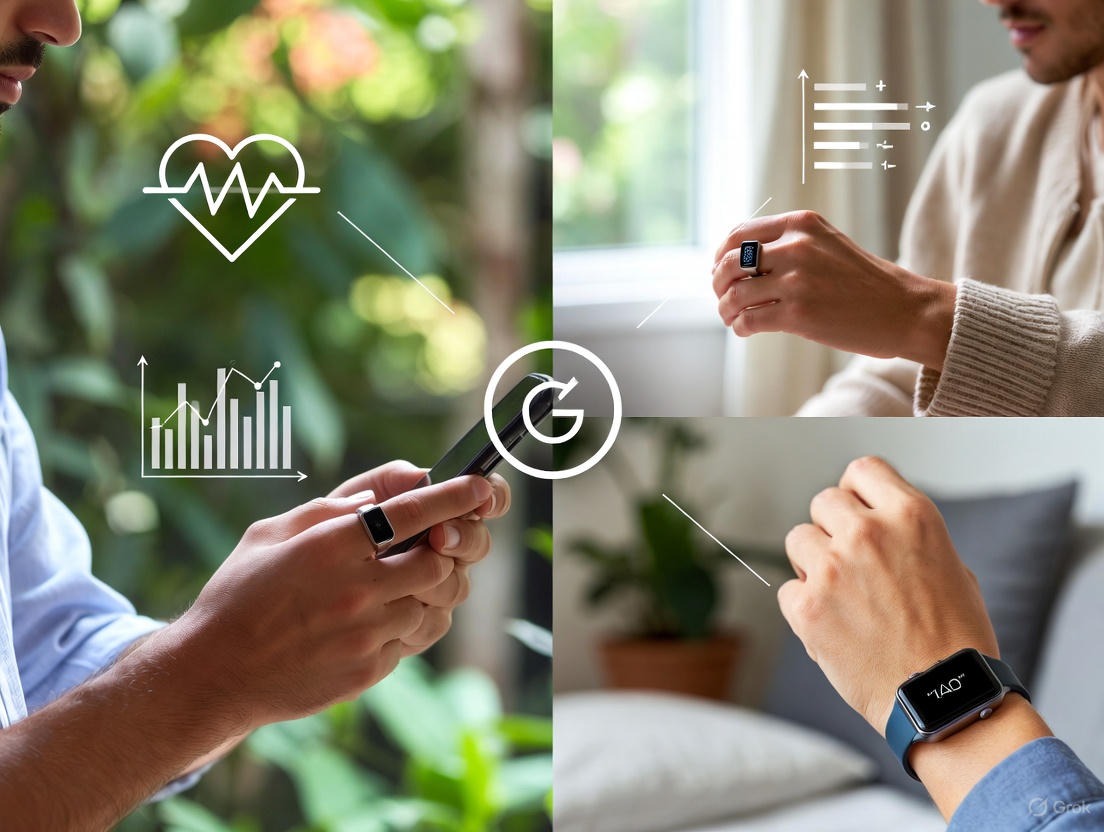
Gone are the days of guesswork and generic advice. We are in the era of the quantified self, where technology provides a continuous, personalized stream of data about your body’s inner workings. This is where the philosophy of preventive wellness merges with the precision of modern tools like smart rings. Imagine having a 24/7 wellness guardian on your finger, silently tracking the biomarkers that matter most—your sleep architecture, heart rate variability (HRV), resting heart rate, blood oxygen, and temperature trends. This isn't just data; it’s actionable intelligence about your body's response to stress, nutrition, exercise, and lifestyle.
This article is your master blueprint for navigating this defining decade. We will move beyond scare tactics and into the realm of empowered, science-backed strategy. We’ll explore the physiological shifts happening beneath the surface, build actionable pillars for metabolic, hormonal, and mental health, and integrate how modern technology, like the discreet power of a wellness ring from Oxyzen, can transform intention into sustained, measurable action. Your future self is waiting, and the time to build their foundation is now.
You hit your mid-40s and something feels… different. It’s not a single ache or a dramatic diagnosis, but a collection of subtle whispers from your body. That weekend warrior session leaves you stiff for three days instead of one. A glass of wine with dinner disrupts your sleep. You can’t “burn off” a poor diet as easily as you once did. The scale seems to have a mind of its own, particularly around the midsection. This isn’t your imagination—it’s biology. Your 40s mark the beginning of a significant, yet manageable, physiological transition from growth-and-repair mode to a new phase requiring more deliberate maintenance.
The most prominent change is the onset of Metabolic Slowdown. From around age 40, we naturally begin to lose lean muscle mass at a rate of about 3-8% per decade—a process called sarcopenia. Since muscle is metabolically active tissue (it burns calories even at rest), losing it directly lowers your Basal Metabolic Rate (BMR). Essentially, your body requires fewer calories to perform its basic functions. If your dietary intake and activity levels remain unchanged from your 30s, a slow, steady weight gain is almost a mathematical certainty. This isn’t about willpower failure; it’s about physics and physiology colliding.
Simultaneously, we encounter Hormonal Recalibration. For both men and women, this is a pivotal time. In women, perimenopause—the 7-10 year transition leading to menopause—often begins in the 40s. Estrogen and progesterone levels fluctuate unpredictably, leading to changes in menstrual cycles, sleep patterns, mood, and that stubborn shift in fat storage to the abdominal area. For men, testosterone levels gradually decline by about 1% per year after 30. This can contribute to reduced energy, decreased muscle mass, increased body fat, and a dip in motivation.
Beneath these visible changes, a critical, invisible shift occurs: a decline in Cellular & Systemic Resilience. Your body’s ability to recover from stressors—physical, chemical, or emotional—diminishes. Key biomarkers tell this story:
This is the core of the 40s crossroads: The margin for error shrinks, but the power of precision grows. You can no longer rely on the robust auto-pilot of your 20s. The good news? You’re now shifting to manual—a mode where intention, awareness, and data-driven choices give you unparalleled control. This is where a tool for continuous monitoring becomes invaluable. Understanding your personal HRV trends, sleep quality, and activity levels with a device like the Oxyzen ring provides a factual baseline, moving you from guessing about your health to knowing it. It turns abstract concepts like “stress” and “recovery” into concrete, daily metrics you can manage. For a deeper dive into how this technology has revolutionized personal health, explore our article on how health tracking technology changed preventive medicine.
If there’s one single pillar of preventive wellness in your 40s, it’s metabolic health. Think of your metabolism not as a singular "speed," but as the complex, elegant system that converts food into energy and manages how that energy is stored and used. A healthy metabolism means stable energy, balanced blood sugar, healthy blood pressure and cholesterol levels, and a body composition that supports longevity. In your 40s, protecting and enhancing this system is job number one.
The villain in this story isn't fat; it's insulin resistance. As muscle mass dips and activity patterns can become more sedentary (often due to career and family demands), your cells can become less responsive to insulin, the hormone that ushers glucose from your bloodstream into cells for energy. The pancreas pumps out more insulin to compensate, leading to elevated insulin levels. This promotes fat storage, particularly visceral fat—the dangerous kind that wraps around your abdominal organs, releasing inflammatory chemicals. This sets off a cascade: inflammation, higher blood pressure, unfavorable cholesterol changes, and a significantly increased risk for type 2 diabetes and heart disease.
So, how do you reignite the engine? The strategy moves from simplistic "eat less, move more" to tactical, system-based interventions:
1. Protein Priority: Increasing high-quality protein intake is non-negotiable. It boosts satiety, has the highest thermic effect of food (meaning your body burns more calories digesting it), and, crucially, provides the amino acids needed to build and preserve muscle mass. Aim for a palm-sized portion of protein (lean meat, fish, eggs, legumes, tofu) with every meal.
2. Strategic Strength: Cardio is great for your heart, but strength training is your metabolic savior in your 40s. Lifting weights, using resistance bands, or doing bodyweight exercises creates micro-tears in muscle fibers. Your body then repairs these fibers, making them stronger and larger—directly combating sarcopenia. More muscle mass means a higher BMR, improved glucose disposal (fighting insulin resistance), and stronger bones. Two to three sessions per week can yield transformative results.
3. The Fiber & Healthy Fat Alliance: Pair your protein with high-fiber vegetables and healthy fats (avocado, olive oil, nuts). This combination dramatically slows the absorption of glucose into your bloodstream, preventing the sugar spikes and crashes that drive insulin resistance and energy slumps. It keeps you full, fuels your gut microbiome, and provides steady, long-lasting energy.
4. Movement Snacking: Beyond formal exercise, focus on Non-Exercise Activity Thermogenesis (NEAT)—the calories you burn through daily movement. Combat sedentary desk life by setting a timer to stand, stretch, or walk for 5 minutes every hour. Take the stairs, park farther away, have walking meetings. This constant low-grade activity significantly boosts daily metabolic output.
The Tech-Enabled Metabolic Audit: This is where passive monitoring shines. A smart ring like Oxyzen tracks your Resting Heart Rate (RHR) and Heart Rate Variability (HRV), two direct reflections of your metabolic and autonomic nervous system health. After a strength training session, you can observe how your body's recovery (through HRV and sleep data) responds. You can see the tangible impact of a high-protein, fiber-rich meal on your overnight resting heart rate versus a meal high in processed carbs. It provides a continuous feedback loop, allowing you to connect lifestyle choices to physiological outcomes in real-time. For beginners looking to implement these daily habits, our guide on 50 healthy aging tips a smart ring helps implement daily is an excellent resource.

While metabolism is the engine, hormones are the intricate network of gauges, dials, and control systems that regulate its every function. In your 40s, this network undergoes a significant software update. The goal is no longer to maintain the hormonal profile of your 20s—that ship has sailed—but to navigate this transition smoothly, minimizing symptoms and maximizing long-term health. Achieving hormonal harmony is less about drastic interventions and more about creating an internal environment where your body can find its new, healthy equilibrium.
For Women: Navigating the Perimenopausal Transition
Perimenopause is a marathon, not a sprint, and it starts in your 40s. The hallmark is estrogen volatility—levels don’t just fall; they swing wildly from high to low. This can cause a frustrating array of symptoms: irregular periods, sleep disturbances, night sweats, mood swings, brain fog, and the infamous shift in fat storage to the abdomen. Progesterone, the calming, sleep-promoting hormone, also declines.
Key Strategies:
For Men: The Androgen Adjustment
The gradual decline of testosterone in men, sometimes called "andropause," is subtler but impactful. Symptoms can include reduced libido, fatigue, loss of muscle mass, increased body fat (especially visceral fat), irritability, and a lack of motivation.
Key Strategies:
The Universal Hormone Regulators: Sleep, Stress, and Circadian Rhythms
Cortisol, your primary stress hormone, should follow a beautiful curve: high in the morning to get you out of bed, gradually tapering down to its lowest point at night. In your 40s, chronic stress can flatten this curve, leading to elevated cortisol at night (disrupting sleep) and insufficient cortisol in the morning (leaving you fatigued). This dysregulation throws all other hormones—insulin, estrogen, testosterone, thyroid—into disarray.
This is where objective biofeedback becomes your most powerful ally. A wellness ring tracks the direct outputs of your hormonal and nervous systems:
By observing how lifestyle changes—a meditation practice, cutting off caffeine after noon, a week of consistent bedtimes—affect these biomarkers, you move from blindly hoping you're balanced to actively managing your state. It allows for a personalized approach, which you can explore further in our article on how health tracking technology enables personalized wellness. For specific questions on how this applies, our FAQ section offers detailed support.
In your 20s and 30s, you might have felt invincible, bouncing back from colds quickly and shrugging off minor ailments. In your 40s, you may notice that colds linger longer, wounds heal a bit slower, and you feel the ache of inflammation more acutely after overdoing it. This is because your immune system is undergoing a process called immunosenescence—a gradual age-related decline in function—while simultaneously being prone to overactivity in the form of chronic, low-grade inflammation. This silent fire, often called "inflammaging," is a key driver of nearly every age-related disease, from arthritis to heart disease to cognitive decline.
Your mission in this decade is to build an "invisible shield": strengthening immune vigilance while systematically damping down the inflammatory flames. The goal isn't to eliminate inflammation (it's a crucial healing response) but to prevent it from becoming a persistent, smoldering state.
The Gut-Immune Axis: Your First Line of Defense
Nearly 70-80% of your immune cells reside in your gut. The health of your gut microbiome—the trillions of bacteria living there—directly dictates the tone of your immune response. A diverse, thriving microbiome promotes immune tolerance (so it doesn't overreact to harmless things) and effectiveness (so it attacks real threats). A damaged, low-diversity microbiome is linked to systemic inflammation and autoimmunity.
Action Steps:
The Anti-Inflammatory Plate
Make every meal an opportunity to fight inflammation:
Sleep: The Nightly Immune Reset
During deep sleep, your body produces cytokines—proteins that target infection and inflammation. Skimping on sleep reduces these protective cytokines and increases inflammatory markers. Prioritizing 7-9 hours of quality sleep is one of the most potent anti-inflammatory strategies you have.
Monitoring the Internal Fire:
You can't manage what you don't measure. While you can't directly track cytokine levels at home, you can monitor powerful proxies for inflammation and immune strain:
Using a device like the Oxyzen ring allows you to track these biomarkers passively. You might notice your RHR climbs and HRV drops a day before you feel the scratchy throat of a cold, giving you a warning to rest and hydrate. You can see the tangible anti-inflammatory effect of a week of excellent sleep and clean eating as your HRV trends upward and your nighttime RHR falls. This transforms immune health from a vague concept into a data-informed practice. To understand the technology making this possible, learn about the science behind modern health tracking technology.
We spend our 40s laser-focused on financial portfolios and career trajectories, but often neglect the most important portfolio of all: our cognitive reserve. This is your brain's resilience, its ability to withstand age-related changes and pathology without showing clinical symptoms of decline. Your 40s are the prime time to invest in this reserve. Cognitive decline isn't an inevitable switch that flips at 65; it's a slow process that begins much earlier, and the habits you form now are the most powerful determinants of your mental sharpness for decades to come.
The brain in your 40s is undergoing subtle but significant changes: the prefrontal cortex (responsible for executive function, focus, and decision-making) begins a very gradual thinning. Neuroplasticity—the brain's ability to form new connections—slows but is far from dormant. The key is to move from passive to active brain maintenance.
Pillars of a Fortified Mind:
1. The Learning Imperative: The single best thing you can do for your brain is to continually learn new, complex skills. This isn't about crossword puzzles (which utilize existing knowledge) but about novelty and challenge. Learn a new language, pick up a musical instrument, take up ceramics or chess, or study a complex subject outside your field. This forces your brain to create new neural pathways and strengthens existing ones.
2. Strategic Movement: Exercise is not just for the body; it's fertilizer for the brain. Aerobic exercise increases blood flow, delivers oxygen, and stimulates the release of Brain-Derived Neurotrophic Factor (BDNF), a protein that supports the growth and survival of neurons. Strength training also shows promising links to improved cognitive function. Aim for a mix: get your heart pumping and your muscles working.
3. The Sleep-Cleansing Cycle: During deep sleep, your brain's glymphatic system kicks into high gear. This waste-clearance system flushes out metabolic debris, including beta-amyloid proteins, which are associated with Alzheimer's disease. Poor sleep literally allows toxic waste to accumulate in your brain. Prioritizing deep, restorative sleep is non-negotiable for cognitive longevity.
4. Nourishment for Neurons: The MIND diet (a hybrid of Mediterranean and DASH diets) is specifically designed for brain health. It emphasizes:
It minimizes red meat, butter/margarine, cheese, pastries, and fried/fast food.
5. Social Synapses: Meaningful social interaction is a cognitive workout. It requires listening, empathy, recall, and emotional regulation. Strong social connections are correlated with a lower risk of dementia and better overall mental health.
Quantifying Mental Resilience: How do you know your brain-healthy habits are working? While you can't track BDNF at home, you can monitor the foundational physiology that enables cognitive fitness:
By linking your daily habits to these objective biomarkers, you build a holistic brain-care protocol. You can see, for instance, that on days after a poor night's sleep (low deep sleep), your focus is scattered. Or that a week of consistent meditation correlates with a rising HRV trend. This feedback loop makes cognitive fitness a tangible, daily practice. For more on building the habits that support this, see how a wellness ring helps build healthy habits.
In your 40s, the relationship with movement must evolve. The "no pain, no gain" mentality of your 20s can now lead directly to injury, prolonged recovery, and burnout. The goal shifts from sporadic, intense bursts of exercise (often followed by sedentary days) to a sustainable, integrated philosophy of essential movement. This approach honors your body's need for strength, mobility, stability, and recovery, weaving activity into the fabric of your life in a way that supports, rather than depletes, your overall wellness.
The Four Pillars of Essential Movement:
1. Strength Training: The Non-Negotiable Foundation
As discussed, this is your primary weapon against sarcopenia and metabolic slowdown. Focus on form and consistency over ego and weight. Incorporate compound movements that work multiple muscle groups: squats, lunges, push-ups (or modified versions), rows, and deadlifts (with proper instruction). Two to three 30-45 minute sessions per week are transformative.
2. Mobility & Stability: The Forgotten Keys
This is the oil that keeps the machine running smoothly. Tight hips, weak glutes, and a stiff thoracic spine lead to poor posture, back pain, and a higher risk of injury during other activities. Dedicate 10-15 minutes daily or post-workout to:
3. Cardio for Longevity, Not Just Calories
Aerobic exercise remains crucial for cardiovascular and cognitive health. The emphasis shifts from long, steady-state jogs (which can be hard on joints) to a mix:
4. Non-Exercise Activity Thermogenesis (NEAT): The Unsung Hero
This is the calorie-burning magic of daily life. Fidgeting, gardening, housework, taking the stairs, pacing while on the phone—it all adds up. In your 40s, intentionally boosting NEAT is often more sustainable and impactful than trying to add more grueling gym sessions. Invest in a standing desk, take walking meetings, park at the back of the lot.
The Data-Driven Movement Practice:
How do you know if your movement strategy is working for you and not against you? This is where subjective feeling ("I'm tired") meets objective data.
This intelligent approach turns movement from a guessing game into a responsive dialogue with your body. You learn to push when you have the capacity and pull back when you need to recharge, optimizing results and minimizing injury. For a comparison of how different wearables approach this, our wellness ring comparison chart of top brands can be insightful.
Nutrition in your 40s transcends dieting. It becomes a strategic tool for managing energy, hormones, inflammation, and cellular repair. The "see-food diet" (you see it, you eat it) that you might have gotten away with earlier now has real consequences. Precision nutrition is about understanding the functional impact of food on your unique physiology and using data to make it personal.
Beyond Calories: The Macronutrient Mastery
Forget rigid calorie counting. Focus on the quality and composition of every meal.
The Power of Timing: Intermittent Fasting & Circadian Eating
Your body's ability to process food follows a circadian rhythm. Eating late at night, when your insulin sensitivity is lowest, can promote fat storage and disrupt sleep.
Gut Health as the Gateway: Your gut microbiome influences how you extract energy from food, your cravings, and even your mood via the gut-brain axis. The anti-inflammatory, fiber-rich, fermented food strategy outlined in the immunity section is a core part of precision nutrition.
Personalization Through Biofeedback:
This is where technology transforms eating from dogma to discovery. You can conduct your own *n=1 experiments*:
By using a device to track these responses, you move away from generic rules ("carbs are bad," "fasting is good") and toward what works for your body. You become the expert on your own nutritional needs. For a look at how seamless this integration can be, see our guide on wellness ring basics for integrating with other health apps.
If you take only one thing from this guide, let it be this: There is no pillar of preventive wellness more critical than sleep. In your 40s, sleep is not a luxury; it is the essential, non-negotiable shift where 90% of your body's repair, detoxification, and consolidation occurs. It regulates hormones (ghrelin/leptin for hunger, cortisol for stress, growth hormone for repair), cleanses the brain, and solidifies memory. Prioritizing sleep is the highest-leverage action you can take for every other goal—weight management, cognitive sharpness, emotional stability, and immune strength.
Understanding Sleep Architecture:
Sleep isn't a binary state. It's a cyclical journey through stages:
The 40s Sleep Stealers & Solutions:
1. Hormonal Fluctuations: Night sweats (from estrogen shifts) and increased anxiety (from cortisol/progesterone imbalance) can wreak havoc.
2. Stress & an Overactive Mind: Career, family, and financial pressures don't shut off at 9 PM.
3. Lifestyle & Schedule Creep: Late-night screen time, alcohol as a sleep aid, and inconsistent bedtimes destroy sleep quality.
The Quantified Sleep Sanctuary:
This is where a wellness ring becomes your personal sleep scientist. It moves you beyond "I slept 7 hours" to a deep understanding of how you slept:
By treating sleep with this level of reverence and precision, you build an unshakeable foundation. Every other wellness endeavor—from your workouts to your diet to your stress management—becomes more effective because your body is properly recovered and primed. It is the ultimate act of preventive self-care. To begin your journey with a tool designed for this, start at the Oxyzen shop.
If sleep is the foundation, then stress resilience is the architecture that allows you to weather any storm. In your 40s, stress is often chronic and multifaceted—career peaks, teen children, aging parents, financial pressures, societal comparisons. It’s not about eliminating stress (which is impossible), but about changing your relationship to it. Chronic, unmanaged stress elevates cortisol, which as we've seen, sabotages metabolism, hormones, immunity, and brain health. Building emotional wellbeing is therefore not a soft skill; it is the master skill for longevity and quality of life.
From Stress Reactivity to Stress Response:
The goal is to move from being hijacked by your stress response (reactive, panicked) to consciously choosing your response (proactive, measured). This is the essence of resilience.
1. The Awareness Anchor: You cannot manage what you are not aware of. The first step is to recognize your personal stress signatures. Is it a tight jaw, a headache, irritability, doom-scrolling, or reaching for junk food? Start noting these patterns.
2. The Nervous System Toolkit: You need direct techniques to shift your body out of the sympathetic (fight-or-flight) state and into the parasympathetic (rest-and-digest) state.
3. The Power of Purpose & Connection:

For decades, the "quantified self" was the domain of elite athletes and Silicon Valley biohackers, armed with cumbersome chest straps and lab-grade equipment. Today, this concept is at the heart of preventive wellness for everyone, especially in your 40s. Your body is constantly communicating its state through vital signs and physiological patterns. The Quantified Self philosophy is about learning to listen to that language, translating whispers of imbalance into actionable insights before they become shouts of illness. This is the move from reactive medicine, where you act when something breaks, to predictive and preventive care, where you adjust your lifestyle to keep everything running optimally.
A personal health dashboard for your 40s isn't about obsessing over every data point; it's about identifying the key leading indicators of health—the metrics that change before a problem manifests. Unlike lagging indicators (like a high cholesterol score that results from years of habit), leading indicators give you the chance to course-correct in real-time.
The Core Metrics of Your 40s Dashboard:
From Data Overload to Actionable Insight:
The magic isn't in collecting data; it's in finding the story in the numbers. For example:
This intelligent interpretation is what separates a simple tracker from a true wellness tool. For an in-depth look at the sensors and intelligence behind this, read about the health tracking technology sensors, algorithms, and AI explained.
In the world of wearables, you have choices: watches, chest straps, patches, and rings. Each has its place, but for the goal of seamless, continuous, and comfortable health monitoring in your 40s, the smart ring is emerging as the optimal form factor. Why? Because the best health tracker is the one you forget you're wearing, yet it works tirelessly in the background, gathering the most accurate data possible from one of the body's richest vascular sites.
The Unmatched Advantage of the Finger:
Your finger, particularly the base of the finger, is home to dense capillaries and a strong arterial blood flow close to the skin's surface. This makes it an ideal location for photoplethysmography (PPG) sensors, which use light to measure blood volume changes with each heartbeat. Because a ring sits snugly on the finger with minimal movement artifact (unlike a watch on a moving wrist), it can often provide superior accuracy for heart rate, HRV, and blood oxygen readings, especially during sleep. This is critical, as nighttime data is the purest reflection of your autonomic nervous system state, free from the noise of daily activity.
The Psychology of Wearability & Compliance:
A wellness ring wins on practicality and aesthetics:
Continuous vs. Periodic: The Full Picture
A watch you take off to charge or a chest strap you only wear during workouts gives you snapshots. A ring provides a continuous movie of your physiology. This continuity is priceless. It captures your body's response to a stressful work meeting, a difficult conversation, a meal, a workout, and the full arc of your sleep cycle. This holistic view is essential for connecting lifestyle dots and understanding your body's unique rhythms and responses. For a breakdown of this crucial difference, see our guide on wellness ring basics: continuous vs. periodic monitoring.
Now we arrive at the synthesis. You understand the physiological shifts of your 40s. You've explored the pillars of metabolic, hormonal, immune, cognitive, and emotional health. You grasp the power of a quantified dashboard and a discreet tool for continuous monitoring. The final step is weaving this knowledge into your unique life to create a Personalized Preventive Protocol (PPP). This is your living, breathing plan of action—not a rigid set of rules, but a flexible framework informed by your data, your goals, and your lifestyle.
Step 1: Establish Your Baseline (The 2-Week Observe Phase)
Before changing anything, simply wear your monitoring device and live your normal life for two weeks. Go to your workouts, eat your typical meals, follow your usual sleep schedule. The goal here is not judgment, but discovery. At the end of this phase, review your dashboard. Answer:
This objective baseline removes guesswork and emotional bias about your starting point.
Step 2: Define Your "North Star" Goals
Based on your self-assessment and baseline data, choose 1-3 primary focus areas. Be specific. Examples:
Step 3: Implement, Track, and Iterate (The Cycle of Refinement)
Choose one small, evidence-based intervention for your primary goal and implement it for 2-3 weeks while tracking your data closely.
Step 4: Create Your Daily & Weekly Checklists
Your PPP should translate into simple, actionable routines:
Daily Non-Negotiables:
Weekly Pillars:
Step 5: Schedule Your "Health CEO" Meetings
Once a month, block 30 minutes for a personal health review. Look at your trendlines, not just daily numbers. Is your HRV trending up over the last 30 days? Has your sleep score improved? Celebrate the wins. If a metric is moving in the wrong direction, troubleshoot without self-criticism. Was it a particularly stressful month? Did travel disrupt your routines? Use this data to compassionately adjust your protocol for the month ahead.
This protocol turns wellness from a scattered collection of "shoulds" into a strategic, self-directed project. It empowers you to be the architect of your own vitality. For inspiration on how real people have implemented this, explore the real customer reviews and stories in our testimonials section.
While your daily dashboard of HRV, sleep, and activity provides a powerful real-time feedback loop, your 40s also demand a more formal, clinical partnership with preventive medicine. This is the decade to move from sporadic check-ups to a scheduled, comprehensive health audit. Think of it as due diligence for your most valuable asset. The goal is to establish a detailed baseline, identify any silent risks, and create a collaborative roadmap with your healthcare provider. This proactive stance is the ultimate expression of taking control.
The Essential Blood Work Panel (Beyond the Basics):
Ask your doctor for a comprehensive panel. Don't just settle for a standard metabolic panel. Advocate for these key insights:
The Imaging & Physical Exams:
Integrating Daily Data with Clinical Insights:
This is where your personal health dashboard and your clinical audit create a powerful synergy. You bring context to your doctor.
This elevates the conversation from symptom management to root-cause optimization. It positions you as an informed partner in your own care. For more on how this data-driven approach is entering clinical settings, see our article on health tracking technology in hospitals.

Precision nutrition in your 40s sets the stage, but longevity nutrition builds the theater for a longer, healthier lifespan. This concept moves beyond managing weight and energy to actively supporting the cellular and molecular processes that dictate how quickly we age. It’s about nourishing the mechanisms of repair, resilience, and renewal.
The Cellular Targets of Longevity Eating:
The Longevity Food Framework:
Instead of a rigid diet, think of a daily and weekly checklist of longevity-promoting foods:
Daily: Leafy greens, colorful vegetables (all colors), 1-2 servings of berries, nuts/seeds, extra virgin olive oil, fermented food (sauerkraut, yogurt), green tea.
Weekly: Fatty fish (2-3x), mushrooms, organ meats (liver, 1x), allium vegetables (garlic, onions, daily), legumes, whole grains.
Nutrient Timing for Longevity: The adage "eat breakfast like a king, lunch like a prince, dinner like a pauper" aligns well with circadian biology. A larger, protein-rich breakfast and lunch, followed by a lighter, early dinner, supports stable insulin and cortisol rhythms, better sleep, and may enhance metabolic health.
Personalizing with Your Dashboard:
Your smart ring provides the feedback to personalize this framework.
This turns the science of longevity nutrition into a lived, felt experience. It allows you to find the specific dietary pattern that makes your cells thrive. For foundational tips on implementing these daily habits, the guide on 50 healthy aging tips a smart ring helps implement daily remains a key resource.
We have spent thousands of words focusing on the individual—your metabolism, your hormones, your sleep. But human beings are not islands. In your 40s, the quality of your social connections and your sense of community are not just "nice to have"; they are biological necessities with a measurable impact on your healthspan. Loneliness and social isolation are now recognized as risk factors on par with smoking and obesity for chronic disease and mortality. Conversely, strong social bonds boost immunity, lower stress, improve cognitive function, and increase longevity. Your preventive wellness protocol is incomplete without this pillar.
The Biology of Connection:
Positive social interaction triggers the release of oxytocin (the "bonding hormone"), dopamine, and endorphins. It downregulates cortisol and inflammatory pathways. Simply put, connecting with people you trust tells your nervous system, "You are safe." This state of psychological safety is the foundation upon which all other physiological repair can optimally occur.
The Challenge of the 40s:
This is also a decade where social networks can naturally shrink. Careers are demanding, child-rearing is all-consuming, and maintaining friendships requires intentional effort that often falls to the bottom of the list. The "weak tie" connections of your 20s (colleagues, acquaintances) may no longer suffice. The need for deeper, more meaningful connections becomes paramount.
Building Your Wellness Community:
The Role of Accountability:
This is where community directly impacts your protocol's success. Having an accountability partner or group increases adherence exponentially. Knowing you're meeting a friend for a 6 AM walk makes you far less likely to hit snooze. Sharing your health data trends (like HRV improvements) with a supportive group provides positive reinforcement that is more motivating than any solo achievement.
Technology as a Community Bridge: Modern wellness tools can enhance, not replace, real connection. You can share anonymized activity goals with friends, participate in team challenges, or simply use the data as a conversation starter with your partner about mutual stress levels and the need for a relaxing weekend. For stories of how our community engages with wellness technology, visit Oxyzen's "Our Story" page to see the vision behind building a brand around holistic health.
It may seem out of place in a wellness article, but in your 40s, financial stress is a direct and potent physiological stressor. Worrying about debt, retirement, college funds, or job security triggers the same cortisol-driven fight-or-flight response as a physical threat. Chronic financial anxiety leads to poor sleep, emotional eating, inflammation, and neglected self-care. Therefore, achieving a baseline of financial stability and confidence is not separate from your health plan; it is a foundational layer of it. You cannot meditate your way out of unsustainable debt or out-exercise the anxiety of an empty retirement account.
The Stress-Finance-Health Cycle:
Financial worry → Elevated cortisol & anxiety → Poor sleep & impulsive decisions (e.g., stress spending, comfort eating) → Worsened physical health & financial strain → Increased financial worry.
Breaking this cycle is a critical act of preventive medicine.
Key Financial Wellness Checkpoints for Your 40s:
Connecting Financial and Physical Data:
Observe the tangible link. During a period of high financial stress (tax season, a big unexpected expense), check your health dashboard. You will likely see the signature: elevated RHR, depressed HRV, and fragmented sleep. This isn't a failure; it's data. It concretely shows you why addressing financial health is not a distraction from wellness, but a core component of it. Use that data as motivation to schedule a meeting with a financial planner, just as you would schedule a doctor's appointment.
The ROI of Investing in Health: Frame your health expenditures not as costs, but as investments with a high return. Money spent on preventive care, nutritious food, fitness, and stress-reducing activities pays dividends in reduced future medical bills, higher productivity, and, most importantly, more vibrant years of life. For questions on the value and investment in tools like a smart ring, our FAQ page addresses common considerations.
Your 40s are the launchpad for the rest of your life. The habits, systems, and mindset you build now will define your experience of your 50s, 60s, 70s, and beyond. We are standing at the precipice of a revolution in personalized health technology, where the line between consumer wellness and clinical-grade medicine is blurring. The future is not about more gadgets, but about deeper integration, predictive intelligence, and seamless human-machine collaboration aimed at extending your healthspan—the number of years you live in good health.
What's on the Horizon (2025 and Beyond):
Your Role in This Future: Starting Now.
You don't have to wait for 2030 to benefit. By adopting a sophisticated monitoring tool today, like the Oxyzen ring, you are:
The Human Element Endures: Technology is the tool, but you are the craftsman. The future of health remains deeply human—about connection, purpose, joy, and movement. Technology's role is to remove guesswork, provide feedback, and free up your mental and physical energy so you can fully engage in the human experience for as many healthy years as possible. To explore what's immediately possible, look at our forecast for health tracking technology in 2025.
Your 40s have been unveiled not as a decline, but as a critical, powerful transition—the Decade That Determines Everything. It is the pivot point where you trade the passive resilience of youth for the active, informed agency of wisdom. The silent shifts in metabolism, hormones, and recovery are not sentences to a lesser future; they are invitations to engage more deeply with the magnificent system that is your body.
We have built a comprehensive framework, moving from understanding the internal crossroads to implementing the pillars of metabolic, hormonal, immune, cognitive, and emotional health. We've reimagined movement and nutrition as precise, personalized tools. We've established sleep as the non-negotiable bedrock and stress resilience as the master skill. We've integrated the power of a personal health dashboard, championed the smart ring as the ideal discreet companion, and outlined the process to build your Personalized Preventive Protocol.
We've extended the view to include the essential health audit, the principles of longevity nutrition, the undeniable power of community, and the crucial foundation of financial wellness. Finally, we've glimpsed a future where technology integrates seamlessly to support a longer, healthier life.
The message is one of profound empowerment. You have the science. You have the strategies. And now, you have access to the technology that turns intention into measurable, sustainable action. The question is no longer "What should I do?" but "Where shall I begin?"
Start by observing. Start by listening—to your body, and with the help of data. Choose one pillar, one small experiment. See how your body responds. Build from there.
This is your life. This is your decade of agency. Your future self—vibrant, healthy, and full of energy—is waiting. They are counting on the choices you make today. Begin your journey at the Oxyzen shop, explore more resources on our blog, and take the first, deliberate step into the wellness-centric life you are building.
Your Trusted Sleep Advocate (Sleep Foundation — https://www.sleepfoundation.org/)
Discover a digital archive of scholarly articles (NIH — https://www.ncbi.nlm.nih.gov/
39 million citations for biomedical literature (PubMed — https://pubmed.ncbi.nlm.nih.gov/)
experts at Harvard Health Publishing covering a variety of health topics — https://www.health.harvard.edu/blog/)
Every life deserves world class care (Cleveland Clinic -
https://my.clevelandclinic.org/health)
Wearable technology and the future of predictive health monitoring. (MIT Technology Review — https://www.technologyreview.com/)
Dedicated to the well-being of all people and guided by science (World Health Organization — https://www.who.int/news-room/)
Psychological science and knowledge to benefit society and improve lives. (APA — https://www.apa.org/monitor/)
Cutting-edge insights on human longevity and peak performance
(Lifespan Research — https://www.lifespan.io/)
Global authority on exercise physiology, sports performance, and human recovery
(American College of Sports Medicine — https://www.acsm.org/)
Neuroscience-driven guidance for better focus, sleep, and mental clarity
(Stanford Human Performance Lab — https://humanperformance.stanford.edu/)
Evidence-based psychology and mind–body wellness resources
(Mayo Clinic — https://www.mayoclinic.org/healthy-lifestyle/)
Data-backed research on emotional wellbeing, stress biology, and resilience
(American Institute of Stress — https://www.stress.org/)


