


The 7 Principles of Active Living Your Wellness Ring Reinforces
It identifies and reinforces seven core principles of an active lifestyle.
It identifies and reinforces seven core principles of an active lifestyle.
%402x.svg)
We live in a world of noise. Not just the audible kind, but a relentless hum of notifications, deadlines, and digital demands that pull our attention in a thousand directions. In this chaos, the quest for genuine wellness often feels like a luxury—or worse, another item on an endless to-do list. We know we should move more, sleep better, and stress less, but between intention and action lies a vast, foggy chasm. We lack a clear, personalized, and consistent feedback loop to turn abstract health goals into daily, lived reality.
Enter the modern wellness ring: a paradigm shift in personal health technology. Sleek, unobtrusive, and worn 24/7, it transcends the wrist-based fitness tracker by offering something more profound: a continuous, intimate dialogue with your body’s most fundamental rhythms. This isn’t about counting steps for a badge; it’s about understanding the intricate symphony of your physiology to make empowered, lasting change.
At its core, the Oxyzen smart ring is built on a philosophy we call Active Living—a dynamic, holistic, and intentional approach to well-being that moves far beyond reactive “health hacks.” Active Living is a state of engaged partnership with your own body. It’s about listening to its signals, respecting its needs, and nurturing its capacity. And crucially, it’s reinforced not by willpower alone, but by the precise, objective data and insights a device like this provides.
This article will explore the seven foundational principles of Active Living that a sophisticated wellness ring doesn’t just track, but actively cultivates. From the cellular renewal of sleep to the subtle balance of your nervous system, we’ll delve into how continuous biometric monitoring transforms these principles from lofty ideals into tangible, daily practices. The journey begins with the most powerful and non-negotiable pillar of all: the science of restoration.
If wellness were a pyramid, sleep would be its base. Every physiological process, from cognitive function and emotional regulation to immune defense and metabolic health, is fundamentally governed by the quality of your slumber. Yet, in our productivity-obsessed culture, sleep is often the first sacrifice we make, worn like a badge of busyness. The first principle of Active Living is a radical reclamation: treating deep, restorative sleep not as a passive state, but as the most critical active investment you make in your health every single day.
A wellness ring transforms this principle from a vague intention into a data-driven practice. By measuring key physiological markers like heart rate variability (HRV), resting heart rate (RHR), skin temperature, and blood oxygen saturation (SpO2) throughout the night, it provides an objective audit of your sleep’s architecture. You move from feeling “tired” to understanding why.
The crown jewel of this audit is deep sleep (or slow-wave sleep). This is the phase where your body executes its most vital repair work: tissue growth and repair, immune system strengthening, and the clearance of metabolic waste from the brain. It’s the cornerstone of physical recovery and longevity. Without sufficient deep sleep, you are literally building your health on unstable ground.
Your ring’s data reveals your personal deep sleep patterns. You’ll see it charted alongside lighter sleep and REM (dream sleep), providing a clear picture of your sleep cycles. This is where insight turns into action. You might discover, for instance, that your deep sleep is consistently truncated. The ring’s data prompts the right questions: Is it delayed by late-evening blue light from screens? Is it disrupted by alcohol, which may help you fall asleep but shatters sleep quality later in the night? Is your room temperature optimal? (Spoiler: a cool room is essential, as your body needs to drop its core temperature to initiate deep sleep. You can explore the intricate relationship between temperature and sleep stages in our detailed guide on the deep sleep formula: temperature, timing, and habits).
This objective feedback creates a powerful accountability loop. When you see a direct correlation between a 9 PM glass of wine and a 40% reduction in your deep sleep duration on your Oxyzen app, the abstract concept of “sleep hygiene” becomes a concrete, personal cause-and-effect relationship. You’re no longer following generic advice; you’re conducting a personalized experiment on the single most important factor for your well-being.
The stakes are high. Chronic deep sleep deprivation is a silent saboteur, linked to increased risks for hypertension, weight gain, diabetes, and cognitive decline. It erodes your resilience, making you more reactive to stress and less capable of focused work. By prioritizing and optimizing this phase, you’re not just avoiding fatigue—you’re actively enhancing your body’s resilience, sharpening your mind, and building a foundation upon which all other wellness goals can thrive. For a comprehensive look at what your deep sleep metrics mean, our resource on deep sleep tracking: what your numbers should look like offers a clear breakdown.
Ultimately, your wellness ring acts as a guardian of this principle. Its gentle, silent monitoring through the night reinforces the truth that the hours you spend in bed are not lost time, but the very engine of your active, vibrant life. It turns sleep from a mystery into a measurable, improvable skill.
For generations, the primary directive of fitness was to “push through.” Discomfort was a sign of weakness, and ignoring your body’s protests was a testament to strength. The second principle of Active Living flips this script entirely. It champions attunement over ignoring, and responsive action over relentless force. It’s the art of listening to—and intelligently responding to—the constant stream of biometric signals your body broadcasts.
Without a tool to translate these signals, they often manifest as vague, confusing feelings: “I’m dragging today,” “I feel off,” or “I’m just really stressed.” A wellness ring acts as a personal interpreter, giving precise language to these sensations. The two most critical dialogues it facilitates are with your nervous system and your readiness for exertion.
Heart Rate Variability (HRV) is your window into autonomic nervous system balance. Unlike your heart rate (beats per minute), HRV measures the subtle, millisecond variations between each heartbeat. A higher, more variable HRV generally indicates a resilient, adaptable nervous system—one where the “rest and digest” (parasympathetic) branch is strong and can quickly recover from the “fight or flight” (sympathetic) stress response. A suppressed or low HRV trend is your body’s clearest telegraph: it is under strain, be it from physical overtraining, emotional stress, poor sleep, or an impending illness.
Seeing your HRV score each morning on your Oxyzen dashboard is like getting a daily report card on your body’s internal resources. A high score suggests you’re well-recovered and primed for a challenging workout or a demanding day. A low score is not a failure; it’s crucial information. It’s your body advising, “Today, prioritize recovery. Opt for a walk instead of HIIT. Focus on hydration and mindfulness.” Ignoring this signal and pushing hard anyway is like ignoring a low-fuel warning on your car’s dashboard during a long journey.
Resting Heart Rate (RHR) and Body Temperature provide complementary intelligence. A resting heart rate that trends upward over several days can indicate systemic inflammation, dehydration, or insufficient recovery. Similarly, subtle, continuous changes in your nocturnal skin temperature (measured far more consistently by a ring than a wrist device) can be one of the earliest signals of physiological shifts, from the onset of illness to changes in metabolic function or even menstrual cycle phases.
This principle transforms your relationship with exercise and daily activity. Instead of blindly following a pre-set calendar that says “Monday is Leg Day,” you adopt a readiness-based approach. You let your body’s biometric data guide the intensity and type of your movement. Some days, the data will empower you to crush a personal best. On others, it will wisely counsel a restorative yoga session or a nature walk.
This biofeedback loop cultivates a deeper sense of body literacy and self-trust. You learn to correlate the data with how you feel, becoming more intuitive over time. You start to notice, for example, that a poor HRV reading often precedes that “run-down” feeling by 24 hours, giving you a proactive warning. By honoring these signals, you build sustainable habits that prevent burnout and injury, fostering a fitness practice that supports you for decades, not just for a season. For those curious about the technology that makes this possible, our article explaining how sleep trackers actually work delves into the sensors and algorithms behind these insights.
In essence, this principle moves you from being a driver who only looks at the road directly ahead to one who expertly monitors the entire dashboard—engine temperature, fuel levels, oil pressure—ensuring a smoother, safer, and more efficient journey toward long-term health.

The third principle of Active Living reframes our entire relationship with physical activity. It discards the punishing ethos of “no pain, no gain” and the transactional view of exercise as a mere calorie-burning chore. Instead, it embraces a more holistic, integrated, and joyful philosophy: Movement is a fundamental form of nourishment for your mind, body, and spirit. It’s about finding ways to move that feel good, serve your body’s current needs, and seamlessly weave into the fabric of your life.
A wellness ring supports this principle by shifting the focus from simplistic, often flawed metrics (like step count) to a richer, more meaningful picture of your activity profile. It helps you understand not just how much you move, but how you move throughout the entire day—a concept known as Non-Exercise Activity Thermogenesis (NEAT). The ring tracks active calories, movement intensity, and periods of prolonged inactivity.
This data reveals powerful patterns. You might hit your arbitrary 10,000-step goal but then see that you were completely sedentary for the other 23 hours of the day, a pattern linked to negative health outcomes independent of formal exercise. The ring encourages you to break up those long sedentary blocks with “activity snacks”—a five-minute walk every hour, some light stretching, taking the stairs. These micro-movements improve circulation, boost metabolism, alleviate musculoskeletal pain, and clear mental fog, cumulatively contributing significantly to your overall health.
Furthermore, by integrating with your sleep and recovery data (the HRV and RHR we discussed), your ring helps you align your movement type with your body’s readiness. On high-readiness days, it can celebrate and record your more vigorous activities—the heart-pumping runs, strength sessions, or cycling classes. On lower-readiness days, it validates and encourages gentler, equally vital forms of movement: a leisurely walk in nature, a mobility flow, or gardening. This reinforces the idea that a restorative yoga session or a long walk is not a “skip day,” but a purposeful, intelligent choice that serves your body’s need for varied stimulus and recovery.
This principle also champions functional movement—the kind that enhances your capacity for daily life. It’s not just about how much you can lift in a gym, but about improving your posture, balance, flexibility, and strength to play with your kids, carry groceries, or hike a mountain without pain. Your ring’s activity data, viewed over time, shows you whether your lifestyle is building this functional capacity or leading to physical stagnation.
By celebrating all movement as valuable, the wellness ring helps dismantle the all-or-nothing mentality that derails so many fitness journeys. It shows that the person who takes the stairs, walks during phone calls, and does a 10-minute stretch before bed is building a profoundly healthy, active lifestyle, even if they never set foot in a gym. It turns movement from a scheduled task into a continuous practice of self-care, where every bit counts and variety is key. This holistic view is part of the Oxyzen mission to empower sustainable, data-informed wellness for real life.
In the end, this principle is about rediscovering the innate human joy of movement. It’s about choosing activities that you look forward to, that leave you feeling energized and accomplished, not drained and depleted. Your ring becomes a companion in this exploration, providing feedback that helps you find and maintain that sweet spot where movement truly becomes nourishment.
In our pursuit of achievement, rest is frequently viewed as the enemy of progress—a blank space on the calendar where nothing gets done. The fourth principle of Active Living completely inverts this misconception. It posits that strategic, high-quality recovery is not the absence of work; it is the active, essential process that enables all work, growth, and adaptation. It is the silent partner to exertion, the yin to activity’s yang. Without deliberate recovery, stress—whether physical, mental, or emotional—accumulates, leading to plateaus, burnout, and breakdown.
Your wellness ring is the ultimate tool for making recovery measurable, intentional, and personalized. It moves you beyond guessing (“I think I’m recovered”) to knowing, based on the hard biometric data we’ve explored: HRV trends, resting heart rate, and sleep quality scores. This data collectively forms your daily readiness or recovery score—a single, powerful metric that summarizes your body’s capacity to take on stress productively.
This score transforms how you plan your life. Imagine starting your day not just with a to-do list, but with a clear, numerical understanding of your biological resources. A high recovery score is a green light. It tells you that your body has effectively repaired itself from previous stresses and is primed for a challenging workout, a critical work presentation, or a busy social day. You can lean into demands with confidence, knowing your physiological foundation is solid.
A lower recovery score, however, is a strategic alert, not a condemnation. It’s your body’s request for you to shift gears. On these days, the principle of Active Living guides you to consciously choose recovery-promoting behaviors. This is where the ring’s feedback becomes a coach:
This principle shatters the “grind culture” myth that more is always better. It introduces the concept of periodization to everyday life—the intentional cycling of stress and recovery to foster long-term adaptation and prevent overtraining. Just as athletes periodize their training seasons, you learn to periodize your weeks and months, building in deliberate de-load phases when your data suggests it’s needed.
By honoring your recovery metrics, you build a more resilient system. You stop digging a deeper hole when you’re already in one. Instead, you step back, replenish your resources, and return to your pursuits with greater strength, clarity, and sustainability. The ring makes you the CEO of your own energy budget, ensuring you’re investing it wisely for maximum long-term returns, not spending it frivolously until you’re bankrupt. For a deeper look at how elite performers use this data, our exploration of deep sleep optimization for athletes highlights this principle in action.
Recovery, therefore, becomes an active skill you practice. It’s the conscious choice to listen, to respond, and to invest in the downtime that makes all your uptime truly effective and enjoyable.
Wellness is often bifurcated into the physical and the mental, as if they exist in separate silos. The fifth principle of Active Living recognizes this as a fundamental error. It asserts that the mind and body are a single, interconnected system, and cultivating awareness of this connection is the bedrock of holistic health. Stress isn’t just a feeling; it’s a cascade of hormones like cortisol that elevate your heart rate, suppress your HRV, and disrupt your sleep. Anxiety isn’t merely a thought pattern; it can manifest as a tense posture, shallow breathing, and digestive issues.
A wellness ring serves as a powerful bridge in this mind-body dialogue. It provides the “body” side of the conversation with concrete, objective data, allowing you to see the direct physiological impact of your mental and emotional states. This creates a potent feedback loop for practices like meditation, breathwork, and mindfulness, which have traditionally been subjective experiences.
Consider a mindfulness session. You sit, you focus on your breath, you try to quiet your mind. Subjectively, you might feel a bit calmer afterwards. But what if you could see the effect? With your ring, you can. By initiating a session tracking feature or simply observing your live heart rate and later reviewing your HRV, you get tangible proof. You can watch your heart rate descend and smooth out in real-time as you breathe deeply. You can see a corresponding boost in your HRV reading the following morning, indicating a stronger recovery state. This data validates the practice, transforming it from a vague “good for you” activity into a measurable tool for nervous system regulation.
This objective proof is a game-changer for motivation and technique. It turns abstract mindfulness concepts into a skill you can hone. You can experiment: Does a guided meditation lower your heart rate more than silent sitting? Does 4-7-8 breathing have a more immediate impact than box breathing for you? The ring gives you the answers, allowing you to build a personalized toolkit of practices that most effectively calm your unique physiology.
Furthermore, the ring helps you identify your personal stress signatures. You might notice that your resting heart rate is consistently 5-10 beats higher on days with back-to-back meetings, or that your sleep is significantly more fragmented after emotionally taxing days. This isn’t about inducing worry; it’s about cultivating awareness. By seeing these patterns, you are empowered to intervene proactively. Knowing a stressful day is ahead, you might schedule a 5-minute breathing break between meetings, or commit to a longer wind-down routine that evening.
This principle moves wellness from being purely physical to being psychophysiological. You begin to understand that managing your stress isn’t just about feeling better emotionally—it’s a critical component of improving your sleep quality, boosting your immune function, and enhancing your physical recovery. The ring makes the invisible visible, proving that a calm mind directly fosters a resilient body, and vice-versa. For those beginning this journey, our FAQ section addresses common questions on using data to support mental well-being.
In essence, your wellness ring becomes a mirror reflecting your inner state. It cultivates a profound level of self-awareness, helping you connect the dots between your thoughts, your emotions, and their very real, very measurable imprint on your physical health. This integrated awareness is the cornerstone of true, sustainable well-being.
Our culture glorifies the dramatic transformation: the 90-day extreme makeover, the punishing 30-day challenge, the all-or-nothing overhaul. These bursts of intense effort often lead to impressive short-term results, followed by frustration, burnout, and reversion to old patterns. The sixth principle of Active Living offers a wiser, more sustainable path: Small, consistent, daily actions compound into monumental, lasting change. The focus must shift from peak intensity to unwavering consistency.
This is where the always-on nature of a wellness ring shines. Unlike a device you strap on only for workouts, the ring’s continuous wear provides a gentle, constant nudge towards daily practice. It turns grand, vague goals (“get healthy,” “sleep better”) into a series of manageable, trackable micro-habits. The data becomes your daily progress report, celebrating consistency above all else.
The ring’s ecosystem—through its app and daily scores—is designed to reinforce this principle. Consider these examples:
This principle leverages the neuroscience of habit formation. A micro-habit—like doing 5 minutes of breathwork upon waking, taking a 10-minute walk after lunch, or shutting off screens 30 minutes before bed—is small enough to feel effortless, removing the resistance that often derails larger ambitions. Your wellness ring makes these micro-habits measurable. You can see the direct impact of that 10-minute walk on your daily activity calories and your subsequent energy levels. You can correlate that screen-time boundary with an earlier dip in your nighttime heart rate, signaling faster sleep onset.
The data also provides compassionate accountability. If you miss a day, the trend line continues. One “off” day doesn’t ruin your week; it’s just a single data point in a long, upward trajectory. This prevents the common psychological trap of letting one slip-up become an excuse to abandon the entire effort. You learn to view your health as a long-term project measured in trends, not daily absolutes.
By focusing on consistency, you build rituals, not regimens. These small actions become ingrained, automatic parts of your identity—you become “someone who values recovery,” “someone who moves daily,” “someone who protects their sleep.” The ring’s persistent presence on your finger serves as a physical reminder of this identity, reinforcing the choice to take the stairs, to choose water, or to start winding down a little earlier.
This principle is the antidote to burnout and yo-yo wellness. It recognizes that the goal is not a temporary state of peak fitness, but a permanent, sustainable lifestyle. The ring’s greatest value may not be in helping you prepare for a single marathon, but in providing the gentle, daily feedback that helps you run the marathon of life with energy, resilience, and joy for decades to come. Discover how others have built these lasting habits by reading real user experiences in our testimonials section.

The final principle of Active Living is the culmination of all the others: There is no universal optimum. Your ideal sleep duration, your perfect workout schedule, your optimal daily rhythm—these are not found in generic guidelines, but in the unique story told by your own biometric data. The seventh principle is the commitment to personalization, to using objective feedback to become the world’s leading expert on the one body and mind you will inhabit for life: your own.
Well-meaning health advice is everywhere: “Everyone needs 8 hours of sleep.” “Do cardio 5 times a week.” “Meditate for 20 minutes daily.” While these are decent starting points, they are population-level averages that ignore individual variability—your genetics, your lifestyle, your stressors, your age, your hormones. Blindly following them can be as ineffective as wearing someone else’s prescription glasses.
A sophisticated wellness ring like Oxyzen is the tool that liberates you from this one-size-fits-all approach. It doesn’t tell you what you should need; it reveals what you actually need. It helps you build your Personal Biometric Blueprint. This blueprint is dynamic, learning and adapting with you over time.
Your ring’s data allows you to personalize every dimension of your Active Living practice:
This principle empowers you with agency. You stop chasing external, generic benchmarks and start optimizing for your internal, unique biomarkers of health and vitality. You begin to recognize your normal, healthy baselines, making it dramatically easier to spot when something is truly “off” and requires attention.
Ultimately, personalization is the highest form of self-respect. It acknowledges that your body is not a machine to be pushed according to a standard manual, but a complex, intelligent ecosystem to be understood and nurtured. Your wellness ring is the key to that understanding, providing the continuous, precise data needed to write your own operating manual—one that ensures you live not just longer, but with greater vitality, resilience, and purpose throughout every chapter of your life. To begin crafting your own blueprint, the first step is to discover the Oxyzen smart ring and the insights it can unlock for you.
The seven principles of Active Living—prioritizing restorative sleep, listening to biofeedback, viewing movement as nourishment, strategically recovering, cultivating mind-body awareness, valuing consistency, and embracing personalization—are not confined to a single age or life stage. They form a universal framework. However, their application, emphasis, and the specific insights gleaned from your wellness ring will evolve beautifully and necessarily as you journey through life. This is where the true power of a personalized biometric blueprint becomes evident, providing guidance that generic advice never could.
This stage is often defined by high ambition, long hours, social demands, and the pervasive pressure to “hustle.” The principles of Active Living, guided by ring data, become an essential shield against early burnout and a tool for sustainable performance.
The ring, for the young professional, is a coach for building lifelong sustainable habits, proving that peak performance is not about relentless grinding, but about intelligent energy management. It provides the data to back up the need for boundaries, making self-care a strategic advantage, not a sign of weakness.
Parenthood and caregiving are profound exercises in selflessness, where one’s own needs are perpetually deprioritized. The principles of Active Living, reinforced by ring data, become a lifeline—a way to ensure your own cup is not perpetually empty so you can pour into others.
For parents, the ring isn’t about achieving perfect metrics; it’s about monitoring your baseline resilience and getting the green light to prioritize your own fundamental needs. It provides the objective evidence that taking 20 minutes for a walk or going to bed 30 minutes earlier isn’t selfish—it’s essential maintenance for the family’s most important asset: you. Reading about others navigating similar challenges can offer solidarity and practical tips in our blog on sleep tracking for beginners.
As we age, the goal gracefully shifts from peak performance to sustained vitality, independence, and healthspan. The principles become focused on preservation, adaptation, and intelligent compensation. Your wellness ring transforms into a longevity dashboard, providing early insights into your body’s changing needs.
For the active ager, the ring is a partner in graceful adaptation. It provides the data to celebrate maintaining function, to intelligently adjust routines, and to deeply understand the unique rhythms of your maturing physiology. It reinforces that Active Living is a lifelong journey, and its rewards are measured in quality of life, resilience, and the joy of continued engagement with the world.
No wellness journey is a straight, upward line. There will be periods of stagnation, unexpected setbacks, and life events that disrupt even the most ingrained routines. The old paradigm often led to frustration and abandonment: “Nothing is working, so why bother?” The principles of Active Living, backed by your ring’s data, provide a radically different, more resilient approach. A plateau is not a stop sign; it’s an invitation to gather more information and pivot intelligently.
You’ve been consistent with sleep, exercise, and nutrition, but your HRV has flatlined, your sleep scores are static, and you feel stuck. This is a critical juncture where the ring shifts from a cheerleader to a diagnostic tool.
Illness, injury, grief, or a major work project will derail your best-laid plans. During these times, the principles of Active Living, especially listening to biofeedback and strategic recovery, become your guide to navigating the storm with compassion.
The ring teaches resilience not by preventing challenges, but by giving you the tools to navigate them with data-informed grace. It proves that progress is not linear but cyclical, and that the ability to listen, adapt, and be kind to yourself based on objective feedback is the ultimate marker of a sustainable Active Living practice.
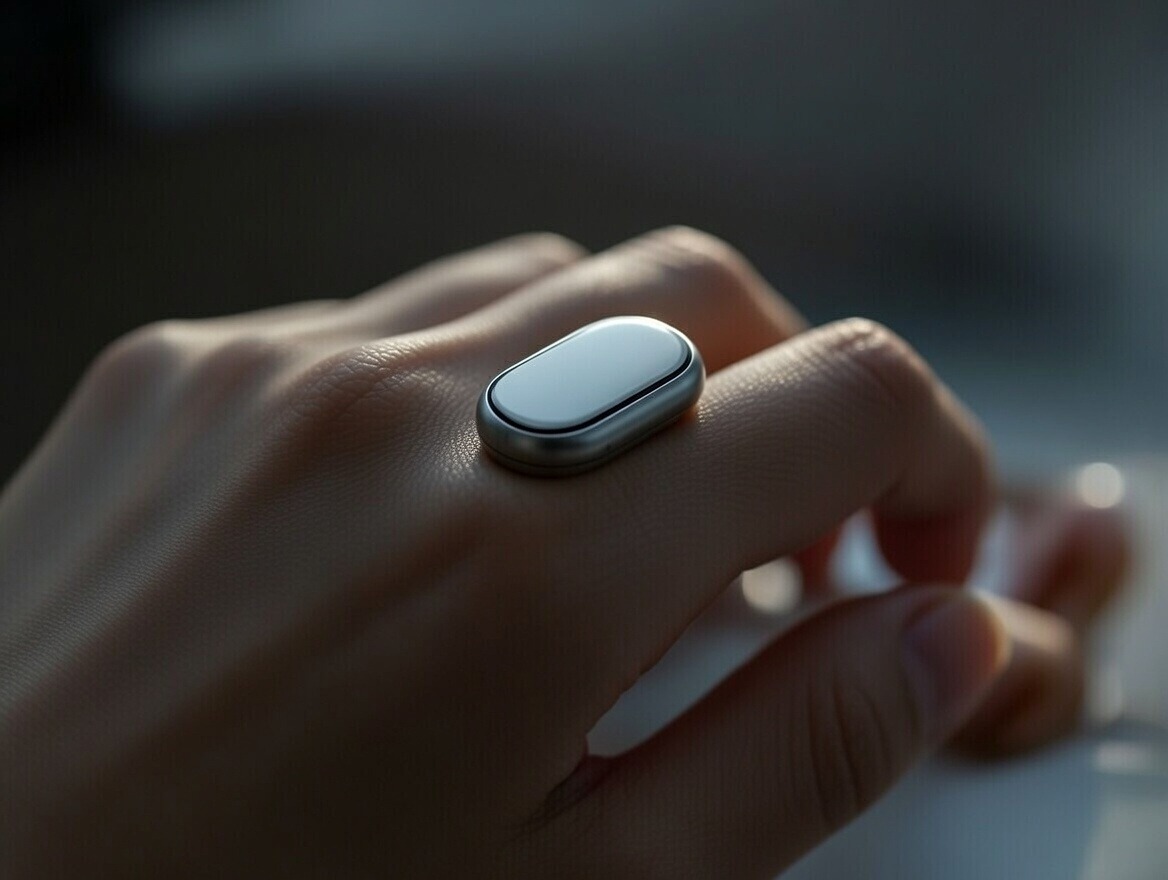
In an age of digital overwhelm, adding another device requires justification. The final layer of the Active Living philosophy addresses this directly: Technology is not the master; it is the servant. The goal is enhanced human awareness, not outsourcing your intuition to an algorithm. The wellness ring is most powerful when used as a tool for connection—to your own body—not as a source of anxiety or compulsive checking.
A legitimate pitfall of detailed biometric tracking is “orthosomnia”—the preoccupation with perfect sleep data that ironically leads to worse sleep. Similarly, one can become overly fixated on a single day’s HRV score. The principles guard against this.
The ultimate aim is for the ring’s feedback to train your own interoception—your internal sense of what’s happening in your body. Over time, you’ll start to feel when your HRV is likely low or when you haven’t had enough deep sleep. The data validates and refines this internal sense.
By placing the human—your intuition, your goals, your unique context—firmly in the loop, the wellness ring transcends being a mere tracking gadget. It becomes a catalyst for a more profound, embodied, and intelligent relationship with yourself. It exemplifies how technology, when designed and used with intention, can support our humanity rather than detract from it. For those curious about the philosophy behind such intentional design, our brand story delves deeper into this human-centric mission.
The Future of Active Living: Predictive Health and a Connected Ecosystem
The journey through the seven principles reveals a present-day reality where a wellness ring is a powerful compass for navigating personal health. But this technology is not static; it is on the cusp of a transformative evolution. The future of Active Living points toward a paradigm of predictive, preventative, and deeply integrated wellness, where your ring evolves from a reactive monitor to a proactive health guardian and a central hub in a connected ecosystem of well-being.
Today’s devices are masterful at describing your current state: “Your deep sleep was low last night,” “Your HRV is depressed this morning.” The next frontier is predictive analytics. By applying advanced machine learning to longitudinal biometric data—spanning months and years—your wellness ring will begin to identify subtle patterns that precede noticeable changes in your health.
This predictive capacity turns the principle of Listening to Your Body’s Signals into an advanced early-warning system, giving you unprecedented agency to intervene and protect your health at the earliest possible stage.
No single device or metric holds the complete picture of health. The true power of personalized data multiplies when it is integrated. Your wellness ring is poised to become the secure, central hub of your personal health ecosystem.
This connected ecosystem turns the principle of Personalization into a dynamic, multi-input model. Your wellness is no longer assessed in a vacuum but understood within the full context of your behaviors, environment, and biology.
As this technology advances, important ethical considerations must be guided by the core philosophy of Active Living—that technology serves human flourishing.
Ultimately, the future shaped by these advancements reinforces the most human aspect of the Active Living philosophy: the pursuit of vitality, purpose, and presence. The technology’s goal is to minimize the time and energy spent guessing about your health, diagnosing problems late, and managing preventable decline. By offloading the measurement and pattern recognition to sophisticated but silent tools, you are freed to focus more fully on living—on the relationships, passions, and experiences that data alone can never quantify. To see how this philosophy is being put into practice today, explore the technology and community at Oxyzen.
A smart ring is a powerhouse of data, but its intelligence multiplies when it is seamlessly connected to other devices and apps, creating a unified, intelligent ecosystem that manages your health holistically. This ecosystem approach automates insight generation and creates a cohesive health narrative across all aspects of your life.
The Central Hub: Your Smart Ring
As established, the ring is the ideal hub due to its continuous, passive data collection on core biomarkers (HRV, RHR, temperature, sleep). It provides the foundational "readiness" context.
Connecting the Physical Inputs: Fitness Trackers & Smart Scales
Connecting the Nutritional Inputs: Food and Hydration Logging
Connecting the Environmental and Behavioral Inputs:
The Output: Unified Dashboards and AI Coaches
The end goal of this ecosystem is a single dashboard—likely within your smart ring’s app—that presents a unified story. It might look like this:
This ecosystem turns disparate data points into a coherent, actionable health intelligence system. It automates the work of a personal health coach, providing a level of personalization and foresight that was previously only available to elite athletes. To explore the kinds of insights such a system can provide, delve into the resources on our Oxyzen blog.

As we invite these devices deeper into our lives, collecting our most intimate biological data—our sleep patterns, stress levels, and physiological vulnerabilities—a critical conversation about ethics, privacy, and ownership must accompany the technological enthusiasm. Being an informed user is not just about interpreting data, but also about understanding its potential lifecycle and how it is protected.
The Value and Sensitivity of Your Biometric Data:
Your biomarker dataset is a digital blueprint of your body. It can reveal your sleep disorders, predict illness onset, infer your menstrual cycle, and indicate your stress and mental health states. This data is highly sensitive and valuable—to you, for your health; to companies, for product improvement and potential monetization; and potentially to bad actors, for exploitation.
Key Questions to Ask Any Provider:
Potential Risks and Future Scenarios:
Best Practices for the Conscious User:
The promise of personalized health is immense, but it must be built on a foundation of trust and user sovereignty. As we move forward, advocating for clear regulations and supporting ethical companies will be as important as interpreting our own HRV trends. We believe in this principle deeply, which is outlined in our company’s core vision and values on the Our Story page.
We began this exploration in a world of noise, searching for a signal amidst the chaos of modern well-being. The journey through the seven principles of Active Living illuminated a path out of that noise—a path paved not with restrictive rules or fleeting trends, but with self-knowledge, empowered by data.
Prioritizing Deep Sleep is the non-negotiable foundation, the nightly renewal that powers every other endeavor. Listening to Your Body’s Signals through biofeedback transforms intuition into informed action, creating a dialogue with your inner physiology. Viewing Movement as Nourishment breaks the cycle of punishment and allows you to find joy and function in activity. Strategic Recovery redefines rest as an active performance enhancer, the essential space where growth occurs.
Cultivating Mind-Body Awareness bridges the false divide between mental and physical health, showing you the direct pathway from a calm mind to a resilient body. Valuing Consistency Over Intensity reveals the superpower of micro-habits, where small, daily actions compound into life-altering results. Finally, embracing Personalization allows you to discard generic advice and build a health plan as unique as your fingerprint—your own biometric blueprint.
A wellness ring like Oxyzen is the tool that reinforces these principles not through abstraction, but through illumination. It turns the opaque into the visible. It provides the feedback loop that turns intention into consistent practice and practice into lasting transformation. It is a companion on the journey from passive recipient of health to active author of your well-being.
This is not a story about technology for technology’s sake. It is a story about using the best tools available to reconnect with the most ancient wisdom: to know thyself. The numbers on the app are not the goal; the vitality they help you cultivate is. The goal is waking up feeling restored. It’s having the energy to engage deeply with your work and your loved ones. It’s moving through your day with resilience, not reacting to every stressor. It’s possessing the mental clarity to be present and the physical capacity to pursue your passions for years to come.
Active Living is an invitation to participate fully in your own life. It is a dynamic, engaged, and compassionate partnership with the one body and mind you have. By embracing these seven principles, reinforced by the clear, objective data from your wellness ring, you equip yourself to navigate the complexities of modern life not with anxiety, but with agency. You learn to measure your life not just in time, but in the quality of your energy, the depth of your rest, and the sustained joy of your engagement with the world.
The journey continues. Your data will tell new stories as you grow and change. New insights will emerge. The principles, however, will remain your constant guide. Listen, nourish, recover, connect, be consistent, personalize, and above all, prioritize the profound restoration that makes it all possible. Your future of vitality starts with understanding your present, one data point, one habit, one restful night at a time. To take the next step in building your personalized blueprint, visit the Oxyzen shop to discover the tool designed to illuminate your path. And for ongoing learning and community, the full library of resources awaits on our blog.
Your Trusted Sleep Advocate (Sleep Foundation — https://www.sleepfoundation.org/)
Discover a digital archive of scholarly articles (NIH — https://www.ncbi.nlm.nih.gov/
39 million citations for biomedical literature (PubMed — https://pubmed.ncbi.nlm.nih.gov/)
experts at Harvard Health Publishing covering a variety of health topics — https://www.health.harvard.edu/blog/)
Every life deserves world class care (Cleveland Clinic -
https://my.clevelandclinic.org/health)
Wearable technology and the future of predictive health monitoring. (MIT Technology Review — https://www.technologyreview.com/)
Dedicated to the well-being of all people and guided by science (World Health Organization — https://www.who.int/news-room/)
Psychological science and knowledge to benefit society and improve lives. (APA — https://www.apa.org/monitor/)
Cutting-edge insights on human longevity and peak performance
(Lifespan Research — https://www.lifespan.io/)
Global authority on exercise physiology, sports performance, and human recovery
(American College of Sports Medicine — https://www.acsm.org/)
Neuroscience-driven guidance for better focus, sleep, and mental clarity
(Stanford Human Performance Lab — https://humanperformance.stanford.edu/)
Evidence-based psychology and mind–body wellness resources
(Mayo Clinic — https://www.mayoclinic.org/healthy-lifestyle/)
Data-backed research on emotional wellbeing, stress biology, and resilience
(American Institute of Stress — https://www.stress.org/)


