


The Beginner-Friendly Guide to Preventing Age-Related Fatigue (Ring Data)
Preventing age-related fatigue through lifestyle, monitored by ring data.
Preventing age-related fatigue through lifestyle, monitored by ring data.
%402x.svg)
You know that feeling. It’s not just tiredness—it’s a profound, bone-deep weariness that seems to seep into your very foundation. The morning alarm feels heavier at 45 than it did at 25. The afternoon slump becomes a canyon you can’t climb out of. Your former “get-up-and-go” has seemingly gotten up and gone. This is age-related fatigue, and for millions, it’s accepted as an inevitable tax for the privilege of growing older. But what if the narrative is wrong?
What if this pervasive exhaustion isn’t a mandatory sentence, but a collection of biological signals—a data stream begging to be decoded? This is where the old paradigm of wellness meets the new frontier of quantified self-knowledge. For decades, we’ve guessed at our health. We’ve blamed fatigue on “a busy week” or “getting older,” operating in a fog of subjective feeling. The advent of wearable technology, specifically the sophisticated biometric smart ring, has changed everything. Now, the subtle whispers of your body—the declining sleep quality, the creeping resting heart rate, the dysregulated nervous system—are translated into clear, actionable data.
This guide is your map to a different future. We will dismantle the myth of inevitable energy decline and replace it with a proactive, data-informed strategy for lifelong vitality. Using the continuous, non-invasive monitoring of a wellness ring as our compass, we’ll explore the core physiological pillars of energy production. This isn’t about a magic pill or a punishing regimen. It’s about understanding the foundational systems that fuel you and learning how to read their outputs, so you can make precise, personalized adjustments. You’ll learn not just to fight fatigue, but to fundamentally prevent it by building a resilient, energy-efficient biology. The journey to sustained vitality begins not with a dramatic overhaul, but with your first night of ring data, revealing the silent story your body has been telling you all along.
We often use the word "fatigue" as a catch-all, but to prevent it, we must first define it with precision. Medically, fatigue is distinct from simple sleepiness. It’s a pervasive sense of physical and/or mental exhaustion that isn’t fully relieved by rest. Age-related fatigue, then, is this experience becoming more frequent or intense as we move through our 30s, 40s, 50s, and beyond.
But why does this happen? The outdated view pins it on a single villain: declining hormones. While hormones play a crucial role, modern science reveals a far more complex symphony of systems, each capable of creating dissonance in our energy levels. Think of your body not as a single battery draining over time, but as a sophisticated power grid with multiple generators.
The primary "generators" in your personal energy grid include:
This is where the promise of lifelong health strategies transitions from theory to practice. By understanding these interconnected systems, we can move beyond generic advice. The modern tool for this task is the biometric smart ring. It acts as a 24/7 monitoring station for your personal power grid, tracking proxies for these very systems: Heart Rate Variability (HRV) for nervous system balance, resting heart rate and blood oxygen for cardiovascular/respiratory efficiency, sleep architecture for recovery quality, and body temperature trends for inflammatory and metabolic states.
You cannot manage what you do not measure. The first, most critical step in preventing age-related fatigue is to stop guessing and start knowing. The data from your ring provides the objective baseline from which all effective, personalized strategy flows. As we explore the science behind successful lifelong health strategies, remember: the goal is not to chase the energy of your 20-year-old self, but to build the sustained, resilient vitality that allows you to thrive in every decade.
If age-related fatigue is a fire, poor sleep is often the arsonist—and the accelerant. It’s the most common, and most devastating, factor in the energy equation. Society often treats sleep as a luxury or a passive state, but it is an active, non-negotiable biological process for repair, restoration, and memory consolidation. The notion of "catching up on sleep" is a biological fantasy; the damage of chronic sleep deprivation is cumulative and insidious.
The connection between sleep and next-day energy is obvious. The deeper link, however, is how chronically poor sleep systemically erodes the very pillars of long-term vitality:
This is why a wellness ring’s sleep tracking is arguably its most critical function for preventing fatigue. It moves you beyond subjective "I slept okay" to objective metrics. You’re not just tracking hours in bed; you’re auditing the architecture of your sleep:
By analyzing this data, you can move from feeling perpetually drained to executing a targeted recovery plan. Perhaps your ring reveals you get plenty of hours but almost no deep sleep, pointing to potential issues like late-night alcohol consumption or an undiagnosed sleep disorder like apnea. Maybe it shows high restlessness correlated with days of high stress, highlighting the need for a wind-down routine. This objective feedback loop is the cornerstone of lifelong health strategies to optimize sleep quality. You learn what truly works for your physiology, allowing you to protect and enhance your most powerful tool for energy renewal.
Your energy levels are not just about what you have, but about how you spend. Imagine your body’s energy budget as a finite pool of resources. The CEO of that budget allocation is your autonomic nervous system (ANS). Most people are familiar with the sympathetic ("fight or flight") state—the heart-pounding, alert mode for acute danger. The true guardian of sustainable energy, however, is its counterpart: the parasympathetic ("rest and digest") state.
In our modern world, stressors are rarely acute lions; they are chronic emails, traffic, financial worries, and social pressures. This can lead to a state of sympathetic dominance—a constant, low-grade alarm that idles your engine at dangerously high RPMs. This state is profoundly wasteful, diverting blood flow and energy away from long-term repair, digestion, and immune function toward immediate (but unnecessary) survival reactions. The result? You feel wired but tired, anxious yet exhausted.
The single most important biomarker for assessing the balance and resilience of your ANS is Heart Rate Variability (HRV). Contrary to intuition, a healthy heart does not beat with the metronomic regularity of a drum machine. The tiny, millisecond variations in the time interval between each heartbeat are a sign of a responsive, adaptive nervous system. A higher HRV (within your personal baseline range) generally indicates strong parasympathetic tone and good stress resilience—your system can efficiently ramp up when needed and powerfully dial down to recover. A low or declining HRV is a cannon-shot warning sign of chronic stress, poor recovery, impending illness, or systemic inflammation. It is one of the earliest and most sensitive indicators that your energy systems are under threat.
A wellness ring provides the unparalleled advantage of capturing your HRV continuously, most reliably during sleep when external variables are minimized. This gives you a true, undisturbed baseline. Watching your nightly HRV trend allows you to:
By learning to "speak HRV," you gain direct insight into the efficiency of your energy budget management. This empowers you to make real-time decisions: pushing a workout when your HRV is high, or choosing a restorative walk or yoga session when it’s low. This proactive management of your nervous system is the essence of building stress resilience over decades. It transforms you from a passive victim of stress to an active steward of your own calm, creating the physiological foundation for deep, sustained energy.

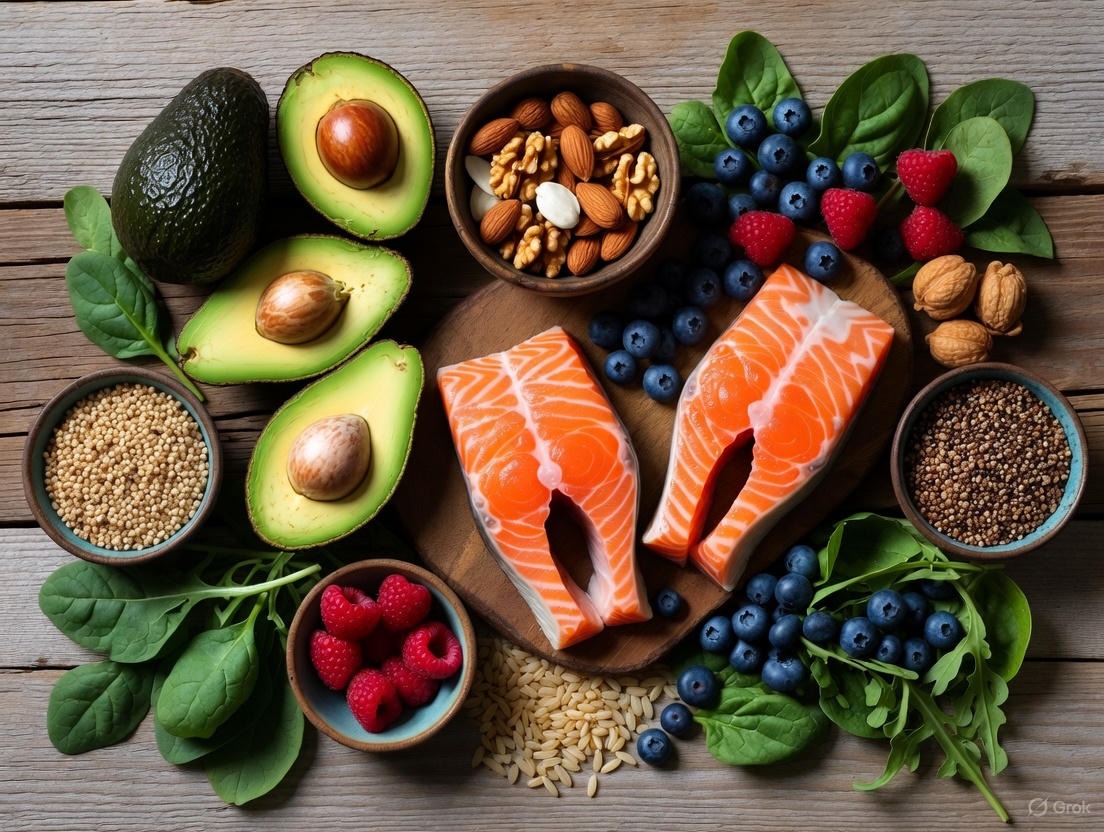
You can have perfect sleep and a calm nervous system, but if you don’t provide your cells with the right building materials, fatigue is inevitable. Nutrition for preventing age-related fatigue moves far beyond simple "calories in, calories out." It’s about providing the specific raw materials your mitochondria need to produce ATP efficiently and minimizing the dietary sources that gum up the works.
Think of your mitochondria as high-performance engines. They need:
The modern diet often sabotages this process in several ways:
Here is where ring data provides unexpected, powerful feedback. You are not just what you eat; you are what you metabolize. Your body’s reaction to your diet is reflected in biometrics:
This creates a closed-loop system for lifelong health strategies to maintain metabolic health](https://oxyzen.ai/blog/lifelong-health-strategies-maintain-metabolic-health). Instead of following a generic diet, you can become a scientist of your own body. Try an elimination diet for gluten or dairy and watch your HRV and sleep scores. Note how a high-protein, high-fiber breakfast stabilizes your energy compared to a pastry. The ring provides the objective proof, moving you away from willpower and towards data-driven conviction. You learn to eat not just for taste or even macros, but for optimal mitochondrial function and low inflammatory load—the very pillars of preventing energy decline.
The relationship between exercise and fatigue seems paradoxical to many. "I'm too tired to exercise," is a common refrain. Yet, consistent, appropriate movement is one of the most potent generators of long-term energy and a primary defense against age-related decline. The key lies in understanding the type, intensity, and timing of exercise—and, crucially, how to recover from it.
Exercise is a hormetic stressor: a controlled dose of challenge that prompts your body to adapt and become stronger, more efficient, and more resilient. Its benefits for energy are systemic:
However, the wrong exercise—too much, too intense, without adequate recovery—becomes a primary cause of fatigue. This is overtraining, and it chronically elevates cortisol, suppresses HRV, damages mitochondria, and leads to persistent exhaustion, injury, and burnout.
This is the revolutionary power of a wellness ring in your fitness journey: it transforms you from blindly following a generic plan to engaging in a responsive dialogue with your body. It provides the essential data to balance stress and recovery:
By aligning your movement with your body’s readiness, you ensure exercise remains the medicine it’s meant to be. You learn that sometimes the most energetic choice is to go for a walk, not a sprint. This intelligent approach to movement, guided by biometrics, is fundamental to preserving mobility and building the physical resilience that protects your energy reserves for the long term. It turns fitness from a guessing game into a precise, sustainable practice for lifelong vitality.
We’ve touched on inflammation, but it deserves its own spotlight as perhaps the most under-recognized root cause of age-related fatigue. Acute inflammation—the swelling and redness around a cut—is a healthy, targeted immune response. The enemy of energy is chronic, low-grade, systemic inflammation, often called "inflammaging." This is a silent, body-wide smoldering fire that consumes vast amounts of energy and damages tissues over time.
Imagine your immune system as a standing army. In a state of chronic inflammation, this army is perpetually mobilized, conducting patrols and skirmishes throughout your body. This constant activation requires a tremendous amount of fuel—fuel that is then unavailable for brain function, physical activity, and cellular repair. Furthermore, the inflammatory chemicals themselves (like cytokines) can directly act on the brain, causing "sickness behavior": fatigue, lethargy, brain fog, and loss of motivation.
Sources of this invisible fire are often lifestyle-driven:
The insidious nature of inflammaging is that you can’t always "feel" it until it manifests as profound fatigue or later, as chronic disease. This is, again, where biometric data becomes a crucial early-warning system. While a ring can’t measure inflammatory markers like CRP directly, it tracks their profound downstream effects on your autonomic nervous system and recovery capacity:
By monitoring these trends, you gain awareness of your inflammatory load. This awareness empowers a proactive, lifelong health strategies for inflammation control. You can experiment with potent anti-inflammatory interventions—increasing omega-3 intake, incorporating turmeric or ginger, prioritizing sleep, managing stress—and see the results in your HRV and recovery metrics. Putting out this invisible fire is one of the most effective ways to reclaim stolen energy and protect your long-term healthspan.
Your body is not designed to operate at a constant pace 24 hours a day. It thrives on rhythm. Your circadian rhythm is a roughly 24-hour internal clock that regulates nearly every physiological process: hormone release (cortisol, melatonin), body temperature, digestion, cell repair, and of course, sleep-wake cycles. When your external lifestyle is misaligned with this internal clock—a state known as circadian disruption—the result is a profound and chronic form of energy drain.
Modern life is a circadian war. We have electric light that blurs day and night, screens that emit sleep-disrupting blue light after sunset, erratic eating schedules, and social jet lag from inconsistent sleep times on weekends versus weekdays. This discord confuses your biological systems. If your cortisol (your "get up and go" hormone) doesn’t peak sharply in the morning, you start the day sluggish. If melatonin (your "wind down" hormone) isn’t adequately secreted at night, you can’t fall or stay asleep deeply. This misalignment impairs mitochondrial function, promotes inflammation, and dysregulates metabolism.
Aligning with your circadian rhythm is one of the most powerful, low-effort, high-impact levers you can pull for sustained energy. Core principles include:
Your wellness ring is the perfect tool to audit and optimize your circadian alignment. It tracks the ultimate outputs of your circadian rhythm:
By using your ring data to fine-tune these daily habits, you are not just "sleeping better." You are synchronizing all your biological systems to work in efficient harmony. This holistic synchronization is the essence of a prevention-first approach to lifelong health. It’s about creating an internal environment where energy production is optimized and waste is minimized, simply by respecting the ancient, powerful rhythm coded into your DNA.
Two of the most overlooked, yet easily adjustable, factors in daily energy are hydration and core body temperature regulation. Their impact is so fundamental that we often don’t notice them until they cause significant problems.
Hydration is not just about water. It’s about the fluid balance that allows for every metabolic reaction, nutrient transport, and waste removal in your body. Even mild dehydration (a loss of just 1-2% of body water) can impair cognitive function, focus, and physical performance, and increase the perception of fatigue. As we age, our thirst sensation becomes less reliable, making us prone to chronic, low-grade dehydration.
Body Temperature regulation is a constant, energy-intensive process. Your body works hard to maintain a narrow core temperature range. When you are too hot (from environment, exercise, or inflammatory foods) or too cold, your body expends extra energy on thermoregulation—energy that is then not available for other tasks. Furthermore, the temperature of your extremities and skin plays a role in sleep onset; a slight drop in core temperature is a key signal for sleep.
A smart ring offers unique insights into both these areas:
This data turns guesswork into strategy:
Managing these subtle levers is a perfect example of how smart ring data guides lifelong health decision-making](https://oxyzen.ai/blog/smart-ring-data-guides-lifelong-health-decision-making). It brings awareness to the basic, foundational aspects of physiology that we often neglect, allowing you to make micro-adjustments that yield macro improvements in daily energy and long-term resilience.
By this point, you understand the theory: age-related fatigue is multi-faceted, and a smart ring provides the data streams to monitor its root causes. Now, we bridge the gap between passive observation and proactive strategy. This is the process of creating your Personal Energy Blueprint—a living, breathing plan informed by your unique biometric feedback.
The goal is not to achieve perfect scores every day, but to understand your patterns, identify your personal triggers and boosters, and build a resilient system. Here’s how to start, using your ring data as your primary guide:
Phase 1: Establish Your Baseline (Weeks 1-2)
Do not try to change anything yet. Wear your ring consistently and live your normal life. The objective is to collect at least two weeks of data to establish your personal baselines for:
Phase 2: The Correlation Hunt (Week 3+)
Now, become a detective. Start a simple journal or use the tagging feature in your ring’s app. For a two-week period, make brief notes on:
After this period, look for correlations. Did your HRV plummet and RHR spike the night after a late, heavy meal? Did your sleep score improve dramatically on nights you finished eating before 7 PM? Did a high-intensity workout without proper recovery suppress your readiness for two days? These correlations are pure gold—they are your body’s specific language telling you what helps and what harms.
Phase 3: Implement Targeted, Singular Experiments
Based on your correlations, pick ONE area to experiment with for 1-2 weeks. For example:
Change only one variable at a time. This allows you to see its clear, isolated effect in your data. Did the intervention move your metrics in the desired direction? If yes, you’ve found a keystone habit for your blueprint. If not, you’ve learned efficiently and can move on.
Phase 4: Build Your Resilience Toolkit
Your blueprint will consist of routines and responses informed by your data:
This iterative process of test, measure, and adapt is the core of a truly personalized approach. It moves you far beyond generic health advice into the realm of creating a lifelong health strategy using a wellness ring](https://oxyzen.ai/blog/create-lifelong-health-strategy-using-wellness-ring). Your blueprint is never static; it evolves as you age, as your lifestyle changes, and as your data tells new stories. You are no longer guessing. You are engineering your vitality.
Our exploration of fatigue would be incomplete without addressing the mind. Psychological states are not separate from physiology; they are intimately woven into it through the neuroendocrine system. Chronic stress, anxiety, unresolved emotional burdens, and a lack of purpose are not just "in your head"—they manifest in biometric data with startling clarity. Your smart ring, therefore, can serve as an objective mirror to your mental and emotional world.
Consider these connections:
This is where ring data becomes a tool not just for physical, but for holistic well-being. It provides non-judgmental feedback:
By acknowledging this mind-body bridge, you embrace a truly holistic strategy. Working on your mental and emotional health is no longer a vague "wellness" goal; it is a direct intervention for improving your energy biomarkers. This integrated approach is key to understanding the mind-body wellness connection that underpins lasting vitality. Your ring helps you see that caring for your mind is one of the most powerful ways to care for your body’s energy systems.
Understanding the science and data is the foundation. Translating it into a seamless daily routine is the architecture that protects your energy, day after day, year after year. This isn't about a rigid, military schedule, but about creating rhythmic, supportive habits that align with your body's natural biology and are reinforced by your ring's feedback. Think of it as stacking small, sustainable wins throughout the day that compound into massive energy resilience.
Here is a template for a 24-hour protocol, designed using circadian biology and biometric principles. Use your ring data to personalize each phase.
The Morning Anchor (5:00 AM – 9:00 AM): Set the Rhythm
The Mid-Day Sustain (9:00 AM – 5:00 PM): Maintain Stability
The Evening Wind-Down (5:00 PM – 10:00 PM): Prioritize Recovery
The Sleep Sanctuary (10:00 PM – 5:00 AM): Optimize Restoration
This 24-hour protocol is a scaffold. Your ring data will show you which pillars are strongest for you and which need reinforcement. Perhaps your data reveals you are highly sensitive to late meals, so you make the 3-hour dinner-to-bed rule absolute. Maybe your sleep is deep but short, so you focus on the wind-down ritual to get into bed earlier. This process of living, measuring, and refining is the ultimate lifelong health strategy where consistency beats perfection](https://oxyzen.ai/blog/lifelong-health-strategies-consistency-beats-perfection). The goal is not a flawless graph every day, but a resilient upward trend in your capacity for life.
In a culture that glorifies "hustle," rest is often framed as the enemy of productivity. For preventing age-related fatigue, this mindset is not just incorrect—it is biologically destructive. True recovery is the silent, non-negotiable period where the magic of adaptation happens. It’s when your body repairs micro-tears in muscle, consolidates memories, clears metabolic waste, and rebalances hormones. Without adequate recovery, you are continually withdrawing from your energy account without ever making a deposit, leading to a state of deepening debt known as overtraining syndrome or burnout.
Recovery exists on three levels, all of which are reflected in your biometric data:
A smart ring makes the invisible need for recovery visible and urgent. Key metrics to watch include:
Embracing recovery means planning it with the same intentionality as you plan your workouts or work projects. It means scheduling "nothing" time. It means viewing a low readiness score not as a setback, but as a wise instruction from your body to choose restorative yoga over HIIT, or an early bed-time over a late movie. This paradigm shift—where rest is seen as the productive, strategic element of growth—is fundamental to making recovery a long-term investment](https://oxyzen.ai/blog/lifelong-health-strategies-recovery-long-term-investment) in your healthspan. By honoring your recovery data, you build a more resilient system that can handle greater stress and return to baseline faster, which is the very definition of increased vitality.
While lifestyle is the bedrock, targeted tools and professional guidance can act as powerful allies in your campaign against age-related fatigue. The critical principle here is data-informed personalization. Do not shotgun supplements or therapies based on trends. Use your biometric trends and, where possible, professional testing, to identify specific gaps and measure the impact of interventions.
A. Targeted Supplementation (A "Might-Help" List, Not a "Must-Take")
Think of supplements as fine-tuning agents for a well-running engine, not a replacement for fuel. Always consult with a healthcare provider before starting any new regimen, especially if you have underlying conditions or take medications.
B. Leveraging Technology & Environment
C. The Role of Professional Support
Your ring data is an excellent screening tool to know when to seek help and provide objective evidence for your provider.
This holistic ecosystem of self-tracking, lifestyle, targeted support, and professional guidance creates a robust defense against fatigue. It embodies the principle of using a wellness ring to support lifelong health goals](https://oxyzen.ai/blog/wellness-ring-supports-lifelong-health-goals) by connecting the dots between daily choices, objective data, and expert insight. You become the CEO of your health, with a dashboard (your ring), a management team (your providers), and a clear strategy for long-term performance.
Your energy needs and challenges are not static. The strategy that worked brilliantly at 35 may need refinement at 50, and will almost certainly evolve by 70. Major life transitions—perimenopause/menopause, andropause, career changes, becoming a parent, retirement—all impose unique physiological and psychological stresses. The key to preventing fatigue across a lifetime is not to find one perfect formula, but to cultivate the skill of adaptation. Your wellness ring is the perfect companion for this journey, providing real-time feedback as your body changes.
The 30s & 40s: The Prevention Prime
This is the critical window for establishing foundational habits. Stress often comes from career building and young families. The focus should be on:
The 50s & 60s: The Adaptation Phase
Hormonal shifts (menopause, andropause) become central. The risk of metabolic issues (insulin resistance) and inflammation increases.
The 70s and Beyond: The Optimization & Preservation Phase
The primary goals shift to preserving function, cognitive health, and independence.
Throughout all stages, the principle remains: let the data guide you. What your ring measures—sleep, nervous system balance, activity, recovery—are the universal biomarkers of healthspan. By learning to read them and respond adaptively, you can successfully adjust your lifelong health strategy with age. This proactive, data-informed adaptation is the ultimate defense against the fatigue that so many mistakenly believe is inevitable.
Human beings are not meant to be islands. We are socially wired creatures, and our connections have a direct, measurable impact on our physiology and energy levels. Loneliness and social isolation are not just emotional states; they are significant stressors linked to increased inflammation, poorer sleep, higher blood pressure, and a greater risk of cognitive decline and mortality. Conversely, strong social bonds and a sense of community buffer stress, promote healthier behaviors, and provide meaning—all of which conserve and generate energy.
The mechanisms are tangible:
Your smart ring can surprisingly become a tool for quantifying aspects of your social health. While it can't measure friendship depth, it can track the physiological outcomes of your social interactions:
This data reinforces the importance of prioritizing connection. It moves social health from a "soft" wellness concept to a "hard" biological necessity. Scheduling time with friends, joining a club, volunteering, or investing in family relationships are not indulgences; they are critical pieces of your energy infrastructure. Cultivating this social connection factor is a lifelong health strategy that protects both your mental and physical vitality, providing a renewable source of energy that no supplement can match.

Technology and data are extraordinary tools, but they are instruments in the hands of the musician. The most sophisticated smart ring is useless without the most important component: you—and specifically, your mindset. Preventing age-related fatigue is not a 12-week program; it is a lifelong practice rooted in curiosity, self-compassion, and a fundamental shift in identity.
1. Adopt a Scientist, Not a Judge, Mindset.
Your ring data is feedback, not a verdict. A low HRV score is not a "bad grade"; it's a data point saying, "Your system is under load. Let's investigate." Approach your metrics with curiosity: "What happened yesterday that might explain this?" This removes shame and fosters empowered problem-solving.
2. Embrace the "Compound Interest" Model of Health.
Forget overnight transformations. The power lies in small, consistent actions—the daily 15-minute walk, the consistent bedtime, the extra serving of vegetables—compounded over years and decades. These are the deposits that build immense energy resilience. This is the essence of viewing health through the lens of lifelong health strategies as compound interest for wellness. Your ring shows the weekly and monthly trends, the true measure of this compounding effect.
3. Redefine "Aging" as "Accumulating Wisdom and Data."
Shift from a narrative of decline to one of optimization. You are not "getting old and tired"; you are accumulating a deep, personal dataset that allows you to live smarter. With each passing year, you understand your body's unique language better. This reframe is empowering and energy-giving in itself.
4. Practice Self-Compassion on the Off-Days.
There will be days of poor sleep, high stress, and low energy. There will be weeks where travel or illness disrupts your routines. The resilient mindset doesn't catastrophize these moments. It acknowledges them, uses the data to understand the impact, and gently guides back to baseline habits without self-flagellation. Progress is never linear.
5. Connect Your Habits to a Deeper "Why."
Your "why" is your sustainable fuel. Is it to have the energy to play with grandchildren? To travel the world in retirement? To contribute meaningfully to your community for decades? To simply enjoy each day with vibrancy? When your daily choices are linked to a profound personal purpose, they become expressions of who you are, not chores you must do. Explore how purpose and meaning drive longevity to solidify this connection.
By now, you have a deep understanding of the systems involved in energy production and a daily protocol to support them. The final frontier in preventing age-related fatigue is moving from a reactive to a predictive model. Instead of analyzing yesterday's fatigue, you can learn to anticipate tomorrow's energy levels and adjust proactively. This is where longitudinal data from your wellness ring transforms from a diary into a crystal ball.
Understanding Your Personal Predictive Markers
Every body has its own early warning signals. The key is to identify which of your biometric metrics are the most sensitive "canaries in the coal mine" for your impending energy crashes. For some, it's a subtle, two-day creep in resting heart rate. For others, it's a single night of suppressed Heart Rate Variability (HRV). Common predictive patterns include:
Creating Your Personal Energy Forecast
Start by looking back at your last three months of data (or as much as you have). Identify periods where you felt notably fatigued, got sick, or performed poorly. Now, scroll back 2-5 days before each of those events. What did the data look like? You are searching for the subtle precursors.
Once you identify 2-3 reliable predictive markers for your physiology, you can begin to forecast. Your morning ritual becomes one of weather prediction: "My HRV has slid for two nights, and my sleep was fragmented. The data suggests a storm is coming. Today is not the day for that big presentation or intense workout. Today is for hydration, gentle movement, extra protein, and an early bedtime to steer the ship back on course."
This predictive power is the ultimate application of smart ring data that reveals lifelong health trends. It allows you to intervene at the earliest possible moment, turning what could have been a week-long energy crash into a single, managed low-energy day. You stop being a victim of your energy levels and become a strategic forecaster of your capacity.
While we focus on heart rate and sleep, the very essence of our energy currency—oxygen—often goes unmonitored. Your cells' power plants, the mitochondria, are aerobic; they require a constant, efficient supply of oxygen to produce ATP. Two critical, often-overlooked aspects of this are breathing patterns and blood oxygen saturation.
1. The Power of How You Breathe
Chronic, subconscious over-breathing (hyperventilation) is surprisingly common, especially under stress. This involves rapid, shallow chest breathing, often through the mouth. It leads to a blow-off of too much carbon dioxide (CO2). While CO2 is often seen as a waste gas, it’s essential for the efficient release of oxygen from hemoglobin to your cells (the Bohr Effect). Low CO2 from over-breathing can actually reduce oxygen delivery to tissues, contributing to fatigue, anxiety, and poor recovery.
2. Nocturnal Blood Oxygen (SpO2) Dips
While you sleep, it’s normal for blood oxygen saturation to fluctuate slightly. However, frequent or significant dips (below 92-94%) can indicate sleep-disordered breathing, such as sleep apnea or upper airway resistance syndrome. These events cause micro-arousals (which fragment sleep and reduce deep sleep) and put significant stress on the cardiovascular system. The result is non-restorative sleep and profound daytime fatigue, even with 8+ hours in bed.
Optimizing your oxygen delivery system—through better breathing habits and ensuring healthy sleep respiration—directly fuels your mitochondria. It’s a foundational, yet often invisible, layer in the energy pyramid that your ring can help illuminate and improve.
Your biology does not exist in a vacuum. It is in constant dialogue with your environment—the light, air, sound, and even the electromagnetic fields that surround you. "Environmental engineering" is the practice of consciously designing your surroundings to support, rather than sabotage, your energy systems. Your ring data provides the feedback on what adjustments make a real difference.
1. Light: Your Master Zeitgeber
We've covered morning light. The other side is minimizing disruptive light at night. Beyond blue light, any bright light after sunset can delay melatonin. Consider:
2. Temperature & Thermoregulation
Your body needs to drop its core temperature by about 1-2 degrees Fahrenheit to initiate and maintain sleep.
3. Sound & Noise Pollution
Unexpected noises, even if they don't fully wake you, cause micro-arousals that fragment sleep architecture.
4. Air Quality
Indoor air can be 2-5 times more polluted than outdoor air. Pollutants and allergens create inflammation, burden the immune system, and can disrupt sleep through nasal congestion.
5. Electromagnetic Fields (EMFs)
While the science is evolving and debated, some individuals report sensitivity. A simple, low-cost experiment:
By systematically experimenting with one environmental variable at a time and observing the changes in your biometrics, you move from a generic "sleep hygiene" list to a precisely tuned personal ecosystem. This process of environmental optimization is a powerful way to use your wellness ring to personalize lifelong health plans. You are no longer just living in your environment; you are curating it to be the ultimate support system for your vitality.
The gut is now recognized as a central command center for overall health, and its influence on energy is profound. Your gut microbiome—the trillions of bacteria, viruses, and fungi residing in your intestines—does far more than digest food. It produces essential vitamins (like B vitamins and Vitamin K), regulates inflammation, influences neurotransmitter production (serotonin, dopamine), and even communicates directly with the brain via the vagus nerve. A dysbiotic, or imbalanced, gut can be a primary driver of systemic fatigue.
How a Troubled Gut Drains Your Battery:
Using Your Ring to Decode Gut Health Signals:
While a ring can't sequence your microbiome, it can track the systemic consequences of gut issues. The gut-brain axis and gut-immune axis are reflected in your autonomic nervous system data.
Actionable Steps for a Healthy Gut-Energy Axis:
By tending to your gut health, you are not just improving digestion; you are optimizing a core factory for energy production and inflammation control. A happy gut is a foundational, non-negotiable element of any strategy to support lifelong immune function and sustain high energy levels.
It may seem unconventional in a wellness guide, but financial stress is one of the most potent and pervasive energy vampires in modern life. The constant, low-grade worry about debt, savings, bills, and future security activates the same primal threat pathways in the brain as physical danger. This chronic financial anxiety leads to sustained cortisol elevation, sympathetic nervous system dominance, and inflammatory cytokine release—the exact physiological recipe for fatigue, poor sleep, and impaired recovery.
The Physiology of Financial Stress:
Your Ring as a Financial Stress Barometer:
Your biometrics don’t lie. They will reflect the burden of financial anxiety even if you try to suppress it consciously.
Integrating Financial Health into Your Energy Plan:
Addressing financial wellness breaks a critical link in the stress-fatigue cycle. It is a profound demonstration of how financial wellness is intrinsically connected to physical health. By creating more stability in your financial life, you free up massive amounts of biological and cognitive energy that can be redirected toward living vibrantly.
Your Trusted Sleep Advocate: Sleep Foundation — https://www.sleepfoundation.org
Discover a digital archive of scholarly articles: NIH — https://www.ncbi.nlm.nih.gov/
39 million citations for biomedical literature :PubMed — https://pubmed.ncbi.nlm.nih.gov/
Experts at Harvard Health Publishing covering a variety of health topics — https://www.health.harvard.edu/blog/
Every life deserves world class care :Cleveland Clinic - https://my.clevelandclinic.org/health
Wearable technology and the future of predictive health monitoring :MIT Technology Review — https://www.technologyreview.com/
Dedicated to the well-being of all people and guided by science :World Health Organization — https://www.who.int/news-room/
Psychological science and knowledge to benefit society and improve lives. :APA — https://www.apa.org/monitor/
Cutting-edge insights on human longevity and peak performance:
Lifespan Research — https://www.lifespan.io/
Global authority on exercise physiology, sports performance, and human recovery:
American College of Sports Medicine — https://www.acsm.org/
Neuroscience-driven guidance for better focus, sleep, and mental clarity:
Stanford Human Performance Lab — https://humanperformance.stanford.edu/
Evidence-based psychology and mind–body wellness resources:
Mayo Clinic — https://www.mayoclinic.org/healthy-lifestyle/
Data-backed research on emotional wellbeing, stress biology, and resilience:
American Institute of Stress — https://www.stress.org/


