


The Beginner-Friendly Guide to Travel Wellness Tips: Airport Wellness Strategies
Airport wellness strategies.
Airport wellness strategies.
%402x.svg)
There’s a peculiar paradox embedded in modern travel. We board airplanes to seek renewal—vacations that promise rest, business trips designed to inspire new ideas, and journeys home to reconnect with loved ones. Yet the process of getting there often leaves us feeling depleted before the real experience even begins. The fluorescent-lit corridors of airports, the recycled cabin air, the disrupted meal schedules, and the strange beds awaiting at our destinations collectively wage a quiet war against our vitality.
If you’ve ever stepped off a long-haul flight feeling as though you’ve aged a decade in ten hours, you understand this phenomenon intimately. Your skin feels parched, your cognition feels foggy, your digestion feels rebellious, and your energy reserves feel thoroughly plundered. What should have been the start of something wonderful instead becomes a recovery mission that eats into precious vacation days or critical business preparation time.
But here’s the truth that transforms everything: travel fatigue isn’t inevitable. It isn’t some immutable law of physics that demands we sacrifice our well-being at the gate. Rather, it’s a predictable physiological response to environmental stressors—and predictable responses can be managed, mitigated, and even prevented with the right strategies.
This comprehensive guide exists to change your relationship with travel permanently. We’re going to walk through airport wellness strategies that begin before you leave home, continue through every stage of your journey, and set you up for success upon arrival. Whether you’re a frequent flyer accumulating status miles or an occasional traveler embarking on a once-yearly adventure, these protocols will transform how you feel during and after your trips.
The modern wellness landscape has given us remarkable tools for understanding our bodies’ responses to stress—including the unique stressors of travel. Devices like the OxyZen smart ring allow us to see in real-time how our physiology reacts to flight pressure, time zone changes, and disrupted routines. Throughout this guide, we’ll explore how you can use these insights to make smarter decisions about your travel wellness practices, creating a personalized approach that evolves with every journey.
What makes airport wellness particularly challenging—and particularly rewarding to master—is the convergence of multiple stressors occurring simultaneously. You’re dealing with physical stressors like cramped seating and dry air. You’re facing circadian disruption as your internal clock struggles to reconcile with new time zones. You’re navigating psychological stressors from security protocols to flight delays. And you’re confronting nutritional challenges as you make decisions from limited airport food options.
Each of these factors alone can impact how you feel. Together, they create a perfect storm that can take days to recover from—unless you have a system.
The strategies we’ll explore aren’t about perfection. They’re not about becoming the kind of traveler who makes everyone around you roll their eyes with elaborate wellness rituals in the boarding area. Rather, they’re about intelligent prioritization: understanding which interventions deliver the greatest impact for the least effort, and implementing them in ways that feel natural rather than forced.
Consider this your field manual for arriving at your destination not just physically present, but genuinely ready to engage with whatever awaits you. Ready to feel human, to think clearly, to enjoy fully. Because the ultimate goal of travel wellness isn’t merely to avoid feeling terrible—it’s to ensure that the journey itself becomes part of the positive experience rather than something you must recover from.
Let’s begin our journey through the airport wellness landscape, starting with what happens before you ever leave home.
True airport wellness doesn’t begin when you step through security. It doesn’t begin when you park at the airport or when the taxi arrives at your curb. It begins in the twenty-four to forty-eight hours before your flight—a critical window during which you can either set yourself up for resilient travel or unconsciously sabotage your upcoming journey.
Think of your body as a vessel that’s about to endure significant environmental stress. The stronger and more resourced that vessel is before departure, the better it will withstand the challenges ahead. This pre-flight preparation phase is your opportunity to build physiological reserves that will buffer against the stressors of travel.
Hydration represents the single most important factor in this preparatory phase, yet it’s almost universally mismanaged. Here’s why: cabin air on commercial aircraft typically has humidity levels around 10-20 percent—drier than most deserts on earth. Your respiratory system, skin, and mucous membranes lose moisture rapidly in this environment. But here’s what most travelers don’t realize—you can’t fully compensate for this dehydration during the flight itself. The rate at which your body can absorb and utilize water is limited, meaning that starting the flight already well-hydrated is far more effective than drinking excessively once airborne.
The optimal approach involves gradually increasing your water intake throughout the day before your flight, aiming for approximately 30-50 percent more than your usual consumption. This isn’t about chugging water right before boarding—that strategy simply results in frequent bathroom trips without meaningful cellular hydration. Instead, consistent sipping throughout the preceding day allows your body to properly distribute and utilize the fluid.
Electrolyte balance matters equally to water volume. When we increase water intake without corresponding electrolytes, we risk diluting the mineral concentrations that enable proper nerve function and muscle contraction. A quality electrolyte supplement—preferably one without added sugars or artificial colors—taken the evening before travel helps ensure that the water you’re drinking actually reaches the cells that need it.
Sleep preparation deserves equal attention. If you’re crossing time zones, the night before your flight represents your last chance for quality sleep in your home circadian rhythm. Many travelers make the mistake of staying up late to pack or waking excessively early to catch a flight, inadvertently beginning their journey already sleep-deprived. This compounds the fatigue of travel and makes circadian adjustment significantly more difficult upon arrival.
Instead, treat the night before travel as sacred. Complete your packing early enough that you’re not rushing before bed. Set an alarm not just for waking but for beginning your wind-down routine. If you’re tracking your sleep with a device like the OxyZen smart ring, pay particular attention to your daily energy management patterns during this pre-travel period, ensuring you’re not accumulating sleep debt before you even board.
Nutritional preparation often gets overlooked in the chaos of pre-travel to-do lists. The standard airport meal—typically high in sodium, refined carbohydrates, and unhealthy fats—arrives after you’ve already passed through security, when your options are limited. But what you eat in the twenty-four hours before your flight significantly influences how your body handles the stress of travel.
Focus on anti-inflammatory foods during this window: colorful vegetables, quality proteins, healthy fats, and complex carbohydrates. Reduce or eliminate alcohol, which disrupts sleep quality and contributes to dehydration. Minimize sodium intake, as high-sodium meals cause fluid retention that can make you feel bloated and uncomfortable during the flight. Consider incorporating foods rich in omega-3 fatty acids, which support your body’s inflammatory response systems.
Movement during the pre-flight day serves a dual purpose. First, it helps regulate stress hormones that might be elevated due to travel anxiety or preparation pressure. A moderate walk, gentle yoga session, or light workout releases tension and promotes relaxation. Second, it encourages lymphatic circulation, which supports immune function—particularly important given the germ density in aircraft cabins.
Perhaps most importantly, this pre-flight phase is when you should gather the wellness tools you’ll need during travel. Pack an empty water bottle to fill after security. Prepare small bags of healthy snacks to supplement airport options. Charge your OxyZen ring and ensure it’s synced so you can track your vitality and wellness through stress resilience during the journey. Assemble a small kit with items like moisturizer, lip balm, hand sanitizer, and perhaps a compressible pillow.
The mindset shift here is crucial: you’re not merely preparing for a flight. You’re preparing your entire physiology for an environmental challenge. Every glass of water, every hour of sleep, every nutritious meal is an investment in how you’ll feel when you step off the plane. And unlike many wellness investments that pay dividends in some distant future, this one pays off immediately—in the form of clearer cognition, steadier energy, and greater resilience the moment you arrive.
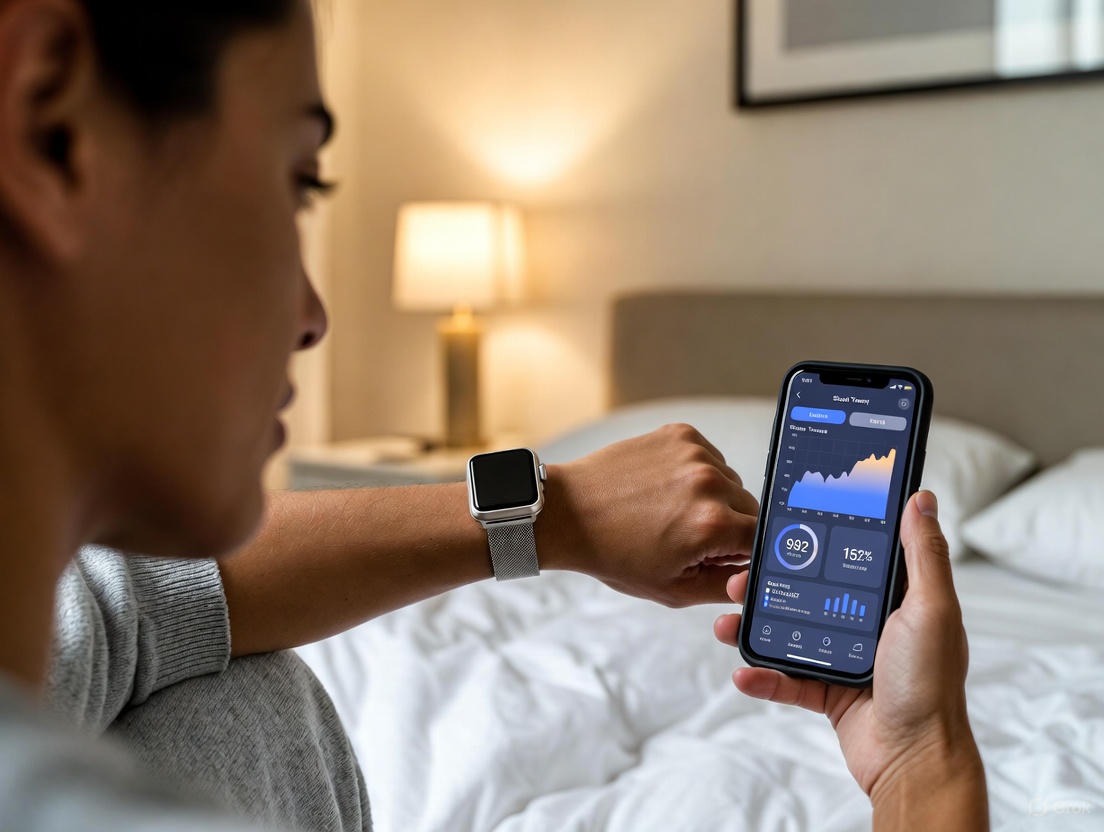
The security checkpoint represents the first true test of travel wellness for most passengers. It’s a convergence of physical demands—standing in lines, removing shoes, lifting bags—and psychological stressors—time pressure, public scrutiny, the fear of holding up others. How you navigate this experience sets a tone that carries forward into your entire journey.
Let’s address the physical aspect first because it’s more manageable than you might think. The typical security queue involves prolonged standing on hard flooring, often with limited opportunity to shift position or move freely. For your circulatory system, particularly venous return from your legs, this creates a perfect storm of stagnation. Blood pools in your lower extremities, contributing to fatigue and, over longer periods, increasing the risk of swelling or even deep vein thrombosis in susceptible individuals.
The solution isn’t complicated, but it does require intention. While waiting in line, perform microscopic movements that maintain circulation. Shift your weight from foot to foot every few minutes. Rise up onto your toes and lower back down repeatedly—a movement so subtle that others won’t notice but so effective that your calves will thank you. If space permits, make small circles with your ankles or gently bend and straighten your knees. These movements activate the calf muscle pump, which is your body’s primary mechanism for moving blood upward against gravity.
Your breathing matters enormously during this phase. The security environment triggers subtle stress responses in most travelers—elevated heart rate, increased muscle tension, shallow breathing. These responses are evolutionary leftovers from times when heightened alertness meant survival. Today, they simply drain energy and increase fatigue without serving any useful purpose.
Practice what wellness professionals call “transition breathing” as you move through security. Inhale for a count of four, hold for four, exhale for four, hold for four. This box breathing pattern activates the parasympathetic nervous system, counteracting the stress response and helping you maintain calm efficiency rather than anxious rushing. The beauty of this practice is its invisibility—no one around you knows you’re performing a sophisticated physiological intervention.
The organization of your carry-on items affects wellness too, though indirectly. Travelers who arrive at security unprepared—fumbling for liquids, searching for laptops, realizing belts are still fastened—experience significantly higher stress levels. This stress elevates cortisol, which in turn affects hydration, immune function, and cognitive clarity. By preparing your bag before you enter the queue, you reduce this stressor dramatically.
Consider creating a designated security pouch that contains everything you’ll need to remove: liquids in a clear bag, electronics that require separate screening, and any metal items that might trigger detectors. Having these items consolidated means you move through the process smoothly rather than creating a chaotic scene at the conveyor belt.
Footwear deserves particular attention. The requirement to remove shoes means you’ll be walking on floors that have seen thousands of travelers before you—a reality that has both hygienic and comfort implications. Wearing socks that provide some cushioning and that you don’t mind exposing helps. Better yet, choose shoes that slip on and off easily so you’re not spending extra time or energy on laces and buckles.
For travelers who wear compression socks during flights—a practice we’ll discuss in depth later—the security checkpoint presents a decision point. Should you put them on before entering the airport or wait until after security? The answer depends on your personal comfort and the specific requirements at your airport. Some travelers prefer to arrive wearing them, avoiding the need to change in an airport bathroom. Others find the thought of walking through security in compression garments uncomfortable. If you choose to put them on after security, build time into your schedule for a brief stop near the seating area beyond the checkpoint.
The hydration question surfaces again at security. You’ve likely arrived with a water bottle, but it’s now empty because liquids aren’t permitted through the checkpoint. The moment you clear security, your priority should be finding a water filling station or purchasing water to replenish. Some airports now have filtered water stations specifically designed for refilling bottles—a welcome development for wellness-conscious travelers. If your airport lacks this amenity, purchasing a large bottle of water immediately after security ensures you begin rehydrating without delay.
Perhaps the most overlooked wellness opportunity at security is the simple act of grounding yourself. After the controlled chaos of the checkpoint, take thirty seconds on the other side to pause, take a deep breath, and reset. This brief transition acknowledges that you’ve completed one phase of the journey and are entering the next. It’s a mindfulness practice that costs nothing but pays dividends in maintaining equanimity throughout the travel day.
Your smart ring’s morning data can provide valuable context for how you’re handling this phase. If you notice your heart rate elevating more than expected during the security process, that’s useful information—perhaps you need to build in extra time to reduce rushing, or practice additional breathing techniques. Over multiple trips, you’ll develop a personalized understanding of how security affects your physiology and what interventions work best for you.
Once you’ve cleared security, you enter what might be called the airport’s “middle space”—the terminal where you’ll spend anywhere from thirty minutes to several hours before boarding. This environment, with its duty-free shops, food courts, and gate areas, is typically viewed as something to endure rather than leverage. But with the right mindset, it becomes an opportunity to actively prepare your body and mind for the flight ahead.
The terminal is fundamentally a movement desert. Seating areas encourage prolonged sitting. Boarding announcements discourage wandering too far from your gate. The overall design prioritizes commerce and efficiency over passenger movement. Yet your body desperately needs movement before being confined to an airplane seat for hours.
Strategic walking becomes your primary intervention here. Rather than sitting at your gate immediately, take a deliberate walk through the terminal. Explore the concourse beyond your immediate gate area. If your airport has multiple concourses connected by walkways rather than trains, consider a round-trip walk that gets your blood flowing and joints moving. Ten to fifteen minutes of walking before boarding pays enormous dividends in comfort during the flight.
The quality of your walking matters too. This isn’t rushed power-walking with bags bouncing awkwardly. It’s purposeful, relaxed movement with good posture—shoulders back, head balanced over spine, arms swinging naturally. If you’re wearing a device that tracks step count or activity, you might be interested in how movement tracked by your wellness ring correlates with your travel comfort. Many travelers find that the steps they accumulate during airport walking significantly improve their in-flight experience.
Stairs present an overlooked opportunity in airport terminals. Escalators and elevators dominate modern airport design, but stairs often exist as alternatives. Taking the stairs instead of the escalator—even for just one or two flights—activates different muscle groups, elevates heart rate briefly, and provides a movement variety that your body appreciates. If you have carry-on luggage, this requires some caution, but it’s generally manageable and worthwhile.
Stretching in the airport environment requires creativity but is absolutely possible. Look for slightly secluded areas—perhaps near less-used gates, at the ends of concourses, or in the corners of waiting areas—where you can perform gentle stretches without feeling self-conscious. Focus on the areas that will suffer most during flight: hip flexors from sitting, shoulders from hunching, neck from awkward positions. Simple standing quadriceps stretches, gentle side bends, and shoulder rolls make meaningful differences in your comfort.
Hydration stations, as mentioned earlier, should be your first stop after security. But the strategy extends beyond simply filling your bottle. Consider adding electrolytes to your water at this point. Many travelers carry electrolyte powders or tablets specifically for travel—a small addition that significantly enhances hydration efficiency. The dry cabin air will pull moisture from your body regardless; electrolytes help your body retain and utilize the water you drink.
Food choices in airports have improved dramatically over the past decade, but pitfalls remain abundant. The terminal offers endless variations of the same problematic foods: high-sodium sandwiches, sugar-laden snacks, greasy fast food, and calorie-dense pastries. Making wise choices here requires both knowledge and willpower.
Look for protein-rich options that provide sustained energy rather than blood sugar spikes. Many airports now feature markets with hard-boiled eggs, Greek yogurt, nuts, and fresh fruit. Salad shops allow you to customize meals with plenty of vegetables and quality protein sources. Even fast-food establishments often have grilled chicken options or side salads that beat the default burger-and-fries choice.
Timing matters nearly as much as content. Eating a large meal immediately before boarding means you’ll be digesting during takeoff and the early part of the flight—a process that diverts blood flow to your digestive system and can contribute to fatigue and discomfort. Instead, aim to eat approximately ninety minutes before boarding, giving your body time to begin digestion before you’re confined to your seat.
The terminal environment affects you in ways beyond food and movement. Air quality in airports, while generally better than in flight, still represents a departure from outdoor or well-ventilated indoor spaces. The recycled air, combined with the presence of thousands of travelers from around the world, creates a microbial environment that challenges your immune system.
Supporting your immune function during this terminal time involves several simple practices. Frequent hand washing or sanitizing—especially before eating—reduces pathogen exposure. Avoiding touching your face, particularly your eyes, nose, and mouth, prevents self-inoculation. Some travelers use saline nasal sprays to maintain moisture in nasal passages, supporting the natural immune barriers in your respiratory tract.
Your OxyZen ring can provide valuable feedback during this terminal phase. If you’ve been tracking your vitality levels throughout the day, you might notice how different activities affect your physiological state. Perhaps walking increases your readiness score, while sitting for extended periods causes subtle declines. These insights help you make increasingly intelligent decisions about how to spend your terminal time on future trips.
The psychological dimension of terminal time deserves equal attention. Air travel inherently involves waiting—for boarding announcements, for departure times, for connections. This waiting can generate frustration, impatience, and anxiety—all of which consume energy without advancing your journey. Transforming waiting from passive endurance to active engagement represents a significant wellness victory.
Consider what the French call “flânerie”—the art of aimless but attentive wandering. Rather than treating terminal time as wasted time, approach it as an opportunity for observation and presence. Notice the architecture, the diversity of travelers, the choreography of ground crews. Read a book without guilt about the emails you’re not answering. Listen to music or a podcast that transports you mentally even as you wait physically.
This mindset shift—from enduring to engaging—reduces the stress burden of travel and leaves you more resourced for the flight ahead. The terminal becomes not an obstacle but a transition space that you navigate with intention and even enjoyment.
The boarding process represents one of the most chaotic phases of air travel. Hundreds of passengers converge on a single jet bridge, jostling for overhead bin space, negotiating seat assignments, and managing the transition from spacious terminal to confined cabin. How you handle this period significantly influences your comfort for the hours ahead.
Let’s start with the question of when to board. Seasoned travelers often debate whether to board early or wait until the last moment. Early boarding guarantees overhead bin space for your carry-on and gives you time to settle in without rush. Late boarding minimizes your time confined in the seat. Neither approach is universally correct—the choice depends on your priorities and the specific flight situation.
If you value having your bag near you and prefer to organize your space without an audience, early boarding makes sense. If you’d rather minimize time in the seat and don’t mind potentially checking your bag at the gate, waiting until later works well. The wellness consideration here is primarily about stress—choose the approach that creates less anxiety for you personally.
Once you reach your seat, the pre-takeoff window offers opportunities for preparation that many travelers miss. Before the aircraft pushes back from the gate, you have access to fresh air via the jet bridge, the ability to stand and move, and time to organize your space. Use these minutes wisely.
Your seat area becomes your home for the duration of the flight. Take a moment to arrange it optimally. Place items you’ll need during the flight—water, snacks, entertainment, medications—in the seat pocket where you can reach them without rummaging. Store your larger bag in the overhead bin if possible, keeping only a small personal item at your feet for more legroom. Adjust the air vent above your seat to create a gentle flow of air across your face—this improves air quality and reduces the stuffiness that contributes to fatigue.
The air vent deserves special attention because it’s one of your primary tools for in-flight wellness. The airflow from these vents, while not fresh in the outdoor sense, does provide some circulation and can help regulate your temperature. Pointing it slightly above your face creates a stream of moving air without the direct blast that might cause discomfort. During the flight, you can adjust this based on your comfort needs.
Hydration preparation continues during this window. If you purchased water after security, have it accessible. If you’re waiting for beverage service, manage expectations—it may be an hour or more before drinks arrive. Having your own water means you can sip consistently rather than waiting for the infrequent beverage cart.
Electronics preparation matters for both comfort and wellness. Charge your devices fully before boarding if possible. Download entertainment content while still connected to airport Wi-Fi, as in-flight connectivity can be unreliable or expensive. If you use your OxyZen ring for wellness tracking, ensure it’s synced and charged—you’ll want to capture your energy management data throughout the flight.
The seat itself requires attention before takeoff. Adjust the headrest if your seat has one—many travelers miss this adjustment and spend hours with poor neck support. Place any lumbar support you’ve brought—perhaps a small pillow or rolled jacket—in position. Check that your seatbelt is easily accessible but not digging into your lap. These micro-adjustments, made before takeoff, prevent discomfort that builds over hours.
For travelers prone to swelling or circulatory concerns, the pre-takeoff window is the time to don compression socks if you haven’t already. Putting them on while still seated at the gate is easier than attempting it mid-flight in the cramped confines of an aircraft lavatory. If you’re uncertain about sizing or fit, practice at home before your trip so the process feels familiar.
The safety demonstration, while routine for frequent flyers, deserves your attention not just for safety reasons but as a mindfulness anchor. Use those few minutes to practice conscious breathing, to observe your body’s position, and to set an intention for the flight ahead. This brief pause between the chaos of boarding and the duration of flight creates a transition that supports mental wellness.
As the aircraft pushes back from the gate, you enter a new phase of the journey. The cabin doors close, the jet bridge retracts, and you’re committed to the flight ahead. How you’ve used the pre-takeoff window determines whether you begin this phase resourced or depleted.
The period from takeoff through initial ascent subjects your body to some of the most dramatic environmental changes of the entire journey. Within minutes, you travel from sea-level atmospheric pressure to the equivalent of approximately 6,000-8,000 feet elevation. The air pressure in the cabin drops, the humidity plummets, and your body must rapidly adapt to these new conditions.
Understanding what happens physiologically during this phase helps you support your body through it. As cabin pressure decreases, the partial pressure of oxygen in your blood drops slightly. For healthy individuals, this rarely causes problems, but it does trigger compensatory responses—your heart rate may increase slightly, your breathing rate may adjust, and your body begins working harder to maintain oxygen delivery to tissues.
The most immediately noticeable effect for many travelers is the impact on their ears. The Eustachian tubes, which connect your middle ear to the back of your throat, must equalize pressure between your middle ear and the cabin. When these tubes don’t open properly, you experience the uncomfortable sensation of plugged ears, and in extreme cases, pain.
Active pressure equalization should begin during ascent, not after discomfort develops. Swallowing, yawning, and gentle jaw movements all help open the Eustachian tubes. Chewing gum or sucking on hard candy stimulates swallowing and can be particularly effective. For travelers prone to ear discomfort, specialized earplugs designed for air travel can regulate pressure changes more gradually.
The Valsalva maneuver—gently blowing against pinched nostrils—can help equalize pressure but should be performed gently. Excessive force can damage ear structures. If you’re congested from allergies or a mild illness, consider using a decongestant spray approximately thirty minutes before descent, as this is when pressure changes are most rapid and problematic.
Hydration during ascent matters more than you might think. The dry cabin air begins pulling moisture from your respiratory tract immediately. Starting your sips early establishes the habit of consistent hydration throughout the flight. Having water accessible during takeoff—when beverage service hasn’t yet begun—allows you to maintain hydration without waiting.
Your seat position during takeoff and ascent is largely dictated by safety regulations—seat upright, tray table stowed, seatbelt fastened. Within these constraints, however, you can optimize your position for comfort. Sit with your feet flat on the floor, your back against the seat, and your head supported if possible. This aligned position reduces muscular tension that can accumulate during the flight.
The psychological dimension of takeoff affects many travelers, from mild unease to significant anxiety. If you’re among those who find takeoff stressful, having a coping strategy ready helps. This might be a specific breathing pattern, a playlist of calming music, or a guided meditation loaded on your phone. The key is having the strategy accessible rather than trying to invent it in the moment.
Your smart ring can provide fascinating data during this phase. Many travelers notice their heart rate elevating slightly during takeoff—a normal response to both the physical changes and psychological anticipation. Observing this without judgment, simply noting it as data, can actually reduce anxiety by normalizing the experience. Your body is doing exactly what it should do; awareness without alarm supports resilience.
For those who track heart rate variability (HRV), the takeoff phase typically shows a shift toward sympathetic nervous system activity—the “fight or flight” response. This is normal and temporary. The key is ensuring that after this necessary response, your system can return to balance. If you’re interested in how your body handles these transitions, exploring what your smart ring’s HRV reveals can deepen your understanding of your personal stress response patterns.
Once the aircraft reaches cruising altitude and the seatbelt sign is turned off, the flight enters its longest phase. But the foundation laid during takeoff and ascent influences everything that follows. Good habits established now—hydration, pressure equalization, postural awareness, stress management—create momentum that carries through the flight.
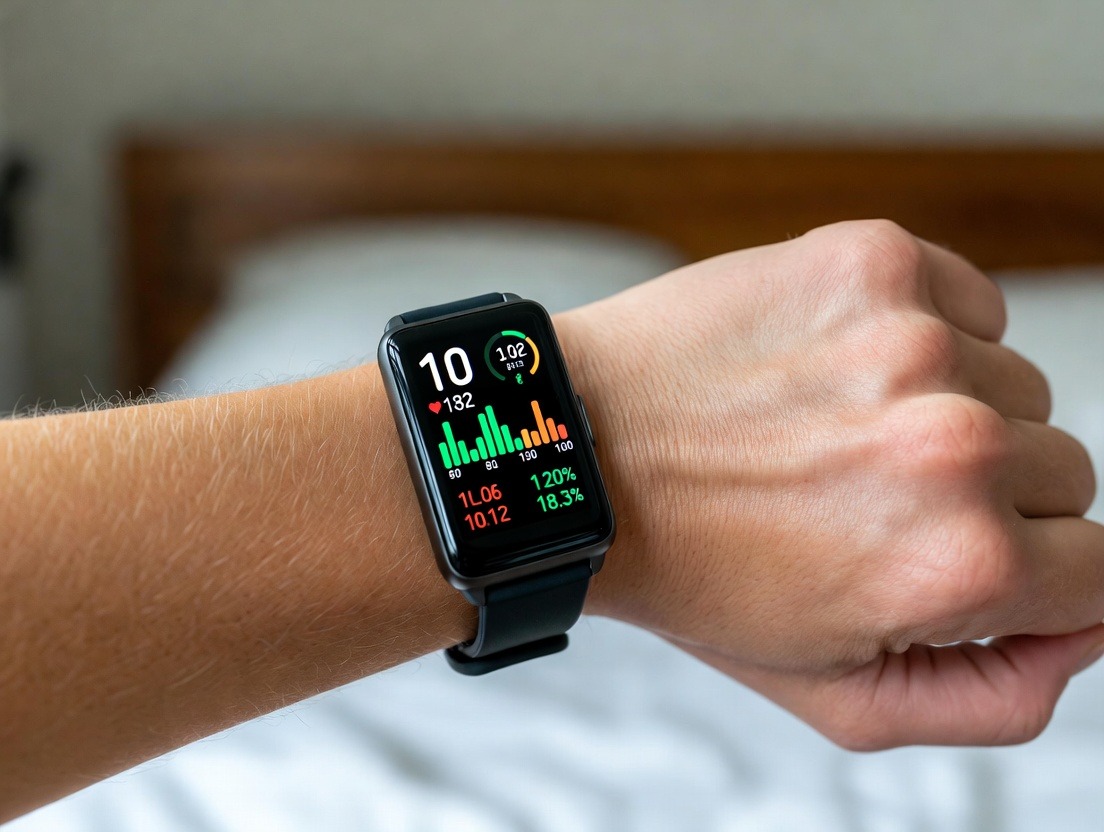
With the aircraft stabilized at cruising altitude and the cabin settled into the rhythm of flight, you enter the phase where most of your travel time will be spent. This is where the cumulative effects of your preparation—or lack thereof—become apparent. The strategies you implement during these hours determine whether you arrive feeling reasonably human or thoroughly depleted.
Let’s begin with the most fundamental challenge of cruising flight: prolonged sitting. Humans evolved to move, not to remain stationary for hours. When you sit for extended periods, your hip flexors shorten, your glutes switch off, your spinal discs compress unevenly, and your circulation slows. The modern airline seat, with its limited legroom and minimal lumbar support, exacerbates every one of these issues.
The solution isn’t to avoid sitting—that’s impossible in flight. The solution is to interrupt sitting with strategic movement as frequently as possible. Aim to get up from your seat at least once per hour, even if only for a minute or two. Walk to the lavatory even if you don’t need it. Stand in the galley area if flight attendants aren’t busy. Stretch in any available space near the rear of the cabin.
When you must remain seated, perform seated exercises that maintain circulation and mobility. Ankle circles in both directions keep blood moving through your lower legs. Seated marches—lifting your knees alternately—engage your hip flexors and improve circulation. Shoulder rolls and neck stretches release tension that accumulates from hunching over devices or holding your head in awkward positions.
The seat itself offers opportunities for better positioning. Place a small pillow or rolled jacket behind your lower back for lumbar support. If your seat allows, adjust the headrest to support your neck naturally. Consider using a neck pillow not just for sleeping but for maintaining neutral neck position while awake. Small adjustments to your seated posture reduce the muscular effort required to maintain position, preserving energy for other uses.
Hydration at cruising altitude demands consistent attention. The dry cabin air continues pulling moisture from your body throughout the flight. Aim to drink approximately 8 ounces of water per hour of flight time—more if you’re consuming caffeine or alcohol, both of which have diuretic effects. Sipping consistently works better than drinking large amounts infrequently, as your body can only absorb water at a limited rate.
Electrolyte balance becomes increasingly important during longer flights. If you’re drinking water consistently without electrolytes, you risk diluting your body’s mineral balance. Adding electrolyte tablets or powders to your water every few hours helps maintain proper cellular function. Many travelers find that electrolyte-enhanced water reduces the fatigue and mental fog that often accompany long flights.
Food choices during the flight deserve careful consideration. Airline meals, when provided, tend toward high sodium content, which promotes fluid retention and can leave you feeling bloated. If you have the option to select meals in advance, choose lighter options with vegetables and lean proteins. Better yet, supplement or replace airline food with your own healthy snacks brought from home.
What constitutes ideal in-flight snacking? Think protein for sustained energy, healthy fats for satiety, and complex carbohydrates for steady glucose release. Nuts, seeds, protein bars with minimal added sugar, fresh fruit, and vegetable sticks all travel well and provide better nutrition than typical airline offerings. Avoid sugary snacks that create blood sugar spikes and subsequent crashes.
Alcohol presents a particular challenge at altitude. The combination of cabin pressure, dry air, and alcohol creates a perfect storm for dehydration and fatigue. Alcohol’s effects are amplified at altitude—you may feel intoxicated more quickly and experience more severe hangover-like symptoms. If you choose to drink, limit yourself to one serving with plenty of water, or consider abstaining entirely during flight.
Sleep during cruising flight, when timed appropriately, can significantly improve your arrival experience. The key is strategic timing based on your destination time zone. If you’re traveling eastward and will arrive in the evening, sleeping during the flight may help you stay awake until an appropriate local bedtime. If you’re traveling westward and will arrive during daytime, sleeping may make it harder to adjust to the new time zone.
Creating conditions for quality in-flight sleep requires preparation. An eye mask blocks the cabin lighting that interferes with melatonin production. Noise-cancelling headphones or earplugs reduce the constant engine drone and cabin noise. A neck pillow that actually supports your head prevents the head-bobbing that disrupts sleep. If you use sleep aids, test them at home before using them in flight—some people experience paradoxical reactions or excessive grogginess.
Your seat position for sleep matters enormously. Reclining your seat slightly—without infringing on the passenger behind you—reduces the angle at your hips and can improve comfort. Placing a small pillow or rolled item under your knees, if possible, reduces pressure on your lower back. Supporting your head laterally prevents the neck strain that comes from sleeping in an upright position.
For travelers tracking their wellness with devices like the OxyZen ring, the cruising phase offers rich data about how flight affects your physiology. You might notice changes in heart rate, heart rate variability, or even skin temperature during flight. Over multiple trips, you can identify patterns—perhaps certain seating positions work better for you, or particular times of day are more comfortable for sleeping. This daily energy management through travel becomes increasingly refined as you accumulate data and experience.
The psychological dimension of cruising flight deserves attention too. Hours spent in a metal tube at 35,000 feet can trigger feelings of confinement, restlessness, or even anxiety for some travelers. Having engaging content—books, movies, podcasts, music—pre-loaded on your devices gives you agency over your experience. Alternating between entertainment and rest, between activity and relaxation, creates variety that makes time pass more pleasantly.
Remember that the cruising phase, while lengthy, is finite. Each hour brings you closer to your destination. The practices you maintain during this phase—hydration, movement, nutrition, rest—accumulate into the state in which you’ll arrive. Treat these hours not as time to be killed but as an opportunity to arrive as your best self.
The modern traveler has access to technological tools that previous generations couldn’t imagine. From wearable devices that track physiological responses to apps that guide meditation and movement, technology can transform the in-flight experience from passive endurance to active wellness management. Understanding how to leverage these tools effectively makes the difference between owning your travel experience and simply surviving it.
Your smart ring serves as the command center for this technological approach to travel wellness. Throughout the flight, it continuously gathers data about your heart rate, heart rate variability, skin temperature, and movement. This information, when interpreted intelligently, provides real-time feedback about how your body is handling the stresses of flight.
Consider heart rate variability (HRV) during flight. This metric, which measures the variation in time between heartbeats, reflects your nervous system’s balance between sympathetic (stress) and parasympathetic (rest) activity. Many travelers notice their HRV decreasing during flight—a normal response to the environmental stressors. The insight comes from watching how different behaviors affect this metric. Perhaps taking a walking break restores your HRV toward baseline. Maybe drinking electrolyte-enhanced water has a measurable effect. Over multiple flights, you develop a personalized understanding of what supports your nervous system during travel.
Heart rate itself provides useful feedback. If you notice your heart rate gradually increasing during the flight without physical exertion, this may indicate dehydration or stress accumulation. Using this information to prompt hydration, movement, or breathing exercises gives you an early warning system that prevents small issues from becoming larger problems.
Skin temperature tracking, available on many smart rings, offers another window into your physiological state. Cabin temperatures fluctuate during flight, and your body’s ability to maintain stable temperature reflects its overall regulatory capacity. If you notice significant temperature variations, adjusting your clothing layers or requesting a blanket may help your body maintain homeostasis with less energy expenditure.
Movement tracking during flight reveals patterns you might otherwise miss. Perhaps you’re less active than you realize, spending hours in the same position. Maybe you move frequently during certain parts of the flight but remain stationary during others. This awareness prompts more intentional movement breaks at appropriate intervals.
Beyond your smart ring, other technologies support in-flight wellness. Meditation apps with guided practices designed for travel help manage stress and create mental space during long flights. Some apps offer specific content for flight anxiety, sleep preparation, or relaxation—all valuable during the cruising phase.
Noise-cancelling headphones deserve special mention as wellness technology. The constant background noise of aircraft engines—typically around 85 decibels during cruise—creates auditory stress even when you’re not consciously aware of it. Reducing this noise burden with quality headphones lowers your overall stress load and preserves energy for other uses. Whether you listen to music, podcasts, or simply enjoy the quiet, noise cancellation provides genuine physiological benefits.
Blue light blocking glasses, while sometimes dismissed as trendy, have scientific support for specific use cases. If you’re trying to sleep during flight or preparing for sleep upon arrival, reducing blue light exposure from cabin screens and personal devices supports natural melatonin production. Wearing amber-tinted glasses for the hour before your intended sleep time signals your brain that rest is approaching.
Hydration tracking apps, while simple, help maintain awareness during long flights. Setting reminders to drink water prevents the hours-from-now realization that you’ve been neglecting hydration. Some travelers combine this with electrolyte tracking, ensuring they maintain mineral balance throughout the journey.
The key to effective technology use during flight is intentionality, not automation. Your devices should serve you, not distract you. Checking your smart ring data occasionally to inform decisions differs fundamentally from obsessively monitoring every fluctuation. The goal is awareness that enables action, not anxiety that compounds stress.
For travelers new to using wellness technology during travel, start simple. Focus on one or two metrics—perhaps heart rate and movement—and notice how they respond to different behaviors. Over time, expand your awareness to include additional data points. This gradual approach prevents overwhelm while building genuine understanding of your personal travel physiology.
Your smart ring’s readiness score can be particularly valuable during travel, though interpretation requires nuance. A low readiness score before travel might indicate you need to be gentler with yourself during the journey, prioritizing rest and recovery. A high readiness score suggests your body has resources to handle the stress of travel—but even with high readiness, the fundamental practices of hydration, movement, and nutrition remain essential.
Remember that technology augments but doesn’t replace your innate wisdom. The most sophisticated smart ring cannot feel what you feel. The most advanced meditation app cannot make choices for you. Use your technological tools as allies in wellness, but remain the ultimate authority on your own experience. The data informs; you decide.

For travelers with connecting flights, the airport experience includes an additional phase that presents both challenges and opportunities. The connection window—whether forty-five minutes or four hours—requires its own wellness strategy, distinct from both the initial terminal time and the in-flight experience.
The first consideration for connections is psychological: release the completed flight completely. Many travelers carry residual tension from the previous leg into the connection, worrying about delays, gate changes, or the upcoming boarding process. This accumulated stress drains energy without serving any useful purpose. The moment you deplane, the previous flight is complete. Whatever happened—turbulence, discomfort, delays—is now in the past. Your attention belongs entirely to the present moment and the connection ahead.
Movement becomes even more critical during connections than during the initial terminal time. You’ve just spent hours seated in a confined space. Your body needs to move, to stretch, to reestablish normal circulation and joint mobility. Before heading to your next gate, take a purposeful walk through the terminal, even if your connection is tight. Five minutes of walking before sitting again pays enormous dividends in comfort.
If your connection allows time for more substantial movement, consider what might be possible in the airport environment. Some major airports now feature yoga rooms, quiet spaces, or even fitness facilities. Others have long concourses perfect for walking laps. A few have walking paths marked with distances, encouraging passengers to accumulate steps between flights.
The hydration reset during connections deserves priority attention. Aircraft cabins dehydrate you regardless of your in-flight efforts. Finding a water filling station or purchasing water immediately upon deplaning begins the rehydration process. If you have electrolyte supplies, this is an excellent time to use them, replenishing what the flight has depleted.
Nutrition during connections requires strategic thinking. You may be tempted by the same airport food options you faced earlier, but your body’s needs have changed. After hours in flight, you need nutrients that support recovery—protein for tissue maintenance, antioxidants for inflammation control, complex carbohydrates for energy restoration.
If your connection allows time for a proper meal, choose wisely. Look for options that include vegetables, quality protein, and healthy fats. Avoid heavy, greasy foods that will leave you feeling sluggish for the next flight. Consider splitting a meal if portions are large—overeating before another period of sitting creates discomfort and diverts energy to digestion.
The restroom stop during connections serves multiple wellness purposes beyond the obvious. Washing your hands thoroughly reduces pathogen exposure from the previous flight. Changing clothes, if you have a fresh layer available, refreshes you psychologically and removes any accumulated cabin odors. Simple self-care—washing your face, brushing your teeth, reapplying moisturizer—signals a transition between flight phases.
For travelers with longer connections, rest becomes a consideration. Airport terminals are not designed for sleep, but with preparation, rest is possible. Look for seating areas away from high-traffic zones, gates that are currently unoccupied, or dedicated quiet rooms if your airport offers them. An eye mask and earplugs from your carry-on create rest conditions even in suboptimal environments.
The key to connection rest is intention without expectation. You may not achieve deep sleep, but even twenty minutes of quiet rest with eyes closed provides recovery value. Setting an alarm on your phone prevents the anxiety of missing your boarding time, allowing deeper relaxation than would otherwise be possible.
Technology during connections serves different purposes than during flight. This is an excellent time to sync your smart ring and review data from the previous flight. What patterns do you notice? Did your heart rate remain elevated longer than expected? Did your movement tracking show adequate in-flight activity? These insights inform your approach to the next flight segment.
Your energy management strategies during connections should account for both recovery from the previous flight and preparation for the next. If you’re feeling depleted, prioritize rest and gentle movement over exploration or shopping. If you’re feeling energized, a purposeful walk through the terminal prepares you for another period of sitting.
The boarding process for your connecting flight repeats the patterns of the first, but with one important difference: you now have data about how your body responded to the previous segment. Use this information to adjust your approach. Perhaps you need more aggressive hydration. Maybe you should move around more frequently. Possibly a different seat position would work better. Each flight segment is an experiment that informs the next.
The descent phase of flight, typically beginning approximately thirty minutes before landing, brings rapid physiological changes that require active management. As the aircraft loses altitude, cabin pressure increases toward ground level, ears must re-equalize, and your body prepares for the transition from flight environment to destination reality.
Pressure equalization during descent often proves more challenging than during ascent. The changing pressure gradient makes it harder for Eustachian tubes to open naturally. Starting equalization efforts early—well before you feel discomfort—prevents the pain that many travelers experience during landing.
Active swallowing, yawning, and jaw movement should begin as soon as the seatbelt sign illuminates for descent. If you’re prone to ear discomfort, having gum or hard candy ready ensures you can stimulate swallowing continuously. The Valsalva maneuver, performed gently, can help if natural methods aren’t sufficient. For travelers with significant congestion, using a decarburizing nasal spray approximately forty-five minutes before scheduled landing provides additional support.
Hydration during descent matters because you’re about to enter a new environment with its own humidity and temperature characteristics. Finishing the water you have, rather than saving it, ensures you land hydrated. If you’ve been managing electrolytes throughout the flight, this final hydration push supports your transition.
Movement during descent is constrained by safety regulations—you must remain seated with seatbelt fastened. Within these constraints, however, you can maintain circulation. Ankle circles, foot flexes, and gentle leg movements continue even while seated. These micro-movements prevent the blood pooling that can occur during the final approach.
Postural preparation for landing deserves attention. Sitting upright with both feet on the floor, back against the seat, and head supported positions your body to absorb the impact of landing without unnecessary muscular tension. If you’ve been sleeping, take the descent period to wake gradually, reorienting to consciousness before the wheels touch down.
The psychological transition during descent is as important as the physical. You’re leaving the contained environment of the aircraft and entering the destination. Use these final minutes to set intentions for your arrival. What kind of energy do you want to bring to your time in this place? How do you want to feel as you walk through the arrival terminal? This mental preparation shapes your actual experience.
For travelers who’ve been tracking wellness data throughout the flight, descent offers a moment to review and prepare. Your smart ring has accumulated hours of data about how your body handled the journey. After landing, you’ll have the opportunity to sync and analyze, but during descent, simply acknowledging the completion of the flight phase creates psychological closure.
The landing itself, while routine for frequent flyers, affects the body. The physical impact, the deceleration, the change in engine noise—all signal transition. Observe these sensations without judgment, noting how your body responds. This awareness practice reduces the startle response that can elevate stress hormones unnecessarily.
As the aircraft taxis to the gate, resist the urge to immediately retrieve bags from overhead bins. Standing before the seatbelt sign is off creates safety risks and contributes to the chaotic scramble that defines deplaning for many travelers. Instead, use these final minutes for conscious breathing and gentle stretching within your seat. You’ll exit more calmly and collectedly than those who leap up at the first opportunity.
The moment you step off the aircraft, you enter a new phase of the travel wellness journey. The flight is complete, but your body remains in a state of physiological adjustment. How you manage the first hour after landing significantly influences how quickly you recover from travel and how effectively you transition to destination time.
Deplaning itself offers the first opportunity for meaningful movement after hours of sitting. Walk deliberately through the jet bridge and into the terminal. Feel your legs stretching, your circulation returning to normal, your body remembering what upright movement feels like. This isn’t just transportation—it’s the beginning of your post-flight recovery.
The arrival terminal presents different challenges than the departure terminal. You may be tired, possibly disoriented by time zone changes, and eager to reach your final destination. These factors conspire to make you rush through arrival formalities without attending to your body’s needs. Slowing down intentionally during this phase prevents the crash that often follows travel.
Passport control and customs, when required, create another standing-in-line experience similar to security but with the added burden of accumulated travel fatigue. The same strategies apply—micro-movements while waiting, conscious breathing, patient attention to the process. Recognize that this is the final administrative hurdle before you can fully transition to your destination.
Baggage claim, if you’ve checked luggage, offers both challenge and opportunity. The waiting period, typically 15-30 minutes, can feel interminable when you’re tired. Use this time purposefully. Gentle stretching while standing, walking around the baggage area, or simply sitting with good posture all serve your recovery better than slumping against a pillar in resignation.
Once you’ve collected your bags and cleared any formalities, you face the transportation decision: how to reach your final accommodation. The mode you choose affects your wellness trajectory. If possible, opt for transportation that allows continued gentle movement—walking to a nearby transit stop, taking stairs rather than escalators, choosing public transportation that involves some walking over door-to-door car service.
The exception to this movement preference is when you’re genuinely exhausted. If your body is signaling profound fatigue, honoring that signal with rest is wiser than pushing through. A direct car service to your accommodation, followed by proper rest, serves your wellness better than forcing movement when what you need is recovery.
Arrival at your accommodation marks a significant milestone, but your wellness practices continue. Before collapsing onto the bed, take ten minutes for arrival rituals that support your transition. Wash your face and hands thoroughly. Change into fresh clothes. Unpack enough to feel settled. These small actions signal to your brain that you’ve arrived and can now shift from travel mode to destination mode.
Hydration remains critical even after landing. Your body continues recovering from the dehydrating effects of flight for hours after you’ve deplaned. Having water available in your accommodation and drinking consistently supports this recovery process. Consider setting a hydration goal for the first few hours after arrival—perhaps finishing a large bottle of water before you allow yourself to rest completely.
For travelers tracking wellness data, the arrival period offers valuable information about your personal recovery patterns. Your vitality and wellness metrics during the first hours after landing show how quickly your body rebounds from travel stress. Over multiple trips, you’ll develop a baseline understanding of your typical recovery trajectory, which helps you make better decisions about scheduling activities after future arrivals.
The first night at your destination represents a critical inflection point in travel wellness. How you sleep—or don’t sleep—during these initial hours largely determines how quickly you’ll adjust to the new time zone and how functional you’ll feel during the first days of your trip.
If you’re crossing time zones, your circadian rhythm remains anchored to your home location regardless of where your body is physically present. This internal clock governs hormone release, body temperature fluctuations, and sleep-wake cycles. Resetting it requires strategic management of light exposure, activity timing, and sleep scheduling.
Light stands as the most powerful tool for circadian adjustment. Your internal clock uses light exposure as its primary time cue. Morning light exposure advances your circadian rhythm (helpful when traveling east), while evening light exposure delays it (helpful when traveling west). Managing your light exposure strategically during the first days at your destination accelerates adjustment.
For eastward travel, where you need to fall asleep earlier than your body wants, seek bright light exposure immediately upon waking at your destination. This tells your internal clock that morning has arrived and begins advancing your rhythm. Conversely, avoid bright light in the hours before your target bedtime—dim your accommodation, use blue light blocking glasses, and create a cave-like sleep environment.
For westward travel, where you need to stay awake later than your body wants, bright light exposure in the afternoon and early evening helps delay your rhythm. Morning light matters less, but afternoon and evening exposure signals to your clock that daytime continues, pushing your sleep onset later.
Melatonin supplementation, when used correctly, supports circadian adjustment. The timing matters enormously—melatonin taken at the wrong time can actually worsen jet lag. For eastward travel, melatonin approximately thirty minutes before your target bedtime helps signal sleep onset. For westward travel, melatonin may be less helpful, but some travelers benefit from low doses in the early morning of their destination to support continued sleep.
The first night’s sleep environment deserves careful attention. Hotel rooms and other accommodations often have light leaks, unfamiliar noises, and bedding that differs from what you’re accustomed to. Creating conditions for quality sleep requires proactive management. Use blackout curtains or an eye mask to eliminate light. Employ white noise apps or earplugs to mask unfamiliar sounds. Adjust room temperature to your preferred sleeping temperature—typically slightly cool.
Your pre-sleep routine matters even when you’re exhausted. The habits that support sleep at home—reading, gentle stretching, avoiding screens—remain relevant at your destination. Maintaining some version of your routine, even in unfamiliar surroundings, signals to your brain that sleep approaches.
For travelers using wellness tracking devices, the first night’s data provides valuable feedback about your adjustment process. Your sleep quality metrics from the first night establish a baseline for your destination sleep. Comparing subsequent nights shows your trajectory toward normal sleep patterns, helping you gauge how quickly you’re adjusting.
The temptation to “sleep in” after travel can undermine adjustment. While it feels natural to compensate for travel fatigue with extra sleep, sleeping significantly later than your target wake time perpetuates circadian disruption. If you’re exhausted, a short nap (20-30 minutes) in the early afternoon serves recovery better than prolonged morning sleep that shifts your rhythm further.
Hydration before bed supports sleep quality, but timing matters. Drinking too much immediately before sleep guarantees middle-of-the-night bathroom trips that fragment sleep. Front-load your evening hydration, then taper off in the hour before bed. If you wake during the night, small sips suffice to maintain hydration without creating urgency.
The first morning after arrival sets the tone for the entire trip. However tempting it may be to stay in bed, exposing yourself to morning light and beginning your day at a reasonable local time accelerates adjustment. Gentle movement, hydration, and a nourishing breakfast all signal to your body that the travel phase has ended and the destination phase has begun.
Your wellness journey through the airport and flight has delivered you to this moment—the first full day at your destination. The practices you’ve maintained throughout travel have positioned you to arrive not depleted but ready. The strategies you implement now, in this first critical window, determine how fully you’ll experience and enjoy the purpose of your journey, whether that purpose is business, pleasure, or something in between.
Your Trusted Sleep Advocate: Sleep Foundation — https://www.sleepfoundation.org
Discover a digital archive of scholarly articles: NIH — https://www.ncbi.nlm.nih.gov/
39 million citations for biomedical literature :PubMed — https://pubmed.ncbi.nlm.nih.gov/
Experts at Harvard Health Publishing covering a variety of health topics — https://www.health.harvard.edu/blog/
Every life deserves world class care :Cleveland Clinic - https://my.clevelandclinic.org/health
Wearable technology and the future of predictive health monitoring :MIT Technology Review — https://www.technologyreview.com/
Dedicated to the well-being of all people and guided by science :World Health Organization — https://www.who.int/news-room/
Psychological science and knowledge to benefit society and improve lives. :APA — https://www.apa.org/monitor/
Cutting-edge insights on human longevity and peak performance:
Lifespan Research — https://www.lifespan.io/
Global authority on exercise physiology, sports performance, and human recovery:
American College of Sports Medicine — https://www.acsm.org/
Neuroscience-driven guidance for better focus, sleep, and mental clarity:
Stanford Human Performance Lab — https://humanperformance.stanford.edu/
Evidence-based psychology and mind–body wellness resources:
Mayo Clinic — https://www.mayoclinic.org/healthy-lifestyle/
Data-backed research on emotional wellbeing, stress biology, and resilience:
American Institute of Stress — https://www.stress.org/


