


The Beginner-Friendly Guide to Triathlete Health: Multi-Sport Ring Tracking
A beginner's guide to triathlete health with multi-sport tracking.
A beginner's guide to triathlete health with multi-sport tracking.
%402x.svg)
The first time I crossed a triathlon finish line, a wave of conflicting sensations washed over me. There was the electric surge of accomplishment, the profound fatigue deep in my bones, and a nagging, unanswered question: What did that actually do to my body? I had data from my swim watch, my bike computer, and my running pod—a fragmented story of pace, power, and heart rate zones. But the true narrative, the story of my systemic health, recovery, and readiness for the next punishing workout, was a complete mystery. I was flying blind in the most crucial arena: my own physiology.
This is the universal triathlete’s dilemma. We become masters of tracking external outputs—splits, watts, cadence—while remaining beginners in understanding our internal inputs. We log miles with religious fervor but often ignore the whispers (or shouts) from our nervous system, our sleep architecture, and our cellular recovery. This disconnect is where potential is lost, injuries are forged, and burnout begins.
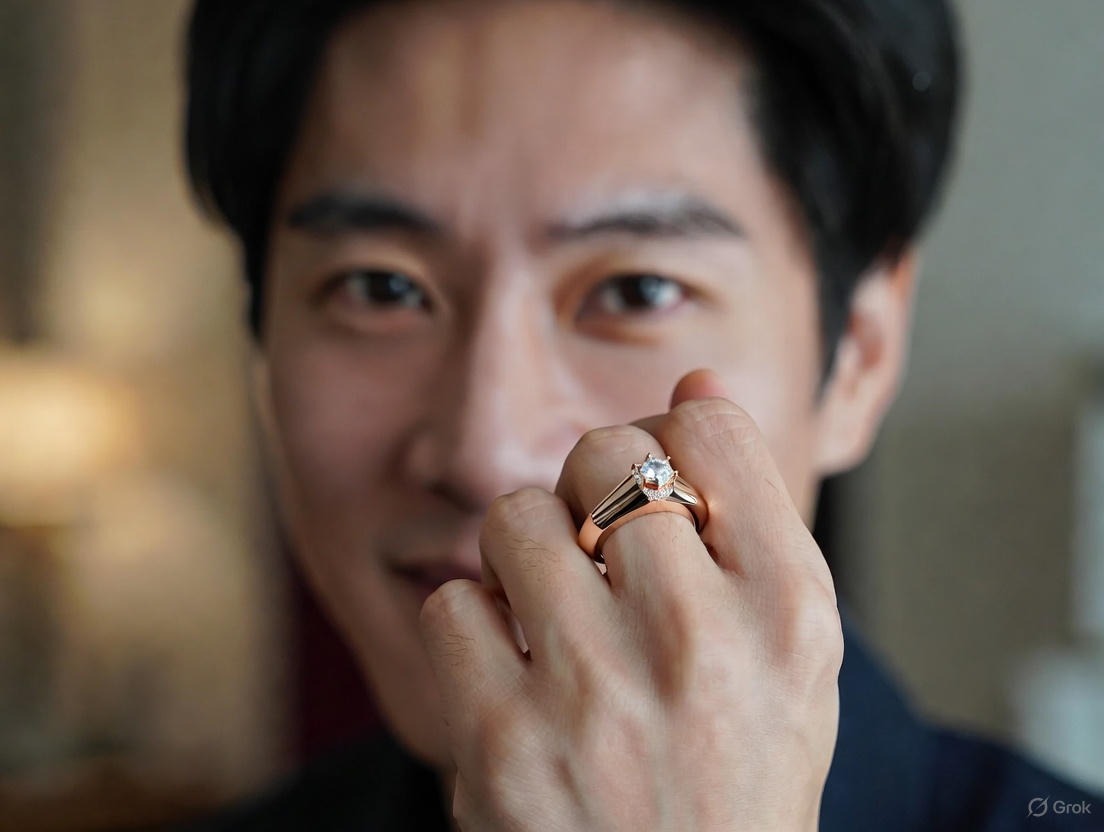
Enter the modern smart ring: a sleek, continuous health monitor worn 24/7 that is quietly revolutionizing how endurance athletes approach their craft. No longer just a step counter, the latest generation of wellness rings are powerful biomonitoring hubs. For the triathlete, this unassuming piece of wearable tech is the missing link—the central command that unifies the disparate data from your three sports into one coherent picture of you. It moves you from simply tracking workouts to truly understanding training, from guessing at recovery to knowing with data-backed clarity.
This guide is your starting line. We’re going to demystify the world of multi-sport health tracking through the lens of a smart ring, translating complex biometrics into actionable wisdom for your swim, bike, and run. Whether you’re training for your first sprint or optimizing your tenth Ironman, the journey to smarter, healthier, and more sustainable performance begins not with another hard interval, but with knowledge.
To excel in triathlon is to master a paradox. It requires the explosive power of a sprinter, the sustained aerobic engine of a marathoner, and the technical efficiency of a swimmer—all housed within a single body that must also repair, adapt, and resist illness. Unlike single-sport athletes, a triathlete’s health is a complex, three-dimensional puzzle. Stress from the pool impacts your power on the bike; fatigue from the saddle undermines your run form; and poor sleep sabotages your performance in all three.
The traditional approach to triathlon training often creates silos. You might have a swim coach, a bike fitting, and a run plan, but who is the coach for your autonomic nervous system? Who is managing your systemic load? This fragmented view leads to common pitfalls:
A smart ring cuts through these silos by providing a constant, passive stream of whole-body data. It doesn’t care if you swam, biked, or ran; it measures how your body responded. This holistic perspective is triathlon’s next frontier. As explored in our piece on the productivity-health synergy for athletes using smart ring data, the principles of measuring strain and directing effort based on physiological feedback are the same, whether you’re aiming for a podium or a project deadline. For the triathlete, the ring becomes your 24/7 crew chief, your onboard diagnostics system, telling you not just how fast you’re going, but whether the engine can handle the next gear.
The ultimate test isn’t just race day; it’s how you balance the relentless demands of three sports with the fundamental need for health. It’s about sustainable performance. By tracking the right whole-body metrics, you shift from surviving your training to strategically thriving within it.

The market is saturated with wrist-based wearables. So why add a ring? For the triathlete, the form factor isn’t just an aesthetic choice—it’s a technical and practical breakthrough.
The Data Advantage: A Superior Signal
The palmar side of your finger is home to dense vascular beds. This allows photoplethysmography (PPG) sensors in a ring to get a stronger, cleaner signal for heart rate and blood oxygen saturation (SpO2) than the bony wrist, especially during high-movement activities. For tracking sleep, the ring is immutably stable, free from the data-disrupting wrist movements that can plague even the best watches. This means more accurate readings of your most crucial recovery metrics: sleep stages, overnight HRV, and respiratory rate.
The Unobtrusive Companion
Consider your sport-specific needs:
The Unified Data Hub
This is the most powerful aspect. Your Garmin tells you about your bike workout. Your Whoop tells you about your strain and recovery. Your ring can do both, while also filling in the massive blind spot: the other 23 hours of your day. It seamlessly becomes the single source of truth for your baseline health, against which all sport-specific efforts are measured. It answers the critical question: “Given my body’s current state, what should my training look like today?”
It’s the perfect tool for implementing a recovery-based productivity planning approach to your athletic life, a concept detailed in our beginner-friendly guide to recovery-based productivity planning. Instead of a rigid training calendar, you have a flexible, responsive plan that adapts to your physiological reality.
You wake up for a scheduled key run session. Your training plan says “8x800m at 5K pace.” But how do you feel? Groggy? Energized? A bit off? The problem with “feel” is that it’s subjective and easily overridden by discipline (or guilt). This is where your smart ring’s Morning Readiness Score (or Recovery Score) becomes your objective, daily decision engine.
This single number is typically a composite algorithm analyzing several biomarkers measured overnight:
For the triathlete, this score isn’t a grade; it’s a traffic light.
Learning to trust and act on this score is a game-changer. It flips the script from “I must complete the plan” to “I must respond to my body to optimize the plan.” This aligns perfectly with the philosophy of using data for sustainable high performance. Your training becomes a dialogue, not a monologue.
If you take only one metric from this guide to heart, let it be HRV. For the endurance athlete, HRV is arguably the most insightful non-invasive biomarker available. In simple terms, HRV measures the tiny, millisecond variations in the time intervals between your heartbeats. Contrary to intuition, a higher, more variable HRV is better—it indicates a resilient, adaptable autonomic nervous system (ANS). A low, less variable HRV suggests a stressed, fatigued, or sympathetically dominant (“fight-or-flight”) state.
Think of your ANS as the coach managing your body’s resources. The sympathetic branch (SNS) is the hard-driving taskmaster, revving you up for workouts and stress. The parasympathetic branch (PNS) is the recovery specialist, slowing you down to repair, digest, and restore. Triathlon training is a constant tug-of-war between these two forces.
Your smart ring, by measuring HRV overnight (the most reliable and consistent time), tells you which coach is winning.
Practical Application for the Triathlete:
By tuning into your HRV, you learn to prevent productivity burnout—or in athletic terms, you learn to prevent overtraining syndrome before it derails your season. You’re no longer guessing about fatigue; you’re measuring it at its source.
You can’t out-train bad sleep. For the triathlete, sleep is not passive downtime; it is the primary and non-negotiable performance-enhancement session. It’s when human growth hormone is released, muscles are repaired, memories (including muscle memory) are consolidated, and the immune system is fortified. Your smart ring provides a front-row seat to this nightly restorative symphony.
Beyond just duration, a ring tracks your sleep architecture:
Connecting Sleep to Sport:
Your ring allows you to experiment and optimize. Does a late evening meal impact your deep sleep? Does an evening swim versus a morning swim lead to better sleep quality? Does optimizing your morning routine based on overnight data improve your subsequent sleep? The ring provides the feedback. A consistently low sleep score, despite adequate time in bed, is a critical data point urging you to investigate sleep hygiene, stress, or nutrition.
While HRV gets the spotlight, its constant companions—Resting Heart Rate (RHR) and Respiratory Rate (RR)—are equally important sentinels of health and fatigue.
Resting Heart Rate (RHR): The Volume Knob
Your RHR is the minimum number of times your heart needs to beat per minute to sustain basic bodily functions. As cardiovascular fitness improves, RHR typically drops as the heart becomes more efficient. However, acute elevations are more telling for daily readiness.
Respiratory Rate (RR): The Subtle Whisper
The number of breaths you take per minute is a remarkably stable biomarker in healthy, rested individuals. During sleep, it’s even more consistent. An elevated nighttime respiratory rate can be one of the earliest signs of:
Together, HRV, RHR, and RR form a powerful triad. When they move in concert—HRV down, RHR up, RR up—it’s a definitive, multi-layered alert from your body that cannot be ignored. Learning to read these signals is the core of moving from a pre-programmed training robot to an intuitive, responsive athlete.
Most athletes are familiar with the concept of training load or volume. But not all load is created equal. A 60-minute Zone 2 bike ride and a 60-minute threshold run have the same duration but vastly different physiological costs. Modern smart rings calculate a daily Strain or Exertion score that aims to quantify this cost holistically.
This score typically factors in:
For the triathlete, this is crucial because it accounts for life load. A 10-hour training week might be manageable. But a 10-hour training week plus a stressful work deadline, poor sleep, and chasing young kids is a completely different total strain on your system. The ring sees it all.
The true power lies in the Strain vs. Recovery Balance. Your app will ideally show your daily strain score plotted against your recovery/readiness score. This visualization is illuminating:
By monitoring your total strain, you learn to see your triathlon training as one part of your life’s total energy expenditure, not an isolated island. This holistic view is fundamental to the synergy between productivity and health that smart rings reveal. You become the master of your total energy budget.
Your body’s core temperature follows a delicate circadian rhythm, dipping at night to facilitate sleep and rising during the day to promote alertness. A smart ring with a continuous skin temperature sensor can detect meaningful deviations from your personal norm.
For the athlete, temperature data serves two key purposes:
1. The Infection & Overtraining Sentinel
A sustained elevation in your nighttime skin temperature is one of the earliest biomarkers available from a wearable that can signal:
2. The Circadian Rhythm and Metabolic Insight
Your daily temperature curve also reflects your metabolic health and circadian alignment. A blunted rhythm (smaller difference between daytime and nighttime temps) can indicate circadian disruption, often linked to poor sleep, mistimed training, or irregular eating. Since circadian rhythm governs hormone release (like cortisol and melatonin), which in turn dictate energy availability and recovery, this is critical for the athlete. A well-defined temperature rhythm supports better sleep, more consistent energy, and optimal timing for training sessions.
Learning from your temperature data helps you fine-tune your habits. It can guide you on when to schedule your workouts for maximum productivity and physiological alignment, and when to pull back because your body is fighting a different battle.
Two often-overlooked yet vital metrics for the endurance athlete are hydration status and blood oxygen saturation (SpO2). Advanced smart rings are beginning to provide insights into both.
Hydration Insights
While rings don’t directly measure hydration like a blood test, they can infer changes through:
Blood Oxygen (SpO2)
This measures the percentage of oxygen-saturated hemoglobin in your blood. For most people at sea level, it’s consistently 95-100%. The value for an athlete lies in monitoring trends:
Tracking these foundational biomarkers turns guesswork into strategy. You’re no longer just drinking water because you should; you’re observing how your hydration trends affect your readiness scores. You’re not just hoping you sleep well; you have data on the oxygen levels that support that sleep. This is the depth of insight that moves health management from generic advice to personalized protocol.

Now that you understand the key players, it’s time to put them to work. Your first month with a smart ring isn’t about making drastic changes. It’s about becoming a curious observer and establishing your unique, personal baseline. This is your foundational data set—the “normal” against which all future training stress and life events will be measured.
The Observer Phase: Protocol for the First 30 Days
Ask Key Baseline Questions:
This baseline phase is the ultimate beginner-friendly practice. It’s not about performance; it’s about self-knowledge. It’s the process of using a wellness ring to build the work-life balance you deserve, translated into athletic terms—the training-life balance. With this baseline locked in, you graduate from being a beginner in your own health to becoming its informed manager. You are now ready to start the true work: applying this knowledge to optimize your triathlon performance, one intelligent, data-informed decision at a time.
With a solid 30-day baseline established, you now possess a powerful, internal dashboard. The next evolution is to connect this dashboard to your external actions—your swim, bike, and run sessions. This is where data transforms from interesting insight into a performance superpower. The goal is to create a feedback loop where your ring’s readiness metrics influence your daily training execution, and your training execution provides context for your biometric trends.
The Pre-Workout Check-In: From Plan to Protocol
Before you lace up your shoes or pull on your swimskin, make a habit of consulting your Morning Readiness Score and its underlying metrics (HRV, RHR, sleep). This 60-second ritual shifts your mindset from executing a pre-written plan to enacting a dynamic, responsive protocol.
Sport-Specific Insights:
By integrating this check-in, your training plan becomes a living, breathing document. You stop being a slave to the calendar and start being a student of your own physiology. This is the essence of using data for true performance optimization.
Perhaps the most misunderstood concept in endurance training is the “recovery day.” Many athletes treat it as a lighter training day, often still accumulating significant fatigue. Your smart ring provides the objective criteria to define what recovery actually looks like for your body.
A true recovery day is one where your daily Strain score remains low, and your physiological metrics (HRV, RHR) improve. The goal is to facilitate a parasympathetic (“rest-and-digest”) state, not to add more sympathetic load.
What a Ring-Vetted Recovery Day Might Include:
The Data Doesn’t Lie:
If you do a “recovery spin” but see your nighttime HRV dip further and your RHR rise the next morning, that wasn’t recovery—it was additional, poorly tolerated stress. The ring holds you accountable. It teaches you that sometimes, the most productive thing you can do for your next key session is to do almost nothing. This philosophy is perfectly aligned with the concept that recovery enhances productivity—in this case, athletic productivity.
Use your ring to experiment. Try a day of complete rest versus a day with 30 minutes of walking. Which leads to a better readiness score tomorrow? This personalized feedback is invaluable for crafting your ideal recovery recipe.
Periodization—the structured planning of training phases—is fundamental to triathlon success. Traditionally, it’s based on time (e.g., 4-week build, 1-week de-load) and perceived performance. A smart ring allows you to layer a physiological periodization model on top of this, making your plan more responsive and effective.
Instead of a rigid calendar de-load, you can implement a biometric-triggered de-load. The rules are simple: when your key recovery metrics show sustained suppression for a defined period, you initiate a recovery week.
Example Physiological Periodization Rules:
This approach prevents you from digging a hole. You de-load before performance drops and injury risk soars, ensuring you’re always building from a position of strength. It turns periodization from a guessing game into a responsive science.
Mapping Phases to Metrics:
This physiological lens empowers you to prevent productivity burnout in your training. You’re managing energy systems with the precision of a coach who can see inside your body.
Nutrition for triathlon is often divided into two buckets: daily performance nutrition and in-workout fueling. Your smart ring provides subtle clues that can optimize both.
Recovery Nutrition Timing:
The goal post-workout is to replenish glycogen and provide amino acids for repair. Your body’s readiness to receive these nutrients may be hinted at by your physiology.
Daily Eating Patterns & Metabolism:
Your body’s circadian rhythm, reflected in your temperature curve and sleep data, influences metabolic efficiency.
Experiment with Fueling Strategies:
Use your readiness scores as an outcome measure. Try a new pre-workout meal and see how you feel and what your post-workout recovery metrics look like. Does taking more electrolytes during a long ride lead to better sleep and a lower RHR the next morning? The ring provides the holistic feedback beyond just “my stomach felt fine.”
For the amateur triathlete, training stress is only one component of the total load. Job stress, family obligations, financial worries, and global news create a significant “life stress” load that your autonomic nervous system cannot distinguish from training stress. It all adds up to the same physiological response: sympathetic activation, elevated cortisol, suppressed HRV.
Your smart ring is an impartial auditor of this total stress load. It will show you, in cold, hard data, when life is derailing your recovery more than your training ever could.
Identifying Non-Training Stressors:
You might be in a planned recovery week from training, but if your HRV remains low and your RHR high, you must become a detective. The ring is telling you the stress is coming from elsewhere. Look at your journal tags: “Big work presentation,” “Family conflict,” “Travel.” This is the moment of clarity: you cannot solve a life-stress problem with more rest days alone. You must address the source or employ active stress-management techniques.
Data-Backed Stress Reduction:
Use your ring to validate which stress-management practices actually move the needle for you.
This process turns abstract “self-care” into a quantifiable performance strategy. By managing life stress, you protect your capacity to train effectively. It’s the ultimate application of understanding the true relationship between health and output. Your health metrics are the foundation upon which all athletic output is built.
The taper is the most psychologically challenging part of any training plan. You reduce volume, often feel sluggish, and battle anxiety. A smart ring transforms the taper from an act of faith into a process of observable, physiological confirmation.
What a Successful Taper Looks Like in Your Data:
As training load (strain) decreases, you should observe a clear, positive response in your recovery metrics:
This is the evidence that you are shedding fatigue and sharpening fitness. If these trends are not happening, your ring is providing critical feedback:
Race Week Protocol:
Use your morning readiness score as your final guide.
The ring takes the guesswork out of peaking. You’re not hoping you’re ready; you have a multi-week data trend proving your body has absorbed the training and is primed to perform. This is the culmination of learning to use data for strategic rest for maximum output.
Injuries in triathlon are rarely sudden. They are typically the result of accumulated micro-stress applied to tissue that hasn’t had adequate time to repair. Your smart ring’s recovery metrics are a proxy for your body’s repair capacity. When recovery is chronically low, injury risk is chronically high.
The Biometric Profile of Elevated Injury Risk:
When you see this pattern—especially if it persists for a week or more despite attempts to recover—it is a major red flag. Continuing to apply high-impact or high-intensity stress (like running intervals or heavy bike gears) during this window is like driving a car with the oil pressure warning light on. You might get away with it for a while, but catastrophic failure is imminent.
Proactive Injury Prevention Strategy:
This data-driven approach moves injury prevention from a reactive (treating pain) to a proactive (managing capacity) model. It teaches you to listen when the ring says to rest.

Travel disrupts the triathlete’s holy trinity: sleep, nutrition, and routine. Whether it’s for work or a destination race, travel is a massive physiological stressor. Your smart ring becomes your anchor, helping you manage the chaos and minimize the performance detraining.
Using Data to Mitigate Jet Lag:
Your temperature rhythm is your primary circadian clock. Use it.
Managing Training on the Road:
Travel is the ultimate test of your ability to be flexible and data-responsive. The ring provides the objective center of gravity when your routine is turned upside down.
Endurance sports are a mental battle. Motivation waxes and wanes, and mood can impact performance as much as muscle glycogen. While a smart ring can’t read your thoughts, it can show you the profound connection between your physiological state and your psychological one.
The Physiology of a “Down” Day:
Have you ever woken up feeling inexplicably grumpy, anxious, or devoid of motivation? Check your ring’s data from the night before. You’ll likely find:
Seeing this correlation is liberating. It allows you to reframe “I’m lazy today” to “My nervous system is fatigued today.” This separates your identity from your state. You can address the root cause (fatigue, stress) with compassion and strategy, rather than judgment.
Using Data for Positive Reinforcement:
Conversely, when you see a high readiness score, great sleep, and a rising HRV trend, use it to build confidence. Your body is literally telling you it’s ready to perform. This objective data can quiet pre-race nerves or boost motivation for a hard training block.
The Journaling Link: This is where the qualitative journal in your ring’s app becomes powerful. Tagging days with “Felt motivated,” “Felt flat,” “High anxiety” and then reviewing the associated biometrics creates a personal map of your mind-body connection. You might discover that your focus time is highest on days following a high HRV reading, or that creative problem-solving in your training plan comes easier after a good night’s REM sleep.
Understanding this link makes you a more resilient and self-aware athlete. You learn to trust your body’s signals and manage your mind with the same diligence you manage your training load.
The ultimate goal for most of us is not a single podium finish, but a lifelong, healthy relationship with sport. Triathlon is demanding, and the relentless pursuit of performance can sometimes come at the cost of long-term health. Your smart ring provides the tools to ensure your journey is sustainable for decades, not just seasons.
Tracking Long-Term Trends:
Look beyond the daily and weekly fluctuations. Use the ring’s long-term trend views (90-day, yearly) to ask big-picture questions:
Preventing Burnout & Apathy:
Chronic low readiness, suppressed metrics, and a feeling of “staleness” are the hallmarks of burnout. The ring provides an early warning system long before you quit the sport. Seeing a months-long downward trend in your wellness scores is a non-negotiable signal to take an extended off-season, cross-train in completely different activities, or work with a coach to reintroduce joy and variety. This is the athletic equivalent of using a ring to build a sustainable work-life balance.
The Healthspan Athlete:
Finally, the ring metrics that matter for performance—HRV, RHR, sleep, temperature—are also the primary biomarkers of overall healthspan and longevity. By optimizing them for triathlon, you are inherently investing in your long-term cardiovascular health, metabolic health, immune function, and cognitive health. The ring becomes a tool not just for faster splits, but for a longer, healthier, more vibrant life spent doing what you love.
This long-term perspective is the final, and perhaps most important, piece of the puzzle. It ensures that the beginner-friendly journey you started with a simple ring leads not to a finish line, but to a richer, more informed, and sustainable athletic life.
You now possess a deep understanding of individual metrics—from HRV to temperature trends. The final, and most powerful, step is synthesis. This is where you stop looking at data points and start following a personalized, dynamic protocol that governs your entire triathlon life. Think of it as creating your own owner's manual.
The Daily Flow: A Step-by-Step Protocol
The Weekly Review: The Strategic Check-In
Once a week (e.g., Sunday evening), spend 15 minutes in your ring’s app.
This synthesized protocol turns passive tracking into active management. You are no longer a passenger in your training; you are the pilot, with a full instrument panel.
Let’s ground these concepts in reality. Here are three hypothetical but data-backed case studies of triathletes at different levels.
Case Study 1: The Overtrained Age-Grouper
Case Study 2: The Plateaued Competitive Athlete
Case Study 3: The Master’s Athlete Managing Healthspan
The true pinnacle of multi-sport tracking is creating a connected ecosystem. Your smart ring is the hub for internal health; your sport-specific devices (Garmin, Wahoo, COROS, Stryd) are the spokes for external performance. Correlating this data unlocks next-level insights.
The Power of Correlation:
Practical Workflow:
The technology in your smart ring is evolving rapidly. For the triathlete, future developments promise even deeper integration and insight.
On the Horizon:
The ring will become less of a tracker and more of an integrated autonomic co-pilot for your athletic journey.
Ready to begin? Here is your actionable, step-by-step 90-day plan to integrate a smart ring into your triathlon life.
Days 1-30: The Observer Phase (As previously detailed)
Days 31-60: The Experimenter Phase
Days 61-90: The Integrator Phase
You started this guide as an athlete who tracks workouts. You finish it as an athlete who understands training.
The journey from logging miles to managing your internal milieu is the single greatest upgrade you can make to your triathlon practice. A smart ring is the tool that makes this not only possible but accessible. It translates the cryptic language of your body—the whispers of your nervous system, the rhythms of your sleep, the subtle flares of inflammation—into a clear, actionable dashboard.
This is not about replacing passion with data, or intuition with algorithms. It is about augmenting your hard-earned discipline and love for the sport with profound self-knowledge. It’s about shifting from pushing your body to conversing with it. From surviving your training to strategically thriving within it.
The data will show you that sometimes the bravest, most productive thing you can do is rest. It will prove that consistency fueled by recovery beats heroic efforts followed by collapse. It will teach you that triathlon, at its best, is not an assault on your health, but a celebration and cultivation of it.
Your watch tells you how fast you went. Your smart ring tells you if you can go fast again tomorrow, and for years to come. That is the ultimate metric for the triathlete who is in it for the long haul—for the love of the swim, the bike, the run, and the healthy, vibrant life that contains them all.
So put on the ring, establish your baseline, and start the conversation with your greatest piece of equipment: your own physiology. Your next breakthrough awaits, not just at the finish line, but in every data-informed decision along the way.
Your Trusted Sleep Advocate: Sleep Foundation — https://www.sleepfoundation.org
Discover a digital archive of scholarly articles: NIH — https://www.ncbi.nlm.nih.gov/
39 million citations for biomedical literature :PubMed — https://pubmed.ncbi.nlm.nih.gov/
Experts at Harvard Health Publishing covering a variety of health topics — https://www.health.harvard.edu/blog/
Every life deserves world class care :Cleveland Clinic - https://my.clevelandclinic.org/health
Wearable technology and the future of predictive health monitoring :MIT Technology Review — https://www.technologyreview.com/
Dedicated to the well-being of all people and guided by science :World Health Organization — https://www.who.int/news-room/
Psychological science and knowledge to benefit society and improve lives. :APA — https://www.apa.org/monitor/
Cutting-edge insights on human longevity and peak performance:
Lifespan Research — https://www.lifespan.io/
Global authority on exercise physiology, sports performance, and human recovery:
American College of Sports Medicine — https://www.acsm.org/
Neuroscience-driven guidance for better focus, sleep, and mental clarity:
Stanford Human Performance Lab — https://humanperformance.stanford.edu/
Evidence-based psychology and mind–body wellness resources:
Mayo Clinic — https://www.mayoclinic.org/healthy-lifestyle/
Data-backed research on emotional wellbeing, stress biology, and resilience:
American Institute of Stress — https://www.stress.org/


