


How Your Smart Ring Tracks the Productivity Cost of Poor Sleep
Shows the measurable productivity deficit caused by poor sleep, as tracked by your ring.
Shows the measurable productivity deficit caused by poor sleep, as tracked by your ring.
%402x.svg)
You know the feeling. The groggy fog that settles in after a restless night. The struggle to focus, the short fuse, the looming dread of a deadline you simply can’t seem to tackle. For decades, we’ve accepted this post-sleep deprivation state as an inevitable tax on our productivity—a personal failing of willpower. We’ve powered through on caffeine and grit, believing the cost of poor sleep was simply a sluggish morning.
But what if that cost could be measured, quantified, and projected with startling accuracy? Not in vague terms of "tiredness," but in hard metrics: diminished cognitive output, slower reaction times, increased error rates, and even a measurable dip in creative problem-solving. The era of guesswork is over. The smart ring on your finger—a sleek, unassuming piece of wearable tech—is now translating your nocturnal struggles into a detailed ledger of your next day’s potential.
This technology moves far beyond counting sheep or tracking hours in bed. By monitoring the intricate physiological symphony of your sleep—from the deep, restorative waves of slow-wave sleep to the vivid narratives of REM—your smart ring constructs a multi-dimensional blueprint of your sleep quality. It then cross-references this data with established neuroscientific and performance research to forecast your mental readiness. It’s giving you a personalized performance forecast, and for many, the forecast calls for brain fog.
In this comprehensive exploration, we will delve into the hidden ledger of sleep debt. We’ll uncover exactly how your smart ring captures the subtle biomarkers of poor sleep, translates them into cognitive metrics, and provides you with an unprecedented understanding of how last night’s rest—or lack thereof—directly finances or bankrupts today’s productivity. This is not just about sleep tracking; it’s about performance auditing, and it begins with understanding the profound, non-negotiable connection between the silence of the night and the output of the day.
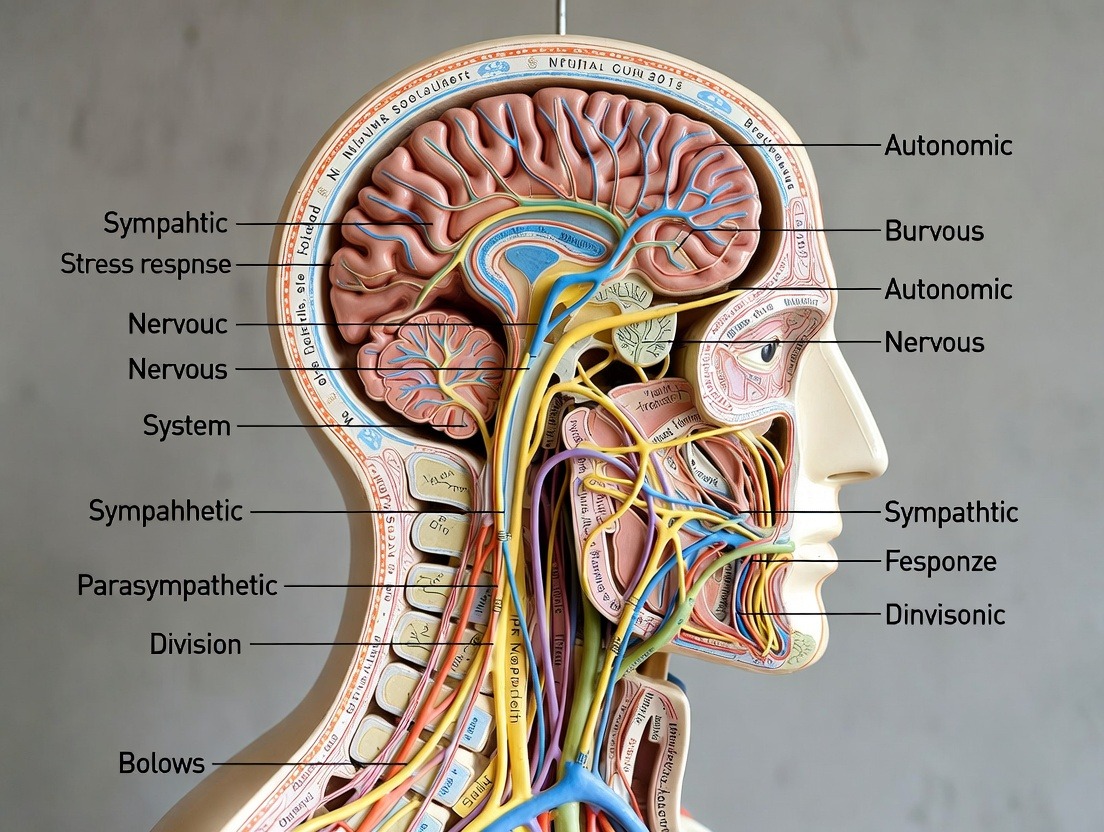
We often glorify the "hustle" of sleeplessness, wearing it as a badge of honor. But modern neuroscience paints a starkly different picture: sleep is not a passive state of inactivity. It is an intense period of critical, offline maintenance for the most complex system you own—your brain. To understand how a smart ring can track the productivity cost of poor sleep, we must first appreciate the biological ledger it’s auditing.
Think of your waking day as a period of intense cognitive expenditure. You make decisions, form memories, learn skills, and navigate emotional landscapes. This activity comes at a cost. Metabolic waste products, like beta-amyloid proteins (associated with cognitive decline), accumulate in the neural pathways. Synaptic connections, strengthened by daily learning, become energetically saturated. The emotional centers of the brain, like the amygdala, are left buzzing from the day’s stimuli.
Enter sleep, the master regulator and restorative. During deep sleep (slow-wave sleep), your brain initiates a powerful cleansing process. The glymphatic system, a recently discovered waste-clearance network, kicks into high gear, flushing out metabolic debris at a rate ten times faster than during wakefulness. This is essentially taking out the neural trash. Simultaneously, this stage is crucial for memory consolidation—transferring short-term memories from the hippocampus to the long-term storage of the neocortex, solidifying what you learned the day before.
Following this, REM (Rapid Eye Movement) sleep takes the stage. Here, your brain is almost as active as when you’re awake. This phase is the architect of emotional processing and creative integration. It helps strip away the sharp emotional edges from the day’s experiences, aiding in emotional resilience. It’s also where disparate ideas connect, fostering creativity and problem-solving. Deprive yourself of REM, and you may find yourself emotionally reactive and mentally rigid.
When you short-change these cycles, you’re not just "tired." You’re starting the next day with a cluttered, inefficient, and emotionally volatile system. The productivity costs are direct and measurable:
Your smart ring acts as the auditor of this entire process. It doesn’t just see you lying still; it uses sensors to infer which of these critical maintenance phases you completed and, more importantly, which you missed. By quantifying the deficit, it can begin to forecast the cognitive capital you have—or lack—for the day ahead. For those looking to build resilience against such deficits, understanding the neurological journey from being reactive to resilient is foundational, a process detailed in our exploration of the reactive-to-resilient neurological journey developing calm.
To the untrained eye, a smart ring is a minimalist piece of jewelry. But beneath its sleek exterior lies a sophisticated laboratory, purpose-built for one mission: capturing the faint, continuous whispers of your autonomic nervous system. Unlike a smartwatch primarily designed for daytime activity, the smart ring’s form factor and sensor placement make it uniquely suited for the nuanced task of sleep and recovery physiology. It’s not just counting steps; it’s listening to your heartbeat’s story, feeling the pulse of your blood, and sensing the silent stress responses you may not even notice.
The core of this capability rests on a fusion of complementary sensing technologies:
Photoplethysmography (PPG): This is the cornerstone of most wearable health tracking. Tiny LEDs shine light onto the capillaries in your finger. As your heart beats, blood volume in these vessels changes, which alters how much light is absorbed. The sensor detects these subtle fluctuations, creating a waveform—a PPG signal—from which your heart rate and, critically, the minute variations between each heartbeat (Heart Rate Variability or HRV) can be derived. The finger is an ideal location for PPG during sleep, as it’s less prone to motion artifacts caused by wrist movements or restless sleeping positions.
Skin Temperature Sensor: A constant, precise monitor of your peripheral body temperature. This isn’t about detecting a fever. Your core body temperature follows a circadian rhythm, dropping to initiate sleep and rising to promote wakefulness. This cycle is mirrored, with a slight lag, in your skin temperature. Disruptions in this predictable nightly temperature curve—a sign of poor sleep quality or an underlying stress response—are easily spotted. This data is invaluable for understanding the relationship between sleep data and stress levels.
3-Axis Accelerometer: While also used for basic activity tracking, its primary role in sleep is actigraphy—detecting micro-movements. The pattern of your movement (or lack thereof) helps the ring’s algorithms distinguish between sleep stages. Deep sleep is characterized by very little movement, while REM sleep involves temporary muscle paralysis (atonia) with occasional twitches. Light sleep shows more frequent position shifts.
The Unseen Powerhouse: Sensor Fusion & Advanced Algorithms
The raw data from these sensors is just noise without intelligent interpretation. This is where the true magic happens. Advanced smart rings employ sensor fusion, combining the PPG, temperature, and motion data into a coherent, multi-parameter physiological picture.
Sophisticated algorithms, often developed using massive datasets of polysomnography (clinical sleep studies), then analyze this fused data stream. They look for patterns:
By correlating these biomarkers, the ring can construct a remarkably accurate hypnogram—a map of your sleep stages throughout the night. This map is the first and most critical document in building your productivity forecast. It tells the story not just of time spent in bed, but of the quality of the restorative work your brain and body accomplished. The sophistication of this interpretation is a testament to the science behind wearable stress tracking technology that now fits on your finger.
You’ve seen the chart in your app: a colorful graph mapping your journey through Light, Deep, and REM sleep cycles throughout the night. This is your sleep architecture—the structural blueprint of your night’s rest. Each color block is more than just a label; it’s a report on a specific type of neurological and physiological maintenance. To understand the productivity cost of poor sleep, you must learn to read this architectural plan and spot the warning signs of a shaky foundation.
Light Sleep (N1 & N2): Making up about 50-60% of your night, this is the transitional gatekeeper of sleep. It’s where you drift off and spend much of the night. While not as intensely restorative as deeper stages, it’s crucial for memory processing and synaptic pruning—deciding which neural connections to keep and which to discard. Consistently fragmented light sleep, indicated by many short awakenings on your graph, means you’re constantly rebooting this process, never settling into sustained restoration. Your ring detects this as frequent motion or heart rate spikes.
Deep Sleep (N3 or Slow-Wave Sleep): This is the physical and mental restoration powerhouse, typically concentrated in the first half of the night. As discussed, this is when growth hormone is released for tissue repair, the glymphatic system cleanses the brain, and declarative memories (facts, figures, events) are cemented. On your smart ring data, deep sleep is characterized by a very low, steady heart rate and high HRV. The productivity cost of insufficient deep sleep is severe: poor physical recovery, impaired memory consolidation, and a foggy, unfocused mind. If your ring shows short or shallow deep sleep blocks, you are starting the day with a cluttered brain and a body that hasn’t fully repaired.
REM Sleep: The cognitive and emotional workshop of the night. REM periods become longer and more intense in the latter half of the night. This is where procedural memories (skills, "how-to" knowledge) are strengthened and emotional experiences are processed and filed away. A lack of REM, often caused by alcohol consumption or going to bed very late (which truncates the later, REM-rich sleep cycles), leads to decreased cognitive flexibility, poorer learning of complex tasks, and heightened emotional sensitivity or anxiety. Your ring identifies REM by its signature combination of elevated heart rate (similar to wakefulness), increased brain activity inferred from heart rate patterns, and a still body (muscle atonia).
The Critical Metric: Sleep Continuity & Efficiency
Beyond the stages, your smart ring is meticulously tracking sleep continuity—how seamless your sleep is. The metric of "awake time" or "restlessness" is paramount. Waking up 10-15 times per night for brief moments is normal, but frequent or prolonged awakenings shatter sleep architecture. Your ring scores this as sleep efficiency: (time asleep / time in bed) x 100. An efficiency below 85% often signals a problem.
Reading the Warning Signs in Your Data:
This detailed architectural analysis is what separates a smart ring from a simple sleep timer. It provides the specific, actionable reasons why you feel unrested, directly linking physiological events to next-day potential. To move from simply observing these patterns to effectively managing their impact on your stress and performance, learning to interpret your stress tracking data like a pro is the essential next step.
After a night of silent data collection and complex algorithmic analysis, your smart ring delivers its verdict: the Morning Readiness Score (sometimes called Recovery, Body Battery, or Sleep Score). This single number, often on a scale of 1-100, is far more than a simple grade on your sleep. It is a synthesized, predictive forecast of your cognitive and physical resources for the coming day—a direct quantification of the productivity capital you have to spend.
This score is not a random calculation. It is a weighted algorithm that synthesizes the key elements of your sleep architecture with other nocturnal biomarkers to predict your functional capacity.
Core Components of the Readiness Algorithm:
From Score to Forecast: Translating the Number
A score of 85+ typically indicates high readiness. Your sleep was efficient and restorative. Forecast: High cognitive availability, good emotional regulation, and strong physical energy. Your productivity potential is maximized.
A score in the 60-84 range suggests moderate readiness. There were likely some compromises in duration, depth, or continuity. Forecast: You may experience mid-day slumps, require more effort to focus, and have a shorter fuse. Productivity will require more conscious effort and may be error-prone.
A score below 60 is a red flag. Sleep was significantly disrupted, short, or physiologically stressful. Forecast: Impaired executive function, high susceptibility to distraction, low frustration tolerance, and increased desire for stimulants or sugary foods. The productivity cost is severe; complex tasks should be deferred if possible.
This personalized forecast empowers you to strategically plan your day. A low score isn’t a life sentence for failure; it’s a data-driven recommendation to prioritize lighter cognitive tasks, schedule important meetings when you might have a natural energy peak, and be exceptionally diligent about breaks and micro-calm practices for finding peace in everyday moments. The score turns intuition into strategy.
If there is one physiological metric that sits at the royal intersection of sleep quality, stress, and next-day performance, it is Heart Rate Variability (HRV). While often misunderstood, HRV is not about your heart rate itself, but the subtle, millisecond variations in the time interval between each heartbeat. Far from being a sign of an irregular or unhealthy heart, a higher HRV (greater variability) is a powerful indicator of a robust, resilient, and recovered nervous system. Your smart ring’s ability to track HRV, especially during sleep, is arguably its most sophisticated feature for calculating the productivity tax of poor rest.
The Autonomic Nervous System (ANS) Dashboard:
Your HRV is a direct readout of the balance between the two branches of your ANS:
HRV and Sleep: The Nightly Recalibration
During high-quality, undisturbed sleep—particularly deep sleep—your PNS should be firmly in charge. This is reflected in a high nighttime HRV. Your body is safe, stress hormones are low, and resources are allocated to maintenance. If you have a poor night’s sleep—whether from stress, alcohol, a late meal, or an erratic schedule—your SNS remains partially engaged. Your body is on guard, even while unconscious. This results in a lower nighttime HRV.
Your smart ring tracks this HRV trend over the night, providing a Nocturnal HRV Average or HRV Balance score. A consistently low or dropping HRV trend is a glaring sign that your sleep is not accomplishing its primary goal of physiological and neurological recovery.
From HRV to Productivity: The Direct Link
A low HRV score in the morning is a proxy for a dysregulated nervous system. The productivity implications are profound:
By monitoring your HRV, your smart ring gives you an objective measure of your resilience reservoir. A high morning HRV after good sleep means you have a deep reserve to draw from. A low HRV means you’re starting the day already in the red, with a nervous system that’s brittle and reactive. This makes the practice of creating a personal stress baseline for accurate tracking critical, as it allows you to understand your unique HRV landscape and what deviations truly mean for you.
While your smart ring does not directly measure cortisol (the primary stress hormone), it tracks its powerful physiological shadow. The relationship between sleep and cortisol is a vicious, self-reinforcing cycle that lies at the heart of the productivity crisis caused by poor sleep. Understanding this connection reveals why one bad night can derail your entire week.
The Ideal Rhythm: A Perfect Tango
Under optimal conditions, cortisol follows a beautiful, predictable 24-hour rhythm—the diurnal cortisol curve.
How Poor Sleep Sabotages the Rhythm:
The Productivity Catastrophe:
This dysregulated cycle is a productivity killer.
Your smart ring, by tracking the physiological correlates of cortisol dysregulation (heart rate, HRV, sleep fragmentation), acts as an early warning system. A pattern of poor sleep scores coupled with daytime fatigue and high-stress readings is a classic signature of a disrupted cortisol rhythm. It’s a signal that your hormonal engine is misfiring, and with it, your cognitive performance is running on fumes. For those seeking to understand this at a deeper level, an analysis of stress tracking and cortisol patterns can provide further insight.

We’ve established that poor sleep disrupts biology, but what does that actually look like at your desk, in a meeting, or while trying to solve a problem? The productivity cost isn't abstract; it manifests in specific, measurable declines in core cognitive functions. Emerging research and smart ring algorithms are beginning to link sleep data directly to forecasts in these key performance areas.
1. Attentional Control & Vigilance:
This is your brain’s ability to maintain focus on a single task and resist distractions. The prefrontal cortex, highly vulnerable to sleep loss, manages this "spotlight of attention."
2. Working Memory Capacity:
Your mental scratchpad—the ability to hold and manipulate several pieces of information at once (e.g., mentally calculating a tip, following multi-step instructions).
3. Cognitive Flexibility & Creative Problem-Solving:
The ability to switch between different concepts, think outside the box, and generate novel solutions. This is heavily dependent on REM sleep, which fosters distant neural connections.
4. Emotional Regulation & Social Cognition:
The ability to manage emotional responses and accurately read social cues. The amygdala-prefrontal cortex connection is disrupted by sleep loss.
5. Decision-Making & Risk Assessment:
Sleep loss skews decision-making toward either impulsive, reward-seeking behavior or overly cautious, indecisive patterns.
Your smart ring’s readiness score and sleep stage analysis are, in effect, a composite forecast of these cognitive domains. By making these implicit costs explicit, it allows for cognitive task management—strategically aligning your mental workload with your brain’s predicted capacity for the day.
The productivity cost of poor sleep extends far beyond the confines of mental work. It creates a dangerous ripple effect that impairs physical performance, coordination, and safety—critical factors for everyone from athletes and surgeons to drivers and warehouse workers. Your smart ring, by tracking recovery and stress, is also forecasting your physical operational readiness.
Motor Skills and Coordination:
Sleep is essential for consolidating procedural memories—the "muscle memory" for physical skills. The cerebellum and motor cortex, which coordinate movement, are negatively impacted by sleep loss.
Pain Tolerance and Perception:
Sleep and pain share a bidirectional, vicious relationship. Poor sleep lowers your pain threshold and increases sensitivity.
Metabolic and Hormonal Dysfunction:
A single night of poor sleep can induce a state of insulin resistance, increase cravings for high-calorie, sugary foods, and disrupt hormones like leptin and ghrelin that regulate hunger.
Safety-Critical Performance:
This is the most severe consequence. Sleep deprivation has effects similar to alcohol intoxication on reaction time and situational awareness.
Your smart ring serves as a personal safety monitor in this context. A chronically low readiness score, coupled with high-stress readings, isn’t just a productivity warning—it’s a safety warning. It’s a data-driven argument for taking a cab instead of driving after a terrible night’s sleep, for postponing a heavy gym session to avoid injury, or for being hyper-vigilant around machinery. For athletes specifically, this kind of tracking is integral to stress tracking for athletes: optimizing training and recovery.
A universal flaw in early sleep tracking was the "one-size-fits-all" score. Eight hours was always an "A," and six hours was always an "F." Modern smart rings have evolved into context-aware systems. They understand that the productivity impact of a 6-hour sleep before a vacation is vastly different from a 6-hour sleep in the middle of a high-stakes project week. They personalize your forecast by learning your unique baselines and integrating daytime data.
Establishing Your Personal Baselines:
The first few weeks you wear a smart ring, it’s in learning mode. It’s answering the question: What does "normal" look like for YOU?
This process of creating a personal stress baseline for accurate tracking is what transforms generic data into personal insight.
The Role of Daytime Stress and Activity:
Your readiness score isn’t calculated in a vacuum. A smart ring uses continuous monitoring to understand the load you’re under.
The Predictive Feedback Loop:
This is where the system becomes truly intelligent. Let’s walk through an example:
By integrating the context of your days with the outcomes of your nights, your smart ring moves from being a passive sleep recorder to an active recovery management system. It provides a nuanced, personalized narrative that explains not just what your sleep was, but why it mattered in the full story of your life, and what it likely means for the chapter you’re about to write. This holistic view is the cornerstone of making the shift from fragmented data to true insight, as framed in our discussion on moving from numbers to insight: an expert framework for interpreting chronic stress.
Data without action is merely trivia. The ultimate value of your smart ring’s detailed productivity forecast lies in its power to inform smarter, more adaptive daily planning. This is called bio-hacking your schedule or circadian task management. Instead of forcing your brain to conform to a rigid calendar, you align your tasks with your predicted cognitive capacity.
The High-Readiness Day (Score: 80-100): Capitalize on Clarity.
This is your cognitive peak day. Your brain is primed for high-value, complex work.
The Moderate-Readiness Day (Score: 60-79): Manage with Mindfulness.
Your resources are finite and require careful budgeting. The goal is to maintain steady output without burning your limited fuel.
The Low-Readiness Day (Score: Below 60): Damage Control and Recovery.
The primary goal is to avoid major mistakes and invest in recovery. Productivity is not about output today; it’s about preserving capacity for tomorrow.
Communicating Your "Cognitive Weather Report":
In forward-thinking teams, this data can be used professionally. Sharing a "low readiness" forecast with a colleague or manager can be framed as proactive risk management: "My biometric data suggests I'm not at my best for complex analysis today. Can we move the deep-dive session to tomorrow when I'll be sharper, and I'll use today to prepare the supporting materials?" This turns a personal vulnerability into a demonstration of strategic awareness and commitment to quality.
By moving from a fixed to a fluid work style based on your physiological data, you stop fighting your biology and start working with it. This is the essence of sustainable high performance.
While a single night of poor sleep can derail a day, the true, insidious cost of poor sleep is chronic—paid over months and years in compound interest on your cognitive, emotional, and physical capital. Your smart ring’s long-term trend data isn't just a sleep diary; it’s an audit of your human capital depreciation. It reveals how sustained sleep debt doesn't just make you tired; it actively erodes the very skills and traits that drive career advancement, innovation, and professional resilience.
From Acute Slump to Chronic Deficit:
Sleep debt is cumulative. When you consistently sleep less than you need, you build a sleep debt balance. Your body and brain don't simply "get used to it"; they operate in a perpetual state of sub-optimal function, adapting to the deficit by lowering baseline performance. Your smart ring’s weekly and monthly aggregates—showing a pattern of low readiness scores, diminished deep sleep, and suppressed HRV—are the financial statements of this debt.
The Erosion of Executive Function:
Chronic sleep loss selectively targets the prefrontal cortex (PFC), the "CEO of the brain." Over time, this isn't just about daily focus; it's about the degradation of the core competencies required for leadership and complex problem-solving:
The Memory Consolidation Failure:
Every day, you’re exposed to new information, skills, and social nuances. Sleep, particularly deep sleep, is when this transient knowledge is cemented into long-term memory and skill. With chronic debt, this transfer is incomplete.
The Hormonal and Metabolic Slowdown:
Long-term sleep disruption is a documented risk factor for insulin resistance, weight gain, and increased systemic inflammation. This isn't just a health issue; it's a performance issue.
The Burnout Pipeline:
Chronic sleep debt and elevated stress form a vicious, synergistic cycle. Poor sleep elevates next-day stress reactivity, and high stress disrupts subsequent sleep. Your smart ring’s long-term data can visualize this downward spiral through correlated trends of low HRV, high resting heart rate, and poor sleep scores. This is the physiological architecture of burnout. Learning to use stress tracking data to predict burnout is a critical skill for any ambitious professional, allowing for course correction before a crash.
The Career Opportunity Cost:
Ultimately, the cumulative effect is an opportunity cost. The promotion that goes to the colleague who presented a more creative solution. The client trust eroded by an emotional outburst. The strategic error made from cognitive fatigue. The new skill not mastered quickly enough. Your smart ring’s long-term trends offer a stark, data-driven reflection of whether your daily habits are compounding your professional value or quietly depreciating it. It answers the question: Is my current pace sustainable, or is it a slow-motion erosion of my potential?

Your smart ring is a master diagnostician, but it is not a cure. It identifies the problem—the productivity tax levied by poor sleep—with precision. The solution requires proactive, behavior-based intervention. The data becomes truly powerful when it catalyzes a holistic routine designed to improve sleep quality and build cognitive resilience, thereby reducing your debt and increasing your daily performance capital.
1. Strategic Light and Circadian Hygiene:
Your body’s master clock (the suprachiasmatic nucleus) is set by light exposure. Smart ring data showing erratic sleep onset or low morning readiness can often be traced to light mismanagement.
2. Temperature Optimization:
Your ring tracks how your skin temperature should naturally drop to initiate sleep. You can facilitate this.
3. Nervous System Down-Training:
A high resting heart rate and low HRV at night indicate a nervous system stuck in "fight or flight." Direct practices to stimulate the "rest and digest" (parasympathetic) system are crucial.
4. Nutritional Timing for Sleep Chemistry:
What and when you eat directly influences sleep architecture.
5. The Wind-Down Ritual:
Create a consistent, non-negotiable 45-60 minute buffer between your last task and lights out. This is cognitive closure.
Using Your Ring to Validate Interventions:
This is the feedback loop that turns guesses into strategies. After implementing a new practice (e.g., a nightly meditation), observe your ring’s data over the next week:
This empirical validation is empowering. It moves you from hoping something works to knowing it works for you. For a comprehensive approach to understanding the full spectrum of your body's signals, our complete guide to biomarker-based stress tracking provides a detailed framework.
The current generation of smart rings provides a revolutionary lens into sleep and recovery. But this is merely the foundation. The near future promises a transformation from reactive tracking to predictive, prescriptive, and deeply integrated Performance Intelligence Systems. The smart ring will evolve from an auditor of your productivity tax to an active coach in minimizing it.
1. Multi-Modal Biomarker Integration:
Future rings will incorporate additional sensors to paint an even more complete picture.
2. AI-Powered, Hyper-Personalized Insights:
Algorithms will move beyond population-based norms to become true individual learning systems.
3. Closed-Loop Systems and Ambient Environment Control:
The ring will communicate with other devices to create an optimal sleep ecosystem automatically.
4. Professional and Organizational Integration:
5. Longitudinal Health Forecasting:
By tracking the degradation or improvement of biomarkers like HRV, sleep continuity, and resting heart rate over years, the ring could provide early risk assessments for conditions linked to chronic sleep disruption and stress, such as hypertension, metabolic syndrome, and mood disorders. It shifts the focus from tracking sickness to engineering long-term vitality.
This future turns the smart ring from a passive data collector into the central node of a personalized health and performance operating system. Its goal will be not just to report your cognitive forecast, but to actively help you change the weather. For those ready to deepen their practice beyond the basics, this evolution aligns with the principles of how to deepen your calm mind practice after the first year, moving from initial awareness to mastery and integration.
As smart ring technology advances and its potential for optimizing human performance becomes undeniable, it inevitably collides with complex ethical and privacy considerations. The very data that empowers an individual to manage their productivity can, in the wrong context, become a tool for surveillance, discrimination, and undue pressure. Navigating this paradox is critical for anyone using this technology with professional performance in mind.
The Empowerment vs. Surveillance Dilemma:
On one hand, personal ownership of biometric data is profoundly empowering. It returns agency to the individual, providing an objective basis to advocate for one’s needs—be it a flexible schedule, recovery time, or a change in workload. You can use your data to set healthy boundaries using stress tracking, grounded in physiological evidence rather than subjective feeling.
On the other hand, when an employer mandates or even subsidizes wearable tracking, the line blurs. Data collected for "wellness programs" can morph into metrics for productivity scoring, attendance penalties, or even determining promotions and layoffs. The fundamental question becomes: Who owns the narrative of your body's data? The individual using it for self-knowledge, or the organization using it for optimization?
Key Ethical Risks in a Professional Context:
Principles for Ethical Use in Performance Contexts:
For the individual professional, the safest approach is to keep your data personal. Use your smart ring as a private consultant. Let its insights inform your personal strategies for work-life integration and how you communicate effectively with your doctor using your data, but be exceedingly cautious about integrating it directly into corporate systems. Your biometric narrative is your own; it should be shared only on your terms, for your benefit.
Theoretical models of productivity costs are compelling, but real-world stories ground the data in human experience. These anonymized case studies, drawn from patterns observed by wellness professionals and early adopters, illustrate how smart ring sleep data has directly influenced professional decisions, outcomes, and trajectories.
Case Study 1: The "High-Performer" Facing Burnout
Case Study 2: The Manager with "Unexplained" Irritability
Case Study 3: The Shift Worker Optimizing an Unconventional Schedule
These cases demonstrate that the value of sleep data lies not in the numbers themselves, but in the behavioral change and strategic communication they enable. It turns subjective struggles into objective dialogues about performance, safety, and well-being.

Armed with insights from your smart ring, the goal is to evolve from simply tracking the problem to architecting the solution. This framework provides a structured, data-informed approach to building a lifestyle that minimizes the productivity tax of poor sleep. It's not about perfection, but about progressive optimization using your personal data as a guide.
Phase 1: The Diagnostic Audit (Weeks 1-2)
Phase 2: Foundational Habit Stacking (Weeks 3-6)
Implement one or two non-negotiable "sleep hygiene keystones" based on your diagnostic audit.
Phase 3: Advanced Recovery Integration (Weeks 7-12)
Layer in practices that directly improve your physiological markers of recovery.
Phase 4: The Adaptive Maintenance Model (Ongoing)
This is where you move from a rigid protocol to a fluid, responsive system.
The Ultimate Metric: Subjective-Objective Alignment
The final sign of success is when your subjective feeling ("I feel clear and energized today") aligns consistently with your objective data (a high readiness score, good sleep metrics). When they diverge, it's a cue to investigate further—perhaps you're fighting off an illness, or your emotional state is coloring your perception. This framework turns you from a passive recipient of sleep data into an active architect of your own cognitive potential, using the most personalized dataset in existence: the story of your own body.
Our exploration has centered on sleep as the foundation of productivity. However, sleep does not exist in isolation. It is one vertex of a critical triad: Sleep, Stress, and Performance. These three elements are in constant, dynamic conversation, and your smart ring is uniquely positioned to translate this conversation. Ignoring one inevitably sabotages the others.
The Triad in Harmony (The Virtuous Cycle):
The Triad in Dysfunction (The Vicious Cycle):
How Your Smart Ring Maps the Triad:
Advanced rings don't track these in silos. They show you the correlations in real-time.
Strategic Management of the Triad:
You must address all three points to break a negative cycle or sustain a positive one.
Understanding this triad is the key to sustainable high achievement. Your smart ring provides the dashboard, but you are the pilot who must learn to read all the instruments—not just the altimeter of sleep, but the fuel gauge of recovery and the stress gauge of system load—to navigate successfully toward your goals without crashing. This holistic understanding is what separates a data hobbyist from someone who truly masters their own potential.
Your Trusted Sleep Advocate: Sleep Foundation — https://www.sleepfoundation.org
Discover a digital archive of scholarly articles: NIH — https://www.ncbi.nlm.nih.gov/
39 million citations for biomedical literature :PubMed — https://pubmed.ncbi.nlm.nih.gov/
Experts at Harvard Health Publishing covering a variety of health topics — https://www.health.harvard.edu/blog/
Every life deserves world class care :Cleveland Clinic - https://my.clevelandclinic.org/health
Wearable technology and the future of predictive health monitoring :MIT Technology Review — https://www.technologyreview.com/
Dedicated to the well-being of all people and guided by science :World Health Organization — https://www.who.int/news-room/
Psychological science and knowledge to benefit society and improve lives. :APA — https://www.apa.org/monitor/
Cutting-edge insights on human longevity and peak performance:
Lifespan Research — https://www.lifespan.io/
Global authority on exercise physiology, sports performance, and human recovery:
American College of Sports Medicine — https://www.acsm.org/
Neuroscience-driven guidance for better focus, sleep, and mental clarity:
Stanford Human Performance Lab — https://humanperformance.stanford.edu/
Evidence-based psychology and mind–body wellness resources:
Mayo Clinic — https://www.mayoclinic.org/healthy-lifestyle/
Data-backed research on emotional wellbeing, stress biology, and resilience:
American Institute of Stress — https://www.stress.org/


