


How Blood Sugar Control Became a Critical Longevity Essential
Why controlling blood sugar is critical for longevity.
Why controlling blood sugar is critical for longevity.
%402x.svg)
For decades, the pursuit of longevity was a story written in broad strokes: eat your vegetables, exercise, don’t smoke, and manage your stress. While these pillars remain undeniable, a seismic shift is occurring in the scientific understanding of what truly drives healthy aging. A new protagonist has emerged from the complex biochemical narrative of our bodies, one so fundamental that it is now being recast not just as a metric for metabolic health, but as a central pillar of longevity itself: blood sugar control.
This isn't merely about avoiding diabetes. The latest frontiers in longevity science reveal that the stability of your blood glucose—the minute-to-minute, meal-to-meal fluctuations that were once considered background noise—exerts a profound influence on the very biological hallmarks of aging. From cellular repair and inflammation to brain function and cardiovascular resilience, the evidence is overwhelming: mastering glucose metabolism is one of the most powerful, actionable levers we have for extending our healthspan and, likely, our lifespan.
The journey from viewing blood sugar as a clinical concern for the diabetic to recognizing it as a universal longevity essential is a fascinating tale of scientific discovery. It’s a story powered by advanced technology that allows us to see, for the first time, the invisible waves of glucose in our bodies and their direct impact on our biological age. This new paradigm moves us from reactive medicine to proactive, personalized optimization. It empowers us to make daily choices informed by real-time data, transforming abstract dietary advice into a precise, individualized roadmap for sustained vitality.
This article will explore this profound evolution in depth. We will journey through the science of how glucose dysregulation accelerates aging, delve into the modern tools—like continuous glucose monitors (CGMs) and sophisticated smart rings—that are democratizing this knowledge, and provide a actionable framework for using blood sugar stability as your compass for a longer, healthier life.

To understand why blood sugar control is paramount for longevity, we must first move beyond the simplistic "high blood sugar is bad" model and explore the precise molecular mechanisms through which glucose instability inflicts damage. This damage occurs on a cellular level, attacking the foundational processes that keep us young and resilient. It’s a silent, pervasive form of wear and tear that accumulates over decades.
At the heart of this process is a phenomenon called glycation. When glucose circulates in the bloodstream at elevated levels, it acts like a sticky molecular glue. It bonds haphazardly with proteins and lipids in a non-enzymatic reaction, forming harmful compounds known as Advanced Glycation End-products, or AGEs. The name is tragically apt. These AGEs are metabolic garbage that cross-link with essential tissues—collagen in your skin, elastin in your arteries, proteins in your eyes and brain. This cross-linking stiffens tissues, degrades their function, and promotes inflammation. It’s a primary reason why poorly managed diabetes leads to complications like neuropathy, retinopathy, and atherosclerosis. But critically, glycation and AGE formation are not exclusive to diabetics; they occur in everyone, accelerated by every significant glucose spike.
Concurrently, glucose spikes trigger a cascade of oxidative stress and inflammation. A rapid influx of glucose into cells forces mitochondria, the cellular power plants, into metabolic overdrive. This overproduction of energy leads to a leak of reactive oxygen species (ROS)—free radicals that damage DNA, cell membranes, and other cellular structures. The body perceives this damage as an attack, activating inflammatory pathways like NF-kB. This creates a vicious cycle: inflammation promotes insulin resistance (making glucose control harder), and insulin resistance promotes further inflammation. Chronic, low-grade inflammation, or "inflammaging," is now recognized as one of the core pillars of aging itself.
Furthermore, unstable glucose directly sabotages the body’s repair and recycling systems. It impairs autophagy—the crucial cellular "clean-up" process where damaged components are broken down and recycled. It also interferes with sirtuin activity, a family of proteins essential for DNA repair, metabolic regulation, and longevity. When blood sugar is constantly elevated, the body’s signaling priorities shift from maintenance and repair to mere energy storage and damage control.
The evidence is clear in human studies. Research now shows that individuals with "normal" fasting glucose but high glucose variability—the dramatic peaks and valleys—exhibit markers of increased oxidative stress and endothelial dysfunction (impaired blood vessel health) comparable to pre-diabetics. This means the roller coaster itself is damaging, independent of your average level. For anyone seeking to slow the biological clock, mitigating these daily spikes is no longer optional wellness advice; it is a direct intervention in the aging process. To build a foundational understanding of how modern tools can help you monitor these vital signals, exploring the basics of wellness ring technology is an excellent first step.
For generations, the medical gold standard for assessing glycemic health was the fasting blood glucose test and the HbA1c, which measures average blood sugar over the past two to three months. While these are critical diagnostic tools, they tell an incomplete story—like judging the turbulence of a cross-country flight solely by the take-off and landing. They completely miss the in-flight storms. This blind spot is where the concept of glucose variability has revolutionized our understanding.
Glucose variability refers to the amplitude, frequency, and duration of swings in blood glucose levels throughout the day and night. Think of it as the difference between a calm pond (stable metabolism) and a choppy ocean (high variability). Even if the "average" depth is the same, the environment is radically different for the organisms living within it. High variability, characterized by sharp, repeated spikes and precipitous crashes, is now independently linked to a host of negative outcomes.
Why is variability so damaging? Each spike ignites the glycation and inflammatory fires discussed earlier. But the crashes are equally problematic. A rapid drop in blood glucose triggers a stress response, releasing cortisol and adrenaline, which can cause anxiety, brain fog, and cravings, often leading to a subsequent overeating cycle. This hormonal roller coaster taxes the adrenal system and contributes to metabolic dysregulation. Furthermore, research in cardiovascular medicine has shown that high glucose variability is a stronger predictor of endothelial damage and cardiovascular events in diabetics than HbA1c alone. The shear stress on blood vessel walls from constant glucose fluctuation is a direct assault on vascular longevity.
This paradigm shift moves the goalpost from merely "having a good A1c" to achieving metabolic stability. An individual can have a "normal" A1c of 5.5% but still experience damaging glucose spikes after meals that go undetected by standard tests. These "hidden" spikes are the silent eroders of healthspan. The new longevity-focused approach asks: How flat is your glucose curve? How quickly do you return to baseline after a meal? How stable are your levels overnight?
This is where personalized data becomes non-negotiable. Discovering your unique responses to different foods, meal timings, sleep patterns, and stressors is the key to taming variability. It’s the difference between following generic "eat whole grains" advice and knowing that, for your biology, a bowl of oatmeal causes a sharper spike than a two-egg omelet. This level of insight is at the core of a personalized longevity strategy, and understanding the science behind the sensors that provide this data is crucial for trusting and applying it.
The Brain-Glucose Connection: Protecting Cognitive Longevity
Perhaps one of the most compelling arguments for glucose control as a longevity essential lies in its profound impact on the brain. The brain is a glucose-hungry organ, consuming about 20% of the body’s energy despite being only 2% of its weight. However, it thrives on a steady supply, not a sugary flood. The link between metabolic health and cognitive decline is so strong that some researchers have dubbed Alzheimer’s disease "Type 3 diabetes."
When blood sugar is chronically elevated or highly variable, the brain suffers in multiple, interconnected ways. First, cerebral glycation occurs. Just as glucose damages collagen in the skin, it damages proteins and lipids in the brain. It particularly harms the delicate insulin signaling pathways in hippocampal and cortical neurons, regions essential for memory and learning. This brain-specific insulin resistance impairs the neurons' ability to take up glucose, leaving them starved for energy even in a sea of sugar.
Second, high blood sugar promotes neuroinflammation. It activates the brain’s immune cells, microglia, pushing them into a pro-inflammatory state. This chronic neuroinflammation is a key driver of neurodegeneration, damaging synapses and accelerating the accumulation of toxic proteins like amyloid-beta and tau, hallmarks of Alzheimer’s pathology.
Third, glucose instability directly affects cognitive function in the short term. A sharp spike and subsequent crash can lead to "brain fog," characterized by poor concentration, mental fatigue, and irritability. This is due to the combined effects of reactive hypoglycemia and the accompanying stress hormone surge. Over decades, the cumulative effect of these daily micro-insults can contribute to a decline in cognitive reserve—the brain’s resilience to age-related damage.
Protecting cognitive longevity, therefore, is inextricably linked to providing the brain with a stable, clean fuel source. Strategies that flatten the glucose curve—such as pairing carbohydrates with fiber, protein, and healthy fats, or engaging in post-meal movement—are, in effect, direct neuroprotective interventions. They help maintain the integrity of the brain’s energy infrastructure, reduce inflammatory burden, and support the clarity and sharpness of mind that defines a vibrant healthspan. For a deeper look at how daily habits influence aging, our curated list of 50 healthy aging tips offers practical strategies that complement this metabolic approach.
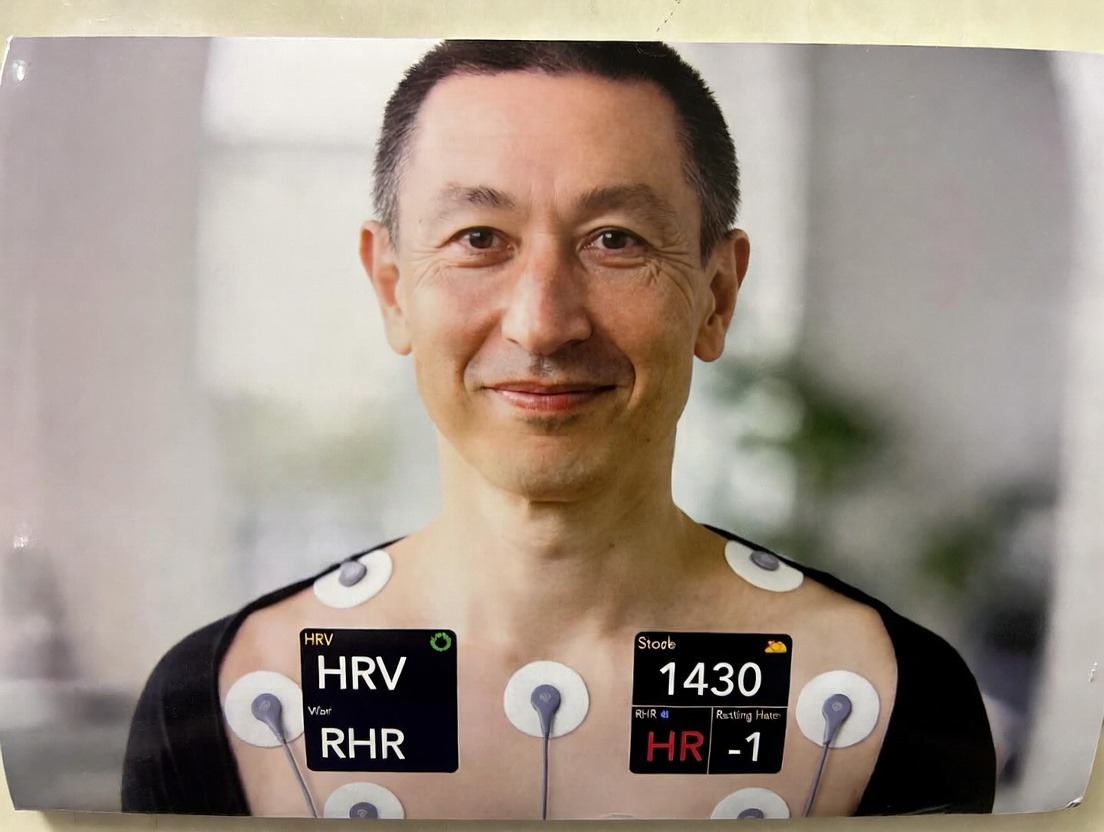
The revolution in understanding blood sugar's role in longevity would be merely academic without a parallel revolution in the tools to measure it. We have moved from a dark age of ignorance—where one annual lab test was the only insight—into an era of luminous, real-time biofeedback. This journey has transformed glucose from an abstract number into a dynamic, understandable pattern.
The first major leap was the Continuous Glucose Monitor (CGM). Originally a medical device for diabetics, CGMs have been embraced by the biohacking and longevity communities. A tiny sensor inserted under the skin measures interstitial glucose levels every few minutes, transmitting data to a smartphone. For the first time, individuals could see their personal glucose movie in real-time, not just a few annual snapshots. They could witness the direct impact of a sugary snack, a stressful meeting, a poor night’s sleep, or a brisk walk. This biofeedback loop is phenomenally powerful for behavior change. It makes the invisible visible, turning abstract nutritional concepts into personal, undeniable cause-and-effect lessons.
However, glucose does not exist in a vacuum. It is part of a complex physiological symphony conducted by sleep, stress, activity, and circadian rhythm. This is where the next generation of tools, particularly advanced smart rings and holistic health wearables, are creating a paradigm shift. Devices like those pioneered by Oxyzen integrate multiple data streams to provide context for glucose patterns.
Imagine seeing a glucose spike after lunch. A CGM shows you the spike. But a holistic wearable can help you interpret it. Did you sleep poorly the night before, raising your cortisol and priming you for a bigger spike? Was your heart rate variability (HRV) low, indicating high stress? Were you in a deep sleep phase when your glucose started to rise unexpectedly? This multi-parameter analysis moves from simple tracking to true physiological insight. It allows you to understand not just the "what" of your glucose levels, but the "why." This is the cornerstone of personalized, systems-based longevity medicine. To see how this technology has evolved to empower users, you can trace the evolution from manual tracking to smart rings.
One of the most critical contexts for glucose control, illuminated by holistic wearables, is sleep. The relationship is bidirectional: poor sleep sabotages glucose metabolism, and dysregulated glucose can disrupt sleep. Prioritizing sleep is not just about feeling rested; it is a fundamental protocol for metabolic longevity.
During deep, slow-wave sleep, the body’s sensitivity to insulin improves. Growth hormone is released, which aids in tissue repair and helps regulate glucose. Conversely, sleep deprivation—even for a single night—induces a state of physiological stress. It elevates cortisol and promotes the release of inflammatory cytokines. It also disrupts the hormones that regulate appetite: ghrelin (the hunger hormone) increases, and leptin (the satiety hormone) decreases. This hormonal perfect storm leads to increased cravings, particularly for high-carbohydrate, high-fat foods, and a significant reduction in insulin sensitivity. Studies show that after a few nights of restricted sleep, healthy young adults can exhibit glucose metabolism patterns resembling pre-diabetes.
Furthermore, circadian misalignment—such as that caused by shift work, late-night eating, or inconsistent sleep schedules—directly impairs the function of the pancreas and liver, the key organs in glucose regulation. The body expects to be more insulin-resistant in the morning (the "dawn phenomenon") and more sensitive in the afternoon. Eating a large, carbohydrate-heavy meal late at night, when your insulin sensitivity is naturally lower, can lead to a dramatically higher and more prolonged glucose spike than the same meal eaten earlier in the day.
Smart rings, which track sleep stages, heart rate, and body temperature with exceptional accuracy due to their snug fit on the finger (a rich vascular bed), are ideal for monitoring this foundational pillar. They can reveal how last night’s sleep quality predicts today’s glucose responses, or how a late dinner shifted your nocturnal glucose curve. By optimizing sleep duration, consistency, and quality, you are not just recovering—you are directly programming your metabolism for greater stability and resilience. This is a key example of how modern devices enable true preventive health monitoring on a daily basis.
The Movement Prescription: How Activity Flattens the Curve
If sleep is the foundational regulator, then movement is the most potent and immediate modulator of daily glucose. Exercise’s benefits for insulin sensitivity are well-known, but the nuance lies in the type, timing, and duration of activity. The goal is not just burning calories, but strategically using muscle contraction to manage glucose dynamics.
Muscle is a metabolic sink for glucose. When you contract a muscle, it pulls glucose from the bloodstream into the cell through an insulin-independent pathway (via GLUT4 transporters). This means a bout of movement can lower blood glucose even in the presence of insulin resistance. The most powerful application of this is postprandial (after-meal) activity. A simple 10-15 minute walk after a meal, or even some bodyweight movements like squats or calf raises, can blunt the ensuing glucose spike by 20-30% or more. This isn't about intense training; it’s about gentle, timely muscle engagement to aid the digestive and metabolic process.
Beyond these "movement snacks," consistent resistance training is a long-term longevity lever for glucose control. Increased muscle mass provides a larger reservoir to store glucose as glycogen, improving overall metabolic flexibility—the body’s ability to efficiently switch between burning carbohydrates and fats for fuel. Higher metabolic flexibility is a hallmark of youth and is strongly associated with improved healthspan.
Holistic wearables elevate this practice by providing feedback. You can literally see on a graph how a post-dinner walk flattened your glucose curve. You can observe how a day of high activity correlates with lower overall glucose variability, or how a sedentary day leads to more pronounced spikes. This transforms exercise from a vague "should do" into a precise, data-validated tool for managing your internal biochemistry. For insights into how activity tracking has become seamless and insightful, explore the specifics of movement and activity tracking with modern wearables.
The era of one-size-fits-all nutrition is over. The most profound lesson from personal glucose monitoring is the wild variability in individual responses to the same foods. A food that is a "healthy complex carb" for one person can cause a dramatic spike in another. This variability is influenced by genetics, gut microbiome composition, meal timing, order, and context (like sleep and stress).
This is where personal experimentation becomes your most valuable research. Key principles for nutritional personalization for glucose stability include:
The goal is not to eliminate all carbohydrates or spikes—that is neither possible nor desirable. The goal is to minimize extreme variability and discover the dietary pattern that provides steady, sustained energy for your unique biology. This is the essence of eating for longevity: nourishing your cells without overwhelming them. For those embarking on this journey of discovery, having a reliable companion is key. Finding a device that can support your specific health goals through comprehensive tracking is an invaluable part of the process.
Stress and the Mind-Metabolism Loop
The brain is the master regulator of metabolism, and psychological stress is a potent dysregulator of glucose. This mind-metabolism loop operates through the hypothalamic-pituitary-adrenal (HPA) axis. When the brain perceives stress—be it psychological (a work deadline), physiological (poor sleep), or metabolic (a crash diet)—it signals the adrenal glands to release cortisol.
Cortisol is a catabolic hormone designed to mobilize energy for a "fight or flight" response. One of its primary actions is to raise blood glucose by breaking down glycogen stores in the liver and promoting gluconeogenesis (making new glucose). In acute, short-term stress, this is adaptive. In chronic, low-grade stress, it becomes pathological. Chronically elevated cortisol promotes insulin resistance, particularly in the abdominal region, and drives cravings for high-energy, palatable foods.
Therefore, a stressful day at work or an anxious state of mind can raise your fasting glucose and worsen your post-meal responses, even if you are eating the "perfect" diet. Techniques to manage stress—such as mindfulness, meditation, deep breathing, and time in nature—are not just feel-good practices; they are direct metabolic interventions. They help lower cortisol, improve insulin sensitivity, and support a flatter glucose curve.
Advanced wearables provide a crucial bridge here by measuring Heart Rate Variability (HRV). HRV is the variation in time between heartbeats and is a key indicator of autonomic nervous system balance and resilience to stress. A higher HRV generally indicates a healthier, more adaptable system (parasympathetic dominance), while a low HRV indicates stress and sympathetic overdrive. By monitoring your HRV trends alongside your glucose data, you can quantify the impact of stress on your metabolism. You can see how a period of high stress (low HRV) coincides with worse glucose control, reinforcing the need to prioritize recovery. Understanding the full potential of this technology is easier when you see how it integrates with your entire health ecosystem.

The ultimate goal of all this monitoring and experimentation is not to become a slave to data, but to use it to build a self-reinforcing Longevity Flywheel—a lifestyle system where positive habits beget more positive habits, creating effortless momentum toward sustained health.
The flywheel starts with Awareness. You use tools like holistic smart rings from Oxyzen to gather data on glucose, sleep, activity, and stress. This reveals your personal patterns and triggers.
This leads to Experimentation. You test small, sustainable interventions: a 10-minute post-meal walk, swapping your breakfast cereal for eggs and avocado, practicing 5 minutes of box breathing before bed, or moving your last meal earlier.
Experimentation generates Positive Feedback. You see tangible results in your data: a flatter glucose curve, a higher HRV, more minutes of deep sleep. This isn't abstract; it's a visible, gratifying reward. These physiological wins are often accompanied by subjective ones: more stable energy, reduced brain fog, better mood, improved body composition.
Positive feedback fuels Habit Formation. The new behaviors become ingrained because they are tied to a clear, personal benefit. You don’t walk after dinner because a blog told you to; you do it because you’ve seen the graph and felt the difference.
Finally, ingrained habits create Effortless Momentum—the spinning flywheel. Good sleep leads to better glucose control, which leads to more stable energy for exercise, which leads to better stress management and even better sleep. The system becomes self-reinforcing.
The role of technology then shifts from a primary teacher to a periodic auditor. You may not need to monitor glucose continuously forever, but you can use your wearable to check in quarterly, during periods of life stress, or when making a significant lifestyle change to ensure you’re still on track. This is the promise of modern health tech: not to create dependency, but to foster empowerment and autonomy over your lifelong health journey. To see how others have successfully integrated this technology into their lives, the real user experiences and testimonials can be a powerful source of inspiration and proof.
Armed with the knowledge of why glucose stability is critical and how modern tools can reveal your unique patterns, the next step is translation. This is where theory meets practice, and data transforms into a living, breathing daily protocol. A personalized glucose stability protocol is not a restrictive diet or a punishing exercise regimen; it is a dynamic set of principles and practices tailored to your biology, your lifestyle, and your goals. It's about building metabolic resilience from the ground up.
The foundational layer of any protocol is nutritional timing and composition. We've touched on pairing and order, but let's operationalize it. A practical framework is the "Plate Principle for Longevity." Visualize your plate at each meal: half should be non-starchy vegetables (fibrous greens, broccoli, peppers, etc.), a quarter should be a quality protein source (fish, poultry, legumes, tofu), and a quarter should be a complex, fiber-rich carbohydrate or starchy vegetable (sweet potato, quinoa, lentils, berries). Fats (avocado, olive oil, nuts) are used as a condiment or cooking medium across these sections. This structure automatically ensures balanced macronutrients that slow digestion and blunt glucose spikes.
Beyond the plate, meal timing plays a crucial role. Adopting a form of time-restricted eating (TRE), such as condensing your eating window to 10-12 hours per day (e.g., eating between 8 am and 6 pm), can work wonders for glucose regulation. This practice gives your pancreas a prolonged break from insulin secretion, improves insulin sensitivity, and leverages your natural circadian rhythm for metabolism. It's not about extreme fasting, but about creating a consistent daily rhythm for your digestive system. For instance, avoiding late-night snacks alone can significantly improve morning fasting glucose and sleep quality, creating a positive cascade. Finding a protocol that fits your life is key, and reading about how wellness technology helps build healthy habits can provide a structured approach.
The second layer is strategic movement integration. Your protocol should include three types of movement:
The third layer is stress and recovery orchestration. This means scheduling recovery with the same intent as you schedule a workout. Your protocol should include:
Building this protocol is an iterative process. You start with one intervention from each layer—perhaps adjusting your breakfast composition, committing to a post-dinner walk, and implementing a 10-minute breathing exercise before bed. You use your wearable data not to judge, but to observe. Did your morning glucose improve? Was your sleep deeper? Did your post-lunch energy crash disappear? This feedback loop allows you to refine and adapt, turning a generic protocol into your personal constitution for vitality.
While glucose stability is a central pillar, it exists within a network of interconnected biomarkers that collectively paint the picture of your biological age. A comprehensive longevity strategy looks at these markers in concert, understanding how they influence and are influenced by your metabolic health. Three advanced biomarkers, in particular, form a critical triad with glucose: insulin, inflammation (hs-CRP), and lipids (specifically triglyceride-to-HDL ratio).
Fasting Insulin is arguably even more sensitive than fasting glucose as an early warning sign of metabolic dysfunction. Insulin is the hormone that tells cells to take in glucose. As cells become resistant to this signal (insulin resistance), the pancreas secretes more and more insulin to force glucose into cells. Therefore, high fasting insulin indicates insulin resistance long before fasting glucose rises. An optimal fasting insulin level is below 5 µIU/mL, yet many conventional lab ranges consider levels up to 25 "normal." A person with "normal" glucose but elevated insulin is on the metabolic slippery slope. Taming glucose spikes directly reduces the demand on the pancreas to secrete insulin, helping to lower and optimize this critical hormone.
High-Sensitivity C-Reactive Protein (hs-CRP) is a marker of systemic inflammation. As discussed, glucose spikes drive inflammation. Conversely, chronic inflammation worsens insulin resistance. Monitoring hs-CRP allows you to see if your lifestyle interventions are effectively dousing the inflammatory fires. A diet and lifestyle that stabilize glucose should, over time, lead to a reduction in hs-CRP toward an optimal range (<1.0 mg/L).
Triglyceride-to-HDL Ratio is a powerful, often overlooked lipid marker that is tightly linked to insulin resistance. When the liver is flooded with glucose (especially fructose), it converts the excess into triglycerides for storage. High triglycerides and low HDL cholesterol are hallmarks of poor metabolic health. A ratio above 2.0 is a red flag, while an optimal ratio is below 1.0. Improving glucose metabolism through diet and exercise is one of the most effective ways to improve this ratio.
The synergy here is profound. Interventions that flatten the glucose curve—like reducing refined carbs, increasing fiber, and exercising—will simultaneously lower fasting insulin, reduce hs-CRP, and improve your triglyceride/HDL ratio. This is the power of targeting a central lever. When you pull the lever of glucose stability, you positively move multiple gears in the longevity machine. Getting regular blood work to track these biomarkers, perhaps quarterly or biannually when you begin your journey, provides the "big picture" validation that your daily habits are moving your physiology in the right direction. For a deeper understanding of how data transforms care, explore how health tracking technology has changed preventive medicine.

As you embark on optimizing glucose for longevity, you will inevitably encounter obstacles and conflicting information. Let’s demystify some of the most common challenges and dismantle pervasive myths.
Obstacle 1: "I eat healthy, but my glucose still spikes."
This is the core revelation of personal monitoring. "Healthy" is subjective. A breakfast of oatmeal with fruit and a drizzle of honey may be considered healthy, but for many, it’s a recipe for a significant glucose and insulin surge. The solution is to apply the pairing and timing principles. Add a scoop of protein powder, a spoonful of nut butter, and some chia seeds to that oatmeal. Or, experiment with a savory, higher-protein breakfast and see how your body responds. Personalization trumps dogma.
Obstacle 2: "Social situations and travel wreck my routine."
Longevity is a lifelong journey, not a straight line. Perfection is the enemy of progress. The goal is metabolic flexibility—the ability to handle occasional deviations without major fallout. Before a social dinner, you might take a walk, ensure you’re well-hydrated, and start the meal with a vinegar-based salad dressing. During travel, prioritize protein at meals, walk as much as possible, and do simple bodyweight exercises in your hotel room. The key is to return to your foundational habits as soon as possible, not to let a single day or week derail you.
Obstacle 3: "I don't have time for all this."
The protocol is about integration, not addition. The post-meal walk is time you’d likely spend scrolling on your phone. Meal prep focused on balanced plates saves decision fatigue and time during the week. A 10-minute breathing exercise can replace 10 minutes of anxious news consumption. It’s about a redistribution of time and energy toward high-impact activities.
Myth 1: "You must eat small, frequent meals to ‘stoke the metabolic fire.’"
For glucose control and longevity, the opposite is often true. Constant grazing keeps insulin elevated all day long, which can promote insulin resistance. Allowing periods between meals where insulin can fall to baseline (a state of low insulin) improves insulin sensitivity and promotes autophagy. For most people, 3 balanced meals within a defined window is metabolically superior to 6 small snacks.
Myth 2: "All carbohydrates are the enemy."
This is a dangerous oversimplification. The body needs carbohydrates for various functions, and fiber-rich carbohydrates from vegetables, legumes, and low-sugar fruits are essential for gut health, which itself influences metabolism. The enemy is hyper-processed carbohydrates devoid of fiber and paired with unhealthy fats and sugars. The goal is intelligent, personalized carbohydrate selection and consumption.
Myth 3: "If I'm not diabetic, I don't need to worry about this."
This is the most pernicious myth of all. The science of "postprandial dysmetabolism" shows that the damaging effects of glucose spikes—endothelial dysfunction, oxidative stress, inflammation—occur in everyone, not just diabetics. Optimizing glucose stability is arguably more important for the non-diabetic population as a primary prevention strategy to avoid ever progressing down the path toward metabolic disease and accelerated aging. It’s the essence of proactive, rather than reactive, health.
The tools we have today—CGMs and holistic smart rings—are just the beginning. The frontier of metabolic longevity is rapidly advancing, driven by artificial intelligence, non-invasive sensing, and a deeper understanding of individual biochemistry. Here’s a glimpse at what the near future holds.
AI-Powered Predictive Coaching: The next generation of health platforms won't just show you your data; they will interpret it and offer hyper-personalized, predictive guidance. Imagine your app analyzing a week of your glucose, sleep, and activity data and saying: "Based on your high stress load yesterday, we predict a 40% higher glucose spike from pasta today. We recommend having it with grilled chicken and a side salad, followed by a 12-minute walk, to keep your response optimal." This moves from retrospective tracking to real-time, AI-driven decision support.
Non-Invasive and Multi-Analyte Sensing: The holy grail is moving beyond interstitial fluid. Research is accelerating in non-invasive glucose monitoring via saliva, sweat, tears, and even breath analyzers. Furthermore, the future smart ring or wearable won't measure just glucose; it may measure key metabolites like ketones (for metabolic flexibility), lactate (for exercise optimization), and even markers of hydration and electrolyte balance continuously and non-invasively.
The Gut Microbiome-Metabolism Link: We are on the cusp of being able to personalize nutrition based on one's unique gut microbiome. Since gut bacteria play a massive role in how we metabolize food and regulate blood sugar, future protocols may involve personalized probiotic or prebiotic recommendations based on a gut test, designed specifically to improve your glucose responses to certain food categories.
Deep Biomarker Integration and Biological Age Clocks: The ultimate dashboard will integrate continuous data (from wearables) with periodic deep biomarker data (from blood tests, microbiome analyses, epigenetic clocks like GrimAge or PhenoAge) into a single, unified "Biological Age Score." You could see how a month of stable glucose, improved sleep, and managed stress actually moved your epigenetic age backward, providing the ultimate motivation and validation.
This future is not science fiction; it is the logical progression of the personalized health revolution. Companies at the forefront, like those with a deep vision for the future of wearable health tech, are already laying the groundwork for these integrations. The individual will become the CEO of their own health, with a boardroom of AI advisors and precise metrics to guide every decision toward the goal of a longer, healthier life.
Understanding the science and having access to technology is one thing; weaving it into the fabric of your life for decades is another. This final section is about mindset and sustainability—how to transition from a short-term "glucose project" to a lifelong "longevity practice."
First, adopt the 80/20 Principle. Aim for consistency, not perfection. If you can follow your personalized protocol 80% of the time, the 20% of life’s celebrations, travels, and spontaneous moments will have negligible negative impact. In fact, they may enhance your metabolic flexibility. This principle removes guilt and anxiety, which are themselves stressors that can raise cortisol and glucose.
Second, build a supportive environment. Your environment will always beat willpower. Make the healthy choice the easy choice.
Third, practice gradual habit stacking. Don't try to change everything at once. Use the technique of "habit stacking"—adding a new, desired behavior onto an existing habit. For example: After I pour my morning coffee (existing habit), I will do 2 minutes of deep breathing (new habit). After I finish lunch (existing habit), I will immediately put on my shoes and walk for 10 minutes (new habit). This method leverages neural pathways you already have, making new habits stick with less resistance.
Fourth, cultivate a growth mindset. View every glucose spike not as a failure, but as a data point. View periods of backsliding not as collapse, but as information. Ask: What stressor preceded this? What can I learn? This journey is one of endless self-discovery and refinement. Your body and your life will change, and your protocol must evolve with them.
Finally, focus on the positive feedback of feeling better. While the data is motivating, the most powerful driver is how you feel. The stable energy, the clear mind, the improved sleep, the vibrant mood—these are the real rewards. Let these subjective experiences, validated by your objective data, become the core motivation that carries you forward for years to come.
This is the legacy of health you are building. It’s a legacy not just of added years, but of added life to those years—of vitality, resilience, and the profound ability to enjoy your fullest potential at every age. By mastering your metabolism, you are not just avoiding disease; you are actively constructing a longer, healthier, and more vibrant human experience.
We stand at the end of the era of blanket health advice. The old paradigm—a static set of rules like "eat six small meals a day" or "carbs are bad"—is crumbling under the weight of scientific evidence revealing our staggering biological individuality. The quest for longevity through glucose control is the ultimate proof that personalization is not a luxury; it is a necessity. This shift is arguably the most important development in modern wellness and preventive medicine.
The concept of bio-individuality states that each person has a unique biological makeup, influenced by genetics, epigenetics, microbiome composition, lifestyle history, and even current environment, that determines their optimal path to health. This is vividly illustrated in the world of glucose response. Landmark studies, like the 2015 "Personalized Nutrition Project" at the Weizmann Institute of Science, made this undeniable. They continuously monitored the post-meal blood glucose responses of 800 people to tens of thousands of meals. The results were revolutionary. The same food could cause wildly different glucose spikes in different people. For one participant, eating a "healthy" banana caused a sharper spike than eating a cookie. For another, sushi caused a worse response than ice cream.
This variability isn't random; it's rooted in concrete factors. Your gut microbiome is a primary driver. The trillions of bacteria in your colon ferment fiber and other compounds, producing metabolites that influence insulin sensitivity, inflammation, and even the rate at which sugar enters your bloodstream. Two people with different microbial populations will process the same bowl of rice differently. Your genetic predispositions play a role in how efficiently you produce and clear insulin. Your circadian rhythm determines whether your body is primed to handle a carbohydrate load better at 8 a.m. or 8 p.m. Your sleep and stress history from the previous 24-48 hours set the metabolic stage for your next meal.
Therefore, the most critical skill for 21st-century longevity is becoming a navigator of your own biology. It means moving from asking, "Is this food good?" to asking, "Is this food good for me, right now?" This nuanced questioning considers context: Did I sleep well? Am I stressed? When did I last exercise? What will I do after eating? This is a dynamic, intelligent approach to health that respects complexity.
Technology is the compass for this navigation. By using devices that provide personal feedback, you are conducting a continuous *N-of-1 study* on the most important subject: yourself. You move from being a passive recipient of generic advice to an active scientist in your own life, testing hypotheses and refining your protocol based on empirical evidence. This empowerment is the cornerstone of sustainable, long-term health ownership. For those beginning this journey of self-discovery, a guide to the basics of wellness rings can provide the perfect starting point.
To master glucose is to master a system, not a single metric. The most profound insights from holistic health tracking come from observing the feedback loops between glucose, sleep, and stress. These three systems are locked in an intimate dance, where each one leads and follows, amplifies and soothes. Understanding this triad is key to breaking out of vicious cycles and engineering virtuous ones.
The Vicious Cycle (The Dysregulation Spiral):
It often starts with poor sleep. You get only 5-6 hours of restless sleep. This elevates your cortisol upon waking and makes your cells more insulin resistant. You crave a high-carb breakfast for quick energy, which causes a sharp glucose spike and crash mid-morning. This crash triggers the release of more cortisol and adrenaline, creating heightened stress and anxiety. The stress hormones further impair insulin sensitivity, making your lunch cause an even bigger glucose spike. You feel fatigued and foggy in the afternoon, skip your workout, and perhaps have a sugary snack. The elevated glucose and stress disrupt your sleep architecture that night, leading to even poorer sleep. The cycle repeats and intensifies.
The Virtuous Cycle (The Resilience Flywheel):
This begins with a commitment to sleep priority. You get 7-8 hours of quality, deep sleep. Your morning cortisol curve is normal, and your cells are insulin sensitive. You choose a balanced, protein-rich breakfast that leads to a gentle, sustained glucose rise and stable energy. With stable energy, you engage in a midday workout or post-lunch walk, which further improves insulin sensitivity and manages stress. Your stress levels remain lower throughout the day because you’re not on a blood sugar rollercoaster. The combination of stable glucose, physical activity, and low stress makes it easy to fall asleep and achieve deep, restorative sleep that night. The cycle reinforces itself upward.
The role of advanced wearables is to make these invisible cycles visible. A comprehensive dashboard might show you:
Seeing these connections in real data is transformative. It stops you from viewing health in isolated silos. You no longer think, "I have a sleep problem," or "I have a stress problem," or "I have a sugar problem." You understand you have a system regulation problem. The solution, therefore, is systemic: a small intervention in one area (like a walking meeting to reduce stress) can positively impact the others (lowering glucose and improving sleep). This is the power of holistic monitoring, a principle core to the mission of companies like Oxyzen, which aim to provide this integrated view.
The outdated notion that "a calorie is a calorie" is catastrophically flawed when it comes to metabolic health and longevity. Beyond the macronutrients (carbs, protein, fat) listed on a label lies the concept of the "food matrix." This refers to the intricate physical and chemical structure of a whole food—how its nutrients are bundled, encapsulated, and interact with each other. The matrix dramatically alters how your body accesses and metabolizes the calories and, critically, how it impacts your blood sugar.
Consider the almond. Eating a handful of whole almonds results in a minimal glucose response. The nuts' cellular walls, made of tough fiber, act as physical barriers. Your digestive enzymes must work to break down these walls to access the fat, protein, and carbohydrates inside. This process is slow and deliberate. Much of the fat remains trapped within the cell walls and passes through the digestive system without being fully absorbed. Now, consider almond butter. Blending the nuts ruptures all the cell walls, creating a smooth paste where the fats and sugars are readily exposed. While still healthy, the glycemic response will be slightly higher, and more of the calories are absorbed. Finally, consider almond oil. This is pure, extracted fat with all the fiber and protein matrix removed. It has zero glycemic impact but represents the most calorically dense and easily absorbed form of the almond.
This principle applies universally:
The longevity takeaway is profound: Prioritize whole, minimally processed foods in their natural matrix. This is not just about "eating whole foods" as a vague virtue. It's a specific metabolic strategy. The matrix acts as a built-in portion control and time-release mechanism, ensuring the nutrients—including sugars—are delivered to your system at a pace it can handle without oxidative stress, glycation, or inflammatory panic. It’s nature’s perfect packaging for metabolic health. Learning to apply this principle daily is a skill, and resources like our blog post on building healthy habits with technology can provide practical frameworks.
While food is the primary lever, focusing solely on diet misses a significant part of the glucose control picture. Your body can release glucose from its own stores in response to non-dietary stimuli. Becoming aware of these "hidden culprits" is essential for solving stubborn glucose mysteries.
Monitoring these effects with a holistic device teaches you to contextualize your data. A spike is not automatically a dietary sin; it could be a signal of stress, an immune response, or a hormonal transition. This deeper interpretation prevents unnecessary dietary restriction and guides you toward more effective interventions, like stress management, hydration, or sleep optimization. For support in understanding your data, a visit to a comprehensive FAQ resource can help answer common questions.
Translating the science of glucose stability into delicious, sustainable meals is an art. The "Longevity Kitchen" is stocked not with deprivation, but with abundance—flavors, textures, and nutrients that work in harmony to support metabolic health. Here are key culinary strategies to deploy daily.
Embrace the Power of Acids: Acidity is a secret weapon. Vinegar (apple cider, red wine, balsamic), lemon juice, and other acids have been shown to lower the glycemic impact of a meal by up to 30%. They appear to slow stomach emptying and enhance muscle glucose uptake. Strategy: Make vinegar-based dressings for salads. Drink a tablespoon of apple cider vinegar in water before a carb-heavy meal. Add a squeeze of lemon to your water, vegetables, or fish.
Master the Art of Sequencing: As mentioned, eating order matters. But you can build this into your meal experience. Strategy: Start meals with a "first course" of greens with a vinegar-based dressing or a broth-based vegetable soup. Then move to your main plate with protein and vegetables, saving any denser carbs for last bites. This simple ritual can dramatically reshape your glucose response.
Prioritize Fiber as a Foundational Macronutrient: Think of fiber, especially soluble viscous fiber (found in oats, barley, legumes, chia seeds, apples, and Brussels sprouts), as a metabolic regulator. It forms a gel in the gut that slows digestion and creates a physical barrier to rapid sugar absorption. Strategy: Add a tablespoon of chia or flax seeds to your yogurt or smoothie. Include legumes (lentils, chickpeas, black beans) in soups, salads, and sides. Choose berries over tropical fruits for their higher fiber-to-sugar ratio.
Utilize Herbs and Spices as Functional Foods: Many herbs and spices possess compounds that can improve insulin sensitivity and reduce inflammation. Strategy: Generously use cinnamon (shown to improve insulin sensitivity), turmeric (powerful anti-inflammatory curcumin), ginger, and garlic in your cooking. They add depth of flavor without calories or carbs.
Cook, Cool, and Reheat Starches (The Resistant Starch Hack): When starchy foods like potatoes, rice, and pasta are cooked and then cooled, some of the digestible starch recrystallizes into "resistant starch." This type of starch acts like fiber, feeding your gut bacteria and producing beneficial short-chain fatty acids, and it results in a lower glycemic response when the food is eaten cold or reheated. Strategy: Make extra rice or potatoes for dinner and use the leftovers in a cold salad for lunch the next day.
The Longevity Kitchen is not about complicated recipes; it's about intelligent habits. It’s about knowing that adding a handful of chickpeas to your salad, a dash of vinegar to your dressing, and a sprinkle of cinnamon to your coffee are small acts of metabolic wisdom that compound over a lifetime. For inspiration on how to pair this culinary wisdom with the right technology for tracking results, consider how different devices support various health goals.
Adopting a longevity-focused lifestyle does not happen in a vacuum. It exists within a social fabric of relationships, traditions, and cultural norms, often centered around food. Navigating this landscape with grace and resilience is critical for long-term adherence. Furthermore, the psychological relationship with food and data must be cultivated to avoid disordered patterns.
Navigating Social Dynamics: Well-meaning friends and family may not understand your choices. Comments like, "Just live a little!" or "One bite won't hurt!" can create pressure. The key is to develop quiet confidence and proactive strategies.
Cultivating a Healthy Psychological Relationship with Data: Wearables provide powerful feedback, but they can also become a source of obsession or anxiety if used improperly. The data is a servant, not a master.
Building a supportive community is invaluable. Connecting with others on a similar journey, whether online or in person, can provide encouragement, recipe ideas, and a sense of shared purpose. Reading about real user experiences and testimonials can normalize the challenges and celebrate the victories, reminding you that you are not alone in this pursuit.
While glucose stability is a critical entry point, the field of longevity science is rapidly identifying and validating a broader panel of biomarkers that, together, provide a multidimensional assessment of biological age and disease risk. A comprehensive longevity strategy will eventually monitor and optimize these in tandem.
Epigenetic Clocks: These are perhaps the most sophisticated biomarkers of aging. They measure chemical modifications (methylation) on your DNA that change predictably with age and lifestyle. Tests like GrimAge or PhenoAge can estimate your "biological age," which may be higher or lower than your chronological age. Interventions that improve glucose metabolism, reduce inflammation, and enhance resilience have been shown to slow or even reverse epigenetic aging.
Hormone Optimization: Beyond insulin, other hormones play vital roles in longevity. Sex hormones (estrogen, testosterone) influence body composition, brain health, and cardiovascular function. Thyroid hormones regulate metabolic rate. Growth Hormone and IGF-1 are involved in tissue repair but have a complex, nuanced relationship with longevity—both deficiency and excess can be problematic. Balancing these hormones, often through lifestyle first, is a key aspect of healthy aging.
Mitochondrial Function Markers: Mitochondria are the engines of our cells, and their decline is a hallmark of aging. Markers like coenzyme Q10 (CoQ10), acetyl-L-carnitine, and even the lactate/pyruvate ratio can provide insights into mitochondrial efficiency. Strategies that support mitochondria (like regular exercise, certain nutrients like PQQ, and avoiding metabolic toxins) are inherently pro-longevity.
Organ Resilience Metrics: Advanced imaging and functional tests can assess the "biological age" of specific organs. This includes coronary artery calcium (CAC) scans for heart age, MRI-based brain volume assessments for brain age, and DEXA scans for body composition (muscle mass vs. fat mass, including visceral fat). These provide concrete, organ-specific targets for intervention.
The future of personal health technology lies in integrating data from these periodic deep dives (blood tests, scans, epigenetic tests) with the continuous data streams from wearables (glucose, HRV, sleep, activity). An AI-powered platform could then create a unified Longevity Dashboard, showing how your daily habits are influencing your deep biomarkers and overall biological age trajectory. This is the pinnacle of personalized, preventive medicine—a future being built today by innovators focused on the future of wearable health technology.
The pursuit of metabolic health and longevity is often framed as a personal wellness goal. However, its implications are far broader, representing a profound economic and societal imperative. Investing in your healthspan is the highest-return investment you can make, both for your personal wealth and for the stability of healthcare systems.
The Personal Economics of Healthspan: Chronic, age-related diseases—type 2 diabetes, cardiovascular disease, Alzheimer's, many cancers—are astronomically expensive. They incur direct medical costs (doctors, hospitals, medications) and massive indirect costs (lost productivity, lost income, caregiver burden). By investing time and resources now in stabilizing glucose, building muscle, and managing stress, you are essentially purchasing a long-term care insurance policy with immediate dividends. The dividends are the energy, cognitive clarity, and physical capability to excel in your career, enjoy your hobbies, and contribute to your community for decades longer. You are preserving your most valuable asset: your ability to generate wealth and experience life.
The Societal Macro View: Globally, populations are aging. Healthcare systems are buckling under the cost of managing multiple chronic conditions in older adults. A shift from sick-care to true health-care—focusing on extending healthspan and compressing the period of morbidity at the end of life—is the only sustainable path forward. Widespread adoption of preventive, data-driven habits centered on metrics like glucose stability could dramatically reduce the incidence of diabetes, heart disease, and dementia. This would alleviate an immense burden on public finances and free up resources for innovation and education.
This economic perspective reframes daily choices. That morning walk isn't just "exercise"; it's a deposit into your health capital account. That decision to prioritize sleep isn't just "self-care"; it's a strategic investment in your cognitive and metabolic performance capital. Choosing a balanced meal isn't just "dieting"; it's a move to avoid future liabilities of inflammation and disease. When viewed this way, the "cost" of a premium wearable, a gym membership, or high-quality food is not an expense, but a strategic allocation of capital with an exceptional expected return on investment (ROI): a longer, healthier, more productive life.
Embracing this mindset turns longevity from a hobby for the health-obsessed into a rational, essential strategy for anyone who wishes to thrive in the later chapters of life. It is the ultimate form of wealth management, where the portfolio is your own biology. To begin managing that portfolio with the best tools available, exploring the Oxyzen shop is a logical first step toward that invaluable investment.
Citations:
Your Trusted Sleep Advocate (Sleep Foundation — https://www.sleepfoundation.org/)
Discover a digital archive of scholarly articles (NIH — https://www.ncbi.nlm.nih.gov/
39 million citations for biomedical literature (PubMed — https://pubmed.ncbi.nlm.nih.gov/)
experts at Harvard Health Publishing covering a variety of health topics — https://www.health.harvard.edu/blog/)
Every life deserves world class care (Cleveland Clinic -
https://my.clevelandclinic.org/health)
Wearable technology and the future of predictive health monitoring. (MIT Technology Review — https://www.technologyreview.com/)
Dedicated to the well-being of all people and guided by science (World Health Organization — https://www.who.int/news-room/)
Psychological science and knowledge to benefit society and improve lives. (APA — https://www.apa.org/monitor/)
Cutting-edge insights on human longevity and peak performance
(Lifespan Research — https://www.lifespan.io/)
Global authority on exercise physiology, sports performance, and human recovery
(American College of Sports Medicine — https://www.acsm.org/)
Neuroscience-driven guidance for better focus, sleep, and mental clarity
(Stanford Human Performance Lab — https://humanperformance.stanford.edu/)
Evidence-based psychology and mind–body wellness resources
(Mayo Clinic — https://www.mayoclinic.org/healthy-lifestyle/)
Data-backed research on emotional wellbeing, stress biology, and resilience
(American Institute of Stress — https://www.stress.org/)


