


The Complete Beginner-Friendly Guide to Sustainable Lifestyle Transformation
A guide to making sustainable lifestyle transformations, supported by ring data.
A guide to making sustainable lifestyle transformations, supported by ring data.
%402x.svg)
You’ve read the articles. You’ve downloaded the apps. You’ve bought the superfood powders and the fancy water bottle. You’ve started—and stopped—more wellness routines than you can count. The initial burst of motivation fades, the complexity of tracking everything becomes overwhelming, and life, in its beautiful, chaotic way, interrupts. Soon, you’re back to square one, feeling a familiar mix of frustration and resignation. Why is lasting change so elusive?
The problem isn’t a lack of willpower. It’s not that you’re not trying hard enough. The problem is the approach. Modern wellness culture often sells transformation as a product of extreme overhauls, rigid discipline, and a constant state of optimization that leaves no room for being human. This "all or nothing" mentality is a recipe for burnout, not breakthrough.
True, sustainable lifestyle transformation isn't about perfection or punishment. It's not a 30-day sprint to a finish line that vanishes once you cross it. It’s a gentle, intentional, and deeply personal journey of integration, not imposition. It’s about building a life that feels nourishing, resilient, and authentic—a life where healthy choices flow naturally from who you are, not from who you think you should be.
This guide is your map for that different kind of journey. We’re moving away from quick fixes and toward foundational shifts. We’ll explore how to listen to your body’s wisdom, reshape your environment to support your goals, and cultivate the mindset that turns small, consistent actions into lifelong habits. This is about creating a sustainable lifestyle that adapts with you, through all of life’s seasons.
And in this modern age, we have a powerful, subtle ally: technology that understands context. Imagine a guide that doesn’t just count steps, but understands the quality of your sleep that preceded them; that doesn’t just monitor your heart rate, but helps you connect it to your emotional state. This is the promise of intelligent wearables, like advanced smart rings, which offer a continuous, nuanced stream of personalized data. They move us beyond guesswork, providing the feedback loop necessary to understand what your unique sustainable transformation looks like. We’ll explore how to leverage such tools not as taskmasters, but as compassionate mirrors for your well-being.
Let’s begin by laying the most crucial cornerstone of all: the mindset that makes everything else possible.
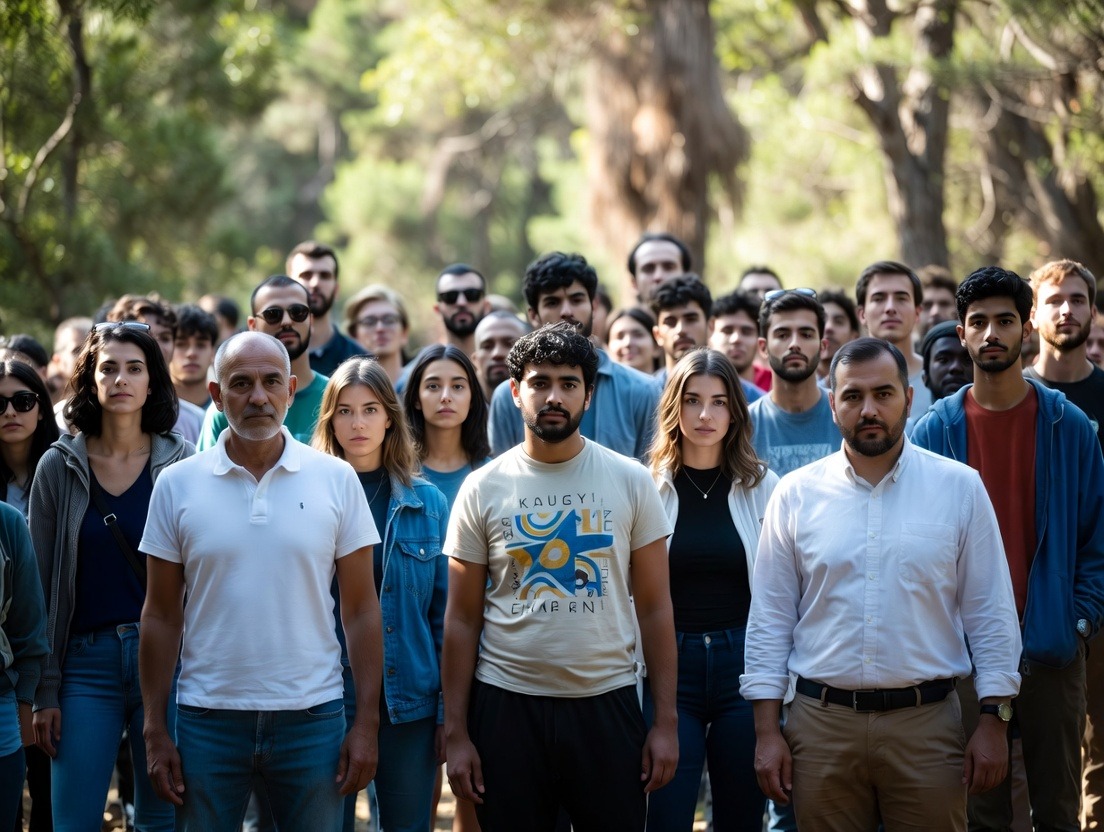
The first and most critical step in any lasting change is to redefine what success looks like. Society often paints transformation as a linear path: you start at Point A (unhealthy, stressed, unfit), you follow a strict plan, and you arrive at Point B (perfectly healthy, zen-like, fit), where you remain forever. This model is not only unrealistic, it’s fundamentally flawed. Life is not linear; it’s a series of cycles, seasons, and unexpected detours.
Sustainable transformation embraces this non-linearity. Think of it not as climbing a mountain to plant a flag at the peak, but as learning to navigate a varied landscape with skill and resilience. Some days you’re on a smooth path through a meadow (high energy, great habits). Other days you’re navigating a dense forest or a rocky climb (stress, illness, busy periods). The goal isn’t to eliminate the forests and rocks, but to become so adept at navigating that you can move through them without losing your way entirely.
This requires a shift from a fixed mindset to a growth mindset in the realm of wellness. A fixed mindset says, "I’m bad at sticking to routines," or "I have no willpower." It interprets a missed workout or a "bad" food choice as a permanent failure that defines you. A growth mindset says, "I’m learning what works for me," and "A setback is data, not destiny." It understands that skill in living well is built like any other skill—through practice, patience, and learning from missteps.
Key to this journey mindset is the concept of the "emotional set point," your baseline mood and reactivity. Lasting change is incredibly difficult if you’re constantly battling internal turbulence. Learning to recognize and gently adjust your emotional baseline is foundational. It’s hard to choose a salad over fast food when you’re emotionally depleted, or to go for a walk when you’re simmering with anxiety. By first cultivating a sense of internal equilibrium, you create the stable ground from which all other positive habits can grow. For a deeper dive into identifying your starting point, consider an emotional audit assessing your current balance level.
Sustainable transformation is also inherently personal. The Instagram influencer’s 5 AM routine or the celebrity’s extreme diet are not blueprints; they are case studies of what works for one person in a specific context. Your journey must be built on your values, your physiology, your schedule, and your joys. This guide provides principles and frameworks, but you are the expert on you. The most powerful tool you have is conscious self-observation, a practice that moves you from following rules to understanding your own rhythms.
If the journey mindset is your map, then micro-habits are your vehicle. Popularized by experts like James Clear and B.J. Fogg, the science of micro-habits is the antidote to the monumental, willpower-depleting resolutions we so often set and break. The principle is simple: make the new behavior so small, so easy, that it’s almost impossible to say no.
The logic is rooted in neuroscience. When you perform a behavior, neural pathways are formed. The more you repeat it, the stronger and more efficient these pathways become—this is the physical basis of habit. Large, daunting behaviors (e.g., "exercise for an hour daily") require massive energy to initiate, often triggering resistance. A micro-habit ("do two push-ups after brushing my teeth") requires minimal motivation, creates almost no friction, and, most importantly, gets you to take the action. The completion of that action releases a small hit of dopamine, the brain’s reward chemical, which positively reinforces the behavior and makes you slightly more likely to do it again.
The magic isn’t in the tiny action itself, but in the identity shift and the compound momentum it creates. Doing two push-ups doesn’t transform your physique. But being someone who never misses their two push-ups begins to rewire your self-concept from "someone who doesn’t exercise" to "someone who is consistent with fitness." That identity is the true engine of change. Furthermore, once the micro-habit is automatic, you can begin to naturally expand it—the "two push-ups" often becomes five, then ten, then a full routine, because you’ve already overcome the hardest part: starting.
How to Implement Micro-Habits:
This strategy aligns perfectly with the principle of mindful living for beginners: essential first 30 days, where starting small is the golden rule. By focusing on these almost effortless actions, you build the self-trust and neurological scaffolding that makes larger changes feel natural and achievable over time.
Your willpower is a finite resource, like a battery that depletes with every decision you make throughout the day—a phenomenon psychologists call "decision fatigue." Relying on it to constantly resist temptation or force difficult actions is a losing strategy. The most effective path to sustainable change is to stop fighting your environment and start shaping it so that the healthy choice is the default, easy choice.
Environmental design operates on a simple premise: we are profoundly influenced by the spaces, people, and objects that surround us. To change your behavior, change your context. This isn’t about brute-force control; it’s about intelligent architecture for your life.
1. Optimize Your Physical Space:
2. Curate Your Social Environment:
The people you spend time with create an invisible "social script" for behavior. You don’t need to abandon friends, but be mindful of their influence and proactively seek connection with those who embody habits you admire.
3. Leverage Technology as a Designed Ally:
This is where modern tools like smart rings and wellness apps transition from being passive trackers to active environmental designers. They can provide just-in-time cues and remove the friction of self-assessment.
By designing environments that make good choices effortless, you conserve your willpower for the truly unpredictable challenges of life. Your surroundings become a silent, consistent partner in your transformation.
If you prioritize only one thing from this entire guide, let it be sleep. Sleep is not passive downtime; it is an intense period of physiological and neurological restoration. It is the bedrock upon which every other aspect of health—mental clarity, emotional resilience, metabolic function, immune strength, and physical recovery—is built. You cannot sustainably transform your lifestyle if you are chronically under-slept. Period.
Poor sleep sabotages your efforts on every front:
Building Your Sustainable Sleep Sanctuary:
Forget drastic interventions. Sustainable sleep is built on consistency and ritual.
When you prioritize sleep, you are not being lazy. You are investing in the biological foundation that makes every other positive change easier, more effective, and more sustainable.
Nutrition is arguably the most emotionally charged and confusing aspect of wellness. It’s littered with extreme diets, fear-mongering, and conflicting information. Sustainable transformation requires leaving the diet mentality behind forever. Diets are, by nature, restrictive, temporary, and externally rule-based. They teach you to ignore your body’s signals in favor of a plan. What we’re cultivating is a flexible, intuitive, and nourishing relationship with food.
This approach rests on two pillars: Nutritional Foundation and Eating Awareness.
Pillar 1: Build a Simple, Sturdy Nutritional Foundation.
Think of this as your dietary "home base"—a simple, non-dogmatic framework that ensures you’re getting what your body needs to thrive, most of the time.
Pillar 2: Cultivate Eating Awareness (Mindful Eating).
This is where you rebuild trust with your body. Mindful eating is the practice of bringing full attention to the experience of eating—without judgment.
For a transformative exploration of this practice, delve into practicing mindful eating and why it changes everything. When you combine a solid nutritional foundation with non-judgmental awareness, food becomes a source of pleasure and nourishment, not anxiety or control.
For too many, exercise is a chore—a transaction of suffering endured for calories burned or a physique attained. This mindset makes movement unsustainable. The goal is to shift from "working out" to "moving your body" in ways that feel good, build vitality, and connect you to your physical self.
Sustainable movement is about consistency over intensity, and enjoyment over obligation. It’s about finding activities you don’t have to force yourself to do.
1. Redefine What "Counts":
Movement is not confined to a gym, a specific 60-minute slot, or high-intensity exertion. It is any activity that gets your body active.
2. Discover Your Movement Personality:
What did you enjoy as a child? Did you like dancing, swimming, hiking, or playing team sports? Reconnect with that spirit.
3. Listen to Your Body’s Signals:
Sustainable movement requires respecting your body’s need for both activity and rest. Some days you’ll feel energetic and strong; other days you’ll feel fatigued or sore. Learning to differentiate between "I don’t feel like it" (laziness) and "My body needs rest" (recovery) is crucial.
When movement becomes a source of joy, energy, and self-care rather than a punitive task, it seamlessly integrates into the fabric of your life. You move because it makes you feel alive, not because you have to.
A sustainable lifestyle is not just about physical habits; it is fundamentally an emotional and psychological undertaking. Stress, anxiety, unresolved emotions, and a lack of self-compassion are the silent saboteurs that can derail even the most perfectly designed nutrition and exercise plan. Therefore, building emotional resilience is not a "soft" add-on; it is the core operating system for your transformation.
Emotional resilience is your capacity to navigate stress, adversity, and emotional discomfort without being completely thrown off course. It’s the ability to bend without breaking, to feel difficult emotions without being controlled by them. This skill is built through daily practices, not innate talent.
1. Develop Your Observational Mind (Mindfulness):
Mindfulness is the foundational skill for emotional resilience. It is the practice of paying attention to the present moment—your thoughts, feelings, and bodily sensations—with curiosity and without judgment. It creates a space between a stimulus (e.g., a stressful email) and your reaction (e.g., panic, anger). In that space lies your power to choose a response.
2. Process, Don’t Suppress:
Wellness culture sometimes promotes a state of perpetual, artificial calm. But resilience isn’t about feeling happy all the time. It’s about having healthy channels to process the full spectrum of human emotion.
3. Practice Radical Self-Compassion:
This is the single most important attitude for sustainable change. Self-compassion, as defined by researcher Kristin Neff, involves treating yourself with the same kindness, concern, and support you’d show a good friend when they are struggling.
Developing this resilience is a long-term project of emotional balance: patience and progress. It equips you to handle the inevitable setbacks on your wellness journey not as failures, but as integral parts of the learning process itself.
In a culture that glorifies "hustle," rest is often seen as laziness or a reward for exhaustion. For sustainable transformation, we must flip this script. Rest is not the opposite of productivity or progress; it is an essential, active component of it. Strategic rest is what allows for adaptation, growth, creativity, and the prevention of burnout.
Think of your energy like a wave, with natural peaks of activity and troughs of rest. Forcing a constant peak is like trying to hold the wave at its crest—it’s exhausting and unsustainable. Sustainable living means learning to ride the wave, honoring both the rise and the fall.
1. Differentiate Types of Rest:
Rest is not monolithic. Dr. Saundra Dalton-Smith’s research outlines seven types of rest we need: physical, mental, emotional, sensory, creative, social, and spiritual. You can be sleeping 8 hours (physical rest) but still be deeply depleted if you’re emotionally drained or mentally overloaded.
2. Schedule "White Space":
Just as you schedule meetings and workouts, proactively schedule blocks of unscheduled, unstructured time. This is "white space" in your calendar for rest, reflection, or spontaneous activity. It acts as a buffer against the relentless pace of modern life and is a key tenet of mindful living in the digital age: technology balance strategies.
3. Leverage Technology for Recovery Insight:
Wearable technology can move rest from a vague concept to a measurable one. Key metrics include:
By observing these trends, you can make informed decisions. Seeing a low HRV score might prompt you to swap a planned intense workout for a gentle walk or a yoga session. It turns rest from a guilty pleasure into a data-informed strategy for long-term performance and health. This approach helps you understand the science behind building emotional stability: research-based architecture for long-term equilibrium at a physiological level.

The myth of the "self-made" individual is particularly damaging in wellness. We are social creatures wired for connection. Trying to transform your lifestyle in isolation is like trying to climb a mountain without a guide, gear, or base camp. A robust support ecosystem provides accountability, encouragement, shared wisdom, and a sense of belonging that makes the journey feel less daunting and more enjoyable.
Your ecosystem consists of people, communities, and tools that align with and reinforce your vision of sustainable health.
1. Identify Your Support Roles:
Not everyone in your life will fill the same role. Think of building a small, supportive "board of directors" for your well-being.
2. Engage with Communities:
Seek out groups, either in-person or online, centered around your interests. This could be a local hiking group, a virtual mindfulness meditation community, a sober-curious network, or a forum for people using similar wellness technology. Shared purpose is a powerful motivator.
3. Communicate Your Needs Clearly:
Support often fails not because people don’t care, but because they don’t know how to help. Use "I" statements to make clear requests.
This kind of clear communication is a form of self-care and a practical application of maintaining emotional balance in romantic relationships: independence and intimacy. It ensures your journey strengthens your relationships rather than creating conflict.
4. Let Technology Be a Connector, Not an Isolator:
Use your wellness tools to facilitate connection, not just self-absorption. Share a fun activity challenge with a friend long-distance. Compare sleep trends with your partner to create a better shared bedroom environment. Use the data as a conversation starter with your doctor or coach. When used intentionally, technology becomes a bridge in your support ecosystem.
In our quest for better health, technology presents both a remarkable opportunity and a potential pitfall. On one hand, wearables and apps provide unprecedented access to personal data. On the other, they can foster obsession, anxiety, and a disconnect from our body’s innate wisdom. The key to sustainable transformation is to use technology with intention—as a compassionate, insightful companion that informs, but does not dictate, your choices.
The goal is a synergistic partnership: your lived experience and intuition provide the qualitative story, while technology provides quantitative clues. One without the other is incomplete.
Principles for Intentional Tech Integration:
When used wisely, a smart ring or tracker becomes like a trusted coach who points out patterns you might miss, celebrates your consistency, and gently nudges you back when you veer off track—all while reminding you that you are the ultimate authority on your own well-being.
Here is the unavoidable truth: on the journey of sustainable transformation, you will encounter setbacks. You will have weeks where work is all-consuming and your routines fall apart. You will face holidays, travel, illness, and life events that disrupt your best-laid plans. You will also hit plateaus—those frustrating periods where, despite doing "everything right," the scale doesn’t move, your energy stalls, or your progress seems to halt.
These are not signs of failure. They are integral features of the journey. How you navigate them determines whether your transformation is truly sustainable or just another short-lived attempt.
Reframing the "Setback":
First, eliminate the word "failure" from your vocabulary. Replace it with "learning experience" or "data point." A setback is simply feedback from the complex system of your life. It’s telling you that something—your plan, your capacity, your circumstances—is out of alignment.
Strategies for the Plateau:
Plateaus are a sign that your body has adapted to your current stimulus. It’s time for a subtle shift, not a radical overhaul.
Navigating these phases with self-compassion and strategic flexibility is what separates a lifelong practice from a temporary fix. It is the ultimate expression of understanding that this is a long-term project of emotional balance: patience and progress. Every setback weathered and every plateau traversed makes you more resilient, adaptable, and wise in your self-care.
You have laid the groundwork. You understand the journey mindset, have begun building micro-habits, and have started to design environments that support you. You’re learning to prioritize sleep, nourish your body with awareness, move with joy, and cultivate emotional resilience. You’re building a support system and learning to use technology as an insightful companion, all while developing the grace to navigate inevitable setbacks.
This is where the magic of integration begins. Integration is the process where conscious effort transforms into unconscious competence. The habits you’ve been practicing start to feel less like items on a to-do list and more like natural expressions of who you are. Your sustainable lifestyle is no longer a project you’re working on; it becomes the very fabric of your daily existence. This section is about bridging that gap—moving from diligent practice to seamless living.
A sustainable lifestyle cannot be governed by a rigid, one-size-fits-all plan. Life is dynamic, and your needs change daily, weekly, and seasonally. What you need during a stressful work deadline differs from what you need on a relaxing vacation. The solution is not to abandon structure, but to create a personal blueprint—a flexible framework of guiding principles, non-negotiables, and adaptable routines that can bend without breaking.
Your blueprint is not a prison of rules; it’s a trellis that supports your growth in any condition.
1. Identify Your Non-Negotiables:
These are 1-3 foundational practices that you commit to under (almost) any circumstance. They are your anchors. For one person, this might be 7 hours of sleep and a 10-minute morning mindfulness session. For another, it could be a daily walk and eating vegetables with two meals. Choose what feels deeply nourishing and realistically unshakable. When life gets chaotic, you simplify back to just these things. They keep you connected to your commitment.
2. Create "Seasons" and "Cycles":
Acknowledge that your energy and focus ebb and flow. Design your blueprint with built-in variety.
3. Develop Decision-Making Frameworks:
Instead of deciding in the moment when willpower is low, create simple "if-then" rules.
4. Schedule Quarterly "Blueprints Reviews":
Every three months, set aside an hour to reflect. What’s working brilliantly? What feels like a drag? What has changed in your life (new job, different schedule, changing family needs)? Tweak your blueprint accordingly. This regular review ensures your lifestyle evolves with you, preventing it from becoming stale or misaligned.
If there is one skill that transforms disparate healthy habits into a cohesive, sustainable lifestyle, it is mindful awareness. Mindfulness is the thread that weaves together your sleep, nutrition, movement, and rest. It’s the practice of being present with your direct experience, which allows you to make choices aligned with your body’s true needs in the moment, not with old habits or external pressures.
As you progress, mindfulness moves from a seated practice to a lived reality—a quality of attention you bring to everything you do.
1. From Practice to Embodiment:
Beginner mindfulness often focuses on formal meditation. To integrate it, start infusing it into your established habits.
2. Using Awareness to Decode Your Body’s Signals:
Your body is constantly communicating. A mindful approach helps you become fluent in its language.
This deep self-knowledge is what makes your lifestyle truly self-directed and sustainable. You are no longer following a plan; you are having a conversation with your own biology. This is the essence of what is mindful living: beyond buzzword to real practice.
3. Embracing the "Full Catastrophe":
Mindfulness guru Jon Kabat-Zinn famously spoke of embracing "the full catastrophe" of life—the joys, sorrows, boredom, and chaos. Sustainable living isn’t about creating a perfect, stress-free bubble. It’s about developing the capacity to be present with life exactly as it is. When you can be mindful during a traffic jam, a difficult conversation, or while feeling anxious, you build resilience that no perfectly curated wellness routine can provide. This skill is vital for navigating emotional balance during hormonal transitions: pregnancy, menopause, andropause and other profound life changes.
Human beings are inherently social. Our well-being is deeply intertwined with the quality of our connections. A sustainable lifestyle that isolates you or creates constant conflict in your relationships is, by definition, not sustainable. Therefore, a crucial phase of integration is learning to harmonize your personal wellness journey with your social world.
This involves setting boundaries, communicating needs, and finding shared joy in healthy living.
1. The Art of the Healthy Boundary:
A boundary is not a wall; it’s a gate that you control. It’s a clear, compassionate statement of what you need to protect your energy and well-being.
2. Communicating Your "Why":
People are often more supportive when they understand your motivation. Instead of just saying "I can’t eat that," share the positive reason. "I’m eating more plants because it gives me so much energy for our hikes!" or "I’m trying to get to bed earlier because I want to be more patient and present with the kids." This frames your choices as additive to your relationships, not subtractive from social gatherings.
3. Creating Shared Wellness Experiences:
Transform your wellness from a solo pursuit into a bonding activity.
4. Navigating Unsupportive Environments:
Not everyone will understand or support your journey. For loved ones struggling with their own challenges, your changes might feel like judgment or create discomfort. In these cases, practice compassion without compromising your needs. You can learn strategies for supporting emotional balance in loved ones with mental illness, which often involves modeling stability without pressure. Sometimes, the most powerful thing you can do is quietly live your values, offering an open door rather than unsolicited advice.
Once you have a solid foundation and are practicing mindful awareness, your relationship with wellness technology can evolve. It moves from a basic tracking tool to a sophisticated system for advanced personalization and experimentation. You can use data not just to observe, but to consciously experiment and discover what uniquely works for your one-of-a-kind biology and lifestyle.
This is the era of becoming your own best wellness scientist.
1. Conducting N-of-1 Experiments:
The "N-of-1" experiment is the gold standard of personalization. You are the sole subject. You make one small, controlled change and observe the effects on your biometrics and subjective feelings.
2. Identifying Your Unique Stress Signatures:
Not all stress looks the same physiologically. By correlating your stress score (from your wearable) with your daily journal, you can identify your personal stress triggers and responses.
3. Optimizing Timing (Chronobiology):
Your body has optimal times for different activities based on its circadian rhythm. Data can help you find yours.
This advanced, curious use of technology demystifies your body’s responses and empowers you to make hyper-personalized choices. It’s a logical extension of understanding the science of mindful living: what happens to the brain over time, but applied to your unique physiology.
A common fear when embarking on a wellness journey is that focusing on self-care will detract from professional ambition and productivity. The integrated, sustainable lifestyle flips this narrative entirely. When done correctly, cultivating physical health, emotional resilience, and mindful awareness doesn’t make you less productive; it creates the foundational energy, clarity, and focus that make you more effective, creative, and resilient in your work and passions.
This is about moving from frantic "busyness" to sustainable, purposeful output.
1. Energy Management Over Time Management:
Traditional productivity focuses on managing hours. Sustainable productivity focuses on managing your energy, which fluctuates throughout the day.
2. The Focused Mind:
A mind cluttered by anxiety, distraction, and poor sleep is an inefficient mind. The practices you’ve built directly combat this.
3. Emotional Regulation as a Professional Skill:
The ability to remain calm under pressure, to communicate clearly in conflict, and to lead with empathy is a massive professional advantage. This is the emotional balance and work performance: the professional edge in action. The resilience you build through mindfulness and self-compassion allows you to receive feedback without crumbling, navigate office politics without being consumed by them, and maintain perspective during crises.
4. Setting Boundaries for Sustainable Output:
The "always-on" culture leads to burnout, not brilliance. Part of your integrated lifestyle is protecting your time for deep work and recovery. This means:
When your wellness practices fuel your purpose, the two become symbiotic. You work to live a fulfilling life, and you live a healthy life to do meaningful work.
A major barrier to sustainable lifestyle change is the perception that it is expensive—requiring organic groceries, gym memberships, wellness retreats, and the latest gadgets. This is a myth perpetuated by consumerism. True, foundational wellness is remarkably accessible and often free. Integrating sustainability means making choices that are good for your health and your wallet.
1. Prioritize the Priceless (and Free) Foundations:
The most powerful wellness levers cost nothing.
For a wealth of ideas, explore mindful living on a budget: free practices anyone can do.
2. Smart Spending on Nutrition:
Eating well does not require shopping at expensive boutique stores.
3. Strategic Investments:
When you do spend, think in terms of long-term value and necessity.
Financial stress is a significant source of anxiety. By building a wellness lifestyle that is financially sustainable, you remove a major obstacle and create a sense of empowerment and congruence in all areas of your life.
The field of wellness is not static. New research emerges, and your own body and life circumstances change. An integrated, sustainable lifestyle is maintained by adopting the mindset of a lifelong learner. This means staying curious, open-minded, and critically discerning—willing to update your practices based on new evidence and self-discovery, while also avoiding the whiplash of chasing every new trend.
1. Develop Scientific Literacy (Basics):
You don’t need a PhD, but cultivating a basic ability to evaluate health information is crucial.
2. Listen to the "Two Experts":
In your wellness journey, you are guided by two experts whose opinions must be reconciled.
The art of sustainable living lies in the dialogue between these two. You use external knowledge to generate hypotheses ("Intermittent fasting may improve metabolic health") and you use internal observation to test them ("When I try a 16:8 fast, I get shaky, irritable, and binge later. It’s not for me.").
3. Evolve Through Life Stages:
Your blueprint must be a living document. What served you in your 20s may not in your 40s. Pregnancy, menopause, andropause, career shifts, parenthood, and aging all require thoughtful adaptation. This is not starting over; it’s applying your core principles—mindful awareness, environmental design, self-compassion—to a new chapter. Resources on emotional balance during hormonal transitions can be invaluable during such times.
4. Share and Learn from Community:
Lifelong learning is social. Share what you’re learning with your support ecosystem. Be open to hearing what works for others (without feeling you must adopt it). Teaching a concept, like how to teach emotional balance skills to teenagers, deepens your own understanding.
By remaining a student of both science and yourself, you ensure that your lifestyle never becomes a rigid dogma, but a joyful, ever-evolving practice of self-care and discovery. This openness is the final safeguard against stagnation and the key to a lifetime of vibrant health.
Your Trusted Sleep Advocate: Sleep Foundation — https://www.sleepfoundation.org
Discover a digital archive of scholarly articles: NIH — https://www.ncbi.nlm.nih.gov/
39 million citations for biomedical literature :PubMed — https://pubmed.ncbi.nlm.nih.gov/
Experts at Harvard Health Publishing covering a variety of health topics — https://www.health.harvard.edu/blog/
Every life deserves world class care :Cleveland Clinic - https://my.clevelandclinic.org/health
Wearable technology and the future of predictive health monitoring :MIT Technology Review — https://www.technologyreview.com/
Dedicated to the well-being of all people and guided by science :World Health Organization — https://www.who.int/news-room/
Psychological science and knowledge to benefit society and improve lives. :APA — https://www.apa.org/monitor/
Cutting-edge insights on human longevity and peak performance:
Lifespan Research — https://www.lifespan.io/
Global authority on exercise physiology, sports performance, and human recovery:
American College of Sports Medicine — https://www.acsm.org/
Neuroscience-driven guidance for better focus, sleep, and mental clarity:
Stanford Human Performance Lab — https://humanperformance.stanford.edu/
Evidence-based psychology and mind–body wellness resources:
Mayo Clinic — https://www.mayoclinic.org/healthy-lifestyle/
Data-backed research on emotional wellbeing, stress biology, and resilience:
American Institute of Stress — https://www.stress.org/


