


The Complete Beginner-Friendly Guide to Travel Wellness Tips Across Climates
Travel wellness across different climates.
Travel wellness across different climates.
%402x.svg)
There’s something undeniably alluring about the idea of travel—the promise of adventure, the whisper of distant horizons, the taste of unfamiliar cuisines, and the thrill of stepping outside your comfort zone. Whether you’re jetting off to a sun-drenched tropical paradise, bundling up for an Arctic escape, navigating the humid chaos of a Southeast Asian metropolis, or hiking through the crisp, thin air of mountain altitudes, travel reshapes us. It broadens our perspectives, creates lasting memories, and often provides the reset button our overworked minds desperately need. But here’s the paradox that every seasoned traveler knows all too well: while travel feeds the soul, it can sometimes wreak havoc on the body.
The romance of travel often glosses over the physiological reality. The human body is a creature of habit, finely tuned to its home environment—your specific time zone, your usual diet, your regular sleep schedule, and the familiar climate you inhabit day after day. When you disrupt those patterns, your body notices. It notices the recycled, dry air of a pressurized cabin at 35,000 feet. It notices the sudden blast of humid heat as you step onto the tarmac in Bangkok. It notices the dry, cold air of a mountain lodge that leaves your skin feeling like parchment. It notices the late dinners, the extra glass of wine, the unfamiliar bedding, and the constant low-grade stimulation of navigating the unknown.
This physiological stress response is real, and if left unchecked, it can turn your dream vacation into a recovery mission. You know the feeling: you return home from a trip you spent months planning and thousands of dollars funding, only to feel utterly drained, battling a cold, and desperately needing a vacation from your vacation. This phenomenon is so common that it has its own informal name: "post-vacation syndrome" or "travel burnout." It doesn't have to be this way.
Welcome to The Complete Beginner-Friendly Guide to Travel Wellness Tips Across Climates. This guide is designed to be your essential companion for maintaining your vitality, energy, and well-being no matter where in the world you find yourself. We’re not just talking about remembering to pack your toothbrush or wearing sunscreen—though those are important. We’re diving deep into the science and strategy of keeping your body’s systems in balance while you’re out exploring the world.
Think of this guide as your personal wellness manual for the road. We will explore how different climates—from arid deserts to humid coastlines, from high altitudes to cold-weather destinations—uniquely challenge your body. More importantly, we will arm you with practical, actionable, and beginner-friendly strategies to not just survive these challenges, but to thrive. You’ll learn how to anchor your routine amidst chaos, how to listen to the subtle signals your body sends when it’s under stress, and how to leverage modern tools to stay ahead of fatigue.
One of the most powerful shifts in modern wellness is the move toward personalization and data. In the past, travel wellness advice was generic: "drink water" and "get sleep." While those pillars remain, we now have the ability to understand our individual responses to travel with unprecedented clarity. By paying attention to your body’s metrics—things like heart rate variability, recovery scores, and sleep quality—you can see in real-time how a long flight or a day in the desert sun truly impacts you. This isn’t about obsessing over numbers; it’s about gaining insights that allow you to make smarter decisions. For instance, you might learn how your wellness ring detects early fatigue signals before you feel them, giving you the power to intervene with a nap or a hydration break long before you crash.
This guide is structured to take you on a journey. We’ll start with the universal non-negotiables—the habits that form the bedrock of travel wellness regardless of your destination. Then, we’ll venture into the specifics, dedicating deep dives to each major climate type. You’ll learn the unique stressors of tropical heat, the hidden dangers of cold-weather travel, the altitude adjustment required for mountain adventures, the aridity of desert and urban environments, and the specific challenges of long-haul flights. We’ll also tackle the mental and emotional aspects of travel, which are just as crucial as the physical ones. Finally, we’ll look at how to integrate all these lessons so that you return home feeling enriched and energized, not depleted.
Whether you’re a digital nomad constantly on the move, a family vacationer looking to keep everyone healthy, or an adventure seeker pushing your physical limits, this guide is for you. Pack your bags, grab your water bottle, and let’s embark on the journey to mastering travel wellness. Your body will thank you, and your future travels will be infinitely more enjoyable.

The most critical phase of any journey isn't the trip itself; it's what you do in the days and weeks leading up to it. Think of your body as a high-performance vehicle. You wouldn't embark on a cross-country road trip without checking the oil, inflating the tires, and filling the gas tank. Yet, millions of travelers board planes every day running on empty, both literally and metaphorically. Pre-trip preparation is your opportunity to build a physiological buffer, a reserve of wellness that will protect you when your routines are disrupted and your body is stressed by new environments. Neglecting this phase is like starting a marathon already winded.
The first and most fundamental pillar of preparation is sleep. In our always-on culture, sleep is often the first thing we sacrifice in the chaos of packing and tying up loose ends at work. We adopt a "I'll sleep when I'm on vacation" mentality, or we pull an "all-nighter" to finish projects before we leave. This is a catastrophic mistake. Arriving at your destination already sleep-deprived is the fastest way to guarantee jet lag will hit you like a ton of bricks, your immune system will be compromised, and your patience will be razor-thin. Your goal should be to arrive well-rested. In the week leading up to your trip, prioritize sleep hygiene. Go to bed 15-30 minutes earlier than usual. Create a dark, cool, and quiet sleep environment. Avoid screens for an hour before bed. This isn't just about quantity; it's about quality. By building up a sleep surplus, you give yourself a cushion. When you inevitably lose a few hours of sleep on a redeye flight or due to excitement in a new time zone, your body has reserves to draw upon. You can explore our complete guide to sleep-based fatigue prevention for more strategies on optimizing this critical pillar.
Next, consider your nutrition and hydration. Are you fueling your body with the building blocks it needs to handle stress, or are you loading up on processed foods and sugar because the refrigerator needs to be emptied? In the days before you travel, focus on anti-inflammatory, nutrient-dense foods. Load up on colorful vegetables, lean proteins, healthy fats like avocados and nuts, and complex carbohydrates. This is also the time to significantly increase your water intake. Proper hydration is the single most important factor in mitigating the effects of dry airplane air and helping your body adapt to new climates. Aim for half your body weight in ounces of water per day in the 48 hours before you fly. Cut back on alcohol and caffeine, both of which are diuretics that will dehydrate you further. Think of it as pre-hydrating your cells for the arid conditions of the plane or the dehydrating effects of sun and wind at your destination. Paying attention to specific nutrients can also build that buffer. For instance, ensuring you have adequate levels of key vitamins and minerals can support your energy production systems. You might find it valuable to read our beginner-friendly guide to magnesium for natural energy, as this mineral plays a crucial role in muscle relaxation, nerve function, and sleep quality.
Another often-overlooked aspect of preparation is managing your stress levels. The days leading up to a trip can be some of the most stressful of the year. There are work deadlines to meet, pet sitters to arrange, houses to clean, and bags to pack. This cortisol-fueled frenzy is the opposite of what your body needs. It primes your nervous system for fight-or-flight mode, which is the exact state you want to avoid when you're about to enter the controlled chaos of an airport. Intentionally schedule downtime. Delegate tasks where possible. Pack a few days early to avoid the last-minute panic. Incorporate calming activities into your routine, such as gentle yoga, meditation, or a walk in nature. This mental preparation is just as important as the physical. When you step onto the plane with a calm mind, your nervous system is better equipped to handle the inevitable delays, crowds, and discomforts of travel.
Finally, let's talk about movement. In the week before your trip, this is not the time to try a grueling new workout or set a personal record at the gym. Intense exercise creates acute stress and inflammation in the body. While this is normally a good thing (as it leads to adaptation and strength), adding it on top of the stress of travel preparation can tip you over the edge into a state of overtraining and exhaustion. Instead, focus on gentle, restorative movement. Think long walks, light stretching, and yoga flows. This keeps your blood flowing, your muscles loose, and your mind clear without adding to your physiological load. You can discover how stretching serves as a powerful natural energy booster in our dedicated guide. This practice will help you board the plane feeling flexible, relaxed, and ready for anything.
For many, the journey itself is the most challenging part of travel. Being crammed into a metal tube hurtling through the upper atmosphere presents a unique set of environmental stressors that you simply don't encounter on solid ground. The air pressure is lower, the humidity is lower than in most deserts, you're sitting for hours in a cramped position, and you're surrounded by dozens of other people, each potentially carrying a cocktail of germs. Mastering the art of in-flight wellness is your first real test, and passing it sets the tone for your entire trip.
The number one enemy on an airplane is dehydration. The humidity in an airplane cabin typically hovers around 10-20%. For perspective, the average home humidity is between 30-50%, and the Sahara Desert averages around 25%. You are essentially sitting in a flying desert. This dry air wreaks havoc on your respiratory system, drying out the mucous membranes in your nose and throat, which are your body's first line of defense against pathogens. It also dehydrates your skin, leaving it feeling tight and tired, and thickens your blood, which can increase the risk of deep vein thrombosis (DVT). Your mission, should you choose to accept it, is to combat this aridity relentlessly. Drink water constantly. Bring an empty, large (32 oz or larger) reusable water bottle through security and fill it at a fountain before you board. Don't rely on the tiny cups of water the flight attendants bring around. Aim to drink about 8 ounces of water for every hour you're in the air. Avoid alcohol and caffeine entirely during the flight. That glass of wine might seem relaxing, but it's a potent diuretic that will accelerate dehydration and severely disrupt your sleep quality, making jet lag worse. If you need a warm beverage, opt for herbal tea.
Beyond internal hydration, you need to fortify your external barriers. Bring a high-quality saline nasal spray and use it every hour or two to keep your nasal passages moist. This helps your immune system function properly. Apply a thick, moisturizing cream or facial oil to your skin before and during the flight to create a barrier against the dry air. Lip balm is non-negotiable. Wear comfortable, loose-fitting, breathable clothing made from natural fibers like cotton or merino wool. Dress in layers, as cabin temperatures can fluctuate wildly. Compression socks are not just for the elderly or those with circulation problems; they are a game-changer for anyone. They gently squeeze your legs, promoting blood flow and significantly reducing the risk of DVT and the swelling in your feet and ankles that can make you feel sluggish for days after you land.
Movement is your second weapon against the physical toll of flying. Sitting immobile for hours allows blood to pool in your legs and your muscles to stiffen. Make a conscious effort to move. Every 30-60 minutes, get up and walk the length of the cabin, even if it's just to the lavatory and back. While seated, perform simple exercises: circle your ankles, point and flex your feet, do seated knee raises, and gently twist your torso from side to side. These movements act as a pump for your lymphatic system and your veins, keeping everything flowing. This constant micro-movement is a powerful form of fatigue prevention that your body will thank you for, as it directly combats the stagnation that leads to post-flight exhaustion and stiffness.
Finally, protect your senses. Bring a high-quality pair of noise-canceling headphones. The constant drone of the engines is a form of auditory stress that fatigues your brain. Canceling it out creates a sense of calm. Bring an eye mask to block out the cabin lights and earplugs to ensure silence when you want to sleep. Set your watch to your destination's time zone as soon as you board and start trying to align your behavior with it. If it's nighttime at your destination, try to sleep, even if you don't feel tired. If it's daytime, stay awake. This psychological shift, combined with hydration and movement, is the most effective strategy for minimizing the misery of jet lag.
Stepping off a plane into a tropical climate is a sensory overload in the best possible way. The warm, heavy air wraps around you, carrying the scent of frangipani, salt, and sun-baked earth. It signals relaxation, adventure, and escape. But this beautiful environment is also a physiological challenge. High heat and humidity force your body to work overtime to maintain a safe core temperature. Understanding this process is the key to thriving, not just wilting, in the tropics.
Your body’s primary cooling mechanism is sweating. As sweat evaporates from your skin, it carries heat away with it. However, humidity is the enemy of evaporation. When the air is already saturated with moisture, sweat has nowhere to go. It simply pools on your skin, failing to cool you down effectively. This means your body continues to produce sweat, leading to a massive loss of fluids and crucial electrolytes like sodium, potassium, and magnesium. If you only replace the water and not the electrolytes, you can actually make things worse, leading to a dangerous condition called hyponatremia (low blood sodium). Your goal, therefore, is twofold: stay cool and stay chemically balanced.
Hydration in the tropics requires a different strategy than in other climates. You need to drink water constantly, but you also need to replenish electrolytes. This doesn't necessarily mean sugary sports drinks. Coconut water is nature's perfect electrolyte beverage, rich in potassium. You can also add electrolyte tablets or powders to your water. Eating hydrating, electrolyte-rich foods is just as important. Think watermelon, pineapple, oranges, cucumbers, and celery. These provide fluids along with essential minerals and natural sugars for energy. Pay attention to the color of your urine; pale yellow is the goal. Dark yellow or amber is a clear sign you're falling behind. Be mindful of alcohol intake, especially sugary cocktails by the pool. They dehydrate you and add empty calories that can make you feel lethargic in the heat.
Your activity timing is another critical lever. The sun is most intense between 10 a.m. and 4 p.m. This is not the time for a long hike, a beach run, or extended sightseeing without shade. Embrace the local custom of the siesta. Use the hottest part of the day to seek air conditioning, read a book in the shade, take a dip in the water, or enjoy a long, leisurely lunch. Schedule your most physically demanding activities for the early morning or late afternoon, when the sun's angle is lower and the temperature is more forgiving. This simple adjustment can be the difference between a day full of energy and a day spent recovering from heat exhaustion in your hotel room.
Listen to the early warning signs of heat stress. Headache, dizziness, muscle cramps, nausea, and unusual fatigue are not just part of the tropical experience; they are your body's distress signals. If you feel any of these, you must stop what you're doing immediately, get to a cool or shaded area, and rehydrate with water and electrolytes. Pushing through is dangerous. Your wellness can be a valuable guide here. By tracking your physiological data, you can often see the impact of heat and exertion before you consciously feel it. For example, you might notice a dip in your HRV or a change in your skin temperature, signaling that your body is under significant strain. This allows you to use your wellness ring to validate traditional natural energy remedies and cooling strategies, like seeking shade and resting, confirming they are exactly what your body needs.
Finally, protect your skin religiously. The tropical sun is intense and its rays reflect off water and sand, increasing your exposure. Use a broad-spectrum, water-resistant sunscreen with an SPF of at least 30, and reapply it every two hours, or more often if you're swimming or sweating. Wear a wide-brimmed hat and UV-protective sunglasses. Your skin is your body's largest organ, and a sunburn is a major physiological stressor that diverts huge amounts of energy and fluid toward healing, leaving you feeling drained and compromising your immune system. Don't let a sunburn be the souvenir you bring home.
From the sweltering heat, we now journey to the opposite extreme. Traveling to a cold climate—whether for a ski trip in the Alps, a winter city break in Scandinavia, or an expedition to see the Northern Lights—presents a completely different set of challenges. While you don't have to worry about overheating, the cold attacks your body in insidious ways, demanding immense amounts of energy just to maintain its core temperature. The key to thriving in the cold is preparation, layering, and understanding how to fuel the internal furnace.
Your body's primary goal in a cold environment is thermoregulation. It shunts blood flow away from your extremities (fingers, toes, nose, ears) to your vital core to keep your heart, lungs, and other organs warm. This is why your fingers and toes get cold first. This process consumes a significant amount of energy. In fact, simply staying warm in freezing temperatures can dramatically increase your basal metabolic rate. This means you are burning far more calories than you would at home, even if you're just standing still. You need to fuel this furnace adequately.
Nutrition in the cold is about strategic calorie intake. This is not the time for a restrictive diet. Your body needs high-quality energy to generate heat. Focus on meals and snacks that combine complex carbohydrates for sustained energy, healthy fats for long-burning fuel, and adequate protein for repair. Think hearty oatmeal with nuts and berries for breakfast, soups and stews for lunch and dinner, and snacks like trail mix, energy bars, or dark chocolate. Don't skip meals. Your body needs a constant supply of fuel to keep its internal heating system running efficiently. Also, hydration remains critically important, even though you may not feel thirsty. Cold air is dry, and you lose significant moisture through your breath (you can see it as vapor). This can lead to dehydration just as surely as sweating in the tropics. Drink water regularly, and consider warm herbal teas or broths, which have the added benefit of helping to warm you from the inside out.
The single most important skill for cold-weather travel is learning how to dress properly, and it all comes down to the principle of layering. Avoid thick, bulky cotton sweaters. The goal is to create a system of three layers:
This system allows you to constantly adjust to your activity level. If you're hiking uphill and working up a sweat, you can remove the mid-layer to prevent overheating and getting your base layer wet. When you stop for a rest or the wind picks up, you can put it back on. Don't forget your extremities. A significant amount of heat is lost through your head and neck, so a warm hat and a neck gaiter or scarf are essential. Insulated, waterproof gloves and warm, waterproof boots with good traction are non-negotiable. Frostbite can occur in minutes on exposed skin in extreme cold and wind.
Finally, be aware of the signs of cold stress. Uncontrollable shivering is the first major warning sign that your body is losing the battle to stay warm. Confusion, slurred speech, and extreme fatigue are signs of hypothermia and require immediate emergency action. By paying close attention to your body's signals and dressing intelligently, you can safely enjoy the stunning beauty and unique experiences that only cold climates can offer. The stillness of a snow-covered forest or the dance of the aurora in a clear, cold sky is worth every layer.

For many, the ultimate travel adventure involves going up—way up. Whether you're trekking to Everest Base Camp, visiting the ancient city of Machu Picchu, or simply skiing at a high-altitude resort like Breckenridge or Whistler, the change in elevation presents one of the most significant physiological challenges a traveler can face. The issue isn't the cold (though it often accompanies altitude); it's the air pressure and, most critically, the oxygen availability. As you gain elevation, the barometric pressure drops, meaning each breath you take contains fewer oxygen molecules. Your body must work incredibly hard to get the oxygen it needs, and this struggle manifests as Acute Mountain Sickness (AMS), commonly known as altitude sickness.
The effects of altitude can begin as low as 8,000 feet (2,500 meters) above sea level. Symptoms of AMS can range from mild to life-threatening and include headache, nausea, loss of appetite, fatigue, dizziness, and trouble sleeping. The golden rule of high-altitude travel is simple: acclimatization cannot be rushed. Your body needs time to adapt by producing more red blood cells to carry oxygen and by increasing your respiration rate. Pushing too high, too fast, is a recipe for disaster.
Your ascent strategy is everything. The most important piece of advice is to follow the mountaineer's mantra: "Climb high, sleep low." This means you should gradually increase your sleeping altitude. A common and safe guideline is to not increase your sleeping altitude by more than 1,000 feet (300 meters) per day once you are above 10,000 feet (3,000 meters). Furthermore, for every 3,000 feet (1,000 meters) of elevation gain, you should plan an extra day for acclimatization, where you do not ascend to a higher sleeping altitude. This might mean spending two nights at the same lodge or town, even if you feel fine. Patience is not just a virtue; it's a safety requirement.
Hydration becomes even more critical at altitude. The air is incredibly dry, and you lose more water through the simple act of breathing faster and deeper. Dehydration exacerbates the symptoms of AMS. You should be aiming to drink 3-4 liters of water per day. Avoid alcohol and caffeine entirely for the first 48 hours, as they are diuretics and can disrupt your sleep, which is when your body does its best acclimatizing work. Nutrition is also key, even if you don't feel like eating. AMS often suppresses appetite, but you need fuel. Focus on high-carbohydrate foods, as they require less oxygen to metabolize than fats and provide quick energy. Think pasta, rice, potatoes, bread, and fruits.
Listen to your body with extreme prejudice. A mild headache is common and can often be managed with rest, hydration, and over-the-counter pain relief (avoid anything that contains a diuretic). However, if your headache is severe and doesn't respond to medication, or if you experience vomiting, loss of coordination (ataxia), confusion, or shortness of breath even at rest, these are signs of more severe, life-threatening forms of altitude sickness (HACE or HAPE). The only cure for severe AMS is immediate descent. Do not wait to "see if it gets better." Descend even just 1,000-2,000 feet, and you will likely feel dramatic improvement. Modern wellness tools can be incredibly insightful here. Your body's physiological stress is measurable. A significant drop in your HRV or a spike in your heart rate while at rest can be an early indicator that your body is struggling to adapt. Learning how your wellness ring shows when you're heading toward fatigue at sea level is valuable, but at altitude, it becomes a potential life-saving tool, providing objective data that can prompt you to rest or descend before symptoms become critical.
The desert is a land of extremes—scorching days, freezing nights, and an overarching, pervasive dryness. Whether you're exploring the red rocks of Utah, the dunes of the Sahara, or the ancient cities of the Middle East, the arid climate presents a singular, overarching threat: desiccation. The air is so dry that moisture is pulled from your body constantly, through your skin and every breath you take. The primary wellness challenge in the desert is a relentless battle against water loss, compounded by the need to protect yourself from intense solar radiation and dramatic temperature swings.
We've talked about dehydration in other climates, but in the desert, it is the main event. You can become dangerously dehydrated in a matter of hours without even realizing you're sweating, because sweat evaporates instantly. By the time you feel thirsty, you may already be significantly dehydrated. Your water intake must be proactive and disciplined. Aim for a minimum of one liter of water for every two hours of moderate activity in the heat. Carry more water than you think you'll need. Just like in the tropics, you must also think about electrolytes. When you sweat in the desert, you lose vital salts. Replenishing them is crucial to prevent muscle cramps, headaches, and fatigue. Salty snacks, electrolyte tablets, and rehydration solutions are your best friends.
Protection from the sun is not optional; it is mandatory. The sun in arid environments is often unrelenting, with little cloud cover and significant reflection off sand and rock. This leads to rapid sunburn and long-term skin damage. The same principles from the tropics apply, but with even more urgency. Wear high-SPF, broad-spectrum sunscreen and reapply it diligently. Cover up with lightweight, loose-fitting, light-colored clothing that breathes (like linen or specially designed sun-protective fabrics) but covers your arms and legs. A wide-brimmed hat that shades your face, ears, and neck is essential. Good sunglasses are non-negotiable to protect your eyes from the intense glare.
The desert's dramatic temperature swing from day to night is another factor to prepare for. A place that is 100°F (38°C) during the day can easily drop to 50°F (10°C) or lower at night. If you're not prepared, you can find yourself shivering in a t-shirt just hours after seeking refuge from the heat. The solution is the layering principle we discussed for cold climates. You need to have easy access to warm layers—a fleece or puffy jacket, a hat, and gloves—that you can put on as soon as the sun goes down. This allows you to be comfortable and safe throughout the full 24-hour cycle.
Finally, be aware of the signs of heat-related illnesses, which can come on rapidly in this environment. Heat exhaustion is characterized by heavy sweating, weakness, cold and clammy skin, a fast but weak pulse, and nausea. Heatstroke, a medical emergency, is marked by a high body temperature (above 103°F/39.4°C), hot and dry skin (sweating may have stopped), a rapid and strong pulse, and confusion or loss of consciousness. If you or anyone in your group shows signs of heatstroke, you must seek immediate emergency medical attention and begin cooling measures (moving to shade, removing excess clothing, applying cool water or ice packs) without delay. By respecting the environment and preparing meticulously, you can safely experience the profound silence, staggering beauty, and incredible clarity of the desert.
Not all travel involves a single, dominant climate. Many of the world's most popular destinations fall into the "temperate" category, characterized by four distinct seasons. Think of cities like New York, London, Tokyo, or Cape Town. While these places lack the extreme physiological stressors of a desert or high-altitude environment, they present a different kind of challenge: variability. You might wake up to a crisp, cool morning, experience a warm, sunny afternoon, and face a chilly, rainy evening—all in the same day. The key to wellness in these climates is adaptability and a strategy for managing the unpredictable.
The primary tool for thriving in a variable climate is, once again, the strategic use of layers. However, the goal here is less about survival and more about constant, minute-by-minute comfort. The "onion" method of dressing—multiple thin layers you can easily add or remove—is your ultimate strategy. Your base layer should be comfortable and perhaps moisture-wicking if you plan to be active. Your mid-layer could be a stylish button-down shirt, a light sweater, or a fleece. Your outer layer is the most important: a versatile, packable, waterproof and windproof jacket. This shell is your shield against sudden showers and gusty winds. With this system, you can step out in the morning chill with all layers on, shed the jacket and sweater as the sun warms the afternoon, and throw the waterproof shell back on if a sudden cloudburst rolls through.
Footwear is another critical consideration. Wet, cold feet can ruin a day of sightseeing in minutes. Your shoes need to be versatile enough for hours of walking and resilient enough to handle unexpected puddles or damp grass. Water-resistant walking shoes or light hiking boots are often a better choice than fashion-forward but impractical footwear. If your primary shoes aren't waterproof, consider packing a pair of lightweight, packable waterproof overshoes or simply accept that you may need to take "puddle breaks" and allow your feet and socks to dry.
This variability also extends to your daily planning. Unlike a beach vacation where your schedule might revolve around the sun, exploring a temperate city requires a more flexible mindset. If the forecast (which you should check obsessively) predicts rain in the afternoon, plan your outdoor activities for the morning and schedule museum visits, indoor markets, or cozy café stops for the rainy period. Being rigid with your itinerary is a recipe for frustration. The ability to pivot and adapt your plans to the whims of the weather is a superpower in these destinations.
Finally, pay attention to your immune system. Temperate climates are often where colds and flus thrive, especially during the shoulder seasons of spring and fall when temperatures fluctuate wildly. One day you're warm, the next you're chilled to the bone. This puts stress on your body and can temporarily suppress your immune function. Combine that with the close proximity to other travelers on public transport and in attractions, and you have a recipe for getting sick. Be extra vigilant about hand hygiene. Carry hand sanitizer and use it frequently. Get plenty of rest, especially if you feel a sniffle coming on. Don't underestimate the power of vitamin C and zinc-rich foods. By being adaptable in your clothing, your schedule, and your self-care, you can navigate the charming unpredictability of temperate climates with ease and grace. This constant adjustment is a form of fatigue prevention that keeps your body from being overwhelmed by environmental stressors.

Travel isn't just about nature; it's often about the electric energy of the world's great cities. From the neon-lit streets of Tokyo's Shibuya crossing to the historic boulevards of Paris, the organized chaos of Manhattan, or the vibrant markets of Mexico City, urban environments offer a different kind of climate—a human-made one. The challenges here aren't just about temperature and humidity; they are about sensory overload, air quality, noise pollution, and the constant demand on your cognitive and emotional resources. Thriving in the urban jungle requires a strategy for managing this unique form of stress.
The first and most insidious challenge in many of the world's great cities is air quality. Whether it's vehicle exhaust, industrial emissions, or simply high levels of particulate matter, the air you breathe in a metropolis can be a significant physiological stressor. Poor air quality can irritate your lungs, trigger allergies, contribute to fatigue, and over time, has serious health consequences. While you can't control the city's air, you can control your exposure. Many weather apps now include air quality index (AQI) data. Check it daily. If the AQI is high, consider limiting strenuous outdoor activities like running or long bike rides. A high-quality, well-fitted N95 or KN95 mask can be a useful tool for days when the air is particularly bad or when you're on crowded public transport. At the end of the day, a quick rinse in the shower can wash pollutants from your skin and hair.
The second major stressor is sensory overload. Cities are designed to grab your attention—with honking horns, flashing billboards, dense crowds, and a million things happening at once. Your brain is constantly processing this information, a state of low-grade vigilance that is mentally exhausting. This is known as cognitive or sensory fatigue. To combat this, you must intentionally create oases of calm in your day. Seek out pockets of quiet: a tranquil garden or park, a library, a quiet café away from the main thoroughfares, or even the serene atmosphere of a historic church or temple. These spaces act as a reset button for your overstimulated brain.
Noise pollution is a constant companion in cities. Even when you retreat to your hotel, you might be subjected to street noise, sirens, or thin walls. Chronic noise exposure, even at low levels, elevates stress hormones and disrupts sleep. Your defenses are simple but essential: a high-quality pair of noise-canceling headphones or earbuds is a must-have for urban exploration. Use them on the subway, while walking down busy streets, and in your hotel room to create a bubble of relative quiet. For sleeping, pack a pair of comfortable, high-fidelity earplugs. They can be the difference between a restful night and a fragmented, exhausting one.
Finally, the sheer amount of walking in a city can take a toll on your body if you're not prepared. You will likely walk far more than you do in your daily life, often on hard concrete or asphalt. This impacts your feet, knees, and hips. Footwear is paramount. Your shoes must be broken in well before your trip and provide excellent support. Don't sacrifice comfort for fashion if you plan to be on your feet all day. At the end of the day, elevate your legs for 15-20 minutes to reduce swelling and promote circulation. A simple self-massage of your feet and calves can work wonders. By proactively managing these urban-specific stressors, you can harness the incredible energy of a great city without being drained by it. Paying attention to your body's signals of mental and emotional fatigue becomes even more crucial in this environment.
If there is one universal, non-negotiable pillar of travel wellness that transcends all climates and all destinations, it is sleep. We've touched on it in nearly every section, and for good reason. Sleep is the body's primary maintenance and recovery period. It's when your brain clears out metabolic waste, your muscles repair, your immune system fortifies itself, and your memories of the day's adventures are consolidated and stored. When you compromise sleep, you compromise everything—your energy, your mood, your immunity, and your ability to handle stress. Yet, travel is famously hostile to good sleep. Strange beds, unfamiliar noises, light pollution, disrupted schedules, and the lingering anxiety of being away from home all conspire against it. Mastering the art of sleep anywhere is perhaps the most valuable skill a traveler can possess.
Your first line of defense is to create a portable sleep sanctuary. You cannot control the hotel mattress or the thinness of the walls, but you can control your immediate sleep environment. The most important tool in your arsenal is a high-quality sleep mask. Complete darkness is a powerful signal to your brain to produce melatonin, the sleep hormone. A good mask will block out the sliver of light under the door, the blinking standby light on the TV, and the early morning sun. The second essential tool is earplugs. Whether it's traffic noise, a noisy neighbor, or a hotel ice machine down the hall, earplugs provide the silence your brain needs to power down. For those who find earplugs uncomfortable or insufficient, a white noise machine or app on your phone can be a game-changer, creating a consistent, soothing sound that masks disruptive noises.
Establishing a pre-sleep ritual is another powerful strategy. Your brain craves routine, and a ritual signals that it's time to wind down, regardless of where in the world you are. This ritual should be portable and simple. It might involve a series of gentle stretches, a few minutes of deep breathing (like the 4-7-8 technique), reading a few pages of a physical book (not a screen), or writing in a journal about the day's experiences. Avoid screens—phones, tablets, laptops—for at least 30-60 minutes before you intend to sleep. The blue light they emit suppresses melatonin production and keeps your brain in an active, alert state. If you must use your phone, switch it to night mode to reduce blue light.
Temperature and comfort are critical. Your body's core temperature needs to drop slightly to initiate and maintain sleep. Most hotel rooms are kept too warm for optimal sleep. Don't be afraid to turn down the thermostat or open a window (if it's safe and quiet) to create a cool, comfortable sleeping environment. If you're sensitive to different pillows, consider bringing your own travel pillow or a pillowcase with a familiar scent. The scent of home can be incredibly grounding and comforting in a strange bed.
Finally, be strategic about your exposure to light, especially when dealing with jet lag. This is known as chronotherapy. In the morning, seek out bright, natural light as soon as possible. This signals to your brain that the day has started and helps reset your circadian clock to the new time zone. In the evening, dim the lights and avoid bright screens. By managing light exposure, you are directly manipulating your body's master clock. The data from your wearable can be incredibly insightful here, showing you exactly how much deep and REM sleep you're getting in this new environment. You can use this feedback to refine your routine, learning, for example, that a particular type of earplug or a specific pre-sleep ritual correlates with a better sleep score and improved recovery metrics.
Food is one of the great joys of travel. It's a gateway to culture, a sensory experience, and often the centerpiece of our most cherished travel memories. From savoring street tacos in Mexico City to indulging in a multi-course tasting menu in Paris or grabbing a fresh seafood lunch on a Greek island, what we eat is inextricably linked to where we are. However, the disruption of routine, the constant exposure to new cuisines, and the temptation to throw caution to the wind can wreak havoc on your digestive system and your energy levels. The challenge of travel nutrition is finding the sweet spot between cultural immersion and physiological sanity—enjoying the local flavors without sacrificing your wellness.
The first principle of travel nutrition is to abandon the all-or-nothing mindset. Too many travelers adopt a "vacation mode" mentality where all rules are off. They eat whatever they want, whenever they want, often consuming far more processed food, sugar, and alcohol than their bodies are used to. By the end of the trip, they feel bloated, lethargic, and mentally foggy. On the flip side, some travelers become overly restrictive, stressing about every meal and missing out on the cultural experience. The goal is balance. Aim for the 80/20 rule: 80% of the time, make choices that serve your body's needs, and 20% of the time, indulge freely in the unique culinary experiences your destination offers. This approach allows you to enjoy a authentic gelato in Rome without guilt, while also ensuring you're not surviving on pastries and coffee alone.
Your digestive system is surprisingly sensitive to change. New cuisines mean new combinations of fats, spices, and fibers that your gut microbiome may not be accustomed to. This can lead to bloating, indigestion, or more serious issues. To support your gut health on the road, prioritize fiber-rich foods like fruits, vegetables, and whole grains when you can find them. These not only keep you regular but also feed the beneficial bacteria in your gut. Incorporate fermented foods when possible—a serving of local yogurt in Turkey, kimchi in Korea, or sauerkraut in Germany can introduce beneficial probiotics. Probiotic supplements can also be a valuable travel companion, helping to maintain gut flora balance when your diet is unpredictable.
Hydration, as always, is inseparable from nutrition. Water is essential for digestion, nutrient absorption, and energy production. Start your day with a large glass of water before your coffee. Carry a reusable water bottle and sip throughout the day. If you're concerned about water quality in certain destinations, invest in a portable water filter or purification tablets rather than relying on single-use plastic bottles. Herbal teas, especially those containing ginger or peppermint, can be soothing for digestion after a heavy meal.
Meal timing is another lever you can pull. In the chaos of sightseeing, it's easy to skip meals or eat at erratic times, which can lead to energy crashes and overeating later. Try to maintain some semblance of a routine. A substantial, balanced breakfast provides fuel for the day's adventures. A mid-day meal, even if it's a quick and light option, prevents the afternoon slump. And while late dinners are part of the culture in many countries (Spain, Italy, Argentina), be mindful of eating too close to bedtime, as this can disrupt sleep quality. If you know you'll be dining late, have a small, healthy snack in the late afternoon so you're not ravenous and prone to overordering when you finally sit down.
Paying attention to your body's specific nutritional needs during travel can be supercharged by the data from your wellness devices. You might notice, for instance, that your heart rate variability (HRV) dips after a day of indulgent eating, or that your sleep quality suffers after a late, heavy meal. This isn't about restriction; it's about awareness. You can use this feedback to make informed choices. Perhaps you learn that optimizing your omega-3 intake through local fish or seeking out magnesium-rich foods like nuts and dark chocolate helps maintain your energy and recovery metrics, even when your schedule is chaotic. The goal is to transform nutrition from a source of stress into a tool for enhancing your travel experience. When you feel good, you see more, do more, and enjoy more.
We have spent the majority of this guide focusing on the physical body—how to keep it hydrated, fueled, rested, and protected across diverse climates. But the body does not travel alone. It carries with it your mind, your emotions, and your spirit. In fact, the mental and emotional demands of travel can often outweigh the physical ones. The constant decision-making, the navigation of unfamiliar languages and customs, the lack of a personal sanctuary, and the pressure to maximize every moment can lead to a unique form of exhaustion known as travel fatigue or burnout. Cultivating mindfulness and emotional resilience is not just a nice-to-have; it is an essential component of comprehensive travel wellness.
The first step toward mental wellness on the road is to manage your expectations. Social media has created a fantasy version of travel where every moment is picture-perfect, every meal is Instagram-worthy, and every day is filled with awe-inspiring experiences. The reality, of course, is different. There will be missed trains, disappointing tourist traps, communication frustrations, and days when you simply feel tired or homesick. Accepting that travel, like life, has its ups and downs is liberating. It removes the pressure for constant perfection and allows you to appreciate the authentic, messy, beautiful reality of your journey. When you expect challenges, you are better equipped to meet them with grace rather than frustration.
Decision fatigue is a real and significant drain on your mental reserves. When you're at home, countless daily decisions are automated. You know where your coffee is, which route to take to work, and what you're having for dinner. On the road, everything is a decision. Where should we eat? Which museum should we visit? Should we take the bus or the subway? Is this a fair price? This constant cognitive load is exhausting. To combat decision fatigue, build simple structures into your day. Decide the night before what your general plan is. Give yourself permission to have "off" hours where you're not trying to optimize your experience. Sometimes, the best decision is to sit at a café, watch people pass by, and make no decisions at all for an hour. This mental downtime is as crucial as physical rest. Learning to recognize and prevent decision fatigue is a skill that will serve you well both on the road and at home.
Another powerful practice for the mindful traveler is gratitude. It sounds simple, perhaps even cliché, but its effects are profound. In the midst of logistical stress—a delayed flight, a lost reservation, pouring rain on your only day in a city—it's easy to focus on what's going wrong. A gratitude practice, even an informal one, shifts your focus to what's going right. At the end of each day, take a moment to mentally note (or better yet, write down) three things you were grateful for that day. It could be the kindness of a stranger who gave you directions, the perfect bite of a pastry, the way the light hit a building, or simply the fact that you are healthy and able to travel. This simple act rewires your brain to scan the world for positives, building emotional resilience and enhancing your overall enjoyment. It's a form of mental fatigue prevention that is accessible to anyone, anywhere, at any time.
Connecting with others is another vital component of emotional wellness. Travel can be surprisingly lonely, even when you're surrounded by people. Make an effort to connect meaningfully, whether it's with your travel companions, locals, or fellow travelers. Have a real conversation with a bartender. Ask a shopkeeper about their day. Share a table with a stranger at a busy market. These micro-connections ground us, remind us of our shared humanity, and combat the isolating feeling of being a perpetual outsider.
Finally, give yourself permission to miss home. It's normal and healthy to miss your people, your pets, your bed, and your routines. Suppressing these feelings only makes them stronger. Acknowledge them. Perhaps schedule a video call with a loved one. Allow yourself a "home day" where you do something familiar—watch a movie you've seen before, listen to music from your country, or cook a simple meal that reminds you of home. This act of self-compassion recharges your emotional batteries and allows you to re-engage with your travels from a place of wholeness, not depletion. By tending to your mind and heart with the same diligence you apply to your body, you ensure that you return from your journey not just with souvenirs and photos, but with a renewed and enriched spirit.
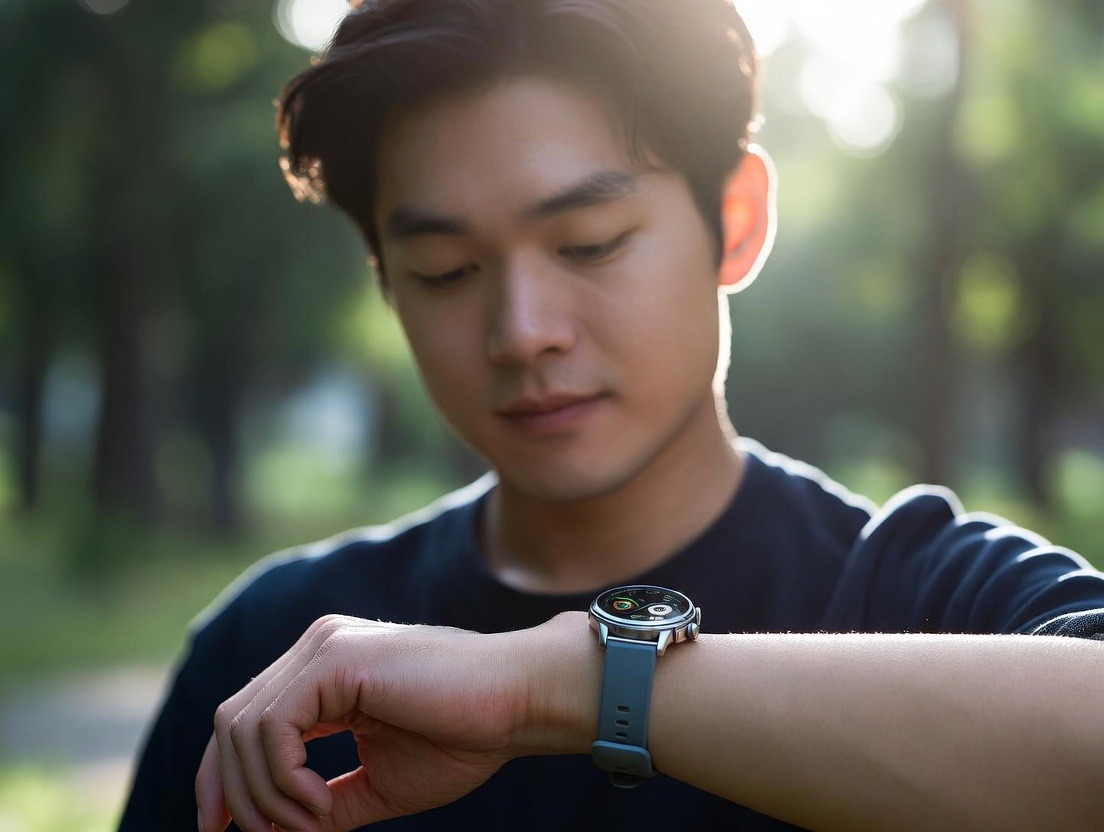
We've covered preparation, in-flight strategies, climate-specific challenges, nutrition, sleep, and mental wellness. Now we arrive at a concept that ties them all together and is perhaps the most misunderstood aspect of travel wellness: recovery. In our go-go-go travel culture, there's an unspoken pressure to maximize every single minute. We cram our itineraries with activities, wake up at dawn to beat the crowds, and collapse into bed long after midnight, only to do it all over again the next day. This approach treats the body like a machine that requires no maintenance. But your body is not a machine; it's a living, adaptive organism that needs strategic periods of rest to consolidate the benefits of activity and prepare for the next challenge. Mastering the art of recovery is what separates travelers who return home exhausted from those who return home energized and transformed.
The first principle of strategic recovery is to understand that rest is not the absence of activity; it is a proactive component of performance. Athletes understand this intuitively. Their training schedules are built around recovery days, not despite them. As a traveler, you are essentially an athlete of experience. Your "training" consists of walking miles, carrying bags, processing new information, and adapting to environmental stressors. Your recovery must be just as intentional. This means scheduling "rest days" or "slow mornings" into your itinerary, not as an afterthought when you're already burned out, but as a planned, non-negotiable part of your journey. On these days, you might sleep in, have a long, leisurely breakfast, read a book in a park, or simply wander without a destination. These are not wasted days; they are the days that allow you to have energy for the adventurous ones.
Active recovery is a powerful tool that many travelers overlook. Unlike passive recovery (like lying on the couch), active recovery involves low-intensity movement that promotes blood flow, reduces muscle stiffness, and aids in the clearance of metabolic waste products like lactic acid. After a long day of hiking or city exploration, this might look like a gentle 15-minute stretching session in your hotel room, a slow evening stroll along a river, or a few rounds of sun salutations on the beach. The goal is not to elevate your heart rate or challenge your muscles; it's to gently move your body to facilitate healing. You can explore our beginner-friendly guide to stretching as a natural energy booster to learn simple routines that can be done in any hotel room, requiring no equipment and very little space. This practice signals to your nervous system that it's safe to shift from the sympathetic "fight or flight" mode to the parasympathetic "rest and digest" mode, which is where true recovery happens.
Hydration and nutrition play starring roles in the recovery process as well. After a day of exertion and sweat, your muscles are depleted of glycogen and your body is craving electrolytes and protein for repair. The post-activity window is a critical time. Aim to consume a combination of protein and complex carbohydrates within 30-60 minutes of finishing a strenuous activity. This could be as simple as a handful of nuts and a piece of fruit, a protein shake if you have access to one, or a balanced meal. This refueling window is when your muscles are most receptive to absorbing nutrients, jumpstarting the repair process and reducing next-day soreness. Similarly, continuing to hydrate after you've stopped moving is essential. Sipping water with electrolytes throughout the evening helps replace what was lost and supports all of your body's recovery systems.
Temperature therapies can also be powerful allies. Many travelers instinctively reach for a hot shower or bath after a long day, and for good reason. Heat helps to relax tight muscles, increase blood flow, and promote a sense of calm. If you have access to a sauna or hot tub (and you're adequately hydrated), a short session can work wonders. Conversely, cold exposure—like a brief cold shower or a dip in cold water—can reduce inflammation and soothe sore joints. The contrast between hot and cold (like a Nordic-style contrast therapy) can be particularly effective for recovery, though it's not always practical while traveling. Even without special facilities, simple practices like soaking your feet in cool water after a long day of walking can provide significant relief.
Finally, pay attention to the data your body is giving you. This is where wearable technology becomes an invaluable recovery coach. Your wellness ring tracks metrics like heart rate variability (HRV), resting heart rate, and skin temperature, all of which provide a window into your nervous system's state. A high HRV generally indicates that your body is recovered and ready for challenge. A low HRV, especially one that's trending downward over several days, is a clear signal that your stress load is accumulating and you need to prioritize recovery. By checking these metrics each morning, you can make data-informed decisions about your day. If your recovery score is low, you might choose a lighter day with more rest and less ambitious activities. This isn't being lazy; it's being smart. It's using your wellness ring to prevent fatigue through early intervention, ensuring that a few days of low recovery don't snowball into a complete crash that ruins a week of your trip. Recovery is not a sign of weakness; it's the secret weapon of the wise traveler.
Throughout this guide, we've alluded to the power of modern wellness technology, and now it's time to give it a dedicated deep dive. In the past, travelers had to rely entirely on subjective feelings to gauge their well-being. "Do I feel tired?" "Am I dehydrated?" "Is this headache from the altitude or just lack of coffee?" While tuning into your body's signals is essential, those signals can be noisy and easily misinterpreted, especially when you're in a novel environment. Enter the smart ring—a compact, powerful, and increasingly indispensable travel companion that provides objective, personalized data about your physiological state. It's like having a wellness lab on your finger, offering insights that can transform how you navigate your journey.
The most valuable metric for travelers is arguably Heart Rate Variability (HRV). Unlike your heart rate, which measures beats per minute, HRV measures the variation in time between each heartbeat. A healthy heart doesn't beat like a metronome; there's subtle variation, controlled by your autonomic nervous system. A high HRV indicates a balanced nervous system, ready to adapt to stress. A low HRV suggests your body is in a state of sympathetic dominance—fight or flight—and is under significant stress. Travel, with its disruptions to sleep, diet, routine, and environment, is a perfect storm for lowering HRV. By checking your HRV first thing in the morning (which your ring does automatically), you get an immediate read on your recovery status. If your HRV is in your personal normal range, you're good to tackle that ambitious hike. If it's significantly lower, it's a clear sign to take it easy, prioritize hydration, and maybe opt for a lighter day. This objective data cuts through the guesswork and helps you allocate your energy wisely.
Sleep tracking is another area where a wellness ring shines. We all know if we slept "badly," but the ring tells you how you slept badly. It breaks down your sleep into light, deep, and REM stages, and gives you a sleep score. Deep sleep is when your body physically repairs itself; REM sleep is when your brain processes emotions and consolidates memories—both crucial for a rich travel experience. If you notice you're getting plenty of total sleep but very little deep sleep, you might need to adjust your environment (it's too warm, too bright, or too noisy) or your pre-sleep routine (too much screen time, a late heavy meal). Over a multi-day trip, you can see patterns emerge. Perhaps you discover that your sleep quality is consistently poor in bustling city centers but excellent in quieter, nature-adjacent accommodations. This knowledge can inform your future travel planning. You can also learn how to optimize your sleep based on your ring's data to ensure you're waking up truly restored, no matter where you are.
Body temperature tracking is a feature with immense practical value for travelers. Your ring continuously monitors your skin temperature, establishing a personal baseline. Deviations from this baseline can signal important things. A sustained elevation in temperature can be an early warning sign of illness, sometimes appearing a day or more before you feel symptoms. In a post-pandemic world, this awareness is invaluable. It allows you to take immediate precautionary measures—masking up, resting, increasing immune-supporting nutrients—potentially preventing a full-blown sickness that could derail your trip. Temperature tracking is also useful for women tracking their menstrual cycles, and for anyone trying to understand how different climates and activities affect their body's thermal regulation.
Activity tracking and readiness scores round out the ring's travel toolkit. While your phone can track steps, a ring provides a more holistic view by balancing your activity against your recovery. Its readiness score (often a composite of HRV, sleep, and other metrics) tells you how prepared your body is for exertion. On a day when your readiness is high, you can push yourself. On a day when it's low, you can view it as a gentle, data-backed recommendation to rest. This prevents the common traveler trap of overdoing it on Day 1 and spending Day 3 recovering on the hotel bed. By using your ring's data, you can pace yourself like an endurance athlete, ensuring your energy lasts for the duration of your journey. You'll begin to see how different natural energy boosters and fatigue prevention strategies impact your metrics, allowing you to build a personalized wellness protocol for the road. Your ring doesn't replace your intuition; it enhances it, giving you the clarity to make decisions that keep you feeling your best.
Your Trusted Sleep Advocate: Sleep Foundation — https://www.sleepfoundation.org
Discover a digital archive of scholarly articles: NIH — https://www.ncbi.nlm.nih.gov/
39 million citations for biomedical literature :PubMed — https://pubmed.ncbi.nlm.nih.gov/
Experts at Harvard Health Publishing covering a variety of health topics — https://www.health.harvard.edu/blog/
Every life deserves world class care :Cleveland Clinic - https://my.clevelandclinic.org/health
Wearable technology and the future of predictive health monitoring :MIT Technology Review — https://www.technologyreview.com/
Dedicated to the well-being of all people and guided by science :World Health Organization — https://www.who.int/news-room/
Psychological science and knowledge to benefit society and improve lives. :APA — https://www.apa.org/monitor/
Cutting-edge insights on human longevity and peak performance:
Lifespan Research — https://www.lifespan.io/
Global authority on exercise physiology, sports performance, and human recovery:
American College of Sports Medicine — https://www.acsm.org/
Neuroscience-driven guidance for better focus, sleep, and mental clarity:
Stanford Human Performance Lab — https://humanperformance.stanford.edu/
Evidence-based psychology and mind–body wellness resources:
Mayo Clinic — https://www.mayoclinic.org/healthy-lifestyle/
Data-backed research on emotional wellbeing, stress biology, and resilience:
American Institute of Stress — https://www.stress.org/


