


How Your Wellness Ring Detects Early Fatigue Signals Before You Feel Them
Your ring can detect signals of oncoming fatigue before you consciously feel tired.
Your ring can detect signals of oncoming fatigue before you consciously feel tired.
%402x.svg)
You wake up, brew your coffee, and head into your day. You don’t feel “tired” in the classic sense, yet by mid-afternoon, your focus scatters like light through a prism. Your motivation wanes, your patience wears thin, and a heavy, invisible blanket seems to settle over your shoulders. You chalk it up to a busy week or poor sleep. But what if the story began days earlier? What if your body had been broadcasting subtle distress signals—a whispered conversation about rising stress, insufficient recovery, and mounting fatigue—that you simply couldn’t hear?
For decades, we’ve relied on the blaring siren of outright exhaustion to tell us we need rest. But by then, the damage is often done: recovery is slower, performance has already plummeted, and the risk of burnout or illness is significantly higher. Modern life demands that we operate not from a place of reaction, but from a place of intelligent, proactive awareness.
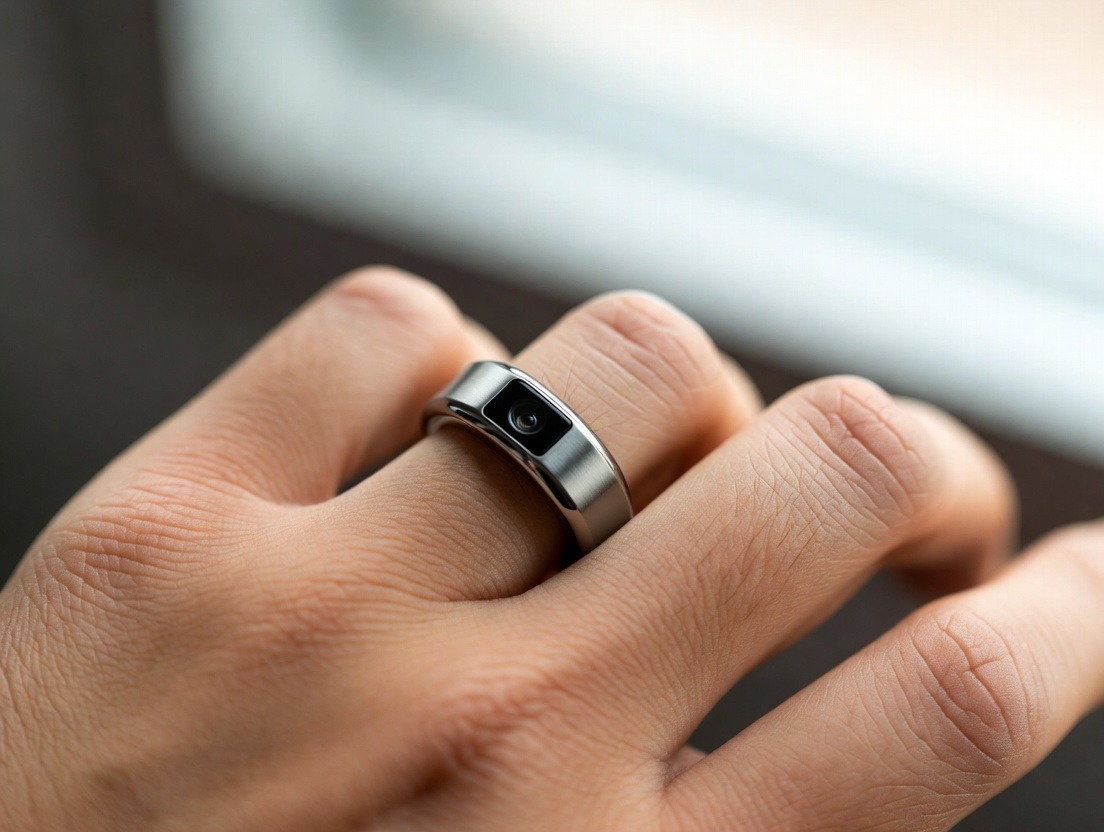
This is where the paradigm of wearable technology shifts from mere step-counting to true physiological foresight. The modern wellness ring, worn unobtrusively on your finger, is no longer just a fitness tracker. It is a continuous, personal biometrical observatory. Its mission: to decode the faint, pre-conscious whispers of your autonomic nervous system—the subtle variations in heart rate, the minute changes in skin temperature, the tiny fluctuations in blood oxygen, and the cadence of your rest—to detect the early-onset signals of fatigue long before your conscious mind perceives them.
Think of it as gaining a sixth sense for your own vitality. This technology empowers you to move from asking “Why do I feel so drained?” to understanding “My body is showing early signs of cumulative stress; here’s exactly how I can course-correct today.” It transforms the opaque, internal experience of fatigue into a clear, actionable dataset.
In this comprehensive exploration, we will demystify exactly how this elegant piece of technology accomplishes this feat of early detection. We will journey through the fundamental physiology of fatigue, delve into the specific sensors and their language, and explore how advanced algorithms create a predictive picture of your resilience. This is about moving beyond tracking to true anticipation—building a sustainable foundation for energy, performance, and long-term health by listening to your body’s most subtle cues.
Before we can understand how a device detects fatigue, we must first understand what fatigue is on a physiological level. It’s far more than just a feeling of sleepiness. True, systemic fatigue is a state of diminished functional capacity resulting from an imbalance between stress load and recovery capability. At its core, this imbalance is orchestrated by your autonomic nervous system (ANS).
Your ANS is the unconscious control center for your most vital functions: heart rate, digestion, respiratory rate, and hormonal response. It has two primary branches that act like a physiological accelerator and brake.
The sympathetic nervous system (SNS) is your "fight-or-flight" accelerator. It prepares your body for action: heart rate increases, blood is shunted to muscles, and energy stores are mobilized. It’s essential for performance and dealing with acute challenges.
The parasympathetic nervous system (PNS) is your "rest-and-digest" brake. It promotes recovery: heart rate slows, digestion is prioritized, and repair processes are activated. It’s the state in which your body rebuilds and recharges.
Optimal health and resilience exist in a dynamic balance between these two systems—a state known as autonomic tone. You need a robust SNS to tackle the day and a dominant, recovering PNS to offset it at night.
Chronic, low-grade stress—be it from work, emotional strain, poor sleep, or overtraining—keeps the SNS subtly engaged for prolonged periods. This creates a state of sympathetic dominance. Your body is perpetually in a low-grade "ready for action" mode, even when you're trying to rest. This constant revving of the engine is energetically expensive. It depletes neurotransmitter reserves, elevates cortisol patterns, and disrupts cellular repair. Over time, this state is the very essence of brewing fatigue. You may not "feel" acutely stressed, but your ANS is shouting that it’s under pressure.
This is where your wellness ring becomes a masterful interpreter. It cannot measure neurotransmitters or cortisol directly. Instead, it reads the most accessible and profound proxy for autonomic nervous system activity: Heart Rate Variability (HRV).
HRV is the nuanced fluctuation in the time intervals between consecutive heartbeats. It is not about your average heart rate (e.g., 60 BPM), but the millisecond variations between each beat. Contrary to intuition, a higher, more variable HRV generally indicates a healthy, resilient system with strong parasympathetic (recovery) influence. A low, less variable HRV suggests a stressed, fatigued, or sympathetically dominant system—your heart is beating like a monotonous metronome because one branch (SNS) is dominating the conversation.
A wellness ring, with its precise optical heart rate sensor, measures these micro-fluctuations 24/7. By tracking your HRV trends—especially your nighttime HRV, which is considered the cleanest read of your recovery status—it establishes a personalized baseline for your autonomic balance. A sustained dip below your personal baseline is one of the earliest and most reliable telegraphs that your system is accumulating stress and heading toward a state of fatigue. It’s the silent language of your ANS, translated into a clear metric. As we’ve detailed in our exploration of wellness fundamentals and the body's quest for balance, this equilibrium is the bedrock of sustained energy.
The foundational technology that allows a slim ring to become a window into your vascular system is called Photoplethysmography (PPG). It’s a formidable word for an elegant concept. At its core, PPG uses light to measure blood volume changes in the microvasculature of your finger.
Here’s how it works: The ring contains tiny, powerful LEDs that emit light (typically green and infrared wavelengths) into the skin of your finger. A photodetector opposite the LEDs then measures the amount of light that is reflected back. Why does this change? Because blood absorbs light. With each heartbeat, a pulse of blood surges through your capillaries, absorbing more light. Between beats, blood volume decreases, so more light is reflected back.
The sensor captures these rhythmic changes in light absorption hundreds of times per second, creating a waveform called a PPG signal. This waveform is the raw data treasure trove. From it, sophisticated algorithms can extract not just your heart rate, but also its variability (HRV), and through analysis of the waveform’s shape and characteristics, even estimate blood oxygen saturation (SpO2).
But the story gets more profound when we consider what influences this blood flow story. Your autonomic nervous system is the primary conductor. The SNS causes vasoconstriction (narrowing of blood vessels), while the PNS promotes vasodilation (widening). The subtle tension in your vascular walls, the rate at which blood pulses through, and the overall volume are all dictated by this balance.
When you are entering a state of early fatigue due to sympathetic dominance, your vascular system reflects this. The PPG signal can show signs of a more tense, less compliant vascular tone. Advanced analysis can detect subtle changes in pulse wave velocity (the speed of the pressure wave through your arteries) and perfusion (how well blood is reaching the tiny capillaries), both of which are influenced by stress, inflammation, and fatigue.
Furthermore, by using infrared light, which penetrates deeper, the sensor can track changes in core body temperature through the thermal radiation from your blood. A slight, sustained elevation in nighttime distal body temperature can be a sign of systemic inflammation, an overactive metabolism due to stress, or an immune response kicking in—all precursors to feeling rundown.
In essence, the PPG sensor is not just a heart rate counter; it is a continuous, non-invasive hemodynamic monitor. It reads the story written in the rhythm, flow, and warmth of your blood—a story that begins to change its narrative chapters before you consciously feel the plot twist of fatigue. For a deeper understanding of the core markers these devices track, our guide on how wellness rings track fundamental health markers provides a detailed breakdown.
Society’s most common metric for fatigue is simple: “How many hours did you sleep?” This is a critical question, but it’s tragically incomplete. You can be in bed for 8 hours and still wake up fatigued if the quality of that sleep was poor. Your wellness ring moves far beyond duration to provide a multi-dimensional analysis of your sleep architecture—the very structure of your night that determines true restoration.
Sleep is not a monolithic state. It’s a cyclical journey through distinct stages, each with a specific restorative purpose:
Fatigue often sets in not from a lack of sleep time, but from a disruption in this architecture. Chronic stress and sympathetic dominance are notorious for robbing deep sleep and fragmenting the sleep cycle.
Your wellness ring uses its suite of sensors (PPG, accelerometer, temperature) to estimate these sleep stages with remarkable accuracy. It tracks:
By synthesizing this data into a Sleep Score or Recovery Index, the ring provides a holistic verdict on your night’s restorative power. A pattern of declining scores—even with consistent 8-hour bedtimes—is a powerful, objective early-warning system. It tells you that despite being "asleep," your nervous system and body are not descending into the deeply restorative states needed to combat fatigue. This objective insight is fundamental to moving beyond guesswork, a principle central to mastering wellness fundamentals with data-driven feedback.
While your conscious mind is an excellent logician, your body’s thermal regulation system is an honest, unconscious broadcaster of your internal state. A wellness ring with a precision temperature sensor (often sampling every minute) creates a continuous, 24/7 thermal fingerprint that is incredibly revealing.
We often think of body temperature as a static 98.6°F (37°C). In reality, it is a dynamic, circadian rhythm. It naturally dips to its lowest point in the early morning hours (promoting deep sleep) and rises throughout the day, peaking in the late afternoon. This rhythm is governed by your master circadian clock and is exquisitely sensitive to disruptions.
When early fatigue begins to build due to overload, several key thermal patterns can emerge, detectable only by continuous monitoring:
By establishing your personal baseline temperature curve, the ring can alert you to significant deviations. Waking up to a notification that your "temperature was elevated last night" is not about a fever; it’s a data-driven hint that your body was in a heightened state of work overnight, likely at the expense of deep recovery. It’s an invitation to prioritize rest, hydration, and stress management that day to head off deeper fatigue. This kind of personalized, fundamental insight is what makes modern health technology so transformative, as discussed in our article on how smart rings have made wellness fundamentals measurable.
Blood oxygen saturation (SpO2) is a vital sign that most associate with high-altitude or lung conditions. However, in the context of daily wellness and fatigue, it tells a subtler, more pervasive story about your respiratory efficiency and overall metabolic health.
A healthy individual at sea level typically maintains an SpO2 between 95-100%. Your wellness ring’s PPG sensor (using specific red and infrared light wavelengths) estimates this value continuously, especially during sleep, when respiratory issues most commonly manifest.
Why is this relevant to fatigue? There are two primary connections:
1. Sleep-Disordered Breathing: Events like obstructive sleep apnea (OSA) or its milder cousin, Upper Airway Resistance Syndrome (UARS), cause repeated, partial awakenings (micro-arousals) as the body struggles to breathe. These events fragment sleep architecture, utterly destroying deep and REM sleep. The result? You wake up exhausted despite a full night in bed. Crucially, many people with mild to moderate sleep-disordered breathing are entirely unaware of it. They don’t snore loudly or gasp dramatically.
A wellness ring can detect these patterns by identifying subtle, repetitive dips in SpO2 throughout the night. Even drops of 2-4% that quickly resolve can signal an arousal. A pattern of these events, correlated with movement or heart rate spikes, provides compelling data to discuss with a healthcare professional. It uncovers a hidden, physical root cause of chronic, unrefreshing sleep and daytime fatigue.
2. Stress and Breathing Patterns: Even without apnea, chronic stress profoundly affects how we breathe. We tend to shift from slow, diaphragmatic breathing (driven by the PNS) to faster, shallower, chest-based breathing (driven by the SNS). This inefficient breathing can slightly reduce blood oxygen efficiency and increase CO2 sensitivity, contributing to feelings of anxiety, tension, and, yes, fatigue.
The ring also estimates respiratory rate (breaths per minute) from the minute oscillations in the PPG signal caused by the pressure changes of breathing. An elevated resting or sleeping respiratory rate is another sign of sympathetic arousal and physiological stress—a body working too hard at rest.
By monitoring SpO2 and respiratory rate trends, the ring adds a crucial cardiorespiratory dimension to the fatigue puzzle. It helps differentiate between fatigue stemming from psychological stress, physical overtraining, or a potential underlying breathing-related sleep issue. Understanding this connection between foundational metrics like breathing and overall health is a key part of the wellness fundamentals approach to supporting all body systems.
Raw sensor data—heartbeat intervals, light reflections, temperature points—are meaningless in isolation. The true magic, the transformation of data into actionable foresight, happens in the realm of advanced algorithms and machine learning.
Think of it this way: each sensor provides a single instrument’s part in a complex symphony of your physiology. The algorithm is the conductor, listening to all parts simultaneously to understand the emerging musical theme—which, in this case, is your resilience or vulnerability to fatigue.
This process involves several sophisticated layers:
1. Noise Reduction and Signal Processing: The first job is to clean the data. Finger movements, poor fit, or external light can create "noise." Advanced filters isolate the true physiological signal from the artifacts, ensuring the underlying data is pure.
2. Baseline Establishment (The Personalized Foundation): This is the most critical step. The algorithm doesn’t compare you to population averages. Over a period of initial use (typically 1-2 weeks), it learns your normal. What is your typical nighttime HRV? What is your temperature rhythm? What is your normal deep sleep percentage? This creates a dynamic, living baseline that adapts as you age or change your lifestyle.
3. Multi-Parameter Fusion: The algorithm doesn’t look at metrics in a silo. It performs a weighted, contextual analysis. For example:
* A low HRV is concerning.
* A low HRV combined with an elevated nighttime temperature and reduced deep sleep is a much stronger, multi-system confirmation of a high stress/recovery imbalance.
* It cross-references activity data from the accelerometer. A high workout load yesterday might explain a slightly lower HRV today (expected fatigue). A low HRV after a rest day is a more serious warning sign (unexplained fatigue).
4. Trend Analysis and Pattern Recognition: Machine learning excels at spotting patterns invisible to the human eye. It can detect that your HRV begins a slow, three-day decline every time you have a major project deadline. It can learn that your sleep efficiency drops predictably after late-evening alcohol consumption. It identifies your personal precursors to a fatigue state.
5. Predictive Scoring and Alerting: The final output is a simple, user-facing score (like a Readiness Score or Recovery Score) and nuanced insights. This score is a probability assessment of your body’s capacity to handle stress and perform. A low score is the algorithm’s forecast: "Based on the confluence of these seven parameters deviating from your baseline, your system is under-resourced. If you add significant load today, you risk deepening fatigue, poor performance, or illness."
This algorithmic mind turns the ring from a historian (telling you what happened) into a strategist (advising you on what is likely to happen). It is the engine of true early detection. This predictive, personalized capability is at the heart of building lifelong health strategies that work for decades.
A red light on your dashboard is only useful if you know what to do next. The ultimate value of early fatigue detection lies not in the alert itself, but in the actionable pathway it creates. Modern wellness ecosystems are designed to close this loop, providing not just diagnosis but personalized prescription.
When your ring’s algorithm detects a pattern indicative of emerging fatigue, it can guide you toward the most effective countermeasures. This transforms the device from a monitor into a true partner in energy management. The recommendations are rooted in modulating the very fundamentals we’ve discussed:
1. Prescriptive Sleep Guidance: Instead of a generic "get more sleep," the insights become specific:
* "Your deep sleep was low. Consider a cooler bedroom and avoiding screens 90 minutes before bed."
* "Your resting heart rate was elevated. A gentle 10-minute breathing exercise tonight may help downregulate your nervous system."
* "Your sleep consistency is off. Try to get within 30 minutes of your target bedtime tonight to reinforce your circadian rhythm."
2. Stress Modulation Prompts: Based on HRV and temperature data, the system might identify you’re in a sympathetically charged state.
* It could prompt a guided meditation or a heart coherence breathing session (e.g., 5-second inhale, 5-second exhale), which has been shown to rapidly improve HRV and shift ANS balance toward the parasympathetic side.
* It might suggest a "mental recovery" break—a walk in nature instead of another high-intensity work session.
3. Activity Adjustment: This is perhaps the most powerful application. By integrating workout data (from the ring or connected apps), the system can provide daily training recommendations.
* A high Recovery Score might mean: "Your body is primed. Go for that intense workout or heavy cognitive task."
* A low Recovery Score delivers the crucial, often-ignored advice: "Today is for active recovery. Opt for a walk, gentle yoga, or stretching. Pushing hard now will deepen the fatigue cycle."
4. Lifestyle Factor Correlation: Advanced platforms allow you to log behaviors (caffeine, alcohol, meal timing, intense work meetings). Over time, the algorithm can show you personalized correlations: "On days after you have alcohol, your HRV drops by an average of 12% and your resting heart rate increases by 5 BPM." This turns abstract advice into personally verified cause-and-effect.
This shift from detection to direction empowers you to make micro-adjustments in real-time, preventing the snowball effect of cumulative fatigue. It’s the practical application of daily health optimization mastery, using data to inform daily choices that compound into sustained vitality.
One of the most significant blind spots in traditional fitness tracking is the isolated measurement of exercise. A fitness tracker might celebrate you for crushing a high-intensity interval training (HIIT) session and hitting 10,000 steps. But what it doesn’t see is the 10-hour workday filled with back-to-back video calls, the emotional stress of a family concern, the poor night’s sleep you had two days prior, and the rushed, processed meals you’ve been eating.
All stress is physiological stress. Your nervous system does not neatly differentiate between a hard workout, a difficult conversation, or a looming deadline. They all contribute to your total allostatic load—the cumulative burden of adapting to stressors.
Early fatigue detection excels at seeing this complete picture. The ring’s sensors measure the net outcome of all inputs. You might think, "I didn’t work out yesterday, so I should be recovered," but the algorithm sees a low HRV and high resting heart rate because your work stress was exceptionally high. It correctly identifies that your "training load" from life itself was excessive.
This holistic view prevents the common trap of "overtraining" when you're not even training that hard—it's life that’s overtaxing you. By quantifying your body’s response to the totality of your life, the ring helps you balance Exercise Load with Life Load. It teaches the critical lesson that recovery is not just for athletes; it’s for anyone experiencing the multifaceted demands of modern existence. Managing this total load is a cornerstone of creating sustainable health through foundational habits.
To crystallize these concepts, let’s walk through a hypothetical, data-driven week for "Alex," a knowledge worker using a wellness ring.
Without the ring, Alex would have likely pushed through Days 3 and 4, triggering a deeper fatigue cycle, potentially culminating in getting sick over the weekend or experiencing full burnout. The data provided the objective evidence needed to intervene proactively, turning a potential breakdown into a managed recovery. This exemplifies the power of using technology to build wellness fundamentals into a daily routine that prevents major health setbacks.
As powerful as this technology is, it is crucial to maintain a perspective of informed awareness, not technological dependence. The wellness ring is an exceptional tool for detecting physiological patterns associated with fatigue, but it is not a medical device and has important limitations.
The most effective users are those who treat their ring data as a deeply insightful conversation with their body, not an infallible oracle. It prompts you to ask better questions: "My body is showing stress signals. What in my life, diet, or mind might be causing this?" This balanced, fundamentals-first approach is what truly prevents the majority of health problems by fostering continuous self-awareness and timely intervention.
The culmination of early fatigue detection is not a life spent avoiding stress or chasing perfect scores. It is about building resilience—or what we might call "fatigue immunity." This is the capacity to encounter stressors (physical, mental, emotional) and return to baseline efficiently, without a prolonged degradation of function.
Your wellness ring becomes the core tool in this resilience-building feedback loop. It enables a systematic approach:
This process cultivates a profound form of body literacy. You begin to recognize the faint internal sensations that correspond to the data—the slight tension in your shoulders when your HRV starts to drop, the feeling of being warm at night when your temperature is elevated. The ring trains your own interoceptive awareness.
Ultimately, this integration leads to a state of empowered prevention. You are no longer a passenger in your health, reacting to crises of exhaustion. You are the pilot, with a sophisticated dashboard, navigating toward sustained energy, performance, and well-being by honoring the subtle, early signals your body is always sending. This journey of mastery, guided by data and grounded in fundamentals, is the path to not just preventing fatigue, but to unlocking a higher, more consistent state of vitality for the long term. It is the essence of a modern, proactive approach to health, perfectly captured in the philosophy of using technology to master the complete foundation for lifelong wellness.
Fatigue is not just a product of what you do, but when you do it. Your body operates on a complex, 24-hour internal timetable governed by circadian rhythms—biological cycles that influence everything from hormone secretion and cell regeneration to cognitive function and metabolic rate. Disrupting these rhythms is a surefire pathway to accumulating fatigue, and one of the most profound applications of your wellness ring is its ability to help you see and synchronize with your personal chronobiology.
Your master circadian clock, located in the hypothalamus, responds primarily to light. But dozens of peripheral clocks in your organs, muscles, and tissues are set by behavioral cues like meal timing, exercise, and social interaction. When your external lifestyle is misaligned with these internal clocks—a state known as circadian misalignment—your systems become dyssynchronous. It’s like an orchestra where each section is playing from a different score; the result is noise, not harmony, and it demands excessive energy to maintain.
This misalignment is a primary, stealthy driver of the early fatigue signals your ring detects. Let’s examine the key circadian markers the ring tracks and how they inform your daily energy blueprint:
1. The Cortisol-Awakening Response (CAR) Proxy: While the ring doesn’t measure cortisol directly, it infers its rhythm through correlated metrics. A healthy circadian rhythm features a sharp spike in cortisol within 30-60 minutes of waking (the CAR), which provides natural alertness and energy mobilization. This should be followed by a gradual decline throughout the day, reaching its lowest point at night to permit sleep.
* What the Ring Sees: A dysregulated CAR—either blunted or excessive—manifests in your heart rate and HRV data. A blunted CAR (common in burnout or adrenal fatigue) may correspond with a sluggish rise in morning heart rate and low daytime HRV. An excessive or prolonged CAR (from chronic stress) may keep your daytime resting heart rate and heart rate reactivity abnormally high. The ring’s daytime HRV trend acts as a mirror to your stress hormone rhythm.
2. The Core Body Temperature Rhythm: As previously discussed, temperature is a master circadian marker. The ring’s continuous temperature tracking provides the clearest visual graph of your rhythm’s phase and amplitude.
* The Ideal Curve: A robust, high-amplitude curve with a distinct nadir (lowest point) in the early morning (around 4-5 AM) and a peak in the late afternoon/early evening.
* Fatigue-Prone Curves:
* Phase Delay: Your temperature minimum shifts later. You go to bed later, wake up later, and feel perpetually out of sync with morning obligations. This is common in "night owls" and those with excessive evening blue light exposure.
* Phase Advance: Your temperature minimum shifts earlier. You get desperately sleepy early in the evening but wake up far too early, unable to fall back asleep.
* Blunted Amplitude: A flattened curve indicates poor circadian drive, strongly associated with chronic fatigue syndromes, depression, and aging. Your body lacks the clear "day" and "night" signals, leaving you in a perpetual twilight state of low energy.
3. Activity-Rest Patterns: The ring’s accelerometer isn’t just for steps; it continuously monitors your movement patterns. A healthy circadian rhythm shows consolidated periods of activity during the day and consolidated rest (minimal movement) at night. Circadian fragmentation—frequent, short bursts of activity at odd hours or excessive restlessness at night—is a key metric of disruption and a predictor of next-day fatigue.
Your ring synthesizes this chronobiological data to provide personalized scheduling advice. It might notice that on days you exercise after 8 PM, your nighttime temperature dip is shallower and your sleep is more fragmented, suggesting evening workouts disrupt your circadian wind-down. It could observe that your HRV is consistently highest and most stable when you eat your last meal before 7 PM.
By aligning your sleep, eating, exercise, and light exposure with the phase of your personal circadian rhythm, you reduce the metabolic friction of daily life. You expend less energy simply trying to regulate your basic biology, freeing up immense reserves for performance and resilience. This isn't about biohacking; it's about respecting the fundamental, time-tested structure of human biology, a principle explored in depth in our resource on why wellness fundamentals matter more than advanced tactics.
We've established Heart Rate Variability (HRV) as the North Star metric for autonomic balance and fatigue. But HRV is not a single number; it is a rich, multi-dimensional signal. Different analytical methods extract different types of information from the beat-to-beat interval sequence, offering a more granular view of your nervous system's state. Advanced wellness rings and their companion apps are beginning to leverage these deeper analyses for even earlier, more specific fatigue detection.
1. Time-Domain Analysis: This is the most common method, looking at the statistical variance of the time intervals between beats (RR intervals). Common metrics include:
* SDNN: The standard deviation of all RR intervals. Reflects overall autonomic activity (both SNS and PNS). A longer recording period (like a full night) gives a global measure of resilience. A declining SDNN trend indicates increasing overall stress/fatigue.
* RMSSD: The root mean square of successive differences between heartbeats. This is highly sensitive to parasympathetic (vagal) activity and is considered the best time-domain correlate of recovery state. It's often the primary metric for daily "HRV" scores. A sharp drop in RMSSD is a very specific signal of lost recovery capacity.
* pNN50: The percentage of successive RR intervals that differ by more than 50 milliseconds. Another strong parasympathetic indicator.
2. Frequency-Domain Analysis (Spectral Analysis): This method uses mathematical transformation to break down the HRV signal into its constituent frequency "bands," much like a prism separates light. This reveals which branch of the ANS is contributing power at which frequency.
* High-Frequency (HF) Power (0.15-0.4 Hz): Strongly associated with parasympathetic (vagal) activity. It's linked to the respiratory sinus arrhythmia—the natural speeding up and slowing down of the heart with breathing. High HF power is a sign of good vagal tone and recovery.
* Low-Frequency (LF) Power (0.04-0.15 Hz): A more complex metric, influenced by both sympathetic and parasympathetic systems, and often associated with blood pressure regulation (baroreflex activity).
* The LF/HF Ratio: Historically used as a proxy for sympathovagal balance (a higher ratio suggesting sympathetic dominance). However, its interpretation is debated. The more valuable insight from frequency analysis is the absolute power in the HF band. A suppression of HF power is a clear, early sign of parasympathetic withdrawal and mounting stress, often visible before significant changes in time-domain metrics.
3. Nonlinear and Complexity Analysis: This frontier of HRV research looks at the pattern and predictability of the heartbeat sequence. A healthy, resilient system is complex and somewhat unpredictable (like a fractal pattern). A fatigued, stressed, or aging system becomes more rigid and predictable.
* Poincaré Plots: Visual scatter plots that show the relationship between one heartbeat interval and the next. A healthy, comet-shaped plot indicates complex variability. A tight, torpedo-shaped plot indicates reduced complexity and adaptability.
* Detrended Fluctuation Analysis (DFA) & Sample Entropy: These measure the "roughness" or unpredictability of the heart rate signal. A decrease in complexity (lower entropy) is associated with pathological states, overtraining, and severe fatigue.
For the user, this means future iterations of fatigue detection will be even more precise. An algorithm might alert you: "We're seeing a suppression in your high-frequency HRV power alongside a decrease in sample entropy. This suggests your nervous system is losing adaptability and entering a state of defensive rigidity. Prioritize deep recovery now." This granular understanding moves from "you're stressed" to "this is the type of stress response you're having," enabling even more targeted interventions. This represents the cutting-edge application of smart ring data to prove and personalize fundamental health practices.
A burgeoning area of research with profound implications for fatigue is the gut-brain axis—the bidirectional communication network between your central nervous system and your enteric nervous system (the "second brain" in your gut). Chronic digestive stress, inflammation, or an imbalanced gut microbiome can produce systemic effects that manifest as low-grade fatigue, brain fog, and poor recovery. While a ring on your finger cannot directly assay your gut bacteria, it can detect the systemic physiological ripple effects of digestive distress.
Here’s how early fatigue linked to gut issues might show up in your biometric data:
1. Sleep Architecture Disruption: Gut inflammation and discomfort are notorious sleep disruptors. The release of pro-inflammatory cytokines can interfere with the normal sleep cycle, particularly reducing deep sleep. You may see:
* Increased wake-ups or restless sleep (elevated movement) in the second half of the night, as digestion progresses.
* A correlation between later meal times, certain food types (logged manually), and poorer sleep scores with less deep sleep.
* Elevated nighttime heart rate and reduced HRV due to the systemic inflammatory response.
2. Elevated Resting Heart Rate & Reduced HRV: Acute and chronic gut inflammation places a metabolic load on the body, stimulating the sympathetic nervous system. This can lead to a sustained, low-grade elevation in your 24/7 resting heart rate and a suppression of HRV, mimicking the pattern of psychological stress or overtraining.
3. Skin Temperature Variability: The inflammatory response can cause subtle, localized, or systemic changes in skin temperature. You might see unusual temperature spikes or a less stable temperature curve during sleep.
4. Heart Rate Reactivity to Meals: While challenging to isolate, a pronounced and prolonged spike in heart rate following a meal (postprandial tachycardia) can indicate your body is working excessively hard to digest, possibly due to food sensitivities, large meal size, or poor gut health.
Your wellness ring helps you play detective with these correlations. By using the app's tagging feature to log meals, digestion, and energy levels, you can begin to see data-backed patterns. For example, you might discover that on days you consume dairy, your nighttime HRV drops by an average of 8% and your deep sleep decreases. Or that large meals within three hours of bedtime consistently raise your sleeping heart rate by 5 BPM.
This turns the abstract concept of "gut health" into a measurable component of your daily energy equation. It reinforces the fundamental principle that nutrition is not separate from recovery; it is the substrate for it. By identifying foods and eating patterns that your physiology tolerates poorly, you can remove a silent, chronic source of fatigue-inducing stress. This holistic view is central to the integrated mind-body approach of true wellness fundamentals.
Your "exposome" is the totality of environmental exposures you encounter from conception onward. On a daily level, this includes ambient light, noise, air quality, and social interactions. These environmental factors are potent modulators of your nervous system and can be significant contributors to hidden fatigue loads. Your wellness ring, especially when combined with smartphone data, starts to function as a personal exposome monitor, helping you identify environmental drains on your energy.
1. Light Exposure: Light is the most powerful zeitgeber (time-giver) for your circadian clock. The timing, intensity, and spectral quality of the light you receive are critical.
* Morning Light Deficit: Lack of bright, blue-rich morning light delays your circadian phase, weakening the cortisol awakening response and leading to daytime drowsiness and evening alertness.
* Evening Light Toxicity: Excessive exposure to blue light from screens and LEDs in the evening suppresses melatonin production, delays your temperature drop, and fragments sleep.
* What the Ring Sees: These light mismanagement patterns show up as a delayed or blunted temperature rhythm, poor sleep latency, and reduced sleep quality. Some advanced systems allow you to log or automatically detect screen time, correlating late-night phone use with next-day low recovery scores.
2. Noise Pollution: Chronic exposure to low-level environmental noise (traffic, office din, household appliances) triggers subtle but persistent sympathetic nervous system activation, elevating cortisol and heart rate even if you're not consciously annoyed.
* What the Ring Sees: This can manifest as a higher-than-expected daytime resting heart rate and lower daytime HRV. During sleep, noise-induced micro-arousals can increase sleep fragmentation (more movement, more brief heart rate spikes), decreasing sleep efficiency without you ever fully waking up.
3. Social and Psychological Stressors: While the ring can't log your calendar, you can. Tagging stressful meetings, difficult conversations, or long travel days creates a powerful correlation database.
* You may see that your HRV plummets and skin temperature rises on days with back-to-back meetings.
* You might discover that social engagements, even enjoyable ones, represent a significant physiological "load" if you're an introvert, showing up as a need for increased recovery the next day.
By making these invisible environmental and psychological loads visible through their physiological impact, the ring empowers you to make strategic adjustments. It provides the rationale for investing in blackout curtains, a white noise machine, blue-light blocking glasses, or guarding your calendar more diligently. It validates the need for recovery after social periods, not just physical ones. This comprehensive tracking supports the creation of an environment that actively supports your energy, rather than passively depleting it—a key strategy in our guide to lifelong health strategies that work.

Human physiology is not monochromatic. Biological sex exerts a profound influence on autonomic regulation, circadian rhythms, and response to stress. A one-size-fits-all approach to fatigue detection fails to account for these differences, potentially leading to misinterpretation of data. The most sophisticated wellness platforms now incorporate female health tracking, allowing the algorithm to contextualize biometric data within the hormonal cycles that fundamentally govern energy and recovery in biologically female users.
For individuals with menstrual cycles, the primary rhythm is not just 24 hours, but a ~28-day infradian rhythm driven by estrogen and progesterone.
The Follicular Phase (Post-Menstruation to Ovulation):
The Luteal Phase (Post-Ovulation to Menstruation):
Menstruation:
For male users or those without cycles, the primary rhythm is circadian, with potential longer-term ultradian rhythms related to training and life stress.
The Critical Insight for Fatigue Detection: Without cycle tracking, a woman might see a 15-day trend of declining HRV and rising RHR and panic, thinking she is chronically fatigued or overtraining. With cycle tracking, the algorithm and the user can see this pattern is tightly synchronized with her luteal phase—it's a natural, predictable dip in resilience. The fatigue detection becomes more nuanced: "Your metrics are low for your luteal phase," which is a different, more urgent alert than "Your metrics are low for you."
This biological context prevents the reinforcement of harmful "push through" mentality during times the female body is designed for more rest and reflection. It encourages phase-based planning: scheduling intense projects and workouts in the follicular phase, and prioritizing administrative tasks, recovery, and gentler movement in the luteal phase. This respectful, data-informed alignment with innate biology is the ultimate expression of personalized health, a theme we explore in the context of wellness fundamentals across different life stages.
With great data comes great responsibility. The potential pitfall of any detailed biometric feedback system is the emergence of orthosomnia—a paradoxical preoccupation with perfect sleep data that itself becomes a source of anxiety and insomnia. Similarly, one can become overly fixated on HRV scores, turning a tool for empowerment into a source of daily stress. The goal is to use the ring to cultivate body trust, not data dependence.
Here are key psychological principles for healthy engagement with early fatigue detection:
1. Trend Over Token: Never obsess over a single day's score. Biology is noisy. A single bad night or low HRV reading can be a random fluctuation, a heavy meal, or a glass of wine. Look at the trend over 7-14 days. Is the line sloping downward? Are multiple parameters (HRV, RHR, temperature, sleep) moving in concert? The trend tells the true story of accumulating fatigue, not the daily blip.
2. Use It as a Guide, Not a Grade: The recovery score is not a report card on your worth or discipline. It is a weather forecast for your internal climate. A "rainy day" forecast doesn't mean you failed; it means you should carry an umbrella (prioritize recovery). Detach your ego from the numbers.
3. Practice Data-Informed Intuition: Use the ring to calibrate your internal senses. When you feel a certain way—draggy, wired, calm—check the data. Over time, you'll start to recognize the internal physical sensations that correlate with high HRV (maybe a feeling of calm spaciousness in your chest) or low recovery (a subtle tension behind your eyes). The ring trains your interoception, so eventually, you may rely less on the device and more on your own honed awareness.
4. Embrace Planned Disconnection: Periodically, take the ring off for a day or a weekend. This breaks the cycle of constant monitoring and reinforces that you are not the data. It’s a practice in listening to your body directly, using the skills the ring helped you develop.
5. Focus on Actionable Behaviors, Not Abstract Scores: Instead of thinking "I need a higher HRV," think "What behavior supports my nervous system today?" The actionable insight is the value: "Go for a walk in nature," "Do a breathing exercise," "Eat dinner earlier." The score is merely the prompt.
By maintaining this balanced relationship, the wellness ring becomes a teacher that you eventually internalize. It supports the development of a resilient, responsive relationship with your own body, which is the ultimate foundation of preventing burnout and chronic fatigue. This balanced approach is at the heart of how wellness fundamentals support long-term mental health by reducing anxiety and fostering self-efficacy.
The implications of early fatigue detection extend far beyond the individual. Forward-thinking organizations, particularly in high-stakes, safety-critical, or cognitively demanding fields, are beginning to explore the ethical use of aggregated, anonymized wellness ring data to monitor and improve organizational resilience and workplace fatigue risk.
The concept is not about surveilling individual employees, but about identifying systemic, population-level patterns that indicate a fatigued workforce. This is a paradigm shift from reactive, incident-based safety to proactive, physiology-based risk management.
How It Works (Ideal Ethical Model):
Actionable Organizational Interventions: Armed with this physiological evidence, leadership can make systemic changes:
This approach moves workplace wellness from fruit bowls and generic resilience webinars to data-driven, structural change that actually moves the needle on employee well-being and performance. It validates the individual's experience of fatigue ("It's not just me; the whole team is struggling") and provides an objective basis for advocating for healthier work practices. It represents the macro-level application of the principle that consistency in wellness fundamentals beats short-term intensity, applied to corporate culture.
The frontier of early fatigue detection lies in moving from detection to true prediction, and from insights to automated, closed-loop interventions. We are on the cusp of systems that don't just tell you you're depleted, but that anticipate the depletion and actively help you prevent it.
1. Predictive Fatigue Risk Scores: Future algorithms will incorporate not just past-night data, but a wider array of inputs: your calendar (meeting density, travel), your historical response patterns to similar stressors, weather data, and even local virus prevalence rates. They will generate a probability score for fatigue or illness in the next 24-72 hours. "Based on your poor recovery, your heavy meeting load today, and your historical sensitivity to back-to-back Zoom calls, there's an 85% probability you will experience significant cognitive fatigue by 3 PM. We recommend scheduling your critical thinking work before noon."
2. Integration with Smart Environments (The Internet of Healthy Things): Your ring will communicate with your environment to create a recovery-conducive ecosystem.
* At Bedtime: Low recovery score → Your smart home system automatically dims lights earlier, adjusts the thermostat for optimal sleep onset, and plays a wind-down playlist.
* During Work: Rising daytime heart rate and dipping HRV → Your smart desk or chair vibrates gently to prompt a micro-break or breathing exercise. Your smart lighting subtly shifts to a more calming spectrum.
* Nutritional Integration: Partnering with food logging apps, the system could suggest meals or supplements based on your real-time physiological state. "Your magnesium-dependent HRV metrics are low. How about a spinach and avocado smoothie for lunch?"
3. Longitudinal Biomarkers of Aging and Resilience: Over years and decades, your anonymized, aggregated data contributes to population health understanding. The long-term trends in your metrics—the rate of decline in your maximum HRV, the stability of your circadian amplitude, the speed of your recovery from stress—become personalized biomarkers of your biological aging rate and systemic resilience. The ring transitions from a fatigue detector to a lifelong vitality tracker, helping you see the impact of decades of lifestyle choices on your functional capacity.
This future is not about outsourcing health to machines, but about creating a seamless, supportive partnership between human intuition and machine intelligence. The goal is to offload the cognitive burden of constant self-monitoring so you can focus on living, while the system works quietly in the background to protect your energy and sustain your performance. It is the ultimate realization of using technology to build health habits that last a lifetime.
We have journeyed through the intricate physiological landscape that your wellness ring maps: from the autonomic nervous system's delicate balance, to the circadian rhythm's powerful tempo, to the subtle stories told by your blood flow, temperature, and sleep architecture. We've seen how advanced algorithms fuse this data into a coherent early-warning system for fatigue, and how this intelligence can be applied from the individual to the organizational level.
The core revelation is this: Fatigue is not an event; it is a process. It builds silently beneath the surface of conscious feeling, a cumulative debt accrued from the complex interplay of sleep, stress, nutrition, movement, environment, and biology. For too long, we have waited for the debt to be called in—for the crash, the burnout, the illness—before we take action.
Your wellness ring changes this equation. It gives you a real-time balance sheet of your physiological resources. It allows you to make daily, micro-deposits of recovery and strategic withdrawals of effort, maintaining a positive balance of energy and resilience. It transforms the opaque, internal experience of "tiredness" into an objective, actionable dialogue with your own body.
This is the essence of modern, proactive wellness: moving from guessing to knowing, from reacting to anticipating, from surviving to thriving. It is about mastering the fundamentals not through dogma, but through personalized, data-validated feedback. As you continue to wear your ring and interpret its signals, remember that you are not just tracking data; you are learning a new language—the silent, profound language of your own vitality, spoken before fatigue ever says its first word. This journey of listening, understanding, and responding is the most powerful health habit you will ever build.
Detecting early fatigue is only half the battle; the other half is knowing what to do about it. The most sophisticated wellness ring platforms do not leave you stranded with a low score. They translate detection into direction, providing a toolkit of evidence-based interventions tailored to the specific physiological patterns they observe. This is where the science of recovery meets the art of personalization.
Let's explore the primary intervention categories your ring's insights might guide you toward, moving beyond generic advice to targeted action.
1. Neural Downregulation (The Parasympathetic Boost):
When your data shows sympathetic dominance—low HRV, high resting heart rate, elevated temperature—the primary goal is to activate the vagus nerve and the parasympathetic nervous system.
2. Sleep Optimization Protocols:
When sleep architecture is poor, the recommendations become surgical.
3. Metabolic & Nutritional Guidance:
Based on correlations between your logged meals and your physiological metrics, the guidance moves from guesswork to data-backed hypothesis.
4. Strategic Movement Prescription:
This is the antithesis of "always be training." It’s about intelligent dose and timing.
By providing this specific, context-aware toolkit, your wellness ring acts as a 24/7 recovery coach. It helps you move from knowing that you need to recover to knowing exactly how to recover most effectively for your body, at that moment. This is the practical execution of the principle that wellness fundamentals enable true peak performance, not by pushing harder, but by recovering smarter.
The concept of a "normal" range is meaningless in personalized health. What's normal for a 25-year-old athlete is not normal for a 50-year-old executive, and what's normal for you in summer may differ from winter. The most profound value of continuous wear is the establishment of your dynamic, multidimensional baseline—your unique physiological fingerprint that becomes the reference point for all detection.
This baseline is not static; it's a moving average of your life. It incorporates:
1. Your Circadian Typology: Are you a pronounced lark, an extreme owl, or somewhere in between? Your ring will map your natural temperature minimum, your typical wake-time HRV, and your activity peaks, creating a picture of your innate chronotype.
2. Your Seasonal Rhythms: Many people experience lower HRV and higher resting heart rates in winter, and better recovery metrics in summer, influenced by light, temperature, and lifestyle. Your ring learns this annual cycle, preventing you from misinterpreting a seasonal dip as a personal failure.
3. Your Lifecycle Stage: As you age, your HRV will naturally decline, and your deep sleep percentage will gradually decrease. Your ring tracks this graceful arc, allowing you to differentiate between a natural, age-related change and an acute, problematic deviation. It helps you focus on healthspan—the quality of your years—rather than fighting an unwinnable battle against chronological aging.
4. Your Acclimation and Adaptation: When you start a new training regimen, your baseline shifts. Initially, you may see suppressed HRV as your body adapts to the new stress (this is the purpose of the "training valley"). Over time, with proper recovery, your baseline HRV should rise to a new, higher level, indicating improved fitness. Your ring validates this adaptation, showing you that the stress was indeed "eustress" (positive) and not "distress."
5. Your Personal Stress Signatures: The algorithm learns your unique response patterns. Perhaps your HRV is highly sensitive to work stress but resilient to physical stress. Maybe your temperature is your most sensitive marker for immune challenges. By knowing your own signature, you can interpret alerts with greater nuance.
This evolving baseline is your most powerful diagnostic tool. When a doctor looks at a single blood test, they compare it to a population reference range. When you look at your ring data, you compare it to your own reference range, established over hundreds of nights and thousands of days. A 10% drop in HRV for you might still be within the "normal" population range, but if it's 20% below your baseline, it's a significant red flag. This personalized context is what makes the data transformative, embodying the idea of understanding and honoring your personal health baseline.
Let's expand our earlier case study of "Alex" to see how a full intervention cycle, informed by ring data, can reverse a developing fatigue spiral over several weeks. This illustrates the process of moving from detection to correction.
The Spiral (Weeks 1-2):
Alex is in a demanding quarter at work. Unconsciously, he starts working later, drinking more coffee after 2 PM to combat afternoon slumps, and skipping workouts due to time pressure. His ring data begins a slow, insidious decline:
The Intervention (Week 3):
After a weekend where he slept 10 hours but still felt tired, Alex decides to engage with the data. He reviews the ring's insights and its recommended protocol:
The Rebound (Weeks 4-6):
The data tells the story of recovery:
This case demonstrates that early detection creates a window for intervention before performance crashes or illness strikes. It turns a potential month of burnout into a managed recovery and strengthening period. It showcases the power of using objective data to make incremental, high-impact changes, a core tenet of creating sustainable health momentum.
Your Trusted Sleep Advocate: Sleep Foundation — https://www.sleepfoundation.org
Discover a digital archive of scholarly articles: NIH — https://www.ncbi.nlm.nih.gov/
39 million citations for biomedical literature :PubMed — https://pubmed.ncbi.nlm.nih.gov/
Experts at Harvard Health Publishing covering a variety of health topics — https://www.health.harvard.edu/blog/
Every life deserves world class care :Cleveland Clinic - https://my.clevelandclinic.org/health
Wearable technology and the future of predictive health monitoring :MIT Technology Review — https://www.technologyreview.com/
Dedicated to the well-being of all people and guided by science :World Health Organization — https://www.who.int/news-room/
Psychological science and knowledge to benefit society and improve lives. :APA — https://www.apa.org/monitor/
Cutting-edge insights on human longevity and peak performance:
Lifespan Research — https://www.lifespan.io/
Global authority on exercise physiology, sports performance, and human recovery:
American College of Sports Medicine — https://www.acsm.org/
Neuroscience-driven guidance for better focus, sleep, and mental clarity:
Stanford Human Performance Lab — https://humanperformance.stanford.edu/
Evidence-based psychology and mind–body wellness resources:
Mayo Clinic — https://www.mayoclinic.org/healthy-lifestyle/
Data-backed research on emotional wellbeing, stress biology, and resilience:
American Institute of Stress — https://www.stress.org/


