


How Your Wellness Ring Tracks Fundamental Health Markers
How your wellness ring tracks key markers of basic health.
How your wellness ring tracks key markers of basic health.
%402x.svg)
You slip it on each morning, a quiet companion on your finger. It’s unassuming, often mistaken for simple jewelry. Yet, within that sleek band of titanium or ceramic hums a sophisticated laboratory, tirelessly translating the silent, fundamental rhythms of your life into a language you can understand. This is your wellness ring, and it’s doing far more than counting steps. It’s becoming a fluent interpreter of your body’s most vital signals.
For decades, comprehensive health data was locked away in annual check-ups or clinical sleep studies—snapshots in time, often influenced by the stress of the environment itself. The rise of the wellness ring changes this paradigm entirely. It offers continuous, passive monitoring in the most natural environment possible: your daily life. From the subtle pulse of blood in your capillaries to the electric calm of deep sleep, these devices are engineered to track the fundamental markers that form the bedrock of your well-being.
This isn't just about data for data's sake. It’s about building a profound, ongoing conversation with your own physiology. By understanding how your ring measures heart rate, heart rate variability, blood oxygen, skin temperature, and activity, you move from being a passive spectator to an active participant in your health. You begin to see patterns, understand cause and effect, and make informed choices that resonate through every system in your body.
Welcome to a deep exploration of the silent sentinel on your finger. We are about to delve into the precise science, the remarkable technology, and the practical wisdom behind how your wellness ring tracks the fundamental health markers that define your vitality, resilience, and longevity. This is the story of how a device learns to listen to your body's whispers, so you never have to wait for it to scream.

Before we can understand what a wellness ring tracks, we must appreciate where it tracks from. The choice of the finger over the wrist is not a design whim; it is a foundational engineering decision that unlocks a higher tier of physiological data, particularly for metrics measured at rest.
At the heart of the ring’s advantage is the vascular anatomy of the finger. The palmar digital arteries run along each side of your fingers, providing a rich, accessible source of arterial blood flow closer to the surface than in the wrist. This location offers a stronger, cleaner signal for optical sensors, which rely on shining light into the skin to measure blood volume changes. On the wrist, bone, tendons, and a more complex vascular network can scatter light and create "noise," especially during the subtle physiological shifts of sleep. The finger provides a more consistent optical pathway.
This superior signal quality is critical for capturing Heart Rate Variability (HRV)—a gold-standard metric for nervous system balance and recovery. HRV measures the millisecond variations between heartbeats, a subtlety easily lost in a noisy signal. A ring, snug on the finger, maintains consistent sensor contact with less movement artifact during sleep than a loose-fitting wristband, leading to more accurate nocturnal readings. For a deep dive into how this precise tracking applies to your rest, our complete guide to understanding your sleep tracking data explores these nuances.
Furthermore, the finger is a superior site for peripheral temperature measurement. It is a distal extremity, meaning it’s one of the first places to show changes in core temperature regulation and blood circulation. A drop in finger temperature overnight can be a clear signal of the body entering a deep sleep state, while unusual variations can indicate the onset of illness or hormonal changes. The wrist, being more proximal to the core, shows less of these informative fluctuations.
Of course, for all-day activity tracking, the wrist has traditionally been king. But modern wellness rings have closed this gap with advanced accelerometers and gyroscopes, accurately discerning between typing, walking, running, and even specific exercises. The trade-off is minor compared to the gain: 24/7 access to clinical-grade resting metrics. For those curious about how different devices stack up, our analysis on how accurate sleep tracking is with smart rings vs. watches provides a detailed comparison.
Ultimately, the ring’s placement is a commitment to prioritizing restorative health signals—the kind that reveal your body’s baseline resilience. It’s designed not just to track your day, but to listen intently to your night, where the most fundamental repair and regulation occur. It positions itself at the body’s data-rich periphery, turning your finger into a direct portal to your autonomic nervous system.
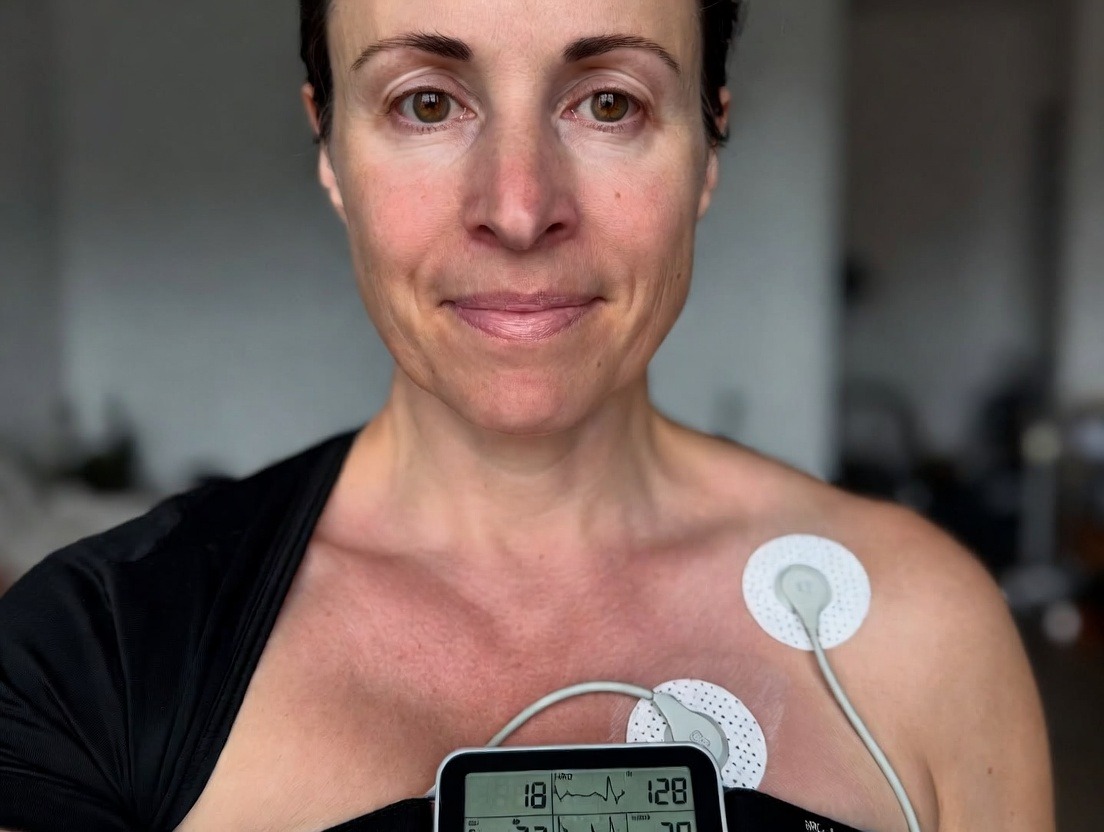
Your heartbeat is not a metronome. That notion is the first key to unlocking two of the most important health metrics your ring provides: Resting Heart Rate (RHR) and Heart Rate Variability (HRV). While often grouped together, they tell distinct, complementary stories about your fitness, stress, and overall physiological state.
Resting Heart Rate (RHR): The Engine’s Idle Speed
Think of your RHR as your body’s baseline energy consumption. Measured in beats per minute (BPM), it’s the number of times your heart contracts while you are completely at rest—optimally tracked during deep sleep by your ring. A lower RHR generally indicates a more efficient cardiovascular system. A well-conditioned heart can pump more blood with each beat, requiring fewer beats per minute to sustain the body. Over time, as you improve your cardio fitness, you’ll likely see a gradual decline in your nocturnal RHR.
However, RHR is also acutely sensitive. It can spike in response to dehydration, illness, excessive alcohol consumption, or high stress. Your ring tracks these daily fluctuations, giving you an early warning system. A consistently elevated RHR over several nights, despite adequate rest, can be a flag to check your recovery, manage stress, or consider a potential oncoming illness.
Heart Rate Variability (HRV): The Symphony of the Nervous System
If RHR is the idle speed, HRV is the sophisticated engine management system. It measures the subtle, millisecond variations in the time intervals between consecutive heartbeats. This variability is not random; it is a direct output of the ongoing tug-of-war between your two branches of the autonomic nervous system.
Your sympathetic nervous system (the "gas pedal" or fight-or-flight response) accelerates your heart and reduces variability, preparing for action. Your parasympathetic nervous system (the "brake pedal" or rest-and-digest state) slows the heart and increases variability, promoting recovery and relaxation. A higher HRV indicates a resilient, adaptable system with strong parasympathetic tone—your body is ready to respond to stress and then efficiently return to calm.
Your wellness ring calculates HRV using sophisticated time-domain or frequency-domain analysis of the pulse-to-pulse intervals it detects. It provides a single, often proprietary, score (like a "Readiness" or "Recovery" score) that synthesizes this complex data. A rising trend in your HRV suggests you are recovering well, managing stress effectively, and are primed for performance. A sudden or sustained drop can signal overtraining, poor sleep, emotional strain, or illness—often before you feel symptoms.
By monitoring both RHR and HRV together, you gain a powerful dashboard. A low RHR coupled with a high HRV is the hallmark of peak physiological readiness. Seeing your HRV plummet while your RHR creeps up is a clear signal from your body to prioritize rest. This is the true power of continuous monitoring: it moves you from guessing about your recovery to knowing, enabling you to tailor your day—be it an intense workout or a restorative walk—to what your body truly needs.
While you sleep, your body undertakes its most critical restoration. Amidst this quiet repair, your respiratory system must work flawlessly to oxygenate every cell. This is where Blood Oxygen Saturation, or SpO2, comes in. It’s a percentage that represents how much of the hemoglobin in your blood is carrying oxygen. For a healthy individual at sea level, this typically rests between 95% and 100%. Your wellness ring transforms into a miniature, continuous pulse oximeter each night, providing unprecedented insight into your respiratory health during sleep.
The technology used is called photoplethysmography (PPG). It sounds complex, but the principle is elegant. On the inner surface of your ring, tiny LEDs emit red and infrared light into the capillaries of your finger. Hemoglobin with oxygen attached (oxyhemoglobin) absorbs more infrared light and allows more red light to pass through. Hemoglobin without oxygen (deoxyhemoglobin) does the opposite, absorbing more red light. The ring’s photodetector measures the amount of light that reflects back or passes through. By analyzing the ratio of absorbed red to infrared light across your pulse waves, the ring’s algorithms can calculate the percentage of oxygenated hemoglobin—your SpO2.
Why track this passively at night? Because sleep is when respiratory issues often reveal themselves unobstructed by conscious control. The most common application is screening for sleep apnea events, where breathing repeatedly stops or becomes shallow. During an apnea, blood oxygen levels can drop significantly (a event called a desaturation). By tracking the number and depth of these nightly desaturations, your ring can provide a powerful indicator of sleep-disordered breathing, prompting you to seek professional evaluation. For a closer look at the technology behind these nightly readings, the science behind how sensors read your sleep offers a clear explanation.
But the utility of SpO2 extends beyond apnea. It can be a silent reporter on other fronts. A lower-than-normal baseline SpO2 trend could be related to altitude, respiratory conditions like asthma, or even certain cardiovascular issues. It can also fluctuate with illness; a common early sign of respiratory infections like COVID-19 or the flu is a dip in nocturnal SpO2, sometimes even before other symptoms appear.
It’s crucial to understand that a wellness ring is not a medical device. Its SpO2 readings are for wellness insight and trend analysis, not for diagnosis. However, as a continuous monitoring tool, it provides a baseline of your personal normal. By watching the trend line over weeks and months, you become attuned to what is typical for you. A significant deviation from that personal baseline—like a sudden increase in the number of nightly desaturations or a drop in your average—becomes a meaningful, data-driven reason to pay closer attention to your health and consult a physician. In this way, the ring empowers proactive, rather than reactive, health management.

Core body temperature is a tightly regulated constant, essential for enzymatic function and survival. But the temperature at your skin’s surface—peripheral skin temperature—is a dynamic and informative variable. It is here, at the body’s frontier, that your wellness ring detects subtle shifts that speak volumes about your circadian rhythm, sleep quality, metabolism, and immune response.
Your ring uses a high-precision negative temperature coefficient (NTC) thermistor pressed against the underside of your finger. Throughout the day and night, it logs these temperature variations, which are primarily driven by changes in blood flow to the extremities. Vasodilation (widening of blood vessels) sends warm blood to the skin, raising its temperature. Vasoconstriction (narrowing of vessels) conserves heat for the core, cooling the skin.
The most pronounced and healthy pattern is the circadian temperature rhythm. As you prepare for sleep in the evening, your core temperature naturally begins to drop. To facilitate this, your body increases blood flow to the hands and feet, releasing heat. Your ring will typically show a noticeable rise in skin temperature as you fall asleep—a biological signal of optimal sleep onset. This temperature remains elevated through the night, dipping slightly in the early morning before a more significant drop as you wake, as your body prepares for the activity of the day. A clear, consistent nightly temperature curve is a hallmark of a robust circadian rhythm. Distortions in this pattern can be linked to poor sleep maintenance or disruptions.
Beyond circadian rhythm, skin temperature is exquisitely sensitive to other states:
By tracking skin temperature, your ring adds a crucial thermal layer to your health profile. It connects the dots between your daily choices, your sleep architecture, and your immune and endocrine systems, revealing how your body manages its most fundamental resource: energy.
While the finger is ideal for physiological signals, a complete picture of health requires understanding movement. This is where inertial measurement units (IMUs)—accelerometers and gyroscopes—come into play within your wellness ring. They transform subtle motions into a detailed narrative of your daily activity and the architecture of your sleep.
During the day, these sensors classify your movement into metabolic equivalents (METs) or active minutes. By analyzing the intensity, frequency, and patterns of acceleration, the ring can distinguish between sedentary behavior (like sitting), light activity (like casual walking), moderate activity (brisk walking), and vigorous activity (like running). This goes beyond simple step counting to provide a more nuanced view of your non-exercise activity thermogenesis (NEAT) and overall daily energy expenditure. It helps answer the crucial question: are you moving enough, and with enough variety, throughout your entire day?
When the sun sets, these same motion sensors take on a different, more subtle role: sleep staging. Paired with the physiological data from PPG (heart rate, HRV) and temperature, motion is a key puzzle piece. Here’s how it contributes:
Your ring’s algorithms synthesize milliseconds of motion data with the cardiovascular and thermal data to assign each minute of the night a sleep stage. The goal is not just to tell you how long you slept, but how well you cycled through these vital stages. A healthy sleep architecture features regular, robust cycles of deep and REM sleep. Disruptions—like excessive tossing and turning (high movement), a lack of deep sleep, or fragmented REM—are clearly highlighted. Understanding these metrics is the first step to improving them, which you can explore further in our Sleep Tracking 101 for beginners.
This 24/7 cycle of tracking activity and rest creates a powerful feedback loop. You can see how a day of intense exercise impacts your deep sleep that night, or how a sedentary day might lead to more restless sleep. It turns abstract concepts of "balance" into tangible, actionable data.
The sensors in your wellness ring are remarkable, but they are merely data collectors. The true magic—the transformation of flickering light, tiny motions, and temperature points into a coherent story of your health—happens in the algorithmic brain. This is where machine learning and vast datasets come together to interpret the symphony of raw signals.
Consider the challenge: every second, the ring’s PPG sensor captures hundreds of data points on light absorption. Within that signal is your pulse, but it’s buried in noise from hand movements, poor fit, or even ambient light leaks. The first job of the algorithm is signal processing—cleaning the data. Advanced filtering techniques isolate the cardiac rhythm, identify individual heartbeats, and reject artifacts. This clean photoplethysmogram is the foundation for calculating heart rate, HRV, and SpO2.
Next comes fusion and contextualization. No single metric is interpreted in isolation. The algorithm is trained on polysomnography (PSG) studies—the clinical gold standard for sleep—where brain waves, eye movement, muscle activity, heart rate, and breathing are all recorded simultaneously. By analyzing millions of hours of this tagged data, the algorithm learns patterns: *"When motion is near-zero, heart rate is at its daily minimum, HRV is high, and skin temperature is rising, this human profile has a 94% probability of being in deep sleep."*
This is how your ring performs sleep staging without reading your brainwaves directly. It uses the physiological proxies (heart rate, HRV, motion, temperature) that correlate strongly with the stages defined by brain activity. The accuracy of this staging is a key differentiator between devices, a topic we explore in our analysis of what sleep trackers can and can't measure.
The same fusion happens for daily scores like "Readiness" or "Stress." An algorithm doesn't just look at a low HRV in a vacuum. It contextualizes it: *"HRV is low today. However, the user completed a high-intensity workout yesterday, and their sleep duration was 30% below their baseline. Therefore, this HRV dip is likely due to expected physiological strain from training and poor recovery. The readiness score should be moderated, not critically low."* Conversely, a low HRV after a rest day and good sleep might trigger a more serious stress or "sickness alert."
This algorithmic layer is constantly evolving. With user permission, aggregated, anonymized data is used to refine the models, making them smarter over time. The output is no longer just charts and numbers; it’s interpreted insight. It tells you not just what changed, but offers the most probable why, guiding you toward smarter decisions about training, rest, and overall lifestyle management. The ring becomes less of a data logger and more of a personal health interpreter.

When you first put on a wellness ring, the most important instruction is often the simplest: wear it consistently and be patient. The initial period, typically two to four weeks, is not about daily scores or instant insights. It is about the silent, crucial work of baselining. This is the process where the ring learns your unique normal, establishing the personalized foundation against which all future data will be compared.
Your body is not a generic template. Your normal resting heart rate, your typical HRV range, your unique skin temperature rhythm—these are as individual as your fingerprint. A "good" HRV score for one person might be 50 milliseconds, while for another it's 100. There is no universal "good" number, only what is good for you. The ring’s algorithms need time to observe you across different contexts: workdays and weekends, stressful days and calm ones, after intense workouts and rest days, across different phases of your menstrual cycle if applicable.
During this phase, resist the urge to over-analyze daily fluctuations. Instead, focus on consistent wear, especially during sleep, and living your typical life. The goal is for the ring to capture a representative sample of your physiology. After this period, you will gain access to your true personalized metrics. You’ll see your average sleep duration, your personal range for nocturnal HRV (e.g., 35-65 ms), and your typical skin temperature curve.
This baseline is what makes the data transformative. Instead of seeing a heart rate of 55 BPM and wondering if it's low, you'll see it is 5 BPM below your average, which is a significant deviation. Instead of seeing an SpO2 reading of 94%, you'll know that your personal baseline is 97%, making that dip meaningful. This personalization turns raw data into a powerful communication tool from your body.
Establishing a rock-solid baseline is the essential first step for anyone getting started with sleep tracking. It shifts the focus from comparing yourself to population averages to tracking your own trends over time. It allows the ring to deliver tailored insights, like recognizing when your body is under more stress than usual or when it is exceptionally well-recovered. Your baseline is your health’s true north; every subsequent data point is measured in relation to it, revealing your unique path toward better well-being.
Sleep is not a monolithic state of unconsciousness. It is a dynamic, structured journey through repeating cycles of distinct stages, each with its own physiological purpose. This structure is called sleep architecture, and mapping it is one of the most valuable functions of your wellness ring. By visualizing this architecture, you move beyond "I slept 8 hours" to understanding the quality of those hours.
A typical night consists of four to six sleep cycles, each lasting roughly 90 minutes. Each cycle progresses through a predictable sequence:
Your ring’s hypnogram—the graph of your sleep stages—shows this undulating journey. A healthy architecture shows clear, rhythmic cycles with substantial blocks of deep sleep early on and longer REM periods toward morning.
What your ring helps you identify are architectural disruptions:
By tracking this architecture night after night, you learn what optimizes your sleep. You might see that finishing meals three hours before bed increases your deep sleep, or that a consistent natural bedtime routine leads to less fragmentation. The ring provides the evidence, turning sleep from a mystery into a manageable pillar of health.
By morning, your ring has collected millions of data points. The final, user-facing step is synthesis: distilling this complex nocturnal biography into an actionable, at-a-glance insight for the day ahead. This is often presented as a "Readiness," "Recovery," or "Body Battery" score—a single number or gauge that represents your physiological capacity to take on stress, training, and cognitive load.
This score is not a random calculation. It is a weighted synthesis of the key recovery-focused metrics we’ve explored:
The algorithm combines these factors, often prioritizing HRV and sleep quality. A high readiness score (e.g., 85/100) typically means: you slept well, your HRV is high or stable, and your body shows no signs of strain. The recommendation might be to "Go for it!" with a tough workout or a demanding project.
A low score (e.g., 42/100) tells a different story: perhaps your sleep was short and fragmented, your HRV plummeted, and your RHR is up. The ring will likely advise prioritizing rest, opting for gentle movement like walking or yoga, and managing stress. This isn't about being lazy; it’s about respecting your body’s need for repair to prevent burnout, overtraining, or illness.
This daily dashboard turns introspection into action. Instead of relying on how you feel upon waking (which can be subjective and influenced by many factors), you have an objective, physiological report card. It empowers you to align your daily ambitions with your body’s actual capacity, fostering sustainable performance and long-term health. It is the culmination of a night of tracking, delivered as a clear, personalized prescription for the day.
Data, no matter how precise, is inert without action. The ultimate purpose of your wellness ring is not to create a fascinating diary of your physiology, but to serve as a catalyst for positive, sustainable lifestyle change. The journey from passive tracking to active transformation requires a shift in mindset—from observer to experimenter.
The first rule is to focus on trends, not daily numbers. A single night of poor sleep or a low HRV score is meaningless noise. Life happens. Look instead at the weekly and monthly averages and trajectories. Is your average sleep duration trending up over the last month? Is your baseline HRV slowly increasing, indicating improved resilience? These long-term trends validate your efforts and show true progress.
Next, become a personal scientist. Use the ring to run n-of-1 experiments. The process is simple:
You can run similar experiments on caffeine cutoff times, evening screen use, meal timing, different workout intensities, or stress-reduction techniques like meditation. The ring provides the objective feedback. You may discover that a 2 PM caffeine cutoff improves your sleep latency, or that a 10-minute meditation before bed increases your HRV. This process of building your natural sleep foundation is built on exactly this kind of informed self-experimentation.
Finally, use the data for proactive planning, not just retrospective analysis. Check your readiness score in the morning and let it guide your day. A high score is a green light for that intense interval workout you planned. A low score is permission to swap it for a walk, prioritize an early bedtime, or say no to extra commitments. This dynamic adaptation prevents the boom-bust cycle of pushing through fatigue and getting sick or injured.
The transformation occurs in these small, daily decisions, informed by data and compounded over time. Your ring stops being a novelty and becomes an integrated part of your health-operating system, a constant feedback loop that helps you live in better harmony with your body’s innate rhythms and needs. It empowers you to write a new, healthier story for yourself, one night of data at a time.
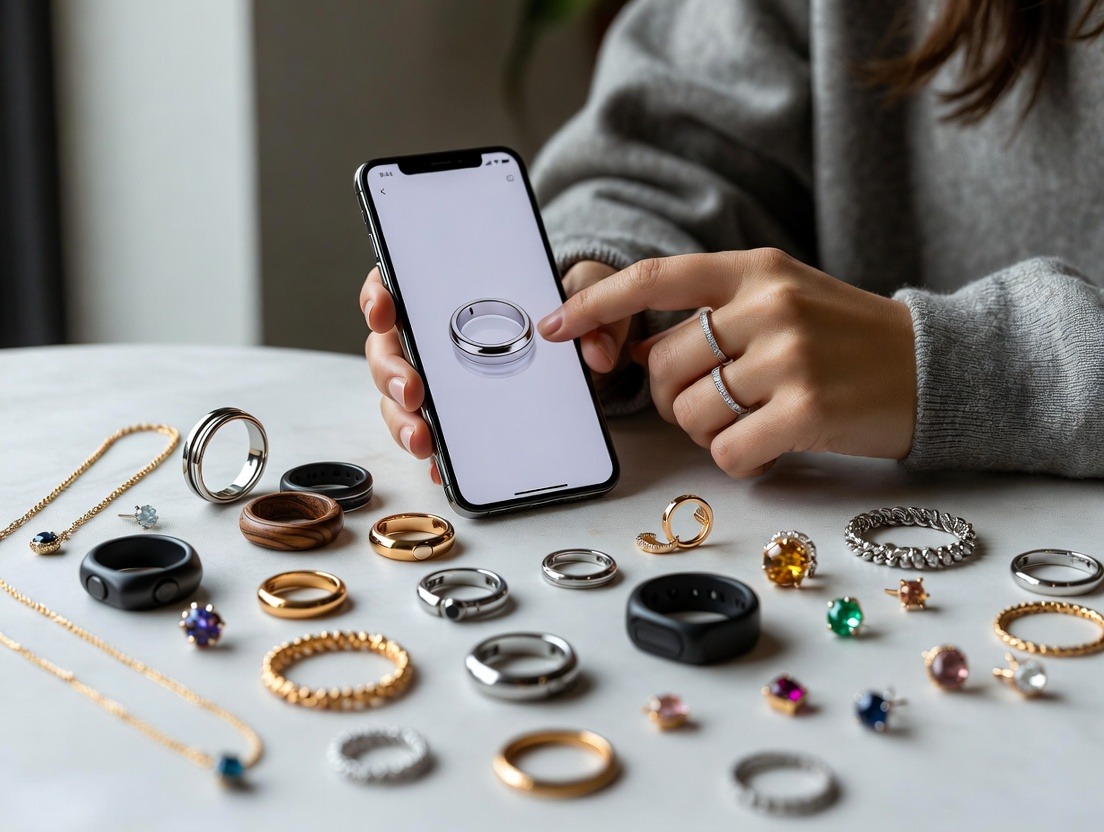
If health is a balance, stress is the persistent force trying to tip the scales. For generations, stress was a vague concept—a feeling of being overwhelmed, a tightness in the shoulders, a sense of anxiety. Your wellness ring changes that. It takes this amorphous experience and gives it a physiological language, translating the unseen biochemical cascade of a stress response into clear, quantifiable metrics. This is perhaps one of its most profound capabilities: making the invisible, visible.
The body’s stress response, governed by the sympathetic nervous system and hormones like cortisol and adrenaline, is not inherently bad. It’s a survival mechanism—sharpening focus, mobilizing energy, and preparing you for challenge. The problem in modern life is chronic, low-grade activation. This constant state of "fight-or-flight" depletes resources, disrupts sleep, weakens immunity, and accelerates aging. Until now, we’ve lacked a tool to measure this background strain in real-time, outside of a lab.
Your ring acts as a continuous monitor of this autonomic nervous system (ANS) balance. By primarily tracking Heart Rate Variability (HRV) and resting heart rate (RHR), it provides a window into your sympathetic (“gas pedal”) versus parasympathetic (“brake pedal”) activity. A low HRV and/or elevated RHR indicate sympathetic dominance—your body is in a state of mobilization, even at rest. Over time, tracking these metrics reveals your personal stress patterns: the time of day you’re most taxed, how you recover from stressful events, and which activities truly calm your nervous system versus those that subtly deplete it.
Beyond acute stress, the ring tracks the allostatic load—the cumulative wear and tear from chronic stress. This shows up as a gradual downward trend in your baseline HRV, a creeping rise in your baseline RHR, and increased instability in your nocturnal heart rate. It’s your body’s way of saying the checking account is being drawn down faster than it’s being replenished. Recognizing this trend early is powerful; it allows you to intervene with deliberate recovery strategies before reaching a state of burnout or exhaustion.
This objective data also helps dismantle the myth of “good stress” or “I work well under pressure.” You may cognitively believe you’re thriving in a high-pressure job, but your physiology may tell a different story—showing suppressed recovery and poor sleep quality. By aligning your perception with your body’s reality, you can make more sustainable choices about work, relationships, and lifestyle, using your ring as an unbiased guide to true resilience.
Breathing is the only autonomic function we can also consciously control—a bridge between the voluntary and involuntary nervous systems. Your respiratory rate, the number of breaths you take per minute, is a vital sign often overlooked in favor of heart rate or blood pressure. Yet, it holds profound clues about your metabolic state, emotional regulation, and sleep quality. Your wellness ring, through its precise PPG sensor, detects the subtle, rhythmic changes in blood volume with each breath, deriving your breaths per minute (BrPM) both day and night.
During the day, resting respiratory rate for a healthy adult is typically 12 to 20 breaths per minute. Your ring establishes a personal baseline for you. Significant deviations can be informative. A consistently elevated daytime respiratory rate, when at complete rest, can be a sign of physical stress (like your body working to recover from intense exercise), metabolic stress (from illness or infection), or psychological anxiety. It’s a more subtle metric than heart rate but equally telling.
It is during sleep, however, that respiratory rate becomes a particularly elegant and informative metric. In healthy sleep, breathing becomes slower, deeper, and more regular, especially during deep sleep (N3). Your ring tracks this nightly slowdown, and the establishment of a stable, low respiratory rate is a hallmark of efficient, restorative rest. The consistency itself is key; highly variable breathing during sleep can indicate disrupted sleep stages or underlying issues.
Furthermore, the ring’s ability to track respiratory rate is foundational to its screening capability for sleep-disordered breathing. In obstructive sleep apnea (OSA), breathing repeatedly stops or becomes shallow. While the direct detection of apnea events (pauses in breathing) is more complex and may require complementary technology, the ring can identify patterns highly suggestive of disturbance. For instance, it may flag periods where your respiratory rate becomes erratic or coupled with a desaturation in blood oxygen (SpO2). A pattern of elevated or highly variable average nighttime respiratory rate, compared to your personal norm, can be a significant prompt to seek a professional sleep study.
Beyond pathology, tracking breathing rate offers a lever for direct intervention. The rise of breathwork and mindfulness is rooted in the science of “hacking” the autonomic nervous system via respiration. Slow, diaphragmatic breathing (around 4-7 breaths per minute) actively stimulates the vagus nerve, enhancing parasympathetic tone and increasing HRV. You can use your ring to practice this: engage in five minutes of paced breathing and observe the near-immediate effect on your real-time HRV and respiratory rate within the app. This turns a wellness metric into an interactive biofeedback tool, empowering you to actively downshift your nervous system in moments of tension. It provides tangible proof that you can, indeed, breathe your way back to calm.
Metabolism is often reduced to a simple “calories in, calories out” equation or a genetic predisposition to being “fast” or “slow.” Your wellness ring offers a more nuanced, dynamic view by tracking two key metabolic proxies: skin temperature and resting heart rate. Together, they form a signature of how your body produces, uses, and regulates energy at a systemic level.
Skin temperature, as we’ve explored, is a distal signal of core thermoregulation. This process is metabolically expensive. To maintain a constant internal temperature, your body continuously burns energy (calories) through basal metabolic rate (BMR). Significant, sustained shifts in your baseline skin temperature can indicate changes in this metabolic engine. For example, a trend of slightly elevated nocturnal temperature could reflect a higher metabolic rate, potentially due to factors like:
Conversely, a consistently low baseline temperature might be seen in states of underfueling, hormonal imbalances like hypothyroidism, or during periods of extreme calorie restriction, where the body downregulates non-essential functions to conserve energy.
Resting heart rate (RHR) complements this picture. Your heart is a muscle, and each beat consumes energy. A higher RHR means your heart is beating more times per minute to perfuse your body with oxygen and nutrients, indicating a higher baseline energy demand (or a less efficient pump). Therefore, a combined signal of a rising RHR and a rising temperature baseline is a strong indicator of increased metabolic activity, for better (increased fitness) or worse (illness, inflammation).
Your ring allows you to observe your personal metabolic rhythms. You’ll see the natural post-meal increase in heart rate (the thermic effect), the metabolic boost from a morning workout that lingers for hours, and the beautiful metabolic slowdown that accompanies deep sleep. By understanding these patterns, you can time your nutrition and activity to work with your metabolism, not against it. For instance, noticing that late-night eating spikes your heart rate and temperature, leading to restless sleep, provides a powerful incentive to adjust meal timing—a key component of any holistic 12-week transformation plan for better sleep.
Your body is not designed to run at a constant state 24/7. It thrives on rhythm. The master regulator of this daily cycle is your circadian rhythm—an internal, roughly 24-hour clock that governs everything from hormone release and cell repair to cognitive function and mood. Disruption of this rhythm is linked to a host of issues, from sleep disorders and metabolic syndrome to impaired immune function and mental health struggles. Your wellness ring is a powerful tool for diagnosing your circadian alignment and guiding you back into sync.
The ring tracks multiple outputs of your circadian clock, creating a composite picture:
By analyzing these data streams, your ring can assess the regularity and amplitude of your biological rhythms. Many devices provide a “Circadian Rhythm” or “Consistency” score. A low score doesn’t just mean you had a late night; it indicates your internal systems are out of phase with each other and with the external day-night cycle.
The practical application is profound. If your data shows a delayed rhythm (you’re a natural “night owl” struggling in a 9-to-5 world), you can use the ring to test interventions. Can morning light exposure at a specific time advance your temperature minimum and help you fall asleep earlier? Does avoiding blue light after 8 PM improve the slope of your nocturnal heart rate drop? The ring provides the feedback.
Aligning with your circadian rhythm is perhaps the most powerful high-level health intervention available, and it’s free. It optimizes the timing of nearly every bodily process. Your ring becomes a compass, not just telling you where you are in the 24-hour cycle, but guiding you back to your natural, optimal rhythm for peak energy, stable mood, and resilient health. This alignment is the bedrock upon which all other wellness practices are built.
For nearly half the population, a critical layer of physiological complexity exists: the menstrual cycle. Traditional health tracking has often treated the female body as a smaller male model, overlooking the powerful, predictable monthly rhythms governed by estrogen and progesterone. A modern wellness ring, however, is an ideal tool for capturing this symphony of change, offering women unparalleled insight into how their cycle impacts everything from sleep and recovery to metabolism and performance.
The primary biomarkers for cycle tracking are basal body temperature (BBT) and resting heart rate (RHR). After ovulation, the release of progesterone causes a sustained rise in both core temperature and RHR that lasts until menstruation begins. Your ring passively captures this with far greater accuracy and convenience than manual oral BBT tracking. By charting your nightly temperature and RHR averages, you can clearly see the biphasic pattern: a lower pre-ovulatory phase and a higher post-ovulatory phase. This allows you to confirm ovulation has occurred—a key data point for those focusing on fertility, natural family planning, or simply understanding their hormonal health.
But the insights go far beyond ovulation confirmation:
By integrating with cycle-tracking apps, the ring transforms from a general health device into a personalized women’s health companion. It destigmatizes and demystifies the cycle, framing it not as an inconvenience, but as a core, informative rhythm of health—a vital sign to be understood and honored, providing the data needed to live in sync with, not in spite of, one’s innate physiology.
The narrative of health is often split into distinct chapters: active days and restorative nights. Yet, the most revealing story is found in the relationship between them—the non-linear, dynamic interplay where daytime stress and exertion write the script for nightly recovery, and the quality of that recovery determines the capacity for the next day's endeavors. Your wellness ring is the constant narrator of this loop, revealing that health is not a series of isolated events, but a continuous, complex conversation.
During the day, the ring’s accelerometers and heart rate sensors are not merely logging exercise. They are quantifying your total allostatic load—the cumulative physiological cost of adapting to all demands. This includes:
Your ring synthesizes this into a daily "stress" or "strain" score. Crucially, it distinguishes between positive stress (eustress), like a good workout that challenges your body appropriately, and negative stress (distress), like anxiety or overwhelm, which often carries a different physiological signature—more erratic, less rhythmic.
The magic of the feedback loop is revealed at night. Your sleep data is the direct report card on how well you processed that daily load. Did the challenging workout lead to an increase in deep, restorative sleep? That’s a sign of good adaptation. Did the stressful workday result in a high resting heart rate, low HRV, and frequent awakenings? That’s a sign of maladaptation—your system is still “on,” unable to power down.
This is where the non-linearity is key. The impact is not 1:1. A single hard day might be easily absorbed by a resilient system. However, the ring excels at showing the compounding effect. Three consecutive days of high cognitive load + skipped rest breaks + moderate exercise might not result in terrible sleep on night three, but might cause a dramatic crash on night four as resilience is finally exhausted. Conversely, you might see that a truly restful day—not just inactive, but genuinely relaxed—can "pay down" the debt from previous days, resulting in a super-compensatory spike in HRV and deep sleep.
By observing this loop over weeks, you learn your personal resilience capacity and recovery velocity. You can answer questions like: How many high-strain days can I handle before I must schedule a down day? What type of evening activity (e.g., gentle yoga, reading, a social phone call) best facilitates the transition from a stressed state to recovery sleep? This turns your health from a guessing game into a manageable system. It empowers you to strategically schedule demanding tasks after well-recovered nights and to prioritize genuine recovery when your data shows the tank is nearing empty.
The daily and weekly insights from a wellness ring are valuable, but its truest power is unlocked over months and years. In the long game of health, it’s the trends—the slow, gradual shifts in your physiological baselines—that predict future vitality or foreshadow potential decline. Your ring acts as a personal biographer, writing the story of your health trajectory in the language of data, allowing you to edit the narrative while there’s still time.
Establishing a Personal Health Baseline: After the initial weeks of data collection, you don't just have numbers; you have a statistical portrait of your normal. This includes your average resting heart rate (e.g., 58 BPM), your HRV range (e.g., 45-80 ms), your typical sleep duration and efficiency, and your standard skin temperature curve. This is your health "set point."
Identifying Meaningful Deviations: With a solid baseline, you can distinguish noise from signal. A single night of poor sleep is noise. A two-week trend where your RHR creeps up by 5 BPM, your HRV trendline slopes downward, and your sleep efficiency drops by 8% is a signal. This constellation of changes is a classic signature of elevated allostatic load, overtraining, or the prodromal phase of an illness. The ring’s predictive power lies here: it often alerts you to these shifts before you consciously feel unwell.
Observing the Impact of Lifestyle Changes: Want to know if a new meditation practice, dietary shift, or consistent bedtime is truly working? Look at the 90-day trend. Did your baseline HRV increase? Did your average sleep latency decrease? The long-term data provides irrefutable, personalized evidence. For instance, committing to a natural, consistent sleep foundation may show over three months as a steady climb in your "Sleep Score" and a stabilization of your nightly temperature rhythm. This positive reinforcement is crucial for sustaining habit change.
Aging & Healthspan Insights: As we age, certain physiological changes are expected: a very gradual increase in resting heart rate, a slow decrease in HRV, and changes in sleep architecture (less deep sleep). By tracking these metrics year over year, you can see your personal rate of change. More importantly, you can observe how lifestyle interventions modulate that rate. Are your biomarkers aging slower than chronological expectation? The data will show it. This makes the ring a powerful tool for optimizing healthspan—not just living longer, but living with vitality for more of your life.
From Reactive to Proactive Healthcare: This long-view tracking fosters a profoundly proactive relationship with your health. Instead of waiting for a symptom to send you to the doctor, you can bring trend data to a check-up: "Over the last six months, I've noticed a consistent decline in my nocturnal SpO2 averages and an increase in respiratory disturbances. Should we consider a sleep study?" This shifts you from a patient describing subjective feelings to a partner presenting objective, longitudinal data, enabling earlier and more targeted interventions.
In essence, the ring transforms health from a snapshot—an annual check-up—into a continuous movie. You are no longer wondering how you are; you are watching, in high definition, how you are becoming. This awareness is the first and most critical step toward steering your future toward resilience and well-being.
Raw biometrics from your ring tell a compelling story, but they can sometimes read like a novel missing its key chapters. The numbers show what happened: HRV dropped 30%. Heart rate was elevated all night. Sleep was fragmented. But the critical question—why?—often lies in the subjective realm of your lived experience. This is where the simple, often-overlooked practice of journaling within your ring’s app completes the picture, transforming data points into wisdom.
Your physiological metrics are exquisitely sensitive to a vast array of inputs that the sensors cannot directly detect. By logging simple tags or notes, you provide the context that turns correlation into causation:
This practice of pairing objective (ring data) with subjective (your logs) is a form of structured self-reflection. After a few weeks, patterns leap off the page. You might see that for you, caffeine after 2 PM doesn’t affect sleep latency, but does reduce REM sleep. Or that while alcohol helps you fall asleep faster, it reliably demolishes your deep sleep and next-day readiness score.
Many advanced ring platforms use this journaled data to power personalized insights. The algorithm learns: "Every time this user logs 'Late Work Dinner,' their following night's HRV drops by an average of 22%. This is a high-confidence correlation." It can then proactively surface this insight: "Your data shows late meals often impact your recovery. Consider finishing dinner 3 hours before bed."
By embracing this holistic view, you move beyond being a passive data recipient to becoming the co-author of your health story. The ring provides the plot; your journal entries provide the motive and the character development. Together, they create a complete, actionable narrative that empowers you to make precise, effective changes to your daily life. For those new to this integrative approach, starting with a simple habit log can be a game-changer, as outlined in our guide to getting started with sleep tracking without overwhelm.
Enthusiasm for the deep insights from a wellness ring must be balanced with a clear, realistic understanding of its technical capabilities and limitations. This isn't to diminish its value, but to empower you to interpret its data wisely and avoid the common pitfalls of over-reliance or misinterpretation. A tool is most powerful when you know exactly what it can and cannot do.
Where It Excels: Clinical-Grade Trends
Your ring is exceptionally good at tracking relative changes and trends in key biomarkers. Its ability to detect a 5% drop in your personal HRV baseline, a 10-BPM rise in your nocturnal heart rate, or a shift in your temperature curve is highly reliable. This is its core strength: continuous, longitudinal monitoring that reveals deviations from your normal. For wellness and lifestyle optimization, this is precisely the data you need.
The Gray Areas: Absolute Accuracy & Medical Diagnosis
It is crucial to remember these devices are wellness tools, not medical devices. Their absolute accuracy for spot measurements can vary.
Common Pitfalls to Avoid:
By understanding these parameters, you use the ring as it was designed: as a phenomenally insightful guide for health optimization, a tool for building self-awareness, and an early-warning system for meaningful deviations. It is a partner in your health journey, not a replacement for professional medical advice. For a deeper exploration of this balance, our honest analysis of the pros and cons of sleep tracking provides a nuanced perspective.
Data that doesn’t lead to action is merely trivia. The culmination of all this tracking—the nightly pulse, the daily stress, the long-term trends, and the contextual journaling—is the creation of a truly personalized, dynamic action plan for your well-being. Your ring provides the diagnostic layer; the action plan is the treatment protocol you design and iterate based on the feedback.
This process follows a continuous cycle:
1. Observe & Identify Patterns:
Use the ring’s trends and journal correlations to identify clear levers. For example: "My data shows that on days I have back-to-back meetings without a break, my daytime stress score stays above 80%, and my sleep latency that night increases by an average of 25 minutes."
2. Form a Hypothesis & Intervene:
Based on the observation, create a small, testable change. "Hypothesis: If I schedule a mandatory 10-minute walk outside between long meeting blocks, it will lower my afternoon stress score and improve my sleep onset."
3. Test & Measure:
Implement the change for a significant period (e.g., one or two work weeks). Continue wearing your ring and journaling consistently to collect data.
4. Analyze & Adapt:
Review the data. Did the afternoon walk lower your stress score? Did sleep latency improve? If yes, you’ve found a validated, personal strategy. Integrate it. If not, adapt the intervention (e.g., try 5 minutes of meditation instead of a walk) and test again.
Build Your Personal Protocol Pillars:
Structure your action plan around the key areas your ring illuminates:
The goal is not to create a rigid, punitive regimen, but a flexible, responsive system that respects your body’s fluctuating needs. Your ring provides the communication channel; your action plan is your thoughtful response. This integration is where wearable technology transcends gadgetry and becomes a cornerstone of modern, intentional living—a system that helps you not just track your life, but actively design it for sustained vitality and resilience.
Your Trusted Sleep Advocate: Sleep Foundation — https://www.sleepfoundation.org
Discover a digital archive of scholarly articles: NIH — https://www.ncbi.nlm.nih.gov/
39 million citations for biomedical literature :PubMed — https://pubmed.ncbi.nlm.nih.gov/
Experts at Harvard Health Publishing covering a variety of health topics — https://www.health.harvard.edu/blog/
Every life deserves world class care :Cleveland Clinic - https://my.clevelandclinic.org/health
Wearable technology and the future of predictive health monitoring :MIT Technology Review — https://www.technologyreview.com/
Dedicated to the well-being of all people and guided by science :World Health Organization — https://www.who.int/news-room/
Psychological science and knowledge to benefit society and improve lives. :APA — https://www.apa.org/monitor/
Cutting-edge insights on human longevity and peak performance:
Lifespan Research — https://www.lifespan.io/
Global authority on exercise physiology, sports performance, and human recovery:
American College of Sports Medicine — https://www.acsm.org/
Neuroscience-driven guidance for better focus, sleep, and mental clarity:
Stanford Human Performance Lab — https://humanperformance.stanford.edu/
Evidence-based psychology and mind–body wellness resources:
Mayo Clinic — https://www.mayoclinic.org/healthy-lifestyle/
Data-backed research on emotional wellbeing, stress biology, and resilience:
American Institute of Stress — https://www.stress.org/


