


Daily Activity Insights: Why Movement Quality Matters More Than Quantity
Insights highlight that the quality and pattern of your movement often matter more than the total quantity.
Insights highlight that the quality and pattern of your movement often matter more than the total quantity.
%402x.svg)
For decades, the message about physical activity has been distilled into a single, relentless metric: get your steps. Ten thousand of them, to be precise. We’ve become a culture obsessed with quantity—racking up miles, closing exercise rings, chasing arbitrary calorie burns, and celebrating sheer volume as the ultimate sign of health. But what if this relentless focus on the “how much” is not just incomplete, but potentially misleading? What if, in our quest to move more, we’ve forgotten to ask how we’re moving—and more importantly, how well?
Enter the era of movement quality. This paradigm shift moves beyond counting to evaluating. It’s not about how many times you lift a weight, but how you lift it. It’s not just the distance of your run, but the symmetry of your stride. It’s the difference between merely surviving a workout and thriving within your daily life, free from pain and brimming with functional energy. This is the frontier of modern wellness, where data meets intuition, and technology evolves from a simple pedometer to a holistic movement analyst.
For the first time, advanced wearable technology, like the sophisticated sensors in a smart ring from Oxyzen, is making this nuanced understanding accessible. No longer are we limited to step counts and heart rate zones. We can now glean insights into our movement efficiency, recovery needs, and the subtle biomechanical patterns that dictate long-term vitality versus chronic injury. This isn't just activity tracking; it's activity intelligence.
In this comprehensive exploration, we will dismantle the myth of quantity-over-quality and build a new framework for understanding your daily movement. We’ll delve into the science of biomechanics, the psychology of habit formation, and the technology that bridges the gap between data and actionable insight. By the end, you will see your daily activity not as a number to hit, but as a rich tapestry of patterns, rhythms, and qualities to optimize. The goal is no longer just to be active, but to move with purpose, power, and longevity.
The story of modern fitness tracking is, in many ways, the story of the 10,000-step goal. It’s a target embedded in our collective consciousness, the default setting on a million wearable devices. But its origin is not rooted in exercise physiology or public health research. It stems from a clever 1960s Japanese marketing campaign for a pedometer called the "manpo-kei," which literally translates to "10,000-step meter." The number was chosen for its symbolic roundness and aspirational quality, not because of any scientific breakthrough.
Yet, like many good marketing ideas, it stuck. Public health organizations adopted it for its simplicity. Tech companies standardized it. It gave people a clear, binary target: hit five digits, and you’ve won the day. This quantitative approach served an important purpose—it got a sedentary population thinking about moving. The problem, however, is that simplicity often comes at the cost of accuracy. A 2019 study published in JAMA Internal Medicine found that while 10,000 steps correlated with lower mortality, the benefits began to plateau around 7,500 steps for older women. More critically, the intensity of the steps—how briskly they were taken—mattered significantly for health outcomes.
The step-count paradigm reduces the complex, multidimensional human body to a single-axis metric. It makes no distinction between:
To a basic tracker, these are all equal. But to your joints, muscles, nervous system, and metabolic health, they are profoundly different. The quantitative obsession has led to what some experts call "empty movement"—activity that fills a log but fails to nourish the body in a meaningful way. It can even foster unhealthy behaviors, like choosing a longer, inefficient route to hit a step goal instead of a shorter, more intense bout of activity, or continuing to exercise through pain to "close a ring," risking injury.
This is not to say counting steps is worthless. For establishing a baseline or providing motivational scaffolding for beginners, it has merit. But as our understanding of human physiology deepens and our technology becomes more capable, we must graduate from this rudimentary model. The next generation of wellness isn’t about moving more blindly; it’s about moving better intelligently. To understand what "better" truly means, we must first look at the sophisticated science that defines it, which you can explore further in resources like our detailed Oxyzen blog.
So, if not steps, then what? Movement quality is the holistic assessment of how you perform physical activity. It’s the intersection of efficiency, safety, and effectiveness. Think of it as the difference between a master carpenter and a novice: both can swing a hammer, but one does so with precise force, perfect alignment, and minimal wasted energy, achieving a better result with less fatigue and risk.
Movement quality rests on several interconnected pillars:
1. Biomechanical Alignment and Form: This is the foundation. It refers to the positioning and movement of your joints and segments during an activity. Proper alignment ensures forces are distributed as intended, protecting ligaments, tendons, and cartilage. For example, squatting with knees caving inward (valgus) is a quantitative repetition, but a qualitative failure that stresses the knee joint. A focus on quality means prioritizing a squat with knees tracking over toes and a neutral spine, even if it means using less weight or doing fewer reps initially.
2. Movement Variability: The human body is designed for diversity—to squat, lunge, push, pull, twist, carry, and gait in countless ways. The modern sedentary lifestyle, often spent in repetitive postures (sitting, looking down), creates movement "ruts" and loses this natural variability. Quality movement intentionally reintroduces this diversity, challenging the body in different planes of motion and through different ranges of motion to maintain resilience and adaptability.
3. Neuromuscular Control: This is the communication highway between your brain and muscles. Quality movement requires fine-tuned control: the ability to activate the right muscles (like your glutes during a hip hinge) and relax the ones that shouldn’t be working (like an overactive lower back). Poor neuromuscular control often manifests as "compensation patterns," where stronger or more dominant muscles take over for weaker ones, leading to inefficiency and eventual strain.
4. Symmetry and Balance: Very few of us are perfectly symmetrical, but large disparities between sides can be a precursor to injury. Movement quality assesses and seeks to improve balance—not just standing on one leg, but in strength, mobility, and coordination from left to right. A runner with a significant hip drop on one side is a prime example of a quantitative athlete (logging high mileage) with a qualitative deficit (asymmetry) that could lead to iliotibial band syndrome or other issues.
5. Contextual Appropriateness: The highest quality movement is that which is perfectly suited to the task at hand and the individual's current state. Sprinting with maximal intensity is a high-quality movement for a well-recovered athlete on a track. It is a very low-quality movement choice for someone who is sleep-deprived, stressed, and running for a bus on a concrete sidewalk. This pillar integrates factors like recovery status, fatigue, and environment into the movement equation.
Monitoring these pillars used to require a lab with motion-capture cameras and a team of biomechanists. Today, advanced wearables are bringing this analysis to your fingertips. A device like the Oxyzen smart ring, for instance, can track subtle variations in movement patterns, sleep quality, and physiological readiness, offering clues about your neuromuscular recovery and symmetry. By correlating activity data with recovery metrics, it helps you understand not just that you moved, but what the impact of that movement was, guiding you toward more intelligent, qualitative choices. For a deeper look at how recovery and sleep feed into this equation, consider reading about the science of deep sleep and what happens to your body.
Ignoring movement quality is like ignoring a faint, persistent check-engine light in your car. You can keep driving for miles, focusing only on the distance traveled (quantity), but eventually, the underlying mechanical fault will lead to a breakdown. In the human body, this "breakdown" manifests as pain, injury, and chronic conditions. The cost of poor movement is often silent and cumulative, paid in micro-traumas long before a major injury occurs.
Every time you move with poor alignment or inefficient patterns, you place abnormal stress on tissues. A slight forward head posture during a desk workday adds 10 pounds of compressive force on the cervical spine for every inch of forward displacement. A habitual hip hike when walking slowly tightens one set of muscles and weakens another. These are not one-time injuries; they are repetitive strain injuries in slow motion, known to physiotherapists as cumulative load disorders.
The process follows a predictable, yet often invisible, pathway:
The insidious part is that you can be "fit" by quantitative standards while harboring these dysfunctional patterns. The marathon runner with chronic IT band pain, the weightlifter with persistent shoulder issues, the active parent with low back stiffness—all are moving in high quantities but suffering from low-quality mechanics. Their fitness is, in a very real sense, fragile.
Addressing this requires a shift from external performance metrics (how much, how fast, how heavy) to internal sensing (how does it feel, where am I feeling it, is my breathing connected?). It requires valuing a pain-free, fluid squat with body weight over a heavy, grinded, and compromised one. The data from a holistic wearable can act as an early warning system, highlighting imbalances in activity, declines in sleep quality that hinder tissue repair, or elevated resting heart rates that signal systemic stress and a need for restorative movement over intensive training. For those struggling with recovery, understanding how to increase your most restorative sleep can be a foundational step in healing these micro-traumas.
The conversation about movement quality is too often confined to the gym or the running track. This is a critical mistake. The vast majority of the forces and patterns that shape our bodies—for better or worse—occur during the 23 hours a day we are not formally exercising. Your movement quality while picking up a child, carrying groceries, sitting at a desk, or even breathing is what truly defines your long-term physical health.
This is the realm of NEAT (Non-Exercise Activity Thermogenesis) and functional movement. NEAT encompasses all the energy you expend for everything that is not sleeping, eating, or sports-like exercise. It's your posture, your fidgeting, your walking to the printer, your gardening. The quality of these movements is paramount because of their sheer volume. Spending 8 hours sitting with a rounded spine and protruding head (a "tech neck" posture) does more cumulative damage to your spinal health than 30 minutes of perfectly executed yoga can repair. It’s a net-negative equation.
Consider these daily activities through the lens of quality:
Improving the quality of these mundane movements is the single most impactful thing most people can do for their musculoskeletal health. It turns daily life into a low-dose, high-frequency training regimen for resilience. Instead of "saving" good form for the gym, you are practicing it all day long. This consistent reinforcement builds robust, healthy patterns that become automatic, protecting you during both daily tasks and more intense workouts.
Technology can support this all-day awareness. A smart ring’s subtle haptic feedback can remind you to adjust a slouched posture. Its activity breakdown can show you periods of prolonged sedentariness, prompting you to integrate more variable, quality movement—like a set of deep bodyweight squats or a thoracic spine rotation—into your routine. By viewing your entire day as a movement landscape, you begin to see opportunities for qualitative improvement everywhere, turning your environment into a tool for wellness. Discover more about integrating technology into your daily habits on our company about page.
To understand how we can possibly track something as nuanced as movement quality, we must look at the remarkable evolution of wearable technology. The journey from simple mechanical counters to today's sophisticated biometric sensors is a story of moving from observing activity to understanding it.
The First Wave: The Pedometer Era (Counting). These devices, often clunky and analog, had one job: detect vertical oscillations and translate them into a step count. They were ignorant of intensity, form, or context. A step was a step.
The Second Wave: The Accelerometer & GPS Era (Measuring). The integration of triaxial accelerometers, gyroscopes, and GPS in fitness trackers and smartwatches was a quantum leap. Now we could measure distance, speed, elevation, and even rudimentary "active minutes." Heart rate monitors added a layer of intensity measurement. This was the era of metrics: calories burned, floors climbed, minutes in zone. The focus was still overwhelmingly quantitative, but with more data points.
The Third Wave: The Biometric Sensor Fusion Era (Interpreting). This is where we are today, led by advanced smart rings and next-gen wearables. The key differentiator is sensor fusion—the combination of multiple data streams (PPG for heart rate and HRV, accelerometry, temperature sensors, skin conductivity) processed through sophisticated algorithms and often AI. This allows devices to move beyond what you did and start to infer how it affected you.
For movement quality, this is revolutionary. Here’s how modern technology interprets quality:
This evolution means your wearable is no longer just a logger; it's a coach and an interpreter. It helps you connect the dots between your sleep, your daily stress, your activity choices, and how you feel. The endpoint is not a bigger number on a dashboard, but a more attuned, resilient, and capable body. To see this technology in action and how it integrates into a user's life, browse through authentic customer testimonials and experiences.
All the technology in the world is meaningless without the most sophisticated sensor of all: your own nervous system. The ability to perceive and interpret the internal sensations of your body is known as interoception. This is your built-in, real-time movement quality feedback system. It’s the feeling of muscular engagement, joint position, breath rhythm, and effort level. A high level of interoceptive awareness allows you to self-correct, to feel when your form is off, and to know when to push or pull back.
Modern life, with its constant external distractions, has eroded this innate skill. We override signals of fatigue with caffeine, ignore hunger and fullness cues, and push through pain to meet external goals. We become deaf to our body's whispers until they become screams of injury or burnout.
Cultivating interoception is the human counterpart to technological data. It involves:
Technology and interoception are not rivals; they are powerful allies. The data from your wearable can validate or question your internal perceptions. You might feel tired, but if your HRV is high and your sleep was restorative, the data might suggest that movement would actually improve your energy (a phenomenon known as "exercise-induced euphoria"). Conversely, you might feel ready to crush a workout, but if your device shows a consistently low HRV and poor sleep for three nights, it’s offering a crucial warning: your physiology is stressed, and a high-intensity session could be detrimental.
The goal is to create a feedback loop: Data informs awareness, and awareness refines how you interpret data. You begin to trust the subtle "something doesn't feel right" sensation in your knee during a lunge, and you modify the movement. You learn that a particular type of restless sleep, which you can read about in our article on deep sleep deprivation and the silent signs you're not getting enough, reliably predicts a poor movement day, so you schedule a gentle yoga session instead of heavy lifting.
This partnership between internal sensing and external data is the cornerstone of sustainable, high-quality movement for life.

You cannot discuss movement quality in isolation. The vehicle that performs the movement—your body—is repaired, rebuilt, and rejuvenated almost exclusively during sleep, particularly deep sleep and REM sleep. Sleep is not the opposite of activity; it is its essential partner. High-quality movement depends on high-quality recovery. Without it, you are asking a damaged, under-repaired machine to perform precision tasks.
During deep sleep (slow-wave sleep), the body enters its most anabolic state. Growth hormone secretion peaks, facilitating tissue repair, muscle growth, and bone building. The immune system is strengthened. This is when the micro-tears in your muscles from a quality strength session are repaired, making them stronger. Without sufficient deep sleep, this repair process is incomplete. You accumulate damage, inflammation rises, and your movement quality inevitably declines—coordination suffers, reaction time slows, and the risk of injury spikes.
REM sleep, often associated with dreaming, is crucial for cognitive and neurological recovery. It’s when the brain processes motor skills and consolidates learning. That new, qualitative movement pattern you practiced in the gym—the perfect hip hinge—is literally etched into your neural pathways during REM sleep. Skimping on REM sleep means your brain doesn't get to "save" the improved motor program, making it harder to replicate good form consistently.
This creates a powerful, bidirectional relationship:
When you view your wellness through this lens, tracking both becomes non-negotiable. A smart ring that seamlessly integrates sleep staging (estimating your deep, REM, and light sleep) with daily activity and readiness metrics provides the complete picture. It can reveal that your "off" days in the gym consistently follow nights with less than an hour of deep sleep. This insight shifts your strategy: the intervention isn't to "try harder" during your workout; it's to optimize your sleep hygiene and habits the night before.
This symbiotic cycle is where true optimization happens. You stop seeing exercise and sleep as separate boxes to check and start seeing them as two gears in the same clockwork mechanism of health. Prioritizing one inherently supports the other, creating a virtuous upward spiral of improving quality in all domains. For a comprehensive understanding of this cycle, our FAQ section addresses common questions on integrating sleep and activity data.
Understanding the theory is one thing; applying it is another. The shift from quantity to quality is a practice, not a single decision. It requires patience, curiosity, and a willingness to sometimes "do less" to achieve more. Here are actionable, tiered strategies to weave movement quality into the fabric of your life, whether you're a seasoned athlete or just starting your journey.
Tier 1: The Foundation (Awareness & Baseline)
Tier 2: Integration (Habit Stacking & Environment Design)
Tier 3: Optimization (Data-Informed Decisions)
Remember, the goal is progressive improvement, not perfection. A single, high-quality breath, a single, well-aligned step, or a single, mindful squat is a victory. These victories compound into a resilient, capable, and pain-free body. For a wide array of strategies and deeper dives into these concepts, the Oxyzen blog is a continuously updated resource.
Theory and strategy come alive through real-world application. Let's examine three archetypal case studies that illustrate the transformative power of shifting from a quantity-centric to a quality-centric approach. These stories, composite of common experiences, highlight how different starting points all lead to a similar conclusion: moving better is life-changing.
Case Study 1: The "Injured Runner" (Maya, 38)
Case Study 2: The "Desk-Bound Professional" (David, 45)
Case Study 3: The "Wellness Beginner" (Chloe, 28)
These stories underscore that the pursuit of movement quality is universally applicable and profoundly personal. It meets you where you are and guides you toward a more resilient version of yourself. To read more firsthand accounts of this transformative journey, visit our testimonials and user experiences page.
Our exploration of movement quality would be incomplete without venturing into the landscape of the mind. Every movement you make is preceded by a thought, an intention, and a emotional state. The psychological framework through which you view activity—your motivation, your self-talk, your relationship with goals—profoundly shapes the quality of that activity. You can have perfect biomechanical knowledge, but if your mindset is rooted in punishment or perfectionism, your movement will suffer.
Consider two people performing the same yoga pose. One is fully present, focusing on the sensation of breath and stretch, accepting their body's current limits with curiosity. The other is frustrated, comparing themselves to an idealized image, forcing their body deeper into the pose while holding their breath. The external "quantity" is identical (one pose, held for 30 seconds), but the internal quality—and thus the neurological and physiological impact—is worlds apart.
The Role of Motivation: Intrinsic vs. Extrinsic
The source of your motivation is a primary dictator of movement quality.
Shifting from extrinsic to intrinsic motivation is perhaps the most powerful psychological upgrade you can make. It transforms exercise from something you have to do to something you get to do. A tool like a smart ring can support this shift by helping you reframe data. Instead of seeing a "readiness score" as a pass/fail test, view it as valuable information that empowers you to choose the most intrinsically rewarding activity for your body today—be it a vigorous hike or a restorative nap.
The Impact of Stress and Mental Load
Chronic psychological stress is a silent saboteur of movement quality. When your nervous system is stuck in a sympathetic (fight-or-flight) state due to work pressure, anxiety, or emotional strain, it has direct physical consequences:
Therefore, managing mental load is not separate from managing movement quality; it is a prerequisite. Techniques like box breathing before a workout, or using a wearable's stress-tracking feature to identify calming practices that work for you, can lower your physiological arousal and create the internal calm necessary for precise, high-quality movement. This deep connection between mental state and physical recovery is further detailed in our article on the science of deep sleep and what happens to your body during these critical restoration phases.
Cultivating a "Quality-First" Mindset:
By aligning your psychology with the principles of quality, you stop fighting your body and start collaborating with it. This partnership is where sustainable, joyful, and effective movement is born.

In the world of athletic training, periodization is a foundational concept. It's the planned, systematic variation of training variables (volume, intensity, frequency) over time to maximize performance and avoid plateaus or overtraining. Typically, it's reserved for athletes preparing for a competition. But what if we applied this intelligent framework not just to sport, but to life? This is the concept of lifestyle periodization—a master strategy for balancing movement quality, quantity, and recovery across the weeks, months, and seasons of your life.
The old, linear model—"always push for more"—is a recipe for burnout and injury. The periodized model recognizes that your body's capacity is not static; it ebbs and flows with stress, sleep, age, and seasons. A smart approach, supported by good data, honors these natural rhythms.
The Basic Cycles Applied to Everyday Life:
Implementing Lifestyle Periodization:
This cyclical approach destroys the notion of "falling off the wagon." There is no wagon—only an intelligent, adaptable path forward. Some phases have more quantitative output, some have almost none, but all are dedicated to the long-term cultivation of a body that moves well. For support in planning these cycles, our FAQ page addresses many common questions on balancing activity and recovery.
Movement does not occur in a vacuum. The spaces we inhabit and the people we surround ourselves with create a powerful ecosystem that either supports or hinders movement quality. To truly embed a quality-first philosophy, we must look outward and engineer our social and physical environment for success.
The Physical Environment: Design for Movement Variability
Our modern world is engineered for sedentariness and repetition. Chairs, cars, and cubicles encourage fixed, often poor-quality postures. We can counteract this through conscious design:
When your environment prompts natural, varied movement throughout the day, you accumulate a massive volume of quality movement without dedicating "exercise time" to it. This is the ultimate integration.
The Social Environment: The Power of Community and Coaching
The people around you are perhaps the most potent environmental factor.
Technology can bridge the social dimension as well. Some platforms allow you to share non-competitive wellness metrics with close friends or a coach—not to compete on steps, but to share insights on sleep trends or discuss how a new mobility routine affected your readiness score. This fosters connection based on shared learning and support, not comparison.
By thoughtfully crafting both your physical spaces and your social circles, you create a world that constantly pulls you toward better, more varied, and more joyful movement. It makes the high-quality choice the easy, default choice. For inspiration on building a lifestyle that supports this, delve into our story and the vision behind Oxyzen.
As we peel back the layers of movement quality, we arrive at the molecular and systemic level: the world of advanced biomarkers. These are physiological signals that provide an objective, internal report card on how your body is responding to your movement habits—far beyond soreness or fatigue. Interpreting these biomarkers is the cutting edge of personalizing movement quality.
Heart Rate Variability (HRV): The Master Metric of Nervous System Balance
HRV is not your heart rate; it's the subtle variation in the milliseconds between each heartbeat. A higher HRV (more variability) generally indicates a healthy, resilient autonomic nervous system with a strong balance between the stress (sympathetic) and rest (digest, repair - parasympathetic) branches. It is one of the single best proxies for recovery status and readiness for quality work.
Resting Heart Rate (RHR) and Heart Rate Recovery (HRR):
Nocturnal Core Body Temperature:
Your core temperature follows a circadian rhythm, dipping at night to initiate and maintain sleep, particularly deep sleep. Disruptions in this rhythm—an elevated nocturnal temperature—can indicate systemic inflammation, an overactive metabolism from overtraining, or the onset of illness.
Respiratory Rate (During Sleep):
The number of breaths you take per minute during sleep is a stable, insightful metric. Elevated respiratory rates can indicate stress, respiratory issues, or that your cardiovascular system is working harder than it should be at rest—often a result of accumulated fatigue or poor recovery from training.
Synthesizing the Biomarker Symphony:
The power lies not in any single metric, but in their confluence. For example:
By learning this language of your inner physiology, you move from guessing to knowing. You make movement choices that are in true dialogue with your body, elevating every action from a shot in the dark to a precise, qualitative intervention. This is the pinnacle of personalized wellness.
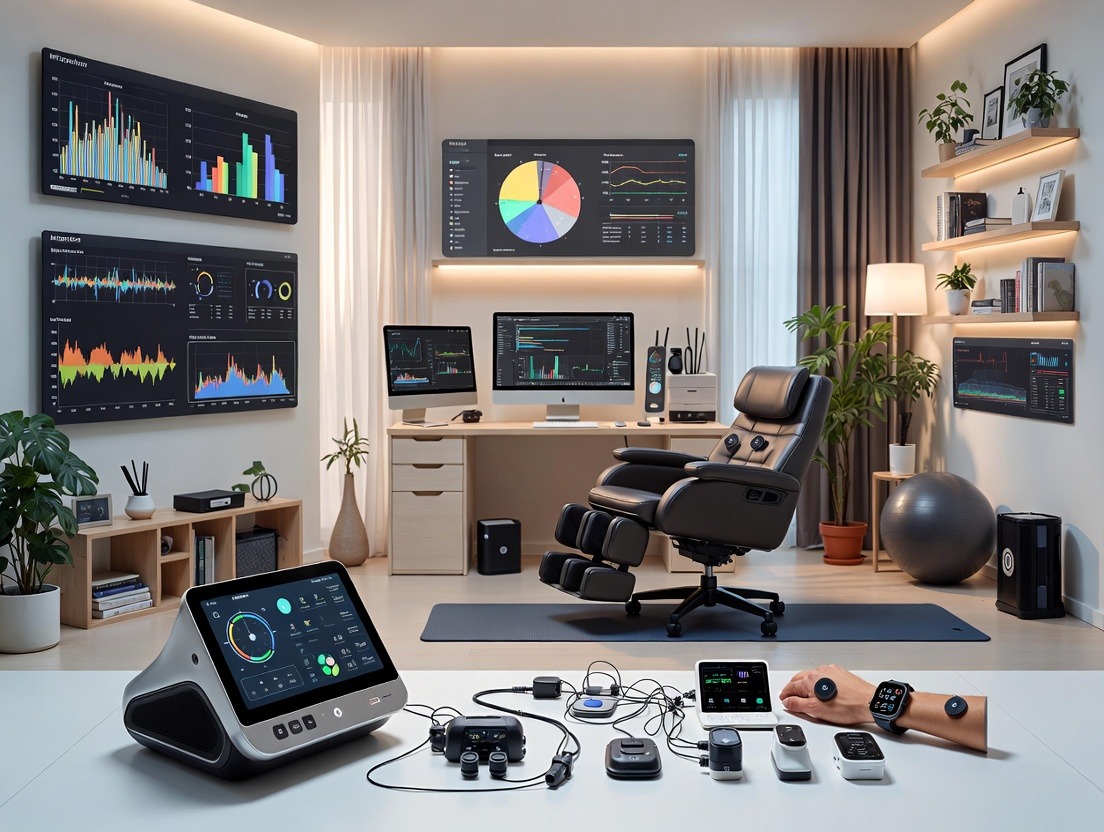
The conversation around nutrition and fitness has long been dominated by two themes: weight management and post-workout recovery. But if we are to fuel movement quality, we need a more nuanced lens. What you eat, and when you eat it, directly influences your energy systems, neuromuscular function, inflammation levels, and ultimately, your capacity for precise, powerful, and sustained movement.
Macronutrients Through a Quality Lens:
Micronutrients: The Unsung Heroes of Movement Mechanics:
Deficiencies in key vitamins and minerals can directly impair the physiological processes behind quality movement.
Nutritional Timing for Daily Movement Quality:
Listening to Your Gut (Literally):
The gut-brain axis is a powerful communication channel. Gastrointestinal distress during movement is a direct detractor from quality—it's hard to focus on form when you're bloated or cramping. Experiment to find the timing and types of food that make you feel light, energized, and steady. This is highly individual and is a critical part of your personal movement-quality equation.
In short, eat not just to recover from movement, but to enable it. View food as the high-quality fuel and building material that allows the complex machine of your body to perform with precision, power, and grace.
The ultimate argument for prioritizing movement quality is not a faster 5K time or a heavier lift—it’s the profound impact on your healthspan and functional longevity. Healthspan is the period of your life spent in good health, free from chronic disease and disability. While quantity-focused exercise certainly contributes to longevity, it is the qualitative aspects of movement that determine whether you spend those extra years moving with vitality or with limitation.
Joint Preservation vs. Joint Destruction:
Every movement you make is a transaction with your joints. High-quality movement—with proper alignment, balanced muscles, and controlled forces—distributes load evenly across joint surfaces, nourishes cartilage through synovial fluid movement, and strengthens the supporting ligaments and tendons. It’s a deposit into your "joint bank."
Poor-quality movement—with misalignment, muscular imbalances, and repetitive strain—creates focal points of excessive wear and tear. It’s like constantly dragging a piece of furniture on one corner instead of lifting it evenly. This leads to the slow, degenerative process of osteoarthritis. Quality movement is, therefore, preventive medicine for your joints, aiming to keep them healthy for a lifetime of use.
Maintaining Mobility and Independence:
The two most feared losses as we age are mobility (the ability to move freely) and independence. Both are directly tied to movement quality cultivated over a lifetime.
The Neurological Reserve:
Movement quality requires and builds a rich network of neural connections. Every time you practice a balanced, coordinated movement, you reinforce the brain-body pathways that control it. This builds a "neurological reserve." As aging naturally prunes some neural connections, a robust reserve built through a lifetime of varied, quality movement provides resilience. It helps maintain coordination, balance, and reaction time deep into later life, drastically reducing the risk of falls—a major cause of disability in older adults.
The Metabolic and Systemic Benefits:
High-quality movement is inherently more efficient, often engaging more muscle mass effectively. This leads to better metabolic health—improved insulin sensitivity, better lipid profiles, and healthier blood pressure. Furthermore, by preventing chronic pain and injury, quality movement allows you to stay consistently active, which is the single biggest factor in maintaining metabolic health across the decades.
Playing the Long Game:
Adopting a quality-first mindset is an investment with compounding interest. The 30-year-old who focuses on perfect squat form is making a deposit that the 60-year-old will withdraw as pain-free knees and the ability to play with grandchildren on the floor. The 40-year-old who prioritizes mobility and recovery is buying insurance against the chronic stiffness and injuries that often emerge in the 50s.
This long-view transforms your daily choices. Skipping a workout to prioritize sleep isn't laziness; it's a strategic investment in recovery quality that pays off in consistent training decades from now. Choosing a lighter weight to perfect your technique isn't a step back; it's building a foundation that will allow you to lift safely for years to come.
In the longevity game, consistency always beats intensity, and quality is the engine of consistency. By moving well today, you are architecting a future of freedom, vitality, and independence. For a deeper understanding of how sleep, a key pillar of quality, evolves with age, our article on the deep sleep sweet spot by age provides essential guidance.
As we stand at the intersection of wearable technology, artificial intelligence, and human physiology, the future of understanding movement quality is not just promising—it's revolutionary. We are moving beyond passive tracking and generic recommendations toward truly personalized, predictive, and adaptive movement intelligence. This next frontier will transform our relationship with our bodies from reactive to proactive, and from guesswork to guided precision.
Hyper-Personalized Biomarker Feedback
The current generation of devices provides a snapshot of biomarkers like HRV, temperature, and activity. The future lies in creating a dynamic, multi-layered biomarker signature unique to you. Imagine a system that learns your individual patterns so deeply that it can detect deviations indicative of specific issues:
Closed-Loop Systems and Adaptive Guidance
Today's devices offer data; tomorrow's will offer adaptive, closed-loop guidance. This means the system doesn't just report—it responds and recommends in real-time.
The Role of AI and Machine Learning
The engine of this future is AI that moves from pattern recognition to causal inference. It won't just see that poor sleep correlates with poor workouts; it will learn the specific thresholds and combinations of factors that lead to sub-optimal outcomes for you.
Ethical Considerations and the Human Element
This powerful future comes with important caveats. Data privacy and security will be paramount. There's a risk of becoming overly reliant on external technology, further eroding our intrinsic interoceptive skills. The goal must be augmentation, not replacement. The technology should enhance our self-knowledge, not dictate it.
The most sophisticated system in the world is still in service to the human experience. The final decision—the joy of moving, the listening to a subtle cue, the choice to rest or push—must remain with the individual. The future of movement intelligence is a partnership where technology handles the complex data analysis, freeing us to focus on the qualitative experience of being in our bodies. To see the direction this technology is headed, you can explore Oxyzen's vision and journey.
Understanding the theory and the future is essential, but transformation happens in implementation. Here is a practical, step-by-step framework to build your own Personal Movement Quality System (PMQS). This is not a rigid prescription, but a customizable scaffold you can adapt over a lifetime.
Phase 1: The Assessment (Weeks 1-2) – Lay the Foundation
Phase 2: The Intervention (Weeks 3-10) – Introduce Quality
Phase 3: Integration & Periodization (Month 3 & Beyond) – Make It Sustainable
This system moves you from being a passive consumer of fitness trends to the active architect of your own well-being. You are the scientist, and your life is the ongoing experiment in quality. For additional resources and community support as you build your system, the Oxyzen blog and FAQ are always available.

When you commit to moving with quality, the benefits cascade outward in powerful, often unexpected ways. This is the ripple effect—where the intentional cultivation of physical intelligence spills over to enrich your mental, emotional, and social life. It’s not just about having a healthier body; it’s about becoming a more present, resilient, and engaged human being.
Enhanced Cognitive Function and Creativity
The mind-body connection is a two-way street. High-quality movement, especially that which requires coordination, balance, and learning new patterns, is a potent stimulus for neuroplasticity—the brain's ability to form new neural connections. This sharpens cognitive functions:
Emotional Regulation and Stress Resilience
Your physical state dictates your emotional landscape. Quality movement is a master regulator.
Improved Relationships and Social Connectivity
How you move in the world affects how you connect with others.
A New Relationship with Your Environment
A focus on movement quality makes you more attuned to your surroundings. You notice the feel of different terrains underfoot, the quality of the air, the way sunlight affects your energy. You might seek out parks, trails, or spaces that invite varied and joyful movement. You become an active participant in your environment, not just a passive occupant.
In essence, refining the quality of your movement refines the quality of your life. It turns physical practice into a holistic discipline for living with greater awareness, resilience, and connection. The ring on your finger or the data on your phone becomes more than a fitness tool; it becomes a catalyst for a richer human experience.
We began by challenging a deeply ingrained cultural axiom: that more movement is inherently better. We've journeyed through the science of biomechanics, the psychology of motivation, the symbiotic relationship with sleep, the advanced language of biomarkers, and the practical steps to build a life centered on movement quality. The conclusion is clear and profound: In the realm of physical activity, quality is not just a component of success—it is the very definition of it.
The pursuit of 10,000 steps, burned calories, or crushed workouts is a pursuit of external validation. It’s a numbers game that, played blindly, can lead to emptiness, injury, and burnout. The pursuit of movement quality, however, is an inward journey. It’s a practice of self-awareness, patience, and respect for the magnificent biological system that is your body. It asks not "Did I do enough?" but "Did I do it well?" and "How do I feel?"
This shift is liberating. It frees you from the tyranny of comparison and the guilt of "rest days." It turns every day into an opportunity for intelligent engagement with your body, whether that engagement looks like a intense strength session, a skill-focused practice, a mindful walk, or dedicated recovery. All are of equal dignity and importance in the quality-first framework.
The Call to Action: Start Where You Are
You don't need to overhaul your life today. Start with a single, qualitative breath. Start with noticing your posture right now. Start by taking one of your daily walks and committing to the first five minutes being fully present—feeling your feet strike the ground, the swing of your arms, the rhythm of your breath.
Let technology be your guide, not your master. Allow a device like the Oxyzen ring to illuminate the connections you cannot see—between your sleep and your strength, between your stress and your stability. Use its insights to foster curiosity, not self-criticism. To begin this journey of discovery, you can explore the technology designed for this purpose at the Oxyzen shop.
Remember, the goal is not to achieve a perfect, static state of "optimal quality." The goal is to embark on the journey itself—the lifelong process of listening, learning, and adapting. It is to build a body that is not just capable of impressive feats, but one that is resilient, pain-free, and joyfully functional for all the seasons of your life.
Move with intention. Recover with purpose. Listen deeply. This is the path to not just a longer life, but a richer, more vibrant, and truly well-lived one. The first step—the first quality step—begins now. For continued learning and support on this path, remember that a wealth of knowledge awaits in our comprehensive blog archives.
Your Trusted Sleep Advocate (Sleep Foundation — https://www.sleepfoundation.org/)
Discover a digital archive of scholarly articles (NIH — https://www.ncbi.nlm.nih.gov/
39 million citations for biomedical literature (PubMed — https://pubmed.ncbi.nlm.nih.gov/)
experts at Harvard Health Publishing covering a variety of health topics — https://www.health.harvard.edu/blog/)
Every life deserves world class care (Cleveland Clinic -
https://my.clevelandclinic.org/health)
Wearable technology and the future of predictive health monitoring. (MIT Technology Review — https://www.technologyreview.com/)
Dedicated to the well-being of all people and guided by science (World Health Organization — https://www.who.int/news-room/)
Psychological science and knowledge to benefit society and improve lives. (APA — https://www.apa.org/monitor/)
Cutting-edge insights on human longevity and peak performance
(Lifespan Research — https://www.lifespan.io/)
Global authority on exercise physiology, sports performance, and human recovery
(American College of Sports Medicine — https://www.acsm.org/)
Neuroscience-driven guidance for better focus, sleep, and mental clarity
(Stanford Human Performance Lab — https://humanperformance.stanford.edu/)
Evidence-based psychology and mind–body wellness resources
(Mayo Clinic — https://www.mayoclinic.org/healthy-lifestyle/)
Data-backed research on emotional wellbeing, stress biology, and resilience
(American Institute of Stress — https://www.stress.org/)


