


The Role of Oxygen in Understanding Body Recovery
Why oxygen is a critical element for cellular energy production in healing.
Why oxygen is a critical element for cellular energy production in healing.
%402x.svg)
You’ve crushed the workout. You’ve logged the miles. You’ve held the pose. Now, you wait. Recovery—that critical, mysterious, and often frustratingly passive phase—begins. For the modern wellness enthusiast, athlete, or anyone seeking to optimize their body, recovery is the final frontier. We track our active output with obsessive detail: heart rate zones, power output, steps, calories. But our understanding of the response to that effort, the silent repair work happening at a cellular level, has remained frustratingly opaque.
We stare at sleep scores and readiness metrics, wondering: “Is this enough? Am I truly recovered?” We navigate a sea of advice—ice baths, compression, supplements, meditation—often applying them generically, hoping something sticks. What if we’ve been overlooking the fundamental currency of the entire process? The very element that fuels every single repair mechanism, powers our energy systems, and ultimately dictates how swiftly and completely we rebuild?
That element is oxygen.
Beyond its basic life-sustaining role, oxygen is the master regulator of physiological recovery. Its journey from your lungs to the mitochondria in your most fatigued muscles is a tale of transport, utilization, and efficiency that tells the true story of your body’s readiness. Fluctuations in blood oxygen saturation (SpO2), especially during the critical windows of sleep and post-exercise, are not mere data points; they are direct telemetry from your body’s repair crews. Low overnight SpO2 can signal disrupted sleep architecture, crippling the release of growth hormone. Poor oxygen replenishment after exertion slows the clearance of metabolic waste and delays muscular repair.
Until recently, accessing this deep, continuous oxygen data required clinical equipment. But the advent of advanced wellness technology, like the smart rings from Oxyzen, is democratizing this vital insight. By tracking SpO2 alongside heart rate variability (HRV), skin temperature, and movement, we can now see the complete picture. We can move from guessing about recovery to understanding it.
This article is a deep dive into the central, yet underappreciated, role of oxygen in bodily recovery. We will dissect the science, explore the practical applications, and reveal how leveraging this knowledge can transform your approach to training, sleep, and overall wellness. This isn’t just about more data; it’s about better, more fundamental data that allows you to listen to your body’s most primal language.
To grasp oxygen’s role in recovery, we must first understand its baseline function. Oxygen is the final electron acceptor in the electron transport chain, the process within our mitochondria that produces adenosine triphosphate (ATP)—the universal cellular energy currency. Simply put, without adequate oxygen, our cells cannot produce energy efficiently.
The journey is a marvel of physiological engineering:
This cycle runs constantly, but its demand fluctuates wildly. During exercise, muscle oxygen consumption can increase by up to 70-fold. The body meets this demand by increasing cardiac output (more blood pumped) and extracting oxygen more efficiently from the blood.
However, the recovery phase presents a different, more nuanced challenge. The acute demand has ceased, but the need for oxygen remains profoundly elevated. Why? Because the processes of repair are energetically expensive.
Each of these recovery pillars is oxygen-hungry. Therefore, the efficiency and sufficiency of your oxygen delivery system after the workout ends become the primary bottleneck for how quickly and effectively you rebuild. A suboptimal oxygen environment doesn’t just slow recovery; it can alter its quality, leading to incomplete repair, persistent fatigue, and a higher risk of injury or illness. It’s the difference between a construction site with a steady power supply and one experiencing constant brownouts.
Recovery is not a passive state of “doing nothing.” It is an active, dynamic, and oxygen-dependent cascade of events. We can conceptualize this as the Oxygen Recovery Loop, a four-stage cycle that determines your body’s trajectory from fatigue to fitness.
Stage 1: The Alarm Phase (0–4 Hours Post-Exertion)
Immediately after strenuous activity, your body is in a state of elevated metabolic chaos. Energy stores are depleted, metabolic byproducts accumulate, and microscopic damage is present. Oxygen demand remains high as your cardiorespiratory system works to repay the “oxygen debt” (excess post-exercise oxygen consumption, or EPOC). Here, oxygen’s primary role is clearance and stabilization. Efficient oxygen delivery fuels the enzymes that convert lactate, helps restore cellular pH balance, and begins powering the initial immune cell response to damaged tissue. Poor oxygen availability here can prolong the acidic environment in muscles, increasing soreness and delaying the transition to the next phase.
Stage 2: The Repair & Replenishment Phase (4–24 Hours)
This is where the heavy lifting begins. With the acute stress stabilized, the body shifts resources to structural repair and resynthesis. Hormones like growth hormone and testosterone, primarily released during deep sleep, initiate muscle protein synthesis. This process is extremely ATP-dependent, and therefore oxygen-dependent. Simultaneously, glycogen stores are being rebuilt. For every gram of glycogen stored, 3–4 grams of water are also retained, which is why good hydration—essential for optimal blood volume and oxygen transport—is critical. Your oxygen levels during sleep are paramount in this phase. As explored in our article on the sleep-performance-recovery triangle, disrupted sleep architecture from low SpO2 directly sabotages this critical anabolic window.
Stage 3: The Adaptation Phase (24–72 Hours)
This is the stage of supercompensation—where the body doesn’t just repair itself to its previous state, but builds back stronger and more resilient in anticipation of future stress. New contractile proteins are laid down, mitochondria may multiply and become more efficient (a process called mitochondrial biogenesis), and the nervous system optimizes its signaling. The quality of this adaptation is directly linked to the resources available during the first two stages. Think of oxygen as the foreman on this job site: with a consistent, ample supply, work proceeds on schedule, building a robust structure. With intermittent supply, the work is haphazard, incomplete, or prone to flaws.
Stage 4: The Recalibration Phase (Ongoing)
This final stage represents the body’s return to a new, elevated baseline of readiness. Hormone levels normalize, fluid balance is achieved, and the nervous system is primed for new input. This is the state that modern wellness wearables and smart rings attempt to quantify with “Readiness” or “Recovery Quality” scores. However, without oxygen data, these scores are making educated guesses. By integrating continuous SpO2 trends—especially nocturnal patterns—devices like the Oxyzen ring can validate your body’s true recalibration status. You can learn more about this in our deep dive on your Recovery Quality Score.
Understanding this loop reframes recovery from a timeline to a process. You’re not just waiting 48 hours; you are fueling a four-stage, oxygen-driven construction project. Interrupt the oxygen supply at any stage, and the final result is compromised.
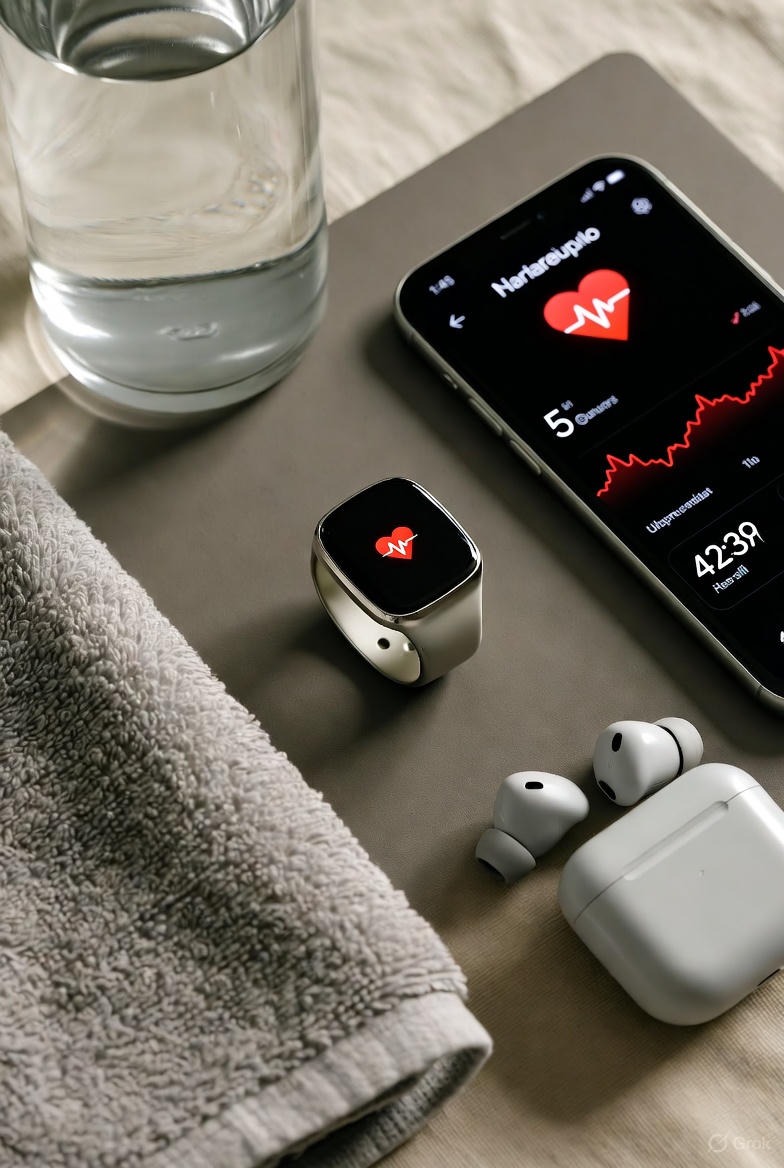
Most people associate blood oxygen saturation (SpO2) with hospital monitors and critical health events. A “normal” SpO2 at sea level is considered 95–100%. For the average sedentary individual, it’s a stable metric. For anyone engaging in serious training, however, SpO2 becomes a dynamic and highly informative vital sign, offering a window into cardiorespiratory fitness, recovery status, and overall physiological strain.
SpO2 as a Fitness Marker:
Well-trained athletes, particularly in endurance sports, often exhibit exceptional oxygen utilization efficiency. Their bodies are adept at extracting oxygen from the bloodstream to fuel working muscles. This doesn’t necessarily raise their resting SpO2 (it’s already maxed out near 100%), but it means they can maintain higher SpO2 levels under sub-maximal load than an untrained person. A drop in this efficiency during standard workouts could be an early sign of overreaching, illness, or inadequate recovery.
Nocturnal SpO2: The Recovery Dashboard:
While you sleep is when SpO2 data becomes uniquely valuable for recovery. It’s not about your average number, but the pattern.
Post-Exercise SpO2 Rebound:
How quickly your SpO2 returns to its robust baseline after a workout is a direct indicator of your cardiorespiratory system’s resilience. A slow rebound suggests your system is still under significant stress, struggling to restore homeostasis. This is a powerful, real-time data point that, when combined with HRV, can tell you if your cool-down was effective or if your body is signaling for a lighter day tomorrow. In fact, learning how to adjust exercise based on your smart ring recovery score is a key skill for intelligent training.
By elevating SpO2 from a static number to a dynamic story, you gain a proxy for measuring internal load and recovery capacity. It’s a direct line to understanding how well your body is managing the physiological cost of your ambitions.
If recovery has a cathedral, it is sleep. It is during these 7–9 hours of quiescence that the majority of the Oxygen Recovery Loop’s critical work is executed. But not all sleep is created equal, and oxygen is the key that unlocks its restorative potential.
Sleep architecture is composed of cycles of NREM (Non-Rapid Eye Movement) and REM sleep. Deep sleep (Stage N3) is the most physically restorative, characterized by:
REM sleep is crucial for cognitive recovery, memory consolidation, and emotional regulation.
Oxygen is the silent conductor of this orchestra. Stable, sufficient oxygen saturation is required to maintain uninterrupted progression through these stages. When SpO2 drops significantly, it often triggers a micro-arousal—a brief awakening so short you don’t remember it, but long enough to fragment the sleep cycle. The brain, detecting a threat of oxygen deprivation, pulls you out of deep or REM sleep back into a lighter, safer stage.
The consequences for recovery are severe:
Therefore, optimizing sleep for recovery is, in large part, about optimizing the environment for stable oxygen saturation. This goes beyond just tracking hours. It involves strategies like:
A smart ring that tracks SpO2 and sleep stages, like those detailed on the Oxyzen blog, provides the feedback loop necessary to validate these interventions. You’re not just hoping you slept better; you can see if your oxygen stability improved, and correlate that with your morning readiness metrics.
While SpO2 tells us about oxygen in the blood, the ultimate metric of fitness and recovery potential is what happens at the cellular level: VO2 max. Formally defined as the maximum volume of oxygen your body can utilize during intense exercise, VO2 max is the ceiling of your aerobic engine. It is determined by a cascade of factors: lung diffusion, cardiac output, blood volume and hemoglobin count, and, finally, mitochondrial density and efficiency in muscle cells.
A higher VO2 max is not just about running or cycling faster. It is a profound predictor of recovery speed. Here’s why:
Think of two construction sites clearing debris. One has a fleet of large, efficient trucks (high VO2 max). The other has a few small vans (low VO2 max). After the same amount of demolition, which site gets cleared faster? The one with greater capacity.
Training to improve your VO2 max—through high-intensity interval training (HIIT), threshold work, and consistent aerobic base building—is, therefore, an investment in your future recovery. You are literally building a larger, more efficient infrastructure for delivering and using oxygen, which pays dividends 24/7, not just during workouts. This is a core principle of long-term athletic development, as discussed in our resource on how exercise and recovery balance affects long-term fitness gains.
Furthermore, tracking trends in your sub-maximal heart rate at a given power or pace can be an indirect indicator of VO2 max efficiency—and by extension, recovery status. If your heart rate is elevated for a standard, easy run, it could signal fatigue, dehydration, or that your aerobic system is still taxed from prior work. This is a practical application of using performance data to infer recovery, a method greatly enhanced by direct physiological data from a wellness wearable.
Our oxygen delivery system and its role in recovery do not exist in a vacuum. They are under constant assault from modern life. Understanding these thieves is crucial because you can be doing everything right in your training, only to have your recovery sabotaged by factors you’re not measuring.
Psychological Stress:
Chronic stress keeps your sympathetic nervous system engaged, leading to increased heart rate, blood pressure, and shallow, chest-based breathing (rather than deep, diaphragmatic breathing). This pattern reduces respiratory efficiency and can create chronic, low-grade tension in the respiratory muscles. It also impacts sleep, often leading to the micro-arousals and fragmented sleep that disrupt oxygen stability. Managing stress isn’t just “feeling better”; it’s about freeing up physiological resources, including oxygen, for repair.
Environmental and Lifestyle Factors:
The insidious part is that these factors often work synergistically. A stressful day leads to poor sleep hygiene (a glass of wine), which depresses respiration, leading to poor sleep and unstable SpO2, resulting in incomplete recovery, which elevates stress hormones the next day—a vicious cycle. Breaking it requires awareness, and awareness requires data. By seeing how a late meal or a stressful workday impacts your nocturnal oxygen, you gain the motivation to change those habits. For strategies on managing accumulated strain, our guide on recovery debt is an essential read.

The wellness wearable market has exploded, but for years it focused on activity and basic heart rate. The advent of medical-grade sensors miniaturized into unobtrusive rings has been a game-changer, particularly for recovery tracking. A device like the Oxyzen smart ring, worn continuously, captures the most honest physiological data—especially during sleep, when you are still and the sensors have optimal contact.
Here’s how modern smart rings integrate oxygen to create a superior recovery metric:
1. Multi-Parameter Synergy:
A smart ring doesn’t look at SpO2 in isolation. It synthesizes it with:
The magic is in the algorithm that weighs these together. For example, a low HRV (stressed) combined with elevated RHR and unstable nocturnal SpO2 paints a far more compelling picture of “not recovered” than any one metric alone. You can discover more about these smart ring metrics that predict recovery quality in our dedicated analysis.
2. The Nocturnal Advantage:
Wrist-based devices can be prone to motion artifact. A ring on your finger, which typically moves less during sleep, provides a more stable signal for photoplethysmography (PPG)—the optical method used to measure SpO2 and heart rate. This allows for the detection of subtle, clinically relevant trends in oxygen variation that might be missed by noisier data.
3. Personalized Baselines and Trends:
Generic thresholds are useless. What’s a “low” SpO2 dip for one person is normal for another. Advanced rings establish your baseline over weeks of observation. They then flag meaningful deviations. Seeing a trend of declining overnight SpO2 stability over a training block is an early warning sign of accumulating fatigue, perhaps even before you feel it. This proactive insight is the core of preventing burnout and plateau.
4. Actionable Context:
The best devices don’t just throw numbers at you. They provide context. “Your SpO2 was 2% less stable than your baseline last night, and your deep sleep was reduced. This contributed to a lower Recovery Score. Consider focusing on hydration and a wind-down routine tonight.” This transforms data into a dialogue with your body.
By placing a continuous, medical-grade oxygen sensor in a comfortable, always-on form factor, smart rings have finally closed the loop. We can now measure not just the strain we apply, but the fundamental resource our body uses to respond to it.
Data without application is noise. The ultimate value of understanding your oxygen-recovery connection is in making smarter, more personalized decisions about your training and life. This is where the theoretical becomes practical and powerful.
Interpreting Your Morning Readiness:
Your morning recovery score, derived from your night’s data (SpO2, HRV, RHR, sleep), is your daily prescription.
Periodizing Recovery Based on Trends:
Look beyond the single day. If you see a consistent downward trend in your overnight SpO2 stability over a 2-3 week training block, it’s a signal that cumulative fatigue is building. This is the ideal, data-driven trigger to schedule a deload week—a planned period of reduced volume and intensity to allow for full supercompensation. Our deload week strategy guide outlines how to use your ring to time this perfectly.
Validating Recovery Interventions:
Do ice baths help or hinder your recovery? Does magnesium supplementation improve your sleep oxygen stability? Does a 10-minute meditation before bed raise your HRV and SpO2? With continuous tracking, you can run single-subject experiments. Implement an intervention for 1-2 weeks, observe the trends in your key recovery metrics (especially nocturnal SpO2), and see what works for your unique biology. This is the essence of how your wellness ring validates your recovery strategies.
By moving from a fixed schedule (“I lift Monday, Wednesday, Friday”) to a dynamic, responsive plan guided by your body’s oxygen-driven recovery status, you train with intelligence. You match your input to your body’s capacity to process it, maximizing gains while minimizing risk.
Let’s make this concrete. Consider “Alex,” a dedicated amateur marathoner in the heart of a training block. Following a rigid plan, Alex’s key metrics looked like this:
This case illustrates the power of oxygen as an early-warning system. The SpO2 instability preceded the sore throat and the significant jump in RHR. It was the canary in the coal mine, allowing for a proactive, minor adjustment that prevented a major setback. This is the new paradigm of training: a conversation with your body, mediated by data on its most fundamental resource.
The term "detox" has been co-opted by a multi-billion dollar wellness industry, often promoting quick fixes that range from ineffective to potentially harmful. It's crucial to separate evidence-based physiology from marketing hype. Let's dismantle the most pervasive myths.
Myth 1: You Need a Radical Juice Cleanse or Fast to "Detox."
Myth 2: Colon Hydrotherapy (Colonics) are Essential for Removing Toxins.
Myth 3: Sweating in a Sauna or During Exercise Removes "All" Toxins.
Myth 4: A Specific "Detox Tea" or Supplement Will Flush Your System.
Myth 5: Detox is a One-Time Event You Do Once or Twice a Year.
Your wellness ring is the ultimate myth-buster. It provides objective feedback on what truly supports your system. Did that expensive 3-day juice cleanse lead to improved sleep, higher HRV, and more energy? Or did it cause restless nights, brain fog, and a plummeting recovery score? The data doesn't lie. It shifts the paradigm from following external, one-size-fits-all protocols to listening to your body's unique, quantifiable responses. This evidence-based approach is the core of modern, personalized wellness. For more on balancing intense efforts with adequate recovery, which is often misconstrued, read How to Balance High-Intensity Exercise with Adequate Recovery.

We have established oxygen as the indispensable currency of recovery. But currency alone cannot build a house; you need building materials and a skilled workforce. In the body’s recovery economy, nutrition provides the raw materials, and hydration maintains the logistical network, while oxygen powers the entire operation. Ignoring any one of these pillars collapses the system.
Macronutrients: The Oxygen-Consuming Builders
Every metabolic pathway that processes food for repair consumes oxygen. The efficiency of this process determines how well your nutrition fuels recovery.
Micronutrients: The Essential Catalysts
These are the enzymes, co-factors, and electron carriers that allow oxygen-based metabolism to proceed. Deficiencies here create bottlenecks.
Hydration: The River of Transport
Blood plasma is ~92% water. Dehydration, even as little as 2% body weight loss, has a measurable impact:
The goal is euhydration—optimal fluid balance. Your smart ring can provide indirect clues about hydration status through trends in resting heart rate (elevated when dehydrated) and possibly skin temperature. However, the most powerful tool is pairing your physiological data with conscious hydration habits, especially after sessions where you’ve lost significant sweat. Proper hydration ensures the river that carries the oxygen-laden red blood cells is flowing wide and deep.
While the principles of oxygen and recovery are universal, their expression varies dramatically across different sports and training styles. Understanding these nuances allows for more precise application.
Endurance Training (Running, Cycling, Swimming):
For endurance athletes, the link is most direct. Performance is fundamentally about sustained oxygen delivery (VO2 max) and utilization efficiency (lactate threshold). Recovery is about restoring that system.
High-Intensity Interval Training (HIIT) & CrossFit:
These modalities create massive, acute metabolic disturbances and significant muscular damage. The oxygen demand spikes are extreme and repetitive.
Strength & Power Training:
The oxygen demand during a heavy set is actually anaerobic—the effort is too short and intense to rely on aerobic metabolism. However, the recovery from strength training is profoundly aerobic and oxygen-dependent.
Mind-Body & Technical Practice (Yoga, Pilates, Skill Work):
Recovery here is less about metabolic repair and more about neurological and connective tissue recovery.
In all cases, the wearable data acts as a translator. It tells you not just that you’re fatigued, but what kind of fatigue you’re dealing with—metabolic, nervous system, mechanical—and how it’s impacting your fundamental oxygen systems.
The Hormonal Symphony: How Oxygen Availability Conducts the Recovery Messengers
Hormones are the chemical signals that initiate, modulate, and conclude the recovery process. Their secretion and effectiveness are exquisitely sensitive to the body’s internal environment, with oxygen playing a lead role in the orchestra.
The Anabolic Conductor: Growth Hormone (GH)
Secreted in pulses from the pituitary gland, primarily during deep (N3) sleep, GH is a primary driver of tissue repair, fat metabolism, and muscle growth. Its release is potently stimulated by:
The Master Regulator: Cortisol
The primary catabolic (breakdown) stress hormone. It’s essential for mobilizing energy and modulating inflammation, but chronic elevation is the enemy of recovery.
Sex Hormones: Testosterone and Estrogen
The Metabolic Mediators: Insulin and Thyroid Hormones
By using your wearable data—particularly the triad of sleep quality, HRV, and SpO2 stability—you can infer the state of this hormonal symphony. A pattern of excellent scores suggests an anabolic, growth-oriented hormonal milieu. A pattern of poor scores suggests a catabolic, stress-dominated state. This insight allows for strategic intervention through nutrition, sleep hygiene, and stress management long before performance declines or illness strikes.
The cutting edge of sports science is no longer confined to elite training centers. The principles and technologies used by professionals are now accessible, providing a blueprint for dedicated amateurs. For pros, the margin for error is razor-thin, and oxygen metrics have become a non-negotiable part of the toolkit.
Monitoring Overtraining and Readiness:
Elite athletes walk a tightrope between peak stimulus and breakdown. Continuous monitoring of HRV and nocturnal SpO2 provides an early-warning system far more sensitive than subjective feeling.
Altitude Training and Acclimatization:
Altitude training is a classic tool to boost red blood cell production (via erythropoietin - EPO) and enhance oxygen-carrying capacity. However, it’s a double-edged sword; the initial hypoxic stress can impair recovery, sleep, and performance.
Precision Recovery Timing:
The concept of the "recovery window" is critical. Pros use data to pinpoint exactly when their bodies are most receptive to specific interventions.
Travel and Circadian Optimization:
For athletes competing across time zones, jet lag is a performance killer. The disruption of circadian rhythms profoundly affects core body temperature and sleep architecture, directly impacting nocturnal SpO2. Elite teams use light therapy, melatonin, and strategic sleeping schedules to re-synchronize the internal clock. Wearable data provides feedback on how quickly an athlete’s sleep metrics (including oxygen stability) normalize after travel, allowing for personalized adjustment strategies before major competitions, as explored in strategies for competition seasons.
The through-line for professional use is personalization and proactivity. They don’t wait for failure; they use continuous physiological data—with oxygen at its core—to steer the complex system of the human body toward peak performance. This is the same philosophy that guides the development of consumer technology at Oxyzen, making elite-level insights available to anyone committed to understanding their body.
The current capabilities of smart rings and wearables are impressive, but they represent just the beginning. The next decade will see a revolution in how we measure, interpret, and act on oxygen and recovery data, moving from tracking to true diagnostics and closed-loop guidance.
Beyond SpO2: Tissue Oxygen Saturation (StO2) and Mitochondrial Imaging
Advanced Biomarker Integration
Future wearables may incorporate micro-needles or non-invasive biosensors to measure key biomarkers in interstitial fluid:
AI-Driven, Predictive Recovery Coaching
The future isn’t just more data; it’s smarter interpretation.
Personalized, Dynamic Training Plans
Integration with training apps will become seamless. Your daily readiness score, powered by deep oxygen and physiological data, will automatically adjust your planned workout in your digital training plan. A "green" day might unlock a bonus high-intensity interval. A "red" day might replace a run with a yoga flow and breathing exercises, creating a truly personalized exercise-recovery balance.
Democratizing Health Diagnostics
Perhaps the most profound impact will be in health. Continuous, longitudinal SpO2 tracking can help screen for sleep apnea, long before a person ever considers a sleep study. It can monitor trends in oxygen efficiency that might correlate with the onset of respiratory or cardiovascular conditions. The wellness wearable will evolve into a true health guardian, providing early warnings that prompt proactive medical consultation.
The trajectory is clear: from a generalized snapshot to a continuous, multi-dimensional movie of your internal state. Oxygen, as the fundamental metabolic metric, will remain at the heart of this story, offering ever-deeper insights into the invisible process of becoming stronger, healthier, and more resilient.
Armed with the science, the technology, and an understanding of the future, the final step is synthesis. How do you, as an individual, create a practical, living protocol that leverages the oxygen-recovery connection? This is not a one-size-fits-all prescription, but a framework for self-experimentation and refinement.
Step 1: Establish Your Baseline (The 4-Week Observation)
Before making changes, you need to know your normal. Wear your tracking device consistently for at least four weeks during a period of regular, non-extreme training.
Step 2: Prioritize the Foundations – Sleep and Breathing
This is the highest-yield intervention.
Step 3: Align Nutrition and Hydration with Your Data
Step 4: Implement Dynamic Training Adjustments
Abandon rigid adherence to a pre-written plan. Use your morning data as your guide.
Step 5: Cycle Your Interventions and Track Relentlessly
Recovery needs change. You might need more aggressive soft tissue work during a strength block, or more carbohydrate focus during high-volume endurance training.
This protocol turns you from a passive recipient of training plans and recovery advice into the active scientist and architect of your own potential. The data, with oxygen as its cornerstone, is your blueprint.
We have journeyed from the cellular powerhouses of the mitochondria, through the silent architecture of sleep, across the varied landscapes of different training modalities, and into the frontier of personalized technology. The thread connecting every stage of this exploration is undeniable: oxygen is not merely a participant in recovery; it is the foundational currency, the rate-limiting step, and the most honest reporter of your body’s true condition.
For too long, the pursuit of fitness and wellness has been asymmetrical. We have mastered the art of measuring output—the watts generated, the pounds lifted, the miles conquered. We have quantified the strain. But our understanding of the response to that strain has been primitive, often reduced to subjective feelings of soreness or generic timelines. We applied recovery tactics like a blanket, hoping they would stick, without truly knowing if the internal environment was primed to accept them.
This era of guesswork is over. The advent of continuous, accessible oxygen tracking—elegantly integrated into devices like the Oxyzen smart ring—has given us a direct line to the body’s operational core. We are no longer staring at the closed door of recovery; we have been handed a key.
The Paradigm Shift: From Chronological to Physiological Recovery
The most profound implication of this knowledge is the death of the calendar-based recovery plan. The old model said, “Take 48 hours between heavy leg sessions.” The new model, illuminated by oxygen data, asks, “What is your Oxygen Recovery Loop telling you this morning?”
This shift is transformative. It means:
This is the ultimate promise of understanding the role of oxygen: it returns agency to you. You are no longer a victim of fatigue, guessing at solutions. You are a skilled interpreter of your physiology, making informed decisions to steward your energy, health, and potential. You learn, as we’ve explored in our resources on balancing high-intensity exercise with adequate recovery, that discipline is not just found in the effort you exert, but in the wisdom you apply to the rest you require.
While we have focused heavily on athletic recovery, the implications of oxygen optimization ripple out into every corner of a well-lived life. The same systems that repair muscle also rejuvenate the brain, fortify the immune system, and regulate emotion.
In this light, wearing a device that tracks these metrics is not an act of vanity or gadget obsession. It is an act of self-respect and forward-thinking stewardship. It is a commitment to listening to the most basic language of your biology so you can live with more energy and vitality for longer. It aligns perfectly with the mission we champion at Oxyzen: to empower individuals with the knowledge to live optimally, every day.
The volume of information can feel daunting. The key is to start simply. You do not need to overhaul your life overnight.
As we look ahead, the integration of oxygen data into our understanding of health will only deepen. It will become a standard vital sign, as commonplace as checking your steps. The technology will become more seamless, the insights more predictive, and the guidance more intuitive.
But the core truth will remain: your breath is your life. The oxygen you inhale is the raw material for every thought, every movement, every repair, every dream. To ignore its role in recovery is to build a house on sand. To understand and optimize it is to build your vitality on bedrock.
You now hold a new map for navigating your well-being. It is a map charted not in miles or minutes, but in the flow and utilization of a fundamental element. Let oxygen be your compass. Pay attention to its whispers in your sleep and its echoes after your exertions. Learn its language. Honor its needs.
In doing so, you will unlock a level of self-knowledge that transcends fitness. You will discover not just how to recover from exercise, but how to recover from life—how to bounce back stronger, adapt more gracefully, and sustain your energy for the long, vibrant journey ahead. You will move from simply tracking recovery to truly mastering it, achieving the ultimate goal: a state of resilient, oxygen-powered readiness for whatever you choose to pursue.
Begin Your Discovery.
The most insightful data is your own. To start interpreting your body’s oxygen story and transform your recovery, explore the technology designed to make it clear at Oxyzen.shop. For any questions on your journey, our comprehensive FAQ and community testimonials are here to support you.
Your Trusted Sleep Advocate (Sleep Foundation — https://www.sleepfoundation.org/)
Discover a digital archive of scholarly articles (NIH — https://www.ncbi.nlm.nih.gov/
39 million citations for biomedical literature (PubMed — https://pubmed.ncbi.nlm.nih.gov/)
experts at Harvard Health Publishing covering a variety of health topics — https://www.health.harvard.edu/blog/)
Every life deserves world class care (Cleveland Clinic -
https://my.clevelandclinic.org/health)
Wearable technology and the future of predictive health monitoring. (MIT Technology Review — https://www.technologyreview.com/)
Dedicated to the well-being of all people and guided by science (World Health Organization — https://www.who.int/news-room/)
Psychological science and knowledge to benefit society and improve lives. (APA — https://www.apa.org/monitor/)
Cutting-edge insights on human longevity and peak performance
(Lifespan Research — https://www.lifespan.io/)
Global authority on exercise physiology, sports performance, and human recovery
(American College of Sports Medicine — https://www.acsm.org/)
Neuroscience-driven guidance for better focus, sleep, and mental clarity
(Stanford Human Performance Lab — https://humanperformance.stanford.edu/)
Evidence-based psychology and mind–body wellness resources
(Mayo Clinic — https://www.mayoclinic.org/healthy-lifestyle/)
Data-backed research on emotional wellbeing, stress biology, and resilience
(American Institute of Stress — https://www.stress.org/)


