


Understanding Body Recovery: The Lymphatic System’s Role
The lymphatic system's role in removing waste and supporting immune function.
The lymphatic system's role in removing waste and supporting immune function.
%402x.svg)
Imagine your body as a thriving, modern metropolis. Your heart is the powerful central power station, your brain the intricate command center, and your muscles the industrial districts. But what about the waste? In any bustling city, a silent, efficient sanitation department is non-negotiable. Without it, streets would clog, toxins would accumulate, and the entire system would grind to a halt. This is the unsung hero of your physiology: the lymphatic system.
While fitness culture celebrates the cardiovascular system’s pumping heart and the muscular system’s visible gains, recovery—the true architect of progress—happens in the quiet, unseen channels of the lymphatic network. This vast, one-way drainage system is your body’s ultimate detoxifier, immune defender, and fluid balancer. It is the primary pathway through which inflammation is cleared, fatigue is processed, and tissues are rebuilt after exertion. Yet, for most, it remains a mystery, a passive background process.
Today, we’re pulling back the curtain. Understanding the lymphatic system isn’t just academic; it’s the master key to unlocking elite recovery, reducing persistent soreness, boosting immunity, and elevating overall performance. Whether you’re an athlete chasing a personal record, a professional navigating chronic stress, or simply someone seeking more vibrant daily energy, the state of your lymphatic health dictates your resilience.
Modern technology, like advanced wellness rings from Oxyzen, now allows us to move beyond guesswork in recovery. By tracking metrics like Heart Rate Variability (HRV), resting heart rate, and sleep quality, these devices provide a window into your autonomic nervous system and, by proxy, the efficiency of your recovery processes—processes deeply entwined with lymphatic function. For instance, a persistently low Recovery Quality Score on your smart ring could be a direct signal that your body’s internal “sanitation system” is overwhelmed and needs support.
This journey will transform how you view your body’s downtime. We will delve into the anatomy and physiology of this critical system, explore its intimate dance with exercise and stress, and provide actionable strategies to optimize its function. By the end, you will have a comprehensive blueprint for supporting this vital network, turning passive recovery into an active, measurable component of your wellness strategy. Let’s begin by meeting the system itself.
The lymphatic system is a sprawling, complex network that parallels our blood circulation. If blood vessels are the superhighways delivering oxygen and nutrients, the lymphatic vessels are the intricate, one-way side streets and alleys dedicated to cleanup and security. It is comprised of several key components that work in seamless concert.
First are the lymphatic capillaries, tiny, blind-ended vessels woven into almost every tissue of your body, except for the central nervous system, bone marrow, and avascular tissues like cartilage. These capillaries have a unique, overlapping endothelial structure that acts like a one-way valve. When interstitial fluid—the fluid that bathes our cells—builds up due to pressure from the bloodstream, these flaps open, allowing fluid, proteins, cellular debris, pathogens, and toxins to enter. Once inside, this fluid is called lymph.
From the capillaries, lymph moves into progressively larger lymphatic vessels. Unlike the circulatory system, which has the heart as a pump, the lymphatic system relies on intrinsic and extrinsic mechanisms. The larger vessels contain smooth muscle in their walls that rhythmically contracts (lymphangiomotoricity). This is combined with the extrinsic pumping action of surrounding skeletal muscle contractions and arterial pulsations. One-way valves within these vessels ensure lymph flows only toward the center of the body, preventing backflow. It’s a brilliant design that makes movement essential for lymphatic flow—stagnation is its enemy.
The lymph eventually drains into lymph nodes, the system’s critical filtering and command centers. These bean-shaped organs, clustered in areas like the neck, armpits, and groin, are populated by immune cells (lymphocytes and macrophages). As lymph percolates through the node’s spongy structure, pathogens are trapped and destroyed, and immune responses are activated. Swollen “glands” during an illness are actually lymph nodes working overtime. After filtration, the cleansed lymph exits the node via efferent vessels.
The entire journey converges on two main ducts in the upper chest: the thoracic duct and the right lymphatic duct. These ducts empty the filtered lymph back into the venous bloodstream at the subclavian veins, near the heart. This reintegration completes the cycle, returning vital proteins and fluid to circulation. The system processes roughly 2-3 liters of lymph daily, a testament to its constant, vital workload.
This anatomy reveals a core truth: the lymphatic system is a passive-pressure system dependent on our activity. Its efficiency is directly proportional to our movement, breathing depth, and even the rhythm of our pulse. When we are sedentary, this river slows to a trickle. As we’ll see next, its primary cargo—lymph itself—is the very substance of recovery and immunity.
Lymph is often described as a clear, watery fluid, but that simplicity belies its profound importance. Think of it not as cellular wastewater, but as recovery plasma—the medium in which the drama of healing and defense unfolds. Its composition and journey are central to understanding bodily recovery.
At its core, lymph originates from blood plasma. As blood circulates under pressure, a portion of its fluid, along with oxygen and small nutrients, is forced out of the thin capillaries into the interstitial space to nourish cells. Most of this fluid is reabsorbed directly back into the venous end of the blood capillaries. However, about 10% (roughly 2-3 liters) remains, along with larger molecules that cannot easily re-enter the bloodstream: proteins (like albumin), cellular debris, metabolic waste products (like lactic acid), fatty acids from the gut, and potential threats like bacteria and viruses.
This is where the lymphatic capillaries perform their rescue operation. If this fluid and these proteins were not returned to circulation, we would succumb to edema (severe swelling) and circulatory failure within hours. The proteins, in particular, create an osmotic pull that draws more fluid into the tissues, making the lymphatic recovery mission critical for maintaining blood volume and pressure.
Beyond fluid balance, lymph is the transport highway for the immune system. As it drains from tissues, it carries antigens—unique markers from pathogens or abnormal cells—to the lymph nodes. Here, dendritic cells, a type of immune sentinel, present these antigens to T-cells and B-cells, educating them about current threats. This process is the foundation of adaptive immunity. An efficient lymphatic flow ensures rapid immune surveillance and response, which is why optimized recovery is inseparable from a robust immune defense.
Furthermore, the lymphatic system is the primary route for absorbing dietary fats. In the small intestine, specialized lymphatic capillaries called lacteals absorb fatty acids and fat-soluble vitamins, transporting them directly to the bloodstream. This direct link highlights how nutrition and gut health are inextricably linked to lymphatic function and, by extension, systemic inflammation and recovery capacity.
In the context of exercise and physical stress, lymph becomes the conduit for inflammation clearance. Intense training creates micro-tears in muscle, triggering a localized inflammatory response. This is a necessary first step for repair, but the inflammation must be resolved. Pro-inflammatory cytokines, damaged cellular material, and metabolic byproducts are carried away by the lymphatic flow. When this system is sluggish, inflammation lingers, contributing to prolonged soreness, stiffness, and a heightened state of systemic stress that can blunt performance gains and elevate injury risk.
This is where modern biometrics become invaluable. A wellness ring that tracks metrics like overnight heart rate and HRV is, in many ways, providing an indirect readout of your inflammatory and recovery load. If your body is struggling to clear the debris from a hard training session, it will show up as a depressed Recovery Quality Score the next morning, a sign that your lymphatic “cleanup crew” is still working overtime. You can learn more about interpreting these specific signals in our detailed guide on smart ring metrics that predict recovery quality.
The relationship between the lymphatic and immune systems is so deeply integrated that they are essentially two sides of the same coin. You cannot discuss recovery without addressing immunity, as one directly enables the other. This axis forms the cornerstone of your body’s ability to withstand stress, heal, and adapt.
Lymph nodes are the strategic military bases of this alliance. As lymph percolates through these nodes, it passes through a maze of reticular fibers that act as a physical filter, trapping particulate matter. Stationed within are macrophages—large, phagocytic cells that act as the first line of defense, engulfing and digesting cellular debris, foreign particles, and bacteria. This is the innate, non-specific immune response, a constant cleanup operation.
More sophisticated is the adaptive immune response orchestrated in the lymph nodes and other lymphoid tissues like the spleen and tonsils. Specialized cells called dendritic cells sample antigens from the lymph, then migrate to the lymph node to present these “mugshots” to naive T-cells and B-cells. This presentation activates and clones specific lymphocytes that can precisely target the identified pathogen. Some of these effector cells travel via the lymphatic vessels back to the site of infection, while others become memory cells, providing long-term immunity.
This process has direct implications for recovery from physical stress. Exercise, particularly prolonged or intense exertion, creates a temporary state of exercise-induced immunodepression. The stress hormones like cortisol released during a hard workout can temporarily suppress lymphocyte activity and reduce the concentration of antibodies in mucosal linings (like the mouth and throat), creating an “open window” for infection that may last 3 to 72 hours post-exercise.
However, this is where the conditioning effect occurs. Regular, moderate exercise enhances lymphatic flow and immune surveillance, leading to a more robust and resilient immune system over time. It reduces chronic low-grade inflammation and improves the circulation of immune cells. The key is the balance between stress and recovery. Without adequate recovery, the “open window” never closes, leading to a chronically suppressed immune state. This is a classic precursor to overtraining syndrome, where athletes experience frequent illness, fatigue, and performance decline.
Supporting the lymphatic-immune axis, therefore, is a primary goal of intelligent training. It requires listening to the subtle signals your body provides. Using a wellness ring to track biometric trends can help you identify if your immune resources are being taxed. For example, a consistently elevated resting heart rate and low HRV, especially when coupled with subjective feelings of malaise, are clear biometric indicators that your body is fighting something—perhaps an unseen pathogen—and that resources are being diverted from repair and adaptation. This data is crucial for making informed decisions, such as turning a planned high-intensity day into an active recovery day. You can explore this concept further in our article on how to adjust exercise based on your smart ring recovery score.
In our evolutionary past, human movement was constant and varied: walking, hunting, gathering, squatting, and climbing. This lifestyle provided a natural, rhythmic pumping action that kept the lymphatic river flowing vigorously. Today, our default state is often sedentary, creating a perfect storm for lymphatic congestion, or what we might term “lymphatic stagnation.” This silent congestion is a major, overlooked contributor to poor recovery, chronic inflammation, and low energy.
The primary antagonist is physical inactivity. The lymphatic system lacks a central pump. Its flow depends on the contraction of skeletal muscles and the movement of joints. Sitting for prolonged periods, especially with poor posture, compresses lymphatic pathways (particularly in the groin and abdomen) and eliminates the muscle contractions needed to propel lymph. This leads to fluid pooling, most noticeably in the ankles and feet by the end of the day.
Next is chronic stress. When the sympathetic nervous system (the “fight or flight” mode) is chronically activated, it causes vasoconstriction and alters breathing patterns. We tend to take shallower breaths from the chest. The deep, diaphragmatic breathing that acts as a powerful thoracic pump for lymph flow is diminished. Furthermore, stress hormones like cortisol can promote systemic inflammation and tissue permeability, overwhelming the lymphatic system’s cleaning capacity.
Dehydration thickens the lymph. Lymph is primarily water. In a dehydrated state, the interstitial fluid becomes more viscous, making it harder for lymphatic capillaries to uptake this fluid and for the lymph to move smoothly through vessels and nodes. It’s like trying to pump molasses instead of water.
Dietary choices play a massive role. A diet high in processed foods, refined sugars, and unhealthy fats promotes systemic inflammation, creating more metabolic waste for the lymphatic system to process. It can also contribute to gut dysbiosis, which increases the toxic load entering the lymphatic system via the gut-associated lymphoid tissue (GALT), one of the body’s largest immune centers.
Tight clothing, especially around major lymphatic junctions like the waist, groin, and underarms, can create physical restrictions that impede flow. Even poorly fitting bras can restrict drainage from the breast tissue and armpit nodes.
Finally, environmental toxins from pollutants, pesticides, and chemicals in personal care products add to the body’s toxic burden. The liver processes many toxins, but they must be transported via the lymph to the liver for detoxification. An overloaded system slows this entire process, allowing toxins to recirculate.
The insidious nature of lymphatic congestion is that its symptoms are often vague and attributed to other causes: persistent fatigue, brain fog, mild swelling or puffiness (especially in the face and extremities), stiff joints in the morning, recurrent sinus infections or colds, and cellulite. These are all signs that the body’s internal drainage and waste-removal system is struggling.
Combating this requires a proactive, lifestyle-based approach. It’s about creating daily habits that support flow, much like you would schedule training sessions. The data from a wearable device can be the accountability partner you need, revealing how lifestyle factors—like a poor night’s sleep after a day of sitting and stress—directly impact your recovery metrics. For a deep dive into how accumulated lifestyle stress manifests as recoverable data, consider reading about recovery debt: how your smart ring tracks accumulated fatigue.
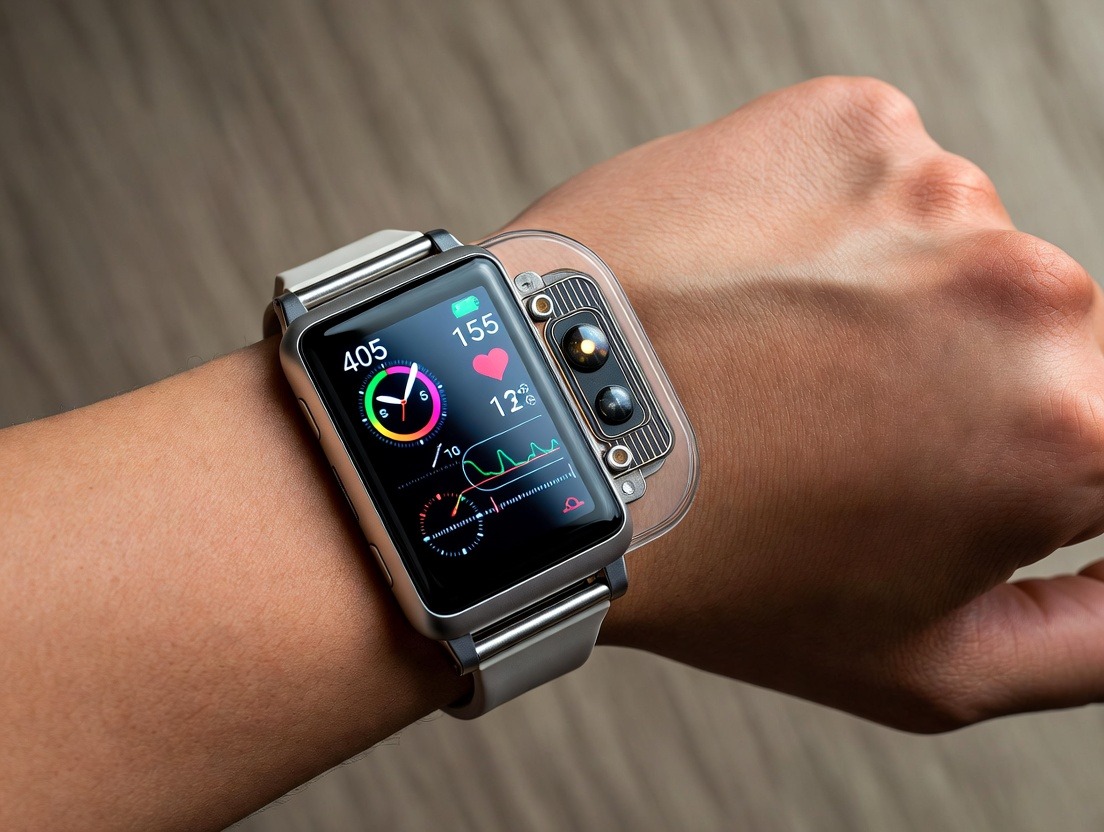
Given its pump-less design, the lymphatic system is uniquely responsive to movement. Not all exercise is equal in its lymph-stimulating effects, however. The best modalities incorporate rhythmic contraction and relaxation of large muscle groups, changes in gravitational pressure, and deep breathing patterns. Let’s explore the most effective movement strategies.
Low-Intensity, Rhythmic Movement (Gold Standard): This is the cornerstone of daily lymphatic maintenance. Activities like brisk walking, slow jogging, cycling, elliptical training, and swimming create gentle, rhythmic contractions of the leg and core muscles. This acts like squeezing a tube of toothpaste from the feet upward, mechanically propelling lymph. The goal here is not intensity, but consistent movement for duration—aim for 30-60 minutes daily. This is the essence of “active recovery” days that are crucial for clearing metabolic byproducts without creating new damage.
Rebounding (Lymphatic Supercharger): Exercising on a mini-trampoline, or rebounder, is arguably the most efficient lymphatic exercise. The repeated acceleration and deceleration at the bottom of the bounce creates a powerful change in gravitational force (G-force) on every cell. This opens and closes the one-way valves of the lymphatic capillaries, dramatically enhancing uptake and flow. Just 10-15 minutes of gentle bouncing can be profoundly effective.
Yoga and Pilates: These disciplines are exceptional for lymphatic health for several reasons. They emphasize deep, diaphragmatic breathing (the thoracic pump). They incorporate muscle engagement with stretching, which helps flush tissues. Inversions like Legs-Up-the-Wall pose use gravity to drain lymph from the lower extremities and abdomen. Twisting poses are believed to wring out organs and stimulate lymph flow around them.
Strength Training (With a Caveat): Resistance training powerfully contracts large muscle groups, which is excellent for local lymphatic movement. However, the intense, sustained muscle contractions and potential for increased intra-abdominal pressure (like during a heavy squat or deadlift) can temporarily compress lymphatic ducts. This makes the cool-down period after strength training absolutely critical. Incorporating dynamic stretching, foam rolling, and gentle cardio post-workout helps reactivate flow. A smart training program periodizes intensity to allow for this drainage, a concept explored in our resource on exercise and recovery balance for strength training programs.
Deep Diaphragmatic Breathing: While not “exercise” in the traditional sense, conscious breathing is a standalone lymphatic pump. The diaphragm’s downward movement during inhalation increases abdominal pressure, pushing lymph upward. The upward movement during exhalation decreases thoracic pressure, pulling lymph into the thoracic duct. A few minutes of focused belly breathing several times a day is a powerful tool.
The key principle is consistency over intensity for lymphatic health. A daily 30-minute walk is more beneficial for the system than a single weekly intense workout followed by days of sitting. This is where wearables provide essential feedback. If you notice your readiness scores are consistently low despite intense training, it may indicate inadequate low-level movement. Your device can help you structure a balanced week, a topic covered in our guide on how to use your wellness ring to plan your training week.
Movement primes the pump, but the lymphatic system requires specific raw materials and conditions to function optimally. Sleep, hydration, and nutrition form the foundational triad that either supports or sabotages your internal river of recovery.
Sleep: The Lymphatic System’s Maintenance Window
Recent neuroscience has uncovered a stunning process called the glymphatic system. While distinct from the traditional lymphatic system, it performs a similar cleansing function for the brain, using cerebrospinal fluid to flush out neurotoxic waste products like beta-amyloid during deep sleep. This discovery underscores a universal truth: sleep is non-negotiable for detoxification. During deep, non-REM sleep, overall sympathetic tone decreases, and tissue repair accelerates. This is when the body shifts energy toward maintenance, including widespread lymphatic circulation and immune cell regeneration. Poor sleep quality or short sleep duration directly impairs these processes, leading to a backlog of inflammatory waste. Monitoring your sleep architecture with a wellness ring provides direct insight into whether you are getting the deep, restorative sleep necessary for this critical nightly cleanse. For a deeper understanding of this interconnected relationship, see our article on exercise and recovery balance: the sleep-performance-recovery triangle.
Hydration: The River’s Essential Medium
Lymph is approximately 95% water. Dehydration causes lymph to become thick and sluggish, much like trying to pump syrup instead of water. Adequate, consistent hydration is paramount. Water alone is essential, but incorporating electrolytes (sodium, potassium, magnesium) is crucial for maintaining the proper osmotic balance that allows fluid to move efficiently between compartments (blood, interstitium, lymph). A good rule is to drink enough so that your urine is pale yellow. Herbal teas, broths, and water-rich fruits and vegetables also contribute. Be cautious with excessive caffeine and alcohol, as they have diuretic effects that can contribute to dehydration if not balanced with additional water intake.
Nutrition: Building Blocks and Reducing Load
What you eat either reduces the toxic load on your lymphatic system or adds to it. Key nutritional strategies include:
By optimizing these three pillars, you create the internal environment where the lymphatic system can thrive. It’s a form of preventive maintenance that pays dividends in faster recovery, reduced soreness, and sustained energy. Tracking how dietary or hydration changes affect your overnight recovery metrics on a device like an Oxyzen ring can provide personalized, empirical feedback on what truly works for your body, helping you validate your recovery strategies.
Beyond general lifestyle, there are specific, targeted practices that can directly enhance lymphatic drainage and flow. These techniques are like giving your internal sanitation system a direct assist, helping to clear congestion and optimize function.
Dry Skin Brushing: This ancient practice involves using a natural-bristle brush to stroke the skin toward the heart, following the direction of lymphatic flow. The theory is that the gentle mechanical stimulation helps to manually move fluid in the superficial lymphatic capillaries just beneath the skin. It may also exfoliate dead skin cells and stimulate circulation. While rigorous scientific studies are limited, many report reduced puffiness, increased energy, and smoother skin. The ritual itself—performed for 5-10 minutes before a shower—promotes mindfulness and body awareness.
Manual Lymphatic Drainage (MLD): This is a specialized, gentle massage technique performed by trained therapists. Unlike deep tissue massage, MLD uses light, rhythmic, circular pumping movements to stimulate the superficial lymphatic vessels and encourage the movement of lymph toward functioning lymph nodes. It is clinically used to manage lymphedema (chronic swelling) post-cancer surgery but is also sought by athletes and wellness enthusiasts to reduce exercise-induced swelling, improve recovery times, and support immune function. A session typically focuses on clearing central nodes (neck, clavicle, abdomen) before moving to the extremities.
Contrast Hydrotherapy: Alternating between hot and cold water creates a powerful pumping action via vasodilation and vasoconstriction. The heat causes blood vessels to dilate, bringing fluid to the area. The cold causes them to constrict, pushing fluids inward. This rhythmic change in pressure is thought to stimulate both blood and lymphatic circulation. This can be as simple as ending your shower with 30-60 seconds of cold water, or using alternating hot and cold compresses on a specific area. Always end with cold to promote constriction and toning of the vessels.
Deep Diaphragmatic Breathing (Reiterated): Its importance cannot be overstated. The diaphragm is the largest and most powerful pump for lymph in the thoracic duct. Practice 5-10 minutes of focused breathing daily: place a hand on your belly, inhale deeply through your nose for a count of 4, feeling your belly rise. Pause for 2. Exhale slowly through your mouth for a count of 6, feeling your belly fall. This “4-2-6” breath is profoundly calming for the nervous system and mechanically supports lymph flow.
Foam Rolling and Self-Myofascial Release: While primarily used to release muscle tightness, the pressure and movement of foam rolling may also assist in moving interstitial fluid. Rolling slowly along the length of a muscle (e.g., the quadriceps) from distal to proximal (toward the heart) can help encourage drainage. The key is to use moderate pressure and avoid rolling directly over joints or bones.
Integrating even one or two of these techniques into your weekly routine can make a significant difference in subjective feelings of lightness, reduced stiffness, and vitality. They are perfect complements to the data-driven approach of a wellness ring. For instance, you might experiment with an evening routine of dry brushing and breathwork, then observe its impact on your Recovery Quality Score the next morning. This creates a powerful feedback loop between practice and measurable outcome.
In the quest to optimize lymphatic function and overall recovery, subjective feeling is important, but objective data is transformative. This is where modern wearable technology, particularly advanced wellness rings, bridges the gap between ancient wisdom and modern science. These devices don’t measure lymph flow directly, but they track the physiological outcomes that are intimately tied to its efficiency.
Think of your wellness ring as a dashboard for your autonomic nervous system (ANS)—the command center that regulates your “rest and digest” (parasympathetic) and “fight or flight” (sympathetic) states. The ANS controls heart rate, digestion, respiratory rate, and importantly, the tone of your blood and lymphatic vessels. When your recovery processes, spearheaded by lymphatic clearance and tissue repair, are proceeding optimally, it is reflected in a specific biometric pattern.

By observing these metrics over time, you can move from guesswork to precision in managing your recovery. You can answer critical questions: Did that new stretching routine improve my HRV? Did a day of travel and dehydration spike my RHR? How does my body respond to a manual lymphatic drainage session?
This data empowers you to practice truly personalized recovery. It helps you identify your unique patterns and triggers, turning the abstract concept of “supporting your lymphatic system” into a series of measurable, validated actions. To see how this data-driven approach is applied at the highest levels of performance, you can read about how pro athletes use wellness rings for exercise-recovery balance.
The journey through the lymphatic system reveals a fundamental truth: recovery is not passive; it is an active physiological process that we can influence daily. By combining the movement, nutrition, hydration, and specific practices that support this vital network with the illuminating feedback from biometric wearables, we take full ownership of our resilience, performance, and long-term health. The following sections will build on this foundation, exploring advanced protocols and the long-term implications of mastering this internal ecology.
The modern environment is a perfect antagonist for the lymphatic system. While acute illnesses like lymphedema present clear symptoms, most people live with low-grade, chronic lymphatic dysfunction without ever naming it. This "silent stagnation" manifests in subtle, pervasive ways that are often misattributed to aging, stress, or just "how I feel." Learning to recognize these signs is the first step toward intervention.
Common, often-overlooked signs of sluggish lymphatic flow include:
Recognizing these patterns shifts them from unavoidable nuisances to actionable intelligence. They are your body’s request for support. The next critical step is understanding the primary driver of both lymphatic health and dysfunction in the active person: the delicate balance between stress and recovery.
The body’s stress response, orchestrated by the hypothalamic-pituitary-adrenal (HPA) axis, is a survival mechanism. It’s designed for short, acute threats. In our modern world, however, stress is often chronic—psychological, emotional, and physical (from overtraining). This chronic activation places the lymphatic system in a constant state of conflict, directly impacting its ability to perform its recovery duties.
The primary hormonal conductor of this stress response is cortisol. In acute, short-term doses, cortisol is anti-inflammatory and actually supports immune function. It helps mobilize energy and sharpens focus. The problem arises when cortisol levels remain elevated due to persistent stress. Chronic high cortisol:
This creates a vicious cycle: Stress → Inflammation & Waste → Lymphatic Overload → Poor Recovery → More Physiological Stress.
Exercise is a potent, double-edged sword in this dynamic. It is a controlled, acute physical stressor that, when followed by adequate recovery, leads to positive adaptation (hormesis). The inflammation from a workout is a signal for repair, and the subsequent lymphatic clearance is part of that process. However, when exercise stress is excessive (too much volume, too high intensity) or compounded by life stress (poor sleep, work pressure, emotional strain), the system tips from adaptation into breakdown.
This is the essence of the stress-recovery seesaw. Your body has a finite capacity to manage stress from all sources. The goal is not to eliminate stress, but to manage its total load and ensure the recovery side of the scale is weighted appropriately. A wellness ring that tracks HRV and resting heart rate is essentially measuring the tilt of this seesaw. A downward trend in HRV isn't just about your last workout; it’s a integrated score of your total stress load—emotional, digestive, immune, and physical—versus your recovery capacity.
Mastering this balance is the key to sustainable progress. For athletes in demanding cycles, this becomes a science, as detailed in our guide on exercise and recovery balance during competition seasons. The principles apply to everyone: to optimize lymphatic function and recovery, we must become adept managers of our total stress ecology.
Once foundational habits of movement, hydration, and sleep are in place, you can employ more advanced, targeted protocols to significantly enhance lymphatic drainage and recovery. These are particularly valuable during periods of intense training, high stress, or when you feel signs of stagnation.
The Layered Breathing Protocol: This is a step beyond basic diaphragmatic breathing, designed to maximize the thoracic pump.
Sequential Leg Drainage (Pre-Bed Ritual): This is a simple, highly effective method to reduce lower extremity swelling and promote systemic relaxation before sleep.
Contrast Therapy Protocol: Moving beyond the shower, a more structured approach can yield powerful results.
Strategic Compression: While tight clothing is detrimental, targeted compression worn during movement can be beneficial. Compression socks or sleeves for the calves/arms during travel or long periods of sitting provide external support to the tissues, reducing the space for fluid to pool and enhancing the effectiveness of muscle contractions in moving lymph. They are tools for specific situations, not for all-day, everyday wear.
Integrating even one advanced protocol 2-3 times per week can dramatically improve subjective and objective recovery markers. The key is consistency and observation. Use your biometric data to gauge effectiveness. For example, after implementing a nightly leg drainage and breathing routine, monitor your deep sleep percentage and morning HRV on your wellness ring. This data-driven feedback loop is how you discover your personalized exercise-recovery balance and validate what works uniquely for you.

Perhaps the most profound and underappreciated relationship in recovery science is between the gut and the lymphatic system. The gut is not just a digestion tube; it is the body's largest immune organ, and its health is inextricably linked to lymphatic function through a specialized network called the Gut-Associated Lymphoid Tissue (GALT).
The GALT includes structures like Peyer's patches in the small intestine and countless immune cells scattered throughout the gut lining. Its job is to sample the contents of the digestive tract—distinguishing between nutrients, harmless bacteria, and dangerous pathogens. This constant surveillance is critical because the gut lining is a primary barrier between the external world and your internal milieu.
Here’s how the connection works and why it matters for recovery:
Supporting gut health is, therefore, a direct investment in lymphatic efficiency and recovery capacity. Key strategies include:
When your gut is inflamed, your entire system is inflamed. This will reflect in biometrics as elevated resting heart rate, lower HRV, and disturbed sleep—all signs that your body’s resources are diverted to managing internal conflict rather than rebuilding and repairing. Optimizing this gut-lymph axis is a cornerstone of achieving true hormone optimization through exercise and recovery balance, as it directly reduces the inflammatory load that disrupts hormonal harmony.
In strength and endurance training, periodization is the planned manipulation of training variables (volume, intensity, frequency) to maximize adaptation and minimize overtraining. This concept must be applied with equal intention to recovery, and specifically, to supporting the lymphatic system. The goal is to schedule strategic periods where the primary focus shifts from imposing stress to facilitating clearance and supercompensation.
The Deload Week: This is a classic example of recovery periodization. A deload is a planned reduction in training volume (typically by 40-60%) and/or intensity for a period, usually one week every 4-8 weeks depending on the training block. The purpose is not to detrain, but to:
During a deload week, the exercise emphasis should be on the very activities that promote lymphatic flow: low-intensity steady-state cardio (walking, cycling), mobility work, yoga, and swimming. It is a week of active drainage. The biometric feedback from a wellness ring during a deload is telling: you should see HRV rise, resting heart rate lower, and sleep quality improve, confirming that the recovery systems are indeed catching up. For a detailed framework, see our deload week strategy using smart ring recovery protocol.
Lymphatic Priming Before Competition or Intense Blocks: Just as athletes "carb-load" before an endurance event, consider "lymphatic priming" before a period of high stress. In the 3-5 days leading up to a competition, intense training block, or even a stressful life event, you can proactively support your lymphatic system to ensure it enters the stressful period in an optimal, uncongested state.
This priming ensures your internal sanitation department is fully staffed and ready for the increased workload ahead, potentially improving performance and reducing negative side effects from the stress.
The Micro-Periodization of Daily Life: You can apply this concept daily. If your wellness ring shows a poor recovery score, treat that day as a "mini-deload." Swap the planned high-intensity interval training for a walk and some foam rolling. View it not as a missed workout, but as a strategic investment in your body’s infrastructure that will allow for higher quality work later. This responsive, data-informed approach is the essence of modern training load management with a smart ring. By periodizing recovery as deliberately as you periodize stress, you transform your lymphatic system from a passive bystander into an active ally in your performance journey.
Viewing the lymphatic system merely as a recovery tool for athletes sells short its profound role in lifelong health, graceful aging, and chronic disease prevention. A robust, flowing lymphatic network is a foundational pillar of systemic resilience, and its decline is intimately linked with the aging process and the development of modern chronic illnesses.
Lymphatic Function and Aging: Research indicates that lymphatic function naturally declines with age. Vessels can become less elastic, valve function may weaken, and the pumping action of surrounding tissues can decrease. This age-related decline contributes to several hallmarks of aging:
This makes proactive lymphatic care a powerful anti-aging strategy. The habits that support lymph flow—regular movement, deep breathing, adequate hydration, and good sleep—are the same habits that promote longevity. They are not just for optimizing today’s workout, but for preserving function and vitality for decades.
Lymphatic Health and Chronic Disease: The role of the lymphatic system extends into the pathology of many chronic conditions:
The implication is powerful: investing in your lymphatic health is a broad-spectrum, preventive measure. It’s about more than sore muscles; it’s about creating an internal environment that is less hospitable to chronic disease. This long-term perspective reframes recovery practices from optional wellness luxuries into non-negotiable components of a healthspan-extending lifestyle. It aligns perfectly with the goal of achieving long-term fitness gains through exercise and recovery balance, where the focus shifts from short-term performance peaks to sustained vitality and resilience.
Understanding the lymphatic system’s role is transformative, but knowledge must be translated into consistent action. Creating a personalized lymphatic optimization plan involves auditing your lifestyle, selecting supportive practices, and using data to refine your approach. Here is a framework to build your plan, structured across daily, weekly, and situational timeframes.
Daily Non-Negotiables (The Foundation):
Weekly Practices (The Enhancement):
Situational Protocols (The Targeted Response):
The Role of Your Wellness Ring (The Feedback Loop):
Your wearable device is the central command for personalizing this plan. Use it to:
Start by integrating one or two daily non-negotiables. Once those are habit, layer in a weekly practice. Use your situational protocols as needed. The goal is not perfection, but consistent progression toward a lifestyle that actively supports your internal river of health. This integrated approach moves you toward true exercise and recovery balance mastery, where every choice is informed by a deep understanding of your body’s needs.
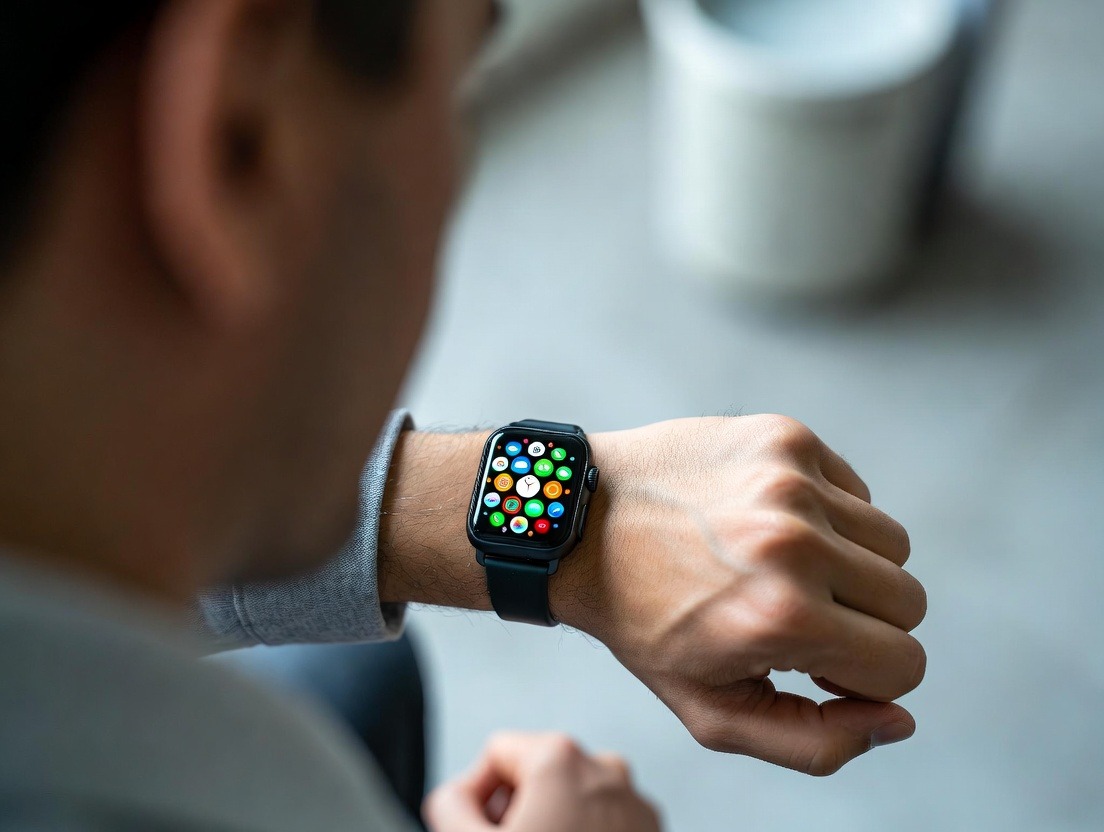
The principles of lymphatic support are universal, but their application must be tailored to individual circumstances, life stages, and health conditions. What works for a 25-year-old athlete may not be suitable or sufficient for a pregnant woman, an older adult, or someone managing a chronic illness.
Women’s Health and Hormonal Cycles:
The lymphatic system is highly sensitive to hormonal fluctuations. Estrogen, in particular, can increase vascular permeability and fluid retention.
Aging and Seniors:
As lymphatic function naturally declines, proactive support becomes a pillar of maintaining independence and vitality.
Desk-Bound Professionals and “Sedentary Plus” Lifestyles:
This is perhaps the most common modern population at risk. It involves not just sitting, but sitting under chronic mental stress.
Individuals with Chronic Illness or Autoimmune Conditions:
For those managing conditions like fibromyalgia, chronic fatigue syndrome, or rheumatoid arthritis, the lymphatic system is often both overloaded and dysfunctional. Support must be exceptionally gentle.
Tailoring your approach requires self-awareness and sometimes professional guidance. The constant across all populations is the need to listen to the body’s signals—a skill dramatically enhanced by the objective data from a wearable device, helping you navigate your unique path to balance.
The concept of a “detox” or “cleanse” is ubiquitous in wellness, often associated with extreme juicing, restrictive fasting, or expensive supplements. However, from a physiological perspective, your body is detoxifying every second of every day, primarily through the liver, kidneys, intestines, skin, and lymphatic system. A smarter approach is to use data to support your body’s innate detoxification pathways safely and effectively, avoiding the pitfalls of harsh protocols that can stress the body further.
Redefining “Detox” as Lymphatic Support:
Instead of a radical short-term protocol, think of detox as the daily practice of minimizing the toxic load on your system and maximizing its clearance capacity. This aligns perfectly with lymphatic optimization: reducing inflammation, supporting elimination, and enhancing flow.
How Your Wellness Ring Guides a Smart Reset:
This data-driven approach turns a potentially destabilizing “cleanse” into a personalized discovery process. It moves you away from dogma and toward self-experimentation validated by physiology. You learn what “clean” actually feels like for your body, quantified by your own numbers. This method empowers you to make lasting changes that support your lymphatic health indefinitely, rather than cycling through punishing protocols. It’s the ultimate application of using technology to balance high-intensity exercise with adequate recovery, extending the principle to lifestyle and dietary intensity as well.
You’re walking daily, drinking plenty of water, and trying to sleep well, yet you still feel puffy, fatigued, and stuck. This frustrating plateau is common. When foundational practices don’t yield expected results, it’s time to investigate deeper, often interconnected, root causes. Think like a detective, with your body’s signals and biometric data as your clues.
Potential Underlying Culprits:
The Diagnostic Power of Your Wearable:
In this troubleshooting phase, your wellness ring’s longitudinal data is invaluable. It can help you and a healthcare practitioner see patterns. For example:
Persistent sluggishness is a message, not a life sentence. It requires a more systemic investigation. By combining diligent self-observation (aided by technology) with targeted professional guidance, you can identify and address the deeper obstacles, finally unlocking the free-flowing vitality that effective lymphatic function provides. This process of deep listening and adjustment is the cornerstone of preventing the burnout and plateaus that halt progress.
We stand at the frontier of a new era in personal health, where wearable technology is evolving from tracking simple outputs (steps, calories) to interpreting complex physiological states. The future of recovery tech lies in its ability to not just report data, but to integrate it into a holistic picture of systemic function—a picture where lymphatic health becomes a central, inferred metric.
Predictive Analytics and Personalized Insights:
Next-generation algorithms will move beyond telling you what happened (e.g., "your HRV was low last night") to predicting what will happen and prescribing what to do about it.
Non-Invasive Direct Sensing:
Future wearables may incorporate new sensor modalities that get closer to directly assessing markers relevant to lymphatic health:
Integration with Smart Home and Recovery Devices:
The wellness ring will become the central hub of your recovery ecosystem, communicating with other devices to create an optimized environment.
The Democratization of Pro-Level Insights:
This convergence will make the sophisticated recovery protocols used by elite athletes—constantly fine-tuned by teams of physiologists—accessible to everyone. The goal is a seamless, intuitive system where your environment and habits automatically adapt to support your body’s innate recovery processes, with the lymphatic system as a key focal point. This isn't about replacing human intuition or professional care; it's about augmenting it with a continuous stream of personalized, actionable intelligence.
As we look ahead, the mission of companies like Oxyzen is to pioneer this convergence, transforming raw data into a deep understanding of the body's internal rhythms. This journey, from understanding a hidden physiological system to leveraging technology to support it, represents the future of proactive, personalized wellness—a future where optimal recovery is not left to chance, but is intelligently engineered every day.
Your Trusted Sleep Advocate (Sleep Foundation — https://www.sleepfoundation.org/)
Discover a digital archive of scholarly articles (NIH — https://www.ncbi.nlm.nih.gov/
39 million citations for biomedical literature (PubMed — https://pubmed.ncbi.nlm.nih.gov/)
experts at Harvard Health Publishing covering a variety of health topics — https://www.health.harvard.edu/blog/)
Every life deserves world class care (Cleveland Clinic -
https://my.clevelandclinic.org/health)
Wearable technology and the future of predictive health monitoring. (MIT Technology Review — https://www.technologyreview.com/)
Dedicated to the well-being of all people and guided by science (World Health Organization — https://www.who.int/news-room/)
Psychological science and knowledge to benefit society and improve lives. (APA — https://www.apa.org/monitor/)
Cutting-edge insights on human longevity and peak performance
(Lifespan Research — https://www.lifespan.io/)
Global authority on exercise physiology, sports performance, and human recovery
(American College of Sports Medicine — https://www.acsm.org/)
Neuroscience-driven guidance for better focus, sleep, and mental clarity
(Stanford Human Performance Lab — https://humanperformance.stanford.edu/)
Evidence-based psychology and mind–body wellness resources
(Mayo Clinic — https://www.mayoclinic.org/healthy-lifestyle/)
Data-backed research on emotional wellbeing, stress biology, and resilience
(American Institute of Stress — https://www.stress.org/)


