


Understanding Body Recovery: The Power of Placebo
The measurable, real impact that belief and expectation can have on healing.
The measurable, real impact that belief and expectation can have on healing.
%402x.svg)
In the relentless pursuit of peak performance, we've built temples to recovery. Cryotherapy chambers hum, red light panels glow, percussion guns rattle, and supplement cabinets overflow with potions promising cellular repair. We chase data—sleep scores, heart rate variability, resting heart rate—as if these numbers alone hold the key to unlocking our physical potential. Yet, what if the most potent recovery tool available to us isn't a device you can buy or a protocol you can follow, but a fundamental force woven into the very fabric of your consciousness? What if the true catalyst for healing lies in the quiet, powerful expectation that you will heal?
Welcome to the paradoxical, often misunderstood, and astonishingly powerful world of the placebo effect in body recovery. This is not a story about sugar pills fooling the gullible. This is the cutting-edge narrative of how your brain’s beliefs, expectations, and perceptions directly orchestrate your body’s physiological repair processes. It’s the science of how a mindset can lower inflammation, accelerate muscle repair, dampen pain, and improve objective performance metrics—all without a single active pharmaceutical or technological intervention.
For the modern athlete, biohacker, or wellness enthusiast armed with devices like the Oxyzen smart ring, this understanding is revolutionary. We track our recovery with unprecedented precision, observing the concrete outputs of sleep, stress, and strain. But what we often miss is the critical input of our own psychology. The placebo effect is the missing link between cold, hard data and lived, subjective experience. It’s the reason why two individuals with identical sleep data and training loads can report vastly different levels of fatigue. It’s the secret ingredient that can make a recovery protocol feel more effective, and in feeling more effective, become more effective through measurable biological pathways.
This exploration is not an argument to discard your smart ring metrics or proven recovery methods. Far from it. It is an invitation to upgrade them. By understanding the placebo effect—or what pioneering researchers now call “remembered wellness,” “expectancy effect,” or “the brain’s endogenous pharmacy”—we can learn to harness our own psychobiology to become active participants in our recovery, not just passive observers of our data.
We stand at a fascinating crossroads. Technology gives us an objective mirror, while the placebo phenomenon reveals the profound power of our subjective lens. This article will bridge that gap. We will journey from the neurology of expectation to the practical application of belief, showing you how to integrate this knowledge with the empirical tracking from devices like the Oxyzen ring to create a truly holistic, and profoundly more effective, recovery ecosystem. Prepare to reconceive not just how you recover, but how you think about recovering.
We conceptualize recovery as something that happens to the body—muscles rebuild, hormones rebalance, tissues mend. We see ourselves as the passive recipients of this biological maintenance. This perspective, while not entirely wrong, is dangerously incomplete. It ignores the command center directing the entire operation: your central nervous system.
Your brain is not a passive observer locked in a bony vault. It is the ultimate integrative organ, a prediction machine constantly sampling internal and external data to generate a model of the world and your body’s state within it. This model, shaped by beliefs, past experiences, and current context, directly influences physiological outcomes. When it comes to recovery, your brain’s “model” of how drained or restored you are can become a self-fulfilling prophecy.
The mechanism hinges on top-down processing. A “top-down” signal originates in the higher cognitive and emotional centers of the brain (like the prefrontal cortex and limbic system) and cascades downward to influence basic bodily functions governed by the brainstem, autonomic nervous system, and endocrine system. When you believe a treatment will help you recover—whether it’s a tart cherry supplement, a compression sleeve, or a specific sleep routine—that belief activates these higher centers. They, in turn, send signals that can:
This is why subjective wellness surveys often capture something raw data misses. The feeling of being “recharged” is a brain-led summary of countless inputs. A device like the Oxyzen smart ring provides the crucial external data—showing your Recovery Quality Score based on HRV, temperature, and sleep—while your mind provides the internal narrative. The magic happens when they align, and the placebo effect shows us we have more control over that internal narrative than we think.
Think of your brain as the Chief Recovery Officer (CRO). It takes in intelligence reports from your smart ring, from your muscles, from your mood. Based on its beliefs (the company’s “strategy”), it then allocates resources—directing energy toward repair or toward vigilance, calming inflammation or letting it run. A CRO who believes resources are scarce and the situation is dire will manage the body defensively. A CRO who is confident in the recovery protocol will manage the body proactively and efficiently. Your job is to empower your CRO with positive, evidence-based beliefs.
Beyond the Sugar Pill: Demystifying the Placebo Effect in Sports Science
The term “placebo effect” is burdened with cultural baggage. It evokes images of clinical trials where inert pills help hypochondriacs, implying the benefit is “all in their head” and therefore not real. In sports and recovery science, this archaic view is not just incorrect; it’s an obstacle to optimization. Modern research has completely reframed the placebo effect from a confounding nuisance to a legitimate, measurable biological phenomenon with direct applications to performance and recuperation.
Let’s dismantle the myths first. The placebo effect is not:
So, what is it in the context of an athlete’s recovery? It is the therapeutic effect of the entire treatment context. This includes:
Landmark studies illuminate its power. In one famous experiment, cyclists were given a caffeine placebo (decaf presented as performance-enhancing caffeine). They not only performed significantly better, but their perceived exertion was lower. Their brains, expecting a boost, altered their perception of effort and unlocked physiological reserves. In recovery, similar studies show placebos reducing exercise-induced muscle soreness (DOMS) and even lowering markers of muscle damage like creatine kinase more effectively than doing nothing.
This has profound implications. It means that the confidence you have in your deload week strategy is part of what makes it work. It means that trusting the data from your wellness ring to validate your recovery strategies isn’t just informational—it’s therapeutic. The belief that you are doing the right thing actively promotes the recovery state.
Therefore, the goal for the modern athlete isn’t to eliminate the placebo effect to find some mythical “pure” recovery method. The goal is to consciously design and curate your recovery environment to maximize it. You want to stack every possible psychological advantage in favor of repair. Your tools, your data, your rituals—all should be chosen and framed in a way that your CRO (your brain) buys into the program completely. When it does, it will marshal your body’s resources with greater focus and efficiency.

To move from abstract concept to practical tool, we need to peek under the hood. How does a fleeting thought—“This ice bath is going to reduce my inflammation”—translate into a measurable decrease in inflammatory markers? The answer lies in a sophisticated neural dance between expectation, reward, and perception, mediated by key brain regions and neurochemical pathways.
The process often begins in the prefrontal cortex (PFC), the seat of executive function and conscious belief. When you learn from a trusted source that a certain protocol aids recovery, the PFC encodes that expectation. This isn’t just an idea; it forms a neural prediction.
This prediction then interfaces with the brain’s reward system, centered on the ventral striatum and fueled by dopamine. Dopamine is not merely the “pleasure chemical”; it’s the “salience and anticipation” chemical. When you anticipate a positive outcome (reduced pain, faster recovery), dopamine is released. This dopamine signal does two critical things: 1) It creates a feeling of motivation and positive anticipation, and 2) It modulates lower-brain systems.
One of the most important pathways is the descending pain modulatory system. When you expect relief, the PFC and other areas activate the periaqueductal gray (PAG) in the midbrain. The PAG then sends signals down the spinal cord that can effectively “close the gate” on incoming pain signals or trigger the release of endogenous opioids (endorphins). This is why a placebo analgesic can reduce pain as effectively as morphine in some contexts—it’s tapping into the body’s own identical pharmacy.
For non-pain recovery metrics, the pathways involve the autonomic nervous system (ANS) and the HPA axis. Expectation of restoration, especially when reinforced by calming rituals (like meditation or a warm-down routine), can enhance parasympathetic (vagal) tone. This shift promotes lower heart rate, better heart rate variability (HRV), and improved digestion—all hallmarks of the recovery state. The belief that you are recovering well can actually help produce the very HRV readings your smart ring is tracking.
Furthermore, the insula and the anterior cingulate cortex (ACC), brain regions involved in interoception (sensing the internal state of the body), are heavily influenced by expectation. Your brain doesn’t just feel your body; it interprets it based on prior beliefs. If you believe your fatigue is “functional” and a sign of a good workout, the ACC may process the associated sensations with less distress than if you believe it’s a sign of impending overtraining. This cognitive reframing, supported by data from your device showing you’re within safe training load management parameters, can reduce the stress response to normal post-exercise fatigue.
In essence, expectation creates a prepared brain state. It pre-sets your neurochemical and neural systems to respond in a way that aligns with the belief. This is why context is king. A recovery drink consumed in a high-tech lab from a vial labeled “Advanced Peptide Matrix” will likely trigger a stronger neurobiological response than the same drink consumed absent-mindedly at home. The brain’s endogenous healing capabilities are being primed by the narrative. Understanding this allows you to craft narratives that serve your recovery, turning every tool—including your Oxyzen wellness ring—into a more potent catalyst for repair.
If the placebo effect is your brain’s healing ally, its dark twin is the nocebo effect, and it is every bit as powerful. While placebo (Latin: “I shall please”) generates positive outcomes from inert interventions, nocebo (“I shall harm”) generates adverse outcomes. In the realm of recovery, the nocebo effect is the silent saboteur, the negative expectation that can amplify pain, heighten fatigue, delay healing, and create symptoms out of fear alone.
Understanding nocebo is not about fostering fear, but about building psychological immunity. Its mechanisms mirror placebo’s but in reverse. Negative expectations—often seeded by alarming media headlines, catastrophic interpretations of minor aches, or overly pessimistic data readings—activate anxiety and stress pathways.
In our data-driven wellness culture, nocebo presents a unique risk. It’s what happens when you become a slave to your metrics rather than a guided interpreter of them. Obsessively checking a low Recovery Quality Score and spiraling into anxiety about it is a nocebo response. The anxiety from the low score can further depress your HRV and sleep quality, creating a self-fulfilling prophecy of poor recovery. The data becomes not a guide, but a curse.
Similarly, reading about “overtraining syndrome” and then attributing normal post-training lethargy to this rare condition is classic nocebo. The language we use matters immensely. Telling yourself “I am destroyed” after a workout has a different neurobiological impact than “I have applied a productive stimulus for adaptation.”
The antidote to nocebo is conscious cognitive framing and contextual trust. This is where objective data from a trusted source like your smart ring can actually combat nocebo. Instead of catastrophizing a bad night’s sleep, you can view it in the context of your personalized recovery trends. You learn that one red score isn’t a catastrophe but a data point in a longer trend, allowing your PFC to override the amygdala’s alarm. You shift from “Something is wrong with me” to “My body is signaling for more rest today,” which is a manageable, non-threatening interpretation.
We’ve seen that the brain is a prediction machine that leans heavily on context. In recovery, the most powerful context you can create is a ritual. A ritual is more than a routine; it is a routine imbued with meaning, intention, and sensory richness. It is a deliberate series of actions designed to signal to the brain: “The recovery phase is now commencing.” By leveraging ritual, you architect a placebo-rich environment, turning passive activities into active recovery interventions.
Think of the difference between mindlessly scrolling through your phone in bed versus performing a deliberate sleep ritual. The former does little to shift your nervous system. The latter—involving perhaps dimming lights, light stretching, a gratitude journal, and using your Oxyzen ring to track readiness—is a multisensory, cognitive signal that prepares the brain and body for deep restoration. The ritual itself, performed with expectation, triggers the top-down physiological shifts we’ve discussed.
The components of an effective recovery ritual engage multiple senses and cognitive frameworks:
The context surrounding your tools massively amplifies their inherent value. A 2011 study on asthma inhalers found that placebo inhalers with no active medication still improved patients’ lung function if they believed they were receiving real medicine. The ritual of using the device, the sensory experience of the puff, and the expectation of relief created real physiological change.
Apply this to your toolkit. Your Oxyzen ring is not just a sensor; it’s a ritual object that represents a commitment to self-knowledge. Your recovery protocol is not just a series of tasks; it’s a ceremony of self-care. By curating this context with intention, you are not being frivolous or superstitious. You are engaging in evidence-based psychobiology, consciously pulling the levers of expectation to open your brain’s endogenous pharmacy and direct your body’s resources toward repair.

In a discussion about the power of belief, one might mistakenly think data is its antagonist—cold, hard facts versus warm, fuzzy feelings. In reality, when used wisely, objective biometric data is one of the most potent sources of belief available to the modern athlete. It provides the “proof” that fuels expectation. It turns vague hope into confident anticipation, thereby amplifying the placebo component of any recovery strategy.
This is the synergy of the quantitative and the qualitative. Your Oxyzen smart ring provides the quantitative: your nightly HRV trend, your sleep stage breakdown, your body temperature variance. This data, when tracked over time, creates a personal evidence base. You are no longer relying on generic advice (“get 8 hours of sleep”); you are building a case study of you.
How does this catalyze belief?
The key is to let the data serve belief, not shatter it. Avoid the trap of data nocebo. Don’t view a single poor metric as a verdict; view it as the most valuable piece of information for adjusting your exercise and recovery balance that day. The ring isn’t a judge; it’s a compass. And when you trust your compass, you navigate with far more confidence, which in turn smooths the journey.
The most radical and promising frontier in placebo research is the open-label placebo (OLP). This turns conventional wisdom on its head: patients are given a pill they are told is a placebo—an inert substance like a sugar pill—and are still told it may help them through mind-body processes. Astonishingly, it works for conditions like chronic pain, IBS, depression, and fatigue.
The implications for conscious recovery are profound. OLP research dismantles the notion that you must be tricked to benefit. It shows that you can consciously choose to harness the power of ritual, expectation, and self-directed neurobiology. You can say to yourself, “I know this recovery protocol has a mechanical effect, but I am also going to actively choose to believe in its efficacy to maximize my brain’s participation in the healing process.”
How can you apply OLP principles to your recovery?
This approach requires a shift from passivity to agency. You are no longer a patient waiting for a treatment to work. You are an active participant, using every aspect of the treatment context—including your own mindset—as part of the therapy. You openly acknowledge, “My belief in this process is part of what makes it work,” and then you cultivate that belief deliberately.
This is where the story of a brand like Oxyzen can intersect with personal psychology. When you align with a tool or a philosophy whose mission and vision you believe in, you’re not just buying a product; you’re buying into a narrative of empowerment and self-knowledge. That narrative becomes part of your OLP protocol, strengthening the overall context of expectation around your daily recovery practices.
The narrative in your head is not background noise; it is a continuous, running commentary that directly shapes your physiology. The words you use to describe your fatigue, your soreness, your progress, and your setbacks are the scripts your brain enacts. Language is the primary tool we use to construct our expectations, and therefore, it is a primary lever for modulating the placebo and nocebo effects.
Cognitive behavioral therapy (CBT) and sports psychology have long demonstrated the link between self-talk and performance. Now, we can understand this through the lens of psychoneuroimmunology—how thoughts affect the nervous and immune systems. Let’s examine common recovery narratives and their likely biological impacts:
The power of “yet” and “because” are simple but profound linguistic tools. “I’m not recovered… yet.” This one word implies temporariness and future resolution. “I am prioritizing sleep tonight because it’s when my body does its deepest repair work and I want to capitalize on yesterday’s training.” This creates a logical, empowering connection between action and desired outcome.
This also applies to how you interpret data. Instead of “My HRV is low, I’m wrecked,” try “My HRV is low today, which is valuable feedback that my system is under load. This is the perfect day to focus on balancing high-intensity exercise with adequate recovery by choosing a gentle mobility session.” You’ve transformed a verdict into a guide.
The stories we absorb from others matter too. Reading testimonials from others who have successfully used data to guide their recovery can build your own expectancy. Learning about how pro athletes use these tools creates a narrative of elite association. You begin to tell yourself, “This is what serious people do to recover,” which strengthens your own commitment and belief in the process. Curate the language around you—in the content you consume, the people you listen to, and most importantly, the dialogue in your own mind.
Designing Your Placebo-Optimized Recovery Ecosystem
We have traversed from theory to mechanism, from threat to opportunity. Now, we synthesize this knowledge into actionable design. Your “Recovery Ecosystem” is the sum total of your tools, rituals, data, environment, and internal narrative. To optimize it is to consciously engineer each component to work in harmony, maximizing both the specific effects of your practices and the non-specific, belief-driven placebo enhancement.
Here is a framework for designing your ecosystem:
1. Audit Your Current Context:
2. Choose Tools You Can Believe In:
Select tools based on a blend of credible science and personal resonance. If you don’t believe in acupuncture, don’t force it. If compression gear feels great and the science is plausible, embrace it fully. Your Oxyzen ring should be a tool you trust; diving into the FAQ or blog to understand its methodology can deepen that trust.
3. Craft Intentional Rituals:
Build rituals around key recovery pillars: Sleep, Nutrition, Mobility, and Mental Rest.
4. Reframe Your Data Relationship:
Practice viewing data as a friendly coach, not a critic. Set a rule: you can only check your morning score after a minute of calm breathing. Associate the data-check with a parasympathetic state. Use trends, not daily numbers, to guide your belief about your overall trajectory. Let positive trends reinforce the efficacy of your entire ecosystem.
5. Engineer Your Environment:
Create physical and digital spaces that support recovery belief. A calm, dark sleep sanctuary. A dedicated, pleasant space for mobility work. A curated social media feed or resource hub like the Oxyzen blog that provides science-based recovery strategies instead of fear-based noise.
6. Practice Conscious Narration:
Actively rewrite your internal script. Use the language frameworks from the previous section. Keep a “recovery log” where you not only record data but write one sentence framing your state positively. “Despite low sleep duration, my HRV maintained, showing resilience.” This builds a history of positive evidence.
7. Embrace the Open-Label Mindset:
Acknowledge the power of belief. Say to yourself, “I am doing these things, and my positive expectation is making them even more effective.” This meta-awareness is not cheating; it’s advanced psychobiology.
By taking these steps, you move from being a consumer of recovery products to an architect of recovery experiences. You are no longer just following a protocol; you are cultivating a state of being—a state where your brain and body are aligned in the confident expectation of restoration and growth. This is the ultimate integration of technology and psychology, where the smart ring on your finger and the thoughts in your mind become partners in unlocking your fullest potential.
Integrating the "Performance Placebo": From Recovery to Adaptive Growth
The ultimate goal of understanding the placebo effect in recovery is not merely to feel better, but to perform better. Recovery is not an end in itself; it is the essential, non-negotiable bridge between stimulus and adaptation. When we optimize recovery—both mechanically and psychologically—we are directly investing in future performance. This brings us to the powerful concept of the "Performance Placebo": the phenomenon where the expectation of improved performance, fueled by confidence in your recovery, creates a self-fulfilling upward spiral in your fitness journey.
This is where the rubber meets the road. It’s the difference between grinding through workouts and training with joyful potency. The Performance Placebo hinges on a critical psychological shift: moving from fearing fatigue to trusting your capacity to regenerate. When you believe your recovery systems are robust and effective, you approach your next training session with a different mindset—one of capability, not limitation.
Consider two athletes with identical physical capacities. Athlete A views recovery as a constant battle against depletion, a fragile state easily shattered. Athlete B views recovery as a powerful, reliable process they can actively influence and trust. Who will push harder in the last set? Who will maintain better form under fatigue? Who will interpret the burn of lactate as a challenge rather than a threat? The research is clear: expectancy influences motor output, pain tolerance, and perceived exertion. Athlete B, armed with placebo-optimized recovery beliefs, will consistently outperform Athlete A, not because they are physically superior, but because their brain is unlocking more of their existing physical potential.
This trust is built on a foundation of verified data and positive experience. Each time your smart ring data confirms that you were ready for a hard session and you then executed it well, it reinforces the neural pathway: "My recovery works -> I am ready -> I perform." This cycle builds what sports psychologists call robust sport-confidence. It’s confidence not based on blind optimism, but on the empirical, personal evidence provided by your own biometric history. You begin to see your body not as a mystery that might betray you, but as a predictable system you can partner with. This partnership is the essence of the Performance Placebo.

If post-exercise rituals signal "commence repair," then pre-performance rituals signal "commence execution." These rituals are not mere superstitions; they are deliberate psychological and physiological primers that leverage the same expectancy mechanisms. They transition you from a state of rest or daily life into a state of focused readiness, and they can be powerfully augmented by data.
A modern pre-performance ritual might look like this:
By consistently pairing this ritual with the action of training, you classically condition your mind and body. Over time, just starting the ritual can begin to elicit the physiological and psychological state of readiness—a placebo effect for performance triggered by your own deliberate actions. The Oxyzen ring’s data becomes the first, crucial domino in this chain, providing an objective starting point that your ritual then builds upon subjectively.
The Feedback Loop: Validating Belief with Biometric Evidence
The true power of a placebo-optimized approach is that it creates a virtuous, self-reinforcing cycle. This is the critical feedback loop where belief begets biology, and biology, in turn, validates belief. It turns recovery from a linear process into a dynamic, upward spiral.
Let's trace the loop:
This loop is the antidote to helplessness. In the face of a training plateau, instead of feeling stuck, you engage the loop. You believe you can diagnose the issue through data (perhaps it's accumulated fatigue). You implement a strategy (a planned deload week). You observe the biometric response (HRV rises, sleep deepens). Your belief in your own agency is confirmed, breaking the plateau not just physically but psychologically.
The key is to actively look for this validation. Don't just collect data; interpret it as success evidence. Celebrate when the numbers align with your efforts. This positive reinforcement is fuel for your brain's "Chief Recovery Officer," encouraging it to continue allocating resources efficiently.
Our beliefs do not form in a vacuum. They are profoundly shaped by our social environment, our culture, and the authority figures we trust. This is the social placebo—the healing or enhancing effect derived from the belief systems of our community. In sports teams, fitness circles, and online communities, this effect is a massive, often untapped, resource.
Think of the energy in a championship locker room, the collective belief of a training group pushing each other, or the shared conviction in a particular coaching philosophy. This shared expectancy creates a powerful normative force. When everyone around you believes a method works, your own belief is strengthened through social proof and belonging. The ritual becomes shared, the language becomes common, and the placebo effect is amplified by the group.
To harness the social placebo, curate your recovery community. Engage with groups, coaches, and content creators who embody the balanced, science-positive, and psychologically intelligent approach you aspire to. Share your own successes and data-backed insights. You become both a beneficiary and a contributor to the collective expectancy that fuels better recovery and performance for everyone involved.
An empowered, placebo-optimized mindset is a tremendous asset, but it is not a panacea. It is crucial to understand its limits to avoid crossing the line from positive psychology into dangerous denial. Belief cannot mend a broken bone, cure a clinical deficiency, or override the absolute need for medical intervention in the face of serious injury or illness.
The goal is to use belief to optimize the body's innate healing capacities within their natural limits. This requires honest discernment, another area where objective data is invaluable. The data from your wellness ring can often help you distinguish between normal adaptive fatigue (which benefits from a placebo-enhanced approach) and potential pathology (which requires a different response).
Red Flags That Transcend Placebo:
In these scenarios, the intelligent use of belief is to believe in the importance of seeking expert help. Reframe seeking a physiotherapist or doctor not as a failure of your recovery system, but as the wisest, most proactive recovery strategy available. Your placebo-optimized mindset should extend to your trust in medical science and professional expertise.
This is where a holistic system shows its strength. Your smart ring data can provide a detailed history to show a healthcare professional, moving the conversation from "I feel tired" to "My HRV has been trending down for 4 weeks despite a 40% reduction in training load." This objective log can lead to faster, more accurate diagnoses.
Respect the line. Use belief and ritual to maximize your body's response to normal training stress and minor setbacks. Use data and professional judgment to identify when something falls outside that realm. The most advanced recovery protocol includes the humility to ask for help when needed.
Case Study: The Placebo Protocol in Action
To crystallize these concepts, let's follow a hypothetical athlete, "Alex," through a full training cycle, observing how a placebo-optimized recovery ecosystem functions in real-time.
Background: Alex is a dedicated amateur runner training for a marathon. They use an Oxyzen ring for daily tracking.
Phase 1: Building Base (Weeks 1-8)
Phase 2: Intensity Block (Weeks 9-12)
Phase 3: Taper & Race Week (Weeks 13-16)
Alex’s journey demonstrates the synergy. The ring provided the objective truth that allowed belief to flourish without self-deception. The beliefs and rituals turned the data into a powerful, active tool. The result was not just a faster time, but a more resilient, enjoyable, and sustainable athletic identity.
Harnessing the placebo effect is not a one-time trick; it is a cultivated mindset, a muscle that must be exercised daily. It’s the practice of consistently choosing the narrative that empowers your biology. Here are foundational daily practices to build this mindset:
1. The Morning Framing Exercise:
Before you check your phone or your ring data, take 60 seconds to set your day’s expectation. Breathe deeply and state an intention. "Today, I will listen to my body's signals with curiosity, not judgment." "I will interpret challenges as opportunities to adapt." Then, check your data. Let the data inform your plan, not define your self-worth.
2. The Gratitude Audit for Your Body:
Our default is to critique our bodies for what they cannot do. Actively counter this nocebo tendency. Daily, identify one function or sensation for which you are grateful. "I am grateful for the feeling of my heart pumping strongly during my run." "I am grateful for the deep feeling of relaxation after my stretching." This builds a positive, cooperative relationship with your physical self.
3. The Ritual Debrief:
After completing a recovery ritual (your sleep routine, post-workout cool-down), take 30 seconds to acknowledge its completion and its purpose. "That stretching ritual has left me feeling loose and ready for a restful night." This closes the loop and reinforces the connection between action and positive outcome.
4. Curate Your Inputs:
Be ruthless about the media you consume. Unfollow social accounts that promote extreme, fear-based, or shame-driven fitness culture. Subscribe to newsletters, podcasts, and blogs (like the Oxyzen blog) that provide science-based, balanced perspectives on training and recovery. Your mind is a garden; plant seeds that will grow into empowering beliefs.
5. Practice "Data Detachment" Periods:
To prevent data anxiety, schedule times where you are not in performance/recovery analysis mode. This could be a full rest day where you don't check any metrics, or simply the last hour before bed. This allows your nervous system to exist without being measured, reinforcing that your worth is intrinsic, not data-dependent.
6. Use the "As If" Principle in Low-Stakes Settings:
Build your placebo muscle in everyday life. Act "as if" you are a supremely confident public speaker before a small meeting. Act "as if" you are a deeply relaxed person while stuck in traffic. These small exercises build neural pathways that make it easier to adopt the "as if" of a fully recovered, capable athlete when it counts.
7. Share Your Successes:
When you have a win—a great workout after a great recovery score, breaking a plateau after a smart deload—share it with someone in your community. Articulating the success story reinforces it in your own mind and contributes to the social placebo for others.
By integrating these small, consistent practices, you gradually rewire your default settings from skepticism and threat-monitoring to trust and expectation of positive adaptation. This mindset becomes the bedrock upon which all your specific recovery strategies are built, making them exponentially more effective.
As we look forward, the frontier of recovery science lies not in discovering a magical new modality, but in the sophisticated integration of psychology and biology—what we might call Psychobiological Integration. The goal is seamless systems that don't just track our physiology, but also engage with and influence our psychology to create holistic outcomes.
We can already see glimpses of this future:
The core principle of this future is closing the loop. The data informs the belief, the belief motivates the action, the action changes the physiology, and the new physiology is captured as data, restarting the cycle. Companies at the forefront of wellness technology, like Oxyzen, are positioned to lead this integration by creating tools that provide not just data, but a framework for positive engagement with that data.
This future invites us to be more than consumers of technology or passive patients of our own bodies. It invites us to be conscious collaborators in our own well-being, using every tool at our disposal—from the silicon of a sensor to the synapses of our belief—to craft a state of health, resilience, and performance that was previously unimaginable. The journey begins with a single, powerful expectation: that you have more influence over your recovery than you ever believed possible.
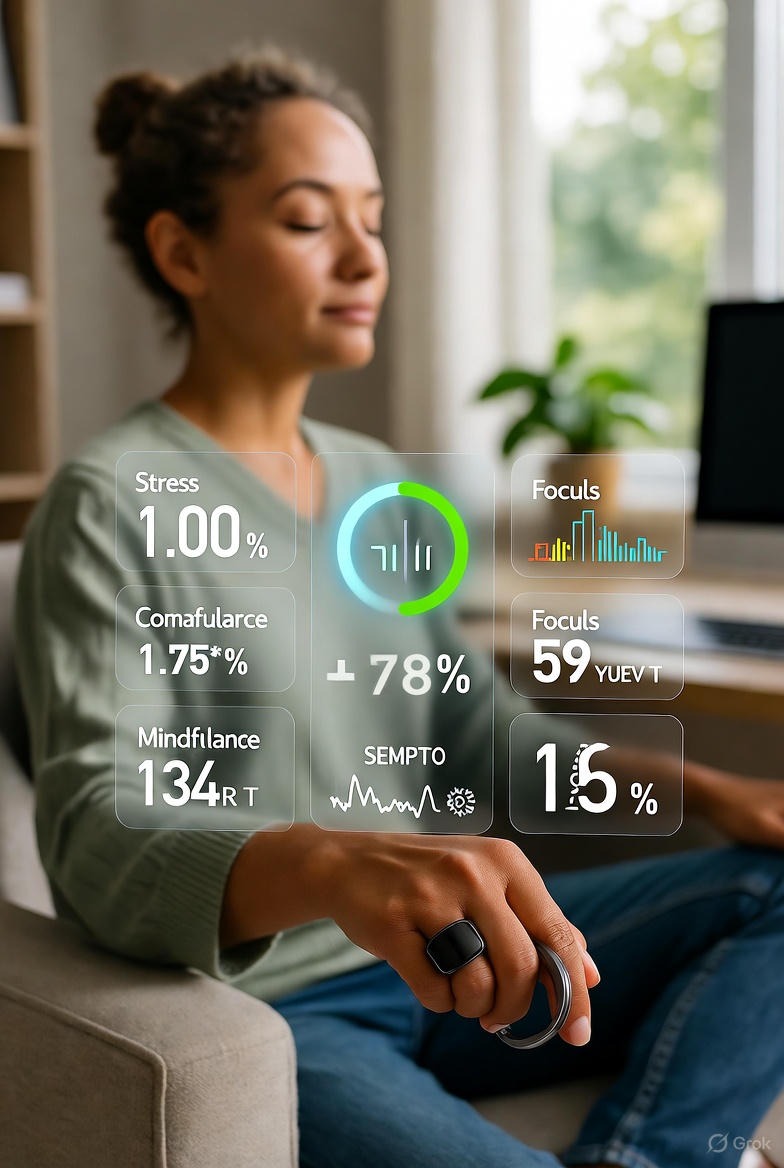
To master the placebo effect, we must move beyond abstract concepts and into the precise psychological and neurological mechanisms that make it work. Two of the most powerful are classical conditioning and expectancy theory. These are not mere academic ideas; they are levers we can pull in our daily recovery practice.
Classical Conditioning in Recovery:
Pavlov’s dogs learned to salivate at the sound of a bell because it was repeatedly paired with food. Your recovery can be conditioned in the same way. By consistently pairing a specific, neutral stimulus with a state of relaxation or repair, you can eventually trigger a physiological recovery response with the stimulus alone.
Expectancy Theory:
This posits that our behavior is motivated by the anticipated outcome. In recovery, the strength of your expectation directly influences the magnitude of the placebo response. Expectancy is built on four pillars:
The practical application is to consciously build each pillar. Tell yourself your recovery protocol works (verbal persuasion). Immerse yourself in success stories (vicarious experience). Reframe sensations (physiological feedback). And most importantly, document and celebrate your wins—when your recovery score predicted a great workout, when extra sleep fixed your fatigue—to build a robust history of performance accomplishments.
By understanding these mechanisms, you stop hoping your recovery works and start architecting your environment and mind to ensure it does. You are programming your own psychobiological software.
When we speak of belief "becoming biology," we are talking about concrete biochemical cascades. The placebo effect mediates its results through the very same neurotransmitters and hormones that are the targets of pharmaceuticals and intense training. By expecting recovery, you can nudge your endogenous pharmacy to open for business.
Key Players in the Placebo Biochemical Cascade:
The Practical Takeaway:
Your recovery rituals and positive narratives are not just "mental." They are direct biochemical interventions. When you engage in a ritual with full expectation, you are essentially prescribing yourself a micro-dose of dopamine, opioids, endocannabinoids, and oxytocin, while expertly managing your cortisol. This is why consistency matters—each repetition of the positive ritual reinforces these neural and biochemical pathways, making the response stronger and more automatic.
This biochemical perspective also highlights the importance of balancing high-intensity exercise with adequate recovery. The intense exercise provides the stimulus and stress; the recovery period, when framed positively, allows these beneficial biochemical cascades to do their repair work without the interference of chronic stress chemistry.
The placebo effect is not one-size-fits-all. What triggers a powerful expectancy response in one person may fall flat for another. This individual variability is key to designing your optimal recovery ecosystem. Your task is to discover your own "Placebo Profile"—the types of stimuli, narratives, and contexts that most effectively convince your brain that healing is imminent.
Factors shaping your Placebo Profile:
How to Discover Your Profile:
Once you understand your profile, you can double down on the rituals and tools that resonate most deeply. You're not being self-indulgent; you're being strategic. You are selecting the most effective keys to unlock your brain's own healing capabilities.
In our quest for the perfect, optimized life, we must guard against a paradoxical trap: the ability to measure and influence our recovery can itself become a source of stress, spawning a modern form of wellness anxiety. This is the nocebo effect of optimization culture.
When recovery becomes another metric to maximize, another box to check, it loses its restorative essence. The pressure to always have a perfect Recovery Quality Score, to never miss a ritual, to constantly be in a state of "biohacked" superiority can create a persistent, low-grade anxiety that is inherently counter-recovery.
Symptoms of Optimization Nocebo:
This state is the antithesis of the parasympathetic, trusting mindset that promotes genuine repair. It turns self-care into self-policing.
The Antidote: Intentional Imperfection and Contextual Wisdom
The goal is not to abandon optimization, but to frame it wisely. This requires integrating two seemingly opposite ideas: radical acceptance and intelligent agency.
By guarding against optimization nocebo, you ensure that your pursuit of the placebo-enhanced recovery remains a source of empowerment, not anxiety. You keep the powerful effects of belief working for you, not against you.
Traditional recovery is often passive: you lie on the couch, you sit in the ice bath, you sleep. But the most potent recovery, especially from a psychobiological standpoint, is active recovery—engaging in low-intensity, rhythmic activities performed with conscious intention. This is where movement and mindset merge to create a potent recovery stimulus.
Active recovery (like light cycling, walking, swimming, yoga) isn't just about increasing blood flow to clear metabolites (though it does that). Its true power lies in its ability to create a focused, mindful state that strongly promotes parasympathetic nervous system activation and positive expectancy.
How to Transform Active Recovery into a Placebo Powerhouse:
This approach turns recovery from something you endure (like a cold plunge) or something you skip (because it's boring) into something you actively do with purpose. It builds agency. You are not just waiting to recover; you are conducting your recovery. This sense of control is one of the most powerful psychological drivers of the placebo effect and overall well-being.
Furthermore, this mindful, active approach helps you tune into subtle bodily signals, improving your interoceptive awareness. You become better at distinguishing between good pain (the ache of adaptation) and bad pain (the twinge of potential injury), allowing you to adjust your exercise based on your smart ring recovery score with greater nuance and confidence.
The ultimate promise of integrating the placebo effect into your recovery is not just better mornings after hard workouts, but the cultivation of a fundamentally more resilient system. This is about long-term neuroplasticity—the rewiring of your brain's default responses to stress, fatigue, and challenge.
Every time you successfully use a positive ritual to navigate fatigue, every time you reframe a low score as useful information, every time you feel the calming effects of a conditioned recovery cue, you are strengthening specific neural pathways. You are literally building a "brain of recovery."
Key Neural Changes:
This neuroplastic shift changes your identity as an athlete. You move from someone who suffers through training and hopes for recovery, to someone who engages with training and orchestrates recovery. This identity is self-reinforcing. It leads to better decisions, fewer injuries, and a more sustainable, joyful long-term relationship with your sport.
The data from your smart ring becomes the chronicle of this neuroplastic journey. You're not just tracking last night's sleep; you're tracking the long-term upward trend in your autonomic resilience. You're not just measuring a single workout's impact; you're gathering evidence of your system's growing capacity to handle and adapt to stress. For a deep dive into this long-term perspective, exploring how exercise and recovery balance affects long-term fitness gains is essential.
This is the true power of the placebo-optimized approach: it builds a stronger you, from the synapses up. It makes resilience a skill, not a luck-based trait.
Ethics, Authenticity, and Self-Knowledge
As we embrace the power of belief, an ethical and practical question arises: Is this a form of self-deception? Are we "tricking" ourselves? The answer, when done correctly, is a resounding no. This approach is rooted in authentic self-knowledge, not deception. The distinction is crucial.
Deception vs. Informed Empowerment:
The ethical principle here is transparency with oneself. You are not saying, "This crystal will heal my tendon." You are saying, "I am choosing to use this time in a warm Epsom salt bath to relax, and my expectation of relaxation will make the bath more effective at lowering my stress hormones, which will aid my tendon's healing environment." One is magical thinking; the other is applied psychobiology.
The Role of Commercial Products:
This framework also changes how we view recovery products and technology. A brand's role is not to sell a miracle, but to provide a high-quality, effective tool and to foster the context of trust and expectation that allows it to work to its fullest potential. This is why the story behind a brand, its commitment to science, and the real experiences of its users (testimonials) matter. They are not just marketing; they are part of the therapeutic context. When Oxyzen provides detailed FAQs and a rich blog explaining the science behind its metrics, it is empowering users to form informed beliefs, which are the most powerful kind.
The Ultimate Authenticity: Listening to the Data, Even When It Contradicts Belief
Perhaps the highest form of authenticity in this model is the willingness to let objective data update your beliefs. If you deeply believe a certain supplement aids your recovery, but months of consistent tracking with your ring show no positive movement in your core metrics—and perhaps even a negative trend—the authentic response is not to deny the data, but to revise your belief. This is the beautiful safeguard of the integrated approach. The data keeps the power of belief honest, preventing it from veering into dogma or wishful thinking.
The journey, then, becomes one of continuous dialogue: your expectations inform your actions, your actions generate physiological outcomes, your technology measures those outcomes, and the measurements refine your expectations. It is a loop of ever-deepening self-knowledge, where both belief and data have a voice, and the goal is not to be right, but to be resilient, healthy, and strong.
We have journeyed through mechanism, mindset, and methodology. Now, let's synthesize everything into a practical, personal blueprint—a living document you can use to build and refine your placebo-optimized recovery ecosystem.
Your Placebo-Recovery Blueprint
Part 1: Foundation (Your Non-Negotiables)
Part 2: Ritual Architecture
Part 3: Narrative Toolkit
Part 4: The Integration Loop
Part 5: Guard Rails
This blueprint is not static. It is a hypothesis about what works for you, tested daily in the lab of your own life. The data from your ring and your subjective experience are the results that will help you refine it, year after year, into an ever-more powerful engine of sustained performance and well-being.
Citations:
Your Trusted Sleep Advocate (Sleep Foundation — https://www.sleepfoundation.org/)
Discover a digital archive of scholarly articles (NIH — https://www.ncbi.nlm.nih.gov/
39 million citations for biomedical literature (PubMed — https://pubmed.ncbi.nlm.nih.gov/)
experts at Harvard Health Publishing covering a variety of health topics — https://www.health.harvard.edu/blog/)
Every life deserves world class care (Cleveland Clinic -
https://my.clevelandclinic.org/health)
Wearable technology and the future of predictive health monitoring. (MIT Technology Review — https://www.technologyreview.com/)
Dedicated to the well-being of all people and guided by science (World Health Organization — https://www.who.int/news-room/)
Psychological science and knowledge to benefit society and improve lives. (APA — https://www.apa.org/monitor/)
Cutting-edge insights on human longevity and peak performance
(Lifespan Research — https://www.lifespan.io/)
Global authority on exercise physiology, sports performance, and human recovery
(American College of Sports Medicine — https://www.acsm.org/)
Neuroscience-driven guidance for better focus, sleep, and mental clarity
(Stanford Human Performance Lab — https://humanperformance.stanford.edu/)
Evidence-based psychology and mind–body wellness resources
(Mayo Clinic — https://www.mayoclinic.org/healthy-lifestyle/)
Data-backed research on emotional wellbeing, stress biology, and resilience
(American Institute of Stress — https://www.stress.org/)


