


The Preventive Wellness Approach That Insurance Companies Should Cover
Why insurance should cover preventive wellness tools.
Why insurance should cover preventive wellness tools.
%402x.svg)
Imagine a healthcare system that doesn't wait for you to break. A system that doesn't simply react to disease with costly interventions, but actively partners with you to build and sustain health. For decades, the economic engine of healthcare—especially within insurance models—has been fundamentally reactive. We treat symptoms, manage chronic conditions, and pay for expensive procedures after a problem has already taken root. The financial and human toll of this "sick care" model is unsustainable and, frankly, archaic.
But a seismic shift is possible. It lies in a Preventive Wellness Approach: a data-driven, personalized, and continuous strategy that leverages modern technology to identify health deviations at their earliest, most reversible stages and empowers individuals with the insights and guidance to course-correct. This isn't about vague annual check-ups or generic advice to "eat better." It's about creating a dynamic, real-time feedback loop between an individual's physiology and actionable wellness intelligence.
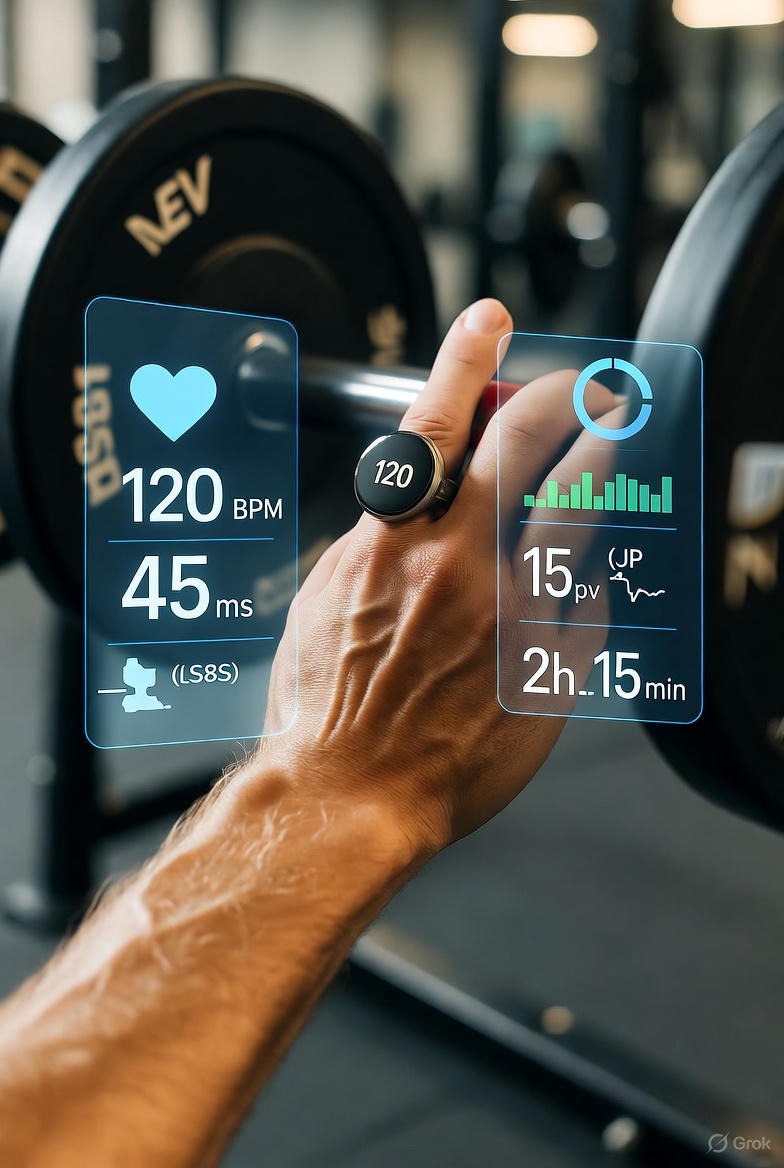
The most promising tool to make this approach scalable, affordable, and deeply personal is the modern smart wellness ring. Unlike sporadic measurements, these discreet devices offer a 24/7 window into the foundational biomarkers of health: heart rate variability (HRV), resting heart rate, sleep architecture, respiratory rate, and body temperature trends. They move health monitoring from the clinic to daily life, capturing the data that tells the true story of our well-being. For a deeper dive into how this technology has evolved to become so powerful, explore the journey from manual tracking to smart rings.
The thesis is clear and urgent: Health insurance companies must evolve to cover and incentivize this preventive wellness approach, with smart ring technology as a cornerstone. The ROI isn't just hypothetical; it's a financial imperative. By covering the hardware (like a premium smart ring) and associated data-coaching platforms, insurers can dramatically reduce claims related to preventable metabolic disease, cardiovascular events, and mental health crises. They can transform from claims processors into genuine health partners.
This article will deconstruct why the old model is failing, demonstrate the irrefutable science and economics behind continuous health monitoring, and provide a blueprint for the integration of preventive technology into insurance frameworks. We will explore how devices like the Oxyzen ring are not just consumer gadgets but legitimate health instruments that can reshape our healthcare destiny from treatment to true prevention.
The United States spends more on healthcare per capita than any other developed nation, yet consistently ranks poorly in life expectancy and measures of overall population health. This paradox is the direct result of a system engineered for sickness. The Centers for Disease Control and Prevention (CDC) states that chronic diseases—like heart disease, cancer, and diabetes—are the leading causes of death and disability, and drive the majority of the nation's $4.3 trillion annual healthcare expenditure. Crucially, these conditions are largely preventable.
The economic model is perverse. Insurance premiums rise as claims increase, creating a cycle where profitability is often indirectly tied to the volume of sickness being managed. There is minimal financial incentive for an insurer to invest heavily in preventing a heart attack that might happen to a 52-year-old subscriber in ten years. The upfront cost is certain, while the avoided future cost—though enormous—is statistically diffuse and may not even be borne by the same insurer if the patient switches plans.
This reactive model creates catastrophic human costs. Conditions like hypertension or type 2 diabetes are often "silent" for years, causing incremental damage to blood vessels, nerves, and organs before a major event—a stroke, kidney failure, a heart attack—forces action. By then, the treatment is invasive, expensive, and focused on managing decline rather than restoring vitality. The patient's quality of life diminishes, and the system absorbs a massive, ongoing financial burden.
The preventive gap is also a data gap. Traditional healthcare provides episodic data points: an annual physical with a single blood pressure reading, a fasting glucose test from one morning. These snapshots are woefully inadequate. They miss the dynamic fluctuations that reveal true risk: nightly blood pressure surges (nocturnal hypertension), glucose spikes after meals, chronic sleep deprivation, and prolonged stress states indicated by suppressed Heart Rate Variability. Without continuous, real-world data, both individuals and their doctors are flying blind through the most critical moments of their health journey.
The shift to a preventive model requires a new currency: continuous, actionable physiological data. This is the information that can signal a trend toward metabolic dysfunction months or years before a formal diagnosis. It's the early warning system our system lacks. For insurers, the business case pivots on a simple calculation: the cost of widespread prevention technology is a fraction of the cost of treating advanced chronic disease. Covering a smart ring and an annual wellness platform subscription might cost a few hundred dollars per member per year. The cost of a single hospital stay for a cardiac event can exceed $100,000. The math, when scaled across a population, is undeniable.
Preventive wellness is not a wellness fad; it is a rigorous discipline grounded in physiology. The promise of early detection hinges on our ability to monitor key biomarkers—objective, measurable indicators of biological processes. When tracked continuously, these biomarkers form patterns and trends that are far more predictive than any single lab result.
Heart Rate Variability (HRV): The Master Biomarker
HRV, the subtle variation in time between heartbeats, is the body's most sensitive measure of autonomic nervous system (ANS) balance. A high, resilient HRV indicates a strong, adaptable "rest-and-digest" (parasympathetic) response, linked to better stress recovery, cardiovascular health, and metabolic fitness. A chronically low or declining HRV is a powerful, non-invasive red flag. It signals systemic stress, inflammation, or overtraining and is a known predictor of future cardiac events and all-cause mortality. Continuous monitoring via a smart ring allows users to see how their lifestyle—a poor night's sleep, a stressful meeting, a hard workout, or meditation—directly impacts this fundamental metric.
Sleep Architecture: The Foundation of Restoration
Sleep is not a monolithic state. It's a carefully orchestrated cycle of light, deep, and REM sleep stages, each critical for different restorative functions: memory consolidation, hormone regulation (like cortisol and growth hormone), cellular repair, and immune system strengthening. Disruptions in sleep architecture, such as reduced deep sleep or frequent awakenings, are early indicators of underlying issues like sleep apnea, chronic stress, or neurogenerative risk. A wellness ring that tracks sleep stages provides objective data far beyond simple duration, revealing whether sleep is truly restorative. For more on how technology decodes this critical pillar of health, our blog delves into how tracking enables true preventive monitoring.
Resting Heart Rate (RHR) & Respiratory Rate
A creeping rise in resting heart rate can be an early sign of dehydration, overtraining, infection, or heightened stress. Similarly, respiratory rate during sleep is a vital sign that can signal the onset of respiratory or cardiac issues. Continuous monitoring establishes a personal baseline, making subtle but dangerous deviations immediately apparent.
Body Temperature Trends
Basal body temperature, especially the circadian rhythm of temperature variation, is a core component of the body's internal clock (circadian rhythm). Disruptions in this rhythm are linked to metabolic disorders, poor sleep, and immune dysfunction. Continuous wrist-based temperature sensing, as found in advanced rings, can help identify these disruptions and even, with sophisticated analysis, predict potential illness or ovulation cycles.
Activity and Recovery Balance
Modern wellness rings don't just count steps; they contextualize activity within the body's readiness. By synthesizing data from HRV, sleep, and RHR, they can provide a daily "readiness" or "recovery" score. This helps users avoid chronic overtraining—a state of persistent stress that suppresses the immune system and increases injury risk—and guides them to align their exertion with their body's actual capacity.
The power of these biomarkers is not in isolation, but in their integration. An algorithm that correlates a dip in HRV, a rise in resting heart rate, and a spike in nighttime skin temperature can alert a user that their body may be fighting an infection days before symptoms appear. This is the true essence of predictive, preventive health: intercepting illness before it takes hold. The science behind the sensors and AI that make this possible is revolutionizing what we can know about our own bodies.
The consumer wearables market began with fitness trackers focused on motivation and basic activity metrics. The modern smart wellness ring represents a quantum leap in purpose, design, and capability. It is engineered not just for fitness enthusiasts, but for anyone seeking a deeper, more nuanced understanding of their health.
Discreet, Continuous, and Comfortable Data Capture
The ring form factor is uniquely suited for 24/7 health monitoring. Worn on the finger, it maintains consistent skin contact with a rich vascular bed, leading to highly reliable optical heart rate and HRV readings, especially during sleep—the most critical time for recovery assessment. Unlike a smartwatch, it's unobtrusive, sleep-friendly, and doesn't require daily charging, ensuring no gaps in data. This continuous data stream is the bedrock of the preventive approach, capturing the body's story through all of life's phases. For those new to this technology, a guide on wellness ring basics for beginners can be an excellent starting point.
A Suite of Medical-Grade Sensors in a Minimalist Package
Leading rings, like those developed by Oxyzen, pack advanced photoplethysmography (PPG) sensors, a 3D accelerometer, a skin temperature sensor, and sometimes even an SpO2 sensor for blood oxygen measurement. These sensors work in concert, their raw data processed by sophisticated proprietary algorithms to generate the actionable biomarkers discussed earlier. The focus is on accuracy and clinical relevance, not just data for data's sake.
The Power of Longitudinal Baselines
The greatest clinical value of a smart ring is its ability to establish a personalized baseline. Medicine has long suffered from the tyranny of population-wide "normal" ranges. What's normal for a 30-year-old athlete is not normal for a 60-year-old retiree. A ring learns your normal. It knows your typical deep sleep percentage, your average overnight HRV, your circadian temperature curve. With this established, it can detect statistically significant deviations with high precision, flagging meaningful changes that would be invisible in a one-off doctor's visit. This is the cornerstone of personalized medicine.
Actionable Insights, Not Data Dumps
The best wellness platforms translate complex biomarker data into simple, actionable guidance. Instead of showing a user a raw HRV graph, the system might say: "Your recovery score is low today. Consider a light walk instead of a high-intensity workout, and aim for an early bedtime." This bridges the gap between information and behavior change, which is where true prevention happens. These platforms can integrate with other health apps and even, with user consent, provide summarized reports to healthcare providers, creating a collaborative care loop. Discover how integration with other health apps creates a holistic health ecosystem.
The smart ring, therefore, is more than a device; it's a health node. It's a always-on guardian that empowers the individual with self-knowledge and provides the healthcare system—and by extension, insurers—with a unprecedented, cost-effective window into population health trends and early risk.

For health insurance companies, adapting to cover preventive technology is not an act of charity; it is a strategic necessity for long-term viability and competitiveness. The business case rests on four pillars: Risk Mitigation, Member Retention, Data Advantage, and Regulatory Alignment.
1. Risk Mitigation Through Early Intervention
This is the core financial driver. By identifying members trending toward chronic conditions, insurers can proactively offer targeted interventions. These could be digital coaching programs for stress management and sleep, nutritional counseling, or subsidized gym memberships—all triggered and validated by the data from the member's ring. Preventing just a small percentage of type 2 diabetes diagnoses or hypertension-related hospitalizations within a large member pool results in astronomical savings. The cost of the preventive tool (the ring and platform) becomes a highly leveraged investment.
2. Enhanced Member Engagement and Retention
In a competitive market, member loyalty is gold. Providing a valuable, cutting-edge health tool like a premium smart ring creates a powerful positive touchpoint. It signals that the insurer cares about the member's health, not just their illnesses. This fosters trust and engagement. Members who are actively using their ring and associated wellness resources are more likely to stay with that insurer, reducing costly churn. They are also more likely to participate in other health-promoting programs, creating a virtuous cycle of engagement. Reading real customer testimonials showcases the profound engagement these devices can inspire.
3. The Data-Driven Underwriting Advantage
Aggregated, anonymized data from a large population of ring users is an unparalleled asset. It can reveal population-level health trends, the real-world effectiveness of wellness programs, and even predict regional health risks. This data can inform more accurate risk models, lead to the development of new, personalized insurance products, and provide empirical evidence for negotiating rates with healthcare providers. It moves the insurer from a passive payer to an active health intelligence organization.
4. Alignment with Value-Based Care and Regulatory Trends
The healthcare industry is slowly but steadily shifting from fee-for-service to value-based care models, where providers are rewarded for keeping patients healthy, not for the volume of procedures. Insurers are central to this transition. Covering preventive technology perfectly aligns with this shift. Furthermore, regulatory bodies and employer groups are increasingly demanding that insurers demonstrate tangible efforts to improve member health outcomes. Deploying a preventive wellness program with measurable results is a powerful response to these pressures.
The implementation model can be flexible: fully subsidized rings for high-risk members, co-pay models for others, or discounts tied to wellness program participation. The key is to make the technology accessible and to integrate its data into the insurer's care management workflows. By doing so, the insurer transforms its relationship with the member from transactional to transformational.
Case Study Blueprint: Designing an Insurer-Sponsored Wellness Program
Let's translate theory into a tangible blueprint. Imagine "Vitality Shield," a hypothetical insurance program built around the Oxyzen smart ring and its ecosystem.
Program Structure:
The Data-Informed Intervention Engine:
This is the program's intelligence core. Algorithmic rules are set based on clinical guidelines.
Incentivization and Gamification:
Members earn "Vitality Points" for consistent ring wear, completing wellness modules, and improving biomarker trends. Points can be redeemed for premium discounts, deductible reductions, or gift cards. This positive reinforcement sustains engagement.
Measuring Success:
Key Performance Indicators (KPIs) for the insurer would include:
This blueprint demonstrates a closed-loop system where technology enables human-centric care, all while generating a compelling return on investment. For insurers curious about the practicalities, the Oxyzen FAQ page addresses many common questions about device use and data integration.
For all its promise, integrating a preventive wellness approach into insurance faces legitimate hurdles that must be thoughtfully addressed.
Data Privacy and Security: The Non-Negotiable Foundation
This is the foremost concern. Members must have absolute trust that their intimate physiological data is secure and its use is transparent. Any program must be built on a foundation of:
Driving Widespread Adoption and Sustained Engagement
Providing the ring is only step one. Insurers must design programs that drive daily use and long-term habit formation. This involves:
Addressing the "Worried Well" and Equity Concerns
A critique of such technology is that it primarily engages the already health-conscious ("the worried well"). To avoid exacerbating health disparities, programs must be designed for inclusivity:
Clinical Validation and Provider Buy-In
For the data to be integrated into care pathways, physicians must trust it. Insurers can facilitate this by:
Overcoming these barriers is not simple, but it is essential. The companies that navigate them successfully will define the next era of health insurance. Learning about the brand's mission and values can reveal a partner equally committed to ethical, human-centric innovation.
The preventive wellness approach we've described is already transformative, but it is merely the foundation for an even more advanced future. The next frontier lies in predictive analytics and hyper-personalized risk scoring, powered by artificial intelligence and machine learning operating on vast, longitudinal datasets.
From Detection to Prediction
Today's systems identify deviations from a baseline. Tomorrow's systems will forecast deviations before they occur. By analyzing patterns across millions of anonymized user-years of data, AI models will learn the subtle, precursor signatures of specific health events. For example, it may identify that a particular constellation of changes in HRV dynamics, sleep stage distribution, and skin temperature trend predicts the onset of a respiratory infection with 85% probability 36 hours before symptom onset. Or, it may detect a pattern that signals an elevated risk of a metabolic function decline in the next 6-12 months.
Dynamic, Personalized Risk Scores
Instead of a static risk assessment based on age, family history, and smoking status (the old actuarial model), each member will have a dynamic, multi-dimensional health risk score. This score would update weekly or even daily, factoring in:
A member's "Cardiometabolic Risk Score" or "Immune Resilience Score" would become a living metric. This allows for interventions to be not just early, but pre-emptive. The system could prescribe a specific intervention—"Begin this 4-week stress resilience program now"—to counteract a predicted rise in risk.
The Role of the Smart Ring in This Future
The ring will evolve from a monitor to a health interface. Future iterations may include non-invasive glucose trend monitoring, blood pressure estimation, and even more advanced biomarkers like cortisol level indicators. Its constant wearability makes it the ideal device to deliver not just insights, but micro-interventions: haptic nudges to practice breathing when stress is detected, gentle vibrations to encourage movement after prolonged inactivity, or light-based cues to support circadian alignment.
For insurers, this predictive capability is the ultimate risk management tool. It shifts the timeline of intervention from "after diagnosis" to "before the physiological cascade even begins." The economic value of this shift is incalculable. It also opens the door to entirely new, personalized insurance products with premiums that could adjust in real-time based on proactive health behaviors, creating a truly aligned incentive structure between insurer and member. To glimpse what's on the horizon, explore thoughts on the future of wearable health tech.
The vision of a preventive, proactive healthcare system is within our grasp. But it will not materialize through technological advancement alone. It requires deliberate action from every stakeholder in the health ecosystem.
For Consumers and Patients: Become the CEO of Your Health
The era of passive patienthood is over. You have the right—and the responsibility—to be an active participant in your health journey.
For Healthcare Providers: Embrace the Data Partnership
Doctors, nurses, and clinicians are overwhelmed. Continuous data should be a tool to make your job more effective, not more burdensome.
For Insurance Companies and Employers: Lead the Transition
You hold the purse strings and the scale to make preventive wellness the new standard.
The preventive wellness approach, centered on continuous monitoring and early intervention, is the most pragmatic, humane, and economically sound path forward for our beleaguered healthcare system. The technology is ready. The science is clear. The financial imperative is undeniable. Now, we need the courage to redesign a system built for sickness into one engineered for enduring health. The first step is for those who finance healthcare to invest not in more treatment, but in less disease. Covering the tools that make prevention possible isn't just good medicine; it's the smartest business decision the insurance industry could ever make.
The vision of a preventive healthcare system, powered by devices like smart wellness rings, stands on a critical foundation: data integration. A ring generating terabytes of personalized physiological data is powerful, but its true transformative potential is only unlocked when that data can flow securely, meaningfully, and actionably into the broader healthcare ecosystem. For insurance companies looking to cover such an approach, solving this integration challenge is not a technical afterthought; it is the central strategic task.
Currently, healthcare data exists in silos. Electronic Health Records (EHRs) hold clinical notes and lab results. Insurers have claims data. Consumers have fitness app data. These worlds rarely communicate, creating a fragmented picture of an individual's health. A preventive model demands that these silos be bridged, creating a holistic, longitudinal health record where continuous biometric data enriches and contextualizes traditional medical data.
The Technical Architecture: APIs and Interoperability
The solution lies in robust, secure Application Programming Interfaces (APIs), particularly those adhering to healthcare interoperability standards like FHIR (Fast Healthcare Interoperability Resources). A smart ring platform like Oxyzen's would expose a secure FHIR API. With explicit member consent, this API could allow:
The Human Layer: From Data to Dialogue
Integration isn't just about pipes and protocols; it's about creating new workflows for human care providers. Insurers must fund the development of tools that make this data useful, not overwhelming.
Privacy by Design and Consent Management
This level of integration intensifies privacy concerns, making a "Privacy by Design" approach non-negotiable. The system must be built with granular consent at its core. Members should operate a digital "consent dashboard" where they can toggle what data is shared, with whom, and for what purpose. For example:
Transparency is key. Members need to understand the value exchange: "By sharing this data, you will receive more personalized coaching and help your doctor provide better care." For those with questions, resources like Oxyzen's guide on common wellness ring questions can provide clarity on data use.
Building this seamless ecosystem is the infrastructural work that turns a cool gadget into a cornerstone of modern healthcare. It ensures the precious data generated by preventive tools doesn't vanish into a personal app, but fuels a more intelligent, collaborative, and effective health system for everyone involved.
The annual physical examination is a ritual of modern medicine. Yet, in its current form, it is a profound anachronism in the age of continuous data. It provides a single, static snapshot of health, often missing the dynamic trends that foretell disease. For insurance companies covering preventive wellness, a major opportunity lies in redefining and augmenting this ritual using the data from covered devices like smart rings.
The Limitations of the 20-Minute Snapshot
Think about the metrics gathered in a standard physical: weight, blood pressure, heart rate, and a panel of bloodwork. Each is a point-in-time measurement subject to massive variability. A blood pressure reading can be elevated due to "white coat syndrome." A fasting glucose test might be normal, even if the patient experiences dangerous post-meal spikes daily. The annual physical often fails to ask—let alone answer—the most important questions: How is your body functioning in the context of your real life? How well do you recover from stress? What is the quality of your sleep, not just its duration?
The "Annual Review" Enhanced by a Year of Data
Envision the new model: The Data-Enhanced Health Review. In the weeks leading up to their appointment, the member (and their doctor) receives a comprehensive report generated from a full year of continuous ring data, integrated with their claims history and previous lab results.
This report wouldn't show raw data dumps. Instead, it would provide insightful visualizations and analyses:
Enabling Proactive, Personalized Care Plans
Armed with this longitudinal story, the clinician-patient conversation transforms. It moves from generic advice ("try to sleep more") to targeted, collaborative problem-solving.
For the insurer, this model increases the value of the covered physical. It leads to earlier, more accurate diagnoses (reducing downstream costs) and more effective, personalized interventions that members are more likely to adhere to because they are based on their own undeniable data. It shifts the physical from a cost center to a powerful node in the preventive care network. Members can learn how to personalize their device and data to get the most out of this new review model.
The global mental health crisis represents one of the most significant and costly burdens on healthcare systems. Traditional mental healthcare is also largely reactive—intervening after a crisis of anxiety, depression, or burnout has already caused significant suffering and disability. Here, the preventive power of continuous biometric monitoring may be its most revolutionary application, offering objective, early warning signs for subjective psychological states.
The Physiology of Mental State
Mental health is not separate from physical health; it is deeply embodied. States of chronic stress, anxiety, and depression have clear physiological signatures:
A smart ring continuously tracks all these biomarkers. It doesn't diagnose depression, but it can detect the physiological substrate upon which these conditions build, often weeks before an individual consciously recognizes they are struggling.
From Detection to Early Intervention
This creates a paradigm-shifting opportunity for mental health prevention within an insurance framework.
Building a Preventative Mental Wellness Benefit
For insurers, covering a smart ring as part of a mental health benefit is a powerful strategy. It allows them to:
This approach represents a move from crisis management to resilience building. By using biometrics as a window into the nervous system's state, insurers and individuals can work together to maintain mental well-being, catching spirals before they become devastating. The profound impact of this is echoed in user experiences, as seen in real-world testimonials where individuals describe gaining awareness of stress they didn't even know they had.
To persuade skeptical CFOs and actuaries, the preventive wellness approach must be presented in the unambiguous language of finance. The argument cannot be merely philosophical; it must be a robust, data-driven Return on Investment (ROI) model. Let's construct a detailed, conservative financial analysis for an insurer covering a smart wellness ring and digital coaching platform for a hypothetical population of 10,000 members.
Assumptions & Input Costs:
Projected Savings (Conservative Estimates):
Savings are calculated by estimating the reduction in claims for preventable conditions. We'll focus on three high-cost areas:
1. Prevention of Type 2 Diabetes (T2D) and Complications:
2. Reduction in Cardiovascular Events (e.g., Heart Attacks):
3. Mitigation of Mental Health Crisis and Burnout:
4. Improved Medication Adherence & Chronic Disease Management:
Total Annual Projected Savings: $1.2M + $0.3M + $0.42M + $0.1M = $2.02 Million.
ROI Calculation:
This conservative model shows a short payback period and a substantial positive ROI by year three. It doesn't even capture harder-to-quantify benefits like member retention, improved brand value, attraction of healthier employers, and the data asset value of the biometric information. For a self-insured employer, the savings flow directly to their bottom line. The financial case is not just sound; it is compelling. A deeper exploration of how health tracking enables personalized wellness reveals the mechanisms behind these savings.
The idea of insurers covering preventive technology is not science fiction. Around the world, innovative programs are demonstrating its feasibility and success, providing a blueprint and proven tactics for broader adoption.
Case Study 1: Vitality (Discovery Ltd.) – South Africa & Global
Perhaps the most famous model is the Vitality program pioneered by Discovery. It's a behavioral-change platform integrated with insurance where members earn points and rewards for healthy activities. While initially focused on gym check-ins and purchasing healthy food, it has aggressively integrated wearables.
Case Study 2: Oscar Health (USA) – Integrating CGM Data
In the US, insurer Oscar Health has piloted programs with employers to subsidize continuous glucose monitors (CGMs) for non-diabetic members. The goal is preventive: to give individuals insights into their metabolic health, showing how food, sleep, and exercise affect their glucose levels in real time.
Case Study 3: Swiss Re & Wearables for Life Insurance
In the life insurance sector, reinsurance giant Swiss Re has partnered with wearables companies to create dynamic life insurance products.
Case Study 4: Japan's Health & Productivity Management
Driven by a super-aging society, the Japanese government and large employers actively promote "Health and Productivity Management." Companies like Panasonic provide employees with wearable devices and use aggregated data to design workplace wellness interventions, reduce absenteeism, and control corporate health insurance costs.
Key Takeaways for Implementers:
These precedents dismantle the argument that "it can't be done." It is being done, profitably, and it's setting a new global standard for what members expect from their health coverage.

For widespread insurance coverage of preventive wellness technology to become a reality, favorable policy and regulatory frameworks are essential. Currently, the U.S. healthcare regulatory environment presents both obstacles and opportunities that insurers must strategically navigate.
The Regulatory Hurdles: FDA, HIPAA, and ERISA
Policy Opportunities: Legislative Levers for Change
Proactive insurers can advocate for policies that accelerate the adoption of preventive care.
The Path Forward for Insurers:
Navigating this landscape requires diligence but is entirely feasible. The regulatory winds are shifting toward value and prevention, and insurers that position themselves at the forefront will help shape the new rules of the game. For more on how this technology is already entering clinical spaces, see how health tracking is being used in hospital settings.
The vision is clear, the financial case is solid, and global precedents exist. Now, how does an insurance company actually do this? Moving from theory to operational reality requires a disciplined, phased approach. Here is a pragmatic roadmap for insurers to launch and scale a preventive wellness program centered on smart ring technology.
Phase 1: Foundation & Strategy (Months 1-3)
This phase is about internal alignment and planning.
Phase 2: Pilot Program (Months 4-9)
Start small, learn fast, and iterate.
Phase 3: Refinement & Scale Preparation (Months 10-12)
Phase 4: Full Launch & Continuous Optimization (Year 2+)
This roadmap transforms an ambitious concept into a manageable series of business projects. It mitigates risk through piloting, ensures organizational buy-in, and creates a pathway to a future where preventive technology is a standard, valued part of the health insurance benefit.
A critical challenge—and ethical imperative—in any insurer-led wellness initiative is ensuring it does not inadvertently widen the health equity gap. If only the already health-conscious and affluent members engage, the program fails its fundamental mission of improving population health and could even worsen disparities by allocating resources to those who need them least. A deliberate, equity-first design is non-negotiable.
Identifying and Removing Barriers to Access
Proactive Outreach to High-Risk, Low-Engagement Groups
Instead of a passive "opt-in" model, use claims and demographic data to proactively invite members from historically underserved groups or those with identified risk factors (like a history of gestational diabetes or living in a pharmacy desert).
Designing for Inclusive Metrics and Goals
The definition of "success" must be personalized and contextual.
The Role of the Smart Ring as an Equity Tool
Paradoxically, when deployed equitably, the smart ring can be a great democratizer. It provides a level of personal health insight that was previously only available to the wealthy through concierge medicine. It gives every member, regardless of their background, access to the same high-quality data about their own body, empowering them with knowledge in conversations with healthcare providers. For individuals who face bias in clinical settings, objective data can be a powerful advocate. Understanding the basics of what these devices track is a first step for everyone.
An equity-centered preventive program is more complex to design, but it is the only morally defensible and sustainably effective path. It ensures the promise of preventive health is a promise made—and kept—for all members, not just a privileged few.

A pitfall of technology-driven prevention is the assumption that data alone inspires change. It does not. Data informs, but human connection motivates and guides. The most successful preventive wellness programs will master the blend of scalable AI-driven insights with targeted, empathetic human coaching. For insurers, this means building or partnering for a new kind of "high-tech, high-touch" care team.
The AI Layer: The Always-On Guardian
The artificial intelligence in the platform performs several critical, scalable functions:
The Human Layer: The Trusted Guide
When the AI detects persistent, complex, or high-risk patterns, it escalates to a human coach. This coach is not a doctor, but a certified wellness professional (e.g., a health coach, nurse educator, or behavioral health specialist) empowered by data.
Designing the Coaching Model for Scale
Insurers cannot afford a 1:1 coach-to-member ratio. The model must be hybrid and tiered.
This blended model ensures that expensive human expertise is deployed where it is most needed and can be most effective, while AI handles the broad foundation of awareness and gentle guidance. The result is a system that feels both intelligently automated and genuinely caring. For examples of how this human-tech partnership empowers users, explore how smart rings help build healthy habits.
The ultimate implication of covering a preventive wellness approach is not an additive one—it's transformative. It forces a redefinition of the insurance company's very identity and business model. The insurer must evolve from a passive payer of sick-care claims to an active partner in lifelong health. This shift reshapes every facet of the organization.
A New Value Proposition: Health Assurance
The core product is no longer just financial protection against medical bills. It becomes Health Assurance: a guarantee that the insurer will actively invest in and support the member's health journey. The premium is not just for a safety net; it's for a suite of tools, insights, and support designed to make that safety net less necessary. This is a powerful competitive differentiator in a commoditized market.
Reorganizing Around Health Outcomes
Internal structures and incentives must realign.
Data as the Core Asset
The company's most valuable asset becomes its proprietary health intelligence platform—the aggregated, insights-driven understanding of what actually works to improve human health in real-world settings. This data asset can:
A New Relationship with Providers
The insurer-provider relationship evolves from adversarial negotiations over fees to collaborative partnerships in "shared risk" or "full capitation" models. The insurer provides the provider with enriched, continuous data on their shared patients and supports them with wellness resources. They share in the savings generated by keeping that population healthier, aligning financial incentives for the first time truly around health outcomes.
This transformation is profound. It turns the insurance company into a health technology and services company that also assumes risk. It's a future where the member's success—their vitality, resilience, and well-being—is the insurer's success. It represents the full maturation of the preventive model, where the system is financially and operationally optimized for health, not sickness. To understand the vision of a company built on this partnership model from the start, you can read the Oxyzen story.
Your Trusted Sleep Advocate (Sleep Foundation — https://www.sleepfoundation.org/)
Discover a digital archive of scholarly articles (NIH — https://www.ncbi.nlm.nih.gov/
39 million citations for biomedical literature (PubMed — https://pubmed.ncbi.nlm.nih.gov/)
experts at Harvard Health Publishing covering a variety of health topics — https://www.health.harvard.edu/blog/)
Every life deserves world class care (Cleveland Clinic -
https://my.clevelandclinic.org/health)
Wearable technology and the future of predictive health monitoring. (MIT Technology Review — https://www.technologyreview.com/)
Dedicated to the well-being of all people and guided by science (World Health Organization — https://www.who.int/news-room/)
Psychological science and knowledge to benefit society and improve lives. (APA — https://www.apa.org/monitor/)
Cutting-edge insights on human longevity and peak performance
(Lifespan Research — https://www.lifespan.io/)
Global authority on exercise physiology, sports performance, and human recovery
(American College of Sports Medicine — https://www.acsm.org/)
Neuroscience-driven guidance for better focus, sleep, and mental clarity
(Stanford Human Performance Lab — https://humanperformance.stanford.edu/)
Evidence-based psychology and mind–body wellness resources
(Mayo Clinic — https://www.mayoclinic.org/healthy-lifestyle/)
Data-backed research on emotional wellbeing, stress biology, and resilience
(American Institute of Stress — https://www.stress.org/)


