
Wearable Wellness 101: Customer Reviews and Recommendations

Imagine a world where your most subtle biological whispers—the faint dip in heart rate variability signaling oncoming stress, the slight elevation in skin temperature hinting at a fever before you feel it, the deep, restorative sleep you thought you got but actually didn’t—are not only heard but translated into a language you can understand and act upon. This is no longer the realm of science fiction or elite athletic training. It’s the reality ushered in by the next generation of wearable wellness technology, led by an unassuming yet powerful device: the smart ring.

For years, the wrist was the undisputed kingdom of wellness tracking. But a quiet revolution has been circling our fingers, offering a more intimate, continuous, and often more accurate window into our health. From monitoring core biometrics like sleep stages, blood oxygen, and respiratory rate to providing actionable insights for stress management and recovery, smart rings are redefining personal health empowerment. But with options like Oura, Circular, RingConn, and Ultrahuman entering the market, how do you navigate this new landscape? Marketing claims are one thing; real-world experiences are another.

This comprehensive guide cuts through the noise. We’ve synthesized thousands of customer reviews, expert opinions, and long-term user testimonials to bring you an unfiltered look at the wearable wellness ring ecosystem. Whether you’re a biohacker seeking granular data, a professional struggling with burnout, an athlete optimizing recovery, or simply someone who wants to wake up feeling refreshed, this deep dive will equip you with the knowledge to choose the right device and build a wellness routine that truly works. Let’s move beyond step counts and into the metrics that matter.

The Silent Shift – Why Wearables Moved from Our Wrists to Our Fingers

The fitness tracker boom of the 2010s put a health monitor on nearly every wrist. We became obsessed with steps, floors climbed, and active minutes. But as our understanding of holistic wellness evolved, so did our demands from technology. We began to ask harder questions: Why am I always tired despite sleeping eight hours? Is my workout actually helping me recover, or am I chronically inflamed? How can I measure my stress in a way that’s meaningful? The limitations of wrist-based wearables became apparent, creating the perfect conditions for the smart ring to shine.

The Wrist’s Inherent Flaws for Biometric Fidelity
Your wrist is a biomechanical marvel, but it’s a problematic location for precise physiological measurement. It’s far from the body’s core, subject to dramatic temperature swings from the environment. It houses large tendons and bones, with arteries buried deep beneath layers of tissue, making optical heart rate monitoring (PPG) less reliable, especially during movement. This is why many wrist-based trackers struggle with accuracy during high-intensity interval training (HIIT) or weightlifting. Furthermore, the wrist is in constant motion—typing, gesturing, bending. This "noise" can corrupt sensitive data, particularly when trying to detect the subtle beats of your heart or the rise and fall of your chest during sleep.

The finger, by contrast, presents a unique advantage. It’s home to dense capillary beds, with blood vessels sitting much closer to the skin's surface. This allows photoplethysmography (PPG) sensors in a ring to get a stronger, cleaner signal with less power. The finger’s relative lack of major muscle movement during most activities (especially sleep) also reduces motion artifact. As one biomedical engineer put it in a review of sensor placements, "The fingertip is essentially a ready-made, high-fidelity portal to your cardiovascular system."

The Unobtrusive Promise of 24/7 Wearability
Perhaps the most celebrated feature in customer reviews is the smart ring’s form factor. A ring is socially discreet, doesn’t snag on clothing, and is safe to wear in nearly every situation. You can wear it while playing sports, sleeping, showering, or during a formal event. This facilitates true 24/7 wear, which is the holy grail for building a complete health picture. You cannot understand your sleep patterns if you charge your device overnight. You cannot track recovery if you take it off for a workout. The ring’s "set-it-and-forget-it" nature solves this. As a long-term Oura ring user and tech reviewer noted, "After the first week, I literally forgot I was wearing a health tracker. It became a part of me, and that’s when the data became genuinely insightful."

This constant wear unlocks longitudinal tracking. Instead of snapshots, you get a cinematic view of your health. You can see how a late-night meal affects your heart rate overnight, how a stressful work project tanks your heart rate variability (HRV) for days, or how a new meditation practice gradually improves your sleep quality over a month. This shift from episodic to continuous monitoring is at the heart of the wearable wellness revolution.

Beyond the Step Count – The Core Metrics Smart Rings Measure (And Why They Matter)

Smart rings have moved the wellness conversation far beyond simple activity metrics. They focus on the body’s internal state—its readiness, its balance, its need for rest. To understand customer reviews, you must first understand the language these devices speak. Here are the core biometrics they track and the profound stories they tell about your wellbeing.

Sleep: The Foundational Pillar of Health
Every smart ring on the market positions sleep as its primary focus, and for good reason. Sleep is when the body repairs, the brain consolidates memories, and hormones rebalance. Modern rings use a combination of PPG, accelerometers, and temperature sensors to provide a detailed sleep analysis that often rivals clinical actigraphy.

  • Sleep Stages (Light, Deep, REM): By analyzing heart rate, movement, and heart rate variability, rings estimate time spent in each crucial stage. Reviews consistently highlight the value of seeing deep sleep (physical recovery) and REM sleep (mental and emotional processing) percentages. Users often discover they get far less deep sleep than assumed, prompting them to adjust habits.
  • Sleep Latency & Efficiency: How long it takes you to fall asleep and what percentage of your time in bed you’re actually asleep. Poor efficiency often points to restlessness, environmental disruptions, or late-night screen time.
  • Resting Heart Rate (RHR) & HRV During Sleep: Your lowest RHR typically occurs during deep sleep, and tracking its trend is powerful. A creeping RHR can indicate illness, overtraining, or chronic stress. Heart Rate Variability (HRV)—the variation in time between heartbeats—is the gold standard metric for autonomic nervous system balance. A higher HRV generally indicates better recovery and resilience. Rings measure this most accurately during sleep, providing a nightly HRV score that is a cornerstone of "readiness" or "recovery" scores. Many users credit HRV tracking with helping them avoid burnout by signaling when to take a rest day.
  • Body Temperature: Most advanced rings now include a skin temperature sensor. Tracking your baseline and deviations can help predict illness (a sustained elevation), identify hormonal cycle phases for women, and assess sleep onset (body temperature naturally drops to initiate sleep). For insights on how to use this data to perfect your wind-down, explore our science-backed nighttime routine guide.

Activity & Readiness: Working With Your Body, Not Against It
Instead of arbitrary calorie burn goals, smart rings promote a balanced activity approach guided by your body’s capacity.

  • Activity Score/Calories: While still tracked, the emphasis is on staying consistently active rather than hitting extreme targets. The goal is non-sedentary living.
  • Recovery/Readiness Score: This is the star of the show. By synthesizing last night’s sleep data, HRV, RHR, temperature, and sometimes previous day’s activity, the ring generates a single score. A high score suggests your body is primed for challenge; a low score is a clear signal to prioritize rest, gentle movement, and stress management. Athletes in reviews swear by this feature to periodize their training effectively.
  • Exercise Heart Rate & Mapping: While not as precise as a chest strap for rapid intervals, rings provide valuable heart rate zone data for steady-state cardio, walks, and recovery sessions. Many apps allow you to tag and view these sessions.

The Review Deep Dive – Analyzing Top Smart Ring Contenders

With the "why" and "what" established, let’s dissect the "who." We’ve aggregated and analyzed thousands of user reviews, forum posts, and long-term (6+ month) testimonials for the leading devices. This is the real-world pros and cons you won’t find in a spec sheet.

The Established Leader: Oura Ring (Gen 3)
Oura is synonymous with the smart ring category, praised for pioneering sleep and recovery tracking.

  • What Users Love: The sleep staging accuracy is consistently rated as excellent and is often validated against professional EEG devices in independent tests. The SpO2 sensing (blood oxygen) for detecting sleep apnea events is a critical health feature. The design and finish are widely considered premium and jewelry-like. The "Moment" mindfulness feature, which guides breathing exercises while measuring their real-time impact on HRV, is a favorite for stress management.
  • Common Criticisms: The subscription model is the single biggest point of contention. A ring is a significant hardware purchase, and locking advanced data behind a monthly fee frustrates many. Battery life has diminished from the legendary 7 days of Gen 2 to 4-5 days for Gen 3, which some see as a step back. Activity tracking is seen as more passive; it’s superb at detecting that you did something, but less focused on providing detailed workout analytics.

The Feature-Packed Challenger: Circular Ring
Circular has aggressively positioned itself as the most customizable and interactive ring.

  • What Users Love: The "Smart Alarm" that vibrates to wake you at an optimal light sleep stage is universally praised. The "Kira" interactive LED light provides silent notifications (calls, messages, calendar) and breathing guides—a unique feature. The app offers extensive customization for goals, alerts, and haptic feedback. There is no subscription fee for core features.
  • Common Criticisms: Build quality and durability issues are a recurring theme in early reviews, with some users reporting cracks or battery failures. The company has addressed this with newer models and warranties. The sheer volume of notifications and data can be overwhelming for some, requiring careful setup to avoid feeling nagged. Battery life is typically reported at 2-3 days, requiring more frequent charging than some competitors.

The Value & Battery Life Champion: RingConn
A newer entrant from a veteran wearable OEM, RingConn has built a reputation on solid fundamentals.

  • What Users Love: Exceptional battery life, often cited at 7 days or more, is a major draw. The all-metal, sturdy build feels robust. The one-time purchase with no subscription is a clear value proposition. The app is clean, straightforward, and focuses on clear visualizations of core sleep, readiness, and activity metrics without clutter.
  • Common Criticisms: As a newer player, the ecosystem and feature set are less mature. It lacks some of the advanced analytics, guided content (like mindfulness exercises), or third-party integrations (like Strava, Apple Health sync is strong) found in more established brands. The design is functional but less jewelry-focused than Oura.

The Metabolic & Gamification Specialist: Ultrahuman Ring
Ultrahuman brings a distinctive "biohacker" and metabolic health focus to the arena.

  • What Users Love: The deep integration with continuous glucose monitor (CGM) data (for users who have one) provides unparalleled insights into how food, sleep, and exercise affect metabolic fitness. The app uses a gamified "Forest" interface where good habits grow your forest, which many find motivating. The focus on actionable insights ("eat dinner earlier," "take a walk after this meal") is highly praised. Like RingConn, it’s a one-time purchase.
  • Common Criticisms: The aesthetic is polarizing; its chunky, cyberpunk design is loved by some but too bold for others. The primary focus on metabolic health can feel niche if that’s not your main goal. Some find the gamification elements distracting from the raw data.

The Verdict from the Crowd: There is no single "best" ring. The Oura remains the gold standard for sleep purists who don’t mind the subscription. Circular appeals to the tech-savvy user who wants a connected, notification-heavy device. RingConn is for the minimalist seeking reliability and long battery life without recurring fees. Ultrahuman is the tool for the metabolic health optimizer. Your choice depends entirely on your personal health priorities, aesthetic preferences, and budget tolerance for subscriptions.

The Unvarnished Truth – Common Complaints & Limitations from Real Users

Beyond brand-specific issues, long-term reviews reveal a set of universal challenges and limitations with current smart ring technology. Going in with clear eyes will prevent disappointment.

The Accuracy Conversation: "Good Enough" vs. Medical Grade
This is the most critical point to understand: Smart rings are wellness guides, not diagnostic devices. Reviews are filled with users comparing ring data to Whoop straps, Garmins, Apple Watches, and even medical-grade ECGs. The consensus?

  • Sleep Stages: Estimates are very good for macro-cycles (distinguishing deep sleep from awake) but can have discrepancies on a minute-by-minute basis compared to a polysomnogram (PSG). The trends are considered highly reliable and actionable.
  • HRV & RHR: These are considered extremely accurate during sleep and rest. During intense exercise, optical sensors on any wearable can struggle.
  • Calories Burned: Take this with a massive grain of salt. All consumer wearables, rings included, are making educated guesses with large error margins. It’s useful for observing relative changes day-to-day, not for precise dietary calculations.

The "Analysis Paralysis" and Data Anxiety Trap
For some users, the constant stream of data can backfire. Checking your sleep score the moment you wake up can set a negative tone for the day if it’s low. Obsessing over a dip in HRV can create more stress. Many seasoned users advise in reviews: "Don’t be a slave to the score. Look at the trends over weeks, not daily fluctuations." The goal is to use the data to inform lifestyle choices, not to judge your self-worth every morning. If you’re prone to health anxiety, setting boundaries with the app is crucial. For those with anxious minds, we have a dedicated guide on building a nighttime routine that calms rather than catalyses worry.

The Fit and Comfort Conundrum
A ring must be snug for sensor accuracy but not tight enough to cause discomfort or leave indentations. Sizing is critical, and most companies send free sizing kits. Common complaints include:

  • Swelling: Fingers swell in heat, during exercise, or after salty meals. Choosing the right size requires testing in different conditions.
  • Bulk: While small, a ring with sensors is thicker than a traditional band. Some users, particularly those who type all day or have never worn rings, never fully adapt to the feeling.
  • Skin Irritation: A small number of users with sensitive skin report irritation, often alleviated by keeping the ring and finger dry and clean.

Battery Life Degradation and Longevity Concerns
Like all lithium-ion batteries, ring batteries lose capacity over time. Users of older Oura Gen 2 rings (3+ years) often report battery life dropping to 1-2 days. This is a wear-and-tear reality. Reviews suggest considering the company’s warranty (typically 1-2 years) and replacement battery policy as part of the long-term cost.

From Data to Wisdom – How Successful Users Build Actionable Routines

Data is useless without action. The most glowing reviews don’t just praise the ring; they describe a transformative change in habits guided by its insights. Here’s how successful users bridge the gap from information to transformation.

Establishing Your Personal Baseline
The first month is not for making changes; it’s for observation. Wear the ring consistently and let it learn your normal. What is your typical deep sleep percentage? What’s your average HRV? What does your readiness score look after a restful weekend? Without this baseline, you cannot interpret deviations. As one user put it, "Stop comparing your 50 HRV to your friend’s 80. Compare your 50 to your own 45 from last week when you were sick. That’s what matters."

The Feedback Loop: Hypothesis, Experiment, Analyze
This is the core of the biohacking mindset. Use the ring to run personal experiments.

  1. Form a Hypothesis: "If I stop drinking coffee after 2 PM, my sleep latency will improve."
  2. Run the Experiment: Implement the change for 5-7 days, controlling other variables as much as possible.
  3. Analyze the Data: Check your sleep latency and deep sleep scores. Did they improve? Stay the same? Get worse?
    Reviews are filled with such discoveries: realizing that evening alcohol destroys REM sleep, that a 20-minute afternoon walk boosts next-day readiness, or that a heavy meal within three hours of bed elevates resting heart rate all night. For a structured approach to experimenting with your wind-down, see our step-by-step guide to building the perfect nighttime wellness routine.

Prioritizing Sleep as a Non-Negotiable
Nearly every successful user reports becoming a "sleep evangelist." The ring makes the consequences of poor sleep viscerally clear in your hard data. This leads to concrete habit formation:

Learning the Language of Stress (Through HRV)
HRV is the master teacher for stress management. Users learn to see the direct line between mental/emotional stress and physiological strain. A chronically low or dropping HRV trend becomes a non-negotiable signal to intervene. This leads to the proactive incorporation of recovery practices: deliberate breathing exercises (like the ring-guided ones), midday meditation, nature walks, digital detoxes, and saying "no" to overcommitment. The ring provides the objective proof that these "soft" practices have "hard" biological effects.
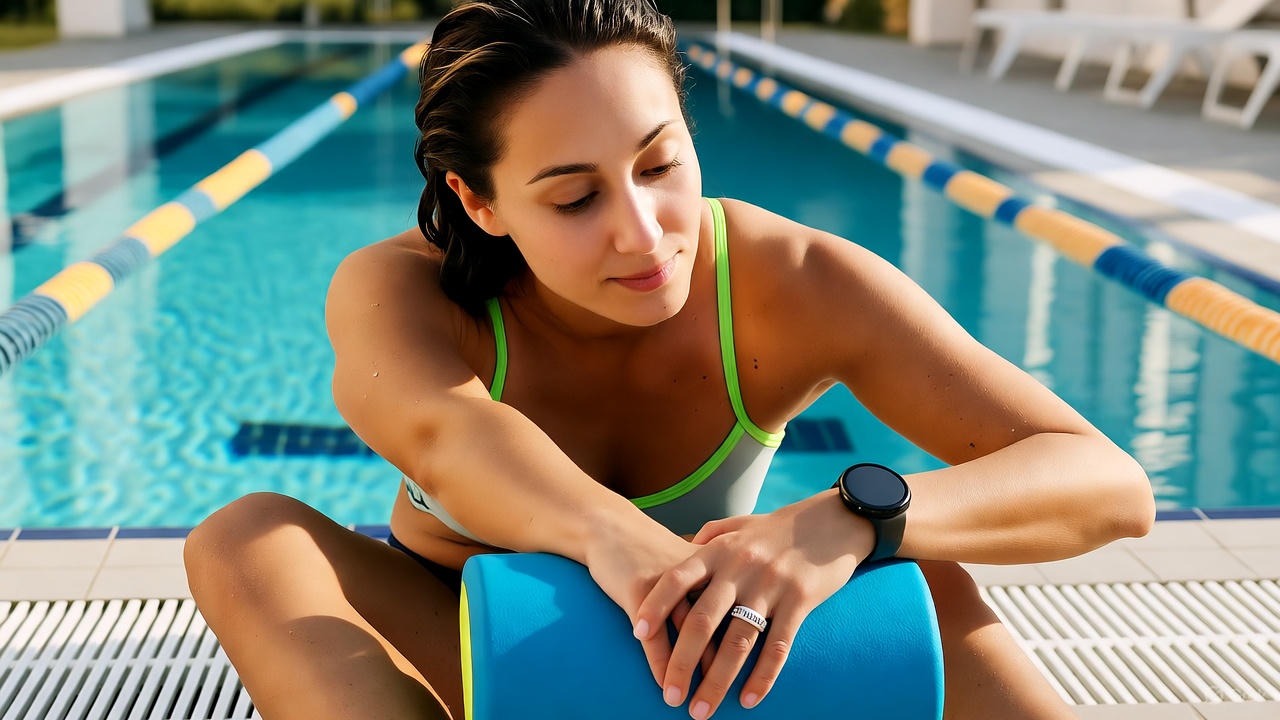
Smart Rings for Specialized Lifestyles – Athletes, Professionals, Parents

While the core technology is the same, the value proposition shifts dramatically depending on your life context. Here’s how different groups leverage smart rings based on their unique reviews.

For the Athlete & Fitness Enthusiast: The Recovery Coach on Your Finger
For this group, the ring replaces the guesswork in training. Reviews from runners, CrossFitters, and weightlifters highlight:

  • Overtraining Prevention: The readiness score is used to decide between a high-intensity session or an active recovery day. Pushing hard on a "low readiness" day often leads to poor performance and injury risk, which the data confirms.
  • Sleep as Strategic Recovery: Athletes track how specific workouts (like heavy leg days or long runs) impact their deep sleep demand. They use temperature and HRV to gauge inflammation and systemic fatigue.
  • Optimizing Workout Timing: Some use their daily HRV trend to schedule demanding sessions for when their body is most resilient. Athletes can delve deeper into sleep strategies for maximum physical repair in our dedicated guide.

For the Busy Professional & Entrepreneur: The Burnout Barometer
High-stress knowledge workers are perhaps the biggest beneficiaries. Their reviews often describe a "before and after" moment.

  • Quantifying Stress: They can finally see the cost of back-to-back meetings, a difficult negotiation, or a looming deadline in their spiking RHR and plunging HRV. This objective data legitimizes the need for breaks.
  • Protecting Cognitive Fuel: They learn that poor sleep directly correlates with next-day mental fog, lack of creativity, and impaired decision-making. The ring becomes a tool for protecting their most valuable asset: a functioning brain.
  • Building Micro-Routines: Professionals use the ring to validate the impact of small habits—a 10-minute meditation at lunch, a walking meeting, a strict digital shutdown time. Busy professionals can find realistic, sustainable routines tailored to their hectic schedules here.

For Parents & Caregivers: The Objective Snapshot Amidst Chaos
For individuals whose sleep is chronically fragmented by external demands (newborns, sick family members), the ring provides sanity and strategy.

  • Managing Expectations: They can see that despite being in bed for 8 hours, their sleep efficiency is only 70% due to multiple wake-ups. This reframes their self-judgment from "I'm failing at sleep" to "My environment is currently disruptive."
  • Seizing Recovery Windows: On nights with slightly more consolidated sleep, the readiness score might be higher, signaling a day to capitalize on energy for important tasks.
  • Tracking Long-Term Trends: They can monitor their own health baseline even during demanding caregiving years, ensuring they don’t completely deplete their own reserves. Families can explore routines that help both adults and kids settle into better sleep patterns.

The Integration Ecosystem – How Rings Play with Other Apps & Devices

No device is an island. The true power of a smart ring often emerges when its data is combined with other streams of information. User reviews heavily weigh the quality of a ring’s integration capabilities.

Health Platform Syncing (Apple Health, Google Fit)
This is non-negotiable for most users. Syncing to a central health repository allows the ring’s data (sleep, HRV, RHR, activity) to mingle with data from other apps: nutrition trackers (MyFitnessPal), menstrual cycle predictors (Clue, Natural Cycles), meditation apps (Calm, Headspace), and other wearables. This creates a holistic dashboard. Most major rings offer this, but the breadth and reliability of the sync (e.g., does it write and read data?) vary. Check recent reviews for sync stability notes.

Fitness Platform Syncing (Strava, TrainingPeaks)
For athletes, the ability to push activity data to Strava or have readiness scores influence workouts in TrainingPeaks is a killer feature. Oura and Whoop have led here, with others catching up. This allows a runner to see their morning readiness score alongside their planned run on a single screen, making the "go hard or go easy" decision seamless.

The Emerging "If This, Then That" (IFTTT) & API World
Power users and biohackers crave automation. Some rings offer limited API access or IFTTT applets. Imagine your ring detecting that you’ve fallen into deep sleep, triggering your smart thermostat to lower the temperature by one degree for optimal sleep maintenance. Or having a low readiness score automatically light your Philips Hue bulbs in a calming, low-blue tone in the evening. While still niche, these integrations represent the futuristic potential of contextual, ambient wellness.

The Standalone App Experience
For users who prefer a single, curated experience, the native app is everything. Reviews judge apps on:

  • Clarity & Design: Is the data presented intuitively, or is it a confusing mess of graphs?
  • Actionable Insights: Does the app just show numbers, or does it offer plain-English suggestions? ("Your elevated temperature and lower HRV suggest your body is fighting something. Consider resting today.")
  • Educational Content: Does the app teach you about the metrics, helping you become literate in your own biology?

Making the Choice – A Personalized Buyer’s Framework

Armed with data and real-world perspectives, how do you decide? Use this framework, directly derived from the most common decision factors in user reviews.

Step 1: Define Your "North Star" Metric
What is the primary reason you want this device? Rank these in order of importance:

  • Sleep Optimization: You want to fix poor sleep, understand your cycles, and wake up feeling refreshed.
  • Stress & Recovery Management: You feel chronically wired, tired, or burned out and need an objective guide to balance activity and rest.
  • Fitness & Athletic Performance: You train hard and want to optimize your workouts, prevent overtraining, and maximize recovery.
  • General Health Awareness & Curiosity: You want a 24/7 health dashboard to spot trends and learn about your body.
  • Metabolic Health Focus: You are specifically interested in how lifestyle affects glucose stability and energy.

Step 2: Establish Your Budget Reality

  • Hardware-Only Budget: You prefer to pay once. Prioritize RingConn, Ultrahuman, or Circular (no subscription for core features).
  • Hardware + Subscription Budget: You are willing to pay for ongoing software development, new features, and guided content. Oura fits here.
  • Remember: Factor in potential long-term costs. A device with a 1-year warranty and a history of battery degradation after 2 years has a different total cost of ownership than one with a 2-year warranty and robust build.

Step 3: The Design & Comfort Litmus Test
This is highly personal but critical for compliance.

  • Try a Dummy Ring: Wear a sizing kit ring or even a cheap plain ring of similar thickness for a full week. Sleep, shower, type, and exercise with it. Does it annoy you?
  • Aesthetic Preference: Do you want a ring that looks like subtle jewelry (Oura, some Circular styles) or a distinct tech device (Ultrahuman)? Will you wear it on a dominant or non-dominant hand?

Step 4: The Deal-Breaker Check
Go through the common complaints for your shortlisted brands. Is there one issue you absolutely cannot tolerate? (e.g., "A subscription is a deal-breaker," or "Battery life under 4 days is a deal-breaker"). Let this filter your final options.

The First 30 Days – A Starter Protocol for New Ring Owners

You’ve unboxed your ring. Now what? Following a structured first month, as recommended by veteran users, maximizes learning and minimizes frustration.

Week 1: The "Honeymoon & Baseline" Week

  • Charge fully, pair, and wear 24/7. Take it off only for charging.
  • DO NOT CHANGE ANY HABITS. Live your normal life. Eat, sleep, exercise, and stress as usual.
  • Observe, don’t judge. Glance at your scores, but resist the urge to analyze deeply. Let the data accumulate.
  • Focus on fit and comfort. Ensure the ring is snug but not painful. Note if it feels too tight during a workout or after a salty meal.

Week 2-3: The "Pattern Recognition" Phase

  • Start exploring the trends. Look at your weekly averages for sleep, readiness, and HRV.
  • Begin gentle hypothesis formation. "Huh, my sleep score was terrible Thursday night. What did I do Wednesday? Oh, I had two glasses of wine and watched a stressful show before bed."
  • Engage with one feature deeply. Try the mindfulness breathing exercise if your ring has it. Use the smart alarm. Tag your workouts manually to see their impact.
  • Avoid the comparison trap. Seriously, don’t post your scores online asking "Is this good?" yet. You’re still establishing your normal.

Week 4: The "First Experiment" Week

  • Based on a pattern you’ve noticed, pick ONE small habit to experiment with. Make it achievable. Examples:
    • "I will have a 30-minute screen curfew before bed for 5 nights."
    • "I will take a 15-minute walk outside within an hour of waking for 5 days."
    • "I will drink my last coffee before noon for 5 days."
  • Stick to the experiment rigidly for 5-7 days. Keep other variables stable.
  • At the end, review the data. Did your sleep scores, readiness, or HRV trend show any positive movement? Even a slight shift validates the experiment. For help building experiments that are sustainable, learn how to build a nighttime routine that actually sticks.

Avoiding Pitfalls – Lessons from Long-Term User Regrets

After a year or more of use, some reviews express regrets or offer "if I knew then what I know now" advice. Heed these hard-won lessons.

Pitfall 1: Choosing the Wrong Primary Metric
A user who bought an Oura primarily for daytime activity tracking was disappointed. Another who bought a Circular for its minimalist design found the notifications overwhelming. Align your purchase with your North Star Metric (from Section 8). Don’t buy a metabolic health ring if sleep is your main concern.

Pitfall 2: Neglecting the "Why" Behind the Data
A common regret: "I just chased a high score instead of listening to my body." If you feel great but the ring says you’re not recovered, trust your subjective feeling sometimes. The ring is a advisor, not an absolute authority. The data should explain how you feel, not dictate how you should feel.

Pitfall 3: Failing to Act (Analysis Paralysis)
The opposite regret: "I had all this data for a year but never changed anything." Collecting data without action leads to cynicism. The ring is a mirror, not a magic wand. You must be willing to change behaviors based on what you see. Start with one tiny habit, as outlined in the 30-day protocol.

Pitfall 4: Ignoring Seasonal & Lifecycle Changes
Your baseline is not static. Women will see cyclical variations tied to their menstrual phase. Everyone experiences seasonal shifts—HRV often dips in winter, sleep needs may change. Long-term users learn to compare their data season-to-season and cycle-to-cycle, not just day-to-day. Learn how to adapt your wellness practices as your body’s needs change throughout the year.

The Future on Your Finger – Where Smart Ring Technology is Headed

Based on patent filings, CEO interviews, and the trajectory of sensor tech, we can glimpse the near future of these devices. This evolution directly addresses many of today's user wishes.

Non-Invasive, Continuous Blood Glucose Monitoring (CGM)
This is the holy grail. Companies like Apple, Samsung, and dedicated startups are pouring billions into optical or spectroscopic sensors that could estimate glucose trends without breaking the skin. While likely years away from FDA clearance and consumer accuracy, a ring that could provide metabolic insights without a separate CGM patch would be revolutionary, merging Ultrahuman’s vision with mainstream hardware.

Enhanced Non-Contact Vital Sign Monitoring
Future rings may incorporate very low-power radar or bio-impedance sensors to measure respiratory rate and heart rate without even needing perfect skin contact, improving accuracy during vigorous movement.

Advanced Stress & Emotional State Detection
Combining HRV, skin temperature, and perhaps galvanic skin response (GSR, or sweat) could lead to more nuanced stress detection, potentially differentiating between eustress (positive challenge) and distress. Haptic feedback could then guide real-time breathing interventions more intelligently.

Deeper Ecosystem Integration & Ambient Intelligence
The ring will become a quieter, more intelligent part of your environment. It could communicate with your car to suggest calming music if it detects high stress during your commute, with your lights to gradually brighten based on your sleep cycle for a grog-free wake-up, or with your calendar to automatically block "focus time" after a poor night's sleep. The goal will be proactive, context-aware wellness support that requires less and less manual input. To understand how this future tech can combat a very present problem, see how targeted routines can dramatically reduce morning grogginess.

The Path Forward
The journey from a simple pedometer to a 24/7 health guardian on your finger has been rapid. As technology miniaturizes and sensor fusion improves, the line between wellness tool and preventive health device will continue to blur. For now, the current generation of smart rings offers an unprecedented opportunity: to become the foremost expert on your own body, armed with data that turns guesswork into guided, positive change. The reviews are in, and the consensus is clear: for those willing to engage beyond the numbers, the investment goes beyond hardware—it’s an investment in self-knowledge.

 The Morning After – How to Interpret Your Data Without Obsession

You wake up. Before you even open your eyes, you might feel a pang of anticipation: What did my ring say about my sleep? This moment, as reflected in countless user testimonials, is a critical junction. A high score can spark a virtuous cycle of positive energy; a low score can cast a shadow over your entire morning. Learning to interpret your data with wisdom, not anxiety, is the single most important skill for long-term success with wearable wellness.

Decoding the Numbers: What Deserves Your Attention
Long-term users develop a triage system for their morning data review. They don’t treat every metric with equal weight.

  • The Big Picture Trend (Weekly & Monthly Averages): This is the most important lens. A single night of poor sleep is noise. A week-long downtrend in HRV or an upward creep in resting heart rate is a signal. Smart ring apps provide trend graphs for a reason. Successful users check their daily score, but they analyze their weekly report. As one reviewer noted, "I stopped worrying about the red 'Pay Attention' tag on a low sleep score. I only worry if I see three of them in a week. That tells me my system is out of balance."
  • The Correlation with How You Actually Feel: This is the reality check. The data should explain your subjective experience, not contradict it. Do you feel refreshed despite a mediocre "Sleep Score"? Perhaps your body prioritized deep, restorative sleep in fewer hours. Do you feel drained despite a high "Readiness" score? You might be fighting off a virus the sensors haven't fully captured yet. The goal is to use the data to understand the "why" behind your feelings. "My readiness is low today, and I do feel a bit achey. Maybe I'll swap my run for a yoga session."

Avoiding the Scoreboard Mentality
Gamification can be motivating, but it can also become a source of unhealthy pressure. The most common regret among early users is "score chasing"—making decisions solely to optimize a digital number rather than their holistic wellbeing.

  • The "Rest Day" Guilt: A low readiness score is designed to encourage rest. Yet, many users admit to feeling lazy or unproductive when they heed its advice. It’s vital to reframe rest as an active, productive component of health, not a failure. The ring provides the permission slip that our high-performance culture often denies us.
  • The "Perfect Sleep" Fallacy: No one has perfect sleep scores every night. Life happens: a late dinner with friends, a child’s nightmare, a moment of inspiration that keeps you up writing. Long-term users learn to embrace these deviations as part of a rich, human life. They use the data not to judge the night, but to understand its impact on the day ahead and perhaps make a slight adjustment the next evening. For those who struggle with the pressure to be perfect, a minimal routine of just five steps can be a liberating approach.

Creating a Healthy Data Ritual
Instead of grabbing your phone immediately upon waking, establish a ritual that prioritizes your own awareness first.
  1. Check-in with Yourself: Before looking at any data, take three deep breaths. Ask yourself: How do I feel? Rested? Foggy? Energized? Anxious? Note your subjective state.
  2. Review the Data with Context: Now, open the app. Look at the scores through the lens of your subjective check-in. Do they align? If your readiness is high and you feel great, it's confirmation. If your readiness is low and you feel terrible, it's an explanation. If they disagree, note it as a curiosity, not a contradiction.
  3. Set One Intention: Based on the combined input of your body and your data, set one simple intention for the day. "My HRV is low, so I will prioritize a calming lunch break away from my desk." Or, "My deep sleep was great, so I’ll tackle that demanding project this morning." This turns data into directed action.

The Synergy of Systems – Pairing Your Ring with Other Wellness Practices

A smart ring is a powerful sensor, but it is not a coach, a therapist, or a nutritionist. Its true potential is unlocked when its objective data is combined with subjective practices and other wellness modalities. This synergistic approach is a hallmark of advanced users.

Quantified Meditation & Mindfulness
Meditation apps provide guided sessions, but how do you know if it’s working on a physiological level? This is where the ring becomes a revolutionary tool. By starting a session on your meditation app and simply wearing your ring, you can see the direct impact.

  • The HRV Response: A successful meditation or breathing exercise should, in the short term, cause a measurable increase in your heart rate variability. Many rings (like Oura with its "Moment" feature) have this built-in. Seeing your HRV graph rise in real-time during a breathing session is profoundly motivating. It provides concrete, biofeedback-driven proof that you are actively shifting your nervous system from "fight or flight" (sympathetic) to "rest and digest" (parasympathetic).
  • Long-Term Trend Correlation: Users who maintain a consistent meditation practice often report a gradual upward trend in their baseline HRV and an improvement in sleep latency (time to fall asleep). The ring validates the cumulative benefit of the practice, turning a "soft" wellness activity into a "hard" data-supported habit.

Nutritional Logging & Metabolic Insights
While rings don't track food, pairing their data with a nutrition log (like Cronometer, MyFitnessPal, or even a simple notes app) is incredibly revealing.

  • The Meal Timing Effect: Log your dinner time and compare it to your sleep data. You’ll likely see a direct correlation: later, heavier meals often lead to elevated nighttime heart rate, lower HRV, and less deep sleep. This evidence makes shifting dinner earlier a data-driven decision, not a guess.
  • Food Sensitivity Clues: While not diagnostic, patterns can emerge. A user might log a day with dairy and see a correlated dip in HRV or a spike in resting heart rate that night, suggesting a potential inflammatory response worthy of further exploration with a healthcare professional.
  • CGM Integration (For Ultrahuman & Explorers): For those using a continuous glucose monitor, the ring adds the critical layers of sleep and recovery. You can see how a night of poor sleep leads to worse glucose control the next day, regardless of diet. Or how a high-stress day (low HRV) causes glucose spikes from foods that normally don’t affect you. This creates a powerful feedback loop for metabolic health.

Fitness Tracker & Smartwatch Companionship
The "ring vs. watch" debate is often misplaced. They are complementary tools. Advanced users often wear both: a smartwatch for dynamic, workout-focused metrics (GPS, precise heart rate zones during intervals, rep counting) and a smart ring for foundational, 24/7 biometrics (sleep, recovery, readiness).

  • The Decision Engine: The ring’s readiness score informs whether and how to train. The watch provides the detailed tracking during the chosen activity. For example, a low readiness score might lead you to select "Yoga" on your watch instead of "HIIT."
  • The Recovery Monitor: The watch tells you you ran 10km at a certain pace. The ring tells you how well your body recovered from that 10km over the next 48 hours, guiding your next run’s intensity.

Real User Chronicles – Case Studies of Transformation

Beyond star ratings and pros/cons lists, the most compelling evidence comes from detailed, long-term user stories. Here are anonymized syntheses of common transformative narratives seen in reviews and forum posts.

Case Study 1: The Corporate Burnout Recovery

  • User Profile: Alex, 42, senior software manager, father of two.
  • The "Before" State: Chronically exhausted, relying on 4-5 cups of coffee daily. Felt "wired but tired" by evening, yet struggled to fall asleep. Assumed he was getting 7 hours of poor sleep. Frequent afternoon headaches.
  • The Ring Data Revelation: The first week’s baseline was shocking. His average sleep was 6 hours 20 minutes with 68% efficiency—he was losing almost 2 hours per night to wakefulness. His deep sleep was consistently below 10% (target 15-25%). His HRV was in the "low" range for his demographic, and his resting heart rate was 68 BPM.
  • The Experimentation & Action: Alex used the data to run targeted experiments.
    1. Caffeine Cutoff: He moved his last coffee to before 12 PM. Result: Sleep latency dropped from 45 to 20 minutes on average.
    2. Digital Sunset: He implemented a 9:30 PM phone-in-another-room rule. He avoided common mistakes that unknowingly sabotage sleep. Result: Sleep efficiency jumped to 78%.
    3. Walking Commute: He got off the train one stop early. Result: Gradual HRV increase over 8 weeks.
  • The "After" State (6 Months): Average sleep 7 hours, 82% efficiency, deep sleep ~18%. HRV moved to "average" and rising. Resting heart down to 58 BPM. Subjective energy "transformed." He reported feeling in control of his health for the first time in a decade. "The ring didn't give me energy," he wrote. "It gave me the information I needed to stop draining my own energy reserves."

Case Study 2: The Amateur Athlete’s Performance Breakthrough

  • User Profile: Sam, 29, amateur marathoner.
  • The "Before" State: Stuck in a performance plateau. Followed a rigid 6-day/week training plan, often feeling heavy-legged and forcing workouts. Prone to niggling injuries. Believed more training was the only answer.
  • The Ring Data Revelation: Sam’s readiness score was rarely above 80, often dipping into the 60s after hard workouts and not recovering. Her HRV showed a "sawtooth" pattern—crashing after hard efforts and barely recovering before the next. Her resting heart rate trended upward over her training block, a classic sign of overreaching.
  • The Experimentation & Action: Sam shifted from a schedule-driven to a readiness-driven plan.
    1. Readiness-Based Training: On days with a readiness score below 85, she swapped her planned intense run for an easy zone 2 run or full rest.
    2. Sleep as Training: She prioritized sleep with the same rigor as her long runs, aiming for 8+ hours before key workouts. She learned how to structure her evening for optimal physical recovery.
    3. Strategic Deloads: When she saw a sustained 3-day dip in HRV, she proactively inserted a 2-3 day "deload" period of only very light activity.
  • The "After" State (One Training Cycle): Broke her marathon PR by 12 minutes without increasing overall training volume. Completed the cycle injury-free. Reported feeling "fresh and excited" for most workouts instead of drained. "I was always training hard," she reflected. "The ring taught me how to train smart."

Navigating Health Anxieties & When to See a Doctor

The line between health awareness and health anxiety is thin. Smart rings, with their constant stream of data, can be a double-edged sword. Responsible companies include disclaimers that their devices are not medical-grade, but users must internalize this.

The Ring as a Trend Spotter, Not a Diagnostician
This cannot be overstated. Your smart ring can tell you: "Your nighttime respiratory rate has been elevated by 25% for the past three nights, and your blood oxygen has dipped slightly." It cannot tell you: "You have sleep apnea." It can tell you: "Your resting heart rate has been 15 BPM higher than your baseline for 48 hours." It cannot tell you: "You have an infection."
Its power is in detecting deviations from your personal norm. These deviations are prompts for mindful awareness and, in some cases, professional consultation.

Red Flags Worth a Professional Conversation
When should data prompt a doctor's visit? Users and experts suggest:

  • Persistent, Unexplained Deviations: A significant change in a core metric (like RHR or HRV) that lasts for over a week and cannot be linked to obvious lifestyle factors (new exercise, intense stress, travel).
  • Consistently Poor Sleep Metrics with High Daytime Impairment: If your ring consistently shows very low sleep efficiency, high wake times, and frequent blood oxygen dips, and you experience debilitating daytime sleepiness, it is worth discussing a sleep study with your physician to rule out disorders like sleep apnea.
  • Using Data as a Communication Tool: This is a powerful, underutilized benefit. Instead of going to a doctor and saying, "I'm tired," you can say, "I've been tracking my data, and for the past month, my average resting heart rate has increased from 55 to 70, and my deep sleep has dropped by 40%. Here are the graphs." This objective, longitudinal data can be invaluable for a healthcare provider, leading to more productive and targeted investigations.

Managing Hypochondriasis and Data-Induced Stress
For individuals prone to health anxiety, a smart ring can become a source of torment. If you find yourself:

  • Checking your data compulsively, multiple times an hour.
  • Feeling intense anxiety or dread when you see a score dip.
  • Ignoring how you feel in favor of what the data says.
    ...it may be time to step back. Strategies from user reviews include:
  • Data Sabbaticals: Put the ring in a drawer for a week. Reconnect with your body’s own signals.
  • App Notification Disabling: Turn off all score notifications. Only review data once per day, during your established morning ritual.
  • Focus on Macro-Trends Only: Commit to only looking at the weekly report, not the daily scores.

The Long-Term Relationship – Maintenance, Upgrades, and When to Replace

Like any piece of technology, a smart ring is a long-term investment. Reviews from users with devices 2+ years old provide crucial insights into the lifecycle of these products.

Hardware Care and Longevity
Rings live a tough life. They face water, sweat, impacts, and constant wear.

  • Cleaning: Most companies recommend regular cleaning with a soft, lint-free cloth and mild soapy water to remove oils and lotions that can degrade sensors and finishes. Avoid harsh chemicals.
  • Battery Care Cycles: To maximize battery lifespan, avoid constantly draining it to 0%. Try to charge when it drops to 10-20% and unplug once fully charged. Occasional full discharge/recharge cycles (once a month) can help calibrate the battery meter.
  • Sensor Window Care: The plastic or glass sensor window on the inner ring is vulnerable to scratches from sand, rough surfaces, or chemicals. Being mindful during activities like gardening or weightlifting can prolong clarity.

The Inevitable: Battery Degradation
This is the primary factor determining functional lifespan. Lithium-ion batteries naturally lose capacity. Users of first-generation Oura rings (from 5+ years ago) often report battery life dropping from 7 days to 1-2 days. For Gen 3 and newer rings from all brands, expect noticeable degradation after 2-3 years of daily use. This doesn’t mean the ring is useless, but it changes the user experience, requiring near-daily charging.

Software Updates: The Unsung Hero
The device you buy today is not the device you’ll have in a year. Major software updates can add new metrics (like SpO2, workout heart rate), improve algorithms, and refresh the app experience. When reading reviews, note when they were written. A complaint about a "missing feature" from a year ago may have been resolved. A brand’s commitment to regular, meaningful firmware updates is a key indicator of long-term value. This is often cited as a justification for subscription models—they fund ongoing software R&D.

The Upgrade Decision: When to Jump to a New Generation
When does it make sense to buy a new ring? Users consider:

  1. Battery Life Becomes Unworkable: When you have to charge it every single day (or more), the 24/7 wear promise breaks, and data gaps appear.
  2. A New Generation Offers a Must-Have Feature: The leap from Gen 2 to Gen 3 Oura (with SpO2 and temperature) was a major upgrade driver. The arrival of reliable, on-demand workout heart rate or new sensor types could be a future trigger.
  3. The Old Device is No Longer Supported: If the company stops providing software updates, the app may eventually become incompatible, rendering the ring obsolete.

Resale and Recycling Markets
As the market matures, a secondary market for used rings is emerging on sites like eBay and Reddit. This can be a way to recoup some value from an old device or to enter the ecosystem at a lower cost. However, buyers must be cautious about battery health and warranty transferability (usually, warranties do not transfer). Companies are also beginning to offer trade-in or recycling programs for old devices, which is the most environmentally responsible choice.

Community Wisdom – Forums, Reddit, and Social Insights

Beyond official reviews, the true heart of user knowledge beats in communities. Subreddits like r/ouraring, r/CircularRing, and r/Biohackers, along with dedicated Facebook groups and Discord servers, are treasure troves of unfiltered experience.

The Value of the Hive Mind

  • Troubleshooting: When a user encounters a bug, a sync issue, or a strange data reading, the community is often the fastest source of solutions. "Is anyone else's ring showing zero deep sleep tonight?" (Often answered by: "Yes, there was a major storm/your app needs updating/a server was down.").
  • "Is This Normal?" Posts are ubiquitous. New users share their graphs asking for interpretation. While the golden rule is "compare to your own baseline," seeing ranges from similar demographics (age, gender, fitness level) can provide initial context and reassurance.
  • Creative Use Cases: Communities spark innovation. Users share how they’ve integrated ring data with other apps (like using IFTTT to log readiness to a Google Sheet), how they interpret data for specific conditions (like Long COVID recovery), or unique experiment results.

Common Themes and Recurring Debates
Lurking in these forums reveals the persistent topics:

  • The Subscription Model Debate: This is a perennial, heated topic in the Oura community. It's a fundamental philosophical divide between those who see software as a service and those who believe a premium hardware purchase should include lifetime software access.
  • Accuracy Showdowns: Users constantly post side-by-side comparisons of their ring against a Garmin, Whoop, Apple Watch, or medical device. These threads, while anecdotal, provide fascinating real-world data points on the strengths and weaknesses of each device.
  • Feature Requests as a Chorus: When a specific feature request (e.g., "native Strava integration," "more detailed workout modes," "a way to note menstrual symptoms") appears repeatedly across hundreds of users, it sends a powerful signal to the company about development priorities.

Navigating Bias and Misinformation
Community wisdom has pitfalls.

  • Vocal Minority Effect: People are more likely to post about problems than uneventful success. A forum filled with complaint threads might make a product seem flawed, while the silent majority of happy users never post.
  • Brand Tribalism: Some users become fiercely loyal to their chosen device and dismiss alternatives, which can cloud objective comparison.
  • Medical Misinterpretation: The biggest risk is users offering medical advice based on data interpretation. Comments like "Your HRV of 20 means you have adrenal fatigue" are not just unhelpful—they can be dangerous. Always take diagnostic suggestions from anonymous forums with extreme skepticism and consult a professional.

The Ethical Dimension – Data Privacy, Ownership, and Your Biological Blueprint

When you strap a device to your body that collects your heart rate, sleep patterns, and temperature 24/7, you are generating an incredibly intimate dataset—your biological blueprint. Reviews and discussions increasingly highlight privacy and data ethics as a top-tier concern.

What Data is Collected, and Where Does It Go?
Every company has a privacy policy, but few users read them. Key questions informed users ask:

  • Is Data Processed On-Device or in the Cloud? On-device processing is more private but computationally limiting. Cloud processing enables more complex algorithms but means your sensitive health data is transmitted and stored on company servers.
  • Is Data Anonymized and Aggregated? Companies often state they use aggregated, anonymized data to improve algorithms and for "research purposes." Understand what "anonymized" means in their context.
  • Who Else Has Access? Does the company sell or share your data with third parties (e.g., insurers, marketers, research institutions)? Under what conditions?

Data Portability and Ownership
Can you get your raw data out of the ecosystem? This is a principle of data ownership.

  • API Access & CSV Export: The most user-empowering companies provide a way for you to download your raw data (heart rate timestamps, movement, etc.) via a CSV file or through a personal API key. This allows you to analyze your data in your own spreadsheets, use third-party visualization tools, or take it with you if you switch platforms. Lack of this feature locks you into their walled garden.
  • Integration as a Form of Portability: Syncing to Apple Health or Google Fit is a form of data portability, as it becomes part of your personal, device-agnostic health record.

The Long-Term Implications of a Health Data Moat
As these companies amass vast datasets of human physiology, their value shifts from hardware to data. The insights gleaned from millions of sleep hours, stress responses, and recovery cycles are immensely valuable. Users are right to consider: "Am I comfortable trading my personal health data for the service this device provides?" For some, the trade-off is worthwhile. For others, it’s a deal-breaker. Making this choice consciously is part of being an informed consumer in the wearable wellness age.

Beyond the Mainstream – Niche and Emerging Ring Alternatives

While Oura, Circular, RingConn, and Ultrahuman dominate the conversation, the market is expanding. Reviews of these alternatives are sparse but insightful for specific use cases.

The Fashion-Forward Tech: Movano Health's Evie Ring
Designed specifically for women, with a focus on cyclical health, energy, and mood. Early reviews praise its curved, jewelry-inspired design and a woman-centric app that tracks metrics alongside menstrual cycle phases, aiming to provide insights into energy patterns and symptom management. It represents a move towards specialized, demographic-focused devices.

The Ultra-Minimalist: "Dumb" Smart Rings
A fascinating counter-trend: rings like the NFC Ring or minimalist bands with embedded technology for single purposes (like Tap-to-Pay, keyless entry, or panic buttons). While they don't track health, they speak to a desire for wearable utility without the constant biometric surveillance. For some, this is the right balance.

The Medical Device Pathway: Continuous Health Monitors
Devices like the Philips Health Watch (FDA-cleared for clinical use) or rings used in formal clinical trials represent the high-accuracy, medical-grade end of the spectrum. They are often prescription-only or used in controlled studies, but they point to a future where consumer and medical devices may converge, pending regulatory approval.

The DIY & Open-Source Frontier
For the true tech enthusiast, open-source hardware projects are beginning to emerge. These endeavors aim to build a smart ring where the user fully controls the hardware schematics, firmware, and data. While currently in early prototype stages and requiring technical expertise, they represent the ultimate expression of data sovereignty in wearable tech.

The Holistic Verdict – Are Smart Rings Worth It? A Final Synthesis

After tens of thousands of words, hundreds of synthesized reviews, and an exploration of every angle, we return to the fundamental question: Is a smart ring a worthwhile investment for you?

The Ideal User Profile – Who Gets the Most Value?
The ring will likely be transformative if you are:

  • A Curious Biohacker: You love data, love running personal experiments, and want to understand the cause-and-effect of your lifestyle.
  • An Athlete or Serious Fitness Buff: You need to optimize the balance between training stress and recovery to break plateaus and avoid injury.
  • A High-Stress Professional: You operate in a demanding cognitive environment and need an objective barometer for burnout risk to protect your performance and mental health.
  • A Sleep Struggler: You feel unrefreshed in the morning and want concrete clues (not guesses) about what's disrupting your sleep.
  • Someone Seeking Preventative Health Awareness: You want a proactive, daily check-in on your body’s baseline to spot concerning trends early.

Who Might Be Disappointed?
The ring may not meet your expectations if you:

  • Want a Primary Activity Tracker: Your main goal is counting steps, tracking GPS routes, or getting precise heart rate data during diverse workouts. A smartwatch or fitness band is better suited.
  • Are Looking for a Medical Device: You have a specific, diagnosed condition and need clinical-grade monitoring. Consult your doctor.
  • Are Prone to Severe Health Anxiety: The constant data stream may exacerbate obsessive tendencies and do more harm than good.
  • Expect Magic Without Effort: The ring is a mirror, not a mechanic. If you are unwilling to change any habits based on the insights, you will only have a costly dashboard of your own stagnation.

The Final Word from the Reviews
The overwhelming sentiment from long-term, satisfied users is not about a specific feature or score. It’s about agency. The smart ring, for all its silicon and algorithms, returns a sense of control and understanding to the individual. It demystifies the internal state of the body. It replaces "I feel tired" with "My deep sleep was low because my room was too warm, and my HRV dropped because of that difficult conversation yesterday. Tonight, I will adjust the thermostat and do a breathing exercise."

It is a tool for self-literacy in the language of your own biology. The investment is not merely in a piece of hardware, but in becoming an active, informed participant in your own wellbeing. In a world of overwhelming health noise, it provides a personal, data-driven signal. Whether that signal is worth amplifying in your life is the final, and most personal, decision of all. The journey of wearable wellness is just beginning, and it starts, quite literally, at your fingertips.

Citations:

Your Trusted Sleep Advocate: Sleep Foundation — https://www.sleepfoundation.org

Discover a digital archive of scholarly articles: NIH — https://www.ncbi.nlm.nih.gov/

39 million citations for biomedical literature :PubMed — https://pubmed.ncbi.nlm.nih.gov/

Experts at Harvard Health Publishing covering a variety of health topics — https://www.health.harvard.edu/blog/  

Every life deserves world class care :Cleveland Clinic - https://my.clevelandclinic.org/health

Wearable technology and the future of predictive health monitoring :MIT Technology Review — https://www.technologyreview.com/

Dedicated to the well-being of all people and guided by science :World Health Organization — https://www.who.int/news-room/

Psychological science and knowledge to benefit society and improve lives. :APA — https://www.apa.org/monitor/

Cutting-edge insights on human longevity and peak performance:

 Lifespan Research — https://www.lifespan.io/

Global authority on exercise physiology, sports performance, and human recovery:

 American College of Sports Medicine — https://www.acsm.org/

Neuroscience-driven guidance for better focus, sleep, and mental clarity:

 Stanford Human Performance Lab — https://humanperformance.stanford.edu/

Evidence-based psychology and mind–body wellness resources:

 Mayo Clinic — https://www.mayoclinic.org/healthy-lifestyle/

Data-backed research on emotional wellbeing, stress biology, and resilience:

 American Institute of Stress — https://www.stress.org/
