


Wearable Wellness 101: Future Trends and Innovations
Predictions for where wearable wellness technology is headed next in terms of innovation.
Predictions for where wearable wellness technology is headed next in terms of innovation.
%402x.svg)
The era of passive wearables is over. Gone are the days when a simple step count or a rough sleep score could satisfy our curiosity about our own bodies. We stand at the precipice of a profound shift—a transition from generalized wellness tracking to predictive, hyper-personalized health intelligence. This evolution is not just about more data; it’s about smarter, more contextual, and more actionable insights that seamlessly integrate into the fabric of our daily lives. At the heart of this revolution are sophisticated devices like advanced smart rings, which move from being mere observers on our fingers to becoming proactive guardians of our holistic well-being.
Welcome to Wearable Wellness 101. This deep dive isn’t a glance at the gadgets of today, but an exploration of the transformative trends and groundbreaking innovations that will define the next five to ten years. We are moving beyond metrics and into meaning. We’re talking about wearables that understand your unique physiology, predict potential health disruptions before you feel a symptom, and guide you with precision towards optimal sleep, recovery, and performance. Imagine a device that doesn’t just tell you your sleep was restless, but identifies the specific environmental or physiological factor that caused it, and then integrates with your smart home to correct it the following night. Envision a wellness companion that can detect subtle signs of stress in your nervous system and guide you through a personalized breathing exercise in real-time.
This article will serve as your comprehensive guide to this future. We will dissect the core technologies making this possible, from non-invasive blood glucose monitoring and advanced nervous system tracking to the seamless power of ambient AI. We’ll explore how form and function are merging to create truly personal and elegant health tools. We’ll also tackle the critical questions of privacy, data ownership, and the ethical development of these deeply intimate technologies. The goal of wearable wellness is no longer just to inform, but to empower, prevent, and ultimately, to help you live a healthier, more balanced, and more resilient life. Let’s begin.

We are exiting the age of the “average.” For years, wearable technology has largely operated on population-based norms. Your sleep score was compared to others your age. Your resting heart rate was deemed “good” or “bad” based on broad benchmarks. While helpful as a starting point, this one-size-fits-all approach fails to capture the beautiful, complex individuality of human biology. Hyper-personalized health intelligence is the paradigm-shifting response. It’s the principle that the only valid benchmark for your health data is you.
This trend is powered by two key technological advancements: longitudinal baselining and context-aware AI. Instead of comparing you to a stranger, your device spends weeks learning your unique rhythms. What is your normal heart rate variability (HRV) on a well-rested Tuesday versus a stressful Thursday? What does your sleep architecture look like after intense exercise versus a sedentary day? By establishing this multi-layered baseline, the device can detect deviations that are truly meaningful for you. A dip in HRV that might be normal for one person could be a significant sign of impending illness or overtraining for another.
Context is the other half of the equation. A standalone heart rate spike is just data. But a heart rate spike while you’re experiencing high stress at work, coupled with a rise in your skin temperature and a change in your electrodermal activity (a measure of sweat gland response), tells a story. Modern sensors are gathering more concurrent data streams than ever, and sophisticated algorithms are learning to weave them together with contextual cues from your calendar, location, and even audio (with permission) to understand the “why” behind the “what.”
This leads to actionable insights that feel eerily prescient. Your device might suggest an earlier bedtime not because of a generic rule, but because it recognizes the cumulative fatigue from three nights of slightly reduced deep sleep. It could recommend a walking meeting because it detects your stress biomarkers are elevated and knows that sunlight and movement are your most effective reset. This is the core of the future: wearables transitioning from a dashboard of your health to an intelligent, intuitive co-pilot for your well-being.
The humble optical heart rate sensor was the gateway drug to wearable wellness. Now, the sensor suite is expanding into realms once confined to clinical settings. The next generation of wearables, particularly form factors like smart rings that benefit from consistent, snug placement on vascular-rich fingers, is unlocking a deeper biochemical and physiological dialogue with our bodies.
Non-Invasive Blood Glucose Monitoring (BGM) is the holy grail. While not yet in mainstream consumer devices, several companies are making staggering progress using techniques like optical spectroscopy, radio waves, or metabolic heat analysis. The implications are monumental, not just for diabetics but for the general wellness-seeking population. Continuous glucose monitoring provides direct insight into your metabolic health—how your body processes food, manages energy, and experiences crashes. A future wearable could alert you to glucose spikes from seemingly “healthy” foods, help you identify personal insulin sensitivities, and guide you toward dietary choices that ensure sustained energy and focus.
Continuous Core Body Temperature (CBT) tracking is another game-changer. Unlike skin temperature, which fluctuates with environment, core temperature is a vital sign linked to ovulation cycles (natural family planning), sleep onset, immune response (fever detection), and metabolic rate. Advanced sensors using dual-thermal technology can now estimate CBT with surprising accuracy, providing women with unparalleled insight into their cycles and offering everyone a powerful early warning system for illness or overexertion.
Electrodermal Activity (EDA) and Photoplethysmography (PPG) Analysis are being pushed to new frontiers. EDA, a measure of sympathetic nervous system arousal (“fight or flight”), is moving beyond simple stress detection to identifying specific emotional states and their intensity. Meanwhile, advanced PPG sensors—the flashing green LEDs—are now capable of extracting blood oxygen saturation (SpO2), respiratory rate, and even preliminary insights into blood pressure trends through pulse wave analysis. This dense biometric tapestry allows the device to construct a holistic picture of your autonomic nervous system balance, a true north star for overall resilience and health.
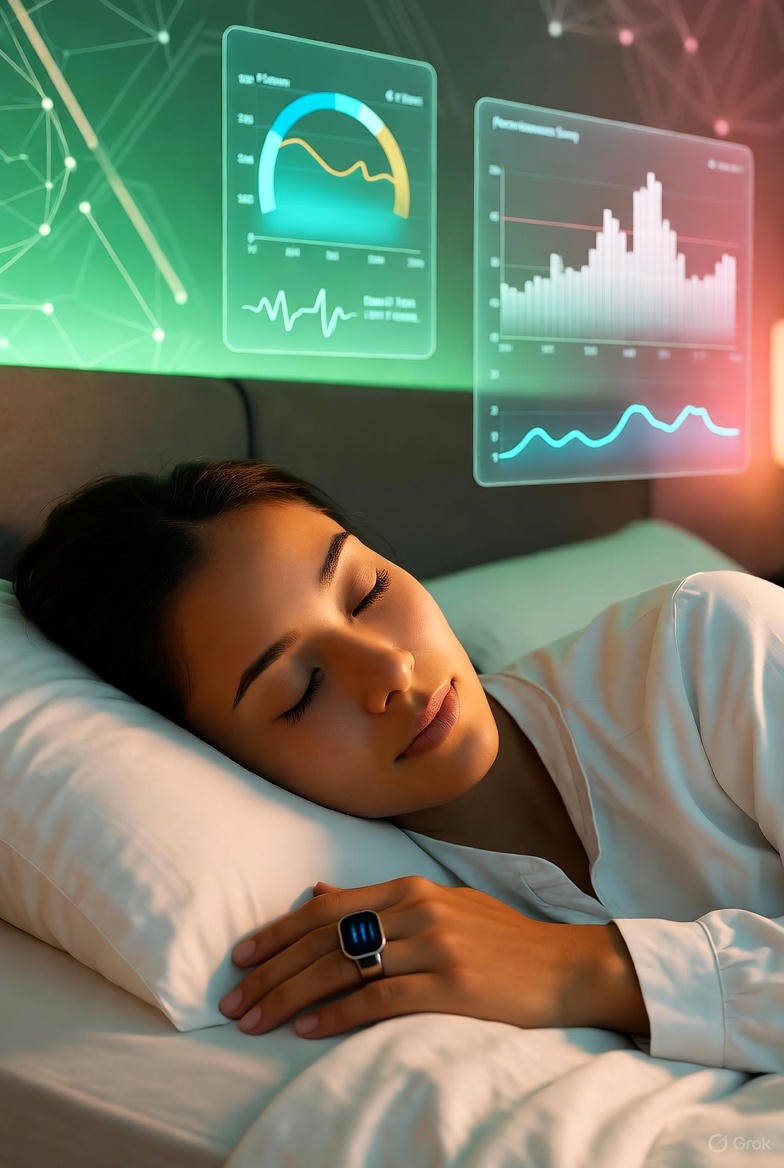
Sleep has rightfully taken center stage in the wellness conversation. Modern wearables have moved far beyond simple “sleep duration” metrics. Today’s advanced devices, especially those worn continuously like smart rings, provide a detailed report card on your sleep architecture—measuring light, deep, and REM sleep stages, along with disturbances and biometric shifts throughout the night.
But the future isn’t about better reports. It’s about closed-loop sleep optimization. This is where tracking meets intervention to create a perfect sleep environment tailored to you. Imagine this ecosystem: Your smart ring detects you’ve entered light sleep in the early morning, a time prone to waking. It seamlessly signals your smart thermostat to imperceptibly adjust the temperature half a degree to keep you asleep. As it senses your sleep cycles progressing toward morning, it gently cues your smart lights to begin a 30-minute sunrise simulation, aligning your cortisol awakening response with the end of a sleep cycle, not in the middle of deep sleep. This results in waking up feeling refreshed, not groggy. For a deeper dive into creating the ideal environment, explore our guide on the science-backed nighttime routine for better sleep.
The innovation extends to diagnostics. Advanced wearables are now capable of screening for sleep disorders like sleep apnea by tracking blood oxygen dips (desaturations) and breathing interruptions throughout the night. While not a replacement for a clinical sleep study (polysomnography), they serve as powerful, accessible tools for risk assessment and prompting crucial medical conversations.
Furthermore, sleep is being recognized as the ultimate recovery tool. For athletes and fitness enthusiasts, sleep data is combined with daytime exertion metrics to prescribe not just training load, but required recovery load. Your device won’t just tell you you slept poorly; it will advise you to take a restorative yoga day instead of a high-intensity interval training (HIIT) session. This proactive guidance turns sleep data from a passive metric into the foundational pillar of an active recovery strategy. Athletes can learn more about this synergy in our dedicated post on nighttime routines for athletes maximizing recovery while you rest.
The ultimate goal of wearable technology is to become so seamlessly integrated and intuitively helpful that it feels less like a device and more like a sixth sense for your health. This is the promise of Ambient AI—intelligence that operates in the background, understands your patterns and goals, and offers timely, unobtrusive guidance without requiring you to constantly check an app.
Think of it as moving from a dashboard you have to interpret to a coach who whispers advice at just the right moment. This AI doesn’t just react to data; it anticipates needs. Based on your historical data, it knows your energy peaks and slumps. It might ping you at 2:30 PM, saying, “You typically experience a focus dip now. A 10-minute walk outside would boost your alertness more than another coffee.” The suggestion is based on what actually works for you, proven by your own biometric history.
This proactive coaching will extend into emotional and mental well-being. By analyzing a combination of HRV, EDA, and voice tone analysis (via connected devices), your ambient AI could detect the early physical signs of anxiety or frustration. Instead of a notification saying “You seem stressed,” it might automatically dim the lights on your smart bulbs and launch a 90-second guided breathing exercise on your nearest speaker, helping you de-escalate in real-time. This shifts wellness from a scheduled activity (like a nightly meditation) to an on-demand, embedded support system.
The key to user adoption here is value, not volume. The AI must be ruthlessly curatorial, offering only the most high-impact, context-perfect suggestions. Over-notification is the death of utility. The successful ambient AI will be the one you barely notice until you realize, weeks later, that you’ve been sleeping more soundly, managing stress better, and have more consistent energy—all because of a series of perfectly timed, micro-interventions.
As the technology within wearables grows more powerful and intimate, the design challenge becomes paramount. A medical-grade sensor is useless if people don’t want to wear it 24/7. The future belongs to devices that master the art of biophilic design—blending so seamlessly into a user’s personal style and daily life that they forget they’re wearing a powerful health monitor.
This is where form factors like the smart ring have a distinct advantage. A ring is jewelry first. It’s unobtrusive, comfortable for continuous wear (even during sleep and most sports), and socially acceptable. The design imperative is to house increasingly complex sensor arrays in packages that are lightweight, durable, and aesthetically versatile—from minimalist titanium bands to designs featuring precious metals and stones. The goal is personal expression, not tech proclamation.
Materials science is a critical frontier. Future wearables need skin-friendly, hypoallergenic materials that allow for breathability and long-term comfort. We’re seeing experimentation with advanced ceramics, medical-grade titanium, and even flexible, woven electronics that conform to the body. Battery technology is equally crucial. The dream of multi-week battery life is driving research into more efficient sensors, low-power chipsets, and innovative charging solutions like kinetic energy harvesting (using body movement) or ambient light charging.
Furthermore, modularity and customization will become key. Why buy a whole new device every two years? Imagine a smart ring with a core “brain” module that can be inserted into different aesthetic bezels or bands. Or a system where you can swap out sensor modules based on your current focus—adding a more advanced temperature sensor when you’re trying to conceive, for example. This approach is sustainable, personal, and aligns with the consumer desire for products that adapt to their evolving lives, not the other way around.
No wearable is an island. Its true potential is unlocked when it becomes the central, trusted node in a vast and intelligent personal health ecosystem. The future smart ring or device won’t just talk to its own app; it will be a seamless conduit between you, your home, your healthcare providers, and your broader digital life.
This interconnectivity creates powerful automated wellness flows. As mentioned, your sleep data can optimize your bedroom environment. Your morning readiness score can suggest the day’s workout intensity to your connected fitness app. Detected stress can trigger your music service to play a calming playlist. Your nutrition app could receive data on your metabolic response to last night’s meal, offering personalized recipe suggestions for today.
Critically, this ecosystem extends to professional healthcare. With user consent, anonymized or aggregated longitudinal data can provide physicians with a rich, objective picture of a patient’s health between visits. For those managing chronic conditions like hypertension or atrial fibrillation, continuous monitoring can provide early warning of concerning trends, enabling timely intervention. The wearable becomes a remote patient monitoring tool, bridging the gap between episodic care and continuous health management.
The technical backbone of this ecosystem is a combination of open APIs (Application Programming Interfaces) and robust, standardized data protocols. Privacy and security must be the bedrock, with clear user controls over what data is shared and with whom. The winning ecosystems will be those that offer both depth (powerful, integrated experiences with first-party devices) and breadth (easy, secure compatibility with a wide range of third-party apps and services the user already loves).
While physical metrics have dominated, the next great leap for wearables is in quantifying and supporting the intangible: our mental and emotional state. This isn't about reading your mind, but about interpreting the clear physiological signatures of your nervous system. The goal is to make the invisible visible, providing objective data on subjective experiences.
The primary tool here is Heart Rate Variability (HRV). HRV—the subtle variation in time between heartbeats—is the single best proxy we have for measuring autonomic nervous system balance. A higher, more variable HRV generally indicates a resilient, adaptable system with strong “rest and digest” (parasympathetic) tone. A low, stagnant HRV suggests a system stuck in “fight or flight” (sympathetic) overdrive, a state linked to anxiety, burnout, and poor recovery. Advanced wearables track HRV continuously, not just in morning snapshots, revealing how your nervous system responds to meetings, meals, conversations, and media throughout the day.
Coupled with Electrodermal Activity (EDA), which measures subtle sweat gland activity linked to emotional arousal, these devices can build a nuanced picture of your stress response. The innovation is in the interpretation. Instead of a simple “stress score,” future devices will help you distinguish between eustress (the positive, motivating stress of a challenge) and distress (the depleting, anxious stress). They’ll identify your personal triggers and, more importantly, your most effective recovery techniques. Does a five-minute meditation lower your physiological arousal, or does a brisk walk do more? The data will tell you.
This empowers a new era of self-regulation. A device could notify you: “Your biometrics show you’re still carrying residual stress from that 3 PM meeting. Consider a 4-7-8 breathing exercise before your next call.” It turns introspection into interaction. For those building habits around mental decompression, understanding these patterns is key. You can find practical steps for unwinding in our article on the minimal nighttime wellness routine: 5 essential steps.
An ocean of data is meaningless without a map. As wearables generate more complex, multi-stream biometric information, the risk of data overload and user anxiety grows. Seeing every minute fluctuation in heart rate or HRV can lead to “cyberchondria” for the wellness-focused, or simply apathy for the overwhelmed. The critical innovation, therefore, lies not in the sensors, but in the software intelligence and user experience that translates raw data into human-centric wisdom.
The future interface will be narrative-driven. Instead of presenting you with 25 charts every morning, your wellness report might tell a simple story: “Your body showed strong recovery last night, prioritizing deep sleep to repair from yesterday’s workout. Your energy reserves are high today, making it a great day for that focused project work. A brief afternoon walk would help sustain that focus.” The raw data is there if you want to dive in, but the primary interface is insight, not numbers.
Personalized thresholds and intelligent alerting are key. Users will set their wellness goals (e.g., “improve sleep consistency,” “manage work stress,” “optimize for athletic performance”), and the algorithm will highlight only the data relevant to those goals. Alerts will be reserved for truly significant deviations from your personal baseline, not generic thresholds. The device learns what “significant” means to you—is a 10% drop in HRV normal after a hard workout, or a sign of potential overtraining?
This human-centric approach also involves positive reinforcement and behavioral psychology. The most effective wellness tools are those that encourage sustainable habit formation. This means celebrating streaks of good sleep, acknowledging when a suggested breathing exercise actually lowered your stress biomarkers, and framing data in a way that motivates rather than criticizes. The device becomes a supportive partner in your journey, understanding that progress is non-linear and that the goal is long-term well-being, not perfect daily scores.

The more powerful and insightful our wearables become, the more intimate the data they collect. This creates a paramount responsibility for companies in this space. We are not just dealing with step counts; we are handling continuous streams of biometric data that can reveal sleep disorders, stress patterns, potential pregnancy, and early signs of illness. Trust is the currency of the wearable future, and it is built on unassailable privacy, security, and ethical data practices.
Data Ownership and Control must be unequivocally clear. Users must own their data. This means transparent policies on what is collected, how it is processed (on-device vs. in the cloud), and who it is shared with. Users should have granular controls—the ability to easily export their raw data, to delete it entirely, and to opt-in (not opt-out) of any data sharing for research or third-party services. On-device processing is a major trend addressing this, where advanced AI chips process sensitive data directly on the ring or watch, sending only anonymized insights to the cloud, thereby minimizing the exposure of raw biometric streams.
Security must be military-grade. Biometric data is a uniquely sensitive category. Breaches are not just about stolen credit cards; they could lead to discrimination from employers or insurers if such data were ever misused. End-to-end encryption, regular security audits, and transparent reporting of any vulnerabilities are non-negotiable table stakes for any company asking users to wear a health monitor 24/7.
Beyond legal compliance, there is a pressing need for an ethical framework for wearable development. This includes ensuring algorithms are trained on diverse datasets to avoid bias, being transparent about the limitations of the data (e.g., “this is not a medical device”), and designing features that promote holistic wellness rather than obsessive self-tracking that can harm mental health. The industry must proactively engage with ethicists, clinicians, and users to build a future where technology empowers without exploiting, informs without alarming, and protects above all else.
The ultimate application of predictive, personalized health intelligence is the expansion of both lifespan (how long we live) and healthspan (how long we live in good health, free from chronic disease). Wearables are evolving from fitness gadgets into lifelong companions for preventive health maintenance, shifting the healthcare model from reactive sickness care to proactive wellness preservation.
This is achieved through the early detection of deviations from personal baselines. By continuously monitoring a suite of vital signs and biomarkers, advanced wearables can act as an early warning system. Subtle, persistent changes in resting heart rate, heart rate variability, respiration rate, or skin temperature can be the body’s first whisper of an impending issue—whether it’s an infection, the onset of a metabolic condition, or unmanaged chronic stress. Catching these whispers early, when lifestyle interventions are most powerful, is the key to prevention.
Wearables will also become essential tools for managing the pillars of longevity. They will provide precise feedback on how sleep, nutrition, movement, and stress management directly impact your biological metrics. For example, you could run a two-week experiment: adopting a specific dietary approach (e.g., time-restricted eating) while your device monitors its effects on your glucose stability, sleep quality, and morning HRV. This turns wellness from a game of guesswork into a data-informed, personal science project.
Furthermore, as biomarkers of aging (like epigenetic clocks) become more defined and potentially linkable to simpler wearable data, we may see devices that provide a “biological age” or “resilience score.” This motivates positive behavior change by showing the tangible, physiological impact of daily choices. The wearable becomes a compass, constantly pointing you toward the choices that nudge your biology in the direction of vitality and resilience for the long haul. Building daily routines that support this long-term goal is crucial; for inspiration, see how successful people structure their nighttime routines to ensure consistent recovery.
The true transformative power of wearable wellness will be realized when its benefits move beyond early adopters and the affluent. Democratization—making advanced health monitoring accessible, affordable, and relevant across socioeconomic and geographic boundaries—is a critical trend and responsibility for the industry.
This involves innovation in cost-reduction and scalable manufacturing. While flagship devices will continue to push the sensor frontier, there is immense value in creating simplified, ultra-affordable versions that track core vitals like heart rate, SpO2, and activity. These can serve as powerful public health tools in underserved regions for screening conditions like sleep apnea or monitoring community health trends.
Culturally relevant design and data interpretation are equally important. Wellness is not a monolith; it is deeply influenced by culture, diet, lifestyle, and genetics. Algorithms trained primarily on Western, urban populations may provide less accurate or less useful insights for users in other parts of the world. The next wave of innovation must include diverse data collection and localized AI models that understand regional health patterns and provide culturally appropriate guidance.
Finally, the potential for population health research is staggering. With proper anonymization, consent, and ethical governance, aggregated wearable data from millions of users could provide real-world insights into disease spread, the impact of environmental factors on sleep, or the effectiveness of public health interventions on a scale never before possible. This turns our collective wearable devices into a planetary-scale nervous system for human health, offering the potential to detect, understand, and address health challenges with unprecedented speed and precision. The journey toward this future begins with individual habits, and for many, that starts by addressing common pitfalls; learn about nighttime routine mistakes that ruin your sleep to build a better foundation.
The "average user" is a myth. A 25-year-old athlete, a 35-year-old expecting a parent, and a 65-year-old managing cardiovascular health have profoundly different wellness priorities. The next generation of wearables will move beyond one-size-fits-all metrics to offer lifecycle-specific modules and insights, acting as a personalized health companion that evolves with you.
Reproductive and Hormonal Health is a prime example. For women and people with cycles, advanced wearables are already transforming fertility awareness and menstrual cycle tracking. By combining continuous core body temperature (CBT) with heart rate variability, resting heart rate, and respiratory rate, these devices can pinpoint ovulation with high accuracy and map the entire hormonal landscape of the cycle—identifying not just the fertile window, but also the phases of energy, recovery, and potential vulnerability. This provides actionable intelligence for conception, natural family planning, or simply understanding one’s mood, energy, and cognitive fluctuations throughout the month. Future iterations may even correlate this data with symptom tracking to provide insights into conditions like polycystic ovary syndrome (PCOS) or perimenopause.
Pregnancy and Postpartum represent another critical window. Wearables can monitor the significant physiological shifts that occur, providing reassurance and early-warning potential. Trends in resting heart rate, heart rate variability, and blood pressure can be monitored for anomalies. Sleep tracking becomes vital, as quality rest is crucial for both fetal development and maternal health. Postpartum, these devices can help track recovery, identify signs of potential postnatal depletion, and monitor sleep patterns amidst the chaos of newborn care, offering data-driven encouragement and highlighting when rest is a medical necessity, not a luxury.
For the Active Aging population, wearables shift focus to resilience, stability, and chronic condition management. Advanced fall detection using precise motion sensors is just the start. Wearables will monitor for signs of atrial fibrillation (afib) through irregular heartbeat detection, track trends in blood oxygen that might indicate respiratory or circulatory issues, and provide gentle, daily prompts for mobility, balance exercises, and social connection—all key pillars of longevity. The device becomes a subtle guardian for adult children concerned about aging parents, offering peace of mind through shared, consent-based wellness insights without being intrusive.
Information on a smartphone screen requires us to stop, look, and interpret. The future of wellness guidance is ambient, intuitive, and integrated directly into our perception of the world. This is where wearable biometric sensors converge with Augmented Reality (AR) and spatial computing to create a powerful layer of real-time, contextual biofeedback.
Imagine concluding a stressful work video call. As you stand up, your lightweight AR glasses (or lenses), connected to your smart ring, gently overlay a soft, calming blue hue on your surroundings while your audio peripheral plays a minute of binaural beats—a direct intervention triggered by your elevated stress biomarkers. You’re not checking an app; the wellness support is woven into your environment.
For physical training and rehabilitation, the applications are profound. An athlete performing a complex movement could see real-time form correction overlays projected in their field of view, guided by motion data from wearable sensors. More powerfully, they could receive visceral biofeedback. Imagine seeing your real-time heart rate variability visualized as a pulsing, healthy tree in the corner of your vision; as stress creeps in and HRV dips, the tree might wilt, providing an immediate, intuitive cue to employ a breathing technique to restore balance.
This fusion also democratizes expert guidance. A physical therapist could design a rehabilitation protocol where the patient sees precise movement pathways and range-of-motion targets overlaid on their living room space, with the wearable confirming correct form. A meditation novice could follow a guided breathwork session where their actual respiration rate, pulled from their ring, visually harmonizes with a guiding breath pattern in AR, creating a deeply connected mind-body feedback loop. This moves wellness from abstract data to an experiential, sensory dialogue with our own physiology.
As wearable technology becomes more pervasive and essential, its environmental impact can no longer be an afterthought. The industry faces a significant challenge: producing increasingly complex, sensor-laden, battery-powered devices that are also durable, repairable, and ultimately recyclable. The future must be built on principles of the circular economy, where the end-of-life of one device fuels the beginning of another.
Design for Longevity and Repair is the first imperative. This means moving away from fully sealed, glued-shut devices that become obsolete or e-waste at the first battery degradation or sensor fault. Modular design, as previously mentioned, is a key strategy. A smart ring with a user-replaceable battery, or a core sensor module that can be upgraded independently of the aesthetic shell, dramatically extends the product's life. Standardized toolkits and repair guides empower users, while right-to-repair legislation will push the industry in this necessary direction.
Material Innovation is equally critical. The hunt is on for high-performance, durable, and ultimately biodegradable or easily recyclable materials. Research into biopolymers, sustainably sourced metals, and even lab-grown materials for elements like sapphire glass sensor covers will reduce the environmental footprint. Green chemistry in battery development—moving away from rare-earth elements and toward more abundant, less toxic compounds—is a parallel frontier.
Finally, robust recycling and take-back programs are essential. Wearables contain precious metals, rare-earth elements, and complex circuitry. Companies must take responsibility for the full product lifecycle, offering convenient channels for users to return old devices. Advanced recycling processes can then recover valuable materials at high purity, feeding them back into the manufacturing stream. This closed-loop approach, combined with longer-lasting products, transforms wearable tech from a contributor to the e-waste crisis into a model for sustainable consumer electronics. Choosing a device from a company with a clear, actionable sustainability ethos becomes part of the wellness-conscious consumer’s decision.
Humans are social creatures, and motivation often flourishes in community. While personal data is intimate, the shared pursuit of wellness can be powerfully amplified through thoughtful, privacy-centric social features and ethical gamification. The future of wearables includes a layer of connected well-being, where individual progress contributes to a sense of collective achievement.
This goes far beyond simple step-count leaderboards, which can foster unhealthy competition. Instead, imagine team-based wellness challenges focused on collective goals. A "Sleep Sanctuary Challenge" where a group of friends or colleagues competes not to see who sleeps the most, but to collectively achieve a group target of 2,000 hours of quality sleep in a month, with each member's contribution measured against their own personal baseline. This fosters support and accountability without shame.
Anonymous, interest-based communities will also emerge. Users could opt-in to share de-identified trends or insights within communities focused on specific goals: new parents, marathon trainers, individuals managing mindfulness practices, or people navigating menopause. Within these safe hubs, users can compare notes, share what behavioral tweaks actually moved their biometrics, and find solidarity. The wearable company facilitates the connection based on shared data interests, but the conversation and support are human-driven.
Gamification will evolve from points and badges to meaningful narrative and progression. Your wellness journey could be visualized as tending a personal digital ecosystem—a forest that thrives with consistent sleep, a calm pond that reflects stress management, mountain peaks scaled through fitness milestones. These metaphors resonate more deeply than abstract numbers. The "reward" is the visual and visceral representation of your healthier habits, and perhaps the ability to contribute to a real-world cause—like corporate wellness programs that convert collective achievements into donations to environmental or community health charities. This taps into intrinsic motivation and purpose, the most powerful drivers of lasting change.
At the farthest frontier of personalized biometrics lies a paradigm shift from wearables to implantables. While not for everyone, the development of miniature, bio-compatible sensors that can be placed under the skin represents the logical conclusion of continuous, seamless monitoring. This technology, currently in use for continuous glucose monitors (CGMs) like the Eversense system, points to a future where critical health metrics are monitored from inside the body with clinical-grade precision.
The advantages are significant: uninterrupted data flow without the need to ever remove or charge a device, elimination of motion artifacts that can plague optical sensors, and direct access to interstitial fluid for a richer biochemical picture than is possible from the skin's surface. Future implantables could monitor not just glucose, but a panel of biomarkers like lactate (for endurance athletes), cortisol (for stress tracking), or medication levels.
The societal and ethical questions here are profound. Who has access? What are the long-term health effects of chronic implantation? How is data security ensured when the sensor is literally part of you? The conversation shifts from data privacy to bodily integrity and autonomy. These devices will likely find their first widespread adoption in medical necessity—for managing diabetes, heart failure, or autoimmune conditions—where the benefit-risk calculation is clear.
For the general wellness market, implantables represent a distant, optional frontier. They force us to ask: How much convenience and data fidelity are we willing to trade for an invasive procedure? The answer will vary, but the technology will push the entire wearable industry to become less obtrusive, more reliable, and more integrated, pulling the future of non-invasive wearables closer to the gold standard that implantables promise.
The current model of health data is fragmented and inaccessible. Your primary care physician has some records, your specialist has others, your fitness app has its own silo, and your wearable generates a completely separate stream. The individual, the subject of all this data, is often locked out of this incomplete puzzle. The future points toward the user-centric, decentralized health record, with the wearable as a primary, continuous data contributor.
Powered by blockchain or other secure distributed ledger technologies, this model posits that you are the custodian of your health data. Your wearable feeds encrypted, timestamped data streams into your personal health "vault" or digital wallet. You then grant time-limited, permission-based access keys to whoever needs it: your doctor for an annual physical, a specialist for a consultation, a physical therapist designing a rehab program, or even a health insurance company offering a personalized wellness discount.
This revolutionizes care. A cardiologist can review a full year of your heart rate, HRV, and activity trends before your appointment, rather than relying on a snapshot from a in-office ECG. A clinical trial can recruit participants based on precise, user-contributed wearable data, accelerating medical research. You can seamlessly switch wearable brands or healthcare providers without losing your historical health narrative.
The wearable becomes more than a tracker; it is the key to your sovereign health identity. This shift requires massive collaboration on data standards (like FHIR - Fast Healthcare Interoperability Resources) and unwavering commitment to security. But the payoff is a system that is more efficient, more personalized, and fundamentally empowering, placing the individual at the center of their own healthcare universe. Building consistent daily data through routines is the first step; avoiding common errors is crucial, as detailed in our look at nighttime routine mistakes that ruin your sleep.
For wearable technology to fully earn trust and realize its preventive potential, it must bridge the chasm between wellness insights and clinically validated health signals. The goal is not to replace physicians, but to provide them with high-fidelity, actionable data that enhances diagnostic and monitoring capabilities. This journey involves rigorous validation, regulatory navigation, and a new partnership between tech companies and the medical establishment.
The path forward is FDA clearance and CE marking for specific health features. We are already seeing this with the ECG (electrocardiogram) functions in smartwatches cleared for atrial fibrillation detection. The next wave will include features like sleep apnea screening (using SpO2 and breathing patterns), nocturnal blood pressure trend monitoring, and falls detection. This regulatory stamp doesn't mean the device is infallible, but that its measurements are sufficiently accurate and reliable for the intended use, moving it from a "general wellness" product into a Class II medical device category for specific functions.
This necessitates a new breed of clinical-grade wearables. These devices, potentially offered through healthcare providers or employers, would use the same comfortable form factors (like rings) but feature sensors and algorithms held to a higher standard of precision and clinical testing. They would be prescribed for remote patient monitoring after surgery, for managing hypertension, or for observing the progression of a neurological condition.
For the consumer, this means increasing confidence that the trends they see are medically meaningful. It empowers more informed conversations with healthcare providers. The wearable's report of "consistent blood oxygen dips during sleep" is a powerful piece of evidence to bring to a doctor, potentially shortcutting the path to a formal sleep study. This synergy turns everyday wearables into powerful sentinels in the public health landscape, enabling earlier interventions and more personalized care pathways.
Despite the dazzling potential, the wearable industry faces a persistent adversary: user abandonment. Studies show a significant drop-off in usage after six months. The reasons are psychological as much as technological: notification overload, data confusion, guilt induction, and ultimately, a failure to integrate meaningfully into one’s life. The next generation must be designed with behavioral science and human psychology as core principles.
Reducing Cognitive Load is paramount. The interface must prioritize calm and clarity. This means intelligent notification curation—only surfacing what is truly anomalous or actionable. It means using plain-language insights instead of medical jargon. Instead of "Your nocturnal heart rate was elevated by 8 bpm," the device might say, "Your body worked harder overnight, possibly due to late eating or stress. Prioritizing a lighter dinner or a wind-down routine may help." For help building that wind-down routine, our guide on nighttime wellness rituals that take less than 30 minutes offers practical solutions.
Framing and Motivation must be positive and growth-oriented. Wearables that constantly highlight deficits ("You failed to reach your sleep goal") create anxiety. Future designs will celebrate streaks, highlight positive correlations ("On days you walk 8,000 steps, your deep sleep increases by 12%"), and focus on progress, not perfection. They will incorporate elements of self-compassion, reminding users that variability is human and that one "bad" data day is not a failure but a data point for learning.
Finally, integration into identity is key. The most successful wellness tools are those that become part of who we are. This is where elegant design (a ring you’re proud to wear) and ambient, helpful guidance (the AI that whispers timely advice) converge. The device shouldn’t feel like a taskmaster on your wrist or finger; it should feel like a thoughtful extension of your own intention to live well—an enabler, not a judge. When the technology fades into the background and the feeling of supported well-being comes to the foreground, that is when adoption becomes permanent.
Looking beyond the next decade, the frontier of wearable wellness dissolves the boundary between technology and biology even further. Non-invasive Brain-Computer Interfaces (BCIs) and direct bio-feedback loops represent a speculative but rapidly advancing horizon that could redefine mental wellness, focus, and even sensory perception.
Consumer-grade BCIs, in the form of sleek headbands or even earbuds, are already emerging. These devices use EEG (electroencephalography) to measure brainwave patterns. Current applications focus on meditation tracking—quantifying focus versus mental chatter. The future, however, lies in active neurofeedback. Imagine a device that can detect the early brainwave signature of an anxiety spiral or an attention lapse. It could then trigger a personalized countermeasure: a specific sound frequency in your headphones to entrain calm alpha waves, or a gentle haptic pulse on your smart ring to bring your focus back to the present.
This creates a closed-loop system for cognitive and emotional states. For conditions like ADHD, PTSD, or chronic anxiety, this could be transformative, offering on-demand, physiological regulation tools. For the general population, it offers the potential for peak performance states—entering "flow" or deep focus on command by following a guided neurofeedback protocol.
Further out, we might see the convergence of biometric and environmental data to create sensory bio-feedback. Your wearable, detecting elevated stress hormones, could release a calibrated, personalized scent (via a connected micro-diffuser) known to calm you. Or, detecting low energy, it could subtly adjust the color temperature of your environment to promote alertness. This is wellness as a fully orchestrated, multi-sensory experience, where technology doesn’t just read your body, but writes back to it in its own language to guide it toward balance.
The wearable wellness market is undergoing a fundamental identity shift. It is maturing from a consumer electronics segment driven by tech enthusiasts into a hybrid ecosystem straddling consumer retail, corporate wellness, insurance, and clinical healthcare. This evolution is diversifying the business models, players, and very purpose of the devices.
The Subscription Model and Value-Added Services are becoming central. The initial device purchase is increasingly the entry ticket, not the finale. Companies are layering on premium subscription services that offer advanced analytics, personalized coaching plans, in-depth health reports, and integration with professional services like telehealth or nutritionists. This creates recurring revenue for companies and, for the user, transforms the device from a static tracker into an evolving wellness service. The key to success here is transparent value—users must feel the monthly fee delivers clear, actionable benefits beyond the free tier.
Corporate Wellness and Insurance Integration represent a massive growth vector. Forward-thinking employers are providing subsidized or free wearables to employees as part of comprehensive wellness programs. The goal is to reduce healthcare costs, improve employee resilience, decrease burnout, and boost productivity. Similarly, health and life insurance companies are launching partnerships, offering premium discounts or rewards to policyholders who share wearable data demonstrating healthy behaviors. This "gamification" of insurance, while promising, raises important questions about data privacy and the potential for discrimination against those who cannot or choose not to participate.
The Clinical Pathway is where the most profound validation occurs. We are seeing the rise of "prescription wearables." A cardiologist might prescribe a specific FDA-cleared device for post-operative remote monitoring. A sleep clinic might recommend a particular ring for at-home sleep apnea screening. This channel requires rigorous clinical validation, regulatory compliance, and integration with electronic health record (EHR) systems. It elevates the device from a wellness suggestion to a monitored therapeutic tool, blurring the line between consumer tech and medical equipment and creating a powerful new distribution channel built on professional trust.
With an overwhelming array of devices promising everything from basic step counting to metabolic health analysis, how does the informed consumer choose? The decision must move beyond brand loyalty or sleek marketing. It should be a deliberate match between your personal wellness philosophy, specific goals, and the technological capabilities of the device. Use this framework to cut through the noise.
Step 1: Diagnose Your Primary "Why." Are you a Performance Optimizer (athlete, biohacker) seeking granular data for marginal gains? A Health Sentinel focused on early detection and managing a chronic condition or family history? A Stress & Balance Seeker aiming to improve mental well-being and resilience? Or a Holistic Beginner looking for gentle, foundational guidance? Your primary driver dictates the sensor suite and algorithm sophistication you need.
Step 2: Evaluate the Sensor Suite and Algorithmic Intelligence. Don't just count sensors; understand their application. For sleep and recovery, core body temperature and detailed HRV analysis are paramount. For metabolic insight, look for the trajectory toward glucose monitoring. For stress management, robust EDA and context-aware algorithms are key. Critically, research the company's algorithmic pedigree. Do they publish white papers? Partner with research institutions? A powerful sensor is useless without intelligent software to interpret its data for your specific goals.
Step 3: Prioritize Form, Fit, and Lifestyle Integration. The most advanced device is worthless if you don't wear it. Consider:
Step 4: Scrutinize the Data Ecosystem and Privacy Stance. This is non-negotiable.
Step 5: Assess the Long-Term Value and Company Vision. Buy into a platform, not just a product. Is the company consistently improving its algorithms via software updates for older devices? Do they have a clear, credible roadmap for future health features? What is their stance on right-to-repair and sustainability? Choosing a company aligned with your values ensures your device remains relevant and supported for years to come. A device that helps you build lasting habits is key; for guidance on consistency, see how to build a nighttime routine that actually sticks.
As wearables become more embedded in our lives and integrated into corporate and insurance frameworks, the privacy conversation escalates from important to existential. We are voluntarily adopting a form of continuous biometric surveillance. The future we build depends on the legal, ethical, and technical guardrails we establish today.
The Need for Robust "Biometric Rights" Legislation is urgent. Current laws, like GDPR in Europe or patchy state laws in the U.S., are a start but are not specific or strong enough. We need laws that:
Technological Solutions for Privacy-Preserving Analysis will be critical. Federated learning is a promising model where the AI algorithm is sent to your device, learns from your data locally, and only the improved model (not your personal data) is sent back to the company to aggregate with others. Homomorphic encryption allows computations to be performed on encrypted data without ever decrypting it. Widespread adoption of such technologies can enable population-level health insights while preserving individual anonymity.
Ultimately, the burden is on both companies and users. Companies must embrace privacy by design as a core feature, not a compliance afterthought. They must be transparent auditors of their own systems. Users, in turn, must become literate and vigilant. This means regularly reviewing app permissions, understanding privacy settings, and making conscious choices about which data streams to enable and which integrations to approve. In a world of constant monitoring, informed digital self-defense becomes a cornerstone of modern wellness.
Zoom out from the individual on their wrist or finger, and consider the aggregate. Millions—and soon billions—of wearables, continuously streaming de-identified, aggregated health data. This forms a real-time, global wellness network, a planetary nervous system with the potential to revolutionize public health, medical research, and our understanding of human biology in its natural environment.
Public Health and Epidemiology would be transformed. Imagine tracking the spread of a seasonal flu not by hospital admissions (a lagging indicator), but by detecting anomalous clusters of elevated resting heart rates, reduced activity, and fever-level skin temperatures across a city—weeks before clinics see a surge. This enables hyper-local, proactive public health responses. We could study the population-wide impact of heat waves on sleep, or of air quality events on respiratory rates, with a granularity and speed previously unimaginable.
Medical Research and Drug Development would enter a new era. Clinical trials could recruit perfect candidates based on precise, real-world wearable data, reducing cost and time. Post-market surveillance of medications could be continuous, detecting subtle side-effect patterns in large populations outside the controlled trial setting. Researchers could study disease progression and the impact of lifestyle interventions on a scale that makes rare correlations statistically visible.
Environmental and Social Determinants of Health could be quantitatively mapped. How does access to green space correlate with community-level stress biomarkers (HRV, EDA)? How do noise pollution levels in different neighborhoods affect aggregate sleep scores? This data moves discussions about health equity from the theoretical to the empirically undeniable, providing powerful evidence for policy changes in urban planning, environmental protection, and social services.
Realizing this potential requires solving immense challenges: global data standardization, ensuring equitable representation in the data (avoiding a "biometric divide"), and establishing trusted, neutral custodians for this global commons of health information. But the reward is a future where health is understood and supported as a dynamic, interconnected system, from the individual cell to the entire species.
In concluding this exploration, we must confront a central paradox: as we become more connected to our data, are we at risk of becoming less connected to ourselves and each other? The ultimate measure of wearable wellness's success will not be the sophistication of its sensors, but its ability to enhance, not replace, human intuition, connection, and lived experience.
The danger lies in quantification overload—substituting the rich, subjective experience of feeling rested, energetic, or calm with a numerical score, and then allowing that score to dictate our emotional state. A future where we ignore our body's "I'm tired" signal because our readiness score is 85, or where we dismiss a moment of joy because our stress graph is elevated, is a dystopian outcome. The technology must serve as a translator and guide, not an oracle or a judge. Its role is to help us listen to our bodies more attentively, not to have our bodies speak only in its language.
Furthermore, wellness is not a solitary pursuit. The best wearables will foster human connection. They could facilitate shared activities (like the team-based challenges mentioned earlier), provide partners with insight into each other's stress cycles to foster empathy, or help families coordinate healthier routines. The data should be a conversation starter with loved ones and healthcare providers, not a replacement for those conversations.
The goal is embodied wisdom—using technology to deepen our innate bodily intelligence, not outsource it. After a period of learning from your wearable, you should start to internalize its lessons: you begin to recognize the physical sensation that precedes a stress spike, or the afternoon ritual that reliably leads to better sleep. The device becomes a temporary scaffold for building healthier habits and a sharper self-awareness. Once the habit is ingrained and the awareness is second nature, the technology can fade into the background, its job complete. For those whose minds are particularly active, this process of unwinding is essential; find supportive strategies in the nighttime wellness routine for anxious minds.
The journey through Wearable Wellness 101 reveals a field in a state of explosive, purposeful becoming. We are moving from simple tracking to predictive intelligence, from generic data to hyper-personalized narratives, from isolated gadgets to nodes in a global health network. The convergence of advanced sensing, ambient AI, and thoughtful design is creating tools that promise to democratize proactive health management in ways once reserved for elite athletes or the clinical setting.
This future is not predetermined. It will be shaped by the choices of developers, regulators, and, most importantly, users. As adopters of this technology, we must be intentional. We must choose devices from companies that respect our privacy and our data sovereignty. We must demand clinical validation for serious health claims. We must use these tools to augment our human experience—to get outside more, sleep more soundly, connect more deeply, and understand our unique bodies with compassion and curiosity—not to become anxious slaves to a dashboard.
The promise of wearable wellness is a world where each of us is the CEO of our own health, equipped with a real-time advisory board of data and insights. It is a future where illness is often pre-empted, where optimal well-being is actively cultivated, and where our health span closely matches our lifespan. The ring on your finger, the device on your wrist—these are the early prototypes of that future. They are invitations to participate more consciously in the greatest project of all: the care and nurturing of your one, irreplaceable body and mind. The tools are becoming incredibly powerful. The wisdom to use them well, as always, remains beautifully and fundamentally human.
Security and convenience have long been at odds. The future of wearable wellness dissolves this tension by turning your continuous, live biometrics into the ultimate authentication protocol—a dynamic key that is impossible to steal, forge, or lose. This goes far beyond a static fingerprint or facial scan; it involves authenticating your identity through the unique, rhythmic patterns of your physiology.
Imagine approaching your smart home. Your door doesn't just recognize your face; it authenticates the unique cardiac rhythm or continuous gait pattern transmitted from your wearable, ensuring it's truly you and not a spoof. Your car seat adjusts, the climate control sets to your preference, and your playlist resumes—all triggered by a seamless, secure handshake between your body's data and your environment.
In the digital realm, this becomes transformative for cybersecurity. Logging into your banking app or accessing sensitive work documents could require a state of "calm authentication." The system would check not just that the wearable is on your body, but that your heart rate variability and stress biomarkers are within your personal baseline, indicating a deliberate, focused state, preventing access under duress or coercion. This creates a security model based on continuous, contextual identity verification, making "identity theft" an antiquated concept.
This layer extends to sensitive transactions. Authorizing a large payment could require a specific, conscious breath pattern (bio-behavioral cue) measured by your wearable. The implications for privacy are profound, as your most intimate data becomes your safeguard. It necessitates an unprecedented level of trust in the wearable platform, solidifying its role not just as a health monitor, but as the guardian of your digital and physical persona.
We've touched on wearables adjusting smart home devices. The next evolution is a predictive, biome-aware environment that doesn't just react to commands, but anticipates your physiological needs based on real-time and historical data, creating a habitat that actively cultivates your well-being.
This system operates on a feedback loop with layers of intelligence:
On a broader scale, this extends to community and urban wellness. Aggregated, anonymous data from a population's wearables could inform municipal systems. If city-wide data shows a spike in collective stress biomarkers and poor sleep scores during a heatwave, public "cooling oases" could be activated, or work-from-home advisories issued. Streetlights in areas where residents show consistently poor sleep could be fitted with shields to reduce light pollution. This vision turns the collective biometric pulse of a city into a tool for humane, responsive urban planning.
One of the final frontiers of personal health understanding is the gut. Often called the "second brain," the gastrointestinal system's health is intricately linked to immunity, mood, sleep, and inflammation. The next wave of wearables will extend their sensing reach to offer non-invasive insights into this complex system, creating a more complete picture of holistic health.
Innovations here are emerging from multiple angles:
This moves nutrition and digestive health from generic advice ("eat more fiber") to a highly personalized understanding of how your unique gut interacts with your lifestyle, sleep, and stress, enabling truly customized dietary strategies for energy, mood, and overall vitality.
The power of hyper-personalized health intelligence rests entirely on the algorithms that interpret the data. If those algorithms are trained on narrow, homogenous datasets, they will perpetuate and even amplify health inequities. A central challenge and imperative for the next decade is the development of ethical, unbiased, and inclusive AI for wearable wellness.
The risks are significant. An algorithm trained primarily on data from young, athletic, male populations may misinterpret the heart rate variability patterns of a perimenopausal woman as "poor recovery," or fail to recognize the normal sleep architecture of an older adult. This could lead to inappropriate guidance, user frustration, or worse, the dismissal of legitimate health concerns because they don't fit the model's "normal."
The path forward requires deliberate, diverse data acquisition. Wearable companies must proactively build partnerships to collect data from underrepresented groups across ages, genders, ethnicities, body types, and socioeconomic backgrounds. This isn't just about fairness; it's about accuracy and building products that work for humanity, not a subset.
Furthermore, there must be transparency in algorithmic decision-making. While proprietary algorithms are a business reality, companies should be able to explain, in principle, how their models work and what data they were trained on. Regulatory bodies may eventually require algorithmic audits for health claims. For the user, this means seeking out companies that publicly commit to inclusive research and are transparent about the limitations of their insights. The goal is to avoid a future where wearable wellness, a tool for democratizing health, instead becomes another vector for the biometric marginalization of already underserved populations.
As the hardware becomes more sophisticated and commoditized, the economic center of gravity for wearable companies is shifting from the device sale to the ongoing service relationship. This "subscription to well-being" model presents both immense opportunity for value delivery and a risk of alienating users who feel nickel-and-dimed. The successful companies will be those that make the subscription feel indispensable.
Beyond advanced analytics, future subscriptions may include:
The key to consumer acceptance is demonstrable Return on Investment (ROI). The monthly fee must translate into tangible, positive outcomes—fewer sick days, lower medical bills, better performance, more energy—that the user can feel. Companies will need to become adept at proving their value not in features, but in human results.
For athletes and anyone focused on physical performance, wearables are evolving from performance trackers to integral tools in the regenerative medicine and advanced recovery toolkit. They are providing the data necessary to personalize and validate cutting-edge recovery modalities, moving beyond ice baths and compression boots into a new era of biohacking.
Wearables will become the dosing mechanism for recovery technologies. Consider:
This creates a closed-loop ecosystem where the wearable diagnoses the recovery need, prescribes the intervention, and then measures its efficacy, continuously refining the protocol. It turns recovery from an art into a personalized science, maximizing the body's innate repair mechanisms and reducing the guesswork for anyone seeking to optimize their physical potential. This principle of maximizing recovery applies to everyone; for actionable steps, see our guide for nighttime routines for athletes maximizing recovery while you rest.
The pharmaceutical and medical research industry is notoriously slow and expensive, hampered by challenges in patient recruitment, retention, and data collection. Wearables, as tools for remote decentralized clinical trials (DCTs), are poised to dismantle these bottlenecks, accelerating the pace of medical discovery.
In a DCT powered by wearables:
This model increases diversity in trials, reduces burden on participants (who can stay home), and can cut years off development timelines. For the individual, it offers the opportunity to contribute to medical science meaningfully from their own home. It also blurs the line further between consumer and patient, as our everyday wellness data becomes a valuable resource for curing the diseases of tomorrow.
As we embrace this data-rich future, a counter-movement is emerging: the conscious philosophy of "enough." This is the recognition that there is a point of diminishing—and then negative—returns on self-tracking. "Quantification anxiety" or "wearable burnout" occurs when the pursuit of perfect data undermines the very well-being it seeks to improve.
The wearables of the future will need to build in "downtime" modes and mindfulness features. This could include:
The most advanced wellness device may ultimately be the one that knows when to be quiet, that teaches the user to trust their felt sense as much as their data, and that uses its intelligence to wean them off constant monitoring once healthy habits are solidified. It understands that the zenith of personalized health is not a perfect graph, but a life lived with presence, resilience, and joy, supported by—not dictated by—technology. For those seeking this balance, starting with a consistent evening ritual is powerful; learn how nighttime routines reduce morning grogginess to begin fostering a more intuitive relationship with your body's needs.
Your Trusted Sleep Advocate: Sleep Foundation — https://www.sleepfoundation.org
Discover a digital archive of scholarly articles: NIH — https://www.ncbi.nlm.nih.gov/
39 million citations for biomedical literature :PubMed — https://pubmed.ncbi.nlm.nih.gov/
Experts at Harvard Health Publishing covering a variety of health topics — https://www.health.harvard.edu/blog/
Every life deserves world class care :Cleveland Clinic - https://my.clevelandclinic.org/health
Wearable technology and the future of predictive health monitoring :MIT Technology Review — https://www.technologyreview.com/
Dedicated to the well-being of all people and guided by science :World Health Organization — https://www.who.int/news-room/
Psychological science and knowledge to benefit society and improve lives. :APA — https://www.apa.org/monitor/
Cutting-edge insights on human longevity and peak performance:
Lifespan Research — https://www.lifespan.io/
Global authority on exercise physiology, sports performance, and human recovery:
American College of Sports Medicine — https://www.acsm.org/
Neuroscience-driven guidance for better focus, sleep, and mental clarity:
Stanford Human Performance Lab — https://humanperformance.stanford.edu/
Evidence-based psychology and mind–body wellness resources:
Mayo Clinic — https://www.mayoclinic.org/healthy-lifestyle/
Data-backed research on emotional wellbeing, stress biology, and resilience:
American Institute of Stress — https://www.stress.org/


