


Wearable Wellness 101 Mastery: From Beginner to Informed User
A resource to take someone from a complete novice to a knowledgeable user of wearable wellness tech.
A resource to take someone from a complete novice to a knowledgeable user of wearable wellness tech.
%402x.svg)
We live in an age of data. From the steps we take to the beats of our hearts, technology now offers an intimate window into our own biology. Yet, amidst the flood of information from smartwatches, fitness bands, and health apps, a crucial question emerges: are we truly becoming healthier, or are we just more informed? The journey from collecting data to creating lasting wellness is where most falter. It’s a path cluttered with confusing metrics, forgotten devices, and a lingering sense that this powerful technology should be doing more.
Enter the next evolution of personal health tech: the smart ring. Sleek, unobtrusive, and worn 24/7, this tiny device represents a paradigm shift. It moves wellness tracking from your wrist—a location prone to inaccuracies and often removed at night—to your finger, where it can gather continuous, clinical-grade data on your most vital recovery process: sleep. But owning a ring is just the beginning. Mastery lies not in the hardware, but in the interpretation and application of its insights.
This guide is your comprehensive roadmap to that mastery. We will move beyond the basics of step counting and heart rate monitoring, diving deep into the physiological signals that truly dictate your energy, resilience, and longevity. You’ll learn not just what your data means, but how to act on it to craft a personalized, sustainable wellness protocol. We’ll demystify complex metrics like Heart Rate Variability (HRV), skin temperature trends, and sleep architecture, transforming you from a passive data collector into an active architect of your own well-being. Welcome to the definitive guide to mastering wearable wellness.
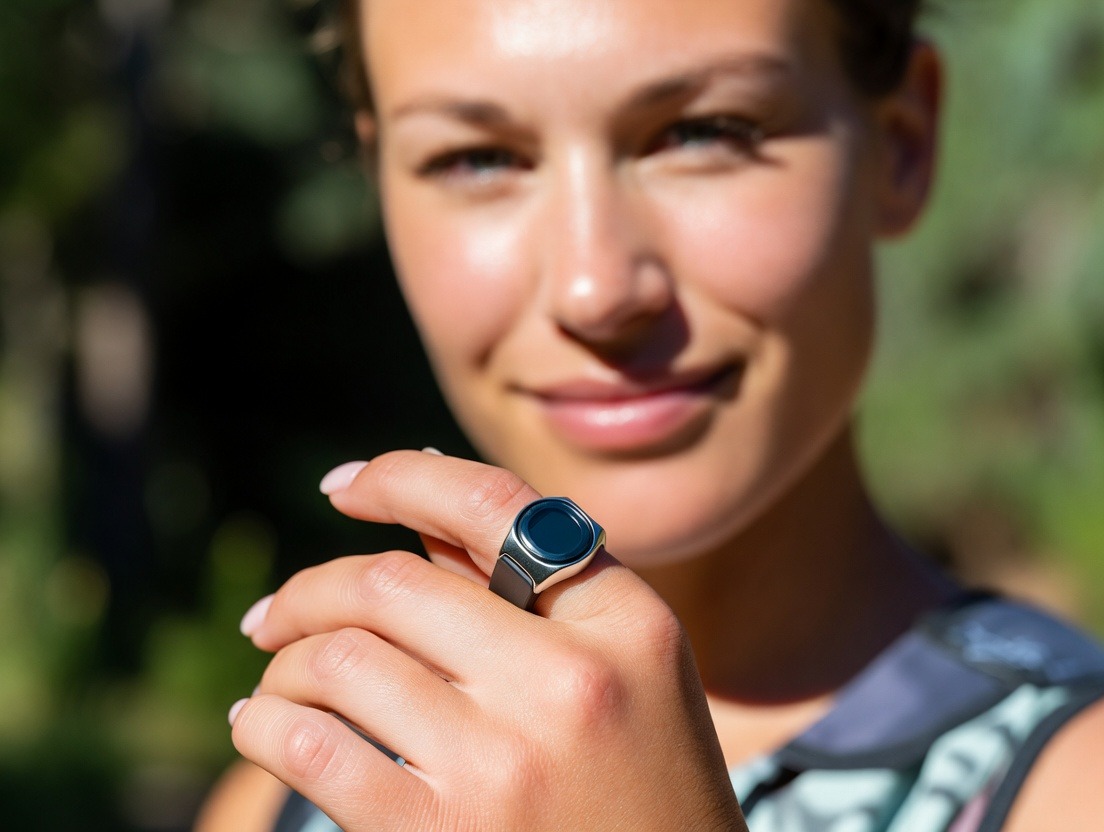
The wearable revolution began on the wrist. For over a decade, smartwatches and fitness bands have dominated the market, popularizing the concepts of daily activity goals and basic heart rate monitoring. However, as our understanding of holistic health has deepened, the limitations of wrist-based wearables have become apparent. Their form factor, battery life, and sensor placement often compromise the very data we seek, especially when it comes to the cornerstone of health: sleep.
This gap in the market created the perfect conditions for the smart ring's ascent. By shifting the form factor to the finger, engineers solved several critical problems. First, the finger offers a richer, more consistent blood flow signal for photoplethysmography (PPG) sensors, which measure heart rate and blood oxygen saturation. This leads to greater accuracy, particularly during sleep and high-intensity movement. Second, a ring is far less obtrusive. You can wear it while typing, sleeping, and during any sport without interference, ensuring truly continuous 24/7 data collection. Third, the form factor allows for a dedicated focus on recovery metrics rather than notification overload, reducing digital distraction and centering the purpose on health.
The result is a device that specializes in what matters most for long-term wellness: quantifying your body’s stress, recovery, and readiness. While a watch might tell you you’ve had 7 hours of sleep, a smart ring analyzes how you slept—diving into sleep stages, disturbances, and autonomic nervous system activity. It doesn’t just track your workout; it tells you if your body is truly ready for one. This shift from activity-centric to recovery-centric tracking marks a maturation in personal health technology, aligning it more closely with the principles of integrative and preventive medicine.
Furthermore, the discreet nature of the ring fosters consistency—the single most important factor in data-driven wellness. A device left on a charger is useless. The smart ring, with its week-long battery life and comfortable fit, disappears into your life, becoming a silent partner in your health journey, gathering the longitudinal data necessary to spot meaningful trends and provide actionable, personalized insights.
To move from beginner to informed user, you must first expand your definition of health data. The foundational metrics of steps, distance, and active calories are outputs—they tell you what you did. The smart ring introduces you to the inputs and internal processes that dictate your capacity to perform. These are the core biometrics that paint a real-time picture of your internal state.
Heart Rate Variability (HRV): The Master Metric of Recovery. HRV is not your heart rate. Instead, it measures the subtle variations in time between each heartbeat. Controlled by your autonomic nervous system, a higher HRV generally indicates a greater balance between your "rest and digest" (parasympathetic) state and your "fight or flight" (sympathetic) state. It is a powerful, non-invasive window into your stress resilience, recovery status, and overall fitness. Tracking HRV trends—particularly your nightly average—can tell you if you are optimally recovered, fighting off an illness, or overreaching with training.
Resting Heart Rate (RHR): Your Metabolic Baseline. Your resting heart rate, taken first thing in the morning or during deep sleep, is a fundamental indicator of cardiovascular fitness and metabolic health. A lower RHR typically suggests a more efficient heart muscle. Consistent elevation in your RHR can be an early sign of dehydration, stress, lack of recovery, or the onset of illness.
Respiratory Rate: The Quiet Signaller. The number of breaths you take per minute, especially during sleep, is a remarkably stable vital sign. Significant deviations from your personal baseline can be one of the earliest indicators of physiological stress, including cardiopulmonary strain or metabolic disturbance.
Skin Temperature & Blood Oxygen (SpO2). Nighttime peripheral skin temperature trends can reveal changes related to menstrual cycles, inflammation, and overall circadian rhythm health. Similarly, tracking blood oxygen saturation during sleep can help identify events of breathing disturbances, providing crucial context for sleep quality beyond simple duration.
Sleep Staging: The Architecture of Restoration. True sleep tracking goes beyond duration. It maps the architecture of your night—the cyclical journey through light, deep, and REM (Rapid Eye Movement) sleep. Each stage serves a distinct purpose: physical repair and immune function in deep sleep, memory consolidation and emotional processing in REM sleep. Understanding your personal sleep architecture, and how it’s affected by your lifestyle, is the key to unlocking restorative rest. For a deeper dive into optimizing this critical process, explore our science-backed guide on how a nighttime routine transforms your sleep quality.
By learning to interpret this symphony of data together—rather than focusing on any single metric in isolation—you begin to see a holistic dashboard of your body’s readiness. You move from asking "How many calories did I burn?" to the more profound question: "Is my body in a state of growth and repair, or is it in a state of stress and depletion?" This is the foundational shift in mindset required for true wearable wellness mastery.
The initial month with your new device is a critical period of calibration and discovery. This is not a time for drastic life changes, but for observation and establishing your unique biometric baselines. Here is your strategic 30-day protocol to ensure you collect meaningful, actionable data from day one.
Week 1: The Observation Phase. Your only goal this week is consistency. Wear the ring continuously, only removing it for charging (which should be planned for a low-activity period, like during a shower or desk work). Do not change any of your habits. Eat, sleep, exercise, and work as you normally would. This provides the device’s algorithms with a "typical" baseline of your life, quirks and all. Each morning, review your sleep score and readiness score, but view them as descriptive, not prescriptive. Notice how your subjective feeling of tiredness or energy aligns (or doesn’t) with the scores.
Week 2: The Pattern Recognition Phase. By now, your dashboard will start to show early trends. Use this week to connect the dots between your lifestyle inputs and biometric outputs. Did a late dinner correlate with a restless night and elevated skin temperature? Did a high-stress workday precede a lower HRV and higher RHR the following morning? Start a simple journal (even mental notes will do) to pair your daily activities with your nightly data. The goal is to identify your personal "biometric signatures" for common activities.
Week 3: The Single-Input Experimentation Phase. Armed with initial observations, you can begin gentle experimentation. Choose one lifestyle lever to adjust. The most impactful and common starting point is sleep hygiene. Based on your observations from Week 2, implement one consistent change. For example, if you noticed late screens disrupted your sleep, institute a 60-minute digital curfew. The key is to change only one variable at a time and observe the effect over 3-4 days. Did your deep sleep percentage increase? Did your morning readiness score improve? This process turns your ring into a personal laboratory.
Week 4: Baseline Establishment & Goal Setting. By the end of the month, you have established your personal baselines for HRV, RHR, respiratory rate, and sleep. These are your numbers, far more important than population averages. With this knowledge, you can now set informed, data-driven wellness goals. Instead of a vague "sleep better," your goal might become: "Increase my average weekly deep sleep from 45 minutes to 60 minutes by implementing a consistent pre-sleep wind-down ritual." For practical steps to build such a ritual, our guide on how to build a nighttime routine that actually sticks offers a proven framework.
Throughout this first month, remember that data is a guide, not a gospel. There will be daily fluctuations. The power lies in the trends, not the daily numbers. Patience and curiosity are your greatest tools during this foundational phase.

Sleep is the single most potent performance enhancer, recovery tool, and health regulator at your disposal. The smart ring transforms this mysterious, passive state into a rich, data-driven narrative. To master your wellness, you must become fluent in this narrative.
The Four Pillars of Sleep Quality:
Interpreting Your Sleep Stages:
Your smart ring provides a detailed breakdown of time spent in each stage. The goal isn't to hit a perfect textbook percentage, but to understand your personal patterns and what disrupts them. For instance, if you consistently see low deep sleep, it may be a signal to evaluate your evening exercise timing, bedroom temperature, or caffeine intake. Conversely, low REM sleep might prompt a review of stress management techniques or alcohol consumption.
The Role of Sleep in Daily Readiness: Your sleep data is the primary input for your "Readiness" or "Recovery" score. A night of high-quality, architecturally sound sleep with balanced nervous system activity (reflected in good HRV) will result in a high readiness score, signaling your body is primed for physical and cognitive challenge. A night of poor sleep, marked by disturbances and low HRV, will yield a low score, suggesting a need for more recovery-focused activities. This direct line from last night’s sleep to today’s actionable advice is where the smart ring’s power becomes profoundly practical. To troubleshoot common pitfalls, our article on nighttime routine mistakes that ruin your sleep is an essential resource.
At the heart of your smart ring’s most advanced insights lies a single, invisible system: your autonomic nervous system (ANS). Think of the ANS as your body’s automatic control center, regulating everything from your heartbeat and digestion to your stress response. It has two primary branches: the sympathetic ("gas pedal") for action and stress, and the parasympathetic ("brake pedal") for rest and repair. Your wearable is essentially an ANS dashboard, and HRV is its most sensitive gauge.
HRV: Reading Between the Heartbeats. As mentioned, HRV measures the time variation between heartbeats. When your parasympathetic system is dominant (rest state), your heart rate is variable—it speeds up and slows down subtly with each breath. This is high HRV. When your sympathetic system is dominant (stress state), your heart beats like a metronome—steady and rigid. This is low HRV. Therefore, a higher HRV is generally associated with better recovery, fitness, and resilience, while a sustained drop in HRV can indicate overtraining, burnout, illness, or chronic stress.
How to Use Your HRV Data:
From HRV to Readiness: The Algorithmic Insight. Your device’s "Readiness" or "Recovery" score is a synthesized metric. It takes your HRV (and its trend), RHR, sleep quality, and sometimes body temperature, and distills them into a single, actionable number. This is the master recommendation engine.
Mastering this feedback loop—observing your ANS data, respecting the readiness recommendation, and observing the outcome—creates a powerful biofeedback system. You learn to work with your body, not against it, optimizing performance and preventing burnout in the long run. For those with busy minds, learning to downregulate the nervous system at night is crucial; explore techniques in the nighttime wellness routine for anxious minds.
In the era of step counts, it’s easy to conflate activity with effective training. Wearable wellness mastery requires a more nuanced approach. Your smart ring helps you shift from "How much did I move?" to "What was the effect of my movement, and was it appropriate for my body’s current state?"
The Three Pillars of Intelligent Activity:
Applying the Data: A Case Study
Imagine your readiness score is 42 (low) due to poor sleep and a declining HRV trend. Your scheduled high-intensity interval training (HIIT) session is a bad idea. Instead, you:
This intelligent approach moves you away from fitness as a punitive "burn calories at all costs" model and towards a sustainable "train smart, recover better, perform optimally" model. It aligns perfectly with the principle of periodization used by elite athletes, but applied to the context of your everyday life. Athletes looking to fine-tune this balance can find specialized strategies in our nighttime routine for athletes maximizing recovery while you rest.
Your daytime data provides the context, but your nighttime routine sets the stage. This is where you have the most direct control to influence your core biometrics. A data-informed nighttime ritual isn’t about rigid rules; it’s about creating consistent cues that guide your nervous system from sympathetic arousal to parasympathetic calm, priming your body for architectural sleep.
The Science of the Wind-Down: As evening approaches, your body should experience a natural rise in the sleep hormone melatonin and a drop in core body temperature. Modern life—with its blue light, late meals, and mental stress—disrupts this cascade. Your smart ring tracks the outcome (fragmented sleep, low deep sleep, high nighttime heart rate). Your ritual addresses the cause.
Constructing Your Personalized Ritual (The 60-20-10 Framework):
Using Your Data to Refine Your Ritual: After a week of implementing a baseline ritual, use your sleep data to refine it.
Remember, consistency is more important than perfection. A shorter, consistent routine is better than an elaborate one you can’t maintain. For a streamlined approach, the minimal nighttime wellness routine: 5 essential steps provides a highly effective foundation. This process of implementing, measuring, and tweaking turns your evening into a personal science experiment for better sleep.
What you eat and drink are potent levers on your internal physiology, and your smart ring provides near-immediate feedback on their effects. This goes far beyond tracking calories; it’s about observing how different foods, meal timings, and hydration status influence your recovery, sleep, and readiness.
The Meal Timing Effect: Your body’s circadian rhythm governs not just sleep, but also digestion and metabolism. Eating late, especially large or heavy meals, forces your digestive system to work when it should be winding down. This can elevate core body temperature and heart rate during the early part of sleep, often reflected in your data as reduced deep sleep and a higher resting heart rate the following morning. Use your ring to experiment: try finishing your last meal 3-4 hours before bedtime for a week and observe the impact on your sleep scores and morning readiness.
Macronutrients & Biometric Signatures: Different foods can create distinct physiological responses.
Hydration: The Silent Baseline: Dehydration, even mild, has a pronounced effect. It reduces blood volume, causing your heart to work harder (elevated RHR) and can significantly lower HRV. Your overnight respiratory rate may also increase. Conversely, proper hydration supports every cellular process, including recovery. Notice your data on days after you’ve diligently hydrated versus days you’ve been busy and drunk less. The correlation is often startlingly clear.
How to Use This Insight:
In our always-on culture, psychological stress is a constant background hum that can become a deafening roar in our physiology. Chronic stress keeps the sympathetic nervous system engaged, elevating cortisol, raising resting heart rate, and crushing HRV. Your smart ring doesn’t measure emails or deadlines, but it exquisitely measures their biological toll. The inverse is also true: it can measure the efficacy of your calm.
Seeing the Invisible: Biometric Signatures of Stress. A stressful day often manifests in your nighttime data:
From Measurement to Management: Building Your Resilience Toolkit. The goal isn't to eliminate stress, but to improve your recovery from it. This is where mindfulness and deliberate relaxation become quantifiable practices.
Data-Informed Mindfulness Practices:
The Principle of Active Recovery: Just as you schedule workouts, schedule "recovery workouts." Block time for a walk in nature, a meditation session, or simply disconnecting. Your ring will show you that these are not indulgent luxuries; they are essential maintenance sessions for your nervous system, as critical for performance as any gym session. For a comprehensive approach to building these stress-resilience habits into your evening, the perfect nighttime wellness routine: step-by-step guide offers an integrated plan.
The true power of wearable data isn’t revealed in a single day’s score. It unfolds over weeks, months, and seasons. The informed user learns to zoom out from the daily fluctuations and observe the overarching narrative of their health. This longitudinal analysis is where you transition from reactive to predictive in managing your well-being.
How to Read Your Trends:
Predicting the Slump: Early Warning Systems. A sustained, multi-day downturn in your readiness and HRV, especially when coupled with a rising RHR, is your body’s early warning system. It often appears 24-48 hours before you consciously feel run down or notice a sore throat. When you see this pattern:
Celebrating Non-Scale Victories: Progress in wellness is often subtle. The scale may not move, but your longitudinal data reveals profound wins:
These are the metrics that matter for long-term health and vitality. Celebrating them reinforces positive behavior change more powerfully than any external reward.

Data in a silo is just trivia. The final step of mastery is weaving these insights seamlessly into the fabric of your daily decisions, from your morning coffee to your evening plans, creating a cohesive, responsive lifestyle.
The Daily Feedback Loop in Action:
Communicating with Coaches, Trainers, and Healthcare Providers. Your aggregated data is a powerful communication tool. Instead of saying "I feel tired," you can show a 2-week trend of declining HRV and poor sleep efficiency. This objective data can help a physical therapist understand your recovery capacity, a nutritionist see the effects of dietary changes, or a doctor investigate potential sleep disturbances.
Avoiding Data Anxiety & Finding Balance. Mastery also means knowing when to step back. The goal is informed intuition, not robotic obedience to a device. If you find yourself anxious over a single night’s bad score, it’s time for a "data detox." Trust your subjective feelings. The device is a tool to enhance self-awareness, not replace it. The ultimate sign of mastery is using the data to build such robust health habits that you occasionally don’t need to look at it at all—you simply live in tune with the rhythms it helped you discover.
This foundational knowledge sets the stage for the next level of wearable wellness mastery, where we will explore advanced optimization, the intersection of wearables with other health technologies, and building a truly personalized, lifelong system for thriving. The journey from data to wisdom continues.
You have now established a robust foundation. You understand your biometrics, respect your body's signals, and have begun to weave data into the tapestry of your daily life. This is where the journey truly becomes fascinating. Mastery evolves from simply reading the dashboard to becoming the lead engineer of your own biology, moving from general best practices to hyper-personalized protocols that are unique to your physiology, your goals, and your life's seasons.
The next phase is about refining the signal amidst the noise, asking deeper questions, and leveraging your wearable as a hub for a broader ecosystem of wellness. We will delve into the nuances of female health tracking, the intricacies of performance optimization, the art of environmental tuning, and the psychology of sustainable habit formation. This is where data transforms into profound self-knowledge, empowering you to not just react to your body's state, but to proactively design a life that amplifies your energy, resilience, and joy.
For nearly half the population, a fundamental 28-35 day rhythm governs energy, recovery, metabolism, and mood. Traditional wearables often ignore this, treating every day with a one-size-fits-all approach. The smart ring, with its continuous temperature and biometric tracking, is uniquely positioned to illuminate this inner landscape, turning a source of potential frustration into a map for empowered planning.
Basal Body Temperature (BBT) & The Cycle Map: The gold standard for natural cycle tracking has long been manual basal body temperature measurement. A smart ring automates this with precision, measuring your nocturnal skin temperature to detect the subtle but significant rise (typically 0.3-0.5°C) that occurs after ovulation due to increased progesterone. Over a few cycles, this data paints a clear picture of your unique follicular and luteal phases, confirming ovulation and establishing your personal rhythm.
HRV, RHR, and the Hormonal Symphony: Your cycle doesn't just affect temperature. Watch your HRV and RHR trends across the month. A common pattern emerges:
Sleep Architecture Changes: Progesterone is a soporific hormone, which can increase sleepiness in the luteal phase. However, the elevated temperature can also make deep sleep more challenging to achieve. You may notice your sleep score dip slightly post-ovulation. Understanding this as hormonal, not behavioral, removes self-judgment and allows for adaptation, like lowering your bedroom thermostat a degree or two.
Applying Cycle Syncing for Mastery: This data empowers the practice of "cycle syncing"—aligning your diet, exercise, work, and social demands with your hormonal phases.
For peri-menopausal and menopausal women, this data becomes even more critical. Tracking increasingly erratic temperature and biometric patterns can provide objective evidence of the transition, facilitating more productive conversations with healthcare providers and helping to distinguish between hormonal shifts and other health issues.
When the goal shifts from general wellness to peak performance—whether athletic, intellectual, or creative—the margin for error shrinks, and the value of precise, personalized data magnifies. Here, the smart ring transitions from a health monitor to an essential piece of sports technology, fine-tuning the delicate balance between stress and adaptation.
Quantifying the Training Load-Readiness Balance: The fundamental equation of performance is Stress + Rest = Growth. Your wearable quantifies both sides.
The Performance Dashboard in Action:
Precision Recovery Protocols: Recovery is no longer guesswork.
This level of analysis empowers a truly individualized training plan. You stop following a generic online program and start following a plan written by your own nervous system, maximizing gains while systematically minimizing injury risk. For the dedicated athlete, every minute of sleep is a recovery opportunity, making a tailored nighttime routine for athletes a non-negotiable part of the training plan.
Your body is not an island. It is in constant dialogue with its environment, and this conversation is reflected vividly in your biometric data. Mastering your wellness means becoming an architect of your immediate surroundings, using your wearable to identify and eliminate invisible stressors.
Light: The Primary Zeitgeber. Light is the most powerful cue for your circadian rhythm. Disrupted light exposure is a primary driver of poor sleep and low readiness.
Temperature: The Sleep Switch. The body’s core temperature must drop to initiate and maintain sleep. This is why your nighttime skin temperature is a key metric.
Noise: The Silent Fragmenter. Even if you don’t fully awaken, background noise (traffic, a partner’s snoring, a humming fridge) can cause micro-arousals, shifting you from deep or REM sleep into lighter stages. This fragmentation reduces sleep quality without you ever remembering a disturbance. The result? A low sleep score despite "8 hours in bed."
By methodically testing changes in these three environmental pillars and observing the results in your data, you transform your home into a true recovery sanctuary. For a comprehensive approach to engineering this ideal environment, our science-backed nighttime routine for better sleep details the environmental protocols supported by research.
Data is a double-edged sword. In the right hands, it's a compass; in the wrong hands, it can become a source of anxiety or a rigid master. The final frontier of wearable wellness mastery is psychological—developing a healthy, productive relationship with your data.
From Extrinsic to Intrinsic Motivation: Beginners often start with extrinsic motivation: "I need to close my activity ring" or "I must get a sleep score of 85." This is effective initially but can fade. The goal is to transition to intrinsic motivation, where the data simply confirms or illuminates how you feel.
Embracing the Trend, Forgiving the Day: Daily scores will fluctuate. A poor night's sleep due to a sick child or a late flight is normal life, not failure. Obsessing over a single red number is counterproductive and stressful (which will, ironically, lower tomorrow's score). Zoom out. Look at your weekly average. Is the general direction positive? That’s success. This long-term view fosters resilience and prevents the "what's the point?" reaction to a bad data day.
The Data Detox: A critical practice for maintaining balance is the scheduled data detox. Choose one day a week (e.g., Sunday) where you do not check your scores at all. Simply wear the device. Live by feel. Engage in activities you enjoy without considering their biometric impact. This breaks the cycle of compulsive checking and reaffirms that you are in charge, not the device. It’s a reset for your relationship with your own body.
Using Data for Positive Reinforcement, Not Punishment: Reframe your self-talk. Instead of: "My HRV is low, I'm failing at recovery," try: "My body is giving me a clear signal it needs extra care today. I will honor that." Use positive data as reinforcement: "My deep sleep was great after I cooled the room! That’s a win." This growth mindset turns the journey into a series of discoveries, not judgments.
Building Identity-Based Habits: The most sustainable habits are tied to identity. Instead of "I need to sleep more," cultivate the identity of "I am a person who prioritizes recovery." Your wearable data then becomes evidence of that identity. "My consistent high readiness scores show I am someone who listens to my body." This subtle shift makes healthy choices feel authentic and automatic, rather than a struggle of willpower against inertia. For those struggling to make routines stick, the principles in how successful people structure their nighttime routines often focus on this very identity-based alignment.
Your smart ring is a powerful hub, but it is not the entire system. True wellness mastery involves integrating its insights with other tools and professional guidance to create a comprehensive, multi-layered view of your health.
The Wearable Trinity: Ring, Watch, and Scale. Each device plays a distinct role:
Syncing with Nutrition Apps: Manual food logging has limitations, but short-term tracking can be illuminating. Sync a period of detailed nutrition logging (using an app like Cronometer or MyFitnessPal) with your biometric data. Can you spot correlations? Do high-fiber days correlate with better sleep? Do low-protein days align with poor recovery? This isn't about calorie counting forever, but about a focused audit to discover your personal nutritional triggers.
Blood Tests & Wearable Trends: The Ultimate Correlation. Annual or semi-annual blood work provides a deep internal snapshot. Compare these results with your long-term wearable trends.
This integration turns your wearable from a lifestyle tool into a potential early-warning system for deeper metabolic issues, giving you and your doctor a rich, longitudinal dataset to inform healthcare decisions.
Sharing Data with Professionals: Don't just bring a printout of a single day's data to your doctor or coach. Use your app's trend-sharing feature or prepare a simple summary: "Over the past three months, my average resting heart rate has increased by 10 BPM, and my HRV has dropped 20%, despite consistent sleep duration. This correlates with when I started experiencing fatigue." This objective, quantified narrative is immensely more powerful than "I've been tired lately."
With a solid understanding of sleep architecture, we can now diagnose common but specific sleep problems using your ring's detailed breakdown and prescribe targeted solutions.
Problem: Consistently Long Sleep Latency (>20 mins).
Problem: Frequent Nighttime Awakenings.
Problem: Low Deep Sleep Percentage.
Problem: Low REM Sleep Percentage.
For a systematic approach to troubleshooting these issues, our guide on nighttime routine mistakes that ruin your sleep offers a diagnostic checklist.

The ultimate goal of wellness is not merely to live longer, but to live with vitality, cognitive clarity, and physical independence for as many years as possible—to extend our healthspan. Your wearable provides proxy metrics for several key pillars of longevity science.
Cardiorespiratory Fitness (CRF) – The #1 Predictor: CRF, measured as VO2 Max, is arguably the single most powerful biomarker for longevity and disease prevention. While a true VO2 Max test requires lab equipment, your smart ring can provide a very reliable estimated VO2 Max based on your heart rate response to sustained activity (like running or brisk walking). Tracking this estimate over months and years is incredibly valuable. A stable or improving trend indicates you are maintaining your metabolic and cardiovascular resilience. A decline is a potent, early signal to prioritize cardio fitness.
Heart Rate Recovery (HRR) – Autonomic Fitness: How quickly your heart rate drops after intense exercise is a marker of autonomic nervous system function and cardiac health. Faster recovery (e.g., a drop of 20+ BPM in the first minute) is associated with better fitness and lower mortality risk. Many wearables now calculate this automatically post-workout. Monitor this metric alongside your VO2 Max estimate for a composite picture of your cardiovascular healthspan.
Resting Heart Rate (RHR) Trend – The Long-Term Baseline: While daily fluctuations are normal, your multi-year RHR trend is telling. A gradual, age-related increase is expected, but a sharp or premature rise can indicate declining fitness or underlying health issues. Conversely, through consistent training, you can lower your RHR over time, effectively "making your heart younger."
HRV as a Biomarker of Aging: Research indicates that HRV tends to decrease with age, reflecting a decline in autonomic flexibility. However, this decline is not inevitable at a fixed rate. Lifestyle interventions like consistent exercise, stress management, and good sleep can preserve higher HRV. Therefore, maintaining a strong HRV for your age group is a direct measure of your "biological age" relative to your chronological age. Fighting to maintain your HRV baseline is a fight for healthspan.
Sleep Consistency & Inflammation: Chronic, poor, and inconsistent sleep is a driver of systemic inflammation, a root cause of nearly every age-related disease. Your sleep consistency score—how regular your bed and wake times are—is a simple but profound longevity metric. Prioritizing it is a direct investment in reducing long-term inflammatory load.
By periodically reviewing these metrics in a longitudinal view (every 6-12 months), you shift your focus from short-term fitness goals to long-term vitality preservation. You're not just training for a better next month; you're investing in a more capable, energetic future self.
Humans are social creatures, and motivation is often contagious. While wellness is a personal journey, integrating a social layer can provide powerful accountability, support, and shared learning. The key is to engage with this aspect in a positive, non-competitive way.
The Power of Shared Goals (Not Competition): Competing on daily step counts or sleep scores often leads to unhealthy short-term behaviors. Instead, focus on shared, process-based goals with a partner or small group. Examples: "Our group will all aim for a bedtime within a 30-minute window for the next month," or "Let's all try a new recovery modality each week and share how it affected our readiness scores." This fosters collaboration and exploration over comparison.
Community Learning & Pattern Recognition: Online communities centered around specific wearables are treasure troves of anecdotal data. Seeing how hundreds of other people interpret a sudden HRV drop or a change in temperature trend can provide context and reduce anxiety. You might learn that a specific firmware update temporarily affects readings, or discover a novel use case for a metric you'd overlooked. The collective intelligence of a community can accelerate your mastery.
Accountability Partnerships: Pair up with a friend who also uses a wearable. Commit to a weekly check-in where you share one insight and one challenge from your data. This simple act of verbalizing your observations ("I noticed my HRV tanks when I have back-to-back meetings") solidifies learning and provides external accountability to stay engaged with the process.
Family Wellness Integration: This can be transformative. For families, wearables can help establish healthy collective rhythms.
The social dimension reminds us that while the data is personal, the journey towards better health doesn't have to be lonely. Shared experiences and supportive communities can turn the sometimes-solitary practice of self-tracking into a connected, enriching part of your social world.
The field of personal biometrics is advancing at a breathtaking pace. To remain an informed master, it's valuable to look at the horizon and understand where the technology is headed, ensuring your practice evolves alongside it.
Non-Invasive Blood Biomarkers: The next frontier is moving from physiological signals (heart rate, movement) to direct chemical sensing. Several companies are developing technologies to measure biomarkers like glucose, lactate, cortisol, and electrolytes through sweat, interstitial fluid, or advanced optical sensors. Imagine your ring not only telling you you're stressed (via HRV) but showing your cortisol curve throughout the day, or alerting you to a glucose dip before you feel it. This will revolutionize personalized nutrition and stress management.
Advanced Sleep Apnea & Disorder Screening: Future iterations will move beyond simple SpO2 dipping detection to more sophisticated analysis of breathing patterns, potentially offering highly accessible screening for sleep apnea, a vastly under-diagnosed condition linked to heart disease and cognitive decline. This could make the smart ring a critical tool for preventive cardiology.
True Glucose Monitoring (Without Needles): While continuous glucose monitors (CGMs) are powerful, they are invasive and expensive. Robust, non-invasive glucose tracking via spectroscopy or other methods is the "holy grail" for metabolic health tracking. Its integration into a wearable ring would democratize metabolic insight, helping millions understand their personal response to food, sleep, and stress.
EEG & Cognitive State Integration: Some early devices are experimenting with simple electroencephalography (EEG) to track sleep stages with even greater accuracy or even measure daytime focus and cognitive states. This could lead to "readiness" scores that incorporate mental fatigue, helping you schedule deep work sessions at your optimal times.
AI-Powered, Truly Predictive Coaching: Current systems are descriptive and mildly prescriptive. The future is predictive. With enough longitudinal data, AI could identify patterns unique to you and make forecasts: "Based on your current HRV trend and upcoming travel, you have a 70% likelihood of catching a cold in 4 days. Suggested action: Increase sleep by 45 minutes tonight, prioritize vitamin C, and consider a zinc supplement." This shifts the model from reactive to genuinely preventive.
As a master, your role will be to critically evaluate these new features, integrate the ones that provide true value, and maintain the core principles of listening to your body and using data as a guide, not a replacement for intuition and professional medical care.
This concludes the first two-thirds of our comprehensive guide. You now possess not only the knowledge to interpret your wearable's data but the wisdom to apply it across the full spectrum of your life—from hormonal cycles to environmental design, from athletic performance to longevity planning. The final section will focus on synthesis: building your personalized master protocol, troubleshooting complex scenarios, and cementing the mindset for a lifetime of informed, vibrant wellness. The path to mastery is now clearly illuminated.
You have journeyed from foundational knowledge through advanced personalization, assembling a toolkit of deep physiological insights. Now, we arrive at the pinnacle of wearable wellness mastery: synthesis. This is where you stop following guidelines and start authoring your own. It's the process of weaving every thread—sleep science, autonomic balance, environmental tuning, cycle awareness, performance metrics, and psychological harmony—into a cohesive, dynamic, and deeply personal operating system for your life.
Mastery is not a static achievement but an ongoing practice of attentive dialogue with your body, using data as your shared language. In this final portion, we will construct your personalized master protocol, equip you to navigate complex real-world scenarios, and solidify the mindset that will allow you to leverage this technology for a lifetime of thriving. This is about moving from being an informed user of a device to becoming the conscious architect of your own well-being.
Knowledge without a plan remains theoretical. This 90-day plan is your blueprint for transitioning from learning to living your mastery. It's structured in monthly phases, each building upon the last to create an automated, intuitive wellness practice.
Month 1: Foundation & Focus (The "Reset" Phase)
Month 2: Expansion & Experimentation (The "Explore" Phase)
Month 3: Personalization & Automation (The "Flow" Phase)
Mastery is tested not in perfect conditions, but in the chaos of real life. Here’s how to apply your knowledge when circumstances are less than ideal.
International Travel & Jet Lag:
Illness, Injury, and Forced Recovery:
Periods of Extreme Stress (Work Deadlines, Family Crises):
Social Obligations & Late Nights:
Beyond protocols and scenarios lies the mindset that sustains mastery for decades. These are the philosophical pillars.
1. Curiosity Over Judgment: Approach your data with the detached curiosity of a scientist observing an interesting specimen, not a judge handing down a verdict. "Hmm, my HRV is low. What might be causing that?" is infinitely more productive than "My HRV is low, I'm failing."
2. Trend is Your Friend; The Day is a Fickle Acquaintance. Bury your emotional response to any single day's score. Your psychological well-being should be tied to the 30-day trend line, not the daily data point. This provides stability and prevents discouragement.
3. Your Body is Always Right; The Device is Sometimes Wrong. The wearable is a translator. If you feel spectacular but your score is 45, trust your feeling. The device may have had poor contact, or the algorithm may be missing context. You are the final authority. The data serves you, not the other way around.
4. Optimization is for Things; Harmony is for People. Do not seek to "optimize" your life like a machine. Seek harmony, balance, and resilience. Sometimes the data-informed choice for harmony is to have the glass of wine with an old friend, fully accepting the biometric cost, because the joy and connection are metabolically beneficial in ways the ring cannot measure.
5. The Goal is to Outgrow the Need for Constant Tracking. The highest level of mastery may look like wearing the ring but rarely checking the app. You have internalized the rhythms. You know how late coffee affects you, you feel when you need rest, you crave morning light. The device becomes a periodic check-in tool, like a scale, not a daily crutch. It has taught you its language, and now you can speak it fluently on your own.
Even masters encounter confusing data. Here’s how to decipher common paradoxes.
The "I Feel Great, But My Data is Terrible" Paradox.
The "I Feel Terrible, But My Data is Great" Paradox.
The "Everything is Perfect, But HRV is Dropping" Paradox.
As you collect increasingly intimate data, you must be its responsible steward.
Data Ownership and Security: Understand who owns your data—you or the company? Read the privacy policy. Know how your aggregated, anonymized data might be used for research (this can be a positive contribution to science) and what controls you have.
Sharing with Others: Be thoughtful about sharing your data. Sharing with a spouse for mutual accountability can be positive. Sharing with an employer or insurance company, unless in a voluntary wellness program with clear boundaries, requires extreme caution.
The Quantified Self vs. The Qualified Life: Remember, the goal of all this is to live a richer, more engaged, more vital life. If the act of tracking is causing anxiety, isolation, or an obsessive focus on numbers, it has crossed from tool to burden. Regularly ask the qualification question: "Is this data helping me live a better life, or just a better-quantified life?"
You began this journey seeking mastery over a device. You end it with mastery over something far more profound: your own self-awareness. Your smart ring has been the catalyst, the translator, and the mirror. It has shown you the invisible rhythms of your heart, the architecture of your sleep, the impact of your choices, and the story of your resilience.
The true metric of your success will not be a sleep score of 90 or an HRV of 75. It will be felt in the quiet moments: in the sustained energy you have for your passions at the end of a long day, in the resilience you show in the face of life's inevitable stressors, in the joyful movement you engage in without pain, and in the deep, restorative sleep you achieve night after night. It will be measured in the quality of your years—your healthspan.
You now possess the knowledge to interpret the whispers of your body before they become shouts. You have the tools to design a life that aligns with your physiology, not fights against it. You understand that wellness is not a destination, but a manner of traveling.
Take this mastery and live it. Be curious, be kind to yourself, and remember that the most important data point will always be the answer to this question: Are you living a life of vitality and purpose? Let your wearable be a guide on that noble journey, but never let it become the destination itself. The path to informed wellness is now yours to walk, with wisdom as your compass and your own thriving as the only goal that truly matters.


