


Fitness Tracking Simplified: The Future Is Already on Your Finger
The future of simple, powerful fitness tracking is already on your finger.
The future of simple, powerful fitness tracking is already on your finger.
%402x.svg)
Your wellness journey is about to get a major upgrade. Forget the bulky wristbands, the incessant buzzing on your arm, and the devices that scream “tech wear” louder than “timeless accessory.” The frontier of personal health monitoring has shifted—from the wrist to a place that’s far more subtle, comfortable, and intrinsically personal. It’s on your finger.
Imagine a piece of jewelry so elegant it draws compliments, yet so intelligent it knows your body’s deepest rhythms. It tracks your heart’s every beat, analyzes the quality of your slumber, gauges your readiness to perform, and measures your body’s response to stress—all from a slender band of titanium or ceramic. This is not a scene from a sci-fi film. This is the reality of the modern smart ring, and it represents the most significant simplification and personalization of fitness tracking we’ve ever seen.
For years, we’ve been conditioned to believe that more data equals better health. We strapped on devices that collected thousands of data points, often leaving us with more questions than answers—a confusing dashboard of numbers with little context for what they truly mean for our unique physiology. The revolution happening now isn’t about collecting more data; it’s about collecting smarter data and delivering actionable, personalized insights. It’s about technology that understands context, learns your patterns, and whispers guidance rather than shouting notifications.
The future of fitness tracking is seamless, intuitive, and beautifully integrated into your life. It’s a future that understands that the goal isn’t to be tethered to a gadget, but to be empowered by knowledge that works in the background. It’s a future that respects that wellness is a 24/7 endeavor, not just the hour you spend in the gym. And as you’ll discover, this future is already here, resting quietly on your finger, ready to transform your understanding of your own health from the ground up. Welcome to a new era of simplified, profound self-knowledge.
The trajectory of wearable technology has always been toward miniaturization and integration. We moved from handheld GPS units to smartphones, from chest-strap heart monitors to wrist-worn optical sensors. Each leap made the technology less obtrusive and more wearable. The smart ring is the logical, elegant culmination of this trend. But its rise isn't just about making things smaller; it's about choosing a fundamentally better location for biometric sensing.
The wrist, for all its popularity, is a suboptimal site for continuous health monitoring. It's a peripheral extremity with significant movement, variable blood flow, and a bony structure that can make consistent sensor contact tricky. This is why you often need to tighten a fitness band for an accurate heart rate reading during exercise, only to have it become uncomfortably snug later. The finger, by contrast, is a vascular rich area. It houses some of the body's most dense capillary networks, allowing sensors like photoplethysmography (PPG) to get a clearer, stronger signal of your blood volume changes with each heartbeat. This often translates to superior accuracy in core metrics like heart rate and heart rate variability (HRV), especially during sleep when you're not moving.
Furthermore, the ring form factor solves the "wearability" problem that plagues many wrist devices. A ring is socially acceptable in virtually every setting—from the boardroom to the gym, from a wedding to a yoga studio. It doesn't clash with your style; it can complement it. This social and aesthetic invisibility is key to 24/7 wear, which is the holy grail of meaningful health tracking. You cannot get a complete picture of your recovery, sleep, and daily stress if you take your device off for meetings, social events, or simply because it's uncomfortable to sleep with.
The market has responded enthusiastically. What began with niche products has exploded into a mainstream category embraced by athletes, biohackers, and everyday wellness seekers alike. Brands like Oura pioneered the space, proving there was massive demand for elegant, sleep-focused tracking. Today, the ecosystem is rich with innovation, from rings offering advanced temperature sensing for women's health to those with EDA (electrodermal activity) sensors for stress monitoring. Companies like Oxyzen are entering the arena, pushing the boundaries of what's possible by combining medical-grade sensor fusion with a consumer-friendly design and insights platform. You can explore their vision for this technology directly on their homepage.
This shift from wrist to finger marks more than a change in location; it signifies a maturation in our relationship with health tech. We are moving away from conspicuous consumption of data toward discreet, constant companionship that provides insights only when we need them. The ring doesn't demand your attention; it earns your trust through its silent, persistent vigilance over your well-being.

If you think a smart ring is just a pedometer for your finger, prepare to have your mind expanded. The modern smart ring is a sophisticated health observatory, capturing a symphony of physiological data that paints a holistic picture of your body’s state. It moves far beyond the basic activity metrics of the last decade into the realm of advanced biomarkers that are truly indicative of health, recovery, and performance.
At its core, the foundational data set is robust:
But the magic happens in the derived insights. By fusing these raw data streams with powerful algorithms, modern rings generate actionable scores and analyses:
This shift represents a fundamental change in philosophy. We are no longer just counting (steps, calories, hours in bed). We are now understanding (recovery, readiness, system strain). This empowers you to make decisions not based on arbitrary goals, but on your body’s actual, real-time needs. As the team at Oxyzen puts it in their company mission, the aim is to translate complex biometrics into simple, human-understandable wisdom.
The elegance of a smart ring belies the technological marvel within. Achieving accurate, meaningful health data from such a small device is a feat of engineering and data science. It’s not about one perfect sensor; it’s about the intelligent combination of multiple sensors—a process known as sensor fusion. This is where raw data transforms into reliable insight.
Think of each sensor as a single instrument in an orchestra. A PPG sensor (the green light) measures blood flow. A 3D accelerometer measures movement. A temperature sensor measures heat flux. Individually, each provides a limited, sometimes noisy, piece of information. But when their data streams are combined and analyzed by a sophisticated algorithm—the conductor—they create a rich, accurate, and contextual picture.
For example, consider sleep tracking. An accelerometer alone can guess you’re asleep based on lack of movement. But what stage of sleep are you in? By fusing the movement data with heart rate (from PPG) and heart rate variability, the algorithms can identify the distinct signatures of each sleep stage. Deep sleep is characterized by a slow, steady heart rate and high-amplitude delta brain waves (inferred from physiological calm). REM sleep, while the body is paralyzed, shows a heart rate that is variable and similar to waking states. The ring doesn’t directly read brain waves, but through sensor fusion, it can infer them with remarkable accuracy. To understand the technology behind this, you can read our detailed explainer on how sleep trackers actually work.
Another critical application is in activity and calorie estimation. Using only an accelerometer to count steps and guess calorie burn is notoriously inaccurate (is that bumpy car ride really a workout?). By fusing movement data with continuous heart rate and heart rate-derived metrics like VO2 Max estimates, the ring can measure physiological effort rather than just motion. This means it can more accurately distinguish between a brisk walk that elevates your heart rate and a leisurely stroll that doesn’t, providing a far truer picture of your energy expenditure.
This fusion also enables artifact rejection. If you clench your hand or the ring shifts slightly, the PPG signal might become noisy. The accelerometer can detect that movement and tell the algorithm to temporarily weigh the heart rate data less heavily or apply a correction, preventing false readings.
The result of all this complex, background computation is a profoundly simple user experience. You don’t see the messy data streams or the complex Kalman filters. You see a clean Sleep Score, a clear Readiness number, and easy-to-understand graphs. This is the ultimate sophistication: using advanced science to deliver clarity, not complexity. It’s a principle that guides the development of platforms like the one you’ll find at Oxyzen, where the complexity is engineered into the device so the user experience remains effortless and insightful.
The single most transformative feature of a smart ring is also its simplest: you can wear it all the time. This 24/7 wearability isn’t a mere convenience; it’s the foundational pillar that enables the most valuable insights these devices provide, particularly for sleep and recovery.
Sleep is the most critical recovery and performance-enhancement tool we have, yet for decades, understanding it outside a clinical lab was nearly impossible. Wrist-based trackers made a dent, but many people find them uncomfortable to sleep with, leading to inconsistent data or abandoned use. A ring, especially one designed with sleep in mind, disappears on your finger. You forget it’s there. This consistency of wear is non-negotiable for accurate sleep staging, trend analysis, and the detection of subtle, long-term patterns.
With 24/7 wear, your ring becomes a guardian of your circadian rhythm. It learns your personal norm for bedtime, sleep duration, and wake time. It tracks your core body temperature drop as you fall asleep and its rise as you approach waking. This allows it to provide nuanced feedback far beyond "you slept 7 hours." It can tell you if your deep sleep was fragmented, if you missed your critical window of REM sleep, or if a late meal spiked your nighttime heart rate and compromised your restoration. For beginners looking to decode their nights, our comprehensive Sleep Tracking 101 guide is the perfect starting point.
But the value extends beyond the night. True recovery is a 24-hour process. Your body doesn’t flip a "recover" switch the moment your head hits the pillow. How you spend your waking hours—your stress levels, your activity, your nutrition—profoundly impacts your sleep quality and your body’s ability to repair itself. A device worn only during workouts or only at night misses this entire narrative.
A smart ring captures the full story:
This creates a virtuous, informed cycle. You can see, in clear data, that a stressful day led to poor sleep, which resulted in a low readiness score. This empowers you to make a smart choice: perhaps opting for a gentle yoga session instead of a high-intensity interval training (HIIT) workout, thus preventing overtraining and potential injury. As many users have shared in their testimonials, this continuous feedback loop is the key to breaking cycles of fatigue and burnout.
The era of one-size-fits-all health advice is ending. Generic recommendations like “get 8 hours of sleep” or “take 10,000 steps” are being replaced by personalized guidance based on your unique physiology. This is the true genius of the modern smart ring: it is a deeply personal device that doesn’t just collect data from you; it learns about you.
Your ring’s first week is a baseline period. It’s not judging you; it’s listening. It’s learning what a typical resting heart rate is for you. It’s establishing your personal HRV range, which can be vastly different from someone else’s. (A "good" HRV is highly individual). It’s understanding your normal sleep patterns and temperature cycles. This establishment of a personal baseline is critical because all future insights are measured against your normal, not a population average.
Once this baseline is set, the ring begins to identify deviations and patterns. This is where it moves from a tracker to a guide.
This personalization is especially powerful for understanding complex cycles like the menstrual cycle or adapting to life changes. Advanced rings with precise temperature tracking can identify the subtle biphasic pattern of the menstrual cycle, offering women insights into their fertile windows and hormonal phases. Similarly, as we age, our sleep architecture and recovery needs change. A ring that learns your evolving patterns can provide age-appropriate insights, a topic explored in detail in our article on how age affects deep sleep.
This shift from generalized data to personalized insight is the core of the value proposition. It turns a health device from a critic that measures you against abstract ideals into a coach that understands your unique starting point and helps you navigate toward your personal best. For those curious about how this philosophy is built into a product from the ground up, the Oxyzen story offers a compelling look at a brand designed with this personalized journey in mind.
A dashboard full of numbers is only as useful as your ability to interpret it. The final, and most crucial, step in the smart ring’s value chain is its transformation from a passive data logger into an actionable, proactive guidance system—a silent coach on your finger.
The best platforms today have moved beyond mere data presentation. They employ AI and machine learning to synthesize the complex biometric story into clear, concise, and timely nudges. This guidance typically falls into three categories:
1. Explanatory Insights: Instead of just showing you a graph of your sleep stages, the app will provide a narrative. *“Your deep sleep was 15% lower than your baseline last night. This often happens when your body temperature doesn’t drop sufficiently. You had a late, heavy meal at 9 PM, which can elevate core temperature. Consider finishing dinner 2-3 hours before bed.”* This connects the dot between behavior and outcome, fostering true understanding. For those looking to optimize this specific aspect, our deep sleep formula guide delves into the precise interplay of temperature and timing.
2. Proactive Suggestions: This is where the coaching happens. Based on your morning readiness score and last night’s data, your ring’s ecosystem might offer:
3. Longitudinal Trend Analysis and Celebrations: A good coach doesn’t just point out flaws; they highlight progress. Your app might show you that your average HRV has increased by 10% over the last three months, indicating improved autonomic resilience. It might celebrate a new consistency in your sleep schedule. This positive reinforcement is powerful for long-term habit formation.
This "silent coach" model respects your autonomy and intelligence. It doesn’t bark orders or shame you. It provides evidence-based context and suggestions, allowing you to make an informed choice. It understands that sometimes you’ll choose to stay up late for a social event, and it will then help you manage the recovery aftermath rather than judging you for it.
This philosophy is central to creating a sustainable, positive relationship with health technology. It’s about empowerment, not obsession. For answers to common questions on how to get the most out of this guidance, resources like the Oxyzen FAQ can be invaluable. The goal is to use technology to become more attuned to your body’s natural signals, not to replace them with robotic commands.
For wearable technology to be truly embraced for 24/7 life, it must transcend its function and become an object of desire—or at least, of seamless integration. The smart ring has ignited an aesthetic revolution in wearables, proving that health tech doesn’t have to be a bulky, plastic eyesore. It can be a beautiful piece of jewelry that you’re proud to wear.
This focus on design is not superficial; it’s deeply functional to the core mission of continuous tracking. A device you love to wear is a device you will wear, leading to more consistent and meaningful data. Designers and engineers are now working in tandem from day one, selecting materials not just for durability and sensor compatibility, but for tactile pleasure and visual appeal.
The result is a category of devices that garner compliments for their design first, with their technological prowess revealed as a delightful surprise. You can wear it to a formal event, in the ocean, during a weightlifting session, and to bed, without ever feeling the need to explain or apologize for a piece of tech on your body. It simply becomes a part of you.
This design-forward approach lowers the barrier to entry for people who are health-conscious but style-aware. It welcomes a demographic that would never consider a brightly colored fitness band into the world of quantified self. By visiting a brand’s shopfront, you can see how this principle is put into practice, where the product’s first impression is one of elegance, not circuitry.
The aesthetic revolution signifies that wellness technology has grown up. It has entered the realm of lifestyle, understanding that true wellness is a holistic blend of how you feel, how you perform, and how you present yourself to the world. The smart ring elegantly unites all three.

While born from the fitness tracking movement, the smart ring’s most profound impact may be in the much broader arena of holistic wellness. By providing a continuous window into your autonomic nervous system (ANS), these devices are pioneering the quantification of the mind-body connection, bridging the gap between physical metrics and mental well-being.
Your ANS—comprising the sympathetic (stress) and parasympathetic (rest) branches—governs everything from your heart rate and digestion to your stress response and emotional state. For the first time, with metrics like Heart Rate Variability (HRV) and, on some devices, Electrodermal Activity (EDA), we have objective, wearable biomarkers for this system’s activity.
This allows the smart ring to become a tool for stress management and resilience building. It’s not just telling you that you feel stressed; it’s showing you the physiological signature of that stress: a lowered HRV, a spiked resting heart rate, increased skin conductance. More importantly, it can then be used to measure the efficacy of your interventions.
This holistic view reframes the purpose of the device. It’s no longer just a “fitness tracker.” It’s a wellness guardian. It helps you balance exertion with restoration, stress with calm, and waking activity with recuperative sleep. It acknowledges that peak physical performance is impossible without mental clarity and emotional balance, and it provides the data to nurture all three.
This expansion into total well-being is where the future of the category lies. It’s about providing a complete picture of your human operating system, empowering you to make choices that enhance not just how long you live, but how well you live. For more explorations into this holistic approach to health, the Oxyzen blog is filled with resources that extend far beyond simple fitness metrics.
A smart ring is powerful in isolation, but its potential multiplies exponentially when it becomes the central, discreet biometric hub in a connected ecosystem. Modern smart rings are designed not as walled gardens, but as open platforms that seamlessly integrate with the other digital tools and services that shape your health, fitness, and daily life.
This interoperability is key to creating a unified, actionable health profile. Your ring’s continuous data acts as the foundational layer of "how you are," which then informs and is informed by the more specific "what you do" data from other apps.
Primary Integration Categories:
The Hub-and-Spoke Model: In this model, the smart ring is the hub—the always-on source of your core biometric truth. The other apps and services are the spokes—specialized tools that consume this truth to provide specialized services. This architecture prevents data silos and ensures that the insights from your ring don’t live in a vacuum; they empower every other aspect of your wellness toolkit.
For users, this means freedom and cohesion. You aren’t locked into a single brand’s ecosystem for everything. You can choose the best-in-class training app, the meditation app you love, and know your ring’s data will work with them. It turns the ring from a product into a platform for your personal well-being. Exploring the Oxyzen blog for related articles can reveal how different data points from your ring can be leveraged across various aspects of your lifestyle.
With great data comes great responsibility. A device that sleeps with you, that knows your deepest physiological rhythms, your stress patterns, and potentially intimate details like your fertility window, holds your most personal data. Therefore, the question of privacy and security is not a secondary feature; it is the bedrock of trust upon which the entire smart ring category is built.
Consumers are rightly vigilant. They demand to know: Where is my data stored? Who can access it? How is it used? How is it protected? Leading smart ring companies address this through a multi-layered approach rooted in transparency and robust security practices.
Key Principles of Data Security in Smart Rings:
Navigating Your Own Comfort Level: As a user, it’s important to be proactive. Before choosing a ring, review the company’s privacy documentation. Look for clear commitments to not selling your personal health data. Understand the default settings. A trustworthy brand will welcome these questions and provide clear answers, often detailed in their FAQ or support pages.
The relationship with a health tracking device is intimate. The privacy and security measures are the foundation of that relationship. They ensure that the device empowering you with self-knowledge does not become a vector for vulnerability. It allows you to focus on the benefits of the technology with confidence and peace of mind.
You’ve synced your ring, opened the app, and are now faced with a dashboard of graphs, scores, and terms like HRV, RMSSD, and Sleep Latency. It can feel overwhelming. The final step in simplification is demystifying the metrics—translating the data into a practical, user-friendly guide for everyday life. Let’s break down the key indicators and, more importantly, what to do with them.
The Morning Trinity: Readiness, Sleep, and HRV
Actionable Triggers: What to Do When You See a Change
The goal is not to become a slave to every fluctuation. Daily ups and downs are normal. The power lies in spotting sustained trends and significant deviations from your personal baseline. Over time, you’ll learn your body’s unique language, and the ring will become the translator. For ongoing learning and deeper dives into each metric, resources like a comprehensive brand blog can be an invaluable companion on this journey.
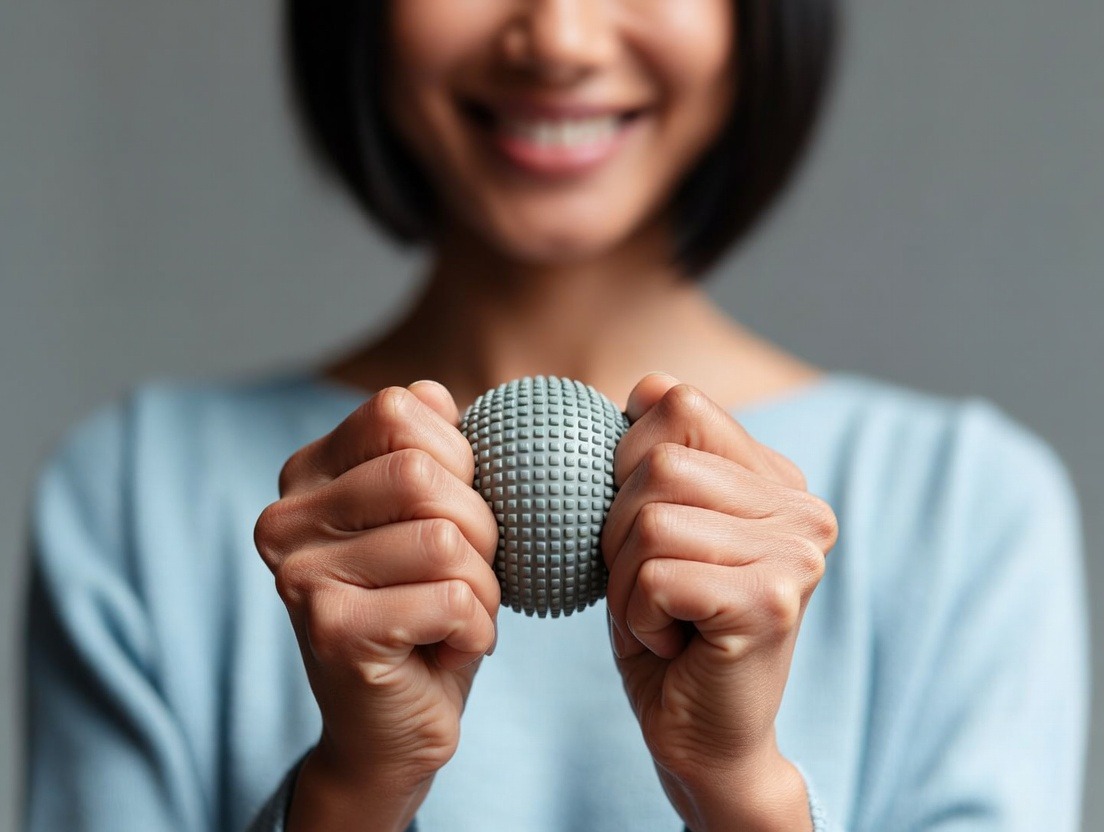
The smart ring we see today is just the opening chapter. The convergence of extreme miniaturization, new sensor technologies, and advanced AI is setting the stage for a future where the ring will become an even more powerful, multi-functional health and life assistant. Here’s a glimpse at what’s on the horizon.
1. Non-Invasive Blood Glucose Monitoring: This is the holy grail of wearable tech. Several companies are pioneering optical sensors that use spectroscopy to estimate glucose levels from interstitial fluid. While not intended for medical diagnosis of diabetes, a consumer ring that could show glucose trends—how your body responds to different foods, meals, and stress—would revolutionize metabolic health awareness and nutrition personalization.
2. Continuous Blood Pressure Monitoring: Using a combination of PPG signals and pulse wave analysis algorithms, future rings may be able to provide estimates of blood pressure trends throughout the day and night. This could provide invaluable data on nocturnal hypertension (a major risk factor often missed) and the impact of daily activities on cardiovascular load.
3. Advanced Electrolyte & Hydration Sensing: By analyzing the electrical properties of the skin and the composition of sweat (via new microfluidic channels), rings could move beyond simple hydration reminders to actually gauging electrolyte balance, crucial for athletes and those in hot climates.
4. Enhanced Nervous System Mapping: Beyond HRV, future sensors may measure galvanic skin response (GSR/EDA) with more precision and even incorporate微型 version of technologies to assess vagal tone more directly. This would provide an unparalleled window into emotional and cognitive states, enabling truly personalized stress resilience training.
5. On-Device AI & Predictive Health: As chip technology advances, more processing will happen on the ring itself. This will enable real-time, context-aware alerts without needing a phone connection. More powerfully, AI trained on massive, anonymized datasets could identify subtle, early-warning patterns in your data that precede noticeable symptoms, shifting healthcare from reactive to genuinely predictive.
6. Haptic Feedback & Gesture Control: The ring is a natural interface. Imagine a gentle vibration to guide your breathing pace during meditation, a tap to notify you of a rising stress level, or the ability to control smart home devices or music playback with subtle finger gestures. It becomes an input and output device.
7. Multi-Biometric Authentication & Digital ID: Your unique combination of heart rhythm, vascular pattern, and other biomarkers could make your ring the ultimate secure key—for unlocking your phone, your car, your home, or even authenticating digital payments, all based on your live presence.
These innovations will further blur the line between healthcare and lifestyle, between a tracking device and an integrated life partner. The ring’s position—central, personal, and always-present—makes it the ideal platform for this convergence. The brands that will lead, like those focused on a vision you can explore on their homepage, are those investing in the research and sensor fusion required to bring these possibilities to life responsibly and accurately.
With a growing market of options, selecting the right smart ring can feel daunting. It’s a personal choice that depends on your primary goals, lifestyle, and budget. Moving beyond marketing claims, here’s a framework for making an informed decision based on the core pillars of features, fit, and ecosystem.
1. Identify Your "North Star" Metric:
What is the primary reason you want a ring? Your answer will steer your choice.
2. The Criticality of Fit and Comfort:
A poorly fitting ring is a useless ring. It will be uncomfortable and provide bad data.
3. Battery Life and Charging Ecosystem:
4. App Experience and Ecosystem:
The hardware is only half the product. The app is your daily interface.
5. Price, Subscription, and Long-Term Value:
Ultimately, the best ring is the one you’ll wear consistently and whose insights you’ll actually use. It should feel like a helpful partner, not a demanding taskmaster. Reading real user experiences, like those found in customer testimonials, can provide invaluable, unbiased insight into how a ring performs in daily life across different user profiles.
Acquiring the technology is the first step; integrating it sustainably into your life is where the real transformation happens. The goal is to move from a phase of conscious tracking and checking to a state where the ring is an invisible partner, providing gentle nudges and retrospective insights without dominating your mental space. Here’s how to achieve that seamless integration.
Phase 1: The Observational Month (Weeks 1-4)
Phase 2: The Experimental Phase (Month 2-3)
Phase 3: The Integrated Partnership (Ongoing)
The endpoint of successful integration is a state where you are more attuned to your body’s signals with or without the ring. The device has served as a teacher, helping you connect physical sensations (tiredness, stress) to measurable states (low HRV, high resting heart rate). It moves from being a crutch to being a calibration tool you occasionally consult. For support on common questions during this integration process, a well-structured FAQ page can be a quick and helpful resource.
Embracing new technology requires both enthusiasm and clear-eyed scrutiny. While smart rings are powerful tools, they are not medical devices, and their integration into our lives raises important questions about limitations and ethics. A balanced perspective is essential for healthy and realistic use.
Understanding the Limitations:
Navigating the Ethical Landscape:
Using a smart ring wisely means holding these two truths simultaneously: it is an exceptionally powerful tool for self-knowledge, and it is an imperfect consumer product with a specific scope. It works best when the user is informed, intentional, and maintains a healthy, questioning relationship with the technology itself. For those interested in the human story and values behind a responsible approach to this technology, learning about a brand’s mission and story can be enlightening.
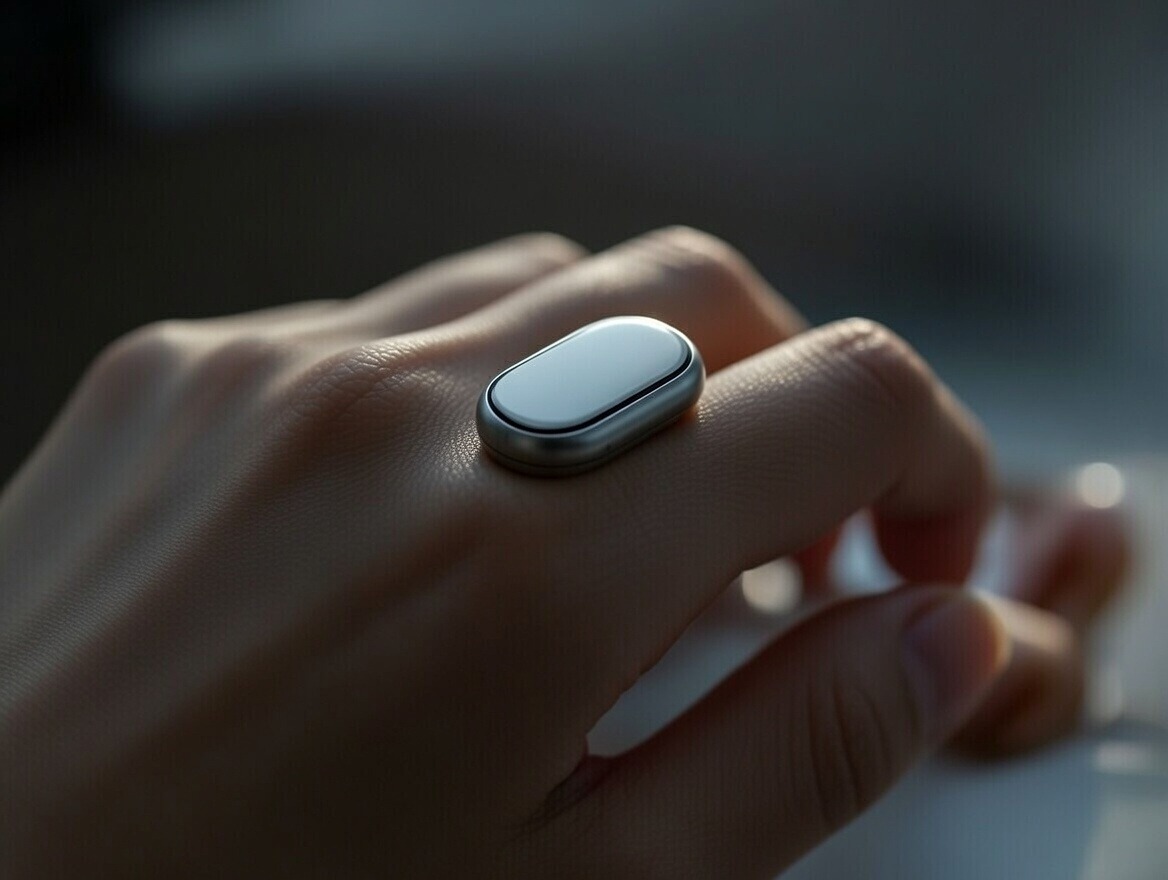
We have traversed the landscape of the smart ring revolution—from its technological underpinnings and design philosophy to its practical application and future potential. We’ve seen it as a sensor hub, a silent coach, a piece of jewelry, and a window into the autonomic nervous system. The throughline is simplification through sophistication.
The future of fitness tracking is not more complex dashboards; it is clearer guidance. It is not more time spent staring at screens; it is better time spent being present in our bodies, informed by data we’ve learned to trust. The smart ring, by virtue of its form, its function, and its focus on 24/7 readiness and recovery, facilitates this shift uniquely.
It represents a move away from fragmented, activity-centric tracking toward continuous, person-centric understanding. It acknowledges that fitness is not an event but a state, built in the 23 hours you are not exercising. It bridges the artificial divide between physical and mental well-being, showing us that a stressful thought and a strenuous workout both register in the same physiological system.
The ultimate promise of this technology is not to turn us into biohacked optimizers chasing perfect scores, but to return us to a more embodied knowledge. It uses the language of photons and algorithms to reteach us the subtle language of our own bodies: what true rest feels like, what resilient energy looks like in our physiology, and how our daily choices ripple through our system.
The future is indeed on your finger. It is quiet, elegant, and intelligent. It is a tool for self-empowerment in an often overwhelming world of health information. As this technology continues to evolve, becoming more predictive, more integrated, and more insightful, our relationship with it will deepen. The goal remains constant: to use the power of technology not to escape our humanity, but to understand and honor it more fully.
This concludes the first portion of our deep dive. The journey continues as we explore specific applications, from athletic performance to longevity, and hear directly from users whose lives have been transformed by this shift from wrist to finger.
Data and technology are compelling, but the true measure of any wellness tool lies in its impact on real lives. Beyond the graphs and scores, the smart ring catalyzes personal stories of discovery, prevention, and transformation. These case studies illustrate how this simplified form of tracking moves from the abstract to the profoundly personal.
Case Study 1: The Overtrained Athlete – Finding Balance
Sarah, 34, amateur marathon runner. Sarah was dedicated, following a rigorous training plan to shave minutes off her personal best. But she was constantly tired, irritable, and plagued by niggling injuries. Her wrist-based tracker showed she was hitting her mileage and calorie goals, so she pushed harder, assuming she needed more grit. Switching to a smart ring revealed a different story: her HRV was in a sustained downward trend, her resting heart rate was creeping up, and her sleep scores were consistently poor despite 8 hours in bed. The ring’s readiness score was persistently "low" or "medium." The data gave her the objective evidence she needed to listen to her body. She inserted an unscheduled rest week, focused on sleep hygiene using tips from resources like our guide on how to get more deep sleep, and shifted her mindset from "more is better" to "smarter is better." Within two months, her HRV trend reversed, her injuries healed, and she ultimately achieved her marathon goal feeling stronger and more energized than ever. The ring didn't train her; it taught her to train herself.
Case Study 2: The Stressed Executive – Quantifying Calm
Michael, 48, tech startup CEO. Michael's life was a blur of back-to-back meetings, constant decisions, and high pressure. He felt perpetually "wired and tired," but dismissed it as the cost of success. His smart ring, with its EDA sensor, began telling a stark physiological story. It identified distinct "stress events" during his day—not just during big presentations, but during contentious calls and even when checking email late at night. His overnight recovery was poor despite adequate sleep duration. Using the ring’s breathing guidance feature, Michael started taking five-minute biofeedback breaks. He could see his real-time heart rate drop and his HRV rise during these sessions. This tangible feedback made stress management a rewarding skill, not a vague concept. He used his sleep data to enforce a strict digital curfew. "The ring didn't give me more hours in the day," Michael says. "It gave me back the quality of the hours I had. I'm making clearer decisions because I'm finally recovering."
Case Study 3: The Woman Navigating Hormonal Health
Elena, 29, freelance designer. Elena struggled with irregular cycles and debilitating PMS, but standard blood tests always came back "within normal range." Her smart ring with continuous temperature sensing provided the missing longitudinal data. Over several cycles, the app clearly visualized her disrupted temperature rhythm, confirming anovulatory cycles she suspected. This objective data empowered her to have a more informed conversation with a new gynecologist, leading to a diagnosis of PCOS. Beyond diagnosis, the ring became her daily companion. She learned that her readiness score predictably plummeted in the luteal phase, so she now schedules demanding creative work for her follicular phase and honors her body's need for more rest pre-menstrually. She tracks how dietary changes, like those suggested in articles on foods that increase deep sleep, affect both her sleep and cycle symptoms. "It gave me the language of my own body," she explains. "I'm no longer fighting against my physiology; I'm working with it."
Case Study 4: The Health-Conscious Parent – Preventing the Cascade
David, 41, teacher and father of two. For David, getting sick wasn't just personal; it disrupted the entire family routine. He noticed his smart ring would often signal an oncoming illness 24-48 hours before any symptoms appeared. A subtle but sustained elevation in his resting heart rate and a dip in his HRV became his early warning system. When he saw this pattern, he would immediately prioritize hydration, extra sleep (sometimes employing proven strategies for restorative sleep), zinc, and vitamin C, and would dial back activity. More often than not, he would either avoid the illness entirely or experience a much milder version. "It's shifted my health from reactive to proactive," David notes. "It feels like having a gentle early-alert system for my family's well-being."
These stories underscore a common theme: the smart ring excels at revealing mismatches. The mismatch between perceived effort and physiological cost (overtraining). The mismatch between perceived calm and physiological stress. The mismatch between assumed normalcy and underlying hormonal patterns. By making the invisible visible, it empowers individuals to align their actions with their body's actual needs, creating a path to sustainable health that is as unique as they are.
For the competitive athlete and the dedicated fitness enthusiast, the smart ring is evolving from a curious gadget into an essential piece of gear. In the realm of high performance, where marginal gains are everything, the ring’s ability to quantify the response to training—not just the output—is a game-changer. It provides the missing data to master the critical balance between stress and adaptation.
Moving Beyond Training Load to Training Strain:
Traditional training plans are built on load: mileage, weight, reps, intensity. This is the input. But the body’s response to that load—the strain—varies daily based on recovery, stress, and health status. A 10k run on a fully recovered body is not the same physiological event as a 10k run on a fatigued, stressed system. The smart ring, through HRV, RHR, and sleep data, measures this strain and readiness in real-time.
Practical Applications for Athletic Training:
Sport-Specific Insights:
For the athlete, the smart ring is the ultimate biofeedback device for the most important system: their own body. It transforms recovery from a passive hope into an active, measurable component of training. As explored in our article on deep sleep optimization for athletes, the night becomes a powerful training ground in itself, with the ring as its coach.
The ultimate goal of wellness is not merely to live longer, but to live better for longer—to extend one's healthspan. The smart ring, with its focus on the biomarkers of resilience and system integrity, is uniquely positioned to be a long-term companion on this journey. It shifts the focus from acute fitness goals to chronic, foundational health metrics that predict vitality and longevity.
Biomarkers of Aging and Resilience:
Research in the science of aging has identified several key, modifiable biomarkers that the smart ring tracks exceptionally well:
Building a Longitudinal Health Dashboard:
Imagine a 10-year graph of your key metrics. This is the promise of the smart ring as a longevity tool. Instead of annual snapshots from a doctor's visit, you have a continuous, rich narrative of your health trajectory. You can see:
Proactive, Preventative Healthspan Strategies:
With this data, you can move from generic "anti-aging" advice to personalized, preventative strategies:
The smart ring, worn over decades, becomes a personal healthspan diary. It empowers you to make daily choices informed by their long-term impact on your resilience biomarkers. It turns the abstract goal of "healthy aging" into a daily, data-informed practice, allowing you to not just add years to your life, but life to your years.
We stand at an inflection point in the history of personal health awareness. The smart ring represents the convergence of several powerful trends: the miniaturization of medical-grade sensors, the democratization of AI-driven insights, a growing cultural focus on holistic wellness over sick care, and a desire for technology that integrates rather than intrudes.
This quiet revolution is characterized by three fundamental shifts:
1. From Intermittent to Continuous: Health is no longer something checked at annual visits or during discrete workouts. It is a continuous stream, and our tools have finally evolved to match that reality. The ring’s 24/7 wearability captures the full story of our physiology, revealing the critical connections between our daily choices and our nightly recovery, between our mental stress and our physical readiness.
2. From Generalized to Personal: The era of average is over. The smart ring’s first principle is to learn you. It discards population norms in favor of personal baselines. This hyper-personalization is the key to effective intervention. What improves deep sleep for one person may disrupt it for another. The ring helps you discover your own formula for vitality.
3. From Complex to Simple: The true technological marvel is not the sensor array itself, but the sophisticated data fusion and AI that sits atop it, working tirelessly to distill complexity into clarity. The output is not a spreadsheet but a score, a trend line, a gentle nudge. It simplifies the overwhelming world of biohacking and health data into a human-readable dialogue with your own body.
The implications are profound. This technology has the potential to:
As we look ahead, the ring platform will undoubtedly grow more capable. But its core value proposition—simplified, personal, and continuous insight—will remain its guiding star. The future of health tracking isn't about wearing a computer; it's about enhancing your humanity with context-aware knowledge.
The journey we've outlined, from understanding the technology to integrating it into life, from optimizing athletic performance to extending healthspan, is now in your hands—quite literally. The future is not a distant promise; it's a choice you can make today. It’s an invitation to participate in your own well-being with a level of awareness and personalization previously unimaginable.
To begin exploring what this future looks like in practice, to see the design and philosophy behind one of the tools leading this charge, you can visit Oxyzen. Discover how the convergence of elegant design and advanced sensing can start your own journey toward simplified, profound self-knowledge.
The revolution is quiet. It’s elegant. And it fits perfectly on your finger.
Your Trusted Sleep Advocate (Sleep Foundation — https://www.sleepfoundation.org/)
Discover a digital archive of scholarly articles (NIH — https://www.ncbi.nlm.nih.gov/
39 million citations for biomedical literature (PubMed — https://pubmed.ncbi.nlm.nih.gov/)
experts at Harvard Health Publishing covering a variety of health topics — https://www.health.harvard.edu/blog/)
Every life deserves world class care (Cleveland Clinic -
https://my.clevelandclinic.org/health)
Wearable technology and the future of predictive health monitoring. (MIT Technology Review — https://www.technologyreview.com/)
Dedicated to the well-being of all people and guided by science (World Health Organization — https://www.who.int/news-room/)
Psychological science and knowledge to benefit society and improve lives. (APA — https://www.apa.org/monitor/)
Cutting-edge insights on human longevity and peak performance
(Lifespan Research — https://www.lifespan.io/)
Global authority on exercise physiology, sports performance, and human recovery
(American College of Sports Medicine — https://www.acsm.org/)
Neuroscience-driven guidance for better focus, sleep, and mental clarity
(Stanford Human Performance Lab — https://humanperformance.stanford.edu/)
Evidence-based psychology and mind–body wellness resources
(Mayo Clinic — https://www.mayoclinic.org/healthy-lifestyle/)
Data-backed research on emotional wellbeing, stress biology, and resilience
(American Institute of Stress — https://www.stress.org/)


