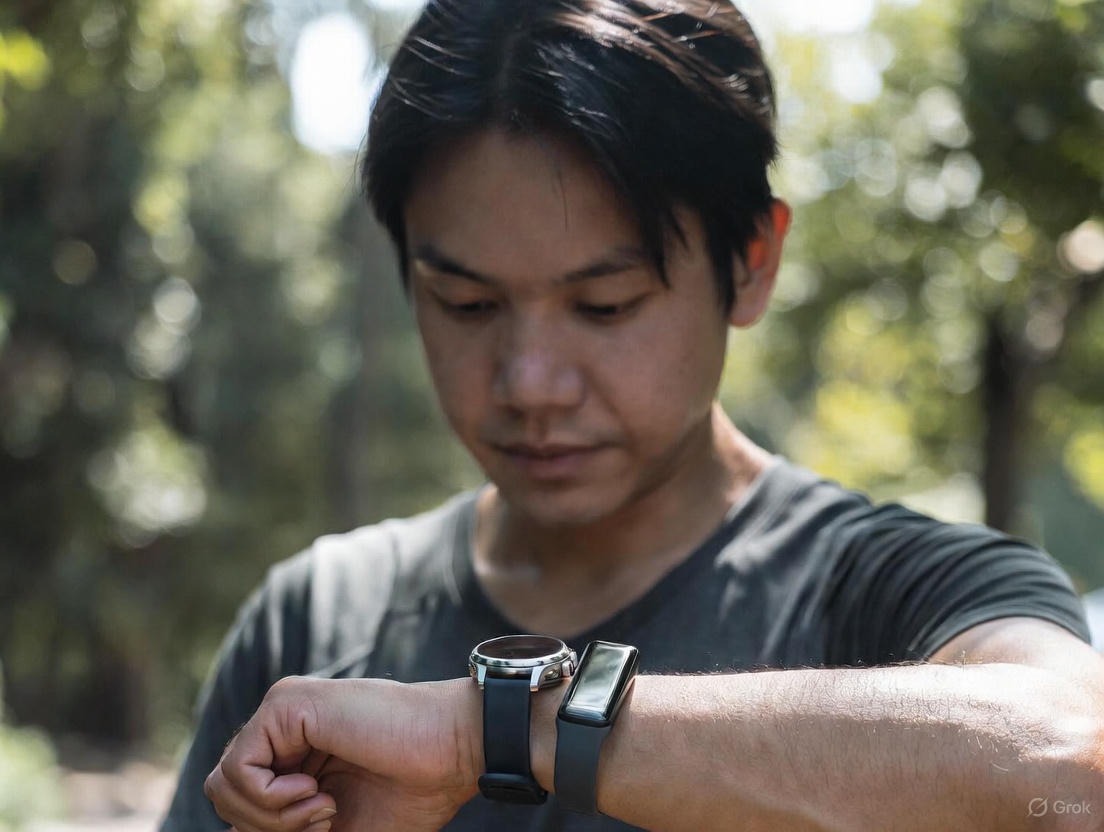
Answers the most common questions beginners have about starting their wearable wellness journey.
Wearable Wellness 101: Your Questions Answered
Forget the clunky wristbands and forgotten phone apps. The next frontier of personal health isn’t in a doctor’s office or a lab; it’s quietly humming on your finger. Welcome to the era of wearable wellness, a world where elegant, sophisticated technology seamlessly integrates into your daily life to deliver profound insights about your body, your mind, and your overall well-being.
We are witnessing a paradigm shift. Health is no longer a static concept measured by annual check-ups, but a dynamic, daily stream of data about how you live, sleep, recover, and respond to stress. At the heart of this revolution is the smart ring—a discreet, powerful device that is redefining what it means to be proactive about your health. No more guessing why you’re tired, why you can’t focus, or why your workout felt harder than usual. The answers are literally at your fingertips.
But with new technology comes a flood of questions. How accurate are these tiny devices? What can they really tell me? Is my data safe? How do I make sense of all this information without becoming overwhelmed? This article is your definitive guide. We’ll cut through the hype, explore the science, and provide actionable wisdom on how to harness the power of wearable wellness. Whether you're a biohacker, a busy professional, a fitness enthusiast, or simply someone curious about optimizing your life, consider this your masterclass. Let’s begin.
The Evolution of Wearables: From Step Counters to Health Guardians
To understand the significance of the smart ring, we must first look back at the journey of wearable technology. The path from simple pedometers to today’s advanced health monitors is a story of miniaturization, sensor innovation, and a deepening understanding of human physiology.
The earliest wearables were single-purpose tools. The pedometer, a mechanical device popularized in the 1960s, did one thing: count steps. It was a blunt instrument, offering a basic metric for movement. The 21st century brought the dawn of the digital fitness tracker. These wristbands introduced accelerometers, connected to smartphones via Bluetooth, and presented data in colorful dashboards. They popularized the concept of “closing your rings” or hitting daily movement goals, bringing a gamified layer to personal fitness.
However, the wrist had limitations. Devices were often bulky, battery life was short, and for many, wearing a smartwatch felt like having a second, distracting screen on your body. More critically, the location on the wrist introduced significant signal noise. The wrist is highly mobile, making it difficult for sensors to get a clean, consistent read on key biomarkers like heart rate variability (HRV) and blood oxygen saturation (SpO₂), especially during sleep.
This set the stage for the smart ring. The finger, particularly the base, offers a unique advantage: a rich blood supply close to the surface and relative stillness, especially at night. This anatomical sweet spot allows for more precise and continuous monitoring of core physiological signals. The evolution wasn’t just about a new form factor; it was about moving from fitness tracking to true health monitoring. Modern smart rings like those developed by Oura, Circular, and Ultrahuman are less about telling you how many steps you took and more about answering foundational questions: How well did you recover from those steps? How restorative was your sleep? Is your nervous system in a state of stress or balance?
This shift represents the third wave of wearables: The Guardian Phase. These devices act as 24/7 health guardians, providing not just data, but context and guidance. They monitor your readiness for the day, track the quality of your sleep with clinical-grade precision, and even offer early warnings for potential issues like elevated resting heart rate or temperature deviations—key indicators of oncoming illness or overtraining. The story of wearables is no longer about activity; it’s about the intricate, vital balance of activity and recovery that defines true wellness.
Beyond the Step Count: What Modern Smart Rings Actually Measure
If you think a smart ring is just a pedometer for your finger, prepare to have your mind expanded. Today’s advanced rings are packed with medical-grade sensors that paint a comprehensive, multi-system portrait of your health. Let’s break down the key biomarkers they track and, more importantly, what these metrics actually mean for your daily life.
1. Sleep Architecture: The Foundation of Recovery This is where smart rings truly shine. Unlike basic wearables that simply track “time in bed,” advanced rings use photoplethysmography (PPG) sensors and 3D accelerometers to map your sleep stages: light, deep, and REM sleep.
Deep Sleep: The physical restoration phase. This is when tissue growth and repair occur, immune function is bolstered, and energy is restored.
REM Sleep: The mental restoration phase. Crucial for memory consolidation, learning, and mood regulation.
Sleep Latency: How long it takes you to fall asleep. Consistently high latency can point to circadian rhythm issues or pre-bed habits that need adjustment.
Sleep Efficiency: The percentage of time in bed you’re actually asleep. A low score might indicate frequent awakenings or restlessness.
Understanding your personal sleep architecture is revolutionary. It moves you from asking “Did I get 8 hours?” to “Was my sleep restorative?” For a deep dive into optimizing this critical pillar, our guide on how a nighttime routine transforms your sleep quality explores the powerful connection between your evening habits and your sleep data.
2. Heart Rate Variability (HRV): Your Body’s Stress Barometer HRV is arguably the most important biomarker for assessing your autonomic nervous system (ANS) balance. It measures the subtle variations in time between each heartbeat. Contrary to intuition, a higher HRV is generally better—it indicates a resilient, adaptable nervous system that can smoothly switch between stress (sympathetic) and recovery (parasympathetic) modes. A consistently low or dropping HRV is a clear signal from your body that it is under strain from factors like physical overtraining, emotional stress, poor sleep, or illness. Your smart ring tracks your nightly average HRV, giving you a daily report card on your recovery status and readiness to perform.
3. Resting Heart Rate (RHR) & Respiratory Rate Your Resting Heart Rate, measured during your deepest sleep, is a fundamental indicator of cardiovascular fitness and overall strain. A sudden, unexplained elevation can be one of the earliest signs of oncoming sickness or excessive fatigue. Similarly, your nighttime respiratory rate (breaths per minute) is a remarkably stable vital sign. Significant deviations from your personal baseline can also signal the onset of illness, respiratory issues, or sleep disturbances like apnea.
4. Body Temperature: The Subtle Early Warning Many advanced rings now include a skin temperature sensor. By tracking your temperature trend each night (relative to your own multi-night average), the device can detect subtle fevers or inflammatory responses long before you feel symptoms. This feature gained prominence for its potential in early illness detection, but it’s also valuable for women tracking cyclical hormonal changes.
5. Activity & Movement: Contextualizing Your Day Of course, rings still track movement—but with more sophistication. They estimate calorie expenditure, track active time, and monitor periods of inactivity. The key innovation is how this data is integrated. Your ring doesn’t just tell you to “move more.” It uses your activity data to inform its assessment of your recovery. A high-stress day followed by a hard workout might result in a lower “Readiness” score the next morning, suggesting you need a lighter day. This holistic view prevents you from working against your body’s needs.
By synthesizing these data points, a smart ring provides a holistic health snapshot. It answers the critical question: “What is my body’s current capacity to handle stress, physical activity, and cognitive demand?” This is lightyears beyond counting steps.
Demystifying the Tech: How a Tiny Ring Knows So Much
The magic of a smart ring lies in its sophisticated, yet miniaturized, sensor suite. How can a device smaller than a key contain technology powerful enough to gauge your nervous system state? The answer is a blend of clever hardware, advanced signal processing, and proven physiological science.
The Core Sensor: Photoplethysmography (PPG) This is the workhorse of the smart ring. A tiny LED light, usually green and/or red/infrared, shines into the capillaries on the underside of your finger. A photodetector then measures the amount of light reflected back. With each heartbeat, blood volume in the capillaries pulses slightly. More blood absorbs more light, resulting in a tiny dip in the reflected signal. By measuring these microscopic fluctuations in light absorption thousands of times per second, the PPG sensor can precisely determine your heart rate and, through complex algorithms, extract your heart rate variability (HRV).
Advanced PPG for Blood Oxygen Red and infrared LEDs are used for pulse oximetry (SpO₂ monitoring). Oxygenated and deoxygenated hemoglobin absorb these wavelengths differently. By analyzing the ratio, the ring can estimate the oxygen saturation of your blood—a critical metric for assessing sleep quality and respiratory health.
The 3D Accelerometer & Gyroscope These motion sensors serve multiple purposes. They detect movement to track activity and step count. More importantly, during sleep, they work in tandem with the PPG to distinguish between sleep stages. Deep sleep is characterized by very little movement, while REM sleep involves rapid eye movements (which can cause subtle finger tremors) and brain activity akin to being awake, but with muscle paralysis. The accelerometer helps the algorithms differentiate between you being still-awake and in a deep sleep stage.
The Skin Temperature Sensor A high-precision thermistor measures the heat radiating from your skin throughout the night. Because it tracks your trend relative to your own baseline (not an absolute “normal” temperature), it can detect subtle shifts of a few tenths of a degree that are meaningful at an individual level.
From Raw Data to Insight: The Role of Algorithms The sensors collect raw signals—waves of light absorption and motion data. The real intelligence lies in the algorithms. These are complex mathematical models, often developed using massive datasets and validated against medical-grade equipment (like polysomnography for sleep).
Noise Filtering: First, algorithms filter out “noise” caused by sudden movements or poor sensor contact.
Peak Detection: They identify individual heartbeats from the PPG waveform.
Biomarker Calculation: They calculate RHR, HRV, respiratory rate (by detecting the rhythmic modulation of the heart rate signal by breathing), and SpO₂.
Sleep Staging: Machine learning models analyze the combined PPG, movement, and heart rate data to predict sleep stages with high accuracy.
Trend Analysis & Baselines: Perhaps most crucially, the software establishes your personal baselines over a period of weeks. Your scores are then interpreted in the context of “your normal,” not a population average. This personalization is key to meaningful insights.
The final result is the clean, intuitive dashboard you see on your phone: a Readiness score, a Sleep score, and detailed breakdowns. It’s a seamless translation of complex biophysics into actionable wellness intelligence. Understanding this process builds trust in the data and helps you see your ring not as a mystical black box, but as a sophisticated health tool.
Data Privacy & Security: What Happens to Your Most Personal Information?
When a device is collecting intimate, 24/7 data on your body’s most fundamental processes, trust is non-negotiable. The questions are valid: Who owns this data? Where is it stored? How is it used? Could it be sold or used against me? Navigating the privacy landscape is a critical part of being an informed wearable user.
The Data Lifecycle: From Your Finger to the Cloud
Collection: Data is collected locally on the ring’s sensors.
Processing & Transmission: When you place the ring on its charger (typically once every few days), it syncs via Bluetooth to your phone. Your phone’s app performs initial processing and then securely transmits the encrypted data to the manufacturer’s cloud servers.
Storage & Analysis: In the cloud, more powerful algorithms perform deeper analysis, calculate trends, and generate your scores. This data is stored on secure servers.
Access & Presentation: The processed results are sent back to your app, where you can view them.
Key Privacy Considerations and Questions to Ask:
Data Ownership: Reputable companies will explicitly state in their privacy policy that you own your personal data. Always verify this.
Anonymization & Aggregation: Many companies use anonymized, aggregated data (stripped of all personal identifiers) for large-scale research to improve algorithms and contribute to population health studies. This is generally beneficial, but you should have the option to opt out.
Third-Party Sharing: This is the most critical area. You must scrutinize whether a company sells or shares your personal data with third parties like advertisers, insurers, or employers. The gold standard is a firm “no” to selling personal health data.
Security Protocols: Look for mentions of end-to-end encryption (data is encrypted from your device to the server), data encryption at rest on servers, and compliance with stringent frameworks like GDPR (General Data Protection Regulation) in Europe or HIPAA (if making specific health claims).
Local-Only Processing: An emerging and privacy-focused model is to process all data locally on your smartphone, never sending raw biometrics to the cloud. This is a more complex technical challenge but offers the highest level of privacy.
How to Protect Yourself as a User:
Read the Privacy Policy: Don’t just skip it. Focus on the sections about data use, third-party sharing, and your rights (to access, delete, or port your data).
Use Strong Authentication: Enable two-factor authentication (2FA) on your account with the wearable company.
Manage App Permissions: On your phone, only grant the companion app the permissions it absolutely needs (like Bluetooth).
Understand Deletion Policies: Know how to delete your account and all associated data if you choose to stop using the service.
A trustworthy wearable company will be transparent about its practices, give you control over your data, and prioritize security not as a feature, but as a foundational principle. Your biometric data is the most personal information you have; ensuring it is handled with the utmost care is the first step in a responsible wellness journey.
Setting Up for Success: Your First 30 Days with a Smart Ring
You’ve unboxed your sleek new device. Now what? The first month with a smart ring is a unique period of calibration, learning, and habit formation. How you approach this phase will dramatically impact the long-term value you get from it. This isn’t about instant answers; it’s about laying a foundation of personalized insight.
Week 1: The Calibration & Baseline Phase
Wear it Consistently: This is the single most important rule. For accurate data, especially for sleep and recovery, you need to wear the ring every night and as much as possible during the day. The algorithms need consistent data streams.
Find the Perfect Fit: Your ring should be snug but comfortable. It should not spin easily, but you should be able to remove it with a gentle, steady pull. A proper fit ensures optimal sensor contact.
Ignore the Scores (Seriously): For the first week, resist the urge to obsess over your daily Readiness or Sleep scores. The device is learning your unique baselines. The numbers you see are not yet meaningful. Focus on the habit of wearing and charging.
Charge Strategically: Establish a simple routine, like placing it on the charger while you shower and get ready in the morning. This typically provides enough juice for 5-7 days of use.
Weeks 2-4: Observation & Pattern Recognition
Your Baselines are Forming: After 7-10 days, you’ll start to see what “normal” looks like for you. What’s your average HRV? Your typical deep sleep percentage? This is your foundational health fingerprint.
Start a Simple Journal: In the notes section of your app or in a separate journal, log simple observations. “Had two cups of coffee after 2 PM,” “30-minute meditation before bed,” “intense workout day,” “stressful work deadline.” Do not change your behavior yet. The goal is to see how your current lifestyle correlates with your data.
Look for Correlations, Not Causations (Yet): Notice patterns. Do your highest Sleep scores follow nights where you finished eating earlier? Do your lowest Readiness scores follow days of poor sleep combined with high activity? Become a detective of your own life.
Building a Sustainable Ritual The goal is to integrate the ring into your life, not your life around the ring. To make this seamless, pairing it with an established evening ritual is powerful. A structured wind-down routine not only improves your data but also enhances your subjective sense of well-being. For inspiration on crafting this ritual, our guide on nighttime wellness rituals that take less than 30 minutes offers practical, time-efficient strategies.
Common First-Month Pitfalls to Avoid:
Chasing Scores: Don’t try to “game” your HRV or Sleep score. Authentic, consistent data is far more valuable than a temporarily inflated number.
Over-Analysis Paralysis: You will have “bad” data days. A low score is not a failure; it’s information. The ring is reflecting your life, not judging it.
Neglecting Subjective Feelings: Always cross-reference the data with how you actually feel. Do you feel great despite a middling score? Trust that. The data is one input, not the final verdict.
By the end of your first 30 days, you will have moved from a curious new user to an informed self-observer. You’ll have a personalized baseline and the beginnings of understanding what moves your physiological needles. This sets the stage for the most exciting part: taking action.
From Numbers to Knowledge: How to Interpret Your Daily Scores
Now the data is flowing and your baselines are set. Your app presents you with a Sleep Score, a Readiness Score, and a myriad of sub-scores. What do you do with this information? The art of interpretation is what transforms overwhelming data into empowering knowledge.
Deconstructing the Readiness Score Think of your Readiness Score as your body’s daily performance recommendation. It’s a composite metric, typically factoring in:
Sleep Quality: The most heavily weighted component. Did you get enough restorative deep and REM sleep?
Recovery Metrics: Your HRV trend and resting heart rate (RHR). Is your nervous system recovered and resilient?
Activity Balance: Did you adequately recover from yesterday’s exertion, or is there a residual strain?
Body Temperature: Is there a deviation suggesting your body is fighting something?
How to Act on Your Readiness Score:
High Score (e.g., 85+): Your body is signaling “green light.” This is a day to engage fully—tackle challenging work, have a vigorous workout, be socially active. Your system is primed to handle stress and perform.
Moderate Score (e.g., 70-84): A “yellow light” or “proceed with awareness.” You’re likely okay, but not at your peak. Consider a moderate-intensity workout instead of a max-effort one. Be mindful of stacking stress. It’s a good day for maintenance, not personal records.
Low Score (e.g., <70): A clear “red light” or recovery signal. Your body is asking for rest. Prioritize gentle movement (walking, yoga), hydration, stress-management techniques, and an early bedtime. Pushing hard on a low-readiness day is the fastest way to burnout or injury. The ring is giving you permission to rest without guilt.
Analyzing Your Sleep Score Your Sleep Score is a detailed report card on your night. Look beyond the headline number:
Duration vs. Efficiency: Did you spend 8 hours in bed but only get 6.5 hours of actual sleep? Low efficiency points to fragmentation. This is where a wind-down routine is critical; you can learn about common missteps in our article on nighttime routine mistakes that ruin your sleep.
Deep/REM Balance: Are you consistently low in one? Low deep sleep may point to late alcohol consumption or an irregular schedule. Low REM can be linked to stress or going to bed too late (REM periods lengthen toward morning).
Resting Heart Rate & HRV: Did your RHR dip nicely during the night? Did your HRV stay stable or even increase? These are signs of effective recovery.
The Power of Trends Over Isolated Data Points A single night of poor sleep or a low readiness score is meaningless noise. Trends are everything. The real magic happens when you view your data over weeks and months.
Is your HRV on a gradual upward trend after starting a meditation practice? That’s a powerful confirmation.
Do you see a consistent weekly dip in sleep scores every Sunday night (perhaps due to anxiety about the week ahead)? That’s a pattern to address.
Does your RHR consistently elevate in the days leading up to a major work presentation? That’s a quantifiable stress signature.
By learning to interpret your scores in context—both the daily actionable insight and the long-term trend analysis—you graduate from being a passive data consumer to an active health strategist. The numbers cease to be abstract and become a direct dialogue with your body.
Actionable Insights: Turning Data into Lifestyle Changes
Data without action is just trivia. The ultimate promise of wearable wellness is to provide a feedback loop so precise and personalized that it guides you toward better daily choices. Here’s how to close that loop and turn insights into tangible improvements in your well-being.
The N=1 Experimentation Framework You are a clinical trial of one. Your ring provides the measurement tools. Use it to run safe, small experiments.
Identify a Lever: Choose one lifestyle factor you suspect influences your scores. Examples: caffeine cutoff time, evening screen use, workout intensity, dinner timing, meditation.
Form a Hypothesis: “I hypothesize that stopping caffeine after 12 PM will increase my deep sleep percentage by 5%.”
Implement the Change: Adjust only that one factor for a period of 1-2 weeks. Keep everything else as consistent as possible.
Analyze the Trend: After the trial period, look at the relevant data trend (e.g., your average deep sleep over the last 7 trial days vs. the 7 days prior). Did it move? How do you feel subjectively?
Targeted Interventions Based on Common Data Patterns:
If Your Sleep Latency is High: You’re lying awake too long. Experiment with a digital sunset 60 minutes before bed. Implement a relaxing, screen-free ritual. The minimal nighttime wellness routine of 5 essential steps is a perfect, no-excuse starting point.
If Your Sleep Efficiency is Low: You’re waking up often. Look at environmental factors: room temperature (cooler is better), light pollution (blackout curtains), and noise (white noise machine). Also consider late-night food or alcohol intake.
If Your HRV is Trending Downward: This is a sign of accumulating stress. Prioritize parasympathetic (“rest and digest”) activities. This could mean swapping a HIIT workout for a nature walk, introducing 10 minutes of breathwork (like box breathing), or using a mindfulness app. For those with busy minds, creating a deliberate buffer between the stress of the day and sleep is crucial, as outlined in the nighttime wellness routine for anxious minds.
If Your Resting Heart Rate is Elevated: Focus on hydration, gentle recovery (like foam rolling or yoga), and ensuring you’re not on the brink of illness. Prioritize sleep above all else.
The 80/20 Rule of Wearable Insights You don’t need to optimize every metric to perfection. Focus on the biggest levers first, which for most people are:
Sleep Consistency: Going to bed and waking up at roughly the same time every day, even on weekends. This is the single most powerful regulator of your circadian rhythm.
Stress Management: Building daily, small practices to down-regulate your nervous system.
Activity-Recovery Balance: Learning to truly listen to your body’s signals for rest, not just following a rigid workout schedule.
The goal is not to become a slave to the data, but to use it as a compass. It validates what works for you and reveals blind spots in your habits. Over time, these informed micro-adjustments compound into transformative macro-changes in your energy, resilience, and health.
The Science of Sleep Optimization: A Data-Driven Deep Dive
Sleep is the non-negotiable pillar of wellness, and the smart ring is its ultimate biometer. Let’s move beyond basic tracking and explore the advanced, science-backed insights your ring provides, turning you into an architect of your own recovery.
Circadian Rhythm Alignment: Timing is Everything Your body operates on a 24-hour internal clock governed by light, temperature, and behavior. Your ring data can reveal if you’re in or out of sync.
The Data Connection: Consistently late bedtimes and highly variable sleep schedules will show up as depressed HRV, elevated RHR, and fragmented sleep (low efficiency). You may also see reduced REM sleep if you consistently cut your night short, as REM dominates the later sleep cycles.
The Fix: Chronotype Alignment. Are you a natural night owl or early bird? While society favors early risers, forcing a mismatch creates “social jet lag.” Use your ring to find your natural sweet spot. Go to bed when your body signals sleepiness (dropping body temperature, feeling drowsy) for a week, without an alarm. Your average sleep midpoint will reveal your true chronotype. Then, build a schedule that honors it as much as possible. A consistent wake-up light can be a powerful tool for entrainment.
Sleep Cycle Manipulation for Specific Goals Different sleep stages serve different purposes. Can you influence them?
Boosting Deep Sleep (Physical Recovery): This stage is enhanced by physical exertion during the day, especially strength training. However, intense exercise too close to bedtime can be counterproductive. Deep sleep is also sensitive to core body temperature—a cool room facilitates the necessary drop. Alcohol, while sedating, is a proven deep sleep disruptor in the second half of the night, which your ring will clearly show.
Boosting REM Sleep (Cognitive & Emotional Recovery): REM is crucial for memory and mood. It’s prioritized by the brain when you’re sleep-deprived (leading to “REM rebound”). To support it naturally, protect your total sleep duration. REM is also suppressed by alcohol and many common sleep medications. Managing daytime stress and anxiety is also key, as a hyper-aroused nervous system can steal from REM. A science-backed approach to your evening can make a significant difference, which we detail in the science-backed nighttime routine for better sleep.
The Power of the Pre-Sleep Routine: Quantifying the Unquantifiable Your actions in the 60-90 minutes before bed set the physiological stage for the night. Your ring can quantify their impact.
The Light Experiment: Try a week with a strict “no screens in bed” policy, using blue-light blocking glasses after sunset, or reading a physical book. Watch for changes in your sleep latency and REM sleep.
The Food Timing Experiment: Move your last meal or snack 3 hours before bedtime for a week. Observe changes in your sleep efficiency (fewer awakenings) and resting heart rate (a deeper drop).
The Relaxation Response Experiment: Introduce 20 minutes of gentle yoga, meditation, or paced breathing. Look for an immediate effect on your sleeping HRV and a potential increase in deep sleep.
By treating your sleep data as a feedback loop for these experiments, you move from generic sleep tips to a personalized sleep protocol. You’re no longer just hoping for better sleep; you’re engineering it based on empirical evidence from your own body.
The Mind-Body Connection: How Wearables Quantify Stress & Recovery
For decades, stress was a vague, subjective feeling. You knew you were "stressed," but quantifying its physiological toll was nearly impossible. Wearable technology, specifically through HRV and related metrics, has changed that. It has given us a real-time, objective window into the delicate dance between our sympathetic ("fight or flight") and parasympathetic ("rest and digest") nervous systems.
Understanding Your Autonomic Nervous System (ANS) Dashboard Think of your ANS as your body's autopilot, controlling everything from heart rate and digestion to breathing and hormone release. Your smart ring's recovery metrics are a direct readout of this system's state.
High HRV & Low RHR: Indicates strong parasympathetic tone. Your body is in a state of safety, capable of recovery, digestion, and cellular repair. It's resilient—able to respond to stress and then return to baseline efficiently.
Low HRV & Elevated RHR: Indicates sympathetic dominance. Your body is in a state of perceived threat or demand. Resources are diverted to immediate action, compromising long-term repair and restoration. Chronic sympathetic dominance is linked to burnout, anxiety, and a host of physical health issues.
The Stress-Response Feedback Loop: From Event to Data Point Here’s how a modern wearable captures this process:
Stressor: A demanding work meeting, an intense argument, a punishing workout, or even a late-night meal.
Physiological Cascade: Your brain perceives the stressor, triggering the release of cortisol and adrenaline. Your heart rate increases, blood vessels constrict, and—critically—the time between heartbeats becomes more uniform (lower HRV).
Wearable Detection: The ring's PPG sensor captures the increased heart rate and decreased HRV in real-time. Post-stressor, it tracks how long it takes for your metrics to return to baseline. This recovery speed is a key indicator of resilience.
Cumulative Load: The ring doesn't just see acute events; it tallies the cumulative load. A day filled with back-to-back meetings, poor sleep, and rushed meals might result in a depressed HRV that evening, even if no single event was dramatic.
Actionable Strategies for Nervous System Regulation Armed with this data, you can move from being a victim of stress to a manager of your nervous system.
Identify Your Personal Stress Signatures: Does your RHR spike during your commute? Does your HRV dip every Thursday before your weekly report? Use the data to pinpoint your unique triggers.
Practice Micro-Recovery: You can't avoid all stress, but you can punctuate it with recovery. After a stressful call, take 2 minutes for deep, diaphragmatic breathing. This actively stimulates the vagus nerve, shifting you toward parasympathetic activity. Watch how this practice, over time, can improve your daytime HRV stability.
Align Workouts with Recovery State: This is revolutionary. On days your ring shows low readiness (low HRV, high RHR), choose restorative movement—yoga, walking, light cycling. On high-readiness days, go for intensity. This "train by feel, validated by data" approach maximizes gains and minimizes injury and burnout. For a deep dive into this principle, athletes can explore our specialized guide on the nighttime routine for athletes maximizing recovery while you rest.
Leverage Sleep for Nervous System Reset: Deep sleep is a potent parasympathetic booster. By optimizing your sleep (as detailed in previous sections), you're directly investing in your ANS resilience for the next day. A consistent, calming pre-sleep ritual is non-negotiable for this; discover how to build one that lasts in our article on how to build a nighttime routine that actually sticks.
Ultimately, this data transforms stress from an abstract monster into a measurable, manageable physiological process. You learn not to fear stress, but to respect its impact and master your recovery from it, building true resilience from the inside out.
Wearables for Specialized Populations: Athletes, Parents, Shift Workers & More
The "average user" doesn't exist. Wearable wellness shines brightest when its insights are applied to the unique challenges of specific lifestyles. Here’s how different groups can leverage this technology for targeted benefit.
For the Athlete & Fitness Enthusiast: From Overtraining to Optimal Performance For athletes, the line between peak training and overtraining is perilously thin. Wearables provide the guardrails.
Quantifying Recovery, Not Just Fatigue: Soreness is subjective; HRV and RHR trends are objective. A consistently dropping HRV trend across a training block is a clear, early warning sign of non-functional overreaching, signaling the need for a deload week before performance crashes.
Personalized Periodization: Instead of following a generic 4-week cycle, athletes can use daily readiness scores to auto-regulate their training. A high readiness day becomes a high-intensity session. A low score triggers an active recovery or rest day. This dynamic adjustment maximizes adaptation.
Sleep as the Ultimate Performance Enhancer: Athletes can track how specific training loads affect their deep sleep (for physical repair) and REM sleep (for motor skill consolidation). They can also experiment with nutrition timing to see how a post-workout protein intake affects overnight recovery metrics.
For Parents & Caregivers: Surviving and Thriving Amidst Chaos Sleep deprivation and constant demand are hallmarks of parenting. A wearable offers a lifeline to self-awareness.
Managing "Touched Out" Overload: The constant physical contact and sensory input can dysregulate the nervous system. A parent can notice their HRV dipping in the evening after a day of childcare. This isn't a failing; it's data. It becomes a signal to tag in a partner, if possible, or to institute a mandatory 10-minute solo quiet time to reset.
Optimizing Interrupted Sleep: For parents of newborns, tracking total sleep is demoralizing. Instead, focus on sleep quality metrics. Can you improve your sleep efficiency during your 4-hour block by using earplugs and an eye mask? Can you see the effect of a brief, quiet wind-down after the baby is down, versus immediately crashing? This shifts the focus to control within the chaos.
Modeling Family Wellness: As children grow, wearable data can help structure family routines. It provides tangible evidence of how consistent bedtimes benefit everyone. For inspiration on creating harmony for all ages, see our post on the family nighttime wellness routine for adults and kids.
For the Shift Worker & Chronically Sleep-Deprived: Damage Control & Rhythm Management This group faces the greatest physiological challenge: fighting their innate circadian biology.
Light as the Primary Lever: Shift workers must use light with surgical precision. The goal is to trick the circadian rhythm. Wearable data (like consistently poor sleep scores on work nights) can motivate the strict use of bright light therapy lamps during night shifts and absolute light blocking (blackout curtains, sleep masks) during daytime sleep.
Tracking Cumulative Sleep Debt: The ring can provide a sobering, objective tally of sleep debt accrued over a rotation. This data is crucial for planning recovery. It might show that it takes a full three days off to return to baseline HRV, informing how to strategically use days off for true restoration.
Strategic Napping: By tracking how a 20- or 90-minute nap affects their subsequent nighttime sleep latency and efficiency, a shift worker can optimize nap timing and duration to recharge without sabotaging their main sleep block.
For the Busy Professional & Executive: Optimizing Cognitive Output For this group, the wearable is a cognitive performance optimizer.
Linking Readiness to Decision-Making: An executive can start to correlate low readiness scores with days of poor focus or impulsive decisions. This leads to a powerful behavior change: scheduling critical, strategic meetings for high-readiness mornings and relegating administrative tasks to lower-readiness afternoons.
Measuring the Impact of "Always On" Culture: The constant ping of emails and messages keeps the sympathetic nervous system subtly engaged. A professional can track their evening HRV recovery after implementing a strict "no email after 7 PM" rule versus a night of being on-call, seeing the direct physiological cost of digital tethering.
Preventing Burnout with Data: A gradual, weeks-long decline in HRV and sleep scores is the quantitative signature of burnout's approach. Catching this trend early allows for proactive intervention—using vacation time, delegating tasks, or seeking support—before a full crash occurs. For high-performers looking to structure their wind-down for maximum mental clarity the next day, insights from how successful people structure their nighttime routines can be invaluable.
In each case, the wearable moves from being a generic health device to a specialized tool for navigating unique life demands. It provides the objective feedback necessary to make smarter, more sustainable choices within the constraints of a challenging lifestyle.
Beyond the Ring: Integrating Wearable Data with a Holistic Wellness Ecosystem
Your smart ring is a powerful hub, but its true potential is unlocked when its data converses with other aspects of your wellness toolkit. This integrated, holistic approach creates a multi-dimensional picture of your health that is greater than the sum of its parts.
Nutrition & Hydration: Connecting Fuel to Feel (and Data) What you eat and drink directly impacts your physiological metrics. You can move beyond guesswork to see the connection.
The Experiment: Use a simple food-tracking app (even just the notes section in your health app) for a week. Log your last meal time, alcohol intake, and hydration.
The Correlation: Look for patterns in your ring data. Do nights after late, heavy meals show reduced deep sleep and elevated nighttime RHR? Does a day of poor hydration correlate with a lower HRV that evening? Does a glass of wine with dinner, while aiding sleep latency, truncate your REM sleep in the second half of the night?
The Insight: This turns nutrition into a personalized experiment. You may discover your body prefers a 4-hour fasting window before bed, or that you need a minimum water intake to maintain nervous system resilience.
Mindfulness & Mental Fitness Apps: Quantifying the Unquantifiable Apps like Calm, Headspace, or Whoop's "Strain" coach can now integrate with some wearable platforms, but even manual correlation is powerful.
Track Your Practice: Note when you meditate, do breathwork, or engage in a gratitude practice.
Measure the Shift: Observe the immediate effect on your real-time heart rate during the practice (visible on many ring apps). More importantly, track the long-term trend. Does a consistent 10-day meditation streak coincide with a gradual upward trend in your baseline HRV? This data validates the mental practice with physical proof, reinforcing the habit.
Fitness Equipment & Apps: Closing the Activity-Recovery Loop Syncing your ring with platforms like Apple Health, Google Fit, or Strava creates a seamless activity-recovery dashboard.
Automatic Context: Your ring already knows your recovery status. When linked, it can automatically send that readiness score to your workout app. Imagine your cycling app suggesting a lighter route because it sees your low readiness.
Strain vs. Recovery Analysis: View your workout "strain" (from your fitness app) and your subsequent "recovery" (from your ring) on the same timeline. This clearly shows how different types and intensities of exercise impact your body. You might see that long endurance runs crush your HRV for two days, while strength training allows for quicker recovery.
The Smart Home & Environment: Bio-Hacking Your Surroundings Your wearable can inform automation for a health-optimizing environment.
Sleep Environment: Data showing poor sleep efficiency could lead you to invest in smart blackout blinds that close at sunset, or a smart thermostat that lowers your bedroom temperature to 65°F (18°C) an hour before bedtime.
Wind-Down Cues: Consistent high sleep latency might prompt you to set up smart lights that gradually dim to a warm amber hue in the evening, signaling to your circadian rhythm that sleep is approaching.
The Future: The Centralized Health Dashboard The end goal is a unified dashboard where your ring's biometric data sits alongside your nutrition logs, workout history, mindfulness minutes, and even genetic data (from services like 23andMe). Advanced platforms and personal health dashboards are beginning to offer this. In this ecosystem, you don't just see that your HRV is low; you see it's low alongside a week of high work stress, poor hydration, and missed meditations. The path to correction becomes glaringly obvious.
By integrating your wearable data, you stop viewing health in silos. You understand the interconnectedness of sleep, food, movement, and mind. Your smart ring becomes the conductor, orchestrating a symphony of data from your life into a coherent, actionable picture of holistic well-being.
Navigating the Pitfalls: Avoiding Obsession, Misinterpretation, and "Quantified Self" Fatigue
The power of biometric data is undeniable, but it comes with a shadow side: the potential for anxiety, obsession, and a disconnection from your body's innate wisdom. A successful wearable journey requires not just technical knowledge, but also emotional and psychological intelligence.
The Perils of "Score Chasing" and Good Day/Bad Day Dichotomies It’s easy to become addicted to the gratification of a high Readiness or Sleep Score, and equally demoralized by a low one. This mindset is counterproductive.
The Reality: Your body is not a machine that outputs a perfect score every day. It is a complex, adaptive system responding to countless inputs. Variability is normal and healthy. A low score is not a "bad" day; it is a high-information day. It’s your body communicating a need—for rest, for nourishment, for a lighter load.
The Antidote – Compassionate Curiosity: Replace "Why is my score so bad?" with "What is my body trying to tell me with this data?" This shifts your relationship from one of judgment to one of partnership.
Understanding Signal vs. Noise: Not Every Dip is a Disaster Not all fluctuations are meaningful. Learning to distinguish signal from noise is critical to avoiding unnecessary anxiety.
Noise: A single-night dip in HRV after one late night. A one-point drop in Sleep Score because you had to get up once to use the bathroom. These are normal variations.
Signal: A 3-5 day sustained downward trend in HRV below your personal baseline. A consistent pattern of low deep sleep every time you drink alcohol. A spike in resting heart rate of 5-8 beats per minute above your normal range for two nights in a row.
The Rule of Thumb: Look for trends and patterns, not isolated points. Before making a major lifestyle change based on data, ensure you see a consistent signal over at least a week.
Preventing Disassociation: Staying Connected to Subjective Feelings This is the most crucial pitfall to avoid: privileging the data over your own lived experience.
The "I Feel Great, But My Score is Low" Paradox: This happens. Always, always default to how you feel. The data is a tool to inform your feelings, not override them. If you feel energetic and clear-headed but your readiness is 72, trust your energy and engage with your day. The ring’s algorithms are models, and you are a unique individual.
The "Data Override" Instinct: Do not ignore clear symptoms like pain or fatigue because your scores are "green." Your body's direct sensory feedback is the primary data stream. The wearable is secondary.
Practice Regular "Unplugged" Check-Ins: Once a week, try to go by feel alone. Choose your activities based on intuition. Then, later, look at the data to see how your intuitive choices aligned with or diverged from your biometrics. This keeps you in touch with your body's own language.
Managing "Quantified-Self" Fatigue: Knowing When to Step Back Constant self-tracking can be exhausting. It’s okay—and even advisable—to take breaks.
Schedule Data Vacations: Consider taking the ring off for a weekend every few months. Live completely by feel. This prevents the tracking process from becoming a source of subconscious pressure.
Focus on Habits, Not Metrics: The ultimate goal is to internalize the learnings so you no longer need the device as a crutch. If your data taught you that a consistent 10:30 PM bedtime and no caffeine after noon makes you feel amazing, those habits become the priority, not the daily score they produce. The ring’s job is to educate you into obsolescence for that particular insight.
By mindfully navigating these pitfalls, you ensure that wearable wellness remains a tool for empowerment and self-knowledge, rather than a source of anxiety or a new standard to fail against. The data should serve you, not the other way around. The journey is toward a more attuned, intuitive, and resilient you—with the ring as a knowledgeable guide, not a demanding master.
The Long Game: Using Wearable Data for Lifelong Health Trends & Prevention
The true, transformative power of a smart ring isn't revealed in a day or a week, but over months and years. While daily scores guide immediate decisions, the long-term trend data is your most valuable asset—a personalized, longitudinal health biography that can inform preventive care and reveal the slow, compounding effects of your lifestyle choices. This is where wearable wellness transitions from a fitness gadget to a lifelong health guardian.
Establishing Your Unique Health Baseline The first 30 days give you a snapshot; the first year defines your landscape. Over 12 months, you capture the full spectrum of your life: seasonal variations, vacation recovery, periods of high stress, training cycles, and even the impact of aging. This allows the ring to establish a highly personalized, dynamic baseline.
Seasonal Baselines: You'll likely see your average resting heart rate dip in the cooler months and your sleep needs change with the seasons. Your readiness to handle stress may have a natural ebb and flow. Understanding this allows you to adapt proactively, a concept explored in our guide on seasonal nighttime routines: adapting to your body's needs.
Lifecycle Trends: Gradual, age-related changes in metrics like HRV or sleep architecture become visible. The key is distinguishing between normal, healthy aging and precipitous declines that could signal an underlying issue.
Early Detection: The Canary in the Coal Mine Wearables excel at detecting deviations from your personal norm, which is often more sensitive than comparing you to a population average.
The Illness Signature: A classic early warning pattern is a sustained elevation in resting heart rate and skin temperature, coupled with a drop in HRV and often a rise in respiratory rate—all 1-3 days before you feel overt symptoms. This data allows you to act preemptively: prioritizing sleep, hydration, and rest to potentially mitigate the severity or duration of the illness.
Tracking Chronic Inflammation & Long-Term Strain: While not diagnostic, long-term trends can be indicative. A gradual, months-long decline in HRV and sleep quality, despite stable habits, could be a signal to discuss underlying issues like chronic stress, dietary intolerances, or hormonal imbalances with a healthcare provider. You bring hard data to the conversation.
Correlating Lifestyle Changes with Long-Term Biomarkers This is the "cause and effect" on a grand scale. Your multi-year data becomes a compelling narrative of your choices.
The Positive Intervention: Start a consistent mindfulness practice in January. By June, your annual HRV trend line shows a clear, step-change increase that is maintained. You have quantifiable proof of the intervention's benefit.
The Negative Drift: A new, demanding job begins in the fall. Over the subsequent six months, your deep sleep percentage shows a slow but steady decline, and your average weekly Readiness score drops 5 points. The data objectively shows the cumulative cost, prompting you to institute better stress boundaries.
Preventive Health Planning: You notice that every year, your sleep suffers during the hectic holiday period from November to December, and it takes until February to fully recover. With this foresight, you can plan ahead—perhaps blocking out recovery time in January or implementing a stricter holiday wellness routine to flatten the curve.
Creating a Health Legacy Report Imagine going to your doctor not just with symptoms, but with a 12- or 24-month report showing:
Your typical sleep architecture.
Your normal RHR and HRV ranges.
Graphs showing how a new medication affected your sleep and recovery metrics.
Documentation of how a dietary change improved your inflammatory markers (via temperature and RHR).
This empowers a shift from reactive, symptom-based medicine to proactive, data-informed health partnerships. You become the expert on your body's normal patterns, equipped to have more meaningful conversations about deviations.
By engaging with the long game, you move beyond optimizing today to investing in a healthier future. The ring becomes a silent historian of your well-being, documenting the story of your life through the most intimate lens possible—the unwavering rhythm of your own physiology.
Wearable Wellness and Professional Healthcare: A New Partnership
The rise of consumer wearables is sparking a quiet revolution in the clinician's office. While these devices are not medical diagnostics tools, they are powerful behavioral phenotyping devices that generate Patient-Generated Health Data (PGHD). This data is forging a new, collaborative model between individuals and their healthcare providers.
Bridging the Chasm Between Check-Ups The traditional healthcare model provides a snapshot—a single data point every 6-12 months. Wearables provide a continuous stream of context.
From "How have you been sleeping?" to "Show me." Instead of a patient vaguely reporting "poor sleep," they can show a provider a 3-month trend graph revealing chronic short sleep duration, frequent awakenings (low efficiency), or a lack of deep sleep. This immediately elevates the conversation from subjective complaint to objective analysis.
Objective Tracking of Interventions: If a doctor recommends cognitive behavioral therapy for insomnia (CBT-I) or a new exercise regimen, the wearable provides direct, ongoing feedback on its effectiveness. Does sleep latency improve after implementing stimulus control? Does HRV improve after starting a beta-blocker for anxiety? The data validates or challenges the treatment path.
Empowering the Patient-Provider Conversation Walking into an appointment with your own data transforms you from a passive recipient of care to an active participant.
Specificity: "My resting heart rate has been 10 bpm higher than my baseline for two weeks, and my sleep temperature trend is elevated, even though I feel okay. Should we be concerned?"
Context for Symptoms: "I'm feeling fatigued. My data shows my sleep is actually good, but my HRV has been in a steady decline since this stressful project began three months ago." This points strongly toward nervous system dysregulation rather than a primary sleep disorder.
Medication & Treatment Monitoring: For conditions like hypertension, atrial fibrillation, or sleep apnea, wearables can provide supplemental trend data between appointments, though they should never replace prescribed medical devices.
Challenges and the Path Forward This partnership is not without its hurdles.
Data Overload: A clinician cannot sift through 90 days of raw minute-by-minute data. The onus is on the patient (and the wearable companies) to provide curated summaries—trend reports, highlighted deviations, and clear graphs that focus on the clinically relevant biomarkers (RHR, HRV, sleep duration/efficiency, SpO₂).
Validation and Accuracy: The medical community rightly requires rigorous validation. While consumer devices are not FDA-cleared for diagnosis, many of their underlying sensors (PPG for heart rate, accelerometry for sleep/wake) are well-validated. The gap is closing as companies pursue clinical partnerships and certifications.
Reimbursement and Integration: For this to become standard, PGHD needs a pathway into Electronic Health Records (EHRs) in a structured, useful way. This is a growing area of health tech innovation.
The Future: Proactive, Personalized, and Preventative The ultimate vision is a continuous care model where your wearable acts as a sentinel. Significant, sustained deviations from your baseline could trigger a secure alert to you and, with your consent, to your care team, prompting a timely check-in rather than waiting for a crisis.
For now, the most powerful step is to start the conversation. Bring your data to your next physical. Show your doctor how you live, not just how you feel in their office. This collaborative approach, blending human expertise with continuous biometric insight, represents the most promising frontier in personalized, preventive healthcare. The goal is not to replace your doctor, but to equip both of you with a richer, more complete picture of your health.
The Future of Wearable Wellness: What's Next on the Horizon?
The current capabilities of smart rings feel like science fiction compared to the pedometers of a decade ago. Yet, we are still in the early innings. The next wave of innovation will move beyond monitoring and into active guidance, deeper personalization, and even more seamless integration with our biology. Here’s a glimpse at the horizon.
Non-Invasive Blood Biomarker Tracking The holy grail of wearables is non-invasive, continuous blood analysis. Researchers and companies are actively developing technologies to estimate biomarkers like:
Glucose Trends: Using advanced PPG (shining light at specific wavelengths) or reverse iontophoresis (using a tiny electric current to pull interstitial fluid to the skin's surface), future devices may provide trend data for glucose, a game-changer for metabolic health awareness and diabetes management.
Hydration & Electrolyte Levels: By analyzing the optical properties of skin and blood, wearables could alert users to dehydration or electrolyte imbalances before they feel thirst or cramping.
Lactate & Cortisol: Estimates of lactate could provide real-time feedback on workout intensity and metabolic thresholds. Cortisol trend tracking would offer an unparalleled view of stress hormone rhythms throughout the day and night.
Advanced Environmental Sensing Future wearables will not only look inward but also outward, contextualizing your physiology with your environment.
UV Exposure: Sensors could measure cumulative UV light intake, helping to prevent sunburn and manage vitamin D synthesis.
Air Quality & Pollen: Micro-sensors for particulate matter (PM2.5) and common allergens could provide personalized alerts, explaining why your respiratory rate is elevated or sleep is restless on high-pollen days.
Sound & Noise Pollution: Continuous decibel monitoring could quantify your exposure to noise stress, correlating it with spikes in heart rate and poor sleep.
AI-Powered, Proactive Coaching & Predictive Analytics Current apps offer insights; future platforms will offer actionable prescriptions.
True Predictive Health: Advanced AI, trained on massive aggregated datasets, could identify subtle, pre-symptomatic patterns. It might say, "Based on your declining HRV trend, elevated nighttime RHR, and your upcoming travel schedule, you have a 65% probability of catching a cold in 4 days. Here is a prevention protocol."
Hyper-Personalized Recommendations: Instead of generic advice like "reduce stress," your AI coach might say: "Your data shows your nervous system is dysregulated every Thursday before your team meeting. Let's schedule a 5-minute breathing exercise for 2 PM on Thursdays, and I'll remind you to avoid caffeine after 1 PM that day."
Integrated Wellness Planning: The AI could synthesize your calendar, your biometric data, and your goals to generate a dynamic weekly plan: "You have a high-stress presentation Friday. The system recommends a light workout Wednesday, an emphasis on sleep hygiene Thursday, and has blocked a 20-minute post-presentation recovery window on your calendar Friday afternoon."
Brain-Computer Interfaces (BCI) & Emotional State Tracking Further out, the fusion of wearables with neurotechnology is conceivable.
Simplified EEG: Devices that measure crude brainwave patterns could help quantify focus, meditation depth, or the transition into pre-sleep states, offering feedback for cognitive training.
Emotional Physiology Mapping: By combining heart data, temperature, and perhaps galvanic skin response, algorithms could become adept at recognizing physiological signatures of anxiety, frustration, or flow states, prompting timely mindfulness interventions.
The Invisible Wearable: Technology That Disappears The ultimate goal is for the technology to fade into the background. This means:
Battery-Free or Energy-Harvesting Designs: Rings that charge from body heat or movement.
Subdermal Implants: For the ultimate in continuity and accuracy, tiny, safe implants could provide clinical-grade data 24/7, communicating wirelessly with your phone. While more invasive, this is already a reality for specific medical conditions and may become a consumer option for dedicated biohackers.
The future of wearable wellness is not just more data points, but smarter synthesis and more precise, timely intervention. The device will evolve from a dashboard into an intelligent health partner, working silently to nudge you toward a longer, healthier, and more vital life. The line between caring for our health and living our lives will continue to blur, until wellness is not something we track, but something we seamlessly inhabit.



%402x.svg)