


How Wellness Ring Basics Enable 24/7 Health Monitoring
Describes how the ring's design allows for non-stop health monitoring, providing a more complete picture than periodic checks.
Describes how the ring's design allows for non-stop health monitoring, providing a more complete picture than periodic checks.
%402x.svg)
We live in an age of unprecedented health awareness, yet we navigate our days largely blindfolded. For decades, understanding our body’s inner workings was a sporadic affair—a yearly check-up, a moment on the scale, a fleeting glance at a heart rate monitor during a workout. These were snapshots, single frames torn from the epic, ever-changing movie of our physiology. The critical story, the one that unfolds in the quiet hours of sleep, during a stressful work meeting, or in the gentle rhythm of recovery, remained a mystery. We were flying without instruments, guessing at our altitude, fuel levels, and engine health.
This fundamental gap between our desire for wellness and our ability to truly measure it is being closed not by a doctor’s visit, but by a quiet revolution on our fingertips. Enter the modern wellness ring: a device so discreet it often goes unnoticed, yet so powerful it functions as a continuous, personal biometrical observatory. This is not merely a step-counting accessory; it is the cornerstone of a new paradigm in personal health—truly continuous, actionable, and deeply personalized monitoring.
Imagine having a personal health detective that never sleeps, gathering clues from your pulse, your temperature, your movement, and even the oxygen in your blood. It pieces together a comprehensive narrative of your well-being, revealing not just what you did, but how your body responded. It connects the dots between last night's restless sleep and today's lack of focus, between that intense workout and your body's readiness for the next one, between a stressful day and a subtle spike in your resting heart rate.
This article is your deep dive into the foundational technology and profound implications of this shift. We will explore how the basic, yet sophisticated, sensors packed into a wellness ring work in concert to enable a form of health surveillance that is both passive and powerful. We’ll move beyond the hype to understand the core metrics—sleep, activity, readiness, and recovery—and how their 24/7 tracking provides a holistic picture previously available only in advanced clinical studies. This is the beginning of a journey toward becoming the true CEO of your own health, equipped with a constant stream of data to make informed, proactive decisions. The era of guesswork is over. The era of the unseen guardian has begun.
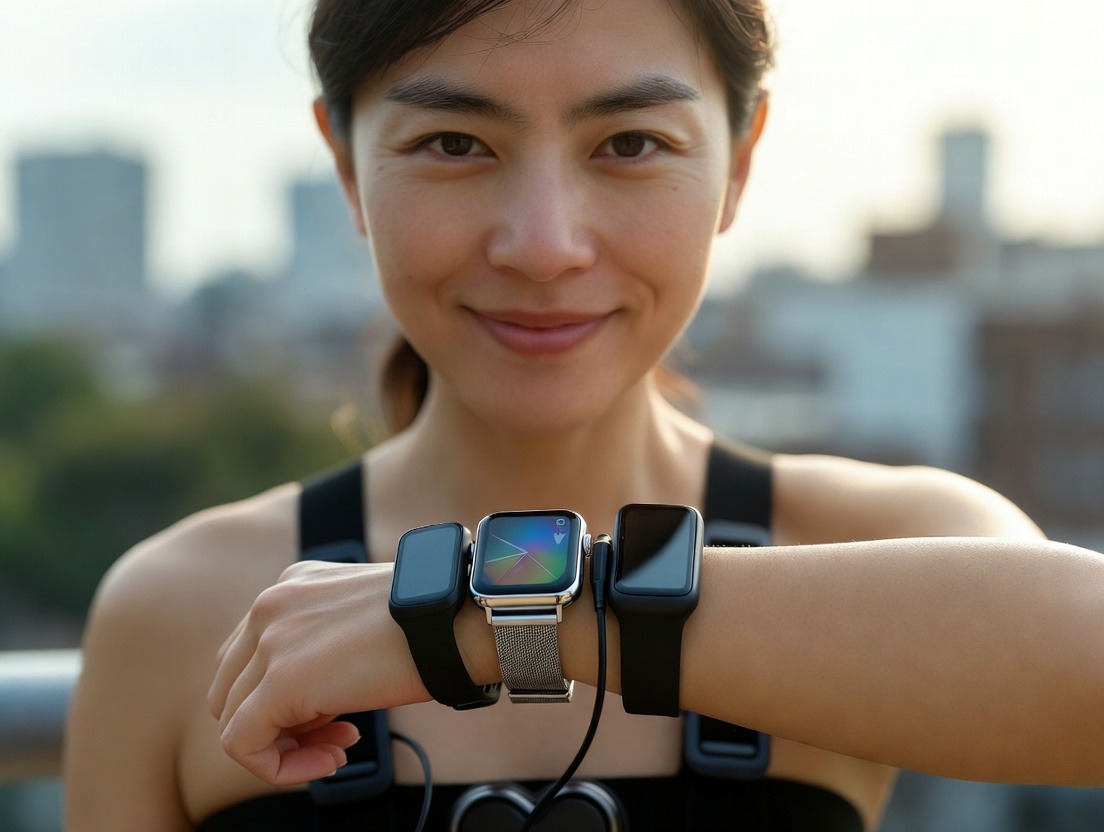
The journey to the wellness ring began on the wrist. The first wave of consumer wearables was dominated by the activity tracker—a device primarily focused on quantifying our movement. Its primary success was making the "10,000 steps" goal a global mantra, turning daily ambulation into a game. These wristbands introduced the masses to the concept of self-quantification, providing a digital pat on the back for every mile walked or stair climbed.
However, this wrist-centric approach came with inherent limitations. The wrist is a highly mobile joint, leading to significant signal noise during movement. Optical heart rate sensors on the wrist can struggle with accuracy, especially during high-intensity exercise where motion artifacts are prevalent—a phenomenon known as the "cadence lock," where the sensor mistakenly tracks arm swing rhythm instead of heartbeats. Furthermore, for true 24/7 monitoring, the wrist presents a compliance problem. Many people remove their watches for sleep, for comfort, or for fashion, creating critical data gaps during the very period—rest—that is most telling for overall health.
The finger, as it turns out, is a biomechanical and physiological sweet spot. The arteries in the finger, particularly the palmar digital arteries, are rich and closer to the surface than the radial artery in the wrist. This allows photoplethysmography (PPG) sensors—the technology that uses light to measure blood flow—to capture a stronger, cleaner signal with less interference from motion. The finger is also a prime location for measuring core body temperature trends and blood oxygen saturation (SpO2), as the vascular bed is dense and readily accessible.
The shift from the wrist to the finger represents more than just a change in location; it signifies a philosophical pivot in wearable technology. Wrist-based devices evolved from watches and were inherently activity-focused. Ring-based devices, free from the time-telling legacy, were conceived from the ground up as recovery-focused. They are designed to be worn continuously—through showers, sleep, and intense workouts—with minimal obtrusion. This constant wear is the non-negotiable prerequisite for 24/7 health monitoring. You cannot manage what you do not measure, and you cannot measure consistently with a device that is frequently taken off.
This evolution mirrors a broader maturation in our understanding of health. We’ve moved beyond a fixation on output (steps, active minutes) to a more nuanced appreciation of input and recovery (sleep quality, stress load, physiological balance). The ring, always on and passively collecting, is the perfect instrument for this new focus, capturing the full spectrum of our biological rhythm, not just the peaks of our activity.
Beneath the sleek, often titanium or ceramic exterior of a modern wellness ring lies a miniaturized clinical-grade laboratory. It is the harmonious interplay of several key sensors that transforms a piece of jewelry into a powerful health monitoring tool. Understanding these components demystifies the data and reveals the sophistication packed into such a small form factor.
At the heart of nearly all physiological tracking is the Photoplethysmogram (PPG) sensor. This deceptively simple technology uses a light-emitting diode (LED) to shine light (typically green and/or red/infrared) onto the skin of your finger. A photodetector then measures the amount of light that is reflected back. With each heartbeat, blood volume in the capillaries changes minutely. More blood absorbs more light, resulting in a slight dip in the reflected signal. By tracking these subtle, rhythmic variations thousands of times per second, the ring can detect your heart rate and the subtle shape of each pulse wave. This pulse wave analysis is the golden key; its characteristics can be used to derive Heart Rate Variability (HRV)—a critical metric of nervous system balance and recovery—as well as identify potential irregularities.
Complementing the PPG is the 3-axis accelerometer. This micro-electromechanical system (MEMS) detects motion and orientation in three-dimensional space. Its primary role is to distinguish between states of activity and rest, classifying movement into sleep stages (awake, light, deep, REM) and tracking daily activity levels. Crucially, it works in tandem with the PPG. During periods of high motion, the accelerometer helps the algorithms filter out motion artifacts from the heart rate signal, improving accuracy. It’s the device’s context engine, telling the biometric sensors what the body is doing so they can better interpret what the body is experiencing.
Perhaps the most groundbreaking sensor for 24/7 monitoring is the skin temperature thermistor. Unlike a single-spot temperature check, this sensor tracks relative changes in your peripheral temperature over time, establishing a personalized baseline. Your nocturnal temperature minimum is a deeply ingrained circadian marker, and deviations from your personal norm can be early harbingers of illness, inflammatory responses, ovulation (for women), or poor recovery. This continuous thermal monitoring provides a silent, continuous readout of your metabolic and hormonal state.
Finally, the pulse oximetry sensor (often using the red/infrared LEDs of the PPG array) measures blood oxygen saturation (SpO2). While commonly associated with sleep apnea detection—by identifying repetitive dips in oxygen levels throughout the night—its 24/7 potential is vast. It can offer insights into respiratory efficiency, acclimatization to altitude, and overall cardiorespiratory fitness. Emerging research even explores its connection to overall metabolic health and recovery quality.
Together, this sensor suite operates in a continuous, low-power dance. While you work, sleep, and play, they collect a synchronized stream of data: the rhythm of your heart, the pattern of your movement, the ebb and flow of your temperature, and the oxygenation of your blood. This multispectral data feed is the raw material. The true magic, and the subject of our next section, lies in the advanced algorithms that translate this torrent of signals into actionable, human-understandable health insights.

The constant stream of biometric data from a ring’s sensors is, in its raw form, overwhelming and unintelligible. It is a cacophony of electrical signals, light values, and motion vectors. The transformative bridge between this raw data and the simple, clean graphs on your smartphone is built upon layers of sophisticated algorithms and, increasingly, artificial intelligence (AI). This is where measurement becomes meaning.
The first task is signal processing and noise reduction. Algorithms must act as digital bouncers, separating the true physiological signal from the "noise" of everyday life—the jostle of a car ride, the grip of a steering wheel, the fidgeting of hands. Using data from the accelerometer and advanced filtering techniques, the system identifies and discards motion-corrupted data segments, ensuring that the heart rate, HRV, and SpO2 readings are based on clean, reliable signals.
Next comes pattern recognition and data fusion. This is the core analytical engine. Algorithms don’t look at heart rate in isolation; they analyze it in the context of movement, temperature, and time of day. For sleep staging, the system doesn't rely on motion alone (a common pitfall of basic trackers). Instead, it uses a multi-modal approach: heart rate and HRV typically drop as you enter deep sleep and become more variable during REM sleep, while movement is minimal in both stages. By fusing these data streams, the ring can distinguish between light, deep, and REM sleep with a degree of accuracy that rivals some clinical methods. This creates a far more nuanced picture than simply "asleep" or "awake."
The third layer is baseline establishment and anomaly detection. Through machine learning, the system learns your unique normal. What is your average resting heart rate? What is your typical HRV range? What is your nightly temperature curve? This personalization is critical. By building a model of your baseline physiology over weeks of data, the algorithms can then identify statistically significant deviations. A resting heart rate that is 5-10 beats per minute above your personal baseline for two consecutive mornings is a far more meaningful flag than comparing it to a generic population average. It could indicate dehydration, the onset of an illness, excessive training load, or high stress. This ability to say "this is unusual for you" is the cornerstone of proactive health monitoring.
Finally, predictive analytics and insight generation represent the cutting edge. Advanced platforms are beginning to use AI not just to report the past, but to model the future. By analyzing trends across millions of data points, systems can identify patterns that predict outcomes. For example, they might learn that a specific combination of low HRV, elevated nighttime heart rate, and a slight temperature rise predicts a 70% likelihood of catching a cold within the next 48 hours. Or, they might correlate certain sleep architecture patterns with next-day cognitive performance scores. These insights move the user from reactive tracking ("I feel tired") to proactive management ("My data suggests I'm on the verge of overtraining; I should prioritize recovery today").
This algorithmic intelligence is what turns a sensor-packed ring into a true health companion. It’s the reason you see a Sleep Score or a Readiness Score instead of pages of raw numbers. These composite scores are the ultimate output of this data fusion and analysis, distilling complex physiological states into a single, actionable metric. To understand what truly constitutes restorative rest, you can explore the research behind sleep score standards and what is considered healthy. This distillation is vital, as it empowers individuals to make informed decisions without needing a degree in physiology.

For too long, sleep was a black box—we closed our eyes and hoped for the best, judging the success of our rest solely by how groggy we felt upon waking. The wellness ring shatters this mystery by transforming every night into an accessible, personal sleep study. Its continuous, multi-sensor monitoring provides an unparalleled view into the architecture and quality of your slumber, far beyond simple duration.
The ring tracks the cyclical journey through sleep stages: light sleep, deep sleep (slow-wave sleep), and REM (rapid eye movement) sleep. Each stage serves a distinct, vital purpose. Deep sleep is physically restorative, crucial for tissue repair, immune function, and memory consolidation. REM sleep is mentally restorative, associated with dreaming, emotional processing, and cognitive learning. The balance and proportion of these stages are more important than the total hours spent in bed. A ring’s algorithms, by fusing heart rate, HRV, and movement data, paint a detailed map of this nightly voyage, showing you how much time you spend in each vital phase.
Beyond staging, the ring monitors key sleep quality indicators. Sleep latency (how long it takes you to fall asleep) and sleep efficiency (the percentage of time in bed actually spent sleeping) are fundamental metrics of sleep health. Multiple awakenings, even brief ones you don't remember, fragment your sleep cycle and impair restoration. The ring detects these disruptions, providing insight into potential culprits like environmental noise, discomfort, or physiological stress.
Perhaps one of the most significant applications is the screening for sleep-disordered breathing, such as sleep apnea. By using its pulse oximeter to monitor blood oxygen saturation (SpO2) throughout the night, the ring can detect repetitive, cyclical dips (desaturations) that are characteristic of apnea events. Coupled with motion and heart rate data, it can provide a powerful, accessible indicator that may prompt a user to seek a formal clinical diagnosis. This is a profound example of 24/7 monitoring moving from wellness optimization to potentially life-saving early detection.
The true power of this data is revealed over time. Nightly variations are normal, but long-term trends are telling. By tracking your sleep consistently, you can begin to see the impact of your lifestyle. That late-night screen time, that evening glass of wine, that stressful day at work—they all leave their fingerprints on your sleep architecture. You can see how implementing a wind-down routine, adjusting your room temperature, or changing your exercise timing shifts your deep sleep percentage or reduces nighttime awakenings. This feedback loop is transformative, empowering you to become a scientist of your own rest. To see how these nightly improvements compound over time, consider the journey of tracking your sleep score and improvement over months.
Ultimately, the goal of tracking sleep is not to achieve a perfect score every night, but to understand the deep, restorative connection between sleep and total-body recovery. Your sleep data is the ultimate report card on your body's repair processes. To fully grasp how this nightly reset impacts your entire system, it’s essential to learn how your sleep score fundamentally reflects your total body recovery. This holistic view turns sleep from a passive state into an active pillar of health management.
While the ring’s genesis is in recovery, its perspective on daily activity is no less revolutionary. It moves far beyond the simplistic "step count" to provide a nuanced view of energy expenditure and physiological strain. This is activity monitoring in context, understanding not just what you did, but how hard your body had to work to do it.
Instead of relying solely on steps, advanced rings calculate an Active Metabolic Equivalent (Active MET) or a similar calorie expenditure metric based on your personalized profile (age, weight, sex, resting heart rate) and real-time heart rate response. This is a more accurate representation of true energy output than a generic step conversion, as it accounts for intensity. A slow, leisurely walk and a heart-pounding sprint may rack up similar step counts, but their metabolic impact is worlds apart. The ring captures this difference.
Crucially, the ring contextualizes activity within your Cardiorespiratory Fitness (CRF) level, often estimated through metrics like VO2 Max. Your personal fitness level acts as a filter for your activity data. A 30-minute run that pushes a beginner to their maximum heart rate represents a massive physiological strain, while the same run might be a moderate, maintaining effort for an elite athlete. The ring’s algorithms can interpret the same heart rate data differently based on your established fitness baseline, providing a personalized assessment of exertion.
This leads to the concept of strain or load. Modern systems don't just log exercise; they quantify its cumulative impact on your nervous system and musculoskeletal system. They track duration, heart rate zones, and recovery periods to assign a daily "strain" score. This metric becomes incredibly valuable when viewed alongside recovery metrics (like HRV and sleep quality). The goal is not to minimize strain, but to optimize it—to ensure your activity load is in a productive zone that promotes adaptation and growth, not a danger zone that leads to overtraining, injury, or burnout.
Furthermore, the ring excels at capturing Non-Exercise Activity Thermogenesis (NEAT)—the calories you burn through fidgeting, standing, walking to your car, and other daily movements outside of formal exercise. NEAT can be a huge and highly variable component of total daily energy expenditure. By being worn continuously, the ring captures this often-invisible activity, providing a more complete picture of your daily metabolic profile than a device only worn during workouts.
This holistic view of activity reframes fitness. It’s not about hitting an arbitrary step goal or blindly following a grueling workout schedule. It’s about understanding the dynamic relationship between strain and recovery, between output and input. It empowers you to answer critical questions: Was that workout effectively challenging? Did my daily activities deplete me more than I realized? Is my body ready for a hard training session today, or would it benefit more from active recovery? By quantifying both movement and its physiological cost, the ring provides the data needed to train smarter, not just harder.
If one metric has risen from obscurity to become the superstar of the biometric world, it is Heart Rate Variability (HRV). Often misunderstood, HRV is not about your heart rate itself, but the variation in time between successive heartbeats, measured in milliseconds. This subtle, complex rhythm is governed by the autonomic nervous system (ANS)—the unconscious control center regulating digestion, respiration, and, most importantly for our discussion, the balance between stress (sympathetic) and recovery (parasympathetic) states.
A higher HRV (greater variability) generally indicates a strong, resilient parasympathetic ("rest-and-digest") tone and a body that is well-recovered, adaptable, and able to handle stress efficiently. A lower HRV (more rigid, clock-like heartbeat intervals) suggests dominant sympathetic ("fight-or-flight") activity, signaling that the body is under strain—be it from physical training, psychological stress, illness, or poor sleep. The wellness ring, with its precise PPG sensor capable of detecting millisecond-level intervals, is an ideal tool for tracking this critical metric, especially during the stable conditions of sleep.
The power of HRV lies in its sensitivity and its role as a leading indicator. It often changes before you feel overt symptoms of fatigue or illness. A sustained dip in your nightly HRV baseline can be an early warning sign of overreaching, excessive life stress, or an impending cold. This provides a precious window for intervention—to prioritize sleep, dial back intense training, hydrate, or practice stress-management techniques before you crash.
For the modern professional, HRV tracking is a direct line into the physiological impact of work life. A brutally stressful meeting, a day of back-to-back deadlines, or even prolonged sitting and poor posture can nudge the nervous system into sympathetic overdrive, depressing HRV. Seeing this objective data can be a powerful motivator to integrate micro-recovery practices into the workday. Simple acts like taking a five-minute breathing break, going for a short walk outside, or practicing a quick body scan can actively stimulate the parasympathetic system, helping to buffer against the cumulative toll of chronic stress.
The true mastery of HRV comes from longitudinal tracking and personalization. There is no universal "good" number; it is highly individual, influenced by age, fitness, genetics, and lifestyle. The ring’s job is to establish your normal range. From there, you can observe how different levers affect your personal barometer. How does a late meal impact it? What about alcohol? How does it respond to a meditation practice or a day spent in nature? This feedback turns HRV from an abstract concept into a personal guide for sustainable living.
Ultimately, HRV is the core metric connecting daily life to long-term resilience. It quantifies your body's capacity to withstand challenges and bounce back. By monitoring it 24/7, particularly during sleep when external variables are minimized, the wellness ring gives you a daily report on the state of your nervous system—the foundational system upon which all health, performance, and well-being is built. This constant feedback is the first step toward cultivating a more restful living philosophy, built on less hustle and more health.

Of all the vital signs, body temperature is perhaps the most misunderstood in its potential for daily health insight. We are conditioned to think of it as a binary metric: you either have a fever or you don't. In reality, core body temperature is a dynamic, circadian rhythm that follows a precise daily curve, and its subtle deviations offer a profound look into metabolic health, hormonal status, and immune function. The wellness ring's ability to track this rhythm continuously is a game-changer for personalized health monitoring.
Your body temperature is not a constant 98.6°F (37°C). It follows a predictable circadian wave, typically reaching its lowest point (the nadir) in the early morning hours, around 4-5 a.m., and peaking in the late afternoon or early evening. This rhythm is governed by your master biological clock in the hypothalamus and is a fundamental marker of circadian health. A robust, well-defined temperature rhythm is associated with better sleep, mood, and metabolic function. A flattened or erratic rhythm can indicate circadian misalignment, such as that caused by shift work, jet lag, or excessive blue light exposure at night.
The ring’s skin temperature sensor tracks relative changes from your personal baseline. This is key. It’s not about absolute degrees, but about the pattern. A sustained elevation of just 0.5 to 1 degree Celsius above your personal baseline for one or more nights can be one of the earliest signs of immune system activation, often appearing 24-48 hours before you feel any symptoms of illness. This provides a critical early warning to hydrate, rest, and support your immune system proactively.
For women, continuous temperature tracking provides invaluable insight into the menstrual cycle. The rise in basal body temperature following ovulation is a well-established phenomenon. A ring can detect this shift with passive ease, eliminating the need for manual morning measurements. By tracking the entire cycle's thermal pattern, women can gain a clearer picture of their unique cycle length, confirm ovulation, and identify potential hormonal imbalances or irregularities with unprecedented convenience.
Temperature data also serves as a powerful lens on recovery and metabolic efficiency. Intense exercise causes micro-inflammation and muscle repair processes that can elevate nocturnal temperature. A ring can show you how your body thermally responds to different types of workouts and how long it takes to return to baseline—a direct measure of your recovery speed. Furthermore, emerging research suggests that a blunted nighttime temperature drop may be associated with poorer sleep quality and metabolic dysregulation.
Integrating temperature data with other metrics creates a powerful diagnostic matrix. For instance, an elevated nighttime temperature coupled with a high resting heart rate and low HRV paints a clear picture of systemic strain, whether from illness, overtraining, or severe stress. By making this invisible metabolic signal visible, the wellness ring adds a critical dimension to 24/7 health monitoring, allowing you to tune into your body's thermal language and respond to its subtle cues for optimal balance and resilience.
Blood oxygen saturation, or SpO2, represents the percentage of hemoglobin in your bloodstream that is carrying oxygen. For years, its measurement was confined to clinics, hospitals, and the fingertip clips used by pilots and athletes at high altitude. The integration of medical-grade pulse oximetry into a 24/7 wearable like a wellness ring transforms SpO2 from an occasional check into a continuous sentinel of respiratory and circulatory health.
The most well-established application is in sleep apnea screening. Obstructive Sleep Apnea (OSA) is characterized by repeated pauses in breathing during sleep, leading to cyclical drops in blood oxygen levels. These "desaturations" strain the cardiovascular system and fragment sleep. A wellness ring, by measuring SpO2 throughout the night, can graph these events, showing the frequency and depth of oxygen dips. While not a formal diagnostic tool, it provides a highly accessible and powerful indicator that can motivate an individual to seek a professional sleep study. For many, this could be the first clue to a condition that often goes undiagnosed for years.
Beyond apnea, nightly SpO2 trends offer a window into overall sleep quality and respiratory efficiency. Consistently low average SpO2 levels during sleep (even above the clinical threshold for hypoxemia) can suggest poor respiratory health, potentially related to allergies, asthma, or environmental factors like a stuffy bedroom. Seeing how your oxygen levels respond to interventions—like using a nasal strip, a humidifier, or adjusting your sleep position—provides direct feedback on their effectiveness.
The 24/7 capability also opens doors to understanding daily dynamics. Acute SpO2 responses can be observed during high-intensity exercise, where muscles demand more oxygen. Monitoring how quickly your SpO2 recovers post-exercise can be an indicator of cardiorespiratory fitness. Furthermore, for those who travel, the ring provides objective data on altitude acclimatization. Watching your SpO2 dip upon arrival at a high-altitude destination and then gradually improve over days as your body adapts is a fascinating and practical application of constant monitoring.
Perhaps the most forward-looking application is in general wellness and metabolic insight. Oxygen is the fundamental fuel for cellular metabolism. While research is still evolving, some scientists hypothesize that subtle, non-pathological variations in SpO2 patterns may correlate with energy levels, recovery status, and even metabolic flexibility. By establishing a personal baseline for your oxygen saturation across different states (sleep, rest, activity), you create a new vital sign to track alongside heart rate and temperature.
In a world increasingly concerned with respiratory health, having a personal, continuous readout of blood oxygen is a powerful form of reassurance and early detection. It turns an abstract concept into a tangible, trackable metric, empowering users to take an active role in monitoring one of the most fundamental processes of life: breathing.
The ultimate value of 24/7 monitoring is not in observing eleven separate data streams in isolation, but in synthesizing them into a coherent, actionable narrative about your body’s immediate state. This is the role of the holistic dashboard and its crown jewel: the Readiness or Recovery Score. This composite metric is the algorithmic culmination of everything we’ve discussed—a single number or indicator designed to answer the most important daily question: "What is my body capable of today?"
A robust Readiness Score is not a simple average. It is a weighted, intelligent synthesis of key inputs from the past 24+ hours. Typically, it heavily prioritizes:
By fusing these elements, the score provides a physiological green, yellow, or red light. A high readiness score suggests your body is recovered, resilient, and primed for physical or mental challenge. It’s a signal that you can confidently attack a hard workout, tackle a complex project, or engage in demanding social activities. A low readiness score is your body’s objective plea for caution. It indicates systemic strain and a depleted capacity to handle additional stress. This is not a sign of failure, but of intelligent feedback—a directive to prioritize recovery through rest, nutrition, hydration, and stress-management techniques.
The true genius of this system is its foundation in personal baselines. Your score is not compared to your friend’s or a population average. It is benchmarked against you—your own historical data that defines what "normal" looks like for your unique physiology. This personalization eliminates the noise of genetic differences and focuses on meaningful change. The system learns that for you, an HRV of 45ms is typical, but a dip to 30ms for two consecutive nights is a significant deviation worthy of lowering your readiness score.
This daily guidance fosters a more intuitive and responsive relationship with your body. It replaces the "push through it" mentality, which often leads to burnout and injury, with a "listen and respond" approach. On a low-readiness day, that might mean swapping a high-intensity interval training (HIIT) session for gentle yoga or a walk in nature—practices that align with the principles of restful living, finding simple daily habits for deeper calm. It validates the need for rest, making it a data-driven choice rather than a guilty indulgence.
The dashboard becomes your daily briefing from the internal operations of your body. Over time, reviewing this data alongside your journal entries (mood, diet, stress) allows you to become your own best health detective, identifying the unique lifestyle factors that most powerfully move your personal metrics toward balance or away from it.
Collecting vast amounts of biometric data is intellectually fascinating, but it is ultimately meaningless if it doesn't lead to positive change. The final, and most critical, function of a 24/7 wellness monitoring system is to close the feedback loop—to translate insights into actionable behaviors that tangibly improve health and well-being. This is where the ring transitions from a observatory to a coach, and where the user transitions from a passive data subject to an active participant in their own health journey.
The first step is awareness and correlation. Simply seeing the data creates consciousness. You become aware that your sleep score plummets after late-night alcohol, or that your resting heart rate spikes on days following high-stress meetings, or that your HRV is consistently higher on days you meditate. These correlations, observed over weeks, move health from the realm of vague advice ("alcohol disrupts sleep") to personal, verified truth ("My data shows that two drinks reduce my deep sleep by 30%").
The second step is personalized experimentation. Armed with this awareness, you can conduct structured "n=1" experiments. If your data shows poor sleep latency, you can test different interventions: a digital curfew one week, a magnesium supplement the next, a cooling mattress pad the following. The ring provides the objective metric to judge what works for you. This empowers you to build a personalized toolkit of effective habits, moving beyond generic wellness fads.
The system itself can facilitate this through intelligent nudges and insights. Advanced platforms don't just show scores; they offer context and suggestions. A low readiness score might be accompanied by a message: "Consider a lighter activity today. Your elevated resting heart rate and low sleep HRV suggest your body is prioritizing recovery." It might link to guided breathing exercises or suggest an earlier bedtime. After a night of low SpO2, it might ask, "Do you have allergies or a stuffy nose?" These contextual prompts bridge the gap between data and action.
This process naturally cultivates a preventative and proactive mindset. Instead of waiting to feel sick, tired, or burnt out, you learn to read the early-warning signals in your data and adjust course. You take a rest day when your readiness is low, preventing a potential injury. You prioritize sleep at the first sign of an immune response (elevated temperature), potentially nipping a cold in the bud. You manage stress through micro-practices when you see your HRV trending down, averting a full-blown period of anxiety or exhaustion.
Ultimately, this closed-loop system fosters a profound sense of agency and self-efficacy. Health is no longer a lottery or something controlled solely by doctors. It becomes a daily practice of informed choices, guided by a continuous stream of personal evidence. The ring provides the objective mirror, reflecting the consequences of your lifestyle in real time. By learning to respond to this reflection, you become the architect of your own vitality, building a life that is not just longer, but fuller, more resilient, and more in tune with your body's innate wisdom. This journey is supported by understanding how to balance productivity with the essential need for restful living, ensuring sustainable success.
The journey through the core sensors and metrics of a wellness ring reveals a profound truth: we are now privy to a conversation our body has been having all along. The first portion of this exploration laid the technological and physiological groundwork, showing how a device on your finger acts as a continuous biometrical translator. But technology alone is not the end goal. The true revolution begins when this river of data flows seamlessly into the currents of daily life, transforming abstract numbers into a lived experience of greater balance, resilience, and well-being. This is the integration phase—where 24/7 monitoring evolves from a fascinating novelty into an indispensable companion for modern living.
This next section delves into the practical, human application of this constant awareness. We will explore how the insights gleaned from sleep, readiness, HRV, and temperature inform decisions far beyond the health app, influencing our work, our rest, our environments, and our very mindset. We will examine the challenges and responsibilities that come with this level of self-knowledge, and peer into the near future where this technology converges with broader healthcare systems. The story now shifts from how the ring works, to how you can work with the ring to craft a life that is not just monitored, but truly optimized for sustainable health and vitality.
One of the most powerful insights from 24/7 monitoring is the unmasking of your personal circadian rhythm—the roughly 24-hour internal clock governing not just sleep and wakefulness, but nearly every physiological process, from hormone secretion and metabolism to cognitive function and cell repair. The wellness ring provides the first accessible, continuous readout of this rhythm's key markers: the body temperature nadir, the melatonin onset (inferred from heart rate dip and readiness for sleep), and the cortisol awakening response (seen in heart rate rise).
With this data, you can move beyond generic "early bird" or "night owl" labels to understand your precise chronotype with granularity. The ring shows you your ideal sleep window—not when you force yourself to bed, but when your body is physiologically primed to fall asleep quickly and achieve restorative sleep architecture. It reveals your natural energy peaks and troughs throughout the day. You might discover, for instance, that your focus is sharpest from 10 a.m. to 12 p.m., your physical performance peaks in the late afternoon, and your body truly begins to wind down around 9:30 p.m., regardless of when you stop looking at screens.
Armed with this knowledge, you can orchestrate your day in harmony with your biology, a practice known as circadian hygiene. This means scheduling demanding cognitive work during your alertness peaks, planning workouts during your physical performance windows for better results and lower injury risk, and respecting the evening wind-down signal by initiating a relaxing pre-sleep routine. It turns time management into energy management.
Furthermore, the ring acts as a sensitive detector of circadian disruption. Jet lag, shift work, or consistent late nights create "social jet lag"—a misalignment between your internal clock and your external schedule. The data reveals this plainly: a flattened temperature rhythm, poor sleep efficiency, and depressed HRV. This feedback is crucial, as chronic circadian misalignment is linked to increased risks for metabolic disorders, mood disturbances, and weakened immunity. Seeing the tangible cost empowers you to take corrective action, such as using targeted light exposure (bright light in the morning, avoiding blue light at night) and consistent meal times to realign your rhythm.
This optimization extends to your environment. Your data might show you sleep better when your bedroom temperature is cooler, or that your morning readiness is higher when you are exposed to natural sunlight within 30 minutes of waking. This turns your living space into a tool for biological alignment. For a comprehensive guide on shaping your surroundings to support this rhythm, explore our principles on designing restful living spaces for calm and restoration. By tuning your lifestyle to your innate circadian blueprint, you stop fighting your biology and start flowing with it, unlocking higher energy, better health, and more effortless daily functioning.
In our always-on culture, stress has become a background hum, often ignored until it manifests as burnout, anxiety, or illness. Traditional stress management is largely reactive—we try to meditate or take a vacation after we're already overwhelmed. The wellness ring, through its continuous monitoring of the nervous system (primarily via HRV and resting heart rate), enables a paradigm shift: proactive stress resilience engineering.
The ring quantifies your stress load not by how you feel subjectively, but by how your body responds physiologically. It detects sympathetic nervous system activation—the "fight-or-flight" response—even during seemingly calm activities like commuting, email checking, or engaging in difficult conversations. This objective measurement is revelatory. You may believe you're handling stress well, while your biometrics tell a story of cumulative strain reflected in a suppressed HRV trendline.
This real-time feedback creates a powerful opportunity for micro-recoveries. Instead of waiting for the weekend to crash, you learn to integrate brief, potent recovery techniques throughout the day to buffer the nervous system. The ring can guide the timing and effectiveness of these practices. For example, after a stressful meeting where you see a corresponding dip in your live HRV, you might engage in a five-minute coherent breathing session (e.g., 5.5-second inhale, 5.5-second exhale). Watching your HRV rise and heart rate lower in response to this practice provides immediate positive reinforcement, turning stress management into a tangible, rewarding skill.
Longitudinally, this data allows you to identify your unique stress signatures and triggers. You might discover that certain types of work, social interactions, or even dietary choices (like caffeine after 2 p.m.) create a predictable physiological stress response. More importantly, you can identify what truly replenishes you. Does a 20-minute walk in nature normalize your HRV faster than 20 minutes of scrolling through social media? The data provides an unambiguous answer. This empowers you to build a personalized resilience toolkit filled with evidence-based practices.
For the busy professional, this is a game-changer. It moves the concept of "work-life balance" from a vague ideal to a data-informed practice. You learn to strategically place recovery blocks in your calendar, not as laziness, but as essential performance maintenance. You gain the confidence to say no to unnecessary commitments when your biometrics indicate your reserves are low. This disciplined approach to energy preservation is the cornerstone of avoiding chronic burnout. For specific strategies tailored to a demanding career, delve into our guide on restful living for busy professionals using micro-recovery throughout the day.
Ultimately, this transforms your relationship with stress. It is no longer a mysterious, monolithic enemy, but a quantifiable force that can be monitored, managed, and mitigated. You become the engineer of your own nervous system, building resilience day by day through informed choices, and creating a sustainable foundation for long-term performance and well-being.
Nutrition advice is notoriously conflicting and generic. What works brilliantly for one person can be ineffective or even detrimental for another due to differences in metabolism, genetics, microbiome, and lifestyle. The wellness ring introduces a groundbreaking approach: using continuous physiological data as a personalized biofeedback mechanism for nutrition, moving beyond calorie counting to understanding functional food responses.
While rings do not directly measure glucose or macronutrients, they provide powerful proxy signals for how your body is processing and responding to the fuel you provide. Key metrics become your guideposts:
This enables a structured method of nutritional experimentation. You can use a consistent breakfast for a week as a baseline, then change one variable (e.g., swapping oatmeal for eggs) while holding sleep, stress, and exercise constant. By comparing the biometric data—especially sleep scores, morning HRV, and resting heart rate—across these periods, you gather objective evidence about what truly nourishes and stabilizes your unique biology.
Furthermore, the ring’s readiness score can guide nutritional strategy for the day ahead. A low readiness score, indicating high systemic strain, might prompt you to choose anti-inflammatory, easily digestible foods and prioritize hydration to support recovery. A high readiness score might signal that your body is primed to handle a more challenging workout, justifying a higher carbohydrate intake to fuel performance.
This biofeedback loop also helps manage meal timing in relation to circadian rhythm. Data might reveal that your body prefers a longer overnight fasting window (aligned with your natural temperature decline) for optimal metabolic recovery, or that eating too close to bedtime reliably impairs your sleep quality, regardless of the food type. It brings science to the often-misunderstood practice of intermittent fasting, allowing you to personalize your eating window based on physiological outcomes, not just trends.
In essence, the ring turns your body into a speaking partner in your nutritional journey. Instead of following external dogma, you learn to listen to and interpret its continuous, data-rich language, creating a diet that is truly personalized for your energy, recovery, and long-term health.
The fitness world has long been plagued by the "more is better" fallacy, leading to rampant overtraining, plateaus, and injury. The wellness ring provides the missing link: an objective, daily measure of your body's readiness to perform and its response to training. This transforms fitness from a brute-force endeavor into a precise science of adaptation.
The cornerstone is the readiness/recovery score. This metric, synthesized from sleep, HRV, RHR, and temperature, provides a clear, daily prescription. A high score is a green light for high-intensity, high-volume, or skill-based training. A low score is a directive for active recovery, technique work, or complete rest. Adhering to this guidance ensures you are applying a stressor (training) only when your body has the capacity to adapt positively to it. This maximizes the return on investment for every workout and virtually eliminates non-functional overreaching.
Beyond the daily score, the ring enables load management and periodization. By tracking your daily "strain" from both exercise and life, you can observe your weekly and monthly training load. The ring’s algorithms can often identify if you are in a productive "sweet spot," a stagnant "gray zone," or a dangerous "overload" zone. This allows for intelligent periodization—planning deload weeks proactively based on downward trends in recovery metrics rather than waiting for fatigue or injury to force them.
The ring also provides unparalleled insight into the quality of your training sessions. By analyzing heart rate zones, heart rate recovery (HRR) post-exercise, and the physiological cost (strain) of a session, you can assess workout effectiveness. For instance, you might find that a specific interval protocol drives your heart rate into the desired zone and yields a fast HRR, indicating good cardiovascular fitness. Conversely, you might discover that long, slow runs leave you disproportionately drained (high strain for low heart-rate benefit), suggesting a need to work on efficiency or fueling.
For strength and power athletes, the connection between sleep and performance is critical. The ring quantifies how sleep architecture (deep and REM sleep) directly impacts next-day strength output, reaction time, and motivation. It makes the case for sleep as the most powerful legal performance enhancer in existence. Seeing a direct correlation between a night of poor deep sleep and a failed heavy lift in the gym is a potent motivator to prioritize sleep hygiene.
Finally, the ring is an early-warning system for injury and illness. A persistent elevation in resting heart rate coupled with a downward trend in HRV and readiness, even in the absence of soreness, is a classic sign of overtraining syndrome or impending illness. Catching this early allows you to pivot immediately—reducing volume, increasing sleep, and boosting nutrition—to avoid being sidelined for weeks. This proactive approach is the hallmark of a smart, sustainable athletic practice, ensuring fitness builds health rather than eroding it.
While daily insights drive immediate behavior change, the monumental value of 24/7 monitoring accumulates over months and years. The long-term data set collected by a wellness ring becomes a personalized health timeline, a unique asset for observing trends, spotting deviations, and potentially enabling early detection of subclinical health issues.
The primary power lies in establishing a deeply personalized baseline. After 3-6 months of continuous wear, the system knows your normal seasonal variations, your response to travel, your typical menstrual cycle patterns, and your average metrics across all parameters. Against this rich backdrop, even subtle, sustained deviations become statistically significant and highly visible.
This enables the monitoring of chronic health markers over time. For example:
By flagging these slow-moving trends, the ring empowers proactive, preventative healthcare. Instead of waiting for a symptom to appear during an annual physical, you can bring a year's worth of data to your physician, showing a tangible trend that warrants investigation. This could lead to earlier lifestyle interventions, diagnostic tests, or treatments, potentially altering the course of a developing condition.
The data is also invaluable for managing known conditions. For someone with hypertension, tracking RHR and HRV trends can provide feedback on medication efficacy and lifestyle impact. For someone in remission from an illness, consistent monitoring can provide reassurance and early warning of potential relapse. For women navigating perimenopause, the detailed temperature and sleep data can provide objective evidence of hormonal shifts to discuss with a gynecologist.
This long-term lens also highlights the positive impact of lifestyle interventions. Committing to a regular meditation practice, improving diet, or starting a consistent exercise regimen will be reflected in the longitudinal data—perhaps as a gradual uplifting of your HRV baseline or a stabilization of your sleep scores. This provides powerful motivation, turning abstract health goals into a visible, upward trajectory on a graph.
In this way, the wellness ring transitions from a fitness gadget to a lifelong health companion. It creates a continuum of care that bridges the gaps between sporadic doctor's visits, providing a continuous narrative of your health that is owned by you, fostering a profound sense of agency and partnership in your own long-term well-being.
The mind and body are not separate entities; they are a deeply interconnected system. While a ring cannot read your thoughts, it provides an exceptionally clear window into the physiological footprint of your emotional and mental states. This makes it a powerful, objective tool for managing mental well-being, moving beyond subjective mood journals to hard data on the body's response to psychological stress.
The key metric here, once again, is Heart Rate Variability (HRV). HRV is highly sensitive to emotional valence. States of anxiety, worry, rumination, and frustration are typically accompanied by a shift toward sympathetic dominance, lowering HRV. Conversely, states of calm, gratitude, focus, and contentment are associated with increased parasympathetic activity and higher HRV. By tracking your HRV throughout the day and correlating it with events, you can identify which activities, people, or thought patterns are truly draining or nourishing at a physiological level.
This data helps objectify the subjective. You may feel "a bit stressed," but is your body showing a minor, transient response or a major, lingering one? The ring tells you. This can be particularly helpful for those who tend to dismiss or intellectualize their stress. Seeing a plummeting HRV graph provides undeniable evidence that the body is under duress, validating the need for intervention. Furthermore, by tracking resting heart rate during sleep, you can see if emotional turbulence from the day is carrying over into your rest, impeding recovery.
The ring also enables the quantification of meditation and mindfulness practices. Many people wonder if their meditation is "working." The ring provides direct biofeedback. A successful session should, over time, produce a measurable increase in HRV and a decrease in heart rate during the practice itself. More importantly, a consistent practice should slowly elevate your baseline HRV and improve your sleep scores. This turns an introspective practice into one with tangible, measurable outcomes, increasing adherence and motivation.
For those managing specific mental health challenges like generalized anxiety or burnout, the ring's trends are invaluable. It can help identify early warning signs of an impending anxiety spike or a burnout phase through sustained dips in recovery metrics. This allows for preemptive action—using coping skills, contacting a therapist, or reducing obligations—before a full-blown episode occurs. It also provides objective tracking of progress in therapy or treatment, showing how interventions are affecting autonomic nervous system regulation over time.
Perhaps most profoundly, this data fosters emotional granularity and self-awareness. You learn to connect bodily sensations (which the ring quantifies) with emotional states. You might notice that a feeling of tightness in your chest during a work conflict corresponds with a live HRV dip. This mind-body connection, reinforced by data, is the foundation of emotional intelligence and regulation. It empowers you to respond to emotions not just as abstract feelings, but as physiological events that can be managed with breath, movement, or cognitive reframing. To build a foundational mindset that supports this, consider the essential shift from a doing mindset to a being mindset for restful living.
Our health is not created in a vacuum; it is a constant interaction between our biology and our environment. The wellness ring, as a persistent sensor on your body, becomes a powerful tool for personal environmental health research. It allows you to test how your unique physiology responds to the myriad elements of your daily ecosystem, from the air you breathe to the light you see.
Sleep Environment Optimization is the most direct application. The ring’s granular sleep data lets you run experiments:
Beyond the bedroom, you can assess daily environmental exposures. For example, does your HRV dip and resting heart rate rise after your commute in heavy traffic, suggesting a physiological stress response to noise and pollution? Does a lunchtime walk in a park produce a more favorable physiological recovery (improved HRV) than a walk on a busy city street? The data provides clues to build a more nourishing daily geography.
The ring also quantifies the impact of daily habits and rituals. The effects of caffeine, alcohol, and heavy meals are vividly displayed in sleep and recovery metrics. But you can go deeper:
This investigative process turns you into an architect of your own micro-environment for wellness. You stop guessing what "might be good" and start knowing what is good for you. You can make informed investments—whether in a better mattress, an air filter, blue-light-blocking glasses, or simply committing to a daily nature break—with confidence, because you have a before-and-after dataset to validate the decision.
Ultimately, this transforms your relationship with your surroundings. Your home, your office, and your city are no longer passive backdrops but active participants in your health. The ring gives you the feedback needed to shape these environments into allies, supporting your biological rhythms and reducing invisible stressors, thereby creating a sustainable foundation for vitality.
Health is often perceived as a solitary pursuit, but human beings are inherently social creatures, and our connections profoundly impact our biology. The advent of 24/7 wellness monitoring is beginning to open a new, collaborative dimension: shared wellness and social accountability, moving health tracking from a private journal to a potential tool for connected well-being.
Within families or partnerships, sharing key wellness metrics (with consent) can foster empathy and support. For instance, a partner might see that the other has had three consecutive nights of poor sleep and a low readiness score. Instead of misinterpreting irritability as personal, they can understand it as a physiological state and offer practical support—taking on chores, encouraging an early night, or creating a calmer evening environment. For parents, understanding their own stress and recovery metrics is crucial, as their regulated nervous system is the foundation for a calm home. Discovering strategies for restful living for parents finding peace in the chaos can be informed by this shared data, helping the entire family unit.
For athletic teams or fitness groups, shared, anonymized readiness data can be revolutionary. A coach could see the overall recovery status of the team, identifying if the group is collectively fatigued and needs a deload day. On an individual level, it allows for truly personalized training prescriptions within a team setting, ensuring each athlete is working at their optimal capacity, reducing group-wide overtraining and injury rates.
The data also provides a common, objective language for discussing well-being. Instead of vague statements like "I'm tired," individuals can communicate with more precision: "My HRV has been 20% below my baseline for three days, and my sleep efficiency is down, so I need to focus on recovery." This reduces misunderstanding and facilitates more effective support from friends, family, or health professionals.
Looking forward, there is potential for community-based wellness challenges grounded in recovery, not just output. Challenges could focus on collective sleep score improvement, stress reduction (via HRV trends), or consistency in circadian routines, fostering a culture that values rest and resilience as much as activity. This social reinforcement can be a powerful motivator for sustaining healthy habits.
However, this dimension requires careful navigation of privacy and boundaries. The choice to share data must be intentional, controlled, and revocable. The focus should be on sharing insights and trends for support, not on comparison or competition, which can be counterproductive given the highly individual nature of the metrics. Used ethically, the social dimension of wellness tech can strengthen relationships, build supportive communities, and normalize conversations about holistic health, making the journey toward well-being a shared, rather than solitary, endeavor.
With great data comes great responsibility. The firehose of information from a 24/7 monitor holds immense power, but it also presents a significant risk: metric obsession and data anxiety, often termed "orthosomnia" (an unhealthy preoccupation with perfect sleep data) or more broadly, "bio-data anxiety." The very tool designed to reduce stress can become a source of it if not used with intention and a balanced mindset.
The first pitfall is chasing perfect scores. It's easy to fall into the trap of believing a Sleep Score of 90 is inherently "good" and 70 is "bad," leading to frustration and unhealthy behaviors—like lying rigidly in bed longer to manipulate sleep duration metrics. It's critical to remember that these scores are trend-based guides, not judgments. A lower score is not a failure; it's information. It's your body's report that it's dealing with something—stress, an immune response, a hard workout—and needs care. The goal is not a perfect graph every day, but a resilient system that can handle life's inevitable fluctuations.
To avoid overload, adopt these practices:
It's also vital to know when to take a break. If you find yourself feeling anxious, competitive, or overly fixated on the numbers, it's a clear sign to step back. Remove the ring for a weekend or a week. Reconnect with how you feel in your body without the digital intermediary. This periodic detachment reinforces that you are in control, not the device.
Ultimately, the healthiest relationship with this technology is one of curious partnership. You are the human, with intuition, wisdom, and a life to live. The ring is a tool that provides clues and feedback. Your job is to interpret those clues within the full context of your life, not to obey them blindly. This balanced approach ensures that 24/7 monitoring remains a liberating source of self-knowledge, not a new form of digital shackle. It aligns with the core philosophy of avoiding common restful living mistakes that keep you wired and tired, where the pursuit of perfect data becomes just another stressor.
The wellness ring of today is impressive, but it represents merely the first chapter in a story of deepening integration and intelligence. The future of 24/7 health monitoring points toward a seamless, predictive, and clinically integrated ecosystem that will further blur the lines between daily wellness and professional healthcare.
The next frontier is multi-device sensor fusion. The ring will not exist in isolation but will form the core of a personal area network of wearables. It will communicate with smart clothing that measures muscle activation and posture, with continuous glucose monitors (CGMs) for metabolic insight, with smart scales that measure body composition, and with environmental sensors in your home. By fusing these data streams, the AI will build a multidimensional model of your health, understanding, for example, how your food intake (CGM), emotional stress (HRV), and physical strain (muscle O2) interact to affect your sleep and recovery.
This will lead to truly predictive and prescriptive AI. Beyond telling you your readiness today, the system will forecast your capacity for tomorrow and next week based on your planned schedule, past responses, and current trends. It will move from insights ("you're strained") to intelligent suggestions: "Based on your low recovery and upcoming important meeting, consider a 20-minute nap at 2 p.m. and a light, protein-rich dinner. I've temporarily blocked your calendar." It will become a true, contextual health co-pilot.
A crucial evolution is deeper integration with the formal healthcare system. Imagine a future where your de-identified, longitudinal biometric data can be securely shared with your physician via a standardized dashboard. Your annual physical would begin with a review of a year's worth of sleep, stress, and activity trends, providing context no 15-minute interview can match. For chronic disease management, doctors could remotely monitor trends in a patient's resting heart rate, SpO2, or activity levels, enabling timely interventions. This creates a continuous "check-engine light" for the human body, making healthcare more preventative and personalized.
Furthermore, we will see the rise of population health insights. With consent and robust anonymization, aggregated data from millions of users could reveal powerful insights into public health: how a city's sleep patterns change with the seasons, the physiological impact of major world events, or early geographical clusters of flu-like symptoms (detected via elevated temperature trends). This turns wearable data into a public good for epidemiological research.
Finally, the form factor and sensor technology will advance. Non-invasive biomarkers beyond today's standards are on the horizon—think of rings that can estimate hydration through skin conductivity, track cortisol trends via sweat, or monitor key electrolytes. The device will become even more minimal, perhaps eventually indistinguishable from ordinary jewelry, while its diagnostic power expands exponentially.
This future is not about technology for technology's sake. It is about creating a world where each individual is empowered with a continuous, intelligent, and integrated understanding of their health, supported by a healthcare system that leverages this data for early, effective, and personalized care. The wellness ring is the foundational sensor in this coming revolution of the self.
Your Trusted Sleep Advocate: Sleep Foundation — https://www.sleepfoundation.org
Discover a digital archive of scholarly articles: NIH — https://www.ncbi.nlm.nih.gov/
39 million citations for biomedical literature :PubMed — https://pubmed.ncbi.nlm.nih.gov/
Experts at Harvard Health Publishing covering a variety of health topics — https://www.health.harvard.edu/blog/
Every life deserves world class care :Cleveland Clinic - https://my.clevelandclinic.org/health
Wearable technology and the future of predictive health monitoring :MIT Technology Review — https://www.technologyreview.com/
Dedicated to the well-being of all people and guided by science :World Health Organization — https://www.who.int/news-room/
Psychological science and knowledge to benefit society and improve lives. :APA — https://www.apa.org/monitor/
Cutting-edge insights on human longevity and peak performance:
Lifespan Research — https://www.lifespan.io/
Global authority on exercise physiology, sports performance, and human recovery:
American College of Sports Medicine — https://www.acsm.org/
Neuroscience-driven guidance for better focus, sleep, and mental clarity:
Stanford Human Performance Lab — https://humanperformance.stanford.edu/
Evidence-based psychology and mind–body wellness resources:
Mayo Clinic — https://www.mayoclinic.org/healthy-lifestyle/
Data-backed research on emotional wellbeing, stress biology, and resilience:
American Institute of Stress — https://www.stress.org/


