


Wellness Ring Basics: Understanding What Data Is Tracked
Lists and explains the specific types of health data, like HRV and sleep stages, that wellness rings are capable of tracking.
Lists and explains the specific types of health data, like HRV and sleep stages, that wellness rings are capable of tracking.
%402x.svg)
In a world saturated with health metrics, from step counters on our phones to smartwatches that buzz with notifications, a new, quieter revolution is happening on our fingers. The wellness ring, a sleek and unobtrusive piece of wearable technology, is shifting the focus from mere activity tracking to holistic, 24/7 body intelligence. But for all its minimalist design, the data it collects is profoundly complex. What exactly is this silent sentinel on your finger measuring? And more importantly, what do these numbers and graphs truly tell you about your body’s inner state?
This article is your definitive guide to the foundational data tracked by a modern wellness ring. We’ll move beyond the marketing gloss to understand the science behind the sensors, demystify the key metrics, and explore how this continuous stream of physiological data paints a comprehensive picture of your readiness, stress, recovery, and overall well-being. This isn't about adding more noise to your day; it's about gaining the clarity to listen to what your body has been trying to tell you all along.
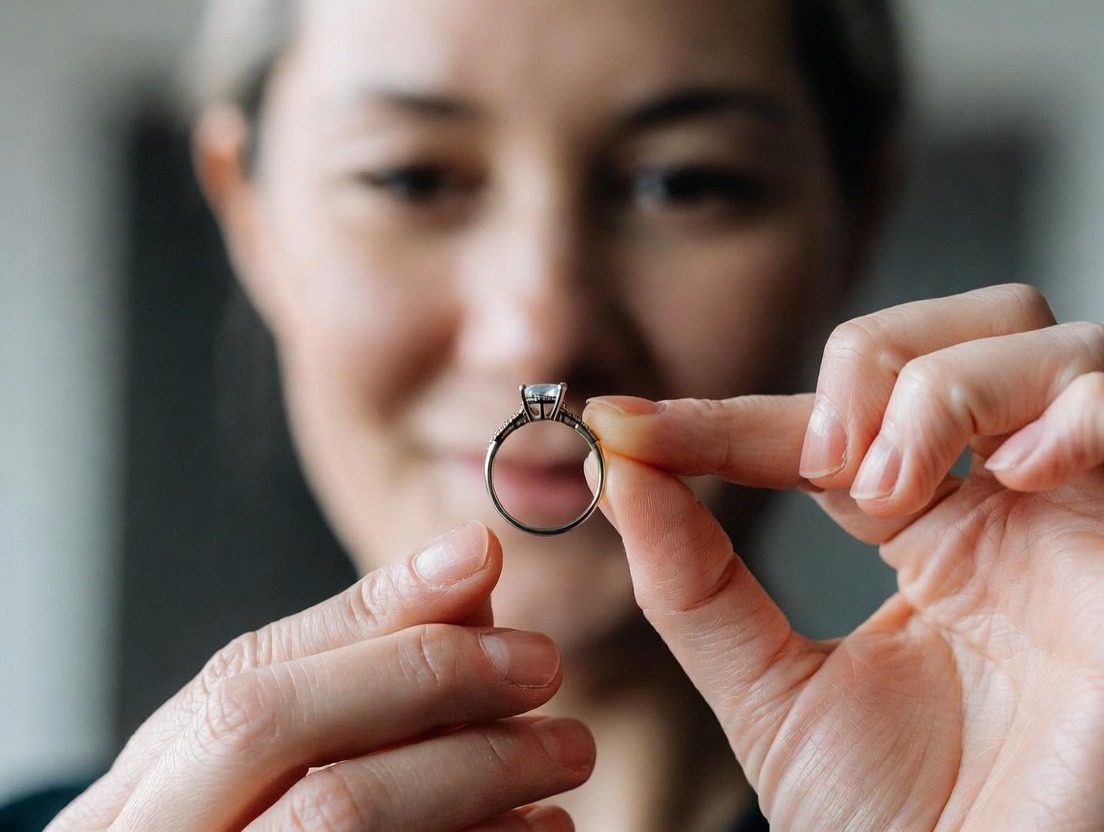
At first glance, a wellness ring is a marvel of miniaturization. It houses a sophisticated laboratory within a band designed for constant wear. The magic happens through a combination of sensors working in concert, primarily relying on photoplethysmography (PPG). This complex term describes a relatively simple concept: using light to measure blood volume changes.
A tiny LED light, often green and sometimes supplemented with red and infrared wavelengths, shines into the capillary-rich tissue on the underside of your finger. A photodetector then measures the amount of light reflected back. As your heart beats, blood pulses through your vessels, causing subtle changes in blood volume which alter the light absorption. By tracking these microscopic fluctuations, the ring can detect each heartbeat, forming the foundational data point for almost every other metric.
Beyond the PPG sensor, advanced rings incorporate a 3D accelerometer and gyroscope. These motion sensors distinguish between different types of movement—whether you’re typing, walking, running, or completely still during sleep. They are crucial for activity tracking, workout detection, and, most importantly, for validating physiological data. For instance, they help the algorithm differentiate between an elevated heart rate from exercise versus one caused by stress while sitting.
Finally, a skin temperature sensor, typically a highly sensitive thermistor, monitors the subtle shifts in your peripheral body temperature. This isn't about telling you if you have a fever, but about tracking the tiny, meaningful variations that occur throughout your day and night, which are closely tied to your circadian rhythm, menstrual cycle, and overall metabolic state.
The true intelligence, however, lies not in the sensors alone but in the proprietary algorithms that synthesize this raw data. These algorithms, developed through extensive clinical research and machine learning, transform light signals and motion data into actionable insights like Heart Rate Variability, sleep stages, and a body readiness score. It’s this translation—from raw biometrics to human-understandable health intelligence—that turns a piece of hardware into a personal wellness guide.
Heart rate, measured in beats per minute (BPM), is the most familiar biometric. But a wellness ring’s continuous, 24/7 tracking reveals a story far richer than a single number captured at the doctor’s office. It shows your resting heart rate (RHR), your active heart rate, and, crucially, how your heart behaves in every context of your life.
Your Resting Heart Rate (RHR) is one of the most powerful indicators of overall cardiovascular fitness and health. Generally measured during your deepest sleep or periods of true calm, a lower RHR often suggests more efficient heart function and better fitness. A wellness ring allows you to establish your personal, precise baseline. Seeing a sustained elevation in your RHR—by 5-10 BPM or more above your norm—can be one of the first signs your body is fighting something. It could indicate oncoming illness, dehydration, excessive stress, overtraining, or poor recovery. For example, you might notice your RHR creep up after a night of poor sleep or during a demanding work week, giving you a clear signal to prioritize rest.
Beyond the resting state, continuous heart rate tracking provides context for your daily life. You can see how your body responds to a stressful meeting (a sharp spike), a calming meditation (a gentle decline), or a midday coffee (a sustained rise). This feedback loop is empowering; it connects internal states to external events, helping you identify your personal stress triggers and calming techniques.
During exercise, while a ring may not replace a chest strap for high-intensity interval training precision, it provides excellent trend data for steady-state cardio, walks, and general activity. It helps ensure you’re working in the intended heart rate zones for your fitness goals, whether that’s fat-burning or cardiovascular improvement.
Perhaps most importantly, the heart rate data at night is the cornerstone of sleep analysis. The predictable dip in heart rate as you fall asleep and its gradual rise toward morning is a key signature of your sleep architecture. Disruptions to this pattern, visible as unexplained spikes during the night, can point to disturbances like sleep apnea, nightmares, or environmental disruptions. Understanding this nocturnal rhythm is a critical piece of the recovery puzzle, directly tying into how you assess your sleep score and its reflection of total body recovery.
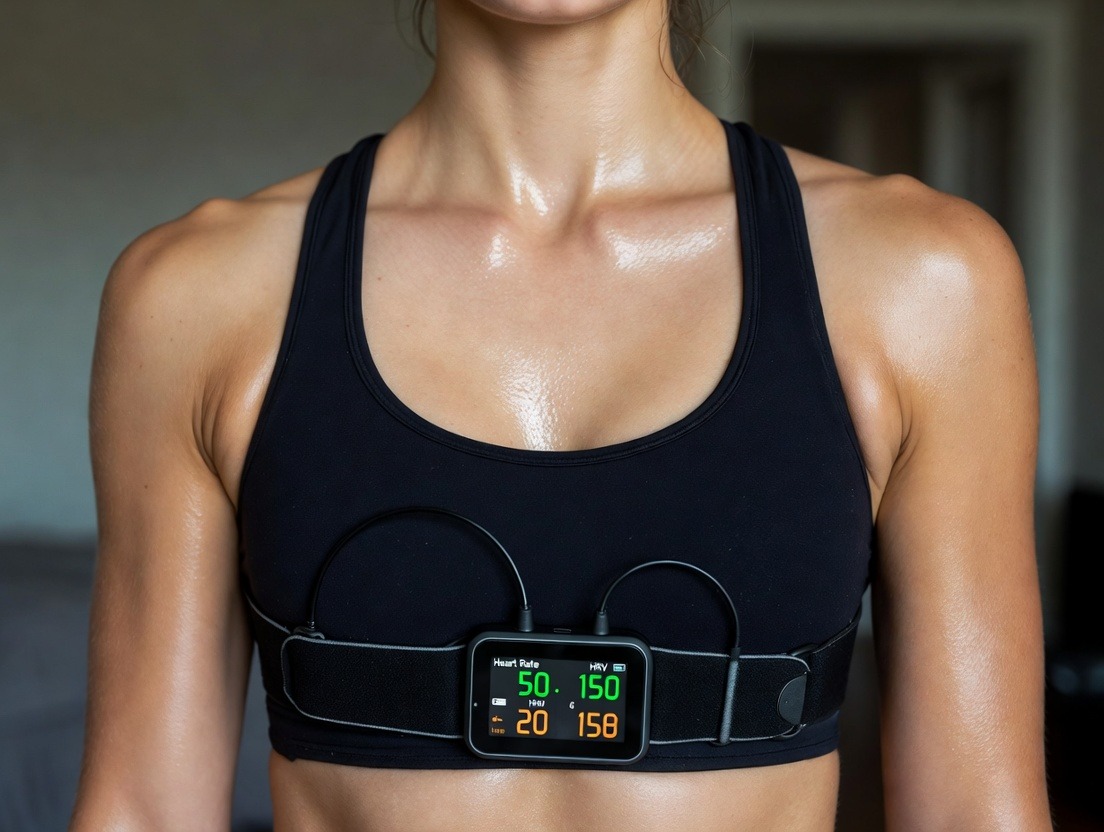
If heart rate is the drumbeat, Heart Rate Variability (HRV) is the complex, syncopated rhythm between the beats. It measures the subtle variations in the time intervals between consecutive heartbeats, measured in milliseconds. Contrary to intuition, a higher HRV is generally better—it indicates a healthy, resilient nervous system.
Your heart doesn't tick like a metronome. The time between one beat and the next is constantly changing. This is governed by your autonomic nervous system (ANS), which has two primary branches: the sympathetic ("fight or flight") and the parasympathetic ("rest and digest"). When you're stressed, anxious, or actively exerting yourself, the sympathetic system dominates, making your heart rate more regular and your HRV lower. When you are relaxed, recovered, and safe, the parasympathetic system takes over, creating more variability between beats and raising your HRV.
A wellness ring tracks your HRV, typically reporting a nightly average or a morning reading taken during a period of consistent, deep sleep. This is considered the gold standard measurement, free from the noise of daily activity. Tracking this metric over time reveals your body's readiness and resilience.
A consistently high or stable HRV relative to your personal baseline suggests you are well-recovered, adapting well to training, and managing stress effectively. A sudden or sustained drop in HRV is a red flag from your body. It can signal that you are overreaching, not sleeping enough, fighting an infection, or under significant emotional or mental strain. It’s a quantifiable plea to slow down.
For athletes, HRV is a cornerstone of periodized training. Instead of following a rigid schedule, they use their morning HRV reading to decide whether to push hard, train moderately, or take a rest day. This practice, known as autoregulation, helps prevent overtraining and injury.
For everyone else, HRV is a profound window into mind-body connection. You can literally see on a graph how a stressful day at work lowers your HRV that night, or how a consistent restful living evening ritual improves it over time. It validates the impact of lifestyle choices, making the abstract concept of "stress" tangible and manageable. By observing what raises your HRV—be it quality sleep, meditation, time in nature, or disconnecting from screens—you are empowered to build a lifestyle that fosters resilience from the inside out.
The body temperature sensor in a wellness ring is a masterclass in detecting nuance. Forget the blunt instrument of a forehead thermometer; this tracks your peripheral skin temperature’s tiny, meaningful oscillations, usually with a precision of 0.1°C. These fluctuations are a direct line to your core physiological processes.
Your body temperature follows a circadian rhythm, naturally dipping to its lowest point in the early morning hours (around 4-5 AM) and rising throughout the day to peak in the early evening. This rhythm is governed by your master biological clock. A wellness ring tracks this pattern, and deviations from your personal norm can be highly informative. A consistently elevated nighttime temperature, for instance, may indicate that your body is working harder than it should be—perhaps due to inflammation, an oncoming illness, or a disrupted circadian cycle from late-night screen exposure or eating.
For women, this data becomes particularly powerful in the context of fertility and cycle tracking. The shift in basal body temperature (BBT) after ovulation is a well-established biomarker. A wellness ring automates this tracking with unparalleled ease, taking the temperature during optimal conditions (in sleep) without you lifting a finger. By observing the biphasic pattern—lower temperatures in the follicular phase and a sustained rise in the luteal phase—women can identify their ovulation window and better understand the distinct phases of their cycle. This knowledge allows for aligning activities, nutrition, and expectations with their body’s natural hormonal ebbs and flows.
Temperature data also provides critical context for other metrics. A high heart rate coupled with a high temperature is a classic sign of fever or immune activation. A low HRV with a disrupted temperature rhythm might point to systemic stress or a circadian disorder. By correlating temperature with sleep data, you can see if a night of poor sleep coincides with a flatter or elevated temperature curve, offering clues for improvement, such as adjusting your bedroom environment. In fact, optimizing your restful living home environment can directly support a healthier, more rhythmic temperature profile by promoting deeper, more consistent sleep.

Sleep is not a monolithic state of unconsciousness. It’s a dynamic, architecturally complex process of cycling through distinct stages: Light Sleep, Deep Sleep, REM (Rapid Eye Movement) Sleep, and periods of wakefulness. A wellness ring uses movement (accelerometer), heart rate, and HRV to estimate these stages throughout the night, providing a detailed map of your sleep architecture.
Light Sleep (Stages N1 & N2) acts as a transition zone between wakefulness and deeper sleep. It’s crucial for memory consolidation and mental recovery. You typically spend about 50-60% of the night here. The ring identifies this stage by relatively higher heart rates and the presence of movement.
Deep Sleep (Stage N3 or Slow-Wave Sleep) is the physically restorative phase. This is when tissue growth and repair occur, energy is restored, and the immune system is bolstered. Your heart rate and breathing are at their slowest and most regular. It’s often hardest to wake from this stage. Prioritizing factors that increase deep sleep—like consistent bedtimes, a dark/cool room, and managing stress—is key for physical recovery. The amount of deep sleep you get is a critical component of how you feel upon waking.
REM Sleep is the mentally restorative phase, characterized by dreaming, rapid eye movements, and brain activity similar to being awake. It’s essential for emotional processing, learning, and creativity. Your heart rate becomes more variable and can even spike during intense dreams. A wellness ring detects REM through the combination of elevated heart rate, increased HRV, and a complete lack of bodily movement (muscle atonia).
A healthy sleep cycle involves progressing through these stages in 90-120 minute intervals, with deep sleep dominating the first half of the night and REM sleep lengthening in the second half. The ring’s analysis shows you the proportion of time spent in each stage, the number of cycles completed, and how these patterns change over time.
By tracking this architecture, you can move beyond simply "I slept 8 hours" to understanding the quality of that sleep. Did you get enough deep sleep to repair your muscles? Enough REM to process the day’s emotions? Seeing how lifestyle choices—like alcohol consumption, late meals, or evening workouts—directly truncate REM or deep sleep is a powerful motivator for positive change. This deep dive into your sleep stages forms the basis for a comprehensive sleep score that tracks improvement over months.

The sleep score is the wellness ring’s flagship metric—a single, easy-to-grasp number that synthesizes the complex data of your night into an overall assessment of sleep quality. It’s not a random grade; it’s a weighted algorithm that typically factors in duration, efficiency, timing, and the architecture of your sleep.
Sleep Duration is the foundation. While 7-9 hours is the general recommendation, the score often considers your personal goal. Consistently hitting your target duration is the first step toward a high score.
Sleep Efficiency is arguably more important than raw hours. This is the percentage of time you spend actually asleep while in bed. Tossing and turning for an hour before drifting off, or waking frequently, drags this score down. A high efficiency (typically above 85-90%) indicates consolidated, restorative rest.
Sleep Timing & Consistency relates to your circadian health. Going to bed and waking up at roughly the same time each day, even on weekends, reinforces your body’s natural rhythm. The algorithm often rewards this consistency and penalizes highly erratic schedules, as they disrupt your internal clock.
Sleep Architecture forms the qualitative core of the score. The algorithm analyzes the balance of light, deep, and REM sleep you achieved against expected norms for your age and history. A night rich in deep and REM sleep will boost your score significantly.
Restoration Metrics like resting heart rate and HRV are frequently incorporated. A lower-than-average sleeping heart rate and a high HRV are strong indicators of physiological recovery, and a robust algorithm will reward these signs of a nervous system at rest.
Understanding your sleep score is about recognizing patterns, not fixating on a single night. A low score after a hard workout or a stressful day is normal. The power lies in the trend. Are your scores consistently low, suggesting a chronic issue? Did a new habit, like implementing a digital curfew, cause a sustained improvement? This score becomes your nightly report card, guiding you toward better sleep hygiene. For a deeper look at what constitutes a truly healthy night, you can explore the research-backed standards for a good sleep score.
While steps are a convenient and universal metric, a modern wellness ring understands that movement is multidimensional. It uses its 3D accelerometer to capture not just how much you move, but how you move throughout the entire day, painting a picture of your non-exercise activity thermogenesis (NEAT) and active life.
Steps and Distance remain a straightforward baseline for general activity. Hitting a personalized daily goal ensures you’re counteracting the harms of prolonged sitting. The ring makes this tracking seamless, without the need to carry a phone.
Active Minutes & Calories Burned move the needle from passive tracking to energy expenditure. The ring estimates calories burned by combining your movement data with your physiological metrics (heart rate) and personal profile (age, weight, height). This provides a more accurate picture of your total daily energy expenditure (TDEE) than a steps-alone approach.
Activity Type Recognition is where advanced algorithms shine. By analyzing the unique motion signature of different activities, the ring can automatically detect and log walks, runs, cycling, swimming (for waterproof models), and even specific workouts like strength training or yoga. This automates your fitness journal, ensuring credit for all movement.
Perhaps the most underrated feature is Inactivity Alerts. For those immersed in deep work, long drives, or binge-watching sessions, a gentle nudge to stand up and move for a minute can improve circulation, focus, and metabolic health. This proactive feature turns the device from a passive tracker into an active wellness partner.
The holistic view of activity is crucial for balancing the recovery metrics. The ring’s "Readiness" or "Recovery" score (which we’ll explore next) directly compares your activity strain against your sleep and physiological recovery. It can advise if you’re well-prepared for a strenuous day or if you should prioritize lighter movement and recovery. This intelligent interplay between movement and rest is the essence of sustainable wellness, a concept at the heart of the restful living philosophy of less hustle and more health.
This is where a wellness ring transitions from a data reporter to a true health advisor. The Readiness Score (sometimes called Recovery Score or Body Battery) is a composite index that answers one critical question: Based on how your body has recovered overnight and your recent strain, how prepared are you to take on physical, mental, and emotional demands today?
This score is a masterful synthesis of multiple data streams:
A high readiness score (e.g., 80-100) is a green light. It suggests your body is resilient, well-rested, and primed for a challenging workout, an important presentation, or a demanding day. A moderate score (e.g., 50-79) is a yellow light—proceed with awareness. You might opt for a moderate-intensity workout instead of a PR attempt, or schedule important tasks for when you’re naturally more alert. A low score (e.g., below 50) is a red flag. It’s your body’s objective data saying, "I need a break." This is the day to prioritize micro-recovery throughout the day, gentle movement like walking, hydration, and an early bedtime.
Learning to trust and act on this score is transformative. It replaces guesswork with guidance, helping you align your ambition with your body’s actual capacity. It turns the concept of listening to your body from an abstract wellness cliché into a data-informed daily practice.

Building on the foundation of HRV and heart rate, many wellness rings now offer a continuous Stress Monitoring feature. This isn't about diagnosing clinical anxiety, but about tracking your nervous system’s activation level throughout the day—its "weather."
The metric is typically derived from heart rate variability. When you are in a stressed or "sympathetic dominant" state, the time between heartbeats becomes more uniform, lowering HRV. The algorithm interprets these patterns in real-time, often presenting a graph that shows your stress levels fluctuating from "restful" to "stress detected" throughout the day.
The power of this feature is twofold: identification and intervention.
First, it helps you identify your unique stress patterns. You might see predictable spikes during your morning commute, afternoon meetings, or when checking emails after hours. This objective data removes self-deception; you can’t argue with a graph that shows your body was in a high-stress state for two hours after a difficult conversation.
Second, it enables guided intervention. Many rings will detect a prolonged period of elevated stress and prompt you to engage in a guided breathing session. Using the real-time HRV feedback, the app can guide your breath pace (e.g., to a calming 5-6 breaths per minute) to stimulate the parasympathetic nervous system. You can literally watch the stress graph fall as you follow the breathing pacer, creating an instant feedback loop that teaches you how to self-regulate.
Over time, this practice of awareness and intervention can rewire your stress response. You learn which activities truly calm you (was it the 5-minute meditation or the walk outside that lowered your score more?). This makes building a restful living mindset of being over constant doing a tangible, data-driven journey. It transforms stress from an overwhelming fog into a manageable series of moments where you have the tool—your own breath—to find calm.
Respiratory Rate (breaths per minute) is a fundamental vital sign that has historically been difficult to measure outside a clinical setting. Your wellness ring estimates this seamlessly by detecting the subtle, wave-like pattern in your heart rate data that corresponds with inhalation and exhalation—a phenomenon known as respiratory sinus arrhythmia.
Your sleeping respiratory rate is particularly valuable, as it’s a stable, baseline measurement. For most adults, a normal sleeping respiratory rate falls between 12-20 breaths per minute. Like resting heart rate, it’s most useful when tracking your personal trend.
A consistent elevation in your sleeping respiratory rate can be an early, subtle sign that your body is under extra load. This could be due to:
Tracking this metric provides another piece of the recovery puzzle. If your readiness score is low, checking to see if your respiratory rate is elevated can confirm that your body is indeed working harder than normal to maintain baseline functions, underscoring the need for rest.
Blood Oxygen Saturation (SpO2) measures the percentage of hemoglobin in your blood that is carrying oxygen. While fitness trackers often use this metric during workouts, wellness rings primarily focus on monitoring it during sleep.
During sleep, it’s normal for SpO2 to dip slightly. However, significant or frequent drops can be indicative of sleep-disordered breathing, such as obstructive sleep apnea. In these events, the airway becomes blocked, breathing temporarily stops, and blood oxygen levels fall. The ring’s sensor (using red and infrared light) can detect these dips.
Most rings provide a nightly average SpO2 and/or report the amount of time spent below a certain threshold (e.g., below 90%). They may also flag "possible breathing disturbances" based on this data combined with movement and heart rate spikes.
It’s crucial to understand that a wellness ring is not a medical device and its SpO2 readings are not intended for diagnosing sleep apnea. However, it can serve as an incredibly valuable screening tool. Consistently low SpO2 averages or frequent disturbance flags can provide the objective evidence you need to take to a healthcare professional for a formal sleep study. For many, this feature has been the first step in diagnosing a previously unknown condition that was severely impacting sleep quality and overall health. Addressing such issues is a profound act of restful living that reduces chronic stress and burnout at its physiological root.
The true genius of a modern wellness ring lies not in its individual metrics, but in their synthesis. A high heart rate is just a number; a high heart rate coupled with a low HRV, elevated skin temperature, and a low sleep score tells the story of your body fighting an infection. This is the power of the holistic health dashboard—a single, integrated view where data streams converge to create context and meaning.
Your dashboard is the command center. Here, you see your Readiness Score prominently displayed, a direct result of the previous night’s Sleep Score, which is itself a product of your sleep stages, resting heart rate, and HRV. Below, you might see your Activity for the day juxtaposed against your Recovery metrics, creating an immediate visual of the strain-recovery balance. Graphs of your Stress Levels throughout the day run alongside your Respiratory Rate trend, while your Body Temperature chart provides a slow-moving background rhythm to it all.
This interconnected view moves you from isolated facts to understanding relationships. For example:
This dashboard enables root-cause analysis for how you feel. Waking up groggy isn't a mystery; you can check and see if it was due to late-night REM sleep disruption (perhaps from alcohol) or insufficient deep sleep. Feeling unexpectedly anxious in the afternoon can be traced to a sustained high-stress period that your body hasn't yet shaken.
By making these connections visible, the ring educates you about your unique physiology. You become the expert on your own body, learning its language through data. This empowers you to make precise, effective interventions rather than generic guesses. It turns wellness from a scattergun approach into a targeted strategy, informed by the converging evidence of multiple biological signals.
Collecting terabytes of biometric data is pointless—and potentially anxiety-inducing—if it doesn't lead to wiser choices and a better life. The final, most critical step in understanding wellness ring data is learning to translate it into actionable wisdom without becoming enslaved by the numbers.
The first principle is to focus on trends, not absolutes. A single night of poor sleep or a low HRV reading is meaningless noise. Biology is variable. The power is in the pattern over weeks and months. Is your average sleep score on a gradual incline since you started a wind-down routine? That’s meaningful. Is your resting heart rate trend line gently sloping downward over a season of consistent training? That’s success. The platform’s multi-week and monthly views are where true insight lives, revealing the impact of lifestyle changes, travel, or stress cycles. This longitudinal view is precisely what allows for tracking your improvement in sleep over months with genuine clarity.
The second principle is to let the composite scores guide you, not the minute details. You don’t need to obsess over gaining 2% more REM sleep. Instead, trust the integrative scores—the Sleep Score and, especially, the Readiness Score. These algorithms are designed to weigh the important factors for you. Let your readiness score be your daily North Star. If it’s high, engage fully. If it’s low, give yourself permission to rest. This is the practice of data-informed self-compassion.
Third, use the data to experiment and learn. Treat your life as a gentle, personal science experiment. If your recovery is consistently low, hypothesize a cause. Is it late caffeine? Try cutting it off after 2 PM for two weeks and watch the trend. Is it poor sleep? Implement one new habit from a list of 15 restful living habits that transform your energy and observe the effect. The ring provides the feedback to see what works for you, moving you from generic advice to personalized protocol.
Finally, know when to look away. The goal of this technology is to foster a deeper, more intuitive connection with your body. Once you’ve learned the basic correlations—that yoga lowers your stress graph, that a heavy meal late at night spikes your nighttime heart rate—you can start to rely on the felt sense. You don’t need the ring to tell you you’re exhausted; you feel it. The data simply taught you to recognize and honor that feeling earlier. The endpoint of this journey is using the device not as a crutch, but as a periodic check-in to maintain course, much like a navigator glancing at a compass while primarily watching the sea and the sky. It supports the ultimate aim: a life lived with more awareness, balance, and vitality, grounded in the science of why intentional downtime matters for our biology.
Having established a comprehensive understanding of what a wellness ring tracks and how to interpret that data, we now turn to the practical application of this knowledge. The following sections will delve into the specifics of optimizing each major metric, providing actionable strategies to improve your sleep, enhance your recovery, manage stress, and ultimately, use your ring as a tool to build a sustainably healthier life.
Knowledge of your sleep stages and score is only as valuable as the changes it inspires. Here, we move from diagnosis to prescription, offering targeted tactics to improve each component of your sleep architecture and boost your overall sleep score.
To Increase Deep Sleep (Slow-Wave Sleep):
Deep sleep is the cornerstone of physical restoration. To promote it:
To Boost REM Sleep:
REM sleep is your mind’s therapy session. To safeguard it:
To Improve Sleep Efficiency (Less Tossing, More Sleeping):
If you’re spending too much time awake in bed, focus on sleep hygiene:
By applying these targeted strategies and observing the results on your ring’s dashboard, you transform sleep from a passive state into an active pillar of your health, directly influencing your readiness for everything that follows. The improvements you see will be a direct result of respecting your body’s need for this non-negotiable recovery period.
Your Readiness Score is the dynamic equilibrium point between strain and recovery. Learning to modulate your activity based on this score is the art of sustainable high performance and well-being. Here’s how to use it intelligently across different score ranges.
High Readiness (80-100): The Green Zone – Engage Strategically
This is your body’s invitation to challenge itself. Capitalize on this peak state.
Moderate Readiness (50-79): The Yellow Zone – Proceed with Awareness
This is the realm of maintenance, skill work, and mindful movement. The goal here is to support recovery while staying engaged.
Low Readiness (Below 50): The Red Zone – Prioritize Restoration
A low score is a direct instruction from your body to downshift. Ignoring it consistently leads to burnout, injury, or illness.
By adhering to this flexible framework, you stop fighting your body’s natural rhythms and start dancing with them. You’ll find you make more consistent progress, experience fewer setbacks, and feel more in control of your energy. The ring becomes your coach, helping you work with your physiology, not against it.
Seeing your stress mapped on a graph demystifies it. The path from awareness to regulation involves a three-step cycle: Identify, Intervene, Integrate.
Step 1: Identify Your Personal Stress Signatures
Use your ring’s stress graph as a discovery tool. Don’t judge, just observe.
Step 2: Intervene with Biofeedback Tools
When you see stress rising, or when prompted by your ring, use the built-in tools to down-regulate.
Step 3: Integrate Proactive Stress Resilience
Beyond acute interventions, use the data to build a lifestyle that raises your baseline resilience.
This process transforms stress from an abstract enemy into a manageable physiological process. You gain agency. Over time, the need to check the graph diminishes because you’ve internalized the awareness and built the habits. You feel the tension rise and instinctively take a deep, lengthened exhale. The ring’s data has taught you the language of your own nervous system.
While less prominent than heart rate or sleep, body temperature and respiratory rate are the whispering biomarkers that often provide the crucial context for everything else. Learning their language is key to advanced insight.
Decoding Your Temperature Rhythm:
Your goal is to see a clean, wave-like pattern: a clear dip at night and a rise during the day.
Understanding Your Respiratory Rate:
Think of your sleeping respiratory rate as a barometer of physiological effort.
By paying attention to these subtle signals, you become adept at catching imbalances early. You might notice a slight temperature rise and proactively get extra sleep, potentially heading off a full-blown cold. You learn that a poor night of sleep after a late dinner shows up not just in your sleep score, but in a disrupted temperature curve and higher respiratory rate. This deepens your practice of listening to—and heeding—your body’s most nuanced communications.
Beyond daily metrics, wellness rings unlock deeper layers of insight through specialized tracking modes and the invaluable power of long-term trend analysis.
Precision in Workout Mode:
While automatic detection is convenient, manually starting a Workout Mode ensures the highest fidelity data capture for that session. The ring prioritizes sensor readings (sampling heart rate more frequently) and applies specific algorithms for that activity type.
A Transformative Tool for Menstrual & Reproductive Health:
For women, the ring automates and enhances cycle tracking with objective data.
The Ultimate Value: Long-Term Trend Analysis
The real magic happens at the 3-, 6-, and 12-month view. Here, data transcends daily fluctuations to reveal the story of your life.
A common and often frustrating experience for wellness ring users is the occasional mismatch between what the data says and how they actually feel. You wake up feeling refreshed and energetic, only to see a poor Sleep Score and low Readiness. Or conversely, you feel groggy and drained despite the ring reporting an excellent night of recovery. This dissonance isn't a failure of the technology or your intuition; it's an invitation to dig deeper into the complex story your body is telling.
Understanding the "Feel Good, Data Bad" Scenario:
When you feel better than your metrics suggest, consider these factors:
Investigating the "Feel Bad, Data Good" Scenario:
This can be more perplexing. You have the "green light" but feel like you're running on empty.
The Path to Reconciliation: Becoming Your Own Expert
The solution is not to ignore the data or your feelings, but to use the discrepancy as a diagnostic tool.
This process ultimately builds a more nuanced, integrated self-knowledge. You learn that the ring provides the physiological truth, while your consciousness provides the experiential truth. Wisdom lies in synthesizing both.
A wellness ring is not an island. Its value multiplies exponentially when its data is viewed as part of your broader health ecosystem—connecting with other apps, devices, and even your medical records to form a complete picture.
Nutrition & Hydration Tracking (Apps like MyFitnessPal, Cronometer):
This is one of the most powerful integrations. By comparing your nutritional logs with your biometric trends, you move beyond calorie counting to understanding how food affects your body.
Fitness & Training Platforms (Strava, TrainingPeaks, Apple Fitness+):
Here, the ring shifts from a general activity tracker to a serious recovery coach for athletes.
Mindfulness & Meditation Apps (Calm, Headspace, Whoop):
Quantifying the "unquantifiable" effect of mental training.
Women's Health & Fertility Apps (Natural Cycles, Clue):
The ring provides the passive, objective biometrics (temperature, RHR) that these apps use to generate predictions and insights with unparalleled accuracy, removing user error from manual temperature taking.
The Future: Integration with Electronic Health Records (EHRs):
The most promising frontier is the secure sharing of long-term wellness ring trends with healthcare providers. Imagine showing your doctor a 6-month graph of your resting heart rate trending upward and sleep scores dropping, rather than trying to describe "feeling more tired lately." This objective data can inform discussions about stress, sleep apnea, metabolic health, and recovery from illness or surgery, making you a more informed, proactive partner in your own care.
By consciously building this interconnected ecosystem, you transform disparate data points into a symphony of insight. Each piece of information contextualizes another, moving you from fragmented stats toward a truly holistic understanding of your health.
To reap the full benefits of a wellness ring, it's crucial to avoid common mistakes that can lead to inaccurate data, misinterpretation, or unhealthy obsession.
Pitfall 1: Poor Device Fit and Placement
The ring's sensors require consistent, flush contact with the skin. A loose ring will produce noisy, unreliable data, especially for heart rate and HRV.
Pitfall 2: Misinterpreting Short-Term Fluctuations
As emphasized, daily numbers are noise. Panicking over a single low HRV reading or a poor night's sleep leads to "data anxiety," which ironically can worsen the very metrics you're tracking.
Pitfall 3: Ignoring Subjective Feelings
Blindly following the data against your own strong intuition is a misuse of the tool. If your readiness score is 85 but you feel utterly exhausted and are coming down with a sore throat, your body is giving you a more important signal.
Pitfall 4: Focusing on the Score, Not the Behavior
Getting obsessed with "gaming" your sleep score to hit 90+ can lead to counterproductive behaviors, like lying perfectly still in bed while wide awake just to boost "sleep efficiency."
Pitfall 5: Comparing Your Data to Others
Your HRV, resting heart rate, and sleep architecture are as unique as your fingerprint. Comparing your 45 ms HRV to a friend's 100 ms is meaningless and can be discouraging.
Pitfall 6: Neglecting Battery and Syncing Health
A dead ring or one that hasn't synced data in days creates gaps that break trend lines and reduce the algorithm's accuracy.
By sidestepping these pitfalls, you ensure the technology remains a helpful servant in your wellness journey, not a demanding master or a source of stress. It becomes a reliable tool for self-discovery, grounded in practical, accurate use.
With several strong competitors in the market (like Oura, RingConn, Ultrahuman, Circular), selecting the right ring depends heavily on which data points and features align with your personal goals. Here’s a breakdown based on primary use cases.
For the Sleep & Recovery Optimizer:
For the Fitness & Athlete:
For the Stress Manager & Mindfulness Seeker:
For Women's Health & Cycle Tracking:
For the Long-Term Health Trend Watcher:
By aligning your purchase with your primary "why," you ensure the device you wear every day becomes an indispensable partner in your specific wellness journey, providing the right data to inform the right actions.
As we invite these intimate devices to collect our most personal physiological data 24/7, critical questions about privacy, security, and data ownership arise. Being an informed user is a non-negotiable part of using this technology responsibly.
Data Ownership: What You're Agreeing To
When you use a wellness ring, you typically own the physical device, but the data it generates resides in a legal gray area governed by the company's Terms of Service (ToS) and Privacy Policy. It is imperative to read these documents. Key questions to ask:
Potential Use Cases: The Good and The Concerning
How to Protect Your Biometric Privacy:
Using a wellness ring is a transaction: you provide intimate data in exchange for insights. Being a conscious consumer means understanding the full terms of that transaction, ensuring that your journey to self-knowledge doesn't come at the cost of your digital autonomy. Your biometric data is the story of your life written in your physiology; you should have the final say over who gets to read it.
Your Trusted Sleep Advocate: Sleep Foundation — https://www.sleepfoundation.org
Discover a digital archive of scholarly articles: NIH — https://www.ncbi.nlm.nih.gov/
39 million citations for biomedical literature :PubMed — https://pubmed.ncbi.nlm.nih.gov/
Experts at Harvard Health Publishing covering a variety of health topics — https://www.health.harvard.edu/blog/
Every life deserves world class care :Cleveland Clinic - https://my.clevelandclinic.org/health
Wearable technology and the future of predictive health monitoring :MIT Technology Review — https://www.technologyreview.com/
Dedicated to the well-being of all people and guided by science :World Health Organization — https://www.who.int/news-room/
Psychological science and knowledge to benefit society and improve lives. :APA — https://www.apa.org/monitor/
Cutting-edge insights on human longevity and peak performance:
Lifespan Research — https://www.lifespan.io/
Global authority on exercise physiology, sports performance, and human recovery:
American College of Sports Medicine — https://www.acsm.org/
Neuroscience-driven guidance for better focus, sleep, and mental clarity:
Stanford Human Performance Lab — https://humanperformance.stanford.edu/
Evidence-based psychology and mind–body wellness resources:
Mayo Clinic — https://www.mayoclinic.org/healthy-lifestyle/
Data-backed research on emotional wellbeing, stress biology, and resilience:
American Institute of Stress — https://www.stress.org/


