


How Your Wellness Ring's Sleep Quality Reflects Work-Life Balance
Explains how the quality of your sleep (from your ring) is a direct reflection of your daily stress and balance.
Explains how the quality of your sleep (from your ring) is a direct reflection of your daily stress and balance.
%402x.svg)
In the quiet hours of the night, while the world sleeps, your smart ring is telling a story. It’s not just a story of rest, but a profound narrative about your days, your stress, your choices, and the delicate, often invisible, balance—or imbalance—you maintain between your professional and personal life. For years, we’ve treated sleep as a separate entity, a nightly reset button. But what if sleep isn’t an island? What if it is the mirror, clear and unforgiving, reflecting the totality of your waking hours?
Welcome to a new era of self-awareness, where the data glowing on your smartphone from your sleek, minimalist wellness ring is the key to decoding a modern paradox. We chase productivity with relentless apps, optimize our mornings with military precision, and yet, we feel perpetually behind, subtly drained. The answer to why isn't in your calendar or your to-do list. It’s in your sleep architecture: the heart rate variability, the restless tosses, the time spent in deep sleep, and the minutes it takes to drift off.
This article is a deep dive into that reflection. We will explore how the sleep quality metrics from your most intimate wearable—your wellness ring—are not just health indicators, but the most honest audit of your work-life balance you will ever receive. This is the beginning of a journey from data to insight, from nocturnal restlessness to daytime resolution. Your ring knows the truth. Let’s learn its language.
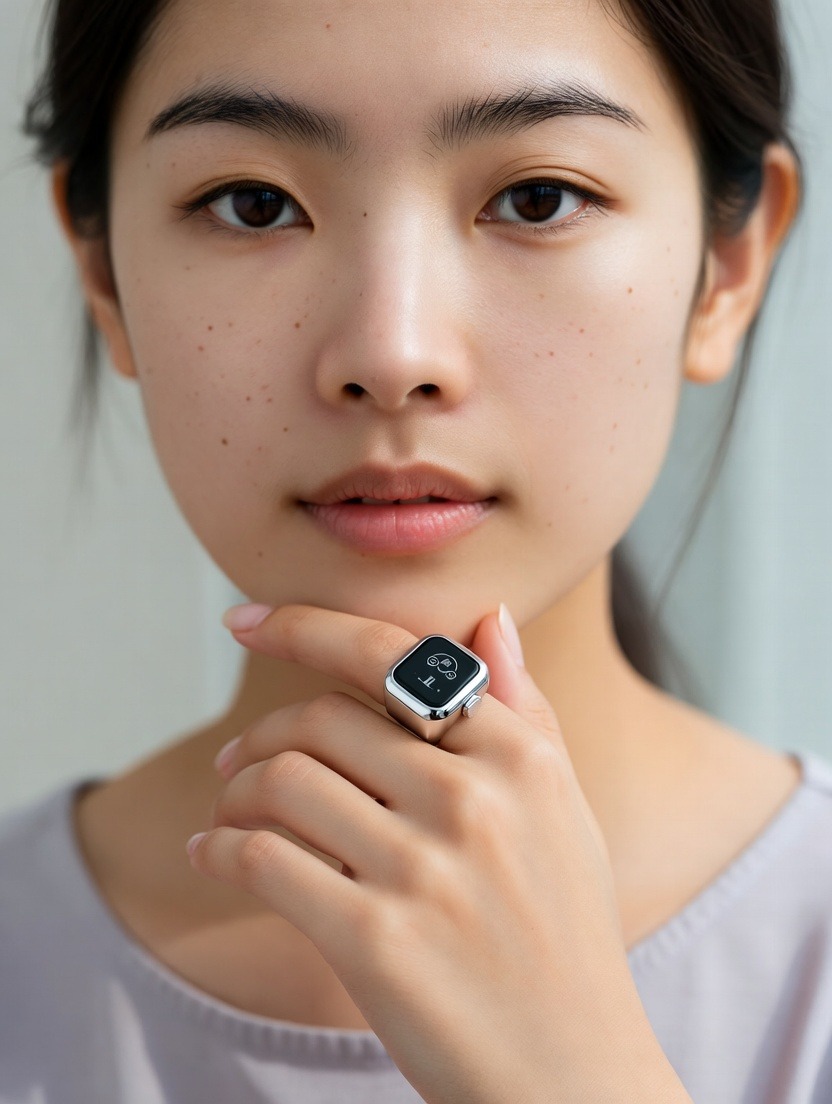
Before we can decode the message, we must understand the messenger. The modern wellness ring is a feat of bio-sensing engineering, a device that leverages its unique position on your finger—rich with capillaries—to gather a stunning array of physiological data 24/7. Unlike a smartphone or a bedside tracker, it’s always on, always connected to you. It measures your pulse, your blood oxygen saturation, your skin temperature variability, and your movement with a passive intimacy no other wearable can match.
This continuous data stream allows for a holistic picture of your sleep patterns that is remarkably precise. It doesn't just know when you're asleep; it understands the quality of that sleep. By analyzing heart rate and movement, it can distinguish between light sleep, deep sleep (the physically restorative phase), and REM sleep (the mentally restorative phase). It tracks your sleep latency (how long it takes to fall asleep) and your sleep efficiency (the percentage of time in bed you're actually asleep). More subtly, it monitors your nocturnal heart rate and heart rate variability (HRV)—a key marker of your nervous system's state. A high, steady HRV indicates a resilient, relaxed system capable of handling stress. A low HRV often signals a body stuck in "fight or flight."
Why does this matter for work-life balance? Because your body doesn't compartmentalize. The anxiety from an unresolved work conflict at 5 PM doesn't vanish at 9 PM; it manifests as elevated nighttime heart rate and suppressed deep sleep. The endless mental chatter of your to-do list doesn't respect bedtime; it shows up as prolonged sleep latency. The constant, low-grade stress of being "always on" via email doesn't just fatigue your mind; it fatigues your autonomic nervous system, crashing your HRV.
Your wellness ring becomes your digital confidant because it observes these physiological truths without bias, without the ego's filter of "I'm handling it." It records the biological cost of your lifestyle choices. As you'll see in our detailed sleep pattern analysis guide, this data is a direct line to understanding how your daily life is biologically processed during the one time you're supposed to be offline. The ring doesn't judge your late-night work session; it simply reports the subsequent drop in sleep efficiency. It’s the ultimate feedback loop, providing the raw, unvarnished evidence of how your work and life are truly integrated at a biological level.
Your wellness app likely presents you with a neat, singular "Sleep Score." While convenient, this number is merely the headline. To understand your work-life balance, you must read the full article beneath it. Each sub-metric is a chapter in the story of your day.
Sleep Latency (Time to Fall Asleep): In an ideal world, it takes between 10 and 20 minutes to fall asleep. Consistently taking 30 minutes or more is one of the clearest signs of an overactive mind. This is often where work-related rumination plays out. Your body is in bed, but your brain is still at the desk, solving problems, replaying conversations, or forecasting tomorrow's challenges. A prolonged latency is a direct signal that your brain's "shutdown sequence" is faulty, a common byproduct of insufficient psychological detachment from work.
Sleep Efficiency: This is the percentage of time you're actually asleep while in bed. A score above 85% is generally good; below 80% indicates significant fragmentation. Frequent awakenings, even if you don't fully remember them, are often tied to stress. Cortisol, the primary stress hormone, can spike at night, pulling you out of deep sleep. If your work life is causing chronic, low-grade stress, your sleep efficiency will be the canary in the coal mine, showing a restless, unsettled night.
Deep Sleep & REM Sleep Proportions: Deep sleep is for physical restoration; REM sleep is for memory consolidation and emotional processing. Both are vital. Chronic stress and an erratic schedule can severely cut into deep sleep. Furthermore, interesting research suggests that when we are sleep-deprived, the brain prioritizes deep sleep over REM sleep in a "catch-up" effort. This means you might be missing out on the crucial emotional regulation that REM provides, potentially making you more reactive and less resilient to work stress the next day—a vicious cycle.
Resting Heart Rate (RHR) & Heart Rate Variability (HRV): These are the crown jewels of nocturnal data for balance assessment. Your nighttime RHR is your body's most basal rate. If it trends upward over weeks, it's a strong indicator of systemic stress, overtraining (from both physical and mental workouts), or poor recovery. HRV is even more sensitive. A low nocturnal HRV is your nervous system's white flag, indicating it has lost its flexibility and is stuck in a sympathetically dominant (stressed) state. There is a direct correlation between high work load, poor boundary setting, and a suppressed HRV.
Body Temperature & Movement: Your core temperature naturally dips at night to initiate and maintain sleep. A disrupted temperature rhythm, detectable via the ring's skin temperature sensor, can indicate circadian misalignment—often caused by late-night screen work or highly irregular bedtimes. Excessive movement during sleep can also be a sign of physical discomfort or, again, stress.
By learning to interpret these metrics in concert, you move from knowing you "slept poorly" to understanding why. You can pinpoint whether the culprit is an inability to mentally disconnect, an erratic schedule, or a body burdened by constant physiological arousal. This is the first, crucial step in moving from passive tracking to active management of your holistic well-being.
Stress and sleep exist in a tightly coupled, bidirectional relationship. Poor sleep heightens stress reactivity, and stress, in turn, dismantles sleep architecture. Your wellness ring captures the nocturnal half of this destructive loop with impeccable detail. But how exactly does the pressure of a deadline, a difficult manager, or an overflowing inbox translate into biometric signals?
The primary pathway is through the Hypothalamic-Pituitary-Adrenal (HPA) axis and the autonomic nervous system (ANS). When you experience stress—whether it's an acute panic or the chronic, grinding pressure of modern work—your body releases cortisol and adrenaline. These hormones prepare you for "fight or flight": heart rate increases, blood pressure rises, and your brain becomes hyper-alert. This is fantastic for escaping a predator, but catastrophic for sleep, which requires a "rest and digest" (parasympathetic) state.
Even if you feel you've "shaken off" the workday, residual biochemical and neurological activation can linger. Elevated evening cortisol levels are a classic disruptor. They directly interfere with the release of melatonin, the sleep hormone, leading to that frustrating "tired but wired" feeling and prolonged sleep latency. Furthermore, cortisol can cause micro-awakenings throughout the night, fragmenting your sleep and cratering your sleep efficiency.
On the ANS level, chronic stress flips the switch towards sympathetic dominance. Your body remains in a state of subtle preparedness, which is reflected in a higher resting heart rate and, most tellingly, a low Heart Rate Variability (HRV). Think of HRV as your nervous system's agility. A high HRV means it can smoothly transition from focused effort to calm recovery. A low HRV means it's rigid, struggling to downshift. Your ring's nighttime HRV reading is perhaps the purest measure of your physiological recovery capacity. If stress is eroding your work-life boundaries, your HRV will show a consistent downward trend.
This cycle becomes self-perpetuating. A stress-disrupted night leads to poor sleep quality. The next day, you wake with higher baseline cortisol, lower emotional resilience, and impaired cognitive function. This makes you more vulnerable to the day's stresses, which then further disrupts the following night's sleep. You enter a downward spiral where work stress begets poor sleep, and poor sleep begets worse stress management. Breaking this cycle requires intentional intervention, starting with the insights from your data. For a deeper understanding of this powerful relationship, our analysis of stress and sleep patterns provides a comprehensive look at the science behind the data on your screen.
One of the most profound, yet often ignored, dimensions of work-life balance is biological. You are not a blank slate. You are born with a genetically influenced internal timing preference known as your chronotype—your body's natural inclination to sleep and be active at certain times. This exists on a spectrum, from the early-rising "larks" to the late-to-bed, late-to-rise "owls," with many falling somewhere in between.
Your chronotype dictates your ideal schedule for peak cognitive performance, mood, and physical coordination. An owl forced onto a lark's 9-to-5 schedule is perpetually out of sync, a condition sleep scientists call "social jet lag." This isn't just about preference; it's about a fundamental misalignment between your internal circadian rhythm and your external social/work clock.
Your wellness ring is exceptionally adept at identifying your true, natural sleep pattern. By tracking your sleep onset and wake times over weeks (especially on free days like weekends when you're not forced by an alarm), it can reveal your body's authentic preference. The data often shows a stark contrast: a consistent, later sleep period on weekends snapping back to an earlier, often more fragmented one during the workweek.
The consequences of this chronic misalignment are severe and are written plainly in your sleep data:
This chronic clash is a massive, systemic stressor. It forces your body to constantly fight its own biology, elevating cortisol at the wrong times and suppressing melatonin when you need it. The work-life imbalance here is not about hours logged; it's about a life lived in opposition to one's fundamental biological design. The fatigue, underperformance, and health risks associated with shift work are an extreme example of this principle. To discover your own chronotype and understand your natural rhythm, consider taking our natural sleep pattern chronotype quiz. It’s the first step to negotiating a better truce between your biology and your responsibilities.
The smartphone is the ultimate symbol of the modern work-life blur. It’s the portal through which work stress leaks into every corner of our personal lives—especially the sacred space of the bedroom. This "digital leakage" has a direct and measurable impact on the sleep metrics your wellness ring records.
The mechanisms are both psychological and physiological. Psychologically, receiving a work email at 9 PM triggers what researchers call "anticipatory stress." Even if you don't respond, your brain has been activated, task networks have been engaged, and the mental detachment required for sleep is disrupted. The blue light emitted by screens is the physiological culprit. It suppresses melatonin production by tricking your brain into thinking it's still daytime, directly delaying sleep onset and shifting your circadian rhythm later.
Your wellness ring quantifies this erosion. You'll see it as:
But the "Always-On" epidemic is more than just screens. It's a cultural mindset that valorizes constant availability and instantaneous response. This creates an ambient anxiety, a low-level hum of "what if I'm missing something?" that keeps the nervous system subtly activated. This ambient stress is what tanks your Heart Rate Variability (HRV). The ring data shows a body that never truly enters a state of deep recovery because the "office," in cognitive and emotional form, is always present.
Creating a digital curfew—a hard stop on work communication and recreational screen time 60-90 minutes before bed—is one of the most impactful "balance interventions" you can make. The proof will be in your data: a shorter sleep latency, a higher sleep efficiency, and over time, an improved HRV trend. It’s a concrete way to rebuild the boundary that technology has dissolved, telling both your brain and your colleagues (by your silence) that your personal time is, in fact, yours.
For many, Saturday morning is a sanctuary. No alarm blares, and you sink into hours of extra sleep. On your wellness app, this manifests as a dramatic spike in sleep duration—a "weekend rebound." While it feels deliciously restorative in the moment, this pattern is one of the most telling indicators of chronic work-week sleep deprivation and a profound circadian misalignment.
Social jet lag, often quantified as the difference between your sleep midpoint on workdays and free days, is a serious health biomarker. A discrepancy of two hours or more is associated with increased risk for metabolic disorders, heart disease, mood issues, and simply put, a lower quality of life. Your weekend sleep isn't just "catch-up"; it's a desperate physiological correction after five days of deficit and misalignment.
Your ring data tells this story vividly:
The weekend rebound is not a solution; it's a symptom. It reveals that your work-life balance is so skewed during the week that your body must declare a biological bankruptcy, which you pay off on weekends. The goal of a truly balanced life, supported by consistent, high-quality sleep, is to minimize this rebound. The data should show a smooth, consistent sleep-wake rhythm with less than an hour's variation in sleep midpoint all week long. Achieving this is a clear sign that your daily life supports your biology, rather than fighting it.

Seeing the data is one thing. Knowing what to do with it is where transformation begins. Your sleep metrics are not just numbers for passive observation; they are prompts for a crucial internal and external dialogue.
The Internal Dialogue: This is about ruthless honesty with yourself. Look at the correlation. What does a terrible sleep score follow? Was it the day of a major presentation? A day filled with back-to-back meetings without a lunch break? An evening spent "relaxing" by scrolling through work emails on the couch? Your ring provides the objective "what"; your job is to investigate the "why." Start a simple journal. Note daily stressors, work hours, evening activities, and meals. After a week, compare it to your sleep data. Patterns will emerge with startling clarity. You’ll see that the night after you worked past 8 PM, your deep sleep plummeted. You’ll see that on days you took a 20-minute walk outside, your sleep latency improved. This data-driven self-awareness is the foundation of change.
The External Dialogue: This is often harder but is critical for true work-life balance. Your sleep data can be a powerful, objective tool for communication. It depersonalizes the need for change. You're not being "weak" or "uncommitted"; your biology is showing clear signs of strain. This data can help frame conversations with:
This shift turns your wellness ring from a fancy pedometer into a tool for advocacy and boundary-setting. It provides the evidence needed to move from feeling vaguely drained to making specific, impactful changes in your daily structure. For strategies on using this data holistically, our guide on using sleep pattern data to optimize your life offers actionable steps.
Your work-life balance isn't solely determined between 9 and 5. The choices you make in your personal time—what you eat, how you move, and how you unwind—either amplify the stress of your workday or help contain and dissipate it. Your sleep data is the final report card on these choices.
Diet: The timing and content of your meals play a significant role. A large, heavy, or high-fat meal too close to bedtime forces your digestive system to work overtime, raising core body temperature and disrupting sleep onset. Conversely, going to bed hungry can cause drops in blood sugar that lead to awakenings. Alcohol is a notorious saboteur; while it may induce sleep initially, it metabolizes into aldehydes that fragment sleep in the second half of the night, obliterating REM sleep. Your ring will show this as a decent sleep score for the first half of the night, followed by high restlessness and a low HRV in the early morning hours. Similarly, the timing of your caffeine intake has a profound and measurable effect on your sleep architecture.
Exercise: Regular physical activity is one of the best promoters of deep sleep and stress resilience. However, timing matters. Intense exercise within 1-2 hours of bedtime raises core temperature, heart rate, and stimulates the release of stimulants like adrenaline, making it harder to wind down. Your data may show higher sleep latency on days with late workouts. Morning or afternoon exercise, on the other hand, helps reinforce a strong circadian rhythm and is associated with longer deep sleep periods.
Evening Routine (The Wind-Down): This is your ritual to signal to your brain and nervous system that the workday is over. A chaotic, screen-filled, or work-adjacent evening sends mixed signals, keeping your stress response partially engaged. A consistent, calming routine—involving dim light, reading, gentle stretching, meditation, or conversation—actively stimulates the parasympathetic nervous system. The impact is directly visible: a lower pre-sleep heart rate, faster sleep latency, and higher sleep efficiency. Your evening routine is the physical barrier you build between the demands of work and the necessity of rest.
By cross-referencing your daily activity and nutrition logs with your sleep metrics, you can identify powerful personal levers. You might discover that a 4 PM coffee is your sleep's nemesis, or that a 20-minute evening meditation is more effective than a sleeping pill. This turns your personal life into an active recovery zone, where you are strategically supporting your body's ability to process and reset from the day's stresses.
It is crucial to avoid the trap of micromanaging your life based on a single night's poor sleep score. Life happens. A bad night, an illness, a single stressful event will create outliers. The true power of your wellness ring lies in its ability to reveal trends over weeks and months. These long-term trajectories are the ultimate reflection of your sustained work-life balance—or lack thereof.
The Downward Trend: This is the red flag. A gradual, consistent creep in your resting heart rate. A stubborn, weeks-long suppression of your Heart Rate Variability (HRV). A steady decline in your average deep sleep minutes. A rising average sleep latency. This pattern suggests a state of chronic, unaddressed overload. Your body's recovery systems are being consistently outpaced by the demands placed upon them. This is the biometric signature of burnout in its developmental stages. It’s a clear signal that your current mode of operation is unsustainable and requires systemic change, not just a spa day.
The Upward/Stable Trend: This is the goal. A stable or gradually improving HRV. A consistent, low resting heart rate. Reliable sleep efficiency scores in the high 80s or 90s. This trend indicates resilience. It shows that while you face daily stressors (which are normal and healthy), your lifestyle, boundaries, and recovery practices are effective enough to process that stress and return to baseline. Your work and life are in a dynamic, but sustainable, equilibrium.
The Volatile/Erratic Trend: A jagged, unpredictable graph with wild swings from great sleep to terrible sleep with no obvious pattern. This often points to inconsistency itself as the problem—wildly variable bedtimes, chaotic work schedules, or unpredictable personal demands. The body's circadian rhythm craves predictability. High volatility in sleep data is a sign of a life lacking rhythm and routine, which is a stressor in its own right. As highlighted in our focus on sleep pattern consistency, regularity is a foundational pillar of sleep health.
By learning to read these trend lines, you shift from being reactive to being strategic. You're no longer asking, "Why did I sleep poorly last night?" but rather, "What has changed over the last month that has driven my HRV down 15%?" This macro-perspective is essential for making lifestyle changes that have a lasting impact on your holistic well-being.
Let's move from theory to lived reality. By examining three common archetypes, we can see how work-life imbalance wears unique masks, yet leaves strikingly similar biometric fingerprints.
The High-Pressure Executive (The Chronic Stress Profile):
The Solopreneur/Freelancer (The Erratic Schedule Profile):
The Working Parent (The Fragmented & Deprived Profile):
Despite their different lives, all three might share suppressed HRV and poor sleep efficiency. The solutions, however, must be tailored. The Executive needs strict digital boundaries and stress-management protocols. The Freelancer needs to impose a consistent artificial schedule. The Parent needs partnership negotiations and strategic sleep opportunity planning. The ring data diagnoses the core issue—physiological stress and recovery failure—guiding each to their unique path to better balance.
Armed with insight, it's time for action. You don't need to overhaul your life overnight. Start with these data-informed, high-impact strategies to begin bending your sleep metrics—and by extension, your work-life balance—in the right direction.
1. Defend Your Last Hour: This is non-negotiable. Institute a digital curfew 60 minutes before bed. Use phone settings to enable "Do Not Disturb" and grayscale mode. The goal is to eliminate anticipatory stress and blue light. Replace scrolling with a tangible, calming activity: read a physical book, listen to calm music, practice light stretching, or have a screen-free conversation. Watch your sleep latency metric for improvement.
2. Seek Morning Light, Avoid Evening Light: Get 10-15 minutes of natural sunlight within an hour of waking. This is the most powerful signal to anchor your circadian rhythm. Conversely, dim indoor lights 2-3 hours before bed. Consider amber-toned bulbs in lamps. This will help regulate your body temperature rhythm and improve sleep consistency.
3. Use Data to Optimize Your Schedule: Analyze your performance. Are you truly sharp in standard morning meetings? Your chronotype data might suggest you schedule demanding cognitive work for later. Use your ring's readiness or recovery score (often based on HRV, RHR, and sleep) to gauge your capacity day-to-day. On a low-recovery day, schedule administrative tasks, not creative breakthroughs. This is the essence of matching your sleep pattern to your lifestyle.
4. The 15-Minute Rule for Work Thoughts: If work anxiety is causing high sleep latency, keep a notepad by your bed. When a thought intrudes, write it down in one sentence and promise your brain you'll handle it tomorrow. This ritual of "externalizing" the worry can dramatically quiet the mental chatter.
5. Conduct a Personal Experiment: Pick one variable to change for two weeks and monitor the trend. Examples: "No caffeine after 2 PM," "A 10-minute meditation at 9 PM," or "Absolutely no work emails after 7 PM." Don't watch the nightly scores; observe the two-week trend in your HRV and sleep efficiency. Let the data tell you what works for your biology.
These steps are not about achieving perfect sleep every night. They are about building rituals and boundaries that respect your biology's need for recovery. As you implement them, your wellness ring will transform from a reporter of problems into a validator of solutions, showing you the tangible, physiological benefits of creating a life that works for you, not just a work that consumes your life.

Armed with insight, it's time for action. You don't need to overhaul your life overnight. Start with these data-informed, high-impact strategies to begin bending your sleep metrics—and by extension, your work-life balance—in the right direction.
1. Defend Your Last Hour: This is non-negotiable. Institute a digital curfew 60 minutes before bed. Use phone settings to enable "Do Not Disturb" and grayscale mode. The goal is to eliminate anticipatory stress and blue light. Replace scrolling with a tangible, calming activity: read a physical book, listen to calm music, practice light stretching, or have a screen-free conversation. Watch your sleep latency metric for improvement.
2. Seek Morning Light, Avoid Evening Light: Get 10-15 minutes of natural sunlight within an hour of waking. This is the most powerful signal to anchor your circadian rhythm. Conversely, dim indoor lights 2-3 hours before bed. Consider amber-toned bulbs in lamps. This will help regulate your body temperature rhythm and improve sleep consistency.
3. Use Data to Optimize Your Schedule: Analyze your performance. Are you truly sharp in standard morning meetings? Your chronotype data might suggest you schedule demanding cognitive work for later. Use your ring's readiness or recovery score (often based on HRV, RHR, and sleep) to gauge your capacity day-to-day. On a low-recovery day, schedule administrative tasks, not creative breakthroughs. This is the essence of matching your sleep pattern to your lifestyle.
4. The 15-Minute Rule for Work Thoughts: If work anxiety is causing high sleep latency, keep a notepad by your bed. When a thought intrudes, write it down in one sentence and promise your brain you'll handle it tomorrow. This ritual of "externalizing" the worry can dramatically quiet the mental chatter.
5. Conduct a Personal Experiment: Pick one variable to change for two weeks and monitor the trend. Examples: "No caffeine after 2 PM," "A 10-minute meditation at 9 PM," or "Absolutely no work emails after 7 PM." Don't watch the nightly scores; observe the two-week trend in your HRV and sleep efficiency. Let the data tell you what works for your biology.
These steps are not about achieving perfect sleep every night. They are about building rituals and boundaries that respect your biology's need for recovery. As you implement them, your wellness ring will transform from a reporter of problems into a validator of solutions, showing you the tangible, physiological benefits of creating a life that works for you, not just a work that consumes your life.
The traditional 9-to-5 workday is a relic of the industrial age, yet it remains the default structure for most knowledge workers. This one-size-fits-all approach spectacularly ignores the biological diversity of human chronotypes. Forcing a night owl to deliver a high-stakes presentation at 8 AM is like asking a star athlete to perform immediately after waking from deep sleep. The results are suboptimal, and the stress is immense.
Your wellness ring provides the empirical evidence needed to challenge this mismatch. By tracking your daily rhythms—not just sleep, but also daytime heart rate, temperature, and activity—you can identify your personal "biological prime time." This is the window, typically 2-3 hours long, when your cognitive function, focus, and creativity are naturally at their peak. For a lark, this might be 8-11 AM. For an owl, it could be 7-10 PM. Most people experience a secondary, less intense peak in the late afternoon.
The Audit:
Start by correlating your work output and subjective energy with your biometric data. On your ring app, note the times of day when your heart rate is stable (indicating focused calm) and when you naturally feel alert without caffeine. When were you most productive this week? Your most fruitful brainstorming session likely occurred during a biological peak. Your most grueling, error-filled task likely happened during a post-lunch dip or outside your optimal window.
The Negotiation:
Armed with this self-knowledge, you can begin the crucial work of schedule recalibration. This is a proactive strategy for work-life integration.
This alignment reduces cognitive strain. Work feels less like a struggle because you are operating with your biology, not against it. The downstream effect on sleep is profound: when your workday aligns with your natural energy, you experience less resistance fatigue, making the transition to rest smoother and more natural. This is a fundamental recalibration of the work-life equation, moving from time spent to energy intelligently invested. For more on harnessing your unique rhythm, understanding the science of sleep patterns and productivity offers deeper insights.
Just as pilots use a pre-flight checklist to ensure a safe journey, we need a "shutdown sequence" to safely transition from the high-altitude stress of work to the calm cruising altitude of personal time and sleep. For the modern knowledge worker, the brain is the primary tool, and it doesn't have an "off" switch. It requires a deliberate ritual to power down.
Your wellness ring metrics, particularly sleep latency and resting heart rate in the evening, are direct feedback on the effectiveness of your current shutdown process (or lack thereof). A high, stubborn heart rate at 10 PM and long sleep latency scream that the engine is still running at full throttle.
An effective shutdown sequence is a series of deliberate, repeatable actions that signal closure to your cognitive and emotional systems. It should take 20-30 minutes and occur at the end of your official workday, whether you leave an office or close your laptop at home.
A Sample Shutdown Ritual:
The impact of this ritual will be visible in your biometrics. You should see a noticeable dip in your evening resting heart rate in the hour following your shutdown sequence. Over time, your sleep latency should decrease as your brain learns that the ritual precedes rest, conditioning it to begin the wind-down process. This ritual doesn't just protect your evening; it enhances your workday by providing a clear finish line, reducing the sense of endless obligation that characterizes poor work-life balance. It turns off the "work brain" so the "human brain" can come out to play and, eventually, rest.
We live in a culture that worships output: tasks completed, emails answered, revenue generated. We treat our bodies and minds like machines, expecting infinite capacity with minimal maintenance. This model is not only unsustainable; it's counterproductive. True, sustainable high performance isn't about how long you can grind; it's about how effectively you can recover.
Your wellness ring offers a revolutionary new set of Key Performance Indicators (KPIs) for your life: Recovery Metrics. These are not about what you produce, but about your capacity to produce. They measure the health of the system—you.
The New Executive Dashboard:
Shifting the Mindset:
Adopting these recovery KPIs requires a paradigm shift. Instead of asking, "How much did I do?" at the end of the day, start asking, "How recovered am I?" at the beginning.
This approach champions the concept of "working smarter, not harder" at a biological level. It acknowledges that you are a human organism, not a software program. By prioritizing the metrics that indicate a healthy, resilient system, you invest in long-term productivity and creativity. You prevent burnout before it starts. When organizations begin to understand and value these recovery metrics in their employees, they build healthier, more sustainable, and ultimately more innovative teams. For leaders and individuals alike, learning to reset unhealthy sleep patterns is an investment in foundational performance capital.
Work-life balance isn't just about the scales between office and home. It's about the quality of the life side of the equation. Humans are fundamentally social creatures, and our relationships—or lack thereof—have a direct, measurable impact on our physiology and sleep. Your wellness ring can be a surprisingly sensitive barometer of your social well-being.
The Stress-Buffering Effect of Connection: Positive, supportive social interactions release oxytocin and endorphins, hormones that counteract stress and promote feelings of safety and calm. This has a direct, calming effect on the autonomic nervous system. After a fulfilling evening with close friends or a partner, you might see a lower pre-sleep heart rate and a faster transition into deep sleep. Your nervous system feels safe enough to fully power down.
The Sleep of the Secure vs. The Lonely: Research consistently shows that loneliness and social isolation are major stressors, linked to poorer sleep quality. This often manifests in the data as:
Relationship Dynamics in the Data: For those in partnerships, sleep synchronization (or lack thereof) is fascinating to observe. Managing different chronotypes as a couple is a common challenge. Your ring data might show your sleep efficiency drops when your partner is away, or that you experience more restlessness if there has been unresolved tension. Conversely, going to bed together in a positive emotional state often correlates with better sleep metrics for both parties.
The Work-Life-Social Triangle: A demanding job can erode the time and energy for social connection. You may cancel plans because you're "too tired," ironically perpetuating the cycle because it's the social connection that would help you recover from work stress. Your sleep data becomes a loop: work stress -> poor sleep -> low energy -> social withdrawal -> loneliness -> worse sleep -> less resilience for work.
Actionable Insight:
Use your sleep data as a prompt to audit your social health. If you see a trend of poor sleep efficiency or elevated RHR without a clear work cause, look to your relationships. Have you been isolating yourself? Have your interactions been transactional and draining rather than nourishing? Schedule a "connection block" just as you would a work meeting. A weekly phone call with a friend, a regular date night, or joining a club can be as important for your sleep as a consistent bedtime. Investing in your social fabric isn't a distraction from life; it is a core component of a balanced, restorative life, and your ring will show you the benefits in black and white.
You can have the perfect shutdown ritual and impeccable boundaries, but if your sleep environment is working against you, your metrics will show it. Your bedroom should be a sanctuary engineered for one purpose: promoting deep, restorative sleep. Your wellness ring's data—specifically skin temperature, movement, and restlessness—provides direct feedback on how well your environment is serving that goal.
The Pillars of a Sleep Sanctuary:
Using Your Ring to Audit Your Sanctuary:
Conduct a week-long experiment. Optimize one pillar at a time and watch the data.
Your body is communicating its needs through your sleep metrics. A hot, light, noisy room creates a state of low-grade physiological stress, forcing your body to work harder to achieve rest. By methodically optimizing your sleep sanctuary based on data, you remove these hidden obstacles, making it effortless for your body to slip into the deep, restorative sleep that truly recharges you for a balanced life. The bedroom should be a haven, not another battlefield. Treat its design with the same strategic importance as your work toolkit.
"Sleep is for the weak." "I'll sleep when I'm dead." These toxic mantras of hustle culture are not badges of honor; they are invoices for a debt that will be paid with compound interest in the currency of your health, relationships, and cognitive function. Your wellness ring doesn't just track sleep; it quantifies your sleep debt in brutal, objective terms.
Sleep debt is the cumulative difference between the sleep your body needs and the sleep you actually get. Unlike financial debt, you can't negotiate with this creditor. The body demands payment, and it extracts it in several ways, all visible in your short-term and long-term data.
The Immediate Withdrawals (Seen Nightly/Weekly):
The Long-Term Bankruptcy Filings (Seen in Trends):
Chronic sleep debt is linked to a terrifyingly long list of serious health consequences, which your biometric trends can begin to foreshadow:
Your Ring is the Accountant:
It shows you the balance. A week of 6-hour nights might be "paid for" with a 10-hour crash on Saturday, but the ring reveals the cost: that weekend sleep is architecturally different, often skewed heavily towards deep sleep as the body prioritizes physical repair over cognitive and emotional repair (REM). The volatility of your schedule itself becomes a stressor.
The goal is to become "sleep solvent." This means consistently meeting your sleep need (7-9 hours for most adults) with high-quality sleep. It means seeing a stable, healthy HRV, a low RHR, and consistent scores for deep and REM sleep. It means your weekend rebound is minimal because you aren't accumulating debilitating debt during the week. Dismissing sleep is the ultimate act of false economy, sacrificing your most valuable asset—your health and performance—for the illusion of extra time. Your ring’s data is the audit report. It’s time to start balancing the books. For a deeper understanding of how this debt accumulates and changes, explore how sleep patterns change throughout your life.
Work-life balance is not solely an individual responsibility. It is profoundly shaped by the culture of the organizations we work for. A company's values, policies, and leadership behaviors create a collective rhythm—or chaos—that shows up in the aggregated sleep data of its workforce. We are now entering an era where we can, ethically and anonymously, understand how work cultures impact human biology on a large scale.
Toxic Culture Biomarkers: Imagine analyzing the anonymized wellness ring data of a company that:
Healthy Culture Biomarkers: Now, imagine the data from a company that:
The Leadership Imperative:
Leaders set the circadian rhythm of their organizations. A CEO who brags about sleeping four hours a night sends a message that sacrifice is valorized. A manager who responds to emails on Sunday creates implicit pressure for their team to do the same. Conversely, a leader who talks openly about the importance of sleep, who shares (appropriately) how they use their own wellness data, and who protects their team's recovery time, fosters a culture of sustainable performance.
Actionable Steps for Organizations:
The future of work is not about extracting more hours from people. It's about creating conditions where people can bring their fullest, most creative, and resilient selves to the challenges at hand. An organization that actively cultivates a culture of recovery is investing in its most important asset: the well-being and performance of its people. The sleep data doesn't lie; it reveals whether a company is building something sustainable or presiding over a slow-motion burnout.
Life is a series of transitions—some chosen, some imposed. A promotion, a new baby, a career shift, menopause, a period of grief, or an empty nest. Each of these upheavals sends seismic waves through our daily structure and, consequently, our sleep. During these times, your wellness ring shifts from being a tool for optimization to being a vital compass for navigation and self-compassion.
The Role of Data in Transition:
Specific Transition Examples:
During life's storms, your wellness ring becomes a non-judgmental witness. It says, "I see the strain you are under." It doesn't scold you for poor sleep; it provides the factual landscape from which you can build a new, temporary normal with kindness and evidence-based strategy. The goal is resilience, not perfection.
We are currently using our wellness rings in a reactive or, at best, real-time diagnostic manner. We look at last night's score and adjust today. The true revolution—the future of work-life balance—lies in predictive analytics. This is where artificial intelligence and machine learning, applied to your longitudinal biometric data, can shift the paradigm from understanding imbalance to preventing it.
From Descriptive to Predictive:
Today's apps tell you: "Your HRV was low last night because your sleep was poor."
The future app will tell you: "Based on your current stress load, sleep debt, and calendar for tomorrow, there is an 85% probability your HRV will drop critically if you don't prioritize recovery tonight. We recommend canceling your late meeting and targeting a 9:30 PM bedtime."
This predictive capacity comes from algorithms learning your personal patterns over months and years. They won't just see that alcohol hurts your sleep; they'll learn that two drinks after 8 PM reduces your REM sleep by 40%, but one drink before 7 PM has a negligible effect. They'll understand how different types of work stress (a creative deadline vs. interpersonal conflict) affect your physiology in distinct ways.
Personalized, Prescriptive Insights:
The ring of the future will move beyond generic advice ("get more sleep") to hyper-personalized prescriptions:
Organizational & Systemic Integration:
Imagine a future where, with full employee consent and robust anonymity, organizations use predictive models to design healthier work systems.
This future is not about surveillance; it's about empowerment and system design. It's about using the most intimate data—the data of our own bodies—to craft lives and workplaces that are not only productive but sustainable and fulfilling. The goal is a world where technology doesn't drive us to burnout but helps us design a rhythm of work and rest that allows humans to thrive. The journey starts with the data on your finger today, telling the story of your current balance, and pointing the way toward a more harmonious tomorrow.
We are currently using our wellness rings in a reactive or, at best, real-time diagnostic manner. We look at last night's score and adjust today. The true revolution—the future of work-life balance—lies in predictive analytics. This is where artificial intelligence and machine learning, applied to your longitudinal biometric data, can shift the paradigm from understanding imbalance to preventing it.
From Descriptive to Predictive:
Today's apps tell you: "Your HRV was low last night because your sleep was poor."
The future app will tell you: "Based on your current stress load, sleep debt, and calendar for tomorrow, there is an 85% probability your HRV will drop critically if you don't prioritize recovery tonight. We recommend canceling your late meeting and targeting a 9:30 PM bedtime."
This predictive capacity comes from algorithms learning your personal patterns over months and years. They won't just see that alcohol hurts your sleep; they'll learn that two drinks after 8 PM reduces your REM sleep by 40%, but one drink before 7 PM has a negligible effect. They'll understand how different types of work stress (a creative deadline vs. interpersonal conflict) affect your physiology in distinct ways.
Personalized, Prescriptive Insights:
The ring of the future will move beyond generic advice ("get more sleep") to hyper-personalized prescriptions:
Organizational & Systemic Integration:
Imagine a future where, with full employee consent and robust anonymity, organizations use predictive models to design healthier work systems.
This future is not about surveillance; it's about empowerment and system design. It's about using the most intimate data—the data of our own bodies—to craft lives and workplaces that are not only productive but sustainable and fulfilling. The goal is a world where technology doesn't drive us to burnout but helps us design a rhythm of work and rest that allows humans to thrive. The journey starts with the data on your finger today, telling the story of your current balance, and pointing the way toward a more harmonious tomorrow.
We often compartmentalize our health: sleep, diet, exercise. But your body operates as a single, integrated system. One of the most profound connections impacting your work-life balance and sleep quality is the gut-brain axis—a two-way communication superhighway between your digestive system and your central nervous system. What you eat, and when you eat it, doesn't just affect your waistline; it directly programs your nervous system's state and, consequently, the data your wellness ring records.
The Evening Meal as a Sleep Script:
Your last meal of the day is a powerful signal to your biology. A large, high-fat, or high-sugar meal within 3 hours of bedtime forces your digestive system into overdrive, raising core body temperature and diverting resources away from sleep initiation processes. This shows up in your data as increased sleep latency and more restlessness in the first half of the night as your body labors to digest.
Conversely, going to bed hungry can cause a drop in blood sugar (nocturnal hypoglycemia), triggering a release of cortisol and adrenaline to mobilize glucose, pulling you out of deep sleep. This often manifests as awakenings around 2-4 AM, a time when the liver’s glycogen stores are naturally low.
Macronutrients and Sleep Architecture:
The Inflammation Connection:
Chronic poor dietary choices lead to systemic inflammation. Inflammation is a significant stressor on the body, elevating pro-inflammatory cytokines that can interfere with sleep-regulating neurotransmitters and fragment sleep architecture. Your ring may reflect this as a suppressed HRV and elevated resting heart rate—the same signature as chronic work stress. An anti-inflammatory diet rich in plants, omega-3s, and fiber can, over time, improve these biometrics.
Gut Microbiome: The Hidden Conductor:
Emerging research suggests your gut microbiome—the trillions of bacteria in your digestive tract—plays a role in producing sleep-regulating neurotransmitters like serotonin and GABA. An imbalanced gut (dysbiosis) may hinder this production. Furthermore, the microbiome follows its own circadian rhythm, which is disrupted by erratic eating times, affecting overall circadian health.
Actionable Steps for Data-Driven Nutrition:
By viewing your diet as fuel for recovery—not just daytime performance—you can use your sleep data to fine-tune your nutrition. When your gut is calm and your metabolism is stable, your nervous system has a far easier time descending into the deep, restorative states that repair the wear and tear of a demanding work life.
Exercise is a cornerstone of health, but its relationship with sleep and recovery is nuanced. It’s a potent stressor—a positive one (eustress) that prompts adaptation. However, the timing, intensity, and type of exercise can either be a powerful sleep enhancer or a significant disruptor, and your wellness ring provides the definitive verdict on what works for your unique physiology.
The Dual-Phase Impact of Exercise:
Physical activity raises core body temperature, increases heart rate, and stimulates the release of endorphins and stress hormones like cortisol. This is an energizing, alerting state—the polar opposite of what’s needed for sleep onset. However, approximately 30-90 minutes after exercise, your body begins a cooldown phase: core temperature drops, and the parasympathetic nervous system (the "rest and digest" system) can become more active. This drop in temperature is a key sleep signal.
The Goldilocks Window:
For most people, moderate to vigorous exercise completed at least 2-3 hours before bedtime leverages this cooldown effect perfectly. The alerting hormones have dissipated, and the temperature drop coincides with your target bedtime, facilitating faster sleep onset and potentially deeper sleep. Your ring data will often show improved sleep efficiency and higher deep sleep percentages following such sessions.
Late-Night Intense Exercise:
A high-intensity interval training (HIIT) session, competitive sports, or heavy weightlifting too close to bedtime (within 1-2 hours) can be problematic. The sympathetic nervous system ("fight or flight") is too activated, core temperature is too high, and cortisol levels are elevated. This can lead to:
Gentle Evening Movement:
On the other hand, gentle, restorative movement in the evening—such as yoga, stretching, tai chi, or a leisurely walk—can be profoundly beneficial. These activities promote parasympathetic activation, reduce muscular tension, and lower mental anxiety. This often translates directly to improved data: a lower pre-sleep heart rate, faster sleep onset, and a higher HRV during the night.
Using Your Ring to Dial In Your Routine:
The goal is to use movement to build your resilience capacity, not deplete it further. When aligned correctly, exercise improves sleep quality, which enhances recovery, which in turn improves exercise performance and work capacity—a virtuous cycle. Your ring data reveals whether you're in this cycle or stuck in a destructive loop where exercise and work stress are competing for the same depleted recovery resources. For athletes and active professionals, understanding the impact of sleep patterns on athletic and cognitive performance is critical for peak output.
Your Trusted Sleep Advocate: Sleep Foundation — https://www.sleepfoundation.org
Discover a digital archive of scholarly articles: NIH — https://www.ncbi.nlm.nih.gov/
39 million citations for biomedical literature :PubMed — https://pubmed.ncbi.nlm.nih.gov/
Experts at Harvard Health Publishing covering a variety of health topics — https://www.health.harvard.edu/blog/
Every life deserves world class care :Cleveland Clinic - https://my.clevelandclinic.org/health
Wearable technology and the future of predictive health monitoring :MIT Technology Review — https://www.technologyreview.com/
Dedicated to the well-being of all people and guided by science :World Health Organization — https://www.who.int/news-room/
Psychological science and knowledge to benefit society and improve lives. :APA — https://www.apa.org/monitor/
Cutting-edge insights on human longevity and peak performance:
Lifespan Research — https://www.lifespan.io/
Global authority on exercise physiology, sports performance, and human recovery:
American College of Sports Medicine — https://www.acsm.org/
Neuroscience-driven guidance for better focus, sleep, and mental clarity:
Stanford Human Performance Lab — https://humanperformance.stanford.edu/
Evidence-based psychology and mind–body wellness resources:
Mayo Clinic — https://www.mayoclinic.org/healthy-lifestyle/
Data-backed research on emotional wellbeing, stress biology, and resilience:
American Institute of Stress — https://www.stress.org/


