
What Is a Wellness Ring? Understanding the Basics in 2025

In an age where the quantified self meets the quest for holistic well-being, a new class of wearable technology is quietly revolutionizing how we understand our health. Forget the chunky wristbands and smartwatches that ping you with every notification. Imagine instead a sleek, unobtrusive ring—a piece of jewelry that gathers a continuous, intimate stream of data while you simply live your life. This is the wellness ring.

As we move through 2025, the conversation around health tech has pivoted decisively from simple step counting and sleep tracking to a more integrated, nuanced understanding of our body’s signals. The modern wellness ring is at the forefront of this shift. It’s not just a gadget; it’s a personal health companion designed for permanence, offering profound insights into sleep quality, recovery, stress, and overall physiological readiness. It represents a move away from reactive healthcare and hyper-connected distraction, toward proactive, personalized, and restful living. The data it provides empowers you to make informed decisions, not just about your workouts, but about your downtime, your stress management, and your fundamental rhythms. For a deeper dive into this philosophy of intentional recovery, you can explore the principles of restful living.

This introductory guide will unpack everything you need to know. We'll explore what a wellness ring is, how it has evolved, the sophisticated technology packed into its tiny form, and the specific, actionable health metrics it delivers. We’ll also look at how this data translates into real-world benefits, compare it to other wearables, and help you understand if a wellness ring is the right tool for your journey toward better health. This is the beginning of a new relationship with your own body—one of deeper awareness and informed care.

The Evolution of the Wellness Ring: From Sci-Fi to Mainstream

The concept of wearable health monitoring isn't new. For decades, science fiction painted visions of seamless biometric scanning, and medical professionals relied on bulky, tethered equipment in clinical settings. The journey to the modern wellness ring is a story of miniaturization, sensor innovation, and a fundamental shift in consumer health philosophy.

The first wave of consumer wearables, popularized in the early 2010s, was dominated by wrist-based activity trackers. Their primary focus was external output: steps taken, floors climbed, calories burned. They were fantastic for building basic fitness awareness but offered a limited, often fragmented view of health. They also lived on the wrist, a location prone to inaccuracies in heart rate tracking during movement and a constant visual reminder of the "need" to be active.

The second wave introduced the smartwatch, which layered connectivity and apps onto fitness tracking. While powerful, this created a new problem: digital distraction. The very device meant to improve your health became a source of stress, with notifications disrupting sleep, workouts, and moments of calm. The quest for holistic well-being seemed at odds with the medium.

This tension created a gap in the market—and an opportunity. The earliest progenitors of the wellness ring emerged from a desire for passive, uninterrupted, and accurate data collection. The wrist, it turns out, isn't ideal for all biometrics. The finger, with its rich network of capillaries closer to the skin's surface, provides a stronger and often more reliable signal for optical sensors measuring heart rate and blood oxygen. This anatomical advantage, combined with advances in micro-sensors and battery technology, made the ring form factor not just stylish, but scientifically superior for continuous monitoring.

The term "wellness ring" itself marks a critical evolution from "fitness tracker." It signifies a broader, more balanced scope. While activity is measured, the emphasis is squarely on recovery, readiness, and resilience. The ring is designed to be worn 24/7, especially during sleep, which is when it gathers its most critical data. It doesn’t have a screen to distract you; instead, it works silently in the background, compiling insights you can review intentionally. This aligns perfectly with a growing cultural movement toward the art of restful living in a fast-paced world.

In 2025, the wellness ring has matured into a sophisticated health tool. No longer a niche product for biohackers, it's embraced by athletes seeking an edge, professionals managing stress and burnout, and anyone interested in a proactive, data-informed approach to their long-term well-being. It represents a quiet, yet powerful, convergence of medical-grade aspiration, elegant design, and the modern understanding that true health is a balance of effort and ease.

The Core Technology: How a Tiny Ring Tracks Your Health

Peering inside a wellness ring reveals a marvel of modern engineering. These devices pack an array of sophisticated sensors and components into a space smaller than a shirt button, all working in concert to paint a comprehensive picture of your physiology. Understanding this technology demystifies the data and highlights why the ring form factor is so effective.

Sensor Suite: The Biometric Powerhouse

At the heart of every wellness ring are three primary sensor systems:

  1. Photoplethysmography (PPG) Sensors: This is the core technology. Small LEDs (typically green, red, and infrared) shine light into the capillaries in your finger. A photodetector then measures the amount of light reflected back. As your heart beats, blood volume in the vessels changes slightly, modulating the light absorption. The ring’s algorithms analyze these subtle fluctuations to derive a wealth of information:
    • Heart Rate (HR): Your beats per minute, tracked continuously.
    • Heart Rate Variability (HRV): The nuanced time variation between heartbeats, a key indicator of your autonomic nervous system state and recovery status. A higher HRV generally suggests better resilience and readiness.
    • Blood Oxygen Saturation (SpO2): Using infrared light, the sensor estimates the percentage of oxygen-carrying hemoglobin in your blood. This is crucial for assessing sleep quality and respiratory health.
    • Respiratory Rate: The number of breaths you take per minute, often derived from the rhythmic patterns in the PPG signal.
  2. 3-Axis Accelerometer & Gyroscope: These motion sensors detect movement, orientation, and rotation. They are essential for:
    • Activity Recognition: Distinguishing between walking, running, cycling, and other exercises.
    • Step Counting: A basic but useful metric.
    • Sleep Stage Detection: Movement data, combined with heart rate and HRV, helps algorithms determine periods of wakefulness, light sleep, deep sleep, and REM sleep.
  3. Skin Temperature Sensor: A tiny thermistor measures the temperature at the skin's surface on your finger. Nocturnal skin temperature is a particularly valuable metric, as deviations from your personal baseline can indicate the onset of illness, menstrual cycle phases, or poor sleep quality due to an overly warm or cold environment.

Battery & Connectivity: The Silent Support System

A wellness ring must be small, yet have enough power to last 5-7 days on a single charge. This is achieved through:

  • Efficient, Low-Energy Chips: Processors designed specifically for the constant, low-power task of sensor data collection.
  • Optimized Sensor Polling: Sensors aren't always running at full power; they intelligently sample data at intervals sufficient for accuracy while conserving energy.
  • Bluetooth Low Energy (BLE): When you open the companion app on your phone, the ring uses BLE to sync its stored data quickly and efficiently, using minimal power.

The Brain: Advanced Algorithms & Proprietary Metrics

The raw sensor data is just noise without interpretation. This is where the true magic—and the key differentiator between brands—lies. Companies invest heavily in developing proprietary algorithms that fuse data streams (PPG, motion, temperature) to generate actionable health scores.

For example, a Sleep Score isn't just a measure of time in bed. It's a complex calculation weighing sleep duration, continuity (how often you woke up), the balance of sleep stages (deep vs. REM), resting heart rate, and HRV during the night. To understand what constitutes a truly healthy sleep score, it's valuable to explore what the research says about sleep score standards.

Similarly, a Readiness or Recovery Score might combine your previous night's sleep data, your daily activity strain, your HRV trend, and skin temperature deviation to advise you on how hard to train—or how important it is to rest—on any given day.

In 2025, these algorithms are increasingly leveraging machine learning. Over time, your ring learns your personal baselines, making its insights more personalized and accurate than generic population benchmarks. The tiny ring on your finger is, in essence, a dedicated biometric data lab, a wireless transmitter, and a personalized health analyst, all fused into one elegant, wearable device.

Key Metrics Tracked: Beyond Steps and Sleep

While a wellness ring can count your steps, its true value lies in the depth and nuance of the metrics it provides. It shifts the focus from external activity to internal state, offering a dashboard of your body’s readiness, resilience, and recovery. Here are the core metrics that define the modern wellness ring experience.

1. Sleep: The Foundation of All Health Metrics
This is the cornerstone. The ring's 24/7 wearability makes it an exceptional sleep lab on your finger. It tracks:

  • Sleep Stages: Duration and proportion of Light, Deep, and REM sleep. Each stage plays a critical role in physical repair, memory consolidation, and emotional regulation.
  • Sleep Latency: How long it takes you to fall asleep.
  • Sleep Efficiency: The percentage of time in bed actually spent asleep.
  • Resting Heart Rate (RHR): Your heart rate during sleep, a powerful indicator of cardiovascular fitness and recovery. A lower trendline RHR is generally positive.
  • Sleeping HRV: As mentioned, a critical marker of recovery. Tracking how your HRV evolves during the night and over weeks provides unparalleled insight into your body’s stress and adaptation. You can see a practical example of this by following the sleep score journey of tracking improvement over months.

2. Readiness & Recovery Scores
These are the ring’s headline "takeaway" metrics. Synthesizing sleep, activity, and physiological data, they provide a single, easy-to-understand number or color (e.g., green for "go," yellow for "proceed with caution," red for "rest") that suggests how prepared your body is for the day's demands. A low score might be driven by poor sleep, high stress, or excessive training load, nudging you to prioritize rest.

3. Heart Rate Variability (HRV)
HRV deserves its own spotlight. It’s not your heart rate; it’s the variation in the milliseconds between beats. Controlled by your autonomic nervous system, a higher HRV typically indicates a strong, adaptable "rest-and-digest" (parasympathetic) response, meaning you are well-recovered and resilient to stress. A lower or dipping HRV suggests your body is under strain—from exercise, illness, or psychological stress. The ring tracks your HRV balance, showing you your body’s subtle shifts day-to-day.

4. Activity & Strain
While not the primary focus, rings accurately track active minutes, steps, and calories burned. More importantly, they calculate an Activity Strain score. This measures the cardiovascular impact of your day, not just the movement. A brisk 30-minute walk and a high-intensity interval training session will generate different strain scores, helping you understand the true physiological cost—and benefit—of your efforts.

5. Body Temperature Trends
By establishing your personal baseline, the ring can detect nocturnal skin temperature deviations. A sustained elevation of just 0.5 to 1 degree Celsius can be an early warning sign of illness, infection, or, for women, an indicator of ovulation. This predictive capability is one of the most powerful, proactive features of a wellness ring.

6. Blood Oxygen (SpO2) During Sleep
Monitoring SpO2 throughout the night can help identify potential breathing disturbances, such as sleep apnea episodes, where oxygen levels dip. Consistently low nocturnal SpO2 is a flag worth discussing with a healthcare provider.

7. Breathing Rate
Your resting respiratory rate, especially during sleep, is a vital sign. An elevated trend can indicate stress, anxiety, or respiratory issues.

Together, these metrics move you from guessing about your health to knowing. They provide the feedback loop necessary to connect lifestyle choices—like that late-night meal, extra workout, or stressful workday—with tangible physiological outcomes. This is how a wellness ring becomes a coach for how your sleep score reflects total body recovery, guiding you toward more balanced living.

The Benefits: Why Wear a Wellness Ring?

The data from a wellness ring is impressive, but its true value is realized in the tangible benefits it brings to your daily life. This device isn't about collecting numbers for their own sake; it's about fostering awareness, enabling behavior change, and empowering a more proactive approach to health. Here’s how a wellness ring delivers real-world impact.

1. Personalized, Actionable Insights (Not Just Data)
A wellness ring transforms raw data into personalized guidance. Instead of being told to "get 8 hours of sleep," you learn that your optimal sleep duration is 7 hours and 15 minutes, and that going to bed after 11:15 PM consistently lowers your deep sleep percentage. Instead of blindly following a rigid training plan, your recovery score might suggest a restorative yoga session instead of a heavy lift, preventing overtraining. This level of personalization makes health advice relevant and actionable.

2. A Powerful Tool for Sleep Optimization
For anyone struggling with sleep, the ring is a game-changer. It identifies patterns you'd never feel: maybe your deep sleep is consistently low, or your heart rate spikes in the second half of the night. With this knowledge, you can experiment with targeted interventions: adjusting room temperature, timing your last meal, reducing evening blue light, or establishing a wind-down routine. The ring then shows you, objectively, what works. For concrete steps to improve this foundational pillar, consider integrating restful living evening rituals that prepare you for sleep.

3. Stress Management & Burnout Prevention
Chronic stress silently erodes health. A wellness ring makes the invisible, visible. A sustained drop in your HRV, coupled with a high resting heart rate and poor sleep, is a clear, quantifiable signal that your body is under too much strain. This biofeedback acts as an early warning system, prompting you to incorporate stress-reduction techniques like meditation, nature breaks, or simply saying "no" to extra commitments. It’s a practical tool for reducing chronic stress and burnout through restful living.

4. Enhanced Athletic Performance & Recovery
For athletes and fitness enthusiasts, the ring is a precision tool. It helps fine-tune the balance between training stress and recovery—the key to improvement and avoiding injury. By following your body’s readiness signals, you can time your hardest workouts for when you’re truly prepared and embrace rest when needed, leading to more effective and sustainable progress.

5. Early Illness Detection
The ability to track subtle deviations in skin temperature, resting heart rate, and HRV can provide a head start on fighting illness. Seeing a multi-day trend of elevated temperature and lowered HRV might encourage you to hydrate more, prioritize sleep, and take it easy, potentially mitigating the severity or duration of a cold or flu.

6. Unobtrusive & Habit-Forming Design
Unlike a watch, a ring is socially acceptable in almost every setting, from sleep to showers to formal events. Its "set-and-forget" nature means compliance is high—you get continuous data without the friction of remembering to put it on. The lack of a screen also removes digital distraction, allowing you to be present while it works in the background.

7. Long-Term Health Trend Analysis
Over months and years, the ring builds a comprehensive longitudinal health record. You can see how lifestyle changes, aging, or new habits affect your core metrics. This big-picture view is invaluable for understanding your body’s unique responses and making informed decisions for your long-term well-being.

In essence, a wellness ring gives you a direct line of communication with your autonomic nervous system. It translates your body’s whispers into clear insights, empowering you to become the expert on your own health and fostering a more harmonious, balanced, and resilient life.
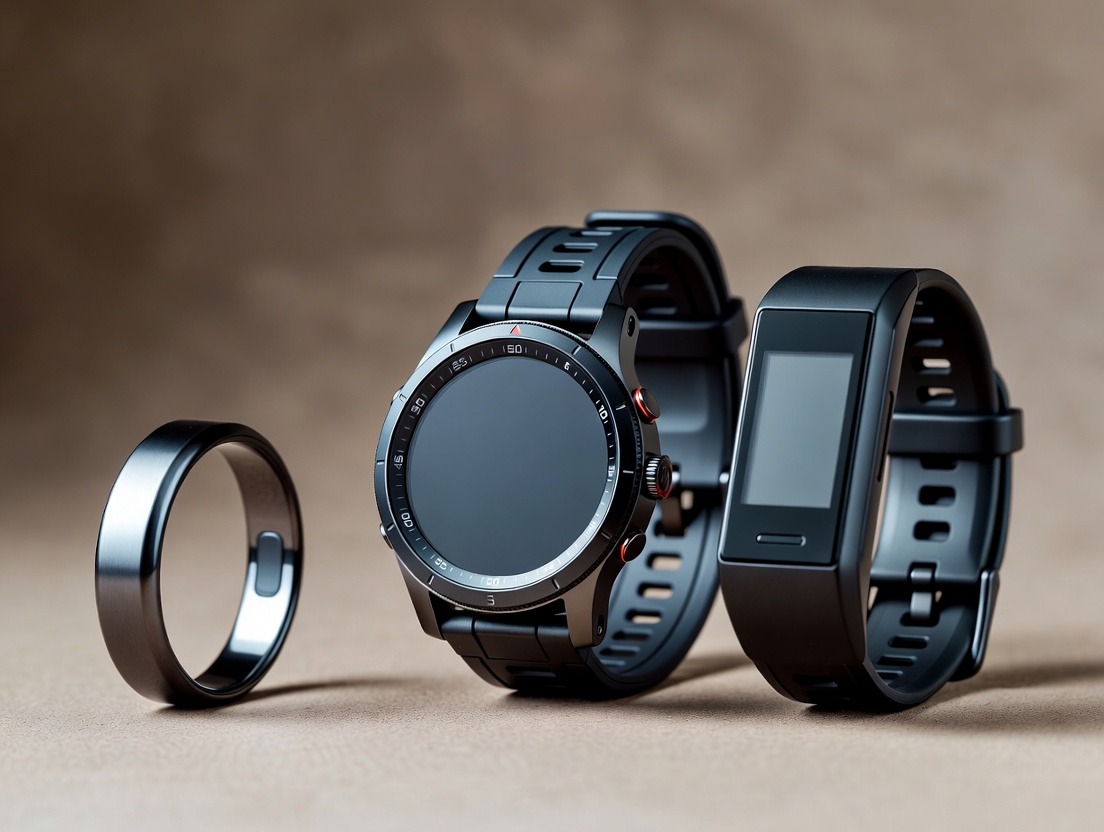
Wellness Ring vs. Smartwatch vs. Fitness Tracker

The wearable market offers a variety of choices, and understanding the differences is key to selecting the right tool for your goals. While there is overlap, wellness rings, smartwatches, and traditional fitness trackers are designed with distinct philosophies and primary use cases.

Wellness Ring: The Silent Bio-Sensor

  • Primary Focus: Internal State & Recovery. The ring is a specialist in passive, 24/7 physiological monitoring with an emphasis on sleep, HRV, readiness, and stress indicators.
  • Form Factor: Small, lightweight, jewelry-like. Designed for minimal awareness and maximum wear time.
  • Interaction: Primarily passive. No screen for notifications. Interaction happens via a smartphone app for reviewing detailed insights.
  • Data Strength: Deep, continuous biometrics. Superior for sleep staging, nocturnal HRV, and temperature trends due to the optimal finger placement for sensors.
  • Best For: Individuals focused on holistic well-being, sleep optimization, stress management, recovery balance, and those who want rich data without digital distraction. It’s the tool for those embracing the restful living philosophy of less hustle and more health.

Smartwatch: The Connected Wrist Computer

  • Primary Focus: Connectivity & Multi-Functionality. A smartwatch (e.g., Apple Watch, Samsung Galaxy Watch) is a mini-computer on your wrist. It handles fitness tracking, notifications, calls, apps, music, and payments.
  • Form Factor: Larger screen and body, worn on the wrist. A constant visual presence.
  • Interaction: Active and constant. Touchscreen interface, apps, and constant alerts.
  • Data Strength: Broad functionality and real-time fitness metrics. Excellent for GPS tracking, workout interfaces, and heart rate during exercise. Sleep and recovery data can be good but may be secondary to its other functions.
  • Best For: Users who want an all-in-one device for tech connectivity, communication, and general fitness tracking. The trade-off is potential digital distraction and less optimal sleep tracking (due to battery life requiring nightly charging and bulkier design).

Traditional Fitness Tracker: The Activity Specialist

  • Primary Focus: External Activity Motivation. Devices like older Fitbit or Garmin bands are centered on step counts, active minutes, calorie burn, and basic sleep tracking (often just duration and restlessness).
  • Form Factor: Wristband, often with a small screen or LED indicators.
  • Interaction: Limited. Basic feedback on goals (e.g., step progress bar).
  • Data Strength: Basic activity and sleep metrics. Lacks the advanced physiological sensors and algorithms for HRV, detailed sleep staging, or temperature trends.
  • Best For: Beginners to fitness tracking who want simple, motivating metrics for increasing daily movement at an accessible price point.

The Key Differentiator: Philosophy of Use

The simplest way to distinguish them is by their core message:

  • Fitness Tracker says: "Move more."
  • Smartwatch says: "Stay connected and do more."
  • Wellness Ring says: "Recover better and understand your body."

For many, the ideal setup in 2025 is a combination. They might wear a smartwatch during the day for workouts and connectivity, and rely on the wellness ring for 24/7 physiological baseline tracking, especially for sleep and recovery insights that the watch cannot match with the same accuracy or comfort. The ring complements an active lifestyle by ensuring that activity is always balanced with the essential component of restoration.

Who Is a Wellness Ring For? Identifying Your User Profile

Wellness rings are versatile, but they resonate most deeply with certain profiles. Understanding these user types can help you see if your lifestyle and goals align with what this technology is uniquely positioned to offer.

1. The Sleep-Optimizing Professional
This individual values performance but finds their sleep suffering due to stress, travel, or erratic schedules. They are tired of feeling groggy and relying on caffeine. The ring provides the concrete data they need to identify sleep disruptors (late dinners, evening screen time, an overly warm room) and track the impact of interventions like blackout curtains or a consistent bedtime. It helps them defend their sleep as non-negotiable foundation for their success.

2. The Data-Driven Athlete & Fitness Enthusiast
Beyond logging miles or lifts, this user wants to understand their body's internal response to training. They are wary of overtraining and plateaus. The ring’s recovery and readiness scores, coupled with HRV and RHR trends, become essential tools for periodizing their training, ensuring hard days are truly hard and easy days are truly restorative, leading to better performance and fewer injuries.

3. The Stress-Management Seeker
Often feeling "wired but tired," this person experiences the physical symptoms of chronic stress—irritability, fatigue, anxiety—but struggles to connect them to specific causes or solutions. The ring acts as a biofeedback device, making the link between a stressful workday and a plummeting HRV score tangible. It provides the motivation to adopt simple daily habits for deeper calm and restful living.

4. The Holistic Health & Biohacker
This individual is proactively engaged in every aspect of their well-being, from nutrition to mindfulness to supplementation. They view their body as a system to be optimized. The ring offers them a continuous stream of objective data to experiment with, allowing them to see how a new supplement, a cold shower, or a meditation practice actually moves their physiological markers.

5. The Health-Conscious Individual with Specific Goals
Someone preparing for a major life event (a wedding, a trek), managing a chronic condition in tandem with their doctor, or simply focused on longevity. The ring provides longitudinal trends and early-warning signs, empowering them to stay on track and make daily choices that support their long-term vision for health.

Who Might Benefit Less?

  • The Notification-Driven User: If you want your wearable primarily for calls, texts, and app alerts, a smartwatch is a better fit.
  • The Budget-Conscious Beginner: If your sole goal is to increase daily steps, a basic fitness tracker is more cost-effective.
  • Those Uncomfortable with Rings: Some people simply don’t like wearing rings, which is a practical barrier.

Ultimately, a wellness ring is for the curious and the proactive. It’s for the person who believes that health is more than the absence of disease, and that understanding their body’s unique language is the first step toward thriving in our demanding modern world. It’s particularly suited for those seeking to cultivate a more intentional lifestyle, as outlined in guides on creating a restful home environment room by room.
Design, Comfort & Wearability: The 24/7 Factor

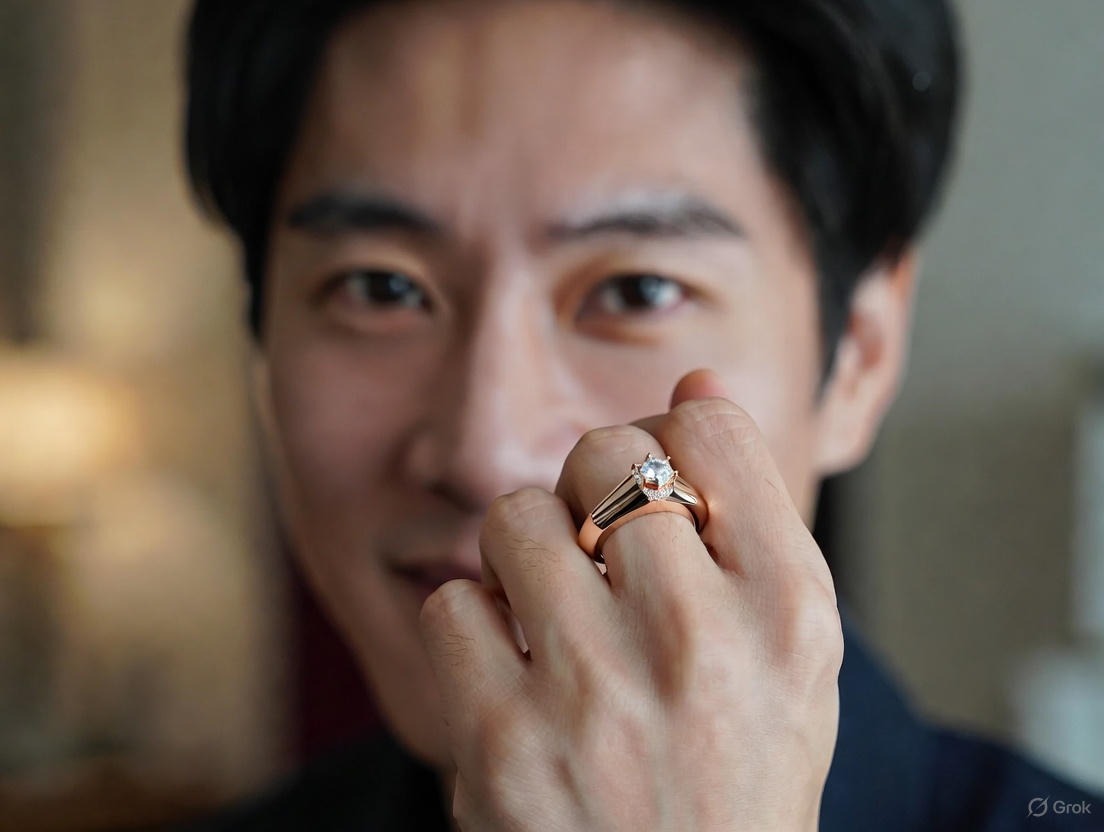
A wellness ring’s power is directly proportional to how consistently you wear it. The most accurate sensor is useless if it’s sitting in a charger. Therefore, design, comfort, and wearability aren’t mere aesthetic concerns; they are fundamental to the device’s functionality. In 2025, leading brands treat the ring as a piece of functional jewelry.

Ergonomics & Fit:
A proper fit is critical for both comfort and data accuracy. The ring should be snug enough that it doesn’t spin freely, ensuring the sensors maintain consistent contact with the skin, but not so tight that it causes discomfort or leaves a deep imprint. Most companies provide detailed sizing kits (plastic or silicone trial rings) to find your perfect size across different knuckles and fingers, accounting for natural daily finger swelling.

Materials & Durability:

  • Exterior Bands: Titanium is the industry standard for its ideal blend of strength, lightness, corrosion resistance, and hypoallergenic properties. Some brands offer ceramic or cobalt chrome for different finishes. These materials are chosen to withstand daily bumps, water, and sweat.
  • Interior Sensor Housing: This is typically a smooth, medical-grade resin or plastic that sits comfortably against the skin and houses the sensor array. It must be non-irritating for long-term wear.
  • Water & Dust Resistance: A minimum of IP68 or equivalent is expected, meaning the ring can be submerged in water (for showering, swimming) and is protected against dust. Many are rated for depths suitable for swimming, though salt water and chlorinated water may require rinsing afterward.

Battery Life & Charging:
The goal is to minimize "data gaps." Most wellness rings offer 5 to 7 days of battery life on a full charge. Charging is typically done via a proprietary dock or case that uses pogo pins or inductive charging. The process is quick (often 60-90 minutes for a full charge), allowing you to charge it while you shower or sit at your desk, making 24/7 wear truly feasible.

Aesthetics & Customization:
Unlike a clinical device, the wellness ring is meant to be worn everywhere. Leading models come in a range of finishes (brushed, polished, matte black, silver, gold) and sometimes even with subtle gemstone inlays. This allows it to blend seamlessly with other jewelry, from the gym to the office to a night out. The best designs are minimalist, elegant, and avoid a overtly "techy" look.

The 24/7 Wear Promise:
The pinnacle of a ring's design success is when you forget it’s there—until you need its insights. This constant wear enables its most powerful features:

  • Complete Sleep Data: You get a full night's reading every single night.
  • True Baselines: Your body temperature, HRV, and RHR trends are based on continuous data, not snapshots.
  • Seamless Integration: It becomes a part of you, removing the friction of device management from your health journey.

When evaluating a ring, consider it as you would a wedding band or a favorite piece of jewelry. Can you see yourself wearing it every day, in every context, without a second thought? If the answer is yes, then the design has succeeded, unlocking the full potential of the technology within. This constant, comfortable presence supports the goal of micro-recovery throughout the day for busy professionals.

Privacy, Data Security & Ownership

In an era of increasing digital sensitivity, entrusting your most intimate physiological data—your sleep patterns, heart rhythms, and temperature—to a device requires serious consideration of privacy and security. When you wear a wellness ring, you are generating a profoundly personal dataset. Understanding how it is handled is non-negotiable.

What Data is Collected?
As discussed, rings collect a continuous stream of biometric and behavioral data: heart rate, HRV, movement, skin temperature, SpO2, and inferred states like sleep and stress. This data is often synced to a cloud server via a companion smartphone app.

The Critical Questions to Ask:

  1. Where is my raw data stored? Is it on my phone, on the company's servers, or both? Reputable companies are transparent about this.
  2. Is my data anonymized and aggregated? Many companies use de-identified, aggregated data from all users to improve their algorithms (e.g., "our users with high sleep scores have an average HRV of X"). This is generally acceptable, but you should know if your personal dataset is included in these pools.
  3. Who has access to my personal data? The privacy policy should clearly state that your individual data is not sold to third parties like advertisers or data brokers. Look for language that limits data use to "providing and improving the service."
  4. Is the data encrypted? Data should be encrypted both "in transit" (while syncing from ring to phone to cloud) and "at rest" (on the servers). Look for mentions of industry-standard encryption like TLS and AES-256.
  5. What controls do I have? Can you easily download all your raw data? Can you delete your account and request the permanent deletion of your data from their servers? Strong data ownership means you have these options.

The "Wellness Data" vs. "Medical Data" Distinction
It’s crucial to understand that wellness ring data is typically classified as "wellness" or "lifestyle" information, not medical-grade data. This is a legal and regulatory distinction. While the insights can be incredibly valuable and even life-changing, the devices are not FDA-approved diagnostic tools (with rare exceptions for specific features like ECG). You should not use them to diagnose or treat medical conditions without consulting a healthcare professional.

Best Practices for Users:

  • Read the Privacy Policy. Don't just skip it. Look for the sections on data collection, use, and sharing.
  • Use Strong, Unique Passwords for your account.
  • Enable Two-Factor Authentication (2FA) if the app offers it.
  • Be mindful of sharing. While it can be helpful to share data with a coach, doctor, or partner, understand the privacy implications of doing so within the app.
  • Choose reputable brands. Established companies with a clear focus on health technology are more likely to have robust security infrastructure and a vested interest in maintaining user trust than a novelty gadget maker.

In 2025, data sovereignty is a key feature. The most trusted brands will not only protect your data but will empower you with clear ownership and control, ensuring that your journey toward better health doesn't come at the cost of your digital privacy. This peace of mind is itself a component of restful living, freeing you from the stress of data vulnerability.

Leading Brands & Models in 2025: A Comparative Landscape

The wellness ring market has matured significantly, with several established players and innovative newcomers defining the space in 2025. Each brand brings a slightly different philosophy, feature set, and design aesthetic to the table. Here’s an overview of the key contenders.

1. Oura Ring (The Pioneer & Market Leader)

  • Positioning: The original mainstream wellness ring, focused on holistic readiness, sleep, and recovery. It set the standard for the category.
  • Key Features: Sleek titanium design, excellent sleep staging, detailed Sleep, Readiness, and Activity Scores, accurate temperature trend monitoring, period prediction, and a vast library of research collaborations.
  • Considerations: Requires a monthly subscription to access the full depth of insights and historical data trends. Its design, while iconic, has a distinct look.

2. Ultrahuman Ring Air (The Challenger & Platform Ecosystem)

  • Positioning: A strong competitor built on an "open loop" health platform. Focuses on actionable insights and connecting data from other sources (like continuous glucose monitors) to provide a more unified health picture.
  • Key Features: No subscription fee for core features, robust recovery metrics (including "TruRecover"), detailed sleep analysis, glucose and metabolic health integration for platform users, and a more angular, tech-forward design.
  • Considerations: The platform approach is powerful but can be complex. Its design may not appeal to those seeking a more traditional jewelry look.

3. RingConn (The Value & Simplicity Contender)

  • Positioning: Offers a compelling, subscription-free alternative with a strong focus on core wellness metrics at a competitive price point.
  • Key Features: All core features (sleep, readiness, activity, temperature) available without a monthly fee, solid battery life, clear and concise app interface, and a simple, rounded design.
  • Considerations: May lack some of the advanced algorithmic nuances and extensive research backing of the market leaders, but excels at delivering reliable core functionality without recurring costs.

4. Circular Ring Slim (The Discreet & Smart Hybrid)

  • Positioning: Features a unique, slimmer design with a removable "smart module" (the Kira) and an optional built-in haptic alarm and notification system.
  • Key Features: Very slim and lightweight profile, customizable alerts and silent alarms, detailed sleep and recovery analytics, and a strong focus on discreet daily use.
  • Considerations: The hybrid smart features (notifications) move it slightly closer to a smartwatch philosophy, which may be a pro or con depending on your desire for distraction-free monitoring.

5. Other Notable Entrants & Niche Players:

  • Movano Health's Evie Ring: Designed with a focus on women's health, providing tailored insights and cycles tracking.
  • Amazon (Halo Rise/Looking Glass): While not a ring, Amazon's ambient, contactless sleep tracker shows the broader industry interest in passive health monitoring, putting competitive pressure on the ring form factor.

Choosing the Right One for You:
The "best" ring depends on your priorities:

  • For the Full-Featured, Research-Backed Experience: Oura remains a top choice.
  • For a Subscription-Free, Platform-Focused Approach: Ultrahuman is compelling.
  • For Simplicity and Value Without Subscription: RingConn is a strong contender.
  • For Discretion and Smart Features: Circular Ring Slim stands out.

In 2025, the competition has driven rapid innovation, better battery life, more accurate algorithms, and greater consumer choice. The key is to align the ring’s strengths with your personal health philosophy, whether that's deep biohacking or simply fostering a more restful living mindset of shifting from doing to being.

Setting Up & Using Your Wellness Ring: A Practical Guide

You’ve chosen your ring. Now, how do you go from unboxing to deriving meaningful insights? The initial setup and daily use of a wellness ring are intentionally simple, but a thoughtful approach will maximize its value from day one. This guide will walk you through the practical steps and mindset for successful integration.

The Unboxing & Initial Setup:

  1. Sizing is Everything: Before you even open the main box, you will likely find a sizing kit. This is the most crucial step. Wear the plastic sizing rings for at least 24 hours, testing them on different fingers (index and middle fingers are often recommended). Your finger size changes throughout the day and with temperature. Choose a size that is comfortably snug—it should not slide over your knuckle easily without a little resistance, but you should be able to rotate it with a gentle twist. A perfect fit ensures optimal sensor contact and long-term comfort.
  2. Charging & Powering On: Once your correctly sized ring arrives, place it on its charging dock. A full initial charge typically takes 1-2 hours. The ring will usually power on automatically once it has sufficient charge.
  3. App Installation & Pairing: Download the companion app (Oura, Ultrahuman, RingConn, etc.) from the official app store. Create an account. The app will guide you through the Bluetooth pairing process, which is as simple as holding the ring near your phone.
  4. Profile & Baseline Creation: The app will ask for basic information: age, height, weight, gender, and possibly your typical activity level and sleep goals. This helps the algorithms provide more personalized context. Be accurate here.

The First Two Weeks: The Observation Phase

Resist the urge to make drastic changes immediately. The first 7-14 days are a baseline period. Your ring is learning your normal. It’s establishing what your unique resting heart rate, HRV range, skin temperature, and sleep patterns look like.

  • Wear it consistently: Aim for 24/7 wear, only taking it off for charging (which you can do while showering or at your desk).
  • Live your normal life: Don’t try to “game” the scores. The goal is to get an honest snapshot of your current state.
  • Review the data daily, but don’t obsess: Glance at your scores each morning. Notice patterns without judgment. Is your sleep score consistently lower after late dinners? Is your readiness lower on Mondays? This phase is about data collection, not intervention.

Interpreting Your Daily Scores & Data:

After the baseline period, you can start to engage more deeply.

  • Morning Check-in: Make it a habit to review your Readiness/Recovery Score and Sleep Score with your morning coffee. Let this inform, not dictate, your day. A low readiness score isn't a command to cancel everything; it’s an invitation to be kinder to yourself—maybe take the stairs instead of a hard run, schedule a break, or prioritize an early bedtime. This practice is a cornerstone of a restful living morning routine that starts your day right.
  • Understanding Trends, Not Daily Fluctuations: A single day of low HRV or poor sleep is noise. Look for trends over 1-2 weeks. A sustained dip across multiple metrics is a meaningful signal from your body. The app’s trend graphs are more valuable than any single number.
  • The Experimentation Phase: Now you can start testing. If your sleep is poor, hypothesize a cause (room temperature, caffeine timing, screen use). Change one variable at a time for 3-4 nights and observe the impact on your scores. Did wearing blue-light blocking glasses after 8 PM raise your deep sleep percentage? The ring provides the objective feedback.

Daily Integration & Charging Routine:

To ensure continuous data, establish a simple charging habit. Since most rings last 5-7 days, you can charge it:

  • During your daily shower.
  • For 30-60 minutes while you’re sedentary at your desk.
  • While getting ready in the morning.

Even a short charge can add significant battery life. The goal is to avoid a multi-hour gap where the ring is dead.

Getting the Most from the App:

Go beyond the homepage scores. Dive into the detailed sleep analysis, view your heart rate graph throughout the night, and check your temperature trend line. Many apps offer guided audio content (meditations, breathwork, stories) tailored to your scores. Use these features. They transform the ring from a data reporter into an interactive wellness coach.

By following this phased approach—setup, observation, interpretation, and experimentation—you move from being a passive wearer to an active participant in your health. The ring becomes a mirror reflecting the consequences of your choices, empowering you to craft a lifestyle that genuinely supports your well-being, as explored in guides on how nature supports restful living by encouraging you to get outside more.

The Science Behind the Metrics: Why HRV, Temperature & Sleep Matter

The power of a wellness ring lies in its ability to translate complex physiological processes into understandable scores. But what is the actual science it’s measuring? Understanding the "why" behind the key metrics elevates them from interesting numbers to vital signs of your systemic health.

Heart Rate Variability (HRV): The Window to Your Autonomic Nervous System

HRV is arguably the most important metric a wellness ring provides. Contrary to intuition, a healthy heart does not beat with metronomic regularity. The tiny, millisecond variations between beats are a sign of a robust and adaptable nervous system.

  • The Physiology: Your heart rate is regulated by the autonomic nervous system (ANS), which has two branches:
    • Sympathetic ("Fight-or-Flight"): Accelerates heart rate, preparing for action.
    • Parasympathetic ("Rest-and-Digest"): Slows heart rate, promoting recovery and digestion.
  • What HRV Measures: HRV reflects the dynamic interplay between these two systems. A higher HRV indicates greater parasympathetic tone and overall resilience. It means your body can swiftly adapt to stress and then efficiently return to a calm state. A lower HRV suggests sympathetic dominance—your body is under persistent strain, leaving less capacity for recovery.
  • Why It Matters: Studies link higher HRV to better cardiovascular health, emotional regulation, and cognitive performance. It’s a powerful predictor of overtraining in athletes and a sensitive marker of psychological and physiological stress. Tracking your HRV balance helps you identify stressors and gauge the effectiveness of your recovery practices.

Nocturnal Skin Temperature: The Subtle Signal of Change

Core body temperature is tightly regulated, but skin temperature at the periphery (like your finger) is more variable and informative.

  • The Physiology: To initiate and maintain sleep, your core temperature needs to drop slightly. This is achieved by dissipating heat through the extremities—a process reflected in a rise in skin temperature at the finger as blood vessels dilate. A disruption in this circadian thermoregulation leads to poor sleep.
  • What It Tracks: Your ring establishes a personal baseline. Deviations from this baseline are key.
    • Sustained Elevation: Can indicate the onset of illness (as your body mounts a feverish immune response), inflammation, or hormonal shifts like ovulation (where progesterone causes a small, sustained temperature rise).
    • Lack of Nightly Rise: Can signal poor sleep onset or fragmented sleep.
  • Why It Matters: It provides a predictive, proactive insight. A multi-day temperature rise, even before you feel symptoms, can be a cue to hydrate, rest, and support your immune system. For women, it offers a natural method of cycle tracking.

Sleep Architecture: The Stages of Restoration

Sleep is not a uniform state. It's a cyclical journey through distinct stages, each with a critical function.

  • The Physiology:
    • Light Sleep (N1 & N2): The transition into sleep. Memory consolidation begins, and the body starts to wind down.
    • Deep Sleep (N3 or Slow-Wave Sleep): The physical restoration phase. Growth hormone is released, facilitating tissue repair, muscle growth, and immune function. This is when your body physically recovers.
    • REM Sleep: The mental restoration phase. The brain is highly active, processing emotions, consolidating memories, and fostering creativity. Your body is paralyzed (to prevent acting out dreams) while your mind does essential housekeeping.
  • What the Ring Tracks: Using heart rate, HRV, and movement, algorithms estimate the time spent in each stage and the number of complete cycles you go through (each cycle is ~90 minutes).
  • Why It Matters: Simply getting 8 hours of sleep is insufficient if you’re missing deep or REM sleep. An imbalance can explain why you wake up tired despite adequate duration. Deep sleep deficiency impairs physical recovery, while REM sleep deficiency affects mood and cognitive function. Understanding your personal architecture allows you to target improvements, much like the strategies discussed in how restful living improves sleep quality naturally.

Resting Heart Rate (RHR): The Barometer of Fitness & Fatigue

Your heart rate during sleep is your truest resting heart rate, free from the influences of posture, activity, and mental stress.

  • The Physiology: A lower RHR generally indicates greater cardiovascular efficiency—your heart muscle is stronger and can pump more blood per beat, requiring fewer beats per minute at rest.
  • What the Ring Tracks: Your nightly RHR and its trend over time.
  • Why It Matters: A gradual decrease in your RHR trend is a positive sign of improving fitness. A sudden or sustained increase (by 5-10 bpm above your baseline) is a classic sign of overtraining, insufficient recovery, dehydration, or the onset of illness. It’s a clear, quantifiable red flag from your body.

Together, these metrics form a biofeedback loop. They move health from a subjective feeling ("I'm tired") to an objective, physiological dialogue. This scientific foundation is what separates a wellness ring from a simple pedometer, providing the "why" behind the scores and empowering truly informed lifestyle choices. For more on the importance of this foundational data, consider the science behind why downtime matters for restful living.

Common Myths & Misconceptions About Wellness Rings

As with any emerging technology, misconceptions abound. Debunking these myths is essential for setting realistic expectations and understanding the true role of a wellness ring in your health journey.

Myth 1: "It’s a Medical Device for Diagnosis."

  • Reality: This is the most important distinction. Wellness rings are consumer wellness devices. While they use medical-grade sensor principles, they are not FDA-cleared for diagnosis (with specific exceptions, like the ECG in some smartwatches). They provide insights and trends intended for lifestyle awareness and improvement. You should not use ring data to diagnose sleep apnea, heart conditions, or other illnesses. Instead, use concerning trends (like consistently low SpO2 or a wildly erratic heart rate) as a prompt to consult a qualified healthcare professional who can order appropriate diagnostic tests.

Myth 2: "The Score is an Absolute Grade of My Health."

  • Reality: Your Sleep or Readiness Score is a relative metric, not an absolute one. It's calculated based on your personal baselines and the algorithm's ideal parameters. A score of 75 might be excellent for you but low for someone else. The true value is in the trend and the contributors. Why was your score 65 today when it's usually 85? Was it due to low deep sleep, high resting heart rate, or low HRV? The breakdown is infinitely more valuable than the headline number. Obsessing over a single score misses the point.

Myth 3: "It Will Automatically Make Me Healthier."

  • Reality: The ring is a tool for awareness, not a magic bullet. It gives you feedback, but you must take the action. Knowing you slept poorly doesn't improve your sleep. It’s the subsequent choice to limit caffeine, create a dark room, or establish a wind-down ritual that creates change. The ring illuminates the path; you still have to walk it. It supports the implementation of restful living habits that can transform your energy.

Myth 4: "More Data is Always Better."

  • Reality: Data without context can lead to "analysis paralysis" or orthosomnia—an unhealthy preoccupation with perfect sleep data that ironically causes more anxiety and worse sleep. The goal is informed intuition, not compulsive tracking. Check your scores once or twice a day to guide decisions, but don’t refresh the app constantly. Let the ring work passively in the background of your life.

Myth 5: "It’s Only for Elite Athletes or Biohackers."

  • Reality: While these groups were early adopters, the core value—understanding your sleep and stress—is universal. The busy parent, the stressed professional, the shift worker, and the person simply wanting to feel more energized can all benefit profoundly. The insights help anyone balance activity with the essential need for restoration, a principle accessible to all through restful living on a budget with zero-cost wellness tips.

Myth 6: "The Finger is a Less Accurate Location Than the Wrist."

  • Reality: For the metrics a wellness ring prioritizes, the finger is often superior. The vasculature in the finger (a "vascular bed") provides a stronger, less noisy PPG signal for heart rate, HRV, and SpO2, especially during sleep when minimal movement allows for optimal sensor contact. The wrist is more prone to motion artifact. For activity tracking during intense, dynamic workouts, a wrist-based optical sensor or a chest strap may have an edge, but for 24/7 physiological baseline tracking, the ring's location is a feature, not a bug.

Myth 7: "All Rings and Algorithms are Basically the Same."

  • Reality: While the core sensor technology is similar, the algorithms are the secret sauce and vary significantly. One company's "Deep Sleep" calculation may differ from another's based on the weight they give to heart rate drop, movement, and HRV patterns. This is why comparing absolute numbers between brands is not meaningful. Focus on the consistency and trends within one ecosystem.

By understanding what a wellness ring is and what it is not, you can approach it with a balanced, effective mindset. It is a powerful coach and companion, not a doctor or a dictator. Its greatest gift is fostering a deeper, more respectful connection with your own body's signals. This clarity helps avoid the common restful living mistakes that keep you wired and tired through misunderstanding or misuse of technology.

Setting Up & Using Your Wellness Ring: A Practical Guide

You’ve chosen your ring. Now, how do you go from unboxing to deriving meaningful insights? The initial setup and daily use of a wellness ring are intentionally simple, but a thoughtful approach will maximize its value from day one. This guide will walk you through the practical steps and mindset for successful integration.

The Unboxing & Initial Setup:

  1. Sizing is Everything: Before you even open the main box, you will likely find a sizing kit. This is the most crucial step. Wear the plastic sizing rings for at least 24 hours, testing them on different fingers (index and middle fingers are often recommended). Your finger size changes throughout the day and with temperature. Choose a size that is comfortably snug—it should not slide over your knuckle easily without a little resistance, but you should be able to rotate it with a gentle twist. A perfect fit ensures optimal sensor contact and long-term comfort.
  2. Charging & Powering On: Once your correctly sized ring arrives, place it on its charging dock. A full initial charge typically takes 1-2 hours. The ring will usually power on automatically once it has sufficient charge.
  3. App Installation & Pairing: Download the companion app (Oura, Ultrahuman, RingConn, etc.) from the official app store. Create an account. The app will guide you through the Bluetooth pairing process, which is as simple as holding the ring near your phone.
  4. Profile & Baseline Creation: The app will ask for basic information: age, height, weight, gender, and possibly your typical activity level and sleep goals. This helps the algorithms provide more personalized context. Be accurate here.

The First Two Weeks: The Observation Phase

Resist the urge to make drastic changes immediately. The first 7-14 days are a baseline period. Your ring is learning your normal. It’s establishing what your unique resting heart rate, HRV range, skin temperature, and sleep patterns look like.

  • Wear it consistently: Aim for 24/7 wear, only taking it off for charging (which you can do while showering or at your desk).
  • Live your normal life: Don’t try to “game” the scores. The goal is to get an honest snapshot of your current state.
  • Review the data daily, but don’t obsess: Glance at your scores each morning. Notice patterns without judgment. Is your sleep score consistently lower after late dinners? Is your readiness lower on Mondays? This phase is about data collection, not intervention.

Interpreting Your Daily Scores & Data:

After the baseline period, you can start to engage more deeply.

  • Morning Check-in: Make it a habit to review your Readiness/Recovery Score and Sleep Score with your morning coffee. Let this inform, not dictate, your day. A low readiness score isn't a command to cancel everything; it’s an invitation to be kinder to yourself—maybe take the stairs instead of a hard run, schedule a break, or prioritize an early bedtime. This practice is a cornerstone of a restful living morning routine that starts your day right.
  • Understanding Trends, Not Daily Fluctuations: A single day of low HRV or poor sleep is noise. Look for trends over 1-2 weeks. A sustained dip across multiple metrics is a meaningful signal from your body. The app’s trend graphs are more valuable than any single number.
  • The Experimentation Phase: Now you can start testing. If your sleep is poor, hypothesize a cause (room temperature, caffeine timing, screen use). Change one variable at a time for 3-4 nights and observe the impact on your scores. Did wearing blue-light blocking glasses after 8 PM raise your deep sleep percentage? The ring provides the objective feedback.

Daily Integration & Charging Routine:

To ensure continuous data, establish a simple charging habit. Since most rings last 5-7 days, you can charge it:

  • During your daily shower.
  • For 30-60 minutes while you’re sedentary at your desk.
  • While getting ready in the morning.

Even a short charge can add significant battery life. The goal is to avoid a multi-hour gap where the ring is dead.

Getting the Most from the App:

Go beyond the homepage scores. Dive into the detailed sleep analysis, view your heart rate graph throughout the night, and check your temperature trend line. Many apps offer guided audio content (meditations, breathwork, stories) tailored to your scores. Use these features. They transform the ring from a data reporter into an interactive wellness coach.

By following this phased approach—setup, observation, interpretation, and experimentation—you move from being a passive wearer to an active participant in your health. The ring becomes a mirror reflecting the consequences of your choices, empowering you to craft a lifestyle that genuinely supports your well-being, as explored in guides on how nature supports restful living by encouraging you to get outside more.

The Science Behind the Metrics: Why HRV, Temperature & Sleep Matter

The power of a wellness ring lies in its ability to translate complex physiological processes into understandable scores. But what is the actual science it’s measuring? Understanding the "why" behind the key metrics elevates them from interesting numbers to vital signs of your systemic health.

Heart Rate Variability (HRV): The Window to Your Autonomic Nervous System

HRV is arguably the most important metric a wellness ring provides. Contrary to intuition, a healthy heart does not beat with metronomic regularity. The tiny, millisecond variations between beats are a sign of a robust and adaptable nervous system.

  • The Physiology: Your heart rate is regulated by the autonomic nervous system (ANS), which has two branches:
    • Sympathetic ("Fight-or-Flight"): Accelerates heart rate, preparing for action.
    • Parasympathetic ("Rest-and-Digest"): Slows heart rate, promoting recovery and digestion.
  • What HRV Measures: HRV reflects the dynamic interplay between these two systems. A higher HRV indicates greater parasympathetic tone and overall resilience. It means your body can swiftly adapt to stress and then efficiently return to a calm state. A lower HRV suggests sympathetic dominance—your body is under persistent strain, leaving less capacity for recovery.
  • Why It Matters: Studies link higher HRV to better cardiovascular health, emotional regulation, and cognitive performance. It’s a powerful predictor of overtraining in athletes and a sensitive marker of psychological and physiological stress. Tracking your HRV balance helps you identify stressors and gauge the effectiveness of your recovery practices.

Nocturnal Skin Temperature: The Subtle Signal of Change

Core body temperature is tightly regulated, but skin temperature at the periphery (like your finger) is more variable and informative.

  • The Physiology: To initiate and maintain sleep, your core temperature needs to drop slightly. This is achieved by dissipating heat through the extremities—a process reflected in a rise in skin temperature at the finger as blood vessels dilate. A disruption in this circadian thermoregulation leads to poor sleep.
  • What It Tracks: Your ring establishes a personal baseline. Deviations from this baseline are key.
    • Sustained Elevation: Can indicate the onset of illness (as your body mounts a feverish immune response), inflammation, or hormonal shifts like ovulation (where progesterone causes a small, sustained temperature rise).
    • Lack of Nightly Rise: Can signal poor sleep onset or fragmented sleep.
  • Why It Matters: It provides a predictive, proactive insight. A multi-day temperature rise, even before you feel symptoms, can be a cue to hydrate, rest, and support your immune system. For women, it offers a natural method of cycle tracking.

Sleep Architecture: The Stages of Restoration

Sleep is not a uniform state. It's a cyclical journey through distinct stages, each with a critical function.

  • The Physiology:
    • Light Sleep (N1 & N2): The transition into sleep. Memory consolidation begins, and the body starts to wind down.
    • Deep Sleep (N3 or Slow-Wave Sleep): The physical restoration phase. Growth hormone is released, facilitating tissue repair, muscle growth, and immune function. This is when your body physically recovers.
    • REM Sleep: The mental restoration phase. The brain is highly active, processing emotions, consolidating memories, and fostering creativity. Your body is paralyzed (to prevent acting out dreams) while your mind does essential housekeeping.
  • What the Ring Tracks: Using heart rate, HRV, and movement, algorithms estimate the time spent in each stage and the number of complete cycles you go through (each cycle is ~90 minutes).
  • Why It Matters: Simply getting 8 hours of sleep is insufficient if you’re missing deep or REM sleep. An imbalance can explain why you wake up tired despite adequate duration. Deep sleep deficiency impairs physical recovery, while REM sleep deficiency affects mood and cognitive function. Understanding your personal architecture allows you to target improvements, much like the strategies discussed in how restful living improves sleep quality naturally.

Resting Heart Rate (RHR): The Barometer of Fitness & Fatigue

Your heart rate during sleep is your truest resting heart rate, free from the influences of posture, activity, and mental stress.

  • The Physiology: A lower RHR generally indicates greater cardiovascular efficiency—your heart muscle is stronger and can pump more blood per beat, requiring fewer beats per minute at rest.
  • What the Ring Tracks: Your nightly RHR and its trend over time.
  • Why It Matters: A gradual decrease in your RHR trend is a positive sign of improving fitness. A sudden or sustained increase (by 5-10 bpm above your baseline) is a classic sign of overtraining, insufficient recovery, dehydration, or the onset of illness. It’s a clear, quantifiable red flag from your body.

Together, these metrics form a biofeedback loop. They move health from a subjective feeling ("I'm tired") to an objective, physiological dialogue. This scientific foundation is what separates a wellness ring from a simple pedometer, providing the "why" behind the scores and empowering truly informed lifestyle choices. For more on the importance of this foundational data, consider the science behind why downtime matters for restful living.

Common Myths & Misconceptions About Wellness Rings

As with any emerging technology, misconceptions abound. Debunking these myths is essential for setting realistic expectations and understanding the true role of a wellness ring in your health journey.

Myth 1: "It’s a Medical Device for Diagnosis."

  • Reality: This is the most important distinction. Wellness rings are consumer wellness devices. While they use medical-grade sensor principles, they are not FDA-cleared for diagnosis (with specific exceptions, like the ECG in some smartwatches). They provide insights and trends intended for lifestyle awareness and improvement. You should not use ring data to diagnose sleep apnea, heart conditions, or other illnesses. Instead, use concerning trends (like consistently low SpO2 or a wildly erratic heart rate) as a prompt to consult a qualified healthcare professional who can order appropriate diagnostic tests.

Myth 2: "The Score is an Absolute Grade of My Health."

  • Reality: Your Sleep or Readiness Score is a relative metric, not an absolute one. It's calculated based on your personal baselines and the algorithm's ideal parameters. A score of 75 might be excellent for you but low for someone else. The true value is in the trend and the contributors. Why was your score 65 today when it's usually 85? Was it due to low deep sleep, high resting heart rate, or low HRV? The breakdown is infinitely more valuable than the headline number. Obsessing over a single score misses the point.

Myth 3: "It Will Automatically Make Me Healthier."

  • Reality: The ring is a tool for awareness, not a magic bullet. It gives you feedback, but you must take the action. Knowing you slept poorly doesn't improve your sleep. It’s the subsequent choice to limit caffeine, create a dark room, or establish a wind-down ritual that creates change. The ring illuminates the path; you still have to walk it. It supports the implementation of restful living habits that can transform your energy.

Myth 4: "More Data is Always Better."

  • Reality: Data without context can lead to "analysis paralysis" or orthosomnia—an unhealthy preoccupation with perfect sleep data that ironically causes more anxiety and worse sleep. The goal is informed intuition, not compulsive tracking. Check your scores once or twice a day to guide decisions, but don’t refresh the app constantly. Let the ring work passively in the background of your life.

Myth 5: "It’s Only for Elite Athletes or Biohackers."

  • Reality: While these groups were early adopters, the core value—understanding your sleep and stress—is universal. The busy parent, the stressed professional, the shift worker, and the person simply wanting to feel more energized can all benefit profoundly. The insights help anyone balance activity with the essential need for restoration, a principle accessible to all through restful living on a budget with zero-cost wellness tips.

Myth 6: "The Finger is a Less Accurate Location Than the Wrist."

  • Reality: For the metrics a wellness ring prioritizes, the finger is often superior. The vasculature in the finger (a "vascular bed") provides a stronger, less noisy PPG signal for heart rate, HRV, and SpO2, especially during sleep when minimal movement allows for optimal sensor contact. The wrist is more prone to motion artifact. For activity tracking during intense, dynamic workouts, a wrist-based optical sensor or a chest strap may have an edge, but for 24/7 physiological baseline tracking, the ring's location is a feature, not a bug.

Myth 7: "All Rings and Algorithms are Basically the Same."

  • Reality: While the core sensor technology is similar, the algorithms are the secret sauce and vary significantly. One company's "Deep Sleep" calculation may differ from another's based on the weight they give to heart rate drop, movement, and HRV patterns. This is why comparing absolute numbers between brands is not meaningful. Focus on the consistency and trends within one ecosystem.

By understanding what a wellness ring is and what it is not, you can approach it with a balanced, effective mindset. It is a powerful coach and companion, not a doctor or a dictator. Its greatest gift is fostering a deeper, more respectful connection with your own body's signals. This clarity helps avoid the common restful living mistakes that keep you wired and tired through misunderstanding or misuse of technology.

Citations:

Your Trusted Sleep Advocate: Sleep Foundation — https://www.sleepfoundation.org

Discover a digital archive of scholarly articles: NIH — https://www.ncbi.nlm.nih.gov/

39 million citations for biomedical literature :PubMed — https://pubmed.ncbi.nlm.nih.gov/

Experts at Harvard Health Publishing covering a variety of health topics — https://www.health.harvard.edu/blog/  

Every life deserves world class care :Cleveland Clinic - https://my.clevelandclinic.org/health

Wearable technology and the future of predictive health monitoring :MIT Technology Review — https://www.technologyreview.com/

Dedicated to the well-being of all people and guided by science :World Health Organization — https://www.who.int/news-room/

Psychological science and knowledge to benefit society and improve lives. :APA — https://www.apa.org/monitor/

Cutting-edge insights on human longevity and peak performance:

 Lifespan Research — https://www.lifespan.io/

Global authority on exercise physiology, sports performance, and human recovery:

 American College of Sports Medicine — https://www.acsm.org/

Neuroscience-driven guidance for better focus, sleep, and mental clarity:

 Stanford Human Performance Lab — https://humanperformance.stanford.edu/

Evidence-based psychology and mind–body wellness resources:

 Mayo Clinic — https://www.mayoclinic.org/healthy-lifestyle/

Data-backed research on emotional wellbeing, stress biology, and resilience:

 American Institute of Stress — https://www.stress.org/
