


Active Living Basics: How to Move More Without "Working Out"
Teaches how to move more throughout the day without formally "working out."
Teaches how to move more throughout the day without formally "working out."
%402x.svg)
For many, the phrase "I need to work out" conjures images of fluorescent-lit gyms, clanging weights, prescribed 45-minute sweat sessions, and a sense of obligation that can feel more like a chore than a gift. This rigid, compartmentalized approach to movement is often the very thing that causes us to stall, procrastinate, and ultimately disengage. But what if the secret to a healthier, more vibrant life isn't found in grueling workouts, but in the art of seamlessly weaving movement into the fabric of your day? Welcome to the philosophy of Active Living—a paradigm shift that celebrates motion as a natural, joyful, and essential component of daily existence, not a punishment to be endured.
Active Living is the gentle rebellion against the all-or-nothing fitness culture. It’s the understanding that the 30 minutes you might spend on a treadmill, while beneficial, are not the sole determinants of your health. Groundbreaking research, including studies on "non-exercise activity thermogenesis" (NEAT), reveals that the thousands of small movements you make throughout the day—from pacing while on a phone call to gardening to simply standing up regularly—burn a significant number of calories, improve metabolic health, boost circulation, and fortify your body against the perils of prolonged stillness. The goal is not to replace dedicated exercise for those who enjoy it, but to build a foundational layer of movement that makes your body feel alive, resilient, and integrated, every single hour.
This is where modern technology, specifically smart rings like Oxyzen, becomes a transformative partner in your journey. Unlike a bulky wrist device, a smart ring is a subtle, always-on companion that measures your body’s most fundamental signals. It goes beyond just counting steps; it provides a holistic view of your readiness, activity, and recovery. By tracking metrics like heart rate variability (HRV), resting heart rate, skin temperature, and sleep stages—including the crucial deep sleep phase vital for physical repair—a device like Oxyzen offers personalized, actionable insights. It helps you understand how your body truly responds to your daily activity patterns, allowing you to move intelligently in harmony with your physiology, not against it. To see how this technology can guide your active living journey, you can explore the Oxyzen smart ring collection.
This first part of our comprehensive guide is dedicated to laying the unshakable foundation of Active Living. We will dismantle the myths, explore the profound "why," and provide you with a practical, intuitive framework to begin moving more—joyfully and sustainably—starting today. Forget the gym locker; we’re heading into your living room, your office, your neighborhood, and your life.
The Sedentary Trap: Why "Sitting Is the New Smoking"
We live in an age of unprecedented convenience, but this comfort has come at a steep biological cost. The human body is a masterpiece of evolutionary engineering, designed for near-constant, low-to-moderate levels of movement—hunting, gathering, building, and migrating. Our physiology craves motion the way our lungs crave air. Yet, the modern environment has engineered movement out of our lives. We sit in cars, at desks, on couches. We have groceries, entertainment, and social connections delivered to our fingertips. This mass shift to a sedentary lifestyle is not merely a neutral change; it is a slow, systemic stressor with consequences so severe that researchers have levied the now-famous warning: "sitting is the new smoking."
The comparison is not hyperbole. Prolonged sitting has been independently linked to a staggering array of health issues. When you remain seated for hours on end, your large muscle groups are inactive, causing your metabolism to downshift into a low-energy state. This leads to poorer circulation, reduced insulin sensitivity (increasing the risk for Type 2 diabetes), and dysregulation of blood lipids. Studies show that extended sedentary time is associated with a significantly higher risk of cardiovascular disease, certain cancers, and all-cause mortality—even for individuals who engage in regular exercise. This last point is critical: your one-hour daily workout does not grant you immunity from the eight to ten hours of chair-bound stillness that bookend it. This phenomenon is known as the "Active Couch Potato" paradox, where someone is simultaneously fit and metabolically compromised.
Beyond the physical, the sedentary trap ensnares our minds and moods. Physical stagnation is closely linked to mental stagnation. Reduced blood flow means less oxygen and nutrients reach the brain, which can cloud thinking, dampen creativity, and contribute to brain fog. Furthermore, a lack of movement drastically reduces the sensory input your brain receives—the feeling of your feet on the ground, the shifting of your weight, the engagement of your core. This sensory deprivation can heighten anxiety, exacerbate symptoms of depression, and erode your overall sense of embodied well-being.
Recognizing this trap is the first step toward liberation. The goal isn't to never sit down—rest is vital—but to break up long periods of passive sitting with frequent, intentional "movement snacks." It’s about changing your relationship with your environment and your habits. The data from a wellness tracker can be a powerful wake-up call in this regard. For instance, by reviewing trends in your readiness score and resting heart rate on the Oxyzen platform, you can begin to see the direct correlation between days of high sedentarism and your body's markers of stress and recovery. It transforms an abstract health warning into a personal, actionable insight. The trap is real, but the exit is clearly marked: consistent, low-grade movement throughout your waking hours.
Redefining Fitness: From Workout Obligation to Movement Joy
For decades, the fitness industry has sold us a narrative centered on pain, transformation, and discipline. Fitness was a destination to reach, often defined by aesthetics: a smaller dress size, visible abs, or a number on a barbell. Movement was the prescribed, often unpleasant, medicine required to get there. This "no pain, no gain" mentality has left countless people feeling like failures, burning out, or never starting at all because the hurdle seemed too high. Active Living proposes a radical reframe: What if fitness is not a destination, but a quality of your daily life? What if movement is not medicine, but a source of joy, exploration, and self-expression?
This shift is from extrinsic to intrinsic motivation. Instead of moving to change your body (extrinsic), you move to connect with and enjoy your body (intrinsic). The focus turns to how movement makes you feel in the present moment: energized, strong, calm, or free. It’s about rediscovering the innate human pleasure of motion—the swing of your arms on a walk, the stretch of your spine after sitting, the rhythmic pattern of your breath as you climb stairs. This is the joy a child experiences simply from running, skipping, or jumping, no calorie counter in sight.
Embracing this philosophy opens up a world of movement possibilities that were previously invisible because they didn't "count" as a workout. Dancing in your kitchen while cooking, taking a meandering "walking meeting," stretching while you watch TV, opting for a manual screwdriver over a power tool, or playing tag with your kids—all of these are not just valid forms of movement; they are the essential threads of an active life. They build what exercise scientists call "movement variability," which is key for joint health, neural plasticity, and preventing overuse injuries common in repetitive workout routines.
To cultivate this mindset, start by auditing your internal dialogue. Replace "I have to go for a run" with "I get to go outside and feel my body move." Release the judgment around duration and intensity. A five-minute stretch session is a victory. A 15-minute walk is a success. This is where a holistic tracker can serve as a supportive coach rather than a punitive judge. A smart ring like Oxyzen tracks all your daily activity, not just dedicated exercise. It celebrates the cumulative effect of your lifestyle, showing you how your active living habits contribute to deeper, more restorative sleep and better next-day readiness. You can learn more about this powerful connection in our detailed guide, The Science of Deep Sleep: What Happens to Your Body. By seeing the tangible benefits of joyful, integrated movement on your recovery metrics, you reinforce the intrinsic value of the behavior itself, creating a powerful, positive feedback loop.
The NEAT Revolution: Your Secret Metabolic Weapon
If the concept of Active Living had a scientific superhero, its name would be NEAT: Non-Exercise Activity Thermogenesis. This is the energy you expend for everything that is not sleeping, eating, or sports-like exercise. It encompasses all those mundane, daily movements: fidgeting, standing, walking to the printer, cooking, gardening, typing, and even maintaining posture. While each instance seems trivial, their cumulative metabolic impact is nothing short of revolutionary.
Research indicates that for the majority of non-athletes, NEAT can account for 15% to 30% of total daily calorie expenditure. However, in highly active populations (think mail carriers or manual laborers), it can skyrocket to 50% or more. The variance in NEAT between two similarly sized individuals can be as high as 2,000 calories per day, which is a primary reason why some people seem to maintain their weight effortlessly while others struggle. Crucially, NEAT is highly malleable—it's a lever we can consciously pull to boost our metabolism 24/7, without ever changing into workout gear.
The magic of NEAT lies in its frequency and spontaneity. Unlike a single, intense bout of exercise that spikes your metabolism for a short period, NEAT acts as a steady, low-grade metabolic burner that never turns off. It keeps your circulation dynamic, delivers a constant trickle of nutrients to tissues, aids in lymphatic drainage, and helps regulate blood sugar by consistently engaging your muscles. Think of it as keeping the pilot light of your metabolism lit all day long, rather than trying to start a bonfire once and letting it go cold.
So, how do you harness the NEAT revolution? It begins with awareness and intentionality. Here are foundational strategies to supercharge your NEAT:
Tracking NEAT can be incredibly motivating. While step count is a crude proxy, a device that provides a holistic activity score gives you credit for all this valuable non-exercise movement. By monitoring trends, you can set personal goals to gradually increase your daily non-exercise activity and observe its positive effects on other biomarkers. For a deeper dive into how tracking can reveal the nuances of your daily energy expenditure, our blog offers extensive resources on activity and wellness technology.
The Foundation of Readiness: Listening to Your Body's Signals
In the old paradigm of fitness, the schedule was king: "It's Monday, so it's chest day." This rigid approach often forces you to work out despite your body's signals, not because of them. You might push through fatigue, ignore nagging aches, or skip movement when you feel great simply because it's a "rest day." Active Living, guided by modern biometrics, introduces a more intelligent, responsive, and sustainable principle: Move according to your readiness.
Readiness is a composite measure of your body's capacity to handle stress, perform, and adapt at any given moment. It’s influenced by a symphony of internal factors: how well you slept, your nutritional status, your stress levels, and yes, your recent activity. Ignoring readiness is like sailing a ship without checking the weather; you might be fine, or you might be sailing directly into a storm.
Key biomarkers that form your readiness score include:
By wearing a device that tracks these metrics, like a smart ring, you move from guessing to knowing. The Oxyzen app, for example, synthesizes this data into a simple Readiness Score each morning. This isn't a command, but a conversation starter with your body.
This feedback loop transforms your approach. Movement becomes a responsive dialogue, not a monologue. It builds resilience by respecting your body's need for recovery, ultimately leading to more consistent, enjoyable, and productive activity over the long term.
Habit Stacking: The Art of Weaving Movement into Existing Routines
One of the biggest barriers to moving more is the perception that it requires extra time—a scarce commodity in modern life. The genius of Active Living is that it doesn't ask you to find time, but to reframe the time you already have. The most effective method for this is a behavioral technique known as "habit stacking," a term popularized by author James Clear. The principle is simple: you attach a new, desired behavior (a "movement snack") to an existing, habitual cue in your daily routine.
Your existing habits—like brewing coffee, brushing your teeth, or waiting for a meeting to start—are already on autopilot. They have strong neural pathways. By stacking a tiny movement onto one of these anchors, you leverage the existing habit's momentum to automatically trigger the new behavior, requiring minimal willpower or planning.
The key is to start microscopically. The goal is consistency and ease, not intensity. A habit that is too large or complex will break. A habit that is laughably small will stick and often naturally expand.
Here are practical examples of movement stacks for different parts of your day:
Morning Anchors:
Workday Anchors:
Evening Anchors:
These stacks are not workouts; they are movement hygiene. They break sedentarism, lubricate joints, reset posture, and send fresh oxygen to your brain. To track the success of your habit-stacking efforts, observe trends in your daily activity graph on your wellness app. Notice if these small stacks lead to a higher, more consistent baseline of movement. For more inspiration on building sustainable wellness routines, the team at Oxyzen shares insights and stories on their company blog about our mission and values.
The Power of Environment Design: Setting Your World Up for Motion

Your willpower is a finite resource, easily depleted by decision fatigue. Relying on it to choose movement over inertia throughout the day is a losing battle. The most successful adherents to Active Living understand a fundamental truth: You don't rise to the level of your goals; you fall to the level of your systems. Your environment is the most powerful system you have. By intentionally designing your physical and digital spaces to make movement the default, easy choice, you conserve willpower and make Active Living an effortless consequence of your surroundings.
Environment design operates on two principles: 1) Make the desired behavior easier, and 2) Make the undesired behavior harder.
Redesign Your Physical Space:
Redesign Your Digital Environment:
By designing friction out of movement and friction into prolonged sitting, you shift the odds dramatically in your favor. Your environment becomes a silent, constant coach guiding you toward a more active life. For common questions on how to best use technology to support this environmental design, our comprehensive FAQ page addresses how to optimize device settings for activity reminders and tracking.
Walking: The Underrated Cornerstone of Human Health
In our quest for sophisticated fitness regimens, we often overlook the most fundamental, accessible, and profoundly beneficial movement available to us: walking. It is not a mere "starting point" for exercise; it is the timeless cornerstone of human physical and mental health. Evolutionary biologists posit that our bodies—our upright posture, our long Achilles tendons, our gluteal muscles, and our ability to sweat—are quite literally built for endurance walking and running. To neglect walking is to neglect a core component of our biological design.
The health benefits of regular, brisk walking are staggering and well-documented:
To elevate walking from a mundane task to a powerful Active Living practice, apply the principles of intention and variability:
Tracking your walks can provide wonderful motivation and insight. Note how different types of walks—a slow, mindful stroll versus a brisk, purposeful commute—affect your biometrics. You might find that a calming evening walk contributes to a higher deep sleep score that night, as gentle movement can help regulate the sleep-wake cycle and reduce stress. For athletes and active individuals, understanding this connection is vital; read more about deep sleep optimization for athletic recovery. Don't chase an arbitrary 10,000-step goal; instead, use your baseline as a starting point and aim for a consistent, personalized increase that feels joyful and sustainable.
Functional Movement: Training for Real Life
The gym floor is filled with machines that isolate muscles—leg extensions, bicep curls, chest flies. While these have their place in bodybuilding, they often bear little resemblance to the complex, multi-planar, and integrated ways we need to move in daily life. Functional movement, in contrast, is the practice of training your body for the activities you perform outside the gym: lifting a child, carrying groceries, hoisting a suitcase into an overhead bin, getting up from the floor, or reaching for a top-shelf item.
These real-world tasks require coordination, balance, strength, and mobility across multiple joints and muscle groups simultaneously. Integrating functional movement patterns into your Active Living routine ensures you build a body that is not just aesthetically fit, but capable and resilient. It prepares you for life's physical demands and is one of the most powerful forms of injury prevention, especially as we age.
The beauty of functional training for Active Living is that it requires no special equipment and can be done in micro-sessions throughout the day. Focus on mastering these seven fundamental human movement patterns:
Weave these into your day. Do 5 squats every time you go to the bathroom. Perform a set of standing pushes against your kitchen counter while waiting for the microwave. Practice a single-leg balance (a precursor to the lunge) while brushing your teeth. By frequently "greasing the groove" of these fundamental patterns, you maintain a high level of practical, usable fitness that supports every other aspect of your Active Living journey. For more on how recovery supports this kind of functional strength, see how deep sleep is connected to memory and brain function, which includes the motor learning involved in mastering new movement patterns.
The Mind-Body Connection: Movement as Meditation and Stress Relief
We often compartmentalize mental and physical health, but they are a single, integrated system. The body holds stress in the form of muscular tension, shallow breathing, and a heightened nervous system state. Conversely, the mind directly influences physical capability through motivation, focus, and perceived effort. Active Living harnesses this connection, using conscious movement as a potent tool for meditation, stress relief, and emotional regulation.
When you move with awareness, you engage in a form of moving meditation. This practice, often called "embodiment," pulls you out of the ruminative loops in your mind and anchors you in the present-moment sensations of your physical self. The rhythmic nature of walking, the flow of a yoga sequence, or even the deliberate focus on your breath during a set of stretches can activate the parasympathetic nervous system—the "rest and digest" counterpart to the stress-driven "fight or flight" response.
Practical Ways to Cultivate the Mind-Body Link Through Movement:
This mindful approach transforms movement from a task to be completed into a therapeutic practice. It reduces levels of cortisol (the primary stress hormone) and increases the production of endorphins and serotonin. The data from a holistic tracker can beautifully illustrate this connection. After a session of mindful movement, you might notice a positive shift in your heart rate variability (HRV) or a faster reduction in your heart rate after activity—both signs of a resilient nervous system. Understanding your body's unique response to different types of mindful movement allows you to curate a personal toolkit for mental well-being. For more on creating the optimal conditions for this kind of restorative practice, explore our guide on the deep sleep formula involving temperature, timing, and habits.
Having established a powerful new mindset—one that sees movement as an integrated, joyful part of life rather than a compartmentalized chore—the journey of Active Living evolves. It moves from philosophy and foundational principles into the art of practical, personalized application. The goal now is to weave this new understanding into every nook and cranny of your daily existence, ensuring it adapts with you through changing schedules, environments, and life phases. This part of our guide is dedicated to making Active Living not just an idea you believe in, but the default reality you inhabit.
We will navigate the specific landscapes of modern life that often derail our best intentions: the sedentary office, the disruptive nature of travel, the pull of social obligations, and the physical changes that come with age. We’ll explore how to build not just physical habits, but social and technological systems that support your vitality. This is about creating a self-sustaining ecosystem of movement that fuels your energy, sharpens your mind, and deepens your connection to the world and people around you. Remember, the data from a holistic wellness companion, like the Oxyzen smart ring, serves as your personal guide through this process, offering objective feedback on what truly works for your unique physiology. Let’s dive into the practicalities of a life in motion.
Conquering the Desk: Active Strategies for the Sedentary Workplace
For millions, the workplace is the epicenter of the sedentary trap. Eight or more hours anchored to a desk, often under cognitive stress, creates a perfect storm for physical stagnation, poor posture, and diminished energy. Conquering this environment is not about adding a two-hour gym session after work to compensate; it’s about strategically and consistently infiltrating your workday with movement to maintain cognitive sharpness, physical comfort, and metabolic health from 9 to 5.
The "Dynamic Workstation" Blueprint:
The ideal is to create a workstation that allows for constant, subtle postural shifts. This doesn't necessarily require a thousand-dollar standing desk, but rather a toolkit of strategies:
Scheduled Movement Infusions (Beyond the Timer):
While a simple "stand-up" reminder is a start, we can be more strategic:
Tracking the impact of these workplace interventions is incredibly rewarding. Observe how consistent movement breaks affect your afternoon energy levels and your stress metrics within your wellness app. You may find that on days you successfully implement these strategies, your resting heart rate is lower in the evening, and your sleep data, particularly the transition into deep sleep, is more efficient. For a foundational understanding of why this sleep stage is so critical, our primer on what deep sleep is and why you might not be getting enough offers valuable insights.
Active Travel: Maintaining Momentum on the Road

Travel—whether for business or pleasure—is a classic disruptor of healthy routines. The unfamiliar environment, disrupted schedule, and logistical constraints can make a dedicated workout feel impossible, leading to a complete abandonment of movement. Active Travel reframes the goal: it’s not about replicating your home routine, but about embracing movement as the primary mode of experiencing and navigating your new environment. The goal is to return home feeling energized by your travels, not depleted from inactivity.
Movement as Exploration (The Tourist's Advantage):
The "Hotel Room Gym" Redefined:
Your hotel room is a full-body fitness studio in disguise. Forget the often dismal basement gym. A 15-minute, equipment-free routine upon waking can set a vibrant tone for the entire day. A simple travel circuit could be:
Navigating Planes, Trains, and Automobiles:
Travel is also a critical time to listen to your Readiness metrics. Jet lag, disrupted sleep, and dehydration from travel can significantly lower your body's readiness for intense activity. Use your smart ring data to guide your intensity. If your score is low upon arrival, prioritize gentle, exploratory walking and mobility over intense hotel room workouts. This intelligent pacing helps you avoid illness and burnout, allowing you to truly enjoy your trip. For more on how travel and routine disruptions affect your core recovery, our article on how age affects deep sleep and how to compensate provides relevant strategies that apply to any stressor, including travel.
The Social Swing: Making Movement a Shared Experience
Humans are social creatures, and our habits are profoundly influenced by the people around us. Relying solely on individual willpower for Active Living is an uphill battle. The "Social Swing" strategy leverages our innate need for connection to make movement more appealing, accountable, and enjoyable. By integrating activity into your social life, you transform it from a personal discipline into a shared source of joy and bonding.
Reframing Social Engagements:
The default social script involves sitting: meeting for coffee, drinks, or a meal. We can creatively rewrite this script:
Leveraging Technology for Social Accountability:
The social reinforcement loop is powerful. When movement becomes associated with laughter, connection, and shared accomplishment, your brain begins to crave it. Furthermore, observing the positive changes in friends who embrace this lifestyle—their energy, their mood—serves as living, breathing social proof. For stories of how others have integrated wellness tracking into their lives for better social and physical well-being, the Oxyzen testimonials page shares real user experiences that can inspire your own social movement strategies.
Micro-Workouts: The 5-Minute Fitness Phenomenon
The greatest barrier to exercise is often time. The micro-workout smashes this barrier to pieces. This phenomenon is built on solid exercise science: the cumulative effect of very short, intense or focused bouts of activity spread throughout the day can yield significant fitness and health benefits, particularly for cardiovascular health, metabolic function, and strength maintenance. It’s the ultimate application of the "something is infinitely better than nothing" principle for Active Living.
The Science of Accumulation:
Research on "exercise snacks"—bursts of vigorous activity lasting from 20 seconds to a few minutes—shows they can improve cardiorespiratory fitness, vascular function, and insulin sensitivity. The key is intensity within the short window. A 2019 study found that three 20-second bursts of all-out cycling within a 10-minute window, three times a day, significantly improved cardiorespiratory fitness in sedentary adults over six weeks.
Designing Your Micro-Workout Toolkit:
You don't need a bike. Your toolkit is your body and your environment. Here are categorized 3-5 minute routines you can deploy anywhere:
Integration is Everything:
The magic happens when you attach these micro-sessions to existing cues, as we discussed with habit stacking. The trigger isn't "when I have time," but "after I send this report," "while my lunch heats up," or "before I check social media." By the end of the day, you may have accumulated 20-30 minutes of quality, focused movement without ever having changed your clothes or "gone to work out."
Tracking micro-workouts is fascinating. Because of their intensity, you may see a noticeable, albeit brief, spike in your heart rate during the session, which is excellent for cardiovascular conditioning. Over time, look for improvements in your recovery speed—how quickly your heart rate returns to baseline after these bursts. This is a key metric of fitness. A tool that provides detailed heart rate and activity data helps you see the tangible impact of these tiny, powerful efforts. To understand all the metrics your device can provide, our explainer on how sleep trackers actually work and the technology behind them delves into the sensors that capture this vital data.
Nature's Gym: The Multisensory Benefits of Outdoor Movement
While movement anywhere is beneficial, moving in nature—"green exercise"—offers a synergistic boost that indoor activity cannot match. Nature's Gym engages not just your muscles and cardiovascular system, but all your senses, your mind, and your psychological well-being. This is biophilia in action: the innate human affinity for the natural world.
The Proven Benefits of "Green Exercise":
Studies consistently show that outdoor activity, compared to indoor activity of the same intensity, leads to:
How to Prescribe Yourself Nature:
You don't need a national park. Nature is a gradient.
Nature also provides the perfect setting for playful, variable movement—the essence of Active Living. Climb a tree (safely!), skip stones across a pond, balance on a fallen log, scramble up a rocky incline. This is natural movement practice that builds agility, coordination, and joy. After a session in Nature's Gym, pay attention to your biometrics. Many people report not only better sleep but specifically more restorative deep sleep after daytime activity in fresh air and sunlight, which helps regulate the melatonin production cycle. For strategies on harnessing your environment for better sleep, our guide on how to get more deep sleep tonight with 7 proven strategies includes environmental tweaks that complement outdoor activity perfectly.
Movement for Longevity: Adapting Your Practice Through the Decades
Active Living is not a one-size-fits-all program; it’s a lifelong practice that must gracefully evolve with you. The movement that serves a 25-year-old body may not be optimal for a 55- or 75-year-old body. The goal shifts from peak performance to sustaining function, independence, and joy for as long as possible. This requires an intelligent, responsive approach that honors the body's wisdom and changing needs.
The Core Principles of Lifelong Movement:
Decade-by-Decade Adjustments (General Guidelines):
Technology is a powerful ally for longevity. A wellness ring can track trends in your resting heart rate and heart rate variability over years, providing an early warning system for potential health issues. It can also monitor your sleep architecture, particularly the vital deep sleep stage, which is crucial for physical repair and cognitive health as we age. Understanding your personal baselines allows you to have more informed conversations with healthcare providers. For a detailed look at how sleep needs change, read about deep sleep tracking and what your numbers should look like at different stages of life.
Tech as Your Coach: Leveraging Data Without Obsession
In the Active Living journey, technology—specifically, wearable devices and apps—should act as a compassionate coach, not a tyrannical scorekeeper. The goal is to use data to foster self-awareness, motivate positive change, and celebrate progress, not to fuel anxiety or create an unhealthy fixation on numbers. This requires a mindful relationship with your tech.
The Productive Mindset for Data Use:
Choosing the Right Tech Partner:
A device suited for Active Living should provide holistic insight, not just fitness tracking. Key features to look for include:
When to Step Back from the Data:
Periodically, take a "tech Sabbath"—a day or weekend where you wear the device but don't check the app. Move purely based on how you feel. This prevents you from becoming detached from your body's innate wisdom and re-establishes the primary importance of internal cues over external data. You can always review the data later to see how your intuitive movement aligned with your biometrics.
For those curious about the real-world application and benefits of this kind of technology, exploring the Oxyzen blog offers a wealth of user-focused articles and research that can help you develop a healthy, productive relationship with your wellness data.
Beyond the Body: The Ripple Effects of an Active Life
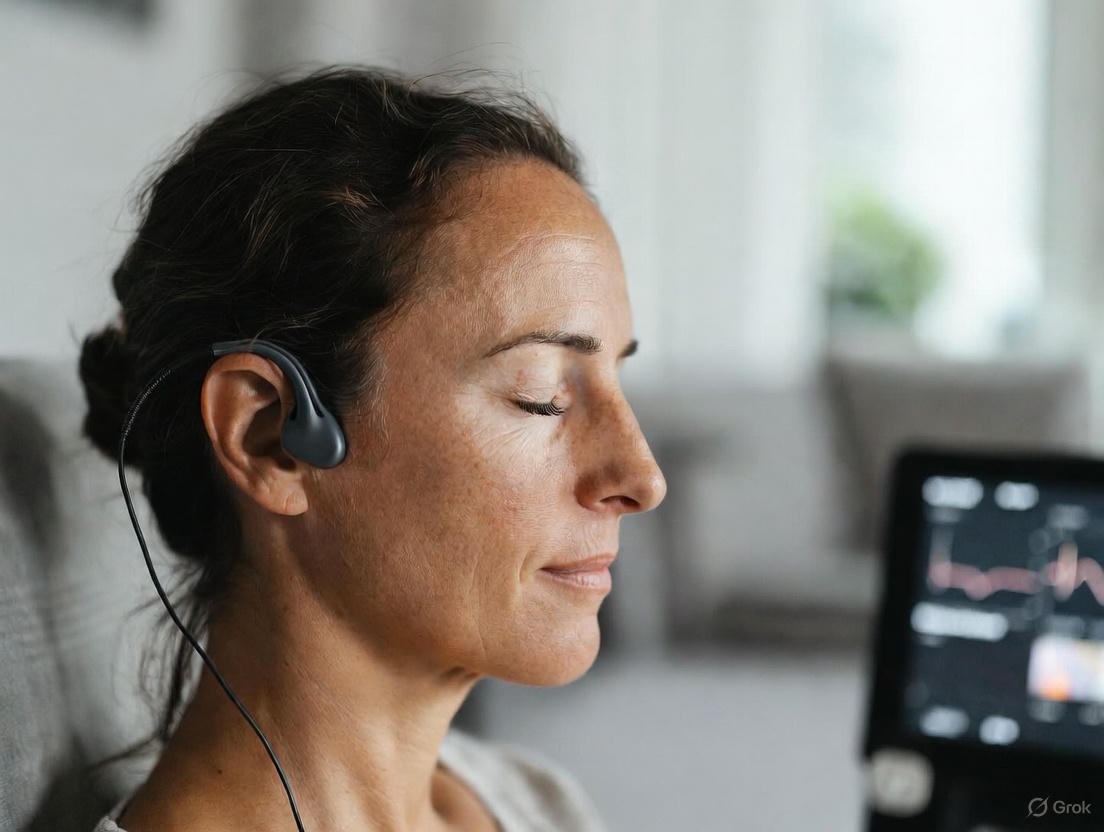
The final, and perhaps most profound, dimension of Active Living is its expansive ripple effect. When you commit to moving more with joy and consistency, the benefits cascade far beyond your waistline or muscle tone. They permeate your mental clarity, emotional resilience, creative output, professional performance, and even your social and environmental impact. An active life is an engaged life.
Cognitive & Creative Supercharging:
Movement is cognitive fuel. Increased blood flow delivers more oxygen and nutrients to the brain, stimulating neurogenesis (the creation of new neurons) in the hippocampus, a region critical for memory and learning. The state of motion often induces a form of "transient hypofrontality," where the analytical, judgmental prefrontal cortex quietens, allowing the more associative, creative parts of the brain to connect ideas in novel ways. This is why solutions to stubborn problems often arise during or after a walk.
Emotional Resilience & Stress Inoculation:
Regular, mindful movement trains your nervous system to be more resilient. By routinely experiencing and recovering from the mild, voluntary stress of physical activity, you build a buffer against the involuntary stresses of daily life. The endorphin release and meditative quality of rhythmic movement provide a natural, sustainable mood regulation system, reducing reliance on external stimuli for emotional management.
The Environmental & Social Ripple:
Choosing active transport (walking, cycling) over short car trips reduces your carbon footprint and connects you more intimately with your community. You notice more, interact with neighbors, and support local businesses. Furthermore, by modeling Active Living, you become a silent ambassador. Your energy, your posture, your evident vitality can inspire your family, friends, and colleagues to reconsider their own relationship with movement, creating a positive, health-promoting social contagion.
This holistic impact is what makes Active Living a true lifestyle, not a fitness program. It’s the understanding that by caring for your physical vessel through integrated, joyful movement, you are not just adding years to your life, but adding life to your years—more energy for your passions, more patience for your loved ones, more clarity for your work, and more presence for each moment. To see how this integrated approach to wellness, encompassing sleep, activity, and recovery, comes together in a single product vision, you can learn more about the Oxyzen mission and approach.
This concludes the second third of our comprehensive guide to Active Living. We've moved from theory into the practical realms of work, travel, social life, and aging. We've explored how to use technology wisely and recognized the vast, positive ripple effects of this lifestyle. In the final portion, we will address troubleshooting common plateaus and setbacks, building your personalized Active Living blueprint, and weaving all these threads together into a sustainable, joyful, and lifelong practice. The path is laid; the next step is making it unequivocally your own.
We stand now at the threshold of integration. You have been equipped with a new philosophy—one that liberates movement from the confines of the gym and celebrates it as the essence of daily life. You have a toolkit of strategies, from harnessing NEAT and habit stacking to designing supportive environments and practicing mindful, functional movement. You understand how to navigate specific challenges, from the desk-bound workday to the disruption of travel, and how to adapt your practice gracefully through the decades.
This final portion of our guide is dedicated to mastery and sustainability. Here, we move from learning concepts to living them, from following a map to navigating by your own internal compass. We will address the inevitable plateaus and setbacks, not as failures, but as essential feedback. We will synthesize everything into a personalized, flexible blueprint that you can own, adapt, and enjoy for a lifetime. The goal is no longer just to move more, but to cultivate an unshakable identity as someone who lives actively, joyfully, and resiliently.
Navigating Plateaus and Setbacks: The Art of the Pivot
In any long-term endeavor, progress is rarely a straight, upward line. There will be weeks where motivation wanes, life gets chaotic, illness strikes, or you simply feel stuck—the dreaded plateau. In the old fitness paradigm, these moments are seen as personal failings, triggering a cycle of guilt and abandonment. In the Active Living framework, they are reinterpreted as necessary data points and opportunities for a strategic pivot. They are part of the journey, not the end of it.
Reframing the Plateau:
A plateau in Active Living isn't just about the scale or the step count not budging. It can be a feeling of monotony, a lack of energy for movement, or a sense that your routine has lost its spark. This is your system’s signal for variability and reassessment.
The Compassionate Comeback:
After a setback—a week of inactivity due to flu, for example—the wrong approach is to "make up for it" with a punishing workout. The right approach is the gradual ramp. Use the "talk test" as your guide. For your first few sessions back, move at an intensity where you can hold a conversation comfortably. Let your biometrics guide you; a device like Oxyzen can show your readiness score recovering, giving you the green light to gently increase intensity. This prevents re-injury and rebuilds consistency without drama.
Building Your Personalized Active Living Blueprint
Now, we synthesize all the principles into a living document: your Personal Active Living Blueprint. This is not a rigid prescription, but a flexible set of guidelines, preferences, and non-negotiables that reflect your life, your goals, and your joys.
Step 1: Define Your "Why" (Beyond the Obvious)
Revisit your core motivation. Is it to play with your grandchildren without getting winded? To have steady energy throughout your workday? To manage stress and anxiety? To feel strong and capable in your own body? Write this "why" down and place it where you’ll see it often. This is your anchor during moments of low motivation.
Step 2: Audit Your Current Landscape
Take a week to observe without judgment. Use a tracker to get baseline data on your general activity, steps, and sleep. But also note: When do you naturally have energy slumps? What parts of your day are most sedentary? What kind of movement did you enjoy as a child? This audit reveals your personal starting point and opportunities.
Step 3: Establish Your "Daily Movement Pillars"
These are the non-negotiable categories of movement you will touch every day, in some form. A sample pillar structure could be:
Your blueprint assigns minimums, not maximums, for each pillar. Some days you’ll exceed them; other days you’ll just meet the minimum. That’s success.
Step 4: Design Your Environment & Routines
Using the strategies from earlier, make one-time changes to your surroundings:
Step 5: Create Your "Menu of Options"
Under each pillar, list multiple options. This prevents decision fatigue. Your "Purposeful Cardio" menu might include: 20-min lunch walk, 15-min jump rope session, bike commute, weekend hike. When it’s time to move, you consult your menu, not your fading willpower.
Step 6: Integrate Your Feedback Loops
Schedule a weekly 10-minute "Blueprint Review." Look at your wellness data trends, but also check in subjectively. What felt good? What felt like a chore? Adjust your menu and your minimums accordingly. This blueprint is a living document that evolves with you. For inspiration on how others structure their wellness journey, explore real experiences on the Oxyzen testimonials page.
Active Living does not exist in a vacuum. It is one powerful vertex of a wellness triangle, inextricably linked to nutrition and sleep. Optimizing these three creates a virtuous, self-reinforcing cycle of energy and health. Neglecting one undermines the others.
Movement & Sleep: The Beautiful Loop
This is perhaps the most direct synergy. Daily physical activity, especially when timed well (e.g., finishing vigorous activity at least 2 hours before bed), promotes more efficient sleep, particularly by increasing the pressure for deep, restorative sleep. Conversely, quality sleep is the foundation of recovery. It repairs the micro-tears in muscle from movement, regulates hormones like cortisol and growth hormone, and restores cognitive function for motivation and focus the next day. Poor sleep sabotages your energy, coordination, and willpower to move. Tracking this loop is profound: you can literally see on your Oxyzen data how a day of good activity improves your deep sleep duration, and how a night of good sleep leads to a higher readiness score for the next day’s movement. For a deep dive into optimizing this critical relationship, our article on the deep sleep formula: temperature, timing, and habits is essential reading.
Movement & Nutrition: The Fuel and the Furnace
Think of nutrition as the high-quality fuel and movement as the act of stoking your metabolic furnace.
The Holistic View:
When you have a day of nourishing food and joyful movement, you sleep better. When you sleep deeply, you wake up with better appetite regulation and more energy to move and make good food choices. This self-reinforcing cycle is the bedrock of sustainable health. Trying to excel at movement while neglecting sleep and nutrition is like trying to drive a car with the parking brake on.
Ultimately, the most profound transformation is internal. It’s the shift from seeing movement as a task on a to-do list to experiencing it as an expression of who you are. This is the cultivation of a Movement Mindset. It’s the quiet voice that, when given a choice between the escalator and the stairs, finds a subtle pleasure in choosing the stairs. It’s the instinct to stretch when you get up, to walk when you’re thinking, to play when you have a moment.
Characteristics of a Movement Mindset:
Daily Practices to Nurture This Mindset:
This mindset is your true compass. When external routines fall apart, this internalized identity will gently guide you back to movement, not out of obligation, but out of a sense of self-care and embodied authenticity. For more on the philosophy behind creating products that support this kind of integrated well-being, you can read about Oxyzen's story and vision.
Let’s translate everything into a actionable, gentle launch plan. The goal of the first 30 days is not perfection, but consistent exploration and identity building.
Week 1: Awareness & Environment
Week 2: The Micro-Habit Foundation
Week 3: Expand & Explore
Week 4: Integrate & Refine
Throughout, be kind. A missed day is not a reset; it’s simply the next data point. The focus is on building the identity: "I am someone who moves my body with joy every single day, in ways that feel good to me."

The journey of Active Living is a return—a return to the natural, varied, and joyful movement for which our bodies were designed. It is a liberation from the punishing, all-or-nothing exercise culture and an invitation into a more compassionate, intelligent, and sustainable relationship with your physical self.
You have learned that fitness is not a location you visit for an hour, but a quality you cultivate all day long. You now possess the strategies to break sedentarism with habit stacking, to design environments that pull you toward motion, to use data as a compassionate coach, and to listen to the profound wisdom of your own readiness. You understand that this practice is not selfish, but foundational—creating ripple effects of energy, clarity, and resilience that touch every aspect of your life and the lives of those around you.
This is not a finish line. There is no final destination called "Fit." There is only the ongoing, ever-evolving practice of living actively. Some days will be full of vigorous hikes and playful sports; others will be defined by gentle stretches and mindful walks. Both are perfect. Both honor the body’s needs.
Let your smart ring, your consistent tracker, be your silent partner in this—not a judge, but a mirror reflecting your patterns, your progress, and your potential. Let it help you see the beautiful synergy between your daily steps, your heart’s resilience, and the depth of your sleep. To begin exploring a tool designed for this holistic journey, you can discover the Oxyzen smart ring at our main shop.
Start today, not with a drastic overhaul, but with a single, conscious breath and a stretch toward the sky. Take the stairs. Park farther away. Dance for one song. In these small, repeated acts of reclamation, you will build not just a healthier body, but a more vibrant, engaged, and joyful life. The path of Active Living is now yours to walk, run, dance, and play upon—for all the days to come.
Your Trusted Sleep Advocate (Sleep Foundation — https://www.sleepfoundation.org/)
Discover a digital archive of scholarly articles (NIH — https://www.ncbi.nlm.nih.gov/
39 million citations for biomedical literature (PubMed — https://pubmed.ncbi.nlm.nih.gov/)
experts at Harvard Health Publishing covering a variety of health topics — https://www.health.harvard.edu/blog/)
Every life deserves world class care (Cleveland Clinic -
https://my.clevelandclinic.org/health)
Wearable technology and the future of predictive health monitoring. (MIT Technology Review — https://www.technologyreview.com/)
Dedicated to the well-being of all people and guided by science (World Health Organization — https://www.who.int/news-room/)
Psychological science and knowledge to benefit society and improve lives. (APA — https://www.apa.org/monitor/)
Cutting-edge insights on human longevity and peak performance
(Lifespan Research — https://www.lifespan.io/)
Global authority on exercise physiology, sports performance, and human recovery
(American College of Sports Medicine — https://www.acsm.org/)
Neuroscience-driven guidance for better focus, sleep, and mental clarity
(Stanford Human Performance Lab — https://humanperformance.stanford.edu/)
Evidence-based psychology and mind–body wellness resources
(Mayo Clinic — https://www.mayoclinic.org/healthy-lifestyle/)
Data-backed research on emotional wellbeing, stress biology, and resilience
(American Institute of Stress — https://www.stress.org/)


