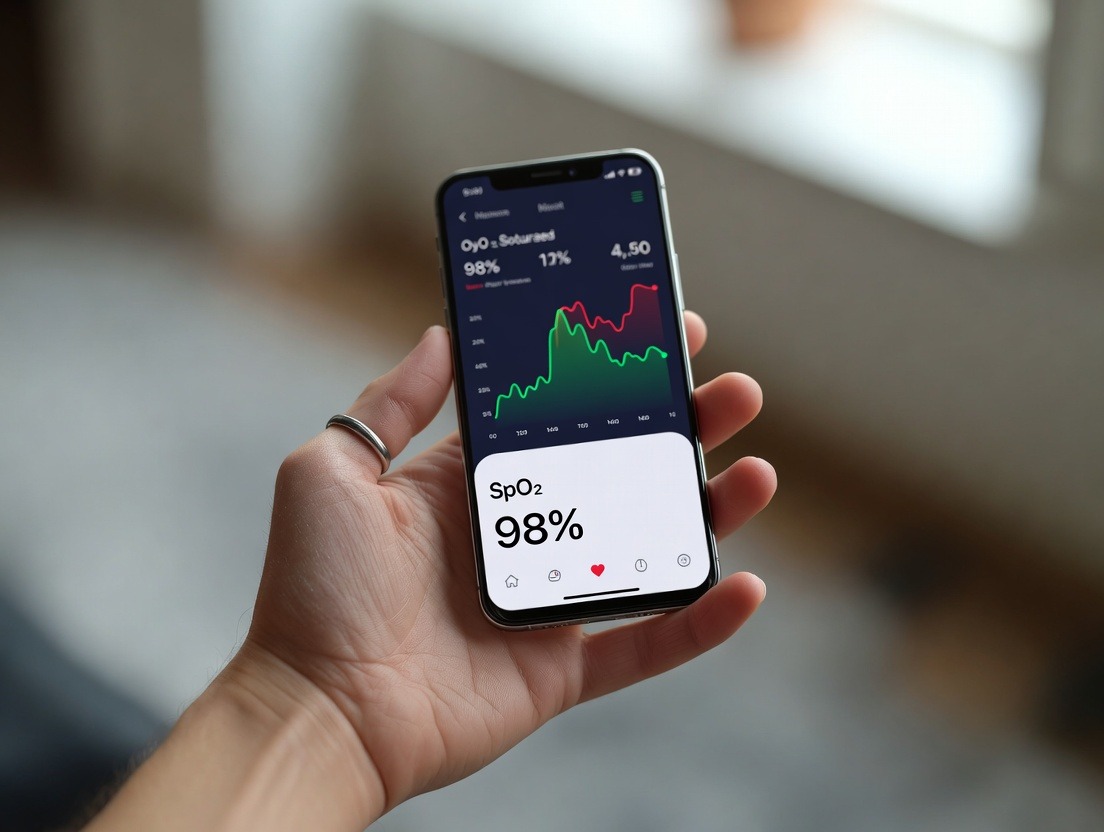
Daily Energy Management for Parents: Ring-Supported Survival Strategies
Managing energy specifically in the afternoon, with solutions from your smart ring.
Daily Energy Management for Parents: Ring-Supported Survival Strategies
You know the feeling. It’s 3 PM, the crash hits, and the thought of navigating the witching hour, dinner, and bedtime feels like preparing for a summit expedition you forgot to train for. Your patience, once a renewable resource, is now a barren well. You’re operating on a fuel gauge that’s been permanently stuck on “E,” powered by caffeine, guilt, and the faint memory of eight consecutive hours of sleep.
For parents, energy isn’t just about staying awake; it’s the currency of emotional regulation, patience, creativity, and presence. Managing it effectively is the single most critical skill for not just surviving parenthood, but thriving within its beautiful, chaotic demands. Yet, we’ve been taught to ignore our body’s signals until they scream, pushing through exhaustion as a badge of honor, only to find ourselves burned out, snappy, and disconnected.
But what if you could move from reactive energy crisis management to proactive energy leadership? What if you had a personal guide, not offering generic advice, but providing real-time, personalized intelligence about your body’s unique rhythms, needs, and recovery cycles?
This is the new frontier of modern parenting, powered not by more coffee, but by data-driven self-awareness. Enter the smart wellness ring—a discreet, always-on guardian of your vitality. This article is your comprehensive guide to mastering daily energy management as a parent, using the objective feedback from a smart ring to move from guesswork to precision. We’ll transform concepts like “balance” and “self-care” from vague ideals into actionable, data-supported strategies. You’ll learn to listen to your body’s whispers before they become roars, optimize your sleep and recovery, strategically manage stress, and align your daily actions with your physiological reality. Consider this your survival manual for the marathon of parenting, equipped with the most advanced personal biometric technology available.
The Parental Energy Crisis: Why “Tired” Doesn’t Begin to Cover It
Before we can fix the problem, we must define it with brutal honesty. Parental exhaustion is a multi-system failure. It’s not simply a lack of sleep, though that is a potent catalyst. It’s a chronic depletion of physical, mental, emotional, and spiritual resources without adequate replenishment. Imagine trying to run a Fortune 500 company (your household) with a CEO (you) who is constantly interrupted, operating on a volatile budget (energy), and whose primary stakeholders (your kids) communicate through tears, negotiations, and endless questions about dinosaurs.
The traditional advice—“sleep when the baby sleeps,” “just drink more water”—feels insultingly simplistic because it ignores the complexity of the modern parental ecosystem. Your energy is siphoned by:
Physiological Load: Broken sleep architecture, poor nutrition “on the go,” the physical demands of carrying, rocking, and playing.
Cognitive Overhead: The mental load of planning meals, appointments, schedules, and remembering where the favorite stuffed animal was last seen.
Emotional Labor: Regulating your own frustration while co-regulating your child’s big feelings, holding space for tantrums, and projecting calm you don’t feel.
Decision Fatigue: Making thousands of micro-decisions daily, from “is that cough serious?” to “what’s for dinner?”, depleting your prefrontal cortex.
We often don’t recognize the crisis until we’re in its deepest valley: snapping at our partner, crying over spilled milk (literally), or feeling numb and disconnected during moments we “should” be enjoying. This is because we are terrible subjective judges of our own depletion. We normalize the feeling of being rundown. The first step out of this crisis is developing a profound level of body awareness—the ability to accurately perceive and interpret the physical sensations that signal our energy state. As discussed in Body Awareness Basics: The Foundation of Self-Care, this skill is not innate; it’s learned, and for many of us, it’s been silenced by the constant noise of modern life and caregiving.
A smart ring cuts through this subjective fog with objective data. It doesn’t ask you how you feel; it shows you how your body is performing. It quantifies the invisible drain, turning the vague sense of “I’m wiped” into a clear picture: “My resting heart rate is 8 bpm higher than my baseline, my heart rate variability (HRV) is in the ‘low recovery’ zone, and I only spent 12% of last night in deep sleep.” This is the power of moving from narrative to numbers. It’s the end of gaslighting yourself into believing you’re “fine” and the beginning of compassionate, evidence-based energy management.
Your Body’s Dashboard: Decoding Key Smart Ring Metrics for Parents
A smart ring is a minimalist piece of tech, but the data it provides is richly complex. To use it effectively, you need to understand what you’re looking at. Think of your ring’s app as your body’s mission control dashboard. Here are the core gauges you need to monitor daily as a parent:
1. Heart Rate Variability (HRV): Your Stress & Recovery Compass HRV is arguably the most important metric for energy management. It measures the subtle variations in time between each heartbeat. Contrary to intuition, a higher HRV is generally better—it indicates a resilient, adaptable nervous system that can smoothly switch between effort (sympathetic “fight or flight”) and recovery (parasympathetic “rest and digest”). A low, dropping, or consistently low HRV is a bright red flag from your body signaling chronic stress, illness, or insufficient recovery. For a parent, watching your HRV trend is like having an early warning system for burnout. You might feel okay, but if your HRV is trending down for three days, it’s a data-backed mandate to prioritize rest, even if that just means a 10-minute meditation instead of scrolling your phone.
2. Resting Heart Rate (RHR): Your Basal Energy Gauge Your RHR is your heart’s idle speed. When you are well-rested, recovered, and healthy, it tends to be lower and stable. A sustained elevated RHR (typically 5-10+ beats above your personal baseline) can indicate your body is fighting something—overtraining, an oncoming illness, dehydration, or high stress. For the sleep-deprived parent, a creeping RHR is a common sight and a quantifiable sign of your cumulative load.
3. Sleep Staging & Quality: The Non-Negotiable Recharge Sleep is the bedrock of parental energy. A smart ring goes beyond just duration, breaking your night into light, deep, and REM sleep stages. Each stage is critical:
Deep Sleep: The physical restorative phase. This is when tissue repair, immune function, and energy restoration happen. Missing deep sleep leaves you physically achy and vulnerable.
REM Sleep: The mental and emotional processing phase. It’s crucial for memory consolidation, learning, and emotional regulation—a parent’s secret weapon for patience. The ring scores your sleep, allowing you to see not just “I got 6 hours,” but “I got 6 hours with very low deep sleep, which explains why I feel physically wrecked.” Understanding this breakdown is the first step to improving it, a concept explored in depth in Body Awareness Basics: The Sleep-Body Connection.
4. Respiratory Rate: The Silent Signal The number of breaths you take per minute, especially during sleep, is a remarkably stable vital sign. A significant increase can be one of the earliest signs of stress, anxiety, or even an oncoming infection. It’s a metric you feel less subjectively, making the ring’s objective tracking invaluable.
5. Body Temperature & Readiness Scores: Many rings track skin temperature trends. A deviation from your personal norm can signal menstrual cycle phases, poor sleep, or illness. Furthermore, most apps synthesize these metrics into a simple “Readiness” or “Recovery” score each morning. This single number is your cheat sheet for the day: a green score means “go”—you have capacity for stress and activity; a yellow or red score means “proceed with caution”—your body needs support, not more demand.
From Data to Awareness: Learning Your Body’s Unique Energy Language
Seeing the numbers is step one. The real transformation happens when you connect that data to your lived experience. This is the art of developing interoceptive awareness—your sense of the internal state of your body. The ring acts as a feedback loop, training this skill with scientific precision.
Here’s how the learning process works:
Observe Without Judgment: You wake up with a “Low Recovery” score (red). Instead of frustration, get curious. Check the contributing factors: Was your HRV low? Was your RHR high? Did you have low deep sleep?
Correlate with Sensation: Then, scan your body. How do you actually feel? Do you have a low-grade headache? Are your shoulders tense? Is there a feeling of dread or overwhelm you couldn’t place? The data validates your subtle sensations. You learn, for example, that for you, a “Low Recovery” score often pairs with jaw clenching and irritability.
Identify Triggers: Next, look back at the previous day. What might have driven this? Was it that tense family Zoom call? The extra glass of wine? The two nighttime wake-ups from your toddler? The skipped lunch? The ring doesn’t judge the cause; it simply shows the effect.
Build Personal Insight: Over weeks and months, patterns emerge. You learn that for you, screen time after 9 PM tanks your deep sleep. That a difficult conversation with your partner shows up as a 15% dip in your nighttime HRV. That a 20-minute walk in nature, even with the kids, consistently improves your afternoon stress metrics.
This process is how you learn your body’s unique dialect. A feeling you once dismissed as “Monday blues” might now be understood as “sleep debt from a poor Sunday night routine.” This is the core of Building Body Awareness Using Smart Ring Feedback. The ring acts as a translator and a teacher, helping you Recognize Your Body’s Needs long before they become emergencies.
The Strategic Morning Launch: Using Your Readiness Score to Plan Your Day
The most powerful moment in your new energy management routine is the first five minutes after you wake up. Instead of grabbing your phone to check email or social media, you open your ring’s app. This is your daily energy briefing. Your “Readiness” or “Recovery” score is your strategic directive.
Scenario 1: The Green Light (High Readiness)
What it means: Your body is recovered, resilient, and has strong adaptive capacity. Your nervous system is primed for challenge.
The Parental Strategy: This is your day to lean in, but strategically.
Tackle Tough Tasks: Schedule that important meeting, have that nuanced conversation with your co-parent, or embark on that ambitious project with the kids (the intricate craft, the big hike).
Push (A Little) Physically: It’s a great day for a more intense workout or a long, active play session at the park.
Bank Social Energy: Use your resilience to connect. Plan a playdate or a family game night. Your higher capacity can absorb the minor stressors these activities might bring.
Crucial Caveat: A green light is not a license to run yourself into the ground. It means you have capital to spend wisely. The goal is to end the day feeling productively spent, not depleted.
Scenario 2: The Yellow Light (Medium Readiness)
What it means: Your body is in a state of mild stress or incomplete recovery. Your resources are limited, and your nervous system is less adaptable. This is the most common state for parents.
The Parental Strategy: This is a day for intentional pacing and support. Your mantra is “conserve and nourish.”
Prioritize Ruthlessly: What must get done today? Delegate or drop anything non-essential. A messy living room is not a priority on a yellow day.
Buffer Your Energy: Build in extra transitions between activities. Schedule 15-minute quiet breaks for yourself (even if it’s just sitting with a cup of tea while the kids have screen time).
Choose Gentle Movement: Opt for a walk, stretching, or gentle yoga instead of high-intensity exercise. The goal is circulation and stress relief, not additional strain.
Double-Down on Nourishment: Be meticulous about eating balanced meals and staying hydrated. Your body needs clean fuel.
Practice Proactive Stress Management: This is the day to use your Body Awareness Practices to Reduce Anxiety, like box breathing or a short meditation, before you feel overwhelmed.
Scenario 3: The Red Light (Low Readiness)
What it means: Your body is signaling significant stress, illness, or deep depletion. Your adaptive energy reserves are critically low. Pushing through is not an option; it will lead to a crash or illness.
The Parental Strategy: This is a survival and repair day. Your only goal is to reduce demand and increase recovery.
Declare a “Minimum Viable Day”: What is the absolute bare minimum required to keep your children and yourself safe and fed? Everything else is canceled.
Embrace “Sloth Mode”: Prioritize restful activities for the whole family. Movie marathons, audiobooks, quiet Lego building, and long naps (for everyone) are the order of the day.
Ask for Help: This is the non-negotiable time to call in reinforcements: your partner, a family member, a friend, or a sitter if possible. Communicate clearly: “My body is telling me I need to rest today.”
Focus on Hydration & Simple Nutrition: Soups, smoothies, easy proteins. Don’t worry about cooking a gourmet meal.
Practice Radical Self-Compassion: Let go of guilt. The data is clear—your body needs repair. Honoring this is not weakness; it’s the ultimate act of responsible leadership for your family. This is when the skill of Recognizing Stress Signals Early pays its highest dividend.
By planning your day around this objective score, you move from being a victim of your energy levels to being the conscious pilot of your capacity.
The Midday Energy Audit: Preventing the 3 PM Crash
The afternoon slump is a physiological certainty, driven by our circadian rhythm. For parents, this dip often coincides with the dreaded “witching hour,” creating a perfect storm of low adult energy and high child demand. The strategic parent doesn’t just endure this; they audit and adjust.
Conduct a “Bio-Check” at 2 PM:
Check Live Stress Metrics: Many rings offer a momentary stress or body battery reading. Take a 2-minute pause, open the app, and see your current state. Is your stress level already elevated?
Perform a Quick Body Scan: Close your eyes. Where are you holding tension? (Jaw, shoulders, gut?) What is your emotional texture? (Frayed, impatient, numb?)
Correlate & Act: If your ring shows high stress and your body feels tense, that’s a confirmed red alert. It’s time for a micro-intervention, before the kids get home or the meltdowns begin.
Micro-Interventions for the Midday Drain:
The 5-Minute Reset: Step outside. Breathe fresh air for 90 seconds. Do 2 minutes of gentle stretching. Drink a full glass of water. This simple sequence can dramatically shift your nervous system state.
Strategic Fuel: Ditch the simple carbs. Opt for a snack with protein, healthy fat, and fiber (e.g., apple with almond butter, a handful of nuts, Greek yogurt). This provides sustained energy, not a sugar spike and crash.
Tactical Caffeine: If you drink caffeine, have your last cup before 2 PM. After that, it will likely interfere with your evening sleep architecture, robbing you of the deep sleep you desperately need.
Manage Sensory Load: If you’re overstimulated (noise, clutter, screens), create 10 minutes of sensory calm. Dim lights, listen to calming music without words, or organize one small space. Reducing external chaos reduces internal chaos.
By auditing your energy before it’s gone, you can apply a strategic patch, much like checking your car’s fuel gauge on a long trip. This proactive habit is a core Body Awareness Skill That Prevents Injury and Illness in the long run, as it stops chronic stress accumulation.
The Evening Wind-Down: Engineering Sleep for Energy Repair
For parents, the evening is often a frantic race to the finish line: cleanup, lunches, maybe a moment with a partner. But how you spend the 90 minutes before sleep is the single greatest determinant of your next day’s energy. This is where you “engineer” your recovery. Your smart ring provides the post-game analysis to perfect your pre-game routine.
Decode Your Sleep Data: Each morning, review not just your score, but the details. Did you struggle with sleep latency (time to fall asleep)? Did you have frequent awakenings? Was your deep sleep low? Each issue points to a different fix in your evening routine.
Building a Ring-Informed Wind-Down Ritual:
If you struggle to FALL ASLEEP (High Sleep Latency):
Problem: A racing mind, body still in “go” mode.
Solution: Implement a strict “digital sunset” 60 minutes before bed. The blue light from screens suppresses melatonin. Use this time for a tangible, calming activity: reading a physical book, light stretching, or a warm shower. Track the change in your “time to fall asleep” metric over a week.
If you wake up FREQUENTLY (High Sleep Disturbances):
Problem: This could be external (noise, a partner, a child) or internal (stress, blood sugar fluctuations, an uncomfortable temperature).
Solution: Ensure your bedroom is cool (65-68°F is ideal), dark, and quiet. Consider a white noise machine. Avoid alcohol and heavy, sugary foods within 3 hours of bedtime—both can cause nighttime awakenings as your body processes them. Your ring’s temperature trend can show you the impact of a too-warm room.
If you lack DEEP SLEEP:
Problem: Your body isn’t getting enough physical restoration.
Solution: Prioritize gentle movement or light exercise earlier in the day—but avoid vigorous exercise within 2 hours of bed. Ensure you are not under-eating or chronically dehydrated. Deep sleep is also hampered by caffeine late in the day and by sleeping in a state of emotional stress. Practices like a 5-minute gratitude journal or a brief body scan meditation can signal safety to your nervous system. Explore the Body Awareness Approach to Pain Management for techniques to release physical tension that can inhibit deep rest.
If you lack REM SLEEP:
Problem: Your brain isn’t getting enough emotional and memory processing.
Solution: REM sleep is often suppressed by alcohol and certain medications. It’s also stolen by going to bed too late and waking too early with an alarm. Protecting a longer sleep window (7.5-9 hours) is the best way to secure adequate REM. Managing daytime stress is also critical, as an overactive mind can disrupt this stage.
Your evening wind-down is not a luxury; it’s the essential maintenance shift for the machinery of your being. By using your sleep data to refine this ritual, you move from hoping for good sleep to actively constructing it. This deepens your understanding of your personal Understanding Circadian Signals and how to honor them.
Nutrition & Hydration: Fueling the Engine with Data-Backed Awareness
Parental nutrition is often an afterthought—scraps off a toddler’s plate, eaten while standing over the sink. But food is literally the chemical building block of your energy (ATP). What and when you eat has a direct, measurable impact on your stress, sleep, and recovery metrics. Your smart ring can help you move from chaotic eating to strategic fueling.
How Nutrition Shows Up in Your Data:
Evening Carbs/Sugar: A large, sugary meal or snack before bed will often show up as elevated resting heart rate overnight, more sleep disturbances, and lower HRV as your body works to digest instead of rest.
Inadequate Fuel: Skipping meals or eating only simple carbs can lead to blood sugar crashes, which trigger cortisol (stress hormone) release. This may show up as an elevated daytime stress score and irritability.
Dehydration: Even mild dehydration increases heart rate and decreases blood volume, forcing your heart to work harder. This can elevate your RHR and lower your HRV.
Inflammatory Foods: For some, foods that cause inflammation (highly processed items, certain oils, excess sugar) can lead to a higher resting heart rate and poorer sleep quality.
Developing “Data-Informed Intuition” Around Food:
Experiment & Observe: Have a heavier dinner than usual? Check your sleep and next-morning recovery score. Notice a pattern of low scores after pizza night? That’s actionable intelligence.
Time Your Fuel: Try eating your largest meal earlier in the day (lunch) and having a lighter, protein-focused dinner at least 3 hours before bed. Observe the impact on your deep sleep score over a week.
Hydrate Strategically: Aim to finish most of your water intake by early evening to minimize nighttime bathroom trips (which fragment sleep). Your ring’s sleep disturbance graph will show you the benefit.
Mind the Caffeine: Note the time of your last coffee. If you see a pattern of poor sleep latency, try moving your cut-off time earlier by 30-minute increments each week until you find your personal threshold.
This isn’t about restrictive dieting; it’s about becoming a skilled energy engineer. You learn which fuels give you a smooth, sustained burn and which cause damaging spikes and crashes. This practice is a powerful extension of Understanding Your Body’s Language of Hunger and Fullness. The ring provides the objective correlative data that helps you trust and refine those internal signals.
Movement & Recovery: Strategic Activity, Not Exhaustion
For an exhausted parent, “exercise” can feel like a punishment. But movement is a potent energy regulator—it can drain you if done poorly or at the wrong time, and it can energize you if done strategically. The key is to align your activity with your body’s readiness, not a rigid calendar.
Using Your Ring to Guide Movement:
On Green/High Readiness Days: This is your window for more demanding activity. A HIIT class, a long run, a heavy strength session. Your body has the resilience to handle the stress and benefit from the adaptation. Notice how this affects your next-day metrics—a good workout should lead to a slightly elevated RHR and lower HRV that night (signaling proper stress), followed by a rebound to baseline or higher as you recover.
On Yellow/Medium Readiness Days: Choose restorative or skill-based movement. A brisk walk, a gentle yoga or Pilates session, playing actively with your kids at the park. The goal is to move your body and relieve stress without adding significant systemic strain.
On Red/Low Readiness Days: Movement should be strictly recovery-oriented. A slow, mindful walk around the block, 10 minutes of gentle stretching or foam rolling, or simply opting for stairs over the elevator. The goal is circulation and lymphatic drainage, not fitness gains. Forcing a workout on a red day is a direct path to injury, illness, or prolonged burnout.
Understanding the Signal of “Recovery”: True fitness gains happen during recovery, not the workout itself. Your ring’s recovery score is a direct measure of this process. If you exercise and your score stays red for multiple days, you are not recovering adequately. This is a signal to:
By letting your body’s data guide your movement choices, you transform exercise from a depleting chore into a precision tool for building sustainable energy. You learn to distinguish between the “good stress” of a workout and the “bad stress” of overtraining, a critical nuance explored in Understanding Your Body’s Recovery Signals.
Emotional & Mental Energy: The Invisible Drain and How to Plug It
The mental load of parenting and the emotional labor of caregiving are perhaps the most insidious energy drains because they are invisible and relentless. They don’t show up as physical fatigue, but as a frayed nervous system. Remarkably, your smart ring can make this invisible load visible.
How Emotional Stress Manifests Physiologically:
A Heated Argument: Will likely cause a sharp, immediate spike in your heart rate and a plummet in your HRV, the effects of which can linger for hours, disrupting your sleep.
Chronic Worry or Anxiety: Presents as a consistently elevated resting heart rate, lower baseline HRV, and a higher average respiratory rate—even when you’re “relaxing.”
Overwhelm & Decision Fatigue: Can create a state of sympathetic nervous system dominance, making it hard to wind down at night, reflected in poor sleep latency and low deep sleep.
Using Your Ring as an Emotional Regulator:
Validate Your Experience: When you feel “off” but can’t articulate why, check your stress graph. Seeing an elevated reading can be validating. It confirms, “This isn’t all in my head; my body is under real strain.” This is the powerful concept behind How a Wellness Ring Validates Your Body Awareness Intuition.
Practice Preemptive De-escalation: If you know a stressful event is coming (a difficult appointment, a big work presentation), check your live stress reading beforehand. If it’s already high, take 3 minutes for a calming breathing exercise (like 4-7-8 breath) and watch the number dip in real-time. This is biofeedback at its most powerful.
Audit Your Inputs: Notice how different activities affect your stress score. Does scrolling social media raise it? Does reading a book lower it? Does a certain person’s conversation style trigger a physiological response? Use this data to curate your environment and habits for mental peace.
Track the Impact of Mindfulness: Regularly practicing meditation, prayer, or mindful breathing should, over time, improve your baseline HRV and lower your average resting heart rate. Your ring provides the hard evidence that these practices are “working” on a physiological level, reinforcing the habit. This is a cornerstone of Body Awareness Practices That Support Mental Health.
By quantifying the impact of your emotional world, you gain agency over it. You learn which thoughts, interactions, and habits are truly costing you energy and which are replenishing your spirit.
Navigating Sickness & Immune Challenges: Data-Driven Support for the Family Caregiver
When a child gets sick, the parent’s energy management plan is thrown into the blender. Nights become fragmented vigils, days are a haze of thermometers and comforting, and your own health hangs in the balance. This is when energy management shifts from “optimization” to “crisis triage,” and your smart ring becomes an indispensable ally for the caregiver.
The Caregiver’s Predicament: Your body is under a triple threat: 1) The physiological stress of disrupted sleep, 2) The emotional stress of tending to a sick loved one, and 3) The high probability of pathogen exposure. Pushing through on grit alone is a guaranteed path to getting sick yourself, collapsing the entire family support system.
How Your Ring Provides Early Immune Intelligence: Often, your body knows it’s fighting something before you feel definitive symptoms. Your smart ring can detect these subtle, pre-symptomatic shifts:
Elevated Resting Heart Rate (RHR): A sustained increase of 5-10+ bpm above your baseline is one of the most reliable early indicators of your body mounting an immune response, fighting inflammation, or fighting an infection.
Depressed Heart Rate Variability (HRV): As your body diverts resources to the immune system, your nervous system’s adaptability plummets. A sharp, unexplained drop in HRV is a major red flag.
Elevated Skin Temperature: A deviation from your personal nighttime temperature trend can signal a fever or an inflammatory process beginning, even if you don’t yet feel “hot.”
Increased Respiratory Rate: A higher breathing rate during sleep can be an early sign of the body working harder, often preceding a cough or congestion.
The Caregiver’s Survival Protocol, Guided by Data:
Declare a “Caregiver Red Zone”: The moment your ring shows a constellation of these warning signs (e.g., high RHR, low HRV), even if you feel “okay,” you must shift into maximum self-preservation mode. Your priority is not just your child, but keeping your own immune system strong.
Radical Sleep Defense: Sleep is non-negotiable medicine. If your sick child’s needs disrupt your night, you must aggressively protect your sleep in other ways. This means canceling all non-essential activities, napping when they nap (let the dishes wait), and going to bed with them if possible. Watch your deep sleep metric; it’s critical for immune function. The principles in Body Awareness Skills to Improve Sleep Quality become emergency procedures.
Hyper-Hydration & Simple Nutrition: Your body needs fluids and easy-to-process nutrients. Soups, broths, smoothies, and plenty of water are your fuel. Your elevated RHR is partly due to increased cardiac output; staying hydrated helps your heart work less hard.
Lower the Bar, Permanently: On household chores, social obligations, and personal expectations. A “clean enough” house is a healthy house during a sick week. Your recovery score is your permission slip to do the bare minimum.
Post-Illness Recovery Tracking: The end of symptoms is not the end of the fight. Your body continues to repair and recalibrate. Continue to monitor your metrics closely. Don’t jump back into intense activity or a packed schedule until your RHR has returned to baseline and your HRV has stabilized. Pushing too early risks relapse or secondary infection. This phase is a masterclass in Understanding Your Body’s Recovery Signals.
By using your ring’s data as an early warning system, you can transition from reactive nursing to proactive caregiver preservation, increasing the odds that you stay healthy enough to see your family through the storm.
Syncing with Your Cycle: Hormonal Energy Management for All Genders
Energy is not a flat line; it ebbs and flows in rhythms. For menstruating parents, the most powerful of these is the hormonal cycle. Ignoring this rhythm is like trying to swim against a current every single day. A smart ring helps you not just observe, but predict and synergize with these innate energy phases, turning a source of frustration into a strategic advantage. (And for non-menstruating parents, understanding these principles fosters empathy and better co-planning within a household.)
Mapping the Inner Seasons: The infradian rhythm (the monthly cycle) can be clearly seen in biometric data. While not a medical device, a ring’s trends provide powerful personal insights:
Follicular Phase (Post-Period to Ovulation): Often associated with rising estrogen. This is frequently a “Green Light” phase. Many people see higher, more stable HRV, better sleep scores, and greater exercise tolerance. Energy and motivation are rising. This is the time to initiate, socialize, and lean in—plan big projects, intense workouts, and social outings.
Ovulatory Phase: Estrogen peaks. This is often a short “Peak Performance” window. Energy, verbal fluency, and social confidence can be high. It’s a great time for important presentations, creative work, and connecting with your partner.
Luteal Phase (Post-Ovulation to Period): Progesterone rises and then falls. This is typically the “Yellow/Red Light” phase. The body’s demand for energy increases (raising basal metabolic rate), core temperature rises, and the nervous system can become more sensitive. It’s common to see a gradual decrease in HRV, an increase in RHR, and more fragmented sleep in the days leading up to menstruation. This is not a flaw; it’s a design. The body is asking for more rest, more nourishment, and more inward focus.
Menstrual Phase (Period): Hormones are at their lowest. This is the “Rest and Reset” phase. Energy is often lowest. The ring may show the clearest signs of need: lowest HRV, highest RHR, poorest sleep. This is the time to rest, reflect, and restore. Honor the need for slow, gentle movement, quiet time, and extra sleep.
Applying Cycle-Aware Energy Strategy:
Track and Confirm: Use your ring’s temperature trend (a basal body temperature proxy) and recovery scores to map your unique pattern. Do your worst sleep nights cluster in the week before your period? Does your HRV reliably dip at a certain point? This objective data helps you move from a vague sense of PMS to a predictable pattern.
Plan Your Month Backwards: Once you know your pattern, plan your month around it. Schedule demanding work presentations, big family events, or home projects during your Follicular/Ovulatory phases. Block out time for less demanding, administrative tasks and self-care rituals during your Luteal phase. Protect your calendar during your Menstrual phase.
Adjust Nutrition and Movement: In the Luteal phase, your body may crave more complex carbohydrates and protein to support a higher metabolic rate. Honor that. Swap high-intensity workouts for strength training, yoga, or walking—activities that support your body without overwhelming it. This is the essence of a Body Awareness Approach to Exercise and Movement—listening to what your body needs today.
Communicate Your Needs: This data provides a neutral language to communicate with a partner or co-parent. “My metrics are showing I’m in my high-recovery-need phase this week. Can you handle bedtime duties so I can turn in early?” is more objective and less charged than “I’m PMSing and need you to step up.”
Understanding this rhythm transforms the monthly cycle from a debilitating inconvenience into a predictable source of wisdom. It teaches you that there is a time for spring’s expansion and a time for winter’s rest, and both are essential for sustained energy. This deepens your connection to the Hormone-Body Connection in a tangible, daily way.
The Partner Power-Up: Using Data for Team-Based Energy Management
Parenting is a team sport, and energy depletion is contagious. When one partner is running on fumes, the strain inevitably transfers to the other, creating a vicious cycle of resentment and mutual burnout. Smart ring data, when shared with consent and curiosity, can transform this dynamic from a blame game into a strategic partnership.
From “I’m Tired” to “My Readiness Score is 42”: Subjective complaints are easy to dismiss or minimize. Objective data is neutral and compelling. Sharing your ring’s dashboard creates a common language of capacity.
Morning Briefing: A quick, “My recovery is in the red today, I really need to focus on keeping things low-key,” sets clear, non-personal expectations.
Evening Planning: “My stress graph spiked during the bedtime routine last night. Can we try a tag-team approach tonight where you handle baths while I get 20 minutes of quiet to lower my baseline first?” This is problem-solving, not criticism.
Implementing a “Capacity-Based” Division of Labor: The goal is to move from a rigid, fixed chore list to a fluid system that responds to the real-time energy levels of each partner.
Establish Baselines: Both partners wear rings and understand their own metrics. This builds empathy—you can see when your partner’s sleep was terrible, making their short temper understandable, not personal.
Create a “High-Drain” & “Low-Drain” Task List:
High-Drain Tasks: Solo bedtime with multiple kids, managing a tantrum in public, cooking a complex meal while supervising homework, weekend morning solo parenting.
Low-Drain Tasks: Loading the dishwasher, folding laundry while watching TV, reading a book to a child already in bed, driving to activities.
Assign Dynamically: Each day or week, assess your combined capacity. The partner with the higher recovery score “takes the point” on more high-drain tasks. The partner in the lower recovery zone handles more low-drain tasks and gets protected time for recovery. This ensures the family system’s total energy budget is managed wisely.
Schedule “Recovery Shifts”: Just as you schedule work shifts, schedule recovery shifts. “On Saturday from 1-4 PM, based on my data, I need a recovery window. I’ll be unavailable for parenting duties during that time.” This is planned, negotiated, and fair, preventing last-minute resentment.
Using Data for Connection, Not Scorekeeping: The ring’s data can also highlight positive patterns. “Hey, I noticed my HRV is consistently higher on nights after we have our Thursday date night. That time together is really regulating for my nervous system.” This reinforces positive, connecting behaviors. It turns the focus toward mutual support and creating conditions where you both can thrive, which is the ultimate foundation for a resilient family. This collaborative approach is a practical application of the insights found in Body Awareness Basics: The Emotional-Somatic Connection, recognizing that our relational health is deeply tied to our physiological state.
Building Long-Term Resilience: From Daily Survival to Sustainable Thriving
Daily energy management is the tactical game. Long-term resilience is the strategic victory. It’s the difference between scraping by each day and building a life where you have a consistent reserve of energy, patience, and joy to bring to your parenting. Your smart ring’s longitudinal data is the key to this shift, revealing the macro-trends that daily fluctuations obscure.
Identifying Your Personal Resilience Architecture: Over months of data, you stop looking at daily scores and start observing the trend lines and patterns.
Baseline Drift: Is your average resting heart rate slowly creeping up over 6 months? Is your baseline HRV slowly declining? This is a critical sign of accumulating chronic stress and dwindling resilience—a slow burn towards burnout.
Recovery Efficiency: How quickly do you bounce back from a stressor? After a bad night of sleep or a stressful event, does it take you one day or three to return to your green recovery zone? Improving your recovery efficiency is a core marker of growing resilience.
Seasonal & Lifestyle Patterns: Does your sleep quality dip every December? Do your metrics improve during summer vacation? This data helps you anticipate challenging periods and proactively bolster your defenses.
The Pillars of Proactive Resilience Building:
Stress Inoculation Through Controlled Dosing: Resilience isn’t built by avoiding all stress, but by exposing yourself to manageable stressors and allowing for full recovery. This is the principle behind good exercise. Use your ring to find this sweet spot. Did that new workout routine lead to a positive adaptation (better baseline scores over time) or to overtraining (declining baselines)? The data provides the feedback.
The Power of Consistency Over Perfection: Your ring will show you that seven 7-hour nights of sleep are infinitely better for your baseline than five 5-hour nights and two 10-hour “catch-up” nights. Consistency in sleep, nutrition, and movement routines creates a stable foundation that makes you more adaptable to the inevitable disruptions of parenting.
Investment in Recovery Modalities: Your data can help you test and validate different recovery tools. Does a 20-minute meditation app session actually lower your afternoon stress score? Does a magnesium supplement improve your deep sleep percentage? Does a weekly massage improve your weekly average HRV? You move from hearsay to personal evidence, investing your time and money in what truly works for your biology.
The Practice of Energy Banking: On high-readiness days, don’t just spend all your capital. “Bank” energy by protecting your sleep that night, saying no to an extra obligation, or taking a quiet walk. This builds a buffer for future low-readiness days. Your ring’s trend line will thank you.
This long-view approach is where you graduate from using the ring as a daily weather report to using it as a climate change model for your personal health. You shift from asking, “How do I get through today?” to “How do I design my life so I’m stronger next month than I am today?” This is the ultimate goal of Developing Body Awareness Through Smart Ring Tracking—to cultivate a deep, enduring partnership with your own vitality.
Integrating Awareness into the Chaos: Micro-Practices for Maximum Impact
The greatest hurdle for parents is time. The idea of a 60-minute yoga class or a silent meditation retreat is often laughable. The solution lies not in grand gestures, but in micro-practices—tiny, sub-5-minute acts of body awareness and energy regulation that can be woven into the fabric of your existing day. These are the tactical tools that make the strategic plan livable.
Category 1: The “Between Times” Resets (30 seconds - 2 minutes) These practices use the natural transitions in your day as triggers.
At a Red Light/Stop Sign: Instead of grabbing your phone, take three deep, slow belly breaths. Feel the seat under you. This is a mini-nervous system reset.
While the Microwave Counts Down: Stand in a “starfish” pose (feet wide, arms out). Take a few shoulder rolls. Shake out your hands. Release physical tension.
Waiting in the School Pick-Up Line: Practice a quick body scan. Start at your feet and move up to your head, just noticing sensations without judgment. Where is there tension? Where is there ease?
After You Hang Up a Stressful Call: Stand up and do 30 seconds of “shaking”—literally jiggling your limbs. This is a somatic practice to discharge the stress energy that just entered your body.
Category 2: The “Sensory Anchors” (1-3 minutes) Use these to ground yourself during moments of overwhelm or overstimulation.
The 5-4-3-2-1 Grounding Technique: Name 5 things you can see, 4 things you can feel, 3 things you can hear, 2 things you can smell, and 1 thing you can taste. This forcibly brings your awareness into the present and out of anxious thoughts.
The Cold Splash: If you feel a wave of anger or frustration, go to the bathroom and splash cold water on your face or hold a cold cloth to the back of your neck. The mammalian dive reflex triggers an immediate calming response.
Weighted Sensation: Keep a small, dense object (a smooth stone, a weight) in your pocket. When stressed, hold it, feel its weight and texture. This is a form of haptic grounding.
Category 3: The “Connection Micro-Moments” (2-5 minutes) These practices combine energy regulation with parenting, so they serve a dual purpose.
Co-Breathing: When your child is upset, instead of talking immediately, sit with them and match your breath to theirs, then slowly begin to breathe more deeply and calmly. Often, their nervous system will follow yours. This is powerful co-regulation.
Mindful Hug: Give your child a full, 20-second hug. Feel your feet on the floor. Feel the contact. Breathe. This releases oxytocin (the bonding hormone) in both of you, reducing stress.
Nature Pause: Step outside with your child for just two minutes. Look up at the sky. Feel the air. Point out one cloud or one bird. This breaks the indoor intensity and provides a sensory shift.
The genius of micro-practices is their cumulative effect. Ten 1-minute resets scattered through a chaotic day can have a more profound impact on your nervous system than one 60-minute session you never find time for. They train your brain to return to awareness constantly, building the muscle of Listening to Your Body’s Daily Signals until it becomes your default state.
Beyond the Ring: Cultivating a Supportive Ecosystem for Sustained Energy
The smart ring is a powerful tool, but it is not the entire solution. It provides the “what” and the “when.” The “how” and the “why” come from integrating its insights into a broader, supportive lifestyle ecosystem. Technology alone cannot give you energy; it can only show you where to find it and how to preserve it.
The Four Pillars of the Parental Energy Ecosystem:
1. The Social Pillar: Curating Your Village
Audit Your Social Energy Expenditure: Use your ring’s stress data post-socializing. Which friendships leave you feeling energized (maybe reflected in stable or improved metrics)? Which interactions are draining? Invest more in the former. For the latter, set firmer boundaries—shorter visits, different activities.
Ask for Specific Help: Move beyond “Can you help?” to “Could you pick up my eldest from soccer on Tuesday?” or “Could you take the kids for a 90-minute walk on Saturday morning so I can have a recovery window?” People want to help but often don’t know how. Specificity makes it easy.
Find Your Tribemates: Connect with other parents who are also interested in mindful, data-aware living. This creates a supportive culture where canceling plans due to low recovery is understood, not judged.
2. The Environmental Pillar: Designing for Calm
Declutter the “Launch Pads”: The visual noise of clutter—by the front door, on the kitchen counter—creates cognitive load. A calm space supports a calm nervous system. Your ring’s stress metric can be a motivator to tackle one small area.
Manage Digital Pollution: Implement app limits, turn off non-essential notifications, and create phone-free zones (like the bedroom). Notice if these changes correlate with better sleep scores or lower daytime stress averages.
Incorporate Nature: Biophilic design isn’t just for offices. Open the curtains, add a plant or two, play nature sounds. Even small doses of nature imagery and sound can have a regulating effect, which you might see in a slightly lower resting heart rate during work-from-home hours.
3. The Psychological Pillar: Rewiring Your Self-Talk
From “I have to” to “I get to”: This classic reframe is powerful. “I have to make dinner” vs. “I get to nourish my family.” The former depletes; the latter, while not always easy, can connect to purpose.
Practice Self-Compassion on Low-Readiness Days: When your data shows red, talk to yourself as you would a dear friend. “Your body is working hard to repair. It’s okay to rest. You are not failing; you are healing.” This emotional state directly impacts physiological recovery.
Celebrate the Data Wins: Did you improve your average sleep duration by 15 minutes this month? Did you spot a stress trigger and mitigate it? Acknowledge these as real, meaningful victories in the marathon of parenting.
4. The Purpose Pillar: Connecting to Your “Why”
Align Actions with Values: Sometimes exhaustion stems not from doing too much, but from doing things that feel misaligned with your core values. Use quiet moments to reflect: Does this activity/commitment bring me closer to the parent/person I want to be? If not, it’s a candidate for elimination.
Find Micro-Moments of Meaning: Purpose doesn’t have to be grand. It can be the intention behind reading a bedtime story: “Right now, my purpose is to make my child feel safe and loved.” This focused intention can be energizing in itself.
Your smart ring is the compass for this ecosystem. It tells you when the social pillar is crumbling (chronic stress after interactions), when the environmental pillar needs shoring up (poor sleep due to a stuffy room), or when the psychological pillar is weak (a pattern of poor recovery despite “good” behaviors). It helps you Trust Your Body’s Wisdom as you build a life that doesn’t just manage energy, but generates it from a place of alignment and support.
The Data-Detective Parent: Troubleshooting Common Tracking & Interpretation Issues
Embracing a data-informed lifestyle is transformative, but it’s not without its hiccups. Sensors can be finicky, data can seem contradictory, and life’s messy reality doesn’t always fit into neat graphs. Becoming a savvy interpreter—a data detective—is crucial to avoid frustration and misinterpretation. Here’s how to troubleshoot the most common issues parents face.
Issue 1: “My Data is All Over the Place – There’s No Pattern!” The chaotic nature of parenting can make your biometrics look like a seismograph during an earthquake. This is normal, especially in the early months of tracking.
Detective Work: Instead of looking for a perfect sine wave, look for relative patterns. Is your HRV generally higher on weekends? Is your sleep score consistently worse on nights you have alcohol? Zoom out to a weekly or monthly view. The trend line is your friend. Use the ring to identify your personal "floor" and "ceiling" for key metrics. Understanding that parenting inherently creates Understanding Energy Fluctuations is the first step to managing them.
Action: Practice non-attachment to any single day’s score. The value is in the aggregate. A bad score isn’t a failure; it’s a data point. Over time, the chaos will reveal its own order.
Issue 2: “My Sleep Score is Low, But I Feel Rested (or Vice-Versa)” This dissonance between subjective feeling and objective data is one of the most valuable learning opportunities.
Detective Work: First, check the breakdown. A low overall score might be due to one specific deficit—like very low REM sleep—that you don’t subjectively miss as acutely as deep sleep. Conversely, you might “feel” rested after 6 hours but your data shows a sky-high resting heart rate, indicating your body is under stress you’re not consciously registering. This gap is the core of How a Wellness Ring Reveals Patterns You Can’t Feel. Your feeling is real, but so is the data. The truth often lies in the middle.
Action: Track your subjective energy on a 1-10 scale alongside your objective score for a week. Look for correlations and discrepancies. This builds a more nuanced self-awareness, teaching you that “feeling okay” might actually be “running on cortisol,” a state that’s unsustainable.
Issue 3: “My Ring Says I Was ‘Stressed’ While I Was Relaxing on the Couch” Automatic stress detection algorithms measure physiological arousal, not psychological state. Arousal can be positive (excitement, laughter, intense focus) or negative (anxiety, anger).
Detective Work: Correlate the stress spike with the activity. Were you watching an intense movie? Having a passionate, enjoyable debate with your partner? Laughing hysterously at a funny video? Were you digesting a large meal? All of these create physiological arousal. Also consider if you were unconsciously clenching your jaw or holding your breath.
Action: Don’t read “stress” as “bad.” Read it as “activation.” Learn to differentiate the flavor of your activation. This refines your Body Awareness Basics: The Heart Rate-Emotion Connection. Use the tag or note feature in your app to label these events—“movie night,” “big dinner,” “hard workout.” Soon, you’ll see your unique arousal patterns.
Issue 4: “My Recovery is Terrible After a ‘Good’ Workout” This is a classic sign of mismatched load and recovery capacity.
Detective Work: Cross-reference with other life factors. Was your sleep poor for two nights prior? Are you in a high-stress phase at work? Did you have two glasses of wine post-workout? Was the workout more intense or longer than your recent norm? Recovery is the sum total of all stress, not just exercise stress. A “good” workout on a “bad” overall recovery day can tank your metrics.
Action: This is where the ring’s true value shines: preventing overtraining. Use your morning readiness score as a workout gatekeeper. A yellow or red score means swap the intense workout for active recovery. This protects your immune system and builds sustainable fitness. It’s the practical application of Understanding Your Body’s Recovery Signals.
Issue 5: “The Data is Making Me Anxious – I’m Obsessing Over Scores” This is a critical pitfall. The tool meant to reduce stress can become a source of it, a phenomenon sometimes called “orthosomnia” – an unhealthy preoccupation with perfect sleep data.
Detective Work: Acknowledge this as a sign of your conscientiousness, then consciously reframe. The ring is a guide, not a judge. Its purpose is to empower choice, not to create a pass/fail report card on your life.
Action: Implement “data vacations.” Put the ring on, but don’t look at the app for 2-3 days. Live by feel. Reconnect with your intrinsic body awareness. When you check back, look for trends, not daily numbers. Remember, the ultimate goal is to Use Your Smart Ring to Build Body Awareness Habits, not to become a slave to the device. If anxiety persists, consider limiting checks to once per day, in the morning only.
Mastering this detective mindset transforms you from a passive consumer of data to an active, discerning partner in your health. The ring provides the clues; you learn to solve the mystery of your own energy.
Beyond the Basics: Advanced Biometric Interpretation for the Committed Parent
Once you’ve mastered the core metrics and troubleshooting, you can dive deeper into the nuanced stories your data tells. This advanced interpretation allows for even finer-tuned energy management, especially useful for parents navigating chronic stress, training for an event, or managing long-term health conditions.
1. The HRV/RHR Relationship – A Dynamic Duo: Don’t view HRV and Resting Heart Rate in isolation. Their relationship is telling.
The Ideal State: Low RHR, High HRV. This indicates a strong, efficient cardiovascular system and a resilient, adaptable nervous system. You’re recovered and ready.
The High-Stress/Fatigue State: High RHR, Low HRV. This is the classic “burnout” signature. Your heart is working hard, and your nervous system is stuck in a stressed, inflexible state. This is a non-negotiable signal for radical rest.
The “Fighting Something” State: High RHR, High(ish) or Normal HRV. Sometimes, especially at the onset of an illness, your HRV may not plummet immediately, but your RHR will rise as your immune system activates. This is an early warning to prioritize immune support.
The Overtraining/Under-recovering State: Low RHR, Low HRV. Your heart is efficient, but your nervous system is exhausted and unable to vary. This is common in endurance athletes who aren’t recovering enough and can also appear in parents in a state of chronic, low-grade depletion.
2. Nocturnal Heart Rate & HRV Curves – The Story of Your Night: The shape of your heart rate and HRV graphs throughout the night is a masterpiece of information.
The Healthy Dip: A well-regulated nervous system shows a distinct, smooth dip in heart rate and a rise in HRV in the first half of the night (during deep sleep), followed by a gradual return towards waking levels.
The Flat/Erratic Line: A heart rate that stays elevated and an HRV that is flat or jagged indicates your sympathetic nervous system (fight-or-flight) is still highly active during sleep. This is poor-quality, non-restorative sleep. Common culprits: late caffeine, alcohol, eating too close to bed, unresolved emotional stress, or sleeping in a room that’s too warm. This visual evidence can be a powerful motivator to change evening habits, directly supporting the concepts in Body Awareness Basics: The Sleep-Body Connection.
3. Respiratory Rate Variability & Coherence: While most rings report average breaths per minute, the variability and rhythm of your breath are also key. Some advanced apps assess coherence—the degree of synchronization between your heart rate and your breathing rhythm.
High Coherence (a smooth, wave-like pattern) is associated with the parasympathetic state—calm, focused, and regenerative. Practices like coherent breathing (5.5 breaths per minute) aim to induce this state.
Low Coherence (a jagged, irregular pattern) indicates stress, frustration, or anxiety. You can use live biofeedback features (if your app has them) to practice breathing in a way that instantly increases coherence, giving you a direct tool for in-the-moment regulation. This is advanced, applied Body Awareness Basics: The Breath-Body Connection.
4. Temperature Trends & Micro-Cycles: Beyond menstrual cycle tracking, skin temperature trends can reveal:
Sleep Onset: A drop in core body temperature (reflected in distal skin temperature) is necessary for sleep initiation. A ring can show if your temperature is dropping sufficiently at your target bedtime.
Inflammatory Responses: A sustained upward drift in your nightly temperature baseline, outside of hormonal cycles, can indicate low-grade inflammation from diet, illness, or excessive training load.
Environmental Optimization: You can experiment with bedroom temperature and bedding to find the setting that gives you the most stable, optimal overnight temp curve and best sleep score.
Mastering this layer of interpretation turns your ring from a simple reporter into a deeply insightful coach. It allows you to see not just that something is off, but to form a hypothesis about why, guiding more precise and effective interventions.
The Household Ecosystem: Integrating Family Data for Holistic Management
The ultimate frontier of tech-enabled wellness is moving beyond the individual to view the family as an interconnected energy system. When parents and even older children use wearables, the aggregated data provides a breathtaking view of the household’s collective health rhythm, enabling a new level of proactive coordination and empathy.
The Concept of the “Family Energy Dashboard”: Imagine a single view (with privacy-respecting permissions) that shows:
Mom’s recovery score: Yellow (62)
Dad’s recovery score: Green (85)
Teen’s sleep duration: 6h 22m (Poor)
Toddler’s (via a safe, non-wearable monitor) sleep: Fragmented
This dashboard immediately informs the day’s strategy without a single word being spoken. Dad sees he’s the designated “point person” for high-drain tasks. Mom knows to claim a recovery window. The teen’ data sparks a conversation about phone habits at night. The toddler’s data explains the household’s collective short fuse.
Practical Applications of Integrated Data:
Illness Forecasting & Containment: When one family member’s metrics show immune activation (rising RHR, temp), the entire household can go into proactive support mode—prioritizing sleep, boosting nutrition, and minimizing external stress to hopefully contain the spread.
Stress Contagion Mapping: You might observe that after a particularly stressful day for one parent (visible in their stress graph), the other parent’s sleep is disturbed that night, and even the child’s sleep is more restless. This visualizes the non-verbal transmission of stress in a family system and underscores the importance of individual regulation for the collective good.
Optimizing Family Schedules: Reviewing a week’s data might reveal that late evening extracurriculars for the kids consistently trash everyone’s sleep and next-day recovery. This data-driven insight can fuel a family meeting to discuss rearranging the schedule, even if it means dropping an activity.
Teaching Children Body Awareness: For older children and teens, their own wearable (a ring or watch) can be a powerful educational tool, not for parental surveillance, but for self-discovery. It can help them connect feelings of anxiety with a racing heart, understand the impact of screen time on their sleep, and see the positive effects of movement and time outdoors. This fosters a generation with innate Body Awareness Skills to Detect Illness Early and manage their own well-being.
Ethical Considerations & Guardrails: This powerful approach requires clear ethics:
Consent & Autonomy: Data sharing must be consensual and age-appropriate. For teens, it should be a tool for their own empowerment, not parental control.
Avoiding Blame: The dashboard is for strategic planning, not accusation. “Your poor sleep is ruining my data!” is toxic. “The data shows we’re all struggling when we have late nights. How can we solve this together?” is collaborative.
Privacy: Ensure data is shared only within the family unit and stored securely.
When used wisely, integrating family data transforms the home from a collection of individuals battling fatigue into a truly synergistic team, optimizing the health and happiness of the whole unit.
The Future of Tech-Enabled, Intuitive Parenting: A Conclusion to the Journey
We began this exploration in the depths of the 3 PM crash, in the fog of parental depletion. We’ve journeyed through the objective clarity of biometric data, learned to interpret our body’s unique language, and developed strategies from the micro-moment to the monthly cycle. We’ve seen how this knowledge can transform partnerships and even entire family ecosystems. Now, we look forward to the horizon—what does the future hold for the parent seeking to master their energy?
The Convergence of Data and Intuition: The end goal is not to live by the ring, but to have the ring inform a new, unshakable intuition. The future lies in seamless integration. Imagine:
Your ring notices a pattern of stress every Tuesday at 4 PM (the pre-dinner chaos). It automatically pings you at 3:45 with a gentle suggestion: “Consider a 5-minute breathing exercise. This has helped 85% of the time in this situation.”
Your sleep data, integrated with your smart home, gradually dims the lights and lowers the thermostat as your body begins its temperature drop for sleep.
Your recovery score syncs with your family’s shared calendar, automatically suggesting you block “focus time” or decline new invitations on low-readiness days.
The technology will become more predictive and prescriptive, moving from telling you what happened to advising you what to do next to prevent a drain. But the human element—your choice, your wisdom—will always be central.
Parenting as a Practice of Regulated Leadership: Ultimately, this is not just about having more energy to fold laundry. It’s about a paradigm shift: Parenting as a practice of regulated leadership. You cannot co-regulate an upset child from a dysregulated state. You cannot model resilience from a place of chronic burnout. You cannot make clear, loving decisions from a depleted prefrontal cortex.
By mastering your energy, you are:
Building a Calmer Home: Your regulated nervous system becomes the anchor for your children’s developing systems.
Modeling Sustainable Self-Care: You are teaching the next generation, by example, that listening to and honoring the body is not selfish; it is fundamental to showing up for a meaningful life.
Recovering Your Joy: Energy is the substrate of joy. With it, you can find presence in the small moments, patience in the difficult ones, and creativity in the mundane ones.
The Invitation: Start Where You Are. You don’t need to implement every strategy in this guide tomorrow. Start with one practice. Perhaps it’s simply checking your readiness score each morning and adjusting your expectations accordingly. Maybe it’s implementing a 5-minute evening wind-down. Or having one conversation with your partner using data as a neutral starting point.
Let your smart ring be your compassionate, objective coach. Use it to Develop Body Awareness Through Smart Ring Tracking, to validate your experience, and to guide your experiments. The path from survival to thriving is not a straight line, but a series of conscious choices, informed by the wisdom of your own body.



%402x.svg)