


Fatigue Prevention Tips Through Strategic Rest Days: Ring Guidance
Taking strategic rest days to prevent fatigue, guided by your ring's recommendations.
Taking strategic rest days to prevent fatigue, guided by your ring's recommendations.
%402x.svg)
You know that feeling. It’s the deep, soul-level weariness that a good night’s sleep can’t touch. The mental fog that makes simple decisions feel Herculean. The physical drag where your body feels like it’s moving through molasses. Fatigue isn’t just about being tired; it’s your body’s most urgent plea for a ceasefire. In our modern cult of hustle, where burnout is worn as a badge of honor, we’ve forgotten a fundamental truth: performance—whether in the boardroom, the gym, or in life itself—isn’t built through relentless exertion alone. It’s forged in the crucible of strategic, intelligent rest.
For generations, rest has been the blind spot in our wellness equation. We’ve tracked steps, counted calories, and optimized workouts, all while treating recovery as a passive afterthought. But what if the key to unlocking boundless energy, sharp cognition, and sustained motivation wasn’t doing more, but resting smarter? This paradigm shift moves us from random, guilt-laden days off to a powerful practice called Strategic Rest.
Strategic Rest isn’t about laziness; it’s a proactive, data-informed approach to managing your energy reserves. It’s the art and science of timing your downtime to prevent fatigue before it cripples you, allowing you to compound your efforts over the long term. And for the first time in human history, we have the technology to guide this practice with precision. Enter the modern wellness smart ring.
This discreet, wearable device does more than count steps. It acts as a personal energy auditor, continuously monitoring the physiological signals of stress and recovery—heart rate variability (HRV), resting heart rate, sleep architecture, skin temperature, and even blood oxygen levels. It translates the whispers of your nervous system into a clear, actionable language, telling you not just that you’re tired, but why, and what kind of rest you authentically need.
This article is your definitive guide to preventing fatigue through strategic rest days, empowered by the objective insights from your wellness ring. We will dismantle the myths of "grind culture," explore the intricate biology of fatigue, and provide a complete framework for designing a recovery protocol as unique as your fingerprint. We’ll move beyond guesswork and into the realm of personalized, evidence-based recovery, ensuring that your rest days are the most productive days of your week for your long-term health and vitality. Consider this the beginning of a new relationship with rest—one where you are in control, guided by data, and on the path to making fatigue a relic of your past.
To master fatigue prevention, we must first understand the enemy. Fatigue is not a monolithic experience. It’s a complex, multi-system state of depletion that manifests in three primary, often overlapping, domains: physical, mental, and emotional.
Physical Fatigue is the most recognizable. It's the muscle soreness after a hard workout, the heavy limbs from a long day on your feet. At a cellular level, it’s characterized by depleted glycogen stores, microscopic tears in muscle fibers, the accumulation of metabolic byproducts like lactate, and a disruption in the balance of your autonomic nervous system (ANS)—specifically, a dominance of the sympathetic "fight or flight" state over the parasympathetic "rest and digest" state.
Mental Fatigue, or cognitive fatigue, is the depletion of your brain's executive resources. It impairs your working memory, decision-making capacity, focus, and creative thinking. Neurochemically, it involves a decline in crucial neurotransmitters like dopamine and norepinephrine, alongside a buildup of adenosine (the same chemical caffeine blocks). This is the fog that descends after hours of concentrated work or back-to-back meetings.
Emotional Fatigue sits at the intersection of mind and body, often stemming from chronic stress. It’s the feeling of being drained by interpersonal interactions, the sense of overwhelm from sustained emotional labor, and the hallmark symptom of burnout. It’s deeply tied to the hypothalamic-pituitary-adrenal (HPA) axis and chronically elevated cortisol, which, over time, can dysregulate everything from your immune function to your sleep cycle.
The critical insight here is that these forms of fatigue are bioelectrical and biochemical realities, not just subjective feelings. This is where the wellness ring shifts the game. While you might subjectively feel "okay," your physiological data can tell a different story. A suppressed Heart Rate Variability (HRV)—a key metric of your nervous system's resilience and recovery status—can signal systemic stress and impending fatigue days before you consciously feel it. An elevated resting heart rate upon waking can indicate your body is working overtime to deal with inflammation or stress. Poor sleep quality scores, with inadequate deep or REM sleep, guarantee a deficit in cognitive and physical repair.
By moving the diagnosis of fatigue from the subjective realm ("I feel run down") to the objective realm ("My HRV has dropped 15% and my resting heart rate is elevated for the third morning in a row"), you gain a powerful predictive advantage. You can intervene with strategic rest before fatigue forces you to stop. This proactive approach is the cornerstone of a true lifelong health strategy built on a prevention-first approach, allowing you to preserve your most vital asset: your sustainable energy.
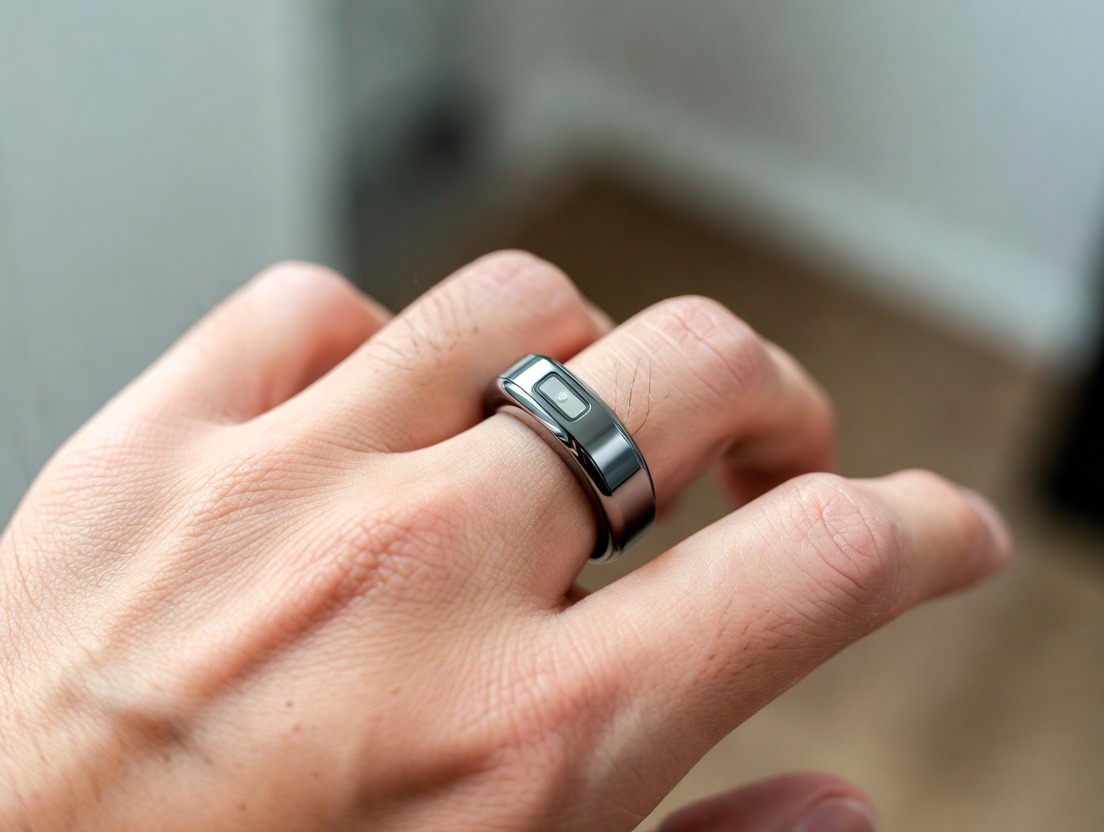
We live in a society that often celebrates the "sleep is for the weak" mentality. We wear our busyness as a badge and push through signals of exhaustion, believing it’s a sign of dedication. This mindset carries a profound, often hidden, cost that accrues as a form of biological debt—a debt that eventually demands payment with interest.
The immediate consequences are familiar: irritability, reduced productivity, more frequent illness, and a higher risk of injury during physical activity. But the long-term costs of chronic, unaddressed fatigue are where the true danger lies:
Ignoring rest isn’t dedication; it’s poor energy asset management. Your wellness ring serves as the perfect accountability partner in this regard. It quantifies the cost. It shows you the direct line between three nights of poor sleep (data) and your tanked workout performance and low mood (outcome). This feedback loop is essential for breaking the cultural hypnosis that values mere activity over effective, sustainable results.
So, you’ve decided to take rest more seriously. You pencil in a "lazy Sunday" or take an occasional day off when you feel utterly spent. This is a good start, but it’s akin to managing your finances by only checking your bank account when you’re already overdrawn. It’s reactive, not proactive. Random, unstructured rest has several critical flaws:
Strategic Rest is the antidote. It is:
Think of your energy like a battery. Random rest is waiting for the battery to hit 1% and then hoping a few hours on the charger will get you back to 100%. Strategic Rest is monitoring the battery's health, understanding its discharge rate under different loads, and proactively plugging in at 40% to keep it consistently operating in the 60-90% range. This is how you build resilience. This is where your wellness ring becomes your chief strategist, providing the real-time battery metrics you need to make smart decisions, transforming rest from a guilty pleasure into a non-negotiable pillar of high performance and a lifelong health investment.
A wellness smart ring is the most personal, continuous, and insightful recovery tool ever created. While smartwatches can offer similar data, the ring form factor provides superior comfort for 24/7 wear (especially during sleep, the most critical recovery window) and often more accurate physiological readings due to the placement on a finger rich with capillaries. But what exactly is it measuring, and what does that tell you about your need for rest?
Let’s break down the core metrics and their direct translation to your recovery status:
1. Heart Rate Variability (HRV): The North Star of Recovery
HRV is not your heart rate; it’s the subtle variation in time between each heartbeat. A higher HRV generally indicates a robust, adaptable autonomic nervous system—your body is well-recovered and ready to handle stress. A lower or trending-downward HRV is a bright, flashing warning light. It signals that your nervous system is strained, likely from physical training, emotional stress, illness, or poor sleep. Your ring tracks your HRV trend, giving you an unparalleled, objective view of your systemic recovery state. It answers the question: "Is my body resilient today, or is it hanging on by a thread?"
2. Resting Heart Rate (RHR): The Baseline Stress Gauge
Your heart rate upon waking, before you even sit up, is a clean baseline metric. A stable or slightly decreasing RHR over time is a sign of improving cardiovascular fitness and good recovery. A sustained elevation of 5-10 beats per minute above your personal baseline is a classic sign that your body is under stress—fighting an infection, dealing with dehydration, overloaded from training, or struggling with emotional anxiety. Your ring establishes your personal baseline and alerts you to these meaningful deviations.
3. Sleep Architecture Analysis: Beyond Just "Hours in Bed"
This is where rings truly shine. It’s not about 8 hours; it’s about what happens during those hours. Your ring uses accelerometers, pulse oximetry, and heart rate data to estimate:
4. Respiratory Rate & Blood Oxygen (SpO2):
An elevated respiratory rate during sleep can indicate physical stress or the onset of illness. Nocturnal blood oxygen dips can point to sleep disturbances like apnea, which fragment sleep and destroy its restorative quality. Monitoring these metrics ensures your primary recovery period (sleep) is functioning optimally.
5. Body Temperature Trends:
A slight drop in core body temperature is necessary to initiate sleep. Some advanced rings track this trend, while a consistently elevated temperature can signal inflammation, illness, or hormonal changes that impact recovery.
The Synthesis: The Readiness Score
Most wellness ring algorithms synthesize these data points—HRV, RHR, sleep quality, and sometimes activity—into a single, easy-to-digest Readiness or Recovery Score each morning. This score is your daily prescription. A high score (e.g., 85+) means your body is primed to take on stress—go hard in your workout, tackle that big project. A moderate score suggests a day for steady, manageable effort. A low score is a clear directive: today is for strategic rest and recovery.
By trusting this objective data over your often-distorted subjective feeling (which can be influenced by caffeine, motivation, or denial), you begin to make decisions that truly serve your long-term energy capital. This is the essence of letting smart ring data guide your lifelong health decision-making, moving from guessing to knowing.
Owning a wellness ring provides a wealth of data, but data without interpretation is just noise. The art of strategic rest lies in becoming fluent in the language of your body, as spoken through your metrics. Here’s a practical guide on how to listen and respond proactively.
The Red Flags: When Your Ring is Shouting "Rest Now!"
The Art of the Response: From Signal to Action
The goal isn't to live in fear of a low score, but to develop a responsive, trusting relationship with your data. Think of it as a conversation:
This proactive response prevents a minor dip from becoming a week-long slump. It’s the equivalent of making a small, smart adjustment to your financial portfolio to avoid a major loss later. This skill of attentive response is what allows you to create a lifelong health strategy using your wellness ring that is dynamic, responsive, and profoundly effective.
When you hear "rest day," you likely picture a couch-bound day of inactivity. This is a critical misconception. Strategic Rest is about selective stress removal to promote specific kinds of recovery. Just as you cross-train your body, you must cross-train your rest. Here is a menu of six distinct types of strategic rest days, each with a different purpose. Your wellness ring data can help you choose the right one.
1. The Complete Physical Rest Day (The Full Shutdown)
2. The Active Recovery Day (The Flush)
3. The Mental Detox Day (The Digital Sabbath)
4. The Social Recovery Day (The Connection)
5. The Play Day (The Joy Injection)
6. The Nutritional & Hydration Focus Day (The Nourishment Reset)
The power lies in choosing the right type of rest for your current state. Your ring’s Readiness score and trend data provide the "why," and this menu provides the "how." This moves you far beyond the simplistic and often ineffective "do nothing" rest day.
Strategic rest isn’t a sporadic event; it’s a rhythmic, integrated component of your life. This concept, known as periodization, is borrowed from elite athletics but is perfectly applicable to the marathon of life, career, and lifelong wellness. It involves planning cycles of stress and recovery at different time scales to maximize adaptation and prevent burnout. Your wellness ring is the perfect tool to validate and adjust this plan.
Let’s look at how to periodize rest across three time horizons:
1. Micro-Cycle: The Weekly Rhythm (The 7-Day Blueprint)
This is your foundational schedule. A well-structured week intentionally mixes stress and recovery. A classic example for a physically active person:
For a knowledge worker, your "stress" days might be back-to-back meetings and deep work sessions, while "recovery" days are for administrative tasks, creative brainstorming, or a mid-week social lunch.
Your Ring’s Role: At this level, your ring helps you stick to the plan. Did your Tuesday stress spike your RHR? Honor your planned Wednesday recovery, even if you feel tempted to push. The data keeps you honest, ensuring your planned recovery days are truly regenerative, a key habit in building lifelong health habits that actually stick.
2. Meso-Cycle: The Monthly or Quarterly Phase (The Deload)
Every 4-8 weeks of consistent stress (in training or work), you should schedule a deload or rejuvenation week. This is a planned reduction in volume, intensity, or mental load by 40-60%. In fitness, this means lighter weights, fewer sets, or easier runs. In work, this could mean clearing your calendar of new projects, focusing on maintenance tasks, or taking a staycation.
Your Ring’s Role: Your ring validates the need for and effectiveness of your deload. You should see HRV climb and RHR drop during this week. If they don’t, it signals that your "deload" wasn’t restful enough, or other life stressors are too high. This feedback is gold for refining your next cycle.
3. Macro-Cycle: The Annual Plan (The Strategic Reset)
This is the big-picture view. Plan for 2-4 extended recovery periods per year. These aren’t just vacations; they are intentional resets.
Your Ring’s Role: It quantifies the profound impact of these extended breaks. You’ll likely see your physiological baselines (HRV, RHR) improve to personal bests, proving the deep value of stepping away. This data reinforces the importance of these investments, making them easier to prioritize in a busy life.
By thinking in cycles—weekly, monthly, annually—you build recovery into the architecture of your life. It ceases to be an emergency protocol and becomes the predictable, empowering rhythm that sustains all your endeavors.

Your body isn’t a machine that runs at a constant rate. It operates on intricate, genetically programmed 24-hour cycles called circadian rhythms. These rhythms govern nearly every physiological process: hormone release (cortisol, melatonin, growth hormone), body temperature, digestion, and, most importantly, your sleep-wake cycle and capacity for recovery. Ignoring these rhythms is like trying to sail against the tide; you expend massive energy for little progress. Strategic rest aligns with these natural currents.
Understanding Your Chronotype: Are You a Lion, Bear, Wolf, or Dolphin?
While the old "morning lark vs. night owl" dichotomy is simplistic, chronotypes offer a more nuanced framework (popularized by sleep Dr. Michael Breus). Your chronotype dictates your ideal timing for sleep, activity, focus, and rest.
Your Ring’s Role: Your ring can help you discover your chronotype by tracking your natural sleep onset and wake times, as well as your energy levels (via HRV/RHR patterns) throughout the day. Do you see a HRV dip every afternoon at 3 PM? That’s a powerful signal for a planned mini-rest.
Strategic Rest Timing Based on Biology:
By scheduling your rest types around these biological imperatives—taking a mental break during the afternoon dip, winding down in the evening, and prioritizing sleep at night—you work with your body, not against it. This alignment reduces the physiological cost of daily life and supercharges the efficiency of your recovery, a critical practice for optimizing every decade of your life.
Strategic rest days, especially Active Recovery or Complete Rest days, are opportunities to employ specific, potent practices that actively accelerate your physiological return to homeostasis. Think of these not as chores, but as premium investments in your recovery portfolio. Your wellness ring can help you measure their return on investment (ROI).
1. Guided Breathwork for Nervous System Reset:
2. Non-Sleep Deep Rest (NSDR) & Yoga Nidra:
3. Contrast Hydrotherapy (Hot/Cold Exposure):
4. Guided Meditation & Mindfulness:
5. Strategic Nutrition for Repair:
6. Foam Rolling & Mobility Work:
These tools turn passive "time off" into an active, engaged recovery process. You are not just waiting to feel better; you are actively conducting the orchestra of your physiology toward harmony. Track the use of these tools alongside your ring’s recovery metrics, and you’ll quickly learn which practices deliver the highest personal ROI for your energy and vitality.
A strategic rest day is a powerful pillar, but the true masters of energy management understand that recovery is not just a scheduled event—it’s a continuous practice woven into the fabric of each day. The concept of micro-rest involves inserting brief, deliberate periods of recovery throughout your waking hours to prevent fatigue accumulation before it ever demands a full day off. This is the granular level of strategic rest, and when practiced consistently, it can dramatically elevate your baseline energy, focus, and resilience.
Think of your nervous system like a checking account. Intense work sessions, difficult conversations, and demanding workouts are large withdrawals. A full rest day is like depositing your paycheck. But if you only make deposits once a week, you risk overdrafting mid-week. Micro-rests are the small, frequent deposits—the spare change you consistently add—that keep your balance comfortably in the black and prevent frantic scrambling.
The Science of Ultradian Rhythms: Your Body’s Built-In Micro-Rest Timer
Your circadian rhythm dictates your 24-hour sleep-wake cycle, but within that are shorter ultradian rhythms—cycles that last 90-120 minutes. Throughout the day, your brain naturally moves through periods of high alertness (approximately 90 minutes) followed by a window of lower alertness (20-30 minutes). This is why your focus wanes after an hour or two of concentrated work. Pushing through these natural dips requires increasing amounts of stress hormones (cortisol and adrenaline), leading to quicker burnout and a heavier debt to repay later.
Honoring these rhythms by taking a true break at the 90-minute mark isn’t lazy; it’s biologically intelligent. It’s working in harmony with your body’s own operating system.
A Toolkit of Micro-Rest Practices (The 1- to 10-Minute Reset)
The goal is to disengage from active doing and allow your system to downshift. Here are categorized micro-rests, from the quickest to the more immersive:
The 60-Second Breath Reset:
The 5-Minute Sensory Grounding:
The 10-Minute "Walk-and-Notice":
The 10-Minute Non-Sleep Deep Rest (NSDR):
Your Wellness Ring as a Micro-Rest Prompter and Validator
This is where passive monitoring becomes an active coaching tool. You can use your ring’s data in two powerful ways:
By the end of a day rich with micro-rests, you will have prevented the massive energy withdrawal that leads to evening exhaustion. You’ll arrive at your planned strategic rest day not in a state of emergency, but in a state of maintenance, allowing that day to propel you to new heights rather than just digging you out of a hole. This daily practice of energy stewardship is the ultimate form of self-respect and a core behavior for those who understand that lifelong health monitoring is about the small, consistent deposits, not just the annual audit.
You can take a physical rest day, but if your mind is racing with anxiety, to-do lists, and digital chatter, your physiological recovery is crippled. The mind and the nervous system are inextricably linked; a stressed mind is a stressed body. Cortisol, the primary stress hormone, doesn’t care if your stress is from a looming deadline or a saber-toothed tiger—its physiological effects (elevated heart rate, suppressed digestion, heightened inflammation) are the same. Therefore, the most advanced form of strategic rest involves deliberately cultivating mental and nervous system quiet.
Understanding the Levers: Sympathetic vs. Parasympathetic States
Strategic mind-rest is the practice of consciously engaging the PNS to counterbalance the inevitable SNS activation of modern life.
Advanced Practices for Nervous System Downregulation:
1. Vagal Toning: Direct Access to the "Rest" Nerve
The vagus nerve is the superhighway of the PNS. "Toning" it means improving its function, leading to a quicker and more robust relaxation response.
2. Meditation for Mental Detachment:
The goal isn't to stop thoughts, but to change your relationship to them. By observing your thoughts as passing events rather than directives or truths, you create space from mental stress.
3. Digital Fasting: The Most Underrated Mental Rest
The constant, reactive pull of notifications, emails, and social media is a perpetual, low-grade SNS activator. It fractures attention and creates a background hum of anxiety.
4. Nature Immersion (Forest Bathing / "Shinrin-yoku"):
This is not hiking for exercise. It’s the slow, mindful immersion in a natural environment, engaging all senses. Phytoncides (aromatic compounds released by trees) have been shown to lower cortisol, reduce blood pressure, and boost immune cell activity. The visual complexity of nature also engages the brain in a restorative, effortless way known as "soft fascination."
Measuring the Mind-Rest Effect with Your Ring
Your wellness ring provides the incontrovertible proof that these practices are working, transforming them from "woo-woo" to essential science.
This data closes the loop. It moves mind-rest from an abstract "good idea" to a non-negotiable component of your recovery protocol because you can see its tangible, physiological benefit. Investing in this kind of recovery is not passive; it’s the active cultivation of an inner environment where fatigue cannot easily take root, safeguarding your cognitive function and emotional well-being for the long haul.

Your body uses the raw materials you provide to repair itself. A strategic rest day is a prime opportunity to focus on nourishment that supports, rather than hinders, this repair process. The goal shifts from fueling performance output to optimizing recovery input. What you eat and drink on rest days can either amplify the benefits of your downtime or add a hidden metabolic stress load that undermines it.
The Rest Day Nutrition Paradigm: Repair, Replenish, Reduce Inflammation
1. Prioritize Protein for Muscle Protein Synthesis (MPS):
The repair of microscopic muscle damage from exercise occurs for up to 48 hours post-workout. Even on a complete rest day, MPS is ongoing.
2. Focus on Anti-Inflammatory, Nutrient-Dense Foods:
Both physical training and life stress produce oxidative stress and inflammation. Rest days are for dousing that fire.
3. Strategic Hydration and Electrolytes:
Water is the medium for every metabolic process. Even mild dehydration increases cortisol (stress hormone) and makes every system work harder.
4. Foods and Substances to Minimize or Avoid:
The "Nutritional Rest" Day in Practice:
A rest day meal plan might look like this:
Listening to Your Body (and Data):
Your appetite on a true rest day may be slightly lower than on heavy training days—honor that. Use the day to practice mindful eating, listening to hunger and fullness cues. Your wellness ring provides the ultimate feedback. Notice if a day of clean, anti-inflammatory eating correlates with a lower morning resting heart rate or a better sleep score. This positive reinforcement makes nutritional choices feel less like restriction and more like a powerful, data-backed recovery tool, perfectly aligning with the principle of using smart ring data to reveal your personal lifelong health trends.
If strategic rest is the cathedral of recovery, then sleep is its cornerstone. No amount of breathwork, nutrition, or days off can compensate for chronic sleep deprivation. Sleep is the ultimate, irreplaceable, and most potent form of strategic rest. It’s when your brain cleans house, your body repairs tissues, memories consolidate, hormones balance, and your immune system recharges. Optimizing sleep isn’t just one tactic among many; it is the primary tactic from which all others derive their power.
Beyond Duration: The Pillars of Sleep Quality
Your wellness ring moves you beyond the simplistic metric of "8 hours" and into the nuanced world of sleep architecture. To build a foundation of great sleep, you must address its four key pillars:
1. Sleep Duration (The Quantity Floor):
While individual needs vary, most adults require 7-9 hours of sleep per night for optimal health and recovery. Consistently getting less than 7 hours is linked to impaired cognitive function, hormonal dysregulation, increased inflammation, and a higher risk of chronic disease. This is your non-negotiable target.
2. Sleep Continuity (The Unbroken Chain):
This refers to how consolidated your sleep is. Waking up multiple times during the night (as shown by your ring’s "awake/restless" metric) fragments the sleep cycle and prevents you from progressing through the crucial stages of deep and REM sleep.
3. Sleep Architecture (The Quality Blueprint):
This is the balance of sleep stages. Your ring breaks this down:
4. Sleep Timing (The Circadian Alignment):
When you sleep matters as much as how long. Aligning your sleep with your natural circadian rhythm (going to bed and waking at consistent times, even on weekends) strengthens the rhythm itself, making sleep deeper and more efficient.
Advanced Sleep Hygiene: Building Your Fortress of Solitude
Your pre-sleep routine, or "sleep hygiene," is your nightly ritual to invite high-quality sleep.
Your Ring as Your Sleep Coach and Auditor
This is where your wellness ring transforms from a tracker to a teacher.
By treating sleep as the sacred, non-negotiable foundation of your strategic rest plan, you invest in the bedrock of your energy, health, and performance. It is the single most effective action you can take to reduce all-cause mortality and build a resilient, vibrant life. Every other recovery strategy is an amplifier of this foundational practice.
Even with the compelling data from your wellness ring in hand, taking a strategic rest day can feel psychologically challenging. We are conditioned by a productivity-obsessed culture that equates constant activity with worth. Overcoming these ingrained mental barriers is the final, crucial step to fully embracing a recovery-centric lifestyle.
Common Psychological Hurdles and How to Reframe Them:
1. The "I Don't Deserve It" or "Guilt" Barrier:
2. The "I'll Lose Momentum / Fall Behind" Barrier (The "FOMO on Progress"):
3. The "Rest is Boring" or "I Don't Know How to Rest" Barrier:
4. The "My Worth is Tied to Productivity" Barrier:
5. The "Everyone Else is Hustling" (Social Comparison) Barrier:
Building a "Rest-Positive" Mindset:
By dismantling these mental barriers, you reclaim rest as a source of power, not a sign of weakness. This psychological shift, supported by the objective truth of your biometrics, allows you to fully step into a model of health that is not about relentless grinding, but about intelligent, rhythmic flourishing—a true lifelong health strategy for people who plan to live to 100 with vitality.
Now that we’ve explored the philosophy, science, and psychology of strategic rest, it’s time to build your own personalized protocol. This is a living system, not a rigid set of rules, designed to evolve with you and your data. Follow these steps to create a framework that turns fatigue prevention from a concept into a daily reality.
Step 1: Establish Your Baseline with Your Wellness Ring.
Before you can strategize, you need to know your starting point. Commit to wearing your ring consistently for 2-3 weeks with no major changes to your routine. This allows the algorithm to learn your patterns and establish true baselines for:
Step 2: Define Your "Rest Day Triggers" Based on Data.
Using the insights from Section 5, establish clear, data-driven rules for when you will schedule or call for a strategic rest day. For example:
Step 3: Design Your "Rest Day Menu" Options.
Based on Section 7, create a short list of go-to activities for each type of rest day that you genuinely enjoy. Print it out or save it in your notes. For example:
Step 4: Integrate Micro-Rests into Your Daily Schedule.
Using Section 10 as a guide, block your calendar.
Step 5: Optimize Your Sleep Sanctuary and Routine.
Audit your sleep using Section 12. Make one change at a time and use your ring’s sleep score to gauge impact.
Step 6: Align Nutrition with Your Rest Days.
Plan your rest day meals ahead of time. Maybe Sunday is your meal prep day where you also focus on anti-inflammatory foods. Have ingredients for a rest-day smoothie or a simple salmon-and-veggies dinner ready to go, so good choices are effortless.
Step 7: Schedule Your Macro-Cycle Resets.
Look at your year. Proactively block one 3-4 day mini-retreat per quarter and one full week of true vacation. Mark them as "Strategic Reset" in your calendar. Planning them ensures they happen.
Step 8: Review, Reflect, and Refine Weekly.
Set a weekly appointment with yourself (Sunday evening works well). Look at your ring’s weekly report.
Use this review to tweak your protocol for the week ahead. Perhaps you need to schedule your rest day on Wednesday instead of Friday. Maybe you need to add a second mental detox break in the afternoon. This is the process of adjusting your lifelong health strategy with age and circumstance—it’s dynamic and responsive.
Your Protocol is Your Own:
The goal is not to create a burdensome set of rules, but a flexible, supportive framework that makes strategic rest the default, easy choice. Your wellness ring provides the feedback loop that turns this framework into a personalized science. Over time, you will internalize these patterns. You’ll start to feel the dip in energy that corresponds with a low HRV, and you’ll intuitively reach for a restful activity. The protocol becomes second nature—the operating system for a life of sustained energy and achievement, a practical application of the science behind successful lifelong health strategies.
Your Trusted Sleep Advocate: Sleep Foundation — https://www.sleepfoundation.org
Discover a digital archive of scholarly articles: NIH — https://www.ncbi.nlm.nih.gov/
39 million citations for biomedical literature :PubMed — https://pubmed.ncbi.nlm.nih.gov/
Experts at Harvard Health Publishing covering a variety of health topics — https://www.health.harvard.edu/blog/
Every life deserves world class care :Cleveland Clinic - https://my.clevelandclinic.org/health
Wearable technology and the future of predictive health monitoring :MIT Technology Review — https://www.technologyreview.com/
Dedicated to the well-being of all people and guided by science :World Health Organization — https://www.who.int/news-room/
Psychological science and knowledge to benefit society and improve lives. :APA — https://www.apa.org/monitor/
Cutting-edge insights on human longevity and peak performance:
Lifespan Research — https://www.lifespan.io/
Global authority on exercise physiology, sports performance, and human recovery:
American College of Sports Medicine — https://www.acsm.org/
Neuroscience-driven guidance for better focus, sleep, and mental clarity:
Stanford Human Performance Lab — https://humanperformance.stanford.edu/
Evidence-based psychology and mind–body wellness resources:
Mayo Clinic — https://www.mayoclinic.org/healthy-lifestyle/
Data-backed research on emotional wellbeing, stress biology, and resilience:
American Institute of Stress — https://www.stress.org/


