


The Health Metrics That Matter Most for Your Age and Goals
The metrics most important for your specific age and health goals.
The metrics most important for your specific age and health goals.
%402x.svg)
We live in an unprecedented age of self-quantification. Our wrists, fingers, and pockets buzz with devices tracking steps, heartbeats, and sleep cycles, generating a torrent of data about our bodies. But in this ocean of numbers, a critical question emerges: Which metrics actually matter? Is the frantic chase for 10,000 steps helping a 25-year-old athlete in the same way it helps a 65-year-old retiree? Does the sleep duration that’s perfect for a new parent hold the same importance for a CEO? The uncomfortable truth is that most of us are tracking the wrong things, guided by generic benchmarks that ignore the two most important variables of all: your age and your personal goals.
Health is not a monolith; it’s a dynamic landscape that shifts dramatically across decades. The biomarkers of vibrant vitality in your 20s evolve into the guardians of resilience in your 40s and the sentinels of longevity in your 60s and beyond. Simultaneously, the data that matters to someone training for a marathon is useless noise to someone aiming to reduce anxiety or manage a chronic condition. This data misalignment leads to frustration, wasted effort, and a missed opportunity to harness technology for truly personalized well-being.
This article is your definitive guide to cutting through the noise. We will map the essential health metrics onto the timeline of your life and align them with your deepest aspirations. We’ll move beyond one-size-fits-all dogma to a sophisticated, personalized framework for self-care. By understanding the why behind the numbers, you can transform your wearable from a simple pedometer into a powerful coach, a preventive health guardian, and a deeply personal mirror reflecting your unique path to well-being. We'll explore how modern tools, like advanced smart rings, are revolutionizing our ability to track these nuanced metrics effortlessly, providing the continuous, accurate data needed to make this personalization a reality.
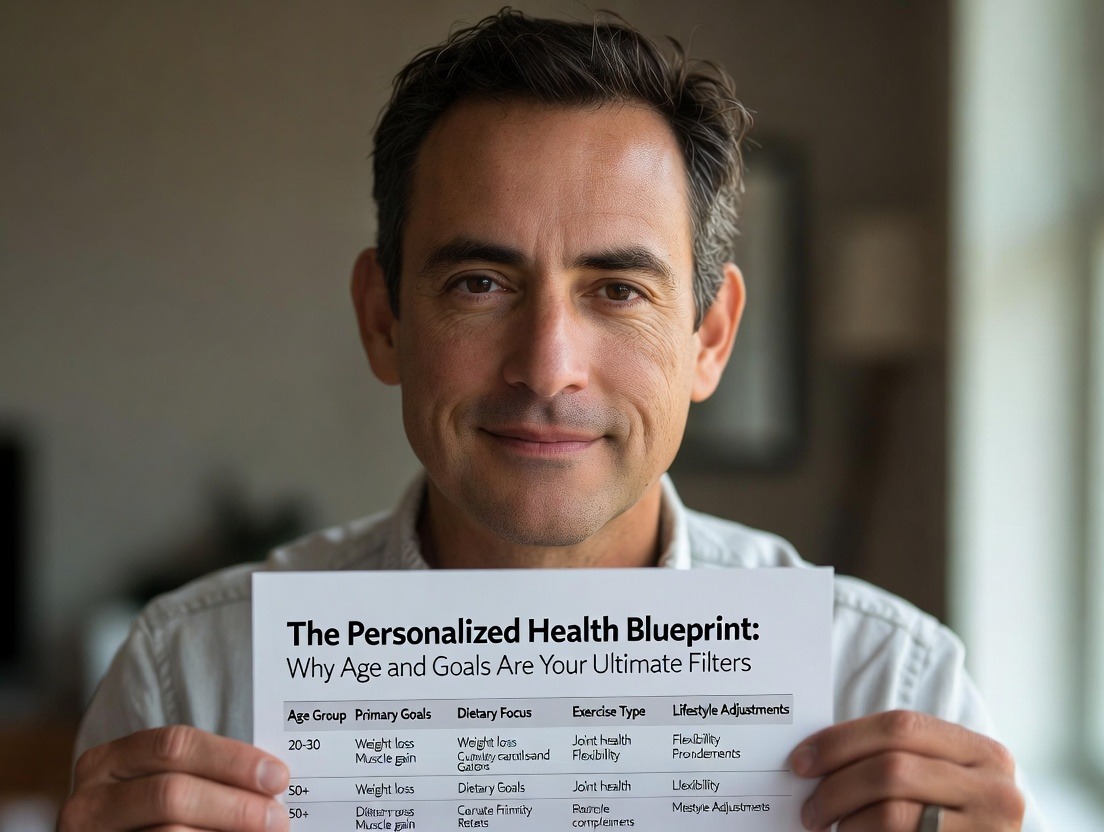
Before we dive into specific metrics, we must establish a foundational principle: context is everything. A number in isolation is meaningless. A resting heart rate of 58 BPM is excellent for a 30-year-old cyclist but could be a cause for concern in an untrained 80-year-old. Seven hours of sleep might be perfectly restorative for one person but leave another in a fog of sleep debt. This is where your age and goals act as the ultimate interpretive lens, the crucial filters that turn raw data into actionable wisdom.
Your age is more than just a number; it’s a biological epoch. Each decade brings shifts in hormone profiles, metabolic rate, muscular composition, neural plasticity, and recovery capacity. The priorities of your physiology change. In your 20s, the body is often optimized for performance, adaptation, and resilience. By your 40s, the focus subtly shifts toward maintenance, metabolic health, and stress resilience. In your later decades, the emphasis becomes stability, mobility, cognitive function, and systemic integrity. Ignoring these biological milestones is like using a road map from 1990 to navigate today’s city—some landmarks remain, but the entire terrain has evolved.
Your goals provide the direction. Are you seeking:
Each of these destinations requires navigating by a different set of stars. The performance seeker lives and dies by VO2 Max and Heart Rate Variability (HRV). The longevity enthusiast focuses on inflammatory markers and deep sleep quality. The person managing stress prioritizes HRV recovery and sleep stability over pure step count.
The magic happens at the intersection. A 55-year-old with a longevity goal will have a radically different "metric dashboard" than a 55-year-old training for an Ironman. Yet, most consumer health apps present them with the same generic circles to close. This article will help you build your own dashboard. We’ll start with the universal pillars—the metrics that form the bedrock of health at any age—before branching into the age-specific and goal-specific indicators that truly personalize your journey. The first and most critical of these universal pillars is not about movement, but about restoration: Sleep Quality.

If health were a pyramid, sleep quality would be the foundation. It is the single most potent regenerative process the human body undergoes, impacting every cell, system, and cognitive function. Regardless of whether you're 18 or 80, aiming for a bodybuilding trophy or inner peace, the quality of your sleep sets the ceiling for everything else you can achieve. It’s more than just duration; it’s about the architecture of your sleep—the cyclical journey through light, deep, and REM stages that each serve a unique, vital purpose.
Deep sleep (slow-wave sleep) is your physical restoration phase. This is when growth hormone is released, facilitating tissue repair, muscle growth, and cellular detoxification. It’s crucial for the athlete recovering from a workout, the child growing, or anyone healing. REM sleep, on the other hand, is the mental and emotional processing phase. It’s when memories are consolidated, learning is cemented, and emotional experiences are integrated. For the student, the creative professional, or someone working on mental health, REM is indispensable.
Therefore, tracking just "hours in bed" is a profound mistake. You can be in bed for 8 hours with a sleep quality score of 45% (due to frequent awakenings, low deep sleep, and disrupted cycles) and wake up feeling more exhausted than someone with 6.5 hours of high-quality, consolidated sleep. This is why understanding what sleep quality is and why it matters more than hours is the first step to taking control of your health. Poor sleep quality silently undermines your efforts, whether that effort is in the gym, the office, or simply managing daily stress.
The consequences are systemic. Chronically poor sleep disrupts glucose metabolism, increases cravings, and imbalances hunger hormones like leptin and ghrelin, creating a direct link between sleep quality and weight. It impairs the immune system, elevates inflammatory markers (a key driver of aging and chronic disease), and severely impacts emotional regulation, highlighting the hidden link between sleep quality and mental health. If you consistently wake up tired despite sufficient time in bed, your sleep quality is almost certainly the culprit.
So, how do you measure it? Beyond subjective feeling, objective tracking is key. Modern methods go far beyond bedside notepads. You can now measure sleep quality without a sleep lab using advanced wearable technology. Devices like smart rings have become particularly powerful, as they can track physiological signals like heart rate variability, body temperature, and movement throughout the night with minimal intrusion, leading to a more accurate picture than wrist-based devices that can be prone to movement artifacts. To understand the technology behind this, explore how smart rings measure sleep quality more accurately.
Your first actionable step is to establish a baseline. Don't guess; measure. Once you have data, you can begin the work of improvement, starting with the biggest disruptors many people ignore.
Now that we understand sleep quality's paramount importance, we must confront what destroys it. Many people unknowingly engage in daily habits that systematically degrade their sleep, then wonder why they feel chronically off. Improving your sleep isn't just about adding a white noise machine; it's about a forensic audit of your day to eliminate these silent saboteurs.
The list of culprits is extensive, but some are more insidious than others. The obvious ones include late-night screen time (blue light suppresses melatonin), an irregular sleep schedule, and a noisy sleep environment. However, the real damage often comes from the subtler, overlooked factors. These are the 10 factors that destroy sleep quality most people ignore. They can range from your bedroom temperature being a mere degree too warm (the ideal is around 65°F or 18°C) to having a large meal too close to bedtime, which forces your digestive system to work overnight. Even chronic, low-grade dehydration can disrupt sleep cycles.
One of the most potent and misunderstood saboteurs is caffeine. Its half-life is about 5-6 hours, meaning if you have a coffee at 3 PM, half that caffeine is still in your system at 8 or 9 PM. This can significantly reduce deep sleep and increase sleep fragmentation, even if you fall asleep easily. It's a prime example of how caffeine ruins your sleep quality even 8 hours later. Similarly, alcohol, while a sedative that may help you fall asleep, devastates the architecture of the later sleep cycles, particularly obliterating REM sleep.
Stress and an unquiet mind are another major category. When you go to bed with your mind racing, your nervous system remains in a state of sympathetic ("fight-or-flight") arousal. This directly suppresses the parasympathetic ("rest-and-digest") state required for deep sleep and lowers your Heart Rate Variability (HRV), a key metric we'll explore later. Learning to wind down cognitively is non-negotiable.
So, how do you know if you're affected? Look for the 7 signs your sleep quality is poor and how to fix it. These signs include relying on multiple alarms, needing caffeine to function in the morning, experiencing afternoon energy crashes, waking up with a dry mouth or headache, and having poor concentration and memory. If these sound familiar, your sleep architecture is likely compromised.
Fixing it requires a systematic approach. Start with the foundational elements of the sleep quality formula: temperature, light, and timing. Make your bedroom cool, dark, and quiet. Establish a consistent sleep-wake time, even on weekends. Then, conduct a personal audit. Track your caffeine and alcohol intake, your evening meal timing, and your pre-bed screen use. Experiment with cutting off caffeine by noon, finishing dinner 3 hours before bed, and implementing a "digital sunset" 60 minutes before sleep. The results can be transformative, and you might be surprised at how you can improve sleep quality in just one week with focused changes. Use a sleep quality checklist to see if you're getting truly restful sleep.
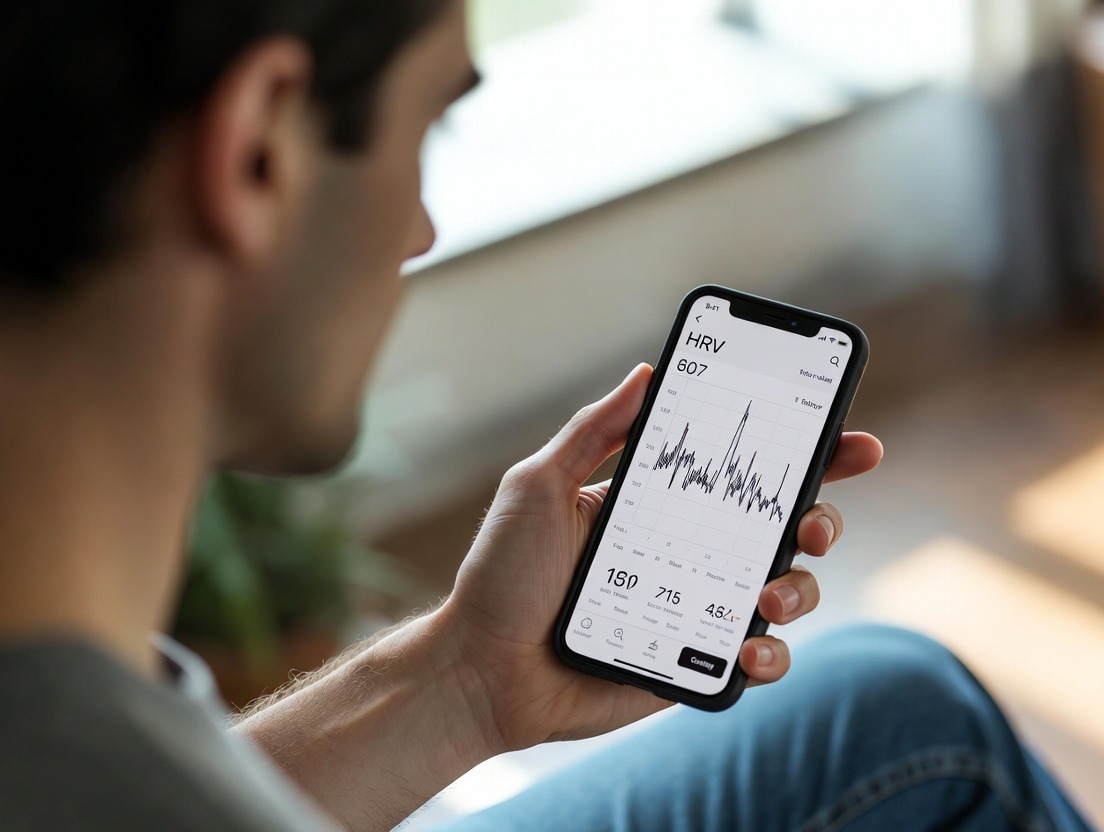
If sleep quality is the foundation, then Heart Rate Variability (HRV) is the most sophisticated alarm system built upon it. This metric has moved from the realm of elite sports physiology labs to the fingertips of everyday health enthusiasts, and for good reason. HRV is not your heart rate; rather, it is the variation in time between successive heartbeats, measured in milliseconds. Counterintuitively, a higher HRV is generally better. It indicates a resilient, adaptable nervous system—one that can nimbly switch between states of exertion (sympathetic) and recovery (parasympathetic). A low, stagnant HRV suggests a nervous system stuck in a state of chronic stress, fatigue, or overload, unable to relax and restore effectively.
Think of it as your body's most honest biometer. You can tell yourself you're "fine" after a week of poor sleep, work deadlines, and intense workouts, but your HRV will tell the unvarnished truth: your system is under strain and needs a break. It integrates signals from your brain, hormones, immune system, and emotions into a single, measurable output. This makes it an indispensable metric for any goal, because it directly measures your capacity to handle stress and recover from it—the fundamental process of adaptation that underpins fitness gains, cognitive performance, and emotional stability.
For the performance-oriented individual, HRV is the ultimate guide for training. A rising HRV trend suggests you're recovering well and are ready for a challenging session. A sharp drop in your morning HRV can be a red flag to opt for a light recovery day instead of a high-intensity one, preventing overtraining and injury. This is known as HRV-guided training, and it turns your wearable into a personalized coach.
For those focused on mental well-being and stress management, HRV is equally critical. It is a direct biomarker of your autonomic nervous system balance. Practices like meditation, deep breathing (especially resonant breathing at 5-6 breaths per minute), and yoga have been shown to increase HRV by stimulating the vagus nerve and enhancing parasympathetic tone. Tracking your HRV can show you, in concrete terms, which mindfulness practices are actually moving your physiology in the right direction.
For anyone concerned with longevity, HRV is a powerful predictor. Studies have consistently linked higher HRV with better overall health and lower mortality risk, while low HRV is associated with inflammation, cardiovascular risk, and all-cause mortality. It is a master regulator metric.
Tracking HRV effectively requires consistency. The gold standard is to take a measurement first thing in the morning, before getting out of bed or checking your phone. This provides a clean, resting baseline. Many advanced wearables, including smart rings, now offer continuous HRV monitoring throughout the day and night. Nighttime HRV, particularly during deep sleep, is often considered an even purer measure of recovery, as it's free from the immediate influences of movement, food, and cognitive stress. By watching the trend of your HRV over weeks and months—not just daily numbers—you gain profound insight into your lifestyle's impact on your foundational resilience.
While HRV measures the nuance between beats, Resting Heart Rate (RHR) gives us the broader strokes of cardiovascular efficiency. It's one of the simplest, most accessible, and yet profoundly informative metrics you can track. Defined as the number of times your heart beats per minute while you are completely at rest (typically measured upon waking), your RHR is a direct reflection of your heart's strength and your autonomic nervous system's baseline state.
A lower RHR generally indicates a more efficient cardiovascular system. A strong, well-conditioned heart muscle can pump a larger volume of blood with each beat (stroke volume), meaning it doesn't need to beat as frequently to supply the body with oxygen. Elite endurance athletes often have RHRs in the 40s or even 30s. For the average adult, a RHR between 60 and 100 bpm is considered "normal," but optimal health and fitness are typically associated with a RHR on the lower end of that spectrum.
Tracking your RHR over time provides clear feedback on your fitness journey. As you engage in consistent aerobic exercise (like running, cycling, or swimming), you should see a gradual downward trend in your RHR. This is a tangible sign that your heart is getting stronger and more efficient. Conversely, a sudden, sustained increase in your RHR can be a powerful early warning sign. It often indicates that your body is fighting something: it could be the onset of an illness, dehydration, excessive stress, overtraining, or poor recovery (often linked directly to—you guessed it—poor sleep quality).
This is where RHR and HRV work in concert. You might see your RHR spike by 5-10 bpm above your normal baseline while your HRV simultaneously plunges. This combination is a near-certain signal from your body that you need to prioritize rest, hydration, and recovery. For individuals managing health conditions like hypertension or anxiety, monitoring RHR can provide reassurance and motivation, showing how lifestyle changes are positively affecting a key cardiovascular marker.
Age plays a role in interpreting RHR. While the "normal" range is broad, expected RHR tends to be slightly higher in childhood and can increase again slightly in older age due to natural changes in heart tissue and the nervous system. The key is to know your personal baseline and watch for significant deviations from it. It's a metric that beautifully demonstrates the principle of personalized health: a RHR of 72 might be perfectly healthy and normal for one 50-year-old, but if that same individual's lifelong baseline has been 58, a jump to 72 warrants attention. Tracking it daily, especially upon waking, turns this simple number into a vital conversation with your body.
You now have data on sleep quality, HRV, and RHR. Individually, they are informative; together, they are transformative. The modern frontier of wearable technology lies in synthesizing these (and other) data streams into intuitive, actionable scores: most commonly, a Recovery Score or a Readiness Score. This is where data becomes direct, personalized guidance.
A Recovery/Readiness Score is an algorithmically derived metric that combines your previous night's sleep data (quality, duration, stages), your morning cardiovascular markers (HRV, RHR), and sometimes other inputs like recent activity load or body temperature. The output is a simple number or a "Low/Medium/High" readiness indicator. The premise is elegant: instead of forcing you to be a data scientist each morning, your device does the integration for you and answers the most important question: "Is my body primed for stress today, or does it need a break?"
A high Recovery Score (e.g., 85/100) suggests your body has effectively repaired itself. Your nervous system is balanced, your sleep was restorative, and you are physiologically prepared to tackle a tough workout, a demanding workday, or any other form of stress. This is your green light to "perform."
A low Recovery Score (e.g., 42/100) is a yellow or red flag. It tells you that, for whatever reason—poor sleep, an intense workout two days ago, emotional stress, a looming illness—your resources are depleted. Your system is still in repair mode. On such a day, pushing hard would be counterproductive, digging a deeper recovery hole and increasing injury or burnout risk. This is your signal to prioritize restorative activities: gentle movement like walking or yoga, hydration, nutrient-dense foods, stress-management techniques, and an early bedtime.
This framework is invaluable for every age and goal:
The true power of a Recovery Score is that it turns introspection into action. It moves you from "I feel tired" to "My recovery score is low because my deep sleep was 30% below baseline and my HRV dropped 15%, so I will adjust my day accordingly." It fosters a collaborative relationship with your body, where you learn to listen to its signals and respond with respect. This integrated, intelligent feedback loop is the core of a truly smart health ecosystem.

Beyond your heart's rhythms lies another fundamental biological cycle: your core body temperature rhythm. We are not thermally static; our body temperature follows a predictable circadian pattern, dipping to its lowest point in the early morning hours (around 4-5 AM) and rising to its peak in the late afternoon or early evening. This rhythm is not a passive occurrence; it is a driver of the sleep-wake cycle and a powerful reflector of metabolic and hormonal health. Tracking it provides a window into your circadian integrity and can reveal subtle dysregulations long before other symptoms appear.
The primary reason for tracking temperature is to assess circadian rhythm health. A robust, well-defined temperature rhythm—with a clear nocturnal dip and a daytime rise—is a hallmark of a synchronized internal clock. This clock regulates not only sleep but also hormone release (cortisol, melatonin), digestion, immune function, and cellular repair. When this rhythm is flattened or shifted (e.g., a shallow nighttime dip), it often indicates circadian disruption, which can be caused by jet lag, shift work, excessive evening light exposure, or irregular sleep schedules. This disruption has been linked to poor sleep, metabolic syndrome, mood disorders, and impaired cognitive performance. Understanding your personal rhythm can help you better time light exposure, meals, and exercise to reinforce your natural cycle.
For women in their reproductive years, tracking basal body temperature (BBT)—your temperature upon immediate waking—is a classic and powerful method for identifying ovulation and mapping the menstrual cycle. A sustained temperature shift of about 0.5–1.0°F (0.3–0.6°C) following ovulation, driven by the thermogenic effect of progesterone, confirms that ovulation has occurred. This data is invaluable for family planning, whether trying to conceive or avoid pregnancy naturally, and for understanding the distinct physiological phases of the cycle. An irregular or anovulatory temperature pattern can also be an early sign of hormonal imbalances like Polycystic Ovary Syndrome (PCOS) or hypothalamic amenorrhea.
Furthermore, continuous temperature monitoring, as offered by some advanced wearables, can serve as an early warning system. A sustained elevation in your nightly resting temperature, outside of the menstrual cycle's influence, can be one of the earliest signs of illness, infection, or systemic inflammation. It can also reflect the physiological strain of overtraining. For peri- and post-menopausal women, tracking temperature trends can provide objective data on the occurrence and intensity of hot flashes and night sweats, which are direct symptoms of thermoregulatory dysfunction due to hormonal shifts.
By paying attention to this often-ignored metric, you gain insight into the fundamental timing mechanism of your biology. It connects your external behaviors (when you see light, eat, and sleep) to your internal hormonal state, offering another layer of personalization for optimizing health, performance, and fertility.
Of the four classic vital signs—heart rate, blood pressure, temperature, and respiratory rate—the last is most often ignored in daily tracking. Yet, your breathing rate, especially during sleep, is a profoundly informative metric. It measures the number of breaths you take per minute and, like your heart rate, has a resting baseline that changes with state. Monitoring it, particularly its nighttime patterns, can reveal issues ranging from sleep disorders to daytime stress overload.
During the day, a resting respiratory rate for a healthy adult typically falls between 12 and 20 breaths per minute. Like RHR, a lower resting respiratory rate often indicates greater cardiorespiratory fitness and efficiency. More importantly, acute increases in respiratory rate can be a marker of psychological or physical stress, anxiety, or pain. In a mindful practice, consciously slowing your respiratory rate to 5-7 breaths per minute is a proven method to activate the parasympathetic nervous system and induce calm—a direct biofeedback tool.
However, the most critical insights come from monitoring respiratory rate during sleep. During normal, healthy sleep, your breathing should become slower, deeper, and more regular than during wakefulness. A consistently elevated nighttime respiratory rate, or one with erratic spikes, can be a significant red flag.
One of the primary applications is screening for sleep-disordered breathing, such as sleep apnea. In obstructive sleep apnea, the airway repeatedly collapses during sleep, causing breathing to stop (apnea) or become shallow (hypopnea). The body's struggle to breathe often manifests as a spike in respiratory rate or effort following each event. While a formal diagnosis requires a sleep study, a wearable that shows consistently high or highly variable nighttime respiratory rates, especially when coupled with snoring reports or daytime fatigue, can be the prompt needed to seek professional evaluation. Untreated sleep apnea is a major risk factor for hypertension, heart disease, stroke, and type 2 diabetes.
Beyond apnea, an elevated sleep respiratory rate can also indicate other issues. It can be a sign of respiratory infection, asthma, heart failure, or even high levels of systemic stress that are carrying over into sleep, preventing the nervous system from fully descending into a restorative state. For those with anxiety or PTSD, nocturnal breathing patterns can offer insight into nighttime hyperarousal.
Tracking this metric provides a silent, continuous assessment of your respiratory and nervous system health every night. A stable, low sleep respiratory rate (often in the low teens or even single digits for very fit individuals) is a strong sign of efficient physiology and good recovery. Seeing this number creep up over time, or noticing nightly instability, provides an objective reason to investigate lifestyle factors, stress levels, or consult a healthcare provider. It turns an automatic bodily function into a readable report on your well-being.
When we think of activity tracking, we usually think of dedicated exercise: runs, gym sessions, cycling classes. While these structured workouts are crucial for building fitness and strength, they often constitute only a small fraction of our waking hours. The metabolism that hums in the background for the other 23 hours—fueled by Non-Exercise Activity Thermogenesis (NEAT)—is a monumental force in long-term health, weight management, and vitality. This encompasses all the energy expended for everything that is not sleeping, eating, or sports-like exercise: walking to your car, typing, gardening, washing dishes, pacing while on the phone, and even fidgeting.
NEAT is remarkably variable between individuals and can be the deciding factor in why two people with similar diets and exercise routines have very different metabolic outcomes. For goals centered on metabolic health and body composition, ignoring NEAT is a critical error. You can have an impeccable 45-minute workout but then sit motionless for 10 hours, leading to a phenomenon sometimes called "active couch potato" syndrome, which is associated with poor glycemic control and increased cardiovascular risk independent of exercise.
This is where simple metrics like step count and active minutes regain their relevance—not as arbitrary targets, but as proxies for overall daily movement volume. The goal is not to slavishly hit 10,000 steps (a number born from a Japanese pedometer marketing campaign, not deep science) but to avoid the extreme lows that characterize sedentary behavior. Research consistently shows that breaking up prolonged sitting with brief bouts of light movement—even just standing or walking for 2-3 minutes every hour—can dramatically improve glucose metabolism, circulation, and mood.
For age-specific application:
The practical takeaway is to use your wearable to nudge you out of sedentariness. Set alerts to move every hour. Compete with yourself to maintain a baseline step count that feels challenging yet achievable (which may be 6,000 for some and 12,000 for others). View your "active calories" burned as a daily target that includes your workout but is primarily built by the accumulation of small movements. This holistic view of activity ensures that your hard work in the gym isn't undone by inertia for the rest of the day, creating a metabolic environment conducive to your health goals at any age.
For those whose primary goals revolve around athletic performance, endurance, and cardiorespiratory fitness, a more advanced set of metrics becomes the centerpiece of their dashboard. This triad moves beyond general health markers into the realm of specific athletic adaptation and capacity.
VO2 Max (Maximal Oxygen Uptake) is considered the gold standard metric of aerobic fitness. It represents the maximum rate at which your body can take in, transport, and utilize oxygen during intense exercise. Measured in milliliters of oxygen per kilogram of body weight per minute (ml/kg/min), it is a powerful predictor of endurance performance and, significantly, of long-term health and mortality risk. A higher VO2 Max indicates a more efficient engine: your heart can pump more blood, your capillaries deliver it better to muscles, and your muscle cells can use that oxygen to produce energy. Many modern wearables now provide a VO2 Max estimate based on heart rate and pace/power data during outdoor runs or walks. While not as precise as a lab test, the trend over time is extremely valuable. Seeing your estimated VO2 Max climb is concrete proof your cardiovascular system is improving; a decline can signal detraining or other health issues.
Training Load (or Strain) is a metric that quantifies the physiological stress of your workouts. It’s not just about duration; it’s about intensity. It typically combines the duration and heart rate data from your activities to calculate a single number representing the total cardiovascular strain. Tracking this over time (often as a weekly or 7-day rolling load) allows you to manage progressive overload—the principle of gradually increasing stress to force adaptation—while avoiding the cliff of overtraining. The key is to watch the trend. A steady, gradual increase in load, punctuated by planned recovery weeks, leads to fitness gains. A sudden spike (a "too much, too soon" error) or a chronically high load without adequate recovery, as reflected in your falling HRV and Recovery Score, leads to fatigue, plateaus, and injury.
Heart Rate Zones turn your heart rate data from a single number into a nuanced training language. Zones are typically percentages of your maximum heart rate (e.g., Zone 2: 60-70%, Zone 4: 90-100%). Each zone elicits a different physiological adaptation:
Training by zones ensures you are working at the right intensity for your desired outcome. Many athletes spend too much time in a "gray zone"—too hard to be truly aerobic and recoverable, but too easy to drive high-end adaptations. Using these three metrics in concert—aiming to improve VO2 Max, managing Training Load intelligently, and executing workouts in specific Heart Rate Zones—creates a scientific, personalized, and highly effective framework for achieving any performance goal, from running a faster 5k to completing a first marathon.
As we shift focus from pure performance to longevity and sustained vitality, our metric dashboard undergoes a fundamental transformation. The goal is no longer just to be fit for tomorrow's race, but to ensure our biological systems remain robust, resilient, and slow to decline for decades to come. This requires looking at metrics that serve as proxies for biological age—the true age of your cells and systems, which can differ dramatically from your chronological age. These are the deep biomarkers of systemic health that predict long-term function and disease risk.
At the forefront is the concept of biological age algorithms. While not a single metric you can get from a consumer wearable alone, emerging research and advanced health platforms are beginning to offer estimates based on a combination of data you can track. These algorithms often incorporate factors like your cardiorespiratory fitness (VO2 Max), resting heart rate, heart rate variability, sleep quality (particularly deep sleep, which declines with age), and even body composition. A biological age younger than your calendar age suggests your lifestyle is effectively slowing the aging process. For example, a 50-year-old with the VO2 Max, HRV, and sleep architecture typical of a healthy 40-year-old is likely extending their healthspan. Tracking the trend of these inputs gives you a powerful, composite picture of your rate of biological aging.
Closely linked to aging is chronic, low-grade inflammation, often called "inflammaging." This is not the acute inflammation from a sprained ankle, but a persistent, systemic simmer that damages tissues, accelerates arterial stiffening, and contributes to neurodegeneration. While precise inflammatory markers like CRP require a blood test, several wearable metrics act as its close correlates. Consistently depressed Heart Rate Variability (HRV) is a strong indicator of inflammatory activity, as the inflammatory cytokines directly affect the autonomic nervous system. Elevated resting heart rate can also be a sign. Most tellingly, disrupted sleep, particularly a lack of deep, restorative sleep, is both a cause and a consequence of increased inflammation. The body does much of its inflammatory regulation and cellular cleanup during deep sleep; when that sleep is poor, inflammatory markers rise. This creates a vicious cycle explored in depth in the research on how poor sleep quality affects your health. Managing inflammation through sleep, diet, stress reduction, and exercise is perhaps the single most impactful longevity strategy, and your wearable can guide you by showing how your daily choices affect your nervous system and recovery—key proxies for inflammatory status.
Finally, metabolic health markers, while best measured through blood glucose monitors and lab tests, are influenced by behaviors you can track continuously. Nocturnal heart rate and respiratory rate stability can reflect metabolic stress. But the most direct link is, once again, through sleep. Poor sleep quality, especially short or fragmented sleep, severely impairs insulin sensitivity and glucose metabolism the next day. By prioritizing and tracking high-quality sleep, you are directly supporting your metabolic health. Furthermore, maintaining a high level of Non-Exercise Activity Thermogenesis (NEAT) throughout the day is proven to improve glycemic control. Using your wearable to avoid prolonged sedentary periods is a potent, real-time metabolic intervention.
In essence, the longevity dashboard is an integrated view. It asks: Is my nervous system resilient (HRV)? Is my engine efficient (RHR, VO2 Max)? Is my nightly restoration optimal (Sleep Quality, especially deep sleep)? Am I moving enough throughout the day (NEAT)? By optimizing these trackable metrics, you are actively modulating the deeper biological processes that determine your healthspan, making "aging well" a data-informed, daily practice.
While HRV is the premier objective metric for nervous system state, the experience of stress and resilience is multifaceted, weaving together physiology, cognition, and emotion. A complete picture of your stress landscape requires looking at patterns over time and incorporating subjective data alongside objective biomarkers. This holistic view is essential for goals centered on mental well-being, burnout prevention, and emotional balance.
The hormonal dimension of stress is dominated by cortisol, the body's primary stress hormone. A healthy cortisol rhythm follows a distinct diurnal curve: it should spike sharply within 30-60 minutes of waking (the cortisol awakening response, providing energy and alertness), gradually decline throughout the day, and reach its lowest point around midnight. This curve is crucial for energy, immune function, and metabolism. Chronic stress flattens this curve: the morning spike becomes blunted, and evening levels remain elevated. This dysregulation contributes to fatigue, weight gain, sleep disruption, and inflammation.
While you cannot track cortisol continuously with a wearable, you can track its physiological proxies and consequences. A flattened cortisol curve often manifests as:
Your wearable data provides clues. A low morning HRV coupled with a higher-than-normal waking RHR can be a sign of a dysregulated stress system starting the day under strain. Furthermore, the impact of a flattened cortisol curve is directly visible in your sleep architecture: it suppresses deep sleep and REM sleep. Therefore, chronically poor sleep quality, especially if you wake up tired despite adequate time in bed, can be a downstream indicator of cortisol dysregulation. Improving sleep quality itself is one of the most effective ways to restore a healthy cortisol rhythm, creating a positive feedback loop.
This is where subjective tracking becomes a powerful partner to biometric data. Many advanced health apps allow you to log daily mood, energy levels, and perceived stress. When you overlay this subjective log onto your objective data (HRV, sleep, RHR), powerful patterns emerge. You may see that your HRV consistently tanks and your sleep fragments after days you log as "high stress" at work. Or you may find that your reported mood lifts on days following a high recovery score. This practice, sometimes called biomarker journaling, moves you from passive tracking to active insight. It answers questions like: "What specific events or thoughts drive my physiological stress response?" and "Which recovery practices truly move the needle for me?"
The integration point is your Resilience Score or Stress Score. Some platforms now combine your physiological data (HRV trend, sleep data, activity balance) with your subjective logs to provide a daily resilience assessment. This holistic score encourages you to see stress not as a binary "good" or "bad," but as a load to be managed. A low resilience score is a cue to deploy your stress-management toolkit: perhaps a deliberate walk in nature, a breathing exercise, an early night, or saying no to an extra commitment. By tracking both the causes (subjective log) and the physiological effects (biomarkers), you gain agency over your stress response, building genuine resilience that supports every other health and life goal.
The standardized "human" model in health tracking is a myth. Biological sex exerts a profound influence on physiology, metabolic patterns, stress responses, and, consequently, the interpretation of nearly every metric we track. Ignoring these differences leads to confusion, frustration, and misguided efforts. Personalization must account for the distinct hormonal landscapes of male and female bodies.
For Women: The Menstrual Cycle as a Fourth Vital Sign
For women of reproductive age, the menstrual cycle is not a sidebar to health—it is the central orchestrator. The monthly ebb and flow of estrogen and progesterone create distinct physiological phases (follicular and luteal) that dramatically affect core metrics.
By syncing their health data with their cycle, women can work with their biology, not against it. They can interpret a week of higher RHR and lower HRV not as failure, but as a normal luteal phase response, adjusting expectations and self-care accordingly. This knowledge is empowering and eliminates unnecessary anxiety over normal fluctuations.
Menopause and the Andropause Transition:
The peri-to-post-menopausal transition represents a major physiological shift. The decline of estrogen disrupts thermoregulation (leading to hot flashes/night sweats, visible in temperature and sleep data), can increase visceral fat, decrease metabolic rate, and impact cardiovascular and bone health. For men, the more gradual decline of testosterone (andropause) can affect muscle mass, motivation, mood, and metabolic health.
Male-Specific Considerations:
While men don't have a monthly cycle, they have their own patterns. Testosterone follows a diurnal rhythm, peaking in the morning and declining through the day. This can influence morning readiness metrics. Furthermore, men may be more susceptible to certain stress-related health impacts (e.g., hypertension) and need to be particularly vigilant about metrics like RHR and HRV as indicators of cardiovascular strain. For athletic men, tracking testosterone proxies like recovery speed, libido, and motivation subjectively, alongside objective recovery metrics, can help identify overtraining or insufficient recovery.
In summary, gender-aware tracking transforms data interpretation. It replaces confusion with clarity, allowing both men and women to tailor nutrition, exercise, and recovery to their unique hormonal realities, optimizing health and performance across the entire lifespan.
We have now explored the full spectrum of metrics, from foundational sleep to advanced performance and longevity markers. The final step is synthesis—creating a actionable, personalized dashboard. Below is a framework, organized by decade and primary goal, to help you prioritize which metrics deserve front-page attention on your health app or in your daily review.
In Your 20s & Early 30s: The Foundation & Performance Era
In Your 40s & 50s: The Maintenance & Resilience Era
In Your 60s and Beyond: The Longevity & Function Era
Goal-Specific Overlays:
Your Action Plan:
This personalized dashboard is your living document. As you age and as your goals evolve, so too will your priorities. The constant is your empowered, informed relationship with the data—using it not as a judge, but as a guide on your unique path to lifelong well-being.
We stand at the precipice of a revolution in personal health. The era of sporadic check-ups and reactive medicine is giving way to a new paradigm of continuous, data-driven, and profoundly personalized well-being. The metrics and frameworks we've discussed are the foundation, but the future lies in how this data is integrated, analyzed, and acted upon. This future is being built on three pillars: continuous monitoring, AI-driven insights, and a shift from reactive to proactive prevention.
1. The Shift to Truly Continuous, Multi-Parameter Monitoring:
Today's best wearables offer a significant leap from the pedometers of yesteryear, but the future is even more seamless and comprehensive. Imagine a single, unobtrusive device—like a smart ring—that continuously and accurately tracks not just heart rate and movement, but core temperature, peripheral blood flow, galvanic skin response (a proxy for stress), blood oxygen saturation (SpO2), and even emerging metrics like arterial stiffness or hydration levels. This rich, multi-parameter stream creates a holistic digital twin of your physiology. It captures nuances missed by spot checks: the exact moment your temperature begins to rise before a fever, the subtle dip in HRV that predicts a stress headache hours later, or the pattern of nocturnal oxygen desaturation that suggests sleep apnea. This continuous data is the essential fuel for the next pillar.
2. AI as Your Personal Health Analyst and Coach:
Raw data is overwhelming. The true value is unlocked by artificial intelligence that can find patterns invisible to the human eye. Future health platforms will feature AI that:
3. The Proactive Prevention Paradigm:
This is the ultimate goal. Instead of waiting for a disease diagnosis or a burnout breakdown, your health system will nudge you toward wellness continuously. It will move from telling you what happened to predicting what will happen and prescribing micro-interventions to steer you toward health.
The technology to make this a reality, like the advanced sensors in devices that show you how to measure sleep quality without a sleep lab, is already here and improving rapidly. The future of health is not about more data for data's sake; it's about smarter, quieter, more intuitive systems that understand you as an individual and empower you to live with more vitality, resilience, and joy at every age. By understanding the metrics that matter today, you are preparing yourself to be the fluent, empowered pilot of this incredible future of health.
Data without action is merely entertainment. The true power of understanding your key health metrics lies in translating those numbers into small, consistent, and sustainable daily rituals. This is the bridge between insight and outcome. It’s about moving from "My HRV is low" to "Therefore, I will do a 5-minute breathing exercise before my afternoon meeting." Let’s map specific, evidence-based rituals to the metrics we’ve established, creating a personalized toolkit for every goal.
Rituals for Enhancing Sleep Quality (The Ultimate Lever):
Your sleep data is the most powerful feedback loop for habit formation.
Rituals for Boosting HRV and Resilience (The Stress Antidote):
HRV responds beautifully to deliberate practices that engage the parasympathetic nervous system.
Rituals for Optimizing Activity & NEAT (The Metabolic Regulator):
Defeat sedentariness with engineered movement.
Rituals for Performance and Recovery (The Athlete’s Edge):
The key to ritual-building is to attach new habits to existing triggers (e.g., after I brush my teeth, I will do my box breathing) and to start embarrassingly small. A one-minute ritual done consistently is infinitely more powerful than a 30-minute ritual done once. Let your metrics guide which rituals to adopt first—start with the one that addresses your most glaring opportunity—and then use those same metrics to prove to yourself that the ritual is working, creating a powerful positive feedback loop of motivation.
On any health journey, progress is never linear. You will encounter weeks where your sleep score dips despite perfect habits, periods where your HRV plateaus, or times when your RHR stubbornly refuses to budge. These are not failures; they are data-rich inflection points. How you interpret and respond to setbacks and plateaus separates successful long-term self-optimizers from those who become disheartened and quit. The intelligent response involves diagnosis, not despair.
Step 1: Interrogate the Data with Curiosity, Not Judgment.
When a key metric moves in the wrong direction, your first question should be a neutral "Why?" not a self-critical "Why me?"
Step 2: Differentiate Between a "Noise" Dip and a "Trend" Shift.
One bad day is noise. A bad week that follows a period of intense stress is an expected dip. A downward trend over 2-3 weeks in a key metric like HRV or Sleep Score, however, is a signal that requires a strategic adjustment.
Step 3: Implement a "Reset Protocol."
When faced with a clear negative trend, don’t just keep pushing. Implement a focused 7-10 day reset:
Remember, the body is a complex adaptive system, not a machine. Setbacks provide the most valuable learning. They teach you your true limits, your unique stress signatures, and the non-linear nature of progress. By responding to a plateau not with frustration but with a structured diagnostic and intervention protocol, you turn what feels like a roadblock into a masterclass in self-knowledge. For more on troubleshooting a common culprit, explore the guide on sleep quality improvement: where to start for maximum results.
While smartphones and wrist-based wearables brought health tracking to the masses, a new class of device is emerging to address their fundamental limitations: the advanced smart ring. This form factor, coupled with sophisticated sensor arrays and algorithms, is uniquely positioned to deliver the continuous, precise, and comfortable data required for the personalized health framework we’ve outlined. Understanding this technology helps you choose the right tool for your goals.
The Form Factor Advantage: The Unobtrusive Window into Your Physiology.
The finger offers distinct advantages over the wrist for certain biomarkers:
The Sensor Fusion Revolution: Beyond Heart Rate.
The best smart rings are not just heart rate monitors. They employ sensor fusion, combining data from multiple sources to paint a complete picture:
By fusing these data streams, advanced algorithms can derive insights far beyond the sum of their parts. For example, a simultaneous rise in skin temperature, heart rate, and GSR with movement can indicate a effective workout. A drop in HRV coupled with a temperature rise and restless movement during sleep can signal the onset of illness. This multi-parameter approach is what enables accurate Recovery/Readiness Scores and detailed Sleep Quality Analysis, distinguishing between light, deep, and REM sleep more reliably by using temperature and HRV patterns as secondary confirmatory signals beyond just movement.
Empowering the Personalized Dashboard:
This technology directly enables the age- and goal-specific tracking we’ve discussed:
In essence, advanced smart rings move health tracking from a periodic check-in to a continuous dialogue. They provide the high-fidelity, low-friction data stream required to make the personalized metric frameworks not just a theoretical ideal, but a practical, daily reality. When choosing a device, prioritize sensors (look for temperature and SpO2) and algorithmic sophistication (how they derive sleep and recovery scores) over simple step counting. The right tool transforms data from a curiosity into a cornerstone of your health strategy. To delve deeper into how this technology works, you can explore how smart rings measure sleep quality more accurately.
Wearable data provides an unparalleled real-time, longitudinal view of your physiology in action. However, it exists within a larger context. To achieve true health mastery, this continuous stream must occasionally converge with deeper, point-in-time diagnostic tools: specifically, blood biomarker testing and genetic insights. This integration creates a holistic, inside-out picture, where wearables show you how your lifestyle affects your biology, and lab tests reveal the underlying biological terrain that lifestyle is acting upon.
Blood Biomarkers: The Internal Scorecard.
While wearables track function (how your heart beats, how you sleep), blood tests reveal state (your cholesterol, inflammation, hormone levels). Getting key blood tests 1-2 times a year provides essential ground truth.
Actionable Integration: Use your wearable data in the weeks leading up to a blood test. Note your average sleep score, HRV, and RHR. If a biomarker is suboptimal, you have a rich behavioral log to consult. You can work with a functional medicine doctor or health coach to design lifestyle interventions (targeting sleep, stress, or exercise) and then use both your subsequent blood tests and your wearable trends to measure improvement. It creates a closed-loop system: intervene, track continuously, and confirm with lab work.
Genetic Insights: Understanding Your Blueprint and Predispositions.
Genetic testing (from companies like 23andMe or specialized nutrigenomics providers) does not determine your destiny, but it reveals your predispositions. This information allows for hyper-personalization.
Actionable Integration: Genetics tell you what to prioritize, and wearables tell you if it’s working. If you have a genetic predisposition for lower antioxidant capacity, you might prioritize foods rich in antioxidants. Your wearable can then show if this change improves your post-workout recovery metrics or reduces inflammation-associated HRV dips. If you have a chronotype gene suggesting you’re a natural "owl," you can use sleep data to find your ideal, personalized sleep window rather than fighting for a 10 PM bedtime that never works.
The holistic picture is a triad: Genetics sets the blueprint, Blood Tests reveal the current internal landscape, and Wearable Data shows the real-time impact of your daily life on that landscape. By integrating all three, you move from generalized health advice to a precise, self-aware, and powerfully effective personal operating system. You’re not just tracking; you’re conducting a lifelong, evidence-based experiment on the single most important subject: yourself.
Amidst the sensors, algorithms, and data streams, the most critical component of your health journey is not technological—it's psychological. The mindset you bring to tracking and self-optimization will ultimately determine whether it becomes a source of empowerment or anxiety, of freedom or obsession. Cultivating the right internal framework is the final, and most important, piece of the puzzle. We can call this the mindset of the Self-Knowledge Optimizer, built on three pillars: Curiosity, Consistency, and Compassion.
1. Cultivate a Scientist's Curiosity.
Approach your body and its data not as a judge, but as an explorer. Adopt the frame of a friendly scientist running a fascinating, lifelong experiment (n=1). Your metrics are not "good" or "bad"; they are feedback. A low HRV is not a failing grade; it's a data point that asks, "What stressor is affecting my system?" A poor night of sleep is not a disaster; it's an observation that leads to hypotheses: "Was it the late coffee? The stressful conversation? The room temperature?"
2. Prioritize Relentless Consistency Over Perfection.
The greatest insights in personal tracking come from trends, not single data points. And trends require consistent data. A perfect week followed by two weeks of no tracking tells you nothing.
3. Practice Unwavering Self-Compassion.
This is the antidote to the toxic, self-punishing side of quantification. Data is a mirror, and sometimes we won't like what we see. The key is to separate your worth from your metrics.
This mindset—curious, consistent, and compassionate—transforms health tracking from a high-stakes performance into a gentle, ongoing conversation with yourself. It allows you to harness the incredible power of modern technology without becoming subservient to it. You remain the conscious, caring author of your health story, using data as a powerful tool for self-knowledge and empowered choice, all the way through life's journey.
Your Trusted Sleep Advocate: Sleep Foundation — https://www.sleepfoundation.org
Discover a digital archive of scholarly articles: NIH — https://www.ncbi.nlm.nih.gov/
39 million citations for biomedical literature :PubMed — https://pubmed.ncbi.nlm.nih.gov/
Experts at Harvard Health Publishing covering a variety of health topics — https://www.health.harvard.edu/blog/
Every life deserves world class care :Cleveland Clinic - https://my.clevelandclinic.org/health
Wearable technology and the future of predictive health monitoring :MIT Technology Review — https://www.technologyreview.com/
Dedicated to the well-being of all people and guided by science :World Health Organization — https://www.who.int/news-room/
Psychological science and knowledge to benefit society and improve lives. :APA — https://www.apa.org/monitor/
Cutting-edge insights on human longevity and peak performance:
Lifespan Research — https://www.lifespan.io/
Global authority on exercise physiology, sports performance, and human recovery:
American College of Sports Medicine — https://www.acsm.org/
Neuroscience-driven guidance for better focus, sleep, and mental clarity:
Stanford Human Performance Lab — https://humanperformance.stanford.edu/
Evidence-based psychology and mind–body wellness resources:
Mayo Clinic — https://www.mayoclinic.org/healthy-lifestyle/
Data-backed research on emotional wellbeing, stress biology, and resilience:
American Institute of Stress — https://www.stress.org/


