


How to Balance Activity Level With Recovery Needs (Ring Data)
How to use ring data to balance activity with recovery needs.
How to use ring data to balance activity with recovery needs.
%402x.svg)
The modern pursuit of health is a paradox. We are driven to move more, train harder, and achieve new personal bests, yet simultaneously bombarded with the gospel of rest, sleep, and mindfulness. This creates a silent conflict: in the rush to optimize our activity, we often ignore the critical signals our bodies send us to recover. The result isn’t peak performance or vibrant wellness—it’s burnout, injury, plateau, and chronic fatigue. We become masters of output but illiterate in the language of input. So, how do we resolve this? How do we find the precise, personal equilibrium between exertion and restoration?
Enter the era of the smart ring. Unlike wrist-worn devices that can be bulky and easily forgotten, a sleek ring like Oxyzen offers continuous, unobtrusive insight into your body’s most intimate conversations. It translates the whispers of your autonomic nervous system—through heart rate variability (HRV), resting heart rate, skin temperature, and sleep architecture—into a clear dashboard of readiness. This isn't just about counting steps or tracking workouts; it's about understanding the impact of those steps and workouts on your system. It’s about moving from guesswork to guidance, from pushing blindly to progressing intelligently.
This guide will empower you to become fluent in this new language of self-awareness. We will deconstruct the key metrics that signal recovery needs, teach you how to interpret them in the context of your activity, and provide a actionable framework for making daily decisions that honor both your ambition and your biology. You’ll learn how to use data not as a tyrant, but as a trusted advisor, helping you build sustainable habits, prevent overtraining, and unlock a level of consistent energy and performance you might have thought was reserved for elite athletes. The goal is a harmonious balance, where every workout is effective and every period of rest is purposeful. Let’s begin by understanding the foundational principle: your body’s two opposing, yet complementary, states.
To balance activity and recovery, you must first understand that your body operates in two fundamental, cyclical modes: the sympathetic "go" state and the parasympathetic "grow" state. These aren’t abstract concepts; they are physiological realities governed by your autonomic nervous system, and they are directly measurable with the right technology.
The sympathetic nervous system is your accelerator. It’s the "fight or flight" response activated by stress, exercise, deadlines, and excitement. When engaged, it increases your heart rate, diverts blood flow to muscles, and releases cortisol and adrenaline. This state is essential for performance—it allows you to lift that weight, run that mile, or deliver that presentation. Modern life, however, has a tendency to leave this accelerator pressed down indefinitely through chronic stress, poor sleep, and relentless activity, leading to a state of constant catabolism (breakdown).
The parasympathetic nervous system is your brake and repair crew. Often called "rest and digest," it promotes relaxation, recovery, and regeneration. When dominant, your heart rate lowers, digestion improves, and critical repair processes occur—muscles rebuild, the immune system strengthens, and memories consolidate. This anabolic (building) state is not passive; it’s when the true adaptation from your workouts happens. Without sufficient time in this mode, the work you put in is never fully realized. You're constantly withdrawing from your physiological bank account without making deposits.
The magic of a comprehensive wellness ring is its ability to quantify which state your body is prioritizing. Heart Rate Variability (HRV) is the North Star metric here. Contrary to popular belief, a healthy heart doesn’t beat with metronomic regularity; the tiny, millisecond variations between beats are a sign of a resilient, adaptable nervous system. A higher HRV typically indicates strong parasympathetic tone and good recovery capacity—your body is ready for stress. A lower-than-normal HRV suggests your sympathetic system is overworked; your body is stressed and asking for a break.
By wearing a device like the Oxyzen ring, you move these concepts from theory to tangible data. You can see your nightly HRV average, track its trends, and correlate dips with specific events: a punishing workout, a late night, or an emotionally taxing day. This awareness is the first and most crucial step in balancing the push and pull. It allows you to answer the most important question each morning: "Is my body asking to be challenged today, or supported?" For a deeper exploration of how these metrics connect to long-term vitality, our article on HRV monitoring for healthy aging goals provides valuable insights.
Your smart ring is more than a sleep tracker; it’s a personal recovery dashboard. Interpreting this dashboard correctly is the key to making informed decisions. Let’s break down the primary metrics that inform your daily "readiness" or "recovery" score and what they truly mean.
1. Heart Rate Variability (HRV): The Voice of Your Nervous System
As discussed, HRV is the premier indicator of autonomic balance. Don’t fixate on a single number; focus on the trend. An upward trend over weeks or months is a sign of improving fitness and resilience. A sharp, single-day drop is a clear signal of acute stress (training, illness, psychological strain). A consistently low or declining trend is a major red flag for chronic stress or overtraining. Your ring will establish a personalized baseline, and deviations from that baseline are your most actionable insights.
2. Resting Heart Rate (RHR): The Body’s Idle Speed
Your RHR, measured during your deepest sleep, is a beautifully simple metric. As cardiovascular fitness improves, RHR often decreases as the heart becomes more efficient. However, an elevated RHR—especially 5-10+ beats above your personal baseline—is a classic sign that your body is under strain. This could be due to impending illness, dehydration, excessive training load, or poor recovery from prior activity. It’s your body’s internal engine running hotter than normal, signaling it’s working harder just to maintain baseline function.
3. Sleep Performance & Architecture: The Foundation of All Recovery
Sleep is non-negotiable, and your ring provides a detailed report card. Look beyond just duration (though 7-9 hours is ideal). Depth matters:
A low sleep score, frequent awakenings, or insufficient time in deep/REM sleep means you woke up before the "repair work" was complete. Your body will not be ready for significant new stress. Understanding this foundation is so critical that we dedicated an entire piece to how sleep quality became the foundation of modern wellness strategies.
4. Skin Temperature & Respiratory Rate: The Silent Signals
These are often overlooked but incredibly insightful.
When combined, these metrics tell a cohesive story. For example, a low HRV, high RHR, and restless night of sleep are a unanimous vote from your body for a recovery day. Learning to trust this data is the cornerstone of intelligent training. If you're curious about how this tracking evolves over a lifetime, our blog discusses how a smart ring tracks healthy aging progress over time.
The Activity Spectrum: From Steps to HIIT – Quantifying Your “Push”
On the other side of the equation is your activity. To balance it, you must quantify it. Modern wearables have trained us to think in steps, but steps are a woefully incomplete picture of training load. Balancing recovery isn’t about hitting 10,000 steps; it’s about understanding the physiological cost of your movement.
1. Low-Intensity Steady State (LISS) & NEAT: This is your daily foundational movement—walking, light housework, casual cycling. It promotes circulation, aids recovery by pumping nutrients to muscles, and builds a resilient metabolic base without significant systemic stress. Your ring tracks this through steps and active calorie burn. Consistency here is king.
2. Moderate-Intensity Exercise: This includes brisk walking, steady-state running, or weight training with moderate effort. It creates a more pronounced strain on your body, depleting glycogen stores and causing measurable micro-tears in muscle tissue. The recovery demand is higher, requiring focused attention on sleep and nutrition.
3. High-Intensity Interval Training (HIIT) & Heavy Strength Training: This is the pinnacle of sympathetic nervous system activation. Sprints, heavy deadlifts, and CrossFit-style workouts create a significant hormonal and structural stress response. They provide the powerful stimulus for adaptation (increased strength, speed, VO2 max), but they also come with the highest recovery price tag. They can drastically impact HRV and RHR for 24-72 hours.
Your ring helps you connect the dots between activity type and recovery response. Did your HRV plummet after that sprint session? Did your deep sleep increase following a heavy leg day? By tagging your workouts in the app, you begin to see your personal patterns. You learn that for your body, two heavy strength days per week might be optimal, while three pushes you into a recovery deficit. This personalized insight is far more valuable than any generic training plan. For strategies on adapting this movement balance through different life stages, explore our guide on healthy aging movement strategies for every decade.
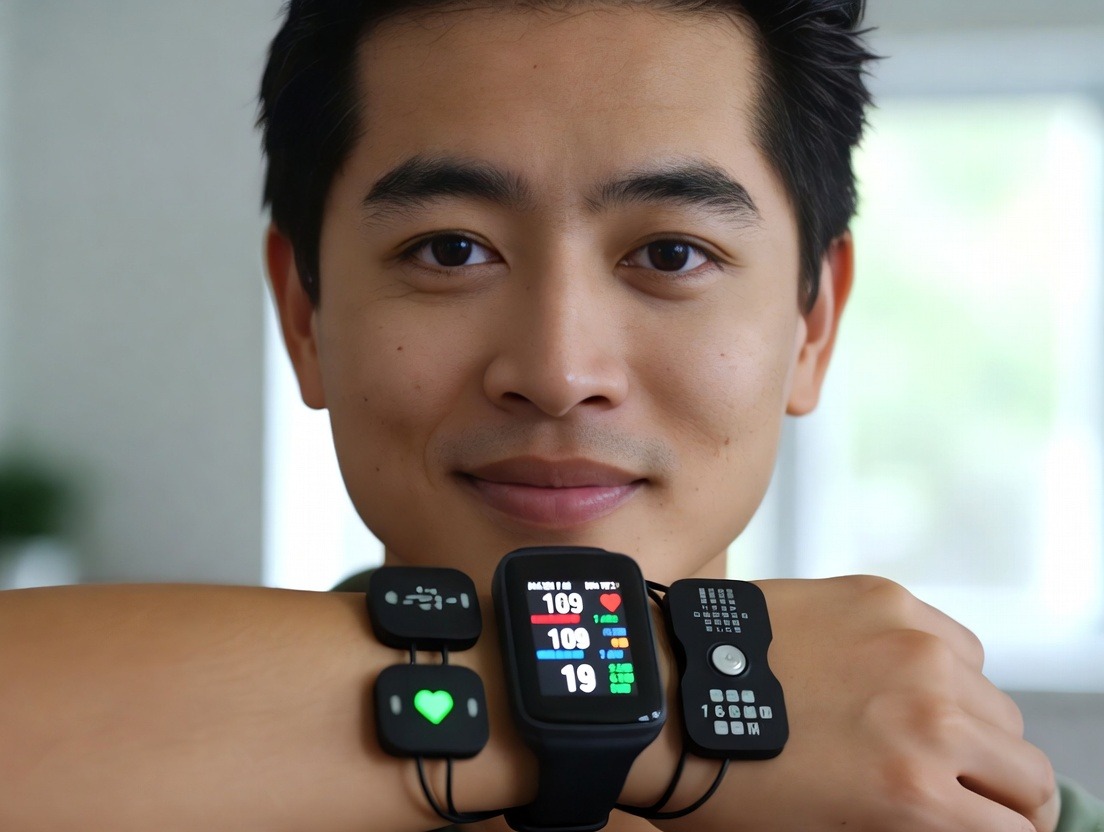
You’ve slept. Your ring has collected a night’s worth of biometric data. Now what? This is where theory meets practice: The Morning Readiness Check. This 60-second ritual will determine the tone of your entire day.
Step 1: Review Your Recovery Score. Open your companion app (like the one for your Oxyzen ring). Most platforms synthesize your HRV, RHR, sleep, and temperature data into a single "Readiness" or "Recovery" score (e.g., 1-100). This is your headline. A high score (e.g., 75+) is a green light. A middling score (e.g., 50-75) is a yellow light—proceed with caution. A low score (<50) is a red light—recovery is the priority.
Step 2: Diagnose the "Why." Never accept the score at face value. Click into it.
Step 3: Align Your Day. This is the decision point.
By making this a daily habit, you stop forcing a pre-written schedule onto a dynamic biological system. You start cooperating with your body, leading to fewer injuries, fewer sick days, and more consistent progress. For more on building a daily system that respects these signals, our collection of 50 actionable healthy aging tips a smart ring can help implement offers a wealth of ideas.
Periodization 2.0: Using Data to Plan Your Training Cycles
Periodization—the planned manipulation of training variables (volume, intensity) over time—has long been the domain of coaches and elite athletes. Your ring data democratizes this concept, allowing you to create a responsive, personalized form of periodization. Instead of blindly following a 4-week "build" phase, you let your body dictate the timeline.
The Concept of Adaptive Microcycles: A traditional training week (microcycle) might prescribe hard days on Monday, Wednesday, and Friday. A data-informed approach looks different:
In this model, the order of your week may shift, but the overall weekly volume and intensity find a natural rhythm aligned with your recovery capacity. This prevents the common pitfall of stacking hard days when your body is already in a hole, which leads to diminishing returns and increased injury risk.
Identifying Your Super-Compensation Windows: After a hard training stimulus and subsequent recovery, your body doesn’t just return to baseline; it super-compensates, rebuilding itself slightly stronger. This is the ideal moment for your next hard stimulus. Your ring’s readiness score is designed to identify this window. When your score rebounds to a new high after a recovery period, it’s signaling that adaptation has occurred and you are ready to perform again at a high level. Training based on these windows ensures you are always applying stress when your body is most prepared to benefit from it.
This dynamic, responsive approach is the future of personal fitness. It turns your training plan from a rigid calendar into a fluid conversation between your ambitions and your physiology. To see how this principle applies to long-term wellness planning, consider reading about science-backed healthy aging tips that actually work.
Your workout is only one part of the stress ledger. Your body doesn’t differentiate between physical, mental, or emotional stress—it all drains from the same recovery account. Ignoring these "silent" stressors is why you can feel exhausted despite "only" working out three times a week.
1. Psychological & Emotional Stress: A brutal day at work, relationship tension, or financial worry can suppress HRV and elevate RHR and cortisol just as effectively as a hard workout. Your ring doesn’t know the source of the stress, but it does measure its physiological footprint. Seeing a poor recovery score after a mentally taxing but physically quiet day is a powerful reminder to engage in deliberate de-stressing practices. Techniques like box breathing, a 10-minute meditation, or a nature walk can help settle your nervous system. The connection is so vital we explored it in our piece on stress management and social connection for healthy aging.
2. Nutritional Status: Food is information. What and when you eat profoundly impacts recovery.
3. Environmental Factors:
The holistic view provided by a device like Oxyzen forces you to confront these factors. It connects the dots, showing you that the poor sleep and low HRV weren't "random"—they were the direct result of that late-night work email session and the glass of wine that followed. By addressing these lifestyle elements, you free up more recovery capacity to handle and benefit from your physical training.
Sleep is your primary recovery tool, and its relationship with activity is bidirectional. Not only does activity affect sleep, but the timing and type of activity can be optimized to enhance sleep, creating a virtuous cycle.
How Activity Improves Sleep Metrics: Consistent exercise is one of the most reliable ways to improve sleep quality and duration. It increases sleep drive (the body’s need for sleep), can help regulate circadian rhythms, and has been shown to increase time spent in deep sleep. You’ll likely see this reflected in higher sleep consistency and efficiency scores on your ring’s data over time.
Strategic Activity Timing for Optimal Recovery:
By using your ring’s sleep data as feedback, you can experiment to find your personal perfect formula. Does a 6 PM yoga class improve your deep sleep? Does a 8 PM HIIT class destroy it? The data provides clear, personalized answers, moving you beyond generic sleep advice. For a comprehensive look at building this foundational habit, our article on how a wellness ring tracks what matters for sleep is an excellent resource.
Listening to the Long-Term Trends: Preventing Overtraining and Plateaus
Daily and weekly adjustments are crucial, but the true power of longitudinal data is in spotting long-term trends that can prevent major setbacks. Overtraining Syndrome (OTS) isn’t an event; it’s a creeping process of accumulated stress that outpaces recovery. Your ring is an early-warning system.
The Signature of Positive Adaptation (Fitness Gains): Over months, with appropriate training and recovery, you should see:
The Red Flags of Chronic Imbalance & Overtraining: Conversely, watch for these warning signs:
When you see a cluster of these red flags over a 2-3 week period, it’s time for a deliberate regeneration block. This isn't a single rest day; it’s a planned 5-7 day period of significantly reduced training volume (by 50-70%), a focus on low-intensity movement, pristine sleep hygiene, and excellent nutrition. The goal is to reset your system. Your ring data will confirm when the reset is complete—your HRV will rebound, RHR will drop, and sleep will improve. This proactive approach, guided by data, is what separates sustainable, lifelong fitness from boom-and-bust cycles. For those in critical life phases, understanding these trends is especially important, as discussed in healthy aging tips for your 50s as a critical decade for prevention.

Theory is essential, but real-world application brings it to life. Let’s look at three hypothetical but common archetypes and how their ring data would guide them.
Case Study 1: The Endurance Athlete ("Marathon Mike")
Case Study 2: The Busy Professional & Fitness Enthusiast ("Stress-Adapt Sarah")
Case Study 3: The Consistency Seeker ("Healthy Aging Helen")
These cases illustrate that the principles of balance are universal, but the application is deeply personal. Your ring data is the key to unlocking your unique formula. To see more examples of how real people use this data, you can explore authentic user experiences and testimonials.
We’ve established that activity is a stressor and sleep is the primary recovery tool. But what fuels the repair? Nutrition is the critical third pillar, and when synchronized with your biometric data, it transforms from a generic meal plan into a precise, daily performance and recovery protocol. Your smart ring doesn't directly measure your macronutrients, but its metrics are a direct reflection of how well your fueling strategies are—or aren’t—supporting your system.
The Post-Workout Window: From Guesswork to Guided Refueling
After a demanding training session, your body is in a catabolic state. Muscle glycogen is depleted, muscle proteins are damaged, and inflammation is elevated. The goal of post-workout nutrition is to shift you into an anabolic (rebuilding) state as quickly as possible. Your recovery metrics provide the feedback on how effectively you’ve done this.
Using Data to Individualize Your Fueling Strategy:
By viewing your readiness score as the result of a formula (Activity + Nutrition + Sleep), you gain leverage. When your readiness is low, you can audit not just your workout, but what and when you ate around it. This turns nutrition from a static "diet" into a dynamic tool for managing your physiological state. For a broader look at how foundational habits like these support longevity, our article on healthy aging tips that start working at any age reinforces this systems-thinking approach.
You cannot eliminate stress, but you can change your body’s response to it. This skill, known as stress resilience, is perhaps the most powerful lever you can pull to improve recovery metrics like HRV and RHR. It’s about actively engaging your parasympathetic nervous system to counterbalance the sympathetic drive of modern life. Your ring provides the perfect biofeedback device to measure the efficacy of these practices.
Breathing: The Direct Line to Your Autonomic Nervous System
Your breath is unique—it’s an automatic function you can also control, making it a direct dial to your nervous system.
Meditation and Mindfulness: Training the "Rest and Digest" State
Regular meditation practice has been conclusively linked to higher HRV. It’s a workout for your parasympathetic nervous system.
Strategic Movement for Nervous System Regulation
Not all movement is about burning calories. Some are specifically for down-regulation.
The key is to use your ring data as biofeedback. Try a breathing technique for five minutes and then check your real-time heart rate in the app—did it drop? Practice meditation for two weeks and observe your HRV trend line. This turns abstract wellness concepts into tangible, validated experiments. You move from hoping something works to knowing it works for you. For more on the profound connection between stress management and long-term health, our blog explores the critical link between stress management, social connection, and aging well.
A one-size-fits-all approach to activity and recovery fails to account for one of the most fundamental biological variables: sex hormones. For about half the population, hormonal fluctuations across the menstrual cycle (and during perimenopause) create rhythmic changes in physiology, recovery capacity, and performance potential. A smart ring, particularly one tracking skin temperature and resting heart rate, becomes an indispensable tool for harnessing this rhythm, not fighting against it.
Mapping Your Cycle with Biometric Data:
While apps rely on user-inputted predictions, biometrics offer objective, real-time clues about cycle phases.
The Data-Driven, Cycle-Synced Approach to Training:
For women in perimenopause and menopause, the data is equally crucial. The great stabilizers of estrogen and progesterone decline, which can lead to more volatile sleep, higher resting heart rates, and changes in thermoregulation (hot flashes). Tracking these metrics with a ring provides objective evidence of what’s happening, helping to guide conversations with healthcare providers and tailor lifestyle interventions around sleep, stress, and movement to navigate this transition powerfully. This topic is so pivotal we dedicated an entire resource to healthy aging tips for women navigating hormonal changes.

Human beings are wired for connection. Loneliness and social isolation are not just emotional states; they are potent physiological stressors linked to increased inflammation, poorer sleep, higher blood pressure, and lower HRV. Conversely, positive social interactions can trigger the release of oxytocin, a hormone that reduces stress and promotes feelings of calm and safety. Your recovery dashboard can reveal the tangible impact of your social world.
The Data of Disconnection vs. Connection:
Strategies for Social Recovery:
By acknowledging social health as a pillar of recovery, you expand the definition of self-care beyond solitude. Sometimes, the most restorative thing you can do for your nervous system is to share a meal, receive a hug, or contribute to a community. Your ring’s data will help you identify and prioritize the types of connections that truly nourish your system. The importance of this factor across the lifespan is explored in our piece on the social connection factor in healthy aging.
With great data comes great responsibility. A potential pitfall of deep biometric tracking is the rise of "analysis paralysis" or orthosomnia—an unhealthy preoccupation with perfect sleep or recovery scores. The goal is to use data as a guide, not a gospel. It should enhance your intuition, not replace it.
Principles for a Healthy Data Relationship:
The ultimate aim is a synergistic partnership: your lived, subjective experience in dialogue with objective biometric feedback. When they align, your confidence soars. When they conflict, you pause and investigate with curiosity, not fear. This balanced mindset is the true key to sustainable progress.
Knowledge is only power when applied. Let’s synthesize everything into a customizable set of daily and weekly rituals. This is your actionable blueprint for balancing activity and recovery.
The Foundational Daily Rituals (Non-Negotiable):
The Flexible Activity Framework (Guided by Your Data):
The Weekly Audit Ritual (Every Sunday):
By building these rituals, you systematize balance. It becomes an automatic, integrated part of your life, not an extra thing to think about. For a comprehensive list of daily rituals that support this balance at any age, our resource on 50 healthy aging tips a smart ring helps implement daily offers a wealth of actionable ideas.
The pursuit of balance is not just for athletes or a single training cycle; it’s the foundational practice for healthy aging. The gradual decline in resilience, muscle mass, and metabolic flexibility isn’t an inevitable fate—it’s often the result of decades of unaddressed chronic stress (from both overdoing and under-recovering) and a loss of connection to the body’s signals. A smart ring provides the objective feedback loop to combat this drift.
Aging is a Data Story:
The Ring as an Early Warning System for Health:
Long-term tracking establishes your personal normal. Deviations from that normal can be early indicators worth discussing with a healthcare provider. A sustained, unexplained shift in RHR, HRV, or respiratory rate can sometimes precede more obvious symptoms. This shifts healthcare from reactive to proactive, empowering you with a longitudinal data record of your own physiology.
Embracing this data-informed approach transforms aging from a passive process into an active, participatory journey. It replaces fear of decline with the empowerment of daily, measurable choices that build resilience. The ring becomes less about optimizing a workout and more about stewarding a life of sustained energy and independence. This philosophy is at the heart of our mission at Oxyzen, where we believe technology should deepen your connection to your own well-being.
The true potential of your biometric data is unlocked not in isolation, but in integration. Your smart ring is a powerful core device, but when its insights are combined with other technologies and expert perspectives, you create a comprehensive, multi-layered picture of your health and performance. This is where personalized optimization reaches its zenith.
Syncing with Fitness Platforms and Wearables:
Most smart ring platforms allow for data export or direct integration with major fitness ecosystems like Apple Health, Google Fit, or Strava. This creates a unified dashboard.
Informing Conversations with Health and Fitness Professionals:
Your ring data transforms you from a passive patient or client into an informed partner.
The Power of the "Health Stack":
Envision your optimal health stack:
When these layers communicate and you learn to interpret their combined story, you achieve a level of self-knowledge that was once the domain of professional athletes with full-time support staff. For those looking to dive deeper into the science that underpins this approach, our article on science-backed healthy aging tips that actually work is an essential read.

Even with a sophisticated device, you’ll encounter head-scratching moments. Your data won’t always tell a simple story. Here’s how to troubleshoot and interpret some common, confusing scenarios.
Scenario 1: "I slept 9 hours but have a low recovery score. Why?"
Scenario 2: "My HRV is high, but I feel exhausted."
Scenario 3: "My data is all over the place with no clear pattern."
Scenario 4: "The ring says I'm ready to go, but my muscles are still very sore."
When in doubt, revert to the principle of consilience: where do multiple data points agree? A low score derived from low HRV, high RHR, and poor sleep is a much stronger signal than a low score from just one off metric. For further support on common questions about using wellness technology, our FAQ page is always available.
We are on the cusp of a revolution in personal health. The smart ring is just the beginning—a sleek, always-on portal to our inner workings. The future of balancing activity and recovery lies in even more seamless, predictive, and integrated intelligence.
Predictive Analytics and Proactive Coaching: Soon, algorithms won't just tell you your current state; they will predict your future state. Your device will analyze trends and say, "Based on your current sleep debt and training load, if you complete your planned hard workout tomorrow, your injury risk probability rises to 45%. We suggest shifting it to Thursday." The guidance will become anticipatory, not just reactive.
Multimodal Sensing and a Holistic Health Score: Future devices may integrate more sensors—perhaps for continuous blood glucose monitoring (CGM), advanced hydration status, or even markers of inflammation—all from a non-invasive form factor. Your "readiness" score will evolve into a true "holistic health status" score, synthesizing metabolic, nervous system, and musculoskeletal data into a single, powerful insight for daily decision-making.
True Interoperability and the "Digital Twin": The ultimate goal is a fully interoperable health ecosystem where your ring data, genomic information, blood test results, and microbiome analysis all feed into a secure, personal "digital twin"—a dynamic model of your unique biology. You could simulate how a change in diet, a new training program, or even a potential medication might affect your system before ever trying it in the real world.
Democratizing Elite Insights: This technology is making the sophisticated recovery protocols of professional athletes accessible to everyone. The future is not about everyone training like an Olympian; it’s about everyone having the tools to understand their personal limits and potentials, to recover as intelligently as they train, and to extend their healthspan—the number of years lived in good health. This mission is central to our story and vision at Oxyzen.
The journey to balance activity with recovery is not a destination reached by a single perfect week of training and sleep. It is a lifelong dance—a dynamic, responsive, and deeply personal rhythm between effort and ease, between pushing boundaries and honoring limits.
Your smart ring is your metronome in this dance. It doesn’t create the rhythm; it reveals the one your body is already playing. It cuts through the noise of competing advice—"push harder!" versus "rest more!"—and gives you the only opinion that truly matters: the objective voice of your own physiology.
This data empowers you to move beyond dogma. You are no longer just following a generic plan or imitating what works for someone else. You are engaging in a daily experiment of one, where you are both the scientist and the subject. You learn that recovery is not the absence of work, but the disciplined process that makes the work worthwhile. You discover that the "optimal" day is not always the hardest day, but the most appropriate day.
The ultimate goal is not to become a slave to numbers on a screen, but to use those numbers to cultivate a profound and trusting relationship with your body. The data should, over time, sharpen your intuition. You begin to feel the high HRV, to sense the need for rest before the RHR spikes. The ring becomes a validation tool for the self-awareness you are developing.
In this balance, you find sustainability. You avoid the burnout of chronic overreaching and the stagnation of perpetual undertraining. You build a resilient system that can withstand life’s stresses and embrace its joys. You invest not just in your performance next week, but in your vitality for decades to come.
Start the dance today. Listen to the data, respect the signals, and make each day’s choice an informed step towards a stronger, more recovered, and more vibrant you. Your body has been speaking this language all along. Now, you finally have the tool to understand it.
Your Trusted Sleep Advocate (Sleep Foundation — https://www.sleepfoundation.org/)
Discover a digital archive of scholarly articles (NIH — https://www.ncbi.nlm.nih.gov/
39 million citations for biomedical literature (PubMed — https://pubmed.ncbi.nlm.nih.gov/)
experts at Harvard Health Publishing covering a variety of health topics — https://www.health.harvard.edu/blog/)
Every life deserves world class care (Cleveland Clinic -
https://my.clevelandclinic.org/health)
Wearable technology and the future of predictive health monitoring. (MIT Technology Review — https://www.technologyreview.com/)
Dedicated to the well-being of all people and guided by science (World Health Organization — https://www.who.int/news-room/)
Psychological science and knowledge to benefit society and improve lives. (APA — https://www.apa.org/monitor/)
Cutting-edge insights on human longevity and peak performance
(Lifespan Research — https://www.lifespan.io/)
Global authority on exercise physiology, sports performance, and human recovery
(American College of Sports Medicine — https://www.acsm.org/)
Neuroscience-driven guidance for better focus, sleep, and mental clarity
(Stanford Human Performance Lab — https://humanperformance.stanford.edu/)
Evidence-based psychology and mind–body wellness resources
(Mayo Clinic — https://www.mayoclinic.org/healthy-lifestyle/)
Data-backed research on emotional wellbeing, stress biology, and resilience
(American Institute of Stress — https://www.stress.org/)


