


How to Teach Body Recovery Basics to Young Athletes
How to teach simple, safe recovery basics to young or new athletes.
How to teach simple, safe recovery basics to young or new athletes.
%402x.svg)
The scene is universal: the final whistle blows, the buzzer echoes through the gym, or the last lap is completed. A young athlete, sweat-soaked and beaming with the exhaustion of effort, grabs their water bottle and gear, ready to bolt for the car, the couch, or the next distraction. For them, the game is over. But for the informed coach, trainer, or parent, the most critical period has just begun.
Welcome to the silent, invisible game of recovery—the true differentiator between fleeting talent and enduring athleticism. In youth sports today, an overwhelming focus is placed on training harder, running faster, and practicing longer. Meanwhile, the essential art and science of systematic recovery is often an afterthought, relegated to a passing mention of "drink water" or "get some rest." This gap in knowledge isn't just a missed opportunity; it’s a direct contributor to overuse injuries, burnout, stagnation, and the premature end of promising athletic journeys.
This comprehensive guide is designed to bridge that gap. We are not just talking about professional protocols or advanced biohacking. This is about instilling body recovery basics as a fundamental, non-negotiable pillar of sports education for young athletes. It’s about shifting the mindset from "no pain, no gain" to "intelligent strain, intelligent gain." When we teach a child how to properly fuel, hydrate, sleep, and listen to their body, we are not merely improving their free-throw percentage or shaving seconds off a mile time. We are giving them a lifelong toolkit for health, resilience, and self-awareness.
The stakes are high. Adolescent bodies are growing factories, undergoing massive hormonal, skeletal, and neurological changes. Throwing intense physical stress into this mix without the counterbalance of deliberate recovery is like running a complex software update while simultaneously trying to win a video game—the system is prone to glitches, crashes, and long-term performance degradation. Recovery is the process that allows the body to adapt to the stress of training, making it stronger, more efficient, and more resilient. Without it, stress simply accumulates, leading to breakdown.
In the modern era, we are also fortunate to have tools that bring data and objectivity to this once-intangible process. Beyond the staples of sleep and nutrition, wearable health technology, like advanced smart rings from innovators such as Oxyzen, is revolutionizing how we understand rest and readiness. These devices move beyond simple step counting, providing tangible, personalized insights into sleep quality, heart rate variability (HRV), resting heart rate, and body temperature trends—all critical biomarkers of recovery. Imagine being able to show a young athlete, with clear data, how that late-night gaming session directly impacted their nervous system's readiness for practice, or how proper hydration improved their overnight recovery score. It transforms recovery from a lecture into a fascinating, interactive science project.
This article will serve as your master curriculum. We will deconstruct recovery into its core components, providing you with actionable strategies, age-appropriate language, and the scientific rationale to make it stick. We’ll cover everything from the cellular basics of why rest works, to practical hydration hacks, to leveraging technology for empowered self-management. Our goal is to equip you to teach these principles effectively, fostering not just better athletes, but healthier, more attuned young individuals.
The journey to peak performance isn’t paved with relentless effort alone. It’s built in the quiet hours of deep sleep, fueled by intelligent nutrition, and sustained through mindful practices. Let’s begin building that foundation.

You cannot teach what you cannot sell. Before diving into sleep protocols or dynamic stretches, you must first win the most important battle: the mindset battle. To a 12-year-old with boundless energy, "recovery" sounds suspiciously like "doing nothing." It’s your job to reframe it as the secret, active ingredient to getting stronger, faster, and better at their sport.
Start with relatable analogies. Explain that their muscles are like a smartphone battery after a long day of use. Practice and games drain the battery. Sleep and good food are the charger. If they only ever drain it and never fully charge it, the phone (their body) will eventually power down at the worst possible moment—maybe during the big game. Another powerful metaphor is construction: "When you lift weights or sprint, you're creating tiny tears in your muscle fibers. That's the planned demolition. The magic doesn't happen during the workout; it happens afterward, when your body uses protein and sleep to rebuild those fibers bigger and stronger than before. If you don't give it the time and materials to rebuild, you're just leaving a construction site."
Connect recovery directly to their goals. Does they want to jump higher? Recovery strengthens muscles. Do they want to avoid that nagging knee pain that sidelines their friend? Recovery reduces injury risk. Do they want to feel less grumpy and tired at school? Recovery balances hormones and improves mood. Use clear, cause-and-effect language.
Introduce the concept of readiness. An athlete isn't just "not injured." They are either in a state of readiness—primed for peak performance—or in a state of fatigue. Frame recovery as the daily practice of maximizing readiness. This is where modern tools can be a game-changer for engagement. Sharing insights from a device like the Oxyzen smart ring, which quantifies recovery through metrics like HRV, makes the invisible visible. You can show them, "See this score? This is your body's 'readiness' rating today. Let's see how our recovery plan this week can improve it." It turns an abstract concept into a personal score they can strive to improve, much like a video game. For a deeper look at how this technology personalizes wellness, you can explore our guide on personalized health tracking.
Ultimately, your message must be consistent and championed by the entire support system: coaches, parents, and trainers. Recovery isn't laziness; it's the disciplined, smart work that happens after the hard work. It’s what separates the player who shines in one game from the athlete who excels for an entire season.
If you could give a young athlete one recovery supplement with miraculous effects—improved speed, better decision-making, faster healing, heightened mood, and increased growth—you would be describing sleep. For the developing athlete, sleep is not downtime; it is the primary anabolic (building) state where 90% of the physical and mental benefits of training are realized.
The Science Simplified: During deep sleep (Stages 3 & 4), the pituitary gland releases a pulse of human growth hormone (HGH), which is essential for muscle repair, bone growth, and tissue regeneration. The brain's glymphatic system, a waste-clearance network, kicks into high gear, flushing out metabolic toxins that accumulate during the day. This is like taking out the brain's trash. Meanwhile, the nervous system downshifts, heart rate and blood pressure drop, and the body enters a state of profound physiological restoration. Lack of sleep disrupts all of this, leading to decreased glycogen storage (their energy tank), impaired motor skills, slower reaction times, increased perception of effort, and a greater risk of injury.
Teaching the Basics:
Making it Engaging: Use technology as an ally, not an enemy. A wellness ring worn overnight, like those from Oxyzen, can provide a fascinating report card. Instead of nagging about bedtime, you can review the data together: "Look, on nights you put your phone away at 9:30 PM, your deep sleep was 25% higher and your readiness score was 'Peak.' On the night you were on your tablet until 11 PM, your deep sleep plummeted and your score was 'Recover.' What do you think that means for practice today?" This data-driven feedback loop is incredibly powerful for building self-awareness and ownership over their habits. For more on building these foundational healthy habits, our blog offers practical strategies.
Frame sleep as their secret training session. While they are dreaming, their body is meticulously repairing the damage from practice, consolidating new motor skills (like that free-throw form), and refilling their energy stores. Champion sleep with the same enthusiasm you champion a perfect drill.
Young athletes often hear "eat healthy," but this vague directive is useless. They need specific, actionable nutrition strategies that link directly to performance and recovery. Frame nutrition in two simple, powerful roles: Fuel for the engine (energy) and Building blocks for repair (recovery).
The Recovery Plate: Teach them to visualize their post-training or post-game meal as a "Recovery Plate," divided into three key components:
Timing Matters: Introduce the concept of the "Recovery Window"—the 30-60 minutes after intense exercise when the body is most receptive to replenishing glycogen and using protein for repair. This doesn't require a fancy shake (though those can be convenient). A simple post-game snack could be chocolate milk (perfect carb-protein combo), a turkey sandwich on whole grain, or yogurt with fruit.
Hydration: The Often-Forgotten Essential: Dehydration is a primary driver of fatigue, cramping, and poor recovery. Thirst is a late sign of dehydration. Teach them to monitor urine color (aim for pale yellow, like lemonade) and to drink water consistently throughout the day, not just at practice.
Making it Practical: Involve them in planning and preparing recovery snacks. Debunk myths (like the fear of carbs). Connect food directly to feeling: "Eating that banana and peanut butter after practice will help your legs feel less sore tomorrow." For athletes and parents looking to understand how daily monitoring can inform nutritional choices, our article on preventive health monitoring provides valuable insights.
We constantly tell young athletes to "push through it" and "be tough." While cultivating grit is important, we have dangerously neglected teaching them the complementary, and more vital, skill: how to listen to their bodies. This interoceptive awareness—the ability to perceive internal signals—is the bedrock of injury prevention and intelligent training.
The goal is to help them differentiate between "good pain" and "bad pain."
Teaching the "Body Scan": Before, during, and after activity, guide them through a quick internal checklist.
Normalize Communication: Create an environment where reporting "bad pain" or extreme fatigue is seen as smart and responsible, not weak. Use phrases like, "Telling me about this pain now means we can fix it and keep you in the game next week. Ignoring it might mean you're out for the whole season."
Augmenting Awareness with Data: This is another area where modern wearables shine. A wellness ring tracking Heart Rate Variability (HRV) provides an objective measure of nervous system fatigue. A consistently lower-than-normal HRV can indicate that the body is under-recovered, even if the athlete feels fine. Showing them this data point can be a revelation: "You said you feel okay, but your body's stress score is elevated. That's a sign we should prioritize light activity and extra sleep today instead of that intense workout." It teaches them to trust data as a second opinion to their own perceptions, fostering a more sophisticated self-awareness. To understand the science behind this critical metric, you can delve into the sensors and algorithms that make it possible.
Rest does not mean complete inactivity. Teaching young athletes the spectrum of rest—from passive sleep to strategic active recovery—is a masterclass in athletic intelligence.
Active Recovery: This is low-intensity, low-impact movement performed on rest days or after hard training. Its purpose is to promote blood flow, which delivers nutrients to sore muscles and helps flush out metabolic waste products like lactate, without imposing new stress. Examples include:
Deloading: This is a concept often reserved for advanced lifters, but the principle is crucial for all. A deload is a planned, periodic reduction in training volume (how much) and/or intensity (how hard). For a youth athlete, this might look like:
Periodization for Young Athletes: At its simplest, this means teaching them about the seasonal rhythm of training.
By teaching these concepts, you reframe rest as a strategic tool, not a sign of deficiency. It’s the planned pit stop that ensures the race car can finish the season at top speed.
Too often, young athletes treat warm-ups as a nuisance and cool-downs as non-existent. We must rebrand these routines as the essential "on-ramp" and "off-ramp" for their body’s performance engine.
The Warm-Up: Priming the System
A proper warm-up does two things: raises core body temperature and increases blood flow to muscles. But a modern, effective warm-up goes further—it activates the nervous system and prepares the body for the specific movements to come. Ditch the static stretching (holding stretches) before activity, as it can temporarily reduce power output.
Teach a Dynamic Warm-Up sequence (5-10 minutes):
The Cool-Down: Initiating Recovery
The cool-down is the start of the recovery process. Abruptly stopping intense exercise can cause blood to pool in the extremities, leading to dizziness and delaying the removal of waste products. A cool-down helps circulation transition smoothly.
Teach a Cool-Down Protocol (5-10 minutes):
Make these routines non-negotiable and consistent. They are the bookends that contain the hard work, protecting the athlete and maximizing the benefits of the session in between.
We cannot discuss physical recovery without addressing the elephant in the room: mental and emotional stress. For a young athlete, stress comes from many sources: academic pressure, social dynamics, performance anxiety, fear of failure, and even over-scheduling. This psychological stress elicits the same physiological response as physical stress: the release of cortisol and adrenaline, increased heart rate, and a shift into a sympathetic ("fight-or-flight") state. Chronically, this impairs sleep, increases inflammation, hinders tissue repair, and sabotages recovery.
Teaching basic mind-body techniques equips them with tools to downshift their nervous system, actively promoting recovery.
Frame these practices as "mental cool-downs" or "brain training." Just as they stretch their hamstrings, they can "stretch" their ability to calm and focus their mind. Reducing mental clutter directly improves physical recovery capacity. For a broader look at how holistic wellness incorporates these principles, our article on 50 tips for healthy aging includes many strategies applicable to athletes of all ages.
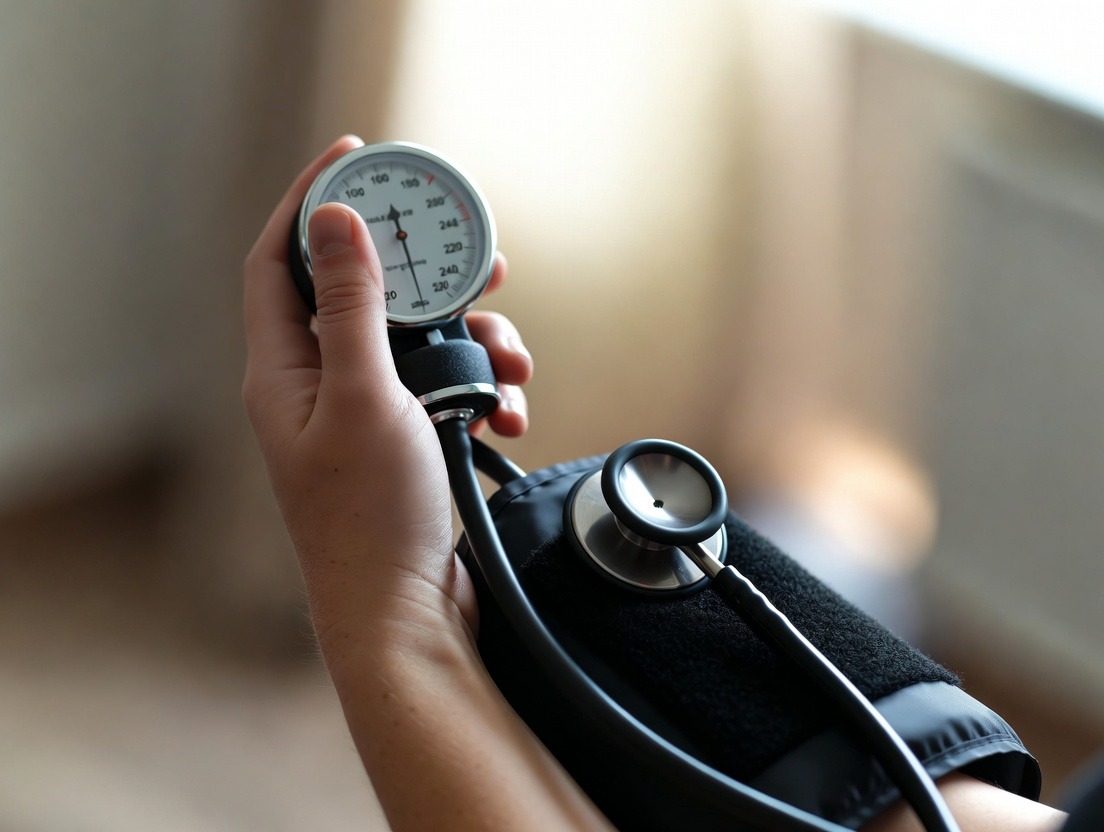
The modern recovery toolkit is incomplete without a discussion on wearable technology. When used correctly, devices like advanced smart rings are not just fancy gadgets; they are educational tools that provide objective feedback and foster a deep sense of body literacy.
Key Metrics for Recovery Education:
How to Teach with Tech:
A device like the Oxyzen smart ring, worn continuously, provides this rich dataset seamlessly. By reviewing this information together, you transform recovery from a guessing game into an applied science. It empowers the young athlete to become the CEO of their own body, making informed decisions based on evidence. To see how real users integrate this technology into their lives, you can read authentic customer reviews and experiences.
A young athlete does not recover in a vacuum. They are part of an ecosystem, and every person in that system influences their recovery habits. For these lessons to stick, the message must be unified and reinforced from all angles.
For Coaches and Trainers:
For Parents and Guardians:
For Teammates:
When the coach prioritizes smart training, the parent prioritizes a recovery-friendly home environment, and teammates support each other's habits, the young athlete is surrounded by a powerful reinforcement system. They learn that taking care of their body isn't a solitary, quirky choice—it's what dedicated athletes do. It’s simply part of the game. For the brand committed to supporting this holistic journey from the ground up, you can learn more about our mission and story here.
A one-size-fits-all protein prescription fails to address unique physiological challenges. Strategic recovery requires special playbooks for specific populations.
The Aging Adult: Combating Anabolic Resistance
Sarcopenia—the age-related loss of muscle mass and strength—is a primary driver of frailty and loss of independence. A key underlying mechanism is anabolic resistance: the muscle tissue of older adults becomes less responsive to the stimulatory effects of both amino acids and resistance exercise.
The Injured Athlete: Fueling the Repair Shop
The metabolic demand of healing a torn ligament, broken bone, or even surgical trauma is immense. Protein requirements can increase by 20-50% above normal.
The Plant-Powered Athlete: Mastering the Mosaic Diet
Plant-based recovery is entirely achievable but requires diligent design. The challenges are lower digestibility, incomplete amino acid profiles in individual foods, and typically lower protein density.
In each case, the core principles of protein for recovery remain, but the execution is finely tuned to overcome specific biological or dietary hurdles. This level of personalization is what separates good recovery from truly optimized, resilient health.
You can consume the perfect amount of high-quality protein, but if your digestive system isn't primed to break it down and your gut lining isn't healthy enough to absorb it effectively, your recovery potential plummets. The concept of the "gut-muscle axis" is a frontier in nutritional science, revealing a direct line of communication between your intestinal health and your musculoskeletal system.
Protein digestion begins in the acidic environment of the stomach, where pepsin enzymes start unraveling complex protein structures. It continues in the small intestine with protease enzymes from the pancreas, reducing proteins into smaller peptides and, ultimately, into free amino acids. These are then transported across the gut lining (the intestinal epithelium) into the bloodstream via specialized amino acid transporters. Any breakdown in this cascade—low stomach acid, insufficient enzyme production, or a "leaky" or inflamed gut lining—compromises the entire recovery pipeline.
Critical Factors for Optimal Protein Digestion & Absorption:
The Role of the Microbiome:
Your gut bacteria don't directly absorb protein, but they play a profound indirect role. Certain beneficial bacteria ferment dietary fiber to produce short-chain fatty acids (SCFAs) like butyrate. Butyrate is the primary fuel for the cells of the colon lining, strengthening the gut barrier and reducing inflammation. A diverse, healthy microbiome is thus foundational for creating a low-inflammation internal environment conducive to repair.
Furthermore, some gut bacteria can metabolize amino acids themselves, producing beneficial or harmful byproducts. For example, they can convert tryptophan into anti-inflammatory compounds or, in a dysbiotic state, into other metabolites that may contribute to issues.
Actionable Steps for a Recovery-Optimized Gut:
Remember, the most sophisticated recovery protocol begins in the gut. Ensuring your digestive tract is a well-functioning processing plant is the first step to making your protein work for you, not against you. Monitoring your body's response to dietary changes, including any shifts in digestion or energy, can be enhanced by tracking core biometrics. Devices that offer continuous vs. periodic monitoring can provide the consistent data needed to see these subtle correlations.
While all essential amino acids (EAAs) are required for building new proteins, they are not created equal in their signaling power. Leucine, one of the three branched-chain amino acids (BCAAs), stands apart as the primary nutritional trigger for initiating Muscle Protein Synthesis (MPS). Think of EAAs as the construction materials delivered to a job site. Leucine is the foreman who picks up the bullhorn and yells, "Alright team, let's start building!"
This discovery has profound implications for recovery nutrition. Research indicates there is a "leucine threshold" of roughly 2-3 grams per meal needed to maximally switch on the mTOR pathway—the cellular master regulator of protein synthesis. Falling short of this threshold, even with ample total protein, results in a suboptimal MPS response.
Practical Application of the Leucine Threshold:
Beyond Leucine: Other Key Amino Players in Recovery:
Strategic Supplementation: EAAs vs. BCAAs.
For decades, BCAAs were the go-to intra-workout supplement. However, modern understanding clarifies that while BCAAs can stimulate MPS via leucine, they lack the other six EAAs required to complete the process. They are like a foreman without bricks. Essential Amino Acid (EAA) supplements, which contain all nine, are a more complete and effective tool for stimulating MPS, especially in a fasted state or when a full meal isn't possible. For most people eating sufficient complete protein, EAA supplements are often unnecessary, but they represent a more logical choice than BCAAs for targeted use.
The takeaway is to view your protein intake not just as a gram count, but as a delivery system for specific amino acid "keys" that unlock different aspects of recovery. Ensuring your meals contain a leucine-rich source is priority one for turning on the repair machinery.

Water is the most fundamental nutrient, yet its role in recovery is profoundly underrated. For a young athlete, dehydration isn't just about cotton-mouth; it’s a systemic breakdown. Even mild dehydration (a loss of just 2% of body weight in fluids) can impair cognitive function, reduce endurance, increase perceived effort, and significantly slow the body's repair processes. Teaching "fluid intelligence"—the proactive management of hydration—is a cornerstone of body recovery basics.
Moving Beyond Thirst: The first critical lesson is that thirst is a lagging indicator. By the time a young athlete feels thirsty, they are already dehydrated. The goal is to prevent that state altogether.
Practical Hydration Education:
Creating a Hydration Protocol: Help them build a personalized schedule.
Frame hydration as "keeping the recovery river flowing." Water transports nutrients to damaged muscles, flushes out metabolic waste, regulates body temperature, and cushions joints. A dehydrated body is like a city in a drought—everything slows down, and repair projects grind to a halt.
Beyond the pillars of sleep and nutrition, several practical, physical modalities can significantly enhance a young athlete's recovery process. Teaching these techniques introduces them to the idea of actively assisting their body's innate healing mechanisms.
Promoting Circulation: Enhanced blood flow is the delivery service for recovery. Two simple, effective methods are:
Compression Gear: Compression socks or sleeves can aid recovery when worn after activity. The gentle, graduated pressure may help reduce muscle oscillation (vibration) during movement and improve venous return afterward, potentially reducing soreness. Teach them that it’s a tool, not a magic bullet, and it works best when combined with other recovery basics.
Strategic Use of Cold and Heat:
The key lesson here is intelligent application. Teach them to ask: "Is this pain/swelling new and sharp (use cold)? Or is it old, dull, and tight (use heat)?" This empowers them to make smart self-care decisions. For those integrating wearable tech, understanding these bodily signals is complemented by data. For instance, a localized inflammation might coincide with a higher resting heart rate or body temperature trend, which a device like an Oxyzen ring could track, providing a fuller picture. To understand the future of how such detailed, continuous monitoring is shaping health, read about what's possible in 2025 and beyond.
One of the most powerful concepts you can impart to a developing athlete—and their coaches—is that recovery is not an afterthought; it is a planned, integral component of the training plan itself. This is the essence of periodization: the systematic planning of athletic training to reach peak performance at the right time, which inherently includes planned recovery to facilitate adaptation.
Making Periodization Relatable for Youth:
By teaching periodization, you reframe the athlete's entire relationship with training. They learn that progress isn't linear and that planned retreats (recovery) are strategically necessary for future advancement. It combats the "always on" mentality that leads to burnout. It teaches patience and trust in the process.
No athletic journey is without bumps. Injuries and illnesses are inevitable setbacks. How a young athlete approaches recovery during these times is perhaps the most important recovery lesson of all. It’s a masterclass in patience, perspective, and proactive healing.
Shifting the Mindset from "I'm Out" to "I'm In Recovery":
The moment they get injured or sick, their identity as an "athlete" can feel threatened. Immediately reframe it: "Your job as an athlete has just changed. Your new sport is recovery. Your goal is to win at healing. Your training is your rehab exercises, your nutrition is your medicine, and your sleep is your secret weapon."
The Phases of Injury Recovery (Simplified):
Recovery from Illness: The rule of thumb is the "Neck Check."
The overarching lesson here is respect. Respect the body's need to heal. A rushed return from injury or illness almost always leads to re-injury, longer total time out, and frustration. Use this time to deepen their knowledge of anatomy, to work on mental skills (visualization), and to fuel their body impeccably for repair. This holistic approach ensures they return not just to where they were, but as a more intelligent, resilient athlete. For additional support and answers to common questions during such challenging times, our FAQ resource can be a helpful starting point.

Recovery is not a purely solitary, physiological event. For a young athlete embedded in a team, a family, and a social world, their psychological and social environment profoundly influences their ability to recover effectively. Stress from school, social dynamics, performance anxiety, and family pressures can activate the same stress-response systems as a hard workout, draining the recovery "bucket." Therefore, teaching recovery must include strategies for managing the mental load and leveraging social support.
Identifying and Managing Non-Sport Stressors:
Help the young athlete perform a "stress audit." Where is pressure coming from outside of practice?
Strategies for Mental Recovery:
The Power of the Support System:
Recovery is a team sport. Teach them to communicate their needs and to lean on their network.
When an athlete feels socially supported and psychologically safe, their body is in a far better state to physically recover. Cortisol levels lower, sleep improves, and motivation is sustained. This holistic approach builds not just a resilient body, but a resilient person. For more insights on how technology can provide objective data to navigate these psychological pressures, our article on how health tracking has changed preventive medicine explores this intersection.
"How do I know if this is working?" This is a fundamental question from any student, and young athletes are no different. Teaching them to track their recovery progress transforms abstract concepts into a tangible journey of self-improvement. It fosters ownership and provides motivation through visible results.
Subjective Metrics: The Athlete's Journal
The simplest and most profound tool is a recovery journal. This isn't a diary of feelings, but a structured log of key metrics. Have them track daily:
The power of the journal is in pattern recognition. After a few weeks, they can look back and see: "Every time I slept less than 8 hours, my energy was below a 5 and practice was rough." Or, "On days I ate a good breakfast, my soreness was lower." It builds a powerful, personal cause-and-effect understanding.
Objective Metrics: The Data Dashboard
This is where modern wearable technology seamlessly integrates into the educational process. A device like the Oxyzen smart ring provides an automatic, objective counterpart to the subjective journal.
The Synthesis: Bringing It All Together
The educational magic happens when you combine the subjective and objective. Sit down with them weekly to compare their journal entries with their wearable data.
This process does several things: It validates their subjective feelings with data, it removes guesswork, it makes them the detective in their own health story, and it provides concrete evidence that their recovery habits directly impact how they feel and perform. It turns recovery into a fascinating science experiment where they are both the subject and the lead researcher. For a deep dive into the accuracy and science making this possible, explore the accuracy revolution in health tracking technology.
The ultimate goal of teaching body recovery basics to young athletes is not merely to optimize their performance this season. It is to install a lifelong operating system for health and well-being. The habits, mindsets, and skills they learn now will serve them long after their competitive sports days are over, whether they play professionally, in college, or simply for lifelong fitness and joy.
From Youth to Adulthood: The Evolution of Recovery
Explain that recovery needs change over a lifetime, but the principles remain constant.
The Anti-Burnout Vaccine: By teaching recovery as a positive, empowering discipline, you inoculate them against the epidemic of youth sports burnout. They learn that their value isn't measured by how much they can suffer, but by how intelligently they can train, recover, and grow. They are more likely to maintain a love for their sport and for physical activity in general.
Creating a Legacy of Health: An athlete who understands recovery becomes an advocate for it. They will carry these lessons into their future roles—as teammates, coaches, parents, and community members. They will know how to rest without guilt, nourish their body with respect, and recognize the signs of overstress. This is a gift that extends far beyond the field of play.
The journey of teaching recovery is, therefore, one of the most impactful things you can do as a coach, parent, or mentor. You are not just creating a better athlete for today; you are nurturing a healthier, more resilient human being for decades to come. To see how the philosophy of long-term wellness is built into the products designed to support it, you can learn more about our company's mission and vision.
Knowing the "what" and "why" of recovery is only half the battle. The final, crucial piece is the "how"—the practical implementation of these principles in the chaotic, real-world environment of youth sports. Here is a staged action plan for coaches and parents to roll out this recovery curriculum effectively.
Phase 1: Education and Buy-In (First 2-4 Weeks)
Phase 2: Integration and Habit Formation (The Season)
Phase 3: Personalization and Ownership (Ongoing)
For Parents: The Home Environment
By taking a structured, patient, and consistent approach, you transform recovery from an abstract concept into the living, breathing culture of the team and family. It becomes simply "what we do." For a vast library of supporting resources and deeper dives into specific wellness topics, our blog is an ever-growing resource for coaches, parents, and athletes alike.
Your Trusted Sleep Advocate (Sleep Foundation — https://www.sleepfoundation.org/)
Discover a digital archive of scholarly articles (NIH — https://www.ncbi.nlm.nih.gov/
39 million citations for biomedical literature (PubMed — https://pubmed.ncbi.nlm.nih.gov/)
experts at Harvard Health Publishing covering a variety of health topics — https://www.health.harvard.edu/blog/)
Every life deserves world class care (Cleveland Clinic -
https://my.clevelandclinic.org/health)
Wearable technology and the future of predictive health monitoring. (MIT Technology Review — https://www.technologyreview.com/)
Dedicated to the well-being of all people and guided by science (World Health Organization — https://www.who.int/news-room/)
Psychological science and knowledge to benefit society and improve lives. (APA — https://www.apa.org/monitor/)
Cutting-edge insights on human longevity and peak performance
(Lifespan Research — https://www.lifespan.io/)
Global authority on exercise physiology, sports performance, and human recovery
(American College of Sports Medicine — https://www.acsm.org/)
Neuroscience-driven guidance for better focus, sleep, and mental clarity
(Stanford Human Performance Lab — https://humanperformance.stanford.edu/)
Evidence-based psychology and mind–body wellness resources
(Mayo Clinic — https://www.mayoclinic.org/healthy-lifestyle/)
Data-backed research on emotional wellbeing, stress biology, and resilience
(American Institute of Stress — https://www.stress.org/)


