


What Your Smart Ring's Daily Activity Data Really Reveals About Your Health
Your smart ring analyzes daily activity data to reveal meaningful insights about your overall health, not just fitness.
Your smart ring analyzes daily activity data to reveal meaningful insights about your overall health, not just fitness.
%402x.svg)
You glance at your wrist, but there's no bulky watch there—just a sleek, titanium band on your finger. With a subtle tap on your phone, a dashboard of your life unfolds: 10,342 steps, 82% sleep score, a resting heart rate of 58, and a "readiness" score suggesting you're primed for a challenging workout. The numbers are clean, precise, and instantly gratifying. But beneath this sleek interface lies a deeper, more complex story—a narrative written in the language of your own physiology that most of us are only beginning to decipher.
For millions, the smart ring has become a silent, 24/7 health companion. It’s more than a step counter; it’s a biosensor-rich device that gathers a continuous stream of data from the very pulse of your body. Yet, many users remain in a superficial relationship with their data, celebrating a closed activity ring or fretting over a single night of poor sleep, while missing the profound, long-term health insights whispering from the trends.
This data is not merely a report card. It is a dynamic, real-time transcript of your body’s conversation with your lifestyle, your environment, and your choices. Your daily activity data, when understood in its full context, can reveal early signs of metabolic shifts, unmask hidden stress, predict illness before symptoms strike, and illuminate the intricate balance—or imbalance—between exertion and recovery.
This article is your guide to becoming fluent in that conversation. We will move beyond the basic metrics and dive into the rich, interconnected story your smart ring is telling you about your cardiovascular resilience, metabolic efficiency, nervous system state, and overall biological age. We’ll explore what "normal" truly looks like, how to spot meaningful deviations, and how to transform this passive data stream into actionable intelligence for a healthier, more optimized life. Consider this a masterclass in listening to your body’s most honest narrator—the one you wear on your finger.
To trust the story, you must first understand the storyteller. Unlike a smartphone in your pocket or a watch on your wrist, a smart ring occupies a unique and privileged position on your body. The finger, specifically the base of the finger, provides direct access to a dense network of capillaries—the tiny blood vessels where crucial physiological signals are strongest and least corrupted by motion.
The core technology enabling this is Photoplethysmography (PPG). It sounds complex, but the principle is elegant. A tiny LED on the inner surface of the ring emits light (typically green and sometimes infrared or red) into the skin. As your heart beats, blood volume in the capillaries pulses. Blood absorbs light, so with each heartbeat, the amount of light reflected back to the ring’s optical sensor changes minutely. This rhythmic fluctuation is the raw PPG signal, a waveform that is the foundational heartbeat of all your health data.
From this single, continuous waveform, sophisticated algorithms extract a symphony of metrics:
The magic—and the real revelation—happens in the fusion of these data streams. A standalone heart rate reading is just a number. But when your ring’s algorithm correlates a slightly elevated nighttime heart rate with a rise in skin temperature and a decrease in HRV, it can confidently flag a potential oncoming illness or a state of systemic inflammation days before you feel a scratchy throat. This multimodal sensing is what transforms a smart ring from a fancy pedometer into a powerful health observatory.
For those curious about the technological journey behind these devices, you can learn more about the pioneering sensor fusion and research that makes this depth of insight possible. It’s this foundation of continuous, multimodal sensing that sets the stage for the deeper health revelations we’re about to explore.
For over a decade, the "10,000-step goal" has reigned supreme in the popular fitness consciousness. It’s a clear, round number that provides a simple daily target. Your smart ring dutifully tracks this metric, celebrating with digital confetti when you hit your goal. But if you view steps as the ultimate measure of activity, you are missing the vast majority of the story—and potentially misleading yourself about your true metabolic health.
The fixation on steps is fundamentally flawed because it measures volume, not intensity. Ten thousand slow, ambling steps while shopping is not metabolically equivalent to a brisk 45-minute walk that gets your heart rate up. The latter provides significant cardiovascular and metabolic benefits; the former, while better than sitting, offers minimal training stimulus. Research consistently shows that intensity is a far stronger predictor of health outcomes and longevity than simple step count.
This is where your smart ring’s advanced sensors begin to reveal the truth. By analyzing your heart rate response during activity, it can categorize your movement into meaningful zones:
What your step count is hiding:
The revelation here is to dethrone the step count. Use it as a basic measure of general movement, but let your heart rate data and activity intensity scores from your ring be your primary guide. Aim to minimize long sedentary blocks, maximize NEAT, and consistently log purposeful MVPA. This shift in focus—from counting steps to gauging physiological demand—is the first major leap in understanding what your activity data truly reveals about your health trajectory. For a deeper dive into optimizing all aspects of your physical well-being, explore our comprehensive wellness blog for targeted strategies.
Your resting heart rate (RHR) is one of the most accessible yet profound biomarkers you can track. Far more than just a number, its daily fluctuations and long-term trends form a narrative about your fitness, your stress load, and your body’s internal battles.
The Fitness Narrative: A lowering RHR over weeks and months of consistent training is a classic sign of improved cardiovascular efficiency. Your heart muscle becomes stronger, pumping more blood with each beat (increased stroke volume), so it needs to beat fewer times per minute at rest. This is a positive, adaptive trend. However, this same low RHR can also tell a story of overtraining when viewed in context. If your RHR begins to creep up by 5-7 beats per minute above your normal baseline despite continued training, it’s a cardinal sign that your body is under excessive strain and not recovering adequately. Your smart ring makes this deviation blatantly obvious.
The Stress & Recovery Narrative: This is where continuous monitoring becomes revolutionary. Your RHR follows a distinct circadian rhythm—it should be at its lowest during deep sleep and gradually rise towards morning. A healthy, recovering body shows a clear, predictable curve. When you see a "flattened" circadian rhythm, where your nighttime RHR doesn’t drop as much as usual, it’s a strong indicator that your sympathetic nervous system (the "gas pedal") is still engaged. This can be due to psychological stress, excessive caffeine or alcohol, late-night eating, or an immune system fighting a low-grade infection.
The Illness Prediction Narrative: Perhaps the most remarkable revelation from 24/7 heart rate tracking is its predictive power. A sustained elevation in RHR, particularly during sleep, is one of the earliest observable signs of an oncoming illness. Your body mounts an immune response (inflammation, fever production) before you feel symptoms, and this process increases metabolic rate and heart rate. Your ring acts as an early-warning system. Similarly, a heart rate that remains abnormally high after a workout, failing to drop back to baseline efficiently (poor heart rate recovery), can signal fatigue or impending sickness.
Actionable Insight: Don't just note your RHR as a single daily number. Observe its trend over time (the 7-day average is key) and its circadian pattern. Ask yourself:
By listening to this silent storyteller, you move from reactive health care to proactive health awareness. You can choose to rest at the first sign of an elevated nighttime RHR, potentially heading off a full-blown cold. You can see the tangible impact of a stressful workweek on your physiology, making a case for prioritising meditation or a digital detox. For instance, seeing how poor sleep disrupts this delicate heart rate rhythm can be a powerful motivator to improve your sleep hygiene, a topic we cover extensively in our Sleep Tracking 101 guide for beginners.

If resting heart rate is the volume of your engine, Heart Rate Variability is the fine-tuning of its ignition system. HRV measures the subtle, millisecond variations in the time intervals between consecutive heartbeats. Contrary to intuition, a higher, more variable HRV is a sign of superior health and resilience. It indicates a heart that is responsive and adaptable, listening closely to the nuanced commands of a balanced autonomic nervous system.
Think of your autonomic nervous system as a see-saw. On one end is the sympathetic nervous system (SNS)—your "fight or flight" accelerator, which increases heart rate and reduces variability to prepare for action. On the other is the parasympathetic nervous system (PNS)—your "rest and digest" brake, which slows the heart and, crucially, increases variability to promote recovery, digestion, and healing. A high HRV suggests the PNS has strong "tone," meaning your body can effectively apply the brakes and enter a restorative state.
What Your HRV Trend Reveals:
The Crucial Context: HRV is intensely personal. Comparing your number (e.g., 45 ms) to someone else’s (e.g., 80 ms) is meaningless. Genetics, age, and fitness all play a role. The power is in tracking your own baseline and observing your own deviations. Furthermore, HRV must be interpreted alongside other data. A low HRV with a high RHR and poor sleep is a much clearer sign of systemic stress than a low HRV in isolation.
The Revelation: Monitoring HRV teaches you the physiological cost of your lifestyle. You can run an experiment: see how a late-night meal, an intense argument, or two glasses of wine impacts your next morning's HRV. It provides objective, immediate feedback on what truly drains or nourishes your nervous system. It moves the concept of "stress" from a vague feeling to a measurable physiological state, empowering you to make choices that support your resilience. To understand how this connects to the quality of your sleep—a major driver of HRV—our article on how sleep trackers actually work delves into the technology capturing these delicate signals.
Your day and night are not separate acts; they are interconnected scenes in a single physiological play. Your daily activity levels, stress, and exposure to light directly orchestrate the quality of your sleep. In turn, the restorative power of your sleep dictates your energy, performance, and resilience for the following day. Your smart ring is the conductor, tracking this continuous feedback loop.
How Your Day Writes Your Night's Script:
How Your Night Directs Your Day's Performance:
This is where the predictive power of sleep data becomes actionable. The composition of your sleep—specifically the amount of deep (slow-wave) sleep and REM sleep—is a primary recovery mechanism.
The Revelation: Stop viewing "daily activity" and "sleep" as separate tabs in your app. Analyze them as a cause-and-effect pair.
By understanding this symphony, you can use daytime activity to cultivate better sleep and use sleep quality as the ultimate guide for how intensely to approach the next day’s activity. This creates a self-optimizing loop for sustainable health. For a foundational understanding of these sleep stages, our resource on deep sleep vs. REM sleep explains their distinct and vital roles.
The "Calories Burned" metric on any wearable is arguably the most misunderstood and often misleading number. It’s typically a large, bold figure that can induce either a sense of accomplishment or anxiety. It’s crucial to understand that this is always an estimate, a statistical model based on your heart rate, movement, and the demographic information (age, weight, height, sex) you provided. It is not a direct measurement.
The real value in tracking this number is not in its absolute precision, but in observing its relative trends and relationships with other data, which can reveal significant metabolic insights.
What the Trend in Calories Burned Can Reveal:
The Misleading Pitfall: The danger lies in using this estimate as a precise budget for calorie intake. This can lead to under-eating on highly active days (if the estimate is low) or overeating on sedentary days (if the estimate is high), disrupting metabolic health and energy balance.
The Actionable Insight: Demote "Calories Burned" from a goal to a contextual metric. Use it to:
By looking past the big number, you start to see the metabolic story: is your body running like a well-tuned, efficient engine, or is it revving unnecessarily high due to hidden stressors? For more on how your body’s recovery processes, heavily influenced by sleep, tie into this metabolic picture, see our exploration of deep sleep optimization for athletes.
While steps count movement and calories estimate energy, Active Minutes—specifically minutes spent in Moderate-to-Vigorous Physical Activity (MVPA)—are the true, research-backed currency of health improvement. This is the metric that aligns most directly with global health guidelines and is most predictive of reduced risk for heart disease, diabetes, cancer, and all-cause mortality.
Your smart ring uses your heart rate, and sometimes motion, to automatically classify your activity intensity. Understanding these zones is key:
What Your MVPA Data Reveals About Your Health:
The Revelation: Stop chasing an arbitrary step count. Start building a weekly "portfolio" of MVPA minutes. Health organizations recommend at least 150 minutes of moderate-intensity or 75 minutes of vigorous-intensity activity per week. Your smart ring tracks this automatically. The revelation is in the pattern:
This shift in focus—from quantity of movement to quality of physiological stimulus—is a direct investment in your long-term health capital. It’s what turns casual activity into purposeful training for life.
In the panorama of your daily activity data, one metric is the silent antagonist: sedentary time. While we focus on steps and active minutes, the hours spent sitting, reclining, or lying down with minimal energy expenditure are independently eroding your health. Your smart ring’s inactivity alerts are not nagging features; they are critical, real-time interventions based on robust epidemiological evidence.
What Prolonged Sitting Does (And What Your Data Shows):
Sitting isn't just the absence of activity; it triggers distinct, harmful physiological processes:
How Your Smart Ring Reveals the Risk:
The ring makes the invisible, visible.
The Actionable Revelation: Treat sedentary alerts with the seriousness of a smoke alarm. The prescription is simple and powerful: break it up.
By warring against sedentary time, you are actively combating one of the most pervasive risk factors in modern life. This isn't about adding more exercise; it's about transforming the fabric of your daily life from a sedentary to an actively dynamic one.

We’ve journeyed through the core metrics—steps, heart rate, HRV, sleep, calories, active minutes, and sedentary time—not as isolated numbers, but as interconnected characters in the story of your health. Now, we arrive at the most crucial skill: synthesis. The ultimate revelation from your smart ring doesn't come from any single data point, but from the patterns and relationships that emerge when you view them as a unified whole over time.
This is the art of contextual interpretation. A low HRV score on its own might be concerning. But what if it’s paired with data showing you had an intense weightlifting session the day before, enjoyed excellent deep sleep, and your RHR is stable? In that context, the low HRV is likely a sign of positive functional overreaching—your body is signaling it’s undergoing a healthy, demanding adaptation. The prescription is continued good recovery, not panic.
Conversely, a low HRV paired with an elevated RHR, a night of poor sleep with high restlessness, and a high-stress calendar event tells a story of distress. Your body is in a state of strain, not adaptation. The prescription here is deliberate downshifting: prioritize sleep, nutrition, hydration, and perhaps swap a workout for gentle movement or meditation.
Building Your Personal Health Dashboard:
To move from data overload to insightful narrative, start asking these interconnected questions of your weekly data:
The Long-Term Revelation: Your Biological Timeline
The final, and most profound, revelation comes from longitudinal tracking. Over months and years, your smart ring data creates a "biological timeline." This allows you to see:
Your data becomes a mirror reflecting the sum of your choices. It removes guesswork and provides objective feedback. It turns health from a vague concept into a manageable, optimizable system. The goal is not to become a slave to the numbers, but to use them as a compass—to guide you toward more energy, better recovery, and sustainable performance, ultimately writing a healthier story for your future self.
As you continue to explore this relationship between data and well-being, remember that the journey is personal. For ongoing support, answers to common questions, and a community focused on this holistic approach, our FAQ page is an excellent resource to deepen your understanding and make the most of your wearable technology.
As we’ve established, the true power of a smart ring lies not in the isolated daily numbers, but in the dynamic story they tell about the interplay between your body’s systems. You are a living ecosystem, where stress, movement, recovery, and nutrition are in constant conversation. The first chapters of this story focused on the core metrics. Now, we delve into the advanced analytics—the subtle, often overlooked signals that reveal your metabolic engine, your resilience to stress, and the very pace of your biological aging. This is where data transforms from a dashboard into a diagnostic lens for your modern life.
Think of your metabolism not as a simple calorie burner, but as a sophisticated engine that can run on different fuels with varying degrees of efficiency. Your smart ring’s heart rate data during activity and recovery provides a real-time readout of this engine’s performance. Two key concepts here are metabolic flexibility and aerobic efficiency, and your ring is uniquely positioned to shed light on both.
Heart Rate Zones as a Fuel Gauge:
When you exercise, your body uses a blend of carbohydrates (glucose/glycogen) and fats for fuel. The proportion shifts with intensity, which is mirrored in your heart rate zones.
A metabolically flexible, fit individual can comfortably operate in Zone 2 at a decent pace (e.g., a brisk walk or light jog) because their aerobic system is robust. Their heart rate stays relatively low for the given output. Someone with poor metabolic health, often stemming from a sedentary lifestyle, will see their heart rate spike into higher, carb-burning zones with minimal effort. Their engine is inefficient and defaults to "high-octane" fuel for basic tasks.
What Your Ring Reveals:
The Actionable Insight: Don’t just work out hard; work out smart. Incorporate dedicated, low-heart-rate Zone 2 training (typically 30-90 minutes) to build your aerobic base and improve metabolic flexibility. This "slow" work makes your engine more efficient and is the foundation for better health and longevity. Use your ring to stay in the correct zone, resisting the urge to go faster. Watch your post-exercise heart rate recovery as a fitness benchmark. Over time, striving for a faster recovery is a more meaningful goal than simply chasing a higher max heart rate. This deep connection between daily activity and foundational health is part of a broader philosophy you can discover in our brand's story and mission.
Modern wellness has popularized the term "readiness," but what does it truly represent from a physiological standpoint? Your smart ring’s readiness score (or recovery score, strain balance, etc.) is not a vague feeling; it is a computed index, an algorithmically derived verdict on your body’s capacity to take on physical, mental, and immune challenges for the day ahead. It is the integration point for all the nocturnal data—the final summary of your body’s overnight repair work.
The Pillars of Readiness:
While algorithms vary, most top-tier readiness scores synthesize three to four key nocturnal inputs:
A high readiness score indicates your body has successfully completed its repair cycles, your nervous system is balanced (with strong parasympathetic tone), and you have ample physiological resources to adapt positively to stress (eustress). A low score indicates your resources are depleted; your body is asking for a gentler day to focus on repair rather than new adaptation.
Beyond the Score: The "Why" Behind the Number:
The real revelation comes from drilling into the contributors to the score. Did a low score stem primarily from:
How to Use Readiness Proactively (Not Reactively):
The readiness score transforms you from a passenger in your health to a pilot with an instrument flight panel. It provides an objective, pre-conscious check on your system’s status, allowing for daily customization of your lifestyle for sustainable performance. For a deeper look at the nocturnal foundation of this score, our guide on what your sleep tracking numbers should really look like offers essential context.
While heart rate and movement are dynamic, your core body temperature follows a stable, predictable circadian rhythm, typically peaking in the late afternoon and reaching its nadir in the early morning hours. This rhythm is a master regulator of sleep, metabolism, and immune function. Your smart ring’s continuous wrist (or finger) temperature tracking doesn’t give you a clinical core temperature, but it precisely tracks deviations from your personal baseline—and these deviations are packed with meaning.
The Illness Harbinger:
This is one of the most valuable features of continuous monitoring. Before you feel a sore throat or fatigue, your body initiates an immune response. This often involves the release of pyrogens, chemicals that raise your body’s temperature set-point to help fight pathogens. Your ring’s nightly average temperature or your daytime baseline may show a sustained elevation of 0.5 to 1.5 degrees Celsius above your norm, 1-3 days before symptoms appear. It’s a biological early-warning system. Correlated with a higher resting heart rate and lower HRV, it forms a near-certain triad of impending illness.
The Hormonal Compass (Especially for Women):
For individuals who menstruate, temperature tracking provides clear, objective insight into the menstrual cycle. During the follicular phase (post-period, pre-ovulation), temperatures are lower. After ovulation, the release of progesterone causes a sustained temperature rise throughout the luteal phase until it drops again with menstruation. Your ring can:
The Recovery & Overtraining Signal:
Intense exercise causes micro-inflammation and muscle damage as part of the adaptive process. This can manifest as a slight elevation in nighttime temperature. However, if this elevation persists night after night without returning to baseline, it can signal that the inflammatory load is too high—you are not recovering adequately and may be trending toward overtraining syndrome.
The Sleep Quality Connection: Your body needs to drop its core temperature to initiate and maintain sleep. A room that’s too warm or an elevated baseline body temperature can lead to difficulty falling asleep and reduced deep sleep. Seeing a flatter or elevated nighttime temperature curve can be a clue to adjust your sleep environment (cooler room, lighter bedding) or timing of exercise.
Actionable Insight: Make a habit of checking your weekly temperature trend graph, not just the daily number. Look for sustained shifts, not one-off spikes (which could be due to a warm room or alcohol). A multi-day upward trend is a powerful signal to prioritize immune-supportive behaviors: extra sleep, hydration, nutrition, and reducing stress. For women, this data demystifies the cycle, allowing you to plan demanding tasks during your higher-energy follicular phase and prioritize recovery during the luteal phase. Understanding how to manage temperature for sleep is a key component of overall recovery, a topic explored in our article on the deep sleep formula of temperature, timing, and habits.

While you’re focused on steps and heart rate during the day, one of the most critical health screenings happens automatically while you sleep: the tracking of your blood oxygen saturation (SpO2). This metric, displayed as a percentage, measures how fully the hemoglobin in your red blood cells is carrying oxygen. While daytime SpO2 is typically stable at 95-100%, it’s the nocturnal dips that hold significant diagnostic clues.
The Signature of Sleep-Disordered Breathing:
The primary revelation from nighttime SpO2 tracking is its ability to flag potential sleep apnea or hypopnea. During an apnea event, breathing repeatedly stops or becomes very shallow. This leads to a drop in blood oxygen levels, often followed by a brief arousal from sleep (which you may not remember) to restart breathing. Your ring’s SpO2 sensor tracks these dips throughout the night.
Why This Matters Beyond Snoring:
Sleep apnea is not just about poor sleep and daytime fatigue. It is a serious medical condition linked to:
Your smart ring’s data is not a medical diagnosis, but it is a powerful screening tool. A pattern of frequent, significant nocturnal SpO2 dips is a clear, objective signal to bring to your doctor, who can order a formal sleep study.
Other Insights from Nocturnal SpO2:
Actionable Insight: Don’t ignore the SpO2 section of your sleep report. Review the graph weekly. Look for patterns, not just one bad night. If you see persistent, frequent dips, especially if accompanied by symptoms like unrefreshing sleep, loud snoring, or daytime fatigue, use this data to start a conversation with a healthcare professional. It’s a profound example of how a consumer device can provide potentially life-saving early detection. This is part of a larger commitment to empowering users with knowledge about their health, a principle you can learn more about on our company information page.
Your body is not a static machine; it’s a finely tuned clock. Every cell operates on a roughly 24-hour cycle called the circadian rhythm, governing everything from hormone release (cortisol, melatonin) and metabolism to body temperature and cognitive function. Disruption of this rhythm—"circadian misalignment"—is linked to obesity, diabetes, mood disorders, and cancer. Your smart ring’s 24/7 data provides a unique, outsourced report card on the strength and alignment of your internal clock.
How Your Ring Measures Circadian Rhythm:
The ring synthesizes multiple data streams to paint a picture of your rhythm:
Signs of a Robust, Healthy Rhythm (Circadian Alignment):
Red Flags of Circadian Disruption (Misalignment):
The Health Revelation:
A disrupted circadian rhythm fundamentally dysregulates your metabolism. It tells your pancreas to release insulin at the wrong time, tells your fat cells to store rather than release energy, and disrupts hunger hormones (leptin and ghrelin), leading to cravings. Your ring makes this invisible dysfunction visible.
Actionable Insight: Use your data to become a circadian architect.
By aligning your lifestyle with your innate biology, you optimize every system in your body for health. The data provides the feedback to make this alignment precise and personal. For more on how this rhythm dictates your sleep architecture, our exploration of the science of deep sleep details the critical processes that depend on a well-timed clock.
The ultimate goal of all this tracking is not just to have a good day, but to have a long, healthy, and vital life—to compress morbidity and extend healthspan. Emerging research shows that the metrics your smart ring collects are directly correlated with markers of biological aging and longevity. You can, in effect, use your daily data to estimate and influence your phenotypic age—how old your body acts and functions, as opposed to your chronological age.
The Biomarkers of Aging in Your Data:
The Concept of "Physiological Resilience":
Longevity is not just about slow decline; it's about resilience—the ability to withstand stressors (physical, immune, psychological) and bounce back quickly. Your smart ring provides a daily test of this resilience.
A resilient system shows quick recovery and stable baselines. A frail system is easily knocked off course and recovers slowly. Your daily data trains you to build resilience by exposing what weakens it (chronic stress, poor sleep, relentless intensity) and what strengthens it (recovery, consistency, moderate movement).
Actionable Insight: Track Your Trends, Not Your Daily Score.
Stop obsessing over yesterday’s sleep score. Instead, look at the 90-day trend lines in your key biomarkers:
These long-term trends are your true longevity dashboard. They tell you if your lifestyle is accelerating or decelerating your biological aging process. Invest in behaviors that move these trends in the right direction: consistent Zone 2 cardio, strength training, sleep prioritization, stress management, and a nutrient-dense diet. Seeing positive trends in your data is the most motivating reward possible—it’s evidence that you are actively investing in a healthier future. For specific strategies on combating one of the key age-related declines, our guide on how age affects deep sleep and how to compensate offers targeted advice.
Data without action is merely trivia. The final and most critical step is to close the loop—to use the revelations from your smart ring to design a living, breathing health protocol that is uniquely tailored to your body’s signals. This moves you from passive tracking to active biohacking, where you use data as feedback to experiment and optimize.
The Iterative Feedback Loop:
Adopt a scientist's mindset, with your body as the laboratory.
Building Your Protocol Pillars:
Use your data to personalize the core pillars of health:
Avoiding Data Anxiety: The Balanced Mindset
The goal is empowerment, not obsession. To avoid becoming a slave to the numbers:
By following this framework, your smart ring ceases to be a gadget and becomes the core of a personalized health operating system. It provides the feedback necessary to make continuous, intelligent adjustments, steering you toward your optimal state of energy, resilience, and long-term health. To see how others have successfully integrated this technology into their lives, you can find inspiration and social proof in our real customer testimonials.
We have journeyed from understanding the basic signals—steps, heart rate, sleep—to interpreting the sophisticated narratives of metabolic efficiency, circadian alignment, and physiological resilience. Your smart ring has revealed itself as more than a tracker; it is a translator of your body's native language. Now, we arrive at the frontier: the predictive, integrative, and ethical dimensions of this technology. How does this data connect to the wider world of your health? How can it forecast future states? And most importantly, how do we build a sustainable, empowered relationship with this constant stream of self-knowledge? This final segment explores the cutting-edge implications and provides a roadmap for holistic integration.
Your body does not operate in silos. The physiological data from your ring exists in a dynamic dance with your psychological state, your nutritional intake, and your real-world cognitive and physical performance. The most profound insights emerge when you consciously correlate these disparate domains.
The Nutrition-Physiology Feedback Loop:
Your ring provides immediate, objective feedback on how food affects your body beyond calories.
Mood & Mental Load as a Physiological Event:
Stress is not just a feeling; it's a measurable physiological state. You can use your ring to create an "emotional map."
Actionable Insight: Start a Correlation Journal.
For one month, keep a simple log alongside your ring data. Note energy levels (1-10), mood, focus, major meals/timing, and significant stressors. At the end of the week, lay this log next to your trends. You will stop thinking "sugar makes me crash" and start seeing the heart rate spike and HRV drop. You will move from feeling "stress exhausts me" to documenting its 24-hour imprint on your nervous system. This turns self-awareness from an art into a science, empowering you to make choices that support both your physical and mental well-being. For those looking to deepen their understanding of how foundational habits like sleep underpin this entire system, our blog offers a wealth of resources, such as this guide on the deep sleep and memory connection.
This is the paradigm shift: moving from descriptive analytics (what happened) to predictive insights (what is likely to happen). Your smart ring’s longitudinal data holds patterns that can forecast future states, allowing for truly preventative intervention.
The Illness Prediction Triad:
We’ve touched on this, but it’s worth synthesizing. The combination of:
Predicting Overtraining and Burnout:
Burnout isn’t an event; it’s a creeping process. Your ring can spot the creep.
Forecasting Performance Peaks (The Supercompensation Window):
The flip side of predicting burnout is predicting peak readiness. After a period of intense training followed by a deliberate period of high-quality recovery (excellent sleep, low stress, good nutrition), your body enters a state of supercompensation. This is when adaptations have solidified, and your physiological resources are fully replenished and elevated. Your ring will show this as:
Actionable Insight: Set Proactive Alerts.
Don't just review data reactively. Use your awareness to set mental or app-based alerts. "If my 7-day average RHR increases by 5 BPM, I will schedule a recovery day." "If my HRV drops below my baseline for 3 days straight, I will prioritize an extra hour of sleep and meditate." This transforms your ring from a historian into a coach, whispering guidance to help you navigate the upcoming week. Understanding the role of specific recovery phases, like deep sleep, in this predictive model is crucial; you can learn about your ideal deep sleep duration by age to set accurate baselines.
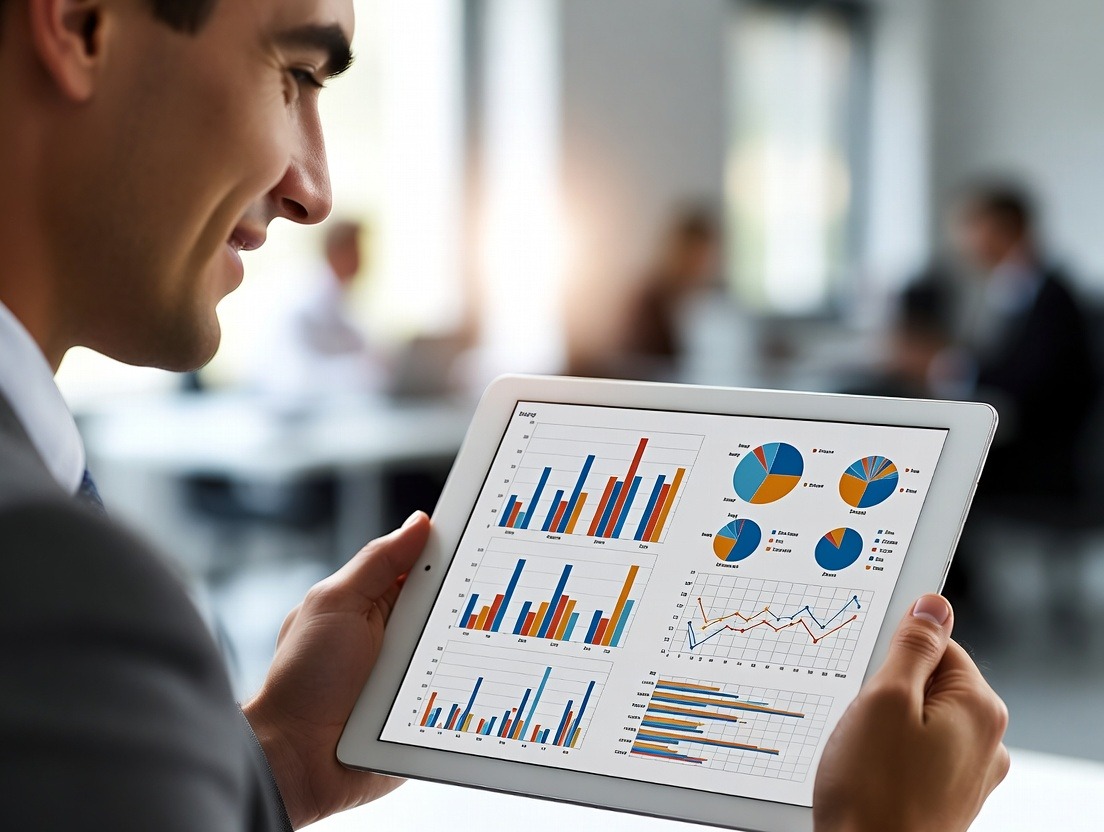
The smart ring on your finger today is a precursor to a fundamental shift in healthcare. We are moving from episodic, symptom-driven medicine to continuous, data-driven healthcasting. Your daily activity and biometric data is the foundational layer of this future.
The Digital Biomarker Revolution:
The metrics you track—sleep stability, circadian rhythm strength, HRV reactivity, post-prandial heart rate rise—are evolving into validated digital biomarkers. These are measurable, objective indicators of biological processes, captured digitally. In the near future, these biomarkers will be used to:
The Role of AI and Population Health:
Anonymized, aggregated data from millions of users creates an unprecedented public health tool.
Ethical and Practical Considerations:
This future brings profound questions. Who owns this deeply personal data? How is it secured? How do we prevent insurance discrimination based on lifestyle data? How do we ensure algorithms are unbiased? The path forward requires robust data privacy laws, clear user ownership models (like you have with Oxyzen's transparent data policy), and a focus on user empowerment over corporate or institutional control.
The revelation here is that by using a smart ring today, you are not just optimizing your health; you are participating in the beta test of a more proactive, personalized, and participatory model of medicine for everyone. You are contributing to a future where healthcare is less about treating sickness and more about sustaining wellness.
With all this knowledge, the final step is systematic implementation. Here is a practical, step-by-step guide to building your Personal Health Operating System (PHOS) using your smart ring as the core sensor.
Phase 1: Establish Your Baseline (Weeks 1-4)
Phase 2: Identify Patterns & Correlations (Weeks 5-8)
Phase 3: Implement Your Protocol (Ongoing)
Phase 4: Integrate & Refine (Lifestyle)
By following this phased approach, you move from being a passive data collector to an active health architect. Your ring becomes the indispensable tool that provides the feedback necessary to build a resilient, vibrant, and health-optimized life. For ongoing support and to see this system in action, you can discover how our community and products support this journey.
We began with a simple dashboard of numbers and have ended at the frontier of predictive, personalized health. The journey through your smart ring’s data reveals a fundamental truth: you are a complex, dynamic system, and your vitality lies in the balance of its parts. The steps, the heartbeats, the breaths of sleep, the subtle temperature shifts—they are not isolated metrics but interconnected notes in the symphony of your well-being.
The ultimate revelation is not found in any single algorithm or score. It is found in the cultivated ability to listen and respond—to see a rising resting heart rate as a question ("Is my body fighting something or just stressed?") rather than a judgment; to view a low HRV as an invitation to rest rather than a failure to perform; to understand a poor night's sleep as a cause with effects that will ripple through your next day's activity, mood, and cognition.
This technology offers a profound gift: the externalization of your internal state. It makes the invisible visible, the subjective objective, and the ephemeral tangible. It democratizes the kind of deep physiological awareness once available only to elite athletes in high-performance labs.
But with this gift comes responsibility. The goal is harmony, not obsession. The data should serve you, not rule you. It is a mirror, not a master. Use it to cultivate self-compassion—to understand why you feel tired, to justify the need for rest, to celebrate the tangible progress that is otherwise invisible. Let it quiet the external noise of fad diets and extreme workout regimens, and instead, amplify the quiet, consistent voice of your own unique biology.
Your smart ring is a compass for the modern world, a world filled with circadian disruptors, sedentary traps, and chronic stress. It helps you navigate back to your own true north—a state of balanced energy, resilient health, and sustained vitality. Wear it not as a chain of quantification, but as a ring of awareness. Let the data it provides empower you to write the next, healthiest chapters of your life’s story, informed by the most reliable source of all: the wisdom of your own body.
Your Trusted Sleep Advocate (Sleep Foundation — https://www.sleepfoundation.org/)
Discover a digital archive of scholarly articles (NIH — https://www.ncbi.nlm.nih.gov/
39 million citations for biomedical literature (PubMed — https://pubmed.ncbi.nlm.nih.gov/)
experts at Harvard Health Publishing covering a variety of health topics — https://www.health.harvard.edu/blog/)
Every life deserves world class care (Cleveland Clinic -
https://my.clevelandclinic.org/health)
Wearable technology and the future of predictive health monitoring. (MIT Technology Review — https://www.technologyreview.com/)
Dedicated to the well-being of all people and guided by science (World Health Organization — https://www.who.int/news-room/)
Psychological science and knowledge to benefit society and improve lives. (APA — https://www.apa.org/monitor/)
Cutting-edge insights on human longevity and peak performance
(Lifespan Research — https://www.lifespan.io/)
Global authority on exercise physiology, sports performance, and human recovery
(American College of Sports Medicine — https://www.acsm.org/)
Neuroscience-driven guidance for better focus, sleep, and mental clarity
(Stanford Human Performance Lab — https://humanperformance.stanford.edu/)
Evidence-based psychology and mind–body wellness resources
(Mayo Clinic — https://www.mayoclinic.org/healthy-lifestyle/)
Data-backed research on emotional wellbeing, stress biology, and resilience
(American Institute of Stress — https://www.stress.org/)


