


The Movement-Recovery Balance Your Wellness Ring Optimizes
It helps you find the perfect balance between movement and recovery for your body.
It helps you find the perfect balance between movement and recovery for your body.
%402x.svg)
In our modern pursuit of health, we’ve become masters of movement. We track steps, crush workouts, log miles, and chase personal records with a data-driven fervor. Yet, in this celebration of exertion, we’ve often neglected its essential counterpart: recovery. We treat them as separate domains—activity from 6 AM to 8 PM, rest from 10 PM to 6 AM—when, in reality, they are two sides of the same physiological coin. True wellness isn’t built in the gym; it’s forged in the delicate, dynamic balance between the stress we place on our bodies and the repair that follows.
This is the grand paradox of fitness: you grow weaker during the workout. You grow stronger during the recovery. Without the stimulus of movement, our bodies atrophy. Without the sanctuary of recovery, that stimulus becomes a source of breakdown, not buildup. It's a constant, intricate dance—a biological tango between doing and undoing, tearing and mending, expending and restoring.
For years, understanding this balance was a guessing game, relying on vague feelings of fatigue, soreness, or restless sleep. We lacked the precise, personal, and continuous data to move beyond generic advice like "get more sleep" or "listen to your body." Enter the intelligent wellness ring: a discreet, always-on biometric sensor that fits on the most vascular part of your finger, unlocking a 24/7 stream of insights into your body’s deepest rhythms. This isn't just another step counter; it's a personal physiologist on your finger, translating the silent language of your nervous system, your pulse, your temperature, and your movement into a clear narrative of your readiness.
This article is your deep dive into the science and strategy of the movement-recovery balance. We'll explore how modern wearable technology, specifically the advanced sensing in devices like the Oxyzen smart ring, illuminates the critical interplay between exertion and rest. We'll move beyond simple activity scores to understand the biomarkers of strain and the silent signals of sufficient repair. We’ll decode how your body communicates its needs through heart rate variability, resting heart rate, sleep architecture, and body temperature, and how you can use this data not just to train smarter, but to live better. Prepare to see your wellness not as a series of isolated events, but as a continuous, optimized loop. The journey to mastering your balance begins here.
We live in an era of unprecedented access to fitness. High-intensity interval training (HIIT) classes are available on demand, step-counting is a global pastime, and the pressure to be perpetually active is woven into our culture. The ethos is one of "more": more calories burned, more miles run, more weights lifted. This drive, while often born of positive intent, has spawned a silent epidemic of chronic, low-grade overtraining—a state where the scales of movement and recovery are perilously, persistently tipped.
The human body is not designed for relentless output without commensurate input. It operates on a principle of hormesis: a beneficial adaptive response to a mild stressor. Exercise is that stressor. It creates microscopic tears in muscle fibers, depletes energy stores, and elevates stress hormones like cortisol. These are not signs of failure; they are the essential triggers for growth. The magic, however, happens in the response. During recovery, the body repairs the tears (making muscles stronger), replenishes glycogen (making you more fuel-efficient), and rebalances hormones. When the recovery phase is truncated, skipped, or inefficient, the stress accumulates. The initial, constructive signal of exercise turns into a chronic, destructive noise.
This imbalance manifests not as a dramatic injury overnight, but as a gradual erosion of vitality. You might experience it as:
The paradox is that in our quest for health through movement, we can inadvertently undermine it by ignoring the half of the equation that makes movement worthwhile. We've been excellent at measuring the output (steps, active minutes, workout intensity) but historically blind to the outcome (how well our body is actually adapting to that output). For a deeper look at how modern technology is changing this, explore our guide on how sleep trackers actually work.
This is where the paradigm must shift. Optimal wellness isn't about maximizing movement in isolation; it's about optimizing the cycle of stress and adaptation. It's about recognizing that a rest day is not a day "off" your plan, but a critical day for your plan. It's about understanding that the quality of your wakefulness is directly dictated by the quality of your rest, and vice versa. The first step to fixing this imbalance is to measure it, and that requires moving beyond the wrist and looking to a more nuanced source of data.
At first glance, a ring might seem like an unlikely hero in the world of health tech, dominated by wrist-worn watches and bands. Yet, this discreet form factor harbors a profound biometric advantage rooted in human physiology. The choice of the finger is not a design whim; it's a deliberate engineering decision to access higher-fidelity data.
The primary reason lies in vascular access. The arteries in your finger, specifically the palmar digital arteries, are rich and close to the surface. They are also located at the distal end of your circulatory system—a point where blood flow is more pulsatile, making the detection of each heartbeat's volume and timing more distinct. This allows Photoplethysmography (PPG) sensors, the technology that uses light to measure blood volume changes, to capture a cleaner, stronger signal with less motion-induced "noise" compared to the wrist. The wrist is a nexus of tendons and bones, and its movement during daily activities can easily corrupt the delicate PPG signal, leading to gaps or inaccuracies, especially in heart rate variability (HRV) measurement—a gold-standard metric for recovery and nervous system balance.
A wellness ring like Oxyzen leverages this prime vascular real estate to gather a comprehensive suite of biomarkers 24/7:
Because it's worn during sleep—a time of minimal movement—the ring becomes a powerhouse of recovery diagnostics. It's not bothered by the tossing and turning that can plague wrist-based sleep trackers. It quietly gathers pristine data on your sleep stages (light, deep, REM), sleep latency, disturbances, and overall efficiency, painting a complete picture of your most critical recovery period. This holistic view is what transforms raw data into actionable insight. For a comprehensive breakdown of what these sleep metrics mean, our Sleep Tracking 101 guide for beginners is an excellent resource.
The smart ring represents a move from intermittent, activity-focused tracking to continuous, system-focused monitoring. It sits at the crossroads of your movement and recovery, quantifying the conversation between the two. It tells you not just what you did, but how your body felt about it and how well it's dealing with it. This foundational data is the key to unlocking the first core pillar of the balance: understanding your body's baseline.
In the world of personalized health, "normal" is a meaningless term. What's normal for a 25-year-old elite athlete is worlds apart from what's normal for a 45-year-old desk worker or a 60-year-old yogi. Chasing population averages can lead you astray, causing unnecessary anxiety over a number that is perfectly healthy for you. The true power of continuous biometric tracking lies not in comparing yourself to others, but in discovering your own unique, dynamic baseline.
Your baseline is your body's physiological "home base"—the range of values for metrics like HRV, RHR, and sleep duration where you function at your best. It's the signature of your unique biology, lifestyle, and current life context. Establishing this requires consistent observation, typically over a period of 2-4 weeks of routine life (without major illness, travel, or extreme stress events). A device like the Oxyzen ring automates this process, quietly building a profile of your personal norms.
Why is this so critical? Because deviation from your baseline is far more informative than deviation from a generic chart. For instance:
This concept is the antidote to one-size-fits-all wellness. It accounts for your genetics, your stress load, your age, and your preferences. It turns the data from a report card into a conversation. The ring isn't judging you against an external standard; it's reflecting your internal state back to you. You learn the subtle patterns: that your HRV dips predictably after a heavy leg day, that your skin temperature rises slightly at the onset of a menstrual cycle, that alcohol, even in moderate amounts, demolishes your deep sleep score.
To effectively establish this baseline, you must first wear your ring consistently, especially during sleep. Use the companion app to observe trends, not daily absolutes. Look for your personal ranges. This foundational knowledge becomes the bedrock for all intelligent decision-making. It allows you to answer the most important question: "Am I ready for more stress, or do I need to prioritize repair?" This leads us directly to the language of readiness and the modern metric that quantifies it: the Readiness Score.
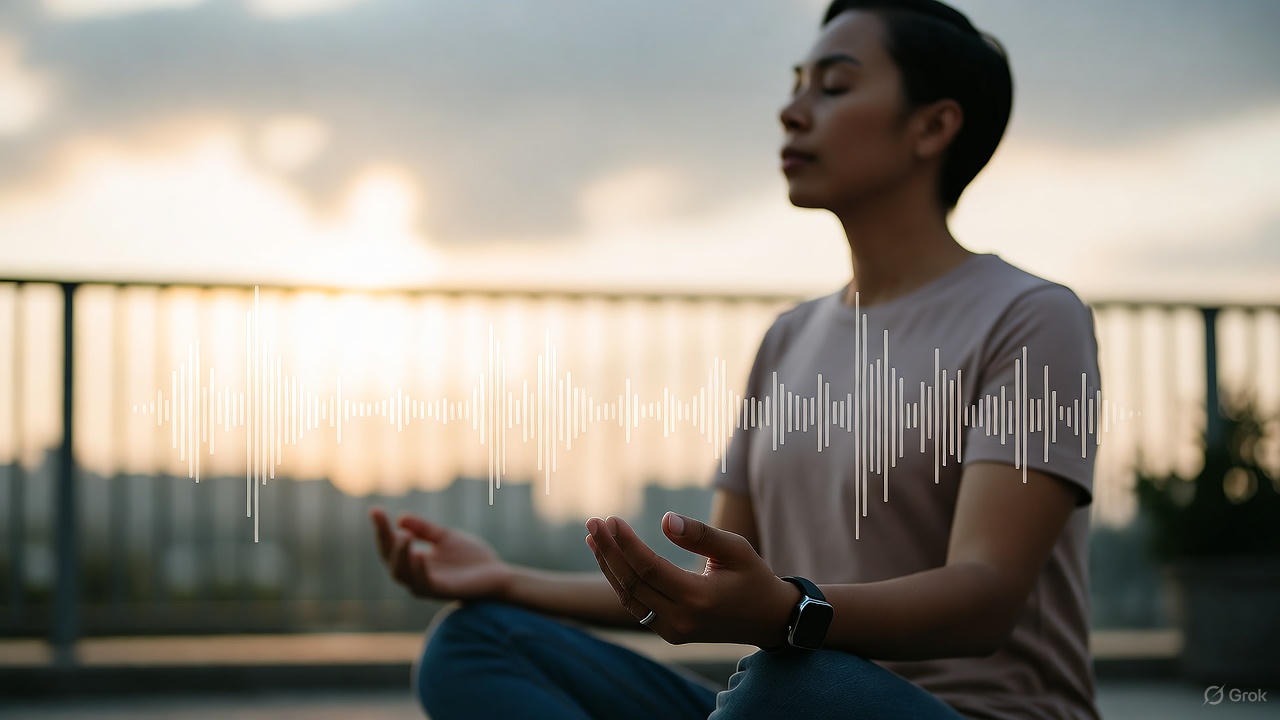
Imagine waking up and having a clear, data-driven answer to the question: "How hard should I push today?" This is the promise of the Readiness Score—a composite metric synthesized by advanced wellness rings like Oxyzen from your nightly biometric data. It's not a single measurement, but an intelligent algorithm's interpretation of your recovery status, translating complex physiological signals into a simple, actionable number or indicator (often on a scale of 1-100 or via descriptors like "Peak," "Good," "Recover").
The Readiness Score is the culmination of the baseline establishment process. It weighs several key inputs against your personal norms:
A high Readiness Score is a green light. It tells you your body has absorbed the previous stressors, repaired the damage, and is primed to handle new, challenging stimuli. This is the day to go for that personal record, tackle that demanding project, or engage in intense social activities.
A low Readiness Score is not a failure; it's vital feedback. It's your body saying, "The tank is low. Let's focus on refueling." This is the day to prioritize gentler movement like walking or yoga, focus on nutrition and hydration, manage stress, and protect your sleep fiercely. Ignoring a low score and pushing through with intense exercise is like driving a car with the oil light on—you might get where you're going, but you're causing long-term damage.
The true power of this score is in fostering body literacy. Over time, you start to predict it. You'll feel the connection between that extra glass of wine and a 15-point drop, or between a dedicated wind-down routine and a "Peak" score. It transforms wellness from a prescriptive list of rules into a responsive dialogue. You learn to modulate your movement based on your recovery, not just the day of the week on a static training calendar. This daily check-in is the operational tool that brings the movement-recovery balance to life. But to act on it effectively, we must first understand the two sides of the equation in granular detail, starting with the most potent recovery tool we have: sleep.
If recovery had a capital city, sleep would be its metropolis. It is during these hours of unconsciousness that the most profound restorative processes take place. Human growth hormone is released, facilitating muscle repair. The brain's glymphatic system kicks into high gear, flushing out metabolic waste products linked to neurodegenerative diseases. Memories are consolidated, emotions are processed, and the entire neuroendocrine system is reset. Simply put, sleep is not passive rest; it is an active, intense state of biological renewal.
However, not all sleep is created equal. The architecture of sleep—cycling through light, deep, and REM stages—is where the magic happens. Each stage plays a distinct role:
A wellness ring tracks this architecture by analyzing the symphony of your biometrics throughout the night: the slowing of your heart rate and breathing as you descend into deep sleep, the increased brain activity and rapid eye movements (inferred from heart rate patterns) during REM, and the periods of wakefulness you may not even remember. It moves beyond just "hours in bed" to measure sleep efficiency (the percentage of time in bed actually spent asleep), latency (how long it takes to fall asleep), and the vital balance of stages.
But tracking is only the first step. The goal is sleep optimization. Your ring data provides the clues. For example:
By identifying these patterns, you can move from guessing to targeted intervention. The data answers the "what," and a bit of detective work reveals the "why." This allows you to build a personalized sleep protocol—a non-negotiable foundation that supports every other aspect of your movement-recovery balance. For a practical starting point, our article on how to get more deep sleep tonight with 7 proven strategies is a great resource.
Yet, sleep is only one pillar of recovery. While we sleep, our bodies are hard at work, and the state of our nervous system is the conductor of this nightly orchestra. To truly understand our capacity for both movement and rest, we must learn to interpret its primary metric: Heart Rate Variability.
If you had to choose one biometric to gauge your internal balance, Heart Rate Variability (HRV) would be the contender. Often misunderstood, a higher HRV is not about having an irregular heartbeat; it's a sign of a healthy, responsive, and resilient autonomic nervous system (ANS). Your ANS has two main branches: the sympathetic ("fight or flight") which accelerates your heart, and the parasympathetic ("rest and digest") which slows it down. HRV is the beat-to-beat variation controlled by the constant, subtle tug-of-war between these two forces.
Think of your heart not as a metronome, but as a skilled jazz drummer. The space between beats is fluid, dynamic, and responsive. When you are well-recovered, safe, and relaxed, your parasympathetic system is dominant, allowing for greater variability—the drummer can play with nuance and space. When you are stressed, sick, over-trained, or sleep-deprived, the sympathetic system takes the lead, creating a more rigid, monotonous rhythm as the body prepares for consistent action.
This is why HRV is such a powerful biomarker for overall recovery and readiness. A high HRV (relative to your baseline) indicates your body has the resources and flexibility to handle stress. A low or declining HRV is a clear signal that your system is under strain and needs more recovery. It's an honest messenger that often arrives before feelings of fatigue or soreness.
Your wellness ring tracks your nightly HRV, typically providing an average score from your deepest sleep periods, which is the most consistent and comparable measurement. Observing this trend is key:
Acting on HRV data is where the art meets the science. An acute drop after a hard training day is expected and part of the supercompensation process—it tells you the stimulus was effective. The goal is to see it rebound within 1-2 days. If it doesn't, it's a sign to incorporate more active recovery, prioritize sleep, and perhaps dial back the next session's intensity. It empowers you to practice autonomic flexibility—the ability to ramp up effectively for challenge and wind down deeply for repair.
By listening to this messenger, you stop fighting your body and start working with it. You learn that sometimes the most productive thing you can do for your fitness goals is to take a walk instead of a sprint, or to meditate instead of lift. HRV bridges the gap between how you feel and how you are actually functioning at a systemic level, providing an unbiased check on your perception. This understanding of systemic strain leads us to the other side of the balance: how to quantify and intelligently manage the stress of movement itself.
For decades, the pedometer's step count has reigned supreme as the universal metric of movement. While better than nothing, it is a profoundly crude instrument. Ten thousand steps of leisurely shopping is not physiologically equivalent to ten thousand steps of weighted rucking or interval sprints. The former is low-grade activity; the latter is potent training stress. To truly manage the movement side of the equation, we must move beyond counting steps and start quantifying strain.
Modern wellness rings do this by integrating movement data with your live physiological response. They don't just measure the external workload; they estimate the internal cost. This is a game-changer. Two key metrics facilitate this:
This approach reframes exercise from a binary event (did it/didn't do it) to a dose-response relationship. You begin to see your weekly activity as a "load" curve that you want to periodize—applying a progressive stimulus, then allowing for a "deload" or recovery period where the load drops to facilitate adaptation. This is the principle of periodization, once reserved for elite athletes, now democratized by wearable data.
Your ring helps you answer critical questions:
This nuanced view prevents two common pitfalls: "junk volume" (lots of movement that provides neither a good training stimulus nor good recovery) and chronic overreaching. It encourages intentionality. Every workout has a purpose, and that purpose is informed by your body's current state. The data guides you to choose the right type of movement on the right day. For instance, a low Readiness Score doesn't mean "don't move." It likely means "move gently"—a perfect day for mobility work or a nature walk, activities that promote blood flow and parasympathetic activation without adding systemic strain. To explore the full potential of this technology, you can learn more about Oxyzen's approach to integrated health tracking.
Now that we can quantify both the stress of movement and the state of recovery, we arrive at the practical system for weaving them together daily: the concept of the daily check-in and the adaptive action plan.

Armed with your Readiness Score, sleep analysis, HRV trend, and activity history, your morning routine transforms. The daily check-in becomes a 60-second strategy session with your most trusted advisor: your own physiology. This ritual is the practical application of everything we've discussed—the moment where data turns into decisive, personalized action.
Here’s how a data-informed daily protocol might flow:
Step 1: The Readiness Review.
Open your app. Observe your primary Readiness Score and its contributing factors. Did you sleep well? How does your HRV compare to your baseline? Is your RHR elevated? Don't just note the number; understand the story. A "Recover" score with great sleep but slightly low HRV might tell a different story than a "Recover" score caused by short sleep duration.
Step 2: Contextualize with Yesterday.
Look at your previous day's activity load. Does today's low score make sense in light of a brutal workout 36 hours ago (a normal delayed effect)? Or is it a mystery, potentially pointing to hidden stress, dehydration, or illness onset?
Step 3: Set Your Daily Intention.
This is where you make the choice that optimizes the balance.
Step 4: Plan for Success.
Based on your intention, make concrete plans. If it's a "Restore" day, maybe schedule a walk at lunch and set a firm bedtime. If it's a "Challenge" day, ensure you have the right nutrition pre- and post-workout and avoid scheduling draining meetings right after.
Step 5: The Evening Wind-Down Audit.
At night, use your ring's data or app to guide your pre-sleep routine. If your latency is typically long, start a digital sunset 60 minutes before bed. If your deep sleep is lacking, ensure your room is cool and avoid late meals. This proactive evening ritual sets the stage for the next day's recovery score.
This daily system creates a responsive, adaptive lifestyle. It breaks the cycle of rigid, pre-planned schedules that ignore your body's fluctuating needs. It cultivates a deep sense of body literacy and self-trust. You are no longer following a generic plan; you are co-creating a dynamic one with the most intimate partner possible—your own biology. For real-world examples of how this transforms lives, the stories from our community in the Oxyzen testimonials are powerfully illustrative.
Yet, even the most perfect daily system exists within the larger tapestry of life. Our bodies and their needs are not static. They change with the seasons of our lives, our age, and our unique biological rhythms. To truly master the balance, we must zoom out and understand these longer cycles.
The daily check-in is your tactical maneuver, but true mastery of the movement-recovery balance requires strategic vision. Life is not lived in isolated 24-hour blocks; it flows in longer cycles—weekly, monthly, seasonally, and across the decades. These macro cycles demand that we zoom out from daily readiness to view our wellness as a long-term rhythm, intelligently periodizing stress and rest just as an athlete periodizes a training year. Your wellness ring is the indispensable tool for navigating these broader waves.
The most accessible macro cycle is the weekly rhythm. A common pitfall is attempting to hit the same high-intensity targets every Monday, Wednesday, and Friday, indefinitely. This linear approach ignores cumulative fatigue. A smarter model uses your weekly activity load and readiness trends to structure a micro-cycle. For example: three days of progressive load (building activity strain), followed by a mandatory "rebound" day of very low strain and high recovery focus, then perhaps a moderate day before a true rest day. Your ring data validates this pattern, showing your HRV dipping appropriately after the load block and rebounding sharply after the recovery focus. This weekly undulation prevents the slow creep of overreaching.
Beyond the week, we encounter life stress cycles—the project deadline at work, family caregiving periods, or emotional trials. These are profound sympathetic stressors that demand a parallel reduction in physical stress. Your ring’s metrics, particularly HRV and RHR, become an objective barometer of your total allostatic load. Seeing a suppressed HRV during a stressful workweek is your cue to consciously swap the HIIT class for yoga or long walks. You are periodizing your movement to accommodate life stress, protecting your overall system from a catastrophic overload. This is not weakness; it is sophisticated self-management. For a deeper dive into how our bodies manage different types of stress and recovery, the resources at the Oxyzen blog offer continued exploration.
Then, there are the seasonal cycles. Our physiology responds to changing light, temperature, and social patterns. Many people naturally have higher energy and readiness for intense movement in spring and summer, while autumn and winter may invite a pull toward introspection, strength maintenance, and longer sleep. Tracking your yearly baselines can reveal these natural inclinations, allowing you to harmonize your habits with the season instead of fighting against it.
Finally, and perhaps most importantly, is the ultimate macro cycle: aging. Our recovery capacity is not a constant. As we age, the need for high-quality recovery becomes even more critical, while the window for super-intense stress may naturally narrow. The metrics tell this story: deep sleep duration naturally decreases, and HRV baseline may trend downward. This isn’t a signal to stop moving; it’s a mandate to move smarter. It emphasizes the non-negotiable nature of sleep hygiene, the increased value of strength training to preserve muscle and bone, and the wisdom of longer recovery intervals between intense bouts. The ring provides the honest feedback needed to adapt your expectations and strategies gracefully, celebrating resilience over reckless intensity. Understanding your deep sleep sweet spot by age is a key part of this graceful adaptation.
By recognizing and respecting these macro cycles, you move from managing wellness as a daily chore to orchestrating it as a lifelong practice. You learn to surf the waves of stress and recovery rather than being capsized by them. This holistic view sets the stage for addressing one of the most potent disruptors—and enhancers—of our internal balance: the connection between our mind, our emotions, and our physical state.
For too long, we’ve treated mental and physical stress as separate domains. A tough workout was "physical," and a tough day at work was "mental." Your wellness ring shatters this false dichotomy, revealing the profound, bidirectional feedback loop between your psychological state and your physiological readiness. The autonomic nervous system does not distinguish between a tiger chasing you and an overflowing inbox; it responds to perceived threat with the same cascade of sympathetic activation. This means your mood, your stress levels, and your emotional resilience are not just feelings—they are measurable biometric events.
Your ring captures the somatic signature of your mental state. A day of high anxiety or simmering anger often manifests as:
Conversely, practices that calm the mind have a clear physiological footprint:
This creates a powerful opportunity for intervention. You can use the physical metric as a trigger for a mental check-in. If you see an unexplained dip in HRV, instead of just blaming a workout, pause and ask: Am I stressed? Am I anxious about something I haven’t acknowledged? The data becomes a mirror, reflecting internal states you might have rationalized or ignored.
Furthermore, you can run experiments. For one week, add 10 minutes of guided meditation before bed and observe its impact on your sleep depth and next-day readiness. Track how a difficult conversation affects your heart rate in real-time (many rings offer momentary checks) and use that awareness to employ calming breathwork on the spot. This bridges the gap between the abstract concept of "managing stress" and the tangible, data-validated result of a calmer nervous system.
This mind-body integration is the frontier of holistic wellness. It means recognizing that optimizing recovery isn't just about ice baths and protein shakes; it's also about managing your inbox, setting boundaries, practicing gratitude, and fostering positive relationships. Your ring validates that this "soft" work is, in fact, hardcore physiological engineering. When you cultivate emotional equilibrium, you are directly raising your capacity for physical stress and enhancing your recovery efficiency. It makes the case that therapy, mindfulness, and joy are not luxuries, but essential components of a high-performance life. For those curious about the neurological underpinnings of this, our article on the deep sleep and memory connection explores how nightly recovery directly supports cognitive and emotional health.
With this unified view of mind and body, we can now examine the fundamental fuel that powers both movement and repair: nutrition. How we eat doesn't just affect our waistline; it fundamentally alters our recovery biomarkers and our readiness to perform.

Nutrition is the logistics arm of your movement-recovery army. It provides the raw materials for repair (amino acids for muscle, fats for hormones, carbohydrates for energy) and the co-factors (vitamins, minerals) that enable every metabolic process. Yet, its impact is often seen only on a scale or in workout energy. Your wellness ring reveals nutrition's profound and immediate effect on your recovery systems, turning dietary choices from a matter of calories into a matter of cellular signaling.
The data provides clear, often overnight, feedback on how your food choices influence your readiness:
The Impact of Timing and Composition:
Eating for Recovery Optimization:
Conversely, you can use your ring to identify nutritional patterns that enhance your balance:
The goal is not to eat perfectly, but to eat intelligently and observe the effects. Use your ring’s recovery metrics to run personal experiments. Have a consistent dinner time for a week and note sleep changes. Observe the difference in your deep sleep score after a night with alcohol versus a night without. This biofeedback turns nutrition from a dogma into a personalized discovery process. You learn which foods are truly "recovery foods" for your body, and which are "recovery tax" foods that your physiology pays for the next day.
Armed with insights on sleep, the nervous system, and nutrition, we now possess a sophisticated toolkit for managing the internal environment. But we exist in an external world—a world of temperature, light, and schedules. The final piece of the puzzle is learning to engineer our surroundings to tip the balance decisively in favor of recovery.
Your body is not an island. It is in constant conversation with its environment. Light, temperature, noise, and even the timing of your routines send powerful signals to your circadian biology, directly influencing your movement capacity and recovery quality. While you can't control the world, you can become the architect of your immediate micro-environment—your bedroom, your home, your daily schedule—to make recovery the default, not a struggle. Your wellness ring provides the proof that these environmental tweaks work.
Light: The Master Zeitgeber
Light exposure is the most potent regulator of your circadian rhythm. The wrong light at the wrong time is a primary disruptor of sleep and recovery.
Temperature: The Thermostat of Sleep
Core body temperature must drop to initiate and maintain sleep. A room that's too warm is one of the most common, yet fixable, obstacles to deep recovery.
Sound & Consistency:
By intentionally engineering these environmental factors, you stack the deck in favor of effortless recovery. You remove the friction points that force your body to fight for its basic restorative needs. Each adjustment—a darker room, a cooler temperature, a regular wake time—is a down payment on tomorrow's energy, mood, and performance. It is the ultimate act of self-care, creating a sanctuary that actively works for you while you rest.
This first third of our exploration has laid the comprehensive groundwork for understanding the movement-recovery balance. We've journeyed from the modern paradox of over-moving to the biometric advantage of the smart ring. We've established the critical importance of your personal baseline and learned to decode the daily language of your Readiness Score. We've delved deep into the pillars of recovery: sleep architecture, heart rate variability, and the often-overlooked mind-body connection. We've seen how nutrition acts as leverage and how our environment can be engineered for success.
You now possess a new lens through which to view your health—not as a series of workouts and meals, but as a continuous, intelligent loop of stress and adaptation. The data from a tool like the Oxyzen ring is the key to closing that loop, providing the feedback necessary to move from guesswork to precision.
But this is only the beginning. Understanding the theory is one thing; implementing it in the messy, beautiful reality of life is another. In the next portion of this guide, we will move from knowledge to execution. We will build personalized templates for the high-readiness "Green Light" day and the essential "Recovery" day. We will tackle real-world scenarios like travel, illness, and social obligations. We will explore advanced techniques for those seeking to fine-tune their edge and discuss how to sustain this practice for a lifetime, ensuring that the movement-recovery balance becomes your default state, not a temporary project. The journey toward optimized, sustainable wellness continues. To see the tools that make this journey possible, visit the Oxyzen shop to explore the technology designed for this very purpose.
Knowledge is powerless without execution. We’ve armed you with the science of the balance, the language of your biometrics, and the principles of optimization. Now, we transition from theory to practice. This is where we build your personal, dynamic blueprint—a flexible framework that uses your daily data to dictate intelligent action. Forget rigid, generic plans. Your blueprint is a living document, co-authored by your intentions and your body’s honest feedback.
The core of this blueprint is the concept of archetype days. Instead of forcing your body into a pre-named day on a calendar ("Leg Day," "Cardio Day"), you match your activity to your readiness, creating day types defined by intention and physiological capacity.
When your Readiness Score shines green (or "Peak"), it’s a clear invitation from your physiology. This is not just a day to exercise; it’s a day to train—to provide the potent stimulus that drives adaptation. Here’s your blueprint for a Green Light Day:
Morning Ritual:
Movement Strategy:
Recovery Acceleration:
A well-executed Green Light Day creates a productive "dip" in your HRV and a slight elevation in RHR—a sign of effective stress. The blueprint for the following day is then determined by how deep that dip is and how quickly you rebound.
The Recovery Day is where champions are made, not in the gym. A low Readiness Score ("Recover") is a directive, not a punishment. It’s your body prioritizing system repair over new stress. Ignoring it is the fastest way to halt progress. Here’s your blueprint for a true Recovery Day:
Morning Ritual:
Movement Strategy:
Recovery Maximization:
The success of a Recovery Day is measured in your next morning's data. A successful day should lead to a notable positive shift in your Readiness Score, particularly a rebound in HRV and a normalization of RHR. This closes the loop: Stress -> Intelligent Strain -> Strategic Recovery -> Enhanced Readiness.
Most days will fall into the broad spectrum of "Good" readiness. This is your Maintain Day—the workhorse of sustainable progress. The intention is to support fitness and momentum without digging a deeper recovery hole.
Movement Strategy:
Overall Balance:
On these days, life integration is key. It’s a day to be consistent with good habits—nutritious meals, hydration, a solid wind-down routine—without the extreme focus of a Green Light or Recovery Day. It’s about stacking positive, moderate choices that keep the flywheel of wellness turning smoothly.
With these three archetype blueprints, you have a dynamic decision matrix. Each morning, you diagnose (Readiness Score), then you prescribe (choose the day's blueprint). This system creates resilience, prevents burnout, and aligns your actions with your actual capacity, leading to consistent, sustainable progress. For real-world examples of how this flexible approach works, the experiences shared in Oxyzen testimonials provide powerful validation.
But life is not a controlled lab. Our well-crafted blueprints must withstand the chaos of travel, social events, and illness. Next, we stress-test this system against the real world’s greatest disruptors.
The perfect balance is easy in a vacuum. The test of a truly robust wellness practice is how it adapts when life throws its inevitable curveballs. Your wellness ring and your blueprint aren’t abandoned during these times; they become your anchor and your guide, helping you navigate disruption with minimal damage and a faster return to equilibrium.
Travel is a triple threat: it disrupts circadian rhythms (time zones), increases sympathetic load (planning, navigating, cramped seats), and often degrades nutrition and hydration. Here’s how to use your data to manage it:

Wellness is social. Complete isolation for the sake of perfect metrics is a poor trade for a rich life. The goal is not purity, but intelligent participation.
Your ring is an early-warning detection system for illness, often spotting the signs before you feel symptomatic.
By having protocols for these disruptors, you remove the panic and guesswork. You have a plan, which reduces the mental stress of the disruption itself. You learn that balance isn't about never falling off; it's about having the tools and the self-compassion to get back on, efficiently and intelligently. For additional support and answers to common questions during these challenging times, our FAQ page is a valuable resource.
Having mastered the daily blueprint and navigated life’s disruptions, you may now be ready to explore the finer points of optimization. The next level involves diving deeper into the nuances of your data to find those marginal gains that compound into a significant life advantage.
Once you are consistently operating within the movement-recovery balance, a world of subtle refinement opens up. This is for those who wish to go from "feeling good" to truly maximizing their potential—whether for athletic performance, cognitive output, or simply the profound vitality of a supremely well-tuned human system. Advanced optimization is about pattern recognition, controlled experimentation, and leveraging the most nuanced aspects of your biometric data.
Start a simple journal (digital or analog) alongside your app. Note not just "tired" or "energized," but more granular states: motivation levels, focus, mood, digestion, muscle soreness (on a 1-5 scale). After a few weeks, look for correlations.
These personal correlations are more valuable than generic advice. They tell you that for you, a HRV of 65ms means "go time," while 50ms means "proceed with caution."
Use your ring to test the impact of specific nutritional interventions on your recovery metrics.
The ring provides the objective outcome measure, turning supplement and nutrition choices from faith-based to evidence-based.
Move beyond a pre-written 8-week training plan. Create a flexible plan where you have a list of potential workouts (High Intensity, Strength, Zone 2 Endurance, Skill) and you select the one that matches your readiness.
For those who can nap, use your ring to make it strategic. A well-timed nap can boost recovery; a poorly timed one can ruin nighttime sleep.
For women, this is a game-changer. The menstrual cycle is a powerful macro cycle that dramatically influences recovery capacity, injury risk, and performance.
This advanced stage is a lifelong curiosity. It turns wellness into a personal science project, where you are both the researcher and the subject, continually learning and refining. It fosters a deep, intuitive partnership with your body, guided by objective truth.
However, even the most sophisticated personal system can benefit from connection. The final piece of the puzzle is understanding how this individual practice scales into a shared experience of community and support.
While the relationship with your data is intimate and personal, the journey toward balanced wellness need not be lonely. In fact, integrating a layer of community and/or professional guidance can dramatically accelerate your progress, provide accountability, and offer perspectives that raw data cannot. Your wearable data becomes the universal language that facilitates this connection.
For those seeking elite results or navigating complex health situations, a new breed of coach is emerging: one who uses your continuous biometric data as a primary tool.
Engaging with a community of others on a similar path—whether through the Oxyzen blog comment sections, dedicated forums, or social media groups—is profoundly validating. You learn that:
This normalization reduces anxiety around the numbers. You see that the path isn’t a straight line upward; it’s a series of waves, and the community helps you surf them. Reading our story can also connect you to the mission and values behind the technology, fostering a deeper sense of belonging.
Aggregate, anonymized data from communities of users is also driving the larger science of human performance and recovery. By participating, you contribute to a broader understanding of how these biomarkers interact with modern life, helping to shape better algorithms and more insightful health recommendations for everyone.
By adding this community and coaching layer, you move from self-experimentation to supported growth. You gain not just data, but wisdom—the applied knowledge that comes from shared human experience and expert guidance. This creates a sustainable ecosystem for your wellness, one that adapts and grows with you over a lifetime.
As we look to the horizon, this integrated, data-informed, community-aware approach is not a niche trend. It is the foundation of a fundamental shift in how we will manage our health for decades to come. Our final section envisions this future.
We stand at the precipice of a revolution in personal health. The current model is largely reactive: we feel sick, we go to the doctor; we feel tired, we drink coffee; we get injured, we stop moving. The movement-recovery balance, empowered by continuous biometrics, flips this script to a proactive and predictive model. The future lies not just in telling you how you slept, but in predicting your capacity and prescribing prevention.
Current wearables are brilliant at description: "Your HRV was low last night." The next frontier is prediction: "Based on your declining HRV trend and elevated RHR, there is an 85% probability you will feel fatigued and be at higher injury risk in 2-3 days if you maintain your current load."
Imagine your wellness companion not as an app you check, but as an ambient intelligence that integrates seamlessly into your life.
Your ring data will not live in a silo. The future is a secure, user-controlled health ecosystem where your continuous data can be shared—with your explicit permission—with other healthcare providers.
This future makes the principles of elite athletic recovery and performance optimization accessible to everyone. The office worker can learn to manage their energy for peak productivity and fulfilling evenings. The parent can learn to balance the physical demands of childcare with their own recovery needs. The retiree can actively monitor and maintain their physiological resilience as they age. It’s about extending the healthspan—the number of years we live in full, vibrant function.
This is the ultimate promise of mastering the movement-recovery balance. It’s a shift from health as a problem to be solved to health as a capacity to be cultivated. It’s a journey from ignorance to awareness, from guesswork to precision, and from passive patient to active architect of your own vitality. The technology, like that developed by Oxyzen, is the enabling tool, but the power resides in you—in your willingness to listen, to learn, and to engage in the most important partnership you’ll ever have: the one with your own body.
This concludes the first part of our comprehensive guide. You now possess the foundational knowledge, the practical blueprints, and a vision for the future to begin optimizing your unique movement-recovery balance. The journey continues with deeper dives into specific topics, from the neuroscience of sleep to advanced training methodologies, all available for further exploration on our blog. Your path to balanced living starts now.
Your Trusted Sleep Advocate (Sleep Foundation — https://www.sleepfoundation.org/)
Discover a digital archive of scholarly articles (NIH — https://www.ncbi.nlm.nih.gov/
39 million citations for biomedical literature (PubMed — https://pubmed.ncbi.nlm.nih.gov/)
experts at Harvard Health Publishing covering a variety of health topics — https://www.health.harvard.edu/blog/)
Every life deserves world class care (Cleveland Clinic -
https://my.clevelandclinic.org/health)
Wearable technology and the future of predictive health monitoring. (MIT Technology Review — https://www.technologyreview.com/)
Dedicated to the well-being of all people and guided by science (World Health Organization — https://www.who.int/news-room/)
Psychological science and knowledge to benefit society and improve lives. (APA — https://www.apa.org/monitor/)
Cutting-edge insights on human longevity and peak performance
(Lifespan Research — https://www.lifespan.io/)
Global authority on exercise physiology, sports performance, and human recovery
(American College of Sports Medicine — https://www.acsm.org/)
Neuroscience-driven guidance for better focus, sleep, and mental clarity
(Stanford Human Performance Lab — https://humanperformance.stanford.edu/)
Evidence-based psychology and mind–body wellness resources
(Mayo Clinic — https://www.mayoclinic.org/healthy-lifestyle/)
Data-backed research on emotional wellbeing, stress biology, and resilience
(American Institute of Stress — https://www.stress.org/)


