How Your Wellness Ring Shows Active Living Impact on Mental Health
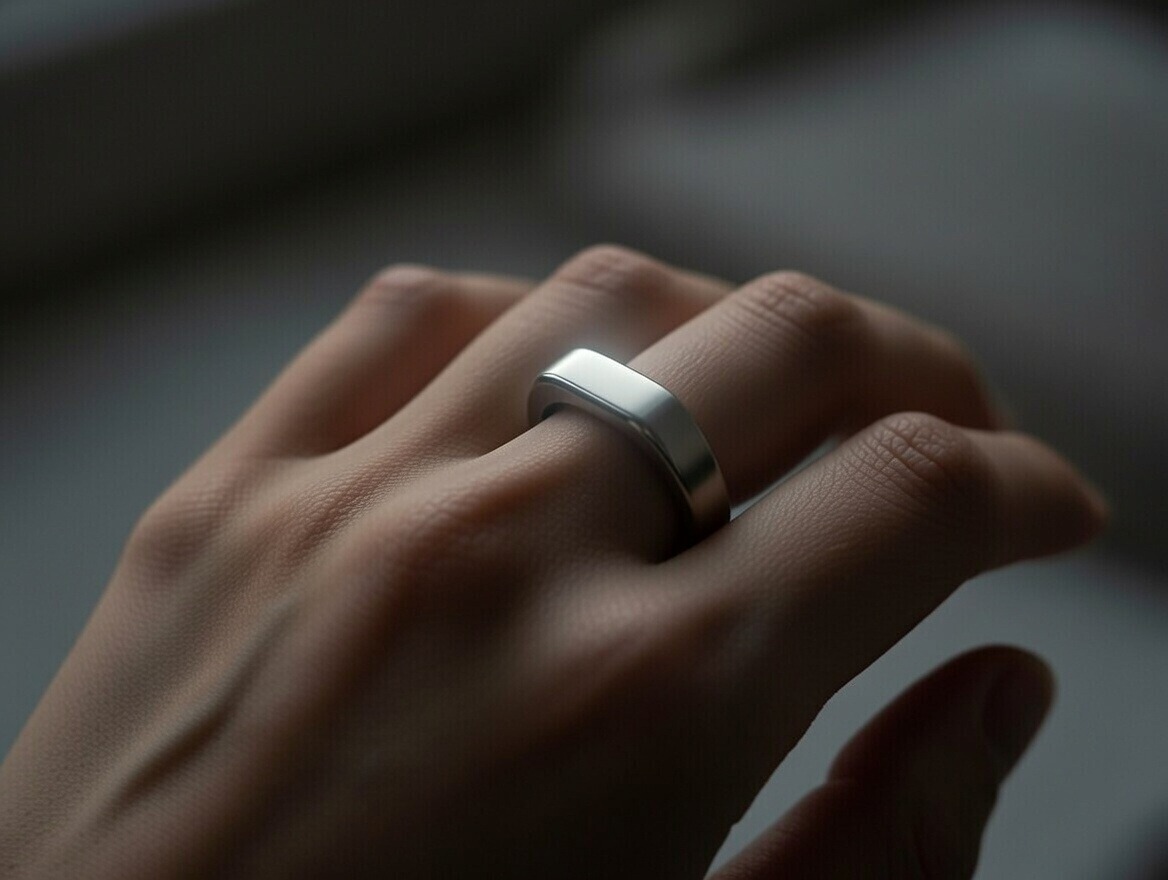
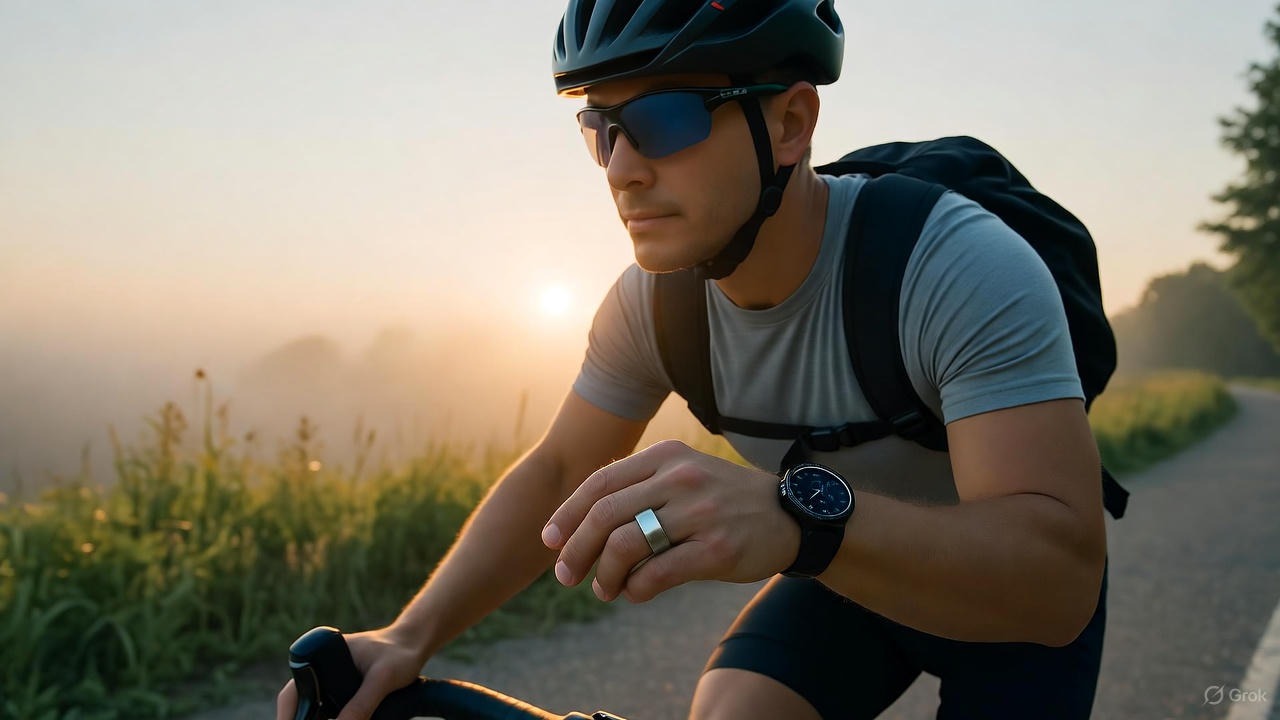
The ring shows the positive impact of an active lifestyle on mental health.
How Your Wellness Ring Shows Active Living Impact on Mental Health
For decades, the pursuit of mental wellness has often felt like an internal, almost invisible, journey. We’ve been asked to describe our anxiety, quantify our stress, and articulate our mood—all through the foggy, subjective lens of how we feel in the moment. But what if our mental state wasn't just a story we tell, but a symphony of physiological data waiting to be read? What if the connection between moving our bodies and calming our minds wasn't just a platitude but a measurable, traceable feedback loop?
This is the revolutionary promise sitting quietly on your finger. The modern wellness ring, a masterpiece of miniaturized biosensing technology, has evolved far beyond a simple step counter. It is now a continuous window into your autonomic nervous system, a translator for your body's silent language of stress, recovery, and resilience. By tracking the subtle, involuntary biomarkers of physical activity—heart rate variability (HRV), resting heart rate, skin temperature, and sleep architecture—these devices provide an empirical, objective bridge between the physical acts of living and the psychological outcomes we experience.
This article is a deep exploration of that bridge. We will move beyond the generic "exercise is good for you" advice and into the precise, data-driven how and why. We will decode the signals your wellness ring captures, showing you not just that a long walk lowered your stress, but how it did so: by demonstrating a tangible shift in your parasympathetic nervous system activity, visible in your HRV data that evening. We will connect the dots between a week of consistent, moderate activity and a marked improvement in your deep sleep scores, a direct contributor to emotional regulation. This is about transforming abstract wellness concepts into personal, actionable insights.
Forget vague intentions. Armed with the concrete data from a device like the Oxyzen ring, you are no longer guessing. You are observing, learning, and ultimately, engineering a lifestyle that actively cultivates mental fortitude. You’re about to discover that every heartbeat, every step, and every night of rest tells a compelling story about your mind. Let's begin reading it.
The Invisible Link: Decoding Your Body’s Silent Stress Signals
Before we can appreciate how activity influences our mental state, we must first understand the language our body uses to communicate that state. Our minds and bodies are not separate entities; they are a single, integrated system. Psychological stress doesn’t just happen "in your head"—it triggers a cascade of physiological events: hormones like cortisol and adrenaline flood the bloodstream, the heart pumps faster, muscles tense, and digestive processes halt. This is the sympathetic nervous system, your "fight-or-flight" response, kicking into gear.
Conversely, a calm, resilient mental state is characterized by the dominance of the parasympathetic nervous system—the "rest-and-digest" counterbalance. This system promotes recovery, lowers heart rate, and facilitates deep, restorative functions. The constant, dynamic dance between these two systems is the very rhythm of your wellbeing, and for the first time, you can watch this dance unfold in real-time through your wellness ring.
The key metrics here are Heart Rate Variability (HRV) and Resting Heart Rate (RHR). HRV is not your heart rate; it’s the subtle, millisecond variation in the time intervals between consecutive heartbeats. Contrary to what you might assume, a higher, more variable HRV is typically a sign of excellent health and resilience. It indicates a heart that is responsive and adaptable, a sign of strong parasympathetic tone and a nervous system that can efficiently handle stress and recover from it. A low, stagnant HRV often signals a nervous system stuck in a state of chronic stress or fatigue.
Your resting heart rate complements this picture. A lower RHR generally indicates more efficient heart function and better cardiovascular fitness. Notably, acute stress and poor recovery can cause your RHR to be elevated in the morning—a clear flag from your body that it hasn't fully reset.
How Your Ring Tells This Story: Your wellness ring, like the advanced models featured at Oxyzen.shop, uses photoplethysmography (PPG) sensors to capture the pulse wave at your finger 24/7. From this, it derives your HRV (often reported as an RMSSD or SDNN value) and your true resting heart rate during sleep. When you wake up, your app doesn't just show you a number; it shows you the state of your nervous system.
See a week of gradually rising HRV? That’s your body telling you it’s becoming more resilient. Notice a sudden spike in your morning RHR after a difficult conversation the night before? That’s a quantifiable echo of emotional stress. This objective biofeedback is the foundational layer. It transforms "I feel anxious" into "My nervous system is showing signs of sympathetic overdrive, with my HRV dropping to 35ms and my RHR up by 8 beats per minute." This is the silent language of stress and recovery, and learning to speak it is the first step in using activity to write a better story for your mental health.
From Motion to Emotion: The Direct Neurochemical Pathways
With an understanding of our body's stress signals, we can now explore the direct, biochemical machinery that physical activity triggers to improve our mental landscape. Exercise is not a distraction from anxiety; it is a potent, proactive treatment that alters the very chemistry of the brain.
The most celebrated actors in this play are endorphins, often mislabeled as the sole source of the "runner's high." While they do play a role in pain relief and mild euphoria, the mental health benefits of activity run far deeper. Regular movement boosts the production and regulation of key neurotransmitters:
Serotonin: This crucial neurotransmitter regulates mood, anxiety, and happiness. Many common antidepressants (SSRIs) work by increasing serotonin availability. Exercise acts as a natural SSRI, enhancing both the release and reuptake efficiency of serotonin, leading to improved mood and emotional stability over time.
Dopamine: The "reward and motivation" chemical. Physical activity increases dopamine signaling, which helps sharpen focus, increase motivation, and reinforce the habit of exercise itself by making it feel rewarding.
Norepinephrine: Modulates stress responses, attention, and arousal. Exercise helps balance this system, teaching the body to handle physiological stress (elevated heart rate, breath) in a controlled way, which can improve its response to psychological stress.
Brain-Derived Neurotrophic Factor (BDNF): Think of BDNF as "miracle-gro" for the brain. This protein supports the growth, survival, and plasticity of neurons, particularly in the hippocampus—a brain region vital for memory and learning that is often shriveled in cases of depression and chronic stress. Exercise is one of the most powerful natural boosters of BDNF, literally helping to protect and rebuild brain structure.
How Your Ring Tells This Story: You cannot directly measure your serotonin levels with a ring. But you can measure the profound physiological consequences of these neurochemical shifts. After a consistent period of active living, your ring data will begin to paint a picture of a system coming into balance.
The clearest signal is in your sleep data. Improved neurochemical regulation directly leads to more stable and restorative sleep. You will likely see tangible increases in your deep sleep (slow-wave sleep) and REM sleep percentages. Deep sleep is crucial for physical recovery and clearing metabolic waste from the brain, while REM is essential for memory consolidation and emotional processing. A ring that provides detailed sleep staging, like those analyzed in our guide on what your deep sleep numbers should look like, allows you to witness this improvement firsthand. Furthermore, the reduction in overall nervous system stress (shown by improved HRV) creates the ideal internal environment for these reparative sleep stages to flourish, a synergy we explore in our article on the science of deep sleep.
In essence, your ring captures the downstream effects of a brain bathing in healthier chemistry. Better sleep scores and a more resilient stress response are the data points proving that the neurochemical pathways from motion to emotion are actively firing.
The Rhythm of Resilience: How Consistency Beats Intensity
In our pursuit of mental health benefits, we often fall for the "no pain, no gain" myth, believing that only grueling, high-intensity workouts "count." The data from wellness rings tells a different, more nuanced, and ultimately more sustainable story: for building mental resilience, consistency of movement is far more powerful than sporadic intensity.
The goal is not to shock your system into exhaustion but to gently, rhythmically train your autonomic nervous system to be more flexible and robust. Chronic, unpredictable stress wears us down because it keeps our sympathetic system perpetually "on." Consistent, predictable physical activity acts as a controlled, manageable stressor that teaches the body to activate the stress response efficiently and, more importantly, to shut it off and recover effectively afterward.
This is where the magic of low and moderate steady-state (LISS/MISS) activity shines. Daily habits like a 30-minute brisk walk, gentle cycling, or regular yoga don't just burn calories; they:
Provide a regular, rhythmic cue for parasympathetic activation post-activity.
Gradually lower your baseline resting heart rate.
Improve vascular health, making it easier for your body to regulate blood flow and temperature.
Create a predictable structure that can be psychologically grounding.
How Your Ring Tells This Story: The impact of consistent, moderate activity is written clearly in your nightly recovery metrics and long-term trends.
The Daily Feedback Loop: After a day where you hit your "activity target" with a long walk or light workout, observe your sleep that night. You will often see a higher HRV and a lower resting heart rate during sleep compared to a completely sedentary day. Your ring quantifies the successful "stress + recovery" cycle. The activity was the stress; the improved sleep metrics are the proof of supercompensation and recovery.
The Long-Term Narrative: Over weeks and months of consistent movement, you are not just looking at daily spikes. You are watching your baseline improve. Your 7-day average HRV slowly climbs. Your typical resting heart rate drifts downward. Your sleep consistency improves because your body's circadian rhythm is reinforced by daily activity. This is the data signature of a nervous system building resilience—not from occasional heroic efforts, but from the compound interest of daily deposits into your wellbeing bank.
This rhythm creates a positive feedback loop. The better you feel (and the more your data confirms it), the more motivated you become to maintain the habit. It transforms activity from a chore into a self-reinforcing ritual of self-care. For those curious about starting this journey, the Oxyzen.ai blog offers a wealth of resources on building sustainable habits grounded in data.
Sleep: The Critical Gateway Where Activity and Mental Health Converge
If consistent activity writes the draft of your mental wellness story, sleep is the editor that revises, strengthens, and finalizes it. This is the non-negotiable gateway where the physical work of the day is translated into lasting psychological repair and emotional regulation. You cannot out-exercise poor sleep, and your wellness ring provides irrefutable evidence of this symbiosis.
Sleep is an active, neurologically complex process. The two stages most profoundly impacted by—and impactful on—mental health are Deep Sleep (Slow-Wave Sleep) and REM Sleep. Deep sleep is the period of greatest physical restoration, when growth hormone is released, tissues are repaired, and the brain's glymphatic system kicks into high gear to clear out metabolic toxins like beta-amyloid, which is associated with cognitive decline. REM sleep, often called "dream sleep," is where the brain processes emotions, consolidates memories, and works through the psychological residue of the day.
The link to activity is direct: physical exertion, particularly sustained aerobic exercise, increases the "sleep pressure" or homeostatic drive for deep sleep. It also helps regulate the body's core temperature rhythm, a key cue for sleep onset. A body that has been actively used during the day is a body primed for efficient, high-quality sleep at night.
How Your Ring Tells This Story: This is where advanced sleep tracking becomes indispensable. A sophisticated wellness ring doesn't just tell you you slept 7 hours; it breaks down the architecture of that sleep.
The Deep Sleep Connection: After a day with good activity, especially activity finished a few hours before bed, you should see an increase in your deep sleep duration and percentage. This is your brain getting its most critical restoration. If you're struggling to get enough, our article on how to get more deep sleep tonight offers practical, data-informed tips. Conversely, a period of inactivity will often correlate with fragmented sleep and less deep sleep, leaving you physically and mentally unrefreshed.
REM and Emotional Processing: Consistent activity also stabilizes REM sleep. You might notice more stable REM periods throughout the night. This is the brain's emotional therapy session. Poor REM sleep is linked to heightened emotional reactivity and difficulty with memory. By tracking it, you gain insight into your brain's capacity for emotional regulation.
The Vicious Cycle vs. The Virtuous Cycle: Your ring makes the two-way street undeniable. A day of no activity -> poor sleep (low deep/REM) -> high morning resting heart rate, low HRV -> low energy, higher stress -> another sedentary day. This is the vicious cycle of poor mental health. Flip it: A day of consistent movement -> improved sleep quality -> better morning readiness scores -> more energy and motivation to move -> the virtuous cycle of resilience. Understanding this cycle is central to the mission behind devices like Oxyzen, a story you can read more about here.
Beyond the Workout: How NEAT and Daily Movement Quiet Anxiety
Formal exercise is a powerful tool, but it represents only a fraction of our waking hours. The energy we expend in all other activities—standing, walking, fidgeting, doing chores—is known as Non-Exercise Activity Thermogenesis (NEAT). Emerging research suggests that high levels of NEAT may be just as crucial, if not more so, for metabolic health and, importantly, for managing subclinical anxiety and restlessness.
For many, generalized anxiety isn't a discrete event but a low-grade hum of mental static—a feeling of restlessness, agitation, or being "wired but tired." This mental state often mirrors a physical one: pent-up energy with no outlet. Sitting for prolonged periods can exacerbate this feeling, creating a feedback loop where mental agitation leads to physical stiffness, which in turn fuels more mental discomfort.
Increasing your NEAT is like releasing a pressure valve. It:
Provides constant, low-grade motor activity that can help dissipate nervous energy.
Breaks up long periods of stagnant posture, which is linked to increased stress and negative mood.
Keeps blood flowing and oxygen circulating, preventing the mental fog that follows long sedentary spells.
Creates small, frequent wins and a sense of gentle productivity throughout the day.
How Your Ring Tells This Story: This is where the simple, continuous step and movement tracking of your wellness ring becomes a powerful behavioral cue.
The "Inactivity Alert" as an Anxiety Interrupt: Many rings allow you to set movement reminders. When that gentle buzz prompts you to stand up and walk for a minute, it's not just for your circulation. It's a hard reset for your anxious mind. That 250 steps you take are 250 moments your brain spent focused on movement, not on worry.
Tracking Total Daily Burn: By monitoring your total calorie expenditure (which heavily factors in NEAT), you can see the tangible impact of choosing the stairs, pacing during a phone call, or doing a five-minute tidy. A day with high NEAT doesn't just burn more energy; it often correlates with a calmer, more settled nervous system by evening.
Correlating Movement with Mood: By manually logging your mood or stress levels in your companion app (or simply observing your own feelings), you can start to see patterns. Do days with 8,000+ steps feel qualitatively different from days with 3,000 steps, even without a formal workout? For most, the answer is a resounding yes. This personalized feedback is what makes the technology so transformative, as echoed in real user experiences found in our testimonials.
In this way, your ring shifts the focus from "did I work out today?" to "how did I live today?" It champions the profound mental health benefits embedded in the humble, cumulative movement of daily life.
The Stress-Proofing Effect: Training Your Body to Recover, Not Just Perform
Modern life is a marathon of micro-stressors. The ultimate goal for mental health is not to avoid stress—an impossible task—but to become "stress-proof": to develop a system that can encounter stress, respond appropriately, and then swiftly return to a state of calm. This is the very definition of physiological resilience, and it is a trainable skill. Your active lifestyle is the training program, and your wellness ring is the coach showing you your progress.
The key metric for this is, once again, Heart Rate Variability (HRV), but now viewed through the lens of reactivity and recovery. A resilient system shows a specific pattern: when a stressor occurs (a hard workout, a difficult work meeting), HRV may dip appropriately—this is a healthy response. The critical sign of fitness is how quickly it bounces back. A system stuck in chronic stress will see HRV stay low. A resilient system will see it recover to baseline, or even supercompensate to a higher level.
Physical activity, especially when periodized with proper recovery, is the perfect stimulus for training this bounce-back ability. Each workout is a controlled stressor. The recovery period afterward is where the adaptation—the strengthening of your stress-response system—occurs.
How Your Ring Tells This Story: Advanced wellness rings allow you to track HRV and recovery in near real-time, offering powerful insights.
Post-Workout Recovery Tracking: After a strenuous workout, observe your HRV graph over the next 12-24 hours. A sharp, quick rebound is a gold star for your nervous system. Some devices even provide a "Recovery Hours" metric, estimating how long it will take for your body to fully recuperate. This data helps you avoid the mental fog and irritability that comes from chronic under-recovery.
The "Readiness" or "Recovery" Score: Many apps synthesize HRV, RHR, sleep data, and activity into a single morning score. This isn't a judgment; it's a recommendation. A low score doesn't mean you failed; it means your body is asking for a gentler day. Honoring that request—by choosing a walk over a weightlifting session—is a direct act of stress-proofing. It prevents the accumulation of systemic fatigue that manifests as anxiety and poor focus.
Identifying Overtraining & Mental Burnout: The earliest signs of overtraining are not physical pain, but mental and neurological: mood swings, insomnia, loss of motivation, and heightened anxiety. Your ring data will sound the alarm long before you consciously admit you're overdoing it. A consistently depressed HRV trend, a rising resting heart rate, and a drop in sleep efficiency are the triple warning signs. Learning this language helps you pivot before a physical setback becomes a mental health crisis. For a deeper dive into optimizing recovery, our article on deep sleep optimization for athletes offers valuable principles that apply to anyone leading an active life.
The Mindful Movement Connection: Data-Enhanced Awareness
There is a powerful synergy between the quantitative, external data from your ring and the qualitative, internal practice of mindfulness. One tracks the body objectively; the other tunes into the subjectively felt sense of the body. Together, they create a complete feedback loop for holistic wellbeing.
Mindful movement practices—like yoga, tai chi, or even mindful walking—are particularly potent for mental health. They combine the neurochemical benefits of physical activity with the proven stress-reduction effects of mindfulness, which lowers cortisol and increases prefrontal cortex activity (associated with executive function and emotional regulation). The goal is to shift from "working out" to "working in," using movement as a meditation to connect mind and body.
How Your Ring Tells This Story: Your ring can act as both a prompt for and a validator of mindful practice.
Quantifying the "Mindful Effect": After a 30-minute yoga or mindful walking session, check your real-time heart rate graph. Unlike a spike from intense cardio, you'll likely see a gentle, undulating pattern or even a gradual decrease, signaling activation of the parasympathetic system. Later, your sleep data for that night may show improved markers. This data validates the internal feeling of calm, reinforcing the value of the practice.
Using Breathwork Data: Many rings now track respiratory rate during sleep and periods of rest. This is a powerful gateway to mindfulness. You can use your resting respiratory rate as a baseline. Then, try a 5-minute guided breathing exercise (like 4-7-8 breathing) and see if you can gently lower that rate. This turns an abstract mindfulness exercise into a tangible, biofeedback-driven game. Seeing the number drop is instant, positive reinforcement that you are directly influencing your autonomic state.
From Autopilot to Awareness: Simply wearing a ring that reminds you of your body's metrics can foster mindfulness. Checking your stress score can be a cue to take three conscious breaths. Seeing a high resting heart rate in the afternoon can prompt you to ask, "What's stressing me right now?" The device becomes a bridge, pulling your awareness out of the chaotic stream of thoughts and back into the physical present—which is the very essence of mindfulness. To explore more techniques for combining data with awareness, our comprehensive FAQ addresses many common questions on getting the most from your tracking journey.
Circadian Rhythms and Activity Timing: Syncing Movement with Your Mental Clock
Our bodies run on a 24-hour internal clock known as the circadian rhythm, governing everything from hormone release (like cortisol and melatonin) to body temperature, digestion, and sleep-wake cycles. This rhythm is intrinsically tied to mental health; disruptions are strongly linked to mood disorders like depression and anxiety. Notably, physical activity is one of the most powerful "zeitgebers" (time-givers) we have to reinforce a healthy circadian rhythm, but when you move matters significantly for the mental benefits you reap.
Morning light exposure combined with movement is a potent signal to your suprachiasmatic nucleus (your brain's master clock) that the day has begun. This helps suppress melatonin, boost cortisol (in a healthy, alerting way), and elevate mood-setting neurotransmitters early. Conversely, intense activity too late in the evening can raise core body temperature and stimulate the sympathetic nervous system at a time when the body is preparing for sleep, potentially disrupting the wind-down process.
How Your Ring Tells This Story: Your wellness ring tracks the two primary outputs of your circadian rhythm: body temperature and sleep/wake patterns. You can use this data to optimize your activity timing.
Temperature Rhythms & Recovery: Your skin temperature trend, especially the nocturnal dip, is a direct reflection of your circadian health. A robust, predictable dip is associated with good sleep onset and quality. Observe how different workout times affect this. Do late-evening HIIT sessions delay your temperature drop and fragment your sleep? Does morning activity lead to a more stable temperature rhythm that night? This feedback allows for personal experimentation, as discussed in our resource on the deep sleep formula of temperature, timing, and habits.
Sleep Onset & Activity Logs: Cross-reference your time to fall asleep (sleep latency) and sleep efficiency metrics with your activity log. You may find a clear pattern: on days you exercised after 8 PM, it took you 45 minutes to fall asleep. On days you exercised before noon, you fell asleep in 15 minutes. This isn't universal—some people are less sensitive—but the ring gives you your personal answer.
Daytime Energy & Focus: Your ring's daytime heart rate variability or stress scores can also reflect circadian alignment. A well-timed, consistent activity schedule often leads to more stable energy and lower stress readings throughout the afternoon slump, preventing the irritable, foggy mental state that comes from circadian misalignment. Aligning your movement with your body's natural clock is a sophisticated strategy for proactive mental health management, a concept central to the design philosophy behind products you can discover at Oxyzen.
The Negative Data: What Your Ring Reveals About Inactivity and Mental Fog
Thus far, we've focused on the positive correlations. But to fully grasp the impact of active living, we must also courageously examine the inverse: what the data unmistakably shows us during periods of stagnation. This "negative data" is not a cause for self-criticism, but for profound insight. It objectively reveals the physiological cost of a sedentary life on our mental state.
When we stop moving, a cascade of subtle but significant changes occurs:
Metabolic Slowing: NEAT plummets, affecting blood sugar regulation and energy availability for the brain.
Circadian Disruption: Without strong time-giving cues from activity and light, our sleep-wake rhythm can become blunted.
Sympathetic Tilt: Lack of the parasympathetic training that comes with post-activity recovery can leave the nervous system in a low-grade state of alert.
Reduced Neuroplasticity: Lowered BDNF and neurotransmitter modulation can affect cognitive function and emotional flexibility.
Subjectively, we call this "feeling sluggish," "in a funk," or "brain fog." Objectively, your ring records it.
How Your Ring Tells This Story: The evidence of inactivity is written across multiple datasets.
The Blunted Sleep Architecture: Sedentary periods often correlate with less deep sleep and more light sleep. Your sleep may be longer but shallower, lacking the restorative peaks. The connection between deep sleep and cognitive function is critical, as outlined in our article on deep sleep and memory. Without it, mental clarity suffers.
The HRV Plateau or Decline: Without the stimulating stress-and-recovery cycle of activity, your HRV may stagnate at a lower baseline or even trend downward. This is the data signature of a nervous system losing its adaptive capacity, making you more vulnerable to daily stressors.
Elevated Nighttime Resting Heart Rate: A telltale sign of poor recovery and systemic stress is an RHR during sleep that creeps up or fails to drop to its usual low. This indicates the body is working harder just to maintain basic functions, leaving fewer resources for mental and emotional repair.
Temperature Dysregulation: You may see a less pronounced nocturnal temperature dip or a more erratic temperature curve, signaling a confused circadian rhythm, which is a known contributor to low mood.
Facing this data is empowering. It removes the moral judgment ("I'm lazy") and replaces it with a systems diagnosis ("My nervous system is showing signs of low input and dampened rhythms"). This reframe is the first step toward using activity as a precise, corrective tool. It answers the "why bother?" question with a personal, physiological imperative. For support in interpreting these signals and making changes, Oxyzen.ai provides the resources and technology to guide you from insight to action.
Personalization: How Your Unique Data Reveals Your Optimal "Mental Health Movement" Formula
The greatest truth that emerges from long-term wear of a wellness ring is this: there is no universal prescription for the perfect workout. The "best" type and amount of activity for mental health is deeply personal, shaped by your genetics, current stress load, sleep history, and even your chronotype. What is energizing and resilience-building for one person may be depleting and anxiety-provoking for another. The era of blindly following generic plans is over; we now enter the age of the personalized movement protocol, guided by your body's own data.
This personalization revolves around a core principle: your ability to recover from stress is your most valuable asset. It's a finite resource that fluctuates daily. Your ring's primary job is to quantify this resource each morning, so you can match your activity to your current capacity, not an idealized calendar.
How Your Ring Tells This Story: The personalization process is a continuous dialogue between you, your intentions, and your biometric feedback.
Listening to Your Daily Readiness Score: This synthesized metric (sometimes called Recovery, Readiness, or Body Battery) is your starting point. A score of 90% on a morning after great sleep is a green light for a challenging run or strength session—your system is primed to handle the stress and grow stronger from it. A score of 45% after a poor night's sleep and high work stress is a clear instruction to autoregulate. This is the day for a gentle walk, restorative yoga, or focused mobility work. The goal isn't to skip movement, but to choose a movement that supports recovery rather than hinders it. Honoring a low score is not weakness; it’s the sophisticated practice of stress-proofing. You can learn more about how these scores are derived and how to use them effectively by visiting our FAQ.
Discovering Your Strain Sweet Spot: Over time, you'll see patterns. You might notice that a 45-minute run consistently leads to a 10-point HRV rise the following night, while a 90-minute run tanks it. That's your ring defining your current "sweet spot" for cardiovascular strain. Similarly, you may find that two heavy strength training sessions per week boost your deep sleep, but three in a week cause your resting heart rate to climb. Your data helps you find the Goldilocks zone for volume and intensity: not too little, not too much, but just right for building mental resilience without tipping into burnout.
Activity-Specific Signatures: Different activities leave different biometric fingerprints. Use your ring to decode them:
High-Intensity Interval Training (HIIT): Expect a significant but temporary dip in HRV post-session, followed by a strong rebound if you are well-recovered. If the dip lasts 48+ hours, it's a sign you may need more recovery time between such sessions.
Long, Steady-State Cardio (LISS): Often shows a more moderate impact, with a gentler, quicker recovery and a reliable boost to that night's deep sleep.
Strength Training: May be reflected less in immediate HRV and more in elevated skin temperature overnight (due to inflammation/repair) and, over time, a lowered resting heart rate.
Mind-Body Practices (Yoga, Tai Chi): Look for an immediate calming effect—a visible drop in real-time heart rate during the session and a higher HRV reading later that evening.
By correlating your activity log with these biometric responses, you build a personal playbook. You learn that for you, a Tuesday/Thursday strength schedule works, but Monday/Wednesday/Friday is too much. You discover that a 30-minute lunch walk is non-negotiable for your afternoon focus, or that yoga on Sunday night sets up your sleep—and therefore your mood—for the entire week. This is data-driven self-knowledge at its most powerful.
The Social Synergy: How Shared Activity and Data Build Connection
Human beings are social creatures, and our mental health is inextricably linked to our sense of connection and belonging. Isolation is a profound risk factor for anxiety and depression. Here, an active lifestyle and technology converge in a uniquely positive way: they can become powerful catalysts for social bonding, turning solitary exertion into shared experience and mutual support.
The social benefits of movement are multifaceted. Group activities, from running clubs to fitness classes, provide:
Shared Purpose and Accountability: Committing to meet others gets you out the door on days when motivation is low.
Positive Peer Pressure: Seeing others push themselves (in a healthy way) can inspire you to reach your own potential.
The "Synchrony" Effect: Engaging in rhythmic, coordinated activity with others (like rowing, dancing, or even group hiking) has been shown to increase feelings of trust and social cohesion.
Reduced Perceived Effort: Conversation and camaraderie can make time and effort seem to pass more quickly.
How Your Ring Tells This Story: Modern wellness platforms transform this social synergy from a vague feeling into a visible, shareable, and motivating dynamic.
Community Challenges and Shared Goals: Many companion apps allow you to join challenges with friends or a global community—competing for steps, active minutes, or sleep consistency. Seeing your friend's progress bar fill up can be the nudge you need to take that extra evening walk. This turns wellbeing into a collaborative game rather than a solitary grind. The sense of accomplishment is magnified when shared.
Data-Sharing for Motivation (Not Comparison): Responsibly sharing your activity or sleep trends with a trusted friend or coach creates a layer of supportive accountability. It's not about who has the higher HRV; it's about saying, "Hey, I see you've had three great sleep nights in a row—awesome!" or "I noticed my stress scores were high all week, can we walk and talk about it?" This turns biometric data into a new language for connection and support.
Validating the "Group Effect": You can literally see the impact of social activity on your physiology. Compare your data from a solo workout to a group workout. Did the group session lead to a bigger mood uplift? Did the post-activity calm (reflected in your evening HRV) last longer? For many, the answer is in the affirmative. This data reinforces the value of investing in social movement, making it a priority not just for fitness, but for emotional wellbeing. Reading about others' journeys with this technology, like those shared in our testimonials, can further inspire and normalize this social-data connection.
Ultimately, the ring becomes more than a personal tracker; it becomes a node in a network of wellbeing. It helps translate the ancient, hardwired human need for communal movement and support into a modern, data-informed practice, proving that we truly are stronger—and mentally healthier—together.
From Reactive to Proactive: Using Predictive Data to Prevent Mental Drain
Traditional approaches to mental health are often reactive: we notice we feel anxious, then we seek a tool (like exercise) to alleviate it. The paradigm shift enabled by continuous biometric monitoring is the move from reactive management to proactive cultivation. Your wellness ring doesn't just tell you how you did; it gives you clues about how you will do. It allows you to see the early warning signs of mental strain before they crescendo into a bad day, a panic attack, or a depressive episode.
This predictive capacity lies in the analysis of trends, not daily numbers. A single day of low HRV is noise. A five-day downward trend in HRV coupled with a creeping rise in resting heart rate and a decline in deep sleep is a very clear signal. It's your body's early warning system indicating that your stress load is exceeding your recovery capacity, and if the pattern continues, your mental resilience will crack.
How Your Ring Tells This Story: Proactive mental health management involves learning to read these trend lines and taking corrective, often small, actions.
The "Trends" Tab is Your Crystal Ball: Dedicate time each week to look at your 7-day and 30-day averages for key metrics: HRV, RHR, sleep duration, and deep sleep %. Are the lines moving in the right direction? A slow, steady rise in HRV and fall in RHR suggests you are in a positive adaptation phase. Lines moving in the wrong direction are a mandate to investigate and intervene.
Preemptive Deloading: Athletes use "deload weeks" to prevent overtraining. You can use the same principle for mental health. When you see a negative trend developing, proactively plan a "recovery micro-cycle." This might mean:
Slashing workout intensity by 50% for 3-4 days.
Prioritizing sleep by adding 30 extra minutes in bed.
Doubling down on mindfulness or breathwork.
Temporarily reducing social or work commitments where possible. The goal is to give your nervous system the extra bandwidth it's asking for, breaking the negative trend before it forces a breakdown.
Correlating with Life Events: Your data becomes a powerful log of your life's stressors. That downward trend in March? Cross-reference it with your calendar—it aligns perfectly with your end-of-quarter deadlines at work. Seeing this pattern year after year allows you to be proactive. Next February, you can intentionally ramp up your recovery habits before the stressful period hits, building a buffer of resilience. This turns you from a passive victim of circumstances into an active architect of your own stability.
In this way, your ring acts as an early detection system for your mental wellbeing. It empowers you to make small, strategic adjustments to your activity, sleep, and stress management in anticipation of trouble, rather than in reaction to it. This is the pinnacle of data-driven self-care: not just tracking, but truly optimizing and protecting your mental landscape.
The Long Game: How Micro-Moments of Activity Compound into Macro Mental Shifts
We are culturally obsessed with transformation—the dramatic 30-day challenge, the life-changing workout program. But mental health is not built in sprints; it is constructed, brick by brick, in the quiet, consistent, and often mundane micro-moments of daily life. The true power of an active lifestyle for the mind is found in the compound interest of these small, frequent deposits into your wellbeing bank.
A wellness ring excels at making these micro-moments visible and rewarding. It shifts the focus from the weekly 3-hour gym total to the daily distribution of movement. It highlights that the five-minute stretch session upon waking, the 10-minute walk after lunch, the decision to take the stairs, and the 2-minute breathing break all add up to a physiological state that is primed for calm and focus, not anxiety and agitation.
How Your Ring Tells This Story: The ring validates the power of the "non-workout workout."
The Step Count as a Proxy for General Activity: While an imperfect metric, the step count is a brilliant, simple measure of daily movement volume. Hitting a baseline like 8,000 or 10,000 steps isn't about weight loss; it's a guarantee that you have created enough rhythmic, low-grade motor activity throughout the day to regulate blood sugar, manage stress hormones, and prevent the physical stagnation that feeds mental stagnation. Your ring’s celebration of hitting your step goal is a celebration of a day spent in a body-friendly rhythm.
Active Minutes & Heart Rate Zones: Many rings track minutes spent in "active" or "fat-burning" heart rate zones. This includes the brisk walk to the store, the energetic play with kids, or the diligent gardening. These minutes count just as much as formal exercise for cardiovascular and metabolic health—key pillars of a brain that receives steady fuel and oxygen. Seeing these minutes accumulate provides a sense of accomplishment from life itself, not just from designated "fitness" time.
The Cumulative Sleep Debt vs. Sleep Investment: This principle applies inversely to recovery. Your ring’s sleep score is a nightly report card. One night of poor sleep is a small withdrawal. But a week of hitting your sleep target is a massive investment. The mental clarity, emotional stability, and stress resilience from that week are exponentially greater than the sum of the individual nights. The ring’s weekly and monthly sleep averages show you whether you are accruing a debilitating debt or a wealth of recovery. For a masterclass in making these small, high-impact sleep investments, our guide on deep sleep secrets is an essential resource.
The long-game perspective is liberating. It means you don't have to "find time" for a one-hour workout to benefit your mental health. It means you can integrate activity into the fabric of your day and trust that these micro-moments, validated by your ring’s data, are quietly but powerfully rewiring your nervous system for greater peace and resilience, one step, one breath, one good night at a time.
Breaking Through Plateaus: When Data Reveals the Need for a Mental Shift
Even the most dedicated active lifestyle can hit a plateau. You might be consistently running, lifting, or practicing yoga, but feel your mood, motivation, or overall sense of wellbeing has stagnated. The initial boosts have faded, and you're left wondering if the effort is still worth it. This is a critical juncture where subjective feeling can lead to discouragement and abandonment of good habits. Your biometric data, however, provides an objective check. It can tell you if you've truly hit a physiological plateau or if the issue lies in your perception, your routine, or an unseen stressor.
A true physiological plateau in mental health metrics would look like this: your HRV, RHR, and sleep scores have been flat (not declining) for 6-8 weeks despite consistent activity. This suggests your body has fully adapted to your current routine. The stress of the workout is no longer a novel stimulus prompting adaptation; it's become a manageable, but not growth-inducing, part of your baseline.
How Your Ring Tells This Story and Guides the Solution: Data-driven plateaus call for data-informed interventions.
Confirming the Plateau: First, use your trends view to verify the stall. Are all key metrics in a horizontal band? If they are declining, that's not a plateau; that's regression, often signaling overreaching or external stress.
The "Change the Stimulus" Principle: If a true plateau is confirmed, your data liberates you to experiment. The goal is to introduce a novel physical stress to re-trigger adaptation. This could mean:
Changing Modality: If you're a runner, add two days of strength training. The new muscle stress will alter your recovery pattern and can lead to improved sleep and metabolic markers.
Changing Intensity: If you always run at a steady pace, introduce one weekly interval session. The acute, high-stress effort followed by focused recovery can shock your HRV and recovery systems back into adaptive mode.
Changing Duration/Volume: A purposeful "step-back" week of lower volume can sometimes resensitize your system, leading to a "supercompensation" bounce in wellbeing metrics afterward.
Revealing the "Mental Routine" Plateau: Often, the plateau isn't in your body, but in your mind. You're going through the motions, bored and unengaged. Your ring data may still show good recovery, but your subjective enjoyment is gone. This is a cue to reintroduce play and novelty. Use your activity as exploration—try a new hiking trail, a dance class, or open-water swimming. The mental engagement and joy are themselves powerful neurochemical events that your ring may reflect in even better stress scores and sleep. The data gives you permission to prioritize fun, knowing it is not frivolous but foundational to sustained mental health.
In this way, your ring acts as both a scientist and a coach. It helps you diagnose the type of plateau and empowers you to creatively experiment, keeping the journey of active living fresh, effective, and intimately connected to your evolving mental landscape.
The Holistic Tapestry: Weaving Activity, Sleep, Nutrition, and Stress into Coherent Data
Active living does not exist in a vacuum. It is one crucial thread in a larger tapestry of wellbeing that includes sleep, nutrition, and stress management. Pull one thread, and the entire fabric weakens. The singular focus on exercise alone can lead to frustration when mental health gains stall. The true power of a wellness ring is its ability to show the interconnections between these pillars, revealing how a poor night's sleep undermines your workout's mental benefits, or how midday food choices impact your afternoon stress levels and evening recovery.
Your ring provides the central, continuous dataset (nervous system function and sleep) against which you can plot the other, more discrete variables of your life.
How Your Ring Tells This Story: You become a researcher in your own life, running n-of-1 experiments.
The Sleep-Activity Feedback Loop: This is the most direct link. Your ring shows you the Sleep Score or Recovery Score each morning. That score directly dictates the quality of activity you can productively handle that day. In turn, the activity you choose influences the next night's sleep depth and efficiency. The ring makes this loop undeniably clear, forcing you to respect the symbiotic relationship. You can't "burn the candle at both ends" without the data screaming the consequences. For a foundational understanding of this critical pillar, our Sleep Tracking 101 guide is an excellent starting point.
Nutrition's Delayed Signal: You won't see an immediate HRV spike after a healthy meal. But you might see a powerful correlation over time. For instance, a pattern of heavy, late-night eating may correlate with a higher nocturnal skin temperature and reduced deep sleep. Conversely, a period of stable blood sugar management (through balanced meals) may correlate with more stable daytime heart rate and lower stress scores. You can also test specific claims: after a week of incorporating foods high in magnesium and tryptophan, do you see an increase in your deep sleep percentage? Our article on foods that increase deep sleep naturally offers a research-backed starting point for such experiments.
Stress as the Spoiler: This is where the ring is most potent. You can have perfect workouts and a pristine diet, but if a hidden, chronic stressor (a toxic work environment, a troubled relationship) is constantly activating your sympathetic nervous system, your mental health will suffer. The ring will show it in a chronically suppressed HRV and elevated resting heart rate, regardless of your activity. This data provides the objective evidence you sometimes need to acknowledge a non-physical problem and seek appropriate solutions, like therapy or setting boundaries.
By viewing your ring's data holistically, you stop asking, "Did my workout help my mental health?" and start asking, "How did my workout, in the context of last night's sleep and today's stress, affect my nervous system?" This integrated view is the key to sustainable, profound wellbeing. It’s the philosophy that guides our approach at Oxyzen, where we believe technology should illuminate the whole picture, not just a single metric.
Beyond Anxiety and Depression: Activity Data for Focus, Creativity, and Emotional Depth
The conversation around mental health and exercise often centers on mitigating negative states: reducing anxiety, alleviating depression. But an active lifestyle, illuminated by biometric data, can also be a proactive tool for cultivating positive mental states: deep focus, creative insight, and emotional richness. The goal isn't just to be "not sick," but to thrive, to access the highest functioning of our cognitive and emotional selves.
Movement influences these elevated states through several mechanisms: increased cerebral blood flow, optimized neurotransmitter balance, enhanced neuroplasticity (BDNF), and the rhythmic, almost meditative state induced by repetitive motion. These create the ideal internal environment for the brain to make novel connections, sustain attention, and process complex feelings.
How Your Ring Tells This Story: While we can't measure "creativity" in millivolts, we can track the physiological preconditions for it.
Focus and the Prefrontal Cortex: Deep focus requires a calm but alert state—a balanced autonomic nervous system. Before an important work session requiring concentration, check your real-time stress score or HRV. A score indicating "calm" or "balanced" is a green light. If it shows "stressed," a 10-minute brisk walk or some breathwork (observable in a dropping heart rate on your ring's live graph) can be the fastest way to shift your physiology into a focus-conducive state. The ring helps you hack your way into clarity.
The "Movement Mediation" for Creativity: History is filled with anecdotes of thinkers who had their best ideas on walks. Movement, especially walking, allows the brain to enter a state of diffuse-mode thinking—a relaxed, associative state where creative connections are made. After a walk where you entered this flow state, check your biometrics. You will likely see the signs of parasympathetic activation. The walk didn't just "clear your head"; it induced a specific, measurable physiological state that is the bedrock of insight. Tracking this can help you intentionally schedule movement as a creativity ritual.
Emotional Processing and Resilience: Emotional health isn't the absence of emotion; it's the capacity to feel deeply and move through emotions without being overwhelmed. Physical activity, particularly modalities that connect breath and movement (like running, swimming, or yoga), teaches this skill. It allows you to sit with physical discomfort and breathe through it, a direct metaphor for emotional discomfort. Your ring captures the aftermath: the successful navigation of a hard workout is often followed by a strong, resilient HRV recovery. This is a physiological metaphor for emotional resilience. You've proven to your nervous system that it can endure a storm and return to calm. This learned confidence translates off the mat or track. For a deeper look at how the most restorative states are achieved, our exploration of the deep sleep vs. REM sleep difference explains how these nocturnal phases contribute to emotional and cognitive processing.
In this final analysis, your wellness ring reveals that active living is not merely a therapy for a troubled mind, but a tuning fork for an extraordinary one. It provides the feedback to cultivate not just peace, but power; not just stability, but brilliance. It shows that every step, every heartbeat, and every night of rest is an opportunity to move closer to the best, most vibrant version of your mental self.
The Detox Effect: How Movement Data Shows the Cleansing of Mental "Metabolic Waste"
Our brains are metabolically voracious organs, consuming about 20% of the body's energy despite representing only 2% of its weight. This high-energy activity produces metabolic byproducts, including proteins like beta-amyloid and tau, which are associated with cognitive decline and neurodegenerative disease when they accumulate. Just as our lymphatic system clears waste from the body, the brain has its own waste-clearance system: the glymphatic system. This system is most active during one specific state: deep, slow-wave sleep.
Here’s the critical link: physical activity is a powerful driver of deep sleep. It increases sleep pressure and promotes the brainwave patterns necessary for this cleansing cycle. Therefore, movement doesn't just "clear your head" metaphorically; it may quite literally accelerate the clearance of neurotoxic waste that can contribute to brain fog, low mood, and anxiety. Your wellness ring provides a proxy measurement for this entire detoxification process.
How Your Ring Tells This Story: You cannot see amyloid plaques on your ring’s app. But you can track the two non-negotiable prerequisites for glymphatic function: deep sleep and a robust circadian rhythm.
Deep Sleep as the Detox Window: The single most important metric here is your deep sleep (slow-wave sleep) duration and consistency. Your ring’s sleep staging algorithm identifies these crucial periods of low heart rate, high-amplitude brainwaves (inferred from physiological calm), and physical stillness. A night with strong deep sleep isn't just physically restorative; it's a night your brain spent in intensive cleanup mode. By prioritizing activity that boosts deep sleep, you are directly investing in your brain's long-term health and clarity. If you’re unsure what constitutes good deep sleep, our guide on deep sleep tracking and what your numbers should look like provides clear benchmarks.
The Temperature Rhythm Connection: The glymphatic system is also tied to circadian rhythms. The drop in core body temperature (closely mirrored by your ring’s skin temperature trend) at night is a key signal that facilitates the influx of cerebrospinal fluid to flush the brain. Regular physical activity, especially when synced with daylight, strengthens this temperature rhythm. A ring that shows a pronounced, predictable dip in your nighttime temperature is showing you a rhythm conducive to optimal brain cleansing. Disrupted, flat temperature graphs often correlate with poor sleep and, by extension, impaired clearance.
Correlating Activity with Mental Clarity: This is where you become the scientist. After a period of consistent activity, do you notice subjectively clearer thinking? Now, look at your data. Has your average deep sleep percentage increased over that period? Has your sleep consistency improved? The correlation provides a powerful physiological explanation for the mental shift. It moves you from "I feel less foggy" to "My activity has increased my deep sleep by 15%, which is likely enhancing my brain's nightly detoxification cycle, resulting in improved clarity." This understanding turns a simple walk into a act of cognitive hygiene.
Bridging the Gap: From Physiological Data to Subjective Feeling – The Journaling Link
Biometric data is objective, but mental health is also deeply subjective. The true magic happens in the space between the numbers on your screen and the feelings in your heart and mind. A high HRV is excellent, but do you feel resilient? Great deep sleep is vital, but do you wake up feeling restored? To fully leverage your wellness ring, you must build a bridge between these two worlds. The most effective tool for this is conscious journaling.
Journaling creates a qualitative dataset that contextualizes your quantitative biometrics. It answers the "why" behind the numbers. A low recovery score could be due to poor sleep, an intense workout, an emotional argument, or the onset of an illness. Without context, you’re left guessing. With a few brief notes, the story becomes clear.
How to Build the Bridge: A simple, sustainable practice is to spend two minutes each morning and evening with your ring’s app and a notes section (many apps have this feature built-in).
Morning Review: Look at your Sleep Score, HRV, and RHR. Before you get analytical, ask: "How do I feel physically and mentally right now?" Jot down three words: "Rested, anxious, sluggish, optimistic, sore, calm." Then, note any obvious correlations. "HRV is low (28ms), feel anxious and tight—likely from yesterday's difficult conversation with my boss."
Evening Log: Briefly note the day's key activities: "30-min run AM, stressful 2pm meeting, light dinner, 10-min meditation." Also note your general mood throughout the day: "Focused morning, irritable after meeting, calm evening."
Weekly Pattern Analysis: At week's end, review. You might see: "Every day I had a morning walk, my stress score stayed below 50. On the day I skipped it, my stress spiked at 3 PM." Or, "My best sleep (Deep Sleep 1.5hrs) followed days with yoga, not days with weightlifting." This pattern recognition is impossible with data or journaling alone, but transformative together.
How Your Ring Facilitates This: Modern wellness platforms are increasingly designed for this integration. They provide space for notes, mood logging, and tagging events (like "Work Stress," "Alcohol," "Caffeine"). Over time, the app itself can start to surface these correlations for you: "We noticed your HRV tends to be higher on days you log 'Gratitude Journal.'" This creates a closed-loop system: Data informs action, action is logged, new data validates or refines the approach. It turns self-tracking from a passive observation into an active dialogue with your own wellbeing. For those beginning this journey, our blog offers numerous articles on interpreting data and building mindful wellness practices.
The Paradox of Rest: How Your Ring Validates the Mental Health Power of Deliberate Inactivity
In a culture obsessed with optimization and productivity, the most radical act for your mental health might be intentional, high-quality rest. Active living is not about constant motion; it is about the rhythmic, purposeful alternation between stress and recovery. The recovery phase—the deliberate inactivity—is where the adaptation and strengthening of your mental resilience actually occurs. Without it, activity becomes just another form of chronic stress. Your wellness ring is an uncompromising advocate for this principle, often delivering the hard truth that you need to rest.
This goes beyond sleep. It includes practices of deliberate physical and mental stillness: non-sleep deep rest (NSDR), meditation, breathwork, and simply doing nothing. These practices actively stimulate the parasympathetic nervous system, lowering cortisol, reducing inflammatory markers, and facilitating a state of mental integration and calm. They are the "software updates" for a brain cluttered by the noise of modern life.
How Your Ring Tells This Story: The impact of deliberate rest is visible in both acute and long-term data.
The Immediate "Relaxation Response": Engage in a 10-minute guided meditation or a yoga nidra (NSDR) session. Watch your real-time heart rate graph on your ring during the practice. You will likely see a tangible, sometimes dramatic, drop. This is visual proof of the shift from sympathetic to parasympathetic dominance. Afterwards, check your stress score; it should be markedly lower. This immediate feedback is profoundly motivating, proving you have direct control over your nervous system state without needing to move a muscle.
Rest as a Performance Enhancer: This is the counterintuitive truth your data reveals. Plan a true "rest day" with only gentle walking or stretching. Observe your nocturnal HRV that night. It will often be significantly higher than on nights after hard training days. This high HRV is the signature of supercompensation—your body and mind using the peace to rebuild stronger. A week that includes one or two of these deliberate rest days will often show a higher average HRV and better sleep scores than a week of seven days of constant, even moderate, activity. The ring validates that strategic rest is not laziness; it is a critical component of the resilience-building cycle.
Identifying the Need for a "Digital Detox": Mental clutter from constant connectivity is a form of chronic, low-grade stress. Your ring can reveal its impact. You might notice elevated resting heart rate and lower HRV on days of back-to-back video calls and endless scrolling. This data can be the catalyst for instituting "tech curfews" or "focus blocks." After implementing them, the data will show the benefit: a calmer physiological baseline. In this way, the ring helps you defend the silent, empty spaces that are essential for creativity, emotional regulation, and mental peace.
Honoring the data that calls for rest is a practice in self-trust. It requires shifting from a mindset of "I should do more" to "My body's data shows that the most productive thing I can do for my mental health today is to recover." This is the pinnacle of intelligent, data-informed self-care.
The Age Factor: How Activity's Mental Benefits Evolve – And How Your Data Keeps You On Track
The relationship between physical activity and mental health is not static; it evolves throughout our lifespan. The mechanisms, priorities, and optimal "dose" change from our 20s to our 50s, 60s, and beyond. A wellness ring provides the personalized guidance necessary to adapt our active living strategies to these changing needs, ensuring we continue to reap the cognitive and emotional rewards at every age.
In youth, activity often focuses on performance, social connection, and stress outlet. The mental health benefits are robust, with high neuroplasticity. As we age, priorities shift toward preservation: preserving cognitive function, preserving independence, preserving mood stability, and preserving sleep quality. The role of activity becomes more targeted and crucial.
How Your Ring Tells This Story and Guides Adaptation:
The Deep Sleep Priority: One of the most significant age-related changes is the natural decline in deep sleep. Since deep sleep is critical for memory consolidation, metabolic brain health, and emotional processing, its decline is a major factor in age-related cognitive and mood changes. Your ring’s deep sleep tracking becomes your most important metric. You can use it to rigorously test which activities best support your deep sleep. For many older adults, lower-impact, rhythmic activities like swimming, cycling, or walking may be more effective at boosting deep sleep than high-impact sports, which might increase inflammation and impair recovery. Understanding this shift is critical, as detailed in our article on how age affects deep sleep and how to compensate.
Recovery Becomes Paramount: The body's ability to recover from stress (physical and mental) slows with age. Your ring’s recovery metrics become non-negotiable guides. Where a 25-year-old might bounce back from a hard workout in 24 hours, a 55-year-old might require 48-72 hours for full nervous system recovery (as shown by HRV returning to baseline). Ignoring this data leads to prolonged systemic inflammation, poor sleep, and irritability—eroding the very mental health benefits you're seeking. The ring allows you to periodize your activity with intelligence, spacing intense sessions further apart and prioritizing recovery practices.
Stability and Fall Prevention – A Mental Health Win: For older adults, the fear of falling can be a significant source of anxiety and social isolation. Balance-focused activities (Tai Chi, yoga, specific strength training) directly combat this. While your ring doesn't measure balance, it measures the outcomes: reduced stress scores from increased confidence, and improved sleep from reduced background anxiety. Furthermore, the strength gained from such activities maintains independence, a huge contributor to positive mood and life satisfaction.
Cognitive Engagement Through Movement: Novel, complex movements (learning a dance, a new sport drill) are particularly potent for aging brains as they combine physical activity with cognitive challenge, stimulating BDNF and neuroplasticity. After such a session, you might see a notable positive shift in your daily stress pattern or sleep efficiency, as the brain engages in intense offline processing and repair.
Your ring personalizes the aging process. It doesn't let you cling to the routines of your 30s if they no longer serve you. It provides the honest feedback needed to evolve your definition of "active living" so that it remains, until your last day, a reliable pillar of mental wellness.
The Dark Side of Tracking: When Data Becomes a Source of Anxiety and How to Cultivate a Healthy Relationship
This deep dive into the power of biometric data comes with a crucial caveat: the tool that can illuminate your path to mental wellness can, if misused, become a source of obsession, anxiety, and unhealthy rigidity. This is the paradox of the quantified self. Checking your HRV every hour, feeling defeated by a low sleep score, or rigidly adhering to activity goals despite feeling ill are all signs that the data has stopped serving you and has begun to rule you. For individuals with predispositions to anxiety or orthorexia (an unhealthy obsession with "healthy" eating or behaviors), this risk is amplified.
The goal is to use the data as a compass, not a shackle. It should provide gentle guidance, not absolute commands. It is one source of information—to be integrated with your subjective feelings, your intuition, and the simple joy of living.
How to Use Your Ring to Cultivate a Healthy Relationship:
Embrace Trend Thinking, Not Daily Judgement: Drill this into your mind: A single data point is meaningless. It is the trend over weeks and months that tells the true story. A bad night of sleep is a blip. A bad week is a pattern worth investigating. Your ring’s trends view is the antidote to daily anxiety. Focus there.
Use the "Why, Not Just the What": When you see a negative metric, practice curious, non-judgmental inquiry. Instead of "My HRV is terrible, I'm failing," ask "What might my body be telling me with this low HRV? Did I sleep poorly? Am I fighting off a bug? Was yesterday emotionally tough?" This reframes the data from a grade to a communication.
Schedule Data Check-Ins, Don't Compulsively Check: Designate specific times to review your data—once in the morning to check recovery, once in the evening to log your day. Turn off unnecessary notifications. This prevents the constant "state-checking" that pulls you out of lived experience and into analysis paralysis.
Practice Data "Fasts": Consider taking the ring off for a day, a weekend, or even a week. Use this time to reconnect with your body's innate signals of hunger, fatigue, energy, and stress. Can you sense when you're getting stressed without seeing a score? This practice ensures you don't lose your internal wisdom. When you put the ring back on, your data will then serve to validate and refine your intuition, not replace it.
Celebrate the Feeling, Not Just the Number: When you finish a workout feeling invigorated and calm, sit with that feeling. Let it be its own reward. Then, later, look at the data as a fascinating secondary confirmation. "That felt amazing—and look, my body shows a great recovery signature too!" This keeps the primary experience human and joyful.
Your wellness ring is a powerful servant but a terrible master. By setting boundaries and maintaining perspective, you ensure it remains a tool for empowerment and self-knowledge, not a new vector for stress. For further support on using technology mindfully, our community often shares balanced perspectives, which you can find among our user testimonials.
The Future of the Feedback Loop: Where Biometric Data and Mental Health Are Heading
The integration of continuous biometric monitoring and mental health is not a finished story; it is a rapidly unfolding frontier. The current capabilities of tracking HRV, sleep, and activity are just the foundation. The future lies in more sophisticated, predictive, and integrated systems that will further blur the line between physical care and mental healthcare.
We are moving toward a paradigm of true preventive mental wellness, where your wearable doesn't just report on yesterday's stress but anticipates tomorrow's vulnerability and suggests micro-interventions to fortify you.
Emerging Frontiers Your Next Ring Might Unlock:
Electrodermal Activity (EDA) for Emotional Arousal: Already present in some smartwatches, EDA measures tiny changes in skin sweat, a direct indicator of sympathetic nervous system arousal. Future rings will integrate this seamlessly, providing a second-by-second map of your emotional reactivity throughout the day. Correlated with your calendar, it could reveal, "*You show signs of high stress every Tuesday at 3 PM before your team meeting. A 5-minute breathing exercise at 2:45 PM has been shown to mitigate this.*"
Advanced Biomarkers and Blood-Based Metrics (Non-Invasive): Research is feverishly working on non-invasive ways to track biomarkers like cortisol (the primary stress hormone), CRP (a marker of inflammation), and blood glucose through sweat, interstitial fluid, or optical sensors. Imagine your ring warning you of a rising inflammatory state—a known contributor to depression—days before you feel low, prompting anti-inflammatory dietary and activity choices.
Closed-Loop Systems with Your Environment: Your ring will talk to your other devices. It could signal your smart lights to mimic a sunrise if it detects you're in a low-mood, low-energy state upon waking. It could prompt your thermostat to lower the temperature as your nocturnal dip begins, optimizing sleep onset. It could even suggest a personalized meditation from your app when it detects a prolonged stress state, creating a truly responsive wellbeing ecosystem.
AI-Powered Behavioral Coaching: Beyond showing graphs, future apps will act as AI health coaches. They will analyze your long-term data, your logged journal entries, and even your voice tone (if you opt in) to provide hyper-personalized insights. "Looking at your data, your mood and resilience metrics are consistently highest when you get at least 120 minutes of outdoor activity per week. You're currently at 45 minutes. Could we schedule a walk in the park tomorrow?"
Integration with Clinical Care: The data from these devices will become a valuable tool for therapists and psychiatrists. Instead of relying on a patient's subjective recall of the last month, a clinician could review anonymized trend data on sleep, stress, and activity to better understand cycles and triggers, making treatment plans more precise and dynamic.
This future is not about more anxiety-inducing data points; it's about contextual intelligence. The goal is for the technology to recede into the background, surfacing only the most relevant, actionable insights at the right moment to help you stay on your unique path to mental flourishing. It’s about moving from tracking to true guidance, a vision we are passionately working towards at Oxyzen.
Conclusion of This Portion: Weaving the Threads into a Cohesive Practice
We have journeyed through the intricate, data-rich landscape where active living and mental health intersect. From decoding the silent language of HRV to validating the power of rest, from personalizing your movement formula to anticipating future breakthroughs, one central theme has emerged: knowledge is power, but contextualized, self-aware knowledge is transformation.
Your wellness ring is the lens that brings this connection into sharp, personal focus. It transforms the ancient wisdom that "a healthy body houses a healthy mind" from a proverb into a daily, living dialogue. It shows you that the post-walk calm is not just in your head; it's in your elevated HRV. It proves that the irritability after a poor night's sleep is not a character flaw; it's a logical consequence of missed deep sleep cycles, visible in your app.
The key takeaways for weaving this into your life are:
Start with Curiosity, Not Judgment: Approach your data as an explorer mapping a new territory—yourself. Look for patterns, not punishments.
Focus on the Feedback Loop, Not Fixed Goals: Let your morning recovery score guide your day's activity. Let your sleep data inform your evening wind-down. Create a responsive, adaptable rhythm.
Honor the Full Cycle: Embrace the essential, equal partnership between stress (activity) and recovery (rest, sleep, mindfulness). One cannot exist without the other if mental resilience is the aim.
Integrate, Don't Isolate: Remember that activity is one thread. Weave it together with conscious attention to sleep, nutrition, and stress management. Your ring is the loom that shows you how these threads interconnect.
You Are the Final Authority: The data is a guide, a consultant. Your lived experience, your intuition, and your joy are the CEO. Use the information to make more informed choices, but never surrender your autonomy to a device.
The path to mental wellness through active living is not a straight line plotted on a graph. It is a dynamic, personal, and sometimes messy journey. Your wellness ring provides the landmarks, the weather reports, and the confirmation that you are, indeed, moving in the right direction. It turns the deeply personal, often invisible work of mental health into something tangible, manageable, and empowering.
As you move forward, let the data inspire you, inform you, and reassure you. But never let it drown out the sound of your own breath, the feeling of your feet on the ground, or the simple, unquantifiable pleasure of being alive and in motion. That, after all, is the ultimate goal.



%402x.svg)