


The Longevity Essentials That Optimize Immune Function
Essentials that optimize your immune system for the long term.
Essentials that optimize your immune system for the long term.
%402x.svg)
We are living in a new era of health consciousness. No longer is wellness about simply avoiding illness; it’s about cultivating a state of thriving resilience that lasts a lifetime. At the heart of this modern pursuit of longevity lies a single, masterful system: your immune system. It is not just a defense mechanism against pathogens; it is the foundational pillar of vitality, the orchestrator of repair, and arguably, the most significant determinant of how well—and how long—we live.
The quest for longevity has moved beyond wishful thinking into the realm of measurable, actionable science. We now understand that the gradual decline of immune function, known as immunosenescence, is not an inevitable fate. It is a modifiable process influenced by daily choices, environmental inputs, and crucially, by the data we gather about our own bodies. This is where the story of modern wellness transforms from theory into practice, guided by the silent, persistent insights from technology worn on your finger.
This comprehensive exploration is your deep dive into the essential, science-backed pillars of immune optimization for longevity. We will move beyond generic advice into the nuanced, interconnected strategies that truly move the needle. And we will reveal how the continuous, personalized data from a smart wellness ring, like those pioneered by Oxyzen, is becoming the indispensable tool for turning these principles from concepts into a lived reality. Consider this your master guide to building an immune system that doesn’t just survive, but thrives, for decades to come.
The Unseen Battle: Understanding Your Immune System as the Foundation of Longevity
Before we can optimize, we must first understand. The immune system is not a single entity but a vast, dynamic, and intelligent network. It comprises physical barriers like skin and gut lining, innate rapid-response cells, and the adaptive system’s memory cells that learn from every encounter. Its primary function is surveillance: constantly differentiating "self" from "non-self" or "dangerous self," and responding with precise force.
For longevity, the goal is not a hyper-aggressive immune system, but a balanced, resilient, and precisely regulated one. The twin dangers of aging immunity are immunosenescence (the weakening of response) and inflammaging (a chronic, low-grade inflammatory state). Together, they create a perfect storm: a system that is both slower to fight real threats (like viruses or cancer cells) and more likely to overreact to non-threats, damaging healthy tissue. This underpins nearly every age-related condition, from cardiovascular disease to cognitive decline.
The revolutionary shift in perspective is viewing immune health not as a seasonal concern, but as a daily practice of system stewardship. Everything you eat, how you sleep, how you move, and how you recover either contributes to immune resilience or accelerates its decline. The challenge has always been the invisibility of these internal processes. We feel the outcome—fatigue, sickness, slow recovery—but not the subtle, daily fluctuations in immune readiness.
This is the first critical role of modern health technology. A smart ring, by continuously tracking biomarkers like heart rate variability (HRV), resting heart rate, respiratory rate, and sleep architecture, provides a real-time window into your autonomic nervous system—the direct dial to your immune response. A high, stable HRV often indicates a strong parasympathetic ("rest-and-digest") tone, which is conducive to immune regulation and repair. A creeping elevation in resting heart rate or a night of disrupted sleep can be the first signal of an internal battle or rising systemic stress, prompting proactive intervention long before symptoms appear. It transforms immune care from guesswork into a guided, data-informed discipline. For a deeper look at how this technology empowers daily health decisions, our resource on how a wellness ring helps build healthy habits explores this connection in detail.
You are not just what you eat; your immune system is. Approximately 70-80% of immune cells reside in the gut-associated lymphoid tissue (GALT), making the digestive system the command center for immune function. The relationship between gut microbiota, the intestinal barrier, and systemic immunity is the most exciting frontier in nutritional science for longevity.
The goal of a longevity-focused diet is threefold: to reduce inflammaging, fuel immune cell function, and cultivate a diverse, beneficial gut microbiome. This moves the focus from individual "superfoods" to dietary patterns and systemic effects.
The complexity lies in personalization. An food that is anti-inflammatory for one person may trigger a subtle immune response in another. This is where continuous data becomes transformative. By monitoring post-meal physiological markers like heart rate, HRV, and even sleep quality after an evening meal, you can begin to correlate dietary choices with your body's stress and inflammatory response. Did that seemingly healthy dish cause a spike in resting heart rate or a dip in overnight HRV? This biofeedback, once invisible, allows for a truly personalized "longevity plate" that supports your unique immune system.
Pillar 2: The Regeneration Engine – Sleep as the Non-Negotiable Immune Reset
If nutrition provides the building blocks for immunity, sleep is the dedicated construction shift. During sleep, and particularly during deep slow-wave sleep (SWS), the body enters a state of profound repair and regeneration with direct immune benefits:
For longevity, it’s not just about sleep duration, but about sleep architecture and consistency. The goal is to maximize restorative sleep stages (SWS and REM) and maintain a stable circadian rhythm, the master clock that regulates immune cell migration and function.
This is arguably where wearable technology shines brightest. A smart ring tracks not just how long you sleep, but how well you sleep. It measures:
By analyzing trends, you can identify the levers that improve your personal sleep quality. Does a late meal degrade your deep sleep? Does an afternoon walk improve sleep efficiency? Does a stressful workday manifest as heightened nighttime restlessness? With this data, sleep becomes a precision tool for immune optimization. As discussed in our article on enabling preventive health monitoring, spotting these subtle trends is the essence of moving from reactive to proactive health.
The relationship between exercise and immunity is a powerful example of hormesis—the biological principle where a beneficial effect results from exposure to low doses of an agent that is otherwise toxic at high doses. Acute, moderate exercise is a positive stressor that trains and enhances the immune system, while chronic, excessive exercise can suppress it.
The art, therefore, lies in finding your "Goldilocks Zone" of movement: enough to stimulate resilience, but not so much that it drives systemic breakdown. This requires listening to your body's signals of readiness and fatigue, which are often subtle and easily ignored.
This is the core of intelligent activity tracking. A smart ring provides the objective data to balance exertion with recovery. Key metrics include:
By correlating your training load with your physiological recovery markers, you can strategically time intense sessions, ensure adequate rest, and avoid the immune-suppressing pitfall of overtraining. This personalized approach turns movement into a precise longevity prescription. For those new to this concept, our guide on activity and movement tracking basics offers an excellent starting point.
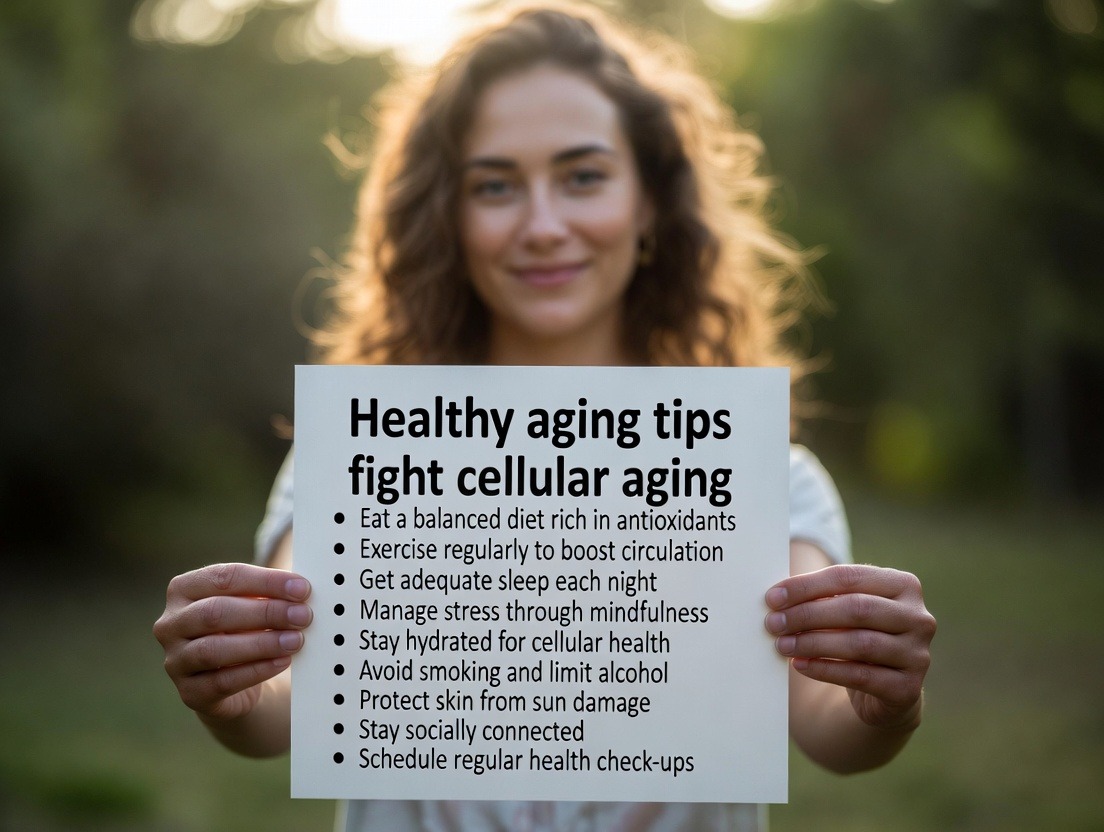
If sleep is the immune system's rebuild phase, chronic stress is its archenemy. The stress response, mediated by the hypothalamic-pituitary-adrenal (HPA) axis and the sympathetic nervous system, is designed for acute survival threats. When activated continuously, it becomes profoundly immunosuppressive.
Cortisol, the primary stress hormone, in sustained high doses:
For longevity, managing stress is not about luxury; it's about cellular survival. It’s about shifting the nervous system from a dominant sympathetic ("fight-or-flight") state to a parasympathetic ("rest-and-digest") state, where healing, digestion, and immune function are prioritized.
The challenge with stress is its insidious nature. We often adapt to a background hum of anxiety, failing to recognize its physiological toll until it manifests as illness, burnout, or poor sleep.
Here, the smart ring acts as a continuous stress audit. It doesn't measure your emotional feelings, but your body's objective physiological response to the sum of your stressors—work, relationships, diet, and hidden inflammation. The premier metric for this is Heart Rate Variability (HRV). A higher HRV generally indicates a strong, resilient autonomic nervous system capable of flexible response and good parasympathetic tone. A low or declining HRV trend is a clear, early warning signal of excessive allostatic load (cumulative stress).
By observing how your HRV and resting heart rate respond to different activities—a meditative session, a difficult conversation, a deadline, or a vacation—you gain unparalleled insight into what truly drains or nourishes your system. This data empowers you to build a personalized "immuno-protective" lifestyle, integrating practices like meditation, nature exposure, breathwork, and digital detox at the times you need them most. It makes the invisible, visible. To understand the technology that makes this possible, explore the science behind modern health tracking.
Every immune process, from the release of fighter cells to the inflammatory response, follows a 24-hour rhythm dictated by your circadian clock. This master clock, located in the brain's suprachiasmatic nucleus, is synchronized primarily by light exposure. Peripheral clocks in every organ, including immune organs like the spleen and lymph nodes, take their cue from this central pacemaker.
Circadian disruption—caused by irregular sleep schedules, late-night eating, and excessive blue light exposure after dark—directly weakens immune competence. Shift workers, for example, have a well-documented higher risk of infections, chronic inflammation, and certain cancers.
Optimizing for longevity means becoming a strict guardian of your circadian rhythm:
A smart ring reinforces circadian health by providing rhythm feedback. It tracks:
By aligning your daily habits with your innate biological rhythms, you ensure your immune system is fully prepared and optimally responsive at the times of day it is most needed. It is a foundational, yet often overlooked, pillar of immune longevity.
Deliberate temperature exposure—through cold and heat—is an ancient practice experiencing a modern renaissance, backed by robust science on immune and metabolic benefits. Like exercise, it is a form of hormetic stress that builds systemic resilience.
The key is consistency and listening to your body’s response. These are powerful tools that require respect and proper recovery.
Integrating this pillar with a smart ring allows for response quantification. After a cold plunge or sauna session, you can observe:
This data helps you titrate the dose (duration, temperature, frequency) to maximize benefit without contributing to overtraining or excessive stress load. It turns an ancient practice into a precise biohack. For those curious about how such data integrates into a larger wellness picture, our analysis on health tracking for personalized wellness provides further context.
Our immune systems evolved in a very different world. Today, they are constantly bombarded by novel, synthetic challenges that can contribute to chronic activation and exhaustion—a phenomenon sometimes called "immune load" or "allostatic overload." Longevity-focused immune optimization requires not just adding positive inputs, but strategically reducing negative ones.
The role of technology here is environmental correlation. While a smart ring doesn't measure air toxins, it can help you infer environmental impacts. For instance:
By being an observer of your own physiological data in different environments, you become a detective for hidden immune stressors, empowering you to create a truly supportive personal ecosystem.
Loneliness and social isolation are not just emotional states; they are biological ones with a devastating impact on immunity and longevity. The data is striking: chronic loneliness can increase inflammation, reduce antiviral response, and accelerate immune aging to a degree comparable to smoking or obesity.
Positive social connection, on the other hand, acts as a buffer against stress and promotes healthy behaviors. It stimulates the release of oxytocin and endorphins, which have anti-inflammatory and mood-boosting effects. For our ancestors, social bonds were essential for survival; our physiology remains wired to thrive in community.
Cultivating a "social immune system" involves:
While a device can't track your friendships, it can track the physiological signature of social interaction. You might notice:
This objective feedback reinforces the profound mind-body connection and underscores that nurturing relationships is not a leisure activity, but a core component of your longevity protocol. It reminds us that the most advanced health technology should ultimately serve our most human needs.
We now arrive at the unifying principle that makes all previous pillars actionable in the modern age: the quantified self. The greatest barrier to lasting health change is not a lack of information, but a lack of personalized, timely, and relevant feedback. Generic advice fails because it doesn't account for your unique biology, lifestyle, and responses.
This final pillar is about creating a closed-loop system for immune longevity:
A sophisticated wellness ring is the engine of this process. It provides the passive, continuous measurement that turns your life into a living laboratory. The insights gained are transformative:
This is the essence of modern longevity practice: moving from a one-size-fits-all model to a bespoke immunity plan. It empowers you to become the expert on your own body, making daily choices that compound into decades of resilient health. To see how this journey begins, from unboxing to mastery, our guide on smart ring mastery for the expert user walks you through the process.
As we have explored, optimizing immune function for longevity is a multidimensional endeavor. It requires harmonizing ancient wisdom with cutting-edge science, and intuitive self-awareness with objective data. The journey is deeply personal, but you are no longer navigating it blind. The technology now exists to illuminate the path, providing the feedback necessary to build a immune system that is not merely surviving the passage of time, but allowing you to thrive through every chapter of a long, vibrant life. The first step is understanding these essentials; the next is applying them, consistently and personally, day after day.
Having established the nine foundational pillars, we now turn to the practical application and advanced integration of these principles. Understanding the what and why is only half the battle; the true transformation occurs in the how—the daily rituals, the troubleshooting, and the personalized systems that weave these essentials into the fabric of your life. This portion of our guide delves into the implementation phase, where theory meets the reality of your unique biology, guided by the most sophisticated tools at our disposal.
The modern pursuit of longevity is characterized by one pivotal shift: the move from reactive care to proactive cultivation. We are no longer waiting for markers of decline to sound the alarm. Instead, we are tending to the garden of our health daily, using data as our compass to navigate the complex interplay of lifestyle inputs and physiological outputs. The smart wellness ring, in this context, evolves from a simple tracker to a personal health oracle, offering insights that allow for calibration and fine-tuning in real-time.
This section will explore the nuanced strategies, common pitfalls, and advanced protocols that bridge the gap between knowing the pillars and living them. We will examine how continuous biometric feedback creates a powerful dialogue with your body, enabling you to become the architect of your own immune resilience. From mastering recovery to personalizing your micronutrient intake, we are entering the realm of precision longevity.
In a culture that often glorifies "the grind," recovery is the unsung hero of immune function and longevity. Recovery is not passive rest; it is the active process during which the body repairs tissue, consolidates memory (both cognitive and immunological), and restores hormonal and nervous system balance. The immune system does its most profound rebuilding during these periods of dedicated downtime.
There are three primary types of recovery, each critical:
The cardinal error is assuming recovery is happening without evidence. Many people live in a state of chronic, low-grade depletion, which manifests as plateaued progress, frequent minor illnesses, mood fluctuations, and stalled recovery metrics.
This is where quantified recovery becomes non-negotiable. A smart ring provides the objective data to confirm whether your perceived recovery matches your physiological reality. The key metrics are:
By establishing your personal baselines for these metrics, you can create a traffic light system for daily action:
Learning to respect these signals is perhaps the single most powerful skill in the longevity toolkit. It turns recovery from a vague concept into a disciplined, data-driven practice. For a deeper exploration of the technology that enables this, see our explainer on the sensors and AI behind health tracking.
While Pillar 1 covered broad nutritional patterns, the role of specific vitamins and minerals in immune cell function is so critical it demands its own focus. Micronutrients act as cofactors in almost every enzymatic process in the immune response. A deficiency in even one can create a weak link in your defensive chain.
Longevity-focused immune support requires ensuring optimal, not just adequate, levels of key players:
The challenge is that "optimal" is highly individual, influenced by genetics, gut health, and lifestyle. Blood testing is the gold standard for assessing status. However, biometric trends can provide supporting clues. For example:
The goal is to use data from both labs and wearables to build a comprehensive picture, moving from generic multivitamins to a strategic, personalized supplementation protocol that directly supports your immune resilience.
Hydration is often reduced to a simple check box, but its role in immunity is profound and mechanistic. Every metabolic process, including immune cell signaling and the movement of lymphocytes through the lymphatic system, occurs in a water-based medium. Dehydration thickens mucosal secretions (impairing a primary physical barrier), reduces the efficiency of blood flow (slowing immune cell deployment), and can increase the concentration of inflammatory markers.
For longevity, the aim is consistent homeostatic hydration—maintaining a state where cellular water balance supports optimal function. This is not about drinking excessive water, but about drinking the right amount consistently and paying attention to electrolytes (sodium, potassium, magnesium), which are essential for fluid retention and cellular function.
Thirst is a late-stage signal. By the time you feel thirsty, you are already dehydrated. More subtle signs include fatigue, brain fog, headaches, and dark urine.
A smart ring adds a valuable layer of insight through:
By monitoring these trends, you can begin to correlate your hydration habits with your daily readiness scores. It transforms hydration from a vague recommendation ("drink eight glasses") into a tuned-in practice based on your body’s actual needs, which vary with activity, climate, and diet.
Breathing is an autonomic function we can consciously control, making it a direct gateway to the nervous system and, by extension, the immune system. Slow, diaphragmatic breathing stimulates the vagus nerve, the main component of the parasympathetic nervous system. Vagus nerve activation leads to the release of acetylcholine, which signals a reduction in inflammatory cytokine production—a direct link between breath and immune modulation, often called the inflammatory reflex.
Practices like coherent breathing (5-6 breaths per minute), box breathing, and extended exhalations are not just relaxation techniques; they are active immune-regulating exercises.
The beauty of breathwork is its immediacy and accessibility. A five-minute session can shift your physiological state from stressed to calm.
A smart ring serves as the perfect biofeedback device for breathwork. You can perform a session and watch in real-time (or review later) as:
This tangible feedback reinforces the practice, proving its efficacy beyond feeling. It allows you to experiment with different techniques (4-7-8 breathing, resonant frequency breathing) to discover which one most effectively quiets your nervous system and boosts your recovery metrics. It turns an ancient art into a precise science for daily immune support. For those integrating multiple tools, our guide on health app integration can help sync breathwork apps with your ring data.
Intermittent fasting and periodic prolonged fasting are powerful tools for immune system renewal, primarily through the process of autophagy (from the Greek for "self-eating"). During fasting, when nutrient-sensing pathways are downregulated, the body initiates a cellular cleanup process. Damaged organelles, misfolded proteins, and defunct cellular components are broken down and recycled. This includes old or dysfunctional immune cells.
This clearance and renewal process is crucial for longevity because:
Different fasting protocols offer different benefits:
A wellness ring is an invaluable companion for fasting, providing safety and insight through:
This data helps you personalize your approach. You might find a 14-hour fast is optimal, while a 20-hour fast is too stressful. It moves fasting from a trend to a finely-tuned, body-informed practice for cellular and immune renewal.

This pillar represents the synthesis of all others: the creation of your personal Immune Resilience Dashboard. In the world of longevity, what gets measured gets managed. But with a plethora of potential biomarkers, knowing which to track—and how to interpret them together—is key.
Your dashboard consists of two layers:
The magic happens in the integration. For instance:
This dashboard approach, centralizing insights from Oxyzen's advanced tracking alongside traditional labs, empowers you and your healthcare provider to make incredibly precise interventions. It’s the ultimate expression of personalized, preventive medicine. For a look at where this technology is headed, explore our insights on the future of wearable health tech in 2025.
We dedicated a pillar to sleep's biology, but its environment is so impactful it warrants separate focus. You can practice perfect sleep hygiene, but if your bedroom is working against you, your immune system will not get the deep repair it needs.
The ideal sleep environment is cool, dark, quiet, and safe—a cue for primal brain that it’s time for restorative shutdown.
Your smart ring is the ultimate auditor of your sleep environment. By experimenting with changes—adding a fan, installing blackout shades, using an air purifier—you can see the direct impact on your data:
This turns your bedroom into a scientifically-optimized immune-repair chamber. Every percentage gain in sleep efficiency is a direct investment in immune competence.
The brain and the immune system are in constant, bidirectional communication via neural, hormonal, and cytokine pathways. This means your thoughts, beliefs, and emotional patterns have a direct biochemical effect on your immune cells. Chronic anxiety, pessimism, and perceived helplessness can promote a pro-inflammatory state and suppress cytotoxic immune activity. Conversely, cultivating optimism, gratitude, and a sense of purpose can have an immunoprotective effect.
This isn't about "positive thinking" as a panacea, but about psychological resilience—the ability to adapt to stress and adversity. Practices that build this resilience directly support immune resilience:
Your wearable provides fascinating feedback on this mind-body link. You might observe:
This data validates the tangible, physical impact of mental practices, motivating you to prioritize them not as "soft" hobbies, but as core immune-supporting rituals. It bridges the gap between mental and physical health in an undeniable way.
The journey to optimized longevity is deeply personal, but it need not be solitary. Engaging with a community—whether online forums, local groups, or working with a coach—provides accountability, shared learning, and emotional support. Seeing how others interpret their data, troubleshoot plateaus, and integrate these pillars can accelerate your own progress.
This is where the ecosystem around a technology platform becomes valuable. Access to a knowledgeable community or expert insights can help you:
Resources like the Oxyzen blog and community spaces are designed to be part of this support system, offering a stream of research, user experiences, and advanced tips. Reading real user testimonials can provide both inspiration and practical ideas for your own protocol.
The final, overarching pillar is the acceptance that this is not a fixed plan, but an iterative protocol. Your body is not a static machine; it changes with age, season, lifestyle, and circumstances. What worked perfectly at 35 may need adjustment at 45. The protocol that supports you through a calm summer may fail during a stressful winter.
Therefore, the essence of a longevity lifestyle is attentive flexibility. It is a continuous cycle:
This iterative process, powered by continuous feedback, ensures your approach evolves with you. It prevents dogma and fosters a scientific, curious relationship with your own health. It is the ultimate application of the smart ring not as a fitness tracker, but as a lifelong health companion.
As we conclude this portion, we have moved from the foundational "what" to the advanced "how." We've explored how to listen to recovery, personalize nutrition, harness breath, fine-tune your environment, and cultivate the mindset and community for lasting success. The journey now turns toward synthesis—tying these threads together into a seamless daily practice, navigating real-world challenges, and looking ahead to the future of immune longevity science. The tools and knowledge are now in your hands; the path to a resilient, thriving, long life is yours to design and walk, one data-informed step at a time.
The landscape of immune optimization is now fully mapped. We possess the foundational science, the advanced protocols, and the technology to implement them with precision. Yet, the ultimate challenge—and opportunity—lies in the seamless integration of these principles into the messy, beautiful complexity of everyday life. This final portion of our guide is dedicated to the art of mastery: the synthesis of knowledge into a sustainable practice, the navigation of inevitable obstacles, and the forward-looking vision of what truly resilient longevity can become.
This is where the pursuit transcends biohacking and becomes a philosophy of living. It’s about creating a life so inherently supportive of your biology that immune resilience is not an added task, but a natural byproduct. The smart wellness ring, in this final stage, evolves from a dashboard into a silent mentor—an integrated part of your consciousness that helps you make intuitive, aligned choices in real-time, reinforcing a virtuous cycle of health.
We will now explore the practical frameworks for building your daily system, address the most common roadblocks, and peer into the next frontier of longevity science. This is the guide for moving from theory and practice to embodiment and wisdom.

Willpower is a finite resource. The key to lasting change is environmental and habitual design—creating a daily architecture that makes the healthy choice the easy, default choice. Your routine should serve your pillars, not fight against them.
A longevity-optimized day isn’t rigid; it’s rhythmically structured around key biological cues. Consider this framework, which you can personalize with your own data:
Morning (Align with Circadian Rhythm):
Daytime (Fuel and Fortify):
Evening (Initiate Recovery):
Night (The Immune Reset):
The goal is to make this architecture so ingrained that it requires minimal conscious decision-making. Your ring’s data then becomes a tool for fine-tuning this architecture, not for driving it. For those building this system, our collection of 50 healthy aging tips a smart ring helps implement daily offers a wealth of actionable ideas.
No life is perfectly controlled. The mark of true resilience is not perfection in a vacuum, but adaptability in the face of disruption. Here’s how to apply the pillars when life intervenes.
1. Travel (The Ultimate Circadian & Immune Challenge):
2. Periods of Intense Work or Emotional Stress:
3. Social Gatherings & Dining Out:
4. Illness or Infection:
We touched on the gut-immune axis, but the tactical application of synbiotics (the combined use of prebiotics and probiotics) is a pillar of advanced immune strategy. The goal is to cultivate a microbiome that produces beneficial metabolites, like short-chain fatty acids (SCFAs), which are potent anti-inflammatory and immune-modulating postbiotics.
Personalization Strategy: There is no one-size-fits-all probiotic. A smart ring can help you personalize your approach through symptom and metric correlation. After introducing a new probiotic or increasing prebiotic foods, observe:
This biofeedback loop turns gut management from guesswork into a guided experiment for immune optimization.
Pillar 7 introduced the concept. Here, we provide a practical, tiered audit you can implement.
Tier 1: The “Low-Hanging Fruit” (High Impact, Easy to Change):
Tier 2: The Personal Care & Kitchen Overhaul (Moderate Effort, Significant Impact):
Tier 3: The Deep Dive (Ongoing Refinement):
The Data Connection: As you make these changes, use your ring’s sleep and recovery metrics as a proxy for systemic inflammation reduction. A cleaner environment should, over time, contribute to a higher, more stable HRV baseline and improved sleep efficiency. It’s a slow, cumulative benefit that your wearable can help confirm.
Beyond the standard lab panel (hs-CRP, Vitamin D, etc.), the frontier of longevity medicine offers deeper biomarkers that provide a more granular picture of immune aging and systemic function. Pairing these with continuous wearable data creates an unprecedented picture.
The Wearable Context: Your smart ring data provides the dynamic story between these static lab tests. For instance, if your epigenetic clock shows accelerated aging, you can look at your long-term HRV, sleep, and activity data to identify potential lifestyle drivers. Conversely, improvements in your daily readiness scores over years may predict a slowing of biological aging. This integration is the cutting edge of personalized prevention, a topic explored in our article on how health tracking changed preventive medicine.
The final, and perhaps most important, pillar is psychological. Optimizing immunity for longevity is a lifelong marathon with no finish line. This requires a specific mindset to avoid burnout, obsession, or disillusionment.
We have journeyed through the science, the strategy, and the synthesis of immune optimization for longevity. From the cellular mechanics of nutrition and sleep to the psychological power of mindset and community, the path is now clear. The 25 pillars outlined here are not a checklist to be completed, but a symphony to be conducted—a holistic, interconnected system where each element supports and enhances the others.
The revolutionary tool in this endeavor is the continuous, personalized feedback loop provided by modern wearable technology. A smart wellness ring, like those designed by Oxyzen, is the thread that weaves these pillars together. It transforms abstract principles into a personal language:
This is no longer the realm of futurism or biohacking elites. It is the democratization of profound self-knowledge, available to anyone committed to taking an active, informed role in their healthspan.
Your resilient future begins not with a drastic overhaul, but with a single, data-informed insight. It begins by noticing one correlation between a habit and how your body responds. It grows with each morning you check your readiness score and let it guide your day with compassion. It solidifies as these small, intelligent choices compound over months and years into a fortress of immune resilience.
The invitation is to begin. Explore the technology, perhaps starting with the insights on making the perfect wellness ring choice for beginners. Dive into the community and resources available on the Oxyzen blog. Most importantly, start a conversation with your own body, using data as your translator.
Your Trusted Sleep Advocate (Sleep Foundation — https://www.sleepfoundation.org/)
Discover a digital archive of scholarly articles (NIH — https://www.ncbi.nlm.nih.gov/
39 million citations for biomedical literature (PubMed — https://pubmed.ncbi.nlm.nih.gov/)
experts at Harvard Health Publishing covering a variety of health topics — https://www.health.harvard.edu/blog/)
Every life deserves world class care (Cleveland Clinic -
https://my.clevelandclinic.org/health)
Wearable technology and the future of predictive health monitoring. (MIT Technology Review — https://www.technologyreview.com/)
Dedicated to the well-being of all people and guided by science (World Health Organization — https://www.who.int/news-room/)
Psychological science and knowledge to benefit society and improve lives. (APA — https://www.apa.org/monitor/)
Cutting-edge insights on human longevity and peak performance
(Lifespan Research — https://www.lifespan.io/)
Global authority on exercise physiology, sports performance, and human recovery
(American College of Sports Medicine — https://www.acsm.org/)
Neuroscience-driven guidance for better focus, sleep, and mental clarity
(Stanford Human Performance Lab — https://humanperformance.stanford.edu/)
Evidence-based psychology and mind–body wellness resources
(Mayo Clinic — https://www.mayoclinic.org/healthy-lifestyle/)
Data-backed research on emotional wellbeing, stress biology, and resilience
(American Institute of Stress — https://www.stress.org/)


