


How Modern Health Monitoring Detects Subtle Health Changes
Explains the sensitivity of modern devices to detect small, early changes that might indicate a health issue.
Explains the sensitivity of modern devices to detect small, early changes that might indicate a health issue.
%402x.svg)
In an age where we can track a package from a warehouse to our doorstep with minute-by-minute precision, we’ve become accustomed to visibility. Yet, for most of human history, the inner workings of our own bodies have been a mystery, revealed only through acute symptoms or occasional check-ups. We waited for a pounding headache, a persistent cough, or a sharp pain to tell us something was wrong. Health was often managed reactively, a response to problems that had already taken root.
This paradigm is undergoing a seismic shift. Today, a revolution in personal health technology is moving us from reactive care to proactive and, increasingly, predictive wellness. At the forefront are sophisticated, wearable devices—like the modern smart ring—that act as continuous health guardians. These aren't simple step counters; they are advanced biosensing platforms capable of detecting the faintest whispers of change within your body long before they become shouts of distress.
The true power of this new era lies in its ability to perceive the subtle. It’s not about diagnosing a fever when you’re already shivering; it’s about noticing a 0.3°C elevation in your nocturnal skin temperature for three consecutive nights, suggesting your body is fighting something off. It’s not about measuring a resting heart rate of 80 vs. 60; it’s about analyzing Heart Rate Variability (HRV)—the millisecond fluctuations between beats—to gauge your nervous system's resilience to stress. It’s about observing a 5% reduction in your blood oxygen saturation during sleep, a potential early sign of disrupted breathing.
This article is a deep exploration of this invisible frontier. We will journey into the science, sensors, and algorithms that make subtle health detection possible. We’ll uncover how continuous data reveals patterns that single-point measurements completely miss, how biomarkers like HRV and skin temperature are becoming the language of preventative health, and how integrating this data with daily habits creates a holistic picture of your well-being. This is the story of how technology is finally giving us a clear, real-time window into our most valuable asset: our health.
For decades, the cornerstone of health tracking was the macro metric. Steps taken, hours slept (or at least, hours in bed), calories consumed. These figures are easy to understand and measure, but they are often crude proxies for health. They tell you what you did, but rarely how your body responded. Ten thousand steps on a day you’re well-rested and hydrated is a different physiological event than the same ten thousand steps on a day you’re stressed and recovering from poor sleep.
The limitations of macro-tracking are becoming glaringly apparent. Two people can have identical step counts and sleep durations yet be in vastly different states of internal health. One might be optimally recovered and resilient, while the other could be on the verge of burnout or illness, their body struggling under unseen metabolic or inflammatory loads. Macro metrics miss this crucial distinction entirely.
This is where the shift to micro-data—the subtle, continuous physiological signals—changes everything. Think of it as the difference between listening to a symphony and analyzing the sheet music. The sheet music (macro data) shows the notes and tempo. But listening to the performance (micro data) reveals the nuance: the slight vibrato of the violin, the breath of the flutist, the precise timing between the cello and the bassoon. It’s in these subtleties that the true emotion and quality of the performance reside.
Similarly, our bodies communicate their state not through loud, infrequent announcements, but through a constant, quiet stream of biometric data. Your autonomic nervous system (ANS), which controls everything from your heart rate to digestion, is always "talking." Its language is one of subtle variations:
By moving from macro to micro, we gain a dynamic, real-time understanding of our body’s readiness, resilience, and response to our lifestyle. This allows for truly personalized adjustments. Instead of blindly following a generic sleep goal, you can see that despite being in bed for 8 hours, your deep sleep was fragmented and your HRV was low. This data-driven insight might lead you to adjust your evening habits, perhaps by following a science-backed nighttime routine for better sleep to improve your sleep architecture.
The goal is no longer just to hit a target number, but to understand and optimize the biological terrain those numbers represent. It’s a fundamental shift from external achievement to internal harmony.

To translate the body's subtle language into actionable insights, modern health monitoring devices, particularly smart rings, are equipped with a sophisticated array of sensors. These are the unsung heroes, working silently 24/7 to capture a biometric symphony. Understanding what they measure is key to appreciating the depth of data now at our fingertips.
Photoplethysmography (PPG): The Pulse of the Story. This is the core technology behind most continuous heart rate and blood oxygen sensing. A tiny LED emits light (usually green and red/infrared wavelengths) into the skin on the underside of the finger or wrist. Blood absorbs light differently than surrounding tissue, and with each heartbeat, blood volume in the capillaries changes slightly. The sensor detects these minute changes in light absorption, creating a waveform called a photoplethysmogram. Advanced algorithms then derive a wealth of information from this waveform:
Skin Temperature Sensor: The Body's Early-Warning System. A precision thermistor continuously monitors the temperature at the skin’s surface. While core body temperature is tightly regulated, skin temperature is more variable and reacts to internal states. A sustained elevation, especially during the body’s natural nightly rest period, is a highly sensitive, non-specific indicator of physiological stress, often linked to the onset of illness, inflammation, or hormonal changes.
3-Axis Accelerometer: The Context Provider. This sensor measures movement and orientation. It’s essential for differentiating between sleep stages (by detecting micro-movements), identifying periods of activity and rest, and providing context for other biometrics. For example, an elevated heart rate while the accelerometer shows you’re stationary is a very different signal (suggesting stress or illness) than the same heart rate during a workout.
The Power of Sensor Fusion. The real magic happens not from any single sensor, but from their integration—a process called sensor fusion. By combining PPG data (heart rate, HRV), skin temperature, and accelerometer data (movement, sleep stage) simultaneously, algorithms can create a profoundly accurate and holistic picture.
For instance, a standalone spike in heart rate could be noise. But if the accelerometer confirms you are motionless in bed, the skin temperature sensor shows a slight elevation, and the HRV data shows a dip, the system can now confidently infer that your body is under physiological stress, potentially fighting an infection. This multi-layered, corroborative approach is what separates modern health detection from the simple trackers of the past. It’s this integrated data that can then inform whether you might benefit from nighttime wellness rituals that take less than 30 minutes to prioritize recovery.
If you were to choose one biomarker that best encapsulates the concept of "subtle health detection," Heart Rate Variability would be a prime candidate. Often misunderstood, HRV is not about the speed of your heart, but its rhythm. Contrary to what one might assume, a healthy heart does not beat with the monotonous regularity of a metronome. Instead, there is a constant, subtle variation in the time interval between successive heartbeats—often just tens of milliseconds.
This variation is not random noise; it is the direct output of a tug-of-war between the two branches of your autonomic nervous system. Your sympathetic nervous system (SNS), responsible for "fight or flight," accelerates the heart and reduces variability. Your parasympathetic nervous system (PNS), responsible for "rest and digest," slows the heart and increases variability. HRV is thus a real-time readout of your autonomic balance and your body’s capacity to adapt to stress.
A High HRV: The Signal of Resilience. Generally, a higher HRV (greater variability between beats) indicates strong parasympathetic tone and good cardiovascular fitness. It suggests your body is in a state where it can efficiently recover, regulate inflammation, and adapt to challenges. Think of it as a broad "bandwidth" for handling stress.
A Low or Declining HRV: The Canary in the Coal Mine. A low HRV, or a sustained drop from your personal baseline, indicates sympathetic dominance. Your body is under perceived threat—whether from physical stress (overtraining, poor sleep, illness), psychological stress (work deadlines, anxiety), or environmental factors. It’s a sign that your system’s resources are being diverted to immediate survival, leaving less capacity for repair, digestion, and immune function.
Modern health monitors track HRV continuously, but the most valuable measurement is often taken during a specific window: deep sleep, or first thing upon waking. This provides a "clean" reading, free from the acute influences of movement, food, or caffeine. By tracking your HRV trend over time, you can:
HRV embodies the core promise of modern health monitoring: making the invisible visible. It turns the abstract feeling of being "run down" or "stressed" into an objective, measurable metric, empowering you to take precise action to support your nervous system.
For most, body temperature is a binary metric: you either have a fever or you don’t. This perspective, based on sporadic oral or ear measurements, misses a world of nuanced information. Modern continuous skin temperature monitoring reveals that our body's thermal signature is a dynamic and informative signal, full of subtle patterns that speak volumes about our internal state.
First, it's crucial to distinguish between core temperature and peripheral (skin) temperature. Core temperature, regulated by the hypothalamus, is kept within a very narrow range (around 37°C or 98.6°F) for vital organ function. Skin temperature, however, is much more variable. It acts as a radiator, dilating or constricting blood vessels to either release or conserve heat, thereby helping to regulate the core.
A wearable device, like a smart ring, tracks this peripheral temperature continuously. While the absolute number is less important than the trend and pattern, two key thermal phenomena are especially revealing:
The Circadian Temperature Rhythm. A healthy body follows a distinct daily temperature cycle, orchestrated by your circadian clock. Temperature typically reaches its lowest point in the early morning hours (around 4-5 AM), then begins to rise as you wake, peaking in the late afternoon or early evening before descending again for sleep. This drop in core and skin temperature is actually a prerequisite for initiating sleep. A blunted or erratic circadian temperature rhythm—where the nightly dip is shallow or occurs at the wrong time—is a strong indicator of circadian misalignment, often seen in shift workers, those with jet lag, or individuals with poor sleep hygiene. Restoring a robust rhythm is a cornerstone of good sleep, something explored in depth in guides on how a nighttime routine transforms your sleep quality.
The Nocturnal Elevation: An Early-Warning Signal. This is where temperature monitoring becomes a powerful predictive tool. When your body mounts an immune response to a pathogen (like a virus or bacteria), it releases cytokines—inflammatory signaling molecules. Among other things, these cytokines can trigger a fever response. However, long before you feel hot to the touch or reach a clinical fever threshold (typically 38°C or 100.4°F), your skin temperature will show a sustained elevation, particularly during the night when your body is focused on repair and defense.
A modern health monitor can detect this subtle shift—a rise of just 0.5°C to 1°C above your personal baseline for several hours during sleep. This is a non-specific but highly sensitive flag that your body is under physiological stress, likely fighting an infection, dealing with significant inflammation, or reacting to a powerful vaccine. Seeing this trend gives you a precious 24-48 hour head start. Instead of pushing through your day, you can heed the signal: hydrate profusely, prioritize rest, maybe even cancel intense meetings or workouts. It’s a concrete example of how a subtle data point can empower truly preventative, body-aware decision-making.
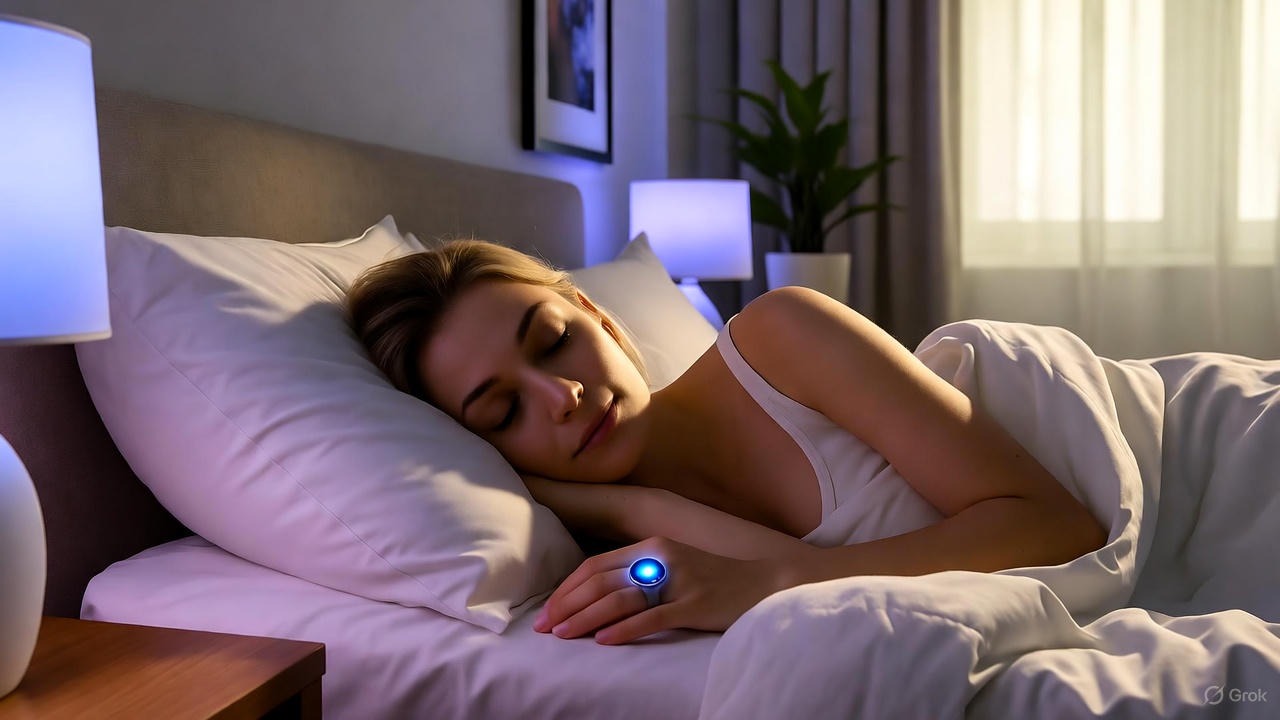
Sleep has long been the black box of health. We knew we entered it and (hopefully) woke from it, but what transpired in between was a mystery. Wearable technology has flung that box wide open. Modern health monitoring doesn't just track sleep duration; it deciphers sleep architecture, quality, and disturbances with remarkable detail, revealing hidden patterns that are critical to overall health.
Advanced devices use a combination of accelerometer data (for gross body movement) and PPG/heart rate data (for autonomic changes) to algorithmically determine sleep stages: Light, Deep, and REM (Rapid Eye Movement) sleep. Each stage serves a distinct purpose: physical repair and immune function in Deep sleep, memory consolidation and emotional processing in REM sleep. The cyclical progression through these stages across the night is what defines restorative rest.
Beyond staging, continuous monitoring uncovers subtle disruptions:
The power of this data lies in its ability to connect daytime inputs to nighttime outputs. Did that late afternoon espresso delay your circadian temperature drop and reduce Deep sleep? Did a stressful workday keep your nocturnal heart rate elevated? Did a heavy meal too close to bedtime increase restlessness?
By identifying these patterns, you can move beyond guesswork. For example, if your data shows consistent sleep fragmentation, you might implement the perfect nighttime wellness routine step-by-step guide to create a more conducive environment for uninterrupted sleep. For athletes focused on performance, specific nighttime routines for maximizing recovery become data-validated strategies, not just hopeful rituals. Sleep is no longer a passive state but a rich source of diagnostic information, a nightly report card on your lifestyle and health.
In the world of subtle health detection, comparing yourself to population averages is not only unhelpful—it can be misleading. The oft-cited "normal" ranges for resting heart rate (60-100 bpm) or HRV are so broad they render the data almost meaningless for individual insight. A resting heart rate of 85 might be perfectly normal for one person but a significant elevation from a personal baseline of 65 for another, indicating potential distress.
This is the foundational principle of modern health monitoring: The primary benchmark is you. The most powerful insights come from establishing your own unique biometric baselines and observing deviations from them.
How is a baseline established? It’s not a single measurement. A robust personal baseline is built over time—typically 1-2 weeks of consistent wear during normal, relatively healthy life—allowing algorithms to understand your unique rhythms, accounting for your age, sex, fitness level, and genetics. The system learns your normal nightly temperature curve, your typical sleeping HRV range, your average resting heart rate on a recovery day.
Once this baseline is locked in, the magic of anomaly detection begins. The system is no longer asking, "Is this number good?" It’s asking, "Is this number normal for you?"
This personalized approach transforms data from generic statistics into a deeply personal conversation with your body. A deviation becomes a specific alert: "Your body is signaling extra stress today." This empowers hyper-personalized interventions. If your baseline data shows you consistently recover poorly after late work dinners, you have objective proof to support a habit change. If you’re a busy professional, seeing how your baseline is affected by travel or deadlines can lead you to adopt realistic nighttime routines for busy professionals to protect your recovery.
Your baseline is your North Star. It turns a wearable device from a fitness tracker into a true health guardian that knows you intimately and can spot the subtlest signs that something is amiss.
Raw sensor data—the streams of light absorption values, temperature readings, and acceleration vectors—is just noise without interpretation. The transformative step that turns this noise into a coherent health narrative is performed by sophisticated algorithms and, increasingly, machine learning (ML). These are the digital brains that find meaning in the biometric chaos.
At the most basic level, algorithms perform essential signal processing. They filter out "noise" caused by sudden movements or poor sensor contact. They identify the peaks in the PPG waveform to calculate heartbeats. They apply validated mathematical formulas (like the RMSSD or SDNN methods) to compute HRV from the sequence of heartbeats.
But the cutting edge lies in pattern recognition and predictive analytics, which is where machine learning excels. ML models are trained on vast, anonymized datasets containing millions of hours of biometric data paired with user-reported outcomes (e.g., "I felt sick the next day," "I performed poorly in my workout," "I slept terribly").
Through this training, the models learn to identify complex, multi-variable patterns that precede certain events. They learn, for instance, that the combination of a 1% rise in nocturnal skin temperature, a 10% drop in HRV, and a 5 bpm increase in resting heart rate has an 80% probability of correlating with the onset of user-reported illness within the next 36 hours. They can learn your personal sleep signature to more accurately distinguish between light and deep sleep based on your unique heart rate and movement patterns.
This allows modern platforms to move from simple reporting to contextual insight and gentle nudges. Instead of just showing you a graph of last night's sleep, an ML-powered system might say: "Your deep sleep was 25% lower than your baseline last night. This often happens when your bedtime is more than 1 hour later than usual. Try to keep a consistent schedule." Or it might notice that your readiness score is low and suggest: "Your body is showing signs of accumulated stress. Consider a light walk instead of a high-intensity workout today, and you might benefit from a minimal nighttime wellness routine of 5 essential steps to prioritize recovery."
These algorithms are the silent translators, converting the language of physiology into the language of actionable wellness. They are what make a stream of numbers feel like a personalized health coach, helping you understand not just what happened, but why it might have happened and what you can thoughtfully do about it.
Biometric data in a vacuum is powerful, but it can also be a mystery. Why did your HRV crash last night? Why was your sleep so restless? The true power of a holistic health monitoring system is unlocked when you combine objective physiological data with subjective lifestyle context.
This is the practice of "tagging" or logging. It involves quickly noting the possible influencers on your body’s signals:
When you overlay this lifestyle data onto your biometric charts, correlations leap off the page. You might see that on days you have two cups of coffee, your deep sleep percentage reliably dips. You could discover that your most restorative sleep consistently follows nights you did 10 minutes of gentle yoga. You may find that high-stress workdays don't just affect your mood—they elevate your nocturnal heart rate for two nights afterward.
This integration turns observation into empowered experimentation. It moves you from being a passive recipient of data to an active participant in your own biohacking journey. You can run personal experiments:
The result is a closed feedback loop: Action → Biometric Response → Insight → Refined Action. This is the essence of data-driven wellness. It allows you to build a lifestyle not based on generic advice, but on what objectively works for your unique biology. For families, this could mean crafting a shared family nighttime wellness routine for adults and kids that improves the sleep metrics for everyone. It makes wellness a tangible, adjustable science.
Theory and sensors are compelling, but their value is proven in real-world application. Let’s examine a few hypothetical but technologically plausible scenarios that illustrate the power of detecting subtle changes.
Case Study 1: The Silent Onset of Illness. Sarah, a project manager, feels perfectly fine on Tuesday. Her Oxyzen smart ring, however, has been picking up signals. On Monday night, her skin temperature averaged 0.7°C above her personal baseline during sleep. Her HRV dropped 22% from her weekly average. On Tuesday morning, her resting heart rate was 8 bpm higher than normal. The platform aggregates these signals into a lowered "Readiness" score and gently notifies her: "Multiple biomarkers suggest your body is under unusual stress. Prioritize rest and hydration." Heeding the nudge, Sarah cancels her evening workout, drinks extra fluids, and goes to bed early. By Wednesday, her metrics begin to normalize. She feels a slight fatigue but avoids the full-blown cold that might have otherwise knocked her out for days. The technology gave her a critical head start.
Case Study 2: Uncovering Overtraining. Mark is training for a marathon. He’s religious about his running schedule, pushing through even when he feels tired. His ring data tells a deeper story. Over three weeks, his baseline resting heart rate has crept up by 6 bpm, and his HRV trendline is steadily sloping downward, despite adequate sleep duration. His sleep performance score shows increased restlessness. The platform's coaching insight suggests: "Trends indicate accumulating fatigue and reduced recovery capacity. Consider a deload week to prevent overtraining." Mark adjusts his plan, swapping a long run for light cross-training. Within a week, his HRV begins to rebound, and his resting heart rate returns to baseline. He avoided a potential injury or performance plateau by responding to the subtle, cumulative data.
Case Study 3: Identifying Sleep Disruptors. Chloe struggles with morning grogginess. She gets 7-8 hours in bed but never feels refreshed. Her sleep data reveals a pattern: her blood oxygen saturation (SpO2) shows frequent, small dips throughout the night, and her heart rate variability is lowest in the early morning hours. She logs that she often has a glass of wine with dinner. Connecting the dots, she learns that alcohol can exacerbate breathing disturbances and disrupt later sleep stages. She experiments by eliminating alcohol on weeknights. The result? Her SpO2 dips decrease significantly, her deep sleep increases, and she wakes up feeling more alert—a change documented in her improved scores and subjective feeling. She used data to solve a problem she didn't know she had, moving her towards the goal of how nighttime routines reduce morning grogginess.
As powerful as this technology is, it is crucial to approach it with a balanced and informed perspective. Modern health monitoring is a revolutionary tool for wellness and early detection, but it has important limitations.
It is Not a Medical Device. Consumer wearables and smart rings are classified as "general wellness" products. They are not designed, approved, or intended to diagnose, treat, cure, or prevent any disease. The data they provide should be used for informational and motivational purposes to support a healthy lifestyle, not as a substitute for professional medical advice, diagnosis, or treatment.
The Peril of Over-Reliance and "Orthosomnia". A potential downside of deep data is the anxiety it can sometimes cause—a phenomenon researchers have termed "orthosomnia," the unhealthy preoccupation with achieving perfect sleep scores. Becoming overly fixated on a single night's HRV number or obsessively checking live data can itself become a source of stress, negatively impacting the very metrics you're trying to improve. The data should be a guide, not a gospel. It's meant to inform trends over time, not to be scrutinized minute-by-minute.
Data Accuracy and Individual Variation. While sensor technology is excellent, it is not infallible. Readings can be affected by device fit, extreme skin temperature (cold hands), very dark skin tones (for optical sensors), tattoos, and other factors. Furthermore, algorithms interpreting data like sleep stages, while good, are not as precise as a clinical polysomnogram. Users should view the data as a highly accurate estimate and trend indicator rather than a clinical-grade measurement.
The Imperative of Professional Partnership. The most responsible and powerful way to use this technology is in partnership with healthcare professionals. If your device shows a persistent, significant anomaly—like consistently low nocturnal SpO2, a sudden and sustained change in heart rhythm, or a chronically elevated resting heart rate—this information should be taken to your doctor. It becomes a powerful log of symptoms, providing objective, longitudinal data that can inform their clinical evaluation. It turns you from a patient reporting "I feel tired" to a partner presenting data: "Here is a month of my sleep, heart rate, and oxygen levels showing these specific patterns."
Used wisely—as a tool for self-awareness, lifestyle experimentation, and informed dialogue with professionals—this technology is transformative. Used without perspective, it can lead to unnecessary anxiety. The goal is empowerment, not obsession.

The field of personal health sensing is not static; it is accelerating at a breathtaking pace. The devices we have today are merely the first chapter. Looking ahead, several converging trends promise to make health monitoring even more subtle, comprehensive, and integrated into our lives.
Multi-Modal Sensing and New Biomarkers. Future wearables will incorporate a wider array of non-invasive sensors. Continuous, non-invasive blood glucose monitoring (through techniques like optical or RF sensing) is a holy grail that would provide direct insight into metabolic health. Electrodermal activity (EDA) sensors, which measure tiny changes in skin sweat, provide a direct readout of sympathetic nervous system arousal and emotional stress. Sensors for blood pressure, hydration levels, and even certain blood electrolytes (like sodium) are in active research and development.
Advanced Predictive Personalization. Machine learning will evolve from recognizing past patterns to making personalized future predictions. Imagine a system that, based on your unique historical data, the weather, your schedule, and your current biometrics, can predict: *"Given your current stress load and tonight's social event, there's a high probability your sleep will be disrupted. We suggest limiting alcohol to one drink and starting your wind-down routine by 9:30 PM to mitigate the impact."* It will move from retrospective insight to proactive, AI-powered coaching.
True Ecosystem Integration and the "Digital Twin." The ultimate goal is the seamless integration of data from all aspects of life: your wearable, your smart scale, your food-logging app, your electronic medical records, and even environmental data from your home. This aggregated data stream could fuel the creation of a "digital twin"—a dynamic, computer-based model of your physiology. This model could be used to run sophisticated simulations ("What would happen to my recovery metrics if I changed my workout plan?" or "How will traveling across three time zones affect my sleep cycle?") and provide hyper-personalized recommendations that adapt to your life in real-time, such as suggesting seasonal nighttime routines that adapt to your body's needs.
From Wellness to Early Clinical Screening. While remaining wellness devices, the data density and accuracy from consumer wearables will inevitably play a larger role in the early screening of conditions. Large-scale population health studies (like the Apple Heart Study) have already demonstrated the potential to identify atrial fibrillation. As algorithms become more sophisticated and validated, these devices could serve as widespread, always-on screening tools, prompting users to seek professional evaluation for a range of conditions far earlier than ever before.
The trajectory is clear: health monitoring is becoming more continuous, more invisible, more predictive, and more intimately woven into the fabric of our daily existence. It promises a future where we are no longer strangers to our own bodies, but informed and empowered stewards of our lifelong health.
The ancient adage that the mind and body are inextricably linked is no longer just philosophical wisdom; it is now a measurable, quantifiable reality. Modern health monitoring provides a stunningly clear window into how our thoughts, emotions, and psychological stress translate directly into physiological signals. This bridge between the psychological and the physical is perhaps the most profound revelation of continuous biometric tracking.
For generations, the impact of stress or anxiety was described in vague, subjective terms: "I feel tense," "My stomach is in knots," "I can't turn my brain off." Today, wearable technology can show you the precise physiological footprint of those feelings. When you experience a stressful thought or an anxious moment, your body doesn't just "feel" it—it undergoes a cascade of changes orchestrated by the autonomic nervous system and the hypothalamic-pituitary-adrenal (HPA) axis.
The Acute Stress Signature: Imagine receiving a stressful work email. In milliseconds, even before you’re fully conscious of your emotional reaction, your sympathetic nervous system activates. This triggers the release of adrenaline and cortisol. Your wearable captures the direct consequences:
The Chronic Stress Imprint: More insidious than acute spikes is the physiological wear and tear of chronic, low-grade stress. This isn't about a single bad email; it's about ongoing work pressure, financial worries, or relational strains. Over time, this state leaves a clear imprint on your biometric baseline:
This objective data is transformative for mental wellness. It moves self-care from an abstract concept to a data-driven practice. You can now see, in real time, how a 10-minute meditation session lowers your heart rate and increases your HRV. You can track how a contentious meeting affects your physiology for hours afterward. This awareness is the first, critical step toward regulation.
For those whose minds race at night, implementing a nighttime wellness routine for anxious minds is no longer just a good idea—it’s a quantifiable strategy to lower nocturnal sympathetic arousal, as verified by improved sleep heart rate and HRV data. By correlating lifestyle logs with these physiological markers, you can identify your unique stress triggers and, more importantly, validate which interventions (meditation, nature walks, journaling, digital detox) most effectively bring your nervous system back into balance. The mind-body connection is no longer a mystery; it’s a dashboard.
While heart rate and sleep are now mainstream metrics, the next frontier in subtle health detection lies in metabolism—the complex process by which our bodies convert food into energy. At the center of this story is glucose. Blood glucose levels are not just critical for people with diabetes; they are a fundamental biomarker of metabolic health for everyone, influencing energy, mood, cognitive function, hunger, and long-term disease risk.
Traditional glucose monitoring involves painful finger pricks, providing only a single snapshot in time. This is akin to trying to understand a movie by looking at one random frame. The revolutionary development of continuous glucose monitors (CGMs) for clinical use has revealed that for even seemingly "healthy" individuals, glucose levels exhibit dynamic, personalized responses to food, stress, exercise, and sleep. Now, non-invasive optical sensing technologies are being developed to bring this level of insight to consumer wellness wearables.
Why Glucose Trends Matter for Everyone: Stable glucose is a sign of metabolic flexibility—your body’s ability to efficiently switch between burning carbohydrates and fats for fuel. Erratic glucose swings, or "spikes and crashes," are metabolically stressful. A rapid spike triggers a large insulin response to bring glucose down, which can often lead to a subsequent crash, leaving you feeling fatigued, irritable, and craving more sugar. Over time, demanding this rollercoaster from your pancreas can contribute to insulin resistance.
A wearable capable of tracking glucose trends would reveal profound subtleties:
This metabolic layer adds a crucial dimension to the health picture. It connects the dots between what you eat, how you sleep, how stressed you are, and your daily energy levels. It empowers you to make dietary choices that provide sustained energy, support cognitive function, and promote long-term metabolic health. While waiting for this tech to become mainstream in rings, you can use current sleep and readiness data to support your metabolism by ensuring high-quality recovery, as outlined in strategies for maximizing recovery while you rest.
Two of the most fundamental yet overlooked aspects of health are hydration and circulation. We’re often told to "drink more water" and that "good circulation is important," but until recently, we lacked personal, continuous data to understand our status. Modern optical sensors are beginning to shed light on these subtle but critical areas.
Hydration Status Through the Lens of PPG: Your level of hydration directly affects your blood. When you're well-hydrated, your blood volume is higher and its viscosity is lower, allowing it to flow more easily. When dehydrated, blood volume drops, it becomes thicker, and your heart has to work harder to pump it. This leaves a signature in the photoplethysmogram (PPG) waveform captured by your device.
Advanced algorithms can analyze characteristics of the PPG pulse wave, such as its amplitude (strength) and the specific shape of its decay. While not a direct measure like a urine test, trends in these waveform features can indicate relative changes in hydration. A consistent attenuation of the pulse wave amplitude might suggest your blood volume is lower. Coupled with a slight but sustained increase in resting heart rate (as your heart works harder), this can form a persuasive picture of suboptimal hydration, prompting you to drink water before you ever feel thirsty.
Peripheral Circulation and Vascular Tone: The same PPG sensor, particularly on the finger (a rich vascular bed), can provide insights into peripheral circulation—how well blood is flowing to your extremities. The speed and shape of the blood flow pulse can reflect vascular stiffness and tone, which are influenced by factors like inflammation, cardiovascular health, and yes, hydration.
Nocturnal Leg Movement and Restless Sleep: Poor circulation or neuromuscular irritability can manifest as periodic limb movements during sleep. The accelerometer in a smart ring, especially on the finger, is exquisitely sensitive to these small, rhythmic movements that you’re completely unaware of. An increase in detected leg movements can fragment sleep architecture, preventing you from sinking into deep, restorative stages. This is a prime example of a subtle physical phenomenon (minor leg twitches) with a significant impact on a key health metric (sleep quality), detectable only through continuous monitoring.
By bringing awareness to hydration and circulatory trends, this technology addresses foundational pillars of physiology. It encourages proactive hydration rather than reactive drinking. It can prompt you to consider factors that affect circulation, such as taking movement breaks during long sedentary periods, managing inflammation through diet, or ensuring your nighttime routine supports healthy circulation through gentle stretching or temperature regulation. These subtle signals remind us that health is built on these basic, daily processes.
Your body does not exist in a vacuum. It is constantly interacting with and responding to its environment. Two of the most powerful external influences are light and time. Modern health monitoring, when combined with contextual data, can reveal how deeply our physiology is intertwined with these environmental factors, guiding us to live in greater harmony with our natural biology.
Light: The Master Zeitgeber: Light exposure, particularly blue-wavelength light, is the primary signal that sets your master circadian clock in the brain’s suprachiasmatic nucleus (SCN). This clock, in turn, orchestrates the timing of nearly every physiological process—hormone release (like melatonin and cortisol), body temperature cycles, digestion, and sleep-wake states.
While current wearables don't measure ambient light exposure directly, the effects of light are written clearly in your biometrics. Irregular light exposure creates circadian misalignment, which manifests as:
By tracking your sleep and readiness scores, you can infer the quality of your light hygiene. A period of late-night screen use likely precedes a night of delayed sleep onset and reduced deep sleep. This data reinforces the importance of light management as a non-negotiable component of any effective science-backed nighttime routine for better sleep.
Chronobiology: Timing is Everything. The field of chronobiology studies our innate rhythmic cycles. Beyond the 24-hour circadian rhythm, we have ultradian rhythms (shorter cycles, like the 90-minute sleep cycle) and infradian rhythms (longer cycles, like the menstrual cycle).
In a culture obsessed with instant results, the most profound insights from health monitoring are never found in a single day’s data. They are revealed over weeks, months, and years. Longitudinal data—the continuous record of your physiology over time—is the ultimate asset, transforming a tracking device into a personal health historian.
Identifying Lifecycle Shifts: Your body is not static. It ages, adapts, and responds to life stages. Longitudinal data provides an objective record of these transitions. You can observe how your baseline resting heart rate slowly increases with age, or how your average HRV changes. You can see the dramatic physiological impact of major life events: the stress of a new job, the recovery from an injury, the positive shifts from adopting a regular fitness routine, or the toll of chronic sleep deprivation during early parenthood. This historical record provides context that makes short-term fluctuations less alarming. A low HRV week during a stressful project is less concerning when you can see it as a temporary dip in a generally stable, multi-year upward trend since you started meditating.
The Power of Retrospective Analysis: This historical dataset becomes invaluable when health questions arise. If you develop a new symptom, you and your healthcare provider can look back at months of biometric data for clues. Was there a gradual change in sleep architecture? Did resting heart rate begin to creep up six weeks prior? This objective history is far more reliable than human memory and can provide critical diagnostic context.
Building a Personalized Health Model: Over sufficient time, your dataset becomes the foundation for a predictive personal health model. Machine learning algorithms can learn what "normal" looks like for you across seasons, life phases, and activity levels with incredible precision. This makes the detection of true anomalies—deviations that fall outside your personal pattern of variation—more accurate and meaningful than ever. It allows the system to distinguish between a normal-for-you dip in recovery after a hard workout and an abnormal dip that might signal illness.
Motivation Through Tangible Progress: Finally, longitudinal data is the ultimate motivator. Wellness is a marathon, not a sprint. Seeing a chart that shows your average sleep duration increase from 6.2 to 7.1 hours over the course of a year, or your HRV baseline climb steadily as you’ve committed to stress management, provides concrete, undeniable proof that your lifestyle changes are working. It reinforces positive habits, like sticking with a nighttime routine that actually sticks, because you can see the cumulative benefit painted across the canvas of time.
Data for data’s sake is a curiosity. The true purpose of detecting subtle health changes is to inspire and guide positive, sustainable behavioral change. The final step in the virtuous cycle of modern health monitoring is translating insight into action that improves your quality of life. This is where the technology transitions from a passive observer to an active partner in your well-being.
Personalized, Micro-Adjustments: The granularity of the data allows for equally granular, low-friction adjustments. Instead of overwhelming lifestyle overhauls, you can make targeted "micro-shifts" informed by your body's signals.
Validating What Works (and What Doesn’t): The self-help world is full of conflicting advice. Is intermittent fasting right for you? Does magnesium before bed help? With continuous monitoring, you become your own n-of-1 experiment. Try a new habit for two weeks—like a digital curfew or a new pre-sleep supplement—and observe the trend in your sleep scores, HRV, and resting heart rate. The data provides objective feedback, cutting through the noise and helping you build a lifestyle toolkit that is proven to work for you.
Preventative Pivots: This is the core promise realized. By acting on subtle early warnings, you can prevent negative health events.
Creating Positive Feedback Loops: Successful behavior change is fueled by positive reinforcement. When you see a concrete improvement in your biometrics after a good habit, it reinforces that habit. You feel more energized after a week of better sleep, and your ring confirms it with higher HRV and lower resting heart rate. This creates a powerful feedback loop: Action → Positive Data → Encouragement → Sustained Action. This loop is the engine of lasting change, whether you’re an athlete fine-tuning recovery or a busy professional implementing essential steps for a minimal nighttime routine to protect against burnout.
Ultimately, the goal is not to create a dependency on the device, but to use it as a teacher. Over time, you internalize the lessons. You become more attuned to your body's subtle signals even without the data. You learn to recognize the feeling of being optimally recovered versus on the edge. The technology educates your intuition, empowering you to live in a more responsive, harmonious, and healthy way.

Health has traditionally been a deeply personal journey, but modern monitoring technology is introducing a new, collaborative dimension. The ability to understand and share select wellness data—with a partner, family, coach, or even a trusted healthcare provider—can transform personal insights into a catalyst for collective support and accountability. This shift from solitary to shared health management represents a powerful evolution in how we approach wellbeing.
The Partnered Health Journey: For couples sharing a life, wellness is often intertwined. Sleep quality is impacted by a partner's restlessness; stress levels can be contagious; lifestyle habits like meal times and activity are frequently synchronized. When both partners use health monitoring devices, they gain a shared language to discuss their wellbeing that moves beyond subjective feelings.
The Coach-Athlete Feedback Loop: In professional and amateur athletics, this shared data dimension is revolutionary. An athlete's smart ring provides a continuous stream of objective recovery metrics—nocturnal HRV, resting heart rate, sleep quality. By sharing this data with a coach or sports scientist, training can be dynamically personalized with unparalleled precision.
Instead of a rigid, pre-written training plan, the coach can prescribe workouts based on the athlete's daily "readiness" score. A low score triggers an automatic adjustment: "Today is for active recovery, not intensity." This prevents overtraining, reduces injury risk, and maximizes performance by ensuring the athlete is only pushed when their body is truly prepared. The coach becomes a data-informed guide, and the athlete gains agency, understanding the direct link between their recovery habits (like following an athlete's nighttime routine for maximizing recovery) and their physiological readiness to perform.
The Patient-Provider Partnership: Perhaps the most significant relational shift is in healthcare. The traditional 15-minute annual physical provides a snapshot woefully inadequate for managing chronic conditions or understanding complex health trends. Continuous health data turns patients into active participants.
Imagine visiting your doctor with a complaint of persistent fatigue. Instead of relying solely on your memory, you present a 90-day trend showing consistently low HRV, elevated resting heart rate, and fragmented deep sleep. You can show how these metrics correlate with your logged stressors, diet changes, or exercise routines. This transforms the consultation. The doctor is no longer starting from zero; they are diagnosing with rich, contextual data. They can ask more targeted questions, order more precise tests, and co-create a treatment plan that you are more likely to adhere to because you helped generate the evidence for it. It's a move from paternalistic care to true collaborative partnership.
This shared dimension does require careful consideration of privacy and consent. Data sharing should always be opt-in, controlled, and with clearly defined purposes. But when used ethically, it breaks down the walls of isolation around health challenges, turning personal data into a tool for connection, support, and more effective collective thriving.
With a continuous stream of heart rate, HRV, temperature, SpO2, sleep stages, and activity data, it’s easy to become overwhelmed—a state often called "data paralysis" or "analysis fatigue." The sheer volume of numbers can become a source of stress itself, contradicting the very goal of improved wellbeing. The key to powerful health monitoring is not in tracking everything, but in learning to intelligently filter the signal from the noise.
Embrace Trends, Not Dots: The single most important principle for avoiding overload is to stop fixating on individual data points. One night of poor sleep or one morning of low HRV is almost meaningless. Biology is variable. The true insight is in the trend. Instead of checking your absolute HRV score each morning, ask: "What is the 7-day rolling average doing?" Is it generally sloping upward, holding steady, or on a clear decline? Focus your attention on multi-day or weekly trends, which smooth out daily noise and reveal the true direction of your health trajectory.
Identify Your Key Vital Signs: You don't need to be an expert in every metric. Most people can derive 80% of the value by understanding 2-3 core biomarkers that are most relevant to their goals.
Set Smart Alerts, Not Constant Surveillance: Resist the urge to constantly check the app. Instead, use notification settings strategically. Enable alerts only for meaningful, sustained deviations—for example, a notification only if your resting heart rate is elevated for three consecutive days, or if your SpO2 drops below a certain threshold for multiple nights in a week. This turns your device into a silent guardian that speaks up only when something warrants your attention, freeing you from compulsive checking.
Context is Your Compass: A number without context is a mystery, and mysteries cause anxiety. Always pair biometric data with lifestyle logging. When you see a dip in your metrics, your first question should not be "What's wrong with me?" but "What did I do?" Check your log: Did I have alcohol? A late, heavy meal? An intense workout? A stressful argument? This practice immediately transforms anxiety into curiosity and problem-solving. It also helps you quickly identify false alarms—that low HRV was due to a hard gym session, not an impending illness.
Schedule Data Reviews, Don't Live in the App. Designate specific times to review your data—perhaps once a week for a 10-minute "health audit." Look at your weekly trends, note any correlations with your logged habits, and decide on one small adjustment for the coming week. This scheduled approach prevents the data from invading your mental space throughout the day and turns it into a structured tool for reflection, not a source of real-time anxiety. This mindful approach is complementary to creating a wind-down ritual, much like following a step-by-step guide to a perfect nighttime routine that helps you disconnect and decompress.
By adopting these strategies, you harness the power of data without becoming enslaved by it. The goal is to use technology to become more attuned to your body, not more attached to your screen. It’s about cultivating a wise, discerning relationship with your own biomarkers.
As we enthusiastically strap sensors to our bodies that record our most intimate biological processes 24 hours a day, we must pause to consider the profound ethical implications. The data generated—our heart’s rhythm, our sleep’s depth, our body’s stress responses—is not just data; it is a digital diary of our physiology. Who owns this diary? How is it protected? And how might it be used beyond our immediate wellness goals?
Data Ownership and Portability: The foundational ethical question is one of ownership. When you use a health monitoring service, you are typically granting the company a license to use your de-identified, aggregated data to improve algorithms and conduct research. However, the individual data should unequivocally belong to you. Ethical companies will provide clear, accessible pathways for you to download all your raw data in standard, interoperable formats (like JSON or CSV). This "data portability" is crucial. It ensures you are not locked into one ecosystem and can take your health history with you to other apps, platforms, or healthcare providers.
Privacy and Security: A Non-Negotiable Priority. Biometric data is among the most sensitive personal information that exists. A breach is not like a credit card leak; you cannot change your heartbeat pattern. Therefore, the security standards for this data must be exceptional. Look for companies that employ end-to-end encryption, meaning your data is encrypted on the device and remains encrypted during transmission and storage on servers. They should also have transparent, publicly available privacy policies detailing exactly what data is collected, how it is used, who it might be shared with (e.g., for research), and how you can delete it.
The Risk of Discrimination and Profiling: As this data becomes richer, the potential for misuse grows. Could insurance companies one day seek access to this data to adjust premiums? "You have low HRV, indicating high stress, so your health insurance premium is higher." Could employers use it in wellness programs that penalize employees for not meeting certain biometric goals? The ethical line here is thin. While employers can incentivize participation in wellness programs, they must not be allowed to mandate sharing of granular biometric data or penalize employees based on it. Strong legal frameworks, like GDPR in Europe and evolving laws elsewhere, are essential to prevent "biometric discrimination."
Informed Consent and Algorithmic Transparency: Users must give truly informed consent. This means clear explanations, not dense legalese, about what the technology can and cannot do. Furthermore, as machine learning algorithms generate insights and recommendations, there should be a degree of transparency. If an algorithm suggests you are "overtrained," what is the confidence level of that prediction? What specific data points contributed? While proprietary algorithms are complex, companies have an ethical duty to explain their outputs in understandable terms and to validate their recommendations with clinical research where possible.
The Path Forward: User-Centric Ethics. The responsible development of this industry requires a user-centric ethical framework. This means:
In our pursuit of quantified health, there is a risk of reducing the rich, subjective experience of wellbeing to a set of cold numbers. The most holistic and sustainable approach to health emerges not from replacing ancient wisdom with modern tech, but from forging a synergy between them. Traditional practices from Ayurveda, Traditional Chinese Medicine (TCM), and various mindfulness traditions offer frameworks for understanding balance and constitution that, when illuminated by modern data, can become even more powerful.
Doshas, Elements, and Biomarkers: Ayurveda describes three fundamental mind-body principles or "doshas": Vata (air/ether), Pitta (fire/water), and Kapha (earth/water). An individual has a unique constitution (Prakriti) and a current state of balance (Vikriti). Modern biometrics can provide objective correlates to these states.
Circadian and Seasonal Rhythms (Ritucharya): Both Ayurveda and TCM place profound emphasis on living in harmony with daily and seasonal cycles—concepts that align perfectly with chronobiology. Ayurveda's Dinacharya (daily routine) prescribes specific practices for morning, noon, and evening to support natural rhythms. Your wearable data can validate this: does following a calming evening Dinacharya improve your deep sleep percentage and morning HRV? Similarly, adapting routines with the seasons, as in Ritucharya, is a practice our ancestors knew intuitively. Today, you can use data to tailor your seasonal nighttime routines to your body's needs, observing how your sleep and recovery metrics change with the longer nights of winter or the increased activity of summer.
Mindfulness and the Quantified Self: Meditation, yoga, and breathwork are ancient technologies for regulating the nervous system. Modern wearables provide instant, objective feedback on their efficacy. You can see your heart rate drop and your HRV increase in real-time during a breathing exercise. This biofeedback loop deepens the practice, providing tangible evidence of its power and motivating consistency. It bridges the gap between the subjective feeling of "calm" and the objective state of parasympathetic activation.
The Synergy: The modern data provides the "what" and the "when"—"My HRV is low, and my temperature is high." The traditional wisdom provides the "why" and the "how"—"This suggests a Pitta imbalance; I should favor cooling foods, avoid late-night work (which is Pitta time), and practice moon-gazing to calm my nervous system." You can then use the data again to see if those traditional interventions move your biomarkers toward balance.
This integration prevents health monitoring from becoming a sterile, numbers-only endeavor. It re-embeds the data into the larger context of a life lived with intention, rhythm, and connection to natural cycles. It allows you to be both a scientist of your own body and a practitioner of timeless arts for living well.
We are standing at the very beginning of a transformative era in human health. The continuous, multi-parameter health monitoring available today is the foundational infrastructure for a future where healthcare is predictive, profoundly personalized, and accessible. Looking ahead, several converging trajectories will define the next decade of this revolution.
From Descriptive to Truly Predictive Analytics: Current systems are excellent at describing your current and past state. The next leap is to high-probability forecasting. Advanced AI, trained on population-scale biometric datasets, will be able to identify precursor patterns to specific health events with increasing accuracy. Imagine a system that alerts you: "Based on your recent trend of declining HRV, elevated resting heart rate, and sleep fragmentation—a pattern that in similar users has preceded migraines—there's a 70% probability you may experience one in the next 48 hours. Suggested preventative actions: increase electrolyte hydration, prioritize 8 hours of sleep, and consider taking magnesium." This shifts the paradigm from early detection to pre-emption.
The Rise of the "Digital Phenotype" and Personalized Medicine: Your continuous data stream creates a "digital phenotype"—a dynamic, high-resolution digital representation of your health behaviors and physiological responses. This is the cornerstone of personalized medicine. In the future, doctors won't just prescribe a standard dose of a medication. They will analyze your digital phenotype to see how your body responds to different stressors and predict how you might metabolize a drug. Treatments for conditions like depression, hypertension, or insomnia will be tailored not just to your genetics, but to your real-world, daily physiological patterns.
Integration with Telehealth and Virtual Care: Health monitoring will become seamlessly integrated with virtual care platforms. During a telehealth visit, you can share a real-time dashboard of your last 30 days of data with your clinician. This makes remote care far more effective, allowing for nuanced management of chronic conditions like hypertension, diabetes, or anxiety. The doctor can adjust treatment plans based on objective, at-home data rather than relying solely on patient recall or infrequent in-office measurements.
Democratization of Health Insight: Historically, deep physiological insight was available only in labs or hospitals. Wearable technology is democratizing this access, putting powerful health tools in the hands of individuals globally. This has the potential to reduce health disparities by empowering people with knowledge about their own bodies, enabling earlier intervention, and fostering a more equitable model of health literacy and self-advocacy.
The Challenge of Equitable Access: This promising future is not without its challenges. The "democratization" must be true democratization, not just for the affluent. Ensuring equitable access to these technologies and the digital literacy to use them is a critical societal task. Otherwise, we risk creating a new "health data divide" that exacerbates existing inequalities.
The road ahead is one of both incredible promise and serious responsibility. The technology promises a world where we are no longer surprised by illness, where our medicine is crafted for us alone, and where we are empowered participants in our lifelong health journey. Realizing this promise requires not just better sensors, but thoughtful ethics, inclusive design, and a continued focus on the human being behind all the data points. It’s about building a future where technology helps us all live not just longer, but with greater vitality and understanding.
Your Trusted Sleep Advocate: Sleep Foundation — https://www.sleepfoundation.org
Discover a digital archive of scholarly articles: NIH — https://www.ncbi.nlm.nih.gov/
39 million citations for biomedical literature :PubMed — https://pubmed.ncbi.nlm.nih.gov/
Experts at Harvard Health Publishing covering a variety of health topics — https://www.health.harvard.edu/blog/
Every life deserves world class care :Cleveland Clinic - https://my.clevelandclinic.org/health
Wearable technology and the future of predictive health monitoring :MIT Technology Review — https://www.technologyreview.com/
Dedicated to the well-being of all people and guided by science :World Health Organization — https://www.who.int/news-room/
Psychological science and knowledge to benefit society and improve lives. :APA — https://www.apa.org/monitor/
Cutting-edge insights on human longevity and peak performance:
Lifespan Research — https://www.lifespan.io/
Global authority on exercise physiology, sports performance, and human recovery:
American College of Sports Medicine — https://www.acsm.org/
Neuroscience-driven guidance for better focus, sleep, and mental clarity:
Stanford Human Performance Lab — https://humanperformance.stanford.edu/
Evidence-based psychology and mind–body wellness resources:
Mayo Clinic — https://www.mayoclinic.org/healthy-lifestyle/
Data-backed research on emotional wellbeing, stress biology, and resilience:
American Institute of Stress — https://www.stress.org/


