


The Modern Health Monitoring Tools for Athletes and Fitness
Highlights the specific monitoring tools and metrics most useful for athletic training and recovery.
Highlights the specific monitoring tools and metrics most useful for athletic training and recovery.
%402x.svg)
In the high-stakes world of elite athletics and the passionate realm of dedicated fitness, performance is no longer just about miles logged or weights lifted. It has become a science of data, a symphony of biometrics, where the most marginal gain is hunted with the precision of a laser. The era of training by feel—while never losing its soul—has been irrevocably augmented by an age of objective measurement. Today’s athletes, from Olympians to weekend warriors, are armed with an arsenal of health monitoring tools that would seem like science fiction a generation ago. These devices do more than count steps; they peer into the very fabric of our physiology, offering real-time insights into heart rate variability, blood oxygen saturation, sleep architecture, stress load, and recovery readiness.
This revolution is about optimization. It’s about transforming the human body from a black box of guesswork into a transparent, responsive system. For the athlete, this means training smarter to avoid overtraining, recovering faster to train harder, and unlocking performance ceilings that were previously intangible. For the fitness enthusiast, it means a personalized roadmap to health, where effort is validated by data and goals are reached with efficiency. At the heart of this transformation lies a new generation of tools: non-invasive sensors, AI-driven analytics, and sleek, always-on devices like the smart ring that gather the body’s whispers of data and turn them into actionable roars of insight. This is the frontier of modern performance, and we are just beginning to explore its vast potential.
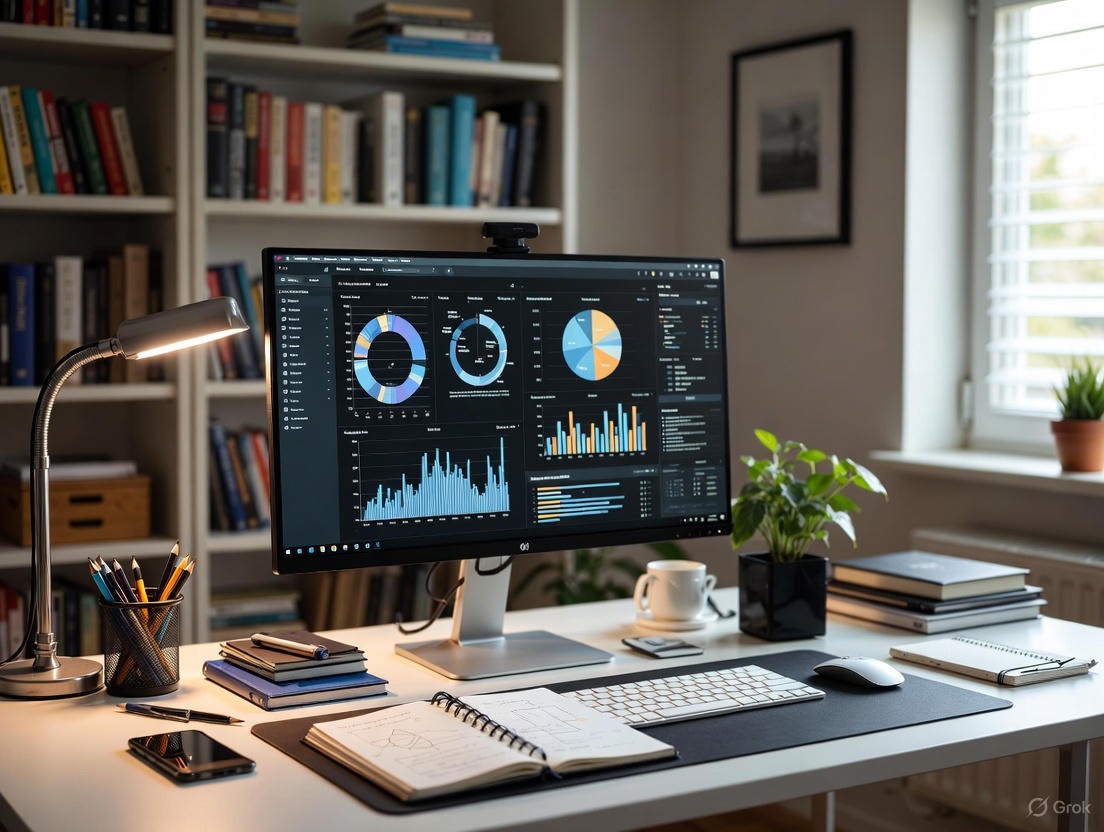
The journey of athlete monitoring is a story of technological miniaturization and scientific enlightenment. It began with the simplest of metrics: distance and steps. The humble pedometer, a mechanical device clipped to a waistband, gave runners and walkers a basic tally of their movement. This was the first crack in the door, introducing the concept of quantifying daily activity. Then came the heart rate monitor chest strap in the 1980s, a tool that brought cardiovascular intensity into clear view. For the first time, athletes could train in specific heart rate zones, using their physiology as a guide rather than just perceived exertion.
The true paradigm shift arrived with the smartphone and the accelerometer. The advent of the fitness tracker wristband in the late 2000s democratized continuous monitoring. Suddenly, 24/7 data on steps, calories, and rudimentary sleep patterns was available to millions. But this was still largely descriptive data—it told you what you did, not how it affected you. The past decade has seen a second, more profound shift: the move from descriptive to diagnostic and now, predictive analytics.
Modern tools are no longer just data recorders; they are interpretation engines. By layering multiple data streams—heart rate (HR), heart rate variability (HRV), skin temperature, galvanic skin response, and pulse oximetry—they create a holistic picture of the body’s autonomic nervous system (ANS) state. They don't just tell you you slept 7 hours; they analyze sleep stages (light, deep, REM) to assess restoration quality. They don't just record a workout; they measure the strain it imposed and predict how long recovery will take. This predictive element is the holy grail. Imagine a device that can warn you of a potential immune system dip or a heightened injury risk before you feel symptoms, allowing you to adjust training proactively. This is no longer fantasy; it’s the operational reality for top-tier athletes and is rapidly filtering down to consumer-level devices like advanced smart rings and armbands.
This evolution reflects a deeper understanding of athletic performance: that it is not an event, but a continuous cycle of stress and adaptation. The workout is the stimulus, but the gains are made during recovery. Therefore, monitoring recovery—the body's readiness for the next stimulus—has become as critical as monitoring the workout itself. The modern toolkit is built for this 360-degree view, closing the loop between exertion and restoration.
To navigate the modern landscape of health monitoring, one must become fluent in the language of biometrics. These are the vital signs of performance and recovery, the direct outputs from your body's internal systems. Let’s decode the most critical metrics on an athlete’s dashboard.
Heart Rate Variability (HRV): Often misunderstood, HRV is not your heart rate. It is the subtle variation in time between each heartbeat, measured in milliseconds. A higher, less variable HRV generally indicates a relaxed, recovered state where your parasympathetic ("rest-and-digest") nervous system is dominant. A lower, more consistent HRV suggests stress, fatigue, or that your sympathetic ("fight-or-flight") system is engaged. For athletes, tracking HRV trends is arguably the single best objective indicator of recovery status and autonomic nervous system balance. A sudden, sustained drop in HRV can be a red flag for overtraining, illness, or inadequate recovery.
Resting Heart Rate (RHR): Your heart rate when fully at rest, typically measured first thing in the morning. A well-conditioned athlete will have a low RHR (often 40-50 bpm). An elevated RHR relative to your personal baseline can be an early sign of dehydration, fatigue, stress, or impending illness.
Sleep Architecture: Moving beyond simple duration, this metric breaks sleep into its constituent stages: light, deep (slow-wave), and REM (rapid eye movement) sleep. Deep sleep is crucial for physical repair and growth hormone release, while REM sleep is essential for cognitive function and memory consolidation. Modern tools use accelerometers and optical heart rate sensors to estimate these stages, providing a score for sleep quality. Poor sleep architecture, even with adequate time in bed, can sabotage recovery and performance.
Pulse Oximetry (SpO2): This measures the oxygen saturation level in your blood. Normally at 95-100% at sea level, a drop (especially during sleep, known as nocturnal hypoxia) can indicate issues with breathing quality, such as sleep apnea, or reflect the body’s response to high-altitude training. Monitoring SpO2 can be vital for endurance athletes and those optimizing respiratory health.
Skin Temperature & Galvanic Skin Response (GSR): Nocturnal skin temperature trends can reveal disturbances in circadian rhythm and the onset of illness (often a fever starts with a subtle nighttime temperature rise). GSR measures the electrical conductivity of your skin, which changes with sweat gland activity—a proxy for stress and emotional arousal. Together, these metrics provide a window into thermoregulation and stress responses.
Understanding this dashboard transforms raw data into a story. It’s the story of how your body is responding to life’s demands. By learning to read these signals, you move from blindly following a training plan to engaging in a dynamic dialogue with your own physiology. This foundational knowledge is what makes devices like the Oura Ring, Whoop strap, and emerging smart rings from companies like Oxyzen so powerful—they translate complex science into a simple, daily readiness score. For a deeper dive into how these nighttime metrics come together, explore the science-backed nighttime routine for better sleep, which details the interplay between pre-bed habits and biometric outcomes.
In the crowded wearable market, the smart ring has emerged as a quiet but formidable contender, especially for the serious athlete. While wrist-worn devices dominate, they come with drawbacks: they can be bulky, interfere with wrist movements in sports like weightlifting or gymnastics, and their placement can sometimes lead to less accurate heart rate readings during high-intensity, arm-centric activity. The smart ring solves these problems with an elegant, biomechanically intelligent solution.
Worn on the finger, a smart ring leverages a rich vascular bed close to the skin’s surface. This allows for highly accurate photoplethysmography (PPG) sensor readings—the technology that uses light to measure blood flow and derive heart rate, HRV, and SpO2. The finger is also less prone to motion artifacts during many types of exercise compared to the wrist. But the true genius of the ring is its unobtrusiveness. It’s always on, always collecting, without the need for charging every day (most last 4-7 days on a single charge) and without interfering with equipment, sleep, or daily life. This leads to superior compliance and more consistent data, which is the bedrock of reliable trend analysis.
For the athlete, the ring becomes a seamless part of the kit. It doesn’t clash with a wristwatch or sports strap. It gathers critical nocturnal data without the discomfort of a chunky watch on the wrist, which can itself disrupt sleep—a classic case of the measurement tool interfering with the thing it's trying to measure. The form factor also makes it ideal for continuous temperature and GSR monitoring, providing a stable platform for detecting the subtle shifts that signal changes in recovery status.
Beyond raw data collection, the power of a modern smart ring lies in its synthesis. Each morning, instead of confronting a spreadsheet of numbers, the athlete receives a simple, holistic score: a Readiness or Recovery Score. This score is an algorithmically weighted composite of your night’s HRV, RHR, sleep quality, and temperature data. It answers the most important question: "Am I ready to perform today, or do I need to prioritize recovery?" This allows for true dynamic training adjustment. A low score might prompt a switch from a high-intensity interval session to a light aerobic workout or mobility day. This level of personalized feedback was once the exclusive domain of professional sports teams with expensive lab equipment; now, it’s available on your finger. Building a routine that supports this data is key, which is why many top performers follow the minimal nighttime wellness routine: 5 essential steps to ensure their ring captures the cleanest possible recovery signals.

While optical PPG sensors in rings and watches are excellent for continuous monitoring, they have limitations in clinical-grade precision, especially during rapid heart rate changes. This is where the wearable Electrocardiogram (ECG or EKG) monitor steps in. These devices, often embedded in smartwatches or available as standalone patches, provide a medical-grade readout of your heart's electrical activity by measuring the electrical impulses across the chest (via wrist and opposite hand) or via adhesive electrodes.
For the athlete, this capability is transformative for two key reasons. First, it allows for the detection of arrhythmias—irregular heart rhythms. Intense athletic training, particularly endurance sports, can sometimes lead to cardiac adaptations that, in rare cases, include conditions like atrial fibrillation (AFib). Having an on-demand ECG in your wearable can provide crucial data to share with a cardiologist, enabling early detection and management. Second, the single-lead ECG can give a more accurate and instantaneous reading of heart rate than PPG during erratic, high-motion activities, and can also identify heart rate patterns that might indicate excessive stress or other anomalies.
The most advanced application is in analyzing the morphology of the ECG waveform itself. Changes in the waveform over time could, with proper algorithmic analysis, provide insights into electrolyte imbalances, fatigue states, or other physiological shifts. While this frontier is still evolving for consumer devices, the presence of an ECG sensor elevates a wearable from a fitness tool to a genuine health monitoring device. It bridges the gap between wellness and cardiology, empowering athletes to take a more proactive role in the long-term health of their most critical muscle. This kind of detailed health monitoring naturally extends into the night, as understanding the full 24-hour cycle is vital. For those integrating ECG data into their overall picture, how a nighttime routine transforms your sleep quality explains how nocturnal heart patterns are a cornerstone of health assessment.
Elite coaches have long proclaimed, "You don't get better at the gym; you get better recovering from the gym." And the pinnacle of physiological recovery is sleep. It’s during deep sleep that human growth hormone (HGH) is secreted, facilitating tissue repair and muscle growth. REM sleep consolidates motor skill learning—critical for mastering technique. Therefore, merely tracking "time in bed" is like a chef only measuring the time food is in the oven, not the temperature.
Advanced sleep trackers, whether ring, wrist, or non-contact under-mattress devices, use a combination of accelerometry (for movement), PPG (for heart rate and HRV), and sometimes sonar or radar to dissect sleep architecture. They identify periods of wakefulness, light sleep, deep sleep, and REM sleep. The resulting analysis tells you not just how long you slept, but how well you slept.
For the athlete, key sleep metrics include:
By monitoring these variables, athletes can conduct experiments. Does a magnesium supplement increase deep sleep? Does avoiding screens 90 minutes before bed improve sleep latency? Does a high-carb evening meal affect sleep architecture? The data provides clear feedback. Furthermore, these devices can detect potential sleep disorders like sleep apnea by identifying repeated drops in blood oxygen (SpO2) and associated awakenings throughout the night—a condition that severely impacts recovery and is surprisingly common even among fit individuals. To build the habits that lead to perfect sleep data, many athletes follow the perfect nighttime wellness routine: step-by-step guide as a foundational practice.
If the previous tools measure the body's internal response (the strain), GPS and advanced motion sensors measure the external application (the stress). They quantify the work done. For runners, cyclists, and team-sport athletes, GPS is indispensable, providing precise data on distance, pace, speed, and elevation gain. But the modern application goes far beyond a simple map.
Integration with accelerometers and gyroscopes allows for the measurement of biomechanical loads. In running, this includes metrics like:
For team sports, GPS pods worn in vests track player load: total distance, high-speed running distance, sprint counts, and accelerations/decelerations—the movements that create the highest muscular and metabolic stress. This data allows coaches to manage an athlete's cumulative load, ensuring they are not under-prepared or pushed into the red zone of overuse injury.
The magic happens when external load meets internal strain. This is the concept of Training Load Balance. By comparing the external work (GPS/motion data) with the internal response (HRV, resting heart rate, sleep data), athletes and coaches can see if the body is adapting positively (increased fitness) or struggling (excessive fatigue). A smart training platform might show that after three high-load days, your HRV has plummeted and your sleep score is poor, despite your eagerness to train hard again. The tool would then recommend a restorative day. This fusion of external and internal data is the cornerstone of truly personalized, responsive periodization. Managing this load effectively requires disciplined recovery, something busy professionals master by adopting nighttime wellness for busy professionals: realistic routines.
Moving deeper than heart rate and movement, the latest frontier in athletic monitoring seeks to measure metabolism directly—the cellular engine of performance. Portable metabolic analyzers, once confined to lab spirometry machines, are now emerging in wearable form. These devices, often worn as a mask or a small chest unit, measure the composition of your inhaled and exhaled breath in real-time.
The key metric here is the Respiratory Exchange Ratio (RER), which indicates whether you are burning primarily carbohydrates or fats for fuel. At rest and low intensity, the body favors fat. As intensity increases, it shifts to carbohydrates. Knowing this metabolic crossover point for an individual athlete is incredibly powerful for endurance training and nutrition strategy. It allows for the precise tailoring of "zone 2" training (where fat oxidation is maximized to build aerobic base) and helps in strategizing carbohydrate intake during long events.
Beyond RER, breath analysis is entering a revolutionary phase with the study of volatile organic compounds (VOCs). Your breath contains thousands of these microscopic biomarkers, which can signal various metabolic states. Research is exploring whether specific VOCs can indicate the onset of muscle breakdown (catabolism), metabolic efficiency, or even inflammation levels. While not yet mainstream, the potential is staggering: a wearable that could non-invasively warn you of excessive muscle damage or a shift toward a catabolic state after a brutal workout, prompting immediate nutritional intervention.
Furthermore, continuous glucose monitors (CGMs), though primarily developed for diabetes management, are being adopted by biohacking athletes. They provide a real-time view of blood glucose dynamics, showing how different foods, meal timings, and workouts affect energy stability. An athlete can learn if their pre-workout meal causes a energy-sapping crash or if they are effectively fueling recovery. This data moves nutrition from generic meal plans to a finely-tuned, personal fueling strategy. Balancing these metabolic systems is a 24-hour endeavor, where evening habits play a crucial role, as detailed in seasonal nighttime routines: adapting to your bodys needs.

Hydration is not just about drinking water; it’s about maintaining a precise balance of fluids and electrolytes to ensure optimal nerve conduction, muscle contraction, thermoregulation, and blood volume. Even mild dehydration (a 2% loss of body weight) can significantly impair strength, power, and cognitive function. Conversely, overhydration (hyponatremia) can be dangerous. Traditional methods of assessing hydration (urine color, thirst) are reactive and imprecise.
Enter modern hydration monitors. These tools use various technologies:
The goal is to move from guessing to knowing. By understanding your personal sweat rate and electrolyte profile, you can develop a hydration strategy that maintains performance from the first minute to the last, especially in hot environments or during long-duration events. Proper daytime hydration is inextricably linked to nighttime recovery. Dehydration can disrupt sleep, increase nocturnal heart rate, and elevate core temperature. Therefore, part of an effective evening ritual involves strategic rehydration, a topic covered in nighttime routine for athletes: maximizing recovery while you rest.
While wearables track systemic physiology, another class of tools assesses the output of the neuromuscular system—the raw power and symmetry of movement. These are crucial for strength, power, and injury prevention athletes.
Force Plates: Once only in biomechanics labs, portable force plates are now common in elite training facilities and even some gyms. An athlete performs a vertical jump, and the plate measures metrics like:
Regular force plate testing provides an objective measure of power gains and can identify performance decrements due to fatigue. A drop in RFD or increased asymmetry might be a sign to deload.
Portable EMG (Electromyography): These wearable sensors stick to the skin over a target muscle. They measure the electrical activity when the muscle fires. This allows athletes and physical therapists to see if a muscle is activating properly during an exercise, identify compensation patterns, and ensure rehabilitation exercises are recruiting the correct muscles. For example, is your glute truly firing during a squat, or are your quads and lower back doing all the work?
Smart Equipment: Barbells with built-in accelerometers, smart resistance bands, and sensor-laded shoes provide direct feedback on lifting velocity, power output, and force distribution. This allows for velocity-based training (VBT), where you aim to move a submaximal load with maximum intent and speed, a highly effective method for building power.
These tools bring granularity to strength training. It’s no longer about just lifting a weight for reps; it’s about how you lift it—with what power, symmetry, and neuromuscular efficiency. This quantitative approach turns the weight room into a lab for building athleticism. The recovery from such intense neuromuscular work is paramount, and avoiding common pitfalls is essential, as outlined in nighttime routine mistakes that ruin your sleep.
Data in isolation is noise. The true value of all these modern monitoring tools is realized only when their streams are integrated, analyzed, and presented as clear, actionable insights. This is the role of the software platform—the AI-powered dashboard and app that acts as your digital coach.
Modern platforms don't just show you graphs; they look for patterns and correlations. They might alert you: "Over the past three high-load training days, your deep sleep has decreased by 25%, and your morning HRV is trending down. Consider a recovery-focused day today." They can correlate lifestyle factors you log (stress, alcohol, caffeine, menstrual cycle) with your biometrics, showing you their tangible impact on recovery.
These platforms often feature:
The AI component is key. Machine learning algorithms can learn your individual baselines and patterns, making their predictions and recommendations more accurate over time. They can identify what "normal" looks like for you, making deviations more meaningful. This turns a passive data repository into an active coaching partner, providing the context and guidance needed to make smarter daily decisions for long-term progress and health. To make this high-tech system work, the human element of habit formation is critical. You can learn how to build a nighttime routine that actually sticks to ensure you consistently generate the high-quality data these platforms thrive on.
We stand on the brink of the next great leap: predictive health analytics. The goal is no longer just to describe the present or diagnose the past, but to forecast the future. By combining massive, longitudinal datasets from thousands of athletes with sophisticated AI, the next generation of tools will predict injury risk and performance potential with startling accuracy.
Imagine this: Your wearable's algorithm notices a subtle, persistent increase in movement asymmetry during your runs, coupled with a slight reduction in ankle range of motion you logged and a creeping elevation in inflammatory biomarkers suggested by your sweat patch data. It cross-references this pattern with a database of millions of athlete-days and identifies it as a precursor to a common Achilles tendon overuse injury, with an 85% probability of occurring within the next 10-14 days at your current training load.
The tool doesn't just sound an alarm. It prescribes a proactive intervention: a temporary 15% reduction in running volume, three specific eccentric loading exercises for the calf, and a recommendation to increase collagen and vitamin C intake. It schedules a follow-up "movement screen" via your phone's camera in one week. This shifts the paradigm from reactive rehabilitation to proactive pre-habilitation.
Similarly, performance forecasting will use your response patterns to predict your readiness for a peak event. It could advise, "Based on your recovery metrics and training load progression, you are on track to peak in 21 days. The optimal taper would begin in 14 days with a 40% reduction in volume." This brings a level of precision to periodization that has always been more art than science.
This future hinges on multi-modal data fusion—the seamless integration of physiological, biomechanical, metabolic, and even psychological data streams. It also requires a shift in mindset, from using tools for documentation to embracing them for guidance and prediction. The athletes and coaches who adopt this predictive, personalized model will gain a decisive edge, achieving higher peaks while spending less time sidelined by injury. This proactive approach starts long before an injury, with daily habits that build resilience. For those with active minds, establishing the nighttime wellness routine for anxious minds can be a foundational practice in managing the stress that often underpins injury risk.
The flood of data from modern monitoring tools can be paralyzing. An athlete can easily fall into the trap of “analysis paralysis,” obsessing over daily fluctuations in HRV or becoming demotivated by a poor sleep score. The key is to move from being a data collector to a data interpreter and, ultimately, a strategic decision-maker.
The first rule is to focus on trends, not daily numbers. Human physiology is noisy. A single day of low HRV could be due to a hard workout, a stressful work meeting, a poor meal, or even a change in sleep environment. It’s the pattern over time—a 7 to 14-day rolling average—that tells the true story. A consistent downward trend in HRV coupled with a rising resting heart rate and declining sleep quality is a far stronger signal for systemic fatigue than any single data point.
The second rule is to contextualize with subjective feedback. This is where the art meets the science. Modern platforms often include a daily log for subjective metrics: energy level (1-10), muscle soreness (1-10), mood, and perceived stress. This “How do you feel?” question is invaluable. When your readiness score is low and you feel terrible, the message is clear: prioritize recovery. But what if your readiness score is low, yet you feel energetic and motivated? This discrepancy invites a nuanced approach. You might proceed with a moderate session but be hyper-vigilant for signs of struggle, or you might use it as a cue to focus on perfect technique rather than max intensity.
Practical Application Framework:
The goal is to create a virtuous cycle: Data informs a smarter decision, leading to better performance or recovery, which in turn generates better data. It’s a dialogue, not a monologue from a device. To make this morning check-in effective, the foundation must be laid the night before. This is why how successful people structure their nighttime routines is a study in creating the consistent conditions for reliable data and peak morning readiness.
While data can be empowering, it also carries psychological weight. The constant visibility of our physiological state can be a double-edged sword, impacting motivation, self-perception, and even mental health.
The Positive Edge: Motivation and Validation. For many, seeing tangible proof of progress—a rising HRV baseline, improved sleep scores, a new power record—is incredibly motivating. It validates effort on days when motivation is low. It can turn the abstract concept of “health” into a concrete game with scores and levels to improve. This gamification, when used healthily, can foster long-term adherence.
The Pitfalls: Performance Anxiety and Orthosomnia. The dark side of quantification is the potential for increased anxiety. An athlete can develop “wearable anxiety,” fretting over every dip in a metric. A phenomenon called orthosomnia has been identified by sleep researchers: a preoccupation with achieving perfect sleep data, which ironically creates performance anxiety around sleep itself, leading to worse sleep. If a poor sleep score creates so much stress that it ruins your next day, the tool has become counterproductive.
Furthermore, an over-reliance on data can erode intrinsic motivation and bodily awareness. The athlete may stop listening to their own signals of fatigue or exhilaration, outsourcing that judgment entirely to an algorithm. This disconnection can be detrimental, as the body’s subjective feelings are a critical data stream in their own right.
Strategies for Psychological Balance:
Balancing the quantified self with the feeling self is a modern skill. For those whose minds are prone to anxiety around performance and data, establishing the nighttime wellness routine for anxious minds can create a psychological sanctuary, separating self-worth from biometric scores.

In the age of social media and leaderboards, a dangerous temptation arises: comparing your biometric data with others. This is a fundamental misunderstanding of how these tools work. There is no “good” or “bad” absolute value for metrics like HRV or resting heart rate; there is only what is normal for you.
A Tour de France cyclist might have a resting HRV (RMSSD) of 150ms, while a very fit powerlifter might sit consistently at 40ms. This doesn’t mean the powerlifter is unhealthy or poorly recovered; it reflects different nervous system adaptations to different training stimuli. The powerlifter’s body, adapted to short bursts of high neurological output, may operate with a different autonomic tone than the endurance athlete’s.
This is why establishing a personal baseline is the single most important step when using any monitoring tool. The first 2-4 weeks of wearing a device should be an observational period with relatively normal, consistent training and lifestyle. The averages established during this time—your baseline HRV, your typical sleep duration and quality, your normal resting heart rate—become your personal “normal.” All future data is interpreted as a deviation from your baseline.
Key Personalization Factors:
Therefore, the most powerful insights come from intra-individual analysis. Is your HRV 20% lower than your 30-day rolling average? That’s a meaningful signal, regardless of what your training partner’s absolute number is. This principle of personalization extends to your daily habits. A one-size-fits-all nighttime routine doesn’t exist, which is why exploring nighttime wellness rituals that take less than 30 minutes offers a menu of options to find what best supports your unique physiology and schedule.
Modern monitoring tools shine a spotlight on recovery, but they are not the recovery itself. They are the dashboard for a much larger vehicle: your holistic recovery ecosystem. This ecosystem comprises several interconnected pillars that the data can help you optimize.
1. Nutrition as Fuel and Signal: Data can guide nutritional timing and composition. A low glycogen state post-workout can impair sleep quality. Seeing a correlation between late, heavy meals and poor sleep scores might prompt you to adjust dinner timing. Low HRV and elevated resting heart rate can sometimes indicate systemic inflammation, pointing to a need to increase anti-inflammatory foods (omega-3s, phytonutrients) and perhaps reduce pro-inflammatory ones. Continuous glucose monitors take this to a new level, showing the direct impact of food choices on metabolic stability.
2. Hydration as a Catalyst: As previously discussed, hydration status directly impacts blood volume, cardiovascular strain, and thermoregulation. Poor hydration can elevate nocturnal heart rate and disrupt sleep. Monitoring morning weight (a proxy for overnight fluid loss) and pairing it with urine color and thirst can be validated by your wearable’s recovery score. If you’re hydrated but your recovery is poor, you know to look elsewhere.
3. Mindfulness and Nervous System Regulation: This is where technology and ancient practice converge. High stress (indicated by low HRV, high resting HR) is a recovery killer. Wearables can quantify the impact of mindfulness practices. A 10-minute guided breathing session before bed can be immediately reflected in a lowered resting heart rate and improved sleep latency. Apps that sync with wearables can now recommend a meditation or breathing exercise based on your real-time stress data. This creates a biofeedback loop: you calm your mind, the data shows your body calming down, which reinforces the practice.
4. The Physical Pillars: Sleep, Mobility, and Soft Tissue Care: The monitoring tool quantifies sleep, but the habits create it. The data underscores the non-negotiable importance of sleep hygiene, mobility work to maintain parasympathetic tone (via the vagus nerve), and modalities like foam rolling or massage to aid mechanical recovery.
The recovery ecosystem is synergistic. Good nutrition supports good sleep. Good sleep improves stress resilience. Lower stress improves metabolic function. The monitoring tool sits at the center, revealing the weak links in the chain and showing how strengthening one pillar positively impacts the others. For a holistic view of building this ecosystem from the ground up, our guide on how to build a nighttime routine that actually sticks provides a foundational framework.
To see how these tools integrate in practice, let’s follow “Maya,” a hypothetical professional marathoner, through a typical training cycle.
Her Tech Stack:
A Typical Week:
For Maya, the tools create a dynamic, responsive training plan. They move her from a rigid, pre-written schedule to a flexible dialogue with her body, maximizing positive adaptation while minimizing injury risk. Her evening ritual is sacred, as detailed in the nighttime routine for athletes: maximizing recovery while you rest, because she knows it directly inputs the most critical data for her next day’s success.
The needs of a strength or bodybuilding athlete differ from an endurance athlete. Their monitoring stack emphasizes neuromuscular output, metabolic markers, and the recovery from high mechanical stress.
His Tech Stack:
A Training Cycle Insight:
For Alex, the tools shift the focus from just lifting more weight to lifting better—with higher quality, better recovery, and clearer progress markers beyond the mirror or the scale.
As athletes generate terabytes of intimate physiological data, critical ethical and privacy questions emerge. This data is incredibly sensitive. It can reveal underlying health conditions, predict injuries, indicate stress or anxiety, and map detailed lifestyle patterns.
Key Concerns:
What Athletes Should Do:
As the industry matures, clear standards and regulations around biometric data privacy will be essential. For now, the athlete must be an informed consumer, advocating for their own digital bodily autonomy.
The world of advanced wearables, force plates, and metabolic analyzers can seem exclusive and expensive. This raises a valid question: is this all necessary? The answer is a resounding “it depends.”
For the Elite Professional: The cost is negligible compared to the potential gains (winning bonuses, extended careers) and avoided losses (injury-related missed competitions). The technology is a non-negotiable part of the infrastructure, like a good coach or physio.
For the Serious Amateur & Age-Group Competitor: This is the sweet spot for many of these tools. The investment of a few hundred dollars for a smart ring or advanced watch can yield massive returns in optimized training, injury prevention, and enjoyment. For someone balancing sport with a career and family, the efficiency gains and health protections are often worth the price.
For the Fitness Enthusiast & Beginner: The fundamentals matter more than the tech: consistency, proper nutrition, hydration, and sleep. A basic activity tracker can be a great motivational tool. However, jumping straight to an advanced HRV monitor without mastering the basics can be overkill and potentially anxiety-inducing. The best first investment is often in education or coaching, not hardware.
A Tiered Approach:
The ultimate benefit isn’t the gadget; it’s the behavior change it enables. If a device motivates you to go to bed an hour earlier, drink more water, or manage stress better, it has paid for itself many times over in health dividends, regardless of your performance level. For those starting this journey, a simple, sustainable approach is best, like the minimal nighttime wellness routine: 5 essential steps.

The current wave of wearables is just the beginning. The next decade will see monitoring become even more seamless, integrated, and predictive.
1. Smart Fabrics and Epidermal Electronics: Clothing with sensors woven directly into the fabric will measure muscle activation, sweat composition, and core temperature continuously, with no separate device to wear. “Electronic tattoos” or ultra-thin, adhesive patches will provide medical-grade ECG and biomarker data for days at a time, disappearing into the user experience.
2. At-Home Portable Diagnostics: Devices the size of a smartphone will perform what once required a lab visit. Imagine a handheld device that uses a drop of blood from a tiny finger prick (like a diabetes test) but measures a full panel of biomarkers: cortisol, testosterone, creatine kinase (muscle damage), inflammatory markers (CRP), and vitamin levels. This would provide a weekly or monthly “blood dashboard” to guide training and nutrition with unprecedented precision.
3. AI-Powered Video Analysis & Biomechanics: Using the camera on your phone, AI will analyze your running gait, lifting form, or swim stroke in real-time, providing instant feedback on technique and identifying asymmetries or inefficiencies that could lead to injury. This makes high-level biomechanical coaching accessible to anyone.
4. Integration with Environmental and Lifestyle Data: Your wearable won’t just know your physiology; it will know your context. It will pull in local air quality, pollen count, weather, and even your calendar (meeting stress) to interpret your biometrics. It might say: “Your HRV is lower than expected today, but the high pollen count and your back-to-back meetings are likely contributors. Consider an indoor workout and a mindfulness break.”
5. The Centralized Digital Athlete Passport: A secure, athlete-owned digital vault will store all lifetime data—training logs, competition results, medical imaging, biomarker history, and injury records. This portable passport would empower athletes when moving between teams or coaches and provide a complete longitudinal health record, revolutionizing sports medicine.
The trajectory is clear: monitoring will become less about wearing a “device” and more about living in an intelligent, responsive environment that understands and supports your performance and health goals at every moment. Preparing your body and mind for this interconnected future starts with mastering the fundamentals today, a process perfectly supported by following the science-backed nighttime routine for better sleep.
With an overwhelming array of tools and metrics available, the most common question is: “Where do I start?” Creating an effective personal monitoring protocol is not about using every gadget; it’s about selecting the right tools to answer your most pressing questions and support your specific goals. Follow this step-by-step framework to build a system that works for you.
Step 1: Define Your Primary Goal & Pain Points.
Be brutally honest. What is your #1 objective?
Step 2: Select Your Foundational (Core) Device.
Choose one primary device for 24/7 recovery and readiness data. This is non-negotiable for managing injury risk and optimizing adaptation.
Step 3: Select Your Specific Performance Tool(s).
This depends on your sport. Choose one to two tools that directly measure the output of your training.
Step 4: Establish Baselines and Learn Your Normal.
Wear your core device consistently for 3-4 weeks without making major changes. Maintain your regular training routine. This period establishes your personal baselines for HRV, resting HR, sleep duration, and sleep quality. Do not compare your numbers to others. Note how your data responds to different types of workouts (high-intensity vs. long, slow distance) and lifestyle factors (alcohol, travel, stress).
Step 5: Create Your Daily & Weekly Review Ritual.
Systematize how you interact with your data to avoid obsession.
Step 6: Conduct Controlled Experiments.
Use the protocol to answer specific questions. For example:
This protocol turns technology from a distraction into a strategic ally. The foundation of reliable data, however, is consistent behavior, particularly at night. For a comprehensive approach to establishing that foundation, the perfect nighttime wellness routine: step-by-step guide is an invaluable resource.
The principles of modern monitoring are universal, but their application must be tailored to the unique physiological and psychological realities of different athletic populations.
Youth Athletes: Here, monitoring shifts from performance optimization to health protection, development, and education. The primary goal is to prevent overuse injuries in growing bodies and foster a healthy, long-term relationship with sport.
Masters Athletes (40+): For this population, recovery becomes the bottleneck. The ability to handle and adapt to stress diminishes, while the need for recovery increases.
Adaptive Athletes: This is a vast and diverse category, encompassing athletes with physical, intellectual, or visual impairments. Personalization is not just beneficial; it’s essential.
For all these populations, but especially for those with unique stressors or life stages, managing the daily wind-down is crucial. Resources like the family nighttime wellness routine: adults and kids and nighttime wellness for busy professionals: realistic routines provide adaptable frameworks for creating the stable conditions necessary for effective monitoring.
Modern monitoring tools are not replacing coaches; they are transforming the coaching relationship from a hierarchical, prescriptive model to a collaborative, data-informed partnership. This new triad—Coach, Athlete, and Data—creates a more transparent, objective, and effective environment for development.
The New Role of the Coach: The coach evolves from a sole prescriber of workouts to a data interpreter, strategist, and motivator. Their skillset now must include:
The Empowered Athlete: The athlete transitions from a passive recipient of a plan to an active participant in their own development. They come to sessions with insights: “My sleep was poor, and my HRV is down 15%. I think we should modify today’s intensity.” This fosters ownership, accountability, and a deeper understanding of their own body.
Data as the Objective Arbiter: The data serves as a neutral third party, removing emotion and guesswork from decisions. It answers questions like:
A Week in the Triad:
This model requires trust and transparency. It democratizes knowledge and creates a true partnership aimed at a common goal. For coaches looking to instill optimal recovery habits in their athletes, sharing resources like how nighttime routines reduce morning grogginess can be a practical first step in educating them on the inputs that drive their output data.
The greatest risk in the data revolution is not a lack of information, but a lack of understanding. Data literacy—the ability to read, analyze, and question data—is the essential skill that separates useful insight from dangerous misinformation.
Common Pitfalls in Data Interpretation:
Building Your Literacy:
Developing this literacy prevents technology from becoming a source of stress and ensures it remains a tool for empowerment. Part of this literacy is understanding how daily behaviors, especially at night, directly create the data you see. For a deep dive into this connection, the science-backed nighttime routine for better sleep is essential reading.
The athlete monitoring market is no longer a niche for elite sports; it’s a multi-billion-dollar industry driving innovation in consumer electronics, healthcare, and insurance. Understanding these trends helps contextualize the tools available and foresee their future evolution.
Current Market Dynamics:
Future Economic Implications:
For the individual athlete, the key takeaway is to be a savvy consumer. Understand what you’re paying for—is it the hardware, the software, or the data itself? Invest in tools that align with your actual needs and goals, not just the latest marketing hype. Often, the most impactful “performance technology” is free and behavioral, such as the habits outlined in nighttime wellness rituals that take less than 30 minutes.
This entire exploration leads to a seemingly paradoxical but essential conclusion: the ultimate sign of mastery with modern monitoring is knowing when to ignore it. The tools are meant to enhance self-awareness, not replace it. They are a means to an end—sustainable performance and health—not an end in themselves.
Signs You Need a Tech Break:
The Principles of Tech-Healthy Integration:
The journey of the modern athlete is a balance between the objective external view provided by technology and the subjective internal world of sensation, passion, and intuition. The tools we’ve explored are the map and compass, but you are still the explorer on the terrain of your own potential. They can show you the altitude and the distance to the summit, but they cannot feel the sun on your face or the deep satisfaction of the climb. Use the map wisely, but never forget to look up and experience the view. For many, the first step in reclaiming that balance is mastering the quiet, tech-minimized hours of the evening, a process beautifully supported by the minimal nighttime wellness routine: 5 essential steps.
We have traversed the entire landscape of modern health monitoring for athletes and fitness enthusiasts—from the foundational biometrics measured by a smart ring on your finger to the force plates gauging your power, from the AI dashboards synthesizing chaos into a simple readiness score to the ethical considerations of who owns your digital self. This is not a story about gadgets; it is a story about knowledge, agency, and sustainability.
The empowered athlete in the data age is not a cyborg enslaved to numbers. They are an informed human, using the most profound discovery tool ever created—the quantified self—to engage in a deeper dialogue with their own body. They understand their unique baselines, respect their trends, and use data to make smarter, more personalized decisions that protect their health while optimizing their performance.
This revolution democratizes what was once the secret knowledge of elite coaches and sports scientists. It allows the weekend marathoner to train like a pro, the busy parent to maximize limited workout time, and the masters athlete to extend their vibrant, active lifespan. It shifts healthcare from reactive to proactive, catching the whispers of imbalance before they become shouts of injury or illness.
The path forward is one of integration. It calls for us to weave these threads of data into the broader fabric of our lives: our nutrition, our relationships, our sleep, our mental well-being, and our pure, unquantified joy in movement. The tools are here to serve that larger picture. They are the assistants in the grand project of becoming the strongest, healthiest, most resilient versions of ourselves.
Start where you are. Choose one metric that matters to your goal. Establish your baseline. Listen, learn, and adjust. Embrace the experiment of you. In doing so, you join a new generation of athletes who are not just performing but understanding, not just enduring but thriving, armed with the ultimate advantage: self-knowledge, powered by technology, and guided by wisdom. The finish line is no longer just a time or a distance; it is a lifetime of health, performance, and fulfillment.
Your Trusted Sleep Advocate: Sleep Foundation — https://www.sleepfoundation.org
Discover a digital archive of scholarly articles: NIH — https://www.ncbi.nlm.nih.gov/
39 million citations for biomedical literature :PubMed — https://pubmed.ncbi.nlm.nih.gov/
Experts at Harvard Health Publishing covering a variety of health topics — https://www.health.harvard.edu/blog/
Every life deserves world class care :Cleveland Clinic - https://my.clevelandclinic.org/health
Wearable technology and the future of predictive health monitoring :MIT Technology Review — https://www.technologyreview.com/
Dedicated to the well-being of all people and guided by science :World Health Organization — https://www.who.int/news-room/
Psychological science and knowledge to benefit society and improve lives. :APA — https://www.apa.org/monitor/
Cutting-edge insights on human longevity and peak performance:
Lifespan Research — https://www.lifespan.io/
Global authority on exercise physiology, sports performance, and human recovery:
American College of Sports Medicine — https://www.acsm.org/
Neuroscience-driven guidance for better focus, sleep, and mental clarity:
Stanford Human Performance Lab — https://humanperformance.stanford.edu/
Evidence-based psychology and mind–body wellness resources:
Mayo Clinic — https://www.mayoclinic.org/healthy-lifestyle/
Data-backed research on emotional wellbeing, stress biology, and resilience:
American Institute of Stress — https://www.stress.org/


