


The Workplace Healthy Movement Habits Your Smart Ring Tracks
Suggests workplace-specific movement habits.
Suggests workplace-specific movement habits.
%402x.svg)
You know the feeling. It’s 3 PM, the glow of your monitor has become a hypnotic haze, and a fog of lethargy settles over your mind. You’ve been "productive" for hours, yet your body feels stiff, your energy is nonexistent, and your focus has dissolved into a scramble for the nearest caffeine fix. This isn't just an afternoon slump; it’s the physical cost of the modern workday—a cost silently compounded by hours of uninterrupted sitting and mental strain.
For decades, workplace wellness was relegated to annual health screenings and the occasional step challenge. But a revolution is underway, moving from generic advice to personalized, data-driven insights. At the forefront of this shift is a device so seamless it disappears into your daily life: the smart ring. This isn't about counting steps for a competition; it's about understanding the fundamental rhythms of your body to optimize your performance, health, and well-being directly from your desk.
A smart ring, like the innovative models from Oxyzen, acts as a continuous, personal health auditor. It moves beyond simple fitness tracking to monitor the core physiological markers that dictate how you show up at work: stress, recovery, activity, and sleep. It quantifies the invisible—showing you not just that you’re tired, but why, and not just that you’re stressed, but when your body is overwhelmed.
This article is your definitive guide to decoding the workplace movement habits your smart ring is tracking. We will move beyond the basics and dive deep into the rich data narrative your ring is writing about your work life. You’ll learn how to interpret key metrics, connect them to your daily productivity and long-term health, and implement actionable strategies to transform your workday from a source of depletion to one of sustained vitality. This is about building a smarter, healthier, and more resilient professional life, powered by the intelligence on your finger.
Imagine ending your workday not with exhaustion, but with energy to spare. Let's begin.

We live in a society engineered for sitting. From the commute to the office chair to the evening couch, our biology—evolved for movement and variability—is in a constant state of rebellion against this static reality. The term "sitting is the new smoking" has entered the cultural lexicon for a profound reason. Prolonged sedentarism isn't merely an absence of activity; it's an active trigger for a cascade of detrimental physiological processes.
Metabolically, when you sit for extended periods, your large muscle groups go idle, drastically reducing your calorie-burning rate. Enzyme activity responsible for breaking down fats in your bloodstream drops by nearly 90% after 30 minutes of sitting. Your circulation slows, allowing fatty acids to more easily clog the heart. Insulin effectiveness plummets, spiking your risk for Type 2 diabetes. From a musculoskeletal perspective, your hip flexors shorten, your gluteal muscles "forget" how to fire (a phenomenon known as "gluteal amnesia"), and your core weakens, leading to the notorious lower back pain that plagues office workers worldwide.
Perhaps most critically for cognitive performance, reduced blood flow means reduced oxygen and nutrient delivery to the brain. This directly contributes to the 3 PM fog, diminishing creativity, problem-solving ability, and focus. Your smart ring reveals this struggle not through a single alarming siren, but through a pattern of subtle, interconnected data points. A consistently low daily activity score paired with elevated resting heart rate trends and poor sleep tracking data from the previous night creates a clear picture: your body is stuck in a stagnant, stressed state.
The first step to change is awareness. Your ring provides an objective, non-judgmental mirror to your workday habits. Before you can build healthy movement habits, you must first understand the depth and impact of the sedentary default. This isn't about guilt; it's about geology. You're surveying the landscape of your current habits so you can strategically engineer a new, healthier terrain. As we explore in our deep dive on how sleep trackers actually work, the technology behind these devices is designed to uncover these hidden biological stories.
If formal exercise is a structured, high-intensity investment in your health, then Non-Exercise Activity Thermogenesis (NEAT) is the steady, daily dividend. NEAT encompasses all the energy you expend for everything that is not sleeping, eating, or sports-like exercise. It includes walking to the printer, pacing during a phone call, fidgeting, standing, gardening, and even maintaining posture. For the desk-bound professional, NEAT is the single most modifiable lever for boosting daily energy expenditure and breaking the sedentary cycle.
Your smart ring’s Activity Score or Daily Movement Goal is fundamentally a proxy for your NEAT. While it may also credit dedicated workouts, its true power lies in tracking your all-day movement baseline. A high NEAT day isn't defined by a 45-minute spin class you squeezed in at 6 AM; it's defined by the hundreds of micro-movements that kept your metabolism engaged from clock-in to clock-out.
Let’s translate this to the work environment:
Optimizing your NEAT is the most accessible entry point to workplace wellness. It requires no special equipment, no change of clothes, and no extra time—it simply requires weaving movement into the fabric of your existing tasks. Your smart ring provides the perfect feedback loop. Set a gentle hourly movement alert. Watch your activity score climb as you make small choices. Notice how a higher NEAT day correlates with a higher Sleep Readiness score that evening. This creates a powerful positive reinforcement cycle, moving you from intention to ingrained habit.
We’ve established that moving more is critical. But what about moving better? Eight hours of high NEAT with poor posture can be a recipe for chronic pain. This is where the nuanced data from advanced smart rings becomes particularly valuable. While a ring can't see your slouch like a camera could, it can infer movement quality through accelerometer data, movement patterns, and correlated physiological signals.
Consider the act of sitting. "Good posture" isn't about being statue-still. It's about dynamic, supported alignment. A smart ring tracks movement variability. Sitting completely motionless for 60 minutes is a red flag, not just for sedentarism but for muscular fatigue and compression. The ring may show a gradual increase in your resting heart rate as your diaphragm is compressed and breathing becomes shallower. Conversely, subtle, postural shifts and adjustments are healthy—they redistribute pressure and engage different muscle groups.
Your ring’s data can prompt essential questions about your workspace ergonomics:
The actionable insight here is to use your ring’s inactivity alerts as a cue not just to move, but to move well. When the alert vibrates, don’t just shake your wrist. Stand up. Perform a thoracic spine rotation (a gentle twist). Roll your shoulders back. Do a set of standing glute squeezes. These micro-corrections improve movement quality, reset your posture, and signal to your ring—and your body—a break from static strain. For a holistic view of how daily habits impact your most restorative rest, our deep sleep formula details the critical connection between daytime activity and nighttime recovery.
The request to "take a break" often feels counterintuitive when facing a deadline. Yet, neuroscience confirms it's the most powerful productivity tool you have. Your brain's prefrontal cortex—the center for executive functions like focused attention, decision-making, and complex problem-solving—is not designed for relentless, uninterrupted focus. It operates in natural cycles of high engagement followed by a need for restoration. Strategic movement provides that restoration.
Movement, even in brief bursts, acts as a system reset for your cognitive hardware. It increases blood flow, delivering fresh oxygen and glucose—the brain's primary fuel. It triggers the release of Brain-Derived Neurotrophic Factor (BDNF), a protein that acts like fertilizer for brain cells, strengthening neural connections and promoting neuroplasticity. This is why you so often have a "Eureka!" moment while walking or showering, not while staring at a spreadsheet.
Your smart ring provides the data to institutionalize this cognitive refresh. Key metrics to watch include:
The strategy is to move from random breaks to rhythmic, data-informed resets. Set a timer based on your personal focus span (often 50-90 minutes). When it goes off, let your ring's goal be your guide: walk until you've added 100 steps to your count, or until you see your stress graph start to trend down. This isn't lost time; it's an investment in the quality of the work that follows. For professionals seeking peak mental performance, understanding the brain-boosting connection of deep sleep reveals how nighttime recovery and daytime movement work in concert to optimize cognitive function.
The modern workplace is a potent cocktail of psychological stressors: looming deadlines, overwhelming inboxes, and complex social dynamics. Your body responds to an urgent email from your boss with the same primal physiology as our ancestors did to a predator: the sympathetic nervous system activates, releasing cortisol and adrenaline, spiking your heart rate, and redirecting blood flow. The problem isn't this stress response itself—it's essential for peak performance—but its chronic, unchecked activation without periods of recovery.
This is where your smart ring transitions from a fitness device to a holistic wellness guardian. The Readiness Score (or Recovery Score) and Continuous Stress Monitoring are its crown jewels for workplace resilience. These aren't vague guesses; they are algorithmic calculations based on heart rate variability (HRV), resting heart rate (RHR), sleep data, and activity.
The Workplace Application: Don't just check these scores in the morning and forget them.
By making the invisible visible, your smart ring allows you to manage your stress physiology with the same precision as you manage your calendar. It turns you from a passive victim of workplace pressure into an active steward of your own nervous system. For those navigating high-stress careers, our analysis of the honest pros and cons of sleep tracking discusses how this awareness can be a pivotal tool for sustainable performance.
If stress is the accelerator, recovery is the brake. In a performance culture that often glorifies "pushing through," strategic recovery is the true competitive advantage. Recovery isn't passive; it's an active process your body undertakes when given the right conditions. Your smart ring provides the roadmap, showing you not just when to push, but crucially, when and how to pull back.
The Data-Driven Lunch Break: The default lunch—scarfing a sandwich at your desk while working—is a recovery disaster. It keeps you in a cognitive and postural rut while diverting blood flow to digestion, often leading to the post-lunch coma. Your ring data can guide a more restorative break.
The Post-Work Wind-Down: The period between logging off and going to bed is the launchpad for sleep and next-day readiness. A chaotic, screen-filled, stressful evening sabotages both. Your ring’s Sleep Readiness or Relaxation score is your guide.
By treating recovery as a measurable component of your workday, you stop viewing breaks as time lost and start seeing them as performance-enhancing investments. You can explore more personalized strategies for evening recovery in our dedicated resources on the Oxyzen blog.
While movement and stress get most of the attention, two fundamental physiological parameters profoundly impact your energy, focus, and how your body responds to the workday: hydration and core temperature. Advanced smart rings are beginning to shed light on these areas, providing insights that were once only available in clinical settings.
Hydration's Ripple Effect: Mild dehydration (a fluid loss of just 1-2% of body weight) is incredibly common in office environments due to air conditioning, caffeine consumption, and focused work that makes us forget to drink. The consequences are direct:
Body Temperature as a Performance Rhythm: Your core body temperature isn't constant; it follows a circadian rhythm, falling in the evening to initiate sleep and rising in the morning to promote alertness. Your work habits can disrupt this rhythm.
The actionable takeaway is to use your general wellness data as a prompt for these foundational habits. Let a high stress score or low activity alert be a reminder to drink a full glass of water. Use your understanding of temperature rhythms to schedule a walking meeting in the mid-morning slump instead of another coffee. These small, data-informed adjustments to hydration and activity timing support every other metric your ring is tracking.
Armed with knowledge of the metrics, the final step is synthesis. It's time to move from isolated insights to an integrated, personalized Workplace Movement Protocol. This is not a one-size-fits-all plan from a magazine; it's a dynamic system you build using your unique biological feedback. Think of it as conducting an ongoing experiment on the one subject that matters most: you.
Step 1: Baseline & Identify Leverage Points.
For one week, live normally but observe diligently. Don't try to change everything. Just note:
Step 2: Design Micro-Interventions.
For each leverage point, design a tiny, foolproof habit.
Step 3: Implement & Measure.
Put the intervention into practice for one week. Your smart ring is your measurement tool.
Step 4: Iterate & Expand.
Based on the data, refine. Was the walk helpful but not enough? Add a 2-minute stretching routine at your desk afterward. Did it work perfectly? Great! Now identify a second leverage point in your morning and design another micro-intervention.
This protocol turns your smart ring from a passive tracker into an active coaching system. It empowers you to solve your own unique workplace wellness puzzles with precision. For inspiration and to see how others have successfully integrated data into their lives, the real-world experiences shared in our testimonials section can be incredibly motivating.

The ultimate goal of tracking workplace movement habits isn't to win a daily step count. It's to orchestrate a fundamental shift from a reactive, depletion-based work life to a proactive, sustainable performance cycle. The long-term payoff of this data-informed approach is profound, impacting every facet of your professional and personal existence.
Burnout Prevention: Burnout is not a simple result of working too many hours; it's a state of emotional, physical, and mental exhaustion caused by prolonged and excessive stress, coupled with a lack of recovery. Your smart ring provides the early-warning system that subjective feelings often miss. A persistent, multi-week trend of declining HRV, rising RHR, and poor sleep scores—even if you "feel fine"—is a critical alert. It allows you to intervene months before hitting a wall, using your data to justify needed changes in workload, delegation, or time-off to both yourself and, if appropriate, your manager.
Sustained Cognitive Edge: By strategically managing your movement, stress, and recovery, you protect and enhance your most valuable professional asset: your mind. You are investing in the long-term health of your brain by promoting neuroplasticity, reducing inflammation, and ensuring quality sleep for memory consolidation. This isn't about being slightly better tomorrow; it's about maintaining clarity, creativity, and decision-making capacity for decades.
The Compound Interest of Health: Each data-informed choice is a deposit in your health account. A walking meeting today improves insulin sensitivity. A stress-management breathing exercise today lowers cumulative cortisol exposure. A proper wind-down tonight enhances deep sleep, which boosts immune function and cellular repair. Over years, these micro-deposits compound into a massive difference in your risk for chronic diseases like diabetes, cardiovascular disease, and depression—conditions heavily influenced by sedentary, high-stress lifestyles.
Your smart ring is the ledger for this account. It shows you your balance in real-time. The journey begins with a single step, a single stretch, a single mindful breath prompted by a gentle vibration on your finger. It continues as you build a life where work doesn't take from you, but is part of a richer, healthier, and more vibrant whole. To begin building that life with the right tool, you can discover Oxyzen's approach to seamless, intelligent health tracking.
The journey thus far has been deeply personal—a story of one individual leveraging biometric data to reclaim vitality from the clutches of the sedentary workday. But the true transformation occurs when this individual awareness sparks a collective shift. When healthy movement becomes woven into the cultural fabric of an organization, the benefits compound: reduced healthcare costs, heightened team innovation, lower absenteeism, and a palpable sense of shared well-being. Your smart ring, often perceived as a solitary device, can become the catalyst for this wider change.
Imagine a workplace where meeting invitations include an optional “walking” tag. Where the most coveted rooms are not the corner offices, but the “movement pods” equipped with walking treadmills or cycling desks. Where team performance is measured not only by output but by sustainable energy levels. This is not a utopian fantasy; it is the data-informed workplace of the immediate future. The transition begins with early adopters—individuals like you, whose tangible improvements in focus, mood, and resilience become a living case study.
As a content strategist or team leader, you can leverage your own ring data to advocate for systemic change. Presenting anonymized trends—showing how team-wide afternoon productivity slumps correlate with universal inactivity periods—can make a compelling business case. Proposing a pilot program where a small team uses wearable data (with full privacy opt-in) to design a healthier workflow can yield powerful ROI metrics. The goal is to move wellness from a voluntary, peripheral HR benefit to a core operational strategy for human performance optimization. This aligns perfectly with the kind of forward-thinking mission you can explore at Oxyzen’s About Us page, where human-centric technology meets holistic health.
Scaling this movement requires tact and a focus on psychological safety. It must be an invitation, never a surveillance mandate. The most successful programs are those that empower employees with their own data, providing resources—like access to informative content on the Oxyzen blog—to help them understand and act on their insights, while fiercely protecting individual privacy. The outcome is a resilient organization, built not on burning out its brightest minds, but on sustainably fueling them.
You’ve optimized your movement breaks and mastered your stress response. But what if you could schedule your most demanding cognitive work for when your brain is naturally at its peak? This is the power of chronotype alignment—structuring your workday around your innate biological rhythm, not the arbitrary 9-to-5 convention. Your smart ring, through its meticulous tracking of sleep, wakefulness, and daily activity patterns, is the perfect tool to discover and honor your unique chronotype.
Chronotypes are broadly categorized (often as Bears, Wolves, Lions, and Dolphins, per Dr. Michael Breus), but exist on a spectrum. Your ring data reveals your personal rhythm with stunning clarity:
Let’s translate this into a workplace strategy:
Armed with this self-knowledge, you can have a data-informed conversation with your manager about flexible scheduling. The argument is irrefutable: “My biometric data indicates my peak cognitive performance occurs between X and Y hours. To deliver maximum value on Project A, I propose structuring my deep work blocks during that time.” This isn’t about working less; it’s about working smarter, with greater respect for human biology. For those struggling with sleep timing as part of this equation, our guide on how to get more deep sleep tonight offers practical adjustments to better align your rest with your natural rhythm.
For knowledge workers, leaders, and creatives, fatigue is rarely just physical. It’s neural, emotional, and systemic. The cognitive load of constant decision-making, the emotional labor of managing teams, and the mental strain of creative problem-solving place a unique tax on the nervous system. Traditional metrics fail to capture this depletion. Enter advanced Heart Rate Variability (HRV) analysis, moving beyond a simple morning score to a dynamic narrative of your neurological resilience throughout the day.
Your smart ring’s continuous HRV-derived Stress Score is the key. But we must learn to read its patterns with greater sophistication:
Actionable Protocols for Neural Recovery:
This level of insight transforms self-management from a blunt tool to a precision instrument. It’s about managing your mental and emotional energy with the same rigor as a professional athlete manages their physical energy. Understanding the science of what happens to your body during deep sleep further underscores why this daily neural recovery is non-negotiable; it’s the necessary preparation for the night’s critical repair work.
Your smart ring provides a powerful stream of physiological data, but its insights multiply when integrated with other streams of your life. This creates a holistic data ecosystem, allowing you to see cause-and-effect relationships that were previously invisible. You move from observing correlations (“my sleep was bad”) to understanding specific, actionable antecedents (“my sleep was bad because I had a late, high-carb meal after my stress score was elevated all afternoon”).
Integration Point 1: Nutrition & Meal Timing
Log your meals and snacks in a simple journal or app. Look for patterns:
Integration Point 2: Digital Calendar & Activity Type
This is a profound integration. Sync your work calendar (with meeting titles/tags) and tag your activities. Now analyze:
This data empowers you to redesign your schedule. You might advocate for longer, less frequent meetings, or insist on a 5-minute buffer between calls. You can schedule your most psychologically safe meetings during your sensitive recovery periods.
Integration Point 3: Mindfulness & Journaling
Quantify the qualitative. After a 10-minute meditation session using an app like Calm or Headspace, check your stress graph. Note the immediate impact. Use your ring’s tagging feature to mark moments of high anxiety, flow, or joy. At the end of the week, review: What physiological state preceded a moment of joy? Often, it’s a state of calm (high HRV) or gentle movement. This turns abstract concepts like “mindfulness” into a trainable, measurable skill for nervous system regulation.
Building this ecosystem doesn’t require complex tech. It starts with conscious observation and note-taking, using your ring’s data as the anchor truth. For answers to common questions on making the most of this integrated approach, our comprehensive FAQ is an invaluable resource.
Environmental Optimization: Using Your Ring to Audit Your Workspace
Your workspace is not a neutral container; it’s an active participant in your health. Light, air, sound, and ergonomics directly influence the very metrics your ring tracks. You can use your device as a biofeedback tool to conduct a personal environmental audit, transforming your desk into a sanctuary for sustained performance.
The Light Audit:
Natural light is the master regulator of your circadian rhythm. Your ring’s sleep data is a direct report card on your light exposure.
The Air & Thermal Comfort Audit:
Poor air quality and incorrect temperature raise heart rate and stress response.
The Sound & Noise Audit:
Noise pollution is a stealthy, chronic stressor. Open-plan offices can be particularly damaging, causing constant, low-level sympathetic activation.
By treating your workspace as a laboratory and your ring as the measuring instrument, you can engineer an environment that actively supports, rather than subtly undermines, your health and performance. This proactive approach is a hallmark of the philosophy you can discover in Oxyzen’s story—where design intentionally serves human biology.
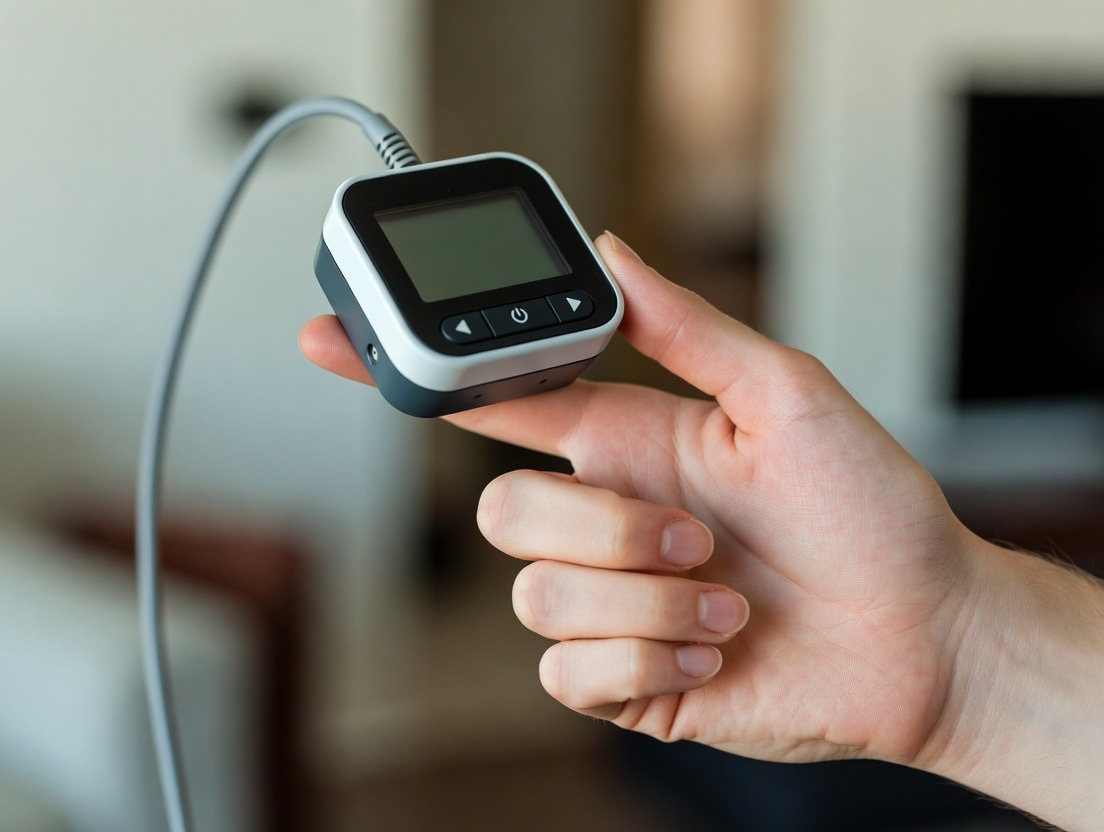
The ultimate success metric of your workplace movement protocol is not what happens between 9 and 5, but how it rewires your fundamental relationship with movement for life. The goal is to develop what we might call “Movement Integrity”—a state where mindful, varied, and regular physical activity is no longer a scheduled task, but an intrinsic part of your identity, seamlessly flowing through all hours of your day. Your smart ring is the companion on this lifelong journey, providing continuity from the office to the living room, the weekend hike, and the family vacation.
This translation happens in phases:
The smart ring becomes a lens through which you view your entire life’s activity pattern. It helps you balance stress and recovery across weeks and months, not just days. It shows you how a physically active weekend truly refreshes you for Monday, and how a sedentary vacation might leave you needing more recovery than you’d expect. This is the pinnacle of personalized health: using continuous data to live in ever-greater harmony with your body’s design.
As we embrace the power of this technology, a critical and necessary conversation must anchor our enthusiasm: the privacy and ethical use of biometric data. In the workplace context, this is a minefield that must be navigated with utmost care, transparency, and principle. The very intimacy of the data—a direct window into your stress, your sleep, your physiological readiness—demands the highest standards of protection and user sovereignty.
Core Principles for the Individual:
For Organizations Seeking to Implement Programs:
As an individual, you hold the power. Before joining any corporate program, ask the hard questions. Read the privacy policy. Understand where your data flows. The goal is to harness technology for empowerment, not to create a new layer of anxiety or control. Your well-being journey should feel liberating, not limiting. For more on how to thoughtfully engage with this technology, our beginner’s guide to sleep tracking outlines the foundational principles of data ownership and use.
We stand on the brink of the next evolution: the move from wearable intelligence to ambient intelligence. Imagine a future where your smart ring is the secure, personal key in a symphony of interconnected, responsive environments. Your workspace won’t just be a static place you bring your healthy habits to; it will actively partner with you to facilitate them.
This is not science fiction. The foundational technology exists today:
In this future, your smart ring becomes the ultimate privacy filter. All sensitive data stays on your person, processed locally. It only broadcasts high-level, context-specific “intentions” or “needs” (e.g., “user needs a movement prompt,” “user is entering a focus period, minimize interruptions”) to the environment, not the raw biometric stream. This preserves individual autonomy while enabling a profoundly supportive ecosystem.
This is the horizon where human-centric design and biometric intelligence fully merge. It’s a future where the goal of technology is not to demand more of our attention, but to seamlessly support our biological needs, freeing us to do our most meaningful work and live our healthiest lives. To be part of shaping this future with technology designed for humans, exploring the vision at the Oxyzen homepage is the first step.
We often think of career success in quarterly reports, annual reviews, and five-year plans. But there’s a longer, more profound timeline at play: the 40, 50, or even 60-year arc of a working life. The daily habits you cultivate at your desk—the movement, the recovery, the stress management—pay a compound interest in a currency more valuable than money: healthspan. This is the longevity dividend, and your smart ring is the actuarial table making that future vividly clear.
The sedentary, high-stress modern workstyle isn't just uncomfortable; it's a primary driver of accelerated biological aging. Telomeres (the protective caps on our chromosomes) shorten faster under chronic stress and inflammation. Metabolic flexibility declines with inactivity, paving the way for insulin resistance. Cognitive reserve erodes without the neurotrophic stimulus of movement and quality sleep. Your ring’s metrics—HRV, resting heart rate, sleep scores, and activity baselines—are real-time proxies for your biological age. A rising trend in HRV and a declining trend in RHR over years is a signal you are winning the longevity game.
The 30-Year Projection:
Consider two parallel career paths, both equally "successful" in terms of title and income.
Your smart ring transforms this from an abstract concept into a daily practice. Each time you honor a movement alert, you are making a deposit into your future self’s vitality account. Each time you use a stress spike as a cue to breathe, you are reducing the inflammatory load on your cells. Each night of quality sleep, especially the deep sleep optimization crucial for cellular repair, is an investment in cognitive longevity. The ring provides the feedback that these micro-actions matter, not just for today’s to-do list, but for the decades to come.
The general principles of movement, recovery, and stress management apply to everyone, but the context of specific high-stakes professions demands tailored protocols. The intensity, unpredictability, and emotional toll of jobs in healthcare, law, finance, and tech create unique physiological challenges that a smart ring can help navigate with precision.
Healthcare Workers (Doctors, Nurses, First Responders):
Legal & Finance Professionals:
Tech & Creative Knowledge Workers:
For all these professionals, the common thread is using objective biometric data to defend their humanity against the extreme demands of their fields. It turns the ring from a tracker into a personal advocate for sustainable performance. For more on building a foundational understanding of the recovery these protocols depend on, our resource on deep sleep and why you're not getting enough is essential reading.
Your relationship with your data is not static. After an initial period of rapid improvement—the "new habit honeymoon"—you will inevitably hit plateaus. Furthermore, life will intervene: a promotion, a new baby, an injury, menopause, a global pandemic. The smart ring’s true value shines not when things are easy, but when they are hard. It becomes a stable compass during times of change, helping you adapt rather than abandon your hard-won habits.
Breaking Through Plateaus:
A plateau is data telling you your body has adapted. Your 10-minute walk no longer moves the needle on your stress score. Your sleep score is stuck at 78. This is a sign to introduce a novel stimulus.
Navigating Major Life Transitions:
In all these scenarios, the goal is to avoid an all-or-nothing mentality. The ring shows you that even on your worst day, some healthy habit is possible—even if it’s just three minutes of conscious breathing. This builds resilience not just of body, but of mindset.
After thousands of words exploring individual metrics and specific protocols, we arrive at the ultimate goal: synthesis. Your smart ring is not a collection of isolated widgets (a step counter here, a sleep tracker there). It is the core of a Personal Performance Dashboard for your life. The art lies in learning to read this dashboard holistically, to see the interconnected story it tells every single day.
A masterful dashboard reader doesn't panic over a single red metric. They look for patterns and narratives:
To build this synthesis, practice a weekly review ritual:
This dashboard empowers you to become the author of your own well-being story, no longer a passive subject of external demands. It is the practical realization of the vision that drives companies like Oxyzen, whose our story page reflects a commitment to this kind of integrated, human-centric health intelligence.
We began in the 3 PM fog, trapped in the sedentary default of the modern workplace. We have journeyed through the science of NEAT, the nuance of HRV, the strategy of chronotypes, the ethics of data, and the long-term vision of a healthspan dividend. The through line is empowerment. The smart ring is the tool, but you are the architect.
This is not about achieving perfect, robotic optimization. It is about reclaiming agency over how you feel during the 90,000 hours you will likely spend working in your lifetime. It’s about replacing guilt and grind with intention and intelligence. It’s about building a work life that fuels you, rather than one you need to recover from.
Your call to action is not a drastic overhaul. It is a series of small, intelligent experiments:
This is how you build a resilient system, one data-informed brick at a time. You will have setbacks and plateaus, but your ring provides the objective feedback to course-correct without self-judgment.
The future of work is not just remote or hybrid; it is human-centric. It is a future where technology serves our biology, enabling us to be more creative, compassionate, and sustainable in our professions. By starting this journey today, you are not only investing in your own vitality but also contributing to a broader cultural shift toward workplaces that truly support human flourishing.
Your smart ring is your ally. The data is your guide. The healthy, vibrant, and productive work life you envision is your blueprint. Now, it’s time to build.
Ready to begin your journey as the architect of your own well-being? Discover the tool designed for this exact purpose. Explore the seamless integration of advanced biometrics and elegant design at the Oxyzen shop. For continued learning and to deepen your understanding of the science behind the metrics, our comprehensive blog is your ongoing resource. Have specific questions? Our FAQ and customer support team are here to help.
Your Trusted Sleep Advocate (Sleep Foundation — https://www.sleepfoundation.org/)
Discover a digital archive of scholarly articles (NIH — https://www.ncbi.nlm.nih.gov/
39 million citations for biomedical literature (PubMed — https://pubmed.ncbi.nlm.nih.gov/)
experts at Harvard Health Publishing covering a variety of health topics — https://www.health.harvard.edu/blog/)
Every life deserves world class care (Cleveland Clinic -
https://my.clevelandclinic.org/health)
Wearable technology and the future of predictive health monitoring. (MIT Technology Review — https://www.technologyreview.com/)
Dedicated to the well-being of all people and guided by science (World Health Organization — https://www.who.int/news-room/)
Psychological science and knowledge to benefit society and improve lives. (APA — https://www.apa.org/monitor/)
Cutting-edge insights on human longevity and peak performance
(Lifespan Research — https://www.lifespan.io/)
Global authority on exercise physiology, sports performance, and human recovery
(American College of Sports Medicine — https://www.acsm.org/)
Neuroscience-driven guidance for better focus, sleep, and mental clarity
(Stanford Human Performance Lab — https://humanperformance.stanford.edu/)
Evidence-based psychology and mind–body wellness resources
(Mayo Clinic — https://www.mayoclinic.org/healthy-lifestyle/)
Data-backed research on emotional wellbeing, stress biology, and resilience
(American Institute of Stress — https://www.stress.org/)


