Natural Energy Boosters Through Body Temperature: Ring Temperature Tracking
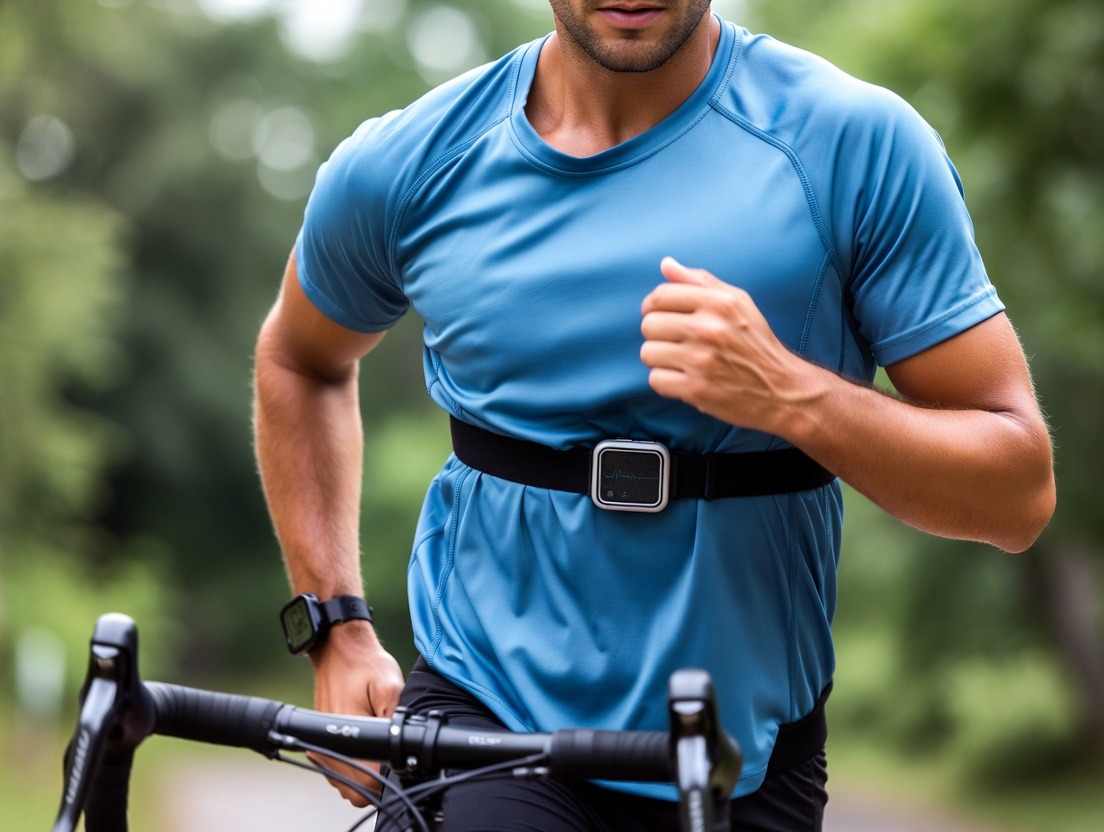
Natural energy regulation through body temperature, tracked by your ring.
Natural Energy Boosters Through Body Temperature: Ring Temperature Tracking
Have you ever noticed that your energy levels feel mysteriously tied to the weather, your sleep, or even the time of day? When you're cold, you feel sluggish. After a workout, you feel invigorated. As evening falls, you wind down. This isn't just coincidence—it's biology. At the very core of your vitality, your metabolism, and your circadian rhythm lies a fundamental biological signal: your body temperature.
For centuries, traditional medicine systems have recognized the profound link between body heat and energy, or "life force." Modern science now confirms this intuitive wisdom, revealing that our core temperature is a master regulator, orchestrating hormone release, enzyme activity, neurotransmitter function, and sleep cycles. It is the silent conductor of your body’s energy orchestra. Yet, most of us are completely disconnected from this critical data stream, guessing at why we crash at 3 PM or why we can’t seem to fall asleep at night.
This disconnect ends now. The advent of continuous, non-invasive temperature tracking via smart rings is revolutionizing personal wellness. No longer confined to a single, often inaccurate, forehead or oral reading, we can now access a dynamic, 24/7 map of our body’s thermal landscape. This isn't about diagnosing fever; it’s about optimizing your baseline. It’s about moving from reactive sickness care to proactive energy management.
Imagine knowing precisely when your metabolic engine is primed for intense focus, identifying the exact nightly dip in temperature that heralds deep, restorative sleep, or receiving an early warning that stress or illness is draining your reserves days before symptoms appear. This is the power of temperature intelligence. By learning to read and respond to your body’s thermal language, you unlock a natural, profound, and personalized pathway to sustained energy. This guide will serve as your master key, merging ancient understanding with cutting-edge technology to show you how to harness your body temperature to fuel your life, naturally.
The Body’s Thermal Engine: Why Temperature is Your Ultimate Energy Metric
To understand why temperature tracking is revolutionary, we must first appreciate the human body as a finely-tuned thermal engine. Your core body temperature is not a static number like 98.6°F (37°C). That’s a misleading average. In reality, it’s a carefully defended, dynamic rhythm—a circadian wave that ebbs and flows throughout the day, dictating your energy, alertness, and recovery.
This rhythm is governed by your hypothalamus, a tiny region in your brain that acts as your body’s thermostat. It balances heat production (thermogenesis) from metabolism and muscle activity with heat loss through your skin and respiration. Every cellular process in your body is temperature-sensitive. Enzymes, the proteins that catalyze every chemical reaction from digesting food to synthesizing ATP (your cellular energy currency), have an optimal temperature range. When your core temperature is in its ideal zone, these enzymes work efficiently, and you produce energy effectively. When it deviates, processes slow down, and you feel fatigued.
Consider this: your temperature rhythm is the physical manifestation of your circadian clock. As you wake up, light hits your eyes, signaling the suprachiasmatic nucleus (SCN) in your brain. The SCN tells your body to increase cortisol production and raise your core temperature, pulling it up from its nighttime nadir. This rise is your biological "ignition switch." It enhances the release of neurotransmitters like dopamine and norepinephrine, sharpening your focus and readiness for the day. Conversely, the evening drop in core temperature—triggered by the release of melatonin—is a critical signal to your body that it’s time to wind down and repair. This dip is essential for initiating and maintaining deep, restorative sleep.
Without tracking, you are flying blind to this fundamental cycle. You might drink caffeine during an energy slump that is actually tied to a natural post-lunch temperature dip, disrupting your evening rhythm. You might schedule a demanding workout when your body is thermally primed for recovery. A smart ring that tracks your distal body temperature (like your finger) provides a reliable proxy for these core shifts, giving you an unprecedented window into the engine room of your energy production. It moves you beyond guesswork, allowing you to align your life with your biology. For a deeper exploration of how these foundational biological rhythms form the bedrock of health, our article on wellness fundamentals and the connection between all body systems offers essential context.
Beyond 98.6: The Science of Circadian Temperature Rhythms and Energy Levels
The myth of a single, static "normal" body temperature is one of the most pervasive oversimplifications in health. In truth, your temperature follows a predictable yet personal sinusoidal wave. For a healthy adult, core temperature typically reaches its lowest point (trough) about two hours before habitual wake-up time, often around 97.0°F to 97.5°F (36.1°C to 36.4°C). It then begins to climb upon waking, peaks in the late afternoon or early evening (often between 4 PM and 6 PM), and gradually declines as bedtime approaches.
The amplitude of this wave—the difference between your daily peak and nightly trough—is a critical biomarker of health and energy resilience. A robust, well-defined amplitude (typically around 1.8°F or 1.0°C) is associated with strong circadian function, healthy hormone regulation, and vibrant daily energy. A flattened rhythm, where the difference between day and night is minimal, is a red flag. It’s associated with circadian disruption, chronic fatigue, poor sleep quality, metabolic issues, and a weakened immune response.
What flattens this vital wave? Modern life is a master at it:
Light at Night: Blue light from screens in the evening tricks your SCN into thinking it’s still daytime, suppressing melatonin and blunting the crucial nighttime temperature drop.
Irconsistent Schedules: Erratic sleep and meal times confuse your internal clock, leading to a dysregulated thermal rhythm.
Chronic Stress: Elevated cortisol can disrupt the smooth transition between sympathetic (heat-producing) and parasympathetic (cooling-down) states.
Lack of Movement: Physical activity is a potent stimulator of thermogenesis and helps strengthen the circadian temperature signal.
Poor Diet: Large, heavy meals late at night force your body to focus on digestion, generating heat when it should be cooling down for sleep.
By tracking your temperature continuously with a smart ring, you move from theory to personal data. You can visualize your own unique waveform. Is your afternoon peak pronounced, or is it a muted hill? Does your temperature fall smoothly in the evening, or does it stay elevated? This data is the starting point for all interventions. It allows you to measure the direct impact of your lifestyle choices on your core energy regulator. For instance, you might see how a late-night work session directly blunts your temperature drop and correlates with poor sleep scores the next morning. This feedback loop is transformative, turning abstract health advice into concrete, personal cause and effect. Understanding this personal baseline is a cornerstone of effective health management, as detailed in our guide on understanding your personal baseline for wellness fundamentals.
The Smart Ring Revolution: How Continuous Tracking Beats Spot Checks
For decades, our only tools for temperature measurement have been episodic and intrusive: oral, tympanic, temporal, or rectal thermometers. These provide a single data point—a snapshot completely devoid of context. They tell you if you have a fever right now, but they reveal nothing about your metabolic health, circadian strength, or energy potential. It’s like trying to understand the plot of a film by looking at a single, random frame.
Continuous temperature monitoring via a smart ring changes everything. By sitting on your finger—a region rich with peripheral blood flow that closely follows core temperature trends—these devices sample your temperature every minute, 24 hours a day. This creates a rich, high-resolution dataset of your thermal biology. The technology, often using a negative temperature coefficient (NTC) thermistor, captures subtle shifts of just 0.05°C, changes that are biologically significant but imperceptible to you.
The power of this continuous data lies in three key areas:
Trends Over Absolute Numbers: The absolute temperature reading is less important than the trend and rhythm. The ring learns your personal baseline and identifies deviations from your norm, not a population average. A sustained elevation of just 0.5°C above your baseline, even if you're still "not feverish" by standard definitions, can indicate stress, inflammation, an oncoming illness, or ovulation.
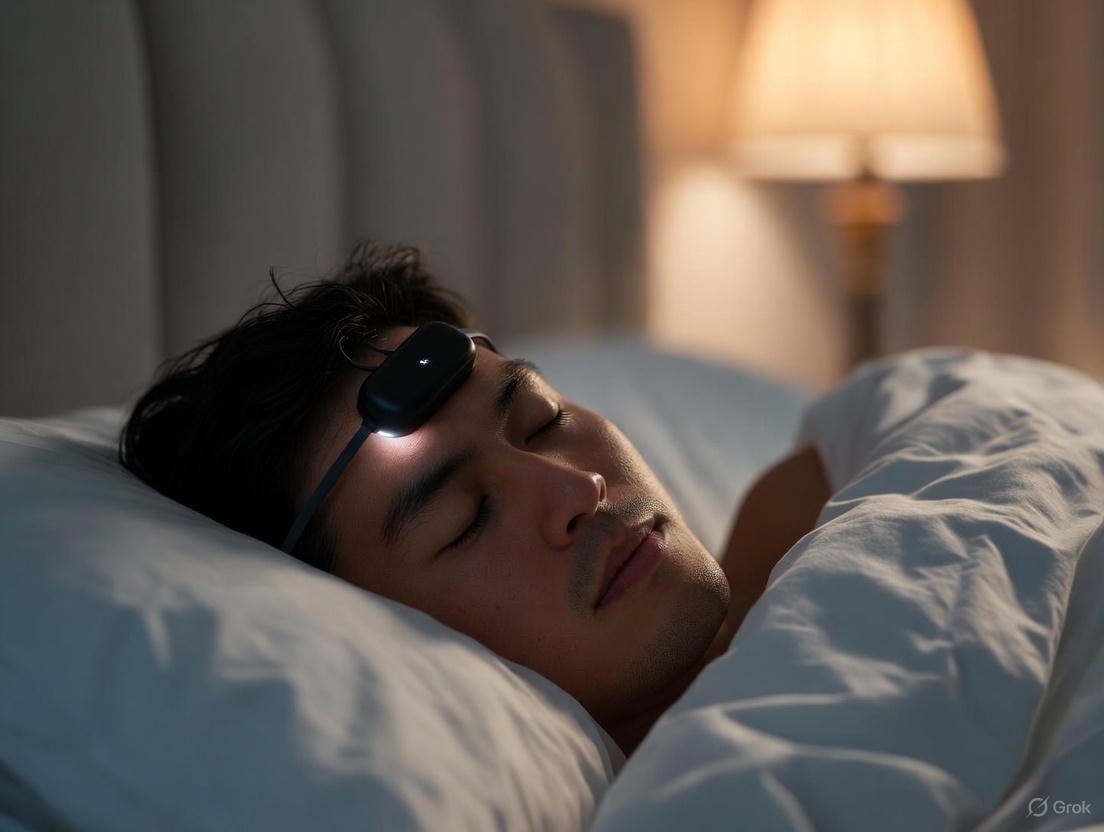
The Nighttime Narrative: The most valuable thermal data is collected while you sleep. In this controlled state, free from the confounding effects of activity, food, and environment, your body reveals its true circadian signature. The ring can pinpoint the timing and depth of your nocturnal temperature minimum, a key metric for circadian phase. It can show how quickly your temperature drops after bedtime (a marker of sleep readiness) and how stable it remains during sleep (a marker of sleep quality).
Actionable Insights, Not Just Data: Advanced algorithms transform raw temperature data into actionable wellness metrics. They can provide a "Readiness" or "Recovery" score, informing you if your body is thermally prepared for stress (like a hard workout) or if it needs rest. They can predict menstrual cycle phases with high accuracy by detecting the biphasic pattern of temperature shift. They can even give early warnings of potential illness, sometimes 1-3 days before you feel symptoms.
This continuous, passive tracking is what makes the ring such a powerful tool for energy optimization. It provides the feedback necessary to experiment and learn what truly works for your body. As this technology evolves, it is fundamentally changing how we approach daily health, making the mastery of core biological signals not just possible, but simple and accessible. To see how this technology is applied to the essentials of health, explore how a smart ring monitors wellness fundamental compliance in everyday life.
Reading Your Thermal Language: Key Temperature Signatures for Energy
Your temperature data tells a story. Learning to read its chapters and paragraphs is the first step to using it for energy enhancement. Here are the key signatures to understand:
The Morning Rise: A swift, decisive rise in temperature upon waking is your body’s way of "booting up" its systems. A sluggish or delayed rise often correlates with morning grogginess, sleep inertia, and low energy for the first few hours of the day. This can be influenced by poor sleep quality, late timing of your nocturnal temperature minimum, or low sleep debt.
The Afternoon Peak: This is your thermal high tide, typically corresponding with peak alertness, fastest reaction times, and highest pain tolerance. It’s the ideal window for your most demanding cognitive tasks, important meetings, or high-intensity exercise. A well-defined peak suggests strong circadian drive. A muted or absent peak may indicate circadian disruption, chronic fatigue, or insufficient daytime stimulus (like light exposure and activity).
The Evening Decline: The initiation and rate of your evening temperature drop are critical for sleep. A smooth, steady decline beginning 1-2 hours before bed is ideal. It signals melatonin release and parasympathetic activation. A blunted or delayed drop—often seen as a "plateau" in your data—is a classic sign of evening overstimulation (from light, food, or stress) and predicts difficulty falling asleep and reduced sleep quality.
Nocturnal Stability: Once asleep, your temperature should remain low and stable. Frequent oscillations or an upward creep during the night can indicate sleep disturbances (apnea, limb movements), a too-warm sleep environment, or underlying inflammation, all of which fragment sleep and impair recovery.
The Temperature Minimum: This is the lowest point of your 24-hour cycle. Its timing is a powerful marker of your internal clock's phase. An early minimum (e.g., 3 AM) might make you a natural "lark," while a later minimum (e.g., 6 AM) aligns with "night owl" tendencies. Knowing this helps you schedule sleep and wake times in harmony with your chronotype for maximally restorative rest.
Beyond the daily rhythm, longer-term patterns are equally revealing:
The Luteal Shift: For women, a sustained temperature elevation of about 0.3-0.5°C (0.5-1.0°F) after ovulation marks the luteal phase of the menstrual cycle, driven by progesterone. This thermal shift is a clear, objective biomarker of cycle phase, helping women understand the energy fluctuations that often accompany different phases.
The Stress/Inflammation Signal: A temperature elevated above your personal baseline for multiple days, outside of the luteal phase, is a strong signal of allostatic load. This could be due to intense training (needing more recovery), psychological stress, dietary inflammation, or the body fighting off a pathogen. It’s a direct sign that your energy systems are under strain.
The Recovery Dip: Following a period of strain, a pronounced dip below your baseline temperature can sometimes be observed, indicating a deep recovery state where the body is conserving energy for repair.
By observing these signatures on your own data dashboard, you transition from being a passenger in your body to an informed co-pilot. This knowledge is a powerful component of a broader system for daily health optimization mastery.
Fueling the Fire: Dietary Strategies to Optimize Your Thermal Rhythm for Energy
Food is thermogenic. The very process of digesting, absorbing, and metabolizing nutrients generates heat—a phenomenon known as diet-induced thermogenesis (DIT). You can strategically use this to stoke your metabolic fire and support your natural temperature rhythm, rather than work against it.
Timing is Thermal:
Breakfast: Breaking your overnight fast with a protein-rich meal can help amplify the natural morning temperature rise. Protein has a higher thermic effect than carbs or fats, meaning your body expends more energy (and produces more heat) to process it. This acts as a metabolic "spark," aligning with your circadian drive upward. A cold, sugary breakfast, conversely, may blunt this rise.
Lunch: This should be your largest or most substantial meal for many people, timed near your temperature peak when digestive capacity and metabolic rate are high. Your body is thermally primed to handle the thermic load.
Dinner: The key here is early and light. A large, heavy, or high-fat meal within 3 hours of bedtime forces your body to generate significant heat for digestion precisely when it is trying to cool down. This is a major cause of a blunted evening temperature decline and poor sleep initiation. A smaller, carbohydrate-rich meal (especially containing tryptophan, a precursor to melatonin) can sometimes support the cooling process, but the portion and timing are critical.
Macronutrient Leverage:
Protein: As mentioned, its high thermic effect makes it an excellent tool for boosting daytime metabolic heat production and satiety.
Complex Carbohydrates: They provide steady fuel for thermogenesis. Spicy foods containing capsaicin (chili peppers) can directly and temporarily increase heat production.
Healthy Fats: While essential, they have a lower thermic effect. Consuming them predominantly earlier in the day avoids adding unnecessary digestive heat at night.
Hydration and Temperature: Water is a crucial temperature regulator. Dehydration impairs the body's ability to shed excess heat through sweat, leading to a higher core temperature and feeling lethargic. Conversely, drinking cold water can induce a mild, short-term thermogenic response as your body warms it. Staying consistently hydrated supports efficient metabolic and thermal regulation throughout the day.
By viewing food not just as calories but as thermal information for your body, you can make choices that amplify your natural energy waves. Pairing this thermal-aware nutrition with foundational habits is key, which is why we emphasize wellness fundamentals and the nutrition-health connection.
Movement as a Thermal Tuning Fork: Exercise’s Powerful Role in Temperature Regulation
Physical activity is arguably the most potent natural modulator of your core temperature and circadian rhythm. It acts as a "zeitgeber" (German for "time giver"), a powerful external cue that synchronizes your internal clock. Understanding the thermal effects of different types of movement allows you to use exercise not just for fitness, but for energy rhythm optimization.
Cardiovascular & High-Intensity Exercise: These are major heat producers. A vigorous workout can raise your core temperature by 2-3°F (1-1.5°C) or more. This has two powerful effects:
Acute: The immediate heat spike enhances blood flow, neurotransmitter release, and metabolic rate, leading to the post-exercise energy boost and elevated mood many experience.
Chronic & Circadian: The heat shock from exercise sends a strong signal to your SCN, reinforcing the "daytime" phase of your cycle. Regularly timed exercise, especially in the morning or afternoon, helps sharpen the amplitude of your daily temperature rhythm. The subsequent post-exercise drop in temperature, often hours later, can also aid the evening cooling process, provided the workout isn't too late.
Strength Training: While perhaps producing less dramatic immediate heat than intense cardio, resistance training builds metabolically active muscle tissue. More muscle mass increases your basal metabolic rate (BMR), meaning you naturally produce more heat at rest, contributing to a healthier, more active baseline thermogenesis.
The Timing Principle: Aligning exercise with your thermal biology maximizes benefits and minimizes disruption.
Morning/Afternoon (During the Ascending or Peak Phase): This is generally ideal. You are leveraging your body's natural rise in temperature and cortisol. Exercise at this time reinforces a strong circadian signal, boosts daytime energy, and allows ample time for temperature to normalize before bed.
Evening (Within ~3 Hours of Bed): For some, this can be problematic. The excess heat production and sympathetic nervous system activation can significantly blunt the critical evening temperature drop, delaying sleep onset and reducing deep sleep. However, individual variation exists. The only way to know your personal response is to track it. A smart ring can show you if your 8 PM yoga class helps you cool down or if it keeps your temperature elevated.
Low-Intensity Movement & Non-Exercise Activity Thermogenesis (NEAT): Never underestimate the cumulative thermal effect of daily movement—walking, taking the stairs, fidgeting. This NEAT contributes significantly to daily energy expenditure and helps maintain a healthy, dynamic temperature profile. Sedentary behavior is associated with a flatter, less robust circadian rhythm.
The Cooling Secret to Energy: How Sleep and Temperature Create a Vital Cycle
Sleep and core body temperature share a bidirectional, intimate relationship. You cannot have deep, restorative sleep without a proper drop in core temperature, and you cannot have a healthy, rhythmic temperature wave without quality sleep. This is the most critical energy-renewal cycle in the human body.
The process is elegant:
As darkness falls, your SCN signals the pineal gland to release melatonin.
Melatonin triggers vasodilation (widening) in your peripheral blood vessels, particularly in your hands and feet. This is why you might have warm hands before bed—it’s your body dumping core heat to the surface to be radiated away.
This heat loss causes your core temperature to drop by about 1-2°F (0.5-1.0°C) from its daytime peak.
This drop is the key signal that initiates sleep onset and is necessary for entering and maintaining deep (N3) sleep and REM sleep.
During sleep, especially in deep sleep, your body performs critical repair, memory consolidation, and hormonal regulation (like growth hormone release). This restores your metabolic and neurological systems.
Upon waking, a healthy system will trigger the temperature rise anew, fueled by the recovery of the night.
Disrupting this cycle is a primary cause of low energy. Common disruptors include:
A Warm Sleep Environment: A bedroom that is too hot (generally above 68°F or 20°C for most) prevents adequate heat dissipation. Your core temperature stays elevated, sleep is shallow, and you wake unrefreshed.
Late-Night Heat Exposure: Hot showers, saunas, or intense exercise too close to bedtime raise core temperature at the wrong time, fighting the natural cooling signal.
Light at Night: Blue light suppresses melatonin, delaying the signal to start the cooling process.
Optimizing for the Drop:
Cool Your Environment: Aim for a bedroom temperature of 65-68°F (18-20°C). Use breathable, moisture-wicking bedding.
Take a Warm Bath 1-2 Hours Before Bed: This seems counterintuitive, but by heating your periphery, you increase blood flow to the skin. When you get out, the rapid heat loss from evaporation accelerates the core temperature drop.
Wear Socks if Needed: Cold feet can cause vasoconstriction, hindering heat loss. Warm feet promote peripheral vasodilation, actually aiding core cooling.
Establish a "Temperature Transition" Routine: Dim lights, power down screens, and engage in calming activities 90 minutes before bed to initiate the parasympathetic and cooling process.
By prioritizing the conditions for this nightly thermal plunge, you invest directly in the quality of your energy for the next day. This highlights why a consistent sleep schedule is a fundamental role in wellness that cannot be overstated.
Stress, Inflammation, and the Overheated State: When Your Energy Burner is Stuck On High
Chronic stress and systemic inflammation create a metabolic state akin to having your engine constantly revving in neutral. It’s energetically wasteful and thermally disruptive. This state is often visible in temperature data as a sustained elevation above your personal baseline—an "overheated" signature that is incompatible with sustained energy.
The Physiology of a "Hot" Stress Response: When your hypothalamic-pituitary-adrenal (HPA) axis is chronically activated by stress (physical, psychological, or immunological), it leads to elevated levels of cortisol and pro-inflammatory cytokines like IL-6 and TNF-alpha. These molecules are pyrogenic (fever-inducing). They signal the hypothalamus to raise the body’s temperature set-point, leading to a low-grade, persistent fever-like state. This consumes a massive amount of energy, diverting resources away from repair, digestion, and cognitive function toward simply maintaining this heightened alarm state. The result? You feel perpetually drained, even though your metabolic furnace is burning hot.
Tracking the Thermal Signature of Stress: A smart ring is exceptionally good at detecting this. Unlike a one-time stress survey, temperature provides an objective, physiological measure of allostatic load.
You may see your resting temperature elevated by 0.3-0.8°C for days on end.
The evening decline may be blunted, as the sympathetic nervous system remains engaged.
The nocturnal temperature may be unstable or higher than usual, preventing deep recovery sleep.
The overall circadian amplitude becomes flattened.
This data is invaluable because it often appears before you consciously acknowledge you're "burnt out." It’s an early warning system. Seeing this pattern can prompt you to intervene with stress-management techniques before a full crash occurs.
Cooling Down the System: Strategies to reduce this thermal burden include:
Parasympathetic Activation: Practices like diaphragmatic breathing, meditation, and gentle yoga can directly lower sympathetic tone and promote heat dissipation.
Anti-Inflammatory Nutrition: Prioritizing omega-3 fatty acids, antioxidants (from colorful fruits and vegetables), and phytonutrients while reducing processed foods and sugars can lower the inflammatory drivers of heat.
Prioritizing Recovery: This means actively scheduling downtime and respecting the data when your ring shows a high stress/recovery need score. It is the embodiment of the principle that wellness fundamentals prove recovery is as important as action.
Leveraging Your Cycle: Temperature Tracking for Hormonal Balance and Female Energy
For women, the menstrual cycle adds a powerful, predictable, and essential layer to the temperature-energy equation. The biphasic temperature pattern—lower in the follicular phase, higher in the luteal phase—is one of the most reliable biomarkers of ovulation and hormonal health. Understanding this rhythm allows women to work with their cyclical energy, not fight against it.
The Thermal Map of the Cycle:
Follicular Phase (Post-Menstruation to Ovulation): Estrogen is dominant. Basal Body Temperature (BBT) is typically at its lower set-point. Many women report higher energy, better stamina, and a preference for more intense exercise during this phase. The body is thermally primed for heat-generating activity.
Ovulation: A slight dip followed by a sharp rise often marks ovulation, triggered by the surge in luteinizing hormone (LH).
Luteal Phase (Post-Ovulation to Menstruation): Progesterone, a thermogenic hormone, becomes dominant. This raises the body's temperature set-point by 0.3-0.5°C (0.5-1.0°F) and maintains it until menstruation begins. This elevated state requires more metabolic energy. It’s common to feel warmer, experience increased resting energy expenditure, and have a natural inclination toward less intense, more restorative activities. Energy may feel more "inward."
Using Temperature Data for Energy Optimization:
Cycle Syncing: By tracking your temperature shift, you can accurately pinpoint your phases without guesswork. You can then tailor your diet, exercise, and work commitments accordingly. Schedule demanding projects and high-intensity workouts in your follicular phase. Prioritize recovery, creative tasks, and strength-maintenance (not peak) workouts in the luteal phase. This reduces the physiological stress of fighting your own hormones.
Identifying Hormonal Imbalances: A consistently erratic, monophasic (no clear shift), or unusually short/long luteal phase temperature pattern can indicate potential hormonal issues like anovulation, luteal phase defect, or thyroid dysfunction. This objective data is powerful for informed conversations with a healthcare provider.
Managing PMS and Perimenopause: Temperature tracking can help identify the often turbulent thermal patterns of perimenopause. It can also illuminate how lifestyle factors in the luteal phase (diet, stress, sleep) correlate with PMS severity, enabling targeted interventions.
For women, temperature tracking transcends simple energy management; it becomes a tool for reclaiming agency over a fundamental biological process. It validates the natural flux of energy and provides a framework to harness it effectively, contributing to sustainable health practices across the lifespan, an approach we discuss in wellness fundamentals for healthy aging.
Environmental Hacks: Using Light, Cold, and Heat to Master Your Metabolism
Your external environment constantly dialogues with your internal thermostat. By strategically manipulating light, cold, and heat exposure, you can send powerful cues to strengthen your circadian rhythm and boost metabolic energy.
Light: The Master Zeitgeber Light exposure, especially in the blue wavelength spectrum, is the most powerful regulator of your SCN and thus your temperature rhythm.
Morning Light: Getting bright, natural light within 30-60 minutes of waking triggers a robust cortisol response and accelerates the morning temperature rise. This sets a strong circadian tone for the day, enhancing daytime alertness and energy. Aim for at least 10-15 minutes of outdoor light (even on cloudy days, it's far more intense than indoor lighting).
Daytime Light: Consistent exposure to bright light throughout the day reinforces the "day" signal, supporting a higher daytime temperature plateau and a well-defined peak.
Evening Darkness: Avoiding bright and blue light 2-3 hours before bed is critical to allow melatonin release and the initiation of the cooling process. Use blue-light blocking glasses, dim red lights, and screen filters. This protects the integrity of your temperature drop.
Cold Exposure: A Metabolic Ignition Switch Controlled cold exposure is a potent stimulator of thermogenesis.
Mechanism: Acute cold (cold showers, ice baths) activates brown adipose tissue (BAT), a special type of fat that burns calories to generate heat (non-shivering thermogenesis). It also increases norepinephrine, boosting focus and metabolic rate.
Timing for Energy: Morning cold exposure can act as a powerful "shock" to the system, amplifying the wake-up signal and temperature rise. It can enhance energy and focus for hours. Evening cold exposure should be approached with caution, as it can be too stimulating for some and delay sleep.
The Adaptation: Regular cold exposure can increase BAT activity and improve your body's metabolic flexibility and cold tolerance, meaning you become more efficient at generating internal heat.
Heat Exposure (Sauna): The Recovery Booster
Mechanism: Sauna use induces hyperthermia, raising core temperature and heart rate in a way that mimics mild exercise. It promotes vasodilation, sweating, and the release of heat shock proteins, which aid cellular repair.
Timing for Energy: Sauna use, particularly in the afternoon or early evening, can be beneficial. The post-sauna cooling period is key. As your body rapidly sheds the excess heat, it can reinforce the natural evening cooling process if done several hours before bed. It also promotes deep, recovery-focused sleep by stimulating growth hormone release.
Contrast Therapy: Alternating heat and cold (sauna followed by a cold plunge) trains your vascular system and thermoregulatory mechanisms, potentially enhancing metabolic resilience.
By intentionally designing your environmental exposures, you become an architect of your thermal biology. These powerful, non-pharmacological tools can dramatically sharpen your circadian rhythm and elevate your baseline energy. Mastering these environmental factors is a key part of building lifelong health strategies with habits that last.
From Data to Energy: Creating Your Personal Temperature Optimization Protocol
Having explored the science and signals of body temperature, we now arrive at the practical application: building a personalized protocol to harness this data for vibrant, sustained energy. This isn't about chasing biohacking fads; it's about creating a systematic, data-informed lifestyle that aligns with your unique biology. Your smart ring provides the feedback; this framework provides the action plan.
Step 1: Establish Your Baseline (The 2-Week Observation Phase) Before making changes, you must understand your starting point. For two weeks, live your normal life while your ring collects data. Resist the urge to "be perfect." The goal is to capture an honest snapshot of your current thermal rhythm. During this phase, focus on observation. Note in a journal:
Your perceived energy levels (scale 1-10) at 10 AM, 3 PM, and 8 PM.
Your sleep timing and subjective quality.
Your exercise timing and intensity.
Major stressors or unusual events. After two weeks, analyze your ring's data dashboard. Identify your average temperature curve. What time is your daily low and high? How pronounced is the amplitude? Is your evening decline smooth or jagged? This baseline is your personal "north star" against which all future experiments will be measured. This process of establishing a baseline is a critical first step in any meaningful health journey, as emphasized in our resource on wellness fundamentals for beginners starting from zero.
Step 2: Optimize the Bookends – Morning Ignition & Evening Cooling These are your highest-leverage points. Small changes here yield dramatic improvements in rhythm amplitude.
The Morning Protocol (6-9 AM): Design a routine to accelerate your temperature rise.
Light First: Get 10-15 minutes of outdoor light within 30 minutes of waking. No sunglasses. If outdoors is impossible, use a bright light therapy lamp (10,000 lux) for 20-30 minutes.
Move Early: Engage in 5-10 minutes of gentle movement—dynamic stretching, a brisk walk, or light calisthenics. This stimulates thermogenesis.
Fuel the Fire: Consume a protein-rich breakfast within an hour of waking (e.g., eggs, Greek yogurt, a protein smoothie). Avoid large doses of sugar.
Consider Cold: A 1-3 minute cool/cold shower at the end of your morning routine can provide a powerful metabolic and focus boost.
The Evening Protocol (2-3 Hours Before Bed): Design a routine to facilitate the temperature drop.
Dim the Lights: Initiate "light hygiene" 90 minutes before bed. Use dim, warm-toned lights. Wear blue-light blocking glasses if using screens.
Cool the Body: Take a warm bath or shower 60-90 minutes before bed. The subsequent cooldown will accelerate heat loss. Ensure your bedroom is cool (65-68°F).
Cease Heat-Producing Activities: Finish eating at least 3 hours before bed. Avoid vigorous exercise, heated arguments, or intense work.
Engage the Parasympathetic System: Practice slow, diaphragmatic breathing (5-second inhale, 5-second exhale), gentle stretching, or meditation.
Step 3: Strategically Time Stressors (Exercise, Meals, Work) Align your day's demands with your thermal tide.
Cognitive Work: Schedule your most demanding mental tasks during your natural temperature ascent (late morning) and peak (afternoon). Use your ring data to find this window.
Exercise: Align workout intensity with your cycle. High-intensity and strength training are best during your temperature ascent or peak (morning/afternoon). Low-intensity, restorative movement (walking, yoga) is ideal in the evening if needed.
Meals: Make lunch your largest meal. Eat a lighter, earlier dinner. Observe how different foods (e.g., a heavy pasta dinner vs. a light fish-and-veg meal) affect your nocturnal temperature graph.
Step 4: Implement, Track, and Iterate Introduce one change from Step 2 or 3 at a time. Give it 5-7 days while closely monitoring your ring's temperature graph, sleep scores, and energy journal. Look for:
A sharper morning rise.
A more defined afternoon peak.
A smoother, steeper evening decline.
Improved sleep stability scores.
Subjective increases in energy.
This iterative process—hypothesis, experiment, data review—turns you into the scientist of your own life. The ring provides the objective metrics to cut through placebo effects and guesswork. For a comprehensive system that integrates this kind of iterative tracking into every aspect of daily life, explore our guide to daily health optimization mastery.
The Warning Signals: How Temperature Predicts Illness, Burnout, and Energy Crashes
One of the most profound utilities of continuous temperature tracking is its predictive capacity. Long before you feel a sore throat, a wave of exhaustion, or the mental fog of burnout, your body's thermal signature begins to change. Learning to recognize these early warning signals allows for proactive intervention, potentially heading off a total energy system crash.
1. The Oncoming Illness Signature: Your immune system's first line of defense is often a pyrogenic (fever-inducing) response. With continuous tracking, you can see this unfold in stages:
Phase 1 – The Inflammatory Uptick (24-72 hours pre-symptoms): You may see a slight but sustained elevation (0.3-0.5°C) in your resting daytime temperature, or a notably higher temperature upon waking. Your nightly low might not dip as deeply. This reflects the body raising its set-point to create a hostile environment for pathogens.
Phase 2 – The Fever Pattern: The classic fever spike becomes obvious, but you also see a loss of circadian rhythm. The normal daily wave is replaced by a chaotic, elevated pattern. The body is in full combat mode, diverting massive energy to the immune response.
Phase 3 – The Recovery Dip: As the illness breaks, fever subsides, and you may even see your temperature fall below your normal baseline for a day or two. This is a critical recovery period where the body is energetically depleted and needs deep rest.
Action: Upon seeing the Phase 1 "inflammatory uptick," you can immediately implement a recovery protocol: prioritize sleep, hydrate aggressively, reduce physical and mental stress, and boost nutrients like vitamin C, zinc, and probiotics. This can sometimes mitigate the severity or duration of the illness.
2. The Burnout/Overreaching Signature: This is a subtler, more chronic pattern often seen in athletes, high-performers, and the chronically stressed.
The Flattened Rhythm: The amplitude of your daily temperature wave shrinks. The difference between your daily peak and nightly trough becomes less than 1.0°C. This indicates a dysregulated circadian system and HPA axis dysfunction.
Elevated Nocturnal Temperature: Your temperature does not drop sufficiently at night. The graph shows a high, unstable plateau during sleep instead of a deep, stable trough. This signals a failure to enter the parasympathetic, restorative state, preventing physical and neurological recovery.
Sluggish Morning Rise: The expected post-waking temperature climb is slow and muted. You feel like you're running on a low battery all morning.
Action: This pattern is a non-negotiable red flag to pull back. It requires a deliberate "re-syncing" period. This means strictly enforcing sleep hygiene, dialing back training intensity to gentle movement only, incorporating daily stress-downregulation practices (meditation, nature time), and ensuring superb nutrition. Ignoring this thermal signature leads directly to injury, illness, or full-blown burnout. This is a clear example of why stress management is the foundation of wellness fundamentals.
3. The Energy Crash (Post-Event) Signature: After a major physical or mental event—a marathon, a crucial product launch, a wedding—you may experience a predictable energy crash. The temperature signature often shows a pronounced dip below your normal baseline for 1-3 days. This is your body's way of forcing a recovery state by lowering metabolic demand.
Action: Honor the dip. This is not the time to "push through." It's a time for extra sleep, nourishing food, and gentle activity. Pushing against this biological signal prolongs recovery and undermines your next performance cycle. Understanding these signals reinforces the principle that true health is about balance and listening to your body's data, a core theme in wellness fundamentals and understanding homeostasis.
Beyond the Individual: How Temperature Rhythms Sync with Social and Seasonal Cycles
Your body's thermal engine does not operate in a vacuum. It is deeply embedded in, and influenced by, larger cycles—the social rhythms of your week and the seasonal rhythms of the planet. Recognizing these patterns adds another layer of context for managing your energy.
The Weekly Rhythm (Social Jetlag): For many, the temperature rhythm on Monday morning looks radically different from Saturday morning. "Social jetlag" refers to the shift in sleep/wake times (and thus light exposure and meals) between workdays and free days. This misalignment between your social clock and biological clock has a clear thermal signature:
Friday/Saturday Night: Later bedtime, often with later light and food exposure, leads to a delayed temperature minimum on Saturday/Sunday morning.
Sunday Night: An attempt to sleep earlier for Monday may fail because your temperature hasn't begun its drop yet, leading to poor sleep.
Monday Morning: Waking earlier forces you out of bed during a later temperature minimum phase, resulting in severe grogginess, a sluggish temperature rise, and low energy.
Mitigation Strategy: Try to keep your wake-up time within a 60-minute window every single day, even on weekends. This is the most powerful step to stabilize your circadian rhythm week-round. If you stay up later, still get up at your regular time and consider a nap later. Consistency is the bedrock of circadian health.
The Seasonal Rhythm: As daylight hours wax and wane, so too do our thermal patterns. Less daylight, especially morning light, in winter can weaken the circadian signal, leading to a flatter temperature amplitude. This is a physiological component of Seasonal Affective Disorder (SAD). You may notice:
A harder time achieving a robust morning temperature rise.
A lower overall daytime temperature plateau.
A stronger craving for warming, carbohydrate-rich foods.
Seasonal Adaptation Strategies:
Winter: Morning light therapy becomes crucial. Prioritize exposure to bright light as soon as possible after waking. Maintain consistent exercise to drive thermogenesis. Embrace the natural inclination for slightly more sleep.
Summer: Leverage the abundant morning light. Be mindful of overheating, especially at night—use fans and cooling strategies. Your natural temperature amplitude may be stronger, supporting higher energy levels.
By viewing your personal temperature data through these broader lenses, you can anticipate and plan for predictable energy fluctuations throughout the week and year. This long-term, cyclical perspective is key to building sustainable health through wellness fundamentals.
Case Studies in Thermal Transformation: Real-World Energy Turnarounds
Theory is powerful, but real-world examples cement understanding. Here are anonymized case studies derived from smart ring user data, illustrating how temperature intelligence catalyzed dramatic energy improvements.
Case Study 1: The "3 PM Crash" Office Worker
Profile: Mark, 42, software developer. Complained of debilitating brain fog and fatigue every afternoon, leading to excessive coffee and sugary snacks.
Baseline Data: Ring data revealed a classic flattened rhythm. His temperature peaked weakly at 11 AM (too early) after a slow rise, then began a steady decline after lunch. His evening drop was almost non-existent due to late-night screen work.
Interventions: 1) Introduced a 15-minute morning walk outside immediately after waking. 2) Switched to a high-protein breakfast, eliminated mid-morning pastry. 3) Used a light therapy lamp at his desk from 2 PM to 3 PM. 4) Instituted a strict "no screens after 10 PM" rule, wearing blue-blocking glasses from 9 PM.
Results (After 4 Weeks): His morning temperature rise became steeper and peaked 3 hours later, around 2 PM. The 3 PM crash vanished. His evening temperature drop became pronounced, and his sleep score improved by 30%. He reported stable energy from 8 AM to 7 PM without stimulant reliance.
Case Study 2: The Overtrained, "Tired but Wired" Athlete
Profile: Sarah, 29, amateur triathlete. Constantly fatigued but unable to sleep deeply. Performance plateaued; felt irritable.
Baseline Data: Her temperature graph showed a high, flat line. No discernible amplitude. Nighttime temperature was elevated and erratic. Readiness scores were perpetually low.
Interventions: 1) Took a full 5-day rest from structured training, only gentle walking. 2) Added a 6 PM sauna session 4x/week, followed by a cool shower. 3) Prioritized post-workout carbs and protein within 30 minutes of any session. 4) Incorporated 10 minutes of evening meditation.
Results (After 3 Weeks): A clear circadian wave re-emerged. Her nightly temperature minimum dropped by 0.7°C, and her sleep stability score skyrocketed. Her daytime energy returned, and she resumed training at a 20% reduced volume, seeing performance gains within two weeks. Her data proved she needed more recovery, a fundamental insight discussed in how wellness fundamentals enable peak performance.
Case Study 3: The Perimenopausal Professional
Profile: Lisa, 48, executive. Suffered from debilitating hot flashes, night sweats, and unpredictable energy crashes that disrupted her work.
Baseline Data: Highly erratic temperature pattern with no clear cycle. Sudden, dramatic spikes (hot flashes) visible throughout the day and night, fragmenting sleep.
Interventions: 1) Used temperature data to identify that caffeine after 10 AM triggered worse afternoon flashes. Eliminated it. 2) Started a consistent bedtime/wake time, even on weekends. 3) Implemented layered bedding and a cooling mattress pad to manage night sweats. 4) Used the ring's stress metric to identify high-tension meetings and began pre-emptive box breathing.
Results (After 6 Weeks): While flashes didn't disappear, their frequency and intensity lessened by ~40%. Sleep interruptions dropped significantly. The predictability of her energy improved, allowing her to schedule critical work during her more stable thermal windows. She gained a sense of control through data.
These cases demonstrate that regardless of the starting point—lifestyle-induced fatigue, exercise-induced overreach, or hormonal transition—temperature data provides the objective roadmap back to energy equilibrium.
Debunking Myths: Separating Temperature Fact from Fiction
As with any area of health optimization, misconceptions abound. Let's clarify some common myths about body temperature and energy.
Myth 1: "A lower body temperature means a slower metabolism and less energy." Reality: This is an oversimplification. A healthy low temperature, such as during your nocturnal minimum, is a sign of efficient cooling and deep recovery, which is essential for daytime energy. However, a chronically low daytime temperature (hypothermia range) can indicate a severely slowed metabolism, often due to conditions like hypothyroidism. The key is the rhythm—the dynamic swing from a healthy low to a healthy high. A robust amplitude, not just a high set-point, correlates with energetic vitality.
Myth 2: "You should always feel warm if you have good energy." Reality: Feeling subjectively warm or cold is more about peripheral blood flow and skin temperature than core temperature. You can have a high core temperature (like during a fever or stress) and feel chilled because blood is shunted away from the skin. Conversely, during the initial phase of sleep onset, you may feel warm (heat dumping to extremities) as your core temperature drops. Good energy is associated with the appropriate temperature for the time and context, not a constant feeling of warmth.
Myth 3: "Temperature tracking is only useful for fertility or fever detection." Reality: While BBT tracking has a long history in fertility, and thermometers detect fever, continuous temperature tracking via a smart ring is a fundamentally different tool. It’s about monitoring a core physiological process, not just a state. It provides a continuous stream of data on metabolism, circadian health, stress load, recovery status, and immune activity. It’s a tool for optimization and prevention, far beyond its diagnostic origins.
Myth 4: "If my temperature is normal, I'm healthy." Reality: "Normal" is a population average that ignores individual baselines and circadian phase. More importantly, you can have a "normal" temperature reading at a single point in time while suffering from a severely flattened circadian rhythm (a sign of poor health). Health is reflected in the dynamic pattern, not a static number.
Myth 5: "Drinking ice water significantly lowers core temperature and boosts metabolism." Reality: While drinking ice water causes a very small, short-term increase in calorie burn (as your body warms the water), the effect on core temperature is minimal and transient. It is not a viable strategy for meaningful metabolic change. Consistent hydration with water at any temperature is far more important for supporting the enzymatic processes of energy production.
Dispelling these myths clears the path for a more nuanced and accurate understanding of how your thermal biology truly works, aligning with an evidence-based wellness fundamentals approach that actually works over fleeting trends.
The Future of Thermal Intelligence: Where Personalized Energy Management is Headed
The integration of continuous temperature data into daily life is just the beginning. The frontier of thermal intelligence is rapidly expanding, promising even more personalized and predictive energy management systems.
1. Multi-Sensor Fusion and Advanced Analytics: The future lies not in temperature data alone, but in its fusion with other physiological streams from the smart ring and beyond.
HRV + Temperature: Combining heart rate variability (a measure of autonomic nervous system balance) with temperature trends creates a powerful dual-axis model of stress/recovery. A low HRV with a rising temperature is a definitive "stand down" signal.
Sleep Architecture + Temperature: Correlating specific sleep stages (deep, REM, light) with precise thermal fluctuations will yield hyper-personalized sleep optimization advice.
Activity + Temperature: Algorithms will move beyond step counting to assess the metabolic and thermal cost of your specific movements, providing precise recovery needs.
2. Artificial Intelligence and Predictive Personalization: Machine learning models will analyze your unique historical data to:
Predict Energy Windows: Your device will notify you, "Your temperature rhythm suggests optimal focus between 10:15 AM and 12:30 PM today."
Forecast Illness Risk: Based on subtle deviations in your baseline, an AI might alert you, "Elevated resting temp detected. Illness risk is 65% in the next 48 hours. Suggested action: Increase sleep by 90 minutes tonight."
Personalize Interventions: Instead of generic advice ("get morning light"), the system will learn what specific interventions (duration of light, type of morning exercise) yield the strongest positive thermal response for you.
3. Closed-Loop Environmental Integration: Your physiological data will begin to automatically control your environment for optimal energy.
Smart Homes: Your ring data could signal your smart thermostat to begin cooling the bedroom 90 minutes before your predicted bedtime, based on your real-time temperature decline. Smart lights could gradually shift spectrum and intensity to reinforce your circadian wave.
Personal Climate Devices: Wearable micro-conditioning devices (like wrist-based thermoelectric coolers) could provide active, on-demand cooling or warming to help nudge your core rhythm in real-time, combating jet lag or night shifts.
4. Digital Therapeutics and Clinical Integration: Continuous temperature data will become a standard vital sign in remote patient monitoring and digital therapeutics.
Chronic Condition Management: For conditions like ME/CFS, Long COVID, or fibromyalgia, where energy metabolism is centrally impaired, temperature rhythm monitoring could track disease activity and treatment efficacy.
Mental Health: Given the strong link between circadian/thermal disruption and mood disorders, temperature data could provide objective biomarkers for conditions like depression and guide chronotherapeutic treatments (timed light, sleep, medication).
This future points toward a truly personalized, proactive, and precise model of health—one where managing your energy is as data-informed and routine as managing your finances. It represents the ultimate realization of making wellness fundamentals measurable and accessible through smart technology.
Integrating Temperature Wisdom into Your Total Wellness Foundation
Temperature optimization is not a standalone hack. It is a powerful, amplifying layer that sits upon a solid foundation of fundamental health practices. To extract its full value, it must be integrated into a holistic view of wellness. Think of your body as a complex engine: temperature is the finely tuned gauge for the cooling system and RPMs, but the engine still needs quality fuel, regular maintenance, and clean oil.
The Hierarchy of Health Priorities:
The Bedrock (Non-Negotiables): These are the fundamentals that any temperature strategy builds upon. Without these, you are merely decorating a crumbling structure.
Consistent, High-Quality Sleep: The primary driver of your temperature rhythm. No protocol can overcome chronic sleep deprivation.
Nutrient-Dense, Whole-Foods Diet: Provides the substrates for all metabolic and thermal processes.
Regular, Balanced Movement: Maintains metabolic health and provides the stimulus for a strong circadian signal.
Stress Management: Prevents the chronic "overheated" state that derails rhythm and depletes energy.
Social Connection & Purpose: Often overlooked, these psychological fundamentals profoundly influence physiological regulation, including HPA axis function.
The Optimization Layer (Temperature-Aware Practices): This is where your ring data guides you to refine the fundamentals.
Not just "sleep more," but sleep in sync with your temperature minimum.
Not just "eat healthy," but time your meals to support your thermal wave.
Not just "exercise," but align workout type and intensity with your circadian phase.
Not just "reduce stress," but use temperature data to objectively identify stressors and measure the efficacy of your down-regulation techniques.
The Advanced Tuning (Precision Tools): This includes the environmental hacks (targeted light, deliberate heat/cold exposure) and micronutrient strategies that can sharpen an already robust system.
The critical insight is that Layer 2 (Optimization) is futile without Layer 1 (Bedrock). A smart ring will clearly show you this. If you are getting only 5 hours of fragmented sleep, your temperature rhythm will be flat and chaotic. All the morning light and cold showers in the world will only be a minor stimulatory blip on a dysfunctional baseline. The ring validates that mastering the basics is the most powerful "biohack" of all, a truth explored in depth in our article on why wellness fundamentals matter more than advanced tactics.
By first committing to the fundamentals and then using temperature data to personalize and optimize them, you build a resilient, energy-abundant system that can thrive in the face of life's demands. This integrated approach is what creates lasting health momentum, as detailed in our resource on how wellness fundamentals create health momentum.
Your First 30 Days: A Step-by-Step Action Plan for Thermal Energy Mastery
Knowledge without action is merely trivia. Here is a concrete, sequential 30-day plan to implement the principles of thermal energy optimization, using your smart ring as your guide.
Days 1-7: The Pure Observation Week
Action: Wear your ring continuously. Do not try to change anything. Go about your normal routine.
Journal: Note your energy (1-10 scale) at three fixed times. Log your bedtime, wake time, meals, and exercise.
Goal: Establish your honest baseline. Get comfortable with the app's data views (temperature graph, sleep score, readiness if available).
Days 8-14: Master the Morning Ignition
Action: Implement the Morning Protocol from Section 11. Pick one or two elements to start (e.g., morning light + protein breakfast).
Track: Watch your ring's temperature graph. Is the morning rise steeper? Does your energy feel different before lunch?
Goal: See a visible improvement in the slope of your temperature curve from wake-up until noon.
Days 15-21: Perfect the Evening Cooldown
Action: Implement the Evening Protocol. Start with light hygiene (dim lights, no screens 90 min before bed) and a cool bedroom.
Track: Observe your evening temperature decline on the graph. Is it starting earlier? Is it smoother? Check your sleep stability score.
Goal: Achieve a more pronounced and consistent drop in temperature leading into bedtime, correlating with better sleep scores.
Days 22-30: Strategize and Integrate
Action: Based on your now-clearer rhythm, schedule one important task during your perceived temperature peak. Time your largest meal for lunch. Align one workout with your high-energy phase.
Track: Use your journal and ring data to correlate these timed actions with subjective energy and objective scores.
Goal: Experience at least 2-3 days of stable, high energy without afternoon crashes. Feel a sense of predictability and control over your vitality.
Ongoing: The Iterative Loop After 30 days, conduct a review. Compare your Week 4 temperature graph to your Week 1 baseline. The differences should be visually apparent—a sharper, more defined wave.
What worked? Double down on those practices.
What didn't move the needle? Modify or discard them.
What new question do you have? Design your next 7-day experiment (e.g., "Does a 4 PM walk affect my evening decline more than a 4 PM coffee?").
As we conclude this portion of our exploration, remember that the journey to mastering your energy through body temperature is a continuous process of learning and adaptation. You have been equipped with the scientific framework, the practical protocols, and the strategic mindset to begin. In the next segment, we will delve deeper into advanced interpretation, tackling specific complex scenarios, and exploring how this knowledge empowers you through every life stage and challenge, solidifying your path to unwavering vitality.
Navigating Complexities: Advanced Interpretation for Athletes, Shift Workers, and Chronic Conditions
Mastering your thermal rhythm in a controlled, ideal environment is one thing. Applying this knowledge to real-world complexities—non-traditional schedules, high-performance demands, or underlying health challenges—is where true expertise is forged. This section provides a roadmap for navigating these demanding scenarios.
For the Elite Athlete and Serious Trainer: For this group, temperature is not just an energy metric; it’s a precise gauge of recovery, adaptation, and overtraining risk.
The Acute Workout Signature: A hard training session will cause a significant temperature spike. A healthy response shows a clear spike, followed by a return to baseline within a few hours, and ideally, a slightly deeper temperature drop that night, signifying robust recovery. An unhealthy response shows a temperature that stays elevated for 12-24+ hours post-workout, or a failure to drop at night. This indicates excessive inflammation and insufficient recovery capacity.
Tracking Adaptation (The Supercompensation Wave): With perfect recovery, you may observe a fascinating pattern over a training cycle: a slight downward trend in resting morning temperature as the body becomes more efficient, followed by a return to baseline or a slight elevation on a "supercompensation" day where performance is primed. Spotting this requires meticulous daily data review.
Periodization Based on Biomarkers: Instead of rigid calendar-based plans, future training will be guided by live biomarkers. Your ring's "Readiness" score (derived from temperature, HRV, and sleep) will dictate daily intensity: "Temperature elevated + HRV low = Active Recovery day," regardless of what the paper plan says. This is the ultimate in personalized periodization, preventing overreaching. This data-driven approach exemplifies how smart ring data proves wellness fundamentals work in high-stakes environments.
For the Shift Worker and Frequent Traveler: These individuals face the supreme challenge: fighting against their innate circadian biology. The goal here shifts from "optimizing" a natural rhythm to "managing the damage" and facilitating faster adaptation.
The Night Shift Strategy: The objective is to create a complete circadian inversion. This is extremely difficult but possible with extreme consistency.
Light is Your Lever: Use bright light therapy lamps (blue-enriched) during the first half of your night shift to signal "daytime" to your brain. During your "daytime" sleep, ensure absolute darkness (blackout curtains, eye mask). Wear blue-blocking glasses on your commute home in the morning sunlight.
Meal Timing as a Zeitgeber: Eat your "breakfast" at the start of your shift and your "lunch" in the middle. Avoid large meals before your sleep period.
Temperature Tracking's Role: It provides brutal honesty. It will show how successful your inversion attempt is. A successful inversion will eventually show your temperature peak in the middle of your night shift and your trough in the middle of your daytime sleep. Without data, you're guessing.
Jet Lag Mitigation: Use temperature principles to accelerate adaptation to a new time zone.
Eastbound Travel (Harder): You need to advance your clock. Seek bright morning light at your destination. Consider a small dose of melatonin (0.5-1mg) taken at local bedtime. Your ring will show your temperature minimum slowly moving earlier.
Westbound Travel (Easier): You need to delay your clock. Seek bright evening light at your destination. Avoid morning light. Your temperature minimum will drift later.
The Pre-Travel "Soft Shift": For 3 days before a major trip, gradually shift your sleep and meal times 60-90 minutes per day toward the destination schedule. Your ring data helps you track this shift.
For Those Managing Chronic Fatigue, Long COVID, or Dysautonomia: For this population, the autonomic nervous system (ANS) and metabolic function are impaired. Temperature data becomes a crucial, objective map of a dysregulated system.
Common Signatures: A classic pattern is a severely flattened or chaotic circadian rhythm with almost no amplitude. Temperature may be unstable, spiking with minimal exertion (like standing up) due to poor ANS control of blood vessels (a sign of Postural Orthostatic Tachycardia Syndrome - POTS). The evening drop may be absent.
Using Data for Pacing: "Pacing" is the cornerstone of managing these conditions. Temperature provides the ultimate pacing biofeedback. Patients learn that an activity which pushes their temperature above a certain threshold or prevents an evening drop will predictably result in a "crash" (Post-Exertional Malaise) 24-48 hours later. The ring allows them to find their precise energy envelope and stay within it.
Tracking Treatment Efficacy: Interventions like graded exercise therapy (GET), certain medications, or dietary changes can be objectively evaluated. Is the temperature rhythm gaining amplitude? Is the resting temperature stabilizing? This moves management from subjective symptom reporting to objective progress tracking, providing hope and direction. This careful, foundational management is aligned with a wellness fundamentals approach to disease prevention and management.
The Mind-Body Thermal Loop: How Thoughts and Emotions Directly Heat You Up
The connection between psychology and physiology is nowhere more immediate than in the realm of temperature. Your thoughts and emotions have a direct, measurable thermal signature. Understanding this mind-body thermal loop is essential for comprehensive energy management.
The Neuroscience of "Feeling Hot-Headed": Stressful thoughts activate the sympathetic nervous system (SNS) and the HPA axis. This triggers:
Vasoconstriction in the gut and periphery (which can make your hands cold).
Increased metabolic rate and thermogenesis in core organs.
Release of pyrogenic inflammatory cytokines.
The net result is a rise in core temperature. A sudden anxiety spike can cause a measurable temperature increase within minutes. Chronic worry or rumination maintains a low-grade, stress-induced hyperthermia, contributing to the flattened, elevated rhythm seen in burnout.
Conversely, the Physiology of "Cooling Down": Calming practices like meditation, deep breathing, and gratitude journaling activate the parasympathetic nervous system (PNS). This promotes:
Vasodilation, particularly in the extremities, facilitating heat loss.
A reduction in metabolic rate.
A decrease in inflammatory signaling.
The result is a prompt drop or stabilization of core temperature. This is why techniques like box breathing are so effective before bed—they actively facilitate the physiological cooling necessary for sleep.
Practical Applications of Thermal-Aware Mindfulness:
Pre-Event Nerves: Before a presentation, use a cooling technique. Sip cool water. Practice paced breathing. This can literally lower your core temperature, reducing the physical feeling of anxiety and clearing your mind.
Evening Rumination: If your mind is racing at night, your temperature will stay elevated. Break the cycle with a body scan meditation, consciously relaxing and "cooling" each part of your body. Your ring can show you the direct correlation between this practice and a steeper sleep-onset temperature drop.
Thermal Biofeedback: Use your ring's live temperature trend (if available) in a quiet meditation session. Watch what happens to the graph as you focus on a stressful memory versus a peaceful one. This creates powerful somatic awareness, teaching you that you have direct agency over your physiological state.
Building a Temperature-Resilient Family: Strategies for All Ages
Thermal wellness is not a solo pursuit. Our rhythms affect and are affected by those we live with. From children to aging parents, applying temperature-aware principles can improve health and harmony for the whole household.
For Children and Adolescents: Young bodies have robust circadian rhythms, but modern life works against them.
The Blue Light Assault: Excessive screen time, especially before bed, is devastating to a child's sleep and temperature rhythm. Enforce screen curfews and use physical books or dim, non-screen activities before bed.
The Power of Routine: Children thrive on consistency. A fixed bedtime and wake-up time, even on weekends, is the single best way to entrain a strong, healthy temperature rhythm for life. This builds the foundation for wellness fundamentals in families and children.
Morning Light: Encourage outdoor play or walking to school in the morning light. This sets their biological clock for the day, improving mood, focus, and energy in school.
For Partners and Shared Rhythms: Couples often have different chronotypes (lark vs. owl). This can create conflict around sleep schedules and energy availability.
Data-Driven Compromise: Use ring data to understand each other's rhythms objectively, not judgmentally. "Your data shows you're thermally primed for bed at 10 PM, while mine shows I don't drop until 11:30 PM. Can we compromise on lights out at 10:30, and I'll read with a book light?"
Syncing When Possible: Try to wake up within 60-90 minutes of each other, even on weekends. Share morning light exposure with a joint walk or coffee on the porch. This gently nudges rhythms closer together.
Respecting the Dip: If your partner's data shows a high stress load and elevated temperature, respect their need for recovery instead of pushing for social activities. This fosters a supportive, health-conscious relationship.
For Aging Adults: Aging often brings a weakening of the circadian signal, leading to a flatter temperature rhythm, advanced sleep phase (feeling sleepy very early), and fragmented sleep.
Combating the Flattening: Bright light therapy in the late afternoon can be particularly effective for seniors, helping to strengthen the circadian signal and delay the evening temperature drop slightly, reducing early morning awakenings.
Managing a Cooler Baseline: Older adults often have a lower average body temperature and impaired thermoregulation. Ensuring a warm enough environment during the day (without overheating the bedroom at night) is crucial for comfort and metabolic function.
The Medication Effect: Many medications can affect temperature regulation. Tracking temperature can help identify if a new medication is disrupting sleep or energy, providing valuable information for healthcare providers.
Creating a temperature-conscious household transforms health from an individual secret into a shared family value, promoting empathy and collective well-being.



%402x.svg)