How Your Smart Ring's Recovery Score Dictates Morning Workout Intensity
Explains how your ring's recovery score determines whether you should have an intense or light morning workout.
How Your Smart Ring's Recovery Score Dictates Morning Workout Intensity
The alarm goes off. The morning is still dark. You lace up your running shoes or roll out your yoga mat, fueled by a singular, unwavering intention: to crush today's workout. But what if that very intention—to push harder, lift heavier, run faster—is the very thing sabotaging your long-term progress, your performance, and even your health?
For decades, fitness culture has been driven by discipline and consistency, often at the expense of listening to our bodies. We followed rigid, pre-programmed schedules, pushing through fatigue, stress, and malaise in the name of "no days off." The result? A silent epidemic of overtraining, burnout, injury, and stalled results.
Enter the era of biometric intelligence. The smart ring, an unassuming piece of wearable technology, is fundamentally rewriting the rules of personal fitness. It moves us from a calendar-based training model to a physiology-based one. At the heart of this revolution is a single, powerful metric: the Recovery Score.
This isn't just another number to glance at. It is a comprehensive, data-driven verdict on your body's readiness to perform. It synthesizes the whispers of your nervous system, the rhythms of your heart, and the depth of your sleep into a clear directive. It answers the most critical question you face each morning: "What am I capable of today?"
This article is your definitive guide to understanding how this score is calculated, what it truly means, and, most importantly, how to let it dictate the intensity, duration, and type of your morning workout. We will dismantle the "push-through" mentality and replace it with a smarter, more responsive, and ultimately more effective approach to training. This is the end of guessing and the beginning of training with precision.
The Rise of the Smart Ring: From Step Counter to Recovery Oracle
To understand the significance of the Recovery Score, we must first appreciate the evolution of the wearable that delivers it. The journey from the basic pedometer to the sophisticated smart ring is a story of moving from external activity tracking to internal physiological monitoring.
Early fitness trackers were obsessed with output. They counted steps, estimated calories burned, and tracked distance. They were, essentially, accountants for movement. While helpful for general awareness, they told only half the story—the doing half. They completely ignored the critical being half: How is your body responding to that movement? How well is it repairing itself? What is its current capacity for stress?
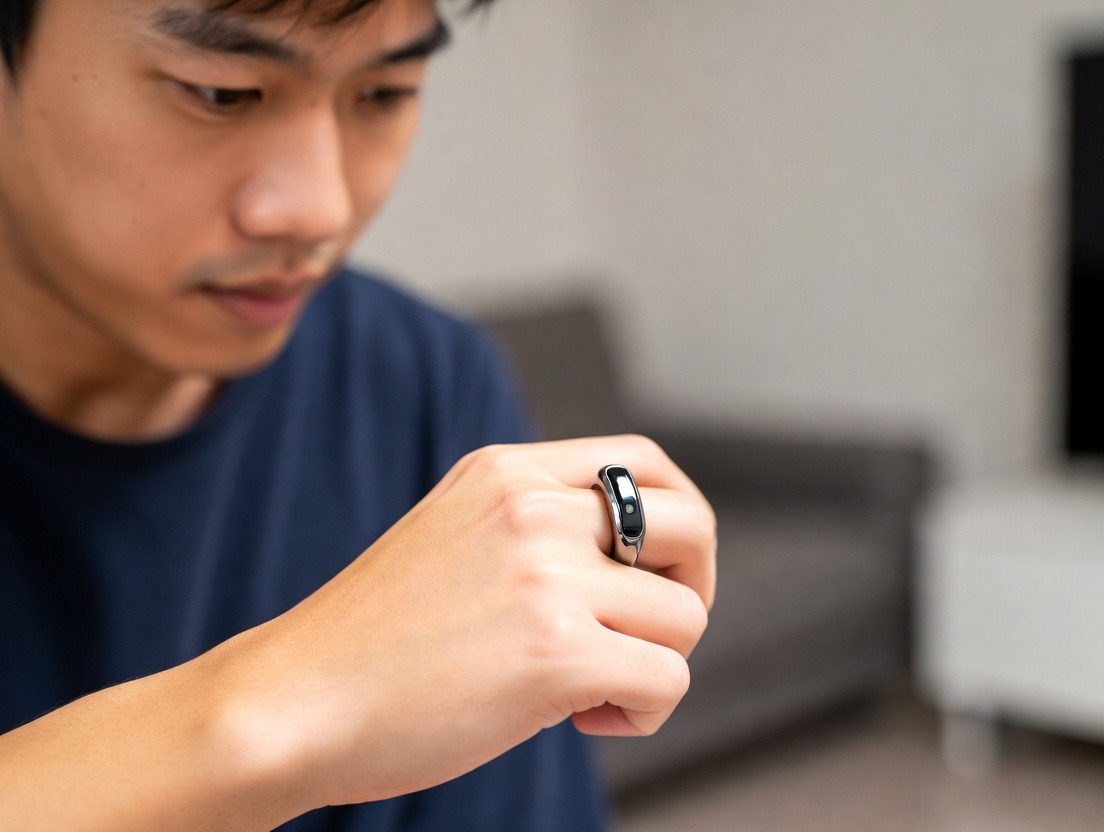
The smart ring’s form factor is its first stroke of genius. Worn on the finger, it has unparalleled access to a rich vascular bed, allowing for medical-grade photoplethysmography (PPG) sensors to capture heart rate data with exceptional accuracy, especially at rest. Unlike wrist-based devices that can be plagued by motion artifact (signals confused by wrist movement), a ring on your finger during sleep is remarkably stable. This position makes it the ideal form factor for capturing the very data that matters most for recovery: nighttime heart rate, heart rate variability (HRV), respiratory rate, and blood oxygen saturation.
This shift in placement signifies a shift in philosophy. The smart ring isn't primarily for tracking your active workout; it's for tracking your body's state outside of your workout. It's a recovery-first device. While it can track activity, its superpower lies in quantifying rest, stress, and readiness. It treats sleep not as downtime, but as the most important training session of the day—the session where adaptation and repair occur.
Modern smart rings like the Oura, Ultrahuman, and others have become holistic health hubs. They don't just give you data; they provide actionable insights. By continuously monitoring your physiology, they establish a deeply personal baseline for you. They know your normal. So, when your data deviates—a resting heart rate that's 5 bpm higher than usual, an HRV that's dipped significantly, a night of disrupted sleep—the ring doesn't just report it. It synthesizes these deviations into a single, understandable score that reflects a fundamental biological truth: your body is under strain and may not be ready for additional external stress.
This transformation turns the smart ring from a fancy gadget into a recovery oracle. It gives a voice to your autonomic nervous system, allowing you to make informed, daily decisions that align with your body's true needs, not just your workout schedule.
Deconstructing the Recovery Score: The Four Pillars of Readiness
Your Recovery Score, often called a Readiness Score, is not a random number. It is a carefully weighted algorithm built upon four foundational pillars of data. Think of it as a biometric report card where each subject grade contributes to your final average. To trust the score, you must understand its components.
1. Sleep Quality & Quantity: The Non-Negotiable Foundation This is typically the heaviest weighted component. The ring tracks total sleep time, time spent in each sleep stage (light, deep, REM), sleep efficiency (percentage of time in bed actually asleep), and restfulness (how much you tossed and turned). Deep sleep is crucial for physical repair and growth hormone release, while REM sleep is vital for cognitive recovery and memory consolidation. A short or fragmented night directly tanks your recovery capacity. The ring assesses not just "did you sleep?" but "how well did you sleep?" This pillar answers whether you've given your body the basic raw materials (time and quality rest) for repair.
2. Heart Rate Variability (HRV): The Gold Standard of Nervous System Balance HRV is the most sensitive and insightful metric in your recovery arsenal. It measures the subtle variations in time between each heartbeat. Contrary to intuition, a higher HRV is generally better. It indicates a resilient, adaptable autonomic nervous system—one where your body can smoothly transition between stress (sympathetic "fight or flight") and recovery (parasympathetic "rest and digest") modes. A consistently low or a suddenly dropping HRV is a glaring red flag. It signals that your nervous system is stuck in a stressed, taxed state, likely from training overload, emotional stress, illness, or poor recovery habits. For a deep dive into how to influence this critical system, our guide on vagal tone optimization explores powerful techniques for building resilience.
3. Resting Heart Rate (RHR): The Body's Baseline Engine Idle Your resting heart rate, measured most accurately during sleep, is like your body's idle speed. A well-rested, recovered body has a low, stable idle. When your body is fighting something—be it physical stress from a hard workout, the beginnings of an illness, dehydration, or psychological stress—it has to work harder, even at rest. This raises your RHR. A sustained elevation of 5-7 beats per minute above your personal baseline is a classic sign that your body is under strain and prioritizing defense over performance.
4. Body Temperature & Respiratory Rate: The Silent Signals Advanced smart rings now track your nighttime peripheral body temperature and respiratory rate. A slight elevation in your baseline temperature can be one of the earliest signs of impending illness, overtraining, or even menstrual cycle changes for women. Similarly, an elevated respiratory rate during sleep can indicate that your system is working harder than normal, often due to stress, illness, or sleep apnea. These metrics provide a holistic, 360-degree view of your physiological state.
The algorithm takes these four pillars, compares last night's data to your personal rolling baseline, and outputs a score—usually on a scale of 1-100 or categorized as Poor, Fair, Good, or Excellent. This score is your body's press conference. It’s telling you, in clear terms, what kind of day it’s having before you’ve even had your coffee.
The Science of Stress & Adaptation: Why Forcing It Backfires
The fundamental principle behind using a Recovery Score is rooted in exercise science's core concept: the Supercompensation Cycle. This is the process by which we get fitter, stronger, and faster. It’s a four-stage dance:
Training Load (Stress): You perform a workout, breaking down muscle tissue and depleting energy systems. This creates a state of fatigue and reduced capacity.
Recovery (The Critical Gap): You rest, sleep, and nourish your body. During this phase, your body repairs the damage, but it doesn't just stop at fixing—it overcompensates, building back stronger than before to prepare for future stress.
Supercompensation (The Gain): This is the peak. Your body's capability has been elevated above its previous baseline. You are now fitter.
Return to Baseline: If no new stress is applied, fitness gradually returns to its original level.
The entire magic happens in Stage 2: Recovery. Stress + Rest = Growth. If you apply a new training load (another hard workout) before recovery is complete—while you're still in the fatigue valley—you don't hit supercompensation. You simply dig a deeper hole of fatigue. This leads to a state of stagnating performance, chronic fatigue, and eventually, overtraining syndrome.
Your smart ring’s Recovery Score is a direct measurement of where you are in this cycle. A high score suggests you have successfully navigated the recovery phase and are sitting in the supercompensation peak, ready for a new, challenging stimulus. A low score screams that you are still in the fatigue valley. Training now is not just ineffective; it's counterproductive and risky.
This science dismantles the "more is better" fallacy. More stress without adequate recovery leads to breakdown, not breakthrough. Think of your body's stress capacity as a cup. Training, work deadlines, emotional worries, and poor sleep all fill the cup. Recovery activities (sleep, nutrition, relaxation) empty it. Your Recovery Score is essentially measuring how full your cup is. A low score means the cup is overflowing. Adding a high-intensity workout at that point is like pouring more water into an already overflowing cup—it's just a mess. On days when your cup is full, learning immediate stress relief techniques can be more beneficial than any workout, helping to create the space needed for physical progress later.
Decoding the Numbers: A Practical Guide to Score Ranges
Seeing a number is one thing; knowing what to do with it is another. Let's translate the scores into clear, actionable directives. While individual baselines vary, the following framework applies universally.
High Recovery (e.g., 80-100 / "Excellent"): The Green Light
What it means: Your physiological metrics are optimal. Your nervous system is balanced (high HRV), you're well-rested (quality sleep), and your body is not fighting any silent battles (low RHR, stable temp). Your "cup" is empty, and you are primed for supercompensation.
Morning Workout Directive: GO HARD. This is the day for your highest-intensity work. Threshold runs, heavy strength sessions, high-intensity interval training (HIIT), or skill-based workouts where peak focus is required. Your body can not only handle the stress but will adapt positively to it. This is where you make your biggest performance gains.
Moderate Recovery (e.g., 60-79 / "Good" to "Fair"): The Yellow Light
What it means: You're not at your peak, but you're not in a hole. Perhaps sleep was slightly shorter than ideal, HRV is a bit lower than your best, or RHR is marginally elevated. You have some, but not all, of your physiological resources available.
Morning Workout Directive: GO MODERATE, GO SKILLFUL. This is not a day to attack personal records. It's a day for maintenance work, moderate-intensity steady-state cardio (like a brisk hike or bike ride), technique-focused strength training with lighter loads, mobility flows, or dynamic yoga. The goal is to promote blood flow and movement without digging a deeper recovery debt. It’s also a perfect day to consider how your broader lifestyle is impacting your score. For instance, if stress is a consistent drain, integrating methods from our piece on stress relief through movement can turn a moderate day into a high-recovery one over time.
Low Recovery (e.g., Below 60 / "Poor"): The Red Light
What it means: Multiple biomarkers are flashing red. Your HRV is low, RHR is high, sleep was terrible, or body temp is up. Your nervous system is stressed, your body is actively prioritizing survival and repair functions, and your "cup" is full. Pushing a workout now is akin to taking out a high-interest loan on your health.
Morning Workout Directive: GO EASY, OR GO HOME. The most intelligent, performance-enhancing decision you can make is to skip a formal workout entirely. If you feel the need to move, limit it to genuinely restorative activities: gentle walking, very light stretching, or foam rolling. The primary goal is stress mitigation, not stress addition. Your job today is to be a recovery hero. Prioritize hydration, nutrition, and perhaps even techniques like those found in our emergency stress relief guide to help downregulate your system. Remember, growth happens after the workout, not during it. Today, you are investing in the growth from your last hard session.
Beyond the Score: Interpreting Contradictions and Trends
Sometimes, the score might seem to contradict how you "feel." You wake up with a "Poor" 55 but feel mentally energetic. Or you get a "Good" 75 but feel lethargic and heavy. This is where you move from a user to a master of the technology.
First, trust the biomarkers. Subjective feeling ("perceived readiness") can be influenced by caffeine, motivation, and mood, which can mask underlying physiological strain. The data from your ring is objective; it's the truth of your body's chemical and electrical state. A high score with low energy might mean you're well-recovered but under-fueled or slightly dehydrated. A low score with high energy is a major red flag—your conscious mind is willing, but your body is screaming for rest. This is a classic precursor to injury or illness.
Second, look at trends over time. A single low score isn't a crisis; it's feedback. Perhaps it was a bad night's sleep. The real power is in observing patterns over weeks and months. Are your scores chronically in the "Fair" range every Monday? That might indicate your weekend habits or Sunday night stress are undermining recovery. Is there a gradual, week-over-week decline in your average HRV and score as you progress through a training block? That's invaluable data telling you that your program's fatigue is accumulating and you may need a deload week before you feel completely wrecked.
This longitudinal view transforms the ring from a daily advisor into a long-term coach. It helps you identify your personal stress triggers—be it late-night screen time, alcohol, intense workdays, or specific types of training. By connecting the dots between your lifestyle and your scores, you gain the power to make informed changes that sustainably elevate your baseline recovery capacity, which is the true foundation of lifelong performance. This approach aligns with a long-term view of wellness, similar to the philosophy behind making a 10-year mental wellness investment.
Sleep: The Unseen Workout That Powers Your Score
If the Recovery Score is the king, sleep is the throne it sits upon. No amount of biohacking, supplements, or recovery modalities can compensate for chronic, poor sleep. The smart ring quantifies this ruthlessly.
Deep sleep (N3) is your body's primary repair shop. This is when human growth hormone is secreted, facilitating muscle repair and growth. It's when the immune system is reinforced. Disrupt deep sleep, and you directly cripple your physical recovery capacity.
REM sleep is your brain's sanctuary. It processes emotions, consolidates memories, and resets cognitive function. Athletes need REM sleep to solidify motor skill learning from practice. Disrupt REM, and your coordination, reaction time, and mental focus suffer.
The ring tracks your architecture—the proportion and sequencing of these stages. Waking up feeling "unrefreshed" despite 8 hours in bed is often a result of poor architecture (e.g., too much light sleep, not enough deep or REM). The ring’s sleep score component penalizes frequent awakenings, late bedtimes (which can miss optimal windows for hormone release), and short total sleep time.
Therefore, the single greatest lever you can pull to improve your Recovery Score is to optimize your sleep. This goes beyond just duration. It's about hygiene: consistent sleep/wake times, a dark/cool room, avoiding blue light and heavy meals before bed, and managing pre-sleep stress. A high sleep score almost always propels a high recovery score, setting the stage for a powerful morning workout. For those struggling with a racing mind at night, incorporating a pre-bed visualization for deep stress relief routine can be a game-changer for sleep quality.
HRV: Listening to Your Nervous System's Whisper
While sleep is the foundation, Heart Rate Variability (HRV) is the most nuanced and real-time communication from your body. Understanding it is key to advanced score interpretation.
A high HRV indicates high parasympathetic (rest-and-digest) tone and good autonomic flexibility. It means your heart can rapidly and efficiently respond to changing demands. When you see your HRV trending upward or holding at the high end of your baseline, it's a sign of positive adaptation. You are recovering well and becoming more resilient.
A low HRV indicates dominant sympathetic (fight-or-flight) tone. Your body is in a state of defense. This can be caused by:
Physical Stress: A very hard workout from the previous day or two.
Emotional/Psychological Stress: Work anxiety, relationship issues, financial worries.
Immunological Stress: Fighting off a virus or infection.
The smart ring's algorithm heavily weights HRV because it's so sensitive. A sudden, sharp drop in HRV, even with good sleep, is a powerful signal to pull back. It often precedes the feeling of being "run down" or getting sick by 24-48 hours.
You can actively work to improve your HRV baseline through practices that stimulate the vagus nerve and promote parasympathetic activity: deep, diaphragmatic breathing (like the 4-7-8 breathing technique), meditation, cold exposure, and mindfulness. By tracking your HRV daily, you learn which activities stress your system and which ones calm it, allowing you to curate a lifestyle that supports a higher, more stable recovery baseline.
Crafting Your Morning Movement Menu: A Template for Every Score
Armed with this knowledge, you can move away from a single, rigid morning routine and instead develop a flexible "movement menu" tailored to your daily score. This is the practical application of all the theory.
Non-Exercise Activity: A leisurely 20-30 minute walk in nature.
Regenerative Movement: Yin or restorative yoga, gentle stretching, myofascial release with a foam roller.
Breath & Calm Work: A dedicated session of guided meditation or the 5-4-3-2-1 grounding method to center yourself for the day ahead.
Complete Rest: Listen to the data. Sometimes, the optimal workout is a hot shower, a nutritious breakfast, and getting to work on time without stress.
Mindset: "Today, I heal. My discipline is shown in my restraint. I invest in recovery to earn future performance."
This menu approach removes guilt and decision fatigue. You simply check your score, consult your menu, and execute the plan. It turns daily variation from a frustration into a strategic advantage.
The Mental Game: Accepting the Red Light as Discipline
This is perhaps the most difficult, yet most crucial, cultural shift. In a world that glorifies the "grind," taking a rest day when you're scheduled to train feels like failure. It requires a profound reframing.
You must internalize that following a low Recovery Score is not skipping a workout; it is doing the workout. The "work" on a low-score day is the work of recovery. It is the conscious, deliberate act of filling your cup. It is the part of the supercompensation cycle where gains are actually solidified.
The discipline required to do a brutal HIIT session on a high-score day is the same discipline required to not do it on a low-score day. Both require you to override a base impulse—laziness on one day, ego-driven ambition on the other. True athletic intelligence lies in knowing which impulse to override.
This practice also builds a healthier relationship with your body and training. It replaces punishment and force with partnership and communication. You are not a boss commanding an employee; you are a coach collaborating with an athlete (your own body). The smart ring provides the athlete's feedback. Ignoring it is poor coaching.
Developing this mental resilience is a cornerstone of sustainable success. Just as we must build mental wellness to handle life's challenges, as discussed in our article on building mental wellness resilience for future challenges, building resilience against your own "push-through" instinct is key for long-term athletic development.
Syncing with Life Stress: When Work, Travel, and Emotions Tank Your Score
Your body doesn't differentiate between stressors. A brutal day at the office, a heated argument, a cross-country flight, and a heavy leg day all elicit a similar physiological stress response: cortisol release, sympathetic activation, and a drain on your recovery resources.
This is why your Recovery Score can be low even when you haven't worked out in days. The smart ring exposes the myth of the "rest day" if that rest day is filled with mental anxiety, poor nutrition while traveling, and jet lag.
Travel: Time zone changes disrupt circadian rhythms (hurting sleep scores). Dehydration from dry cabin air raises RHR. Immobility causes circulatory stagnation. Expect low scores for days after long trips. Work/Mental Stress: A high-pressure presentation or looming deadline can cause prolonged sympathetic arousal, crushing your HRV and sleep quality, leading to a low score. Emotional Stress: Personal conflicts or grief create a significant allostatic load. During such times, the body's priority is emotional regulation, not athletic performance. For more on navigating these periods, our resource on mental wellness and grief offers compassionate guidance.
The intelligent approach is to integrate life stress into your training plan. When you see a low score due to non-exercise stress, that is an even more emphatic red light. Your body is already dealing with a heavy load; adding physical stress is profoundly unwise. Use the score as a holistic health barometer, not just a fitness one. It teaches you that to perform at your best physically, you must manage your entire life ecosystem—a concept deeply connected to the work-mental wellness connection.
Case Study: A Week in the Life of Data-Driven Decisions
Let's make this concrete. Meet Alex, a 35-year-old amateur triathlete who uses a smart ring.
Monday AM Score: 92 (Excellent). Alex had a restful Sunday, went to bed early, and slept 8.5 hours. Workout: A hard, track-based running interval session. He felt powerful and hit his target paces.
Tuesday AM Score: 65 (Fair). The intervals created expected physical stress. Sleep was deep but slightly shorter (7.5 hrs), and HRV dipped. Workout: A moderate, technique-focused swim session, avoiding high intensity. Focus on stroke drills and steady pacing.
Wednesday AM Score: 85 (Good). Good recovery from the moderate swim. Sleep was solid. Workout: A challenging bike hill-repeat session outdoors.
Thursday AM Score: 52 (Poor). A major work deadline kept Alex up late and anxious. Despite 7 hours in bed, sleep was restless and light. RHR is up 8 bpm, HRV is very low. Workout: Alex cancels his planned strength session. He takes a 20-minute walk in the morning and uses his lunch break for a desk-friendly stress relief technique to manage work tension.
Friday AM Score: 70 (Fair). Better sleep after the deadline passed, but still recovering from the cumulative stress. Workout: An easy, social group run at a conversational pace.
Saturday AM Score: 88 (Good). Workout: A long, steady-state bike ride as planned.
Sunday AM Score: 83 (Good). Workout: Active recovery—light yoga and mobility work.
Analysis: Notice the flexibility. Alex didn't stick to a rigid "run-bike-swim-lift" weekly schedule. He allowed his body's feedback to dictate the intensity. He respected the profound impact of life stress (Thursday) and didn't force a workout, preventing potential injury or illness. By Friday, he was rebounding. This adaptive approach leads to better consistency, fewer injuries, and more productive sessions over the long term.
Advanced Recovery Tuning: When to Override (and When Not To)
As you become more attuned to your body's signals and the corresponding data, a nuanced question arises: Should I ever override my Recovery Score? The general rule is to trust the data, but like any good rule, there are informed exceptions based on context and experience.
Valid Reasons to Consider a Cautious Override:
The "Feeling vs. Data" Paradox After Warm-Up: Sometimes, a low score accompanies a feeling of heavy fatigue. However, after a thorough, gentle 15-20 minute dynamic warm-up—focusing on mobility, light cardio, and movement prep—you might find that the "rust" shakes off and you begin to feel surprisingly good. This phenomenon is often due to improved blood flow, increased joint lubrication, and nervous system activation. In this case, you could cautiously proceed with a moderate version of your planned workout, staying well below maximum intensity and being hyper-aware of form. If the good feeling persists, you might complete it. If fatigue quickly returns, stop immediately.
Known Score "Lag" for Certain Stressors: The algorithms are incredible, but they're not perfect. For instance, a single night of poor sleep due to a random disruption (a noisy neighbor, a child waking up) can tank your score, even if you've been recovering perfectly for days prior and feel fine. In this scenario, you might decide that the single data point is an outlier and proceed with a moderate session, monitoring your in-session perceived exertion closely.
Psychological Need for Movement: There are days when a low score is driven by mental/emotional stress, not physical exhaustion. The thought of complete rest might feel like confinement, potentially worsening anxiety. In this case, the therapeutic value of gentle, mindful movement may outweigh the physiological directive for complete rest. A walk in nature, some gentle Qi Gong, or restorative yoga can be a form of active stress relief that actually improves your state. This aligns with the principle of using stress relief techniques for chronic stress sufferers, where gentle, consistent movement is often a key prescription.
When You Should NEVER Override a Low Score:
Consistently Low Scores (The Trend is Down): A single low score can be an outlier. Three or more low scores in a row is a TREND. This is your body sending a consistent, undeniable message of systemic stress. Overriding this is the fast track to overtraining, illness, or injury. This is the time for a planned "deload" or recovery week.
Low Score with Physical Symptoms: If your low score is accompanied by a sore throat, aches, general malaise, or unusual pain, ABORT. Your body is fighting something. Exercise will suppress your immune system further. Rest is medicine.
Low Score After Known Immune or Physical Insult: You just got a vaccine, had a dental procedure, or are fighting off a cold. Your body's resources are directed toward immune function and healing. Respect that process wholly.
The "I Have to Because of My Plan" Mentality: This is the most dangerous override of all. It's ego-driven and ignores biological reality. No training plan written weeks or months in advance can predict your daily physiological state. The smartest athletes use their plan as a flexible guide, not a rigid scripture.
The key to intelligent override is humility and real-time listening. Start any questionable session with the explicit intention to bail if it doesn't feel right within the first 10-15 minutes. View the workout as an experiment, not a mandate. This approach keeps you safe while allowing for the exploration of your individual patterns.
Fueling for the Score: Nutritional Support Based on Recovery Status
Your recovery isn't just dictated by sleep and stress; it's built in the kitchen. What you eat—and when—can significantly influence tomorrow's score and your ability to execute today's workout. Smart nutrition aligns with your Recovery Score in a bidirectional relationship.
The Day After a HIGH Score / Hard Workout (The "Rebuild" Day):
Physiological State: You've successfully applied a stressor and are in supercompensation mode.
Nutritional Priority: Support repair and replenishment to lock in gains.
Key Actions:
Prioritize Protein: Ensure adequate high-quality protein intake (0.8-1g per pound of bodyweight is a common target for athletes) to provide amino acids for muscle protein synthesis. Distribute this across 3-4 meals.
Replenish Glycogen: Consume adequate carbohydrates from whole food sources (sweet potatoes, oats, rice, fruits) to refill the muscle and liver glycogen you depleted during your intense session.
Anti-Inflammatory Focus: Include plenty of colorful fruits and vegetables, omega-3 fats (from fish, flax, walnuts), and spices like turmeric to help manage the natural inflammation from hard training and accelerate recovery.
Mindset: "I am building. My food is the scaffolding for my stronger self."
On a MODERATE Score Day (The "Maintain & Prepare" Day):
Physiological State: You're in a neutral or slightly depleted state, aiming to maintain without digging deeper.
Nutritional Priority: Steady energy, micronutrient density, and hydration.
Key Actions:
Balance is Key: Aim for well-balanced meals with protein, complex carbs, healthy fats, and fiber at each sitting to maintain stable blood sugar and energy levels throughout the day.
Hydration Discipline: Often overlooked, chronic mild dehydration can elevate RHR and lower HRV. Sip water consistently. Your pre-workout hydration on these days is especially important to compensate for not being at peak readiness.
Focus on Micronutrients: Load up on leafy greens, berries, nuts, and seeds. These provide the vitamins and minerals that act as co-factors in every energy production and repair process in your body. A body rich in micronutrients recovers more efficiently.
Mindset: "I am supporting. My nutrition is consistent and foundational."
On a LOW Score Day (The "Repair & Rebalance" Day):
Physiological State: Your body is in a stressed state, prioritizing system-wide recovery and nervous system regulation.
Nutritional Priority: Reduce digestive stress, support the nervous system, and provide easy-to-use nutrients.
Key Actions:
Easy-to-Digest Foods: Opt for soups, stews, smoothies, and cooked vegetables. The goal is to provide nutrition without taxing your digestive system, which is often compromised during high-stress states.
Magnesium & Electrolytes: Magnesium is a crucial mineral for nervous system calm and sleep quality. Consider magnesium-rich foods (spinach, pumpkin seeds, avocado) or a supplement like magnesium glycinate in the evening. Ensure adequate sodium and potassium, especially if you're sweating or stressed.
Limit Inflammatory Triggers: This is a day to be extra mindful of common irritants like excessive alcohol, refined sugars, processed foods, and for some, dairy or gluten. These can exacerbate inflammation and stress signals.
Consider Adaptogens: Herbs like ashwagandha or rhodiola rosea (after consulting with a healthcare professional) may help modulate the body's stress response. Pairing this with other calming practices, such as the use of aromatherapy for stress relief, can create a powerful recovery cocktail.
Mindset: "I am healing. My food is gentle medicine for my stressed system."
By syncing your nutrition with your Recovery Score, you transform eating from a generic daily task into a targeted, tactical tool for performance management. You feed the state you're in, not just the workout you did.
The Role of Non-Exercise Activity (NEAT) in Recovery Optimization
While your morning workout is a controlled dose of stress, your Non-Exercise Activity Thermogenesis (NEAT)—the calories you burn through all daily movement except formal exercise—is a constant, low-grade signal to your body. Managing NEAT intelligently is a secret weapon for influencing your Recovery Score.
On HIGH Recovery Days:
Strategy: Capitalize on energy. Feel free to be more active throughout the day. Take the stairs, walk during phone calls, do some gardening, or play with your kids. This added activity supports a healthy metabolism and circulation without interfering with your capacity for your hard morning session. Your body can handle the extra output.
On LOW Recovery Days:
Strategy: Conserve energy aggressively. This is where most people unknowingly undermine their recovery. You skip the workout because your score is low, but then you proceed to have a wildly active day—running errands, deep cleaning the house, standing for hours, walking the dog for miles. This is still physical stress. It fills your recovery "cup" with NEAT, leaving no room for actual repair.
The "Active Rest" Paradox: True active rest on a low-score day means minimizing all physical output. Think: seated more than standing, taking the elevator, batching errands to minimize trips, asking for help. The goal is to redirect every possible joule of energy toward systemic repair and nervous system downregulation. This conscious conservation is a disciplined skill that pays massive dividends in how quickly you bounce back.
Tracking your NEAT (many smart rings and watches provide a rough estimate) can be enlightening. You may discover that your low recovery scores often follow days of high NEAT, not just hard workouts. This holistic view helps you balance your entire 24-hour activity budget for optimal recovery and performance. It reinforces the idea that recovery is a full-day endeavor, not just something that happens after you stretch post-workout.
Periodization 2.0: Building Macro-Cycles Around Your Data
Traditional periodization involves planning training blocks (mesocycles) weeks or months in advance, with predetermined intensities and volumes. Smart ring data ushers in Adaptive Periodization—a fluid, responsive approach where the plan is guided by your body's feedback.
Here’s how it works:
Establish a Baseline Phase (2-3 weeks): Wear your ring consistently with relatively normal training. This establishes your personal baselines for HRV, RHR, and sleep. Note your average Recovery Score.
Begin a Loading Block: Start a planned period of increased training load (more volume, higher intensity, or both).
Monitor the Trend, Not Just the Daily Number: As you progress through the loading block, don't panic over a single low score. Instead, watch the 7-day rolling average of your Recovery Score and, more specifically, your HRV.
Healthy Adaptation: Your daily scores fluctuate but your 7-day average remains stable or only slightly declines. HRV may dip after very hard days but recovers quickly. This indicates you are absorbing the training load.
Danger Zone: Your 7-day average shows a steady, week-over-week decline. Your HRV baseline is trending downward. Your RHR baseline is creeping up. This is cumulative fatigue signaling that you are nearing your capacity.
Let Data Trigger the Deload: Instead of arbitrarily scheduling a deload week after 3 or 4 weeks, you deload when your data tells you to. When you see those negative trends solidify (e.g., 5-7 days of declining averages), that is your biological cue to initiate a recovery week. This ensures the deload happens at the optimal time—when you actually need it, maximizing supercompensation and preventing overtraining.
Repeat and Refine: After your data-informed deload, your averages should rebound above your starting baseline. This confirms you've supercompensated. You then begin a new loading block, perhaps with a slightly higher sustainable load, as you are now more resilient.
This method turns your training from a pre-written script into a dynamic dialogue. You are no longer blindly following a plan; you are executing a plan that evolves based on your body's ongoing feedback. It's the ultimate in personalized training, ensuring you are always training at the edge of your current capacity, not an estimated one. This proactive, data-driven approach to managing physical stress mirrors the strategic thinking recommended for managing life's psychological stressors, akin to developing achievable mental wellness goals.
The Limitations and Ethical Considerations of Biometric Dependence
As powerful as this technology is, a mindful approach requires acknowledging its limitations and potential pitfalls.
Technical & Biological Limitations:
Algorithm Opaqueness: Each company's "secret sauce" algorithm weighs factors differently. A "75" on one brand's ring might mean something slightly different than a "75" on another. It's crucial to learn your device's language and your personal response to its scores.
Individual Variability: Not all bodies respond identically. Some people may have naturally lower HRV but be incredibly resilient. The score is most valuable relative to your own baseline, not compared to others.
Sensor Accuracy: While excellent, no consumer device is infallible. Loose fit, very cold hands, or certain medical conditions can affect readings.
Psychological & Ethical Pitfalls (The Dark Side of the Data):
Orthosomnia: The unhealthy obsession with achieving perfect sleep data. This anxiety about sleep can itself cause insomnia, creating a vicious cycle. The score should inform you, not define your self-worth.
Data Anxiety: Constantly checking your app, feeling defeated by a low number, or letting a score dictate your mood for the day. This turns a tool for empowerment into a source of stress.
Over-Delegation of Bodily Autonomy: The score is a guide, not a god. It should not completely replace learning to listen to your body's innate, subjective signals (hunger, fatigue, pain, energy). The goal is to use the data to enhance your interoceptive awareness, not replace it.
The "Green Light to Gluttony" Fallacy: A high score is not a license to ignore other health fundamentals. It means your body can handle physical stress, but it still needs good nutrition, hydration, and emotional care.
The ethical use of this technology requires a balanced perspective. It is a sophisticated tool for self-knowledge, not a replacement for self-awareness. It works best when integrated with a holistic understanding of wellness that includes the spiritual dimension of mental wellness, which often involves acceptance, intuition, and a sense of purpose beyond optimization metrics.
Creating Your Personal Recovery Score Protocol: A Step-by-Step Guide
Now, let's synthesize everything into a practical, actionable protocol you can start implementing tomorrow.
Step 1: The Baseline Month (Weeks 1-4)
Action: Wear your ring consistently. Follow your normal routine. Do NOT make major changes based on scores yet.
Goal: Establish your personal baselines. Learn what "normal" looks like for you. Note your average scores on rest days, after hard workouts, after poor sleep.
Step 2: The Observation & Correlation Phase (Weeks 5-8)
Action: Start a simple journal. Each morning, record your score and write a few notes: "Felt great," "Legs heavy," "Stressed about work," "Ate late," "Drank alcohol."
Goal: Identify patterns. Do scores always drop after alcohol? Does a late meal affect sleep and next-day recovery? Do you feel different with the same score on different days? This builds your personal data dictionary.
Step 3: The Implementation Phase (Week 9 Onward)
Action: Begin using your "Movement Menu" based on daily scores. Start with the basic template (High/Moderate/Low) provided earlier.
Goal: To execute 2-3 weeks of training fully guided by your scores. Notice how your body responds. Do you feel more consistent energy? Fewer nagging aches?
Step 4: The Refinement Phase (Ongoing)
Action: Personalize your menus. Maybe you discover that on "Moderate" days, swimming feels better than running. Refine your nutritional strategies based on score ranges. Start looking at weekly trends to gauge fatigue.
Goal: To develop a deeply intuitive, personalized system where the score seamlessly integrates into your decision-making, reducing guesswork and enhancing satisfaction.
Step 5: The Integration Phase (The Long Game)
Action: Use the long-term trend data to have informed conversations with your coach (if you have one) or to plan your own adaptive training blocks. Use the data to advocate for your health—showing a doctor a trend of elevated nighttime heart rate, for example.
Goal: To use biometrics as one pillar in a holistic, sustainable, and joyful approach to lifelong fitness and wellness, perfectly complementing other pillars like community, which plays a vital role in overall wellbeing as explored in our article on the community factor in mental wellness.
The Future of Recovery Intelligence: Where This Technology is Heading
The smart ring and its Recovery Score are just the beginning. The frontier of biometric intelligence is rapidly expanding, promising even deeper personalization.
Continuous Glucose Monitoring (CGM) Integration: Imagine your recovery algorithm also incorporating real-time blood glucose stability. A spike and crash overnight could explain poor sleep and a low score, guiding not just your workout but your dietary choices.
Electrodermal Activity (EDA) & Stress Moment Detection: Some devices already measure EDA to pinpoint moments of stress (sympathetic nervous system arousal) throughout the day and night. Future scores may factor in not just how much sleep you got, but how stressed your nervous system was during that sleep.
AI-Powered Predictive Analytics: Instead of just telling you your score today, future platforms may analyze your data, your calendar (noting a big meeting), and even weather patterns to predict your score tomorrow. This could allow for truly proactive planning: "The AI predicts a low score tomorrow due to your travel and late meeting tonight, so it recommends moving tomorrow's hard session to today."
Hormone Cycle Integration for Women: Female physiology is fundamentally cyclical. The most advanced platforms will integrate menstrual cycle or hormonal phase data to contextualize recovery scores. A slightly elevated RHR and lower HRV during the luteal phase is normal; the algorithm would adjust its "baseline" accordingly, providing more nuanced guidance throughout the month. This acknowledges the critical link between mental wellness and hormonal changes across the lifespan.
Recovery "Prescriptions": Beyond just a score, the system may prescribe specific interventions: "Your HRV is low and respiratory rate high. We recommend a 10-minute guided diaphragmatic breathing session before bed," or "Your recovery is lagging. Increase carbohydrate intake by 50g today."
This future points toward a truly symbiotic relationship with technology, where it acts as an always-on, hyper-personalized health consultant, helping us navigate the complex demands of modern life while optimizing our physical potential and resilience.
Heart Rate Zones Reimagined: Aligning Intensity with Recovery Status
Most athletes are familiar with heart rate zones—those percentage-based ranges that dictate workout intensity. Traditionally, these zones are static, based on a formula like 220 minus your age. However, when guided by a Recovery Score, we must adopt a more fluid, responsive approach to intensity. Your zones themselves don't change, but your capacity to operate effectively within them does.
On a HIGH Recovery Day:
Access to All Zones: Your physiological readiness means you can efficiently tap into and recover from work in higher zones (Zones 4 and 5, 80-100% of max HR). Your body can handle the lactate production, neurological fatigue, and muscular damage that comes with this work. The key is to spend quality time, not just time, in the target zone. A workout might be: 5 x 3 minutes in Zone 5 with full recovery. Your ring's data confirms you have the resilience for this potent stimulus.
On a MODERATE Recovery Day:
Focus on Aerobic Foundation (Zones 2 & 3): This is the bread and butter of sustainable fitness. Zone 2 (60-70% max HR) is where you build mitochondrial density and improve fat oxidation. It's low-stress but profoundly effective for building an aerobic base. On a moderate day, a long Zone 2 session is perfect—it promotes capillary growth and recovery without imposing significant systemic strain. Zone 3 (70-80%) is your "tempo" zone, manageable but unsustainable for hours. Short bouts here can maintain fitness without deep digging.
The "Grey Zone" Warning: The danger on moderate days is accidentally slipping into the upper end of Zone 3/low Zone 4—the "grey zone" where intensity is too high to be truly aerobic/recovery-enhancing but too low to trigger major anaerobic adaptations. It's the most fatiguing intensity per benefit. Let your score keep you honest, ensuring you either go easy (Zone 2) or stick to short, controlled moderate efforts.
On a LOW Recovery Day:
Zone 1 Only – Active Recovery: This is strictly movement below 60% of max HR—a gentle walk, light cycling, or slow mobility flow. The goal is to promote blood flow, which aids in nutrient delivery and waste removal, without raising cortisol or causing further breakdown. Your heart rate should stay low and conversation should be effortless. The moment you feel your heart rate creeping up or your breath shortening, you've left the recovery zone and entered a stress zone. This is where techniques for stress relief through touch, like self-massage or foam rolling, might be a more appropriate Zone 1 "movement" for the day.
This dynamic approach ensures you're not just hitting arbitrary heart rate numbers, but that the intensity you choose is biologically appropriate for your current state of readiness. It turns heart rate training from a rigid system into a responsive dialogue.
Strength Training Nuances: Load, Volume, and CNS Fatigue
While often associated with endurance, the Recovery Score is perhaps even more critical for strength and power athletes. Strength training places unique demands on the central nervous system (CNS) and connective tissues, and its fatigue is often less obvious than cardiovascular fatigue.
Interpreting the Score for Strength:
High Score (Green Light for Strength):
Focus: Maximal or near-maximal loads (90-100% of 1RM), complex multi-joint lifts (squats, deadlifts, Olympic lifts), and techniques that require high neural drive.
Rationale: Your CNS is primed to recruit high-threshold motor units efficiently. Your joints and tendons are well-recovered and can handle heavy mechanical stress. This is where you set personal records or work on peak power output.
Moderate Score (Yellow Light for Strength):
Focus: Hypertrophy work (70-85% 1RM, 6-12 reps), accessory movements, and technique refinement. Volume can be moderate to high, but intensity (load on the bar) should be dialed back.
Rationale: Your body can handle metabolic stress and muscle damage, but your CNS may not be at its peak for displaying absolute strength. This is the perfect day for "bodybuilding" style work that stimulates growth without crushing your nervous system. It's also an ideal day for unilateral (single-leg, single-arm) work to address imbalances with moderate loads.
Low Score (Red Light for Strength):
Focus: Avoid heavy lifting entirely. The risk of injury due to poor form, compromised connective tissue resilience, and inadequate neural drive is too high.
Acceptable Movement: Very light pump work ("bro reps") with 50% of your max or less, focusing on mind-muscle connection and blood flow. Isometric holds, slow tempo bodyweight movements, or even complete rest. The goal is to avoid any significant mechanical or neural stress. On such days, your recovery work might benefit more from neural calming practices than physical ones. Exploring how music therapy provides measurable stress relief could be a perfect adjunct to total physical rest.
The Delicate CNS Factor: A high-volume strength session can leave your HRV depressed for 48-72 hours, even if your muscles don't feel sore. This is CNS fatigue. Your smart ring is exceptionally good at detecting this. A persistently low score after a heavy strength day is a direct message to extend your recovery window before another high-CNS-demand session. This prevents the insidious creep of overreaching that plagues many strength athletes.
The Endurance Athlete's Deep Dive: HRV as a Marathon Training Companion
For marathoners, triathletes, and ultra-runners, the stakes of overtraining are high and the consequences severe. A single misguided hard week can lead to a month of lost progress. Here, the Recovery Score transitions from a helpful tool to a non-negotiable training partner.
Key Application Points for Endurance:
Pacing Long Runs by Recovery: Your long run pace should be flexible based on your morning score. A high score might allow you to practice goal marathon pace for segments within the long run. A moderate score dictates a strictly easy, conversational pace for the entire duration. A low score may mean shortening the long run significantly or converting it to a cross-training day.
Guiding Interval Sessions: The quality of your interval day is everything. A high score means you can hit your target paces with good form and complete the prescribed number of repeats. A moderate score might mean reducing the number of intervals, extending the rest period, or slightly lowering the target pace. The philosophy is "protect the quality, adjust the quantity." A low score means swapping the interval session for a Zone 2 run or a rest day.
Identifying Overtraining Early: Endurance overtraining often manifests first as a rising resting heart rate and falling HRV trend, coupled with a perceived increase in effort for the same paces. Your smart ring provides objective evidence of this long before a major performance decline or injury occurs. Spotting this trend allows for a proactive "step-back" week, preserving months of hard work.
Travel and Altitude Acclimation: For athletes who travel to train or race, the ring is invaluable. It objectively shows the stress of travel (disrupted sleep, elevated RHR) and tracks your acclimation to altitude (changes in respiration and HRV). You can adjust training intensity based on this data rather than guesswork, ensuring you don't dig a hole during crucial pre-race periods.
For the endurance athlete, this data-driven approach cultivates patience—a virtue as important as any physical attribute. It reinforces that fitness is built by the sum of well-recovered sessions, not just the sum of sessions. This long-term, patient perspective is similar to managing mental wellness and aging, where consistent, mindful practices over time yield the greatest resilience.
The Mind-Body Feedback Loop: How Your Workout Choice Affects Tomorrow's Score
The relationship is not one-way. While today's score dictates your workout, today's workout directly determines tomorrow's score. Understanding this cause-and-effect loop closes the circle of intelligent training.
The Impact of a HIGH-Intensity Workout (Done on a High-Score Day):
Expected Next-Day Response: A moderate to low score. This is NORMAL and desired. It shows you applied an effective stimulus. Key biomarkers: HRV will dip, RHR may be slightly elevated, sleep demand will be high. This is the "fatigue valley" of the supercompensation cycle. The intelligent response is to follow with a low or moderate-day protocol.
The Impact of a MODERATE-Intensity Workout (Done on a Moderate-Score Day):
Expected Next-Day Response: Usually a return to a moderate or high score, assuming sleep and nutrition are good. This workout was likely at a "maintenance" stress level that your body could handle without a deep dig. It promotes recovery through blood flow without imposing major damage.
The Impact of a LOW-Intensity/Rest Day (Done on a Low-Score Day):
Expected Next-Day Response: The score should rebound. If it doesn't, it's a critical signal. A low score that persists after a full rest day indicates one of three things:
Non-Exercise Stress is High: Life stress, illness, or poor nutrition is dominating your physiology.
You Are Chronically Fatigued: You may need multiple easy days or a full deload week.
There's an Underlying Health Issue: Worth discussing with a doctor if the pattern continues.
The "Test" of a Rest Day: Think of a prescribed rest day as a diagnostic tool. The score's response tells you if you're recovering properly.
By observing this loop, you become a master of your own physiology. You learn, for example, that a heavy deadlift session tanks your HRV for two days, so you must plan two lighter days after. You learn that a 90-minute Zone 2 run has minimal impact on your score, allowing for more frequent sessions. This empirical self-knowledge is power.
Case Study: The Data-Driven Comeback from Injury
Let's examine a powerful, real-world application: returning to training after an injury. Here, the smart ring shifts from a performance optimizer to a vital risk-mitigation system.
Scenario: Jordan, a runner, is returning after a 6-week layoff due to a mild stress reaction in the shin.
The Problem with Traditional Comebacks: Typical plans use time or perceived feel as guides ("run 20 minutes easy, 3x per week"). But they fail to account for the individual's systemic inflammation, sleep quality, and stress, all of which affect tissue resilience.
The Data-Driven Comeback Protocol:
Establish a New Baseline: Jordan wears the ring for two weeks while doing only non-impact cross-training (swimming, cycling). This establishes a post-injury baseline for HRV and RHR without running stress.
The First Run Test: On a morning with a High Recovery Score (ensuring maximal physiological resilience), Jordan does a very short, easy run (e.g., 10 minutes).
Monitor the Inflammation & Stress Response: The key metric isn't just pain, but the next day's data. Jordan looks for:
Positive Sign: Slight dip in HRV with quick rebound within 24-48 hours. This is a normal training response.
Warning Sign: A severe, prolonged dip in HRV, a spike in RHR, or unusually poor sleep (indicating systemic inflammation/pain). This suggests the run was too much, even if the shin doesn't hurt more.
Progress Only on Green Lights: Jordan only increases duration or frequency after a run that resulted in a "positive sign" response. If a run triggers a "warning sign" data response, the next run is delayed until scores fully rebound, and the subsequent run intensity/duration is reduced.
Using HRV as a Gatekeeper: If Jordan wakes up with a Low score on a planned run day, the run is skipped, regardless of the schedule. A stressed system is more prone to re-injury.
This method is conservative but intelligent. It respects that the injury site is the weakest link in a complex chain. By ensuring the entire system (nervous, immune, musculoskeletal) is ready for stress, it dramatically reduces re-injury risk and builds confidence through objective feedback. This careful, listening-based approach mirrors the sensitivity required when learning to support someone else's mental wellness without overstepping—it's about observing signals and responding appropriately, not pushing an agenda.
Environmental & Lifestyle Audits: Using Low Scores as a Detective Tool
When you get an unexplained low score—no hard workout, decent sleep—it's not a glitch. It's an invitation to play detective. Your body is responding to something. This turns the ring into a lifestyle audit tool.
Conduct a "Recovery Score Audit":
Nutrition Check: Did you eat late? Have more alcohol or sugar than usual? Try a new food that might have caused inflammation or digestive stress?
Hydration Status: Dehydration is a prime culprit for elevated RHR and lower HRV. Did you drink enough water yesterday? Consume too much caffeine?
Mental & Emotional Load: Was yesterday unusually stressful at work or home? Even without physical output, psychological stress creates a identical physiological burden. This is where managing your information diet for mental wellness can have a direct, measurable impact on your recovery metrics.
Social & Environmental Factors: Were you in loud, stimulating environments? Did social interactions drain or energize you? Was the room too hot or polluted?
Subclinical Illness: Often, your ring will detect your body fighting a virus 24-48 hours before you feel symptoms. A sudden low score can be an early warning to prioritize immune support.
By repeatedly connecting these lifestyle dots to your scores, you build a profound awareness of what truly supports or hinders your recovery. You might discover that a glass of wine with dinner costs you 10 points on your Recovery Score. You might learn that a difficult conversation with a family member tanks your HRV. This awareness gives you the power to make intentional choices, not just about training, but about your entire way of living in service of your vitality.
Integrating with Other Tech: Creating a Holistic Biometric Dashboard
The smart ring is a powerhouse, but it's not the only tool. Its data becomes exponentially more powerful when correlated with other streams of information.
Synergistic Technology Pairings:
With a GPS Sports Watch: The ring provides the readiness input (Recovery Score); the watch provides the workout output (pace, power, heart rate during activity). Reviewing them together post-workout tells the full story: "My score was 85, I executed my intervals at target power with a lower-than-average heart rate—excellent!" or "My score was 65, and my heart rate was 10 bpm higher than normal for my easy pace—confirmed, I was not recovered."
With a Continuous Glucose Monitor (CGM): This is the holy grail for some athletes. You can see how your glucose stability overnight correlates with your sleep score and next-day readiness. You can experiment with pre-bed snacks and see the direct effect on sleep and recovery. You learn which foods cause spikes and crashes that disrupt your physiology.
With a Hydration/ Sweatelectrolyte Monitor: Devices that track sweat rate and electrolyte loss can explain why your RHR is elevated after a hot workout (due to dehydration) and inform precise rehydration strategies to improve next-day recovery.
With Mindfulness Apps (e.g., Calm, Headspace): Correlate your HRV and sleep scores with days you meditate versus days you don't. Quantify the recovery benefit of a 10-minute breathing exercise before bed. This turns mindfulness from a vague "good for you" practice into a measurable recovery tool, similar to the specific techniques outlined in our guide on choosing the right stress relief technique for your situation.
The goal is not to become overwhelmed by data, but to use these correlations to answer specific questions and make targeted improvements. You're building a personalized blueprint for what optimal readiness looks and feels like for you.
The Long-Term Evolution: How Your Baselines Change with Age and Fitness
Your personal baselines are not fixed for life. They evolve with age, fitness level, and lifestyle. Understanding this evolution is key to avoiding frustration and accurately interpreting your scores over years.
Increased HRV Baseline: As you become more fit and manage stress better, your average HRV should trend upward, indicating a more resilient nervous system.
Decreased Resting Heart Rate: Improved cardiovascular efficiency typically lowers your RHR.
Higher "Floor" for Recovery Scores: You may find that your average score on a normal day increases from 72 to 82 over a year of good habits. This means your body's default state is one of higher readiness.
Natural Evolution (With Age):
Gradual HRV Decline: HRV naturally decreases with age. This doesn't mean you're less fit, but the algorithm may need contextualizing. The focus shifts to maintaining your HRV for your age bracket and observing positive or negative deviations from your own aging trendline.
Changes in Sleep Architecture: Deep sleep naturally decreases with age. The ring's sleep score may reflect this. The key is to optimize the sleep you can get, not fight an immutable biological trend.
Negative Evolution (From Chronic Stress or Overtraining):
Downward Trend in All Metrics: A sustained period of life stress, poor habits, or chronic overtraining will push your baselines in the wrong direction: HRV down, RHR up, scores consistently lower. This is a major red flag to overhaul your approach.
The wise athlete reviews their data in quarterly or annual chunks, looking at these macro-trends. This long-view prevents overreacting to daily fluctuations and provides a true measure of whether your lifestyle and training are building—or eroding—your physiological capital. It's the physical equivalent of learning to measure mental wellness progress over time, focusing on directional trends rather than daily emotions.
Final Synthesis: The 5 Commandments of Training by Recovery Score
By now, the principles are clear. Let's codify them into five core commandments that can guide any athlete, at any level.
1. Thou Shalt Honor the Score as Objective Truth. Your motivation, caffeine buzz, and desire to follow a plan are subjective. The data from your autonomic nervous system is objective. On days of conflict, default to the data.
2. Thou Shalt View a Low Score as a Productive Input, Not a Failure. A low score is valuable information. It is your body doing its job—communicating its state. Heeding it is the smartest training decision you can make. It protects your future gains.
3. Thou Shalt Match Intensity to Readiness, Not Readiness to Intensity. You do not "work harder" to raise a low score. You lower the intensity to match the score. The workout serves the body's state, not the other way around.
4. Thou Shalt Seek the Cause of Consistently Low Scores. A pattern of low scores is a systemic issue. Investigate sleep, nutrition, life stress, and training load. Be a detective of your own life. This may involve exploring deeper lifestyle factors, including the often-overlooked environmental factors in mental wellness, as your surroundings profoundly impact physiological stress.
5. Thou Shalt Use the Score to Enable Aggression, Not Just Enforce Rest. The ultimate goal is not to always train easy. It's to create the physiological conditions where you can train truly hard when it matters, with full confidence that your body can absorb and benefit from that stress. The score gives you the green light to go all-in, without guilt or second-guessing.
Embracing these commandments fosters a new athletic identity: the Intelligent Performer. This athlete is patient, responsive, and empowered. They understand that the peak is reached not by a single, brutal assault, but by a thousand smart decisions—each one informed by a whisper from a ring on their finger.



%402x.svg)