


The Complete Beginner-Friendly Guide to Family Travel Wellness Coordination
Family travel wellness coordination with a ring.
Family travel wellness coordination with a ring.
%402x.svg)
There was a time when family travel meant something very specific: the great American road trip, complete with sticky fingers, frayed tempers, and the inevitable question "Are we there yet?" echoing from the back seat every seventeen minutes. We wore exhaustion like a badge of honor, collapsing into hotel beds after marathon days of "making memories," only to wake up and do it all over again. The unspoken rule of family travel was simple: vacation is for the kids, and parents recover when they get home.
But here's the truth that nobody tells you: that approach is fundamentally broken.
The modern family exists in a state of perpetual motion. Between school schedules, extracurricular activities, work commitments, and the endless administrative labor of running a household, most parents are already operating at a deficit before they even pack a single suitcase. Add the logistical complexity of family travel—the packing, the planning, the coordinating, the mediating—and you've created a perfect storm for what wellness experts call "vacation burnout." It's the phenomenon where you return from a trip feeling like you need another vacation to recover from your vacation.
I've been there. You've probably been there. We've all been there.
But what if family travel could be different? What if the journey itself could restore you rather than deplete you? What if the chaos of airports, the unpredictability of new environments, and the intensity of 24/7 family togetherness could actually become opportunities for collective wellness rather than obstacles to it?
This guide exists because the old paradigm of family travel is due for a radical upgrade. We're entering an era where wellness isn't something you practice in the fifteen minutes of solitude you manage to carve out before the kids wake up. Wellness is becoming integrated, measurable, and surprisingly—thanks to advances in technology like smart rings—data-driven. The same devices that help elite athletes optimize their performance can now help parents optimize their family travel experiences.
Think about it this way: every family vacation is essentially a high-stakes performance event. You're asking your body and mind to operate in unfamiliar environments, on disrupted schedules, with increased emotional demands and decreased access to your usual support systems and coping mechanisms. Without proper preparation and real-time awareness, you're essentially running a marathon without any sense of your pace, heart rate, or hydration status.
This comprehensive guide is designed to change that. Whether you're planning a week at Disney World, a cross-country road trip, or an international adventure with kids in tow, the principles of family travel wellness coordination will transform how you experience travel. We'll explore everything from pre-trip preparation and in-transit strategies to destination wellness and post-travel recovery. We'll dive deep into how modern wellness technology—particularly the kind that lives on your finger rather than your wrist—can provide insights that help you make better decisions in real-time.
But more importantly, we'll shift your mindset. Family travel wellness coordination isn't about adding more to your already overwhelming to-do list. It's about working smarter, not harder. It's about understanding that your wellness and your children's wellness are interconnected systems, and that small, strategic interventions can create ripple effects that transform entire trips.
The research is clear: when parents prioritize their own wellness during travel, everyone benefits. Children are remarkably sensitive to their parents' stress levels. When you're regulated, they're more regulated. When you're rested, they're more adaptable. When you're present, they're more engaged. Your wellness isn't selfish—it's the foundation upon which positive family travel experiences are built.
Throughout this guide, we'll reference insights from the growing body of research on travel wellness, fatigue prevention, and energy management. We'll draw connections to the broader wellness landscape, including natural energy boosters through proper recovery ring monitored rest and how your smart ring tracks natural energy boosters throughout your day. These aren't just abstract concepts—they're practical tools that can help you understand your body's signals before they become problems.
So, before you book another flight or pack another suitcase, let's redefine what family travel can be. Let's build a framework that honors the needs of every family member, leverages the best of modern wellness technology, and transforms travel from something you survive into something that genuinely nourishes you. Welcome to the complete beginner-friendly guide to family travel wellness coordination. Your next adventure starts here.
When we think about travel stress, we typically focus on the obvious culprits: flight delays, lost luggage, tantrums in public places, and the unique horror of attempting to assemble a pack-and-play at 11 PM after a day of travel. These are the visible stressors, the ones that make for good stories later (and terrible memories in the moment). But beneath the surface, your body is processing a much more complex physiological stress response that begins long before you leave your driveway.
To truly master family travel wellness coordination, we need to understand what's happening inside your body when you travel. This isn't just academic curiosity—it's the foundation for making intelligent decisions about how to prepare, how to respond in the moment, and how to recover afterward.
Let's start with the circadian rhythm, your body's internal clock that regulates sleep-wake cycles, hormone release, body temperature, and other essential functions. Travel disrupts this rhythm in multiple ways. Changes in time zones are the most obvious culprit, but even travel within the same time zone can throw your circadian rhythm off balance. Early morning flights require waking at unnatural hours. Late arrivals mean missed sleep windows. The artificial lighting in airports and airplanes confuses your body's natural light-dark cues. For children, whose circadian rhythms are still developing, these disruptions can be even more profound, leading to the sleep regressions and behavioral challenges that often accompany travel.
Then there's the autonomic nervous system, specifically the balance between your sympathetic (fight-or-flight) and parasympathetic (rest-and-digest) branches. Travel, by its very nature, activates the sympathetic nervous system. You're navigating unfamiliar environments, managing tight schedules, processing constant streams of new information, and remaining vigilant about your children's safety. This is appropriate and necessary—you need that heightened awareness to keep everyone safe and on track. The problem arises when this sympathetic activation becomes chronic, even for just a few days. Your body wasn't designed to remain in a state of low-grade vigilance for extended periods. When it does, cortisol levels remain elevated, digestion slows, immune function decreases, and you become more susceptible to the dreaded "post-vacation cold" that seems to strike as soon as you return home.
Consider also the physical stressors of travel. Sitting in confined spaces for hours affects your circulation, increases inflammation, and creates muscular tension, particularly in the neck, shoulders, and lower back. Dragging luggage through airports strains muscles you didn't know you had. Carrying children, car seats, and assorted gear adds cumulative physical load. And let's not forget the dehydration factor—airplane cabins have humidity levels around 20 percent, drier than most deserts, while road trip air conditioning and caffeine consumption further deplete your body's fluid balance.
The cognitive load of family travel deserves special attention. Parents are essentially functioning as travel agents, navigators, entertainers, mediators, and safety monitors simultaneously, all while managing their own physical discomfort and sleep deprivation. This cognitive load depletes what psychologists call "executive function"—the mental processes that enable planning, focus, and impulse control. When executive function is depleted, patience thins, decision-making suffers, and the likelihood of conflicts increases. It's no coincidence that parents argue more on vacation; their cognitive resources are simply exhausted.
Children experience these stressors too, though they manifest differently. A child's developing nervous system is even more sensitive to disruption than an adult's. Changes in routine, unfamiliar foods, overstimulation from new environments, and parental stress all register physiologically. What looks like "bad behavior" is often a child's nervous system communicating overwhelm in the only way it knows how. The toddler meltdown in the museum isn't about the museum—it's about a nervous system that has reached its limit and needs regulatory support.
This is where technology becomes invaluable. Tools like wellness rings provide real-time data about your physiological state that you might otherwise miss. How your wellness ring detects early fatigue signals before you feel them is particularly relevant for travel, where the pace of activity often masks accumulating exhaustion. By the time you feel tired, you've likely been operating at a deficit for hours. Early detection allows for proactive intervention rather than reactive crisis management.
Understanding this physiology transforms how we approach family travel. Instead of viewing stress as a moral failing or a sign that you're "bad at vacation," you can recognize it as a predictable physiological response to challenging conditions. This depersonalization of stress is liberating. It allows you to plan strategically rather than react emotionally. When you know that your cortisol levels will naturally rise during travel, you can build in cortisol-lowering activities. When you understand that cognitive load depletes executive function, you can simplify decisions in advance. When you recognize that children's "misbehavior" is often physiological distress, you can respond with compassion rather than frustration.
The most successful family travelers aren't the ones who somehow avoid stress—they're the ones who understand stress physiology and work with it rather than against it. They know that fatigue prevention tips through HRV monitoring can help them pace themselves throughout a travel day. They recognize that how your wellness ring shows when you're heading toward fatigue gives them a window of opportunity to adjust course before reaching the point of no return.
In the sections that follow, we'll build on this physiological understanding to create practical strategies for every phase of family travel. But first, let's acknowledge a fundamental truth: your body is doing exactly what it evolved to do when faced with the demands of family travel. The goal isn't to eliminate this response—it's to work with it skillfully, using awareness and strategic intervention to maintain balance even in challenging circumstances.

The single most important factor determining whether a family vacation energizes or depletes you is not what happens during the trip itself—it's what happens in the weeks and days before you leave. Yet pre-trip preparation is almost universally neglected, sacrificed on the altar of last-minute packing, work deadlines, and the frantic checklist of arrangements that precedes any family adventure.
Think of pre-trip wellness preparation as the foundation of a house. You can build the most beautiful structure imaginable, but if the foundation is unstable, everything eventually cracks. Similarly, you can plan the perfect itinerary, but if you and your family arrive at your destination already depleted, no amount of careful planning can salvage the experience.
The first principle of pre-trip wellness preparation is what I call "banking rest." In the week before travel, prioritize sleep with an intensity that might seem excessive. Go to bed earlier than usual. Create wind-down routines that signal to your nervous system that rest is coming. If you use a wellness ring, pay close attention to your sleep scores and recovery metrics. The beginner-friendly guide to sleep-based fatigue prevention offers specific protocols for optimizing sleep before periods of increased demand. The goal is to arrive at your departure day with a sleep surplus rather than a sleep deficit. Every hour of quality sleep in the week before travel is an investment in your future resilience.
Nutritional preparation matters just as much. Travel tends to disrupt normal eating patterns, often leading to increased consumption of processed foods, sugar, and caffeine while vegetable intake plummets. By strengthening your nutritional foundation before you leave, you create a buffer against these inevitable disruptions. Focus on anti-inflammatory foods, adequate protein, and hydration. Consider natural energy boosters through gut health as part of your preparation strategy. A healthy gut microbiome supports immune function, mood regulation, and energy production—all of which will be tested during travel.
Physical preparation often gets overlooked entirely. We tend to think of vacation as a break from exercise, but this mindset sets us up for stiffness, low energy, and the physical discomfort that comes from suddenly increasing activity after periods of relative inactivity. Instead, approach pre-trip physical preparation strategically. In the weeks before travel, gradually increase your activity level to prepare for the demands ahead. If you're planning a walking-intensive city vacation, add extra steps to your daily routine. If your trip involves hiking or swimming, build specific conditioning for those activities. The beginner-friendly guide to stretching as natural energy booster can help prepare your body for the unusual positions and prolonged activity that travel requires.
Mental and emotional preparation is equally critical. The pre-trip period is often characterized by what psychologists call "anticipatory stress"—the anxiety that arises from contemplating all the things that could go wrong. This stress is exhausting and largely unproductive. Instead of spiraling into worst-case scenarios, use pre-trip time for what I call "mental rehearsal." Visualize the trip going smoothly. Imagine yourself handling challenges with grace. Picture your family enjoying each other's company. This isn't magical thinking—it's a form of preparation that primes your nervous system for success rather than threat.
Practical preparation also has wellness implications. The more decisions you can make before you leave, the less cognitive load you'll carry during the trip. Pre-book what you can. Create packing lists well in advance. Have conversations with your children about expectations and boundaries. Fatigue prevention tips for busy professionals often emphasize decision simplification, and the same principle applies to family travel. Every decision you make in advance is one less decision competing for your limited cognitive resources during the trip.
Technology can play a valuable role in pre-trip preparation. If you use a wellness ring, begin tracking your baseline metrics several weeks before travel. Understand your typical heart rate variability, resting heart rate, sleep patterns, and recovery scores. This baseline becomes your reference point during travel—without it, you won't know how much disruption is actually occurring. How your wellness ring shows fatigue accumulation over time becomes most useful when you have pre-trip data for comparison.
Finally, prepare your children for travel in ways that support their nervous systems. Talk about what to expect, especially for younger children who may not have well-developed mental models of travel. Read books about airplanes, trains, or destinations. Look at pictures of where you're going. Involve them in age-appropriate packing decisions. The more predictable the experience feels, the less their stress response will activate. For children with particular sensitivities—to noise, to new foods, to changes in routine—specific preparation is essential. Social stories, visual schedules, and gradual exposure to challenging elements can make the difference between a child who thrives during travel and one who struggles.
The pre-trip preparation phase is your opportunity to set conditions for success. It's not glamorous work. It doesn't make for exciting Instagram posts. But it is the single most effective investment you can make in your family's travel wellness. When you arrive at your destination with rested bodies, prepared minds, and simplified logistics, you're not just lucky—you're strategic. And that strategy pays dividends in the form of present-moment enjoyment, family connection, and memories that genuinely nourish rather than exhaust.
If pre-trip preparation is the foundation of family travel wellness, packing is the framework—the structural elements that either support or undermine everything else. Yet most of us pack reactively, throwing items into suitcases based on vague notions of what we might need, rather than strategically curating a wellness-supporting travel kit.
The shift from reactive to strategic packing requires a fundamental mindset change. Instead of asking "What might I need?", ask "What will support my family's wellness throughout this experience?" This subtle reframing transforms packing from a logistical chore into a wellness intervention.
Let's start with sleep, the non-negotiable foundation of travel wellness. Familiar sleep environments are powerful regulators for both children and adults. When you pack for sleep, think about recreating as much of your home sleep environment as possible. For young children, this means bringing their own sleep sack, favorite stuffed animal, or white noise machine. For adults, consider your own sleep aids—a particular pillow, an eye mask, earplugs, or a familiar blanket. The beginner-friendly guide to sleep-based fatigue prevention emphasizes consistency, and packing familiar sleep items is one of the most effective ways to maintain that consistency in unfamiliar environments.
Beyond the obvious sleep items, consider what I call "sleep hygiene enhancers." Blue light blocking glasses for evening screen time. Magnesium supplements or topical spray, which many find helpful for relaxation. Herbal teas that signal "wind down time" to your nervous system. Essential oils associated with relaxation—lavender, chamomile, cedarwood. These small items create sensory cues that help your body transition from travel mode to rest mode, even when your environment is unfamiliar.
Nutritional support deserves its own packing category. While you can't (and shouldn't) bring all your food from home, strategic nutritional packing bridges the gap between your usual eating patterns and the unpredictable food environment of travel. Protein bars or packets of nut butter provide stable blood sugar when meal times are delayed. Electrolyte powders combat the dehydration that inevitably accompanies travel. Digestive support—probiotics, ginger chews, peppermint oil—helps your gut adapt to new foods and schedules. Natural energy boosters through gut health become particularly relevant when your gut is navigating unfamiliar territory.
For families with specific dietary needs or restrictions, nutritional packing becomes even more critical. If you're gluten-free, dairy-free, or managing food allergies, having backup options ensures you're not forced into choices that compromise your wellness. Even if you don't have restrictions, packing some familiar foods for children can reduce mealtime stress and ensure they're getting adequate nutrition even when restaurant options are limited.
Physical wellness items deserve careful consideration. Compression socks for flights or long car rides support circulation and reduce the risk of swelling and discomfort. A small foam roller or massage ball works out the tension that accumulates from sitting and carrying. Resistance bands provide exercise options when you can't get to a gym. And don't forget blister prevention and treatment—nothing derails a walking-intensive vacation faster than foot pain. The beginner-friendly guide to stretching as natural energy booster becomes a practical resource when you've packed the tools that make stretching possible anywhere.
First aid and medication management deserve their own well-organized kit. Beyond the basics (bandages, antiseptic, pain relievers), think about travel-specific needs: motion sickness remedies, antihistamines for unexpected allergies, digestive aids, and any prescription medications with extras in case of delays. For children, include age-appropriate versions of these items and tools for administration (syringes, spoons, etc.). Having a well-stocked first aid kit isn't pessimistic—it's a form of self-care that prevents small issues from becoming trip-altering problems.
Technology for wellness tracking belongs in your packing strategy. If you use a wellness ring, ensure you've packed the charger and any backup batteries. Consider downloading wellness apps before you leave, especially those that work offline. How your smart ring tracks natural energy boosters throughout your day becomes most valuable when you have the technology to capture that data consistently. Without your charger or with a dead battery, you lose not just data but the real-time insights that help you make better decisions during travel.
For parents of young children, the packing list expands to include items that support children's nervous systems. Noise-canceling headphones for overwhelming environments. Familiar snacks that provide comfort and predictability. Small, novel toys or activities that can be deployed strategically when children need distraction or engagement. Comfort items that help children self-regulate when they're overtired or overstimulated. These aren't luxuries—they're essential tools for maintaining family equilibrium.
The art of strategic packing also involves what you leave behind. Excess baggage—literal and metaphorical—weighs you down. Every unnecessary item is something you have to manage, track, and carry. Before you close each suitcase, ask yourself: "Does this item truly support our wellness during this trip, or is it just something I might possibly need in a scenario that's unlikely to occur?" Be ruthless. The space and weight you save become capacity for souvenirs, or better yet, simply less to manage.
Finally, consider how you'll organize and access your wellness items during travel. A well-organized carry-on with easily accessible snacks, medications, and comfort items reduces the stress of mid-trip scrambles. Having designated pockets or pouches for wellness essentials means you're not digging through suitcases in airport bathrooms or dark hotel rooms. The goal is to make wellness-supporting items as easy to access as possible, removing friction from the process of caring for yourself and your family.
Strategic packing isn't about perfection—it's about intention. When you pack with wellness as your guiding principle, you create conditions that make it easier to make good choices during travel. You build a buffer against the inevitable disruptions and challenges. And you communicate to yourself and your family that wellness matters, even (especially) when you're away from home.
The transit phase of family travel—whether by plane, train, or automobile—is often the most physically and emotionally demanding part of any trip. It's a liminal space, a between-world where normal routines are suspended, comfort is compromised, and family members are confined together in close quarters for extended periods. Yet transit is also an opportunity. With the right strategies, what's typically a gauntlet of stress can become a manageable, even pleasant, prelude to your destination.
Let's begin with air travel, the most physiologically challenging transit mode. The airplane cabin creates a perfect storm of stressors: reduced oxygen saturation, extremely low humidity, prolonged sitting, compressed time zones, and the cognitive load of managing children in a confined public space. Understanding these stressors allows you to prepare for them specifically.
Hydration becomes your first line of defense against air travel stress. The dry cabin air dehydrates you much faster than you realize, and dehydration magnifies every other stressor—fatigue, irritability, susceptibility to illness. Begin hydrating the day before your flight, not just the morning of. During the flight, aim for significantly more water than you think you need. Electrolyte supplements can help your body retain and utilize that water more effectively. And consider what you're not drinking: alcohol and caffeine both contribute to dehydration and disrupt sleep, making them poor choices for flight consumption, regardless of how much you might crave a glass of wine at 35,000 feet.
Movement during flight is essential but challenging. Set reminders to get up and walk the aisle every hour. Do seated exercises—ankle circles, knee lifts, shoulder rolls—to maintain circulation and prevent stiffness. The beginner-friendly guide to stretching as natural energy booster offers specific sequences that can be adapted to the confined space of an airplane seat. For children, movement breaks are even more critical. Walk them up and down the aisle when safe to do so. Do simple stretches together. The wiggles that drive parents crazy are actually a child's nervous system trying to regulate itself—supporting that movement prevents the meltdowns that come from physical restriction.
Sleep on planes is notoriously difficult but not impossible. Eye masks block the cabin lighting that suppresses melatonin. Noise-canceling headphones or earplugs reduce the constant ambient noise. Neck pillows that actually support your head prevent the awkward nodding that disrupts sleep. For children, familiar sleep items from home signal that it's rest time, even in an unfamiliar environment. The beginner-friendly guide to sleep-based fatigue prevention includes strategies for sleep in transit that can help you arrive more rested.
Road trips present a different set of wellness challenges. The confinement is longer, the stops are less frequent, and the temptation to "just push through" is stronger. The key to road trip wellness is recognizing that the journey is part of the experience, not just an obstacle between you and your destination. When you shift this mindset, you stop trying to minimize travel time and start designing a travel experience that supports everyone's wellbeing.
Strategic scheduling makes an enormous difference. For long drives, consider leaving very early in the morning or after children's bedtime, allowing them to sleep through a significant portion of the journey. Build in generous stops—not just for fuel and bathrooms, but for actual movement and fresh air. The complete beginner-friendly guide to fresh air as energy source explains why even ten minutes outside can reset your nervous system and improve alertness. Plan stops at parks, rest areas with walking paths, or interesting attractions that give everyone a mental and physical break.
The car environment itself deserves attention. Temperature affects alertness and comfort—slightly cool temperatures promote wakefulness, while excessive warmth induces drowsiness. Air circulation matters; stale air increases fatigue. Consider the sensory environment as well. Audiobooks or podcasts can engage minds without the visual stimulation that contributes to motion sickness. Music playlists can energize or calm as needed. And for children, having accessible, non-messy activities prevents the boredom that leads to conflict.
Motion sickness deserves special attention, as it affects many children (and some adults) and can derail transit completely. Prevention is more effective than treatment. Avoid heavy, greasy, or spicy foods before and during travel. Ensure good ventilation. Encourage looking at the horizon rather than at screens or books. Acupressure bands, ginger candies, and appropriate medications can help those who are particularly susceptible. If someone in your family is prone to motion sickness, plan your route with this in mind—more frequent stops, smoother roads when possible, and a clear plan for managing episodes without stress or shame.
Technology during transit can be both a help and a hindrance. Screens are powerful tools for keeping children occupied, but they come with costs. Screen time can contribute to motion sickness, disrupt natural sleep-wake cycles through blue light exposure, and create withdrawal reactions when screens are removed. Use screens strategically rather than constantly. Combine screen time with other activities—coloring, conversation, looking out the window, listening to music. Set clear expectations about when screens will be available and when they'll be put away.
Wellness tracking during transit provides valuable data that most travelers ignore. Your body is responding to the stresses of travel whether you're aware of it or not. How your wellness ring detects early fatigue signals before you feel them becomes particularly useful during transit, when the pace of movement may mask accumulating exhaustion. Pay attention to your heart rate variability, resting heart rate, and recovery scores during travel. These metrics will tell you when you need to rest, hydrate, or adjust your plans before you consciously feel the need.
Finally, manage your expectations about transit. It will not be perfect. Children will get restless. You will get tired. Things will go wrong. The goal is not to eliminate all discomfort but to maintain enough equilibrium that you can respond to challenges with grace rather than reactivity. When you accept that transit is inherently stressful, you stop being surprised by stress and start being prepared for it. And that preparation—in the form of snacks, movement breaks, realistic schedules, and self-compassion—is what transforms transit from something to survive into something you can actually navigate with your wellbeing intact.
Your accommodation during family travel is more than just a place to sleep—it's your regenerative home base, the environment where you recover from each day's adventures and prepare for the next. Yet most travelers treat accommodations as an afterthought, something to be booked based on price and location without considering how the environment itself affects wellbeing.
The concept of "accommodation wellness" recognizes that your physical environment continuously influences your nervous system, sleep quality, energy levels, and family dynamics. A well-chosen and well-organized accommodation supports recovery and connection. A poorly chosen one creates constant low-grade stress that accumulates over the course of your trip.
Let's start with the selection process. When evaluating potential accommodations, consider not just what's nearby but what the space itself offers for wellness. Natural light is essential—exposure to daylight regulates circadian rhythms and supports mood. Look for photos that show windows and natural light in sleeping and living areas. Outdoor space, even just a small balcony or patio, provides access to fresh air and a change of scenery without leaving the accommodation. The complete beginner-friendly guide to nature exposure for energy explains why even brief nature contact reduces stress and restores attention—having that access from your accommodation makes it much more likely to happen.
Sleeping arrangements deserve particular scrutiny. Who sleeps where affects everyone's rest quality. For families with young children, consider whether separate sleeping spaces are possible—even a closet-sized nook for a pack-and-play can dramatically improve sleep by allowing parents to stay awake without disturbing a sleeping child. For older children and adults, bed quality matters. Read reviews specifically about bed comfort. If you're sensitive to sleep surfaces, consider accommodations where you can request specific pillows or mattress toppers.
The kitchen or kitchenette is a wellness feature that many travelers underestimate. Having the ability to prepare simple meals and snacks transforms your nutritional options. You can accommodate dietary restrictions, save money, and ensure that everyone has access to familiar, nourishing food. Even a mini-fridge, microwave, and coffee maker provide basic food preparation capability. When evaluating accommodations, consider what food preparation is possible and what you'd need to bring to make it functional.
Once you've selected your accommodation, the work of optimizing it for wellness begins at check-in. The first few minutes in any new space set the tone for your entire stay. Take a moment to orient yourself and your family. Identify exits, locate supplies, and note any potential safety concerns for young children. Then, begin the process of making the space feel like yours.
Temperature control is a wellness priority. Most hotel rooms and vacation rentals are kept cooler than ideal for sleep, which typically requires temperatures between 65-70 degrees Fahrenheit. If the thermostat doesn't allow precise control, request additional blankets or a space heater. For daytime, access to fresh air through windows can improve alertness and mood. Don't hesitate to adjust the environment to your family's needs—you're not a guest in someone's home, you're a customer who has paid for comfort.
Light management requires attention at both ends of the day. Morning light exposure helps set circadian rhythms for the day ahead. When you wake, open curtains and spend time in natural light if possible. At night, darkness is essential for melatonin production. Assess the room's blackout capabilities. If curtains don't fully block light, bring temporary solutions—clothespins to close curtain gaps, aluminum foil for particularly problematic windows, or simply high-quality eye masks for everyone who needs them.
Sound is another environmental factor that affects wellness. Unfamiliar sounds—hallway noise, street traffic, neighboring guests—can disrupt sleep and maintain nervous system vigilance even when you're not consciously aware of them. White noise machines or apps mask these unpredictable sounds with consistent, soothing background noise. For light sleepers, earplugs provide additional protection. For families with children, maintaining your usual sleep sounds (white noise, lullabies, etc.) signals that it's still rest time despite the unfamiliar environment.
Creating designated zones within your accommodation supports family wellness by reducing friction. A "sleep zone" is obviously essential, but consider other zones as well. A "calm zone" with books, coloring supplies, or quiet toys gives children a place to decompress without screens. An "adult zone" (even if it's just a particular corner) signals that parents get moments of regulation too. A "gear zone" keeps luggage, supplies, and equipment organized and accessible, reducing the stress of hunting for needed items.
Technology placement matters for wellness. Consider keeping devices out of sleeping areas entirely, or at least establishing a "device parking spot" where phones and tablets live overnight. The blue light and notification potential of devices near the bed disrupts sleep for both adults and children. If you're using a wellness ring, ensure you have a consistent charging routine that doesn't interfere with sleep tracking—charging during morning showers or evening wind-down works well for most people.
Routines within the accommodation anchor your family's day. Even when everything else is unfamiliar, consistent routines provide predictability that calms nervous systems. Morning routines—waking, dressing, breakfast—signal that the day is beginning. Evening routines—baths, stories, quiet time—signal that the day is ending. The beginner-friendly guide to sleep-based fatigue prevention emphasizes routine consistency, and maintaining those routines in your accommodation makes them portable anchors for your family's wellbeing.
Finally, consider the accommodation as a recovery space during the day. Building in "accommodation time" during your itinerary—even just an hour in the afternoon—allows everyone to reset. Children can nap or have quiet time. Adults can rest, hydrate, and check in with their wellness metrics. How your wellness ring shows fatigue accumulation over time becomes most useful when you have designated time to act on what the data is telling you. Without intentional recovery time during the day, fatigue accumulates unchecked, and evening sleep becomes recovery rather than prevention.
Your accommodation is not just where you sleep—it's where you regenerate. When you select and optimize it with wellness in mind, you create conditions that make everything else about your trip easier. You arrive at each day's adventures better rested, more regulated, and more available for genuine connection. And that's the ultimate goal of family travel wellness coordination: not just surviving the journey, but thriving through every part of it.

The most common mistake in family travel planning is the assumption that more is better. More attractions, more activities, more "making memories." This mindset treats vacation as a consumption experience—you paid for it, so you should extract maximum value by seeing and doing as much as possible. But this approach fundamentally misunderstands how human beings, especially children, process experience.
Every activity, no matter how enjoyable, requires energy. Novelty stimulates, but it also demands cognitive and emotional resources. New environments, new people, new sensory input—all of these tax your nervous system. When you pack your itinerary with back-to-back activities, you create a situation where energy is constantly being spent and never replenished. The result is the classic "vacation meltdown," where everyone is irritable, overwhelmed, and unable to enjoy experiences they theoretically wanted.
Designing for wellness means balancing stimulation with recovery. It means recognizing that the spaces between activities are not wasted time—they're essential opportunities for integration and restoration. A well-designed itinerary has rhythm, with peaks of engagement and valleys of recovery built in intentionally.
Start by identifying your family's natural energy patterns. When does everyone typically have the most energy? When do energy slumps naturally occur? For most people, energy peaks in the late morning, dips in the early afternoon, and may have a secondary peak in the late afternoon or early evening. Children often have even more pronounced patterns, with clear windows of alertness and windows of fatigue. Natural energy boosters for afternoon slumps can help you navigate predictable low-energy periods, but even better is designing your itinerary to work with these rhythms rather than against them.
Schedule your most demanding activities during your family's natural high-energy windows. For most, this means late morning is prime time for attractions that require walking, waiting, and cognitive engagement. Early afternoon, when energy naturally dips, is better suited for lower-demand activities—a picnic in a park, a boat tour where you can sit, or simply downtime at your accommodation. By aligning activity demands with energy availability, you reduce the need for willpower and stimulation to push through fatigue.
The concept of "transition time" deserves particular attention. Transitions between activities are often the most stressful parts of any travel day. You're herding everyone from one place to another, managing logistics, dealing with unexpected delays. Yet itineraries rarely account for this. A rule of thumb: for every hour of scheduled activity, budget at least 15-20 minutes of transition time. More if you're navigating unfamiliar transportation systems or traveling with young children. This buffer prevents the sense of rushing that elevates stress for everyone.
Build in what I call "white space"—periods of unscheduled time where nothing specific is planned. White space allows for spontaneity, for following unexpected interests, for simply being without the pressure of a schedule. It also provides a buffer when activities run long or when someone needs extra time to recover. Families often fear white space, worrying that unscheduled time will lead to boredom or conflict. But boredom is not an emergency—it's actually an opportunity for creativity, observation, and genuine connection that structured activities rarely provide.
The one-thing-per-day rule is a useful guideline for families prone to over-scheduling. Choose one major activity or attraction per day, and let everything else be optional. This doesn't mean you do nothing else—it means that your primary commitment is to that one thing, and anything else that happens is a bonus rather than an obligation. This approach dramatically reduces the pressure to "get your money's worth" and creates space for the unplanned discoveries that often become the most memorable parts of any trip.
Consider the sensory load of activities when designing your itinerary. Museums, theme parks, busy cities—these environments bombard your nervous system with input. After high-sensory activities, schedule low-sensory recovery periods. A quiet walk in a park, time in your accommodation, a meal in a calm restaurant. For children with sensory sensitivities, this alternation between high and low input is essential for maintaining regulation throughout the day.
Technology can inform your itinerary design by providing data about your family's actual energy patterns, not just your assumptions. How your wellness ring shows when you're heading toward fatigue allows you to make real-time adjustments to your plans. If your metrics indicate accumulating fatigue, you might choose to skip a planned activity in favor of recovery. This isn't failure—it's skillful adaptation based on better information.
The principle of "enough" is central to wellness-oriented itinerary design. How much is enough stimulation? How much is enough rest? How much is enough variety? These questions have no universal answers—they depend on your family's temperament, ages, and baseline resilience. The goal is to find your family's sweet spot: the point where you're doing enough to feel engaged and satisfied, but not so much that you're depleted and overwhelmed. This sweet spot shifts from day to day and trip to trip. Paying attention to how everyone responds to different pacing helps you refine your sense of "enough" over time.
Finally, build in choice wherever possible. Forced participation in activities increases stress and reduces enjoyment. When children (and adults) have some control over how the day unfolds, they're more engaged and less resistant. This doesn't mean every family member gets veto power over every decision—that way lies chaos. But offering choices within boundaries ("Would you rather go to the museum this morning or this afternoon?" "Should we have a picnic lunch or find a restaurant?") gives everyone a sense of agency that supports wellbeing.
A well-designed itinerary feels spacious even when it includes plenty of activity. It has rhythm and flow, moving between engagement and rest, novelty and familiarity, togetherness and solitude. It leaves room for the unexpected—both the delightful surprises and the inevitable challenges. And it recognizes that the ultimate goal of family travel is not to see everything, but to be fully present for whatever you do see, together.
Food is never just food. It's fuel, comfort, culture, connection, and sometimes conflict—all wrapped up in the meals and snacks that structure our days. During family travel, the complexity of food multiplies. Schedules disrupt normal eating patterns. Familiar options disappear. New foods tempt and sometimes challenge. And the nutritional quality of what's available often declines just when your body most needs support.
A strategic approach to family travel nutrition recognizes that food choices have cascading effects on energy, mood, sleep, and overall wellness. It's not about perfection—you're on vacation, after all—but about making intentional choices that support your family's wellbeing while still embracing the culinary experiences that make travel memorable.
Let's start with the non-negotiable foundation: hydration. Travel environments systematically dehydrate you. Airplanes, air-conditioned spaces, increased physical activity, and changes in routine all increase your body's water needs while decreasing your awareness of thirst. Dehydration masquerades as fatigue, irritability, and brain fog—symptoms that are easily misattributed to other causes.
Make hydration visible and accessible throughout your travel day. Each family member should have their own water bottle, refilled at every opportunity. Set hydration reminders on phones or wellness devices. How your smart ring tracks natural energy boosters throughout your day often includes hydration tracking or at least provides data that correlates with hydration status—low heart rate variability and elevated resting heart rate can signal dehydration before you feel thirsty. For children who resist plain water, electrolyte powders or flavored water drops can make hydration more appealing without the sugar load of juice or soda.
Meal timing during travel deserves as much attention as meal content. Disrupted schedules often mean delayed meals, which leads to blood sugar crashes that magnify every other stressor. The solution is strategic snacking. High-quality snacks—protein-rich, with some healthy fat and complex carbohydrates—bridge the gaps between meals and maintain stable energy. Pack snacks that travel well and require no preparation: nuts and seeds, protein bars with clean ingredients, fruit that doesn't bruise easily, individual packets of nut butter, cheese sticks that can survive a few hours without refrigeration.
When it comes to restaurant meals, the challenge is making choices that satisfy both the desire for local cuisine and the need for nutritional support. The "vacation food mentality"—anything goes, calories don't count, we'll be good when we get home—is a recipe for feeling terrible by day three. Instead, aim for balance. If lunch is indulgent, make dinner lighter and vegetable-forward. If dinner is a splurge, prioritize protein and produce at breakfast and lunch. Look for restaurants that offer vegetable options, even if they're not the star of the menu. And don't be afraid to make special requests—most restaurants will accommodate reasonable modifications.
For families with young children, the pressure to find "kid food" can conflict with nutritional goals. The standard kids' menu—chicken nuggets, mac and cheese, pizza, hot dogs—is a nutritional wasteland designed for palates that haven't developed and parents who are exhausted. But children can eat from the regular menu. Share your meals with them. Order an extra vegetable side. Look for restaurants that offer half-portions or small plates. The more children are exposed to real food during travel, the more they develop palates that appreciate variety rather than demanding the same processed options everywhere.
Breakfast deserves special attention as the foundation of each travel day. Many accommodations offer breakfast, but the quality varies enormously. A breakfast of refined carbohydrates (pastries, white bread, sugary cereal) sets you up for energy crashes and cravings later. Aim for protein and produce at breakfast whenever possible. Eggs, yogurt, fresh fruit, and whole grains provide sustained energy. If your accommodation's breakfast doesn't offer these, supplement with items you've brought or purchased locally.
Dinner timing affects sleep quality, especially for children. Late, heavy meals disrupt the body's natural wind-down processes. Aim to eat dinner early enough that digestion is well underway before bedtime. For late dining cultures (common in many European destinations), this may mean adjusting children's schedules or finding creative solutions—a substantial afternoon snack that serves as an early dinner, with a light evening meal for adults after children are asleep.
Cultural food experiences are one of travel's great pleasures, and rigid nutritional rules can rob you of that joy. The goal is integration, not restriction. Try the local specialties. Enjoy the gelato. But balance these experiences with meals that provide genuine nourishment. Think of your nutrition strategy as a bank account: you make deposits of high-quality food, and you can make withdrawals for indulgence without going into debt. The problem arises when withdrawals consistently exceed deposits.
Gut health during travel deserves particular attention. Changes in water, food, and routine can disrupt the delicate ecosystem of your digestive system. Probiotics—either in supplement form or through fermented foods—support gut resilience. Natural energy boosters through gut health explains the connection between digestive wellness and overall energy. If you're traveling to destinations with different food safety standards, be particularly careful with high-risk foods and always prioritize hydration if digestive issues arise.
Finally, use your wellness data to inform your nutrition choices. Notice how different foods affect your sleep scores, heart rate variability, and recovery metrics. Natural energy boosters for sustained performance often include nutritional strategies, and your ring provides objective feedback on what works for your unique physiology. If you notice that certain indulgences consistently correlate with poor sleep or low recovery scores, you have data to inform future choices—not to eliminate enjoyment, but to make intentional decisions about when indulgence is worth the cost.
Nutrition during family travel isn't about perfection. It's about awareness, intention, and balance. When you pay attention to what your family eats and drinks, you're not being rigid or joyless—you're creating the conditions for everyone to feel good enough to fully enjoy the experiences you've traveled so far to have.
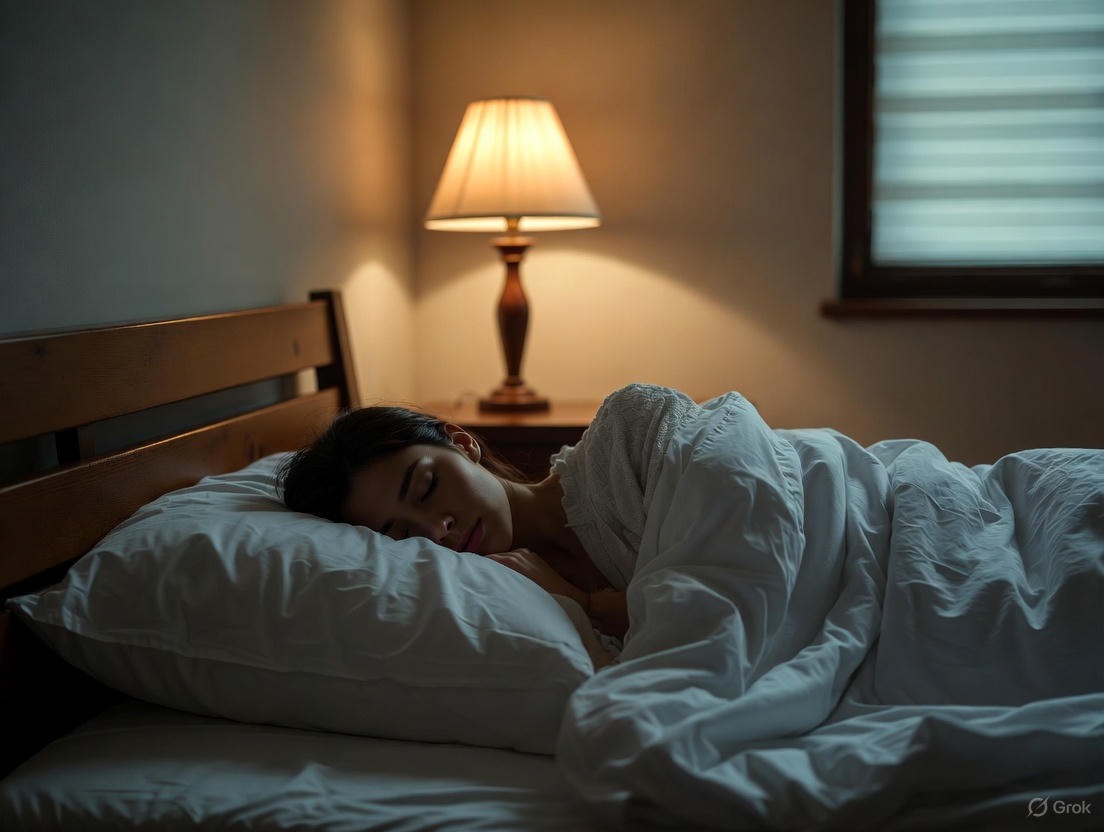
If nutrition is the fuel for your family travel adventures, sleep is the maintenance pit stop where everything gets repaired, recharged, and prepared for the next day's journey. Yet sleep is often the first casualty of travel—sacrificed to early flights, late arrivals, unfamiliar beds, and the general disruption of being away from home. The irony is that sleep becomes more important, not less, when you're traveling. The physical demands, cognitive load, and emotional intensity of family travel all increase your need for quality rest.
Understanding why sleep suffers during travel is the first step toward protecting it. The primary culprit is what sleep scientists call the "first night effect"—a phenomenon where one hemisphere of the brain remains more alert during the first night in a new environment, essentially standing guard while the other hemisphere rests. This evolutionary holdover means that even when you're exhausted, your sleep in a new place is lighter and less restorative than usual. For children, whose security depends even more heavily on familiar environments, this effect is magnified.
Then there's the circadian disruption. Your body's internal clock runs on approximately 24-hour cycles, regulated primarily by light exposure and consistent routines. Travel scrambles both inputs. Time zone changes are the most obvious disruption, but even travel within the same time zone disrupts circadian rhythms through altered light exposure, meal times, and activity patterns. The result is sleep that comes at the wrong times, doesn't last long enough, and fails to provide the deep restorative stages your body needs.
The accumulation of sleep debt during travel is insidious because it happens gradually. One night of mediocre sleep is manageable. Two nights, and you're functioning below baseline. Three nights, and everyone is irritable, impulsive, and susceptible to illness. By day four of a typical family vacation, many families are operating on significant sleep debt without realizing it—they've simply normalized their degraded state.
So how do you protect sleep when everything is working against it? Start with pre-travel sleep banking, as discussed earlier. Arriving at your destination with a sleep surplus is like starting a race with a financial cushion—you have reserves to draw on when circumstances aren't ideal. In the week before travel, prioritize sleep with an intensity that might feel excessive. Go to bed earlier. Protect your sleep windows. If your wellness ring shows declining sleep scores, take that as a warning sign that you're entering travel already depleted.
When it comes to the sleep environment itself, think like a hotelier designing the perfect guest experience. Darkness is essential—your body produces melatonin only in response to darkness, and even small amounts of light disrupt this process. Assess your accommodation's blackout capabilities immediately upon arrival. If curtains don't fully block light, get creative. Clothespins can close curtain gaps. Aluminum foil can cover particularly problematic windows. For children who are sensitive to light, consider portable blackout blinds designed for travel, or simply high-quality sleep masks for older children and adults.
Temperature matters enormously for sleep quality. Your body needs to drop its core temperature by one to two degrees to initiate and maintain sleep. This is why sleeping in a room that's too warm is so difficult—your body can't achieve the temperature drop it needs. Aim for bedroom temperatures between 65-70 degrees Fahrenheit (18-21 Celsius). If you can't control the thermostat, request a fan for air circulation and cooling, or open windows if safe and practical. For children, avoid overdressing them for sleep—a common mistake that leads to nighttime wakings.
Sound is the third environmental factor. Unfamiliar sounds—street noise, neighboring guests, building mechanicals—can pull you out of deep sleep without fully waking you, fragmenting your rest and reducing its restorative value. White noise is the great equalizer. A white noise machine or app creates a consistent sound backdrop that masks unpredictable noises. For light sleepers, earplugs provide additional protection. For families sharing rooms, consider who is most sensitive to sound and position their sleep space accordingly.
The familiarity factor can be leveraged through what I call "sleep anchors"—items from home that signal "it's time to sleep" to your nervous system. For children, this means their usual sleep sack, stuffed animal, blanket, or lovey. For adults, it might be a particular pillow, a familiar blanket, or even your own pillowcase with its familiar scent. The beginner-friendly guide to sleep-based fatigue prevention emphasizes the importance of these anchors, which become even more powerful in unfamiliar environments.
Routines are the behavioral anchors for sleep. Your pre-sleep routine—whatever it looks like at home—signals to your body that sleep is approaching. Maintain these routines during travel, even when it's inconvenient. Baths, stories, quiet conversation, the same sequence of events—these predictable patterns tell your nervous system that despite the unfamiliar environment, this is still rest time. For children especially, routine consistency is one of the most powerful sleep protections available.
Screen management in the hours before sleep deserves special attention during travel, when the temptation to let children (and adults) unwind with devices is strong. Blue light from screens suppresses melatonin production and keeps the brain in an alert state. Beyond the blue light, the content itself—stimulating, exciting, sometimes stressful—activates rather than calms. Establish a device curfew at least an hour before bedtime. Use that hour for connection, quiet activities, and the transition from stimulation to rest.
For families dealing with time zone changes, strategic light exposure is the primary tool for circadian realignment. Morning light exposure helps advance your internal clock (useful when traveling east). Evening light exposure delays it (useful when traveling west). On the first few days after arrival, seek morning light if you need to wake up earlier, and avoid evening light if you need to fall asleep earlier. Melatonin supplements can help with the transition, but consult with a healthcare provider about appropriate dosing, especially for children.
Napping during travel is both a necessity and a potential problem. For young children, naps are non-negotiable—skipping them leads to overtiredness that actually makes nighttime sleep worse. But naps that are too long or too late can disrupt the next night's sleep. Aim to protect one good nap per day for young children, ideally at a consistent time. For adults, strategic napping (20-30 minutes, early afternoon) can restore alertness without interfering with nighttime sleep. The beginner-friendly guide to power naps as natural energy booster offers guidance on nap timing and duration.
Finally, use your wellness ring data to understand what's actually happening with your sleep during travel. How your wellness ring shows fatigue accumulation over time becomes particularly valuable when you're traveling, as the cumulative effects of sleep disruption may not be consciously apparent. Pay attention to your sleep stages, heart rate variability during sleep, and recovery scores. This data tells you whether your sleep strategies are working and when you need to prioritize rest over activity.
Sleep during travel is not a luxury—it's the foundation that supports everything else. When sleep suffers, enjoyment suffers, patience suffers, and health suffers. By treating sleep as a non-negotiable priority and implementing strategies to protect it in unfamiliar environments, you ensure that everyone has the energy and resilience to fully engage with the experiences you've traveled to share.
There's a common misconception that family travel is inherently active—all that walking, all those stairs, all that exploration must surely count as exercise, right? While it's true that travel often involves more physical movement than daily life, the quality and pattern of that movement rarely provides the kind of physical activity that supports wellness. In fact, travel often creates a pattern of extremes: periods of prolonged sitting (in transit, at meals, during shows) punctuated by bursts of intense walking, followed by more sitting. This pattern stresses the body in specific ways that require intentional countermeasures.
Understanding movement as medicine during travel means recognizing that your body needs variety, not just volume. It needs stretching after compression, strengthening after passive sitting, and regulation after the chaos of unfamiliar environments. Intentional movement during travel isn't about maintaining your workout routine—it's about addressing the specific physical stresses that travel creates.
Let's start with the problem of prolonged sitting. Whether in cars, planes, trains, or restaurants, travel involves more sitting than your body is designed for. Prolonged sitting compresses the spine, tightens hip flexors, weakens glutes, and impairs circulation. The consequences aren't just discomfort—they're reduced energy, increased fatigue, and greater susceptibility to injury when you do become active. The beginner-friendly guide to stretching as natural energy booster offers specific sequences that target the areas most affected by sitting: hips, lower back, chest, and neck.
The solution is what I call "movement snacks"—brief, frequent movement breaks that interrupt prolonged sitting. Every 45-60 minutes of sitting, stand up, walk a few steps, and do a few simple stretches. In transit, this means taking advantage of rest stops, walking the airplane aisle when safe, or doing seated exercises. At your destination, it means building movement breaks into your sightseeing—not just walking from one attraction to another, but intentional stretching in parks, playground stops where kids can climb and adults can move, and using stairs instead of elevators when practical.
Morning movement deserves special attention during travel. After a night of sleep (often disrupted and in an unfamiliar bed), your body needs gentle waking and mobilizing. A brief morning movement practice—even just 5-10 minutes of stretching, mobility work, or simple yoga flows—prepares your body for the day's demands and reduces the risk of injury when you suddenly become active. This practice also serves as a regulatory anchor, a moment of intentional self-care before the chaos of the travel day begins.
For families with children, movement opportunities abound if you know where to look. Playgrounds exist everywhere, and they're free. A 20-minute playground stop allows children to climb, swing, and run while adults stretch and breathe. Public parks offer space for tag, frisbee, or simply walking on grass instead of pavement. Even urban environments have steps to climb, railings to stretch on, and open spaces to move through. The key is recognizing these opportunities and building them into your itinerary rather than treating movement as something separate from your travel experience.
Swimming deserves special mention as a travel-friendly movement option. Water provides natural resistance, supports joints, and offers a unique sensory experience that many children find regulating. If your accommodation has a pool, use it—not just for recreation but for intentional movement. Even 15 minutes of swimming or water walking provides cardiovascular benefit, muscle engagement, and the stress-reducing effects of water immersion.
The timing of movement affects its benefits. Morning movement energizes and prepares. Afternoon movement can counter the natural energy dip and prevent the post-lunch slump. Natural energy boosters for afternoon slumps often include movement as a key strategy. Evening movement should be gentle and calming—walking, stretching, yin yoga—to support the transition to sleep rather than activating the nervous system.
Your wellness ring provides valuable feedback about your movement patterns and their effects. How your smart ring tracks natural energy boosters throughout your day includes activity tracking that can reveal patterns you might not notice consciously. Are you moving enough throughout the day, or are you sedentary for long periods punctuated by bursts of activity? How does your step count correlate with your energy levels and sleep quality? This data helps you refine your movement strategy in real-time.
For adults, the temptation during travel is to abandon all exercise routines, viewing movement as something that happens to you rather than something you intentionally create. A more sustainable approach is the "minimum effective dose" mindset. What's the smallest amount of intentional movement that will maintain your physical wellbeing during travel? For some, it's 15 minutes of stretching in the morning. For others, it's a 20-minute walk before breakfast. For others, it's using the hotel gym for a brief strength session every other day. Find your minimum effective dose and commit to it—not as an obligation, but as medicine that keeps you feeling good enough to enjoy everything else.
Children's movement needs during travel are often underestimated. The containment required for transit, the structured nature of many tourist activities, and the general busyness of travel can leave children with insufficient opportunities for the kind of free movement their bodies crave. The result is the wiggles, the restlessness, the "acting out" that's really just a body demanding movement. Build in unstructured movement time every day—time at a park, a run around a plaza, a climb on playground equipment. This isn't wasted time; it's essential regulation that makes everything else possible.
Finally, consider movement as a family connection practice rather than an individual obligation. Family walks after dinner create space for conversation and digestion. Morning stretch circles prepare everyone for the day while fostering connection. Playful movement—tag, dance parties, silly races—generates joy while meeting physical needs. When movement becomes something you do together, it serves multiple purposes simultaneously: physical health, emotional connection, and shared experience.
Movement during travel isn't about maintaining fitness or burning calories—it's about addressing the specific physical stresses of travel, supporting your body's natural regulatory systems, and creating opportunities for connection and joy. When you approach movement as medicine rather than obligation, it becomes not one more thing on your to-do list, but an integral part of the travel experience itself.
If physical wellness is the hardware of family travel, emotional wellness is the software—the invisible operating system that determines how everything runs. And family dynamics during travel are notoriously challenging. The intensity of togetherness, the stress of unfamiliar situations, the fatigue, and the high expectations all create conditions where even the most harmonious families can experience conflict, frustration, and emotional dysregulation.
Understanding why family dynamics shift during travel is the first step toward managing them effectively. At home, family members have space—literal space to be alone, and psychological space in the form of separate activities, friendships, and routines. Travel collapses this space. You're together constantly, often in close quarters, with fewer outlets for individual expression and regulation. This proximity, combined with the stresses already discussed, creates a pressure cooker effect. Small irritations become major conflicts. Patience wears thin. And everyone's emotional regulation capacity is diminished.
The concept of "emotional bandwidth" is useful here. Think of each family member as having a certain capacity for managing emotions, handling frustration, and maintaining patience. This bandwidth is finite and gets depleted by all the demands of travel—physical discomfort, cognitive load, disrupted routines, unfamiliar environments. When bandwidth is depleted, emotional regulation fails. What looks like a child having a tantrum about something trivial is actually a child whose emotional bandwidth is exhausted, and the trivial thing was simply the last straw.
Prevention is more effective than intervention when it comes to emotional wellness. Before your trip, have family conversations about expectations. What does everyone hope for? What are they worried about? What helps them when they're feeling overwhelmed? For younger children, social stories about travel—books that depict the experience and the feelings that might come up—can prepare them for the emotional challenges ahead. For older children and adults, simply naming the reality that travel can be stressful and that everyone will need patience and understanding creates a shared framework for when difficulties arise.
During travel, the single most important emotional wellness practice is what I call "checking in." At least once daily, create space for each family member to share how they're doing emotionally. This doesn't need to be a formal therapy session—it can happen during a meal, on a walk, or before bed. The key is creating a routine where emotional expression is normalized and welcomed. Questions like "What was the best part of today?" and "What was the hardest part?" invite sharing without pressure. For children who struggle to articulate feelings, drawing pictures or using emotion cards can help.
The practice of "emotional first aid" deserves a place in every family's travel toolkit. Just as you carry bandages for physical scrapes, you need strategies for emotional scrapes. When someone is clearly dysregulated—crying, yelling, withdrawing—the first response should always be connection, not correction. A hug, a calm voice, validation of feelings: "This is really hard right now. I understand why you're upset." Only after regulation is restored can you address whatever triggered the dysregulation. The beginner-friendly guide to preventing emotional fatigue offers additional strategies for recognizing and responding to emotional depletion.
Parents' emotional regulation is the foundation upon which children's regulation rests. Children are exquisitely sensitive to their parents' emotional states. When parents are stressed, children become stressed—not because they understand the source of the stress, but because they sense the dysregulation in the people they depend on for safety. This means that parents caring for their own emotional wellness during travel isn't selfish—it's essential family support. Your regulation enables their regulation.
What does parent emotional self-care look like during travel? It means recognizing when you're approaching your bandwidth limit and taking action before you reach it. It might mean trading off with your partner for solo time—even 15 minutes alone in the hotel room or on a walk can restore emotional capacity. It might mean simplifying plans when you sense your capacity diminishing. It might mean using wellness ring data to recognize that your physiological state (low HRV, elevated resting heart rate) correlates with emotional vulnerability, and adjusting accordingly. How your wellness ring detects early fatigue signals before you feel them applies to emotional fatigue as much as physical.
The concept of "repair" is crucial for family travel emotional wellness. No matter how skilled you become at prevention, there will be moments of conflict, dysregulation, and disconnection. What matters most is not avoiding these moments but repairing them effectively. A sincere apology, a moment of reconnection, a willingness to start again—these repair attempts actually strengthen family bonds when they're handled well. Children learn that relationships can withstand conflict, that mistakes can be mended, and that connection is resilient.
For families with multiple children, individual attention becomes both more challenging and more important during travel. Each child needs moments of being seen as an individual, not just as part of the family unit. This might mean one parent taking one child for a special outing while the other parent stays with the other children. It might mean carving out one-on-one time during meals or before bed. These moments of individual attention fill emotional tanks and reduce the competition for parental focus that often creates conflict.
Technology can support emotional wellness through data that reveals patterns you might miss. How your wellness ring shows when you're heading toward fatigue provides early warning of physiological states that predict emotional vulnerability. If your recovery score is low, your heart rate variability is declining, or your resting heart rate is elevated, you're more likely to experience emotional dysregulation. This isn't an excuse for poor behavior, but it is information that can guide your choices—perhaps today is a day for lower demands, more rest, and extra self-compassion.
Finally, hold expectations lightly. The perfect family vacation—everyone happy, no conflicts, constant joy—exists only in marketing materials. Real family travel includes moments of frustration, boredom, and conflict alongside moments of wonder, connection, and joy. When you accept this reality, you stop measuring your trip against an impossible standard and start appreciating what's actually happening. The family that navigates a conflict and repairs successfully is building skills that last far beyond any single vacation. The child who learns that they can handle the discomfort of a long travel day is developing resilience. These aren't failures of your vacation—they're the real gifts of traveling together.
Your Trusted Sleep Advocate: Sleep Foundation — https://www.sleepfoundation.org
Discover a digital archive of scholarly articles: NIH — https://www.ncbi.nlm.nih.gov/
39 million citations for biomedical literature :PubMed — https://pubmed.ncbi.nlm.nih.gov/
Experts at Harvard Health Publishing covering a variety of health topics — https://www.health.harvard.edu/blog/
Every life deserves world class care :Cleveland Clinic - https://my.clevelandclinic.org/health
Wearable technology and the future of predictive health monitoring :MIT Technology Review — https://www.technologyreview.com/
Dedicated to the well-being of all people and guided by science :World Health Organization — https://www.who.int/news-room/
Psychological science and knowledge to benefit society and improve lives. :APA — https://www.apa.org/monitor/
Cutting-edge insights on human longevity and peak performance:
Lifespan Research — https://www.lifespan.io/
Global authority on exercise physiology, sports performance, and human recovery:
American College of Sports Medicine — https://www.acsm.org/
Neuroscience-driven guidance for better focus, sleep, and mental clarity:
Stanford Human Performance Lab — https://humanperformance.stanford.edu/
Evidence-based psychology and mind–body wellness resources:
Mayo Clinic — https://www.mayoclinic.org/healthy-lifestyle/
Data-backed research on emotional wellbeing, stress biology, and resilience:
American Institute of Stress — https://www.stress.org/


