


The Complete Beginner-Friendly Guide to Road Trip Wellness With Ring Tracking
Road trip wellness tracking with a ring.
Road trip wellness tracking with a ring.
%402x.svg)
There's something undeniably magical about the open road. The hum of tires against asphalt, the ever-changing scenery outside your window, and the promise of adventure ahead have made road trips a beloved tradition for generations. But if you've ever spent ten hours behind the wheel, you also know the darker side of this experience: the stiff shoulders, the energy crashes, the questionable gas station food, and that peculiar form of exhaustion that leaves you feeling both wired and utterly drained.
As someone who loves long drives but also cares deeply about health optimization, I used to accept these discomforts as inevitable. Road trips were a temporary suspension of wellness—a few days where I'd forgive myself for poor sleep, terrible nutrition, and minimal movement. The logic seemed sound: you can't exactly do a yoga flow at 70 miles per hour, and finding a healthy meal at a remote rest stop often feels like searching for a vegan option at a barbecue competition.
Then everything changed when I discovered the power of wearable wellness technology, specifically smart rings, and began applying their insights to my travel lifestyle. What I learned transformed not just how I feel during road trips, but how I approach them entirely. The data from my ring revealed patterns I never would have noticed otherwise: how my heart rate variability would plummet after four hours of continuous driving, how my body temperature would drop during afternoon slumps before I even felt tired, and how strategic breaks timed to my circadian rhythm could double my energy retention.
This comprehensive guide is designed for beginners who want to merge the freedom of road travel with the wisdom of personalized health data. Whether you're planning a cross-country adventure, a weekend getaway, or you're someone who spends significant time commuting, the principles here will help you arrive at your destination feeling as good as when you left—or perhaps even better.
We'll explore how your smart ring becomes the ultimate co-pilot for wellness, translating biometric data into actionable strategies that keep you energized, focused, and resilient throughout your journey. From pre-trip preparation that optimizes your readiness scores to in-car adjustments that maintain stable heart rate patterns, every aspect of road trip wellness can be enhanced through the lens of wearable technology.
The beauty of this approach is its simplicity. You don't need to become a biohacker or overhaul your entire lifestyle. You simply need to learn how to listen to what your body is already telling you—and your smart ring is the translator that makes that conversation possible.
So buckle up, adjust your seat to the optimal ergonomic position, and let's embark on a journey that will change how you think about travel wellness forever. The road ahead is long, but with the right tools and knowledge, you'll arrive refreshed, restored, and ready for whatever comes next.
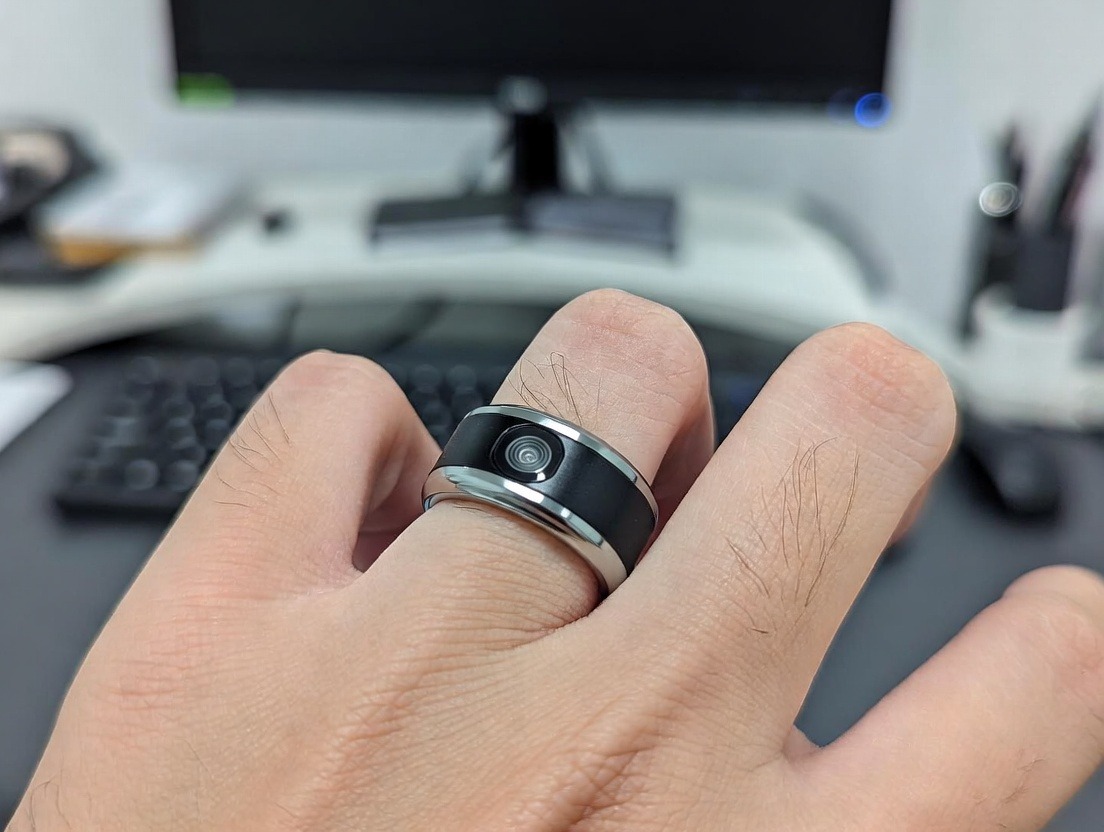
Before we dive into specific road trip strategies, it's essential to understand exactly what your wellness ring is measuring and why these metrics matter during extended travel. Think of this section as your owner's manual—not the boring one you never read, but the essential guide that unlocks your device's full potential as a travel companion.
Your smart ring tracks multiple data points continuously, but five core metrics deserve your attention when preparing for and executing a road trip: heart rate variability (HRV), resting heart rate, sleep stages, body temperature, and activity levels. Each tells a unique story about your body's readiness and response to the demands of travel.
Heart rate variability measures the time variation between your heartbeats. While this might sound counterintuitive—wouldn't a steady rhythm be healthier?—greater variability actually indicates a more resilient nervous system. High HRV suggests your body is well-rested and ready to handle stress, while low HRV signals fatigue, dehydration, or accumulated strain. During a road trip, monitoring HRV helps you understand when you're pushing too hard and need recovery time.
Resting heart rate provides another window into your recovery status. When you're well-rested and hydrated, your resting heart rate typically sits at its baseline. As fatigue builds or dehydration sets in, you'll notice this number creeping upward. On a long drive, a rising resting heart rate might indicate it's time for a break, even if you don't feel particularly tired yet.
Sleep tracking through your ring reveals the quality and quantity of your rest. Road trips often disrupt normal sleep patterns—different beds, unfamiliar environments, altered schedules. Your ring's sleep data helps you understand whether you're truly recovering at night or accumulating sleep debt that will affect your driving performance the next day.
Body temperature fluctuations offer fascinating insights into your circadian rhythms and energy levels. Most people experience a natural dip in body temperature during afternoon hours, which correlates with the classic post-lunch energy slump. Your ring tracks these patterns, helping you anticipate when you'll need extra support to stay alert behind the wheel.
Activity tracking goes beyond simple step counting. Your smart ring monitors intensity, duration, and recovery from movement. During road trips, this data reveals whether you're balancing sitting time with adequate movement breaks—a crucial factor for circulation, focus, and overall comfort.
For beginners, the most important concept to grasp is that these metrics don't exist in isolation. They form an interconnected system that tells the complete story of your physiological state. A low HRV combined with elevated resting heart rate and disrupted sleep paints a very different picture than low HRV alone. Learning to read these patterns takes practice, but your ring's companion app typically provides readiness scores or recovery metrics that synthesize this data into something actionable.
Before any road trip, I recommend spending at least two weeks establishing your personal baselines. How does your HRV typically respond to stress? What's your normal resting heart rate range? When do your body temperature dips typically occur? This baseline knowledge becomes invaluable when you're on the road and your ring flags something unusual. Without context, a single data point is just a number. With context, it becomes actionable intelligence.
Consider also how travel-specific factors might influence your metrics. Car vibrations, sustained seated posture, altered meal timing, and changes in hydration all affect your physiology. Your smart ring will capture these effects, but understanding what's normal for you makes it easier to distinguish between expected travel variations and genuine warning signs that require intervention.
As you prepare for your journey, take time to explore how your ring tracks these essential metrics through the lens of how your wellness ring shows fatigue accumulation over time. This deeper understanding will transform how you interpret the data that appears during your drive.
The secret to arriving at your destination feeling refreshed actually begins days before you turn the key in the ignition. Smart road trip wellness isn't something you activate when you hit the highway—it's cultivated through intentional preparation that primes your body for the demands ahead. Your readiness score on departure morning will significantly influence how you handle the first day's drive, and that score is largely determined by your choices in the preceding 48 to 72 hours.
Let's start with sleep, the foundation of everything. In the three nights before your trip, prioritize sleep quality with almost obsessive dedication. Your ring tracks sleep stages, and you want to maximize deep sleep and REM cycles during this window. Deep sleep facilitates physical recovery—crucial for maintaining comfortable posture during long hours seated. REM sleep supports cognitive function, including the sustained attention and quick decision-making safe driving requires.
To optimize these three nights, maintain consistent bed and wake times even if your schedule tempts you otherwise. Reduce alcohol consumption, which fragments sleep architecture and suppresses REM. Create a cool, dark sleep environment, and consider a light dinner eaten at least three hours before bed. Your ring will show you the payoff: higher HRV, lower resting heart rate, and improved sleep scores that translate into departure-day energy.
Hydration deserves equal attention. Most people begin road trips already dehydrated, setting themselves up for fatigue, headaches, and decreased concentration before they've covered a hundred miles. Your smart ring can't directly measure hydration, but it tracks markers that correlate with fluid status. Low HRV, elevated resting heart rate, and changes in body temperature patterns can all signal dehydration before you feel thirsty.
Begin increasing your water intake at least 48 hours before departure. Aim for half your body weight in ounces daily, and consider adding electrolytes—especially if your trip involves significant climate changes or altitude shifts. Your ring's metrics will reflect this preparation through more stable readings during the first driving day.
Nutritional preparation matters too. The days before your trip aren't the time for experimental meals or dietary extremes. Stick to foods you know digest well and provide sustained energy. Focus on complex carbohydrates for glycogen storage, lean proteins for satiety, and healthy fats for hormonal support. Your gut health directly influences your energy levels, and as your wellness ring reflects gut health markers, you'll see the connection between smart eating and optimal metrics.
Movement preparation might seem counterintuitive—shouldn't you rest before a long drive? Actually, strategic movement in the days before departure improves circulation, reduces stiffness, and prepares your body for sustained sitting. Focus on mobility work that opens hips and shoulders, the areas most affected by driving posture. Gentle yoga, foam rolling, and walking are excellent choices. Avoid exhaustive workouts that might lower your HRV and readiness score on departure morning.
Mental preparation is equally important and often overlooked. The stress of packing, coordinating logistics, and saying goodbye to loved ones can elevate cortisol and impact your readiness metrics. Build buffers into your pre-trip schedule. Finish packing the night before rather than rushing on departure morning. Allow extra time for unexpected delays. Practice brief mindfulness or breathing exercises when you feel the travel anxiety building. Your ring's stress tracking will show you when these practices make a difference.
Finally, consider environmental preparation. Check weather forecasts for your route and destination. Extreme temperatures affect your body's energy demands and may influence how you feel during the drive. If you're traveling to significantly different climates, your ring's body temperature tracking becomes particularly valuable for noticing how your system adapts.
The ultimate goal of pre-trip preparation is to wake up on departure morning to a readiness score that makes you feel like a superhero. That green light from your ring isn't just data—it's permission to enjoy the journey ahead with confidence that your body is equipped for the adventure.
Your car is more than a transportation device during a road trip—it becomes your mobile environment for hours on end. Transforming this space into a wellness sanctuary pays dividends in comfort, energy, and overall experience. Your smart ring will validate these improvements through better metrics throughout your journey, proving that environment shapes physiology in profound ways.
Let's begin with seat ergonomics, the most critical factor for physical comfort. Modern vehicles offer numerous adjustments, yet most drivers never optimize their position. Your goal is to create a setup that distributes pressure evenly, maintains spinal curves, and allows micro-movements without compromising safety or control.
Start with seat height. Your hips should be at least as high as your knees, ideally slightly higher. This position reduces pressure on the backs of your thighs and promotes better circulation. Your ring will thank you through stable heart rate patterns and fewer alerts about sustained inactivity that might indicate compromised blood flow.
Seatback angle deserves careful attention. The old advice to sit at 90 degrees is actually misguided for driving. A slight recline of 100 to 110 degrees reduces spinal disc pressure while maintaining proper driving posture. Use a lumbar support if your vehicle offers it, or add a small cushion that maintains the natural curve of your lower back. Your ring's movement reminders might still trigger during long stretches, but your actual comfort and spinal health will improve dramatically.
Steering wheel position affects your shoulders, neck, and upper back. Adjust it so your arms remain slightly bent at the elbows when gripping the wheel at the classic "10 and 2" or modern "9 and 3" positions. Your shoulders should remain relaxed, not hunched. This positioning reduces tension that your ring might otherwise register as stress through elevated heart rate or decreased HRV.
Temperature control in your vehicle influences more than comfort—it affects your energy and alertness. Most people default to temperatures that feel immediately comfortable but actually promote drowsiness. Slightly cool environments, around 68 to 70 degrees Fahrenheit, support alertness better than warm cabins. Your ring's body temperature tracking becomes useful here, helping you notice when cabin temperature is affecting your internal thermostat.
Air quality represents an often-overlooked wellness factor. Vehicle cabins accumulate airborne particles, volatile organic compounds from plastics and upholstery, and carbon dioxide from occupants. Set your ventilation to draw fresh air periodically rather than constantly recirculating. Consider a small, battery-powered air purifier designed for vehicles if you're sensitive to air quality. The guide to fresh air as an energy source explains why this matters for maintaining alertness and cognitive function during long drives.
Lighting in your vehicle affects your circadian rhythms, especially during extended travel. Bright, blue-enriched light during daytime hours supports alertness, so maximize natural light when possible. As evening approaches, consider wearing blue-blocking glasses if you'll be driving after dark, especially toward your destination. This practice helps prevent the light exposure that might otherwise disrupt your ring-tracked sleep preparation.
Sound environment deserves attention too. Road noise creates a form of auditory stress that accumulates over hours, subtly elevating cortisol and affecting your metrics. Quality noise-cancelling headphones aren't practical while driving, but improving your vehicle's sound insulation or simply being aware of noise levels helps. Music and podcasts can mask problematic frequencies, but choose content that doesn't demand intense cognitive load during challenging driving conditions.
Storage organization in your vehicle reduces the stress of searching for items while driving. Designate specific places for water bottles, healthy snacks, your phone mount, and anything else you might need. This organization reduces distracted driving and the stress your ring might otherwise register during fumbling moments.
Creating this wellness sanctuary doesn't require expensive modifications or elaborate systems. Small, intentional adjustments transform your vehicle from a mere conveyance into a space that supports your physiology rather than fighting against it. Your smart ring will show you the difference through improved metrics during and after your drive, providing objective validation that your efforts matter.
One of the most powerful insights your smart ring provides is a window into your personal circadian rhythms. These 24-hour biological cycles influence everything from body temperature and hormone secretion to cognitive performance and energy availability. By aligning your driving schedule with these natural patterns, you can dramatically reduce fatigue, improve safety, and arrive at your destination feeling significantly better.
Most people have a general sense of whether they're morning larks or night owls, but your ring's data reveals the specifics. Body temperature patterns show when you naturally peak and trough. HRV fluctuations indicate when your nervous system handles stress most effectively. Activity and sleep data confirm your optimal windows for performance and rest.
For driving purposes, the most critical periods are your natural energy peaks and troughs. The typical human circadian pattern includes two alertness peaks—mid-to-late morning and early evening—with a significant trough in the afternoon, usually between 1:00 and 4:00 PM. This afternoon dip corresponds with increased accident statistics and explains why so many drivers struggle to stay alert after lunch.
Your personal patterns may vary slightly. Some people experience their afternoon trough earlier or later, and the depth of that trough differs between individuals. By examining your ring's data from regular days, you can predict how you'll respond during driving hours and plan accordingly.
The ideal road trip schedule works with these rhythms rather than against them. If possible, start your driving day after your morning alertness has fully activated but before your energy begins its natural decline. For most people, this means departing between 8:00 and 9:00 AM, allowing the morning routine to unfold without rushing and the body to reach its operational temperature.
Schedule your most demanding driving—complex navigation, heavy traffic, challenging terrain—during your peak alertness windows. Save the easier stretches for times when your energy naturally dips. This strategic task allocation acknowledges your biology rather than fighting it through willpower alone.
The afternoon trough deserves special attention. Rather than pushing through this period with caffeine and radio volume, plan for it. Schedule a substantial break during your expected energy dip. This might mean stopping for a proper meal, taking a walk, or even finding a safe place for a brief rest. Your ring's data will show you when your body temperature begins its afternoon decline, giving you a physiological heads-up before you feel the fatigue.
If your road trip spans multiple days, consider how circadian alignment affects your overnight stops. Arriving at your destination or lodging before your natural evening decline prevents the dangerous combination of fatigue and unfamiliar driving conditions. Similarly, morning departures should wait until after you've fully awakened—your ring's sleep staging can tell you when you've completed your final REM cycle and are genuinely ready for the day.
Time zone changes complicate circadian alignment but don't make it impossible. When traveling east, you'll lose time and may need to start days earlier than your body prefers. When traveling west, you'll gain evening hours when your natural alertness might already be declining. Your ring becomes invaluable during these transitions, showing how your rhythms adapt and when you've fully adjusted to the new schedule.
For multi-day trips, consider building in "circadian recovery days" after particularly challenging driving stretches. If you pushed through your afternoon trough to reach a destination, your ring will show this stress through reduced HRV and possibly disrupted sleep. A lighter driving day following allows your system to reset before the next push.
The beauty of circadian-aligned scheduling is that it works with your body rather than against it. You'll need less caffeine, experience fewer energy crashes, and maintain better cognitive function throughout your journey. Your smart ring provides the data to make this alignment precise, transforming vague intuition about your rhythms into actionable scheduling intelligence.
For deeper insight into how your circadian rhythms affect fatigue and recovery, explore fatigue prevention tips through circadian rhythm alignment with your smart ring. This connection between your internal clock and your travel experience represents one of the most powerful applications of wearable technology for road trip wellness.
The conventional wisdom about taking breaks every two hours has merit, but it's a blunt instrument compared to what your smart ring can tell you about your actual needs. Break timing shouldn't follow a rigid clock schedule—it should respond to your physiological state in real time. Learning to read your ring's signals transforms breaks from arbitrary pauses into strategic interventions that maintain energy, focus, and comfort throughout your drive.
Your heart rate variability provides the most sensitive indicator of accumulating stress. As you drive, your HRV typically decreases, reflecting the sustained cognitive demands and physical constraints of the task. A significant drop from your baseline—say, 20 percent or more—signals that your nervous system needs a reset. This might happen after two hours on some days, or four hours on others, depending on traffic, road conditions, your pre-trip state, and countless other variables.
Resting heart rate tells a complementary story. During continuous driving, you might notice your heart rate creeping upward even though you're sitting still. This elevation often indicates rising fatigue, dehydration, or stress accumulation. When your resting heart rate climbs 5 to 10 beats above your typical sitting baseline, your body is signaling the need for intervention.
Body temperature patterns offer another break-timing cue. The natural afternoon dip we discussed earlier represents a vulnerable period when breaks become particularly valuable. But your ring might also show temperature changes related to vehicle cabin conditions, dehydration, or stress. A break that allows you to regulate your temperature—stepping out into cooler air, drinking cool water—can reverse these trends before they affect your alertness.
Activity tracking during breaks matters too. Your ring monitors movement intensity and duration, revealing whether your breaks actually provide the physiological reset you need. A five-minute stop to use restroom facilities and grab coffee barely registers as meaningful movement. A twenty-minute break that includes walking, stretching, and perhaps some brief mobility work creates a完全不同 physiological response.
What constitutes an effective break? The research suggests that breaks combining three elements produce the best outcomes: movement that changes your position and gets blood flowing, sensory change that shifts your brain's focus, and nutritional intake that addresses hydration and energy needs.
Movement during breaks should specifically counteract the positions you've maintained while driving. Open your hips with gentle lunges or leg swings. Release your shoulders with arm circles or doorway stretches at rest areas. Mobilize your spine with side bends and gentle twists. Your ring's movement tracking will show increased activity during these breaks, but the benefits extend far beyond step counts.
Sensory change matters because your brain habituates to continuous stimulation. The constant road noise, visual processing demands, and cognitive load create a form of sensory fatigue that compounds over hours. A break that changes your environment—stepping away from the vehicle, looking at distant scenery, hearing different sounds—provides neural reset that refreshes your attention capacity.
Nutritional intake during breaks deserves strategic thought. This isn't just about hunger—it's about maintaining stable blood glucose and hydration status. Water should always be your first priority. Then consider whether you need quick energy (fruit, complex carbohydrates) or sustained fuel (protein, healthy fats). Your ring can't directly measure blood glucose, but it will show the effects of good nutritional choices through stable energy patterns and maintained HRV.
Break frequency should adapt to your ring's feedback. Some days you might need breaks every 90 minutes. Other days you might comfortably drive three hours between stops. The key insight is that your needs vary, and rigid schedules miss this nuance. By checking your ring's current metrics against your baselines, you develop intuition for when a break would serve you—often before you consciously feel the need.
For particularly long driving days, consider the concept of break quality over quantity. A single well-designed 30-minute break that includes meaningful movement, sensory change, and proper nutrition might provide more benefit than three rushed 10-minute stops. Your ring's recovery metrics after each break will show you what works best for your unique physiology.
The ultimate goal is developing such attunement to your ring's signals that break timing becomes almost intuitive. You'll glance at your wrist, see the patterns emerging, and make adjustments before fatigue ever reaches conscious awareness. This proactive approach keeps you in the driver's seat—literally and metaphorically—throughout your journey.

Water is the medium through which every physiological process operates, yet hydration remains one of the most misunderstood and neglected aspects of road trip wellness. Your smart ring doesn't measure hydration directly, but it tracks multiple metrics that respond to fluid status. Learning to read these indirect signals transforms hydration from vague advice into precise, personalized guidance.
Let's understand why hydration matters so profoundly during driving. Your brain is approximately 75 percent water, and even mild dehydration—as little as 1 to 2 percent of body weight loss—impairs cognitive function. Attention, concentration, and short-term memory all suffer. Reaction time slows. Mood deteriorates. These effects mimic fatigue and compound the natural challenges of sustained driving.
Your cardiovascular system also depends on adequate hydration. Blood volume decreases when you're dehydrated, forcing your heart to work harder to deliver oxygen and nutrients. This shows up in your ring as elevated resting heart rate and potentially reduced heart rate variability. If you notice these patterns developing during a drive, dehydration should be among your first suspected causes.
Body temperature regulation relies heavily on hydration status. Water absorbs heat and enables cooling through sweating and respiration. When you're dehydrated, your body struggles to maintain optimal temperature, which your ring may detect as atypical patterns or reduced ability to recover from temperature stress.
So how do you maintain optimal hydration during a road trip? The first principle is starting hydrated and staying ahead of thirst. Thirst is a lagging indicator—by the time you feel thirsty, you're already dehydrated. Your ring's morning readiness score provides context, but your actual fluid needs depend on multiple factors including climate, vehicle temperature, and individual variation.
Calculate your baseline needs using the common formula: half your body weight in ounces as a daily minimum. For a 150-pound person, that's 75 ounces, or about nine 8-ounce glasses. During driving days, add 8 to 16 ounces for every hour of driving, more in hot conditions or at altitude.
But total volume matters less than consistent intake. Sipping water steadily throughout the day maintains hydration better than chugging large amounts at breaks. Your body can only absorb about 4 to 8 ounces of water per hour efficiently—the rest passes through without providing cellular hydration. Keep a water bottle within easy reach and take small drinks regularly.
Electrolytes deserve attention alongside water. Plain water hydrates, but electrolytes—sodium, potassium, magnesium—determine how effectively that water reaches your cells. During extended driving, especially in heat, you lose electrolytes through sweat. Replacing water without electrolytes can actually dilute your body's mineral balance, causing problems rather than solving them.
Consider adding electrolyte supplements to your water, particularly during the afternoon when fatigue typically increases. Your ring's HRV and heart rate patterns will show whether this strategy works for you. Some people respond dramatically to electrolyte support, while others need minimal supplementation.
The type of water matters less than most wellness marketing suggests. Clean, safe water in adequate quantity trumps exotic alkaline or structured waters every time. Focus on access and consistency rather than perfectionism about water sources.
Beverages to limit include those with diuretic effects. Caffeine in moderate amounts doesn't significantly dehydrate regular users, but excessive coffee or energy drinks can contribute to fluid loss. Alcohol before or during driving days obviously compromises safety and hydration simultaneously. Sugary drinks create blood glucose fluctuations that affect energy and may show up in your ring's patterns.
Your ring provides feedback on your hydration success through multiple channels. Morning HRV after a well-hydrated day typically runs higher than after poor hydration. Resting heart rate trends downward with good hydration. Body temperature patterns stabilize. Sleep quality improves because hydration supports the physiological processes that occur during rest.
For particularly challenging conditions—desert driving, high altitude, extreme heat—increase your hydration targets and monitor your ring's response closely. These environments stress your system in ways that amplify any hydration deficits. Your ring becomes an early warning system, flagging changes that might otherwise go unnoticed until they become problematic.
The practical challenge of road trip hydration involves balancing adequate intake with reasonable bathroom stops. This is where strategy meets reality. Plan routes that include rest areas or facilities at intervals matching your expected needs. Time your water intake so you're not desperate for facilities at inconvenient moments. Consider that slight adjustments in timing can maintain hydration while making the logistics manageable.
Your ring won't send a "drink water now" alert, but it will show you the consequences of your choices. Learn to read these signals, and you'll develop hydration intuition that serves you on the road and in daily life.
Road trip food has earned its terrible reputation honestly. The combination of convenience-focused options, limited healthy choices, and the psychological license we grant ourselves while traveling creates a perfect storm for nutritional disaster. But your smart ring reveals something fascinating: the food choices you make don't just affect how you feel—they measurably impact your physiological state in ways that influence driving performance and overall wellness.
Blood glucose stability represents the hidden factor connecting nutrition to driving energy. When you eat foods that spike your blood sugar—typical road trip fare like refined carbohydrates, sugary snacks, and soft drinks—you set yourself up for a subsequent crash. This crash often coincides with your natural afternoon energy dip, creating a compound fatigue that no amount of willpower can overcome.
Your ring doesn't measure blood glucose directly, but it tracks the downstream effects. HRV typically decreases during blood sugar fluctuations. Heart rate may increase as your body works to regulate glucose. Body temperature patterns can shift. Sleep that night may show disruptions if your blood sugar crashed dramatically during the day.
So what should you eat during road trips to maintain stable energy? The principles aren't complicated, but they require intention and preparation.
First, prioritize protein at every eating occasion. Protein slows gastric emptying and blunts blood glucose response to carbohydrates. It also provides sustained satiety, reducing the urge to graze on empty calories between meals. Good road trip protein sources include hard-boiled eggs, Greek yogurt, cheese sticks, jerky (look for low-sodium options), nuts, and protein bars with clean ingredients.
Second, include fiber-rich foods that further slow digestion and stabilize energy. Fresh vegetables that travel well include bell peppers, snap peas, cherry tomatoes, and cucumbers. Fruits with lower sugar content like berries and apples provide fiber along with natural sweetness. Whole grain crackers or breads offer better options than refined alternatives.
Third, incorporate healthy fats that support hormonal function and provide sustained energy. Nuts and seeds, avocado (pre-sliced and kept in a container), and single-serving packets of nut butter all travel well. These fats also enhance absorption of fat-soluble vitamins from other foods.
Fourth, be strategic about carbohydrates. The issue isn't carbohydrates themselves but their type and timing. Complex carbohydrates from whole food sources provide steady energy. Simple carbohydrates from refined sources create the spikes and crashes you want to avoid. If you need quick energy during an afternoon slump, fruit provides natural sugars packaged with fiber and water that moderate absorption.
Meal timing matters as much as food choices. Large meals divert blood flow to your digestive system, which can temporarily reduce cognitive availability—not ideal when you need to stay alert behind the wheel. Smaller, more frequent eating occasions maintain energy without the digestive drain of heavy meals.
Consider structuring your eating day around your driving schedule. A substantial breakfast before departure sets the foundation. A mid-morning snack maintains energy until lunch. A moderate lunch—perhaps during your planned break in the afternoon trough—provides sustained fuel without post-meal drowsiness. An afternoon snack bridges to dinner, which should be consumed after you've stopped driving for the day.
Navigating restaurant stops requires strategy. Most highway restaurants offer healthier options if you look beyond the obvious choices. Grilled proteins, vegetable sides, salads with dressing on the side, and broth-based soups typically serve better than fried items, creamy dishes, and oversized portions. Don't hesitate to ask for modifications—restaurants are accustomed to accommodating reasonable requests.
Gas station convenience stores present greater challenges, but even these can yield decent options. Look for the refrigerated section for yogurt, cheese, hard-boiled eggs, and pre-cut vegetables. Nuts and seeds in the snack aisle beat chips and cookies. Beef or turkey jerky provides protein if you watch sodium content. Water and unsweetened beverages should always trump sodas and energy drinks.
Your ring's feedback helps you refine your personal nutrition strategy. Perhaps you notice that a particular protein bar reliably maintains your HRV while another causes an afternoon dip. Maybe you discover that a lighter lunch works better for you than anything substantial. These insights emerge when you pay attention to how your metrics respond to different eating patterns.
For deeper exploration of how nutrition interacts with your ring's metrics, the guide to B vitamins and ring energy metrics offers valuable insights into specific nutrients that support energy production at the cellular level.
Remember that perfection isn't the goal. You're on a road trip, not a clinical nutrition study. The aim is to make better choices more often, using your ring's feedback to learn what works for your unique physiology. Each meal becomes data for future trips, building your personal knowledge base of optimal road trip nutrition.
The human body evolved for movement, not for remaining stationary in a seated position for hours at highway speeds. Driving imposes unique physiological stresses that accumulate over time, affecting everything from circulation and joint health to cognitive function and energy levels. Your smart ring tracks these effects through multiple metrics, providing objective feedback about when and how you need to move.
Understanding what happens to your body during prolonged driving helps explain why movement breaks matter so much. Your hip flexors shorten and tighten from maintaining the seated position. Your glutes essentially "forget" how to engage properly. Your lower back bears increased load without the support of core muscles. Your shoulders round forward, and your neck strains to hold your head in position against gravity and vibration.
Circulation slows in your lower extremities, increasing the risk of blood pooling and, in extreme cases, deep vein thrombosis. Your lymphatic system, which depends on muscle contraction to move fluid, becomes sluggish. Your brain receives less fresh, oxygenated blood as overall circulation patterns adapt to your sedentary position.
Your ring detects these changes through multiple channels. Heart rate variability typically decreases as stress accumulates. Heart rate may show subtle increases as your cardiovascular system works harder to maintain perfusion. Movement reminders trigger based on inactivity duration. Sleep that night may show disruptions if your body remained too compressed during the day.
Strategic movement during breaks counteracts these stresses, but the quality of movement matters as much as its occurrence. A quick walk to the restroom and back provides some benefit, but targeted movement designed specifically to reverse driving posture creates significantly more value.
Consider this sample movement protocol for a 15- to 20-minute break:
Begin with five minutes of walking to increase circulation and gently warm tissues. Vary your pace and include some backward walking if space permits—this recruits different muscle patterns and improves balance.
Move to hip opening exercises. Gentle lunges, with your front knee aligned over your ankle and back leg extended, directly counter the hip flexion of driving. Hold each side for 30 to 60 seconds, breathing deeply to encourage relaxation. Leg swings forward and backward and side to side further mobilize the hip joints.
Address your spine with gentle twists and side bends. Standing twists, with feet hip-width apart and arms relaxed, gently rotate your spine in the opposite direction of the slight rotation driving often creates. Side bends, reaching one arm overhead and leaning to the opposite side, open the compressed areas of your torso.
Open your chest and shoulders with doorway stretches or simple arm circles. Clasp your hands behind your back and gently lift to open the front of your shoulders and chest. Roll your shoulders backward several times to reverse the forward rounding of driving.
Activate your glutes with standing exercises like glute squeezes or mini-squats. Your glutes need reminders to engage after prolonged sitting. A few repetitions of squats or lunges, even without weight, signal these important muscles to wake up.
Finish with neck mobility. Gentle chin tucks, side bends, and rotations release tension that accumulates in your cervical spine. Move slowly and stay within comfortable ranges—your neck has been working hard and deserves gentle attention.
This protocol takes about 15 minutes and addresses the primary areas affected by driving. Your ring will register this as meaningful activity, but more importantly, your body will feel noticeably different when you resume driving.
For breaks shorter than 15 minutes, prioritize the movements that feel most needed in the moment. Perhaps your hips feel particularly tight, or your shoulders ache. Listen to your body's signals alongside your ring's data. The combination creates a responsive movement practice that adapts to your changing needs.
Between formal breaks, incorporate micro-movements while driving when safe. Gentle shoulder rolls at red lights. Periodic adjustments of your seated position. Squeezing and releasing your glutes. Small ankle circles when your foot isn't on a pedal. These micro-movements maintain some circulation and prevent the complete stagnation that accelerates fatigue.
Your ring's activity tracking validates these efforts, but the real proof comes in how you feel at day's end. Less stiffness, better energy, improved mood, and more restorative sleep all signal that your movement strategy is working. For a comprehensive approach to in-car movement, the guide to stretching as a natural energy booster offers additional techniques specifically validated by wellness ring data.
Remember that movement during a road trip serves two purposes: immediate relief from driving stresses and long-term prevention of accumulated fatigue. Both matter, and both show up in your ring's metrics over time. The driver who moves strategically arrives not just at their destination, but in a body still capable of enjoying whatever comes next.
Physical fatigue gets most of the attention in road trip wellness discussions, but mental fatigue poses an equally significant challenge—and one your smart ring tracks with surprising precision. The cognitive demands of driving compound over hours, creating a form of exhaustion that feels different from physical tiredness but affects performance just as dramatically.
Driving requires sustained attention, rapid information processing, and continuous decision-making. Your brain monitors the road, other vehicles, navigation instructions, and vehicle operations simultaneously. It filters relevant from irrelevant stimuli, predicts the actions of other drivers, and maintains readiness to respond to emergencies. This cognitive load is real work, and it consumes metabolic resources just as physical activity does.
Your ring detects mental fatigue through its effects on your autonomic nervous system. Heart rate variability, in particular, reflects the balance between sympathetic (fight-or-flight) and parasympathetic (rest-and-digest) activity. Sustained cognitive demand shifts this balance toward sympathetic dominance, reducing HRV. When you notice your HRV declining during driving hours, mental fatigue is likely a contributing factor.
Resting heart rate also responds to cognitive load. Mental effort increases heart rate slightly, and sustained demand can keep it elevated even when physical demands remain low. If your heart rate while driving consistently runs higher than your typical seated baseline, your brain is working harder than you realize.
Body temperature may show subtle changes during intense cognitive periods. Mental effort generates heat through increased brain metabolism, and your body works to regulate this temperature. Your ring's temperature tracking might capture these fluctuations, particularly during challenging driving conditions.
So how do you manage mental fatigue during extended driving? The strategies differ from those addressing physical fatigue, though they complement each other.
Task segmentation helps manage cognitive load. Break your driving day into segments based on natural transition points—between major cities, after significant landmarks, or at time-based intervals. Complete each segment mentally before moving to the next. This psychological closure reduces the sense of endless task and refreshes attention capacity.
Environmental variation provides cognitive relief. When conditions allow, vary your auditory environment. Podcasts and audiobooks engage different neural networks than music, providing a form of cognitive cross-training. Just be prepared to silence them during challenging driving conditions when full attention is required.
Strategic conversation with passengers, when available, offers cognitive engagement that differs from driving demands. The social connection releases oxytocin and other neurochemicals that buffer stress. Just ensure conversation doesn't become distracting during complex driving situations.
Sensory breaks during physical stops matter for mental as much as physical refreshment. Step away from the vehicle. Look at distant scenery, which relaxes the eye muscles that have been focusing on near-road visual fields. Allow your brain to process something completely unrelated to driving. These brief mental resets accumulate into significant cognitive preservation over a long day.
Mindfulness practices during breaks can accelerate mental recovery. Even two minutes of focused breathing shifts autonomic balance toward parasympathetic activity, which your ring will show as improving HRV. The guide to mental fatigue prevention offers techniques specifically designed for high-demand situations like driving.
Nap strategies deserve consideration for longer trips. A short nap of 10 to 20 minutes during a substantial break can significantly restore cognitive function. Your ring's sleep tracking helps you understand whether you actually slept during these opportunities and how effective they were for your recovery.
Caffeine management becomes particularly important for mental fatigue. Caffeine temporarily blocks adenosine receptors, reducing the perception of fatigue without actually restoring cognitive resources. Used strategically—perhaps before a challenging driving segment—it can help. Used throughout the day, it may mask accumulating fatigue while disrupting subsequent sleep. Your ring's sleep data the following night reveals whether your caffeine strategy supported or undermined your overall recovery.
The most important skill for managing mental fatigue is recognizing its early signs before performance degrades. Your ring provides objective data, but you also need subjective awareness. Notice when you're missing exits, when your eyes feel heavy, when you're gripping the wheel too tightly, when you're reacting slowly to changing conditions. These are your brain's warning signals, and they deserve immediate attention.
If you experience significant mental fatigue despite good strategies, consider whether your driving schedule exceeds your cognitive capacity. Some people can comfortably drive eight hours daily for multiple days. Others need shorter days with more breaks. Your ring's data helps you understand your personal limits without judgment or comparison.
Remember that mental fatigue affects safety directly. A momentarily distracted or slowed brain can miss the critical cue that prevents an accident. Taking mental fatigue seriously honors the responsibility you carry for yourself, your passengers, and everyone sharing the road. Your ring's metrics help you fulfill this responsibility by revealing what your conscious mind might otherwise miss.
No aspect of road trip wellness matters more than sleep, and no aspect faces greater challenges. Different beds, unfamiliar environments, altered schedules, and the accumulated stress of travel all conspire against the restorative rest your body needs. Your smart ring becomes essential during this phase, providing objective feedback about sleep quality and guiding adjustments that protect your recovery.
The stakes for sleep during road trips extend beyond feeling rested. Poor sleep compromises driving performance as significantly as alcohol impairment. It reduces immune function when you're exposed to new environments and pathogens. It impairs mood and judgment, affecting how you experience your journey. And it compounds over multiple nights, creating cumulative deficits that no single good night can fully erase.
Your ring tracks sleep through multiple channels, distinguishing between light sleep, deep sleep, and REM sleep. Each stage serves different functions. Deep sleep facilitates physical recovery, repairing tissues and consolidating memories. REM sleep supports emotional regulation and cognitive flexibility. Both matter for road trip wellness, and both can be disrupted by travel conditions.
The first challenge is the sleep environment itself. Hotel rooms, vacation rentals, and friends' guest bedrooms all present variables you can't control. But you can control your response to these variables. Create a sleep kit that travels with you: an eye mask to block unfamiliar light, earplugs or noise-cancelling headphones for sound, and perhaps a small aromatherapy diffuser with familiar scents that signal relaxation to your brain. The guide to aromatherapy as a natural energizer explains how specific scents can support the transition to sleep.
Temperature control significantly affects sleep quality. Most people sleep best in slightly cool environments, around 65 to 68 degrees Fahrenheit. Hotel rooms often run warm, so adjust the thermostat if possible. If not, consider a small portable fan for both cooling and white noise. Your ring's body temperature tracking will show whether you're sleeping in conditions that support optimal temperature regulation.
Bed quality varies enormously. If you're sensitive to mattresses, research accommodations with specific bed types before booking. Some hotels now offer "sleep guarantee" rooms with enhanced bedding. When options are limited, creative solutions like requesting extra pillows for support or sleeping on top of the comforter with your own blanket can improve comfort.
Light exposure in the hours before sleep deserves attention. Your phone, tablet, and even hotel room lighting emit blue wavelengths that suppress melatonin and delay sleep onset. Use blue-blocking glasses in the evening, or enable night mode on devices. Consider blackout curtains or your travel eye mask to eliminate light during sleep hours.
Evening routines anchor sleep quality regardless of location. Maintain as much consistency as possible in your pre-sleep activities. Perhaps you read, stretch, journal, or practice gratitude. These familiar signals tell your nervous system that sleep approaches, regardless of your physical surroundings. The guide to gratitude practice for energy explains how this simple practice affects the nervous system in ways that support restful sleep.
Meal timing affects sleep architecture. Heavy meals close to bedtime disrupt sleep as your digestive system remains active. Spicy or rich foods may cause discomfort that fragments sleep. Alcohol before bed, despite its initial sedative effects, suppresses REM sleep and causes nighttime awakenings. Your ring's sleep staging will reveal these effects, helping you make informed choices about evening meals.
Morning light exposure helps regulate your circadian rhythm for the coming night. When you wake, seek natural light as soon as possible. This exposure signals your biological clock and sets the timing for melatonin release approximately 14 to 16 hours later. Even on travel days, this practice maintains circadian alignment that supports subsequent sleep.
Napping during road trips requires strategic consideration. Short naps (under 20 minutes) can restore alertness without affecting nighttime sleep. Longer naps may leave you groggy and can reduce sleep pressure for the coming night. Your ring's sleep tracking helps you understand your nap quality and its effects on subsequent rest.
When time zone changes affect your schedule, your ring becomes particularly valuable. It shows how your circadian rhythm adapts day by day, revealing when you've fully adjusted to local time. During this adjustment period, strategic light exposure, melatonin supplementation (consult your healthcare provider), and careful sleep scheduling accelerate adaptation.
Multi-day trips require particular attention to sleep accumulation. Your ring tracks your sleep debt across nights, showing whether you're recovering adequately or accumulating deficits. If you see your readiness scores declining over multiple days, consider adjusting your schedule to prioritize earlier nights or lighter driving days.
The ultimate goal is arriving home with your sleep bank in positive territory, not deeply in debt. Your ring's data provides the accountability and insight to make this possible, transforming sleep from a passive hope into an active wellness strategy that supports every other aspect of your journey.

The concept of recovery days might seem antithetical to road trip culture. Aren't road trips about covering ground, seeing sights, and maximizing every moment? The data from your smart ring suggests a different perspective: strategic recovery days actually enhance your overall experience by preventing the accumulated fatigue that would otherwise diminish your final days of travel.
Your ring tracks recovery through multiple channels. Morning readiness scores synthesize HRV, resting heart rate, sleep data, and sometimes temperature into a single metric indicating how well your body has recovered from previous demands. When you wake to consistently declining readiness scores over multiple days, you're seeing the physiological reality of cumulative fatigue, regardless of how motivated you feel to continue pushing.
The typical road trip pattern involves driving hard for several days, arriving at destinations exhausted, and spending the first day or two of "vacation" actually recovering enough to enjoy yourself. By the time you're fully present, it's almost time to drive home. This pattern wastes precious travel time and leaves you returning home depleted rather than refreshed.
Recovery days invert this pattern. Instead of pushing until you crash, you deliberately schedule lighter days that allow your nervous system to catch up. These aren't wasted days—they're investments in the quality of your entire journey.
What constitutes a recovery day on a road trip? The specifics depend on your itinerary and interests, but the principles remain consistent. Driving distance should be minimal, perhaps an hour or two at most. The focus shifts from covering ground to being present in a location you find restorative. Activities should be gentle and enjoyable rather than demanding. Sleep should be prioritized with early nights and the option of sleeping in if your body signals need.
Your ring helps you identify when recovery days are most needed. If you wake with readiness scores significantly below baseline after a driving day, consider whether today should be lighter than planned. If you notice patterns of declining readiness over multiple days, build in a recovery day before you crash rather than after.
The location of recovery days matters. Choose places that naturally support relaxation—scenic areas with access to nature, comfortable accommodations, options for gentle movement like walking paths or swimming. The guide to nature exposure explains why natural environments uniquely support physiological recovery.
Activities during recovery days should feel nourishing rather than obligatory. This might mean reading at a café, strolling through a small town, sitting by water, or simply resting at your accommodation with no agenda. The goal isn't entertainment but restoration. Your ring's stress and recovery metrics will show you which activities actually support your nervous system versus those that feel relaxing but maintain activation.
Social dynamics during recovery days require attention. If you're traveling with others, ensure everyone understands that recovery days serve the group's long-term enjoyment. Negotiate activities that balance different needs—perhaps solo time for some, gentle group activities for others. The stress of forced togetherness during intended recovery defeats the purpose.
Nutrition during recovery days should support your body's repair processes. Adequate protein for tissue repair, complex carbohydrates for glycogen replenishment, and anti-inflammatory foods like colorful vegetables and healthy fats all contribute to recovery. This isn't the day for experimental or challenging foods that might stress your digestive system.
Movement during recovery days should be gentle and intuitive. A long walk, gentle yoga, swimming, or simple stretching all support recovery without adding stress. Your ring's activity tracking will show whether you're moving enough to promote circulation without overdoing it. The stretching guide offers appropriate options for recovery-focused movement.
Sleep deserves priority attention on recovery nights. Early bedtimes, optimal sleep environments, and whatever sleep hygiene practices work for you become non-negotiable. Your ring will show the payoff through improved readiness scores the following morning, validating the choice to prioritize rest.
For multi-week trips, consider a pattern of two to three driving days followed by a recovery day, adjusted based on your ring's feedback. Some travelers need more frequent recovery; others can go longer between lighter days. Your personal data reveals your optimal rhythm in a way that generic advice cannot.
The psychological challenge of recovery days often exceeds the physical. We're conditioned to maximize every travel moment, to see rest as wasted opportunity. Your ring's data provides objective counterargument: recovery isn't optional; it's essential for sustained performance and enjoyment. The driver who rests strategically ultimately experiences more of their journey than the driver who pushes continuously until exhaustion forces a stop.
For entrepreneurs and high-performers accustomed to constant productivity, the fatigue prevention tips for entrepreneurs offers specific strategies for balancing achievement with recovery during travel.
Road trips rarely happen in isolation. Most involve passengers whose presence significantly affects the driver's experience and physiology. Understanding this dynamic through your smart ring's data transforms how passengers can actively support driver wellness, creating a team approach to road trip success.
The driver carries unique physiological burdens: sustained cognitive demand, physical constraints of the seated position, responsibility for safety, and the constant processing of environmental information. Passengers, freed from these demands, occupy a different physiological space. Their nervous systems may remain more relaxed, their movement less restricted, their cognitive load lighter. This difference creates opportunity for passengers to serve as wellness allies rather than passive travelers.
Your ring's data reveals when driver support is most needed. If the driver's HRV drops significantly during challenging sections, passengers can adjust their behavior. If heart rate elevates during navigation stress, passengers can handle route-finding. If movement reminders accumulate, passengers can suggest break timing that aligns with driver needs.
Active navigation support represents the most obvious passenger contribution. Handling maps, monitoring traffic updates, and managing GPS adjustments removes significant cognitive load from the driver. Your ring might show improved driver metrics when passengers handle navigation, particularly in unfamiliar areas or challenging conditions.
Conversation management requires sensitivity. Engaging conversation can buffer stress and maintain alertness during monotonous driving. But demanding conversation during complex driving situations divides driver attention at dangerous moments. Passengers who read both the road conditions and the driver's ring-indicated stress levels can adjust their conversational engagement appropriately.
Entertainment curation falls to passengers who understand driver preferences. The right music, podcasts, or audiobooks enhance the journey without demanding cognitive resources. Passengers can manage playback, skip content that isn't working, and maintain appropriate volume levels. Your ring might show different driver responses to various audio content, helping passengers learn what supports driver wellness.
Food and hydration management becomes a passenger responsibility. Preparing healthy snacks, ensuring water is always available, and handling food logistics during stops allows drivers to focus on recovery during breaks rather than on logistics. Passengers who understand the nutrition strategies that support driver energy can make choices that benefit everyone.
Break optimization improves when passengers scout rest areas, suggest stop timing based on driver metrics, and facilitate efficient but restorative breaks. Passengers can research ahead of time which rest areas offer walking paths, which have healthy food options, and which provide the best environments for quick recovery.
Alertness monitoring represents a critical safety function. Passengers who notice driver drowsiness—and who understand that drivers may not recognize their own fatigue—can suggest breaks, engage in conversation, or even take over driving when appropriate. Your ring's data may show fatigue signals before the driver feels them, giving passengers objective information to support their observations.
Shared wellness practices enhance the entire travel experience. Passengers who join drivers in stretching during breaks, who also prioritize hydration, who maintain similar sleep schedules create a culture of wellness that benefits everyone. The guide to fatigue prevention through strategic rest offers practices that work for all travelers, not just drivers.
For passengers who also wear smart rings, comparing data creates fascinating insights. How do your metrics differ during the same journey? When do they align? What do these patterns reveal about your different experiences of the same trip? This shared data becomes conversation fodder and wellness intelligence simultaneously.
The passenger who understands ring metrics becomes an active participant in driver wellness rather than a passive consumer of the journey. This role elevation transforms the travel experience, creating deeper connection and shared purpose. The driver feels supported rather than solely responsible, and the passenger contributes meaningfully to everyone's well-being.
For families traveling with children, passenger dynamics become more complex. Children cannot fulfill these support roles in the same way adults can. In these situations, adult passengers must compensate for children's limitations while also managing children's needs. Your ring's data becomes even more valuable for recognizing when driver stress exceeds safe limits and alternative arrangements—more breaks, switching drivers, or adjusting schedules—become necessary.
The ultimate insight is that road trip wellness isn't an individual project. It's a collective endeavor where everyone's behavior affects everyone else's physiology. Your ring's data illuminates these interconnections, helping all travelers optimize their contributions to shared well-being.
No two road trips face identical environmental conditions, and your body's response to travel varies dramatically based on climate, altitude, weather, and seasonal factors. Your smart ring becomes essential for understanding these variations and adapting your wellness strategy accordingly. What works for a coastal summer drive fails completely for a mountain winter journey, and your metrics will show you why.
Heat presents unique challenges for driving wellness. High temperatures increase cardiovascular demand as your body works to maintain safe core temperature. Dehydration accelerates. Cognitive function can decline before you consciously feel overheated. Your ring will show elevated heart rate, potentially reduced HRV, and temperature patterns that reflect your body's cooling efforts.
In hot conditions, hydration becomes absolutely critical. Increase your water intake beyond normal levels and pay attention to electrolytes, which you lose more rapidly through sweat. Schedule breaks in air-conditioned spaces when possible. Consider driving during cooler morning and evening hours, with breaks during peak heat. Your ring's temperature tracking helps you recognize when you're approaching your personal heat tolerance limits.
Cold weather driving imposes different stresses. Your body diverts blood flow to maintain core temperature, which can reduce circulation to extremities and affect fine motor control for driving. Cold air is typically drier, increasing respiratory water loss and potentially dehydrating you even without obvious sweating. Your ring may show different HRV patterns in cold versus warm conditions.
Layered clothing allows adjustment without stopping. Keep your vehicle comfortably cool rather than warm—overheating the cabin can cause drowsiness while still subjecting you to cold when you exit. Pay attention to hand warmth, as cold hands affect steering precision. Your ring can't measure hand temperature directly, but you may notice correlations between cold conditions and changes in other metrics.
Altitude affects physiology significantly, and these effects show clearly in your ring's data. As you gain elevation, available oxygen decreases. Your heart must work harder to deliver oxygen to tissues, which your ring shows as elevated heart rate and potentially reduced HRV. Sleep at altitude often suffers, particularly the first night, as your body adjusts to lower oxygen availability.
When driving to higher altitudes, build in adaptation time. If possible, spend a night at intermediate elevation before pushing higher. Your ring's metrics will show when you've acclimated—typically when heart rate returns toward baseline and sleep normalizes. Until then, reduce physical demands and pay attention to symptoms of altitude illness, which require immediate descent.
Humidity affects your body's cooling efficiency. In high humidity, sweat doesn't evaporate effectively, impairing your primary cooling mechanism. Your ring may show elevated temperature and heart rate as your body struggles to regulate. In these conditions, active cooling during breaks—air conditioning, cool water, minimal exertion—becomes essential.
Low humidity, common in deserts, winter, and high altitudes, increases fluid loss through respiration and evaporation. You may need to drink more than you think because you're not visibly sweating. Your ring's hydration-correlated metrics become particularly valuable for recognizing when you're falling behind on fluid intake.
Seasonal light variation affects your circadian rhythms and alertness. Winter driving may involve more night driving or low-angle sun that creates glare. Summer offers long daylight hours that can trick you into driving beyond your natural limits. Your ring's sleep and activity patterns reveal how seasonal light affects your energy, helping you adjust schedules accordingly.
Weather events during driving—rain, snow, fog, high winds—add acute stress beyond their direct driving challenges. Your ring will likely show significant metric changes during severe weather as your nervous system responds to increased demands. Acknowledge this stress as real and build in extra recovery after challenging weather segments.
For trips spanning multiple climate zones, your body faces adaptation demands that your ring tracks clearly. The transition from humid lowlands to dry mountains, for example, requires physiological adjustments that may temporarily affect all your metrics. Planning lighter days during these transitions supports your body's adaptation work.
The guide to preventing travel fatigue offers comprehensive strategies for managing the cumulative effects of environmental variation. The key insight is that your body works constantly to maintain stability amid changing conditions, and this work consumes energy that your ring tracks. Honoring this reality through appropriate expectations and recovery practices transforms how you experience diverse environments.
Your smart ring doesn't exist in isolation. It's one component of a technology ecosystem that can either support or undermine your road trip wellness. Understanding how to integrate your ring with other tools and platforms maximizes its value while avoiding the pitfalls of excessive screen time and digital distraction.
Navigation apps represent the most obvious integration opportunity. Some mapping applications now offer features that support wellness, such as identifying rest areas, suggesting scenic routes that reduce stress, or providing estimated arrival times that help with schedule planning. Your ring's data can inform how you use these tools—for example, choosing a slightly longer but less demanding route when your readiness score is low.
Music and podcast platforms become wellness tools when used intentionally. Curated playlists for different driving conditions—upbeat for alertness maintenance, calm for stress reduction, engaging for monotony prevention—transform audio from passive entertainment to active wellness support. Your ring's stress metrics can guide your audio choices, showing which content best supports your nervous system during various conditions.
Weather applications deserve attention beyond simple forecasts. Understanding how approaching weather might affect your driving conditions allows proactive schedule adjustments. If your ring already shows elevated stress from previous days, adding challenging weather might push you past your optimal window. Better to adjust plans than to push through conditions that compound existing strain.
Accommodation booking platforms can be used strategically when you understand your wellness needs. Filters for quiet rooms, blackout curtains, fitness facilities, or healthy dining options help you select environments that support your ring-tracked recovery. Reading recent reviews specifically for sleep quality or noise levels provides valuable intel for wellness-focused travelers.
Fitness and meditation apps that sync with your ring extend its functionality. Guided stretching routines designed for travelers, meditation tracks specifically for stress reduction, or sleep stories that support rest all become more valuable when your ring tracks their effects. You're not just hoping these practices help—you're measuring their impact on your metrics.
The challenge with technology integration is managing screen time itself. Your ring already puts wellness data on your wrist, reducing the need to constantly check your phone. Set boundaries for when and how you engage with devices during travel. Perhaps navigation happens on a mounted phone, music plays from a playlist you're not constantly adjusting, and accommodation bookings happen during breaks rather than while driving.
Digital distraction while driving remains a serious safety concern. Your ring's data won't help you if you're in an accident caused by phone use. All technology should be set up before driving, with adjustments made only during stops. Your ring's movement reminders can actually support this boundary by prompting breaks when you might otherwise reach for your phone while driving.
Battery management becomes a practical consideration. Your ring's battery lasts multiple days, but your phone may need charging more frequently. Vehicle charging capabilities vary, so plan accordingly. Consider a portable power bank for flexibility, particularly if you're camping or using older vehicles with limited outlets.
Data synchronization typically happens automatically when your ring connects to your phone via Bluetooth. Ensure this connection works reliably before your trip. Some travelers find that keeping their phone in a particular position relative to their wrist improves connection stability. Test this before relying on continuous data tracking during drives.
For deeper insights into how technology supports wellness, the guide to how your smart ring tracks natural energy boosters explains the continuous monitoring that makes your ring such a valuable travel companion. Understanding this technology helps you trust its guidance and integrate it effectively into your travel systems.
The ultimate goal is technology that serves your wellness without demanding your attention. Your ring operates in the background, collecting data and providing insights when you choose to engage. This passive monitoring model aligns perfectly with road trip values—freedom, presence, and the open road uncluttered by constant digital demands. When technology fades into the background while supporting your experience, it's working exactly as intended.
The most valuable function your smart ring serves during road trips isn't tracking your wellness—it's warning you when wellness is compromised. Learning to recognize and honor these warnings separates experienced ring users from those who merely collect data without acting on it. Your ring can't make decisions for you, but it provides information that should inform the most important decisions you make on the road.
What do ring warnings look like? They're not usually dramatic alerts or flashing red lights. Instead, they're patterns in your data that deviate significantly from your personal baselines. A readiness score that's 30 percent below normal despite adequate sleep. HRV that continues declining over multiple days without recovery. Resting heart rate that climbs each morning rather than returning to baseline. Body temperature patterns that don't match your typical circadian rhythm.
These patterns tell a story of accumulating stress, incomplete recovery, or developing illness. They don't dictate specific actions, but they demand attention and interpretation. Why might your metrics be showing this pattern? What factors in your journey could be contributing? What would need to change for your metrics to improve?
Sometimes the answer is simple: you're dehydrated, so drink more water. You've been driving too many hours, so take a recovery day. You're not sleeping well in hotels, so adjust your accommodation strategy. Your ring's data points to solutions as well as problems when you learn to read it skillfully.
Other times, the warnings suggest more significant adjustments. Maybe you need to cut a driving day short and stop earlier than planned. Perhaps you should reconsider tomorrow's ambitious itinerary in favor of something gentler. In extreme cases, the data might suggest that you're not safe to drive at all and need to rest until your metrics improve.
These decisions carry psychological weight. We resist changing plans, especially on trips we've anticipated and invested in. Your ring's objective data provides counterbalance to the ego's insistence that you can push through. When your metrics say one thing and your motivation says another, the metrics are usually right—they don't have emotional investment in reaching a destination by a certain time.
Fatigue warnings deserve particular respect. Your ring can detect patterns associated with dangerous drowsiness before you consciously feel sleepy. Declining HRV, elevated heart rate, and temperature changes may precede the microsleeps that cause accidents. If your data suggests severe fatigue, pulling over for a nap isn't just self-care—it's safety-critical behavior.
The guide to how your wellness ring detects early fatigue signals explains the specific patterns that precede performance decrement. Understanding these signals transforms them from abstract data to actionable safety intelligence.
For travelers with health conditions, ring warnings carry additional weight. Unusual patterns might signal the need for medical attention, particularly when combined with symptoms. Your ring isn't a diagnostic device, but it can reveal when something is sufficiently off baseline to warrant professional evaluation. Don't ignore these signals, especially when traveling away from your usual healthcare resources.
Multiple passengers with rings create a richer warning system. If everyone's metrics are declining similarly, environmental factors like altitude or heat are likely culprits requiring collective adaptation. If one person's metrics diverge significantly from the group, that individual may need personalized support or attention.
The humility to change plans based on ring data develops with practice. Start with small adjustments—taking an extra break when your HRV drops, choosing a different meal when your temperature elevates—and build confidence in your ring's guidance. Over time, you'll trust this information enough to make larger changes when warranted.
Remember that your ring works for you, not the other way around. Its warnings aren't commands but information for your consideration. You remain the decision-maker, integrating data with your experience, intuition, and values. The best ring users develop wisdom about when to follow the data and when other considerations appropriately override it.
On the road, where conditions change constantly and your resources are limited, this wisdom becomes essential. Your ring helps you navigate not just the highways but also the internal landscape of your own physiology, ensuring you arrive not just at your destination but in a state that allows you to fully enjoy it.
Your Trusted Sleep Advocate: Sleep Foundation — https://www.sleepfoundation.org
Discover a digital archive of scholarly articles: NIH — https://www.ncbi.nlm.nih.gov/
39 million citations for biomedical literature :PubMed — https://pubmed.ncbi.nlm.nih.gov/
Experts at Harvard Health Publishing covering a variety of health topics — https://www.health.harvard.edu/blog/
Every life deserves world class care :Cleveland Clinic - https://my.clevelandclinic.org/health
Wearable technology and the future of predictive health monitoring :MIT Technology Review — https://www.technologyreview.com/
Dedicated to the well-being of all people and guided by science :World Health Organization — https://www.who.int/news-room/
Psychological science and knowledge to benefit society and improve lives. :APA — https://www.apa.org/monitor/
Cutting-edge insights on human longevity and peak performance:
Lifespan Research — https://www.lifespan.io/
Global authority on exercise physiology, sports performance, and human recovery:
American College of Sports Medicine — https://www.acsm.org/
Neuroscience-driven guidance for better focus, sleep, and mental clarity:
Stanford Human Performance Lab — https://humanperformance.stanford.edu/
Evidence-based psychology and mind–body wellness resources:
Mayo Clinic — https://www.mayoclinic.org/healthy-lifestyle/
Data-backed research on emotional wellbeing, stress biology, and resilience:
American Institute of Stress — https://www.stress.org/


