


The Complete Beginner-Friendly Guide to Preventing Travel Fatigue
Strategies to prevent fatigue associated with travel.
Strategies to prevent fatigue associated with travel.
%402x.svg)
You’ve been dreaming of this trip for months. The itinerary is perfect, your bags are packed, and the excitement is electric. But as you finally arrive at your destination—whether it’s a sun-drenched beach, a bustling foreign city, or a serene mountain retreat—you’re hit with a wall of exhaustion so thick it feels physical. Your mind is foggy, your body aches, and your motivation to explore has evaporated into thin air. This isn't just tiredness; this is travel fatigue.
For years, we’ve accepted this post-travel crash as an unavoidable tax on adventure. We push through, chugging coffee and dragging ourselves to landmarks, telling ourselves we’ll “rest when we get home.” But what if you didn't have to crash? What if you could step off a plane or out of a car feeling energized, clear-headed, and ready to soak in every moment from day one?
Travel fatigue isn't a singular ailment. It's a complex cocktail of physiological, psychological, and environmental stressors that disrupt your body’s delicate equilibrium. It stems from disrupted circadian rhythms, dehydration, prolonged immobility, sensory overload, and the mental load of constant decision-making in unfamiliar settings.
The good news? In our modern age of wellness technology and physiological understanding, travel fatigue is entirely preventable. It’s no longer about mere survival, but about optimizing your body and mind to not just endure travel, but thrive within it. This guide is your definitive blueprint. We'll move beyond generic advice into actionable, science-backed strategies that prepare you, protect you, and ensure you return from your journeys feeling better than when you left.
Let's begin by understanding the invisible enemy, so we can build your perfect defense.
Travel fatigue is often confused with jet lag, but they are distinct adversaries. Jet lag is a specific condition caused by rapidly crossing multiple time zones, which misaligns your internal body clock (circadian rhythm) with the local day-night cycle. Travel fatigue, however, can strike on any journey, regardless of time zones. A six-hour road trip, a two-hour flight, or even a complex multi-modal commute can trigger it.
Think of your body as a finely tuned system operating within a narrow band of ideal conditions—homeostasis. Travel throws multiple, simultaneous wrenches into this system:
The cumulative effect is a state of dysregulation. Your nervous system is stuck in a low-grade "fight or flight" mode, your recovery processes are suppressed, and your cognitive reserves are drained. This is why you can feel irritable, get sick easily, experience digestive issues, and have absolutely zero patience for minor inconveniences.
Understanding this multi-system assault is the first step toward building a multi-system defense. Prevention isn’t a single action; it’s a layered strategy that begins long before you reach the airport. It’s about building resilience in the same way an athlete prepares for a marathon—with strategic training, fueling, and recovery. For those committed to a lifelong health strategy, mastering travel resilience is a non-negotiable skill that preserves your vitality and protects your long-term wellness investments from the disruptive effects of constant journeys. It aligns perfectly with a prevention-first approach to lifelong health.
The battle against travel fatigue is won or lost in the days before you leave. This phase is about fortifying your foundational health, so your system has the reserves to handle the coming stress. This isn't about drastic changes, but about intentional optimization.
Nutritional Foundations: In the week leading up to travel, focus on nutrient density and hydration. Prioritize anti-inflammatory foods rich in antioxidants (berries, leafy greens, nuts) and omega-3 fatty acids (fatty fish, flaxseeds) to help your body manage the oxidative stress of travel. Crucially, begin proactively increasing your water intake. Avoid excessive alcohol, sugar, and heavily processed foods, which can promote inflammation and destabilize your energy levels. Think of your body as a bank; you’re making high-quality deposits now to make withdrawals later without going into deficit.
Sleep Banking (The Right Way): "Catching up on sleep" isn't about sleeping 12 hours the night before—that can actually disrupt your rhythm. Instead, practice sleep consistency. For at least 3-4 nights prior, go to bed and wake up at the same time, aiming for 7-9 hours of high-quality sleep per night. This stabilizes your circadian rhythm and maximizes your sleep debt repayment. If your travel involves a major time zone shift, you can begin a gentle circadian pre-adaptation. Shift your bedtime and meals by 30-60 minutes each day toward the schedule of your destination. This softens the blow for your internal clock.
Strategic Supplementation: Consult with your healthcare provider, but common travel-support supplements include:
Fitness and Mobility: Don't ramp up intense workouts right before you leave, as this can add fatigue. Instead, maintain your regular routine with an emphasis on mobility and circulation. Yoga, dynamic stretching, and brisk walks are excellent. The goal is to keep your joints limber and blood flowing, counteracting the prolonged stillness you’re about to endure.
Mental and Logistical Prep: A significant source of travel stress is the "unknown." Mitigate this by completing all logistical tasks early: check in online, confirm reservations, organize travel documents, and pack methodically. Create a digital folder on your phone with confirmations, maps, and important addresses. This cognitive offloading frees up immense mental bandwidth, reducing pre-travel anxiety and preserving your executive function for the journey itself. It’s a practical application of using data to guide lifelong health decision-making, but applied to your travel logistics.
Your departure day sets the tone for your entire trip. The goal is to transition from "stressed preparer" to "calm traveler" before you even reach the terminal.
The Morning Of: Start with a hydration win. Drink a large glass of water with lemon or electrolytes before coffee. Eat a balanced breakfast with protein, healthy fats, and complex carbohydrates (e.g., eggs with avocado and whole-grain toast) to provide sustained energy. Avoid a heavy, sugary meal that will lead to a mid-travel crash.
Movement Before Stillness: If possible, engage in 20-30 minutes of light to moderate exercise. A body that has moved is better equipped to handle sitting. This also helps regulate stress hormones and promotes a sense of well-being.
The 2-Hour Buffer: This is non-negotiable. Aim to arrive at the airport or station with a minimum 2-hour buffer for international travel, 90 minutes for domestic. Rushing is the ultimate catalyst for stress fatigue, flooding your system with cortisol before the journey even begins. Use this buffer not to frantically shop, but to calmly proceed through security, find your gate, and then engage in a centering ritual.
Your Pre-Board Ritual: Once through security, claim your calm.
By boarding the vehicle in a state of relative calm and preparedness, you’ve already sidestepped 50% of the fatigue most people accumulate before the wheels go up. This proactive calm is a cornerstone of building long-term stress resilience over decades of a mobile life.
The transit phase is where fatigue actively compounds. Your mission is to transform this passive, draining time into an active recovery and adjustment session.
Hydration as Your Primary Job: Cabin air can have humidity levels as low as 10-20% (compared to the ideal 30-60%), acting like a sponge on your body. Dehydration is a primary driver of headache, fatigue, and brain fog. Drink at least 8 ounces of water per hour in flight. Bring an empty bottle through security and fill it after. Avoid diuretics like alcohol and excessive caffeine, which will sabotage your efforts.
Movement is Non-Negotiable: Set a timer for every 45-60 minutes. When it goes off:
Mastering the Art of In-Transit Sleep: Sleeping upright is a skill.
Nourishment Strategy: Airplane and station food is often high in sodium, sugar, and unhealthy fats—a recipe for bloating and energy crashes. Pack your own real-food snacks: almonds, apples, dark chocolate, turkey jerky, or a homemade sandwich. If you must eat airline food, eat only half, focusing on the protein and vegetable components.
Sensory and Mental Management: The constant noise and visual stimulation is draining. Use your noise-cancelling headphones even without music to create auditory silence. Listen to calming music, an audiobook, or a guided meditation. Avoid binge-watching loud, stimulating movies which can keep your nervous system activated. Instead, choose lighter content or use the time for mindful reflection, journaling, or planning your arrival. This practice of intentional downtime is a form of active recovery, a key principle in a long-term investment in recovery.
Your actions in the first few hours at your destination are arguably the most important for determining how quickly you rebound. This is the critical window for setting your new rhythm.
Step 1: Hydration and Light. The moment you land/arrive, drink another full bottle of water. Then, seek out natural daylight. Light is the most powerful cue for your circadian clock. If it’s daytime at your destination, spend at least 20-30 minutes outside without sunglasses (safely, of course). This tells your brain, "This is the new daytime. Reset the clock."
Step 2: Strategic Movement. Do not go straight to your hotel room and lie down unless it is nighttime at your destination. Instead, go for a gentle, exploratory walk. The combination of light exposure, gentle movement, and fresh air will oxygenate your blood, kickstart circulation, and begin to alleviate stiffness and brain fog. Aim for 30-60 minutes.
Step 3: The Meal Anchor. Eat a healthy, balanced meal aligned with the local meal time. If it’s lunchtime, have lunch. This provides another powerful zeitgeber (time-giver) for your internal clock. Opt for a meal with lean protein, complex carbs, and vegetables to stabilize blood sugar and provide nutrients for repair.
Step 4: The Nap Paradox. If you must nap and it’s daytime, keep it to a power nap of 20 minutes maximum. This can boost alertness without plunging you into deep sleep cycles, which will make waking up harder and further disrupt nighttime sleep. If you nap longer than 30 minutes, you risk sleep inertia and worsened nighttime insomnia.
Step 5: The Evening Wind-Down. Even if you’re not tired, respect the local bedtime. As evening approaches, mimic your ideal home routine. Dim lights, avoid screens, take a warm shower or bath, and perhaps take a melatonin supplement if recommended and timed for local bedtime. This intentional wind-down signals to your jet-lagged body that sleep is coming.
These arrival tactics are a form of acute biohacking—using deliberate behaviors to forcibly realign your physiology with your new environment. It’s about taking control of your state, rather than letting fatigue control you.
Sleeping well in a new place is notoriously difficult—a phenomenon sometimes called the "first-night effect," where one brain hemisphere remains in a lighter state of alertness. Here’s how to engineer sleep success anywhere.
Create a Portable Sleep Sanctuary: Your travel sleep kit is your best investment. It should include:
Temperature and Darkness: These are the two pillars of sleep biology. Cooler rooms (around 65-68°F or 18-20°C) are ideal. Use blackout curtains or your eye mask to achieve total darkness. Even small amounts of light from electronics or streetlights can disrupt melatonin production.
The Digital Sunset: The blue light from screens suppresses melatonin for up to 90 minutes. Implement a strict "digital sunset" 60-90 minutes before your target bedtime. Use this time for reading (a physical book or e-ink reader), gentle stretching, meditation, or planning the next day.
The Bedtime Anchor Routine: Perform the same 3-4 calming activities in the same order each night. For example: wash face, brush teeth, 5 minutes of light stretching, 5 minutes of journaling or reading, lights out. This ritual becomes a powerful cue that tells your brain, "It is now time to sleep, regardless of location."
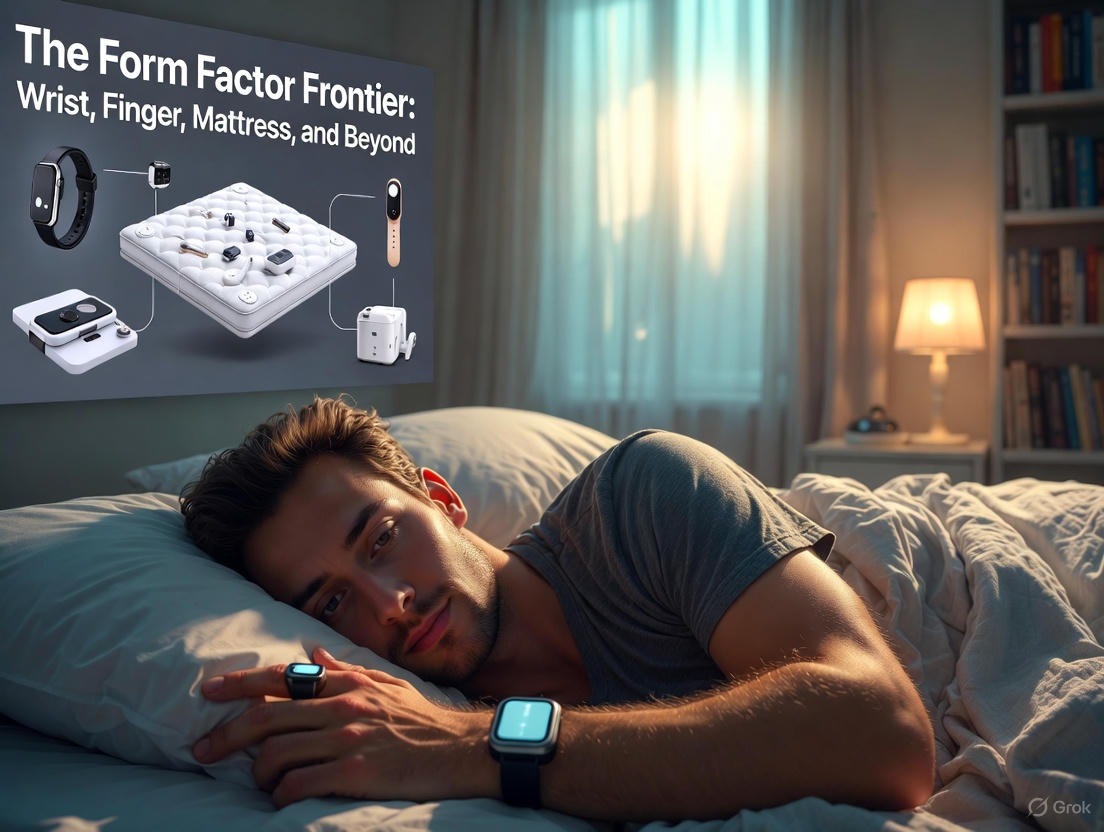
Leveraging Technology: This is where a smart wellness ring becomes a game-changer. A device like the Oxyzen ring can track your sleep stages (light, deep, REM) and provide a Sleep Score based on duration, timing, and quality. In a new time zone, this data is invaluable. You can see objectively if your sleep is consolidating and how your body is adapting. It removes the guesswork from questions like, "Was that nap restorative?" or "Am I getting enough deep sleep?" This kind of lifelong health monitoring provides the feedback necessary to personalize your lifelong health plans, especially when they're challenged by travel.
Travel often means a vacation from routine, but it shouldn't mean a vacation from nourishing your body. Strategic eating defends against energy crashes, supports your immune system, and keeps your digestion running smoothly.
The Blood Sugar Stability Principle: The single most important dietary rule for energy is to avoid massive spikes and crashes in blood glucose. This means combining macronutrients at every meal and snack.
Hydration Beyond Water: While water is essential, long travel days also deplete electrolytes (sodium, potassium, magnesium). Incorporate electrolyte tablets or powders into your water bottle, especially on flights or in hot climates. Coconut water is a great natural source. Signs of electrolyte imbalance include muscle cramps, headache, and persistent fatigue even when drinking water.
The Fiber Factor: Changes in diet and routine often lead to digestive slowdown. Proactively include high-fiber foods—fruits, vegetables, legumes, and whole grains—to keep things moving. Consider a travel-packable soluble fiber supplement like psyllium husk if your diet becomes inconsistent.
Smart Alcohol and Caffeine Management: It's tempting to indulge, but these are potent fatigue accelerants. Set clear intentions: "I will have one local beer with dinner," not open-ended consumption. Alternate every alcoholic drink with a full glass of water. With caffeine, use it strategically as a tool: a cup of coffee upon morning arrival in a new time zone can help you adapt, but cut it off at least 8 hours before bedtime.
The Probiotic Consideration: New cuisines can introduce new bacteria. Supporting your gut microbiome with a travel-stable probiotic supplement or fermented foods (yogurt, kefir, sauerkraut) can help prevent digestive distress and support overall immunity—a key component of any strategy to support immune function for the long haul.
Travel inherently involves periods of unnatural stillness. Your antidote is intentional, frequent movement that doesn't require a gym.
The Micro-Break Manifesto: Every 60-90 minutes, perform a 2-3 minute movement sequence. If you're in a seat, do seated cat-cows, torso twists, ankle circles, and knee lifts. If you have space, do 10 bodyweight squats, a forward fold, and some arm circles. This isn't about exercise; it's about circulation and preventing musculoskeletal glue from setting in.
Sightseeing as Functional Fitness: Reframe your exploration. Choose walking tours over bus tours. Take the stairs instead of the elevator in the metro. Walk to the cafe that's 15 minutes away instead of the one next door. Wear comfortable shoes and let your curiosity drive your step count.
The 10-Minute Hotel Room Reset: Each morning or evening in your room, dedicate 10 minutes to mobility. A simple routine could include:
Active Recovery Days: If you're engaging in intense activities (hiking, skiing, long city walks), schedule lighter days. An "active recovery" day might mean a leisurely stroll through a park, a gentle swim, or a stretching session. Listen to your body's signals—soreness is normal, but sharp pain or extreme fatigue is a sign to dial it back. Tracking your heart rate variability (HRV) and resting heart rate with a wellness ring can give you objective data on whether your body is recovered and ready for more activity or needs a break.

Travel fatigue is as much a mental phenomenon as a physical one. Protecting your psychological well-being is essential for enjoying the experience.
Embrace "Strategic Laziness": You cannot optimize and maximize every single moment. Build intentional downtime into your itinerary. A slow morning with coffee and a book, an afternoon rest in your accommodation, or simply sitting in a park and people-watching are not wasted time. They are essential periods of cognitive restoration that prevent overload.
Practice Single-Tasking: We are conditioned to multitask, but it's cognitively expensive. When eating, just eat. When looking at a view, just look. Put your phone away. This practice of presence reduces mental clutter and enhances both memory formation and enjoyment. It’s a powerful tool for protecting cognitive function by reducing cognitive load.
The Power of Journaling: Spend 5-10 minutes each evening writing down three things you appreciated that day, one interesting observation, and one thing you're looking forward to tomorrow. This simple act processes the day's experiences, cultivates gratitude (which lowers stress), and provides a wonderful keepsake. It also offloads swirling thoughts, clearing mental space for rest.
Set Digital Boundaries: The compulsion to document every moment and share it in real-time is a significant drain. Designate specific times for photos and social media (e.g., during your afternoon rest). Otherwise, keep your phone in your bag. Be a participant first, a documentarian second.
Manage Expectations and Embrace Flexibility: Things will go "wrong." A train will be late, a museum will be closed, it will rain. Framing these not as disasters but as part of the adventure—an opportunity to discover a hidden cafe or have a unique story—reduces frustration and its accompanying stress hormone spike. This flexible mindset is a core component of long-term stress resilience.
We live in an age of incredible technology designed to optimize human performance. Leveraging the right tools can make prevention effortless and data-driven.
The Wellness Tracker (Your Most Important Tool): A smart wellness ring like the Oxyzen is the ultimate travel fatigue prevention device. It provides continuous, passive monitoring of the key biomarkers that signal dysregulation:
This isn't just tracking; it's having a personal travel health consultant on your finger. Seeing that your deep sleep is low can prompt you to be stricter with your evening routine. Noticing your HRV is high can give you confidence to tackle a big hike. This level of insight is how smart rings have changed the game for lifelong health tracking, providing a factual basis for every decision.
Essential Apps:
Physical Gear:
Using this stack transforms you from a passive victim of travel's effects to an active director of your own well-being. The data from your tech, especially your wellness ring, validates your lifelong health choices in real-time, showing you what’s working.
Your responsibility doesn't end when you walk back through your front door. A structured re-entry protocol prevents the post-vacation crash and helps you integrate the benefits of your journey.
The First 24-Hour Reset:
The First Week Integration:
This deliberate recovery turns your trip from a disruptive event into a seamlessly integrated life chapter. It ensures the positive effects of your travels—relaxation, new perspectives, joy—linger, while the negative effects (fatigue, dysregulation) are swiftly corrected. It’s the final, critical step in a holistic strategy that treats travel not as an exception to your health, but as a part of it. By mastering this, you build a resilient system that allows you to explore the world without compromising the lifelong health progress you've worked so hard to build.
For transmeridian travel crossing three or more time zones, the basic light-exposure advice is just the opening move. Advanced jet lag mitigation involves a more nuanced, multi-tool approach that considers direction of travel, individual chronotype, and precise timing.
The Directional Difficulty: Westward travel (e.g., NYC to London) is generally easier for most people than eastward travel (London to NYC). This is because it's easier to delay your circadian clock (stay up later) than to advance it (go to bed earlier). Your strategy should reflect this.
The Fast/Shift Method vs. The Gradual/Adapt Method:
Leveraging Food & Fasting for Clock Reset: Emerging research highlights the power of meal timing as a circadian cue. A powerful tactic is the fasting-reset. During your flight, avoid food (stay hydrated) for the 12-16 hours leading up to breakfast time at your destination. Then, break your fast with a protein-rich meal in the new morning. This "starvation pulse" followed by a meal can strongly signal a clock reset to your liver and brain. (Consult a doctor before attempting extended fasts).
Technology-Enhanced Adaptation: This is where continuous biometric monitoring becomes revolutionary. A smart wellness ring tracks your body temperature rhythm, which is a direct output of your core circadian clock. By observing when your nighttime temperature dip begins to shift toward the new time zone, you get an objective, personal read on your adaptation speed—not a generic guess. You can see if your deep sleep is aligning with the new night. This data allows for hyper-personalized adjustment, a key principle in optimizing your strategy for every decade and stage of life.
Pharmacological Aids (With Caution): Beyond melatonin, some travelers use prescription sleep aids for the first night or two. This is a discussion for you and your doctor. The key is to use the lowest effective dose for the shortest time to simply achieve sleep at the new bedtime, not to force 8 hours of knocked-out sleep. Relying on medication ignores the behavioral work of resetting your clock.
Business travel presents a unique fatigue matrix: high-stakes performance demands, back-to-back meetings, client dinners, and the pressure to deliver ROI on the trip's cost. The fatigue here is cognitive, social, and physical, often with zero tolerance for downtime.
The Performance Mindset: Frame the trip as a athletic or intellectual event. Your body and mind are your instruments of performance. Every choice about sleep, food, and movement either tunes or detunes that instrument.
The "Hotel as Sanctuary" Rule: Your hotel room is not just a place to crash. It is your recovery hub. Upon arrival, immediately personalize it:
Strategic Nutrition in Social Settings: Business meals are landmines of fatigue—rich food, alcohol, and late nights.
Micro-Recovery Between Meetings: Your day is likely blocked in 1-2 hour increments. Use the 10-15 minutes between blocks for active recovery, not email.
Protecting Sleep as a Non-Negotiable Asset: Sacrificing sleep for extra preparation is a false economy. A well-rested brain with 80% preparation will outperform a sleep-deprived brain with 100% preparation. Guard your bedtime ruthlessly. Use your wellness ring data to prove to yourself that a high Sleep Score correlates directly with better next-day Readiness Scores and mental clarity. This objective feedback reinforces the vital business case for sleep, turning it from a luxury into a critical investment in your long-term cognitive capital.
The Red-Eye Comeback Strategy: If you must take a redeye for a morning meeting, the game changes to damage control.
Adventure travel—hiking, cycling, skiing, diving—pushes physical limits in often rugged, remote environments. Fatigue here is systemic: muscular exhaustion meets logistical strain and potential environmental stressors (altitude, heat, cold).
The Caloric and Hydration Arithmetic: You cannot out-perform a fuel deficit. Activity trackers are useful, but a simple rule is to eat before you're hungry and drink before you're thirsty. Pack calorie-dense, non-perishable snacks: nut butters, trail mix, energy bars, jerky. Hydration needs can double or triple. Use electrolyte tablets religiously in your water to replace what you sweat out, preventing cramps and bonking.
The Recovery Window: The 30-60 minutes post-activity is the "golden window" for muscle repair. If possible, consume a mix of protein and carbohydrates within this window. A protein shake packet or even chocolate milk can be a backpacker's best friend. Follow this with gentle mobility or stretching to aid circulation and reduce next-day stiffness.
Foot and Body Care as Primary Prevention: A blister or nagging knee pain can derail a trip. Prevention is daily maintenance.
Mental Fortitude in Discomfort: Adventure travel is inherently uncomfortable. Reframing is key. View muscle soreness as "strength in progress," and bad weather as an "authentic experience." Break daunting days into smaller segments ("just to the next ridge"). This mental management is as crucial as physical prep, building the resilience that underpins successful lifelong health strategies forged through challenge.
Technology in the Wild: Even off-grid, a solar charger can keep a smart ring charged. Tracking your nighttime heart rate and HRV in the mountains is incredibly insightful. A rising resting heart rate can be an early sign of overtraining, altitude sickness, or dehydration—allowing you to take a rest day before you crash. This is proactive health management in its purest form.
Family travel fatigue is exponential. It's not just your own circadian rhythm and needs, but those of your partner, toddlers, teens, and perhaps grandparents. The mental load of coordinating this group is immense. Success hinges on lowering expectations and prioritizing rhythm over ambition.
The "Kid-Led" Schedule (For Young Children): Fighting a toddler's internal clock is a losing battle. Instead, build your itinerary around their natural sleep and nap times. Plan major transit or quiet activities (car rides, museum visits) during their typical nap windows. Book accommodations with separate sleeping spaces so you can have adult time after their bedtime without sitting in the dark.
The Delegation Pact (For Partners): Before the trip, explicitly divide responsibilities. One person navigates, the other manages snacks/diapers. One handles check-in, the other corrals the kids. Rotate "on-duty" shifts to give each other true mental breaks. This prevents the buildup of resentful, silent fatigue.
The Snack Armada: Hunger is the fast track to meltdowns (for kids and adults). Carry a massive, organized supply of healthy, familiar snacks. This prevents desperate purchases of sugar-loaded junk at tourist traps, which lead to energy crashes and more meltdowns.
Embrace the "Slow Travel" Philosophy: Trying to see "everything" with a family is a recipe for collective burnout. Pick one or two key activities per day. Spend the rest of the time at a park, pool, or beach. Downtime is not wasted time; it's where the relaxed, connection-building memories are often made. This approach models sustainable habits, teaching the next generation that wellness and enjoyment are intertwined—a foundational lesson for building lifelong health habits that actually stick.
Managing Multi-Generational Needs: With grandparents along, pace is critical. Schedule midday breaks back at the accommodation. Utilize taxis or trams instead of insisting on walking everywhere. Respect different sleep schedules. The goal is shared experience, not endurance sport.
Your Own Oxygen Mask: As the parent/planner, your fatigue management is the linchpin for the whole group. You must claim your moments. Wake up 30 minutes earlier for a quiet coffee and some deep breathing. Take a solo walk around the block after dinner. Use noise-cancelling headphones during a kids' movie night. Protecting your reserves isn't selfish; it's what allows you to be patient, present, and joyful for your family.
Having a chronic health condition—from diabetes and autoimmune disorders to anxiety or food allergies—adds a significant layer of complexity to travel. The key shift is from passive worry to proactive systems-building.
The Pre-Travel Medical Consult: 4-6 weeks before departure, see your doctor. Discuss:
The Travel Medical Kit: Build a kit beyond Band-Aids.
Research & Communication:
The Data Advantage: For conditions influenced by sleep, stress, or inflammation (like hypertension, IBD, or migraines), a wellness ring provides a continuous log of potential triggers. You can correlate a flare-up with a dip in HRV (indicating stress), poor sleep, or a change in temperature trends. This creates a powerful personal dataset that you can share with your doctor, moving the conversation from "I felt bad" to "Here are the biometric shifts that preceded the event." This is the pinnacle of using smart ring data to guide lifelong health decision-making, turning your body into a source of actionable intelligence, even abroad.
The Mindset of Self-Advocacy: Give yourself permission to prioritize your health needs without apology. This may mean skipping a group dinner if the restaurant can't accommodate your diet, insisting on an aisle seat for mobility, or taking a rest day when the group pushes on. Your health is the foundation of the trip; protecting it is your primary responsibility.
Knowledge is useless without application. Now, we synthesize everything into a living, breathing plan you can adapt for every journey.
Step 1: The Travel Profile Audit. Before each trip, ask:
Step 2: Select Your Arsenal. Based on your audit, choose from the tactics you've learned.
Step 3: Create a Trip-Specific Checklist. Move from concepts to concrete actions. A digital note or printed checklist should include:
Step 4: Implement a Feedback Loop. This is what makes your plan intelligent and adaptive. After each trip, conduct a brief review.
This process of planning, executing, and reviewing transforms travel from a series of stressful events into a series of self-experiments in optimization. It builds a profound sense of self-efficacy. You are no longer at the mercy of travel; you are its conductor, using a blend of ancient wisdom and modern technology to orchestrate well-being. This iterative, learning-based approach mirrors the very essence of the role of continuous learning in lifelong health.
We've focused heavily on the physical and logistical, but a potent, often overlooked antidote to travel fatigue is cultivating a mindful presence. The agitated, regretful, or anxious mind is an energy furnace. Quieting it conserves vast cognitive and emotional resources.
Travel Fatigue as a Product of "Time Travel": Much of our suffering comes from mentally being somewhere other than where we physically are. We're at the airport gate, stressing about a potential delay at our connection (future). We're at a beautiful site, frustrated about the bad lunch we had an hour ago (past). This mental time travel is exhausting.
The Practice of Grounding: When you feel fatigue, irritation, or overwhelm bubbling up, pause. Engage your senses, right here, right now.
The "Good Enough" Mantra: Release the pressure for the "perfect" trip. The meal was mediocre? The room has a noisy AC? It's good enough. The pursuit of perfection is a relentless drain. Embracing "good enough" with a shrug conserves energy for the moments that truly matter.
Gratitude as a Reset Button: Fatigue often wears the mask of resentment ("This is too hard," "Why is this happening?"). Actively practicing gratitude flips the script. Stuck in a traffic jam? "I'm grateful for this time to listen to my audiobook in air conditioning." Tired from a long walk? "I'm grateful my legs can carry me to see these things." This isn't Pollyannaish; it's a neural retraining that directly lowers stress hormones. This mindful connection between attitude and physiology is a core part of the mind-body wellness connection for lifelong health.
Savoring vs. Documenting: When you witness something breathtaking, put the camera down for a full minute first. Breathe it in with all your senses. Truly savor it. Then, take your photo. This ensures the primary experience is neural and emotional, not digital. The memory will be richer, and the act of deep savoring is intrinsically rejuvenating.
The ultimate goal is to make these strategies not something you do for a trip, but an expression of who you are as a traveler. This requires integrating key habits into your daily life, so they are automatic when you hit the road.
Cultivate Daily Hydration: Make drinking water throughout the day a non-negotiable habit at home. Your baseline hydration will be higher, and your body will be accustomed to the flush, making travel hydration effortless.
Practice Consistent Sleep Hygiene: Don't save good sleep for vacation. A regular bedtime and wake time, a dark cool room, and a digital sunset should be 80% of your nights at home. This gives you a robust, resilient circadian rhythm that can withstand disruption.
Incorporate Regular Mobility: If you spend 5-10 minutes daily stretching or doing yoga at home, your body won't seize up on a long flight—it will simply be continuing a familiar pattern.
Develop a Mindfulness Practice: Even 5 minutes of daily meditation at home trains your brain to notice when it's spiraling into stress and to return to the present. This muscle memory is invaluable when travel chaos erupts.
Embrace a Nutrient-Dense Diet: When your everyday diet is built on whole foods, your body isn't constantly battling inflammation and blood sugar swings. It's stable. Deviating on a trip becomes a fun exploration, not a shock to the system.
Use Your Data in Daily Life: Wear your wellness ring consistently at home. Understand your personal baselines for sleep, HRV, and RHR. This knowledge makes you an expert on your own body. When you travel, you can instantly see how far you've deviated from your personal norm and take corrective action. You're not following generic advice; you're following your body's advice. This is the ultimate expression of a lifelong health strategy that adapts to every life stage and challenge.
By weaving these pillars into your daily fabric, you build a foundation of resilience that travel cannot easily crack. You become a person who travels, not a traveler who is perpetually recovering. This shift is profound. It means the world remains open to you, at any age, in any condition, without the fear of a debilitating crash. It ensures that your adventures contribute to your vitality rather than deplete it, aligning perfectly with the goal of a life lived fully and healthfully—a true lifelong health strategy for people who want to live to 100 and enjoy every step of the journey.
Let’s be real: you will have trips where, despite your best efforts, fatigue wins a battle or two. The mark of an expert isn't perfection, but skillful recovery. Here’s how to diagnose and correct common setbacks.
Failure 1: "I followed the light rules, but I still can't sleep on the new schedule."
Failure 2: "I'm hydrating constantly, but I feel dehydrated and headachy."
Failure 3: "I got sick despite all my precautions."
Failure 4: "My digestion is completely off—constipation or the opposite."
Failure 5: "I'm just mentally fried and irritable. Nothing is fun."
The frontier of travel fatigue prevention is moving from behavioral adaptation to technological and biological optimization. Here’s a glimpse of what’s on the horizon and available now for the dedicated biohacker.
Advanced Wearable Integration: The next generation of smart rings and wearables will move beyond tracking to predictive intervention.
Personalized Nutraceuticals & "Travel Stacks": Beyond generic supplements, companies are emerging that create custom supplement packs based on your DNA, gut microbiome, and destination. Imagine a packet tailored for "Your genetics + 8-hour eastward flight + high-altitude hiking in Peru."
Photobiomodulation (Light Therapy) On-the-Go: Portable, scientifically-validated light therapy devices are shrinking. A quick session with a red light panel in your hotel room could reduce inflammation and improve cellular repair, while a targeted blue/green light glasses could be used for precise circadian shifting.
The Sleep Pod Revolution: Airports and even some airlines are investing in soundproof, dark, lie-flat sleep pods for pre-flight and layover rest. This turns dead transit time into active recovery time, a concept that aligns with optimizing sleep quality as a lifelong strategy](https://oxyzen.ai/blog/lifelong-health-strategies-optimize-sleep-quality).
Genetic Insights for Travel: Companies already offer testing for genes related to caffeine metabolism, circadian rhythm type (chronogene), and susceptibility to altitude sickness. Knowing you're a "slow caffeine metabolizer" would tell you to avoid coffee after 10 AM, while knowing you have a genetic propensity for severe jet lag would make pre-adaptation non-negotiable.
The Central Role of the Smart Ring: In this future, the smart wellness ring is the central hub. It’s the device that collects the continuous biometric data (sleep, HRV, temperature, activity) that informs the AI, personalizes the supplement stack, and validates the effectiveness of the light therapy. It provides the ground truth of your body’s response, making all other interventions smarter. This continuous feedback loop is what will ultimately reveal the lifelong health trends that allow for unprecedented personalization.
Theory into practice. Here is your consolidated, actionable toolkit.
We began this guide by reframing travel fatigue from an inevitable nuisance to a preventable condition. We’ve explored it as a multi-system challenge requiring a multi-system solution—one that integrates physiology, psychology, technology, and strategy.
The journey to becoming a fatigue-proof traveler mirrors the journey of building lifelong health itself. It requires:
Mastering travel fatigue does more than just improve your vacations. It builds resilience that spills over into your daily life. The mindfulness you cultivate to stay present on a trip helps you manage daily stress. The hydration and nutrition habits you hone protect your metabolic health. The priority you place on sleep safeguards your cognition. In this way, each journey becomes not a detour from your health path, but an intensification of it.
When you step off a plane feeling energized, you are not just avoiding fatigue; you are claiming the full experience of your life. You are ensuring that your desire to explore the world never comes at the cost of your vitality. You are proving that with the right knowledge and tools, you can have both—endless curiosity and enduring well-being.
This is the ultimate promise: that travel, instead of draining you, can become a source of renewal, perspective, and strength. It becomes a practice that supports, rather than undermines, the grand project of a life lived in full health. By integrating the strategies in this guide, you are not just planning a better trip; you are investing in a richer, more resilient, and more vibrant life—a true embodiment of lifelong health strategies that support your goals, wherever they may take you.
Your Trusted Sleep Advocate: Sleep Foundation — https://www.sleepfoundation.org
Discover a digital archive of scholarly articles: NIH — https://www.ncbi.nlm.nih.gov/
39 million citations for biomedical literature :PubMed — https://pubmed.ncbi.nlm.nih.gov/
Experts at Harvard Health Publishing covering a variety of health topics — https://www.health.harvard.edu/blog/
Every life deserves world class care :Cleveland Clinic - https://my.clevelandclinic.org/health
Wearable technology and the future of predictive health monitoring :MIT Technology Review — https://www.technologyreview.com/
Dedicated to the well-being of all people and guided by science :World Health Organization — https://www.who.int/news-room/
Psychological science and knowledge to benefit society and improve lives. :APA — https://www.apa.org/monitor/
Cutting-edge insights on human longevity and peak performance:
Lifespan Research — https://www.lifespan.io/
Global authority on exercise physiology, sports performance, and human recovery:
American College of Sports Medicine — https://www.acsm.org/
Neuroscience-driven guidance for better focus, sleep, and mental clarity:
Stanford Human Performance Lab — https://humanperformance.stanford.edu/
Evidence-based psychology and mind–body wellness resources:
Mayo Clinic — https://www.mayoclinic.org/healthy-lifestyle/
Data-backed research on emotional wellbeing, stress biology, and resilience:
American Institute of Stress — https://www.stress.org/


