


Lifelong Health Strategies: The Role of Continuous Learning
The role of continually learning about health throughout life.
The role of continually learning about health throughout life.
%402x.svg)
In the modern pursuit of wellness, we often focus on the tangible: the perfect diet, the optimized workout, the eight hours of sleep. We track our steps, monitor our heart rate, and analyze our macronutrients, believing that if we just collect enough data, we’ll unlock the secret to perpetual health. But what if the most powerful, underutilized tool for lifelong vitality isn't a metric to be measured, but a process to be lived? What if the true cornerstone of enduring well-being is not a static destination, but a dynamic, ever-evolving journey of learning?
This article posits a fundamental shift in perspective: that lifelong health is not a state you achieve and maintain, but a skill you continuously cultivate. It is the ultimate adaptive system, requiring not just discipline, but curiosity. In an age where biological wear-and-tear is often accepted as an inevitable decline, we will explore how the conscious, deliberate practice of continuous learning—spanning cognitive, physical, emotional, and even technological domains—serves as the master strategy for resilience, longevity, and profound well-being.
The human brain and body are not fixed entities; they are plastic, responsive, and deeply influenced by the inputs they receive. Just as a muscle atrophies without use, our systemic capacity for health diminishes without challenge and novelty. We will journey through the neuroscience of learning and its direct impact on physiological resilience, examine how modern tools like smart rings provide the feedback loops necessary for this ongoing education, and dismantle the myth that aging is synonymous with decay. Instead, we will reframe it as an opportunity for compounded wisdom—if we remain active students of our own existence.
This is not merely about reading more books or taking a class. It’s about cultivating a learning mindset towards your own body’s signals, your sleep architecture, your stress responses, and your recovery needs. It’s about leveraging data not as a scorecard, but as a curriculum. As we delve into the following sections, we will connect the dots between intellectual curiosity and cellular health, between mastering a new skill and fortifying neural pathways against degeneration, and between the humble act of paying attention and the monumental outcome of a life fully, vibrantly lived.
Welcome to a new paradigm of health, where the question is not "What do I need to fix?" but "What can I learn next?"
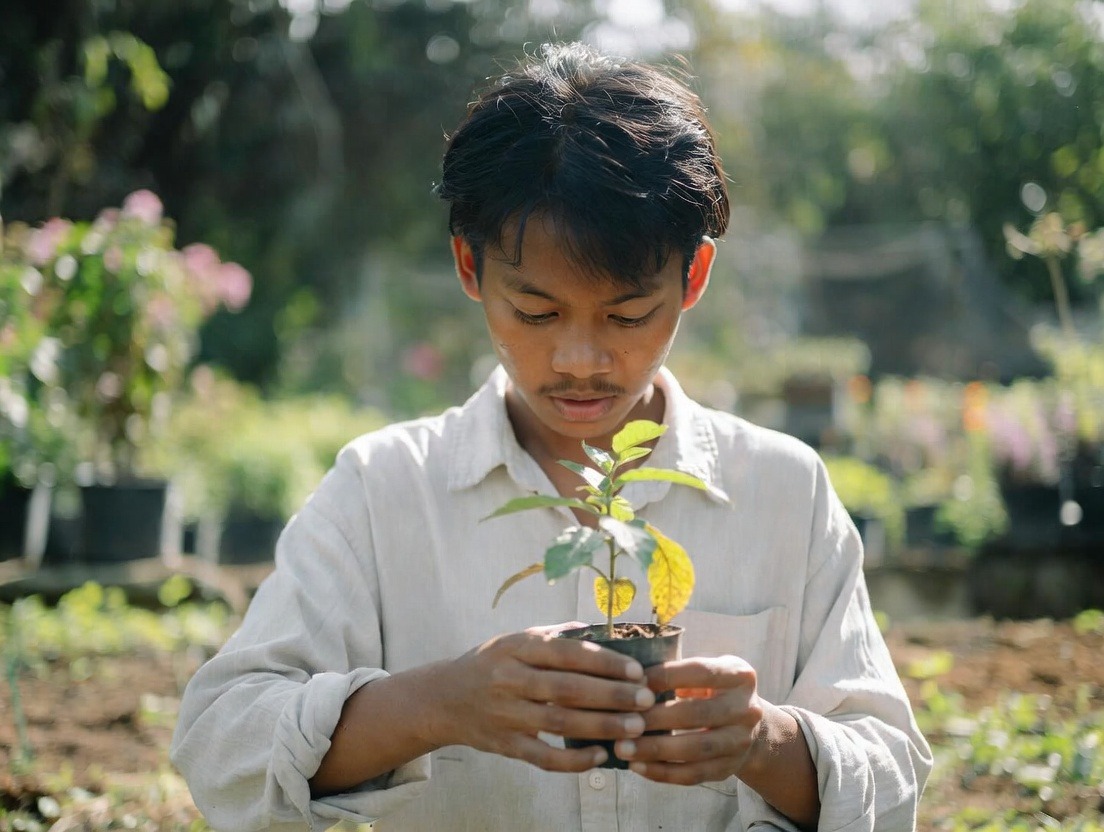
At the heart of the lifelong health strategy lies a biological marvel: neuroplasticity. This is the brain's inherent ability to reorganize itself by forming new neural connections throughout life. For decades, it was believed that the adult brain was hardwired and relatively fixed. Modern neuroscience has completely overturned this view, revealing a brain that is dynamic, malleable, and responsive to experience. This isn't just an academic curiosity; it is the foundational mechanism through which continuous learning translates into tangible, systemic health benefits.
When you learn a new language, master a complex piece of music, or even navigate a new route to work, you are physically altering your brain's structure. Dendrites (the receiving branches of neurons) grow and form new synapses. Myelin, the fatty insulation around nerve fibers, can thicken to speed electrical signals. This process, known as synaptogenesis, strengthens communication networks within the brain. Critically, this adaptive capacity is not confined to "cognitive" tasks. The brain regions involved in motor control, sensory processing, and even emotional regulation are equally plastic.
So, how does this neural remodeling bolster physical health? The pathways are multifaceted:
The opposite of this adaptive state is stagnation. A routine devoid of novelty or challenge allows the brain's "use-it-or-lose-it" principle to take hold. Neural connections that aren't engaged can weaken or be pruned away. This isn't just about forgetting facts; it's about a gradual loss of the very adaptability that keeps our entire system resilient.
Therefore, the first pillar of lifelong health is to consciously and consistently engage your brain's plastic potential. It is the core processor through which all other health strategies are run. By viewing every new skill, subject, or experience as literal "brain food," you are not just enriching your mind; you are engaging in a form of proactive healthcare, building a more resilient, connected, and robust biological system from the inside out.
While the brain is the command center, the benefits of a learning mindset cascade through every physiological system in a powerful, bidirectional dialogue. The old Cartesian notion of a mind separate from the body is obsolete. We now understand that mental activity directly influences immune function, hormonal balance, cardiovascular health, and even gene expression—a field of study known as psychoneuroimmunology. Continuous learning acts as a positive stressor, or "eustress," that trains this mind-body network for greater harmony and resilience.
Consider the immune system. Chronic stress, often born from a perceived lack of control or helplessness (the antithesis of a learning state), is notorious for suppressing immune function. It reduces the production of lymphocytes and natural killer cells, leaving you more vulnerable to infections. In contrast, the engaged, curious state of learning is associated with positive emotions like interest, anticipation, and accomplishment. Research has shown that positive affective states are linked to better immune response, including higher antibody production after vaccination. When you are learning, you are not just building neural pathways; you may also be giving your immune defenses a subtle, positive nudge.
The cardiovascular system tells a similar story. The focus and moderate arousal of deep learning can induce a state different from either sedentary passivity or anxious stress. It often regulates breathing and heart rate variability (HRV)—a key marker of autonomic nervous system balance and cardiovascular fitness. While acute, deadline-driven learning can spike stress, the long-term practice of engaged curiosity is associated with lower resting blood pressure and a reduced risk of hypertension. The mental discipline cultivated through learning translates into a body better able to maintain physiological equilibrium.
Perhaps most revolutionary is the impact on our very genetics through the science of epigenetics. Your genes are not a fixed destiny; they are a script that can be read differently based on environmental and behavioral signals. Lifestyle choices, including mental activity, can cause chemical modifications that turn genes "on" or "off" without changing the DNA sequence itself. Engaging, challenging mental activity has been linked to epigenetic changes that promote neural health and reduce inflammation. In essence, by choosing to learn, you are sending signals to your genome that can influence how it expresses itself, potentially shifting your biological trajectory towards greater health and longevity.
This systemic rewiring extends to our basic metabolic health. Learning is an energy-intensive process for the brain. While the brain is only about 2% of body weight, it consumes roughly 20% of the body's glucose and oxygen at rest. Engaging in complex thought increases this demand locally, improving cerebral blood flow and potentially enhancing the brain's metabolic efficiency over time. This isn't about "burning calories" in the traditional sense, but about optimizing the function of your most vital organ, which in turn regulates hunger, metabolism, and energy allocation throughout the body.
The takeaway is profound: every time you dedicate yourself to understanding something new, you are not just accumulating information. You are conducting a symphony of physiological changes. You are tuning your immune response, harmonizing your cardiovascular rhythms, and even composing a healthier genetic expression. Learning becomes a holistic exercise, a workout for your entire being, proving that the quest for knowledge is inseparable from the quest for vitality.
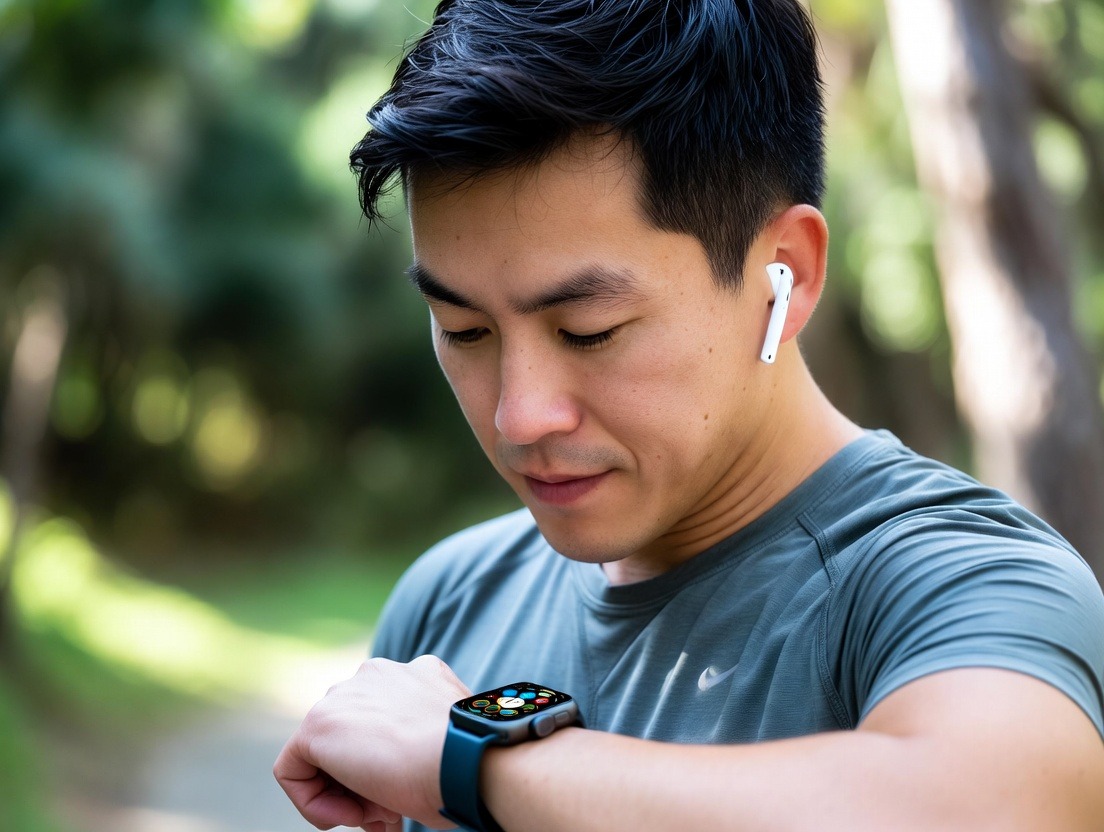
In the abstract, the concept of lifelong learning for health is compelling. But in practice, how do we move from theory to consistent action? How do we know what our body needs to learn next? This is where modern technology, specifically advanced wearable devices like the smart ring, transitions from a mere tracker to a transformative educational tool. It provides the essential, objective feedback loop that turns self-awareness into a structured, personalized curriculum for well-being.
Traditional health advice is often generic: "get 8 hours of sleep," "exercise 150 minutes a week," "manage your stress." But what does that mean for you, on this night, after that stressful meeting? Continuous health learning requires personalized data—a mirror that reflects the consequences of your daily choices on your unique physiology. A smart ring, worn continuously, acts as this mirror, capturing a rich dataset while being unobtrusive enough for 24/7 wear, especially during the critical recovery period of sleep.
This data becomes the foundation of your personal health education. It answers questions you didn't even know to ask:
By observing patterns in your heart rate variability (HRV), resting heart rate, respiratory rate, and sleep stages, you begin to learn the language of your own body. HRV, for instance, is a master teacher. A higher HRV generally indicates a more resilient, adaptable nervous system. Seeing your HRV dip after a night of poor sleep or a day of high stress provides incontrovertible evidence of the connection. This turns abstract concepts like "recovery" and "resilience" into tangible, daily metrics you can observe and influence.
This is where the concept of a feedback loop is crucial:
This loop is the engine of continuous learning. It transforms you from a passive recipient of health advice to an active, curious student of your own biology. For a deep dive into how to interpret and act on this nightly data, our guide on how to actually use sleep tracking data to sleep better provides a practical framework.
However, to be a savvy student, you must also understand the syllabus. Not all data is created equal, and the algorithms that generate your sleep scores or readiness metrics are key to your education. Cutting through the marketing to understand what your device is actually measuring empowers you to learn more effectively. We demystify this process in our explainer on sleep tracking algorithms explained without the tech jargon, helping you become a more informed user of your own data.
Ultimately, the goal is to graduate from needing constant feedback. The patterns you internalize—how certain behaviors affect your metrics—become embodied knowledge. You start to feel when your HRV is likely low or when you need more recovery. The wearable tech is the training wheels for a heightened, learned somatic awareness. It provides the objective evidence that fuels the subjective, lifelong learning journey toward mastering your own health.
If continuous learning is the strategy, then sleep is its non-negotiable laboratory and library. Sleep is far from a passive state of inactivity; it is a period of intense, vital neurological and physiological processing. It is when the brain consolidates the day's lessons, the body undergoes deep repair, and the subconscious often connects disparate ideas into flashes of insight. Neglecting sleep is like attending a full day of lectures but never reviewing your notes—the information fails to solidify into lasting knowledge or capability.
The process of memory consolidation is one of sleep's most well-studied superpowers. During the day, experiences and information are initially encoded in the hippocampus, a brain region akin to a temporary, high-speed notepad. During deep Non-REM sleep, particularly the slow-wave sleep stages, this information is systematically replayed and transferred to the long-term storage of the neocortex. This process transforms fragile, recent memories into stable, integrated knowledge. It's the difference between cramming for a test and truly understanding a concept. Whether you're learning a new software program, a physical skill like guitar chords, or complex emotional regulation, sleep is the critical phase where that learning is etched into your neural architecture.
REM sleep, the stage most associated with vivid dreams, plays a complementary and equally crucial role. It is thought to be essential for procedural memory (the "how-to" of skills) and for processing emotional experiences. REM sleep helps strip the intense emotion from traumatic or stressful memories while preserving the event itself, a form of nocturnal therapy that contributes to emotional resilience. It also fosters creative problem-solving by allowing the brain to form novel associations between seemingly unrelated ideas. The famous "Eureka!" moment often comes after "sleeping on it" because the brain, freed from the linear constraints of waking logic, has been working in the background.
Beyond the brain, the physical restoration that occurs during sleep is foundational for learning capacity. Growth hormone, essential for tissue repair and muscle growth, is predominantly released during deep sleep. The glymphatic system, the brain's unique waste-clearance system, kicks into high gear, flushing out metabolic toxins like beta-amyloid proteins (associated with Alzheimer's disease) that accumulate during waking hours. This nightly "deep clean" is essential for maintaining the cognitive clarity and neural efficiency required for learning new information the next day.
Therefore, optimizing sleep is not a separate health goal; it is a direct investment in your learning efficiency and cognitive capital. Every hour of lost sleep is a missed opportunity for consolidation and repair. This is why understanding your personal sleep architecture is so powerful. By using sleep tracking technology, you can move beyond simply counting hours. You can learn about your unique ratios of light, deep, and REM sleep, and see how lifestyle factors influence them. For example, you might discover that alcohol, while helping you fall asleep, devastates your REM sleep, potentially hampering emotional processing and creativity. Or you might see how consistent bedtimes stabilize your deep sleep phase.
To fully appreciate the sophistication of this nocturnal landscape, it helps to understand what each stage contributes. Our detailed exploration of sleep stages—REM, deep, and light explained breaks down the science and importance of each phase in your nightly journey.
Furthermore, sleep tracking can reveal patterns that are invisible to the conscious mind. You might not recall waking up 15 times a night, but your device can detect the micro-arousals and sleep disturbances that fragment your sleep architecture and undermine its restorative quality. Learning to spot these patterns is the first step toward addressing them. You can uncover these hidden narratives in our analysis of how sleep tracking reveals patterns you'd never notice.
By honoring and optimizing sleep, you are not just "getting rest." You are actively enabling the learning processes of the previous day and priming your brain and body for the challenges of the next. It is the most powerful, natural nootropic we possess. In the curriculum of lifelong health, sleep is both the daily final exam and the preparatory study session, all in one.
The human organism is engineered for adaptation. Our ancestors survived not by being the strongest in a static environment, but by being the most adaptable to changing conditions—new climates, new food sources, new threats. This evolutionary legacy is written into our biology: we thrive on novel challenges. Conversely, chronic routine—the complete absence of novelty—can be a silent stressor, leading to stagnation, boredom, and a decline in system-wide resilience. Therefore, the conscious pursuit of new experiences is not merely an enriching life choice; it is a proactive health strategy that activates our innate adaptive capacities.
When you step into a novel situation—traveling to a new country, starting a dance class, learning to code, or even taking a different route on your daily walk—your brain shifts out of autopilot. The prefrontal cortex, your executive center, engages fully to process new information and make decisions. The nucleus accumbens, part of the brain's reward circuitry, can release dopamine, the "motivation molecule," in response to novel and potentially rewarding stimuli. This neurochemical cocktail of engagement and reward is the antithesis of the apathy and low-grade depression associated with monotony.
This neurological engagement has cascading physical benefits. Novelty and the associated positive stress (eustress) can stimulate the release of brain-derived neurotrophic factor (BDNF), a protein that acts like fertilizer for neurons, promoting their growth, differentiation, and synaptic plasticity. Higher levels of BDNF are associated with better cognitive function, improved mood, and resilience against stress-related disorders. By seeking novelty, you are quite literally encouraging your brain to grow and strengthen its networks.
The benefits extend to the immune system through a fascinating pathway. New, enriching experiences have been shown in animal and human studies to enhance immune surveillance. The stimulation appears to promote a more vigilant and responsive immune system. While the mechanisms are complex, it aligns with the general principle that an enriched environment promotes overall systemic health. A life full of varied experiences may help keep your body's defenses more robust and alert.
Furthermore, novelty is a powerful antidote to the perception of time compression—the feeling that life is passing by in a blur. Routines create predictable neural patterns that the brain compresses and files away efficiently, leading to the feeling that months or years have disappeared. Novel experiences, however, require dense, new encoding. They create rich, distinctive memories that stand out in the timeline of your life. This not only makes life feel longer and more meaningful but also contributes to a more complex and resilient sense of self.
Practically, integrating novelty doesn't require radical life changes. It's about cultivating micro-challenges and fresh inputs:
The goal is to break patterned, automatic behavior and force your system to pay attention, adapt, and solve new problems. In the context of health tracking, this could mean experimenting with new recovery techniques after seeing your data, or using your device to test how different novel activities affect your stress and sleep metrics. It turns life into a series of playful experiments.
By regularly inviting novelty, you are sending a clear signal to your entire mind-body system: "Stay alert, stay adaptable, stay growing." You are countering the entropic pull of routine and ensuring that your biological and psychological systems remain supple, engaged, and primed for lifelong learning and health.
A cornerstone of continuous learning, pioneered by psychologist Carol Dweck, is the "growth mindset"—the belief that abilities and intelligence can be developed through dedication and hard work. This contrasts with a "fixed mindset," which views qualities as innate and unchangeable. When applied to lifelong health, cultivating a growth mindset is perhaps the most critical psychological tool you can possess. It transforms the inevitable setbacks—a poor night's sleep, a fitness plateau, a stressful period that derails habits—from demoralizing failures into essential pieces of learning data.
In a fixed mindset health paradigm, a week of bad sleep data is a sign of personal failing: "I'm bad at sleeping." A missed workout is evidence of a lack of willpower: "I'm just not disciplined." This internal narrative triggers shame and frustration, which often leads to abandonment of the entire effort—the "what's the use?" phenomenon. It views health as a performance to be judged, and any deviation from perfection as a permanent mark on the record.
The growth mindset reframes this completely. Health is not a performance; it is a practice. The data from your smart ring or your personal observations are not a verdict, but feedback. A poor recovery score isn't "failure"; it's a question: "What happened yesterday? What can we learn?" A sleepless night becomes a case study in what disrupts your sleep architecture. A period of high stress is an opportunity to observe your unique physiological response and test different coping mechanisms.
This shift has profound physiological implications. The shame and helplessness associated with a fixed mindset trigger the stress response—cortisol rises, HRV drops, and inflammatory pathways activate. You literally stress yourself out about being stressed, creating a vicious cycle. The growth mindset, with its focus on curiosity and problem-solving, engages the prefrontal cortex and fosters a sense of agency. This can mitigate the stress response, even in the face of a setback. You move from "This is happening to me" to "Let's see what I can learn from this."
How do you cultivate a health-based growth mindset?
By adopting this mindset, you build psychological resilience that mirrors and supports biological resilience. Challenges become less threatening because they are framed as opportunities to gather intelligence and grow stronger. This mindset ensures that your journey of lifelong health is sustainable, adaptable, and free from the paralyzing fear of "failure." It allows you to remain a perpetual, compassionate student of your own extraordinary, ever-changing self.
In our quest for quantified health, we can become overly reliant on external data—the numbers on a screen, the scores from an app. But the most ancient and intimate feedback system is already built within us: interoception. This is the sense of the internal state of the body. It is your ability to perceive sensations like hunger, thirst, heartbeat, breath, muscle tension, gut feelings, and the subtle shifts in energy that indicate stress, fatigue, or readiness. Continuous health learning must include refining this internal literacy. It’s about balancing the objective data from your smart ring with the subjective wisdom of your lived experience.
Many of us in the modern world suffer from "interoceptive blindness." We eat by the clock, not by hunger cues. We push through fatigue with caffeine, ignoring the body's need for rest. We mistake anxiety for hunger, or dehydration for a drop in energy. This disconnect is a major barrier to authentic, responsive self-care. By relearning to listen to and accurately interpret these signals, you gain a real-time, always-available guide to your well-being.
Think of interoception as your body's native language. Your wearable device provides a technical translation—it tells you your heart rate is 95 bpm and your HRV is 35 ms. Interoception is the felt sense of that same state: the flutter in your chest, the slight tightness in your breathing, the feeling of being "wired." The goal is to align the translation with the original text, so you begin to trust and act on your internal cues without always needing the external validation.
How do you cultivate this skill? It is a practice of mindful attention:
Developing interoceptive awareness has tangible health benefits. It is the foundation of intuitive eating, leading to better weight management and relationship with food. It improves emotional regulation, as many emotions have distinct physiological signatures (anger often feels like heat and tension, sadness like heaviness). By recognizing the early physical signs of stress, you can intervene with a breathing technique or a walk before it escalates into a full-blown stress response.
This skill also protects you from the potential pitfall of over-reliance on technology, such as orthosomnia—anxiety or obsession over perfect sleep data. When you can also tune into the felt sense of being rested, you can balance a "bad" sleep score with the subjective truth of feeling okay. Understanding this dynamic is crucial, as explored in our article on can sleep tracking cause anxiety? The orthosomnia problem.
Ultimately, interoception is the art of embodied learning. It completes the feedback loop, ensuring that the quantified self does not become a disconnected self. By becoming fluent in your body's language, you become an expert on you—able to navigate the complexities of lifelong health with both the precision of data and the wisdom of lived, felt experience.
Human beings are fundamentally social learners. Our brains contain mirror neuron systems that fire not only when we perform an action but also when we observe someone else performing it, forming a neural basis for imitation, empathy, and shared understanding. Throughout history, health practices—from healing rituals to agricultural techniques—have been passed down through communities. In the modern context, while we have access to global information, the power of social connection for sustaining health learning remains irreplaceable. A supportive community provides modeling, accountability, shared knowledge, and a profound sense of belonging that buffers stress and promotes resilience.
Learning in isolation is difficult. When you try to adopt a new health behavior alone, you are solely responsible for motivation, troubleshooting, and perseverance. A community, whether physical or digital, acts as a scaffold. Seeing others succeed provides a powerful model ("If they can do it, so can I"). Hearing how a friend overcame a sleep issue or managed workout recovery provides practical, relatable strategies that abstract articles cannot. This vicarious learning is a shortcut, allowing you to benefit from the experiments and experiences of dozens or hundreds of others.
Accountability is another key mechanism. Sharing a goal with a group or a partner creates a gentle, positive pressure to follow through. This isn't about shame; it's about mutual commitment. A running club expects you on Saturday morning. A sleep challenge group expects you to post your wind-down routine. This external structure helps internalize discipline, especially when intrinsic motivation wanes. The social reward of recognition or simple camaraderie for sticking with a habit reinforces the behavior neurologically, making it more likely to stick.
Perhaps most importantly, social connection is a direct modulator of physiology. Loneliness and social isolation are potent stressors, linked to increased inflammation, higher blood pressure, impaired immune function, and a significantly elevated risk for cognitive decline and mortality. Conversely, strong social ties release oxytocin (the "bonding hormone"), which can dampen the stress response and promote feelings of calm and safety. Meaningful conversation and shared laughter regulate nervous system arousal. In essence, being part of a healthy, learning-oriented community provides a physiological environment conducive to growth and repair.
How can you harness social learning for lifelong health?
The community becomes your living textbook and your support system. It normalizes the struggles, celebrates the non-linear progress, and provides a wealth of diverse strategies. In a world that often promotes individualistic health optimization, remembering our social nature is crucial. Lifelong health is not a solo expedition; it is a collective journey. We learn what to eat, how to move, and how to rest better, together. The shared pursuit makes the path more sustainable, more joyful, and far more effective, weaving the strategy of continuous learning into the very fabric of our social lives.
Wearable technology has evolved dramatically from simple step counters. The latest generation of devices, particularly advanced smart rings, represent a shift from passive data loggers to potential platforms for active, contextual coaching. This evolution is critical for the continuous learning paradigm, as it moves us from simply having information to receiving personalized, timely guidance—the essence of a true learning environment. The integration of Artificial Intelligence (AI) and machine learning is what powers this transformation, turning raw biometrics into actionable insight.
Passive tracking tells you what happened: "You slept 6 hours and 42 minutes last night." While useful, it places the entire burden of interpretation and behavior change on you. An AI-powered system, however, begins to suggest why it might have happened and what to do about it. By analyzing your longitudinal data—weeks, months, or years worth—the algorithms learn your personal baselines and patterns. They can correlate your sleep quality with your daytime activity, stress events, menstrual cycle phase, or even environmental factors like local pollen count or weather changes that you'd never think to consider.
This enables a new level of personalized learning. Imagine these scenarios:
This is the shift from a dashboard to a dialogue. The technology becomes a coach that knows your history, observes your trends, and offers hypotheses for you to test. It doesn't dictate; it recommends. This fosters a collaborative learning relationship with your own biology. You are the ultimate decision-maker, but you are supported by a system that highlights patterns invisible to the naked eye.
The future of this field is even more profound, moving towards predictive and prescriptive health. As algorithms improve and data sets grow, the goal is not just to report on last night's sleep, but to forecast your capacity for tomorrow and recommend precise, micro-adjustments to optimize it. To glimpse where this is headed, explore our analysis of the future of sleep tracking with AI and predictive insights.
However, this powerful partnership requires an informed user. To learn effectively from your tech coach, you need to ensure it's giving you the best possible information. This means wearing it correctly and understanding what influences accuracy. For optimal results, follow our curated list of sleep tracking tips for getting the most accurate data possible.
The ultimate goal of this technological evolution is obsolescence in the best sense. Just as a great teacher aims to make students independent thinkers, the ideal health tech coach aims to make you so fluent in your body's language and so adept at self-regulation that you internalize the coaching. The technology scaffolds your learning journey until the habits, awareness, and resilience become second nature—a true integration of silicon-based intelligence with the profound, lifelong learning of the human organism.
Knowing that continuous learning is vital for health is one thing; weaving it into the fabric of daily life is another. In a world of busy schedules and constant demands, intentionality is key. Cultivating a durable learning habit requires shifting your identity from someone who "should" learn to someone who is inherently curious. It's about designing an environment and routine that makes learning effortless, engaging, and rewarding. Here are practical, actionable strategies to embed the engine of lifelong learning into your pursuit of lifelong health.
1. Adopt a "Beginner's Mind" in Daily Routines: Zen Buddhism promotes Shoshin, the beginner's mind—an attitude of openness, eagerness, and lack of preconceptions. Apply this to your health rituals. Instead of brushing your teeth on autopilot, pay attention to the sensation, the motion, as if for the first time. On your daily walk, consciously look for five new details you've never noticed before. This practice of mindful presence turns mundane activities into micro-learning sessions, training your brain to engage actively with the present moment, which is a core component of stress reduction and cognitive health.
2. Implement the "One Question a Day" Practice: Frame each day around a single, open-ended question related to your well-being. It doesn't need to be grandiose. Examples: "What food gives me the most sustained energy?" "How does my body feel after 7 hours vs. 8 hours of sleep?" "What activity most effectively calms my mind?" Carry the question with you and collect data—both subjective (feelings) and objective (from your wearable). This transforms your life into an ongoing, personalized research project.
3. Create a "Learning Trigger" in Your Environment: Use habit-stacking by attaching a small learning activity to an existing cue. For example:
4. Dedicate Time for "Deep Dive" Learning: While micro-learning is sustainable, periodic immersion accelerates understanding. Block out 90 minutes each week or month for a "health learning session." Use this time to:
5. Build a "Curiosity Board": Physically or digitally (using tools like Pinterest or Notion), create a space to collect questions, interesting article snippets, data charts from your ring, and ideas for experiments. This externalizes your learning process, makes it visual, and serves as a reminder of your ongoing journey. Review it weekly to spark new inquiries.
6. Embrace Teach-Back: One of the most effective ways to solidify learning is to teach it. Explain a health concept you've learned—like how heart rate variability works or why blue light affects sleep—to a friend, partner, or even just by talking to your camera. The act of articulating it forces you to structure your understanding and reveals gaps in your knowledge.
7. Gamify Your Data: Turn your health metrics into a source of playful curiosity rather than judgment. Set learning-based challenges: "Can I identify three factors that boost my HRV by 10% over two weeks?" "What happens to my sleep score if I stop all screens after 9 PM for five nights?" Frame it as an experiment where any outcome is valuable data. To structure this effectively, learn the best times to check your sleep tracking data and why, so your analysis is timely and relevant.
The goal of these strategies is not to add more to your to-do list, but to transform your perspective. It’s about seeing every meal, every workout, every night's sleep, and every moment of stress as an opportunity for inquiry. By making curiosity a default mode, you ensure that the engine of learning is always running, quietly powering your adaptation, growth, and resilience day after day, year after year. This habit becomes the sustainable core of your lifelong health strategy.
The final, and most empowering, stage of continuous health learning is synthesis. It's the move from collecting disparate facts and data points to constructing a cohesive, personal, and dynamic operating system—your own Personal Health Framework. This framework is not a rigid set of rules from a magazine or influencer; it is a living document, built from the integration of scientific principles, community wisdom, technological feedback, and, most importantly, your own lived experience and interoceptive wisdom. It is the tangible outcome of being a lifelong student of yourself.
A static health plan fails because life is not static. Your needs at 25 are different from your needs at 45 or 65. Your needs in a period of career stress differ from those on a relaxing vacation. A rigid diet, a fixed workout routine, or an immutable bedtime will inevitably fracture. Your Personal Health Framework, however, is built on guiding principles and adaptable practices. It answers the core question: "Based on everything I've learned about myself, what are my foundational priorities, and how do I adjust them based on the context of today?"
Constructing Your Framework involves several key layers:
This integrated framework turns you from a consumer of health advice into the architect of your own well-being. It respects your uniqueness and empowers you with agency. The data from your smart ring, the insights from articles like our comparison of sleep tracking without wearables, and the wisdom from your own body all become inputs into this master document.
Building this is the culmination of the learning journey. It represents the transition from gathering fragments to seeing the mosaic. It is how you take the role of continuous learning from a strategy and make it your sustained, intelligent, and deeply personal practice of lifelong health. With this framework in hand, you are no longer navigating in the dark; you are charting your own course, equipped with a map you drew yourself, and the skills to redraw it whenever the terrain changes.
A one-size-fits-all approach to health is not only ineffective; it contradicts the very principle of continuous learning. The curriculum of your body changes dramatically across decades and through major life transitions. What you needed to learn about sleep in your 20s differs from what you must understand in your 40s or your 60s. Hormonal shifts, changing recovery capacity, evolving priorities, and accumulated life stress all demand that we adapt our learning focus. A lifelong health strategy requires us to become adept students of these transitions, using data and awareness to navigate each new chapter with grace and intentionality.
The 20s & 30s: Building the Baseline and Learning Limits
This stage is often characterized by high metabolic resilience, robust recovery, and a schedule packed with building a career, social life, and perhaps a family. The learning focus here is twofold: establishing foundational health habits and, crucially, learning your body's true limits. It's easy to burn the candle at both ends, relying on youth to buffer poor sleep, inconsistent nutrition, and high stress. The critical lesson is that this debt will compound, even if the interest isn't immediately visible. Using wearable data during this time is less about fixing problems and more about establishing a personalized baseline. What does good recovery actually look like for you? How much sleep do you truly need to feel optimal, not just functional? Learning these numbers—your personal "green zone"—provides a crucial reference point for the rest of your life. This is the time to experiment with different workout modalities, learn how alcohol truly affects your sleep architecture (often decimating REM sleep), and understand how stress manifests in your physiology before it becomes chronic.
The 40s & 50s: The Pivot to Precision and Recovery
Often, this is when the compounding interest on health debt starts to come due. Metabolism may shift, muscle mass can begin to decline more noticeably (sarcopenia), and sleep can become more fragile. The learning focus pivots from exploration to precision and recovery optimization. The margin for error shrinks, making the feedback from tools like a smart ring invaluable. This is the stage to deeply learn about hormonal influences—how the menstrual cycle perimenopause affects sleep, stress resilience, and recovery for women, and how changing testosterone levels influence energy and body composition for men. The lesson becomes about quality over sheer quantity: the quality of sleep, the quality of movement (incorporating resistance training becomes non-negotiable for preserving muscle and bone density), and the quality of nutrition (prioritizing protein and micronutrients). Learning to interpret subtle signs of overtraining or under-recovery becomes essential. As one’s schedule may become even more demanding, mastering the art of "stress inoculation" through learned resilience practices is key. For those navigating the significant transition of perimenopause, sleep often becomes a central challenge. Understanding what to expect can be empowering, as detailed in our resource on sleep tracking during pregnancy and what changes to expect, which, while focused on pregnancy, underscores the principle of how major physiological shifts demand new learning.
The 60s and Beyond: Mastering Adaptation and Consistency
This stage redefines resilience. The body's adaptive capacity—its ability to respond to stress and rebuild—requires more deliberate nurturing. The learning focus shifts to strategic adaptation, consistency, and cognitive-motor integration. Sleep architecture continues to change, with less deep sleep and more frequent awakenings. Learning how to maximize sleep quality within this new normal is paramount. This includes managing temperature regulation, optimizing the sleep environment, and understanding the impact of medications. Physical learning focuses on maintaining mobility, balance, and strength to preserve independence. Learning new, joint-friendly movements like Tai Chi or aquatic exercise can be profoundly beneficial. Cognitive health moves to the forefront. The learning imperative isn't just about "brain games," but about engaging in novel, complex activities that foster new neural connections—learning a language, a musical instrument, or a complex craft. Furthermore, the social component of learning becomes even more critical for emotional and cognitive health. The lesson of this stage is that while the body's raw power may diminish, the potential for wisdom, refined self-knowledge, and strategic self-care is greater than ever.
Across all stages, major life transitions—career changes, becoming a parent, loss, retirement—act as forced learning modules. They disrupt routine and demand new adaptations. The individual with a continuous learning mindset doesn't see these as mere disruptions, but as intensive courses in their health education. They use these periods to gather new data, ask new questions, and update their Personal Health Framework. By anticipating and embracing these shifting curricula, we move from passively aging to actively engaging with every chapter of life, equipped with the lessons from the last.
In our zeal to become expert students of our own health, we can encounter a significant, modern obstacle: the tyranny of data. The very tools designed to enlighten us—smart rings, apps, podcasts, research papers—can become sources of anxiety, confusion, and inaction. This phenomenon, often called "analysis paralysis" or in the context of sleep, "orthosomnia," represents a critical learning challenge in itself. To sustain lifelong health learning, we must also master the meta-skill of information triage: knowing what to pay attention to, when to ignore the numbers, and how to prevent the quest for optimization from becoming a source of stress that undermines the very health we seek.
The Onset of Data Anxiety: It begins innocently. You glance at your sleep score and feel a twinge of disappointment. You see a lower-than-expected HRV and spend the morning worrying about what you did wrong. You read a contradictory study about fasting and feel your meal plan crumbling. This anxiety triggers the stress response (raising cortisol, lowering HRV), creating a vicious cycle where measuring health degrades it. The learning mindset reframes this: the data is not a judgment; it is one piece of information in a complex puzzle. A single night's poor score is a data point, not a trend. It's an invitation to curiosity, not self-criticism. The first lesson in navigating data overload is to cultivate emotional distance from your metrics. They are feedback, not your identity.
Combating Conflicting Information: The wellness landscape is a cacophony of contradictory advice: "Carbs are fuel" vs. "Carbs are inflammatory." "HIIT is best" vs. "Steady-state is superior." This can lead to whiplash and a loss of trust in any guidance. The solution lies in applying scientific thinking: look for consensus, understand mechanistic plausibility, and, most importantly, test hypotheses on yourself. Become your own N-of-1 study. If you read that a certain supplement improves sleep, don't just take it. Establish a two-week baseline of your sleep data, introduce the supplement, and monitor for changes against your baseline, controlling for other variables as best you can. This turns conflicting noise into a structured personal experiment. Our guide on separating sleep tracking myths from facts is an excellent primer in applying this skeptical, evidence-based lens to popular claims.
Avoiding Optimization Obsession: The pursuit of perfect scores—a sleep score of 90+, an HRV always in the green—can become an unhealthy obsession. It can lead to rigid, joyless behaviors that alienate you from social situations and the intuitive enjoyment of life. The key learning here is to define "good enough." What is the range of data that allows you to feel and function well? Maybe a sleep score between 75-85 is your sweet spot, and striving for 90+ causes more stress than benefit. Schedule regular "data holidays" where you don't check your metrics for a day or two, relying solely on interoception. This re-calibrates your trust in your own feelings and breaks the compulsive cycle.
Strategic Data Consumption: Not all data is created equal, and you don't need to analyze everything every day.
Learning to manage the data deluge is perhaps the most critical advanced lesson in the modern health journey. It protects your psychological well-being, prevents burnout, and ensures that technology remains a empowering tool in your lifelong learning toolkit, not a source of chronic stress. By mastering this, you ensure that your quest for knowledge remains sustainable, joyful, and truly healthy.
The ancient Latin phrase "docendo discimus"—"by teaching, we learn"—encapsulates a profound psychological and neurological truth. The act of explaining a concept to someone else is one of the most powerful methods for deepening your own understanding, uncovering gaps in your knowledge, and solidifying memory. In the context of lifelong health, transitioning from a perpetual student to an occasional teacher—whether formally or informally—is not an optional extra; it is a strategic accelerator for your own mastery and commitment. Sharing what you learn creates accountability, fosters community, and transforms abstract knowledge into lived wisdom.
The Protégé Effect: Why Teaching Works
When you learn something with the intention of teaching it, your brain processes the information differently. You organize it more logically, you anticipate questions, and you seek clearer examples. This deeper level of encoding, known as "elaborative rehearsal," creates stronger and more accessible neural pathways. Neuroscientifically, you are building a richer, more interconnected schema for that knowledge. For instance, if you learn about the connection between caffeine and sleep latency with the goal of explaining it to a friend, you’re more likely to remember the half-life of caffeine, the mechanism of adenosine blockade, and the subjective effects on sleep quality than if you simply read an article for your own benefit.
Teaching as a Commitment Device: Publicly sharing a health goal or insight creates a powerful form of accountability. When you tell a friend, "I'm experimenting with a digital sunset to improve my sleep," you've made a social commitment. This increases the likelihood of follow-through because our brains are wired for social consistency. Furthermore, when you offer advice or share a success, you become a role model in a small way. This perceived identity—"someone who knows about sleep health"—reinforces your own commitment to the behaviors that support that identity. You are more likely to practice what you preach.
Learning Through Questions: When you share knowledge, you open yourself up to questions you hadn't considered. A friend might ask, "That's interesting about sleep stages, but how accurate are these trackers anyway?" This pushes you to investigate further, perhaps leading you to explore resources on sleep tracking validation and how close devices are to sleep labs. Teaching becomes a collaborative exploration, exposing blind spots in your own understanding and driving you to learn more. The teacher, in answering, often learns the most.
Practical Ways to Engage in "Health Teaching":
You don't need a classroom or a blog with thousands of readers. Micro-teaching is incredibly effective.
The Ripple Effect of Shared Knowledge: Beyond solidifying your own learning, sharing contributes to a culture of health literacy. It demystifies data and science, making it accessible and practical. It can inspire others to begin their own journey of curiosity. And perhaps most beautifully, it deepens connections. Discussing topics like sleep, stress, and resilience moves conversations beyond the superficial, fostering empathy and mutual support.
In the end, the journey of lifelong health learning is not a solitary climb up a mountain of information. It is a communal hike where we all have trail maps drawn from different experiences. By stopping to point out a landmark or help someone over a rocky patch, we don't just assist them—we orient ourselves more firmly to the landscape. Teaching becomes the ultimate test and reinforcement of your learning, ensuring that your knowledge is not just stored, but alive, applicable, and continually evolving.
As we delve deeper into the quantified self, amassing terabytes of personal biometric data, a crucial and often overlooked dimension of learning emerges: the ethical dimension. Continuous learning about your health is empowering, but it exists within a digital ecosystem where data is a valuable commodity. Being an educated student of your own biology now also requires becoming an informed citizen of the data economy. Understanding the privacy policies, data ownership structures, and potential implications of sharing your most intimate information—your sleep patterns, heart rate variability, menstrual cycles—is not paranoia; it is a necessary component of modern health literacy. Informed learning means learning about the tools you use, not just from them.
Who Owns Your Sleep Data? This is the foundational question. When you use a wearable device and its accompanying app, you are typically generating two types of data: the raw biometrics (heart rate, movement) and the derived analytics (sleep score, readiness). The legal ownership of this data is often murky, buried in lengthy Terms of Service agreements. In most cases, you grant the company a broad license to use your anonymized and aggregated data for purposes like improving algorithms, conducting research, or even sharing with third-party partners. While your name is (usually) not attached, your unique physiological fingerprint contributes to a valuable dataset. The first ethical learning step is to read the privacy policy of any device or app you use. Understand what they collect, how they use it, and with whom they may share it. Our exploration of sleep tracking ethics and who owns your sleep data delves into these complexities, providing a framework for asking the right questions.
The Privacy Trade-Off: Convenience vs. Confidentiality
The most powerful features—like AI-driven insights that compare your data to population norms or detect health anomalies—often require your data to be processed on company servers ("the cloud") rather than solely on your device. This is a trade-off. You gain sophisticated analysis, but you lose a degree of control. Informed learning involves deciding where your personal comfort level lies on this spectrum. Some may prefer devices with robust on-device processing, while others may be comfortable with cloud analysis from companies with transparent, ethical data policies. The key is to make this choice consciously, not by default.
Potential Implications of Data Breadcrumbs: Your health data can paint a surprisingly detailed picture of your life. Consistently elevated nighttime heart rate could suggest stress or an undiagnosed condition. Changes in activity patterns could indicate depression. While this information is powerful for self-learning, in the wrong hands or contexts, it could potentially be used in ways you didn't intend—by employers, insurers, or advertisers. Although legal protections like HIPAA (in the U.S.) cover data from medical devices prescribed by a doctor, they generally do not cover consumer wellness data from your personal smart ring. Learning about these sleep tracking and privacy considerations is essential for managing your digital footprint.
Becoming an Ethical Steward of Your Own Data:
Engaging with these ethical questions completes the circle of conscious learning. It moves you from a passive user to an empowered participant. You learn not only about your ANS (autonomic nervous system) but about APIs (application programming interfaces) and data licensing. This comprehensive awareness ensures that your journey of self-discovery enhances your autonomy without inadvertently compromising it. In the modern world, health sovereignty includes data sovereignty.
The most compelling argument for continuous learning as a health strategy is its potent, evidence-based role in primary prevention. Beyond feeling more energetic or sleeping better, the consistent engagement of your mind and adaptive capacities has a measurable, dose-dependent effect on reducing the risk of chronic diseases that dominate modern mortality statistics. This isn't merely about "staying sharp"; it's about using neuroplasticity and behavioral plasticity as a form of systemic maintenance, delaying or preventing the cellular and cognitive dysfunctions that lead to diagnosable illness. In this light, learning is not a hobby—it is a prophylactic.
Building Cognitive Reserve Against Neurodegeneration: As introduced earlier, cognitive reserve is the brain's resilience to pathology. Think of your brain as a complex network of roads. Alzheimer's disease and other dementias are like roadblocks and potholes appearing on the map. A brain with a rich, dense network of alternative routes (built through a lifetime of complex mental activity) can navigate around these obstacles with minimal disruption to function. A brain with fewer pathways becomes gridlocked quickly. Numerous longitudinal studies, including the famous Nun Study, have shown that individuals with higher education, occupational complexity, and engaged leisure activities exhibit slower cognitive decline and a later onset of dementia symptoms, even when their brains show the same level of physical damage (amyloid plaques, tau tangles) at autopsy. Continuous learning literally builds a buffer against the structural insults of aging.
Modulating the Stress-Disease Pathway: Chronic psychological stress is a known contributor to a vast array of diseases: hypertension, cardiovascular disease, insulin resistance, autoimmune disorders, and depression. It acts by keeping the body's stress-response systems (like the HPA axis and sympathetic nervous system) perpetually activated, leading to elevated cortisol, systemic inflammation, and oxidative stress. The learning mindset is inherently anti-fragile to stress. By fostering problem-solving, a sense of agency, and cognitive flexibility, it reduces the perception of helplessness that often turns a stressor into a chronic threat. Furthermore, the focused engagement of learning activities can induce flow states, which are characterized by lower cortisol and a sense of timeless well-being. By learning to manage your mind, you directly downregulate a key physiological pathway to disease.
Promoting Health-Literacy Driven Behaviors: A curious, learning-oriented individual is more likely to seek out, understand, and implement evidence-based health information. They are better equipped to navigate complex medical decisions, understand the importance of screening tests, and adhere to treatment plans. This health literacy is a powerful social determinant of health outcomes. For example, someone who has taken the time to learn about the pathophysiology of sleep apnea and its link to cardiovascular disease is more likely to pursue a sleep study if their wearable data suggests issues, leading to early diagnosis and treatment. This proactive stance, fueled by learning, can intercept disease processes in their earliest, most treatable stages. You can read more about this critical connection in our article on how sleep tracking helps diagnose sleep disorders early.
Enhancing Immune Competence Through Enrichment: As touched on earlier, the connection between enriched environments (full of novelty and learning) and improved immune function is well-established in animal research and supported by human studies. The mechanisms involve complex signaling between the nervous and immune systems. Learning and novelty appear to reduce pro-inflammatory cytokines and enhance immune surveillance. While more research is needed, the principle is clear: an engaged, stimulated life seems to foster a more vigilant and balanced immune system, potentially reducing susceptibility to infections and inflammatory conditions.
The Behavioral Cascade: Finally, learning begets healthy behaviors. Learning about nutrition makes you more likely to eat well. Learning about exercise physiology makes you more likely to move effectively. Learning about sleep science makes you prioritize rest. Each of these behaviors individually reduces disease risk. Together, they create a synergistic cascade of protection. The learning mindset is the engine that drives this cascade, ensuring that healthy behaviors are adopted not as fleeting fads, but as integrated, understood components of a fulfilling life.
Viewed through this lens, the time spent reading, experimenting, reflecting, and mastering new skills is not a distraction from health—it is a direct, potent investment in your biological future. It is preventative medicine in its most accessible and empowering form, putting the tools for longevity and vitality directly into your own curious hands.
Sustainable lifelong learning doesn't happen by accident. It requires a supportive environment—a personalized ecosystem of tools, resources, and rituals that makes the process effortless, engaging, and integrated into the flow of daily life. Just as a gardener prepares the soil, selects the right seeds, and establishes a watering schedule, you must cultivate the conditions for your health knowledge to grow. This ecosystem blends the digital and the analog, the high-tech and the deeply human, creating a scaffold that supports your continuous evolution.
1. Curate Your Digital Toolkit:
Your smartphone and wearable are the command center. Organize them intentionally.
2. Build a Physical Environment That Prompts Curiosity:
Your surroundings can cue learning behaviors.
3. Establish Learning Rituals:
Rituals transform sporadic actions into automatic habits.
4. Leverage Community Resources:
Your ecosystem extends beyond your walls.
5. Integrate Technology with Wisdom:
Your smart ring is a star player in this ecosystem, but it must be used wisely. To ensure it provides the highest quality feedback for your learning, it's crucial to understand its capabilities and limits. This means not just wearing it, but learning how to wear it correctly. For the most reliable data, incorporate the best sleep tracking features to look for in a device into your evaluation criteria, and always apply practical tips for accuracy, as outlined in our guide to getting the most accurate data possible.
By consciously designing this ecosystem, you remove friction from the learning process. The tools are at hand, the rituals are scheduled, the environment prompts you, and the community supports you. This transforms continuous learning from a taxing effort of willpower into a natural, self-reinforcing flow—the hallmark of any truly sustainable lifelong practice.
Your Trusted Sleep Advocate: Sleep Foundation — https://www.sleepfoundation.org
Discover a digital archive of scholarly articles: NIH — https://www.ncbi.nlm.nih.gov/
39 million citations for biomedical literature :PubMed — https://pubmed.ncbi.nlm.nih.gov/
Experts at Harvard Health Publishing covering a variety of health topics — https://www.health.harvard.edu/blog/
Every life deserves world class care :Cleveland Clinic - https://my.clevelandclinic.org/health
Wearable technology and the future of predictive health monitoring :MIT Technology Review — https://www.technologyreview.com/
Dedicated to the well-being of all people and guided by science :World Health Organization — https://www.who.int/news-room/
Psychological science and knowledge to benefit society and improve lives. :APA — https://www.apa.org/monitor/
Cutting-edge insights on human longevity and peak performance:
Lifespan Research — https://www.lifespan.io/
Global authority on exercise physiology, sports performance, and human recovery:
American College of Sports Medicine — https://www.acsm.org/
Neuroscience-driven guidance for better focus, sleep, and mental clarity:
Stanford Human Performance Lab — https://humanperformance.stanford.edu/
Evidence-based psychology and mind–body wellness resources:
Mayo Clinic — https://www.mayoclinic.org/healthy-lifestyle/
Data-backed research on emotional wellbeing, stress biology, and resilience:
American Institute of Stress — https://www.stress.org/


