


The Role of Movement in Restoration Wellness (Less Is More)
The role of gentle, mindful movement (not intense exercise) in restoration.
The role of gentle, mindful movement (not intense exercise) in restoration.
%402x.svg)
We live in an era of quantified exertion. Our world champions the “harder, better, faster, stronger” mantra, translating it into step counts that must be crushed, active minutes that must be maximized, and calories burned that must be a daily triumph. Wearables buzz with celebratory haptics for hitting arbitrary movement targets, often nudging us to “close our rings” with a late-night, half-hearted jog. In this relentless pursuit of more—more exercise, more output, more metric-driven achievement—we have fundamentally lost the score to a far more ancient and vital symphony: the symphony of restoration.
True wellness is not a linear equation where increased activity always yields increased health. It is a dynamic, cyclical dance between doing and undoing, between stress and recovery, between movement and stillness. The most profound healing, the deepest cellular repair, and the most resilient state of being arise not from constant motion, but from the intelligent alternation of purposeful movement and profound rest. This is the core philosophy of Restoration Wellness—a paradigm that posits that strategic, mindful, and often minimal movement is the most powerful conductor of the body’s innate restorative processes.
This isn’t an argument for sloth. It’s a call for sophistication. It’s the understanding that a gentle walk in nature may do more for your nervous system than a high-intensity interval training session when you’re already frayed. It’s the recognition that five minutes of intentional, fluid stretching can unlock more physiological benefit than an hour of distracted, aggressive gym time. The role of movement in restoration is not to break down, but to prime, facilitate, and enhance the body’s ability to rebuild itself. It’s the art of using motion as a tool to flush metabolic waste, soothe the nervous system, increase lymphatic flow, and create space—both physical and mental—for recovery to take root.
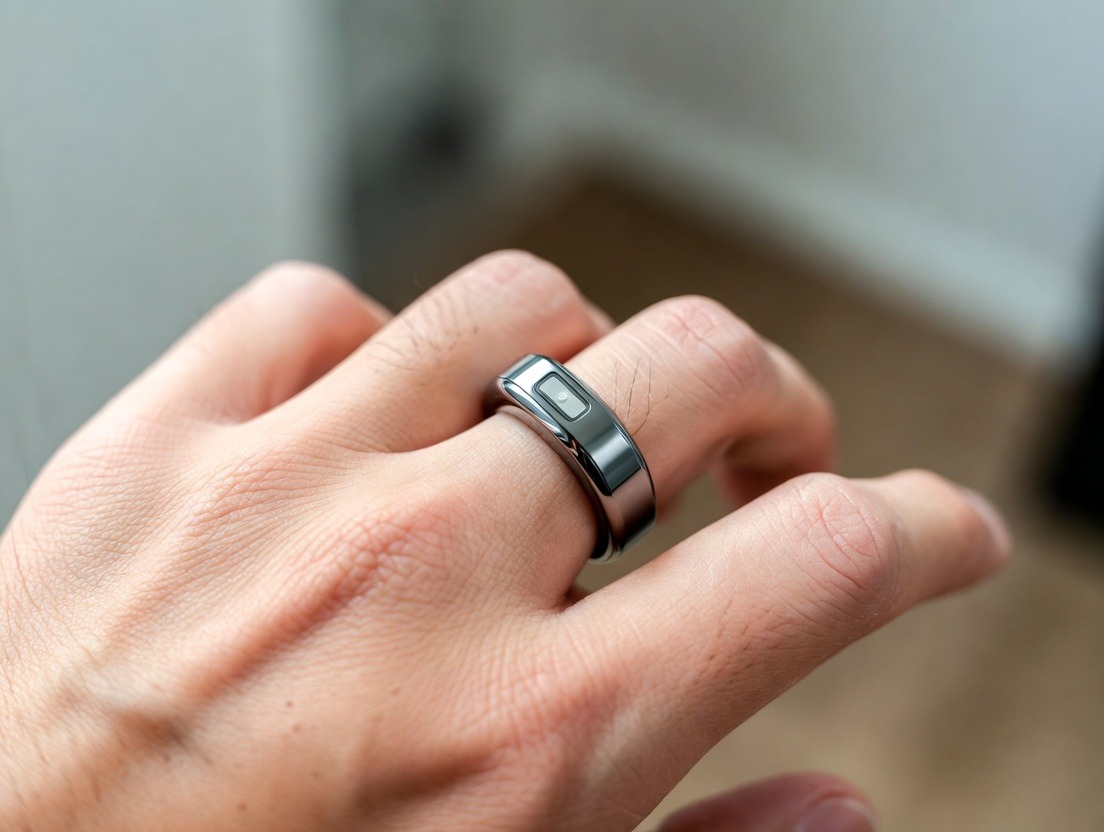
The modern tragedy is that we’ve become deaf to our body’s cues. We no longer hear the whispers of fatigue, the subtle pleas for gentle motion, or the clear signals of overstimulation. This is where technology, so often the driver of our “always-on” culture, can paradoxically become our greatest ally in relearning this ancient rhythm. A new generation of discreet, intelligent wearables, like advanced smart rings from pioneers such as Oxyzen, are shifting the focus from mere activity tracking to recovery intelligence. By providing continuous, nuanced data on heart rate variability (HRV), resting heart rate, skin temperature, and sleep architecture, these devices translate the body’s silent language into actionable insights. They help us discern whether our system is asking for a brisk walk or a restorative nap, whether we are primed for stress or in desperate need of ease. They empower the “less is more” philosophy with personalized, empirical guidance.
In this exploration, we will dismantle the myth of relentless exertion and rebuild a science-backed, practice-oriented framework for using movement as your primary tool for restoration. We will journey from the cellular mechanics of repair to the practical application of minimalist movement practices, demonstrating how to listen deeply and move wisely for a state of wellness that is sustainable, profound, and resilient.
The Physiology of Peace: How Your Body Heals During Rest
Before we can intelligently use movement for restoration, we must first understand what we are restoring to, and what exactly is happening when the body is at peace. Restoration is not a passive void; it is a highly active, orchestrated, and non-negotiable physiological state. When external demands (both physical and mental) subside, a silent, internal army gets to work. This is when the real magic of health maintenance and building occurs.
At the cellular level, restoration is synonymous with repair and growth. During sleep and deep relaxation, human growth hormone (HGH) secretion increases, facilitating tissue repair, muscle growth, and cellular regeneration. The brain’s glymphatic system, a recently discovered waste-clearance pathway, kicks into high gear during deep sleep, flushing out neurotoxic waste products like beta-amyloid, which is associated with Alzheimer’s disease. This is essentially a nightly power wash for your most vital organ.
The nervous system tells the most critical story. Our autonomic nervous system (ANS) has two primary gears: the sympathetic (“fight-or-flight”) and the parasympathetic (“rest-and-digest”). The sympathetic state, driven by stress hormones like cortisol and adrenaline, is essential for acute challenges. However, chronic sympathetic dominance—the state of being perpetually “on”—is a primary driver of inflammation, burnout, digestive issues, cardiovascular strain, and impaired immunity. True restoration requires a decisive shift into parasympathetic dominance. Here, heart rate and blood pressure drop, digestion optimizes, and the body allocates energy to maintenance, healing, and storage. A key biomarker of this state is Heart Rate Variability (HRV)—the subtle variation in time between each heartbeat. A higher HRV generally indicates a robust, resilient nervous system that can smoothly transition between stress and recovery, while a low HRV suggests a system stuck in a stressed, fatigued state.
The inflammatory response is another crucial piece. Acute inflammation from a tough workout is a necessary signal for repair. But if we never allow the recovery phase, that inflammation becomes chronic and systemic, laying the groundwork for nearly every modern disease. Restoration is the period where anti-inflammatory processes dominate, calming the fires and allowing tissues to rebuild stronger.
Modern tools have given us a window into this hidden world. A comprehensive wellness tracker, like those detailed in our guide to the science behind modern health tracking technology, goes beyond counting steps. It measures the very biomarkers of restoration: overnight HRV trends, resting heart rate, sleep stage duration, and even subtle changes in skin temperature that can indicate physiological stress or the onset of illness. This data transforms restoration from an abstract concept into a tangible, measurable pillar of health. By observing your personal data on a platform like Oxyzen’s blog, you begin to see direct correlations between your daily actions (including movement) and your body’s capacity to heal overnight. You learn that skipping rest after intense activity doesn’t just make you tired—it measurably depresses your nervous system’s resilience for days. This empirical feedback is the first step in honoring the physiology of peace.
In our quest for fitness, we have blindly embraced a dangerous assumption: that if some exercise is good, then more must be better. This linear logic ignores the fundamental biological principle of hormesis—the concept that a beneficial adaptive response is triggered by a moderate stressor, while an excessive dose of the same stressor becomes harmful. Exercise is the quintessential hormetic stressor. The right dose builds resilience; an overdose breaks it down.
This overdose manifests as overtraining syndrome (OTS), a state of profound fatigue, performance decline, and physiological dysregulation that can take months to recover from. But long before diagnosable OTS, there exists a vast gray area of under-recovery—the silent thief of wellness. This is where you’re still moving, still checking boxes, but your health and vitality are secretly eroding. Signs are subtle but telling: a resting heart rate that trends upward over weeks, a stubbornly low or plummeting HRV, disrupted sleep despite exhaustion, a loss of enthusiasm for training, nagging minor injuries, and a weakened immune system leading to frequent colds.
The culprit is a constant, unrelenting strain on the Hypothalamic-Pituitary-Adrenal (HPA) axis, your body’s central stress response system. Every workout is a stressor. So is a work deadline, a difficult conversation, or poor sleep. Your HPA axis doesn’t distinguish between a deadlift and a deadline; it simply responds to the total cumulative stress load. When you layer intense daily exercise on top of life’s other pressures without adequate recovery, you chronically elevate cortisol. Initially, this may feel like “pushing through,” but over time, it leads to HPA axis dysfunction—a state where the body can no longer regulate its stress response effectively. The system burns out.
The consequences are systemic:
The tragic irony is that individuals suffering from under-recovery often double down on their efforts, believing they are “out of shape” or not working hard enough. They add more miles, more weight, more intensity, further digging the hole. This is the antithesis of Restoration Wellness.
Breaking this cycle requires a radical shift in perspective. It means learning to see a drop in your biometric data not as a challenge to overcome with grit, but as a directive to pull back. It involves using tools that provide this insight, like the personalized feedback available through Oxyzen’s platform, to guide your training intensity. The goal shifts from “How much can I do?” to “What is the minimum effective dose of movement I need to stimulate adaptation and fully recover from?” This is the paradox resolved: by strategically doing less, you ultimately enable your body to become more—more resilient, more adaptive, and truly healthier.
The Wisdom of Minimalism: Defining "Less Is More" in Movement
The phrase “less is more” can sound like a placard in a spa, a vague invitation to relaxation. But in the context of movement and restoration, it is a precise, potent, and highly individualized operational principle. It does not mean doing nothing. It means doing exactly what is needed—and not a single arbitrary thing more. It is the application of surgical precision to physical activity, where quality, timing, and intent completely overshadow quantity and brute force.
First, it is lower frequency. Instead of seven grueling workouts a week, it might be three or four truly potent, well-spaced sessions, with recovery days that are actively restorative, not merely passive. It understands that the adaptation happens between the workouts, not during them.
Second, it is lower volume. This means fewer total sets, reps, miles, or minutes. It’s the understanding that after a certain point of stimulus, additional work provides diminishing returns and exponentially increasing recovery debt. The famous “80/20 rule” in endurance training—where 80% of training is at low intensity and only 20% at high intensity—is a classic example of minimalist wisdom. The bulk of the work is easy, promoting metabolic and cardiovascular efficiency without overwhelming the system.
Third, and most importantly, it is lower neurological load. This is the master key. A heavy squat session, a complex gymnastics skill, or a high-stakes competitive match places a tremendous demand on your central nervous system (CNS). This type of fatigue is deep and requires significant time and specific conditions (like deep sleep) to recover from. “Less” often means choosing movements that are inherently less neurologically taxing: walking, cycling at a conversational pace, gentle yoga, swimming, or easy mobility flows. These activities promote circulation and mobility without ringing the CNS alarm bell.
The benefits of this minimalist approach are profound:
Implementing this requires self-knowledge, which is where objective data becomes invaluable. A smart wellness device helps you quantify what “low neurological load” means for you. You can literally test it: go for a gentle walk and observe your real-time heart rate and later, your sleep and HRV data. Did it enhance your recovery scores? Then it was restorative movement. For a deeper dive into how this data translates to daily habits, explore resources like our article on how wellness ring basics help build healthy habits. The minimalist approach is not about laziness; it’s about intelligent, data-informed economy of effort, where every movement has a clear purpose aligned with the grand goal of holistic restoration.
The Golden Thread: Connecting Movement Directly to Sleep Quality
If restoration had a throne, sleep would sit upon it. It is the non-negotiable, irreplaceable cornerstone of physical repair, cognitive function, and emotional regulation. And movement, when applied with intelligence, is one of the most powerful tools we have to not only promote sleep but to profoundly enhance its architecture—the cyclical journey through light, deep, and REM stages that defines quality rest. This connection is the golden thread of Restoration Wellness.
The link is both direct and indirect. Directly, physical activity increases the body’s need for sleep—the “sleep pressure” driven by adenosine, a neurotransmitter that accumulates during wakefulness. Exercise, particularly sustained aerobic activity, can accelerate this accumulation, making it easier to fall asleep at night. Furthermore, it has a thermoregulatory effect: raising core body temperature during exercise leads to a compensatory drop in temperature later, which is a key signal for sleep onset.
But the more profound connection lies in movement’s ability to regulate the circadian rhythm, our internal 24-hour biological clock. Exposure to natural light during daytime movement (like a morning walk) is the primary cue that synchronizes this clock, reinforcing a robust wake signal during the day and a clear sleep signal at night. Movement also helps manage the other great regulator of sleep: stress. Anxiety and a racing mind are the archenemies of sleep. Exercise is a well-documented anxiolytic (anxiety reducer). It metabolizes excess stress hormones like cortisol and adrenaline and stimulates the release of endorphins and endocannabinoids, which promote relaxation and a sense of well-being.
Critically, however, timing and intensity are everything. This is where the “less is more” principle shines in relation to sleep. A gentle, restorative movement practice in the late afternoon or early evening—think a leisurely walk, light stretching, or restorative yoga—can be ideal for easing the transition from day to night. It helps discharge any residual physical tension without spiking cortisol or core temperature too close to bedtime.
Conversely, a high-intensity, late-evening workout can be highly disruptive for many people. It activates the sympathetic nervous system, elevates core temperature, and releases stimulatory neurotransmitters, effectively telling your body it’s time for battle, not bedtime. For some with very robust circadian rhythms, this may not be an issue, but for those struggling with sleep, it’s a common culprit.
This is where personalized tracking becomes non-negotiable. You don’t have to guess. By monitoring your sleep data—specifically sleep latency (time to fall asleep), wake-after-sleep-onset (WASO), and the percentage of deep (slow-wave) sleep—you can run personal experiments. Try a week of morning movement only, then a week with gentle evening movement. Observe the direct impact on your sleep scores in your wellness app. You might discover, as many do, that swapping an evening spin class for a post-dinner stroll adds 30 minutes of precious deep sleep. For a comprehensive look at how technology illuminates these patterns, consider reading about how health tracking technology enables personalized wellness. By weaving this golden thread with intention, you use movement not as a separate pillar of health, but as the deliberate conductor of your night’s restorative symphony.
Armed with the understanding of why less is more, we now turn to the how. What does restorative movement actually look and feel like in practice? It is not a single exercise but a spectrum of practices united by a common ethos: low intensity, high awareness, and a primary goal of facilitating recovery and enhancing function, not achieving a personal best. Let’s explore this toolkit.
1. Intentional Walking (Not Cardio): This is the king of restorative movement. Separate it entirely from “getting your steps.” This is walking with presence—preferably in nature, without headphones, at a “conversational pace.” The goal is rhythmic, bilateral movement that promotes lymphatic drainage, gently mobilizes every joint, and allows the mind to unwind. It’s a moving meditation. Pay attention to your breath, the sensation of your feet on the ground, the sights and sounds around you. Research shows this type of walk can lower cortisol, boost creativity, and improve mood as effectively as many medications.
2. Mobility & Myofascial Release: This is the care and feeding of your connective tissue. It involves gentle, sustained movements and self-massage to release tension, improve range of motion, and hydrate the fascia (the web-like tissue surrounding your muscles).
* Example: Cat-Cow flows, controlled joint circles, and using a foam roller or lacrosse ball with gentle, searching pressure on tight areas like calves, glutes, and upper back—holding on tender spots for 30-90 seconds to allow a release.
3. Restorative & Yin Yoga: These are the antithesis of power yoga. Restorative yoga uses props (bolsters, blankets, blocks) to fully support the body in gentle, passive poses held for 5-20 minutes. The aim is to evoke a deep parasympathetic response. Yin yoga targets the deep connective tissues with longer-held floor poses (3-5 minutes), applying a mild, therapeutic stress to increase flexibility and induce a meditative state. Both are masterclasses in surrender.
4. Tai Chi & Qigong: These ancient Chinese arts are often described as “meditation in motion.” They involve slow, flowing, deliberate movements coordinated with deep, diaphragmatic breathing. The focus is on cultivating and moving “qi” (vital energy), balancing the nervous system, and improving balance and coordination with zero impact. They are profoundly calming and physically rehabilitative.
5. Easy Swimming or Aqua Movement: The buoyancy of water removes up to 90% of your body weight, unloading joints while providing gentle resistance. Simply moving slowly through water, stretching, or doing easy laps can promote circulation and ease muscle soreness without any pounding.
6. Breath-Centered Movement: Any of the above practices, when paired with conscious breathing, become exponentially more restorative. The simplest practice is coherent breathing: inhaling for a count of 5 or 6, and exhaling for the same count, for several minutes. This simple act directly stimulates the vagus nerve, the main highway of the parasympathetic nervous system, telling your body it is safe to rest and digest.
The unifying principle across all these tools is listening. Your body’s feedback is the ultimate guide. A gentle stretch should feel like a “good hurt,” a satisfying release, not a sharp or shooting pain. Your breath should remain calm and controlled. The practice should leave you feeling more relaxed, open, and energized—not drained or beat up. For those new to this concept, starting with the basics is key, as outlined in our guide on wellness ring basics for beginners. By regularly dipping into this toolkit, you build a movement vocabulary that serves your restoration, creating a sustainable balance that fuels a vibrant, resilient life.

We’ve discussed the practices, but the true mastery of restorative movement lies not in a preset routine, but in a skill: the skill of interoception—the perception of sensations from inside the body. This is your internal biofeedback system. It’s the ability to discern the subtle difference between “good tired” and “dangerous fatigue,” between muscular stiffness that needs movement and joint pain that needs rest, between a nervous system that’s ready for a challenge and one that’s begging for a break.
In our modern, externally focused lives, this skill has atrophied. We override hunger with schedules, ignore fatigue with caffeine, and push through pain with willpower. Restoration Wellness requires we rewire this connection. We must learn to decode the language of our physiology.
This is where external biometric feedback acts as the perfect translator and teacher. By wearing a device that provides continuous, objective data on your internal state, you begin to correlate subjective feelings with objective measurements. You start to build a personalized dictionary.
This process transforms you from a passenger in your body to a skilled pilot reading the instrument panel. Resources like the Oxyzen FAQ page can help you understand what these metrics mean and how to act on them. Over time, this constant feedback loop heightens your innate interoceptive ability. You begin to feel a low HRV state as a certain kind of mental fog and physical heaviness. You start to sense when your body temperature is off. The technology becomes a training wheel, eventually allowing you to ride with profound intuitive confidence.
The practice is simple but revolutionary: Check in before you choose. Before you lace up your shoes for a run or roll out your yoga mat, pause. Take three conscious breaths. Ask:
Then, let the answer guide your movement selection. Sometimes the most restorative movement of all is to skip the formal practice entirely and take a nap, read a book, or simply sit in stillness. Honoring that choice, informed by both feeling and data, is the pinnacle of the “less is more” philosophy. It is movement as a conscious dialogue, not a dictated monologue.

Our bodies are not machines designed for constant, flat-line output. They are living organisms governed by powerful, innate biological rhythms. The most intelligent application of restorative movement aligns with these rhythms, working with our biology rather than forcing ourselves to perform against it. Two cycles are paramount: the Circadian (roughly 24-hour) and the Ultradian (shorter cycles within the day).
Circadian Alignment: As touched on earlier, your circadian rhythm dictates the ebb and flow of energy, hormone secretion, and bodily functions. Aligning movement with this rhythm optimizes its benefits and minimizes stress.
Ultradian Rhythm Respect: Within the day, we operate on 90-120 minute ultradian cycles. In each cycle, we have a period of higher alertness and focus (roughly 90 minutes) followed by a period of lower alertness (around 20 minutes). Trying to power through these natural dips with caffeine or willpower leads to cumulative stress and burnout.
Restorative movement can be perfectly slotted into these natural “troughs.” Instead of fighting the afternoon lull with another coffee, a 10-minute walk outside or a series of gentle desk stretches provides a true physiological reset. It’s a movement micro-dose that honors your body’s need for a break, promoting circulation and mental clarity without depleting you. This rhythmic approach—sprinkling tiny bits of restorative motion throughout the day in alignment with your energy—is often more powerful than a single, isolated hour at the gym. It keeps the parasympathetic tone active, prevents stiffness, and manages stress in real-time.
Tracking these personal rhythms is where modern wellness tech excels. By observing your own daily heart rate and activity patterns over time on a platform, you can identify your personal peaks and valleys. You might discover your personal “vigorous movement window” is actually mid-morning, not dawn. Or that your energy reliably slumps at 3 PM, making that the perfect time for a scheduled mobility break. For insights into how continuous monitoring supports this kind of discovery, our article on wellness ring basics: continuous vs. periodic monitoring offers a detailed look. By syncing your movement with these biological tides, you stop swimming upstream. You move with effortless efficiency, using motion to harmonize with your body’s innate wisdom, not to conquer it.
To view movement solely through a lens of physical repair is to miss half of its restorative power. The body and mind are not separate entities; they are a unified system. The stiffness in your shoulders is often literal stored tension from anxiety. The restless energy that prevents sleep is frequently unprocessed mental clutter. Restorative movement, by its very nature, becomes a powerful tool for mental and emotional hygiene—a moving meditation that can process stress and recalibrate your emotional state.
When movement is performed slowly, with conscious attention to breath and sensation, it becomes a form of kinesthetic meditation. Your focus is pulled away from the chattering narrative of the mind and into the present-moment experience of the body. In a restorative yoga pose, your “job” is to feel the support of the bolster and observe your breath. On a mindful walk, your anchor is the sensation of your feet touching the earth. This breaks the cycle of rumination—the repetitive, often negative thought loops that fuel anxiety and depression. It creates a neurological “time-out” for the prefrontal cortex, the brain’s worrying center.
Furthermore, specific types of movement can directly alter emotional states. The concept of “embodied cognition” tells us that our physical postures and actions influence our emotions.
Restorative movement also provides a healthy channel for the physical expression of emotional energy. Anxiety often manifests as a buzzing, trapped energy in the body. A gentle, shaking practice or a flowing dance to calm music can “move” this energy through and out of the system, leaving a sense of calm in its wake. Similarly, grief or sadness can feel like a heavy, sinking sensation. A supported, gentle backbend (like a supported bridge with a block) can physically open the heart center and the breath, often creating a subtle emotional release.
The key is intention. Approach your restorative movement not as a workout, but as a moving sanctuary. Set an intention to release what you don’t need—be it physical tension or mental worry. Use your breath as the bridge between body and mind, exhaling to let go. For many, integrating this mindful approach is supported by understanding the full scope of what their wellness device can reveal about their stress and recovery states, a topic explored in depth in our piece on wellness ring basics: activity and movement tracking. In this way, a 20-minute evening mobility session becomes more than just joint care; it becomes a ritual of shedding the day’s burdens, preparing the vessel of your body for deep, emotional and physical restoration.
The philosophy of "less is more" can feel nebulous without a compass. In a culture that venerates visible effort, choosing a gentle walk over a hard run requires more than just good intentions; it requires conviction. That conviction is born from data. The rise of sophisticated, user-friendly biometric tracking has provided that missing piece: an objective, personalized dashboard that reveals the undeniable link between mindful movement and systemic restoration. This transforms Restoration Wellness from a feel-good concept into a science-backed practice.
Biomarkers are the measurable signals of your internal state. For restoration, a core trio provides unparalleled insight: Heart Rate Variability (HRV), Resting Heart Rate (RHR), and Sleep Stage Data. Let's examine how each serves as a guide.
Heart Rate Variability (HRV) – The Master Metric of Resilience: As previously discussed, HRV is the variation in time between heartbeats. It is the single best non-invasive proxy for your autonomic nervous system balance. A higher HRV indicates a heart that is responsive and adaptable, a sign of strong parasympathetic (rest-and-digest) tone and resilience to stress. A lower HRV suggests sympathetic (fight-or-flight) dominance and a system under strain.
How it guides movement:
Resting Heart Rate (RHR) – The Barometer of Systemic Load: Your RHR, taken first thing in the morning, is a simple but powerful metric. While a lower RHR is generally associated with good cardiovascular fitness, acute changes are more informative for restoration. A sustained elevation of 5-10 bpm above your personal baseline is a classic sign of under-recovery, overall stress, impending illness, or dehydration.
How it guides movement:
Sleep Architecture – The Ultimate Report Card: Sleep data is the ultimate validation of your daily choices. Restorative movement should, over time, improve the markers of sleep quality: increased Deep Sleep (physical restoration) and REM Sleep (mental/emotional restoration), and decreased wakefulness (WASO).
How it guides movement:
The power lies in the synthesis of these data points. A platform that consolidates this information provides a holistic "Readiness" or "Recovery" score. This isn't a gimmick; it's an algorithm weighing your HRV, RHR, sleep, and sometimes temperature against your personal baselines. Wearing a device like an Oxyzen ring, which is designed for continuous vs. periodic monitoring, ensures this data is captured seamlessly, without you having to remember to take a manual reading. You begin each day not with a guess, but with a guided suggestion. The data democratizes the wisdom of elite athletes who have coaches interpreting their biomarkers—it puts a personalized coach on your finger. For a deeper understanding of how these sensors and algorithms work, our exploration of health tracking technology sensors, algorithms, and AI is an invaluable resource. This is the data-driven heart of the "less is more" movement: when your own physiology provides the evidence, choosing rest becomes an act of intelligence, not laziness.
Our movement choices are never made in a vacuum. They are profoundly influenced by our social circles, our physical environments, and the cultural narratives we absorb. To truly embrace a restorative movement practice, we must often consciously reshape these external dimensions, creating a ecosystem that supports, rather than sabotages, the "less is more" philosophy.
The Social Sphere: Navigating "Hustle Culture" Peer Pressure
We live in a society that often equates busyness with worthiness and exhaustion with virtue. In fitness circles, this manifests as a culture of constant PRs (personal records), extreme challenges, and subtle (or not-so-subtle) shaming of "easy" days. Declining an invitation to a high-intensity class because your data suggests you need rest can be met with, "Come on, you'll feel better after!" or "Don't be lazy!"
Building a restorative practice requires social fortitude and, ideally, a shift in your community.
The Environmental Design: Crafting Spaces That Invite Ease
Your physical environment can either be a barrier or a catalyst for restorative movement. A home gym filled only with heavy weights and a Peloton screams "GO HARD." An environment designed for restoration offers easier, gentler options.
The Cultural Narrative: Redefining What "Fit" Looks Like
Finally, we must internally challenge the dominant cultural narrative that fitness is synonymous with leanness, extreme exertion, and visible muscle. Restoration Wellness proposes a new archetype: the Resilient Human. This person is not necessarily the fastest or strongest in the room on any given day, but they are the most consistent, the least injured, the most adaptable, and the most energetically stable over decades. Their fitness is defined by a high HRV, sound sleep, a robust immune system, and a sense of vitality that permeates their life, not just their hour at the gym.
By consciously choosing our social interactions, designing our environments, and redefining success, we build a life that doesn't just allow for restorative movement—it invites it, celebrates it, and recognizes it as the foundation of lasting health and performance. To see how others have integrated this philosophy with technology, exploring real user experiences and testimonials can be both inspiring and validating.
Theory and data are essential, but nothing crystallizes a concept like seeing it applied. Let’s walk through a hypothetical week for "Alex," a 38-year-old knowledge worker who has embraced the Restoration Wellness model, using biometric feedback from a smart wellness ring to guide decisions. This isn't a rigid prescription, but a dynamic, responsive flow.
Alex's Baseline Biometrics: Average HRV: 55ms, Average RHR: 58 bpm, Sleep Score: 82/100.
Sunday Evening: Alex reviews the upcoming week's schedule, noting a critical work deadline on Wednesday. He plans his movement around this known stressor, anticipating a need for more recovery mid-week.
Monday – "High Readiness"
Tuesday – "Maintenance & Preparation"
Wednesday – "High Stress, Low Movement"
Thursday – "Recovery Priority"
Friday – "The Rebound"
Saturday – "Play & Exploration"
This week illustrates the dynamic dance. Movement intensity and volume fluctuate in response to life stress and biometric feedback. The "less" on Wednesday and Thursday creates the capacity for the "more" on Monday and Saturday. Alex uses technology not as a taskmaster, but as a translator, making informed choices that build resilience over time. For someone new to this approach, a guide like wellness ring basics for making the purchase decision can help select the right tool to begin this journey. This is the lived experience of Restoration Wellness—a sustainable, intelligent, and deeply personal path to enduring vitality.

We have mapped the restorative path, but to walk it, we must first clearly see the two opposing ditches that flank the road. In our contemporary landscape, these ditches are not mere potholes; they are deep, culturally reinforced canyons that trap millions. On one side lies Sedentary Stress—the pathological stillness of modern life. On the other lies Compulsive Motion—the pathological activity of modern fitness. Ironically, both states trigger a similar physiological endpoint: chronic sympathetic nervous system arousal, systemic inflammation, and impaired recovery. Understanding these poles is crucial for navigating the middle way of intelligent movement.
The Quicksand of Sedentary Stress
The term "sedentary" no longer simply means not exercising. It describes a state of prolonged, low-energy postures—sitting at a desk, slouching on a couch, standing statically—often accompanied by high cognitive and emotional stress. This is the "sitting disease" epidemic. The harm is twofold: physical and neurological.
Sedentary stress is insidious because it can coexist with a nominal fitness routine. The person who sits 10 hours a day but crushes a 45-minute spin class is still, fundamentally, living a sedentary life punctuated by intense stress spikes. Their body rarely experiences the gentle, rhythmic, all-day movement for which it was designed.
The Treadmill of Compulsive Motion
On the opposite bank lies an equally dangerous trap: exercise as compulsive obligation, disconnected from the body's true needs. This is movement driven by external metrics (calories burned, rings closed, leaderboard rank), guilt, or an addiction to the endorphin rush that follows intense exertion. It is "more is more" incarnate.
The Common Root: Disconnection
Both sedentary stress and compulsive motion share a root cause: a profound disconnection from interoceptive awareness. The sedentary individual is disconnected from the body's need for motion and its physical feedback (tightness, stiffness). The compulsive mover is disconnected from the body's need for stillness and its subtle cries for rest (elevated RHR, low HRV, persistent soreness).
Both states are reinforced by modern environments and cultural narratives. Offices are designed for sitting. Fitness marketing glorifies extreme effort. The solution is not to choose one ditch over the other, but to build a bridge between them—a bridge made of conscious, responsive, and varied movement.
The first step off this seesaw is awareness. A device that offers preventive health monitoring can act as an impartial referee. It can alert the sedentary person to get up and move after an hour of stillness. It can warn the compulsive mover that their nervous system is stressed and suggest a day of active recovery. By providing objective data, it helps re-establish the dialogue between mind and body, making the nuanced middle path not just a philosophical ideal, but a practical, daily reality. It helps us see that true wellness is found not in the extremes of motion or rest, but in their intelligent, rhythmic alternation.
The conversation about movement and restoration is incomplete without addressing the fuel that powers both the action and the repair. You cannot restore a house while simultaneously dismantling its foundation. Nutrition is that foundation. The "less is more" philosophy extends seamlessly to how we eat to support a restorative movement practice. It’s not about restrictive dieting for performance, but about nourishing the body to enhance recovery, reduce inflammation, and support a calm, resilient nervous system.
The Anti-Inflammatory Plate: Food as Recovery Medicine
Every bout of movement, especially the restorative kind we’re championing, creates minor metabolic byproducts and, if intense, micro-tears in tissue. The recovery process is inherently inflammatory. Our goal with nutrition is to provide the raw materials for repair while not adding unnecessary, systemic inflammatory fuel to the fire.
Hydration: The River of Restoration
Water is the medium in which every single metabolic process of recovery occurs. Dehydration, even mild, thickens the blood, strains the cardiovascular system, impairs nutrient delivery and waste removal, and can significantly dampen cognitive function and energy levels.
The Gut-Brain-Recovery Axis
Emerging science underscores the critical link between gut health, inflammation, and neurological state. An imbalanced gut microbiome can promote systemic inflammation and even affect mood and stress resilience via the vagus nerve.
Practical Application: Eating for a Restorative Movement Day
Imagine your day includes a 45-minute mindful walk and 20 minutes of evening mobility work. Your nutritional focus would be on steady energy and anti-inflammatory support.
This approach to nutrition removes the stress of rigid dieting. It’s about abundance and quality, not restriction. It aligns with the restorative philosophy by viewing food as information that either supports your body’s healing processes or hinders them. To explore how technology can complement this by tracking the effects of your nutritional choices on metrics like resting heart rate and sleep, our resource on wellness ring basics and integration with other health apps can be incredibly useful. When your movement is gentle and your food is nourishing, you create a powerful synergy where the whole becomes greater than the sum of its parts, propelling you into a virtuous cycle of sustainable wellness.
Perhaps the most significant barrier to adopting a "less is more" movement practice is not physical, but psychological. We have been conditioned to believe that worth is tied to productivity, and in the realm of fitness, productivity is measured in sweat, miles, and calories. Choosing a restorative walk over a HIIT session, therefore, can trigger a cascade of counterproductive emotions: guilt, laziness, anxiety, and a fear of "losing progress." Mastering the psychology of letting go is the final, essential pillar of Restoration Wellness.
Deconstructing the Guilt Narrative
The feeling of guilt after a gentle movement day is a cognitive distortion. It stems from a misplaced belief system. Ask yourself:
Cultivating Patience: The Long Game of Resilience
We live in an age of instant gratification, but the body operates on biological time. Muscles repair in 24-72 hours. Connective tissue remodels over weeks and months. Nervous system resilience builds over consistent seasons of stress and recovery. The benefits of a restorative practice—fewer injuries, sustained energy, emotional stability, better sleep—accumulate slowly but exponentially.
Mindfulness as the Anchor
The psychological shift is anchored in mindfulness—the practice of non-judgmental present-moment awareness.
The Empowerment of Choice
Ultimately, choosing restorative movement is an act of self-trust and empowerment. It is declaring that you are the expert on your body, not a generic workout plan or societal expectation. It is an assertion that your wellness is holistic and includes mental peace and joy as key performance indicators.
This psychological journey is supported by community and stories. Reading about the real customer reviews and user experiences of others who have made this shift can normalize the feelings and celebrate the outcomes. Letting go of compulsive motion is not about losing discipline; it's about gaining wisdom. It's about trading the brittle, anxious strength of constant doing for the resilient, calm power of knowing when to move, how to move, and, most importantly, when to simply be. This is the ultimate restoration.
We stand at an inflection point in our collective understanding of health. The old paradigm of fitness—characterized by isolated metrics, no-pain-no-gain mentality, and a focus on aesthetic outcomes—is showing profound cracks. It has contributed to rampant burnout, chronic injury cycles, and a disheartening relationship with our own bodies. The "less is more" philosophy of Restoration Wellness is not merely a personal hack; it is the cornerstone of a New Paradigm of Fitness, one designed for human sustainability in the 21st century.
This new paradigm is built on three core, interconnected pillars:
1. Fitness as Resilience, Not Just Performance.
Performance—running faster, lifting heavier—will always be a joyful and valid pursuit for many. But in the new paradigm, it is a subset of a larger goal: resilience. Resilience is the capacity to withstand, adapt to, and recover from physical, mental, and emotional stressors. It is measured not just by a squat max, but by:
In this view, the gentle walk that lowers your cortisol is as "fit" a behavior as the deadlift that builds muscle. Both build resilience in different but complementary ways.
2. Fitness as Integration, Not Isolation.
The old model often treats the body as a collection of parts to be trained (leg day, arm day). The new paradigm, informed by systems biology, sees the body as a deeply integrated network. Movement is understood by its systemic effect.
3. Fitness as Personalization, Prescription, and Prevention.
The one-size-fits-all workout plan is obsolete. The future of fitness is hyper-personalized, dynamic, and predictive.
The Role of Technology in the New Paradigm
Intelligent wearables are the enabling tools of this shift. They are the bridge between the subjective feeling and the objective reality, between the ancient wisdom of listening to your body and the modern science of biophysics. A device that tracks the nuanced signals of recovery empowers individuals to participate actively in this new paradigm. It turns abstract principles into daily, actionable choices.
To explore what the cutting edge of this looks like, one can look toward the horizon with resources like our article on health tracking technology in 2025: what's possible. The future of fitness is not in louder, more punishing workouts. It is in quieter, smarter, more responsive practices. It is a future where the fittest among us may not be those who train the hardest, but those who recover the best. It is a future where wellness is not a destination reached through exhaustion, but a sustainable state cultivated through the rhythmic, intelligent, and compassionate dance of movement and rest. This is the promise of Restoration Wellness—a promise of not just living longer, but living better, with more vitality and peace in every step.
Your Trusted Sleep Advocate (Sleep Foundation — https://www.sleepfoundation.org/)
Discover a digital archive of scholarly articles (NIH — https://www.ncbi.nlm.nih.gov/
39 million citations for biomedical literature (PubMed — https://pubmed.ncbi.nlm.nih.gov/)
experts at Harvard Health Publishing covering a variety of health topics — https://www.health.harvard.edu/blog/)
Every life deserves world class care (Cleveland Clinic -
https://my.clevelandclinic.org/health)
Wearable technology and the future of predictive health monitoring. (MIT Technology Review — https://www.technologyreview.com/)
Dedicated to the well-being of all people and guided by science (World Health Organization — https://www.who.int/news-room/)
Psychological science and knowledge to benefit society and improve lives. (APA — https://www.apa.org/monitor/)
Cutting-edge insights on human longevity and peak performance
(Lifespan Research — https://www.lifespan.io/)
Global authority on exercise physiology, sports performance, and human recovery
(American College of Sports Medicine — https://www.acsm.org/)
Neuroscience-driven guidance for better focus, sleep, and mental clarity
(Stanford Human Performance Lab — https://humanperformance.stanford.edu/)
Evidence-based psychology and mind–body wellness resources
(Mayo Clinic — https://www.mayoclinic.org/healthy-lifestyle/)
Data-backed research on emotional wellbeing, stress biology, and resilience
(American Institute of Stress — https://www.stress.org/)


