


Your Body's Recovery Language: What Your Wellness Ring Translates
How to listen to your body's recovery signals using smart ring data.
How to listen to your body's recovery signals using smart ring data.
%402x.svg)
Your body is constantly speaking. It whispers in the subtle rhythm of your heartbeat, murmurs through the rise and fall of your chest as you sleep, and shouts in the deep exhaustion after a draining day. For centuries, we’ve struggled to understand this complex language of recovery, often only hearing the loudest, most urgent cries—pain, sickness, burnout. We’ve relied on vague feelings of being “run down” or the crude metric of how many hours we spent in bed, missing the nuanced vocabulary that tells the true story of our restoration.
Enter the modern wellness ring. This unassuming piece of wearable technology is more than a gadget; it’s a translator, a linguist for the body’s intimate dialect of recovery. Worn on your finger, it has a front-row seat to a wealth of physiological data, capturing signals we’ve never before been able to decode in a continuous, effortless manner. It turns the abstract concept of “how you feel” into objective, actionable insights.
Think of it like this: for decades, if you wanted to understand your fitness, you got a stopwatch and measured miles. But to understand your recovery, you had only a mirror and your own foggy perception. The wellness ring closes this gap. It translates the cryptic messages from your autonomic nervous system, your circadian rhythms, and your cellular repair processes into a dashboard you can finally comprehend.
This article is your guidebook to that translation. We will move beyond simply reading numbers on an app and dive into the profound meaning behind them. We’ll explore what your heart rate variability (HRV) is really saying about your stress resilience, what the temperature of your skin reveals about your metabolic health, and how the quiet phases of your sleep are the true engines of physical and mental repair. This is about becoming fluent in the language of your own body, using the wellness ring as your interpreter, so you can make decisions that don’t just guess at what you need, but know it.
Your journey to mastering your recovery starts here, by learning to listen.
Beneath your conscious awareness, a master conductor orchestrates every beat of your heart, every breath you take, and the delicate balance of energy conservation and expenditure. This is your autonomic nervous system (ANS). It’s the control center for recovery, and to understand your wellness data, you must first understand the ANS’s two primary sections: the sympathetic (“fight-or-flight”) and the parasympathetic (“rest-and-digest”).
The sympathetic system is your accelerator. It mobilizes energy, increases heart rate, diverts blood flow to muscles, and heightens awareness—essential for responding to a challenge. The parasympathetic system is your brake. It promotes relaxation, digestion, tissue repair, and immune function. True recovery isn’t the absence of stress; it’s the ability to press the brake effectively after using the accelerator. The problem is, modern life loves to jam the accelerator pedal down. Chronic stress, poor sleep, and digital overload can leave our sympathetic system dominant, whispering (or yelling) threats to our body even when we’re “relaxing” on the couch.
This is where your wellness ring earns its keep. It doesn’t just track activity; it tracks reactivity. It listens to the conversation between these two systems. The most profound metric it translates is Heart Rate Variability (HRV). Contrary to what you might think, a healthy heart isn’t a metronome. The tiny, millisecond variations in time between each heartbeat are a direct reflection of ANS balance. High HRV generally indicates strong parasympathetic tone and good resilience—your body can adapt fluidly to demands. Low HRV suggests a sympathetic-dominant state, signaling that your system is strained, fatigued, or under-recovered.
Your ring translates this complex neural dialogue into a simple number, giving you a daily read on your physiological readiness. It’s like having a direct line to that master conductor. Waking up with a lower-than-normal HRV? Your ring is translating a clear message: “The system is overloaded. Prioritize calm today—maybe skip the intense workout and opt for gentle movement or meditation.” Seeing a consistently rising HRV trend? That’s the language of adaptation and improved recovery capacity speaking. For a deeper dive into the foundational technology that makes this possible, explore our guide on how sleep and wellness trackers actually work.
Now that we’ve met the conductor (the ANS), let’s focus on its most telling composition: Heart Rate Variability. If you only look at one metric from your wellness ring, HRV should be it. But a number in isolation is just a note; to understand the symphony, you need context. Your wellness ring provides that by tracking HRV trends over time and correlating it with your daily life.
First, it’s critical to know that HRV is highly individual. Comparing your 45 ms to someone else’s 80 ms is meaningless. What matters is your baseline and your deviations from it. A good wellness ring app will establish this personal baseline over several weeks. Once set, daily readings become powerful translational tools.
The Translation Guide:
Your ring contextualizes these HRV messages by layering in other data. Did your HRV drop after a day of intense work meetings and poor sleep? The translation becomes more specific. Did it spike after a week of consistent 8-hour sleeps and mindfulness practice? The story of success is clear.
It’s also important to know what HRV can’t say. It’s a physiological signal, not a psychic one. It can’t tell you why you’re stressed, only that you are physiologically stressed. This is where your conscious awareness partners with the ring’s translation. The ring flags the anomaly; you investigate the cause. For more on interpreting specific numbers and trends, our resource on what your deep sleep tracking numbers should look like provides complementary guidance, as sleep and HRV are intimately connected.
Sleep is the cornerstone of recovery, but for most of history, it was a black box. We knew we needed it, but we had no insight into its architecture. Your wellness ring illuminates this nightly repair shift, breaking your sleep into its constituent stages: Light, Deep, and REM. Each stage speaks a different part of the recovery language.
Light Sleep: This is the transition phase, making up about 50% of the night. While less intensely restorative, it’s crucial for memory consolidation and mental relaxation. Your ring tracks its duration as a measure of sleep stability.
Deep Sleep (N3): This is the physical recovery foreman. During deep sleep, human growth hormone (HGH) is released, driving tissue repair, muscle growth, and cellular regeneration. Your immune system is bolstered, and the brain’s glymphatic system performs a deep cleanse, flushing out metabolic waste. When your wellness ring reports high deep sleep duration and quality, it’s translating a report of successful physical restoration. A lack of it speaks the language of incomplete repair, leaving you feeling physically drained and sore. The science behind this is fascinating, and you can learn more about what exactly happens to your body during deep sleep in our dedicated article.
REM Sleep: This is the mental and emotional recovery workshop. It’s where dreaming occurs, memories are integrated, and learning is solidified. It’s essential for emotional regulation and creativity. Your ring’s tracking of REM tells you how well your brain is processing the experiences of the day.
Your ring translates the interplay of these stages. It’s not just about total hours. Eight hours of fragmented sleep with little deep sleep is a poor recovery night, while seven hours of consolidated, cycle-rich sleep can be profoundly restorative. The ring’s translation helps you answer critical questions: Did I get enough quality sleep to recover from yesterday’s training? Is my brain getting the emotional processing (REM) it needs to handle stress?
Seeing a trend of declining deep sleep? Your ring might be flagging issues like excessive evening alcohol, late-night eating, or an overheating sleeping environment. Noticing insufficient REM? It could be linked to antidepressant medications, cannabis use, or chronic sleep deprivation. By translating the structure of your sleep, the ring moves you from saying “I slept okay” to knowing how you slept and, more importantly, what you can do to improve it. For beginners looking to grasp the full picture, our Sleep Tracking 101 guide is the perfect starting point.
Your body temperature is far from a static 98.6°F. It dances to a circadian rhythm, subtly falling as you approach bedtime to initiate sleep and reaching its nadir in the early morning hours before rising to help you wake up. This temperature flux is a core pillar of your body’s internal clock, or circadian biology. A wellness ring with a precision temperature sensor (often tracking skin temperature at the finger, a good proxy for core rhythm) becomes a translator for this fundamental rhythm.
What a Stable, Rhythmic Pattern Translates To: A clear, predictable dip and rise indicates a well-synchronized circadian clock. Your body knows when to wind down and when to rev up. This is the language of optimal metabolic health, hormonal balance, and sleep efficiency. Your ring confirms that your lifestyle—exposure to light, meal timing, consistent sleep schedule—is in harmony with your biology.
What a Blunted or Erratic Pattern Translates To: A flatlined or chaotic temperature curve speaks of circadian disruption. This can be caused by shift work, late-night screen time, irregular sleep schedules, or even underlying inflammation. The translation is a warning: “The master clock is confused.” This dysregulation is linked to poor sleep, weight management struggles, low energy, and impaired recovery. It’s your body saying its internal timing is off.
Perhaps the most powerful translation comes from nocturnal temperature elevation. A sustained higher-than-normal temperature during sleep is one of the most reliable early indicators your ring can detect. It often signals that your immune system has been activated—you are fighting an infection, dealing with an inflammatory response from overtraining, or reacting to a vaccine. You might feel completely fine when you go to bed, but your ring’s temperature data can whisper, “Something is brewing,” a full 12-24 hours before you feel overt symptoms. This allows you to proactively prioritize rest, hydration, and self-care, potentially mitigating the severity of an oncoming cold or flu.
This thermal insight adds a crucial layer to the recovery story. It connects your sleep quality and HRV to your core metabolic and immune state, offering a truly holistic translation of your body’s readiness.

While heart rate gets most of the attention, your breathing rate—the number of breaths you take per minute—is a profoundly insightful and often overlooked vital sign. At rest, a typical adult breathes 12-20 times per minute. Your wellness ring, tracking this continuously and especially during sleep, translates your respiratory rate into a message about your nervous system state and overall metabolic load.
During Sleep: Your sleeping respiratory rate is a bedrock metric. It should be low and stable. A consistent, slow rate (often dipping into the 12-15 range) is the language of deep parasympathetic dominance and efficient recovery. It indicates your body is not working harder than it needs to.
What an Elevated Baseline Translates To: A trend of a higher resting or sleeping respiratory rate can be your body’s way of saying it’s working under duress. Causes can include:
The Critical Translation: Sleep Apnea & Disordered Breathing. This is where the wellness ring’s translation can be life-changing. It can detect patterns suggestive of sleep-disordered breathing. Brief, periodic spikes in respiratory rate followed by dips or even pauses (associated with blood oxygen drops, if the ring has an SpO2 sensor) can indicate apnea events—where breathing stops and starts. Chronic, loud snoring often accompanies this. Your ring can’t diagnose sleep apnea, but it can translate a night of ragged, unstable breathing into a clear message: “Your sleep is being severely disrupted hundreds of times a night. You are not achieving restorative sleep, and this is placing significant strain on your cardiovascular system. Consult a professional.”
By monitoring this simple metric, your ring adds a layer of safety and insight, ensuring that the very process meant to be most restorative—sleep—isn’t secretly a source of stress.
You might think of a good night’s sleep as being “dead to the world,” but some movement is normal. We all shift positions dozens of times a night to prevent pressure sores and promote circulation. However, excessive movement—restlessness—is your body’s language of disrupted sleep, and your wellness ring is an expert translator of this nocturnal fidgeting.
The ring’s accelerometer detects these micro-movements. A low “restlessness” score or a clean “movement” graph indicates consolidated, high-quality sleep. Your body was able to stay in restorative sleep stages for sustained periods.
A High Restlessness Score Translates To: “My sleep architecture is fragmented.” Each major movement often corresponds to a brief arousal or a shift to a lighter sleep stage. The causes are clues your ring helps you uncover:
By quantifying your restlessness, the ring moves you from a subjective feeling of “I tossed and turned all night” to an objective measure. You can start to experiment: Does a cooler room setting lower my restlessness score? Does avoiding food 3 hours before bed create a calmer movement graph? This translation turns guesswork into targeted optimization. It’s a perfect example of how a simple metric, when tracked over time, reveals the hidden friction points in your recovery process. For strategies on creating the ideal environment for undisturbed sleep, our blog offers a wealth of tips, including insights on temperature, timing, and habits in our deep sleep formula.
Faced with all this data—HRV, sleep stages, temperature, respiratory rate, restlessness—a person could feel overwhelmed. This is where the true genius of a sophisticated wellness ring platform shines: the Readiness Score (sometimes called Recovery Score, Body Battery, or something similar). This single, composite number is the ultimate translation. It’s the AI-powered synthesis of all the body’s whispers and shouts into one clear, actionable statement about your physiological state for the coming day.
Think of it as your body’s “forecast.” It doesn’t just look backward at how you slept; it integrates that sleep data with your ANS readiness (HRV) and other metrics to predict your capacity to handle stress, physical exertion, and cognitive load.
Decoding the Readiness Score Language:
The power of the Readiness Score is its simplicity and directive nature. It takes complex biophysiology and answers the only question that truly matters: “What should I do today?” It empowers you to align your actions with your body’s actual state, moving from a rigid, schedule-driven life to a flexible, responsive, and sustainable one. It’s the culmination of all the ring’s translations, delivered each morning as your personal guide. To see how real people use this data to transform their lives, you can read their stories in our testimonials section.
A wellness ring provides a brilliant translation of your body’s signals, but it doesn’t operate in a vacuum. The data exists in the rich context of your life. A low HRV score could mean you’re getting sick, or it could mean you had three glasses of wine with dinner. A restless night could be due to anxiety, or it could be because your neighbor’s dog barked at 3 a.m. The ring gives you the what; your conscious logging provides the why.
This is where the practice of correlation becomes your superpower. Most ring companion apps have a tagging or journaling feature. The disciplined use of this feature is what turns data into wisdom.
What to Log for Powerful Correlation:
After a few weeks, you can start to run your own experiments and see stories emerge in the data. For instance:
By building this habit, you stop being a passive recipient of data and become an active investigator of your own biology. You learn your personal triggers and catalysts for good recovery. You move from generic advice (“get more sleep”) to personalized prescription (“for me, alcohol after 8 p.m. disrupts deep sleep more than eating late does”). This self-knowledge is the ultimate goal of wearing a wellness ring. For answers to common questions about using and interpreting this technology, our comprehensive FAQ page is an invaluable resource.
Data is not destiny; it is direction. The final and most important step is to move from understanding your body’s language to having a conversation with it. Your wellness ring’s translations are the feedback in this dialogue, allowing you to build a dynamic, personalized recovery protocol that evolves with your life.
This protocol isn’t a rigid set of rules, but a flexible toolkit of responses based on your daily readiness translation.
Your Action Framework Based on Readiness:
Building Long-Term Resilience: Beyond daily adjustments, your ring’s trend data guides your macro-choices. A consistently low or dropping HRV trend is a mandate to examine your overall stress load and sleep habits for a month. A trend of improving deep sleep validates your evening routine.
The transformation occurs when this feedback loop becomes automatic. You wake up, check your readiness score, and intuitively know how to structure your day for sustainable performance. You feel a tickle in your throat, see your temperature elevate, and proactively rest. You celebrate not just PRs in the gym, but PRs in your recovery metrics—a new personal best in HRV or deep sleep percentage. This is biohacking at its most elegant: using technology to listen deeply, so you can live wisely. This journey of transformation is at the heart of our story and mission at Oxyzen.

Recovery isn't just about bouncing back from a workout. It's about managing the cumulative, invisible burden of all stresses—physical, mental, and emotional—on your system. This cumulative burden is known as allostatic load. Think of it as the "wear and tear" that accumulates on the body when it's repeatedly forced to adapt to stressors. Your wellness ring is one of the first consumer technologies capable of translating this abstract concept into tangible, daily metrics.
Traditional markers of allostatic load, like cortisol tests, are single snapshots in time. Your ring provides a continuous picture by tracking the downstream physiological effects of stress: Heart Rate Variability (HRV), resting heart rate (RHR), and sleep architecture. Together, these form a powerful panel of stress biomarkers.
The Practical Translation: Finding Your Stress Signatures. By correlating ring data with your life log, you begin to identify your unique stress signatures. For one person, a high-pressure work deadline might manifest as a 10-beat-per-minute increase in RHR. For another, it might show up as a 30% drop in HRV with no RHR change. For a third, family conflict might not affect daytime metrics but consistently obliterate their REM sleep. This personalized translation is invaluable. It moves stress from a vague feeling of being "wired and tired" to a specific physiological pattern you can recognize, acknowledge, and address proactively. For a deeper look at the silent signs of recovery debt, our article on deep sleep deprivation signals explores this critical connection.
The language of recovery is not static. The signals your body sends at 25 are subtly—and sometimes not so subtly—different from those at 45 or 65. A wellness ring helps you understand this evolving dialect, allowing you to adapt your expectations and strategies for lifelong vitality. One of the most profound shifts occurs in sleep architecture, particularly in the amount of deep (slow-wave) sleep we obtain.
In youth, deep sleep is abundant, acting as a powerful engine for growth, learning, and physical repair. As we age, the amplitude of our deep sleep brain waves diminishes, and the total time spent in this stage decreases significantly. This is a normal part of the aging process, but its impact on recovery is substantial. Your ring translates this change, helping you differentiate between normal age-related decline and problematic, health-related sleep disruption.
What Your Ring Translates Across the Lifespan:
The empowering lesson your ring provides is that aging is not synonymous with decline in recovery capacity—it's a change in its requirements. By understanding your personal age-related baseline, you can optimize intelligently. You might learn that a 7-hour, solid block of sleep with perfect consistency serves you better in your 50s than an erratic 8.5 hours ever did in your 30s. The ring takes the guesswork out of this evolution. For a detailed breakdown of how needs change, see our guide on the ideal deep sleep duration by age.
You are not just what you eat; you recover how you eat. Nutrition is a primary dial for your recovery state, but its effects have often been subjective. Your wellness ring makes the impact of food objective, translating dietary choices into the language of heart rate, heart rate variability, and sleep.
The Evening Meal Translation: This is one of the most immediate and visible correlations. Log a late, heavy, or high-sugar meal and watch your ring translate the consequences:
Conversely, your ring can validate positive choices. A lighter, earlier dinner rich in tryptophan (found in turkey, pumpkin seeds) and magnesium (leafy greens, nuts) might correlate with a lower RHR, higher HRV, and a smoother sleep graph. The ring becomes a biofeedback tool for mindful eating.
Hydration Status: Chronic mild dehydration is a common hidden stressor. It increases sympathetic nervous activity, which your ring will translate as a lower HRV and a higher resting heart rate. Seeing these metrics dip without an obvious stressor can be a simple prompt to increase your water intake.
Caffeine & Alcohol: The Clear Translators. These substances produce textbook signatures:
By tracking and tagging your nutrition, you move from following generic diet rules to creating a Personalized Recovery Diet. You learn that for your body, eating within 2 hours of bed is disruptive, or that dairy in the evening causes subtle inflammation that raises your morning RHR. This is nutritional empowerment through data. To explore specific foods that support recovery, our list of 10 foods that naturally increase deep sleep is a great place to start.
We often silo physical recovery and mental performance, but your brain is the most energy-demanding organ in your body. Its recovery is inextricably linked to the same physiological processes your ring tracks. The state of your body dictates the state of your mind. Your wellness ring, therefore, becomes a predictor of cognitive clarity, emotional resilience, and creative capacity.
Deep Sleep & Memory Consolidation: The translation here is direct. Deep sleep is when the brain transfers memories from the short-term hippocampus to the long-term neocortex, a process essential for learning. High deep sleep scores on your ring correlate with better recall, skill mastery, and information retention the next day. A ring showing poor deep sleep is translating a message: "Your brain's filing system is backed up. Don't expect peak learning or memory today." For a fascinating look at this link, delve into the brain-boosting connection between deep sleep and memory.
REM Sleep & Emotional Regulation: REM sleep is like overnight therapy. It's where the brain processes emotional experiences, stripping away the intense emotional charge while retaining the memory. Consistently high REM sleep, as shown by your ring, translates to greater emotional stability, improved problem-solving ability, and enhanced creativity. Suppressed REM (often from alcohol, stress, or certain medications) can leave you feeling emotionally raw, irritable, and mentally rigid.
HRV as a Measure of Cognitive Flexibility: Heart Rate Variability isn't just about physical resilience; it's a proxy for brain-heart coherence. High HRV is associated with better executive function—the ability to focus, switch between tasks, and inhibit impulsive responses. When your ring shows a high HRV, it's translating a state of optimal cognitive readiness. A low HRV often precedes feelings of brain fog, distractibility, and poor decision-making.
The Practical Application: This translation allows for cognitive periodization. Just as an athlete schedules hard training on high-readiness days, a knowledge worker can schedule deep, focused work (like writing a report or coding) on mornings following high-recovery scores. Conversely, on low-readiness days, the ring's translation advises scheduling administrative tasks, meetings, and lighter cognitive work. You learn to respect your brain's need for recovery as much as your muscles'. This insight is central to our philosophy at Oxyzen, which you can learn more about on our about page.
For the serious athlete or fitness enthusiast, a wellness ring transitions from a helpful tool to an essential part of the training arsenal. It provides the missing link between prescribed workouts and the body's actual readiness to execute them, moving training from a pre-written plan to a dynamic, responsive dialogue.
Preventing Non-Functional Overreaching: Overtraining syndrome doesn't happen overnight. It's a cascade of under-recovery. Your ring is the early-warning system. A consistently declining HRV trend, coupled with an elevated RHR and poor sleep scores despite adequate rest, is the body's clear translation: "You are exceeding my adaptive capacity. You are doing more damage than I can repair." This allows for a proactive deload week or a shift in training focus before performance plummets and injury risk soars.
Optimizing Training Timing: The daily readiness score provides the ultimate "train/don't train" signal. An elite runner might see a moderate score and decide to shift a planned interval session to a tempo run. A strength athlete with a low score might swap a heavy squat day for mobility and technique work. This data-driven autoregulation maximizes the quality of each session and ensures stress is applied only when the body can benefit from it.
The Sleep-Performance Feedback Loop: For athletes, sleep is not rest; it is active, physiological work. The ring quantifies this work. It translates the impact of a brutal training camp not just in sore muscles, but in suppressed deep sleep and heightened resting heart rate. It shows how strategic sleep extension before a competition can boost HRV and readiness. It reveals how travel across time zones decimates sleep metrics, providing a clear rationale for adjusted expectations and aggressive jet-lag protocols. Our blog details this specifically for athletes in deep sleep optimization for recovery while you rest.
Measuring Adaptation, Not Just Fatigue: The true goal of training is to elicit a positive adaptation—to get stronger, faster, more resilient. Your ring translates adaptation through trend lines. After a planned training block and subsequent recovery period, are your baseline HRV and deep sleep scores higher than when you started? If yes, that's the language of successful supercompensation. You haven't just survived your training; you've thrived because of it. This shifts the focus from grinding through fatigue to strategically cultivating recovery for superior results.
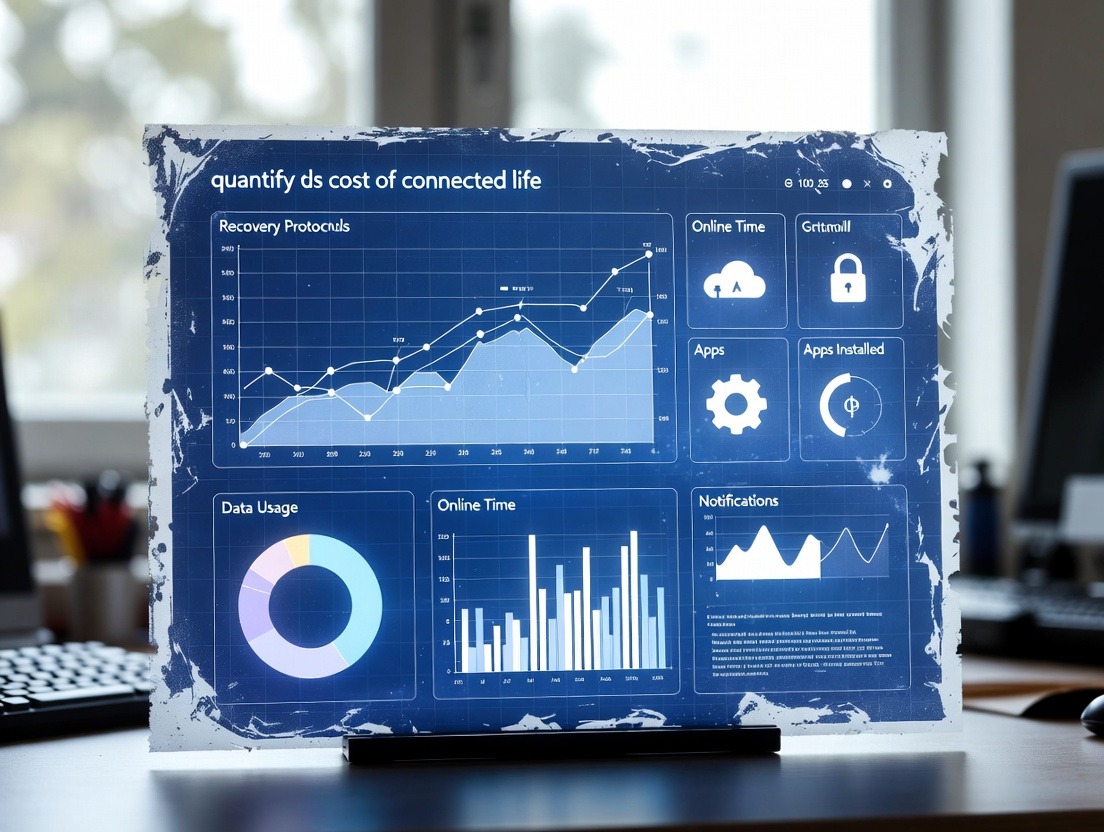
Your body's recovery language is influenced by more than your choices; it's in constant conversation with your environment. A sophisticated wellness ring picks up these external whispers, translating the impact of factors you might not consciously perceive.
Seasonal Shifts & Circadian Alignment: The length of daylight is a primary regulator of your circadian rhythm. Your ring often translates the struggle of shorter winter days: a tendency for later, more disrupted sleep, a dampened temperature rhythm, and potentially lower mood-aligned metrics. Conversely, long summer days can improve sleep regularity for some, while the heat can disrupt it for others. Seeing these patterns in your annual data normalizes them and allows for seasonal adjustments—like using a light therapy lamp in winter or optimizing bedroom cooling in summer.
Travel & Jet Lag: Travel is a massive allostatic load. Your ring provides a stunning visual translation of jet lag as it tracks the disconnect between your internal clock (still on home time) and the external environment. You'll see severely fragmented sleep, a completely flattened or inverted temperature rhythm, and rock-bottom HRV for days. The ring doesn't just show you're tired; it shows your biology is desynchronized. This data can guide you to faster re-synchronization strategies, like strategically timing light exposure and meals.
Local Environmental Stressors: Subtle factors can leave a signature. A night in a stuffy, high-CO2 bedroom can result in restless sleep and elevated RHR. High pollen counts might trigger mild inflammation that shows up as a temperature spike or lower HRV. Even social stress—a tense family visit or a draining conference—will be translated through your nervous system metrics. The ring acts as a canary in the coal mine, highlighting environmental mismatches so you can address them.
The Power of Nature & "Green Recovery": The flip side is also true. Many users report measurable improvements in HRV and sleep after spending a day hiking in nature or taking a weekend camping trip, disconnected from devices and immersed in natural light cycles. Your ring can translate the restorative power of these experiences, providing data-backed motivation to seek them out. It quantifies the feeling of "getting away from it all," proving that recovery isn't just something you do in a dark room, but something you can find in the wider world.
The daily and weekly translations are invaluable, but the true transformative power of a wellness ring is revealed over months and years. In the long-term trend data, you move from managing states to building traits—specifically, the trait of resilience. This is your "resilience capital," your body's foundational capacity to withstand stress and bounce back.
Reading the Story of Your Life in Data: Your long-term dashboard tells a biographical story. You might see a period of declining metrics during a grueling career chapter, followed by a steady recovery after a job change. You could observe the tangible physiological impact of adopting a consistent meditation practice—not as a one-day HRV bump, but as a gradual upward trend in your baseline. You can see how your recovery patterns changed after having a child, through periods of injury, or as you entered a new decade of life. This isn't just data; it's the quantified narrative of your health journey.
Key Long-Term Trend Translations:
The Predictive Power of Trends: These long-term trends allow for proactive health management. A gradual, unexplained creep in resting heart rate or a slow decline in deep sleep over six months could be an early flag to discuss with a healthcare provider, long before symptoms arise. It shifts the paradigm from sick-care to true, data-informed well-care.
Building resilience capital is a compounding investment. The small, daily actions informed by your ring's translations—prioritizing sleep, managing stress, training intelligently—accumulate into a fundamentally more robust physiology. The ring provides the feedback loop that makes this long-game not just philosophical, but visible, measurable, and deeply motivating. To see the kind of long-term insights our community gathers, the Oxyzen blog is filled with ongoing research and stories.
The most advanced algorithm is no match for the wisdom of the body felt from within. The ultimate goal of using a wellness ring is not to outsource your health to a device, but to forge a powerful partnership: your subjective, intuitive awareness combined with the ring's objective, data-driven translation. This synergy creates a holistic understanding no single element can provide.
When the Data and Feel Diverge: This is a critical moment for learning. There are two common scenarios:
Cultivating Interoceptive Awareness: Your ring can actually train your intuition—a skill known as interoception (sensing your internal state). By repeatedly checking how you feel and then comparing it to your data, you begin to calibrate your internal sensors. Over time, you might start to feel the difference between a 55 and a 75 HRV morning in your energy and mental clarity. You learn to distinguish the fatigue of poor sleep from the fatigue of immune activation. The ring provides the ground truth that teaches you to trust and refine your own bodily wisdom.
Avoiding Data Anxiety (Orthosomnia): The pitfall of any tracking is that it can become a source of stress. Obsessing over a single night's low deep sleep score can create anxiety that harms sleep the next night—a self-defeating cycle sometimes called "orthosomnia." The remedy is to use the ring's translation for trend-based insight, not daily self-judgment. Look at the weekly average, not the Tuesday night blip. The partnership works when you use the data as a compassionate guide, not a punitive judge.
This human-AI partnership leads to empowered self-governance. You are not a passive patient receiving diagnoses; you are an active participant in your well-being, equipped with both deep self-knowledge and cutting-edge tools. The ring provides the map, but you are the navigator, using your intuition to choose the best path forward. This balanced approach is core to our mission, which you can discover more about here.
Data and theory provide the framework, but it is in the lived experience of real people that the profound utility of understanding your body's recovery language comes to life. These case studies are composites drawn from common user experiences, showcasing how the translation from biometric data to lifestyle change creates tangible transformation.
Case Study 1: The Burnt-Out Executive (Managing Allostatic Load)
Case Study 2: The Plateaued Athlete (From Overtraining to Optimized Training)
Case Study 3: The Anxious Sleeper (From Frustration to Understanding)
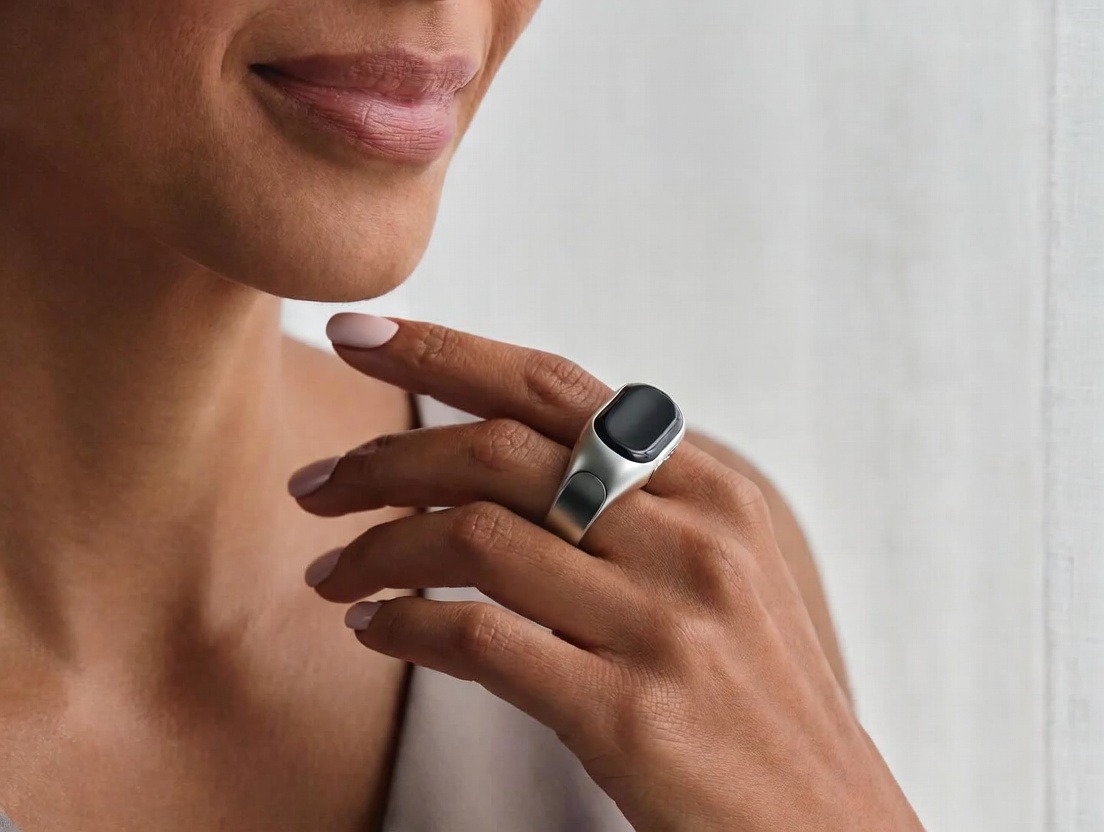
The current generation of wellness rings translates a powerful set of biomarkers. But this is just the beginning of the conversation. The future of recovery language involves integrating new data streams and employing more sophisticated AI, moving from descriptive translation to prescriptive and predictive insights.
1. The Integration of Continuous Glucose Monitoring (CGM):
Heart rate, HRV, and sleep tell the story of your nervous system and recovery state. Glucose levels tell the story of your metabolic energy. Combining these creates a complete picture. Imagine your ring translating this:
2. Advanced AI and Predictive Analytics:
Future algorithms won't just tell you your readiness today; they will predict your readiness tomorrow and recommend actions to influence it.
3. Proactive Health Risk Flagging:
By establishing a hyper-detailed, long-term baseline, future devices could detect subtle, anomalous deviations that precede clinical symptoms. A gradual, months-long creep in resting heart rate combined with a change in sleep breathing patterns might prompt a gentle nudge: "We've noticed a sustained shift in your cardiopulmonary recovery patterns. While likely benign, consider discussing with your doctor at your next check-up." This shifts the device's role from wellness tool to early-warning sentinel for long-term health.
4. Emotional State Inference (With Caveats):
While true emotion detection is complex and ethically fraught, advanced sensors may get better at correlating physiological patterns with self-reported mood. The translation wouldn't be "You are sad," but rather: *"Your physiological pattern today (low HRV, high RHR, rapid breathing) is 85% correlated with days you log 'high stress.' Your body is in a high-stress state."* This objective mirror could be a powerful tool for mental health awareness and trigger the use of coping mechanisms.
The future of this technology lies not in more intrusive monitoring, but in more seamless, insightful, and actionable translation—turning the body's complex language into a clear, empowering dialogue about lifelong health. To stay on the cutting edge of this evolution, following the Oxyzen blog will keep you informed.
Understanding your recovery language is transformative, but the ultimate goal is to architect a lifestyle that proactively supports high resilience, making "low readiness" days the exception, not the rule. This is not about adding more to-dos; it's about designing your environment, schedule, and habits to make recovery the default. Your ring's long-term data provides the blueprint.
Design Principle 1: Chronobiology First
Schedule your life around your biological rhythms, not against them.
Design Principle 2: Stress Inoculation, Not Avoidance
Recovery is not the absence of stress; it's the presence of adequate recovery between stressors. The goal is to become anti-fragile.
Design Principle 3: The Recovery Stack
Move beyond single solutions and create layered, synergistic recovery habits.
Design Principle 4: Environmental Optimization
Engineer your physical spaces for recovery.
By using your ring's translations to iteratively refine these principles, you move from managing burnout to engineering vitality. Your life becomes an ongoing experiment in sustained performance, guided by the most reliable source available: your own body's feedback. For practical strategies you can implement tonight, our article on how to get more deep sleep tonight with 7 proven strategies is an excellent tactical resource.
We began by recognizing that the body speaks a complex, nuanced language of recovery—a language we have historically been ill-equipped to understand. We end with the realization that through the translator of a modern wellness ring, coupled with our own mindful awareness, we can achieve fluency.
This journey to mastery follows a clear progression:
The language of recovery is the language of life itself. It speaks of your capacity to engage deeply with the world, to withstand its pressures, to grow from its challenges, and to find joy in its rhythms. By learning this language, you reclaim agency over your most precious resource: your own energy and vitality.
This is not a pursuit of optimized numbers for their own sake. It is the pursuit of a richer, more responsive, and more sustainable human experience. It is about having the energy for your passions, the resilience for life's inevitable storms, and the clarity to enjoy moments of peace. Your wellness ring is the key that unlocked this dialogue. The conversation, however, is yours to continue for a lifetime. To begin your own conversation, the journey starts at the Oxyzen shop.
Your Trusted Sleep Advocate (Sleep Foundation — https://www.sleepfoundation.org/)
Discover a digital archive of scholarly articles (NIH — https://www.ncbi.nlm.nih.gov/
39 million citations for biomedical literature (PubMed — https://pubmed.ncbi.nlm.nih.gov/)
experts at Harvard Health Publishing covering a variety of health topics — https://www.health.harvard.edu/blog/)
Every life deserves world class care (Cleveland Clinic -
https://my.clevelandclinic.org/health)
Wearable technology and the future of predictive health monitoring. (MIT Technology Review — https://www.technologyreview.com/)
Dedicated to the well-being of all people and guided by science (World Health Organization — https://www.who.int/news-room/)
Psychological science and knowledge to benefit society and improve lives. (APA — https://www.apa.org/monitor/)
Cutting-edge insights on human longevity and peak performance
(Lifespan Research — https://www.lifespan.io/)
Global authority on exercise physiology, sports performance, and human recovery
(American College of Sports Medicine — https://www.acsm.org/)
Neuroscience-driven guidance for better focus, sleep, and mental clarity
(Stanford Human Performance Lab — https://humanperformance.stanford.edu/)
Evidence-based psychology and mind–body wellness resources
(Mayo Clinic — https://www.mayoclinic.org/healthy-lifestyle/)
Data-backed research on emotional wellbeing, stress biology, and resilience
(American Institute of Stress — https://www.stress.org/)


